Review

Protein-Based Fat Replacers: A Focus on Fabrication Methods and Fat-Mimic Mechanisms

1
Department of Animals, Veterinary and Food Sciences, University of Idaho, Moscow, ID 83844, USA
2
Department of Biological Sciences, University of Idaho, Moscow, ID 83844, USA
*
Author to whom correspondence should be addressed.
Foods 2023, 12(5), 957; https://doi.org/10.3390/foods12050957
Submission received: 1 January 2023 / Revised: 9 February 2023 / Accepted: 22 February 2023 / Published: 23 February 2023

Abstract

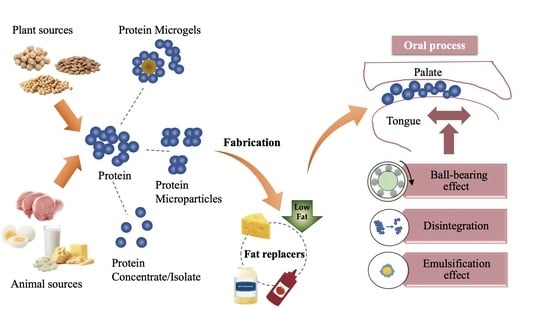
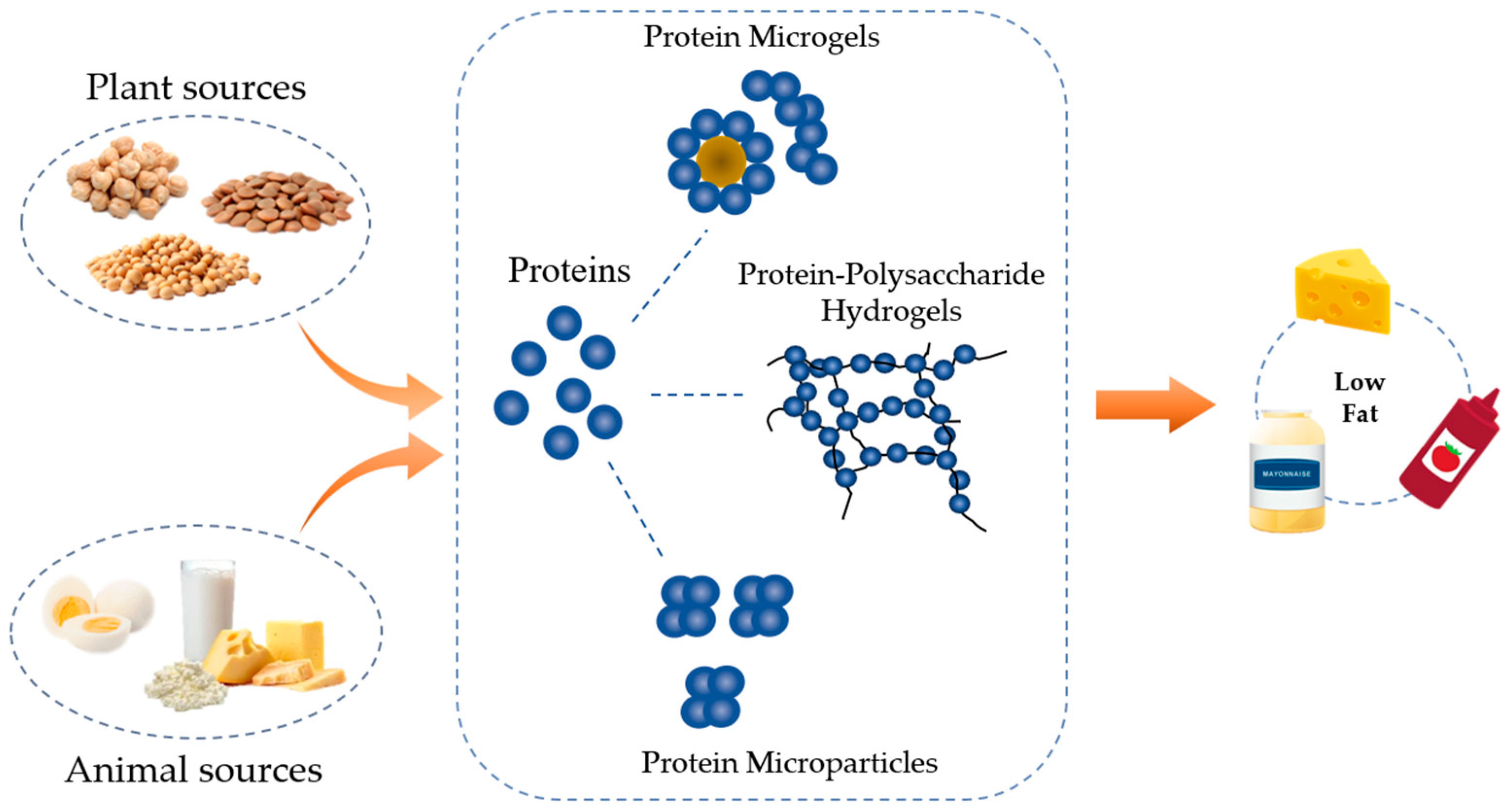
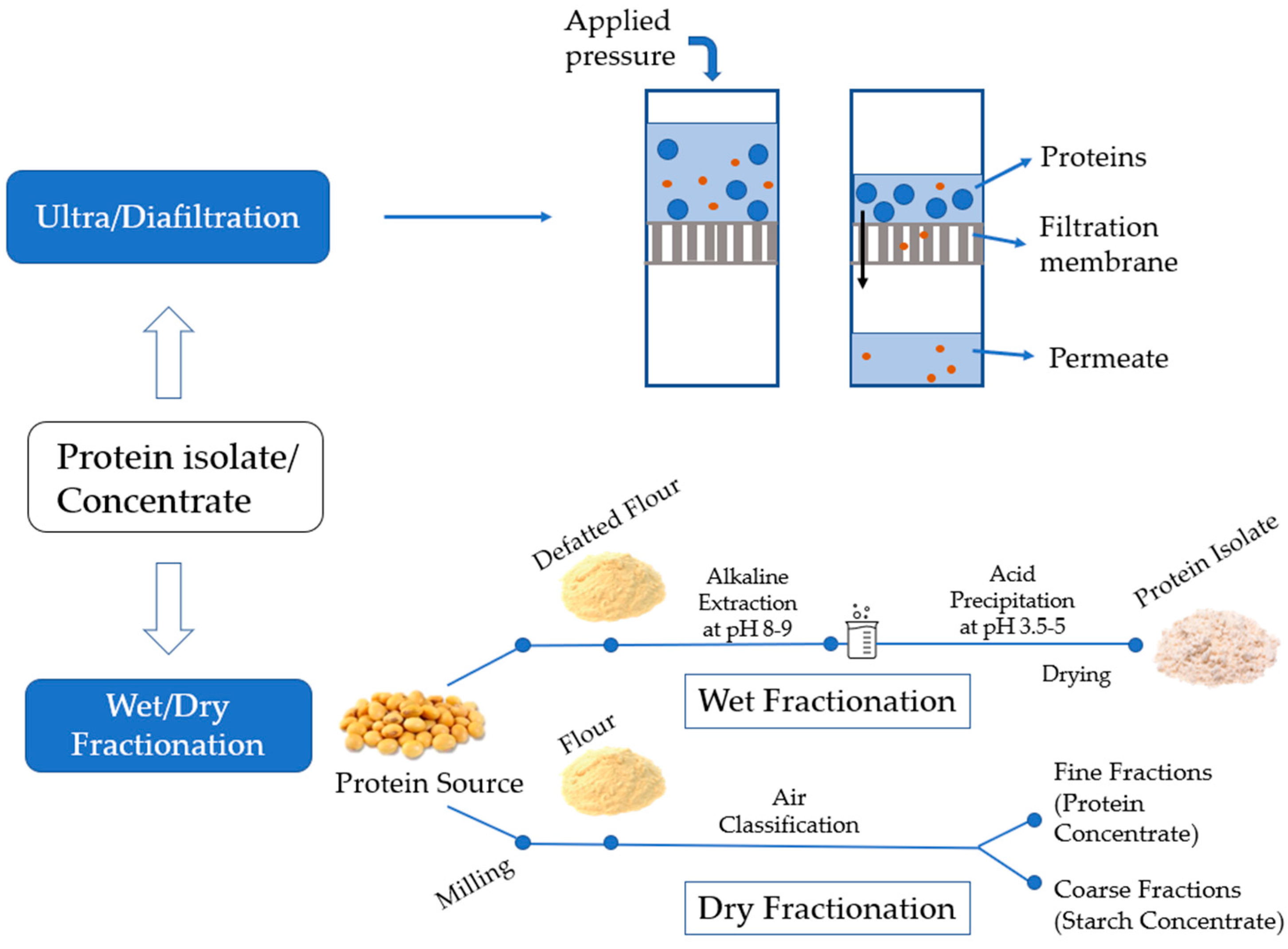
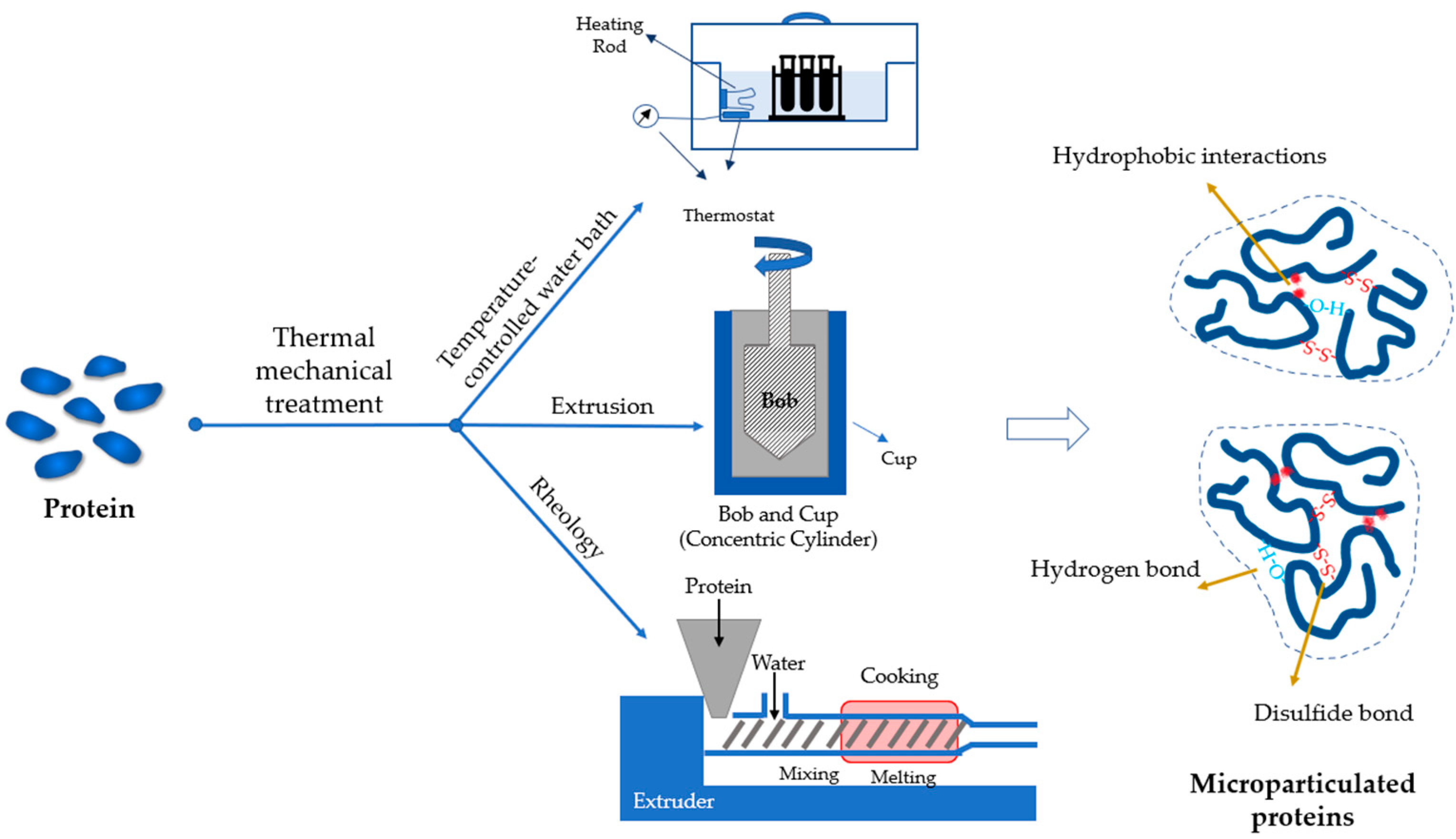
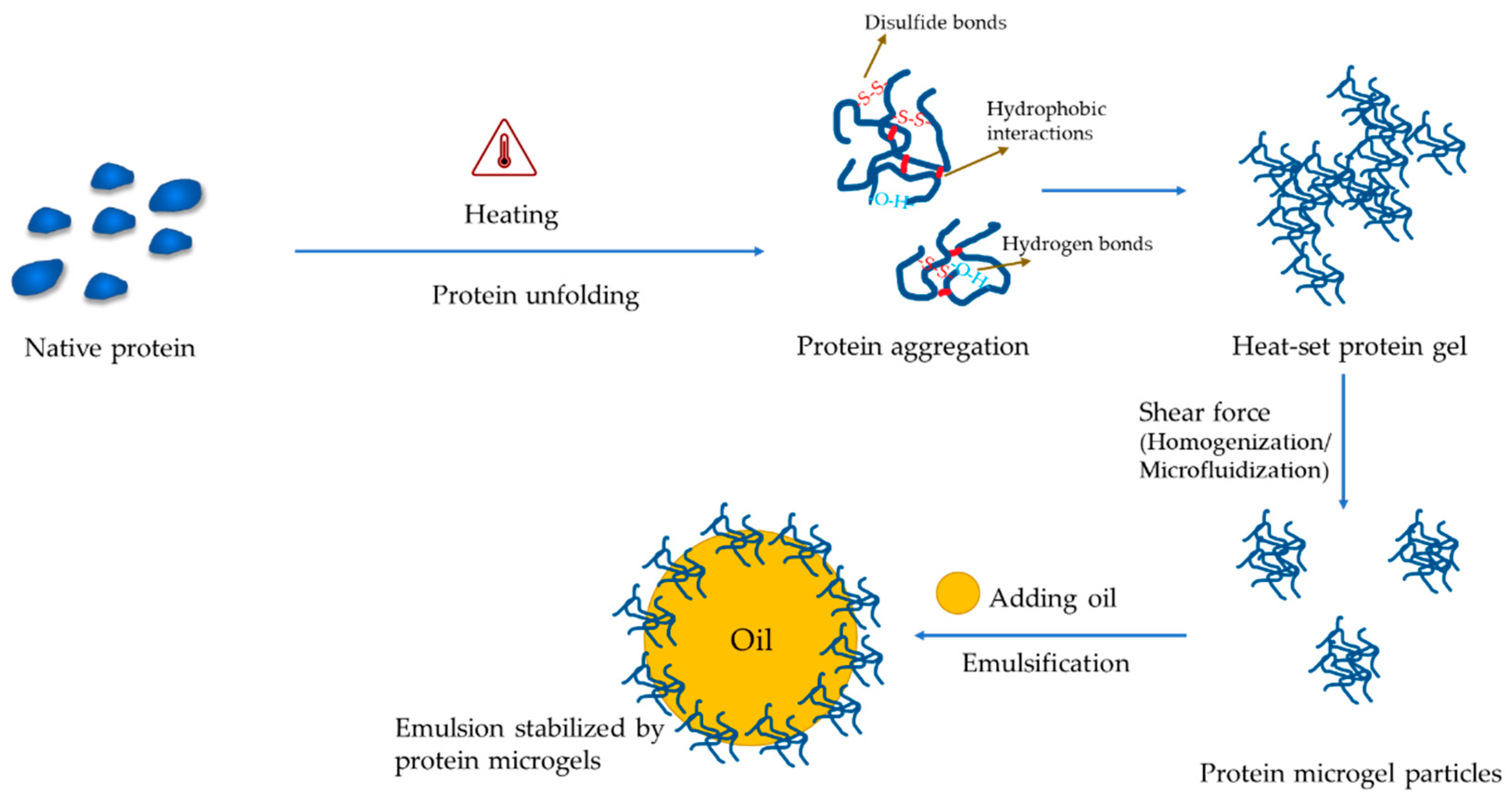
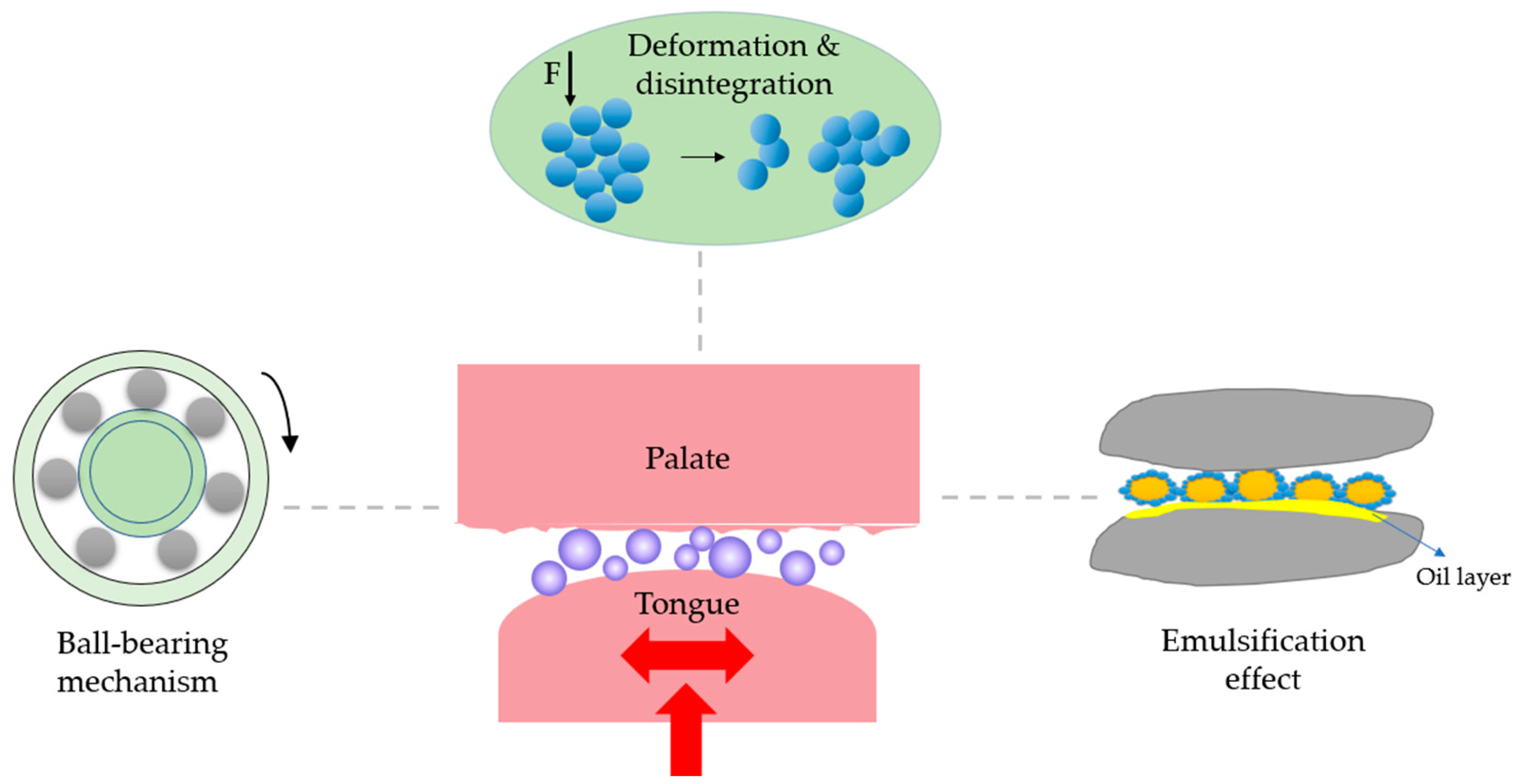
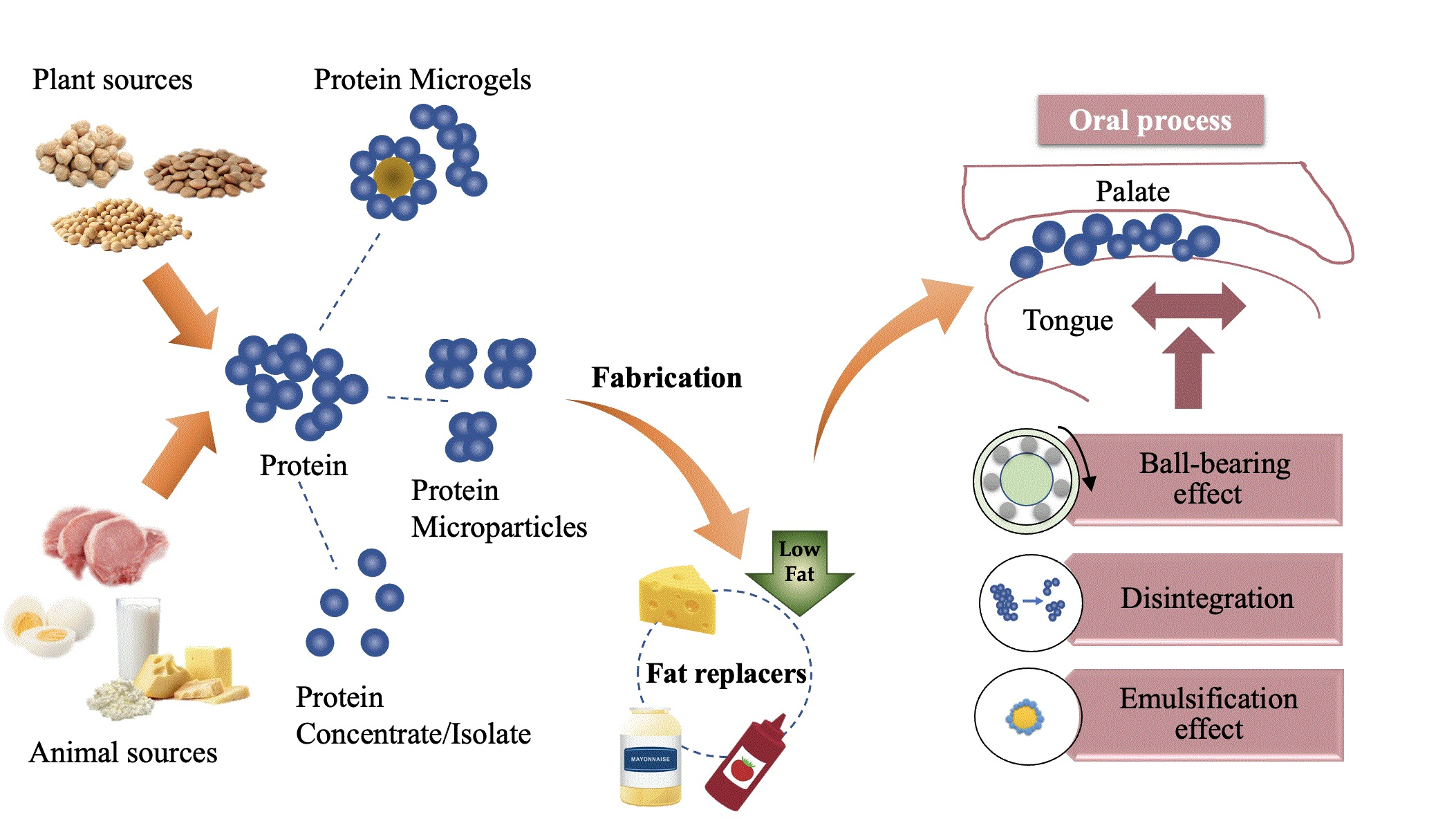
The increasing occurrence of obesity and other non-communicable diseases has shifted the human diet towards reduced calorie intake. This drives the market to develop low-fat/non-fat food products with limited deterioration of textural properties. Thus, developing high-quality fat replacers which can replicate the role of fat in the food matrix is essential. Among all the established types of fat replacers, protein-based ones have shown a higher compatibility with a wide range of foods with limited contribution to the total calories, including protein isolate/concentrate, microparticles, and microgels. The approach to fabricating fat replacers varies with their types, such as thermal–mechanical treatment, anti-solvent precipitation, enzymatic hydrolysis, complexation, and emulsification. Their detailed process is summarized in the present review with a focus on the latest findings. The fat-mimic mechanisms of fat replacers have received little attention compared to the fabricating methods; attempts are also made to explain the underlying principles of fat replacers from the physicochemical prospect. Finally, a future direction on the development of desirable fat replacers in a more sustainable way was also pointed out.
Keywords: protein; fat replacer; fat mimic; microparticulation; microgels; thermomechanical treatment protein; fat replacer; fat mimic; microparticulation; microgels; thermomechanical treatment
Graphical Abstract