Article

Enhanced Gel Properties of Duck Myofibrillar Protein by Plasma-Activated Water: Through Mild Structure Modifications

1
State Key Laboratory for Managing Biotic and Chemical Threats to the Quality and Safety of Agro-Products, Ningbo 315211, China
2
Key Laboratory of Animal Protein Food Processing Technology of Zhejiang Province, College of Food and Pharmaceutical Sciences, Ningbo University, Ningbo 315800, China
3
Department of Agricultural, Food and Nutritional Science, University of Alberta, Edmonton, AB T6G 2P5, Canada
*
Author to whom correspondence should be addressed.
Foods 2023, 12(4), 877; https://doi.org/10.3390/foods12040877
Submission received: 16 January 2023 / Revised: 13 February 2023 / Accepted: 17 February 2023 / Published: 18 February 2023
(This article belongs to the Special Issue Novel Approaches to Improve Meat Quality and Safety)

Abstract

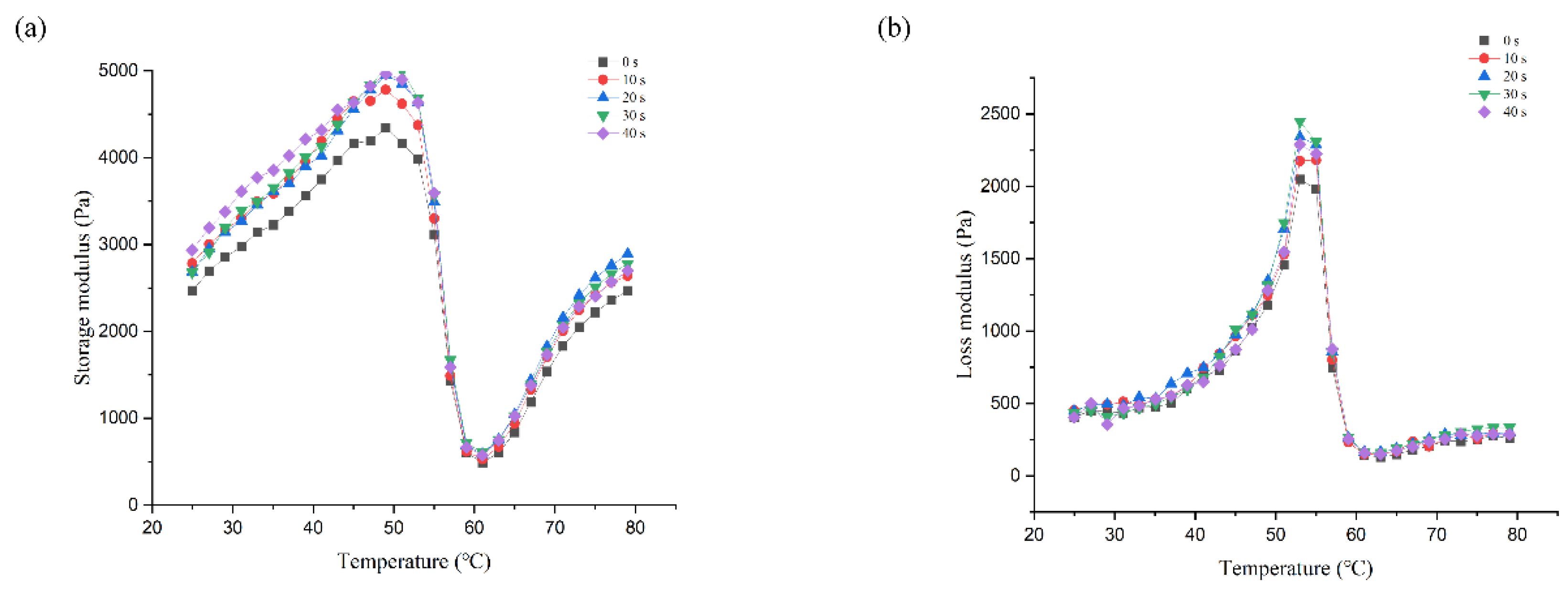
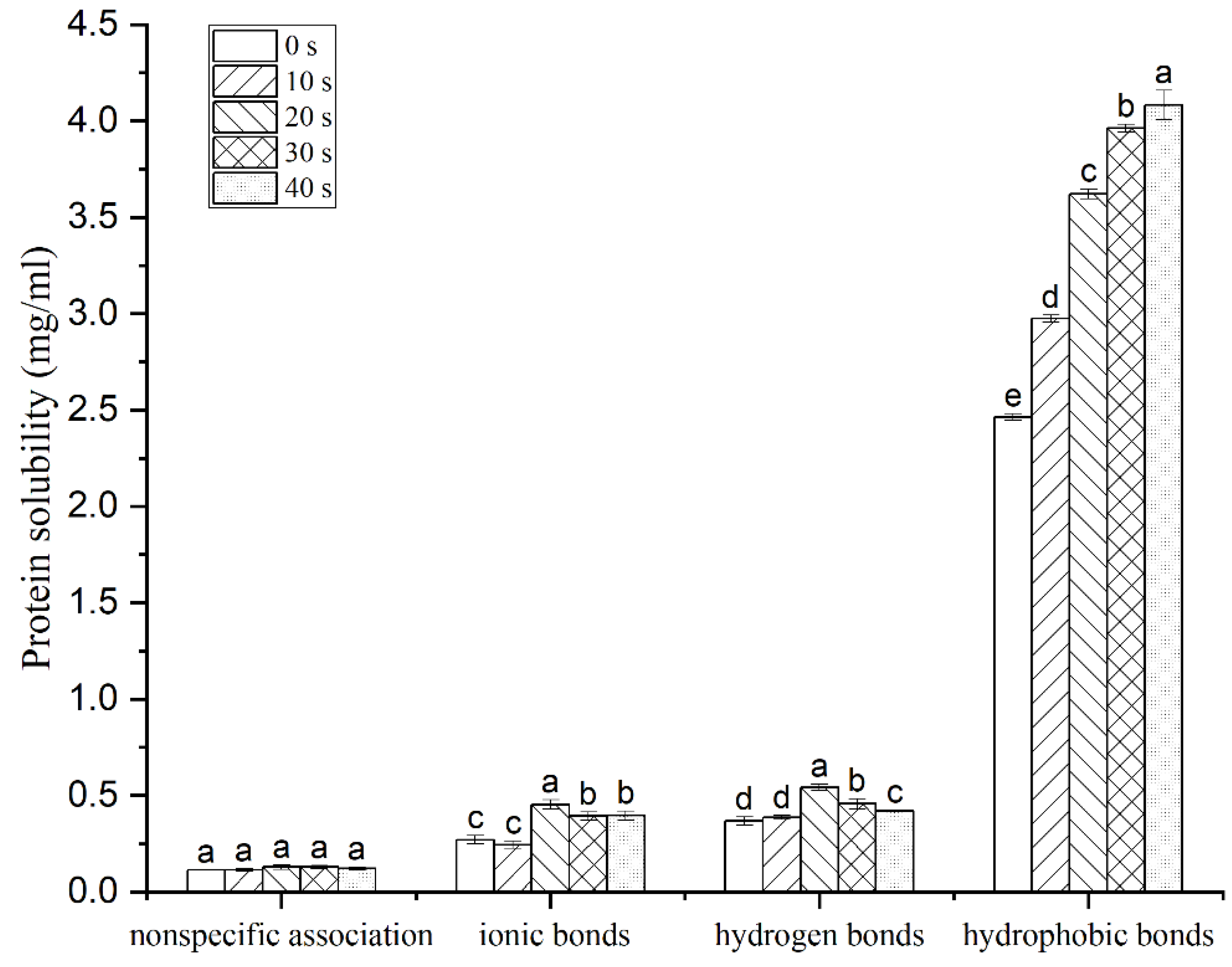
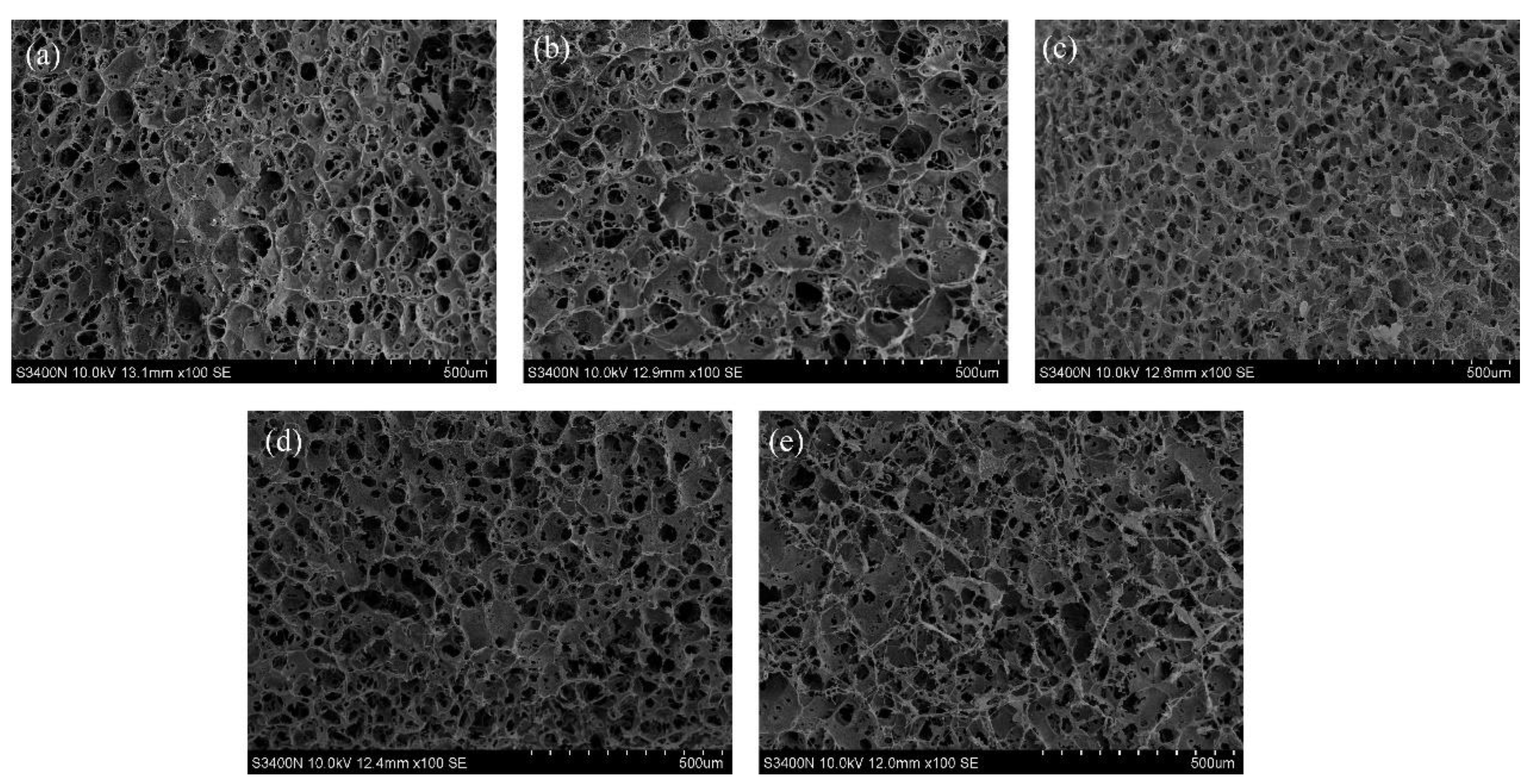
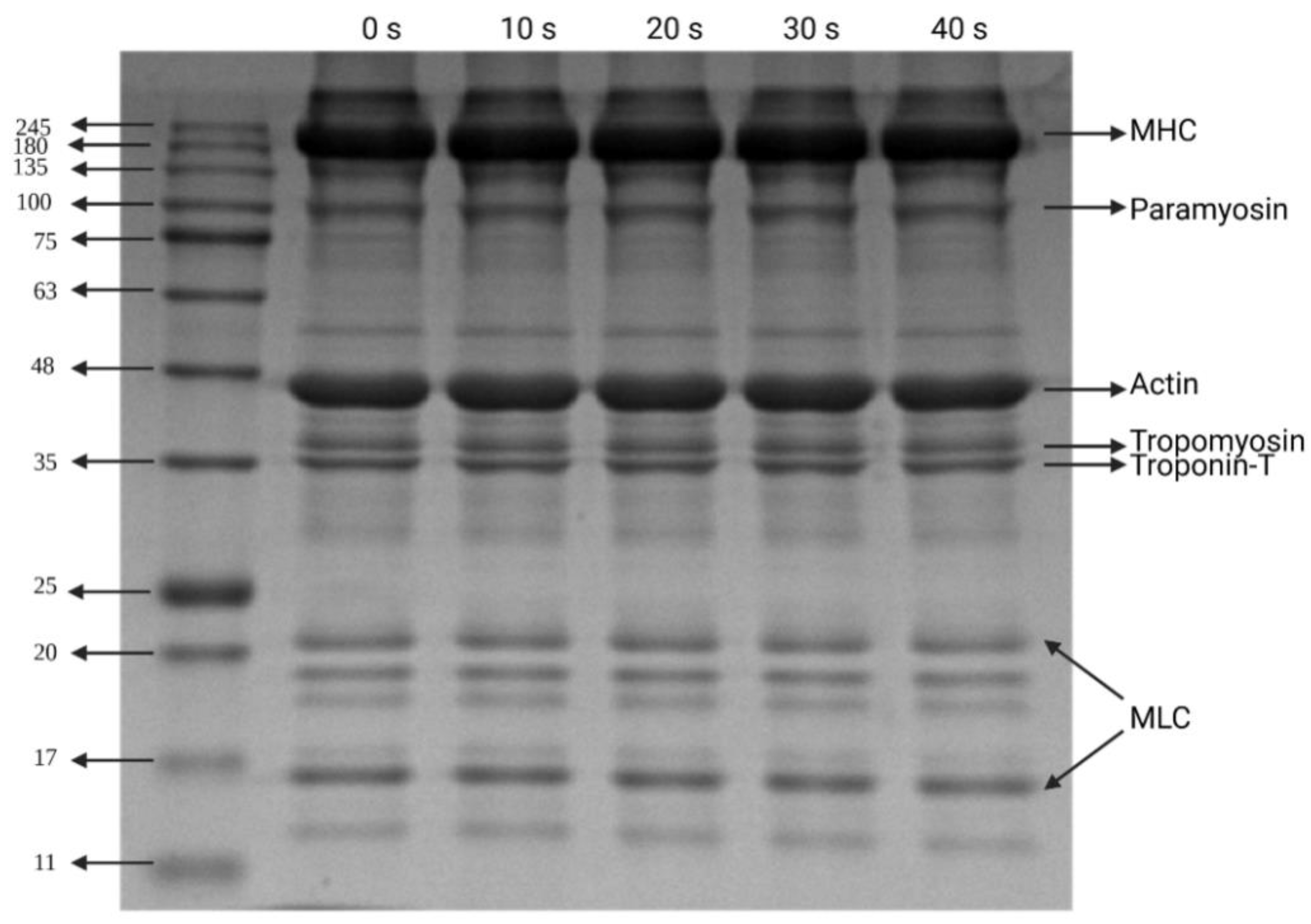
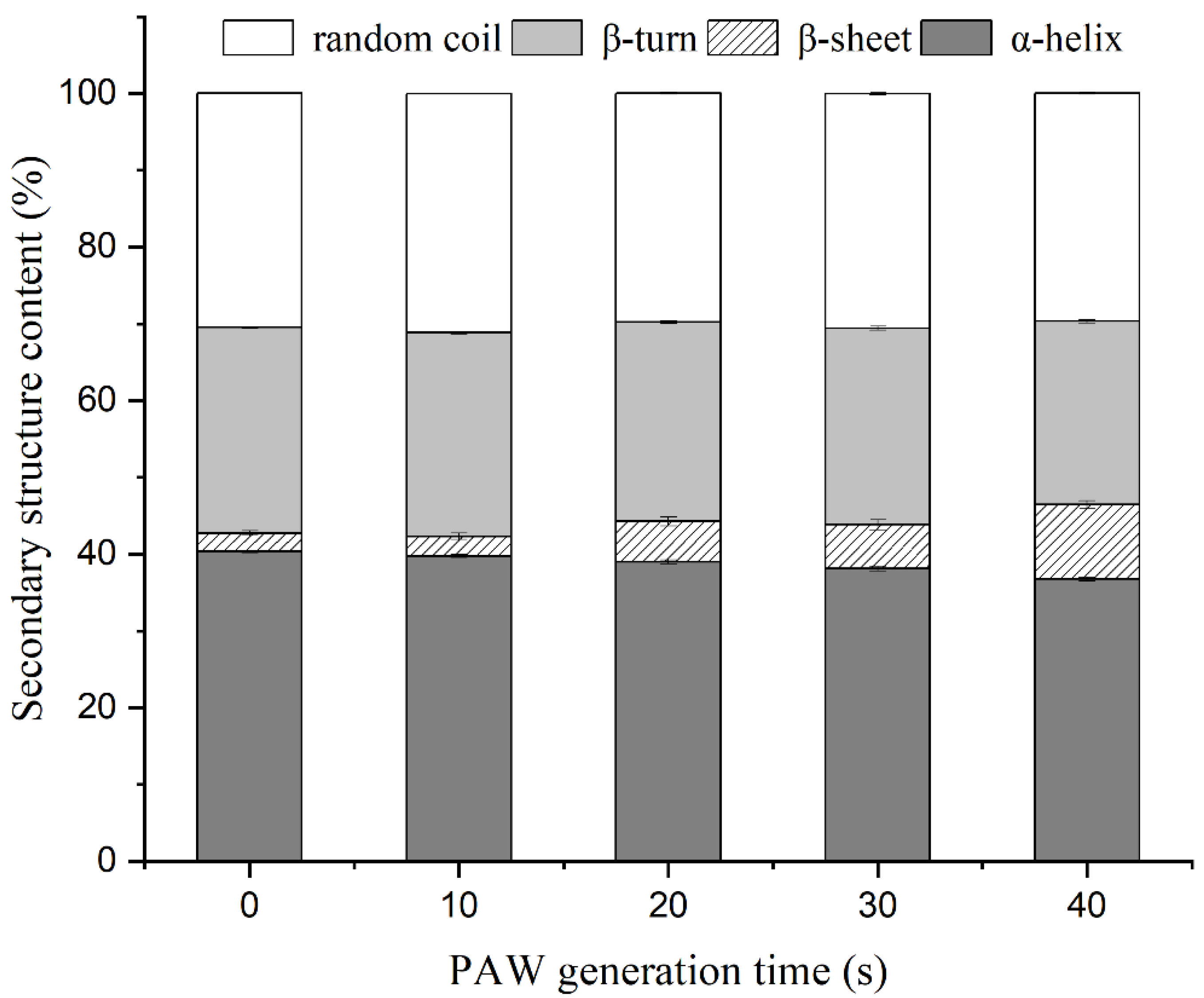
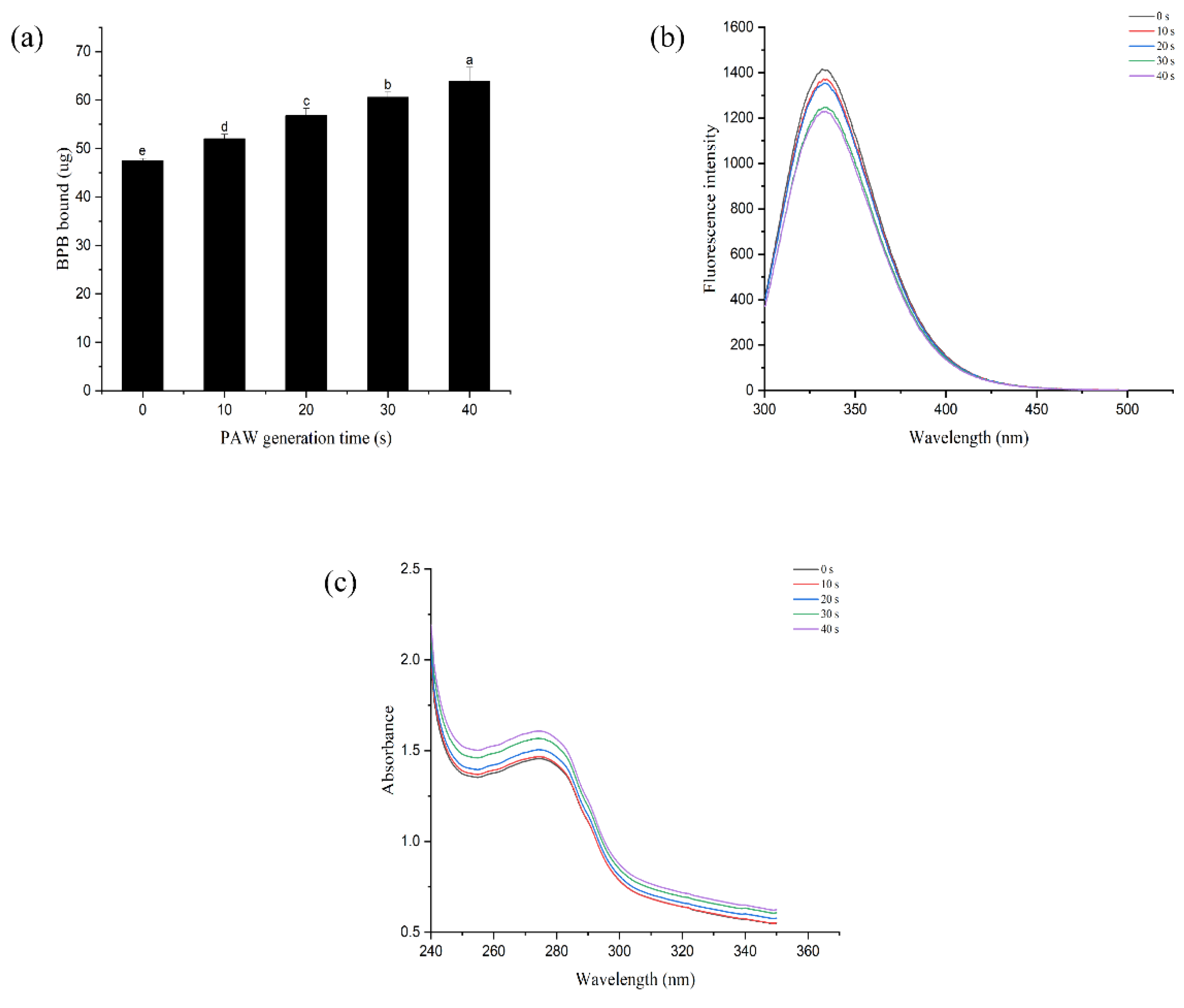
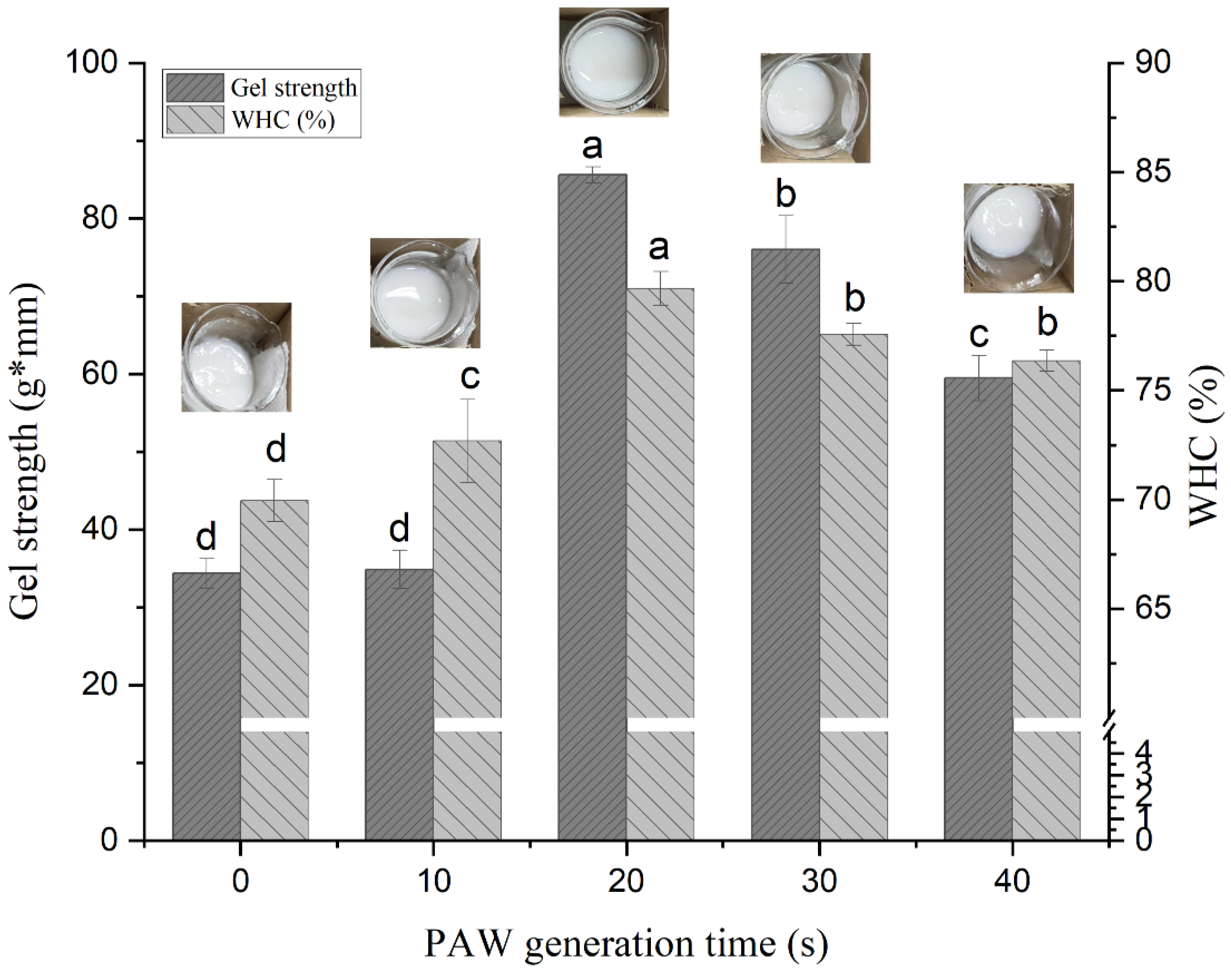
This study assessed the gel properties and conformational changes of duck myofibrillar protein (DMP) affected by plasma-activated water (PAW) generated at various discharge times (0 s, 10 s, 20 s, 30 s, and 40 s). With the treatment of PAW-20 s, the gel strength and water-holding capacity (WHC) of DMP gels were significantly increased when compared to the control group. Throughout the heating process, dynamic rheology revealed that the PAW-treated DMP had a higher storage modulus than the control. The hydrophobic interactions between protein molecules were significantly improved by PAW, resulting in a more ordered and homogeneous gel microstructure. The increased sulfhydryl and carbonyl content in DMP indicated a higher degree of protein oxidation with PAW treatment. Additionally, the circular dichroism spectroscopy demonstrated that PAW induced α-helix and β-turn transformed to β-sheet in DMP. Surface hydrophobicity, fluorescence spectroscopy, and UV absorption spectroscopy suggested that PAW altered DMP’s tertiary structure, although the electrophoretic pattern indicated that the primary structure of DMP was mostly unaffected. These results suggest that PAW can improve the gel properties of DMP through mild alteration in its conformation.
Keywords: plasma; gel; oxidation; protein conformation plasma; gel; oxidation; protein conformation