Article

Ready-to-Eat Fish Cake Processing Methods and the Impacts on Quality and Flavor

1
School of Food Science and Technology, Dalian Polytechnic University, Dalian 116034, China
2
National Engineering Research Center of Seafood, Dalian 116034, China
3
Dalian Center for Certification and Food and Drug Control, Dalian 116034, China
*
Author to whom correspondence should be addressed.
Foods 2022, 11(21), 3321; https://doi.org/10.3390/foods11213321
Submission received: 25 September 2022 / Revised: 16 October 2022 / Accepted: 20 October 2022 / Published: 23 October 2022
(This article belongs to the Section Foods of Marine Origin)

Abstract

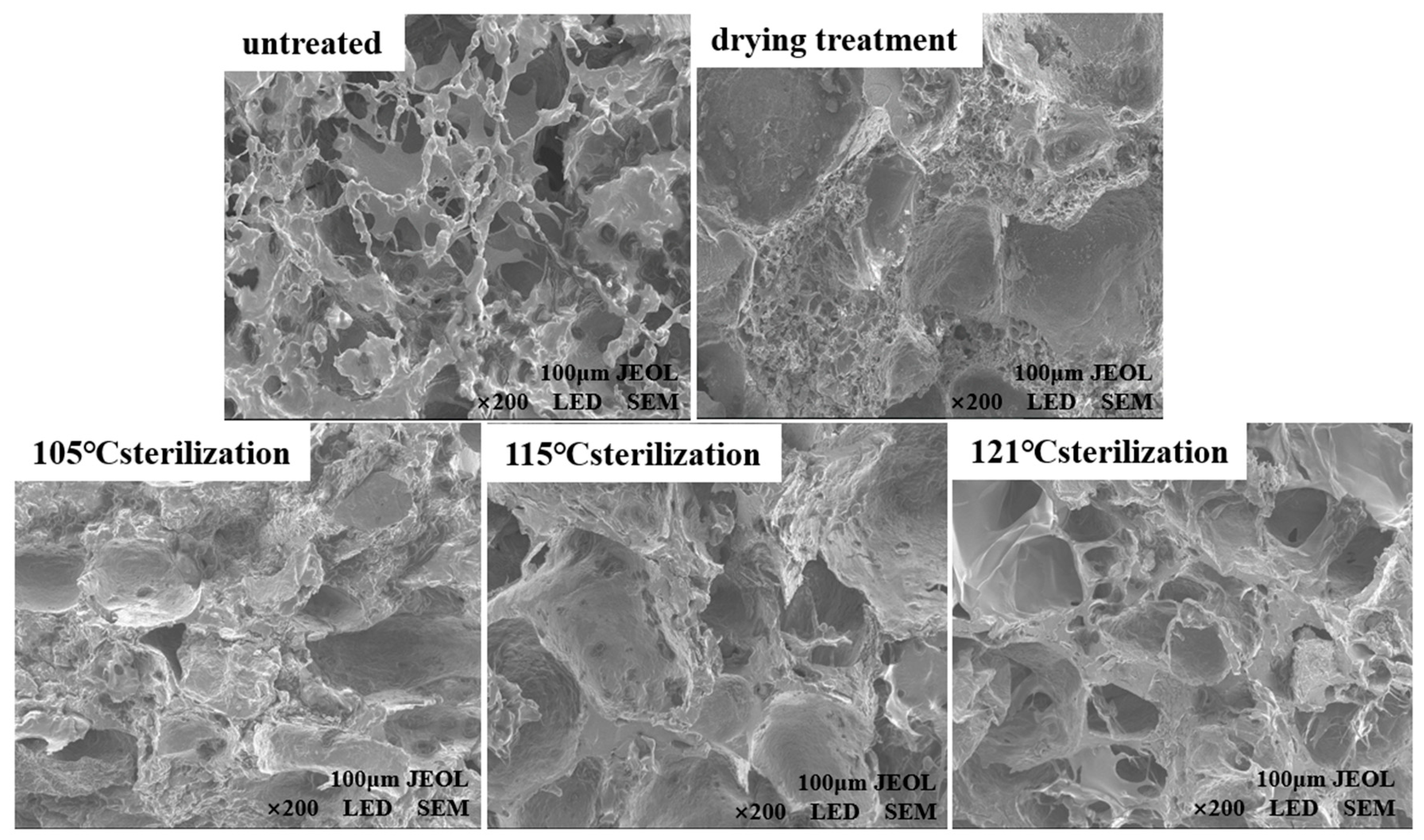
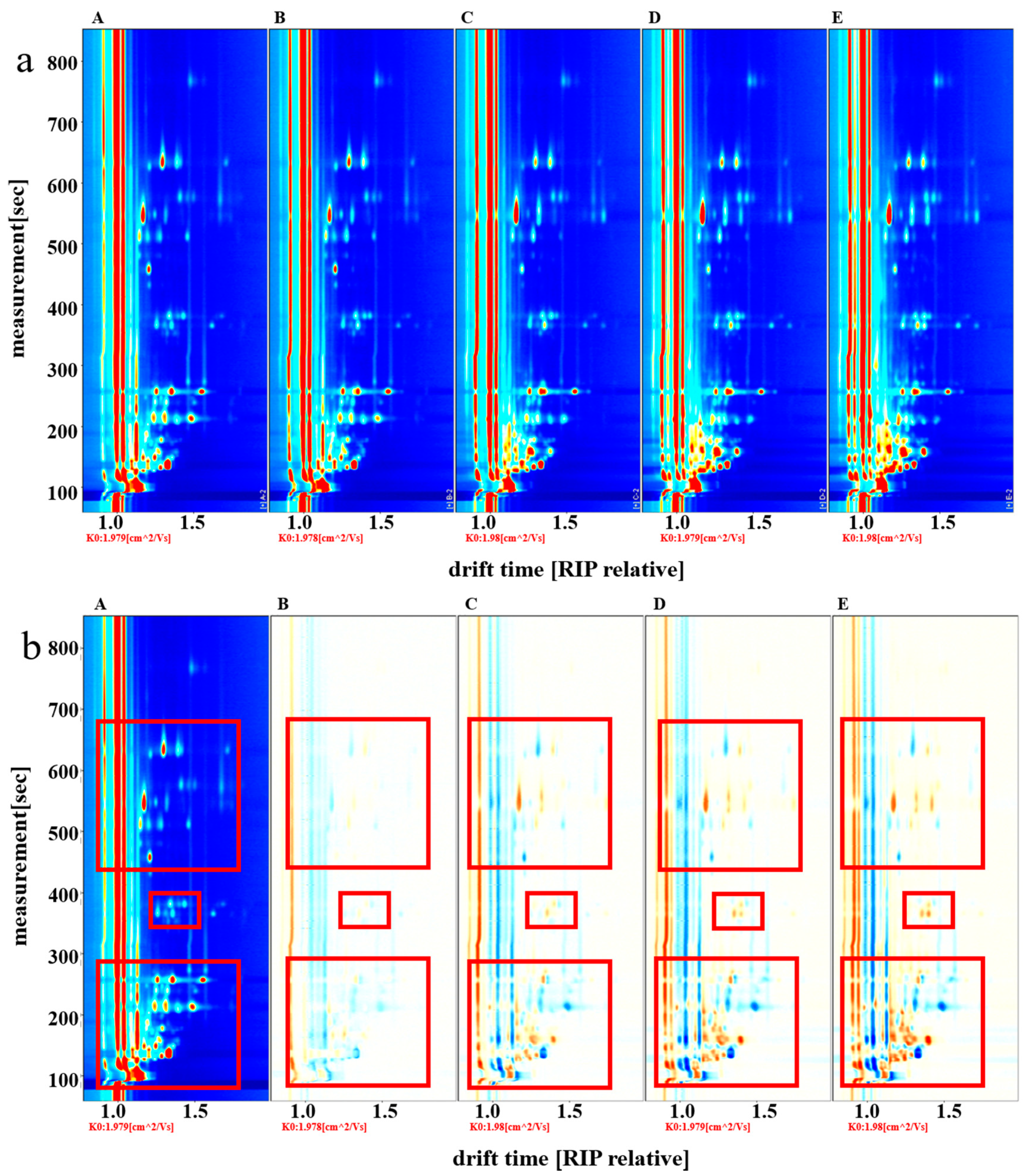
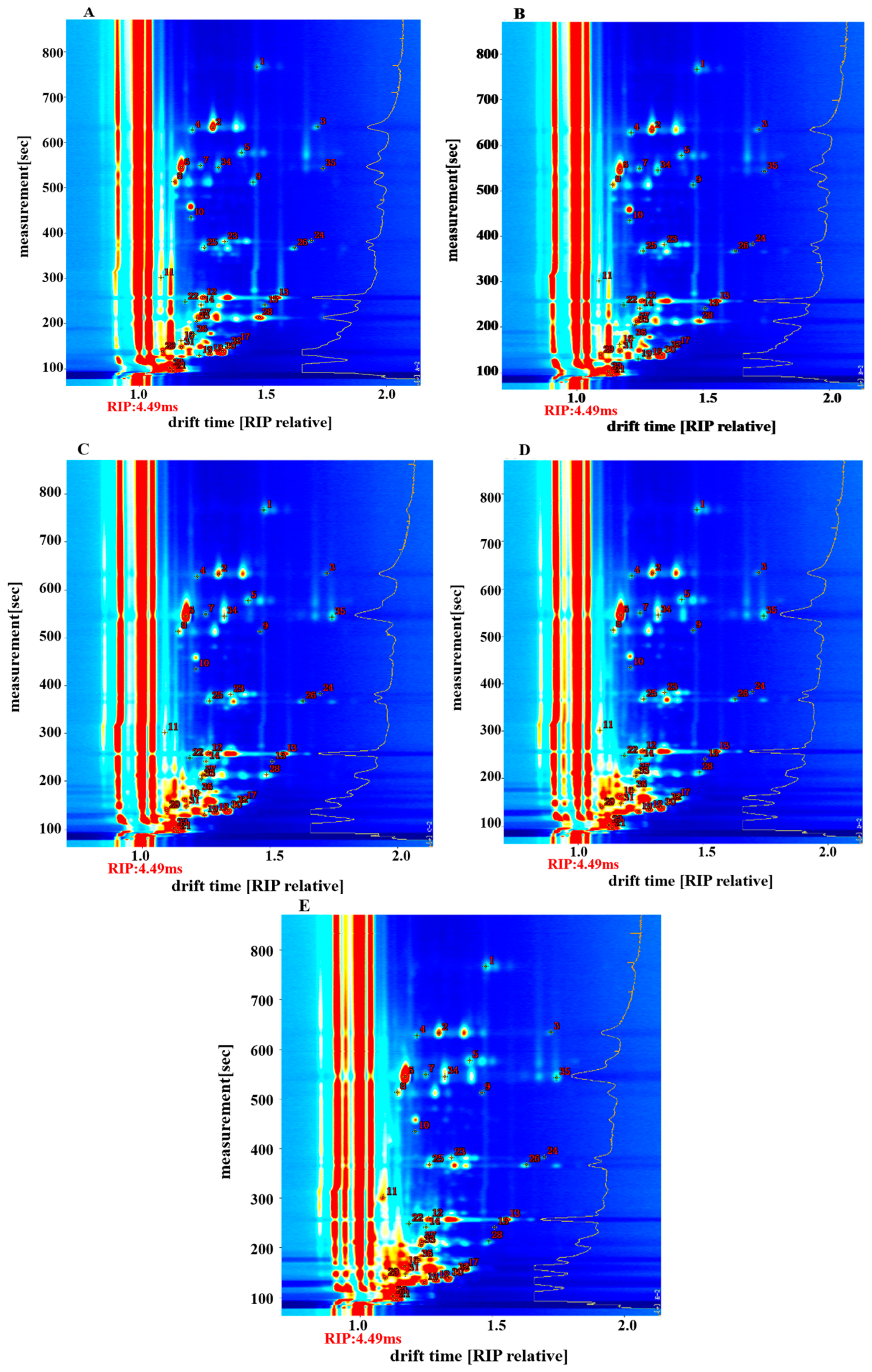
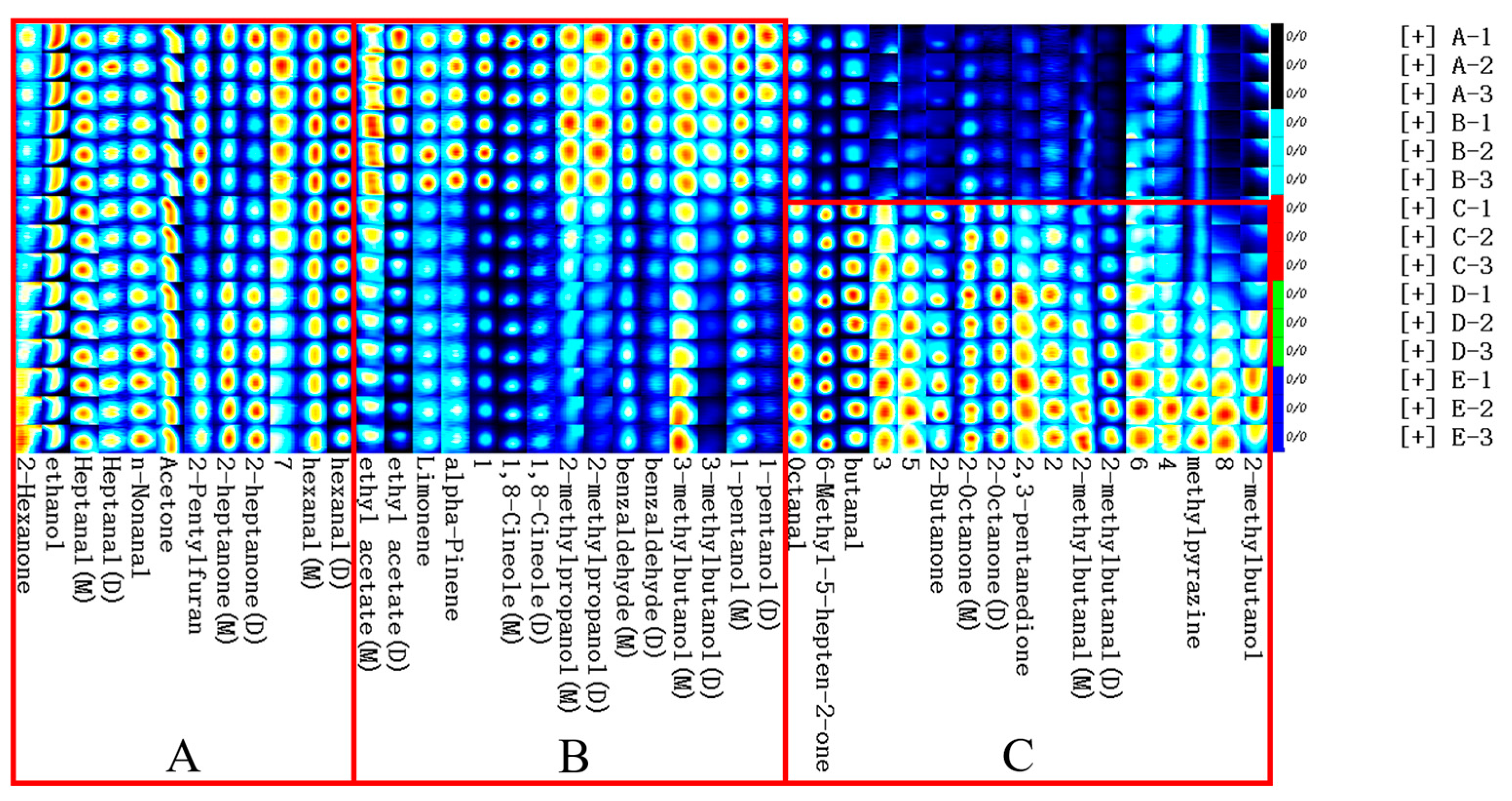
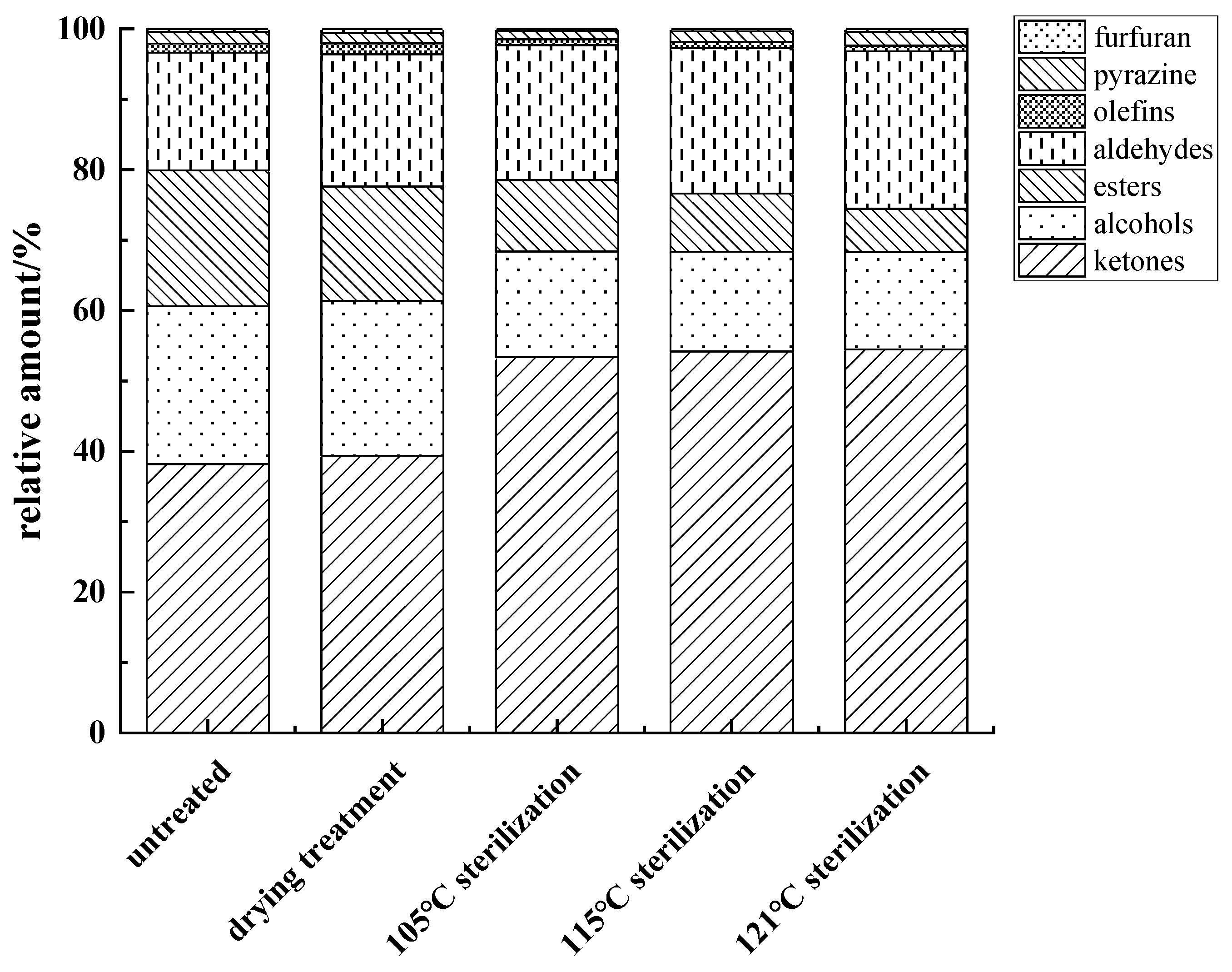
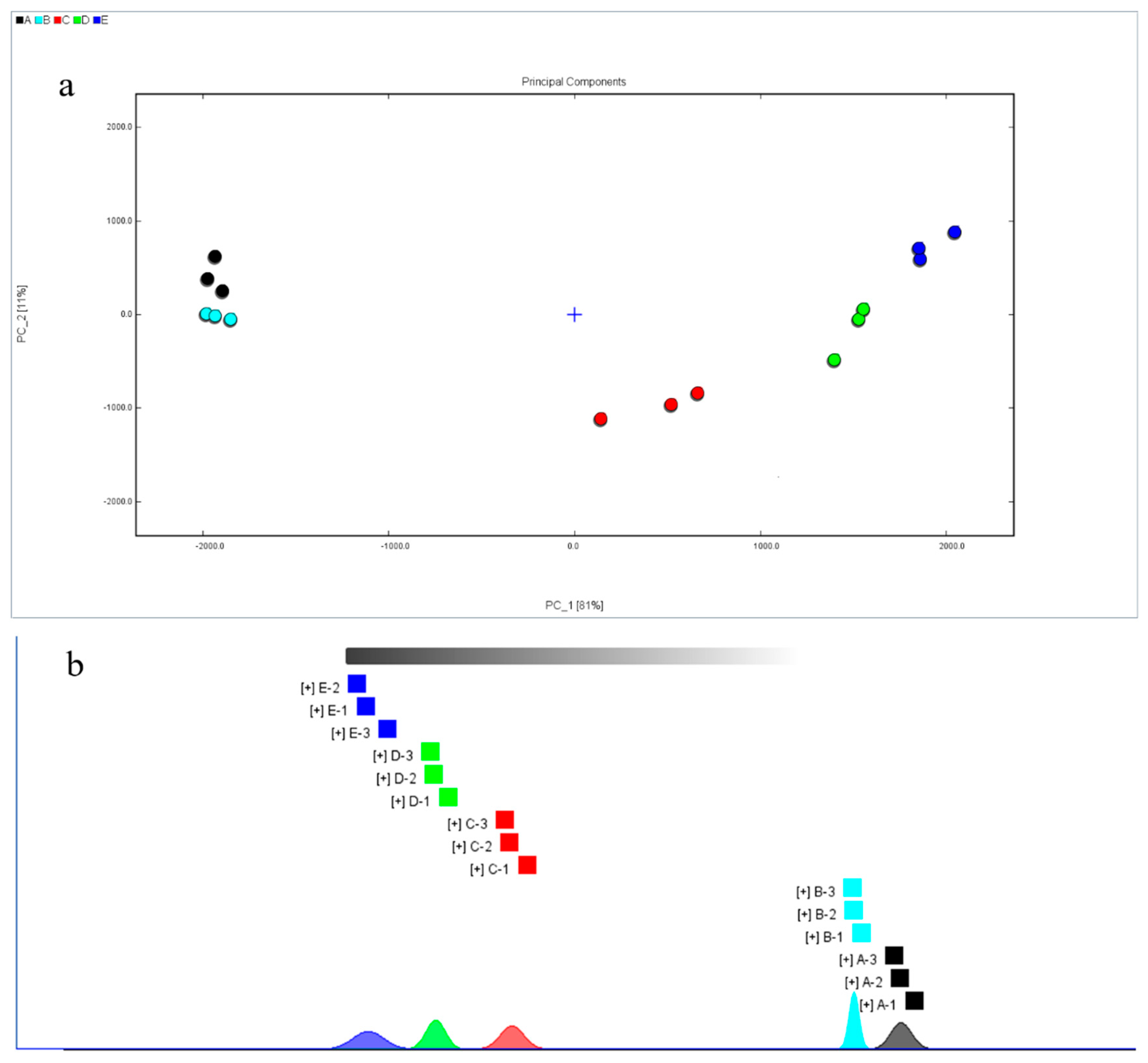
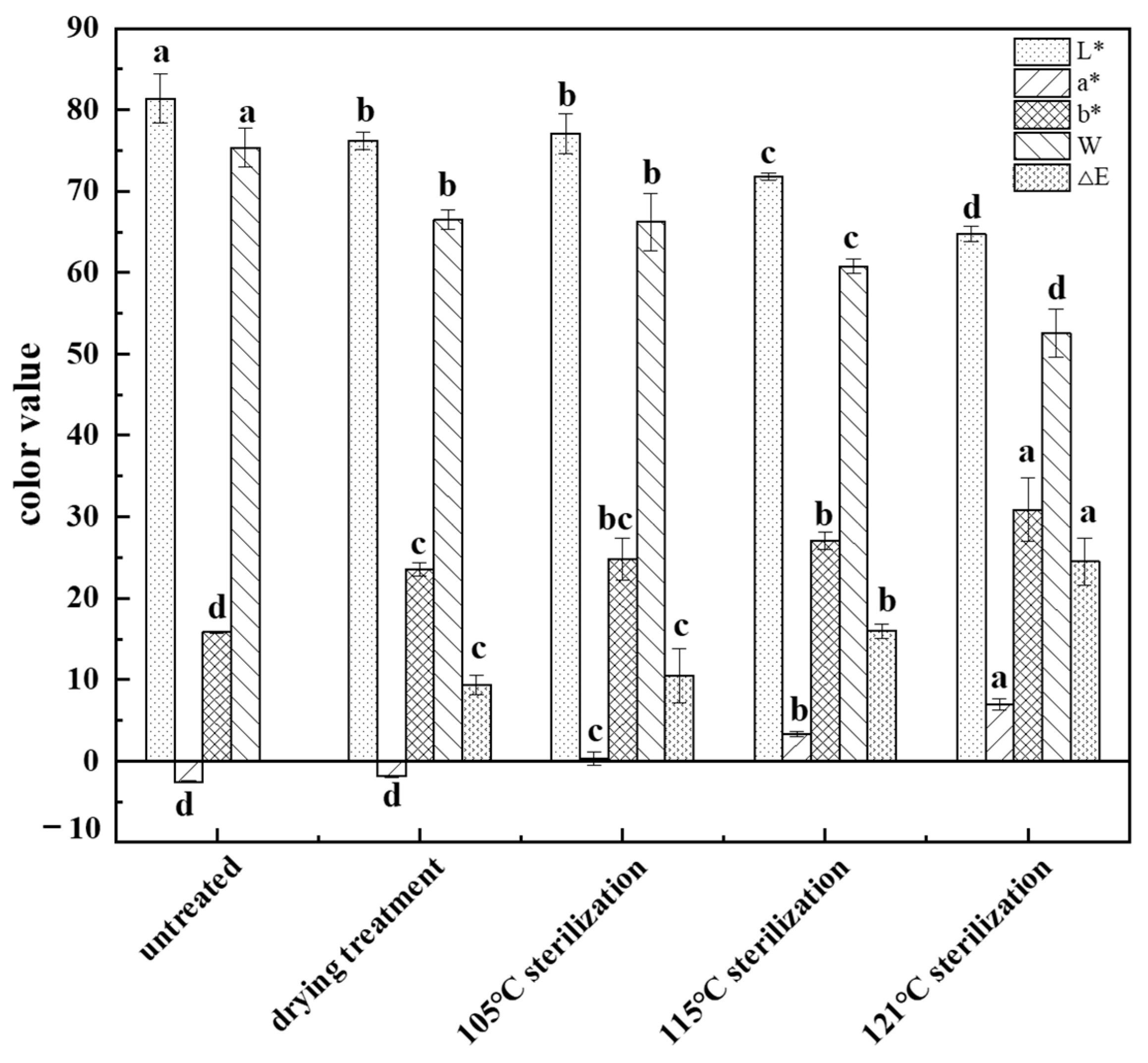
This study aimed to compare tilapia fish cake drying and sterilization conditions (105, 115, and 121 °C) on the quality of the cakes. The impacts of volatile flavor substances, the chroma value, quality and structure characteristics, microscopic structure, and the types and content of volatile flavor substances were also analyzed. The results showed that after drying and sterilization, the L* value, W value and delta-E value of fish cakes decreased significantly from 77.12 to 64.77, 66.21 to 52.57, 10.46 to 24.50, respectively. However, a* value and b* value increased significantly from 0.30 to 6.97 and 24.85 to 30.89, respectively. The elasticity, hardness, and chewiness increased significantly with the drying process but decreased significantly with the increased sterilization temperature. Scanning electron microscopy results showed that the internal pores of the fish cakes became smaller, and the tissue structure was closer after drying. Gas chromatography—ion mobile spectrometry analysis identified a total of 36 volatile flavor compounds. Among these, ketones comprised the largest content, aldehydes represented the largest variety, and all volatile compounds contributed significantly to the flavor of fish cake. PCA results and nearest-neighbor fingerprint analysis showed that there were obvious differences in volatile flavor compounds between different treatments. In summary, this study conducted a detailed comparative analysis of the quality and flavor of fish cakes subjected to different processing methods. These findings contribute suggestions for sterilization temperatures in industrial production processes.
Keywords: drying; ion migration chromatography; quality; scanning electron microscopy; sterilization temperature drying; ion migration chromatography; quality; scanning electron microscopy; sterilization temperature