Article

Inhibition Mechanism of L-Cysteine on Maillard Reaction by Trapping 5-Hydroxymethylfurfural
1
Institute of Food and Nutraceutical Science, School of Agriculture and Biology, Shanghai Jiao Tong University, Shanghai 200240, China
2
Shenzhen Key Laboratory of Marine Microbiome Engineering, Institute for Advanced Study, Shenzhen University, Shenzhen 518060, China
3
Department of Nutrition and Food Science, University of Maryland, College Park, MD 20742, USA
*
Author to whom correspondence should be addressed.
Both authors contributed equally to this work.
Foods 2021, 10(6), 1391; https://doi.org/10.3390/foods10061391
Submission received: 27 April 2021 / Revised: 12 June 2021 / Accepted: 13 June 2021 / Published: 16 June 2021
(This article belongs to the Section Food Quality and Safety)

Abstract

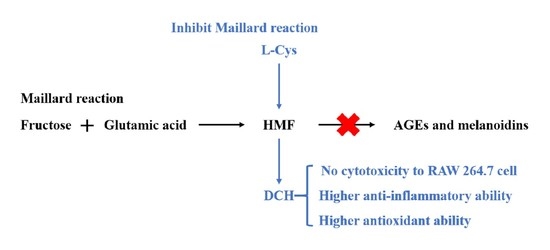
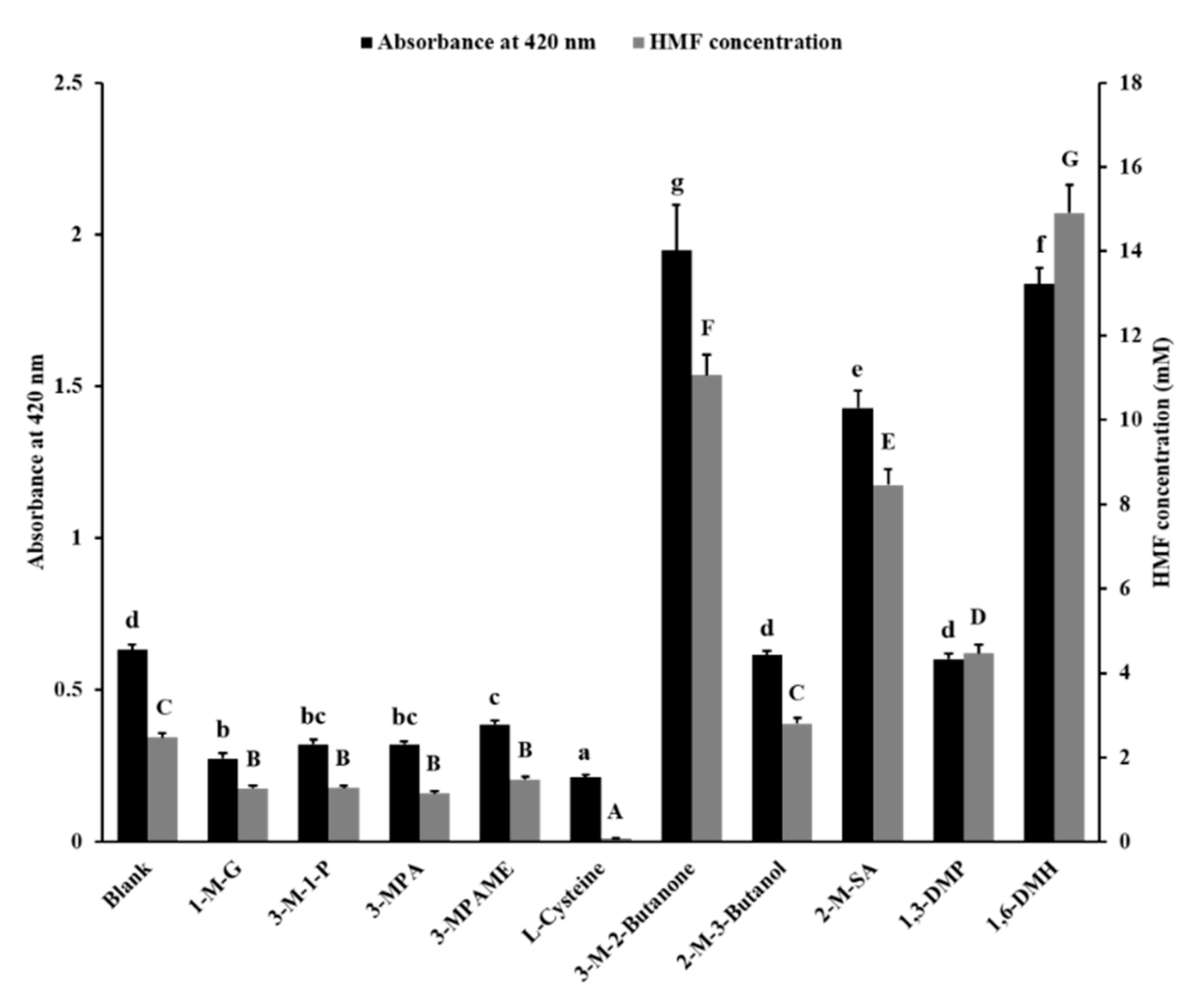
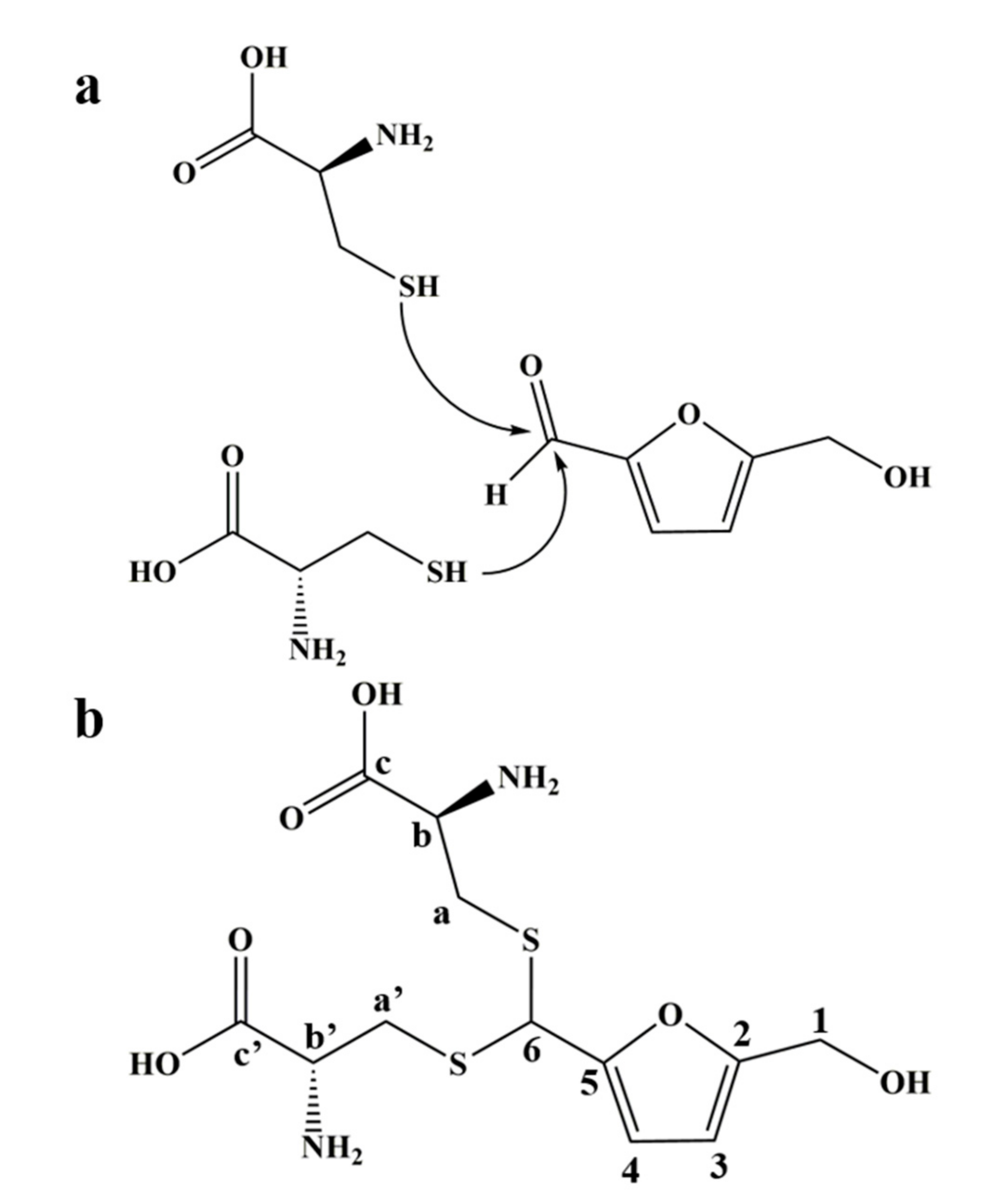
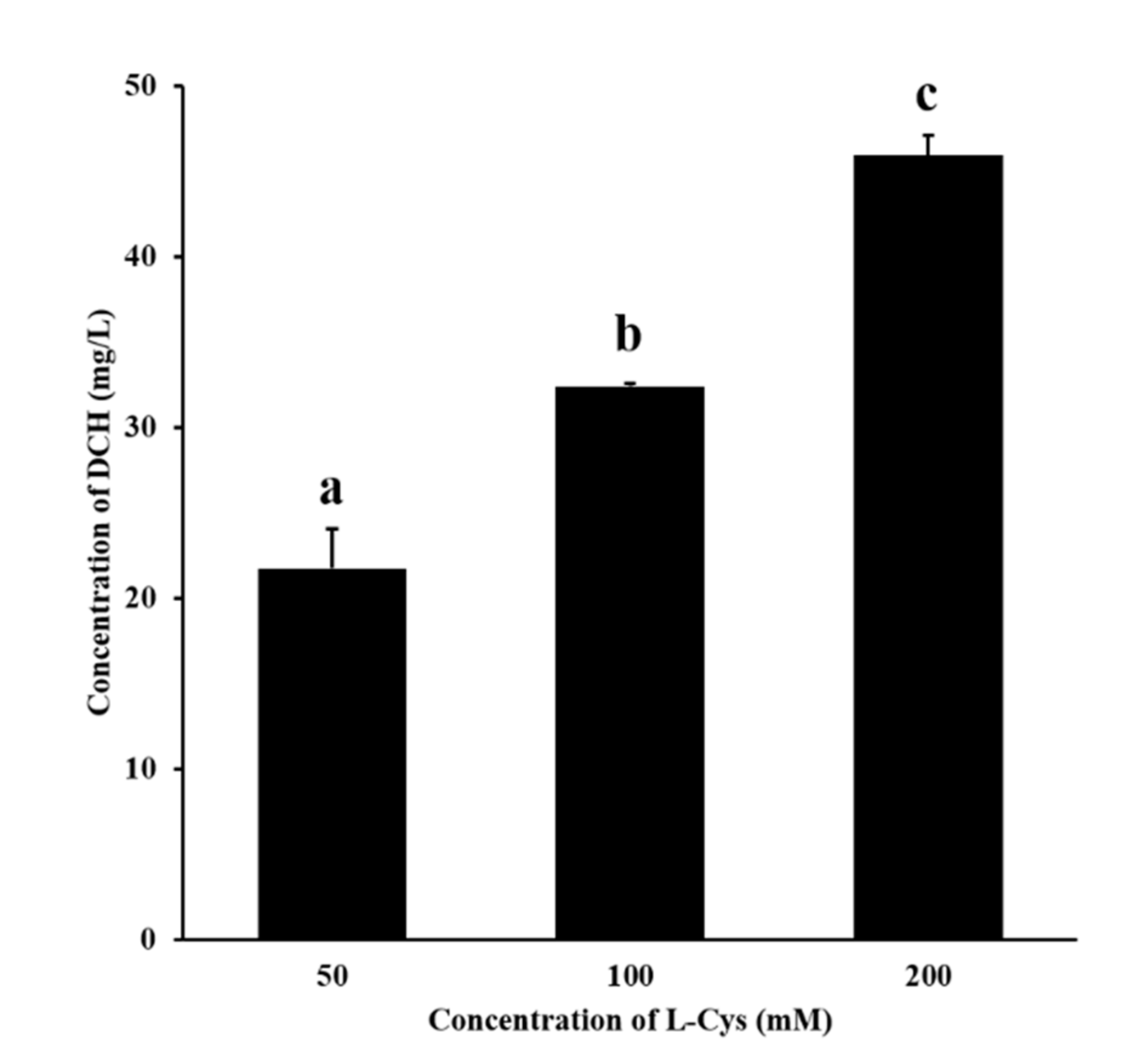
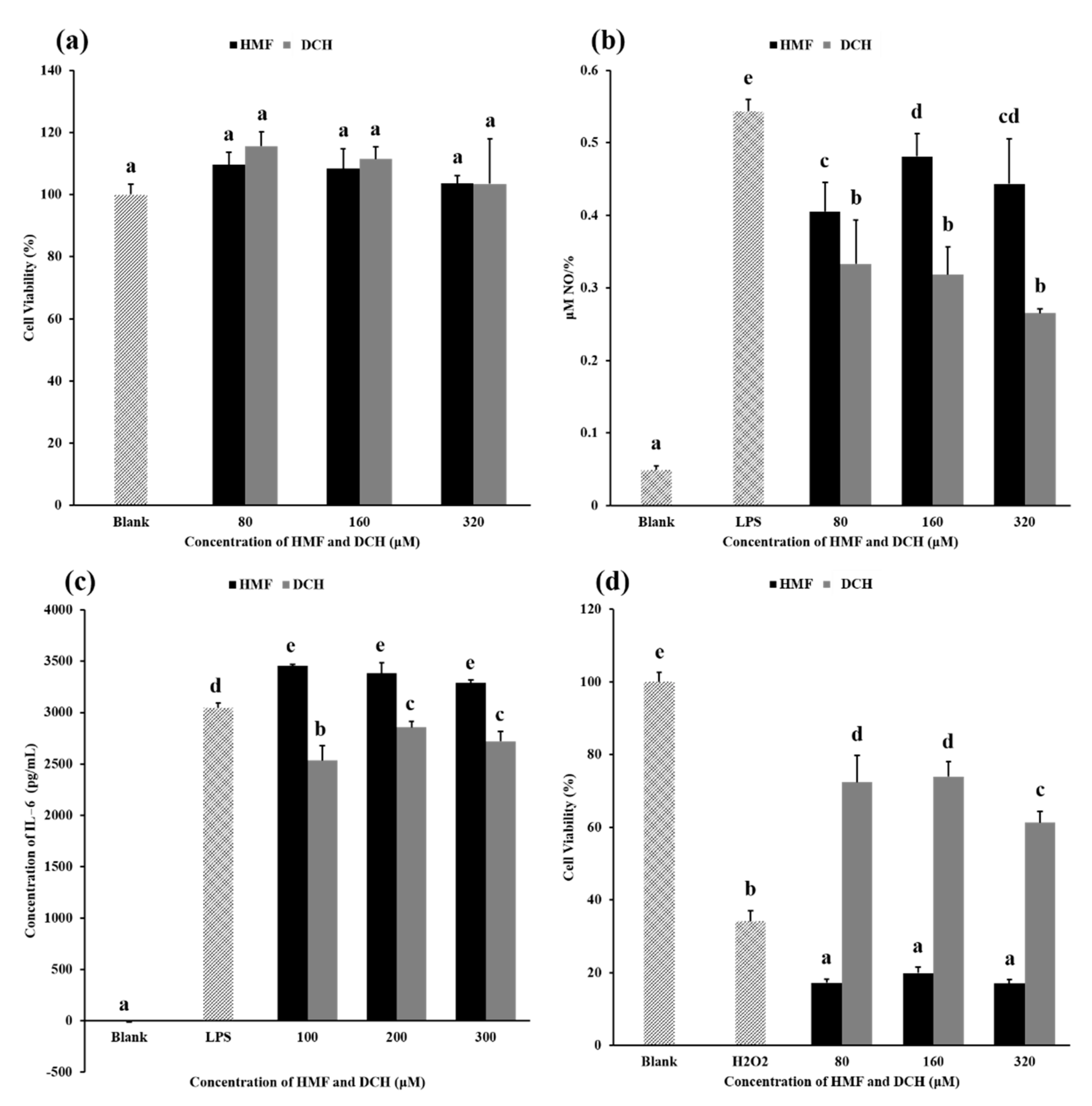
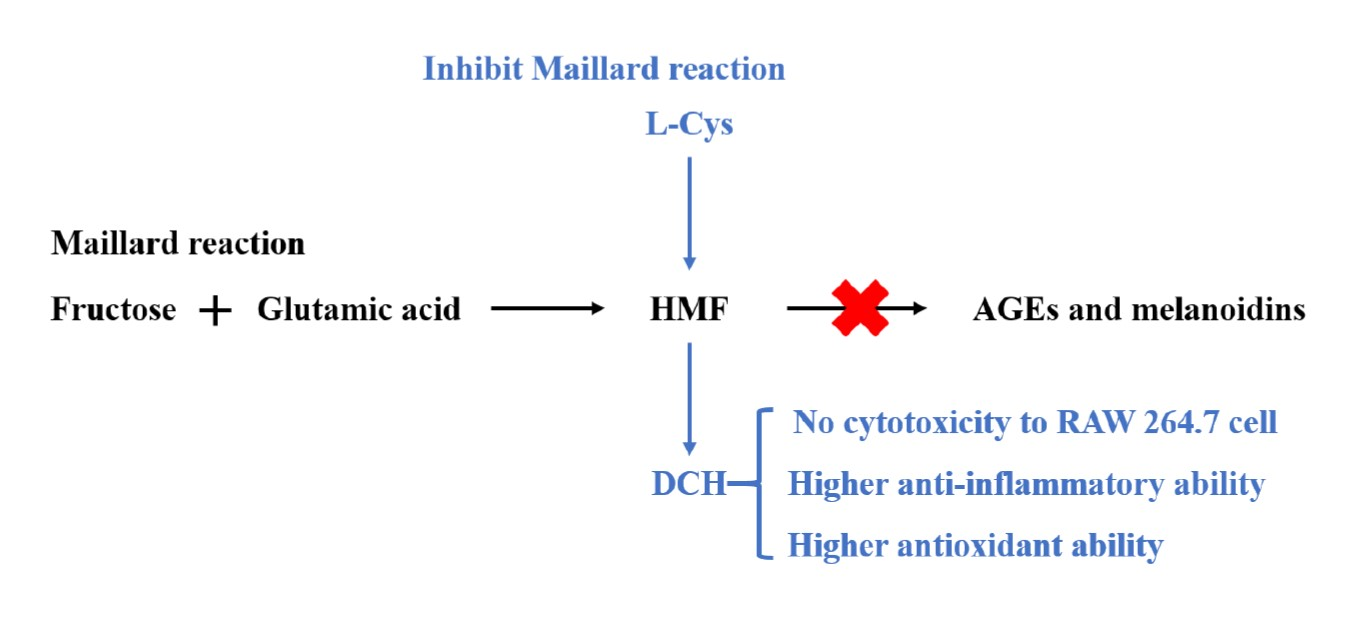
The Maillard reaction (MR) can affect the color, flavor, organoleptic properties, and nutritional value of food. Sometimes, MR is undesirable due to lowering the nutrient utilization, producing harmful neo-formed compounds, etc. In this case, it is necessary to control MR. Some chemical substances, such as phenolic acid, vitamins, aminoguanidine, and thiols extracted from garlic or onion, can effectively prevent MR. In this study, L-cysteine (L-cys) was found to inhibit MR after screening 10 sulfhydryl compounds by comparing their ability to mitigate browning. The inhibition mechanism was speculated to be related to the removal of 5-hydroxymethylfurfural (HMF), a key mid-product of MR. The reaction product of HMF and L-cys was identified and named as 1-dicysteinethioacetal–5-hydroxymethylfurfural (DCH) according to the mass spectrum and nuclear magnetic resonance spectrum of the main product. Furthermore, DCH was detected in the glutamic–fructose mixture after L-cys was added. In addition, the production of DCH also increased with the addition of L-cys. It also was worth noting that DCH showed no cell toxicity to RAW 264.7 cells. Moreover, the in vitro assays indicated that DCH had anti-inflammatory and antioxidant activities. In conclusion, L-cys inhibits MR by converting HMF into another adduct DCH with higher safety and health benefits. L-cys has the potential to be applied as an inhibitor to prevent MR during food processing and storage.
Keywords: L-cysteine; Maillard reaction; inhibition; HMF; sulfhydryl compound L-cysteine; Maillard reaction; inhibition; HMF; sulfhydryl compound
Graphical Abstract