1. Introduction
Fiber lasers are considered innovative, efficient and versatile equipment light sources used in the medical, industrial, and scientific domains [
1,
2,
3,
4,
5]. Among several pulsed configurations, passively mode-locked fiber lasers (PML-FLs) are simple, compact, and low-cost sources that have long been studied for their ability to produce a wide variety of optical pulses like conservative solitons [
6,
7], dissipative solitons [
8,
9], noise-like pulses (NLPs) [
10,
11], or pulse bursts [
12]. Passive mode-locking allows for obtaining ultrashort pulses with one or several pulses circulating in the cavity (fundamental mode-locking); in particular, the artificial saturable absorber (SA) works through the Kerr effect, and because the effect’s response is very fast, the SA response is too, allowing passive mode locking (PML) to be a highly effective technique for obtaining (fs–ns) pulses. An SA can compress pulses by attenuating low-intensity signals and letting intense signals pass in each round trip in the cavity. This type of mode locking allows the manufacture of very robust pulsed lasers as in the case of the mode-locked figure-eight laser (F8L) through a NOLM, where the latter works as an artificial SA that is adjusted for low-power transmission. In this technique, several nonlinear optical phenomena are involved, such as SPM, XPM and 58 NPR [
13,
14].
In some cases, mode locking can be partial or incomplete; this is the case, in particular, for the NLP regime. NLPs were reported for the first time more than two decades ago [
15]; they have captured interest in recent years due to their unique features, such as achieving energies of hundreds of nJ to the orders of a few μJ [
16,
17,
18] and exhibiting a broad optical spectrum, showing a quite stable global behavior on large time scales but a chaotic behavior at the local level as they are formed by thousands of ultrashort pulses (fs-ps) [
19]. However, the properties of these pulses allow the study of some exotic phenomena associated with less stationary regimes [
20,
21], including the study of extreme optical events [
22,
23]. In addition, due to the previously mentioned NLP characteristics, various applications have been developed such as low-coherence spectral interferometry [
24], materials processing [
25], sensing [
26], bioimaging [
27], and supercontinuum (SC) generation [
18,
28,
29,
30,
31].
In the latter topic, using NLPs as the seed to generate very broad and flat spectra has been promoted by several researchers motivated by the need to improve SC sources in terms of efficiency and low cost. The nature of noise pulses is useful for improving interferometric resolution. This is primarily due to the fact that although these types of pulses generally have global durations of ns, the sub-pulse packets that internally comprise NLPs have durations on the order of picoseconds to femtoseconds. This provides an advantage due to the wide frequency range that is composed for the NLPs, which can be applied in interferometric applications within low-coherence systems, such as minimized coherence length (improved axial resolution), high spectral intensity and signal-to-noise ratio (SNR), reduced Speckle/Parasitic Interference, and dispersion robustness. From a mechanistic standpoint, the high energy density of noise-like pulses (NLPs) enhances machining precision and throughput by utilizing a “double-scale” structure—high-intensity sub-pulses within a broader, lower-intensity envelope—to achieve rapid, nonlinear material removal while minimizing thermal damage. This allows the laser to act as a “soliton droplet” that delivers a high total pulse energy (up to tens of J) while maintaining low coherence, which is ideal for efficient, non-coherent ablation. Mechanisms enhancing throughput (high-speed machining): rapid material ablation, high pulse energy transfer, simplified amplification; mechanisms enhancing precision (high-quality finishing): reduced heat-affected zone (HAZ), low coherence ablation. NLPs combine the high energy of long pulses with the precision of ultrafast pulses [
10].
In the fiber laser configurations, the polarization state is an important parameter on which the mode of operation of the laser and its stability often crucially depend. However, ensuring a particular polarization adjustment is often a complicated process; in addition, environmental parameters could alter the state of polarization of light over time (e.g., temperature-induced birefringence variations), compromising long-term stability and imposing frequent readjustments. For these reasons, the development of automated polarization adjustment procedures is required to take these systems out of research labs towards real-life implementation. In this work, we present a temporal and spectral study of the properties of a pulsed fiber laser in a figure-eight configuration operated through the automatic adjustment of polarization controller plates, with the purpose of achieving precise self-starting and facilitating applications in high-harmonic pulse, broadband SC spectra and rogue wave generation, demonstrating the advantage of the proposed setup for self-tuning complex pulsed regimes of a PML-FL.
2. Applied Methods
Adaptative control is a control technique that automatically adjusts controller parameters in real time to maintain optimal system performance when process conditions are unknown. This type of technique continuously monitors its own performance and adjusts its parameters to meet a desired target, contrasting with the traditional control systems, where the controller’s parameters are fixed and tuned based on a predefined model. The main advantage of adaptive control systems is that they are made to continuously alter their behavior in response to changing conditions, uncertainties, or disturbances that were not specifically taken into consideration during the design phase, having potential applications such as industrial processes, robotics, power electronics, and autotuning [
32].
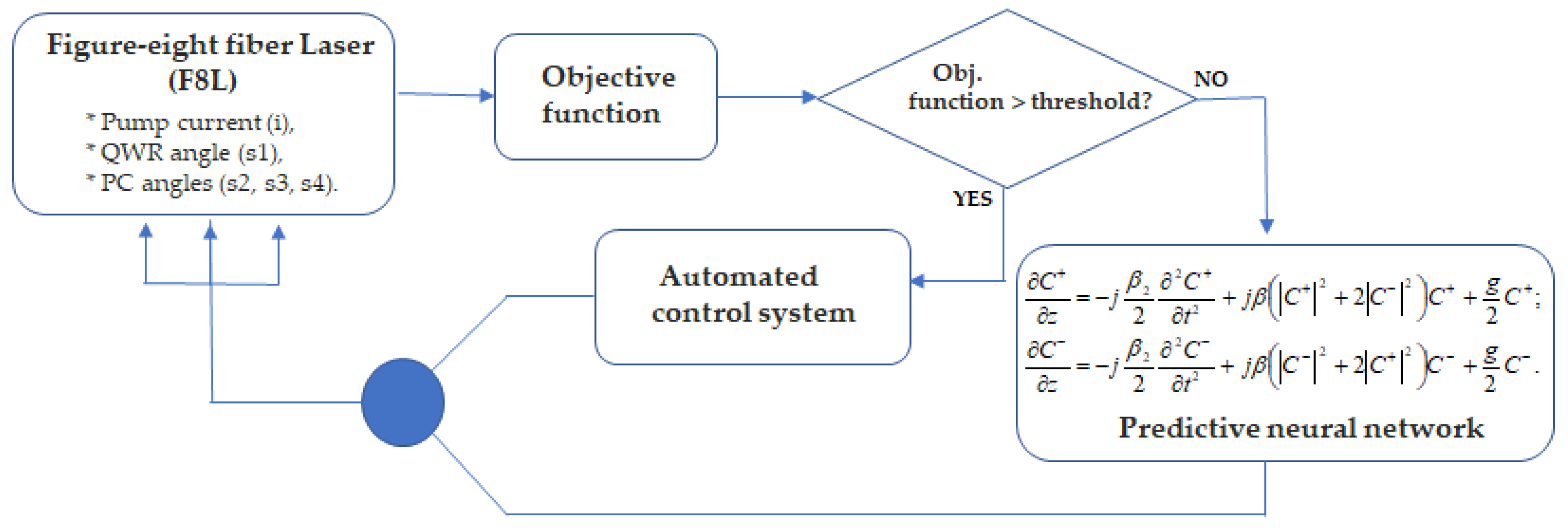
Fiber lasers are ideal systems for the use of adaptive control technology. In particular, the mode-locked laser (e.g., F8L) is an extremely nonlinear system, and it is not feasible to parameterize and model how disturbances, such as birefringence variations, affect the system. A schematic of a self-tuning fiber laser can be seen in
Figure 1. This figure shows how a pulsed regime in the laser is automatically obtained using an optical control system composed of a rotatable quarter-wave retarder (QWR) in the non-linear optical loop mirror (NOLM) section of the experimental scheme, whose adjustment allows self-starting [
33]. On the other hand, the programming of the angles of the QWR, half-wave retarder (HWR), and QWR plates conforming to the polarization controller in the ring section of the laser allows the adjustment of the temporal duration of the pulses, as well as the spectral width at the laser output. Finally, the described process is computationally assisted by the implementation of a predictive neural network based on a pair of extended nonlinear Schrödinger equations.
The machine learning approach aims to reveal significant information about the basis aspects, often dimensionally reduced, correlated characteristics and/or clusters of activity in each system. These fundamental patterns are essential to create a framework that can replace human experience in decision-making and control techniques. In mode-locked fiber lasers, the purpose is to use those mathematical strategies to allow an algorithm to learn the fundamental laser cavity characteristics and behavior. In this way, the algorithm remembers the laser’s key operating regions and how to handle a misaligned or non-optimal laser cavity efficiently. Thus, one can conceive of replacing a remarkably experienced researcher with a fast and fully automated self-tuning system.
The experimental setup used in this work is a figure-eight laser composed of a ring cavity and a NOLM. In the ring section, a beam combiner was used to direct the pump power from a laser diode inside the cavity. The active fiber is a piece of erbium/ytterbium double-clad fiber, and a polarization-dependent optical isolator is introduced to guarantee unidirectional laser operation; this element also plays the role of a polarizer. The ring additionally includes a section of single-mode fiber in series and a polarization controller composed of QWR-HWR-QWR plates. The laser output is supplied by a coupler with an output port connected to the combiner, closing the loop. A power-symmetric, polarization-imbalanced NOLM scheme is used as the saturable absorber; with this NOLM setup, self-starting mode locking in the F8L can be obtained [
33].
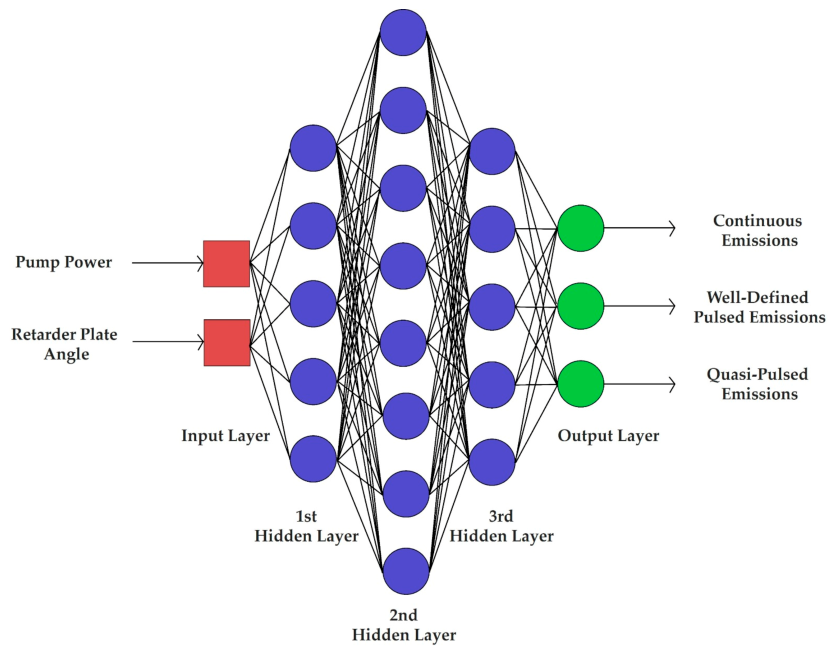
The operating regimes are based on the use of predictive neural networks (NNs), because of their multivariate nature and ability to approximate the nonlinear behavior of the system. The data for the training process were obtained by characterizing the laser using the open-loop control system, measuring laser emission at different pump currents and main motorized polarization controller angles. The pump power was adjusted from 1.8 to 6.5 W, and the angle of the polarization controller was adjusted from 0° to 360°. A multilayer perceptron with three hidden layers was designed, which receives the main plate positioning angle and the pump current as input parameters; the output indicates the laser’s operating mode, distinguishing three main regions: continuous emissions, well-defined pulsed emissions (or high-stability region), and quasi-pulsed emissions where pulses appear unstable (see
Figure 2). The activation functions of the NN used were tanh and ReLU, utilizing up to 1445 training points. A system of coupled equations describes the theoretical behavior of the laser, which is used to predict the operating regions during the self-tuning process of the fiber laser in case there is any error in the desired output.
Once we have predicted the operating regime, it is necessary to correct the time-varying region shifts generated by system variations. We have observed how the regions of interest do not vary in their distribution across the characterization map, but rather only undergo shifts relative to the angle of the polarization controller. That is, perturbations over time can be approximated as region shifts. This stage of the control system allows us to perform a more efficient search for regions of interest, performing a first sweep with the motorized polarization controller to locate the regions, calculating the offset with respect to the characterization map obtained with the neural network and, subsequently, focusing the search for regions in the areas of interest.
3. Experimental Setup
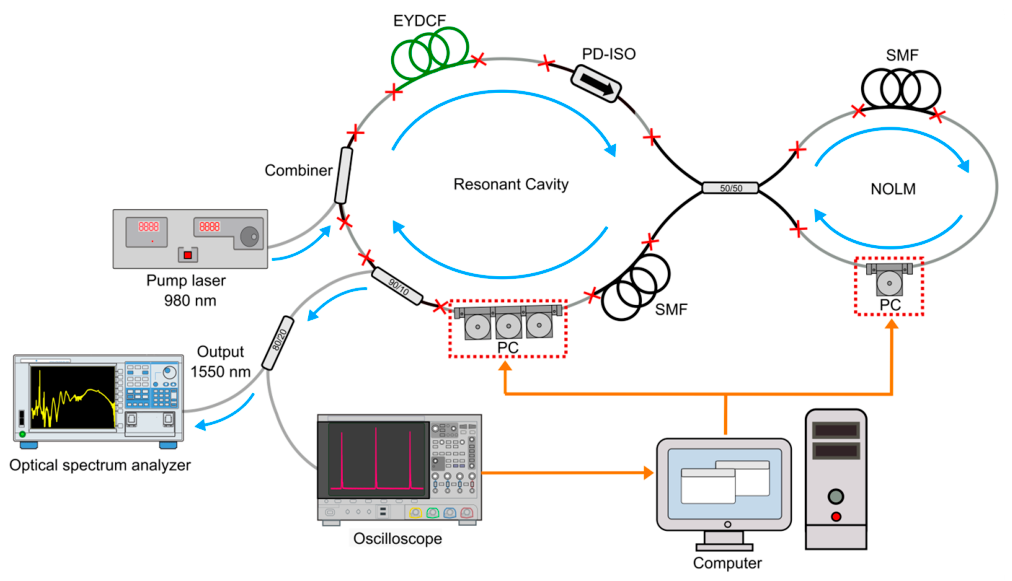
The experimental setup corresponds to a figure-eight fiber laser (F8L) with an overall length close to 215 m, composed of a ring cavity coupled to a nonlinear optical loop mirror (NOLM), as shown in
Figure 3. In the ring section, pump power (6.5 W) from a 976 nm laser diode is injected through a 980/1550 nm combiner. The gain medium consists of approximately 2 m of erbium–ytterbium double-clad fiber (EYDCF, model MM-EYDF-12/130-HE), featuring a 12 µm core diameter (NA = 0.20) and a 130 µm inner cladding, with a core absorption of 70 dB/m at 1530 nm. To guarantee unidirectional propagation, a polarization-dependent optical isolator (PD-ISO) is incorporated, which also acts as a polarizing element. The cavity further includes around 200 m of single-mode fiber (SMF) with a dispersion parameter of 18 ps/nm/km, as well as a polarization controller formed by a sequence of QWR-HWR-QWR plates. The laser output is provided through the 10% port of a 90/10 coupler, while the remaining 90% is fed back into the system, closing the cavity loop. A NOLM configuration with power symmetry and polarization imbalance is employed as a saturable absorber, which is composed of a 50/50 coupler, a 10 m long SMF twisted at a rate of 5 turns per meter, and a QWR inserted asymmetrically in the loop to break the polarization symmetry. With this NOLM setup, self-starting mode locking in the F8L can be obtained through properly rotating the QWR angle. Within the cavity, a supercontinuum (SC) spectrum is generated due to the interaction of several nonlinear optical processes, including self-phase modulation (SPM), cross-phase modulation (XPM), higher-order soliton dynamics (HOS), four-wave mixing (FWM), and stimulated Raman scattering (SRS). The relatively high pump power combined with the long SMF section in the laser enhances spectral broadening. Finally, to determine experimentally whether the laser’s operating state is an NLP regime, we used an FR-103MN autocorrelator and a 2 GHz photodetector.
In this study, the F8L system incorporates double-clad erbium–ytterbium fiber along with a NOLM based on nonlinear polarization effects, forming a passively mode-locked fiber laser (PML-FL). This approach offers a cost-effective and robust solution. For appropriate settings of the PC and QWR, we obtain a nearly stationary self-starting fundamental mode-locking operation.
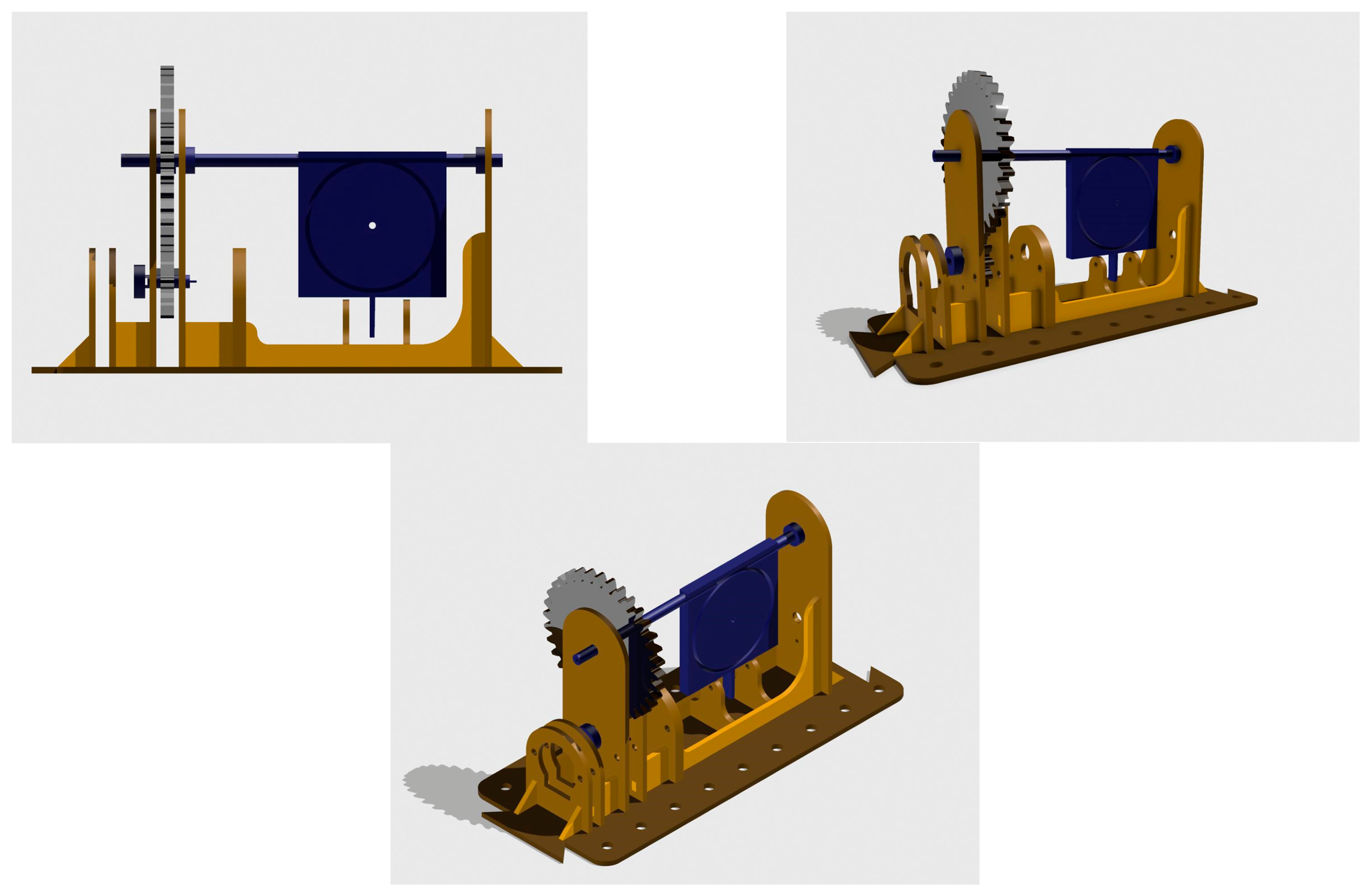
Figure 4 shows the proposed structure of the automatic retarder plate that was made using SolidWorks 2018 SP4.0 computer-aided design software and the 3D printer.
For development of the automated polarization control system, we used stepper motors for adjusting the angle of the retarder plates. The motor model is 28BYJ-48, which was operated with the ULN2003A chip-based controller. The motors have 64 steps per revolution and a 1/64 reduction ratio; this gives a total of 2048 steps per revolution in full-step mode and 4076 steps per revolution in half-step mode. In addition, a gear system was used to transfer the motion and further increase the resolution. The designed gears are a flat-gear pinion–crown system with a 12/34 ratio. The complete system has a resolution of fine angle adjustments from 0.062°/step down to 0.031°/step and high repeatability in the tests performed due to the use of stepper motors, being able to readjust itself using a predictive neural network implemented as support in the laser scheme control.
4. Numerical Study
The behavior of the figure-eight fiber laser was analyzed using numerical simulations. The model employed closely follows the experimental configuration shown in
Figure 3. The NOLM length (10 m) and EDF length (2 m) match the experimental setup, and a piece of 15 m of fiber is considered at the NOLM input to account for the pigtails of the components inserted into the ring section (such as couplers, isolator, polarizer and wave plates). The dispersion parameter (18 ps/nm/km) and nonlinear coefficient γ (1.5 /W/km) correspond to the SMF-28 fiber utilized experimentally. The QWR angle is adjusted to achieve a relatively low transmission (~0.1) under weak power conditions, which supports self-starting mode-locking. The input polarization to the NOLM is assumed linear, forming an angle ψ = 0.35π/4 relative to the QWR, resulting in a switching power near ~2400 W, significantly exceeding the minimum value (~1250 W) obtained at ψ = π/4 [
20]. Propagation in the fiber sections of the laser is described by coupled extended nonlinear Schrödinger equations, solved via the Split-Step Fourier technique in the circular polarization basis [
26].
The initial terms of Equation (1) account for dispersion and Kerr nonlinearity, while the gain contribution is only included within the active fiber region. The dispersion coefficient
β2 is expressed in ps
2/km, and the parameter g (gain per unit length) is treated as uniform along the doped fiber, with saturation dependent on pulse energy as
where g
0 represents the small-signal gain and E
sat the saturation energy. The values of g
0 and E
sat used in the simulation (500/m and 0.8 nJ, respectively) were chosen in order to obtain results comparable with the experiment, in particular in terms of pulse energy. Gain spectral dependence is modeled using a Gaussian filter centered at 1550 nm with a 50 nm FWHM bandwidth. Effects such as polarization-mode dispersion due to fiber twisting, Raman self-frequency shift, and third-order dispersion are neglected, as they are not expected to significantly influence pulse formation.
As is known, the saturation is affected by both pulse energy and repetition rate, as the stored energy depends on the lifetime-to-pulse-distance ratio as well. Increasing pump power typically leads to the breakup of a single noise-like pulse into multiple structures, suggesting a maximum pulse duration beyond which internal coherence cannot be maintained. Repulsive interactions among sub-pulses, mediated by dispersive waves or continuous-wave components, may contribute to this fragmentation. In dispersive cavities, these sub-pulses tend to separate, eventually destroying the overall pulse structure. Partial dispersion compensation is expected to reduce this effect and improve the maximum achievable pulse energy. Beyond the limits of fundamental mode locking, multiple pulses tend to form in the cavity. In some cases, these pulses are unstable, exhibiting random temporal distribution and rapid drift, resulting in a filled in persistent mode. More commonly, after minor polarization adjustments, a stable configuration emerges with evenly spaced pulses. Previous studies using ring cavities [
34] reported single noise-like pulses with energies up to 120 nJ before splitting occurred, although values as high as 300 nJ without breakup have also been demonstrated [
17]. Despite extensive research, the mechanisms governing the formation and breaking of these pulses remain under debate.
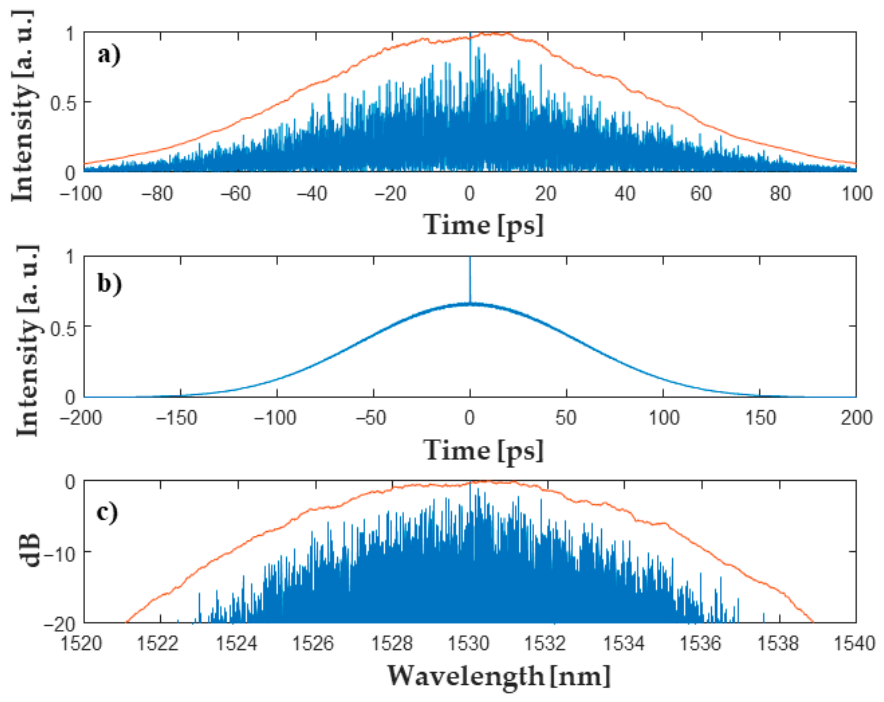
In simulations, the process begins with a weak Gaussian noise input. This signal is propagated through several round trips to determine whether a steady state is reached. Although strict convergence is not achieved, a quasi-stable regime emerges after sufficient iterations. While the fine structure evolves between round trips, global characteristics such as duration, peak power, and spectral width remain consistent [
Figure 5a]. The resulting waveform consists of a sub-nanosecond envelope containing numerous ultrashort spikes with varying amplitudes. For the chosen parameters, the total pulse duration is approximately 120 ps, while individual spikes exhibit durations on the order of 100 fs.
The simulated pulse energy is 1.4 nJ, matching experimental observations.
Figure 5b presents the computed autocorrelation trace, averaged over multiple pulses, agrees qualitatively with measurements, displaying a sub-fs central peak riding a sub-ps pedestal. The pedestal extension corresponds to the total duration of the waveform, whereas that of the narrow central peak reflects the duration of the sub-pulses in the set. One difference with the experiment however is that the ratio between the central peak power and pedestal level in the simulated autocorrelation is higher than 2 and generally varies with the simulation parameters.
Figure 5c shows a smooth and relatively broad profile, consistent with experimental data, though the FWHM bandwidth remains below 10 nm. The process of pulse formation arises from the interplay between anomalous dispersion and Kerr nonlinearity, closely linked to modulation instability. Through this mechanism, a quasi-continuous wave evolves into a collection of soliton-like structures with varying amplitudes [
27]. The numerical study allows the generation of predictive behavior for the control developed on the automated polarization control system inside an F8L with the aim of achieving the self-tuning of complex operation regimes, in particular NLPs. This will show the capacity for producing efficient, controllable, and optimal study of temporal and spectral behavior in the F8L.
5. Results and Discussion
The pulsed fiber laser characterization was carried out by programming the polarization control module, achieving self-starting of the figure eight laser system as a relevant result. We were able to visualize the operating ranges of pulsed regimes, which presented high levels of energy noise-like pulsing compared to those in previous works [
18,
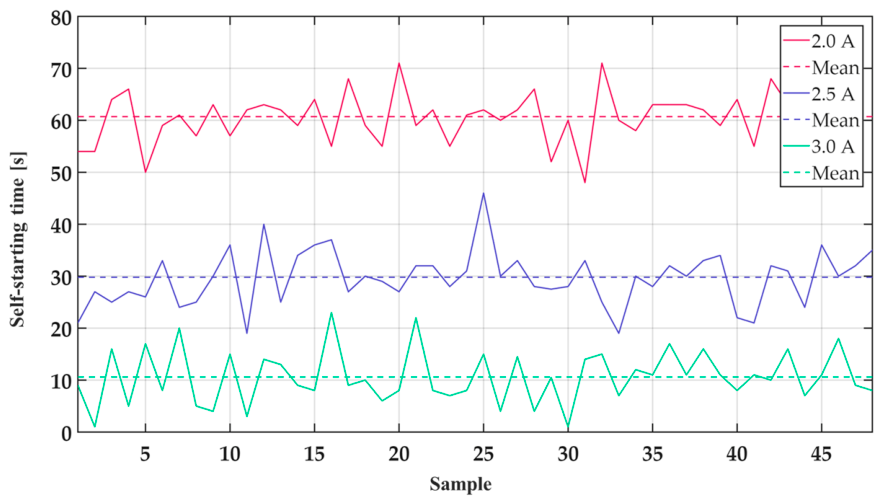
29]. With this system development, a database with operation regions was obtained and allowed us to develop a method (based on a predictive NN) and to create pulses. The system was capable of finding a mode-locking region limited by the maximum pump energy only, and as expected, increasing the pump current decreased the self-starting time, since the pulsed regions became wider and more stable.
Figure 6 shows the system’s evolution over time until it exceeded the desired threshold, and the laser can be adjusted. This resulted in an average settling time for auto self-starting of 11.5 s.
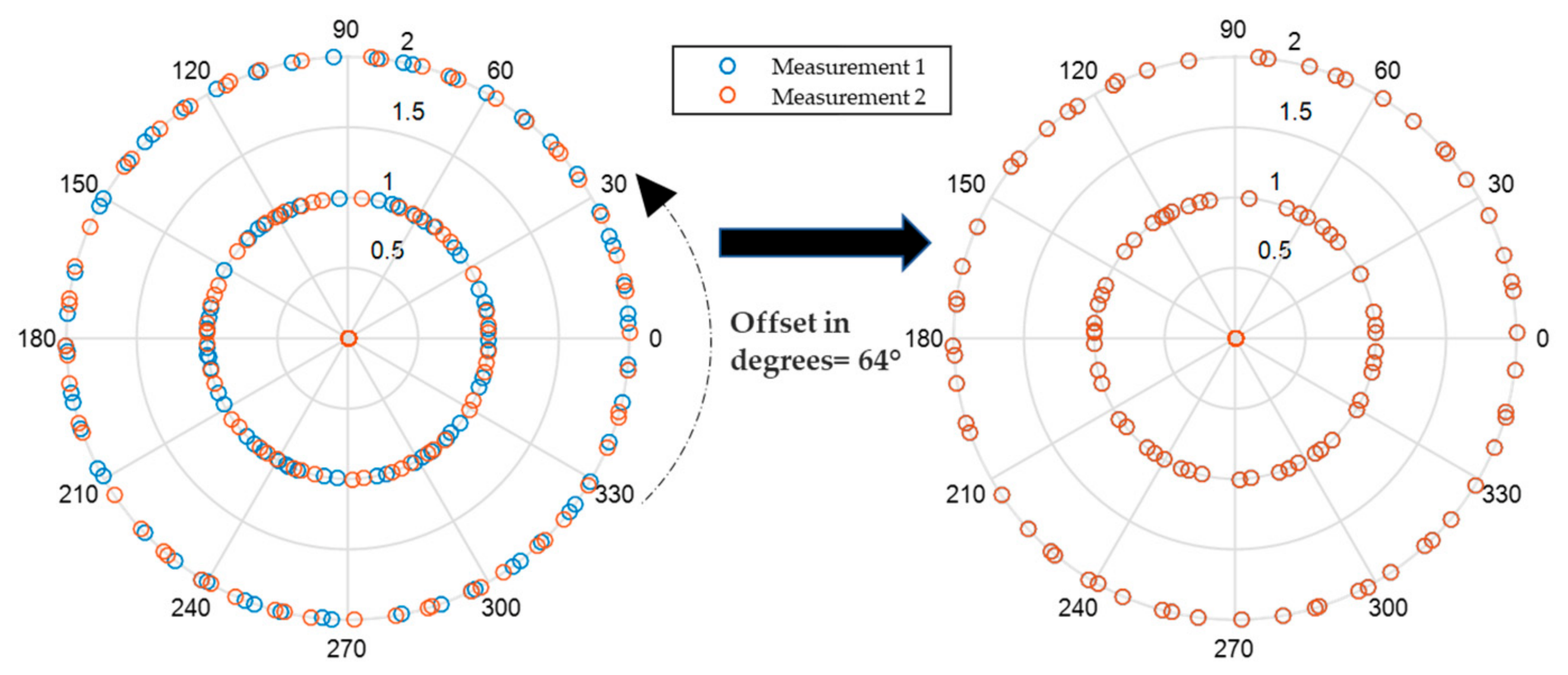
To obtain greater stability in the pulsed regime (well-defined pulsed emission output), a predictive NN was implemented with the aim of correcting errors in the desired output in case of detecting a variation. The NN can predict the operating regions of the laser, and with the provided data we can calculate the phase shift between two different experimental measurements to readjust the automated system and obtain the desired output again.
Figure 7 shows, at different pump currents, the calculation of offset of 64 degrees and the readjustment in the well-defined pulsed emission, which demonstrated that it is possible to obtain the desired output through adjusting the phase shift of experimental measurements while maintaining stable laser operation. The results showed feedback on the optical system with the aim of making self-tuning more efficient, based on the adjustment of the polarization controller plates through an adaptive control and predictive NN.
The new technique implemented in the laser allowed optimal laser operation regardless of the disturbance suffered by the system externally. Thus, once the well-defined pulsed emission output regime is achieved, stability can be maintained for hours thanks to the implemented control system. Readjustment is only necessary when the system is externally disturbed, but it can return to the desired output in less than one minute in the cases studied, thereby providing active stabilization for the F8L. It also allows a more effective control in order to automatically find cavity harmonic generation and improvements in the SC spectrum. The neural network allows us to predict the regions where there is a higher probability that the laser will be able to operate in pulsed mode, whether operating in a highly stable or unstable manner. Once the desired pulsed output is obtained, is possible to achieve control over the generated harmonic number (see
Figure 8) through the determination of the respective angles of the QWR-HWR-QWR plates of the PC in
Figure 3, which can influence the improvement in the SC spectrum.
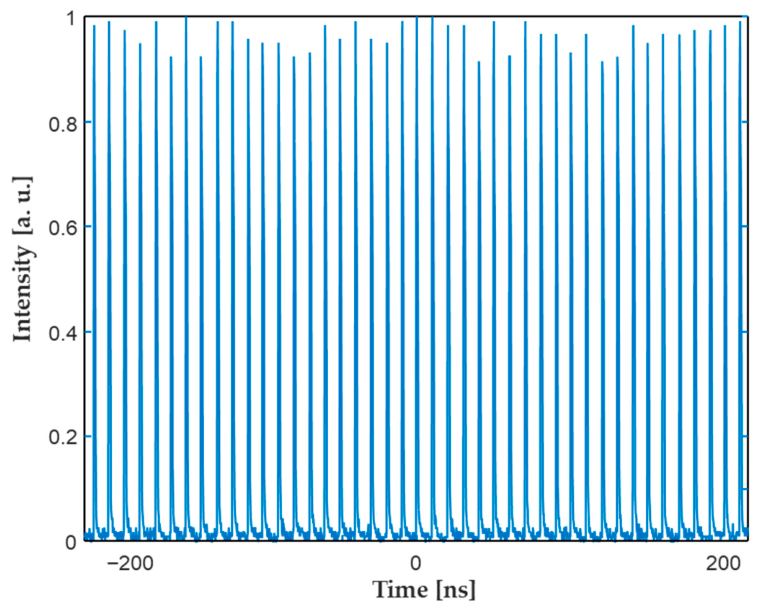
We experimentally demonstrated the possibility of obtaining control over the increase in the repetition frequency up to more than 100 times through the generation of harmonically mode-locked pulses, which will provide a variable pulse source which could be capable of operating on the order of GHz (see
Figure 9). In experimental results, the automated control system inside the F8L allows us to obtain 20 NLPs in the range of 200 ns, which is equivalent to having 110 pulses within the 1.1 µs period of the F8L cavity (110th-order harmonic mode locking) and corresponds to a repetition frequency of 100 MHz.
The NOLM also plays a crucial part in pulse formation.
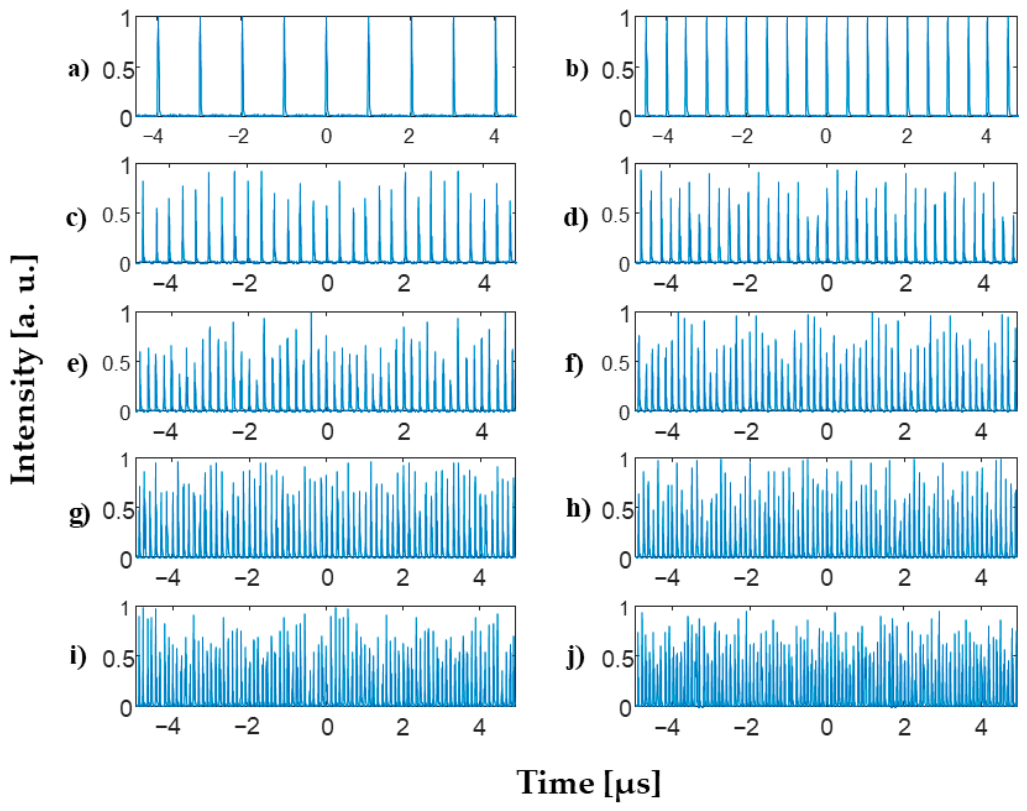
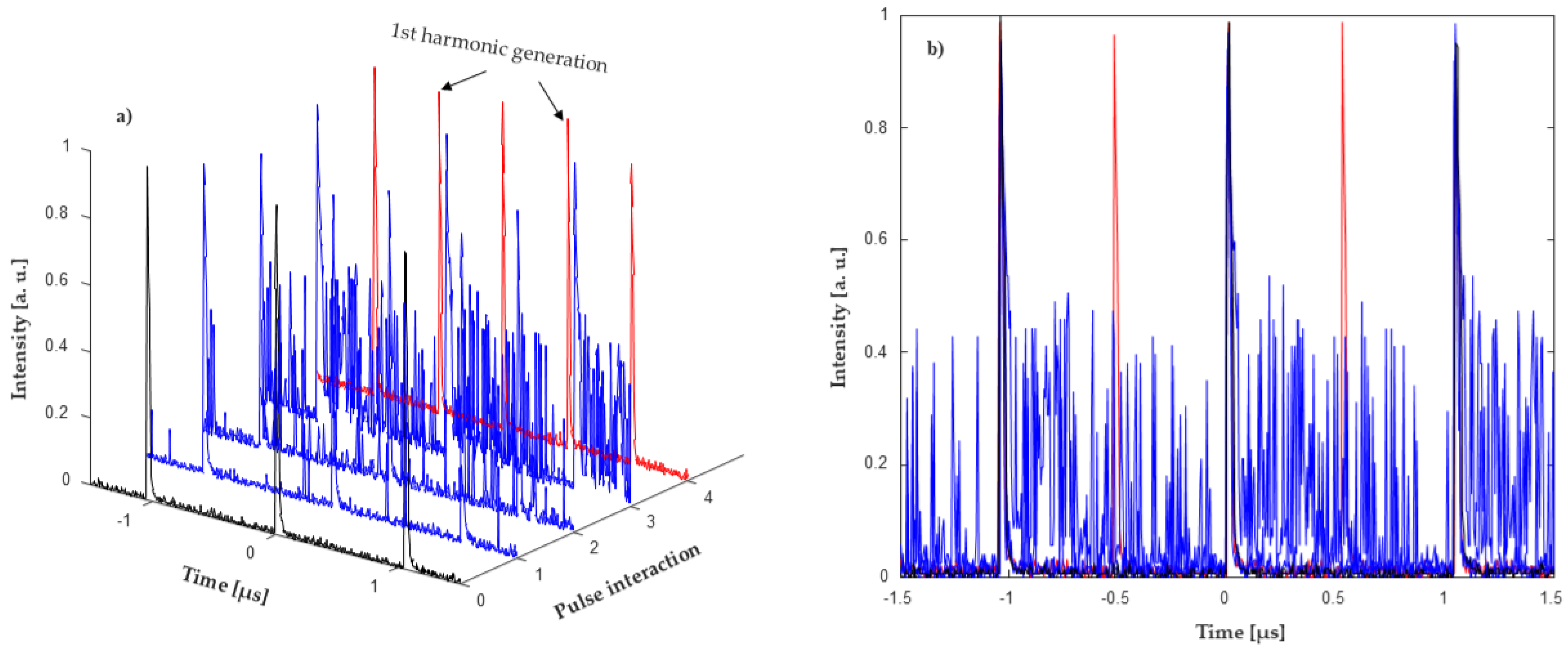
Figure 10 shows how many pulses in the set arrive at the NOLM input with greater power than the NOLM switching power. Therefore, they tend to split into multiple pulses at the NOLM output. The NOLM thus tends to increase the number of pulses. Furthermore, the NOLM is also fundamental as it stabilizes the pulse duration, removing the low-power skirts of the waveform which are inclined to broaden through propagation in the dispersive fiber. In
Figure 10, the transition from the fundamental state to the first harmonic can be seen, showing three intermediate measurements called pulse interaction.
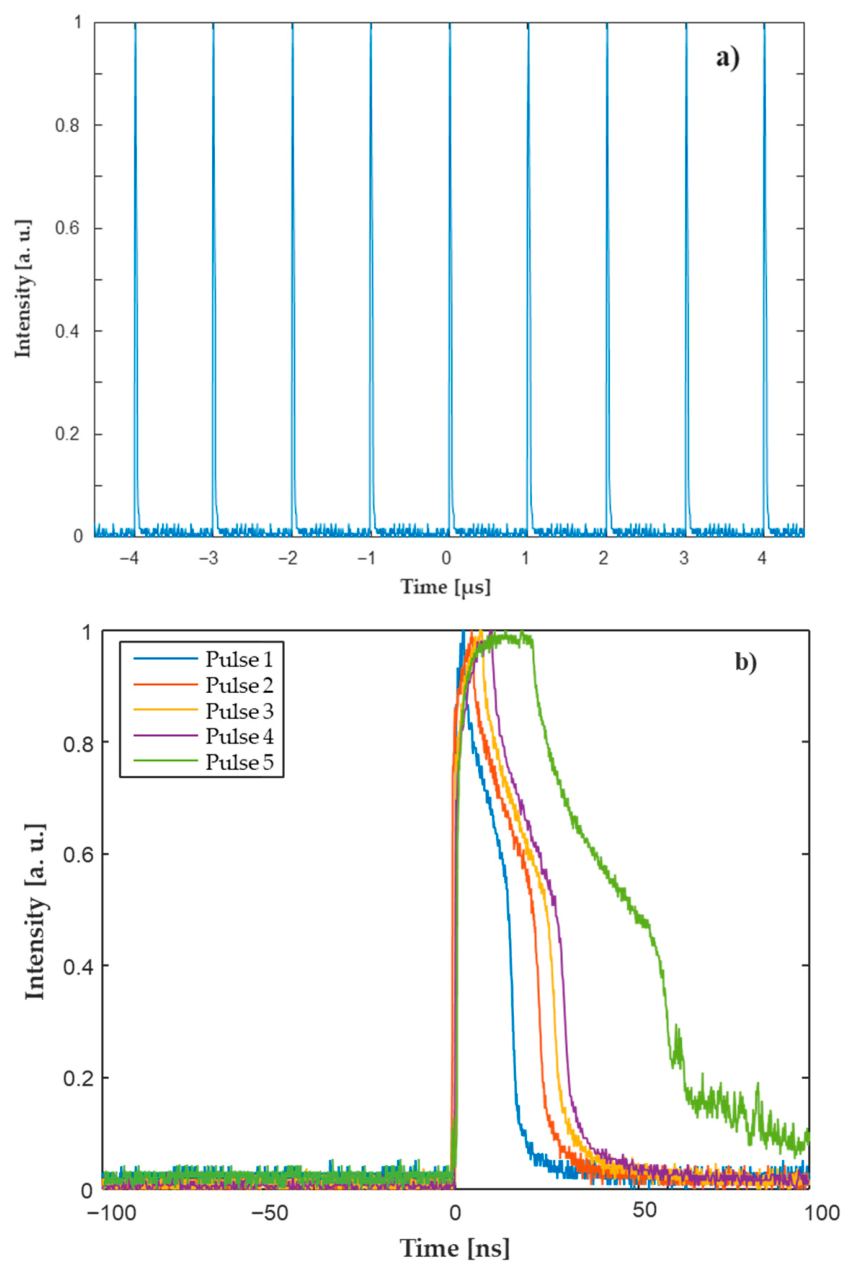
The automated system developed allows us to obtain experimental results in a more controlled and precise way that shows a high-power spectral signal at ~1567 nm and temporal variations in NLPs with durations between 13 and 48 ns. The positioning of the QWR plate in the experimental scheme allows the self-starting of the pulsed regime in the F8L, while the adjustment of the QWR, HWR, and QWR plates of the polarization control allows us to adjust the temporal duration of the pulses, as well as the spectral width at the laser output. As can be seen in
Figure 11a, we demonstrated the ability to improve the intensity and reduce the jitter of the generated pulse, showing that the developed system can improve the response generated by the laser. In
Figure 11b, at 10 W pump power using single-shot acquisition mode, we can observe an NLP envelope with an FWHM pulse duration of ~13 ns and an approximate power of 6 W. For the maximal pump power (25 W), the power reached by the envelope was about 23.3 W. The temporal profile of the pulse was measured using a photodetector (DET08CFC/M, Thorlabs) and a 2 GHz oscilloscope (MSOX6004A, Keysight), with a period of T = 1.1 μs, which corresponds to a fundamental repetition rate of 909 kHz.
Some of the most important advantages of self-adjusting the laser using automated control consist in allowing the automatic retarder plate to find the optimal position with the aim of generating different types of temporal profiles of the pulses, even being able to achieve harmonic pulses within the laser, and supercontinuum generation (SCG) with high flatness.
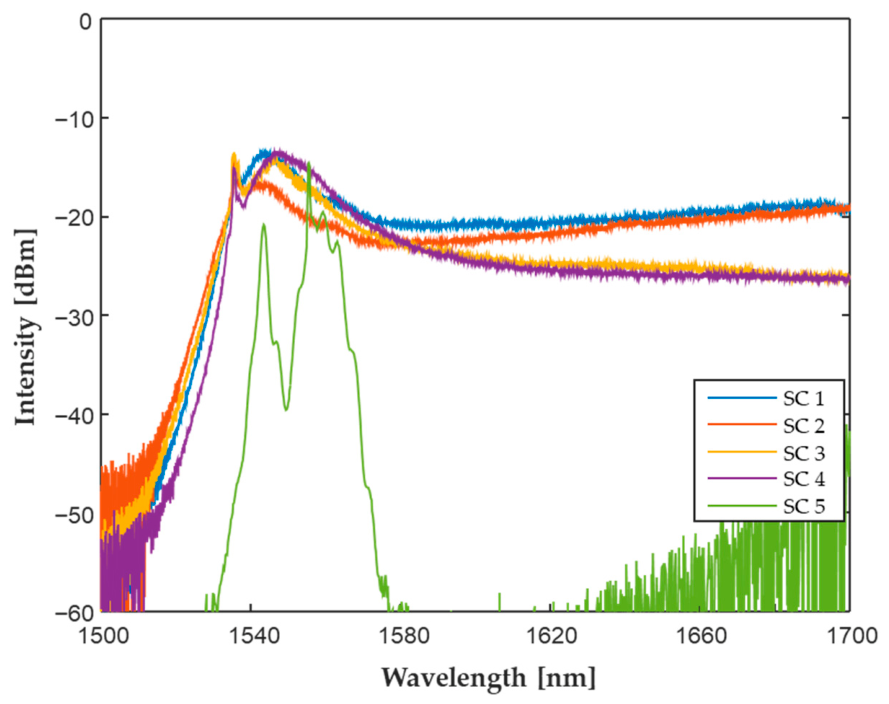
Figure 12 shows each of the SC spectra in relation to each pulse shown in
Figure 11b. The stable fundamental mode-locking operation (see
Figure 11a) and QWR adjustments at high pump power allow us to notice a transition to multiple pulsing operation in the form of stable HML. This regime allows the spectrum to be significantly flattened. Even though HML was evidenced, the low order values produced in this development (only up to 6, which contrasts with more than 100) are consistent with the reduced tendency of the NLP to split into multiple pulses in the present scheme when the settings are optimized to maximize spectral width to obtain a supercontinuous signal generated directly by the laser (from 50 nm to more than 200 nm).
Figure 12 (see blue graphic) shows the improved SC source obtained through temporal reduction in the width duration of the NLP. We appreciate that the flatness increased significantly, obtaining an enhanced flatness, less than ~3 dB (a level of flatness that is consistent with current work that examines ultra-flatness [
29,
35]), over at least 170 nm (1530–1700 nm) and possibly beyond (due to measurement limitations up to 1700 nm with the OSA). The advantages of the use of NLPs for SC generation are connected to the complexity of the nonlinear phenomena involved in this type of pulse formation in passively mode-locked laser systems. A mechanism similar to SC generation pumped with ps–ns long pulses in the anomalous dispersion region is suggested by the spectral flatness and smoothness shown by the present SC source based on noise-like pulses, where modulation instability causes the temporal breakup of long input pulses and changes them into a bunch of numerous stochastic fs-scale solitons in the initial phase before an impressive spectral expansion takes place [
36]. The MI-induced incoherent soliton group, to some extent, imitates the characteristics of the incoherent NLPs, which are also regarded as groups of fs-level stochastic sub-pulses, and those sub-pulses may be further broken down to narrower solitons after the process of pulse compression and soliton fission. After the process of soliton formation, the spectra are significantly extended driven by the soliton dynamics, where the Raman-induced soliton self-frequency shift (SSFS) is mainly responsible for the generation of long-wavelength spectra.
Finally,
Table 1 shows a comparative summary of the key performance parameters of this study with the most advanced results available focused on the control of fiber optic lasers. Based on the information provided, it is possible to observe that not all the parameters mentioned in our work can be fully controlled in the other reported articles.



 ,
,