1. Introduction
Allen et al. demonstrated that orbital angular momentum (OAM) is an inherent characteristic of vortex beams with a continuous helical phase factor
[
1], where
l is the topological charge (known as the OAM mode) and
is the azimuthal angle. In theory, the topological charge
l can take on any integer number [
2]. Due to the orthogonal property of vortex beams [
3] with different
l, these beams have broad application fields, including quantum information [
4], biomedicine [
5], optical processing [
6], celestial detection [
7], and optical wireless communication (OWC) [
8,
9].
Traditional encoding methods rely on dimensions such as the amplitude [
10] and frequency [
11] of light in the field of OWC, which no longer meet the demand of communication systems with large capacity and higher spectrum efficiency. However, the emergence of OAM provides a new dimension for the study of vortex beams [
12]. Laguerre–Gaussian (LG) beams [
13], as typical representatives of vortex beams, are currently a hot topic of research in encoding and transmission. In 2016, Chu et al. [
14] put forward a coding/decoding concept using OAM mode superposition for image transmission in kilometer-scale few-mode fiber. In 2018, Guo et al. [
15] further explored the radial indices of LG beams and proposed a novel OAM encoding system based on high-order radial modes. At the transmitter side, coaxial multiplexing was realized using holograms corresponding to different radial indices, while at the receiver, a conjugate field-based demultiplexing method combined with a centroid detection algorithm enabled accurate decoding of the radial-mode-encoded information. This approach demonstrated the feasibility of exploiting radial indices as an additional degree of freedom to enhance the channel capacity of OWC systems. In 2019, Wang et al. [
16] addressed the challenge of mode distortion caused by atmospheric turbulence, which severely affects the reliable identification of OAM beams. By designing a six-layer convolutional neural network (CNN), they achieved efficient recognition of the received LG beam intensity distributions under varying turbulence conditions. Their results showed that coaxially multiplexed OAM modes could still be recognized with high accuracy (up to 96.25%) even over long-distance transmission in strong turbulence, highlighting the potential of deep learning techniques in supporting robust high-capacity OAM-based optical communication. In 2020, Chao et al. [
17] proposed a method for optical information encoding and communication using optical bright ring lattices. Their approach employed computational holograms to generate four fundamental optical bright ring lattice patterns, which were loaded onto a spatial light modulator (SLM) to encode a 256-level grayscale image (
pixels). Experimental results demonstrated that a
lattice array achieved a 4-fold increase in transmission efficiency and system capacity, while a
array yielded a 16-fold enhancement, both compared to the baseline single-ring lattice system. In 2021, Nan et al. [
18] utilized two multilevel signals to generate vortex beams with different OAM modes and superposed them to generate 16 different intensity patterns, then proposed an encoding scheme related to intensity. In the same year, Wang et al. [
19] proposed a method of 64-ary information encoding and decoding for short-haul free-space optical communication and indicated the feasibility of encoding in practice. However, most of the aforementioned encoding methods only focus on either the single OAM mode or the continuous OAM mode; research on composite and spaced OAM modes has rarely been conducted.
In this paper, an interval encoding scheme based on the OAM modes and the radial modes is proposed. The composite vortex beams composed of eight OAM modes with the same interval and four radial modes are employed for encoding each of the five-bit-length sequences. Additionally, experimental and control groups are established to evaluate the performance of the proposed method. The results indicate that the composite vortex beams can be correctly decoded at the receiver and reduce interference between adjacent symbols, thus enhancing the efficiency of information transmission.
2. The Principle of Novel Encoding
The LG beam propagates along the z-axis; its complex amplitude expression is the solution of the Helmholtz equation [
20]. For the cylindrical coordinates
, it can be expressed as
where
is the wavelength,
is the wavenumber,
z is the distance along the propagation axis,
is the Rayleigh length,
is the Gaussian beam radius,
is the beam waist,
is the generalized Laguerre polynomial, and
is the Gouy phase.
The LG beam can be expressed as
, where
l is the OAM mode and
p is the radial mode. When two LG beams are superimposed, the intensity expression of the superimposed composite vortex beam is
This study superimposed the
and
and
and
, forming 32 kinds of superposition states.
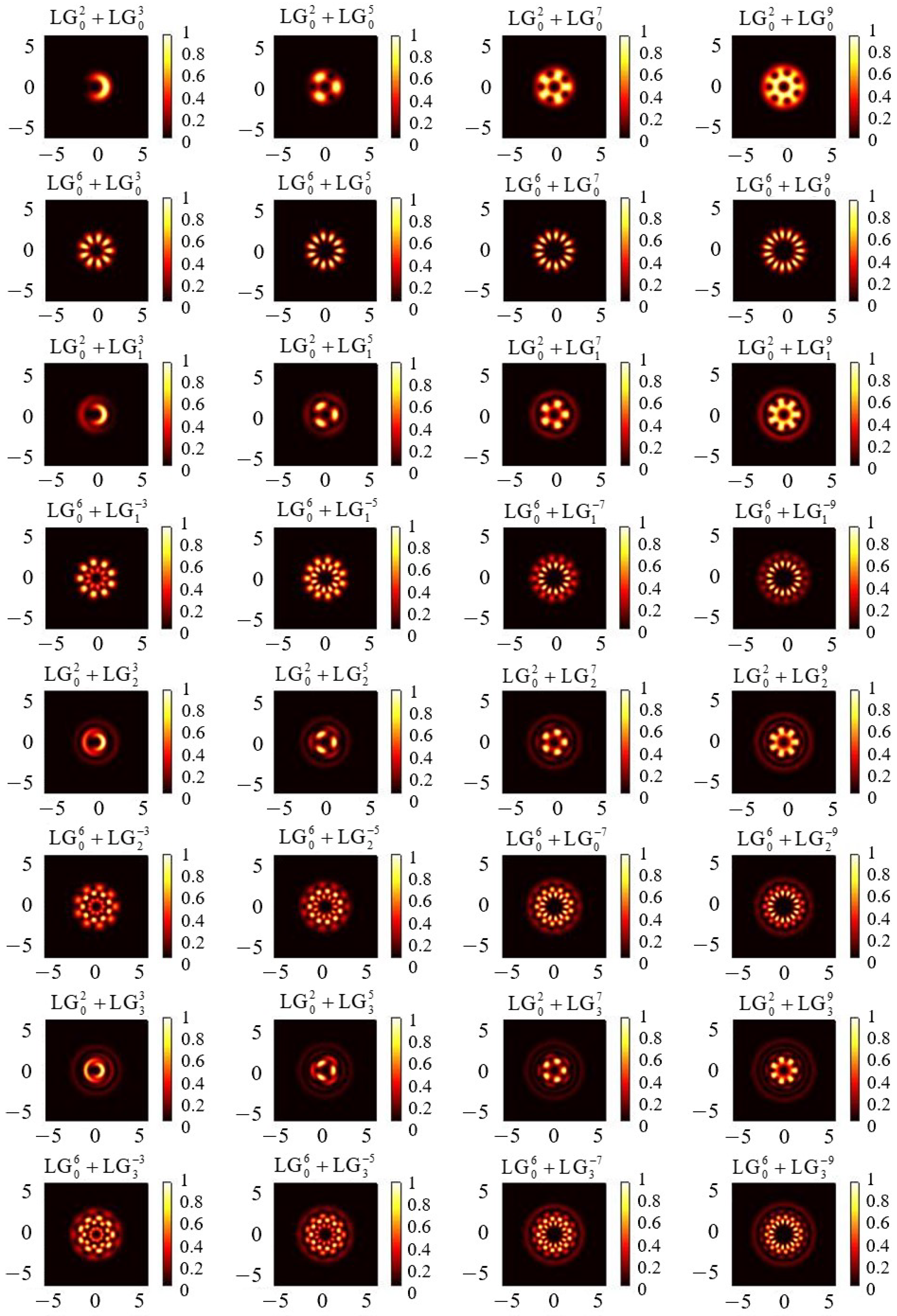
Figure 1 shows the superimposed intensity patterns with bright annular spots, and the number of spots is
, while the number of rings is
. The composite vortex beam
can be described as one ring with six spots, and the
has four rings with eight spots.
At the transmitter, the vortex beams with various OAM modes and radial modes
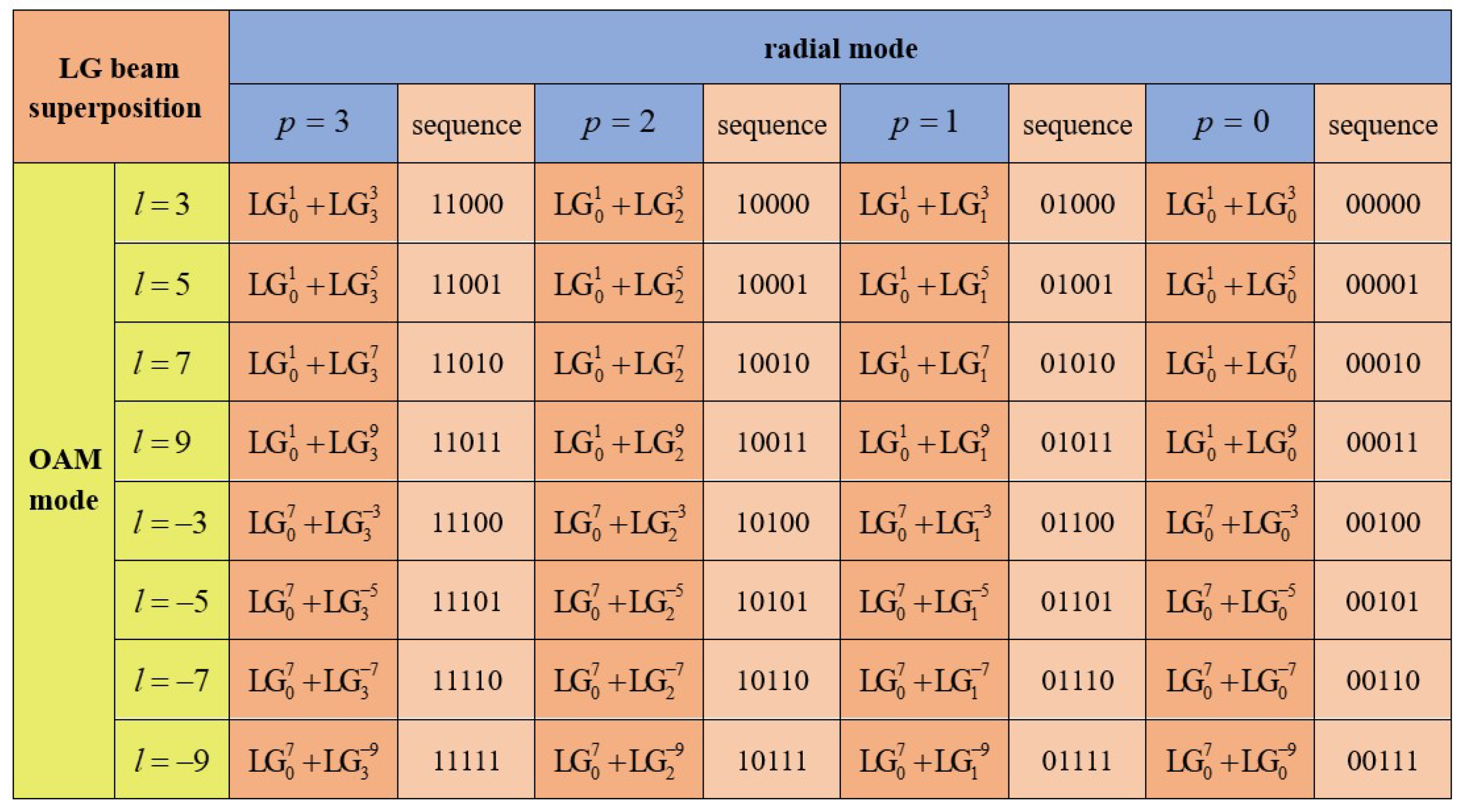
are combined to obtain 32 sets of composite vortex beam intensity patterns. Subsequently, each set of intensity patterns is mapped into a five-bit binary sequence, displayed consecutively in order from ‘00000’ to ‘11111’, as shown in
Figure 2. The corresponding encoding from
to
are ‘00000’ to ‘00111’, the corresponding encoding from
to
is ‘01000’ to ‘01111’, etc. Based on the mapping relationship of each superposition state, the corresponding OAM mode and radial mode of the composite vortex beam are determined. For instance, when the sequence “00110” propagates in turn, the two vortex beams
and
are determined, respectively.
At the receiver, the composite fork-shaped grating (CFG) [
21] serves as a planar diffractive optical element for decoding composite vortex beams. It is specifically designed to simultaneously demultiplex multiple orbital angular momentum (OAM) modes by spatially separating them into distinct focused diffraction spots. To enhance the reproducibility and clarity of the proposed OAM decoding scheme, we provide a detailed explanation of the CFG design principle below.
In general, a conventional forked grating for a single OAM mode
l is constructed by embedding a dislocation (topological charge) into a linear grating pattern. The transmittance function
of such a grating is given by
where
is the grating period (related to the diffraction angle),
is the azimuthal angle, and
l is the desired OAM topological charge. For the composite case, the CFG must handle multiple OAM modes (e.g.,
,
) simultaneously. This is achieved by superimposing multiple fork dislocations in a single holographic pattern with spatial shifts or separable carrier frequencies. In our system, the composite grating encodes a linear combination of two orthogonal OAM-dependent phase terms as follows:
where
and
are spatial frequency coefficients in the
x and
y directions, respectively, and
and
denote the azimuthal phase components associated with two different vortex modes. By controlling the weights of these spatial carriers (e.g., setting
:
= 1:3), the diffraction orders of different OAM components are spatially mapped to known coordinates. This leads to the decoding equation
where the focused spot position
in the far field corresponds uniquely to the mode index
l, assuming a known grating period and system geometry.
The design of the CFG involves several key steps. First, the target OAM modes to be multiplexed, such as
and
, are selected based on the system requirements. Then, a corresponding phase function is constructed by superimposing the individual fork grating phase profiles, expressed as
, where each
represents the azimuthal phase for a single OAM mode. The resulting phase function is wrapped into the
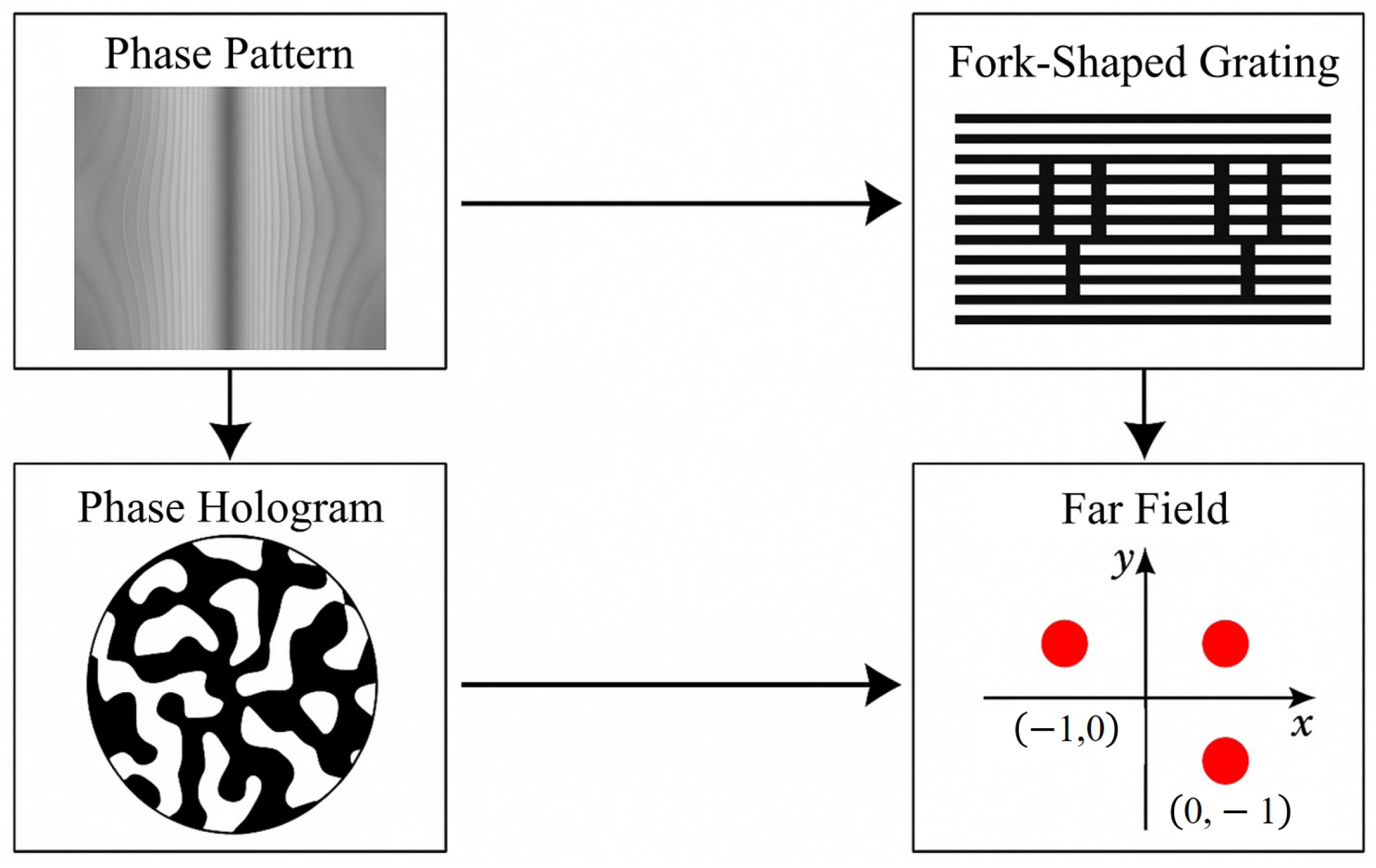
interval to form a physically realizable grating. Finally, the wrapped phase is encoded into a grayscale phase hologram and implemented on a spatial light modulator (SLM) or etched into a diffractive optical element (DOE) for practical use. This procedure ensures that the resulting CFG can simultaneously demultiplex multiple vortex beams by generating distinguishable diffraction spots in the far field. The grayscale phase profile of the designed CFG is illustrated in
Figure 3. For example, if the CFG is designed to separate vortex modes
and
, with
, then
. The resulting far-field intensity distribution shows two focused spots at positions
and
, corresponding to these two OAM modes. The grating period
, aperture size, and working wavelength
jointly determine the diffraction angle and spot separation distance. For a working wavelength of 1550 nm and a grating period of a few microns, spot separations of several millimeters in the far field can be achieved, enabling reliable spatial detection using conventional imaging sensors.
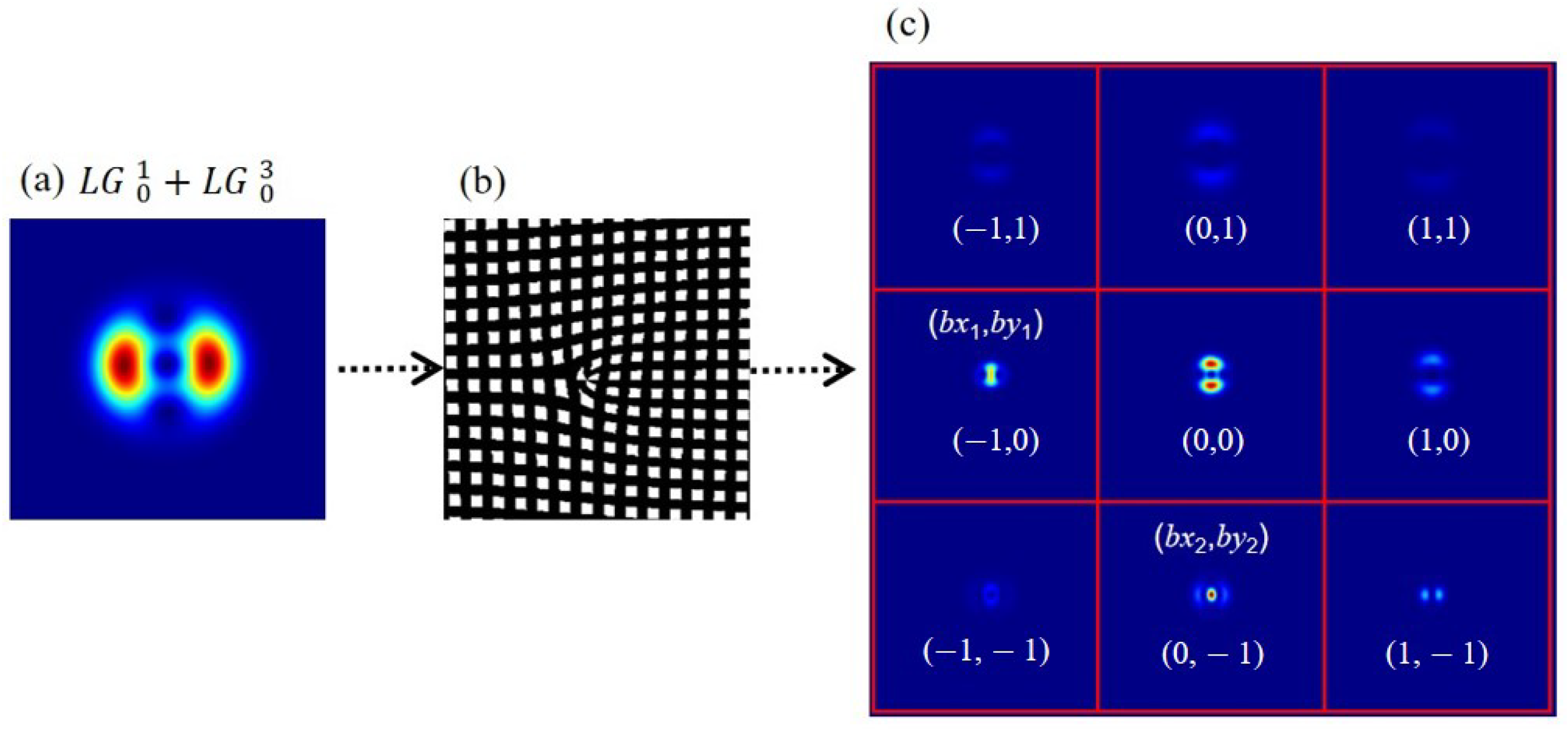
When a composite vortex beam propagates over a CFG, in the far-field diffraction pattern, the focused spot can be easily located. In
Figure 4, two focused spots appear at the coordinate positions
and
, and the OAM modes of the two vortex beams can be deduced according to the following equation set:
where
and
are the coordinates of two focused spots, while
and
are the OAM modes of two vortex beams. As illustrated in the decoding equations and verified by the far-field pattern, the two vortex beams carry the topological charges
and
, respectively, with the radial index
. The decoding precision of composite vortex beams using the composite fork-shaped grating (CFG) is inherently dependent on the accuracy of diffraction spot coordinate detection. Measurement uncertainties in spot positions
and
arise from several practical limitations: (1) the finite spatial resolution of the detector and sampling constraints, (2) optical aberrations including distortion and defocus, (3) environmental disturbances such as mechanical vibrations, and (4) the inherent limitations in spot localization algorithms. These errors propagate through the decoding equations, leading to inaccuracies in orbital angular momentum (OAM) mode determination. The relationship between coordinate measurement errors and resulting OAM mode errors is expressed as
where
represents the decoding error. Critically, the
y-coordinate error term
carries a triple weighting factor, indicating that vertical position measurements disproportionately influence decoding accuracy. This amplification effect necessitates stricter precision requirements for
y-axis detection compared to
x-axis measurements.
For discrete OAM mode identification, errors exceeding
may cause mode misclassification. Consider the decoding scenario presented in
Figure 3, where true positions
and
correspond to
,
. With typical measurement uncertainties of
and
at
, the maximum expected decoding errors are
,
. While these uncertainties preserve correct mode identification in this configuration, more challenging scenarios emerge for higher-order modes or systems with larger scaling factors
b. For instance, when decoding
with
, identical coordinate errors would yield
, demonstrating increased sensitivity for elevated mode numbers.
To ensure robust decoding performance, implementation considerations should include the utilization of high-resolution detectors (≥4 megapixels) with sub-pixel localization algorithms, optical path optimization to minimize aberrations, environmental isolation techniques to reduce vibrations, and calibration protocols for the precise determination of the scaling parameter
b. In the current experimental setup, spatial uncertainties were maintained below
through precision alignment, ensuring reliable mode discrimination, as evidenced in
Figure 4.
3. Discussion
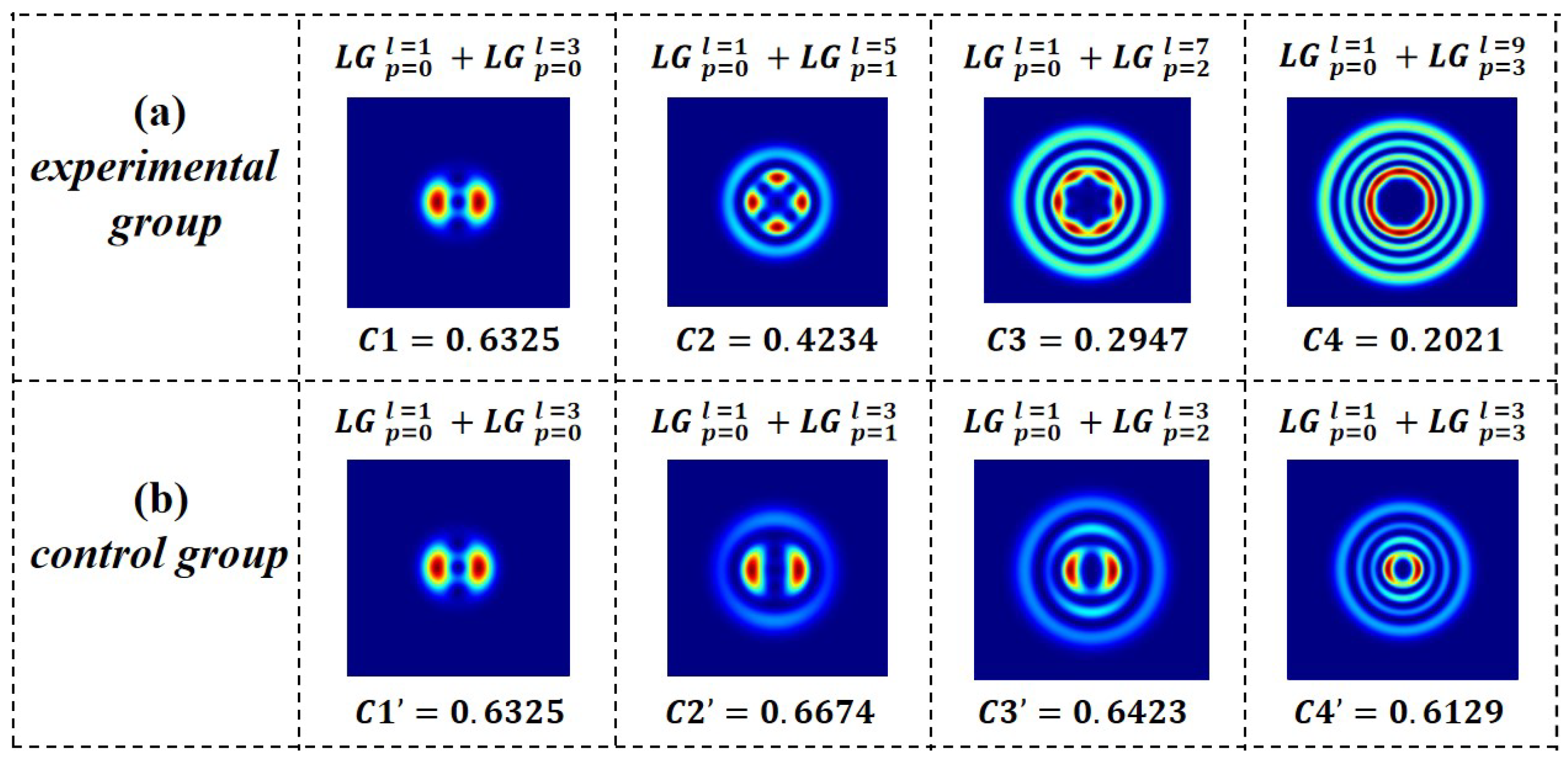
To evaluate the performance of the proposed encoding scheme, an experimental group and a control group were established for simulation analysis. In the experimental group, four sets of composite vortex beams were generated by the interval encoding method. When the two vortex beams were superimposed, the first beam was , and the second beam was , , , and , respectively. In the control group, four sets of composite vortex beams were generated by the non-interval encoding method. When the two vortex beams were superimposed, the first beam was , and the second beam was , , , and , respectively. For the purpose of control variables, all variables were identical in the experimental and control groups except for the OAM mode of the second beam, which was different.
Cosine similarity is a common measurement criterion in matrix algebra that is used to determine the degree of similarity between two nonzero matrices in an inner product space. It can be used to compare the correlation of the field of the composite vortex beam formed by interval and non-interval encoding methods.
The expression for cosine similarity is
where, when the two LG beams are superimposed,
A represents the intensity matrix formed by the first beam in the superposition state, and
B represents the intensity matrix formed by the second beam in the superposition state.
is the norm of the matrix. When the cosine similarity is closer to 1, it indicates a higher correlation between two matrices.
As shown in
Figure 5, the cosine similarity between the two LG beams forming the superposition state in the experimental group is
, while it is
in the control group. It turns out that
. When the OAM modes are spaced, the cosine similarity
is less than 0.6, and the larger the spacing of the OAM modes, the lower the cosine similarity. This indicates that the differences between the four superposition state patterns of the experimental group are significant, making them easily distinguishable and less susceptible to interference from adjacent modes during transmission. In contrast, the cosine similarity
in the control group is basically maintained at around 0.6, resulting in similar patterns for the four superposition states and making them prone to interference between adjacent modes. Therefore, the proposed method is proven to be effective and reliable.
Atmospheric turbulence (AT) is an important factor in intensity fading caused in free-space optical communications. When a composite vortex beam propagates in an atmospheric turbulence channel, the intensity of the beam changes randomly with the atmospheric refractive index [
22] in space and time, resulting in the degradation of the intensity pattern quality at the receiver and ultimately decreasing the accuracy of the information transmission. In order to further analyze the feasibility of the proposed encoding method, a series of random phase screens are added to the propagation path to simulate the atmospheric turbulence phase perturbation. The phase screen [
23] can be characterized as
where
is the Fourier transform,
N is the number of grid sampling points,
M is the
dimensional complex random variable,
is the grid spacing,
is the wave number in the
x direction,
is the wave number in the y direction,
,
is the interval between phase screens,
,
is the inner scale of AT,
is the outer scale of AT, and the strength of AT can be represented by a refractive structure coefficient
. When the parameters are set as
,
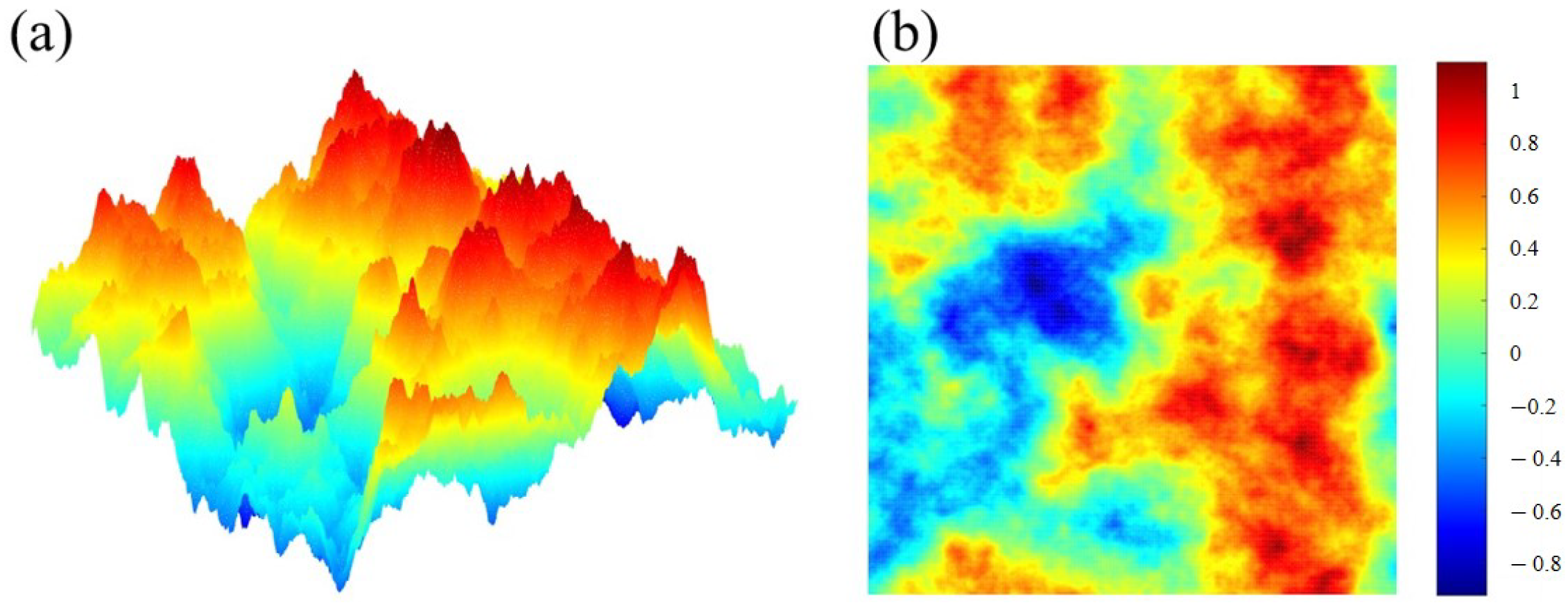
Figure 6 shows that the phase of AT is generated by the computer simulation, and
Figure 7 demonstrates the propagation of a composite vortex beam in atmospheric turbulence from
to
.
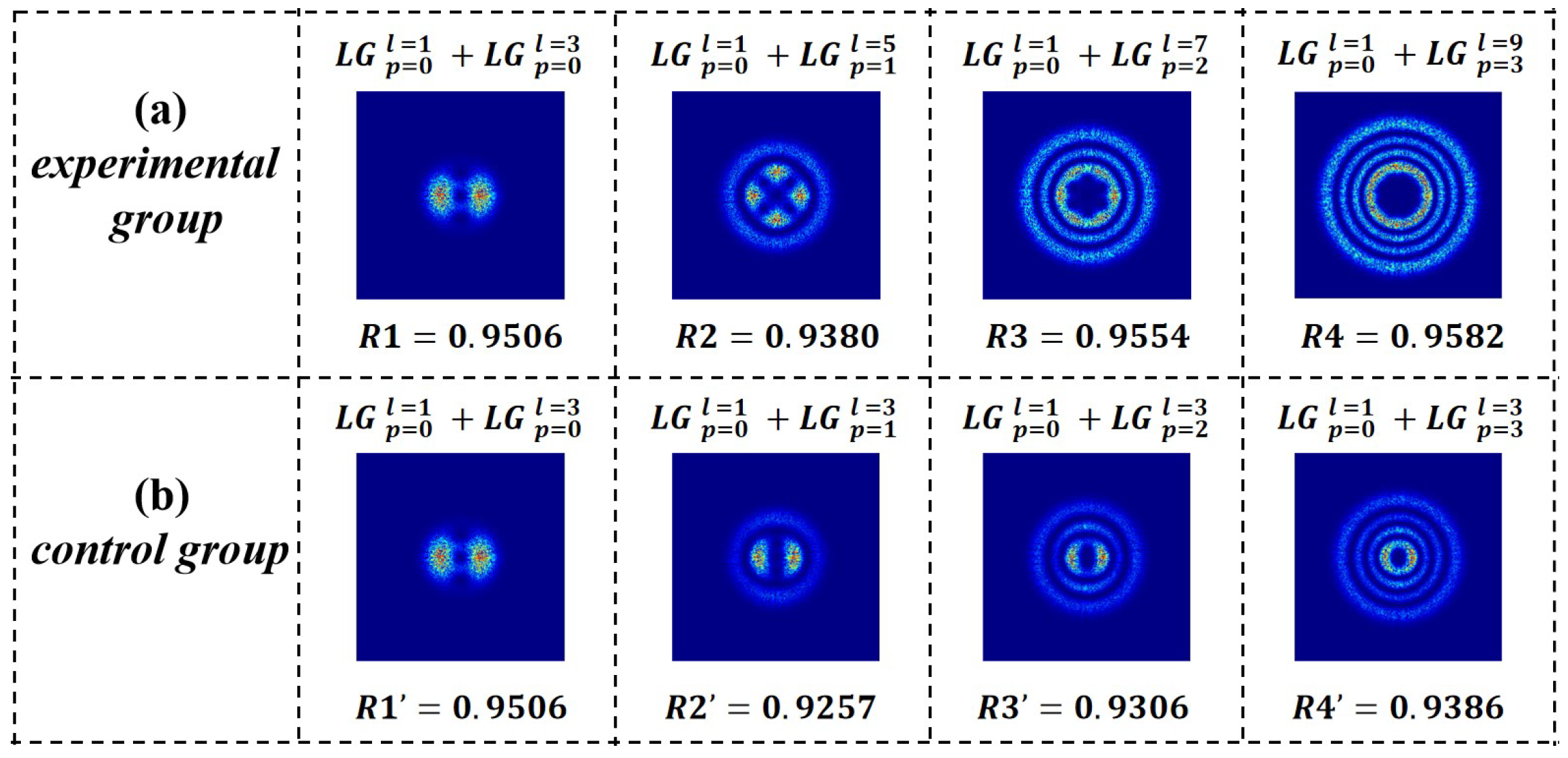
Figure 7 shows the intensity patterns of
Figure 5 after
m of propagation in atmospheric turbulence at
. It can be seen that under the influence of atmospheric turbulence, the intensity is dispersed, the energy distribution is no longer uniform, and the spiral phase is distorted. The Pearson correlation coefficient
R is introduced to measure the correlation of the light field before and after being affected. The correlation of light fields before and after being affected by AT in the experimental group is
to
, and in the control group, it is
to
. It is clear that
, indicating that the composite vortex beams generated by the interval encoding method can remain highly correlated with their pre-impacted counterparts, even under the influence of stronger atmospheric turbulence and a transmission distance of 1000 m, confirming the effectiveness of the proposed interval encoding scheme.



 ,
,