Article

Analysis of Pharmaceutical Processes in Chinese Medicine Based on Quantity and Measure Value Transfer: A Case of Salvia miltiorrhiza Purified Extract Preparation


1
Pharmaceutical Informatics Institute, College of Pharmaceutical Sciences, Zhejiang University, Hangzhou 310058, China
2
Tonghua Tianshi Pharmaceutical Co., Ltd., Tonghua 134002, China
3
State Key Lab Component Based Chinese Med, Innovat Ctr, Zhejiang University, Hangzhou 310058, China
4
Innovation Institute for Artificial Intelligence in Medicine, Zhejiang University, Hangzhou 310018, China
*
Author to whom correspondence should be addressed.
These authors contributed equally to this work.
Separations 2023, 10(6), 364; https://doi.org/10.3390/separations10060364

Submission received: 4 May 2023 / Revised: 7 June 2023 / Accepted: 15 June 2023 / Published: 18 June 2023
(This article belongs to the Section Analysis of Natural Products and Pharmaceuticals)

Abstract

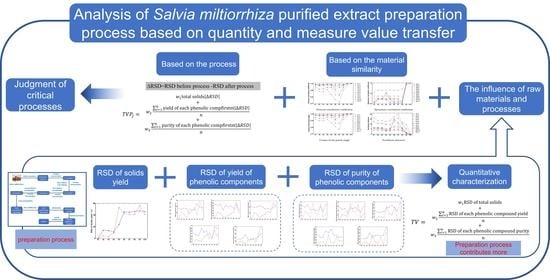
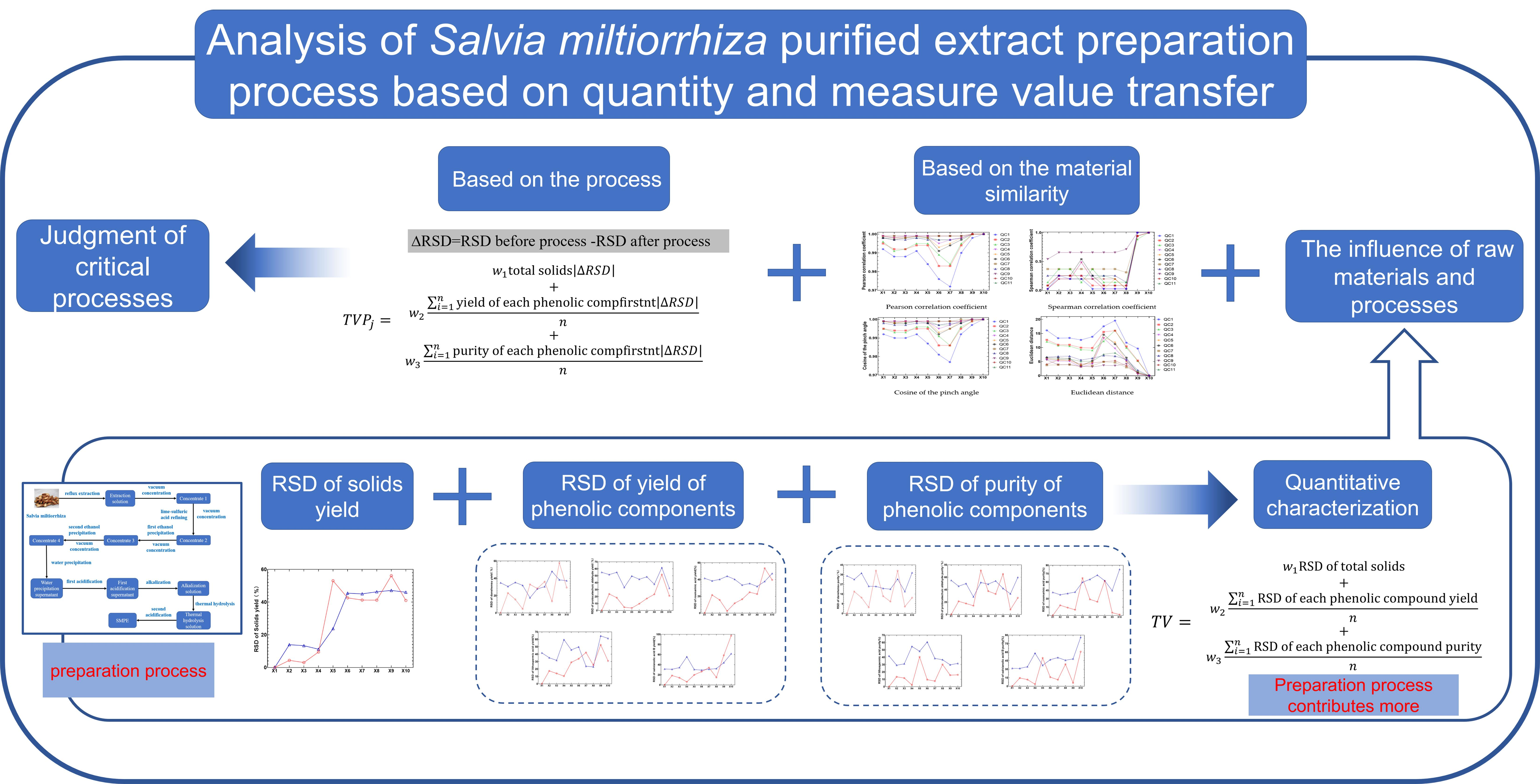
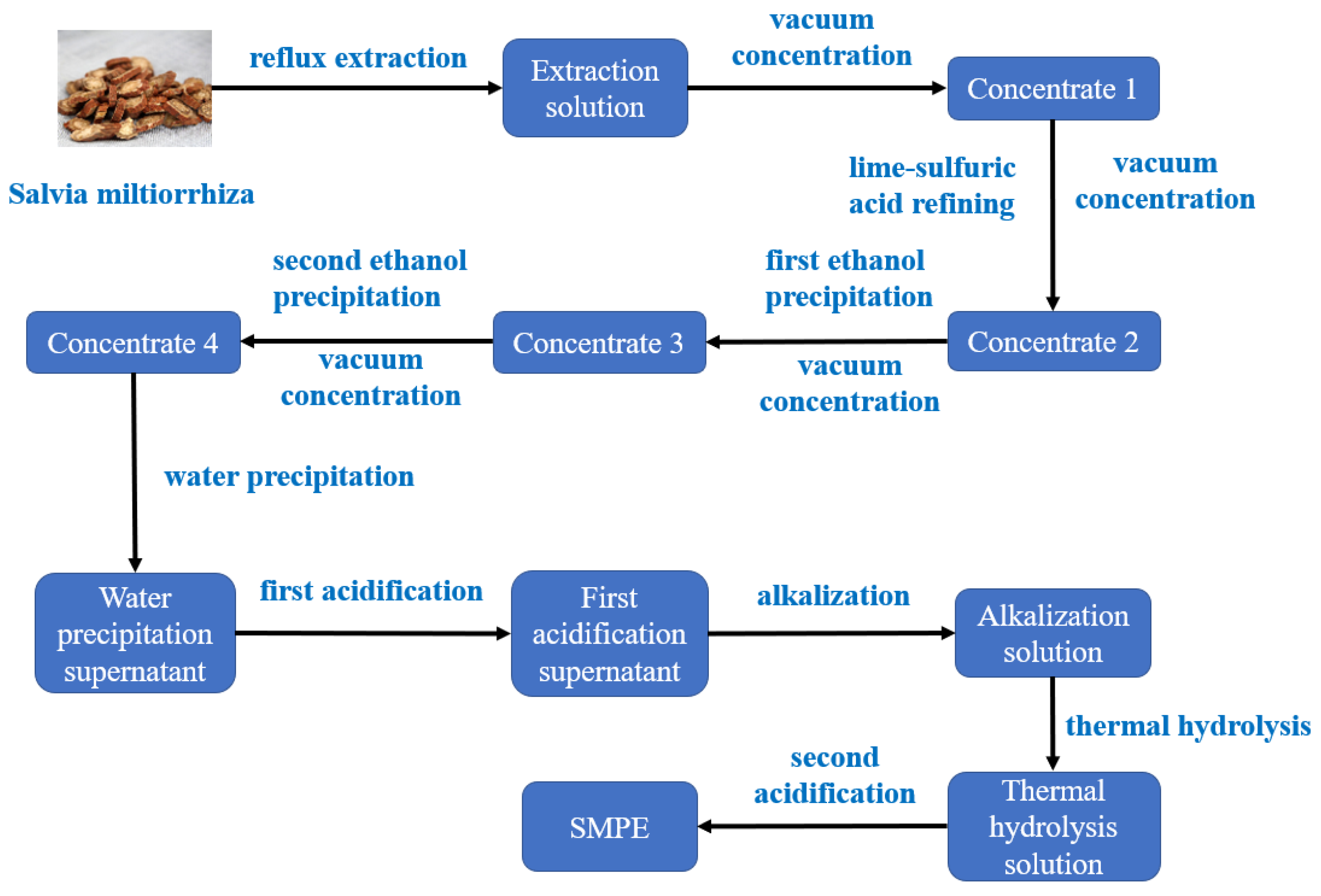
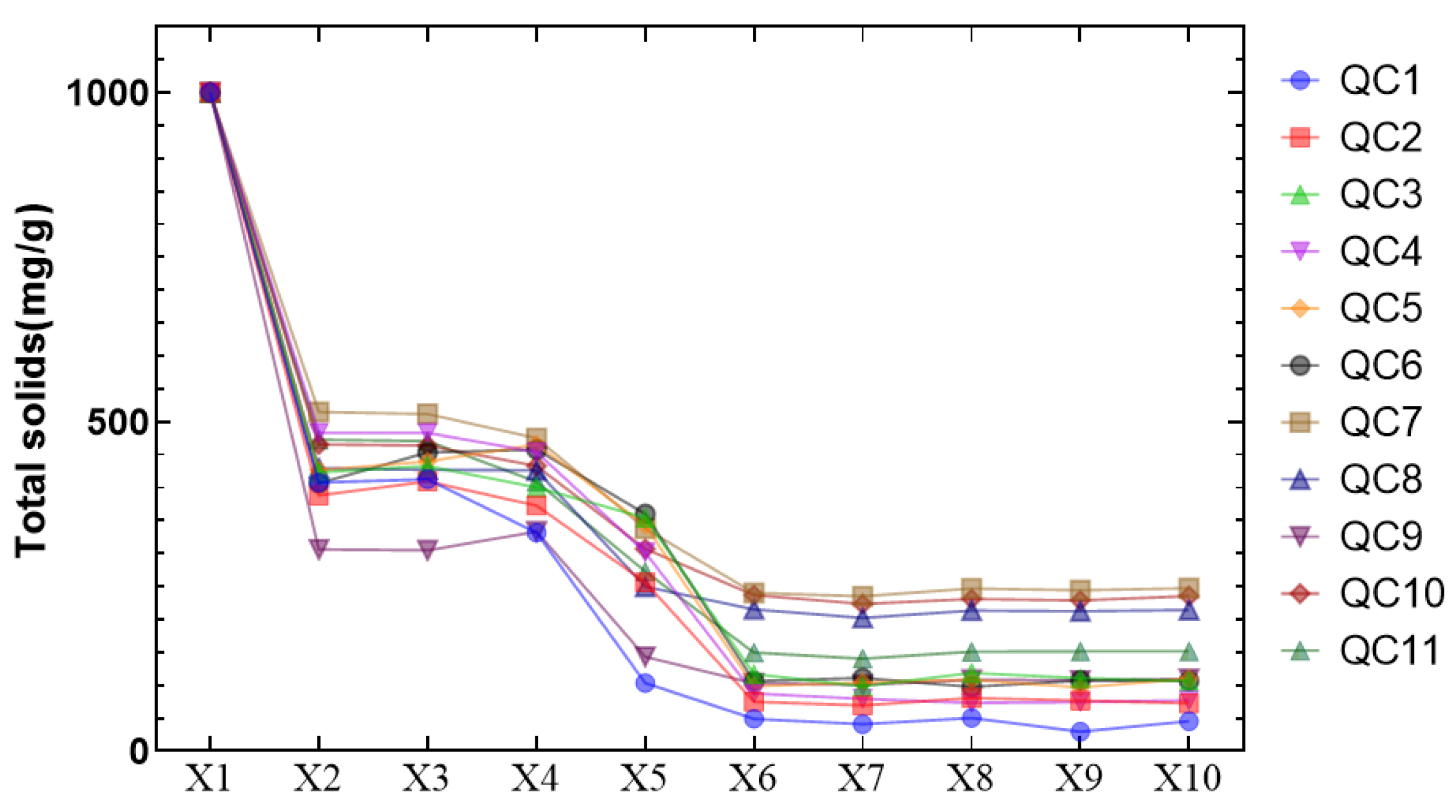
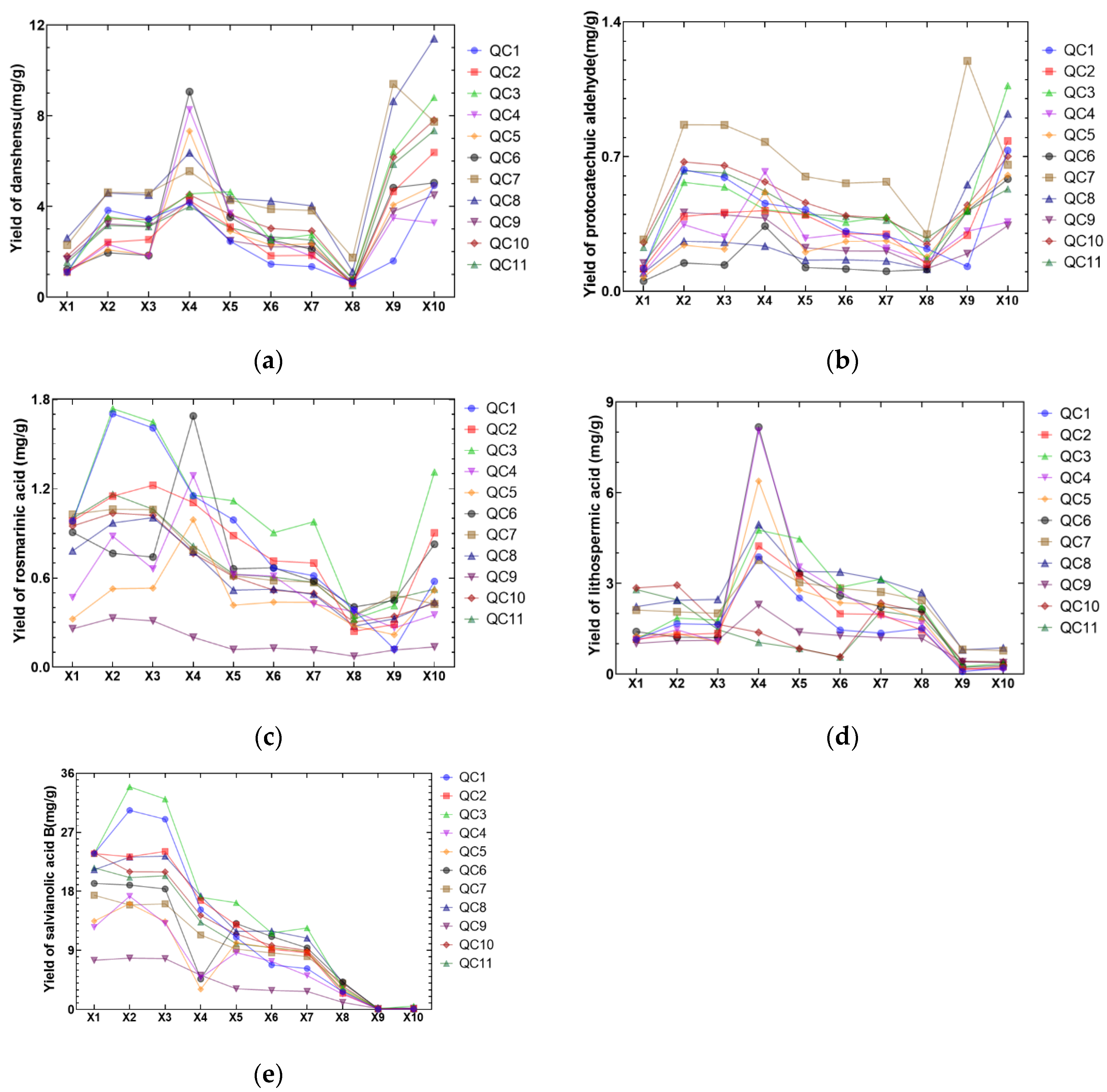
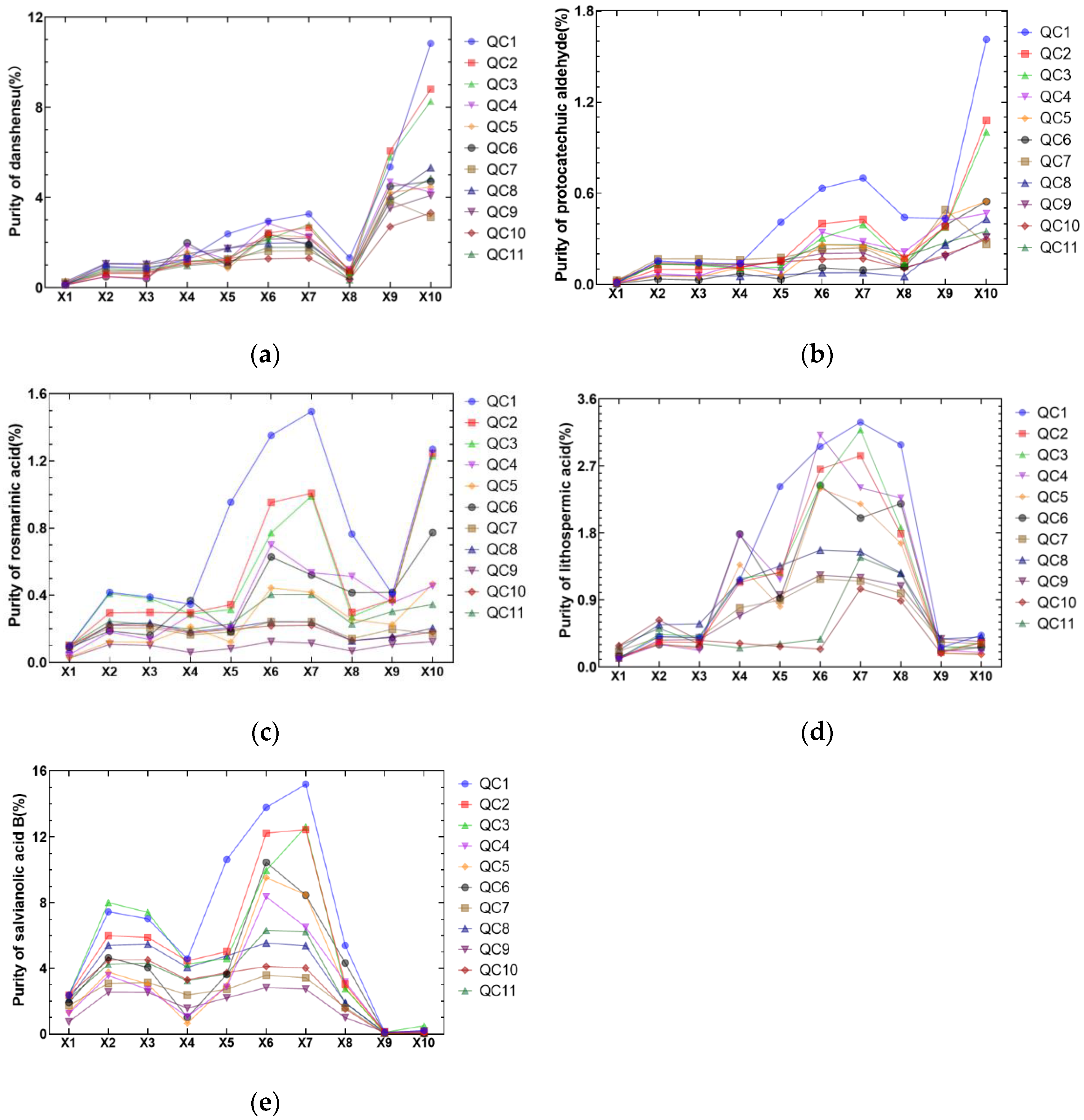
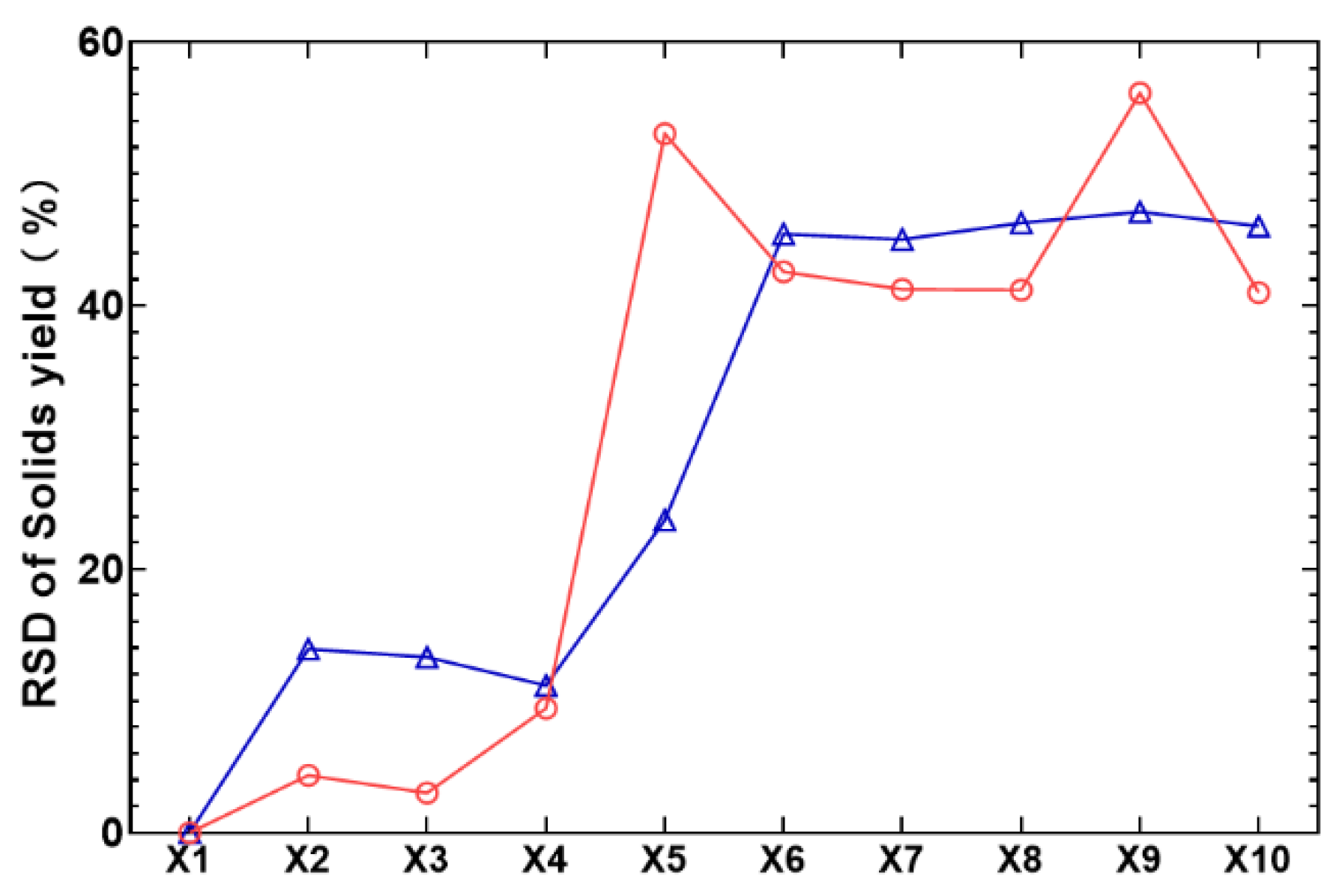
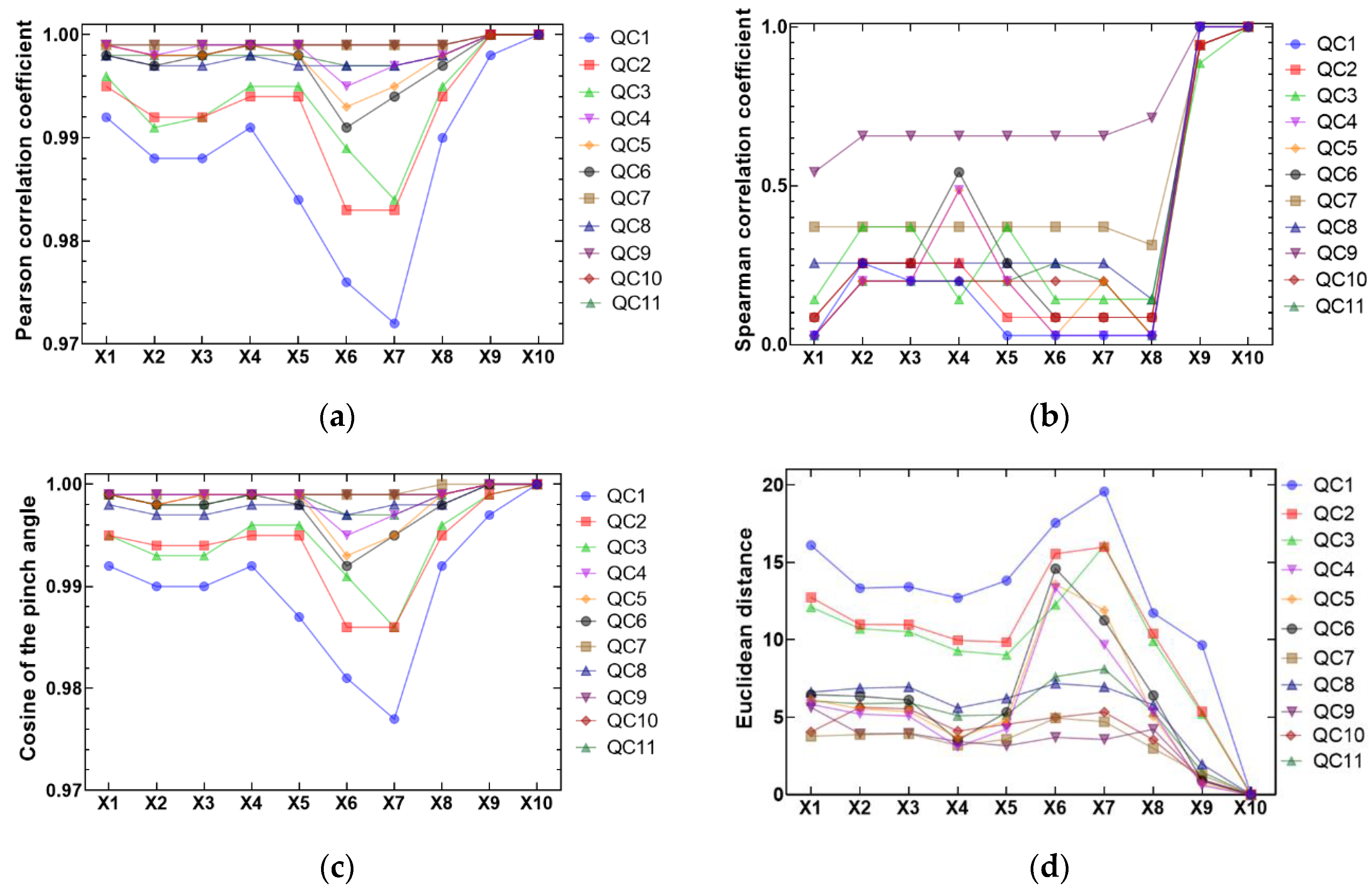
Quantity and measure value transfer is widely used to examine the correlation between the quality of Chinese herbs, Chinese herbal intermediates, and Chinese patent medicines. This study performed a quantity and measure value transfer analysis to assess the total solids yield, phenolic component yield, and phenolic component purity in the Salvia miltiorrhiza purified extract (SMPE) preparation process. The amount of extracted total solids was between 45–250 mg/g following the processes of reflux extraction, vacuum concentration, lime–sulfuric acid refining, first ethanol precipitation, second ethanol precipitation, first acidification, alkalization, thermal hydrolysis, and second acidification. Regarding yield and purity, Danshensu ranked first among all phenolic components. Additionally, a quantitative index defined as the total variation (TV) value was proposed to describe the consistency of the SMPE preparation process. The batch-to-batch variation in the SMPE came from the variable in herb quality and the preparation process, and the latter contributed more. The contribution of individual processes to the total variation (TVP) was proposed as an index to measure the impact of processes on batch-to-batch consistency. According to the TVP value, the lime–sulfuric acid refining process, the first ethanol precipitation process, and the second acidification process were all deemed crucial. When the similarity algorithms for the composition of the intermediates and SMPE were examined, the Euclidean distance outperformed the Pearson correlation coefficient, Spearman correlation coefficient, and cosine of the pinch angles. Based on the variation in the average Euclidean distance (ΔDj¯) during the process, the second ethanol precipitation, alkalization, and thermal hydrolysis processes were determined to be critical. This study clarified the primary causes of extract quality fluctuation, identified the critical processes, and examined the pharmaceutical process of traditional Chinese medicine (TCM) from the standpoint of quantity and measure value transfer. The method can be used as a reference for the analysis of other TCM pharmaceutical processes.
Keywords: Salvia miltiorrhiza purified extract; critical processes; batch-to-batch consistency; sources of variation Salvia miltiorrhiza purified extract; critical processes; batch-to-batch consistency; sources of variation
Graphical Abstract