Article

Preparation of Biocomposite Soft Nanoparticles Composed of Poly(Propylene Oxide) and the Polymer-Binding Peptides


1
Department of Chemical Science and Engineering, School of Materials and Chemical Technology, Tokyo Institute of Technology, 2-12-1-H121 Ookayama, Meguro-ku, Tokyo 152-8550, Japan
2
Precursory Research for Embryonic Science and Technology, Japan Science and Technology Agency, 4-1-8 Honcho, Kawaguchi-shi, Saitama 332-0012, Japan
*
Author to whom correspondence should be addressed.
Processes 2020, 8(7), 859; https://doi.org/10.3390/pr8070859
Submission received: 6 June 2020 / Revised: 10 July 2020 / Accepted: 13 July 2020 / Published: 17 July 2020
(This article belongs to the Special Issue Advances of Peptide Engineering)

Abstract

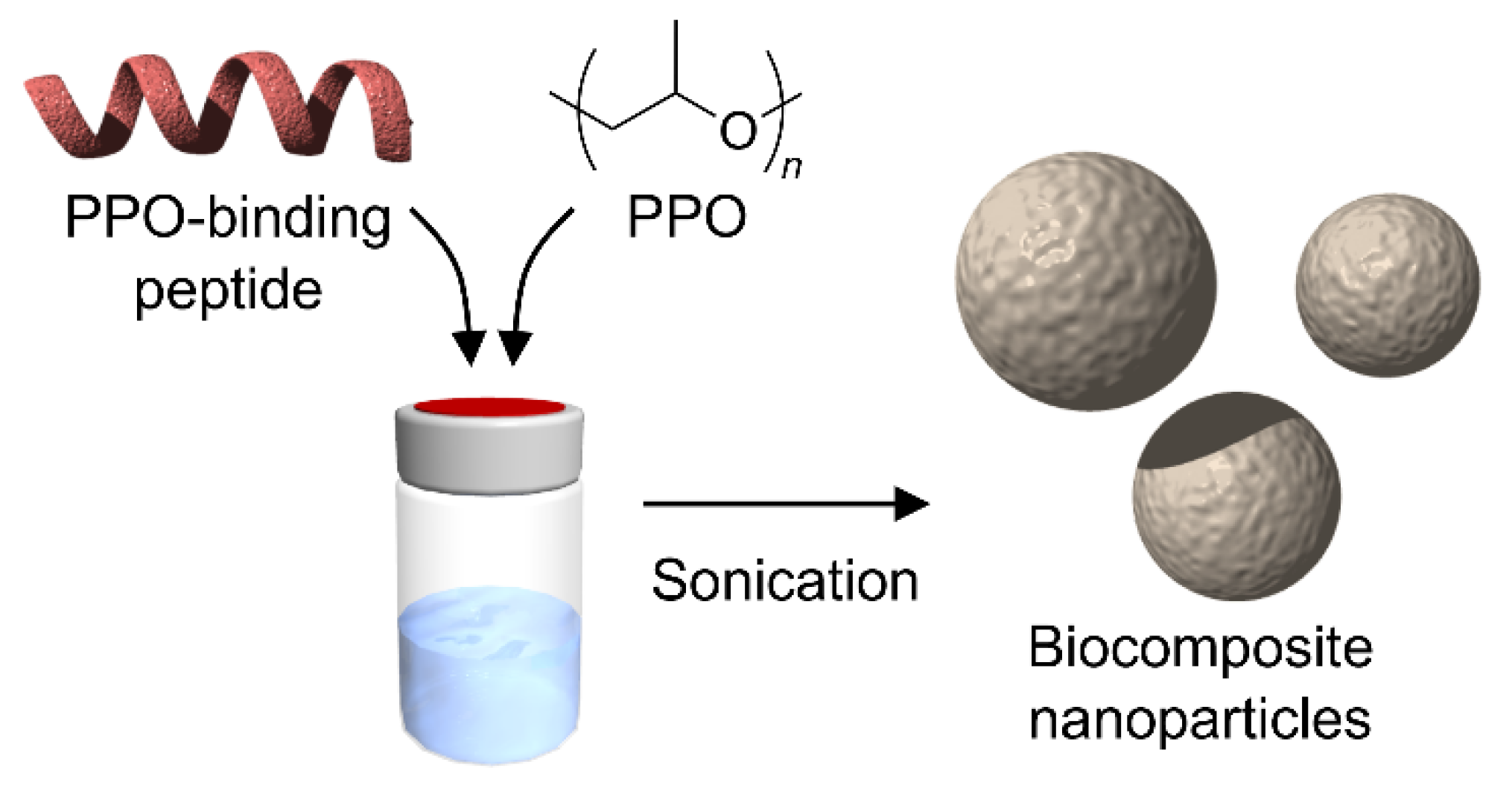
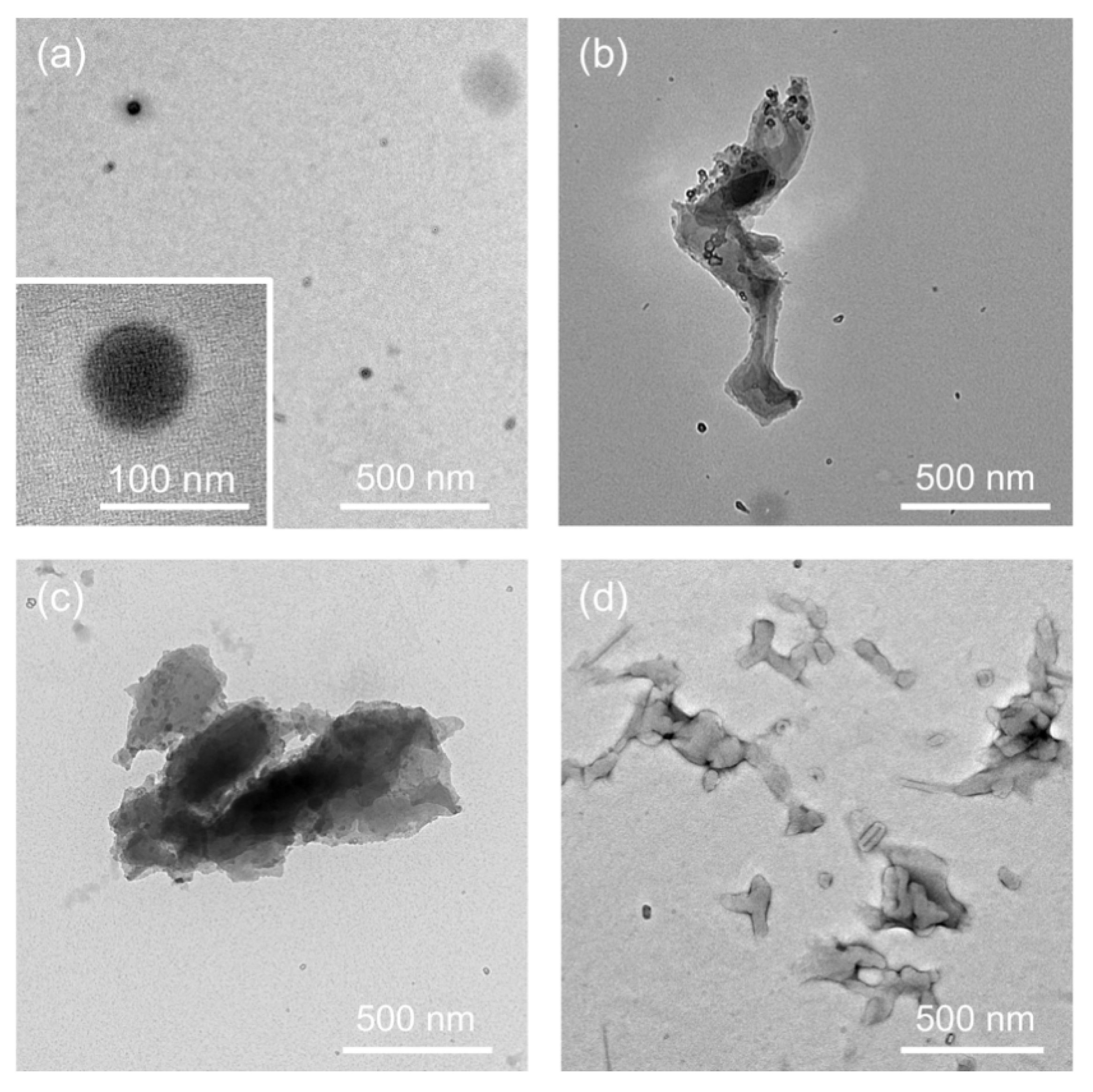
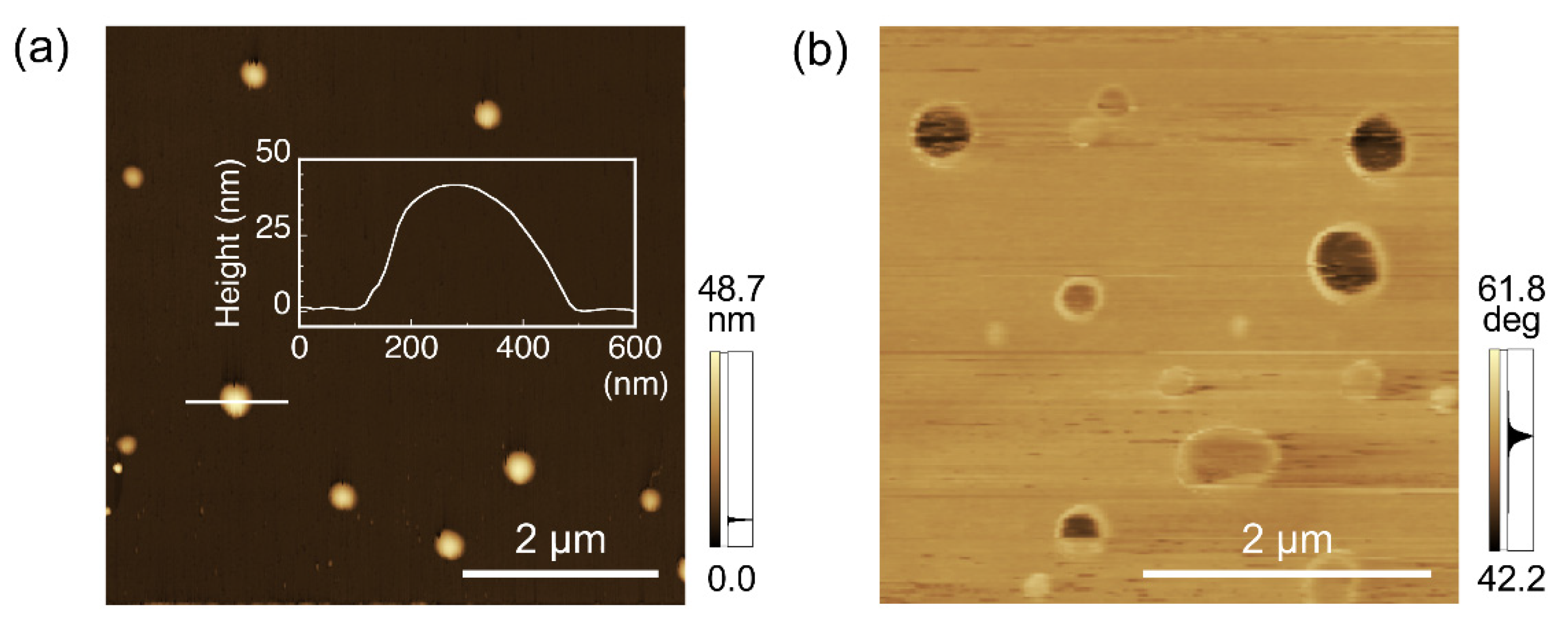
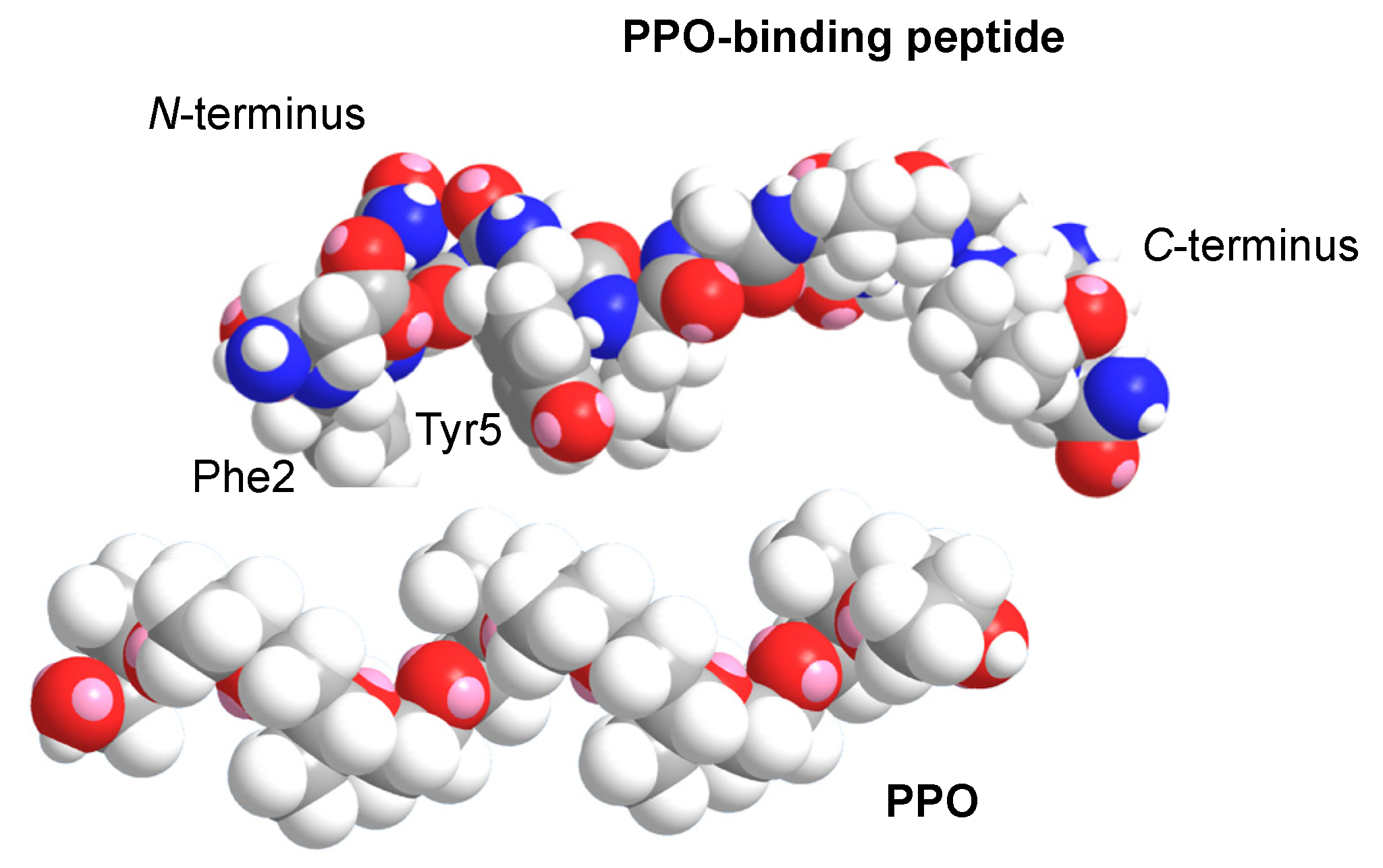
The molecular recognition capability of naturally occurring biomolecules is generally expressed against biomolecules in the biological milieu. Recently, it was demonstrated that the specific interactions of biomolecules such as short peptides were applicable to artificial materials. We have developed peptides with specific affinities for synthetic polymers toward functional biocomposite polymeric materials. In this study, we demonstrated the preparation of biocomposite nanoparticles composed of poly(propylene oxide) (PPO) and PPO-binding peptides. A simple injection of a concentrated PPO solution dissolved in an organic solvent into the peptide solution under sonication resulted in the formation of nanospherical structures. Morphological observation indicated characteristic softness and high applicability as a molecular carrier of the biocomposite nanoparticles. Structural characterization of PPO and the PPO-binding peptide revealed the structural conformability of these molecules to interact specifically with each other. Our findings expand the potential applicability of polymer-binding peptides for the future construction of biomedical materials composed of peptides and various polymers.
Keywords: polymer-binding peptide; phage display; polymeric nanoparticle; specific interaction; biomedical application polymer-binding peptide; phage display; polymeric nanoparticle; specific interaction; biomedical application