Article

A Deep Learning Method for Yogurt Preferences Prediction Using Sensory Attributes


1
Department of Chemical Engineering, Tsinghua University, Beijing 100084, China
2
Beijing Key Laboratory of Industrial Big Data System and Application, Beijing 100084, China
3
COFCO Nutrition Health Research Institute, Beijing 102209, China
4
School of Food Science and Technology, Dalian Polytechnic University, Dalian 116034, China
*
Authors to whom correspondence should be addressed.
Processes 2020, 8(5), 518; https://doi.org/10.3390/pr8050518
Submission received: 9 March 2020 / Revised: 11 April 2020 / Accepted: 14 April 2020 / Published: 27 April 2020
(This article belongs to the Special Issue Processing Foods: Process Optimization and Quality Assessment)

Abstract

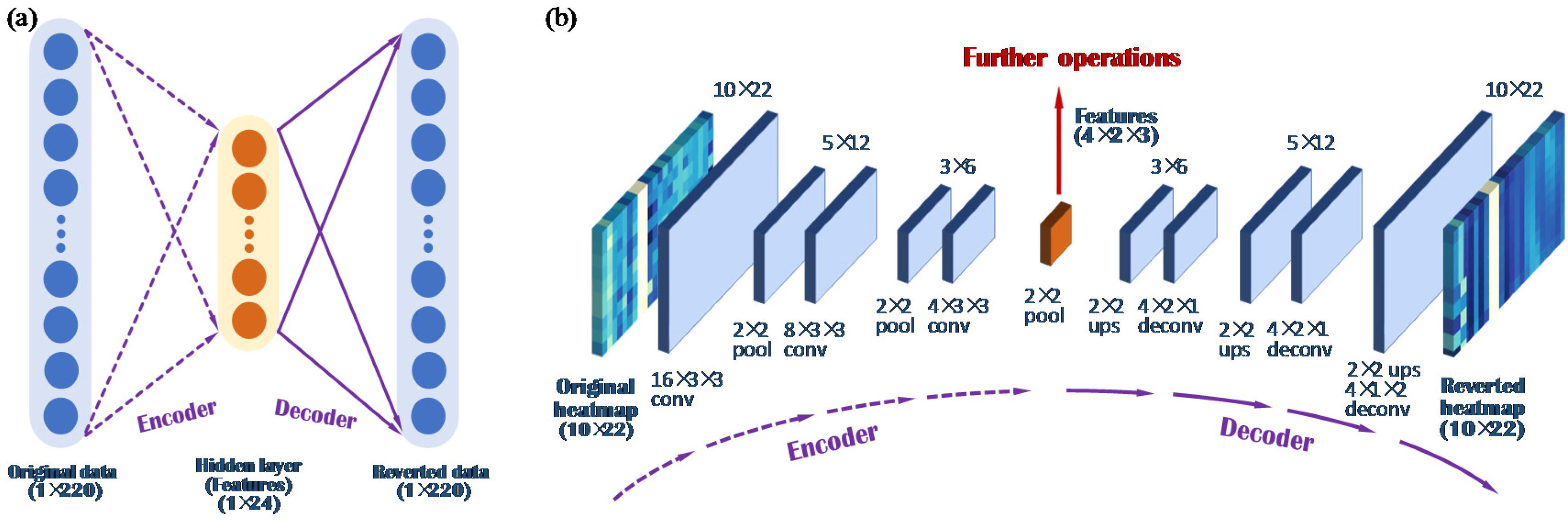
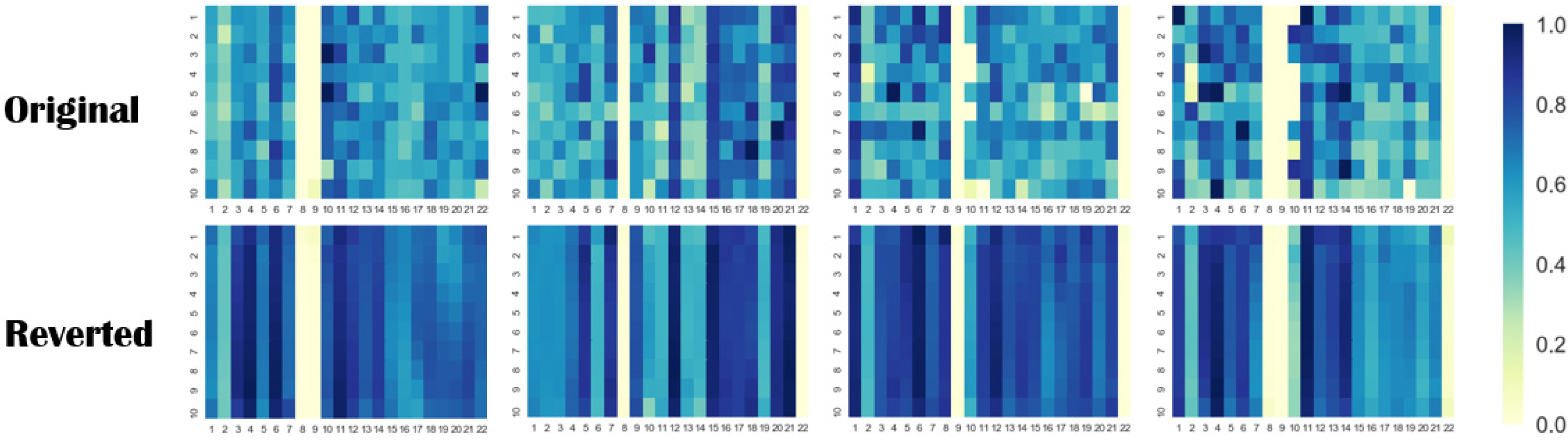
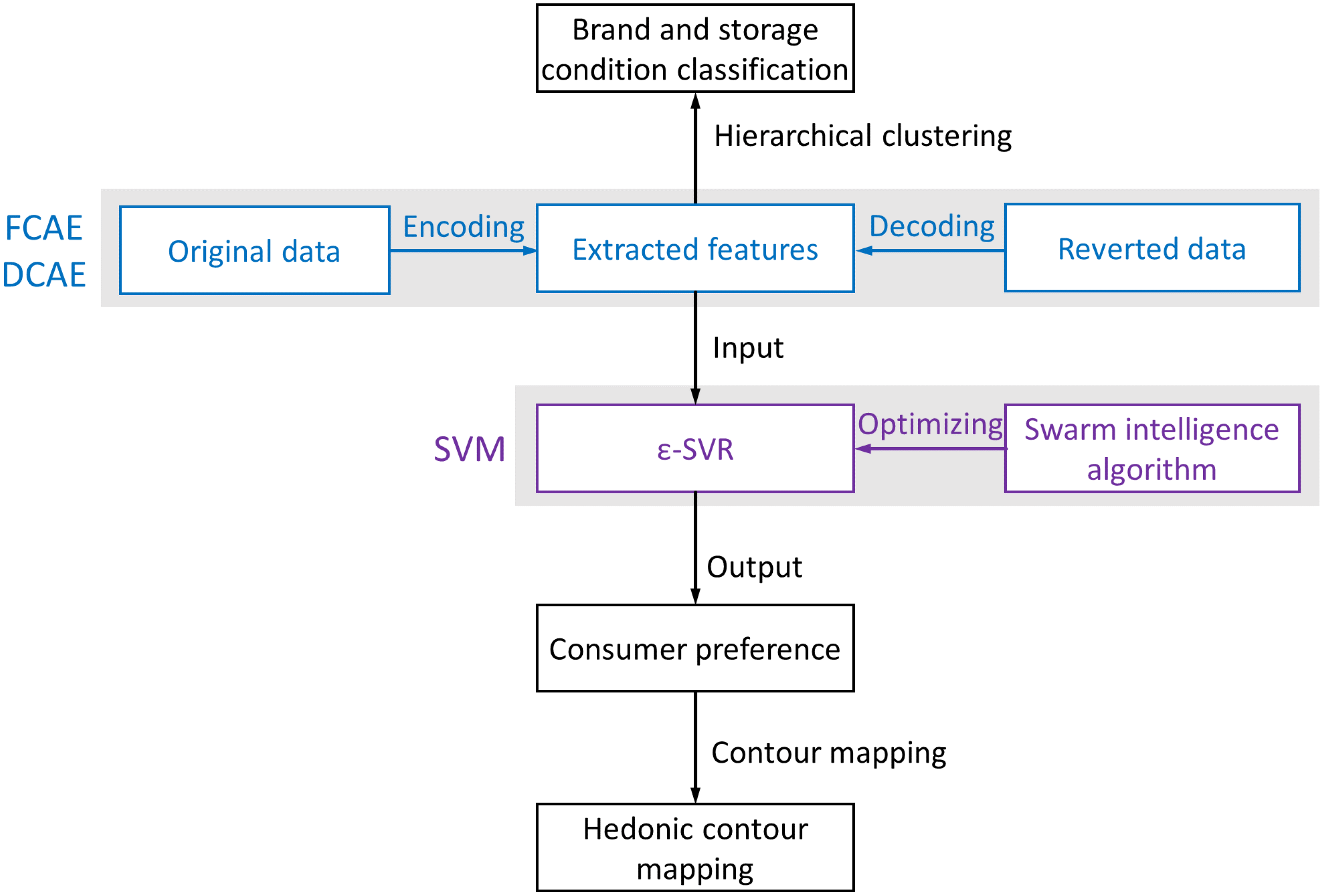
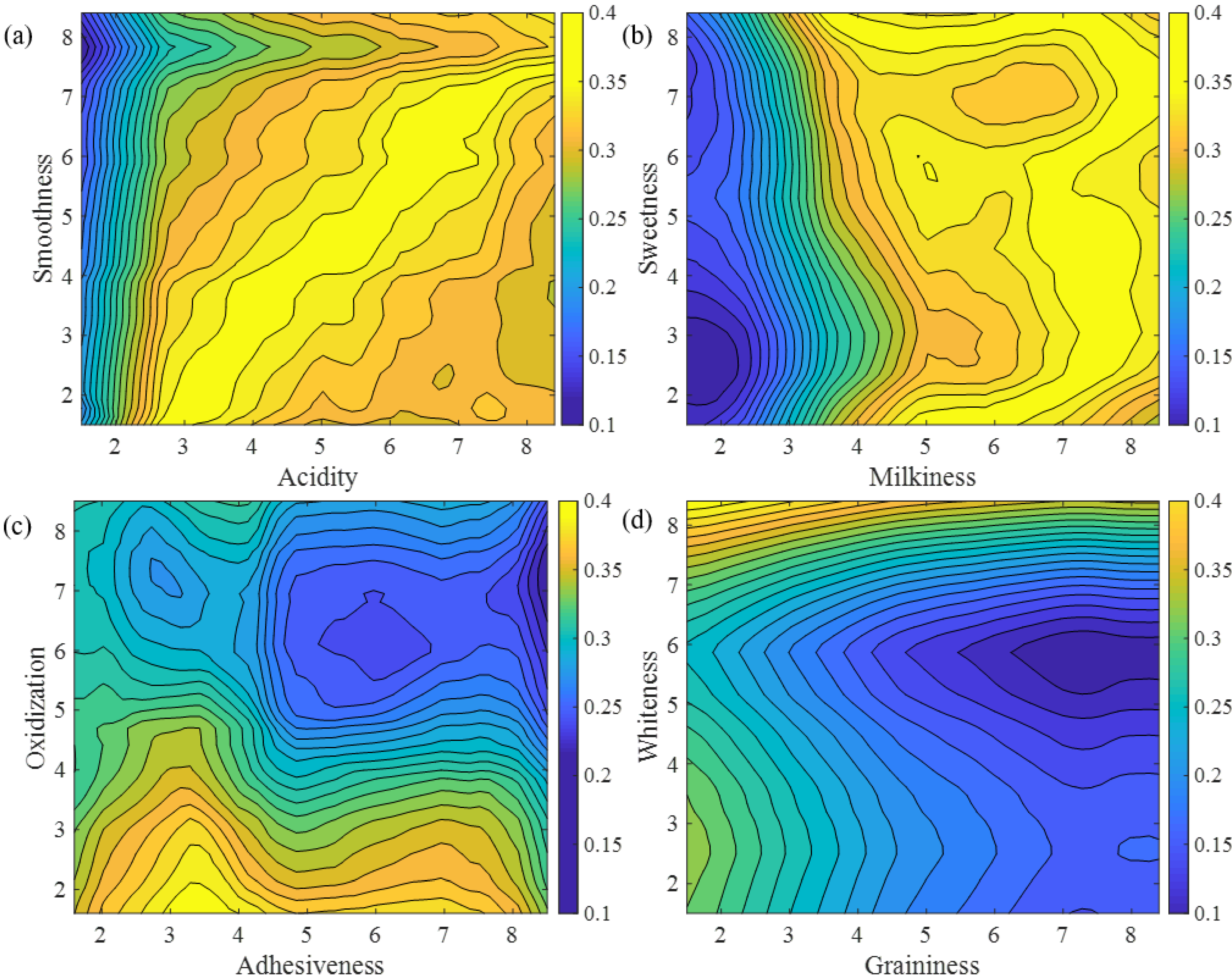
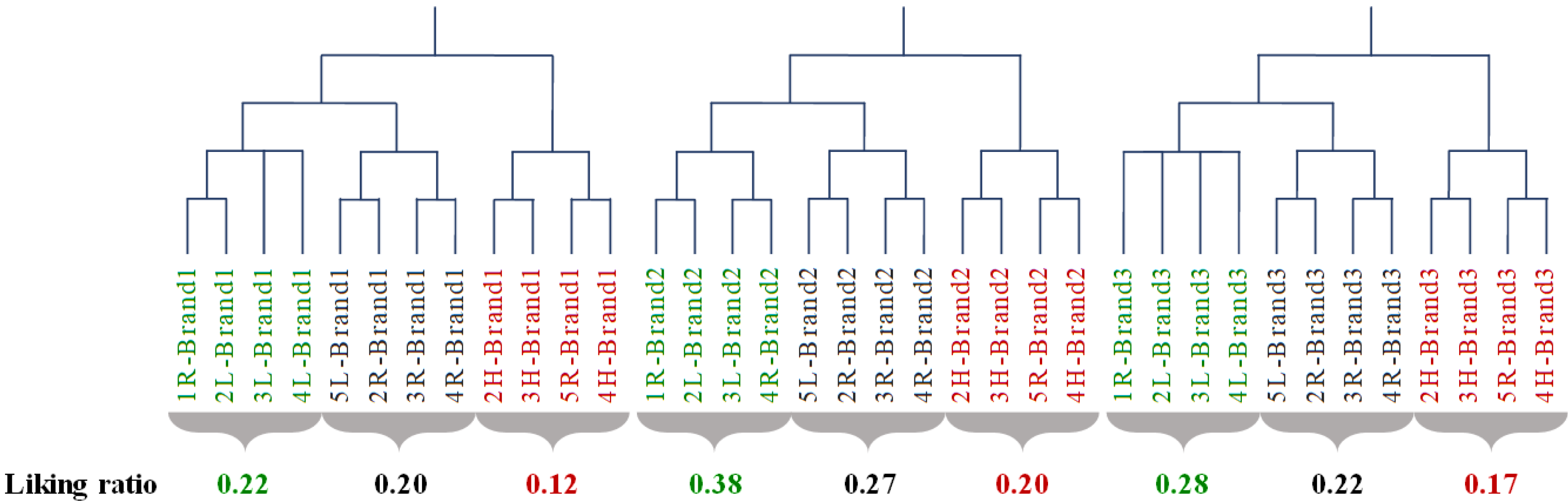
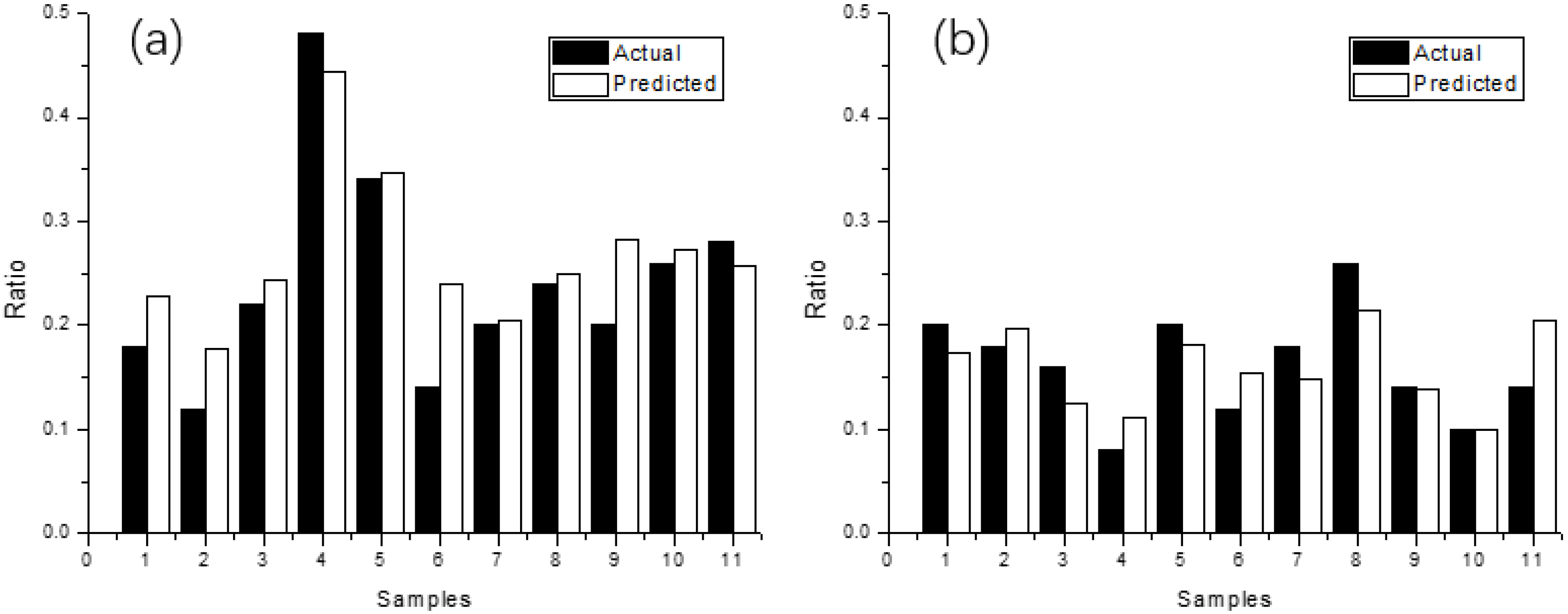
During the development of innovative products, consumer preferences are the essential factors for yogurt producers to improve their market share. A high-performance prediction method will be beneficial to understand the intrinsic relevance between preferences and sensory attributes. In this study, a novel deep learning method is proposed that uses an autoencoder to extract product features from the sensory attributes scored by experts, and the sensory features acquired are regressed on consumer preferences with support vector machine analysis. Model performance analysis, hedonic contour mapping, and feature clustering were implemented to validate the overall learning process. The results showed that the deep learning model can vouch an acceptable level of accuracy, and the hedonic mapping reflected could supply a great help for producers’ product design or modification. Finally, hierarchical clustering analysis revealed that for all three brands of yogurts, low temperature (4 °C) storage for no more than 4 weeks can promise the highest consumer preferences.
Keywords: yogurt; sensory attributes; consumer preference; autoencoder; support vector machine yogurt; sensory attributes; consumer preference; autoencoder; support vector machine