1. Introduction
In recent years, increasing attention has been paid to building materials with a reduced environmental impact and improved functional performance [
1]. This especially applies to gypsum, one of the most widely used binders in interior construction, which has attracted significant research interest due to its insulating properties, ease of processing, and compatibility with other materials [
2,
3]. However, traditional gypsum exhibits several limitations, including a relatively low thermal insulation performance and a limited resistance to environmental factors. Another significant drawback is its rapid setting time, which can restrict its practical application [
4].
Numerous studies have focused on developing innovative composite materials by modifying gypsum with by-products from various industrial sectors [
5]. The authors of publication [
6] have produced unconventional modified gypsum composites by dry-mixing fine or very fine sand, silica dust, silica gel, rice husk, slag and calcium carbonate (or polyvinyl acetate (PVA)). The influence of these additives on mechanical strength and water resistance was evaluated. It was demonstrated that changes in the morphology and grain dimensions of set plaster composites led to improved compressive strength and water resistance.
In studies [
7,
8], the authors proved that the use of various additives in gypsum led to a reduction in bulk density while simultaneously leading to an increased normal consistency, setting time, and apparent porosity. A moderate increase in the compressive strength of gypsum composites was also observed. This improvement resulted from the presence of additive particles in the interstitial pores of the hardened gypsum matrices.
In article [
9], the possibility of using waste polystyrene (EPS) as a filler material in gypsum plaster that had the addition of resin was investigated. After collecting the waste EPS as packaging material and crushing it to a particle size of 0–3 mm, it was then mixed with gypsum in the following proportions: 20%, 40%, 60%, and 80%. Tragacanth was added to each binder in amounts of 0.5%, 1%, and 1.5% by weight in order to create artificial pores in the gypsum blocks. It was found that thermal conductivity, compressive strength, and tensile strength decreased with increasing amounts of EPS and tragacanth in the mixture. The produced samples should not be used in exterior plasters exposed to water due to the risk of freezing, as their water absorption was found to exceed 30%.
An increasingly popular solution is the use of biological waste as additives to building materials [
10]. The introduction of plant-based raw materials is consistent with the principles of the circular economy and sustainable development, and can simultaneously improve the properties of modified materials [
11]. By appropriately selecting the type and amount of additive, it is possible to achieve a favorable balance between the basic properties of the resulting composite [
12].
The authors of paper [
13] analyzed gypsum composites with added palm fibers. They demonstrated that although they retained their advantage over glass fiber-reinforced composites, their compressive strength decreased with an increasing palm fiber content. In turn, the authors of paper [
14] demonstrated that the use of biodegummed hemp fibers as reinforcement led to improved mechanical properties and increased thermal resistance of gypsum composites. The research results published in both papers [
13,
14] confirm that fiber reinforcement significantly and effectively modifies the mechanical properties of gypsum composites by enabling their adaptation to specific applications.
In ref. [
15], the effect of replacing sand with olive pomace waste (OPW) as a sand substitute in composite plaster mortars (CPM) was investigated. The research focused on their thermal, hygrothermal, and mechanical properties. Preliminary results showed improved thermal properties of CPM at higher substitution rates. The formulation containing 100% OPW (CPMOPW100) demonstrated the best hygrothermal performance. Olive pomace waste (OPW) enhanced moisture regulation, and despite a slight reduction in mechanical strength, the material’s performance remained within acceptable limits.
The authors of paper [
16] investigated the addition of hybrid cellulose waste, such as paper and wood chips, on the properties of gypsum composites. It was observed that such an addition caused a significant increase in the critical pore diameter (reaching approximately 9 µm). This in turn significantly increased the porosity of the gypsum material (up to 79%) and increased the capillary absorption coefficients to 4.68 kg/(m
2 min
−0.5). Sorption curves indicate high moisture absorption by the composites when compared to the reference gypsum. Similar profiles and shapes of the GAB model suggest a comparable microstructure. The gypsum-based composites exhibit type II hysteresis, which is associated with macropores (dth: 22.158 µm) that show strong interactions. The developed composites demonstrated an exceptionally high water vapor permeability of 2.66 × 10
−11 kg/(m × s × Pa) when compared to conventional gypsum. This indicates their excellent hygroscopicity. Water vapor resistance values for all the composites ranged from 7.51 to 9.12. MBV values recorded for the biocomposites ranged from 2.5 to 3.2 g/(m
2 × %RH), which indicates that these materials possess an “excellent” moisture buffering capacity (MBV > 2 g/(m
2 × %RH)). Gypsum biocomposites that incorporate waste materials are characterized by excellent hygroscopic properties, making them suitable for a variety of applications.
Previous research indicates the potential of biological waste in gypsum modification, but systematic analyses covering both thermal and mechanical properties, as well as the microstructural behavior of the material after the incorporation of different bio-waste fractions, are lacking. This study aims to fill this gap by comprehensively assessing the effect of the type and concentration of biological additives on the functional parameters of gypsum composites, including their thermal conductivity, capillary rise, water absorption, hardness, dimensional stability, and resistance to frost cycling.
2. Materials and Methods
Construction gypsum from DOLINA NIDY (Lescze, Poland) was used for the tests. This gypsum meets all the requirements of the PN-EN 13279-1:2009 standard [
17]. According to the manufacturer’s specifications, the density of the material at 20 °C is 0.9 g/cm
3, and the recommended mixing ratio between water and the dry mix is 0.6 L per 1 kg [
18].
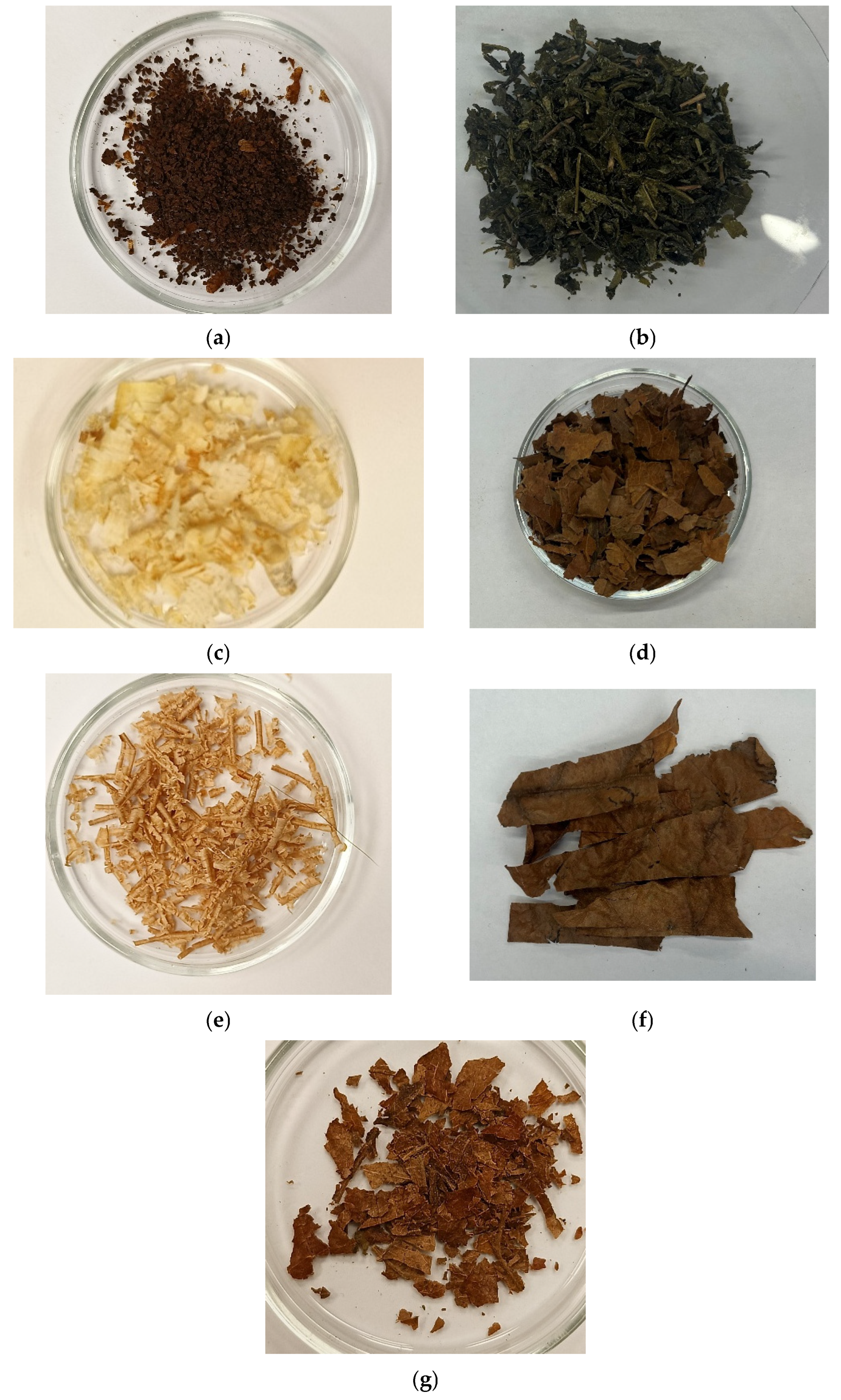
Five different additives derived from bio-waste were selected for testing, and then incorporated into the gypsum composite in varying mass fractions. A detailed summary of the additives that were used and their corresponding mass proportions is presented in
Table 1. The amount of bio-waste used in the gypsum was selected based on experimental studies, which aimed to determine the upper limit of the additive that would still allow for the effective mixing and grinding of the material. After preliminary testing, the material that obtained the most satisfactory results was selected, and the measurements were expanded to include modifications for this component (samples 12–16). The additive consisted of beech leaves (
Fagus sylvatica L.). The leaves were dried prior to use and, for bulk-modified samples, mechanically ground. In layered systems, non-ground leaves were used.
Before being incorporated into the gypsum matrix, the bio-waste underwent preliminary preparation, including drying and mechanical grinding if its dimensions exceeded the required range.
Figure 1 presents the used additives. The selected range (0.75–10 wt%) was based on preliminary experimental trials, which aimed to determine the maximum additive content ensuring effective mixing and sample integrity. At higher contents, the mixtures exhibited poor workability and insufficient cohesion, making sample preparation unreliable. Therefore, the investigated range should be interpreted as a technologically feasible range for this specific system, rather than a strictly optimized or universally industrial value.
Although the used materials were derived from appropriate waste types, it should be noted that variations in the particle size, composition, and origin of the bio-waste can affect the properties of the resulting composites. This approach also allows for the most faithful representation of real-world conditions. Depending on the preparation method, the additive was either randomly distributed in 3D (mixed composites) or arranged in a layered (quasi-2D) structure.
For each formulation, samples were prepared and the composite mass was put into molds. The molds were made using a 3D printer Flashforge Adventurer 3 (Zhejiang Flashforge 3D Technology Co., Ltd., Jinhua, China) in order to obtain the appropriate dimensions that correlated with the analyzer’s sensor size (75 × 45 × 11 mm).
The scope of the research included testing the thermal conductivity and thermal diffusivity coefficients, testing hardness, water absorption, frost resistance, and conducting a visual assessment.
Thermophysical studies were performed using a thermal conductivity analyser (Linseis Messgeräte GmbH Transient Hot-Bridge—THB (Selb, Germany))—basic model—THB/B sensor. The analyser was calibrated using PMMA calibration plates at a current of 50 mA. The sensor was then placed between the test samples. The smoother sides were oriented toward the sensor and secured with a clamping screw. The current value and measurement time were selected experimentally in order to ensure the obtained penetration parameter that matched the actual value. The sample thickness that correlated with the penetration value should not exceed 11 mm, as this was the height of the mold. The measurement time was 120 s, and the current value for which the measurement conditions were met was 45 mA.
To adjust the air humidity conditions, a measuring chamber was constructed. It contained a saturated aqueous solution of calcium chloride salt, which allowed for stable ambient humidity values to be obtained. Samples were conditioned in the chamber for 12 h, which enabled stable sample humidity values to be achieved [
19].
A Shore C hardness tester from CAL Tools (firma CAL Narzędzia, Kraków, Poland) (measuring range 0–100 HC, accuracy 0.5 HC) was used to determine the hardness of the composite. Nine measurement points were established due to the fact that the analyzed materials were composites made of materials with significantly different hardnesses. The obtained values were then averaged.
The capillary rise and water absorption tests were performed by immersing samples in water and measuring the height of the moisture front over time and the mass of the sample after complete saturation (after 24 h).
Frost resistance testing involved cyclic immersion of samples in water, freezing (temperature −18–20 °C; 4 h), and thawing in a water bath (20 °C; 4 h) according to a pre-determined schedule. Furthermore, a measuring section was drawn on each test sample to assess potential linear shrinkage. After each step, the samples were weighed using a Radwag laboratory scale WLC 1/A2 (Radom, Poland) with a measurement accuracy of 0.1 mg, and the measuring section was measured.
3. Results
3.1. Thermal Properties
The study of thermal conductivity and thermal diffusivity is crucial in the context of building materials, as these properties directly impact the energy efficiency of buildings and the thermal comfort of their users [
20,
21].
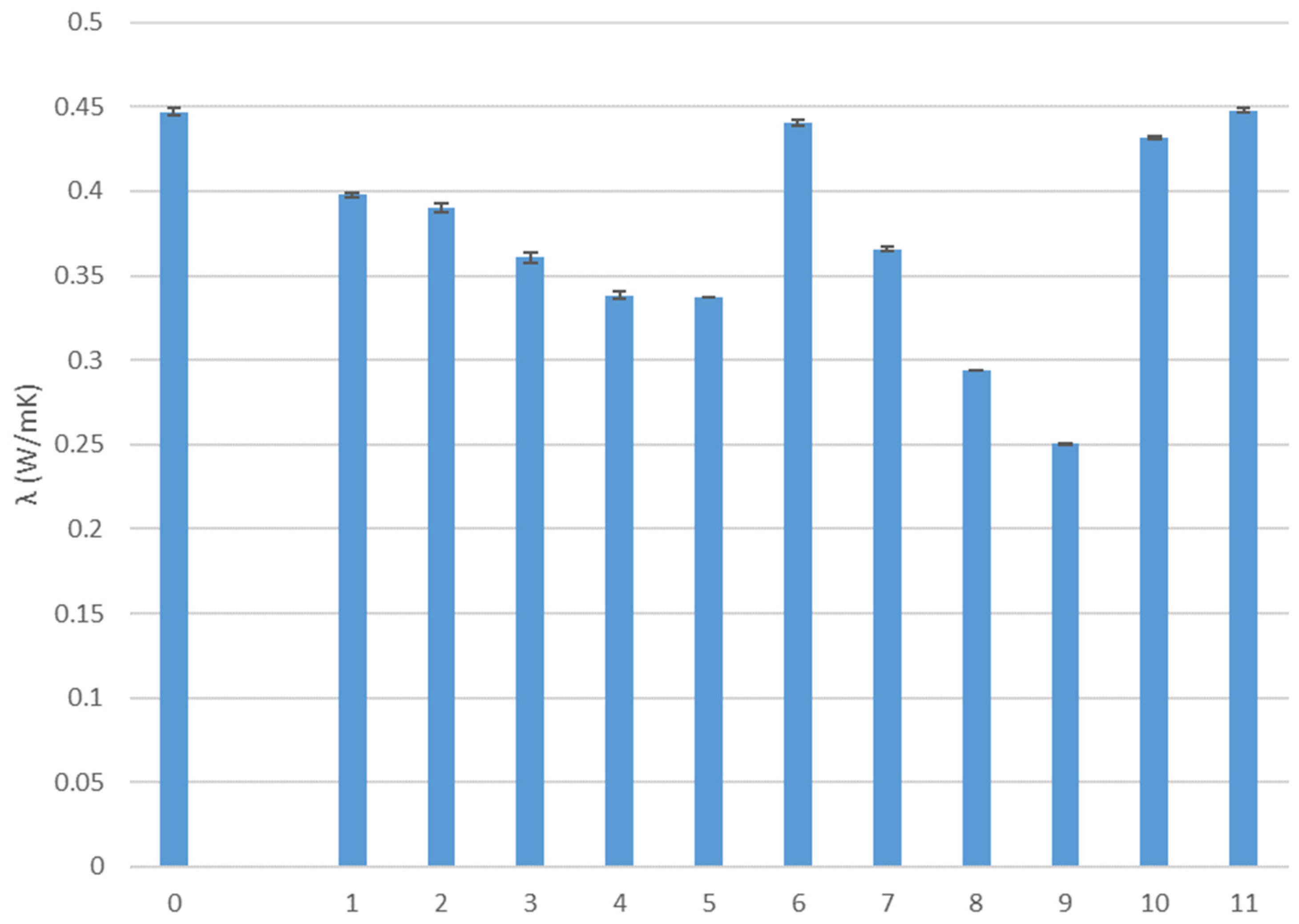
Figure 2 presents the obtained averaged values of the thermal conductivity coefficient, and
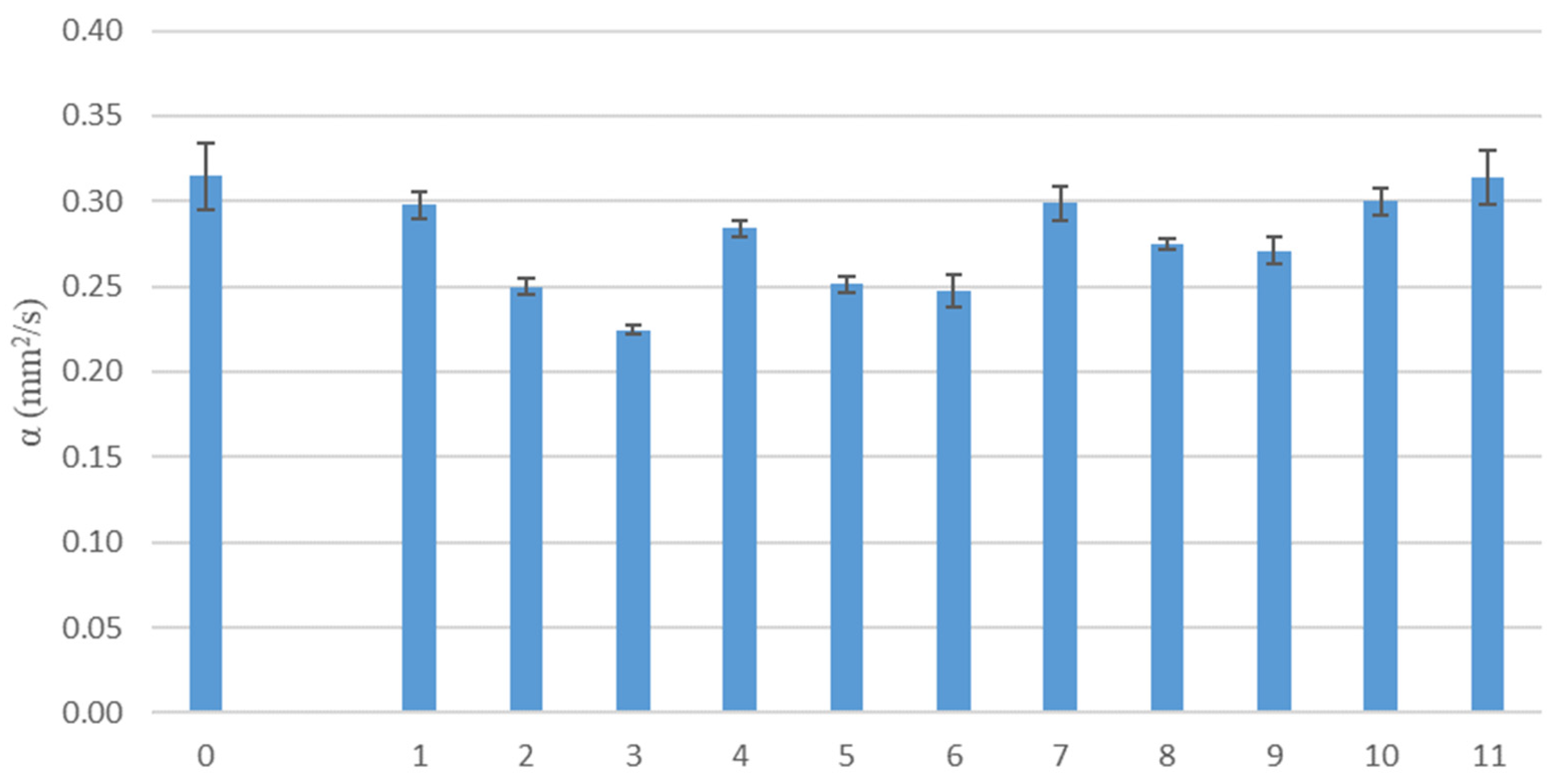
Figure 3 presents the thermal diffusivity for the tested samples that were included in the first round of basic testing.
Sample 0—pure gypsum—is characterized by one of the highest λ values (approximately 0.45 W/m × K), which served as a benchmark for the other materials. In most samples modified with bio-waste (1–5 and 7–9), a significant decrease in λ was observed when compared to the pure gypsum. This indicates an improvement in the thermal insulation properties of the material with the introduction of organic additives. The lowest values of thermal conductivity were obtained for samples 8 and 9, suggesting that for this specific type of bio-waste (leaves) and mass fraction, the most effective reduction in heat conduction can be achieved. However, not all modifications achieved a beneficial effect—samples 6, 10, and 11 obtained λ values similar to pure gypsum (in some cases almost identical). This means that the effect of bio-waste on thermal properties depends not only on its presence, but also on the type and mass of the used fraction.
Pure gypsum also has one of the highest thermal diffusivities (approximately 0.31 mm2/s), which indicates relatively rapid heat transfer within the material. In most cases, the introduction of bio-waste leads to a lower value of α, indicating a slower heat transfer within the composite structure. The lowest diffusivities were recorded for samples 2, 3, 5, and 6, with the minimum observed for sample 3 (approximately 0.22 mm2/s). This suggests that for the highest mass fraction of bio-waste (10%), represented by coffee grounds, the most effective disruption of heat conduction and heat accumulation was achieved.
At the same time, as was the case with the thermal conductivity coefficient, no clear and monotonic relationship was observed between the amount of bio-waste and the thermal diffusivity value. Samples 7, 10, and 11 achieved values similar to those of the pure gypsum, which indicates that higher percentages or a different type of bio-waste may weaken the insulating effect.
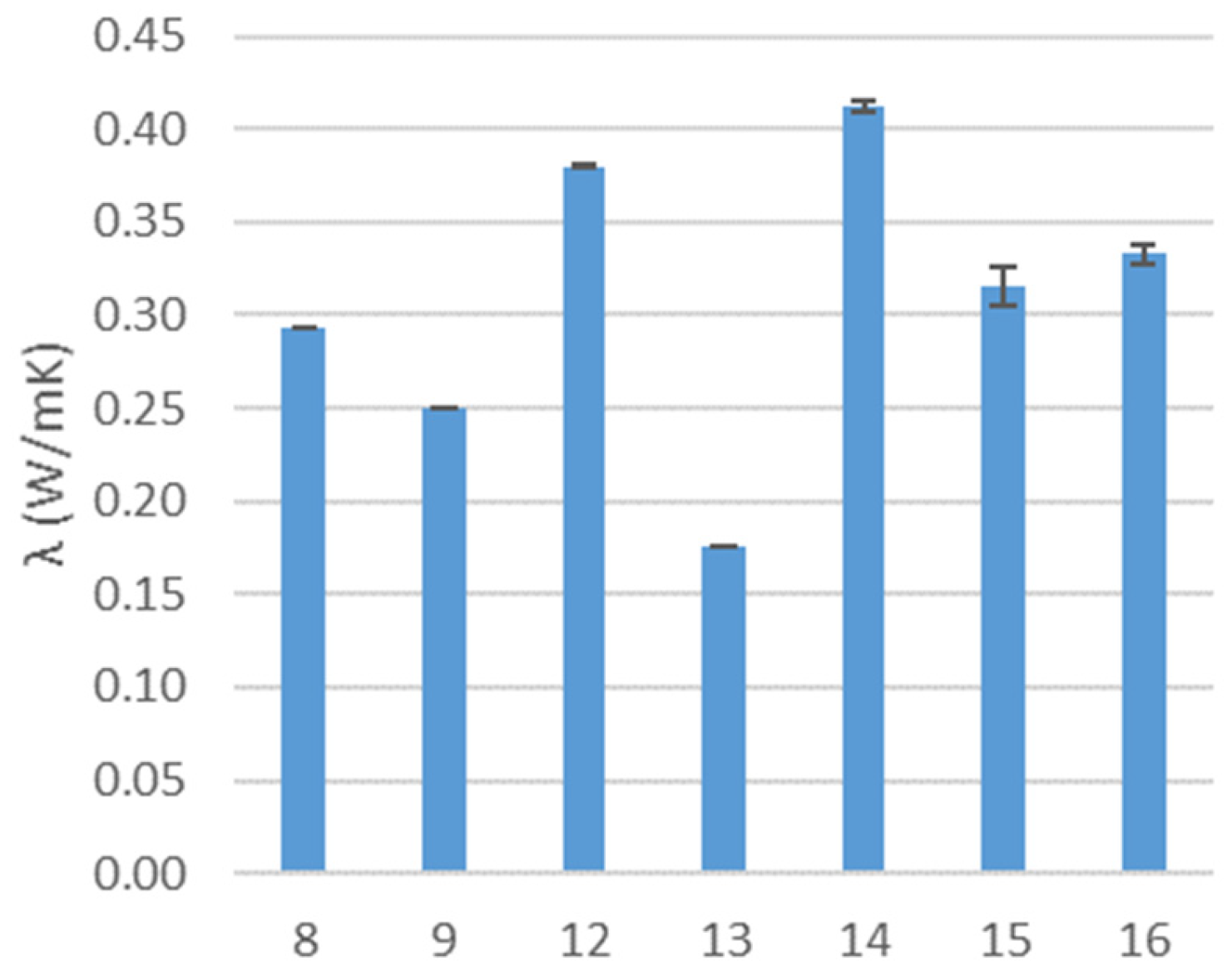
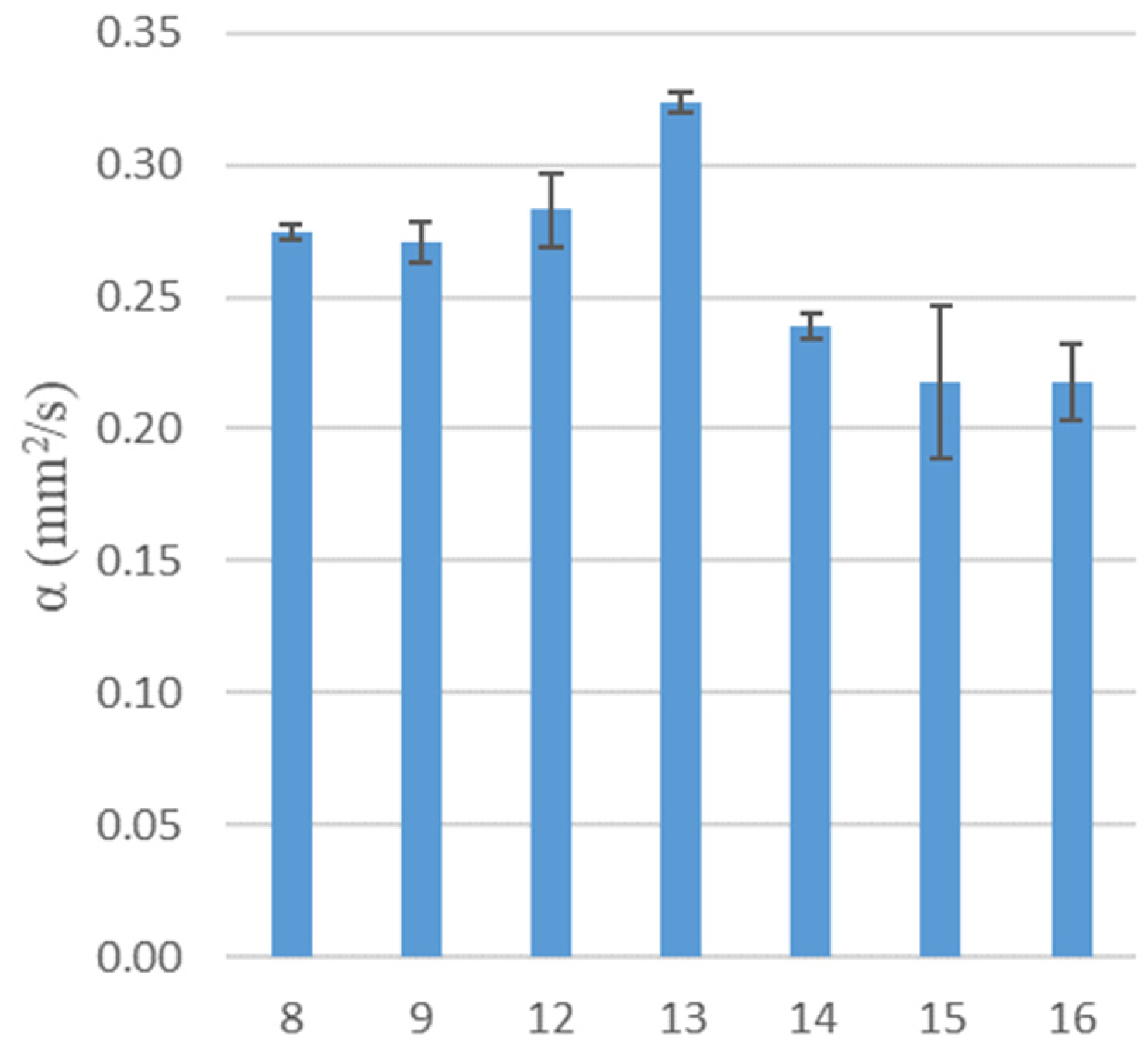
Based on the obtained results, it was decided to expand the test area to include leaves as bio-waste. Samples 12 and 13 were prepared in which the leaves and gypsum were arranged alternately in layers, while samples 14–16 used dried, crushed leaves (with a finer fraction) as the raw material, with mass fractions of 1.5–5%. The results of the thermal property measurements are presented in
Figure 4 and
Figure 5.
The most favorable results were achieved using a carefully designed additive layering system. Increasing the mass share alone did not always lead to improved properties—it usually reduced the thermal conductivity coefficient (λ). The final result depended on the additive’s structure. It turned out that the form of the additive (layered, fine, or bulk) had a more significant impact on composite properties than the mass percentage itself. For each structure, there is a clear optimal range of content, beyond which further improvement in properties is small, and in some cases, even deterioration can occur. The lowest thermal conductivity was observed for the sample containing 1.17 wt% of layered leaves; however, this resulted in a reduction in structural integrity. The observed delamination and flake detachment phenomena indicate weaker interfacial bonds, which in turn limits the practical application of this solution without additional technological modifications.
3.2. Capillary Rise
The capillary rise test was conducted to determine the ability of the designed composite to transport liquid as a result of capillary forces. This phenomenon occurs due to the surface tension of water and adhesive interactions between the liquid and the pore walls.
During the test, the bottom surface of the dried sample was placed in contact with water at a constant depth of 5 mm, ensuring unidirectional capillary flow. At specified time intervals (t) of 5 min, 15 min, 1 h and, 2 h the height of the moisture front (h) was recorded.
The tests were carried out in accordance with the PN-EN 1609:1999 standard, “Thermal insulation products for building applications—Determination of short-term water absorption by partial immersion” [
22].
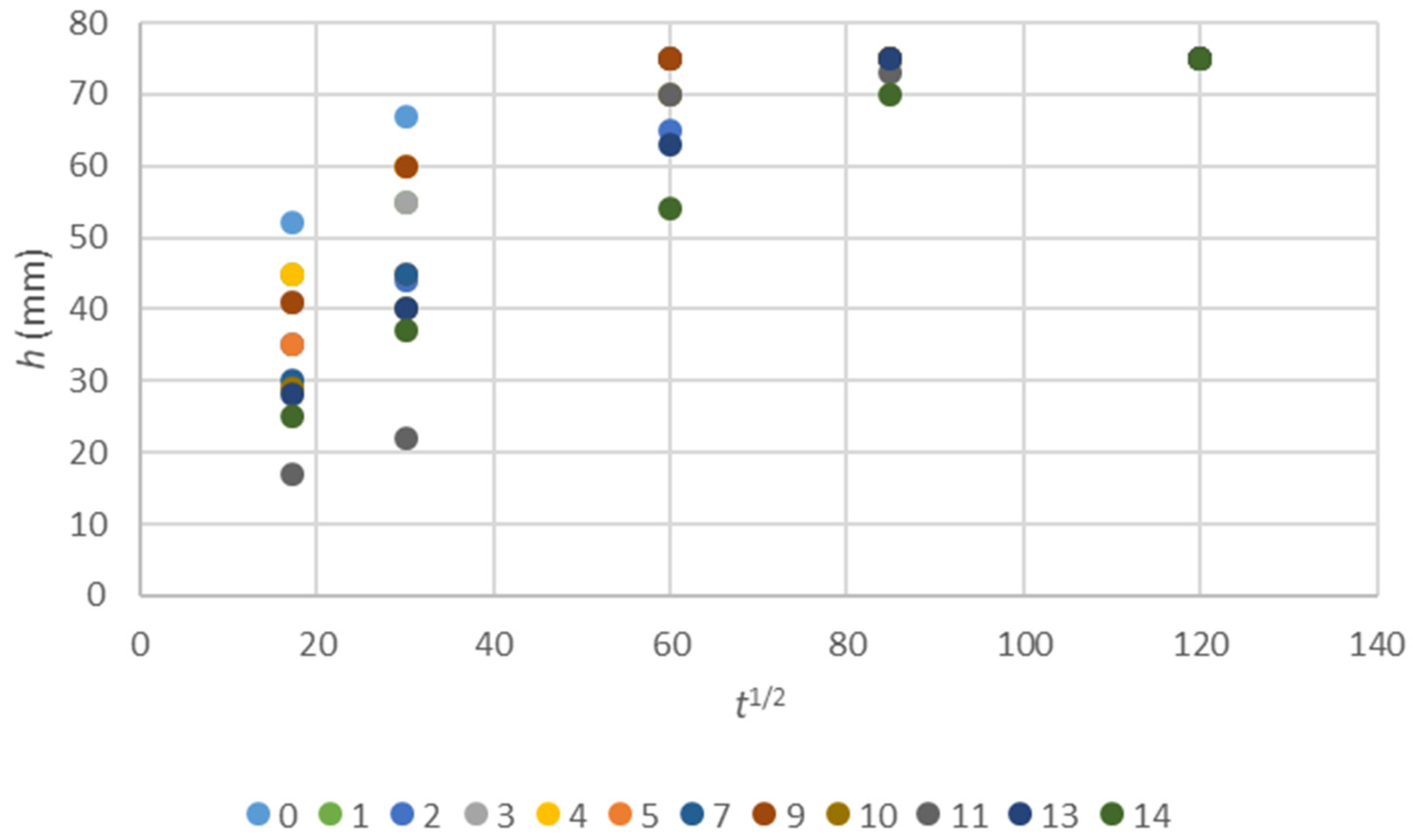
The results of the capillary rise test are presented as the relationship between the height of the moisture front and the square root of time in
Figure 6.
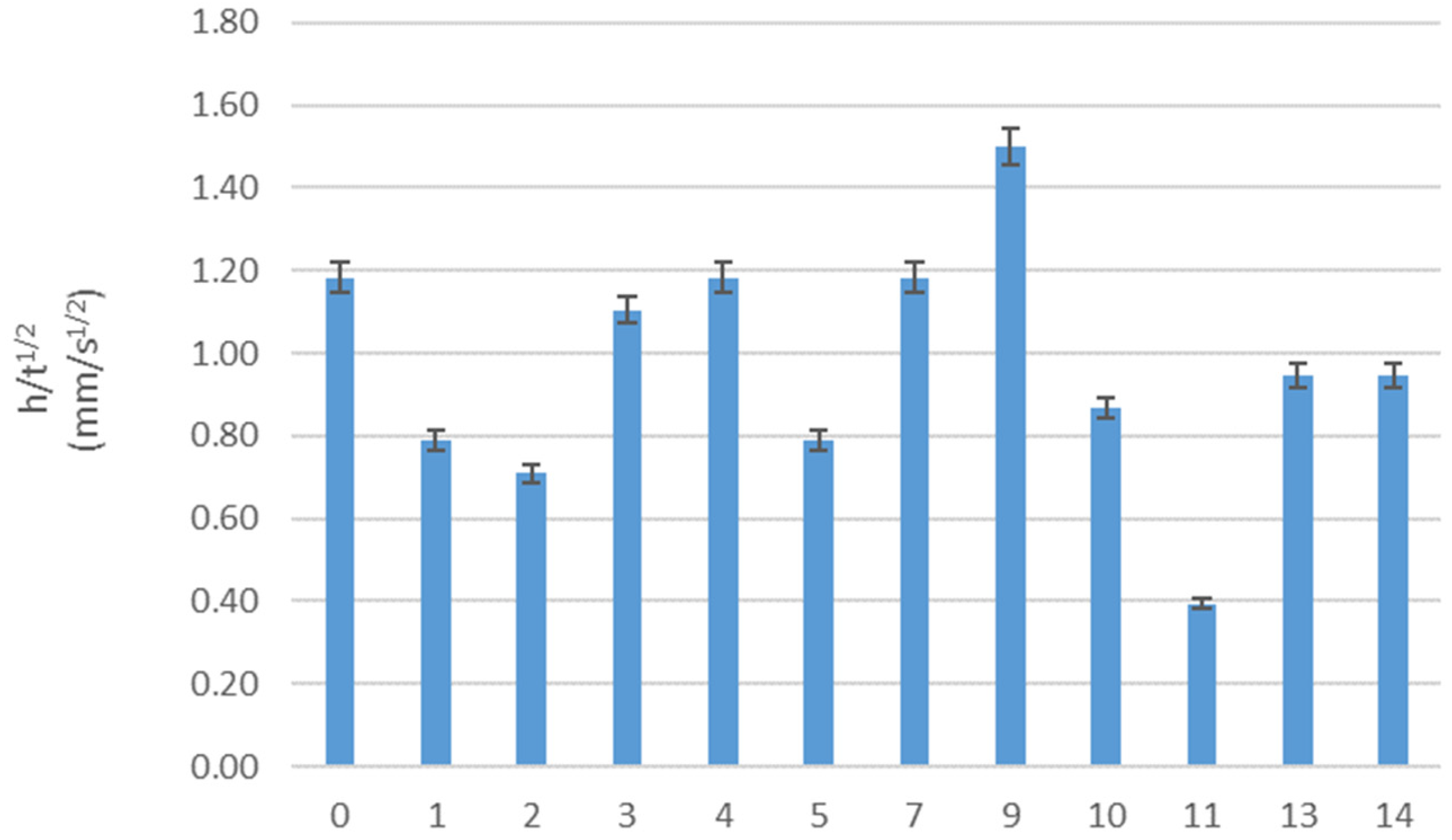
According to Washburn’s law, the capillary rise coefficient can be determined from the slope of the linear part of the correlation
. The obtained results are presented in
Figure 7.
The test enables the assessment of the material’s susceptibility to moisture uptake and indirectly provides information about the structure and connectivity of the pores. The analysis is preliminary (qualitative) and the obtained results indicate general trends in changes in material properties. The tested samples show considerable variation in capillary rise capacity. The highest value of the capillary rise coefficient was obtained for sample 9 (5% leaves), while the lowest value was recorded for sample 11 (5% sawdust).
3.3. Water Absorbability
The water absorption test of gypsum composites was carried out to determine the material’s ability to absorb water, which is crucial for assessing its durability, especially in environments with increased humidity (
Figure 8).
For the test, dry samples were weighed (the samples were dried to a constant mass and conditioned under appropriate conditions) and then immersed in water for 24 h. The water absorption was calculated based on the following correlation:
where
mn—mass of the water-saturated sample (g);
m0—mass of the sample in the dry state (g).
Also in this case, the highest result was achieved for sample 9, and the lowest for 11.
3.4. Hardness
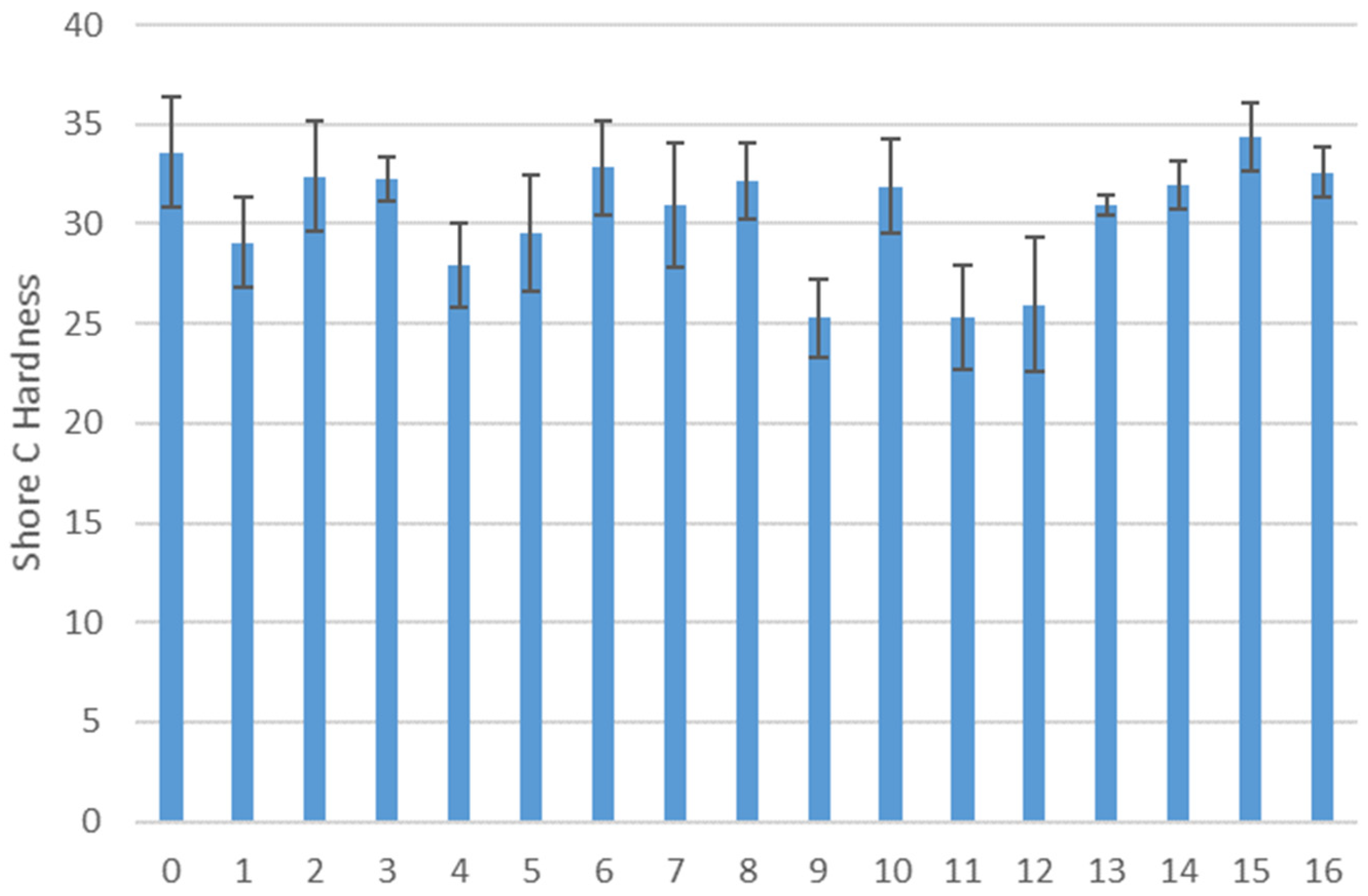
The results of the conducted tests are presented in
Figure 9.
In most cases, the addition of bio-waste caused a decrease in hardness in relation to the samples made of pure gypsum. This was due to a partial weakening of the material structure as a result of increased porosity and the introduction of an organic phase. The greatest hardness reduction was observed for samples 9, 11, and 12, which suggests that the high mass share of the additive and the unfavorable structural arrangement may lead to the weakening of the material. Some composites achieved hardness comparable to or even higher than the reference sample (e.g., 6, 15, 16). Sample 15, in particular, obtained the highest hardness (~35 ShC), which may indicate a beneficial effect of fine-grain filling and the fact that there was an improved structural densification.
3.5. Dimensional Stability and Resistance to Frost Cycling
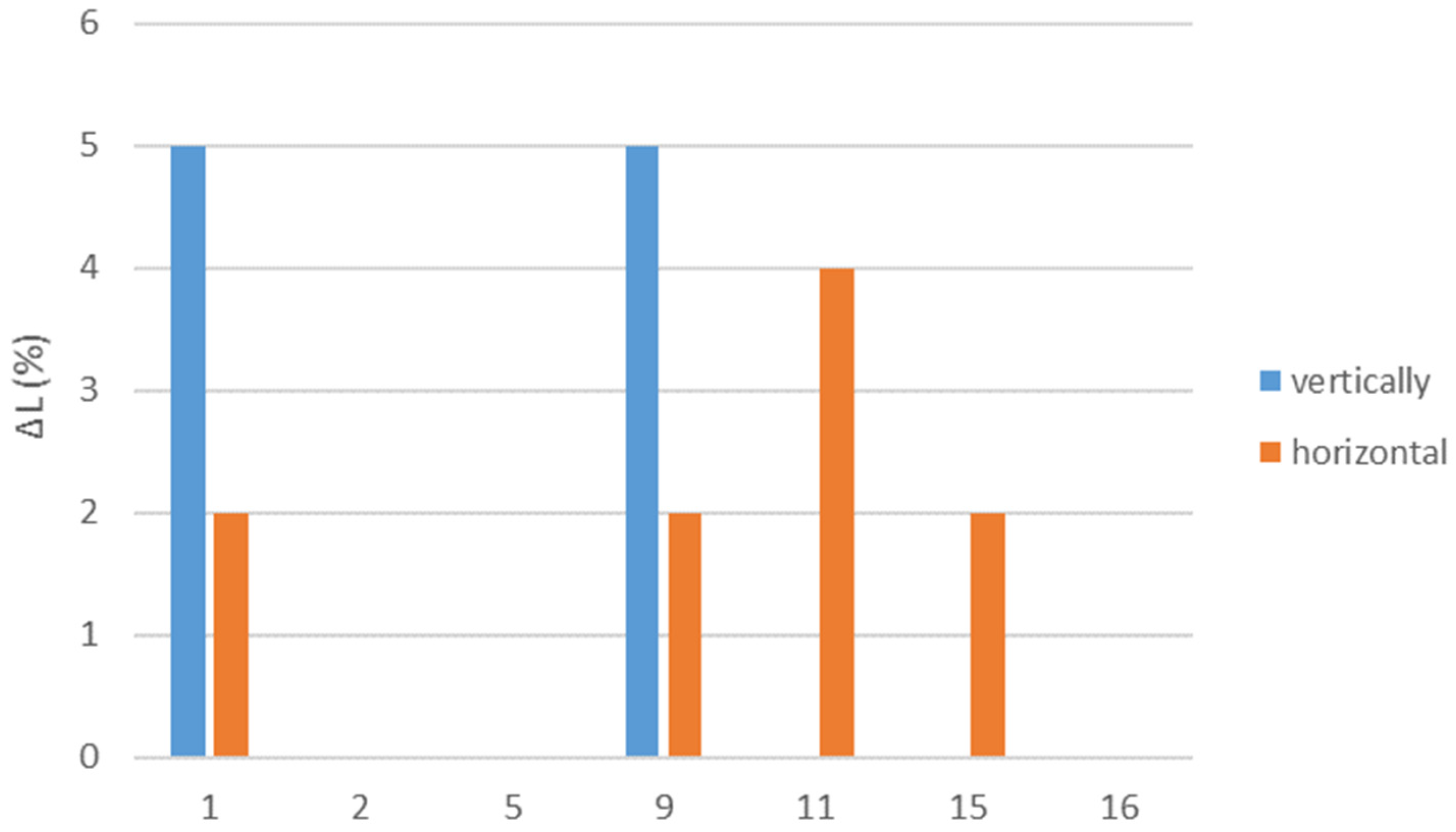
The frost resistance test protocol (25 cycles, from −18 to −20 °C/+20 °C) was developed as a comparative laboratory assessment of the durability of the tested composites based on the guidelines of the PN-EN 206+A2:2021-08 standard [
23], applicable to concrete, due to the lack of a standardized method for gypsum composites. It should be noted that the use of the developed composites is primarily for indoor or low-exposure applications and not for harsh outdoor conditions. The results of the frost resistance tests for the samples are shown in
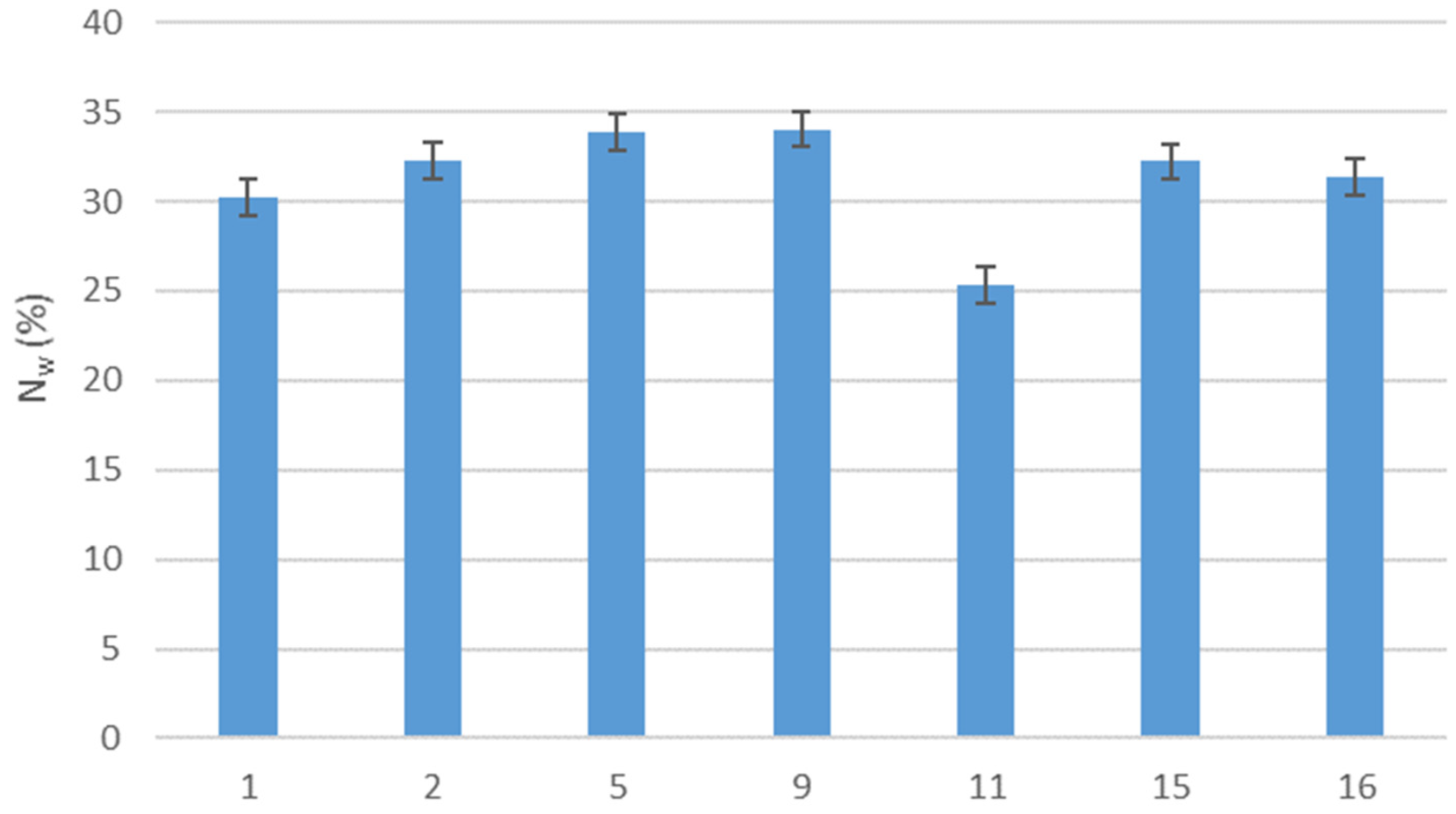
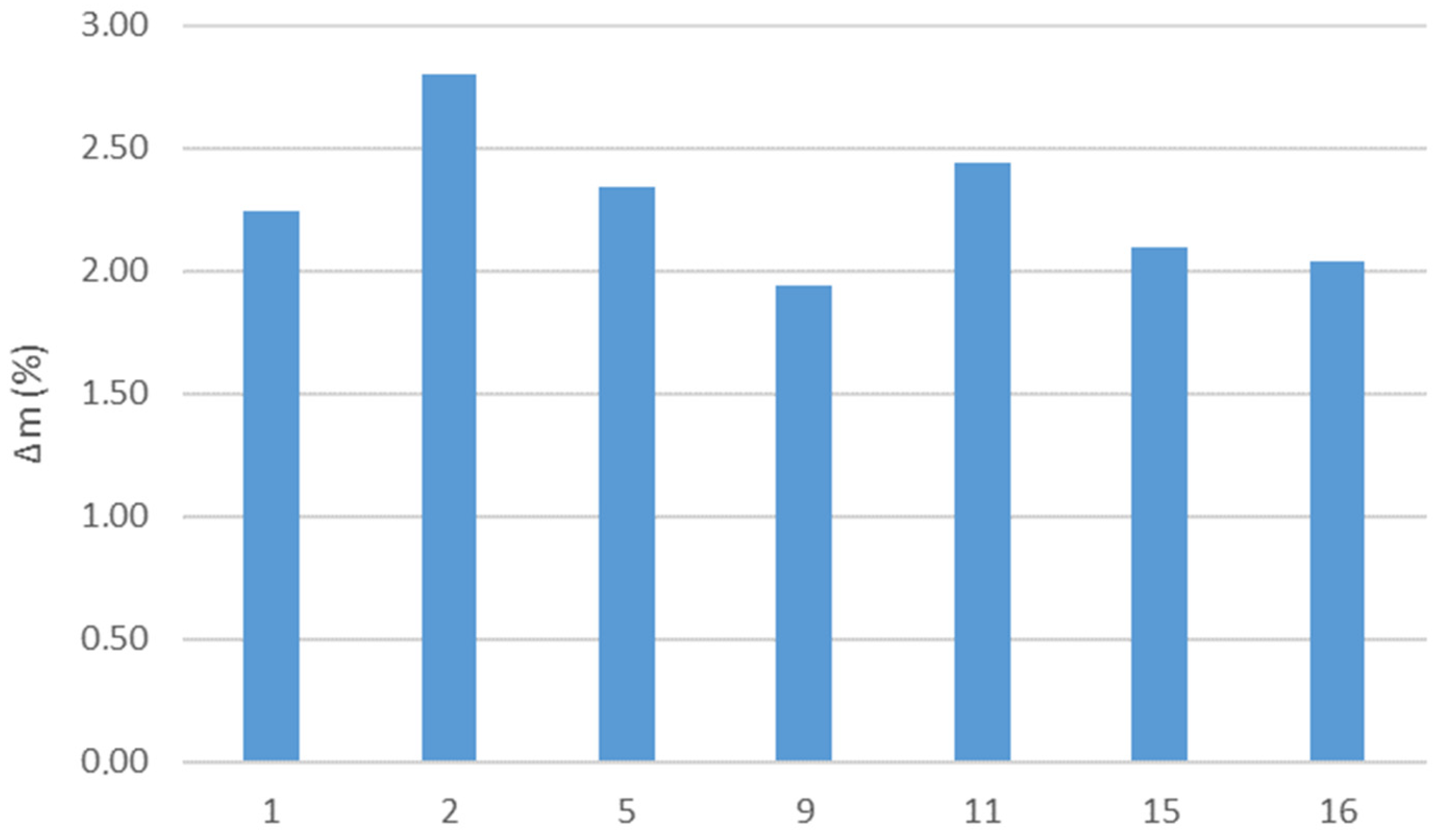
Figure 10 and
Figure 11.
Sample 2 had the greatest mass loss (2.85%), meaning it was most susceptible to cracking or spalling during frost cycles. The analyzed samples are in the range of 2–2.5%, which proves the good frost resistance of the gypsum. The recorded dimensional changes also confirm satisfactory dimensional stability (ΔL < 5%). The differences between vertical and horizontal changes may result from the directionality of the porosity of the samples.
4. Conclusions
The addition of bio-waste to the gypsum matrix reduces the thermal conductivity and thermal diffusivity when compared to pure gypsum. This in turn confirms the possibility of improving the thermal insulation properties of the composite. The most favorable results were achieved for composites with leaf additions. However, it was not only the mass fraction of the bio-waste, but also (more important) the form of the addition that was crucial. A properly designed layered system allowed for the lowest λ values to be achieved.
No clear linear relationship was found between an increase in the mass share of the bio-waste and the improvement of thermal properties. This indicates the existence of an optimal range of additive content. The best insulating effect achieved in the layered arrangement was associated with deterioration of structural integrity (delamination), which limits the practical application of this configuration without modification of the manufacturing technology.
The results indicate that the addition of leaves (sample 9, 5%) increases the gypsum composite’s ability for capillary rise and water absorption, reflecting a more developed and connected pore structure. In contrast, the addition of sawdust (sample 11, 5%) reduces water permeability, indicating a denser pore structure. These findings allow for assessing the material’s susceptibility to moisture and for selecting the composite composition according to the intended environmental conditions. Further microstructural studies are required for a comprehensive analysis (e.g., porosimetry, image analysis, micro-CT).
The results indicate that a fine bio-waste fraction can improve hardness, while larger particles or layered systems promote the formation of discontinuities and a decrease in hardness. There is no clear linear relationship between an increase in the mass share of bio-waste and the change in hardness. This indicates that the type of bio-waste, its fraction, and the distribution within the matrix are crucial.
The analyzed gypsum composite samples demonstrated good frost resistance, as evidenced by low mass losses (2–2.85%) after 25 freeze–thaw cycles and minimal dimensional changes (ΔL < 5%). Sample 2 showed the highest susceptibility to cracking or spalling (2.85% mass loss). Differences between vertical and horizontal changes may result from the directional porosity of the material. These results indicate that the gypsum composites exhibit satisfactory dimensional stability and frost resistance, making them suitable for use in low-temperature environments.
Future research opportunities include optimizing the composite structure in order to maintain favorable thermal parameters while simultaneously increasing mechanical strength. It is important to investigate the surface modifications of bio-waste, introduce additives to improve interfacial adhesion, and assess the material’s long-term durability, including its moisture resistance. No quantitative Life Cycle Assessment (LCA) or environmental impact analysis was performed within the scope of this work. Future research should include LCA and cost–environmental trade-off analyses to fully assess the environmental benefits of the proposed composites. This approach could significantly enhance the practical application of composites in the construction industry, while at the same time maintaining their sustainable nature.



 ,
,