


Abstract
Over the past few decades, the extensive use of plastics has led to significant environmental challenges due to their limited biodegradability and long-term persistence. Consequently, biodegradable materials have attracted considerable attention as sustainable alternative solutions to mitigate these environmental concerns. Also, the use and disposal of these materials present some sustainability challenges. Biopolymers have some advantages over standard polymers, such as biodegradability, non-toxicity and environmental sustainability, and they can be used in various industries. Taking into account the fact that the biopolymers are produced by living organisms and microorganisms, they are considered as the natural materials that can be composted. This review paper explores the increased demand for biopolymers and summarizes their benefits along with application. Overall, the focus is on the composting process as the promising sustainable technology for recovery of biodegradable waste as well as for biopolymers. Also, some biopolymers and their degradation in different conditions are presented, and the biodegradation test methods for these materials are mentioned in accordance with relevant international standards. This review aims to provide a comprehensive overview of current developments and future development directions for the biopolymer field.
1. Introduction
The growing population and urbanization are responsible for increased food production which leads to challenges in food storage and safety [1]. In today’s food production, packaging has an important role, protecting food products from their environmental conditions (moisture, light, oxidation), preventing contamination by microorganisms and chemicals, improving the quality and safety of food products, and facilitating storage and transport [1,2]. Currently, paper, glass and plastic are still the most commonly used materials for food packaging [3].
Plastics are widely used across various industries around the world due to their strength, durability, flexibility, and resistance to environmental factors [4]. Even though durability is important for long-term food storage, it is also the principal reason that makes plastics unfavorable for the environment, especially when its waste is not managed properly. For this purpose, synthetic polymers such as polyamide, polypropylene, polyethylene, polystyrene and polyvinylchloride are used due to desirable properties and the ease with which they can be produced [2,5]. Over the past few decades, the production of the mentioned polymers has significantly influenced the market share, reaching 320 million tons in 2021 [5]. Polymer packaging consists of multi-layer materials which cannot be recycled. Due to their resistance against degradation, their disposal in landfills causes environmental pollution and interrupts the balance of nature [5]. Moreover, during the burning of plastic materials, various harmful compounds are released such as carbon monoxide, furans, dioxin, benzene, hydrochloric acid, etc. [2,6]. For example, according to Ahsan et al. [7], burning 1 kg of plastics releases approximately 2.8 kg of CO2, a potent greenhouse gas, into the environment, making waste-to-energy facilities climate-harmful.
Considering these drawbacks, biopolymers were developed as biodegradable, eco-friendly and recyclable packaging materials decreasing environmental concerns [8]. Since the 1970s, they have received increased attention due to their lower ecological impact, as well as their potential to be safer, more sustainable, and economically beneficial alternatives to conventional plastics [9]. Still, their market uptake remains low. This is mostly due to performance limitations and lack of supportive measures, such as regulations, incentives for adoption, and education or awareness campaigns addressed to consumers and manufacturers [3].
2. Biodegradable Materials (Bio-Related) and Their Classification
The word biopolymer comes from Greek words “bio” and “polymer” representing nature and living organisms [10]. Detailed explanation and classification are described by Debeaufort et al. [11]. Biopolymers originate either from living organisms such as plants or with the help of microbes through metabolic engineering processes. When discussing biopolymers, there is strong emphasis on their origin from renewable biological resources rather than fossil fuels. This renewable sourcing is one of their defining characteristics and key advantages [1]. Due to their natural origin, these materials have a lot of advantages over synthetic polymers (Figure 1). In a recent review [11], various terminology used in the field, related to biopolymer or “bio-related” polymers, is provided in detail. In addition, plastics—whether conventional or bio-based—are widely used in agriculture and food systems, and their impact must be considered across their entire life cycle: production, use, and post use stages [12]. The review also covers the presence of plastics in waste streams and their impacts on continental ecosystems, analyzing different sustainability strategies aimed at mitigating these effects. Biodegradable material is material that could biodegrade in certain conditions at its end of life, polymeric biomaterial is a polymer or polymer device of therapeutic or biological interest, while biopolymer is a substance composed of one type of biomacromolecule [11].
Figure 1.
The main characteristics of biopolymers (adapted from Baranwal et al. [10] and Opris et al. [13]).
Biodegradable packaging materials have an important role in the circular economy and sustainable development, as follows [7]:
- Reducing fossil fuels: traditional plastics are made from petroleum-based sources, and the production of bioplastics can limit the use of fossil fuels;
- New degradation and recycling approaches: enzymatic degradation, chemical recycling and home compostability make bioplastics more compatible for circular economy actions;
- Reduction of toxic chemicals: many bioplastics are produced using non-toxic catalysts and solvents.
The most common classification of polymers is divided in four groups—(i) those that are biodegradable and biosourced, (ii) not biodegradable but biosourced, (iii) neither biodegradable nor biosourced and (iv) not biosourced (synthetic origin) but degradable. Taking this into account, materials for packaging can therefore be derived either from renewable biological resources—plant, animal or microbial resources [5]—or from fossil-based feedstock (e.g., petrol, charcoal or gas) like polycaprolactons, which are biodegradable but not biosourced. General classification of biopolymers into those directly extracted from biomass (e.g., polysaccharides, proteins), those synthesized from monomers (e.g., polylactic acid, polycaprolactone, polyglycolide), and those produced by microorganisms (e.g., polyhydroxy butyrate, polyhydroxy alkanoate) is well established and has been elaborated elsewhere [11,14,15].
The Application of Biopolymers
Due to their desirable, or perhaps expected, characteristics, biopolymers have the potential to be used in various applications. In addition, they can replace the synthetic, non-biodegradable polymer materials. The application of biopolymers in the food industry is transforming food design, production and packaging by supporting an environmentally friendly food engineering strategy. In this way, biopolymers are used as coatings and edible films, in biodegradable packaging applications, and as emulsifiers during food production. In the past 5 years, more than 1000 articles have addressed the application of biopolymers in the food and packaging industry. A summary of the current state of the art is also available in different review papers focusing either on packaging trends [3,16,17] or on specific applications [9,11,17,18,19,20].
Furthermore, biodegradable polymers from renewable sources are increasingly used in the agricultural sector, a trend that has grown significantly in the past few years. Principally, the aim is to reduce the negative impacts of synthetic materials, traditionally used for agricultural needs. Also, the shift in production pathways is made towards biopolymer and genetic engineering for specifically designed agricultural applications [12,21]. Hereby, starch stands out as the most studied versatile biopolymer. Due to its interesting thermoplastic properties, it is adaptable to a variety of applications in both agronomic and food sectors, including the packaging sector. The functional properties of starch, including its physicochemical characteristics, barrier performance, and specific surface chemistry, make it suitable for extended applications in agriculture [22]. The importance of biopolymer hydrogels in agriculture is further emphasized due to their potential in retaining a significant amount of water [15]. This property also makes these systems good candidates for the controlled release of fertilizers and other agrochemicals. For example, Tomadoni et al. [23] showed that alginate-based hydrogel served for controlling the moisture in soil for horticultural practices, while a sodium alginate–gelatin blend was used for tailored release of urea and other nutrients in fertilizers [24].
In terms of degradation, biopolymers are primarily defined as materials that are broken down and metabolized by microorganisms present in the environment. This represents one of their key advantages over synthetic materials, as biopolymers can degrade under natural conditions, yielding end products that are safe and environmentally acceptable. The biodegradability of a polymer material depends on numerous internal and external factors, including molecular structure, types of chemical bonds, molecular weight, length of polymer chains and micro/macrostructure of the matrix, all of which play a critical role in its degradation behavior [21].
3. Composting of Biodegradable Materials
Composting is considered a reliable waste treatment option for biodegradable waste. It directly reduces the negative effects that may arise due to application of organic waste to the soil. This process is more sustainable and economically relevant than incineration [7,25]. During composting, a series of biochemical reactions take place, resulting in a sanitized and stabilized product which can be used as a potential source of organic fertilizers or as soil amendments [25].
Composting is defined as an accelerated process in which heterogeneous organic materials are transformed by a diverse microbial community under controlled moist, warm, and aerobic conditions. The primary product of this process is fertile humus, with water and carbon dioxide produced as by-products. The released carbon dioxide is considered part of the natural biological carbon cycle and therefore does not constitute a net contribution to greenhouse gas emissions [26]. The process of composting can be characterized by multiple benefits for the soil such as retaining moisture in the soil, increasing microbiological activity, enriching the soil with nutrients, and also making the soil more breathable [27]. Quality of compost plays important role, taking into account the risk with chemicals and additives, water component, temperature, greenhouse gas emission and release during aerobic digestion/fermentation, etc.
In view of the presence of oxygen and nature of microorganisms that are involved in degradation, composting can be divided into aerobic and anaerobic processes (anaerobic digestion) [28,29]. Both are widely used for organic waste treatment. In aerobic biodegradation, microorganisms break the polymer chains through metabolic processes that utilize oxygen. To ensure the adequate aeration of the compost material, it is necessary to use different turning regimes. As a result, carbon dioxide and water are produced and released into the atmosphere or soil. In contrast, anaerobic biodegradation happens in an oxygen-absent environment. Instead of carbon dioxide, biogas (methane) and water are generated [28]. Anaerobic digestion is attractive technology for bioplastic waste valorization [30], but it must be underlined that it is not composting. Methanization is a related biological process for organic waste that produces biogas (energy) and digestate (fertilizer), capturing the methane produced and turning a potent greenhouse gas into a resource (biogas), whereas traditional composting releases CO2 and avoids methane production by staying oxygenated but does not capture energy. Often, the digestate from methanization is then composted to create a final, stable product. It has more control over degradation, lower odor emissions, and produces biogas and nutrient-rich digestate, in comparison to aerobic composting [31,32]. During anaerobic digestion, biopolymers go through several phases [33,34]:
Hydrolysis—the polymer macromolecules are split into smaller components by extracellular hydrolytic bacteria (lipids, polysaccharides and proteins are converted into long chain fatty acids, sugars and amino acids);
Acidogenesis—the products created during hydrolysis are converted by acidogenic bacteria into methanogenic compounds such as acetate, carbon dioxide, hydrogen and volatile fatty acids;
Acetogenesis—the volatile fatty acids and other intermediates are converted into acetate (acetic acid) and hydrogen;
Methanogenesis—the final stage of anaerobic digestion, where the intermediates are consumed by methanogenic microorganisms to produce methane.
Digestate can be valorized through composting, either as a support material or as a compost accelerator. In this role, it provides nutrients and beneficial microorganisms that stimulate microbial activity, increase process temperatures, improve soil structure, and speed up decomposition. Figure 2 presents the scheme of aerobic and anaerobic treatment, and Table 1 presents a summary of the overall benefits and drawbacks of both treatments.
Figure 2.
Scheme of: (a) Aerobic composting and (b) Anaerobic digestion (adapted from Lin et al. [35]).
Table 1.
The advantages and disadvantages of composting and anaerobic digestion [36].
3.1. Composting Variables
During the composting process, several variables are critical for the process and should be carefully monitored, including temperature, moisture content, C/N ratio and pH. Otherwise, spectroscopic methods are also important to assess biodegradation in the context of bioplastic materials [29]. These methods are used to identify the chemical changes in biopolymer structure arising from degradation [37]. Nuclear magnetic resonance (NMR) and Fourier-transform infrared spectroscopy (FTIR) are most commonly used. NMR spectroscopy has the potential to determine the molecular dynamics and physical structure of biomaterials [38]. This is a non-destructive method with advantages such as rapidity, accuracy, and repeatability. The method is based on the fact that the nuclei of specific elements (C, H, N, P or O) resonate at characteristic energies. Then the NMR signal gives information about the nuclei’s environment and presence [37]. Furthermore, FTIR analysis of a particular material provides a unique fingerprint spectrum, and the appearance or disappearance of peaks corresponding to functional groups can help to elucidate structural changes in the material [37]. Several studies where composting of biopolymers was investigated and monitored using the spectroscopy techniques are given in Table 2.
As previously mentioned, temperature is one of the main parameters of the composting process. During the process, it follows four main phases [25,37]:
Mesophilic phase (20–45 °C)—includes the adaption of microorganisms in the environment, whereas they decompose simpler organic substances. As a result of microbial activity and degradation, heat is released, leading to an increase in temperature.
Thermophilic phase (45–60 °C)—in which higher temperatures are achieved, and the pathogens are destroyed. In this stage, the mesophilic microorganisms are replaced by thermophiles that can degrade complex compounds. Throughout the process, as the supply of organic compounds becomes depleted and biological activity and temperature decline, allowing mesophilic microorganisms to dominate once again. A second mesophile phase (20–45 °C)—also called the “cooling phase”—is characterized by the predominance of mesophile microorganisms.
Maturation phase—includes lower temperatures and, in order to obtain a stabilized compost, it can last for several months [37].
Subsequently, the presence of water is essential in the breakdown of hydrolyzable chemical bonds as microorganisms require water for nutrient transport and for growth [37]. Thus, the optimal moisture range for the composting process is considered between 45 and 65% [25,39]. Lower values of initial moisture content can lead to compost dehydration and pause the biological activity. Higher values of moisture content can cause anaerobic conditions, because the material is compressed, and the oxygen cannot be transported [39].
Another important parameter is the C/N ratio. Microorganisms utilize carbon as a source of energy and nitrogen for synthesis of amino acids, proteins, and nucleic acids [37]. According to the literature [39], the optimal C/N ratio for the effective composting process ranges from 25–30:1.
Furthermore, the pH values of the composting material are also important for the microbial activity. In the biodegradation process, pH values close to neutral are highly favorable for the growth of microbial populations. Alkaline–neutral values of pH are favorable for bacteria, and fungi are more tolerant to acidic and alkaline values [37].
Additionally, the breakdown of a material depends on the environmental factors present during the composting process [29]. The degradation of biopolymers can be observed in three different environments: soil, liquid and compost [7,37,40]. Soil contains a wide diversity of microorganisms capable of metabolizing biopolymers as a source of carbon and energy [7]. Typically, biodegradation occurs within the mesophilic temperature range. Soil biodegradation relies on the chemical and biological characteristics of the soil, such as acidic/alkaline conditions, cation exchange capacity, organic carbon levels, and soil respiration. These characteristics affect the microbial activity [37]. The biodegradation of biopolymers in aquatic environments can happen in lakes, rivers, oceans or wastewater facilities. The degradation process is affected by agitation and turbulence caused by ocean currents, salinity, temperature gradients and solar radiation [37]. The most desirable environment for biopolymer degradation is in compost, where the end product is humus, a natural fertilizer [7].
In their work, Ahsan et al. [7] presented the biodegradation of some biomaterials in different environments. Some examples are shown in Table 3.
Table 2.
The examples of biopolymer composting processes.
Table 3.
Biodegradation of some materials in different environments [7].
3.2. Impact of Pesticides on the Compost Quality
An important parameter to consider is the impact of pesticides on the compost quality. Pesticides in soil can cause unfavorable impacts for the environment, alter soil quality and induce visible changes in the size, structure and functionality of the microbial community, thereby affecting the life functions, dynamics and biodiversity of organisms in the soil. One of the basic methods for soil bioremediation is composting, using microorganisms to break down unfavorable components of so-called toxic compounds. Therefore, composting may assist in stabilizing and/or breaking down pesticides in polluted soils, thereby aiding in their bioremediation. When compost is applied to the soil, the organic material is broken down, and the pesticides may experience physico-chemical and biological processes that can alter their chemical forms and their bioavailability [44]. Therefore, composting as a natural process contributes to the process of stabilization or elimination of pesticides from the soil through the decomposition of microbial communities, in order to finally improve the quality of the soil. Pesticides may enter compost through a variety of contaminated input materials. Common sources include crop residues from conventionally managed agriculture, including packaging materials made from such sources, grass clippings and pruning waste from treated lawns and landscapes, food waste, manure from livestock fed with pesticide-treated feed or forage, and soil adhering to plant materials. Herbicides applied to forage crops are of particular concern, as their residues can persist through animal digestion and remain active in manure subsequently used for composting [44]
During composting, pesticides are exposed to several degradation mechanisms, including microbial biodegradation, thermal degradation during thermophilic phases, volatilization, and adsorption to organic matter [45]. Numerous studies have shown that composting can significantly reduce concentrations of many pesticides, often achieving degradation rates exceeding 50–90% under optimized conditions [46]. Factors such as temperature, oxygen availability, moisture content, carbon-to-nitrogen ratio, and composting duration strongly influence degradation efficiency.
Despite this, degradation is highly compound-specific. Certain pesticides, including pyridine carboxylic acid herbicides (e.g., clopyralid, picloram), triazole fungicides, and some pyrethroid insecticides, are relatively resistant to microbial breakdown and may persist at biologically active concentrations in finished compost. In such cases, composting alone may not be sufficient to eliminate the environmental risk.
Preventing pesticide contamination of compost is more effective than attempting remediation after contamination has occurred. Key preventive measures include careful selection and documentation of compost feedstocks, exclusion of materials treated with known persistent pesticides, and segregation of high-risk materials [45]. Extending composting duration and ensuring optimal process conditions can further enhance degradation of many pesticide compounds.
Quality control measures, such as chemical residue analysis and phytotoxicity bioassays using sensitive indicator plants, are recommended prior to land application, particularly when compost is intended for food production systems [47,48]. In some cases, bioremediation approaches, including the use of specialized composting systems or targeted microbial inoculants, have been shown to accelerate pesticide degradation, although their effectiveness varies depending on the chemical properties of the pesticide [49]. Composting is widely used as a sustainable method for recycling organic waste and improving soil quality. However, concerns have been raised regarding the presence of pesticide residues in compost derived from agricultural, horticultural, and municipal organic waste streams. Pesticides are intentionally designed to be biologically active and, in some cases, environmentally persistent, which increases the likelihood that residues may survive the composting process and affect soil ecosystems after application.
Scientific evidence indicates that, while composting can substantially reduce concentrations of many pesticides, certain compounds may persist and pose ecological or agronomic risks. Understanding the sources, behavior, and impacts of pesticide residues in compost is therefore essential for ensuring compost quality and environmental safety. Through careful feedstock management, optimized composting conditions, and appropriate testing, the risk of pesticide contamination in compost can be effectively minimized.
In the context of pesticide-contaminated compost, studies have shown that the presence of biodegradable polymers can stimulate microbial biomass by 10–40%, indirectly enhancing enzymatic activity involved in pesticide degradation. Additionally, compost systems have reported reductions of certain pesticide residues (e.g., organophosphates or triazines) by 50–95% within 30–120 days, depending on compound structure and compost conditions. Composting tends to accelerate the degradation of many pesticides compared to soil, with microbial activity and conditions (temperature, moisture) being major controlling factors. Experimental compost systems (e.g., “biobeds”) demonstrate faster degradation of complex pesticide mixtures than in sterile or non-compost substrates, highlighting the role of compost microbes in pesticide biodegradation [50].
Polymers such as PBAT, PLA, and other starch-based bioplastics are widely used in agricultural mulch films. While these films provide agronomic benefits—including climate protection, weed suppression, improved soil temperature, reduced moisture loss, and decreased nutrient run off [51]—they are also a major source of microplastic contamination in agricultural soils [52], with residues reported globally [53].
The coexistence of microplastics (MPs) and pesticides in agricultural environments, especially under greenhouse conditions, is a common occurrence. As far as we found, relevant research studies exist on PLA and PBAT, with no similar content available for TPS.
A study conducted as a laboratory experiment to evaluate the impact of two types of MPs—biodegradable polylactic acid (PLA) and traditional polyethylene (PE)—on the degradation of two pesticides, metolachlor (MET) and imidacloprid (IMI), in soil at low (0.2%) and high (1.0%) concentrations demonstrated that biodegradable MP (PLA) and conventional MP (PE) have distinct effects on the degradation of different pesticides in soil. Specifically, PLA was found to reduce the degradation rate of IMI in a concentration-dependent manner but had no effect on the degradation of MET. In contrast, PE showed no impact on the degradation of either pesticide. The reduced degradation rate of IMI was attributed to a decrease in soil pH and the deterioration of the microbial community. PLA, being more susceptible to degradation than PE, released acidic substances and more MP particles during the incubation period, which in turn lowered the soil pH and negatively affected soil microorganisms [54]. In another study, Dan Yang et al. [55] showed how high PLA concentrations in soil changed pesticide degradation pathways, enhancing some pesticides’ breakdown (dimethomorph, metolachlor, imidacloprid). In addition, PLA also significantly altered the soil microbial community and enriched pesticide-degrading bacterial species.
Another recent study showed that pesticide contamination in agricultural soils can significantly influence the environmental transformation of poly(butylene adipate-co-terephthalate) (PBAT) that is widely used as mulch films [56]. Sulfur- and chlorine-containing pesticides (e.g., prothioconazole and myclobutanil) accelerated the aging of PBAT in soil, causing changes in surface morphology and functional groups indicative of polymer structural degradation. Pesticide exposure also altered heavy-metal adsorption on PBAT, highlighting modified polymer–soil interactions. In addition, oxidation and surface damage increase PBAT susceptibility to microbial attack; thus, pesticide-induced changes in soil conditions may either enhance or inhibit its biodegradation. Overall, from this study it can be underlined that pesticides in soil can accelerate PBAT aging processes, modify polymer surface chemistry, influence contaminant adsorption dynamics and alter soil microbial communities that drive biodegradation.
Industrial composting of agricultural waste, which contains pesticides due to various treatments, is a sustainable concept. Similar methods, which include composting industrial municipal waste, can be applied to degrade chemical compounds from a variety of sources. This includes expired products, banned or currently banned chemicals and excess pesticides. Future research that will clarify which pesticides can or cannot be processed in these ways will be an important and necessary step forward [44].
Pesticides significantly degrade the quality of bioplastics during composting by altering microbial communities, slowing their breakdown, and potentially releasing more toxic breakdown products, creating microplastics and contaminating the final compost. This could affect soil health, increase microbial stress (like reactive oxygen), and alter nutrient cycles, making the compost less beneficial and potentially harmful for plant growth [12,57].
To sum up, these findings suggest that biodegradable polymer breakdown and pesticide degradation in compost are both mediated by microbial communities. The presence of biodegradable polymers may alter compost microbial dynamics (e.g., increased enzymatic activity), potentially influencing pesticide transformation pathways, though direct mechanisms linking specific polymer degradation to pesticide degradation rates require further targeted research.
3.3. Mechanisms of Biopolymer Degradation
The degradability of biopolymers is influenced by their chemical composition, polymer chains, structural complexities, crystallinity, and glass transition temperatures [34]. Based on current investigations on biopolymers, most biodegradable plastics are degradable in aerobic environment. The degradation of biopolymers is characterized by a permanent alteration in chemical structure, physical properties, and visual characteristics [37]. According to Falzarano et al. [31] and Bher et al. [37], biopolymer degradation must be observed through abiotic and biotic considerations. Abiotic degradation includes microorganism assimilation, and biotic degradation involves the action of microorganisms by enzymatic action [31,37]. However, in nature, abiotic and biotic reactions act synergistically to decompose organic matter [37,58]. The scheme of abiotic and biotic mechanisms is shown in Figure 3.
Figure 3.
The abiotic and biotic mechanisms of biopolymer degradation and their main products.
3.3.1. Abiotic Degradation Process
Abiotic parameters frequently play an important role in diminishing the integrity of polymeric structures [58]. External factors like climate, aging, sunlight, and moisture can speed up the deterioration process [40,58]. There are four abiotic mechanisms related to polymer degradation: mechanical, thermal, chemical and photodegradation.
The mechanical damage due to compression, tension or forces can initiate and accelerate the degradation process at the molecular level. This parameter is not predominant, but in combination with temperature, light or chemicals, it becomes synergistic [40]. Mechanical degradation and biotic degradation are correlated, e.g., during the evaluation of breakdown processes of mulch films in agricultural environments and compostable films in industrial conditions [37].
When a biopolymer is exposed to heat for an extended period, it undergoes thermal degradation, which is referred to as thermo-oxidative degradation in the presence of oxygen. Firstly, the macromolecular bonds are broken, resulting in monomeric units or radicals that can react with oxygen to form peroxide radicals. Thermal degradation occurs throughout the bulk of the polymer and involves four distinct reactions that can occur simultaneously: (i) chain-end scission or chain depolymerization of C-C bonds resulting in volatile products; (ii) random chain scission that results in reduced molecular weight; (iii) degradation caused by substituent reactions and (iv) recombination of reactions of cyclic and linear oligomers [37].
Chemical degradation is one of the most important parameters in abiotic degradation. This degradation can be caused by the presence of some pollutants, agrochemicals present in soil, air or water, and they react with biopolymers, changing their structure [40,58]. Among reactive substances, atmospheric oxygen plays a dominant role and, as it attacks covalent bonds, it leads to the formation of free radicals [58].
Another important abiotic parameter that affects the biodegradation of biopolymer is light which induces photodegradation [40]. The principle of photodegradation is that the biopolymer absorbs light, initiating chemical reactions that lead to its degradation. Photodegradation can occur either in the absence of oxygen (photolysis) or in the presence of oxygen (photooxidative degradation). The degree of photodegradation is related to the wavelengths present in sunlight, including infrared radiation, visible light and ultraviolet (UV) radiation [37]. Norrish reactions include photodegradation that transforms polymers by photoionization (Norrish I) and chain scission (Norrish II) [40]. The degradation of polylactic acid (PLA) by Norrish reactions was previously described by Bhandari et al. [59] and Tsuji et al. [60].
3.3.2. Biotic Degradation Process
Biotic degradation takes place once the biopolymer is fragmented and microbial activity begins, both on the surface and within the bulk of the material [40]. Generally, there are four main stages of biotic degradation [31,37]:
- Biodeterioration—It begins with the fragmentation of the biopolymer, followed by the adhesion of the microorganisms to the material surface and the formation of biofilm. The organization of microorganisms at the surface is specific to the material and depends on the material’s surface properties and the environmental conditions. During this stage, extracellular enzymes and free radicals are generated [37].
- Depolymerization—The enzymatic activity starts with biofilm formation and stimulates the depolymerization stage. Extracellular enzymes secreted by microorganisms break the bonds within the polymer structure, releasing intermediate metabolic products of a simpler structure [31].
- Bioassimilation—Related to the uptake of substances for the microbial metabolic process. Long- and short-chain oligomers and soluble monomers, that have been released in the depolymerization stage, are able to cross the membrane and can be utilized by microorganisms in anabolic and catabolic reactions to generate energy and metabolic products [31].
- Mineralization—The last stage in biopolymer degradation. It refers to the final biopolymer conversion into water, biomass cells and CO2 (under aerobic conditions) and into CO2, CH4 and minor amounts of other gasses (under anaerobic conditions) [31]. Depending on the polymer composition, other compounds can also be released, including sulfides, sulfites, ammonia, nitrites, nitrates, phosphates, and chlorides [37].
3.4. The Structure of Biopolymers Related to Biodegradation at Different Conditions
3.4.1. Polylactic Acid (PLA)
PLA is a linear aliphatic polyester produced by ring-opening polymerization of lactide. Its ester backbone with pendant methyl groups yields materials ranging from amorphous to semicrystalline, depending on stereochemistry, molecular weight, and processing. Crystalline domains limit chain mobility and water diffusion, strongly influencing hydrolytic degradation. Under aerobic conditions, PLA degrades through a two-step process:
- (A)
- Abiotic hydrolysis of ester bonds, leading to chain scission and reduction of molecular weight. This is a non-enzymatic, hydrolysis-driven breakdown initiated by the cleavage of ester bonds in the polymer chains. At this stage, microorganisms are likely not to be involved. Also, it is highly dependent on temperature and humidity and is self-catalyzed by the accumulation of hydrolysis residues (e.g., H3O+ or OH−) within the polymer fragments [61]. Under home composting conditions, even when incubated at constant temperatures of 25 °C, 37 °C, or 45 °C [62,63], PLA does not degrade within a sufficiently short timeframe. The onset of PLA biodegradation generally requires temperatures of at least 50 °C, which is closely associated with its glass transition temperature (~60 °C) [64]. Under mesophilic conditions, PLA remains in a glassy state, maintaining a rigid structure that restricts the accessibility and reactivity of its ester bonds to hydrolytic enzymes. As a result, its biodegradation rate is drastically reduced [61].
- (B)
- The second phase involves microbial assimilation of low-molecular-weight oligomers and lactic acid monomers into CO2 and H2O. This phase typically occurs once the polymer’s molecular weight decreases to approximately 10,000–20,000 g/mol [65]. The primary enzymes responsible for PLA biodegradation are lipases, esterases, and alkalases. Microorganisms capable of degrading PLA are not ubiquitous in the environment, and the main genera identified as key contributors include Pseudomonas, Bacillus, Paecilomyces, Stenotrophomonas, Thermomonospora, and Thermopolyspora [61].
PLA could reach significant levels of biodegradation within weeks to months under industrial composting conditions, since a controlled environment accelerates the hydrolysis (typically ~58 °C, high humidity, and active aeration). However, there is usually a pronounced initial lag phase before polymer rapidly loses mass [66,67].
In home composting or soil environments, where temperatures remain significantly lower, the PLA degradation rate is also significantly slower [68]. Limited water uptake and slow ester hydrolysis often result in incomplete degradation over longer periods, leading to persistence or fragmentation rather than complete mineralization.
3.4.2. Polybutylene Succinate (PBS)
PBS is generally not considered suitable for home composting [64]. PBS is frequently copolymerized with other monomers in order to enhance both its biodegradability and mechanical characteristics [69]. The polymer’s biodegradation behavior depends strongly on its molecular weight and the relative composition of its monomer units. Poly(butylene succinate-co-butylene adipate) (PBSA) is the most studied and the most commercially significant among PBS-based copolymers [70]. Its melting and glass transition temperatures fall with an increase in the proportion of adipate units, reaching a minimum at about equimolar compositions (around 62 mol% adipate). The melting temperature increases again past this point, eventually coming closer to that of poly(butylene adipate) (PBA). In contrast to PBS, PBSA shows superior biodegradability in a range of environments, largely because of its lower crystallinity, which makes it more vulnerable to enzymatic breakdown, and the greater flexibility of its polymer chains. Therefore, in many applications, PBSA is regarded as a good replacement for traditional polyolefins in numerous applications [71].
3.4.3. Polybutylene Adipate Terephthalate (PBAT)
PBAT contains three distinct types of ester groups along its carbon backbone: two aliphatic esters derived from adipic acid and one aromatic ester derived from terephthalic acid, meaning hydrolysis can theoretically occur at three different sites [72]. Degradation is heterogeneous, with preferential primary degradation of aliphatic domains, leading to a gradual enrichment of aromatic segments during later degradation stages. The aliphatic segments confer biodegradability due to their readily hydrolyzable ester bonds, whereas the aromatic segments are more resistant to hydrolysis. This is because the ester bonds are adjacent to the benzene ring, limiting their reactivity. A terephthalate content of approximately 30–55 mol% has been identified as an optimal balance between mechanical performance and biodegradability [73].
PBAT undergoes the breaking of ester bonds through enzymatic hydrolysis, primarily done by hydrolase enzymes such as cutinases, lipases, and esterases, as well as via non-enzymatic hydrolysis. The resulting monomers are then assimilated by microorganisms and metabolized intracellularly through redox reactions feeding into the tricarboxylic acid (TCA) cycle [37]. Initial enzymatic degradation generally targets the aliphatic units in the amorphous regions of the polymer, where chain mobility facilitates hydrolysis [74].
In industrial composting systems, a significant mass loss and CO2 evolution have been reported within weeks, although complete mineralization of aromatic components may require longer exposure [75].
Under home composting conditions, PBAT degradation slows considerably. Its biodegradation at ambient mesophilic temperatures (25–30 °C) is slow and mainly driven by mesophilic fungi and bacteria, particularly those of the phyla Firmicutes and Proteobacteria [76]. The aromatic fraction becomes a critical limiting factor, as fewer microorganisms possess the enzymes required to efficiently degrade terephthalate structures at low temperatures [77]. Efficient biodegradation requires elevated temperatures; for example, Wallace et al. [78] demonstrated that degradation in liquid media is significantly enhanced at 65 °C compared to 50 °C. This effect is likely due to increased chain mobility at higher temperatures, approaching PBAT’s melting point (~120 °C). This enhances the accessibility of ester bonds to hydrolytic enzymes and accelerates non-enzymatic hydrolysis. In addition, difficulties in degradation were also shown by Bellon et al. [77]. The authors found that PBAT showed limited mineralization, whereas no significant improvement could be achieved even after bioaugmentation actions.
3.4.4. Polyhydroxyalkanoates (PHAs)/Polyhydroxybutyrate (PHB)
Polyhydroxyalkanoates (PHAs) are fully biodegradable polyesters whose degradation is highly dependent on environmental conditions. The most common PHAs undergo abiotic degradation primarily through chemical hydrolysis, which cleaves the ester bonds. Under industrial composting microbial activity is maximized due to fast hydrolysis in controlled conditions: thermophilic, ~55–60 °C, high humidity, and active aeration. Therefore, PHA is able to achieve almost complete mineralization within weeks to months. In contrast, under home composting or soil conditions, where temperatures remain significantly lower (~20–35 °C) and aeration is limited, degradation is significantly slower. There is also ongoing debate regarding whether PHAs degrade via bulk or surface erosion, independent of sample thickness. However, some studies report rapid mass loss combined with minimal reductions in molecular weight and only slight deterioration of mechanical properties, suggesting that surface erosion is the predominant mechanism [37]. Specifically, for the PHBV copolymer, both enzymatic and chemical hydrolysis have been shown to follow a surface erosion process [79].
Microorganisms capable of degrading PHB are predominantly mesophilic and widely distributed in the environment, representing approximately 0.5% to 9.6% of microbial colonies in terrestrial ecosystems [80]. Similar to PHA, crystalline PHB may slow initial hydrolysis, but full mineralization occurs under thermophilic composting within weeks to months.
3.4.5. Polycaprolactone (PCL)
Semicrystalline in nature, this aliphatic biodegradable polymer mainly degrades by an abiotic pathway in the mesophilic range. The principal mechanism is chemical hydrolytic degradation through bulk erosion, with a short abiotic lag phase making it similar to readily biodegradable materials such as starch-based materials and favorable for home composting conditions. Aside from that, it is sensitive to photodegradation and UV-induced degradation.
Due to its relatively low Tm of 60 °C, and a Tg of around −60 °C, it can undergo thermal degradation in the thermophilic conditions of the industrial composting process. The enzymatic degradation that principally occurs is influenced by external factors such as temperature and pH but also by the enzyme activity, stability and type of microorganisms releasing the enzymes. In the literature it has been tested for home composting [81], composting [82], in marine and freshwater environments [64] and enzymatic catalyzation in aquatic conditions [83].
3.4.6. Thermoplastic Starch (TPS)
TPS consists of amylose (linear α-1,4-linked glucose) and amylopectin (branched polysaccharide) chains, forming an amorphous, hydrophilic matrix. Its glycosidic bonds are naturally targeted by ubiquitous enzymes such as amylases, making its nature biodegradable. The biodegradation of TPS, generally recognized as hydrolytic degradation, is described as rapid conversion of polysaccharide chains into glucose and short oligosaccharides. These degradation products are immediately assimilated by microorganisms, resulting in fast mineralization. Degradation occurs in two stages: first, a slow degrading phase with slow degradation rates and, second, a fast phase. According to Mohd Amin et al. [84], the first phase takes about 3 weeks (about 20 days) and the second step up to 45 days. During composting starch is degraded by biological processes. The most common composting mechanism is enzymatic fermentation that leads to breakdown of long-chain sugars into smaller fragments, conducive to the progressive deterioration and disintegration of the material, and finally to the formation of CO2, new biomass and water. When humidity and temperatures are higher in controlled composting conditions, the disintegration of TPS might be accelerated [85,86].
TPS exhibits rapid biodegradation under both industrial and home composting conditions. Its hydrophilicity promotes water uptake and swelling, which further enhances enzymatic activity due to easily accessible reactive sites.
Several research studies have shown that the introduction of starch to other polymer matrixes, having slower degradation rates, speeds up their degradation mechanism. This occurs upon increased water absorption of a starch-enriched polymeric matrix [37]. Juan Polo et al. [85] showed improved water absorption due to the presence of starch in specimens buried in soil. The presence of starch increased the hygroscopic characteristics of materials, which favored water absorption, thereby providing suitable conditions for fast hydrolysis and microbial invasion and colonization.
Alone, TPS is not suitable for application due to its poor mechanical performance. Therefore, blending it with other polymers such as poly(lactic acid), polyethylene, poly(ethylene-co-vinyl alcohol), polycaprolactone, poly(vinyl alcohol), polyester, and polypropylene, as well as reinforcing it with various nanocomposite-type materials (like cellulose nanofibers, cellulose nanocrystals, montmorillonites), could be beneficial in overcoming those limitations. Since blending starch with more resistant polymers enhances its stability and reduces its degradation capacity, the degradation of modified materials must be considered separately.
The biodegradation capacity of some bioplastics in managed environments, tested according to international biodegradation standards, is given in Table 4.
Table 4.
Biodegradation capacity of some bioplastics in managed environments tested according to international biodegradation standards (ISO and ASTM standards) (adapted from: [64]).
The growing use of biodegradable polymers in packaging and agriculture has increased attention to their degradation behavior in real composting environments, where performance often differs from standardized laboratory tests. The biodegradation behavior of PLA, PBAT, and TPS is fundamentally governed by polymer molecular structure. While all three materials are classified as biodegradable, and often labeled as biodegradable or compostable, their real-world performance diverges significantly. As a result, biodegradability may only occur under specific conditions that are uncommon in natural environments, potentially leading to misleading perceptions and increased littering. TPS breaks down readily along natural degradation pathways, PBAT requires more controlled conditions, while PLA is the most challenging since its breakdown is highly dependent on environmental conditions, often requiring precisely controlled industrial composting to fully degrade.
In industrial composting systems, PBAT typically degrades faster than PLA due to its lower crystallinity and more flexible chain segments. While more versatile than PLA, PBAT’s environmental impact remains strongly dependent on composting infrastructure and microbial diversity. Under industrial composting, PBAT can reach high degrees of degradation faster than PLA, e.g., PBAT could achieve >60% degradation within ≈45 days versus PLA which takes 90–120 days for similar degradation levels [87]. The faster PBAT breakdown is attributed to its chemical structure with more easily hydrolyzed aliphatic segments compared to more crystalline PLA. In home composting and in lower-temperature mesophilic composting conditions (typical of home composters), studies show that the biodegradation of PBAT is very limited. Similarly, PLA degradation is also significantly slower. The limited water uptake and slow ester hydrolysis often result in incomplete degradation over a longer time, leading to higher stability and partial degradation or fragmentation rather than full mineralization.
Under industrial composting, there are some indications that PHA and PHB could degrade faster, but all three biopolymers could achieve near-complete mineralization within weeks, with PHB’s high crystallinity sometimes slowing down the initial hydrolysis [88]. Still, under home composting conditions, PHAs generally outperform PLA degradation [89]. But their degradation can also remain incomplete, so their degradation is constrained by temperature, crystallinity, molecular weight, and environmental microbial activity.
When it comes to TPS, it can be considered as readily degradable in both industrial and home composting. This is due to its hydrophilic nature. Therefore, from a structural standpoint, it represents the ideal biodegradable polymer, as its chemical structure aligns closely with natural microbial metabolic pathways. But what is beneficial, on the other hand, limits its use as a standalone material (e.g., moisture sensitivity and low mechanical strength). Therefore, its limitations are primarily functional rather than environmental. So, when blended with PLA, it accelerates PLA degradation during both abiotic and biotic composting phases.
4. Biodegradation Test Methods
All biodegradation tests should be performed in accordance with the relevant international standards. A brief description of each test is provided below; additional details can be found in the corresponding standards. Each experiment should include at least several replicates, a control sample (with no test item), and a reference material (microcrystalline cellulose) to verify test validity. The biodegradation capacity of some bioplastics in managed environments tested according to international biodegradation standards is given in Table 5 and tests performed in the mentioned study are described hereafter.
Table 5.
Biodegradation of individual polymers and their plastic blends in multiple managed environments: home composting (ISO 14855, 28 °C) [90]; industrial composting (ISO 14855, 58 °C) [90]; marine pelagic (ASTM D6691, 30 °C) [91] and freshwater aerobic biodegradation (ISO 14851, 21 °C) [92].
4.1. Controlled Industrial Composting Conditions (ISO 14855)
The controlled composting biodegradation test simulates an intensive aerobic composting process, designed to assess the biodegradability of a test item under dry, aerobic conditions. The test is performed according to ISO 14855-1 [90]. The maximum test period is 180 days.
4.2. Home Composting Biodegradation (ISO 14855 at 28 °C)
Biodegradation under home composting conditions is assessed following the ISO 14855 standard that describes the determination of the ultimate aerobic biodegradability of plastic materials under controlled composting conditions method by analysis of evolved carbon dioxide [90]. This standard normally simulates industrial composting environments at elevated temperatures. However, because such temperatures are not representative of home composting, the test temperature was adjusted from 58 °C to 28 °C. The composting tests can be conducted under dry, optimized aerobic conditions to evaluate the biodegradability of the samples.
4.3. Soil Biodegradation Test (ISO 17556 [93])
Biodegradation in soil was assessed following ISO 17556, that describes (Determination of the ultimate aerobic biodegradability of plastic materials in soil by measuring the oxygen demand in a respirometer or the amount of carbon dioxide evolved) [93]. The test employed a standardized soil mixture consisting of 70% industrial quartz sand, 10% kaolinite clay, 16% natural soil, and 4% mature compost. The natural soil was made of 1/3 field soil collected from a sandy field in Lokeren, Belgium and 2/3 forest soil (from two forest sites in Moerbeke, Belgium). Before mixing, the natural soils were sieved to eliminate stones, roots, plant residues, and other inert materials. The mature compost utilized was consistent with the specifications in ISO 14855 [90].
A nutrient solution was added to the soil (per kg of soil: 0.2 g KH2PO4, 0.1 g MgSO4, 0.4 g NaNO3, 0.2 g urea, and 0.4 g NH4Cl). At the beginning, 2.0 g of the reference or test material was combined with 500 g of the prepared soil and incubated in airtight containers in the dark at 25 ± 2 °C. The CO2 produced during biodegradation was absorbed in 1 N KOH and quantified by titration with 1 N hydrochloric acid using a Metrohm 888 Titrando and Tiamo™ 2.5 software.
4.4. Marine Biodegradation Test (ASTM D6691)
Marine biodegradation was evaluated according to ASTM D6691 that describes the standard test method for determining aerobic biodegradation of plastic materials in the marine environment by a defined microbial consortium or natural sea water inoculum [91]. In this test, the reference material and samples (approximately 60 mg each) were placed directly into reactors containing 250 mL of enriched seawater (supplemented with 0.05 g L−1 NH4Cl and 0.1 g L−1 KH2PO4). Natural seawater was collected from the open sea at Blankenberge, Belgium. Reactors were incubated in the dark at 30 ± 2 °C. Carbon dioxide generated during biodegradation was trapped in 3 N KOH and quantified by titration with 0.05 N hydrochloric acid using a Metrohm 888 Titrando instrument and Tiamo™ 2.5 software.
4.5. Freshwater Biodegradation Test (ISO 14851)
Freshwater biodegradation consists in the determination of the ultimate aerobic biodegradability of plastic materials in an aqueous medium—method by measuring the oxygen demand in a closed respirometer according to the ISO 14851 [92]. Initially, the reactors contained 245 mL of mineral freshwater medium along with 5 mL of inoculum. The inoculum was a blend of activated sludge sourced from various aerobic wastewater treatment plants in Belgium, including Gent, Lokeren, and Destelbergen, supplying the necessary microorganisms for biodegradation. Each test reactor was supplied with 25 mg of either the test material or the reference item. Afterwards, reactors were incubated in the dark at 21 ± 1 °C. After 310 days, the temperature was increased to 30 ± 2 °C to stimulate continued biodegradation. Carbon dioxide measurement and biodegradation calculations were performed following the procedures described in ASTM D6691 [91].
4.6. Other Methods for Biodegradation Assessment
A variety of quantitative and qualitative methodologies are used to evaluate biodegradation. When combined, these approaches help identify potential inconsistencies among results and provide stronger evidence of material degradation. Quantitative methods such as CO2 evolution and molecular weight (Mw) reduction are often complemented by qualitative analyses, including scanning electron microscopy (SEM), visual inspection, and spectroscopy, to confirm the biodegradation process.
The main methodologies for assessing and reporting biodegradation under aerobic conditions have been summarized elsewhere [29,37,94,95]. One of the oldest and the most commonly used approaches is gravimetric measurement, which tracks weight or mass loss of the material. Then, changes in mechanical properties have also been used as indicators of degradation. However, macrovisualization, mass loss, and mechanical deterioration primarily reflect physical degradation rather than true biological activity by microorganisms. Therefore, these techniques are generally more suitable for monitoring early stages of polymer degradation, such as abiotic processes or initial biofilm formation.
For enzymatic degradation studies, methods such as clear-zone assays, turbidimetric measurements, and monitoring the release of soluble degradation products (e.g., TOC, spectroscopic and chromatographic analyses) are commonly applied. More recently, microbalance with dissipation monitoring has been shown as a valuable tool for tracking the progression of enzymatic hydrolysis in degradable polymers.
To quantify CO2 evolution and mineralization, respirometric methods have been developed. With this technique, the conversion of polymer carbon into CO2 is measured. Some standards also provide procedures for measuring biochemical oxygen demand (BOD) instead of CO2, depending on the environmental conditions. Additionally, tracing of radiolabeled carbon has been reported as a complementary technique to strengthen respirometric assessments.
4.7. Biodegradation Rate and Parameters
In the process of the aerobic biodegradation of organic materials, oxygen is consumed and the carbon within these materials is transformed into mineral carbon, specifically carbon dioxide (CO2). A portion of the organic carbon is also assimilated into microbial biomass. Under anaerobic conditions, the organic carbon is converted into biogas, primarily composed of CO2 and methane (CH4). Biodegradation is typically represented as the percentage of organic carbon in the sample, that is, mineralized to gaseous carbon CO2 under aerobic conditions or CO2 and CH4 under anaerobic conditions. The CO2 produced from the blank bioreactor (containing only compost) is regarded as the background signal. This value is subtracted from the CO2 evolution measured in each sample bioreactor to determine the net CO2 production. The percentage of biodegradation is then calculated as the proportion of carbon from the sample converted into CO2, following Equation (1):
In this equation, the numerator corresponds to the difference between the average cumulative mass of CO2 evolving from the three sample bioreactors (CO2) and the average CO2 evolving from the three blank bioreactors (CO2)b. The denominator represents the theoretical maximum amount of CO2 that could be produced from the complete mineralization of the sample’s carbon content. Here, Mt is the total mass of the sample, Ct is the proportion of carbon in the sample as determined by CHN elemental analysis, and 44 and 12 are the molecular weight of CO2 and the atomic weight of carbon, respectively [96]. Carbon content for each film formulation was quantified using a CHNS/O Elemental Analyzer.
Furthermore, the experimental degradation data can be modeled using the Hill equation (Equation (2)):
where Deg at time t (day) is the percentage of mineralization, Degmax is the percentage of mineralization at infinite time, k (day) is the time when Deg = 1/2 Degmax, and n represents the curve radius of the sigmoid degradation function.
5. Conclusions
Although plastic is still the most widely used packaging material, there is a need for the development and application of alternative materials that are biodegradable, non-toxic and environmentally friendly. Bio-based polymers are currently being researched and developed to replace existing polymers, and they can be used not only in the food industry but also in agriculture, medicine and pharmacy. Overall, the production of biopolymers represents a promising technological pathway toward more sustainable industrial models. Biopolymers offer positive environmental, social and economic impacts.
Furthermore, these materials are environmentally acceptable due to their compostability and ability to be recycled. Composting is an effective technology for reducing biopolymer waste volumes but the proper conditions for degradation should be followed. Also, understanding the mechanisms and reactions involved in degradation is essential to prevent the formation of undesirable compounds.
Currently, there are new methodologies to improve and to accelerate the biodegradation of biopolymers, such as bioaugmentation and addition of natural or modified enzymes for faster degradation of polymers. These methods should be related to standards aiming to ensure biodegradation under mild conditions and to obtain safe and non-toxic final products. Furthermore, based on novel circular development principles, redesigned polymer packaging materials are desirable to eliminate oil-based plastics and non-biodegradable packaging materials from industrial applications and the environment.
Author Contributions
Conceptualization, T.S.C., F.D., N.B., I.P.P. and M.K.; resources, M.K.; writing—original draft preparation, T.S.C., F.D., N.B., I.P.P. and M.K.; writing—review and editing, T.S.C., I.P.P. and M.K.; visualization, T.S.C., F.D., N.B., I.P.P. and M.K.; supervision, M.K.; project administration, M.K.; funding acquisition, M.K. This work and F.D. have benefited from and contributed to the knowledge and skills acquired and shared within the PropackFooD joint scientific and technological network (RMT) led by ACTIA. All authors have read and agreed to the published version of the manuscript.
Funding
This work was supported by the Croatian Science Foundation under the project number IP-2022-10-1837, Sustainable concept in ACTive edible COatings development for shelf-life extension of fresh Adriatic FISH (ActCoFISH). For the French partner, this work was partly supported by the Conseil Régional de Bourgogne Franche-Comté and the European Union through the PO FEDER-FSE Bourgogne 2021-2027 programs who invested in lab equipment. The EVOLVEPACK project, a part of the PRIMA-Horizon Europe program supported by the European Union and national research agencies of involved partners, also contributed to this work. For the French partners, the grant is “ANR-24-P013-0008-04”, and for the University of Zagreb, the EVOLVEPACK Grant number is PCI2024-153409. The work was also supported by the Croatian Ministry of Science, Education and Youth.
Data Availability Statement
No new data were created or analyzed in this study.
Acknowledgments
The authors address a particular thanks to Audrey Bentz, English language teacher, for the manuscript improvement.
Conflicts of Interest
The authors declare no conflicts of interest.
References
- Agarwal, A.; Shaida, B.; Rastogi, M.; Singh, N.B. Food Packaging Materials with Special Reference to Biopolymers-Properties and Applications. Chem. Afr. 2023, 6, 117–144. [Google Scholar] [CrossRef] [Scilit]
- Shaikh, S.; Yaqoob, M.; Aggarwal, P. An Overview of Biodegradable Packaging in Food Industry. Curr. Res. Food Sci. 2021, 4, 503–520. [Google Scholar] [CrossRef] [Scilit]
- González-López, M.E.; Calva-Estrada, S.D.J.; Gradilla-Hernández, M.S.; Barajas-Álvarez, P. Current Trends in Biopolymers for Food Packaging: A Review. Front. Sustain. Food Syst. 2023, 7, 1225371. [Google Scholar] [CrossRef] [Scilit]
- Markowicz, F.; Król, G.; Szymanska-Pulikowska, A. Biodegradable Package—Innovative Purpose or Source of the Problem. J. Ecol. Eng. 2019, 20, 228–237. [Google Scholar] [CrossRef] [Scilit] [PubMed]
- Sani, M.A.; Azizi-Lalabadi, M.; Tavassoli, M.; Mohammadi, K.; McClements, D.J. Recent Advances in the Development of Smart and Active Biodegradable Packaging Materials. Nanomaterials 2021, 11, 1331. [Google Scholar] [CrossRef] [Scilit] [PubMed]
- Mangaraj, S.; Yadav, A.; Bal, L.M.; Dash, S.K.; Mahanti, N.K. Application of Biodegradable Polymers in Food Packaging Industry: A Comprehensive Review. J. Packag. Technol. Res. 2019, 3, 77–96. [Google Scholar] [CrossRef] [Scilit]
- Ahsan, W.A.; Hussain, A.; Lin, C.; Nguyen, M.K. Biodegradation of Different Types of Bioplastics through Composting—A Recent Trend in Green Recycling. Catalysts 2023, 13, 294. [Google Scholar] [CrossRef] [Scilit]
- Thulasisingh, A.; Kumar, K.; Yamunadevi, B.; Poojitha, N.; SuhailMadharHanif, S.; Kannaiyan, S. Biodegradable Packaging Materials. Polym. Bull. 2022, 79, 4467–4496. [Google Scholar] [CrossRef] [Scilit]
- Selvam, T.; Rahman, N.M.M.A.; Olivito, F.; Ilham, Z.; Ahmad, R.; Wan-Mohtar, W.A.A.Q.I. Agricultural Waste-Derived Biopolymers for Sustainable Food Packaging: Challenges and Future Prospects. Polymers 2025, 17, 1897. [Google Scholar] [CrossRef] [Scilit]
- Baranwal, J.; Barse, B.; Fais, A.; Delogu, G.L.; Kumar, A. Biopolymer: A Sustainable Material for Food and Medical Applications. Polymers 2022, 14, 983. [Google Scholar] [CrossRef] [Scilit]
- Debeaufort, F.; Kurek, M.; Fabra, M.J.; Ghasemi, Y.; Ščetar, M.; Galić, K.; Benbettaieb, N. Hydrocolloid-Based Coatings Applied on Biobased/Biodegradable Food Flexible Packaging, A Review. Part 1—Biopolymer to Coat and Available Technologies. Food Hydrocoll. 2025, 169, 111624. [Google Scholar] [CrossRef] [Scilit]
- Duquesne, S.; Mercier-Bonin, M.; Monsaingeon, B.; Paresys, L.; Akoueson, F.; Baudrin, M.; Bensaude-Vincent, B.; Beriot, N.; Body-Malapel, M.; Bouillot, P.É.; et al. Plastics Used in Agriculture and for Food: Uses, Properties and Impacts Condensed Report of the Collective Scientific Assessment; INRAE; CNRS: Paris, France, 2025; pp. 1–165. [Google Scholar] [CrossRef]
- Opriș, O.; Mormile, C.; Lung, I.; Stegarescu, A.; Soran, M.L.; Soran, A. An Overview of Biopolymers for Drug Delivery Applications. Appl. Sci. 2024, 14, 1383. [Google Scholar] [CrossRef] [Scilit]
- Edo, G.I.; Ndudi, W.; Ali, A.B.M.; Yousif, E.; Jikah, A.N.; Isoje, E.F.; Igbuku, U.A.; Mafe, A.N.; Opiti, R.A.; Madueke, C.J.; et al. Biopolymers: An Inclusive Review. Hybrid Adv. 2025, 9, 100418. [Google Scholar] [CrossRef] [Scilit]
- Tariq, Z.; Iqbal, D.N.; Rizwan, M.; Ahmad, M.; Faheem, M.; Ahmed, M. Significance of Biopolymer-Based Hydrogels and Their Applications in Agriculture: A Review in Perspective of Synthesis and Their Degree of Swelling for Water Holding. RSC Adv. 2023, 13, 24731–24754. [Google Scholar] [CrossRef] [Scilit]
- Dirpan, A.; Ainani, A.F.; Djalal, M. A Review on Biopolymer-Based Biodegradable Film for Food Packaging: Trends over the Last Decade and Future Research. Polymers 2023, 15, 2781. [Google Scholar] [CrossRef] [Scilit]
- Abdullah; Cai, J.; Hafeez, M.A.; Wang, Q.; Farooq, S.; Huang, Q.; Tian, W.; Xiao, J. Biopolymer-Based Functional Films for Packaging Applications: A Review. Front. Nutr. 2022, 9, 1000116. [Google Scholar] [CrossRef] [Scilit] [PubMed]
- Flórez, M.; Cazón, P.; Vázquez, M. Selected Biopolymers’ Processing and Their Applications: A Review. Polymers 2023, 15, 641. [Google Scholar] [CrossRef] [Scilit] [PubMed]
- Mafe, A.N.; Edo, G.I.; Ali, A.B.M.; Akpoghelie, P.O.; Yousif, E.; Isoje, E.F.; Igbuku, U.A.; Opiti, R.A.; Ajiduku, L.A.; Owheruo, J.O.; et al. Next-Generation Biopolymers for Sustainable Food Packaging: Innovations in Material Science, Circular Economy, and Smart Technologies. Food Bioproc. Technol. 2025, 18, 9052–9108. [Google Scholar] [CrossRef] [Scilit]
- Juikar, S.K.; Warkar, S.G. Biopolymers for Packaging Applications: An Overview. Packag. Technol. Sci. 2023, 36, 229–251. [Google Scholar] [CrossRef] [Scilit]
- Dallaev, R.; Papež, N.; Allaham, M.M.; Holcman, V. Biodegradable Polymers: Properties, Applications, and Environmental Impact. Polymers 2025, 17, 1981. [Google Scholar] [CrossRef] [Scilit]
- Gamage, A.; Liyanapathiranage, A.; Manamperi, A.; Gunathilake, C.; Mani, S.; Merah, O.; Madhujith, T. Applications of Starch Biopolymers for a Sustainable Modern Agriculture. Sustainability 2022, 14, 6085. [Google Scholar] [CrossRef] [Scilit]
- Tomadoni, B.; Salcedo, M.F.; Mansilla, A.Y.; Casalongué, C.A.; Alvarez, V.A. Macroporous Alginate-Based Hydrogels to Control Soil Substrate Moisture: Effect on Lettuce Plants under Drought Stress. Eur. Polym. J. 2020, 137, 109953. [Google Scholar] [CrossRef] [Scilit]
- Hnoosong, W.; Rungcharoenthong, P.; Sangjan, S. Preparation and Properties of Urea Slow-Release Fertilizer Hydrogel by Sodium Alginate-Gelatin Biopolymer. In Proceedings of the Key Engineering Materials; Trans Tech Publications Ltd.: Bach, Switzerland, 2021; Volume 889 KEM, pp. 98–103. [Google Scholar]
- Onwosi, C.O.; Igbokwe, V.C.; Odimba, J.N.; Eke, I.E.; Nwankwoala, M.O.; Iroh, I.N.; Ezeogu, L.I. Composting Technology in Waste Stabilization: On the Methods, Challenges and Future Prospects. J. Environ. Manage. 2017, 190, 140–157. [Google Scholar]
- Sokač Cvetnić, T.; Krog, K.; Lisak Jakopović, K.; Valinger, D.; Gajdoš Kljusurić, J.; Benković, M.; Jurina, T.; Jakovljević, T.; Radojčić Redovniković, I.; Jurinjak Tušek, A. Grape Skin Composting Process to Recycle Food Waste: Kinetics and Optimization. Foods 2024, 13, 824. [Google Scholar] [CrossRef] [Scilit]
- Meena, A.L.; Karwal, M.; Raghavendra, K.J.; Narwal, E. Aerobic vs Anaerobic Composting: Differences and Comparison. Food Sci. Rep. 2021, 2, 23–26. [Google Scholar] [CrossRef]
- Ruggero, F.; Gori, R.; Lubello, C. Methodologies to Assess Biodegradation of Bioplastics during Aerobic Composting and Anaerobic Digestion: A Review. Waste Manag. Res. 2019, 37, 959–975. [Google Scholar]
- Ruggero, F.; Carretti, E.; Gori, R.; Lotti, T.; Lubello, C. Monitoring of Degradation of Starch-Based Biopolymer Film under Different Composting Conditions, Using TGA, FTIR and SEM Analysis. Chemosphere 2020, 246, 125770. [Google Scholar] [CrossRef] [Scilit] [PubMed]
- Montegiove, N.; Petrucci, R.; Bacci, L.; Gigliotti, G.; Puglia, D.; Torre, L.; Pezzolla, D. Evaluation of Biogas Production from Anaerobic Digestion of Biopolymeric Films and Potential Environmental Implications. Sustainability 2024, 16, 10146. [Google Scholar] [CrossRef] [Scilit]
- Falzarano, M.; Polettini, A.; Pomi, R.; Rossi, A.; Zonfa, T. Anaerobic Biodegradability of Commercial Bioplastic Products: Systematic Bibliographic Analysis and Critical Assessment of the Latest Advances. Materials 2023, 16, 2216. [Google Scholar] [CrossRef] [Scilit]
- Shafana Farveen, M.; Muñoz, R.; Narayanan, R.; García-Depraect, O. Enhancing Bioplastic Degradation in Anaerobic Digestion: A Review of Pretreatment and Co-Digestion Strategies. Polymers 2025, 17, 1756. [Google Scholar] [CrossRef] [Scilit]
- Meegoda, J.N.; Li, B.; Patel, K.; Wang, L.B. A Review of the Processes, Parameters, and Optimization of Anaerobic Digestion. Int. J. Environ. Res. Public Health 2018, 15, 2224. [Google Scholar] [CrossRef] [Scilit]
- Vardar, S.; Demirel, B.; Onay, T.T. Degradability of Bioplastics in Anaerobic Digestion Systems and Their Effects on Biogas Production: A Review. Rev. Environ. Sci. Biotechnol. 2022, 21, 205–223. [Google Scholar]
- Lin, L.; Xu, F.; Ge, X.; Li, Y. Improving the Sustainability of Organic Waste Management Practices in the Food-Energy-Water Nexus: A Comparative Review of Anaerobic Digestion and Composting. Renew. Sustain. Energy Rev. 2018, 89, 151–167. [Google Scholar] [CrossRef] [Scilit]
- Lin, L.; Xu, F.; Ge, X.; Li, Y. Biological Treatment of Organic Materials for Energy and Nutrients Production—Anaerobic Digestion and Composting. In Advances in Bioenergy; Elsevier Inc.: Amsterdam, The Netherlands, 2019; Volume 4, pp. 121–181. [Google Scholar]
- Bher, A.; Mayekar, P.C.; Auras, R.A.; Schvezov, C.E. Biodegradation of Biodegradable Polymers in Mesophilic Aerobic Environments. Int. J. Mol. Sci. 2022, 23, 12165. [Google Scholar] [CrossRef] [Scilit] [PubMed]
- Pagar, R.R.; Musale, S.R.; Pawar, G.; Kulkarni, D.; Giram, P.S. Comprehensive Review on the Degradation Chemistry and Toxicity Studies of Functional Materials. ACS Biomater. Sci. Eng. 2022, 8, 2161–2195. [Google Scholar] [CrossRef] [Scilit] [PubMed]
- Azim, K.; Soudi, B.; Boukhari, S.; Perissol, C.; Roussos, S.; Thami Alami, I. Composting Parameters and Compost Quality: A Literature Review. Org. Agric. 2018, 8, 141–158. [Google Scholar] [CrossRef] [Scilit]
- Siracusa, V. Microbial Degradation of Synthetic Biopolymers Waste. Polymers 2019, 11, 1066. [Google Scholar] [CrossRef] [Scilit]
- Arrieta, M.P.; López, J.; Rayón, E.; Jiménez, A. Disintegrability under Composting Conditions of Plasticized PLA–PHB Blends. Polym. Degrad. Stab. 2014, 108, 307–318. [Google Scholar] [CrossRef] [Scilit]
- Spaccini, R.; Todisco, D.; Drosos, M.; Nebbioso, A.; Piccolo, A. Decomposition of Bio-Degradable Plastic Polymer in a Real on-Farm Composting Process. Chem. Biol. Technol. Agric. 2016, 3, 4. [Google Scholar] [CrossRef] [Scilit]
- Mörtl, M.; Damak, M.; Gulyás, M.; Varga, Z.I.; Fekete, G.; Kurusta, T.; Rácz, Á.; Székács, A.; Aleksza, L. Biodegradation Assessment of Bioplastic Carrier Bags Under Industrial-Scale Composting Conditions. Polymers 2024, 16, 3450. [Google Scholar] [CrossRef] [Scilit]
- Kozlov, G.; Alekseev, E.; Chermenskaya, T. Use of Industrial Composts for the Degradative Disposal of Pesticides. Biocatal. Agric. Biotechnol. 2022, 42, 102378. [Google Scholar] [CrossRef] [Scilit]
- Fogarty, A.M.; Tuovinen, O.H. Microbiological Degradation of Pesticides in Yard Waste Composting. Microbiol. Rev. 1991, 55, 225–233. [Google Scholar] [CrossRef]
- Haug, R.T. The Practical Handbook of Compost Engineering, 1st ed.; Lewis Publishers: Chicago, IL, USA, 1993; ISBN 0873713737. [Google Scholar]
- Brinton, F.W. Compost Quality Standards & Guidelines; Woods End Research Laboratory Inc.: Spring Valley, NY, USA, 2000. [Google Scholar]
- Milon, A.R.; Chang, S.W.; Ravindran, B. Biochar Amended Compost Maturity Evaluation Using Commercial Vegetable Crops Seedlings through Phytotoxicity Germination Bioassay. J. King Saud Univ. Sci. 2022, 34, 101770. [Google Scholar] [CrossRef] [Scilit]
- Castillo, M.D.P.; Torstensson, L.; Stenström, J. Biobeds for Environmental Protection from Pesticide Use—A Review. J. Agric. Food Chem. 2008, 56, 6206–6219. [Google Scholar] [CrossRef] [Scilit]
- Lors, C.; Leleux, P.; Park, C.H. State of the Art on Biodegradability of Bio-Based Plastics Containing Polylactic Acid. Front. Mater. 2024, 11, 1476484. [Google Scholar] [CrossRef] [Scilit]
- Guerrini, S.; Yan, C.; Malinconico, M.; Mormile, P. Agronomical Overview of Mulch Film Systems. In Polymers for Agri-Food Applications; Springer International Publishing: Cham, Switzerland, 2019; pp. 241–264. ISBN 9783030194161. [Google Scholar]
- Huang, Y.; Liu, Q.; Jia, W.; Yan, C.; Wang, J. Agricultural Plastic Mulching as a Source of Microplastics in the Terrestrial Environment. Environ. Pollut. 2020, 260, 114096. [Google Scholar] [CrossRef] [Scilit] [PubMed]
- Kasa, V.P.; Mondal, A.; Cheela, V.R.S.; Dubey, B.K. Occurrences, Impacts, and Characterization of Microplastics in Terrestrial Ecosystem to Aid Policy. Curr. Opin. Environ. Sci. Health 2022, 27, 100361. [Google Scholar] [CrossRef] [Scilit]
- Chen, P.; Fu, F.; Zhao, L.; Li, X.; Sun, Y.; Fu, Z.; Weng, L. Effects of Conventional and Biodegradable Microplastics at Comparable Environmental Levels on Pesticide Degradation in Soil. Appl. Soil Ecol. 2025, 212, 106189. [Google Scholar] [CrossRef] [Scilit]
- Yang, D.; Dong, R.; Fu, F.; Zhao, L.; Li, X.; Ye, H.; Bai, M.; Sun, Y. Biodegradable Microplastics Exert Differential Impacts from Polyethylene on Pesticide Fate in Soil-Earthworm Systems: Insights into Degradation Selectivity and Microbial Mechanisms. Environ. Pollut. 2026, 388, 127394. [Google Scholar] [CrossRef] [Scilit]
- Liu, Y.; Xie, J.; Lin, Y.; Li, R.; Zhu, L.; Zhou, Y. Influence of Sulfur/Chlorine-Containing Pesticides on the Aging and Heavy Metal Dynamics of PBAT and LDPE Microplastics in Soil. Environ. Sci. Process. Impacts 2025, 27, 3002–3015. [Google Scholar] [CrossRef] [Scilit]
- Beriot, N.; Zomer, P.; Zornoza, R.; Geissen, V. A Laboratory Comparison of the Interactions between Three Plastic Mulch Types and 38 Active Substances Found in Pesticides. PeerJ 2020, 8, e9876. [Google Scholar] [CrossRef] [Scilit] [PubMed]
- Lucas, N.; Bienaime, C.; Belloy, C.; Queneudec, M.; Silvestre, F.; Nava-Saucedo, J.E. Polymer Biodegradation: Mechanisms and Estimation Techniques—A Review. Chemosphere 2008, 73, 429–442. [Google Scholar] [CrossRef] [Scilit] [PubMed]
- Bhandari, N.L.; Bhandari, G.; Bista, S.; Pokhrel, B.; Bist, K.; Dhakal, K.N. Degradation of Fundamental Polymers/Plastics Used in Daily Life: A Review. Bibechana 2021, 18, 240–253. [Google Scholar] [CrossRef] [Scilit]
- Tsuji, H.; Echizen, Y.; Nishimura, Y. Photodegradation of Biodegradable Polyesters: A Comprehensive Study on Poly(l-Lactide) and Poly(ε-Caprolactone). Polym. Degrad. Stab. 2006, 91, 1128–1137. [Google Scholar] [CrossRef] [Scilit]
- Bellon, J.; Bacoup, F.; Shehzad, A.; Gattin, R. Challenges and Opportunities in Home-Composting of Biodegradable Plastics: A Comprehensive Review. Results Eng. 2025, 28, 107535. [Google Scholar] [CrossRef] [Scilit]
- Al Hosni, A.S.; Pittman, J.K.; Robson, G.D. Microbial Degradation of Four Biodegradable Polymers in Soil and Compost Demonstrating Polycaprolactone as an Ideal Compostable Plastic. Waste Manag. 2019, 97, 105–114. [Google Scholar] [CrossRef] [Scilit]
- Arias-Nava, E.H.; Sullivan, B.P.; Valles-Rosales, D.J. Biopolymer Degradation Analysis: Accelerated Life Testing Study to Characterize Polylactic Acid Durability. Materials 2021, 14, 5730. [Google Scholar] [CrossRef] [Scilit]
- Narancic, T.; Verstichel, S.; Reddy Chaganti, S.; Morales-Gamez, L.; Kenny, S.T.; De Wilde, B.; Babu Padamati, R.; O’Connor, K.E. Biodegradable Plastic Blends Create New Possibilities for End-of-Life Management of Plastics but They Are Not a Panacea for Plastic Pollution. Environ. Sci. Technol. 2018, 52, 10441–10452. [Google Scholar] [CrossRef] [Scilit]
- Swetha, T.A.; Ananthi, V.; Bora, A.; Sengottuvelan, N.; Ponnuchamy, K.; Muthusamy, G.; Arun, A. A Review on Biodegradable Polylactic Acid (PLA) Production from Fermentative Food Waste—Its Applications and Degradation. Int. J. Biol. Macromol. 2023, 234, 123703. [Google Scholar] [CrossRef] [Scilit]
- Mironov, V.; Trofimchuk, E.; Plutalova, A. Degradation of High Concentrations of Commercial Polylactide Packaging on Food Waste Composting in Pilot-Scale Test. Bioresour. Technol. 2024, 410, 131288. [Google Scholar] [CrossRef] [Scilit]
- Momeni, S.; Craplewe, K.; Safder, M.; Luz, S.; Sauvageau, D.; Elias, A. Accelerating the Biodegradation of Poly(Lactic Acid) through the Inclusion of Plant Fibers: A Review of Recent Advances. ACS Sustain. Chem. Eng. 2023, 11, 15146–15170. [Google Scholar] [CrossRef] [Scilit]
- Solano, G.; Rojas-Gätjens, D.; Rojas-Jimenez, K.; Chavarría, M.; Romero, R.M. Biodegradation of Plastics at Home Composting Conditions. Environ. Chall. 2022, 7, 100500. [Google Scholar] [CrossRef] [Scilit]
- Liu, L.; Yu, J.; Cheng, L.; Qu, W. Mechanical Properties of Poly(Butylene Succinate) (PBS) Biocomposites Reinforced with Surface Modified Jute Fibre. Compos. Part A Appl. Sci. Manuf. 2009, 40, 669–674. [Google Scholar] [CrossRef] [Scilit]
- Aliotta, L.; Seggiani, M.; Lazzeri, A.; Gigante, V.; Cinelli, P. A Brief Review of Poly (Butylene Succinate) (PBS) and Its Main Copolymers: Synthesis, Blends, Composites, Biodegradability, and Applications. Polymers 2022, 14, 844. [Google Scholar] [CrossRef] [Scilit]
- Ahn, B.D.; Kim, S.H.; Kim, Y.H.; Yang, J.S. Synthesis and Characterization of the Biodegradable Copolymers from Succinic Acid and Adipic Acid with 1,4-Butanediol. J. Appl. Polym. Sci. 2001, 82, 2808–2826. [Google Scholar] [CrossRef]
- Campo, L.; Bechtold, P.; Borsari, L.; Fustinoni, S. A Systematic Review on Biomonitoring of Individuals Living near or Working at Solid Waste Incinerator Plants. Crit. Rev. Toxicol. 2019, 49, 479–519. [Google Scholar] [CrossRef] [Scilit]
- De Hoe, G.X.; Zumstein, M.T.; Getzinger, G.J.; Rüegsegger, I.; Kohler, H.P.E.; Maurer-Jones, M.A.; Sander, M.; Hillmyer, M.A.; McNeill, K. Photochemical Transformation of Poly(Butylene Adipate- Co-Terephthalate) and Its Effects on Enzymatic Hydrolyzability. Environ. Sci. Technol. 2019, 53, 2472–2481. [Google Scholar] [CrossRef] [Scilit] [PubMed]
- Ferreira, F.V.; Cividanes, L.S.; Gouveia, R.F.; Lona, L.M.F. An Overview on Properties and Applications of Poly(Butylene Adipate-Co-Terephthalate)–PBAT Based Composites. Polym. Eng. Sci. 2019, 59, E7–E15. [Google Scholar] [CrossRef] [Scilit]
- Dhali, K.; Daver, F.; Cass, P.; Sangwan, P.; Adhikari, B. Biodegradation of PBAT-Silane Functionalized Nanocellulose Composite Films Under Industrial Composting Condition. Polym. Eng. Sci. 2025, 65, 5908–5919. [Google Scholar] [CrossRef] [Scilit]
- Gioia, C.; Giacobazzi, G.; Vannini, M.; Totaro, G.; Sisti, L.; Colonna, M.; Marchese, P.; Celli, A. End of Life of Biodegradable Plastics: Composting versus Re/Upcycling. ChemSusChem 2021, 14, 4167–4175. [Google Scholar] [CrossRef] [Scilit]
- Bellon, J.; Bacoup, F.; Gattin, R. Enhancing the Biodegradation of PBS, PBAT, and Their Biocomposites under Decentralized Mesophilic Composting Conditions through Bioaugmentation. J. Environ. Chem. Eng. 2026, 14, 121600. [Google Scholar] [CrossRef] [Scilit]
- Wallace, P.W.; Haernvall, K.; Ribitsch, D.; Zitzenbacher, S.; Schittmayer, M.; Steinkellner, G.; Gruber, K.; Guebitz, G.M.; Birner-Gruenberger, R. PpEst Is a Novel PBAT Degrading Polyesterase Identified by Proteomic Screening of Pseudomonas Pseudoalcaligenes. Appl. Microbiol. Biotechnol. 2017, 101, 2291–2303. [Google Scholar] [CrossRef] [Scilit] [PubMed]
- Luo, S.; Netravali, A.N. A Study of Physical and Mechanical Properties of Poly(Hydroxybutyrate-Co-Hydroxyvalerate) during Composting. Polym. Degrad. Stab. 2003, 80, 59–66. [Google Scholar] [CrossRef] [Scilit]
- Bugnicourt, E.; Cinelli, P.; Lazzeri, A.; Alvarez, V. Polyhydroxyalkanoate (PHA): Review of Synthesis, Characteristics, Processing and Potential Applications in Packaging. Express Polym. Lett. 2014, 8, 791–808. [Google Scholar] [CrossRef] [Scilit]
- Ohtaki, A.; Sato, N.; Nakasaki, K. Biodegradation of Poly-e-Caprolactone under Controlled Cornposting Conditions. Polym. Degrad. Stab. 1998, 61, 499–505. [Google Scholar] [CrossRef] [Scilit]
- Modelli, A.; Calcagno, B.; Scandola, M. Kinetics of Aerobic Polymer Degradation in Soil by Means of the ASTM D 5988-96 Standard Method. J. Environ. Polym. Degrad. 1999, 7, 109–116. [Google Scholar] [CrossRef] [Scilit]
- Kumar Kalita, N.; Hazarika, D.; Srivastava, R.K.; Hakkarainen, M. Faster Biodegradable and Chemically Recyclable Polycaprolactone with Embedded Enzymes: Revealing New Insights into Degradation Kinetics. Chem. Eng. J. 2024, 496, 153982. [Google Scholar] [CrossRef] [Scilit]
- Mohd Amin, A.M.; Mohd Sauid, S.; Ku Hamid, K.H.; Musa, M. Biodegradation Behaviour of Thermoplastic Starch Films Derived from Tacca Leontopetaloides Starch under Controlled Composting Condition. In Proceedings of the IOP Conference Series: Materials Science and Engineering; Institute of Physics Publishing: Bristol, UK, 2018; Volume 358. [Google Scholar]
- Juan-Polo, A.; Pavon, C.; de la Rosa-Ramírez, H.; López-Martínez, J. Use of Raw Peach Gum as a Sustainable Additive for the Development of Water-Sensitive and Biodegradable Thermoplastic Starch Films. Polymers 2023, 15, 3359. [Google Scholar] [CrossRef] [Scilit]
- López Terán, J.L.; Cabrera Maldonado, E.V.; Araque Rangel, J.D.; Poveda Otazo, J.; Beltran Rico, M.I. Development of Antibacterial Thermoplastic Starch with Natural Oils and Extracts: Structural, Mechanical and Thermal Properties. Polymers 2024, 16, 180. [Google Scholar] [CrossRef] [Scilit] [PubMed]
- Borelbach, P.; Kopitzky, R.; Dahringer, J.; Gutmann, P. Degradation Behavior of Biodegradable Man-Made Fibers in Natural Soil and in Compost. Polymers 2023, 15, 2959. [Google Scholar] [CrossRef] [Scilit] [PubMed]
- Akhlaq, S.; Singh, D.; Mittal, N.; Srivastava, G.; Siddiqui, S.; Faridi, S.A.; Siddiqui, M.H. Polyhydroxybutyrate Biosynthesis from Different Waste Materials, Degradation, and Analytic Methods: A Short Review. Polym. Bull. 2023, 80, 5965–5997. [Google Scholar]
- Fogašová, M.; Figalla, S.; Danišová, L.; Medlenová, E.; Hlaváčiková, S.; Vanovčanová, Z.; Omaníková, L.; Baco, A.; Horváth, V.; Mikolajová, M.; et al. PLA/PHB-Based Materials Fully Biodegradable under Both Industrial and Home-Composting Conditions. Polymers 2022, 14, 4113. [Google Scholar] [CrossRef] [Scilit] [PubMed]
- ISO 14855-1; Determination of the Ultimate Aerobic Biodegradability of Plastic Materials under Controlled Composting—Method by Analysis of Evolved Carbon Dioxide—Part 1. General Method. International Organization for Standardization (ISO): Geneva, Switzerland, 2012.
- ASTM D6691-17; Standard Test Method for Determining Aerobic Biodegradation of Plastic Materials in the Marine Environment by a Defined Microbial Consortium or Natural Sea Water Inoculum. ASTM International: West Conshohocken, PA, USA, 2017.
- ISO 14851; Determination of the Ultimate Aerobic Biodegradability of Plastic Materials in an Aqueous Medium-Method by Measuring the Oxygen Demand in a Closed Respirometer. International Organization for Standardization (ISO): Geneva, Switzerland, 2005.
- ISO 17556; Plastics—Determination of the Ultimate Aerobic Biodegradability of Plastic Materials in Soil by Measuring the Oxygen Demand in a Respirometer or the Amount of Carbon Dioxide Evolved. International Organization for Standardization (ISO): Geneva, Switzerland, 2019.
- Shah, A.A.; Hasan, F.; Hameed, A.; Ahmed, S. Biological Degradation of Plastics: A Comprehensive Review. Biotechnol. Adv. 2008, 26, 246–265. [Google Scholar] [CrossRef] [Scilit] [PubMed]
- Eubeler, J.P.; Zok, S.; Bernhard, M.; Knepper, T.P. Environmental Biodegradation of Synthetic Polymers I. Test Methodologies and Procedures. TrAC—Trends Anal. Chem. 2009, 28, 1057–1072. [Google Scholar] [CrossRef] [Scilit]
- Kijchavengkul, T.; Auras, R.; Rubino, M.; Ngouajio, M.; Thomas Fernandez, R. Development of an Automatic Laboratory-Scale Respirometric System to Measure Polymer Biodegradability. Polym. Test. 2006, 25, 1006–1016. [Google Scholar] [CrossRef] [Scilit]
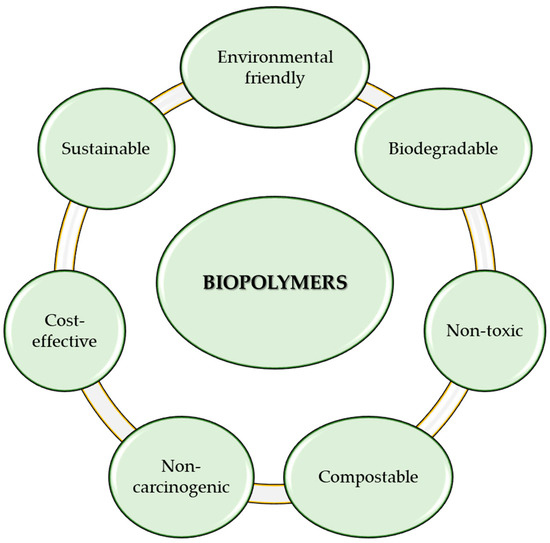
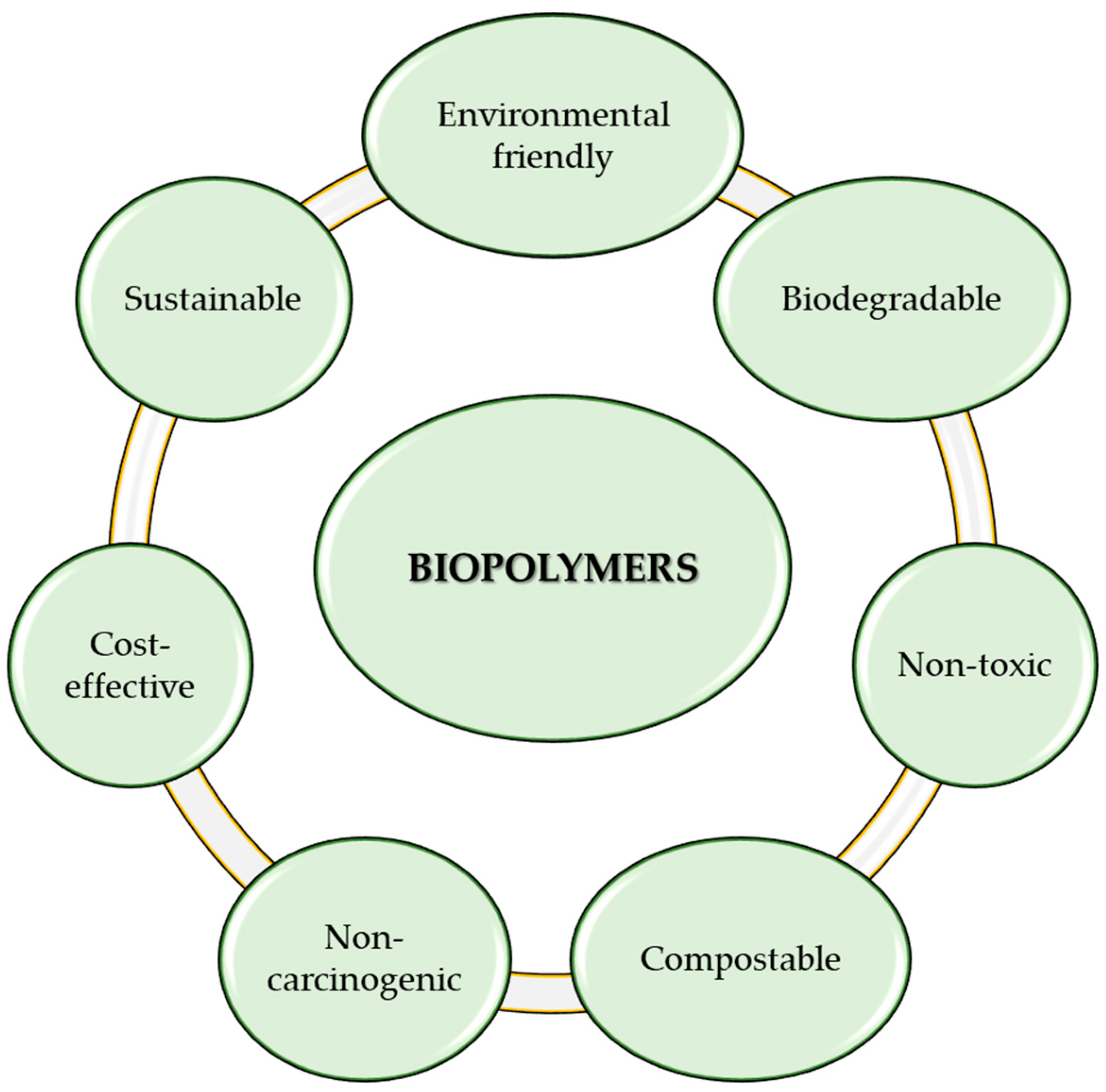
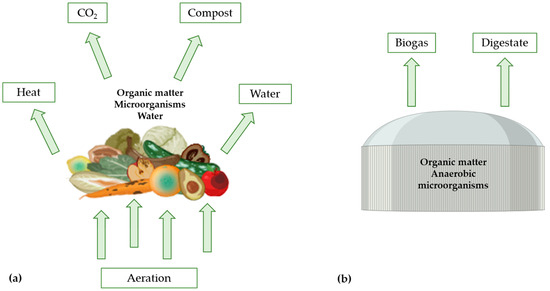
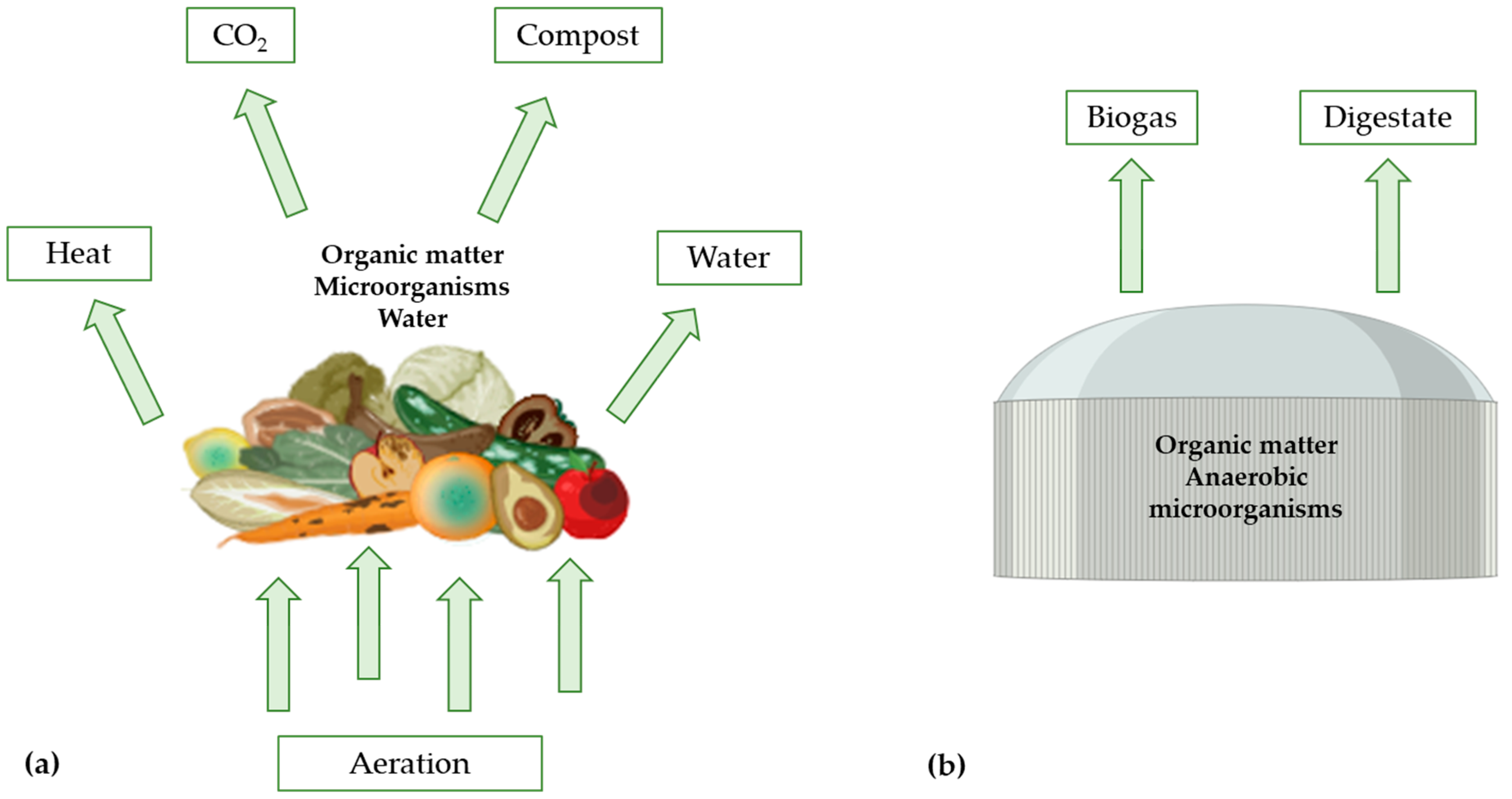
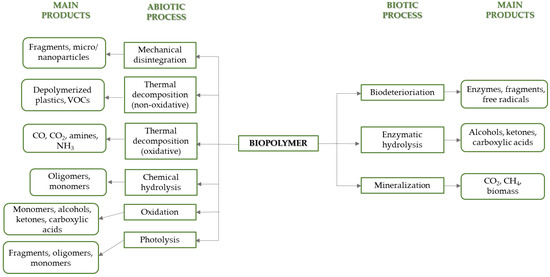
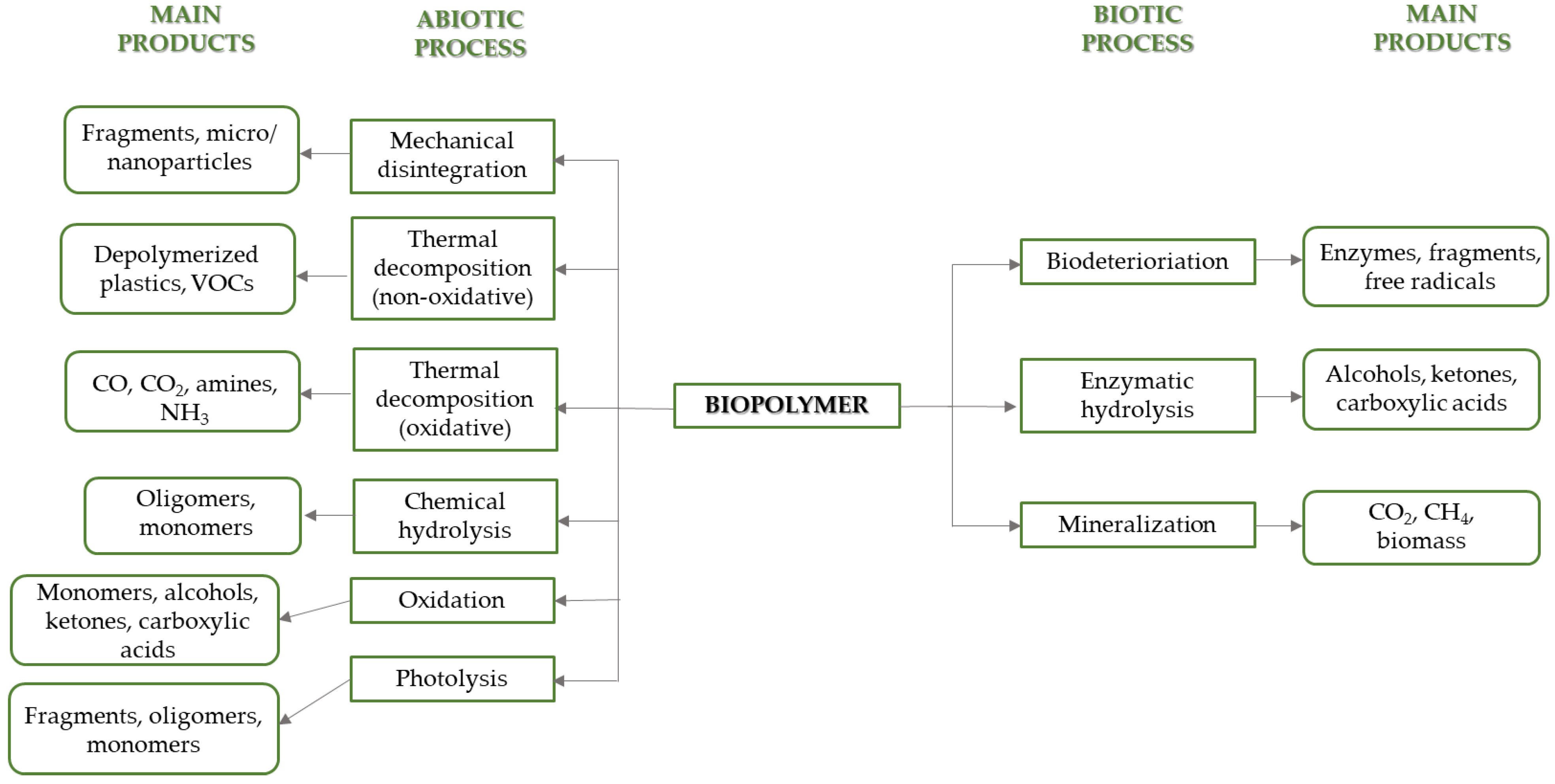

Disclaimer/Publisher’s Note: The statements, opinions and data contained in all publications are solely those of the individual author(s) and contributor(s) and not of MDPI and/or the editor(s). MDPI and/or the editor(s) disclaim responsibility for any injury to people or property resulting from any ideas, methods, instructions or products referred to in the content. |
© 2026 by the authors. Licensee MDPI, Basel, Switzerland. This article is an open access article distributed under the terms and conditions of the Creative Commons Attribution (CC BY) license.