


Abstract
The generation of Ge-containing dust (GCD) during Zn hydrometallurgy raises considerable toxicity concerns; however, GCD contains useful metals, such as Zn, Ge, and Pb. The unique characteristics of Ge often result in the formation of specific Ge compounds within GCD, which manifest as either independent insoluble phases or inclusions, which complicates their separation and recovery. To address the challenges associated with the traditional recovery methods, this study proposes a novel process that utilizes SO2 reduction in conjunction with H2SO4 to extract Zn and Ge from GCD. The introduction of SO2 facilitates the conversion of insoluble materials through reduction reactions. A high SO2 flow rate enhances its interaction with the solid surface, thereby promoting continuous peeling and improving the reaction efficiency. The key parameters influencing the leaching rate of Zn and Ge, and the toxicity of the resulting reaction residue, include the initial acidity, liquid–solid ratio, duration of SO2 exposure, reaction temperature, and reaction time. Experimental findings indicate that SO2-promoted H2SO4 leaching outperforms the conventional methods, achieving increases of 3% and 12% in the leaching rates of Zn and Ge, respectively. Furthermore, the concentration of toxic metals in the residue is reduced to suitable levels post-reaction. The resultant Pb residue can be reintegrated into the Pb-recovery process for further utilization. In conclusion, the SO2-promoted H2SO4-leaching method represents a promising and environmentally sustainable approach for the recovery of useful metals from GCD.
1. Introduction
Zn leaching residue (ZLR) is a by-product generated from a two-stage acid-leaching process utilized in Zn hydrometallurgy. This residue is characterized by the presence of numerous valuable metals and heavy metals, such as Pb, Fe, Ca, Mg, As, Cd, and Ag. It also contains 10–20% Zn and 0.02–0.03% Ge [1,2,3]. To enhance the utility of the metal contained in ZLR, organizations typically perform roasting via either fuming or rotary-kiln volatilization. This approach facilitates the re-enrichment of elements such as Zn, Ge, Pb, Ag, and other metals within the Ge-containing dust (GCD), while Fe, Ca, Mg, and other substances are left in the roasting slag for centralized treatment [4,5,6]. As of now, the grades of Zn, Pb and Ag in Ge dust are 50%, 10% and 0.02% respectively, while the grade of Ge is greater than 0.05% [7]. Therefore, GCD is an important secondary resource for recovering Zn, Ge, Pb, and Ag. The recycling of the aforementioned metals in an environmentally sustainable and efficient manner holds considerable economic and strategic importance.
However, at present, China’s small- and medium-sized enterprises find it difficult to further deal with the abovementioned GCD, owing to technical and economic capacity constraints, and usually sell it to other large enterprises for unified treatment. Only a few enterprises in China have complete dust-treatment systems and processes. These enterprises usually utilize high-temperature–low-acid and high-temperature–high-acid processes to dissolve Zn and Ge compounds. The acid used is generally a mixture of spent electrolyte and an appropriate amount of H2SO4, with the concentration varying depending on the raw materials employed, and the temperature is typically maintained at 90–95 °C; then tannic acid is used to precipitate or extract Ge [8]. Industrial practice shows that the above process can only dissolve 85~90% of Zn and 60~80% of Ge [9]. This not only causes a serious waste of resources but also reduces the grades of the Pb and Ag slags, complicating Pb and Ag recovery. Meanwhile, As, Cd, and other substances accumulated in the residues after the two stages of dissolution will enter the soil and groundwater, leading to significant environmental pollution. Numerous scholars have pinpointed the key factors in the existing processing techniques, which cause suboptimal dissolution of Zn and Ge. These factors are summarized below. (1) Zn and Ge exist in GCD as simple or complex sulfides, which are not amenable to direct dissolution in a H2SO4 medium. (2) Certain ferrites and silicates within GCD do not react easily with H2SO4, which may result in lattice substitution or isomorphism with Ge. (3) Cubic GeO2 and various germanates are insoluble in H2SO4 solutions. (4) Ge tends to hydrolyze under highly acidic conditions, resulting in its precipitation as GeO2. (5) Characterization of the Pb–Ag slag obtained after leaching has revealed that, in the H2SO4 system, silicates are prone to hydrolysis, producing a large amount of polymer silica gel, which adsorbs the dissolved Zn and Ge [10,11,12,13]. Therefore, researchers worldwide have performed extensive investigations into the efficient extraction of useful metals from GCD. For example, Wang et al. [14] and Li et al. [15] successfully extracted 91.15% of Ge from the dust using a method that involves microwave alkaline roasting followed by water dissolution. This microwave alkaline roasting technique is effective in breaking down the larger particles found in GCD, promoting the transformation of the insoluble phase into the soluble phase, and improving the recovery yield. However, it suffers from the disadvantages of long treatment cycles and high operating costs and is not conducive to the subsequent Ge precipitation process. As tannin precipitation and Ge extraction technologies continue to develop, the recovery of valuable metals like Zn and Ge through wet processes using a H2SO4 system has increasingly become a focal point of current research. Wang et al. [16] investigated the oxygen pressure leaching process for hard Zn residue and achieved dissolution rates of 98.87% for Zn and 95.51% for Ge, respectively. Under oxygen pressure, the solubility of the insoluble phase increased and that of Si decreased, which effectively alleviated the problem of silicate hydrolysis–adsorption. However, oxygen pressure leaching must be performed in an autoclave, which involves high risks and production expenses. Deng et al. [17] and Zhu et al. [18] successfully extracted Zn and Ge from GCD using an atmospheric oxygen-rich leaching method. In the presence of oxygen, which is known for its clean production properties, the dissolution yields for Zn and Ge surpassed 90%. However, the process has a long processing cycle and the Zn and Ge leaching yields were low. In addition, the grade of Pb slag after leaching was less than 40%, and the presence of excessive amounts of impurities was not conducive to the subsequent recovery and utilization of Pb, resulting in secondary resources being wasted again. Liu et al. [19] introduced mechanical activation as a pretreatment to enhance metal recovery and found that the dissolution efficiencies of Ge and Zn increased by 18.12% and 22.93%, respectively. Mechanical activation significantly increases the specific surface area of the material and improves interfacial reaction conditions, thereby accelerating leaching kinetics and enhancing target metal recovery. Moreover, as a physical method, it avoids environmental pollution associated with chemical reagents. However, the operating conditions of mechanical activation are stringent and require precise control of parameters such as milling time, rotational speed, and ball-to-material ratio; otherwise, overgrinding may occur, suppressing leaching efficiency and reducing energy efficiency. In addition, the process is energy-intensive and associated with relatively high costs. Other researchers oxidized and dissolved Zn and Ge in GCD using clean oxidants like O3 and H2O2. Their findings indicated that these oxidants notably enhanced the dissolution yields of Zn and Ge [20,21]. However, they did not consider the severe corrosion caused by O3 to the equipment and the tendency of H2O2 to decompose easily and its low utilization efficiency. Moreover, owing to the complex and variable composition of Zn concentrate, the content and composition of GCD obtained after different process treatments were diverse. Therefore, the occurrence state of Ge in GCD and its various behaviors in the dissolution processes remained unclear.
Compared with the existing process, the introduction of SO2 will not introduce impurities. SO2 undergoes reduction during the reaction process so that the insoluble substances in the GCD are converted into soluble substances, and the dissolution yield of valuable metals is improved [22,23]. Moreover, excess SO2 can be utilized to create acid, which helps prevent excess SO2 from contaminating the environment and harming human health. This paper suggests a method for the efficient and ecofriendly recovery of valuable metals from GCD through the use of a SO2-H2SO4 system, with the following objectives: (1) Discuss the process by which valuable metals such as Zn and Ge dissolve in a SO2–H2SO4 system. (2) Strengthen the GCD As, Cd, and other heavy metals dissolved before the centralized Zn electrowinning impurity-removal treatment to reduce the toxicity of the piled-up residue. (3) Improve the grade of Pb residue to facilitate the subsequent secondary recovery of Pb.
2. Experiments
2.1. Materials
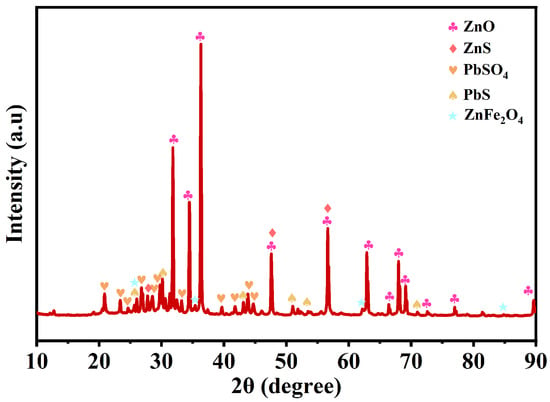
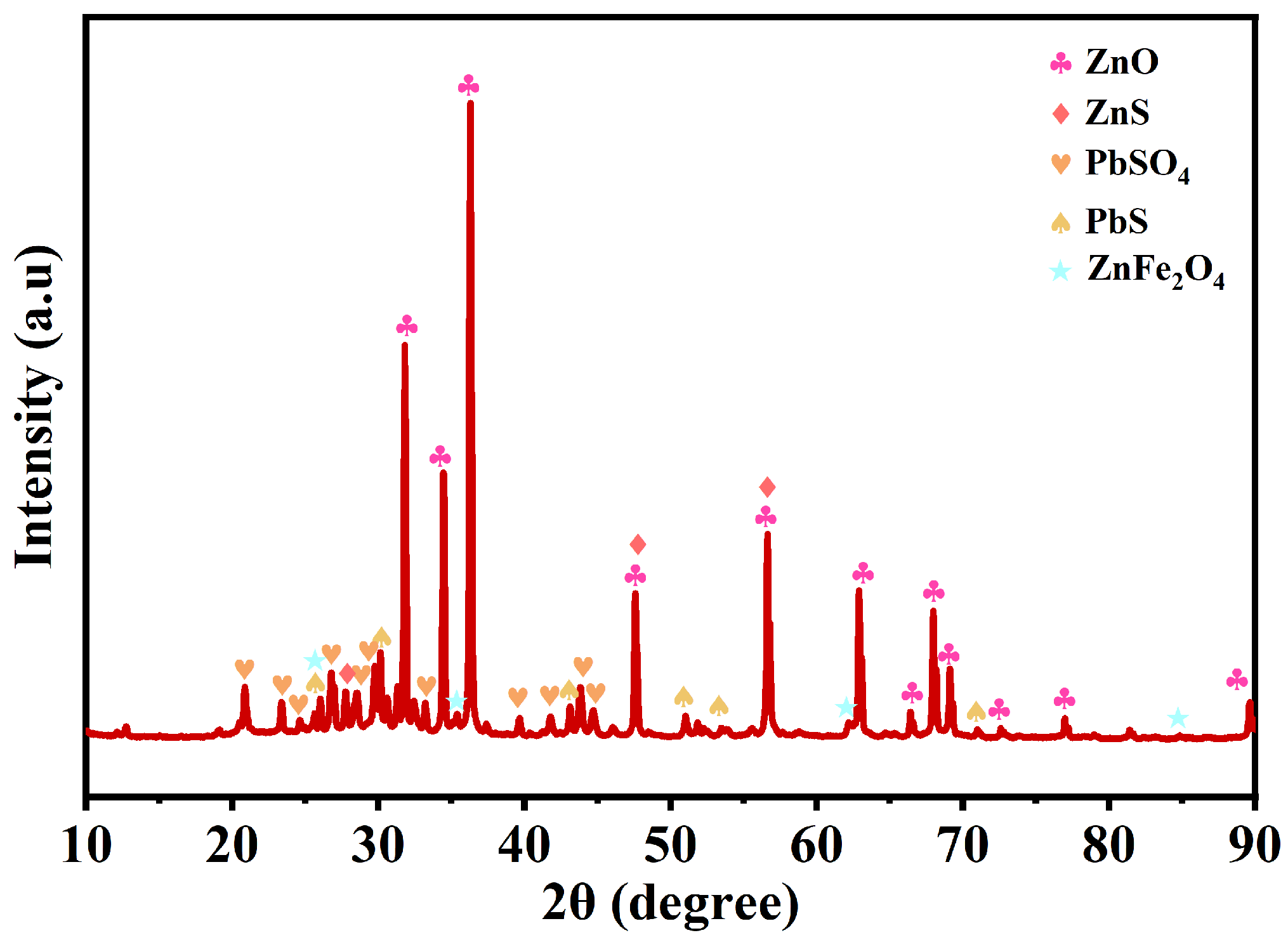
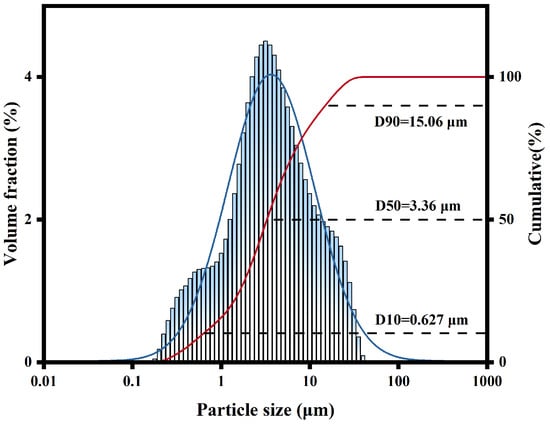
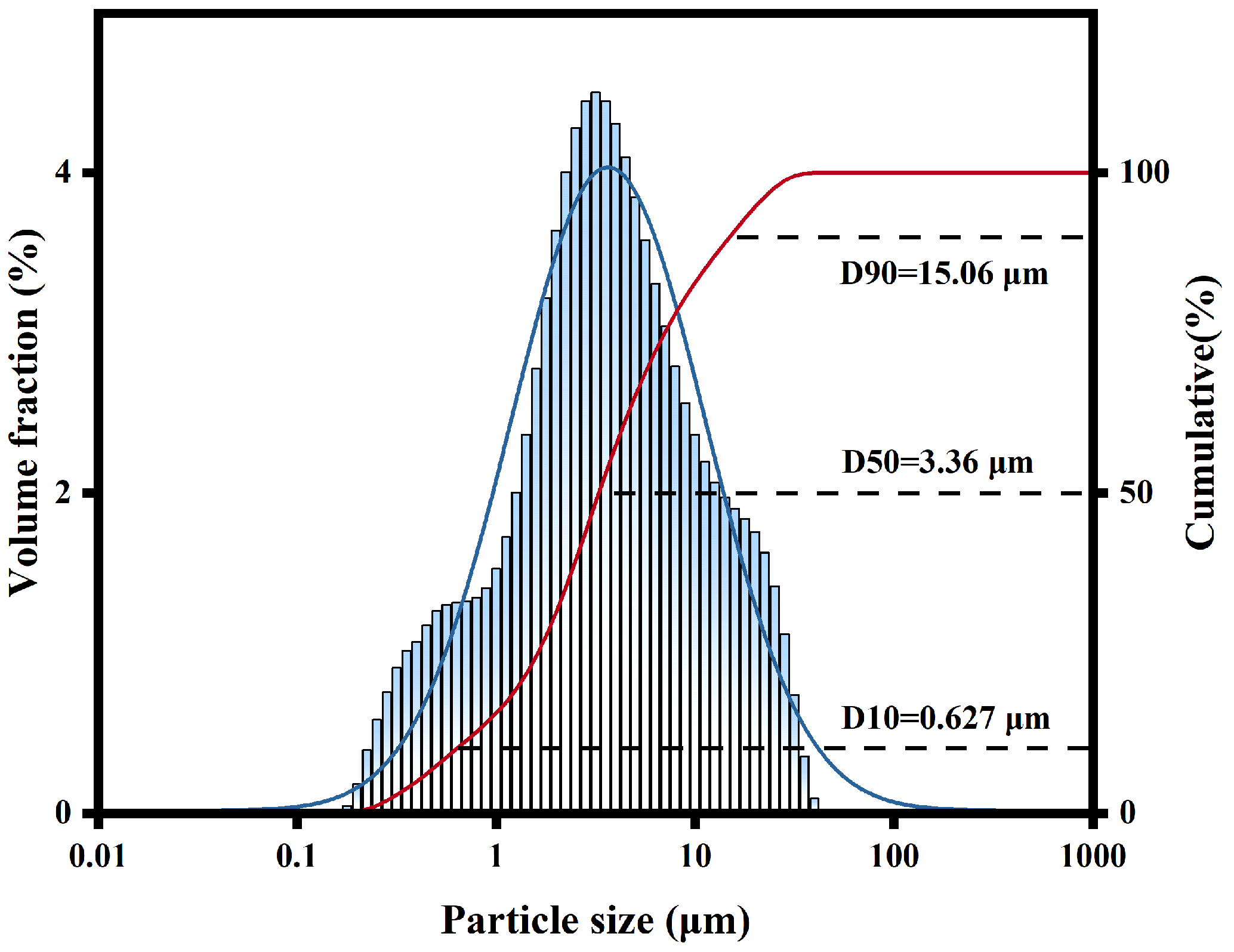
The GCD utilized in this study was obtained from a smelting facility in Yunnan Province of China. The zinc smelting process employed by this smelter utilizes the mature domestic “roasting—leaching—purification—electrowinning—melting and casting” process. Prior to the experiment, the GCD was dried in a vacuum drying oven maintained at a temperature of 60 °C to achieve a constant weight. H2SO4 (98%) was supplied by Maoming Xiongda Chemical Co., Ltd., Maoming, China, while SO2 was obtained from Kunming Shitouren Gas Products Co., Ltd., Kunming, China. The entire process was conducted using deionized water along with other necessary experimental procedures. The fundamental components and their respective contents in GCD are detailed in Table 1. The analysis revealed that GCD contains 52.64% Zn, making it the predominant component. This was attributed to the volatilization of significant amounts of ZnO, ZnS, and ZnSO4 from ZLR under high-temperature conditions. Specifically, the GCD is the condensed product collected from the flue gas during the high-temperature treatment of Zinc Leaching Residue (ZLR). The volatile zinc compounds (ZnO, ZnS, ZnSO4) from the ZLR are transferred and enriched into the GCD, resulting in its high zinc content. Additionally, the GCD comprises 16.03% Pb, 3.78% S, 3.36% Fe, 0.98% As, 0.54% Si, 0.47% Cd, and 0.075% Ge. This indicated that a considerable amount of Fe could be present as Zn ferrite, encapsulating the Ge compounds. Furthermore, the GCD contained numerous heavy and valuable metals. If not properly managed and disposed of, these materials could lead to resource wastage and leaching of heavy metals into the soil and groundwater, resulting in environmental contamination. X-ray diffraction (XRD) was performed to analyze the phases existing in the GCD, as illustrated in Figure 1. The findings indicate that the primary phases of GCD included ZnO, PbS, PbSO4, ZnFe2O4, and ZnS, while other substances were not detectable, owing to their low concentrations or poor crystallinity. The initial particle size distribution of the GCD used in this study is shown in Figure 2. The characteristic diameters of GCD are D10 = 0.627 μm, D50 = 3.36 μm, and D90 = 15.06 μm, indicating that GCD is predominantly composed of fine particles while still containing a fraction of relatively coarse particles. The high proportion of fine particles is favorable for rapid dissolution during leaching; however, at low liquid-to-solid ratios it may increase slurry viscosity, thereby promoting particle agglomeration or the formation of a passivation layer.
Table 1.
Main chemical constituents of GCD.
Figure 1.
XRD pattern of GCD (2°/min, Graphite Monochromator).
Figure 2.
The particle size distribution of GCD.
2.2. Procedures for Metal Leaching
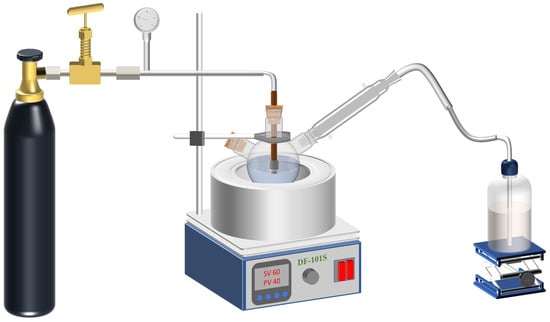
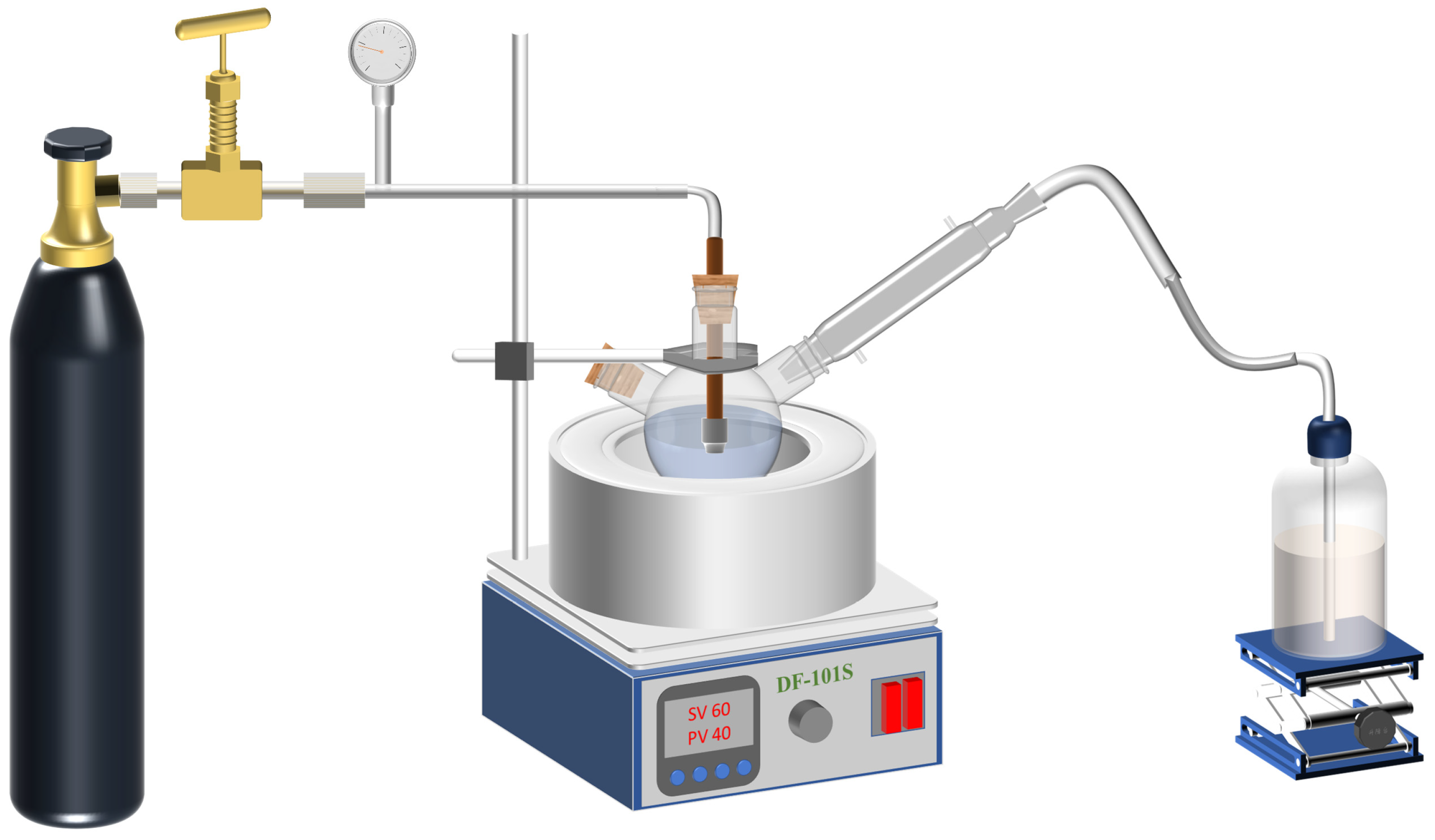
The metal dissolution experiment was conducted in a 500 mL three-necked flask. A thermostat water bath (with a temperature range of 50–90 °C) with a magnetic stirrer was utilized to maintain heat and perform stirring throughout the experiment (at a constant rate of 200 r·min−1). After the leaching experiment, a multipurpose circulating-water vacuum pump was employed for solid–liquid separation. A vacuum drying oven was used to dry the solid material. To prevent solution evaporation during the experiment, a refrigeration cycler with a serpentine condenser tube was used. Before starting the experiment, the constant-temperature magnetic stirring equipment was heated to the desired temperature, and a H2SO4 solution of specific concentration (ranging from 100 to 160 g·L−1) and liquid–solid ratio (L/S = 4–8 mL·g−1) was prepared. Thirty grams of GCD was weighed and placed in the three-necked flask, to which the H2SO4 solution was poured and thoroughly mixed. Simultaneously, SO2 gas was introduced into the above mixture from the gas cylinder, with the gas flow rate controlled at 0.1 L·min−1 for a designated duration (ranging from 10 to 60 min), and metal leaching began at a stirring rate of 200 r·min−1. After a certain period of time (yielding a total reaction time of 30–240 min), the SO2 cylinder valve was closed and the dissolution reaction continued. Following the reaction, the slurry underwent solid–liquid separation. The filter cake was rinsed with deionized water before being dried at 60 °C for 12 h. Afterward, both the residue and the reaction solution were characterized and analyzed to assess the quantities of dissolved Zn and Ge. A schematic depiction of the reaction apparatus is illustrated in Figure 3.
Figure 3.
Schematic diagram of experimental device.
2.3. Sample Characterization Techniques
The solid phase’s main components and contents before and after leaching were analyzed using an X-ray fluorescence spectrometer (XRF, RIGAKU ZSX Primus, Rigaku Corporation, Tokyo, Japan). An X-ray diffractometer (XRD, X’Pert PRO MPD, Malvern Panalytical, Almelo, The Netherlands) was utilized to study the phases of the solid materials, employing a Cu target and a LynxEye XE array detector. The morphology of the solid was analyzed using scanning electron microscopy (SEM, Zeiss Merlin Compact, Carl Zeiss AG, Oberkochen, Germany). Fourier transform infrared spectroscopy (FTIR, Bruker Vertex 70, Bruker Optik GmbH, Ettlingen, Germany) was employed to identify the functional groups in the solid phase. An inductively coupled plasma optical emission spectrometer (ICP-OES, OPTIMA 8000, PerkinElmer, Inc., Waltham, MA, USA) was utilized to analyze the elemental contents in both the solid phase and the reaction liquid.
The metal recovery yield was calculated by Equations (1) and (2):
In this research, RY1 (%) is defined as the metal recovery yield obtained from the concentration of metal present in the reaction solution, and RY2 (%) refers to the metal recovery yield calculated from the metal content in the residue after the reaction. The variable x1 (g·L−1) represents the concentration of metal ions in the reaction solution, and V (L) denotes the volume of this solution. The parameter ω (%) indicates the percentage of metal content in GCD, while x2 (%) signifies the percentage of metal ions in the residue following the reaction. Furthermore, ms (g) represents the mass of the residue after it has been dried, and m0 (g) indicates the initial mass of the GCD utilized. The final results are determined as the average of the outcomes from three replicate experiments conducted under optimal conditions.
3. Results and Discussion
3.1. Effect of Factors
In the context of the sustainable and efficient leaching of valuable metals from GCD, the leaching rates of these metals are influenced by five experimental variables: initial acid concentration, liquid–solid ratio, duration of SO2 exposure, reaction temperature, and reaction time. This study employs a single-factor experimental approach to systematically identify the optimal values for each of these factors individually, and the reaction conditions are presented in Table 2. With the SO2 flow rate set at 100 mL/min, the stirring rate of 200 r·min−1 ensures the complete reaction of the material.
Table 2.
Experimental parameters for the SO2-enhanced sulfuric acid leaching of zinc and germanium from lead–zinc smelting by-products (Ge-containing dust).
3.1.1. Effect of Initial Acidity on Metal Leaching Rate
As a solvent, H2SO4 can directly react with some substances in GCD. The reaction is as follows:
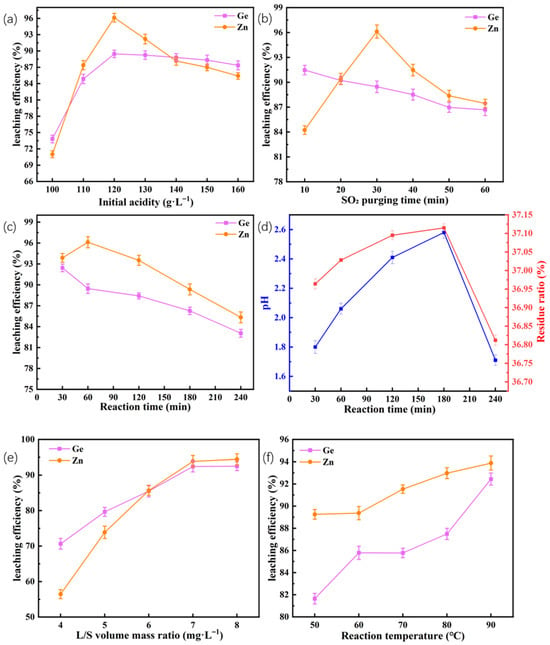
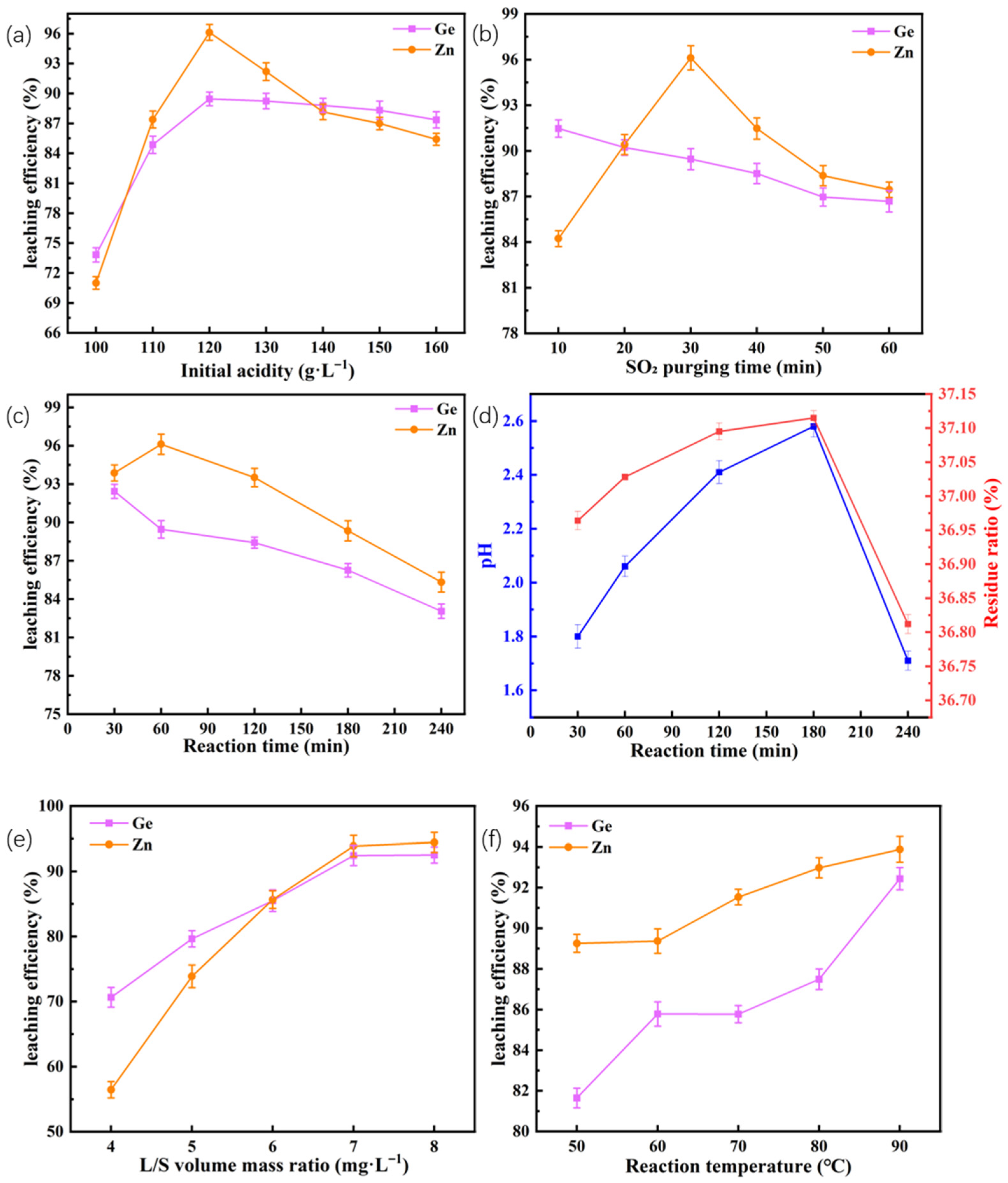
The results presented in Figure 4a indicate that, as the initial acidity increases from 100 g·L−1 to 120 g·L−1, the leaching rates for Zn and Ge attain their maximum values of 96.11% and 89.46%, respectively. However, an increase in the H2SO4 concentration reduces the leaching rates of both metals. This decline can be attributed to various factors, as described below: (1) High acidity will make the hydrolysis of silicate in GCD more obvious, and the resulting silica gel will adsorb and encapsulate Zn and Ge. Although the overall silicon content is low, the localized polymerization of dissolved silicic acid at the reaction interface can still lead to the formation of silica gel. This is particularly true when the system pH increases, as dissolved silicic acid becomes more prone to polymerization under such conditions [24,25]. This can be reflected by the filtration yield. The initial acidity of 160 g·L−1 has a significantly worse filtration performance than 120 g·L−1. (2) The solubility of GeO2 in H2SO4 diminishes as the concentration of the acid increases. Concurrently, elevated acidity levels can lead to the precipitation of dissolved Ge, resulting in the formation of H2GeO3 [26]. Therefore, 120 g·L−1 is regarded as the optimal value.
Figure 4.
Effects of process parameters on the leaching rates of zinc and germanium from lead–zinc smelting by-products under sulfuric acid leaching with SO2 introduction. (a) Initial acidity; (b) SO2 purging time; (c) reaction time; (d) variation in solution pH and residue ratio with reaction time; (e) liquid-to-solid ratio (L/S); (f) reaction temperature.
3.1.2. Effect of SO2 Exposure Time on Metal Leaching
In this study, SO2 is used as a reducing agent to promote the dissolution of the target components. The main action mechanism is that SO2 dissolves in an acidic solution to form an environment with a low REDOX potential. It reduces the dissolved high-valent metal ions, such as tetravalent Ge ions, to prevent their hydrolysis or precipitation. Meanwhile, it reduces the leached trivalent Fe ions to divalent ones. This decreases the concentration of trivalent Fe ions in the system and accelerates the dissolution of zinc ferrate in H2SO4. The reaction is as follows:
The experimental results presented in Figure 4b indicate that SO2 exerts a beneficial influence on the dissolution of Zn and Ge. Specifically, the dissolution yield of Zn reached a peak of 96.11% when the duration of SO2 exposure was extended to 30 min. This is because the introduction of SO2 causes the decomposition and dissolution of Zn ferrite and ZnO in the H2SO4 solution. With the extension of SO2 exposure, the Zn dissolution yield exhibits a downward trend. In addition, the dissolution yield of Ge exhibits a maximum of 91.47% when the duration of SO2 exposure is 10 min. The incorporation of SO2 decreases the potential within the reaction system, enhances the H+ activity, and facilitates the progression of the reaction in a favorable direction [27]. As shown in Equation (8), sulfur dioxide preferentially reduces Fe3+ to Fe2+. The consumption of Fe3+ leads to a significant decrease in the redox potential (Eh) of the solution. According to the Nernst equation, this drop in Eh shifts the system toward a more reducing environment. Meanwhile, sulfur dioxide dissolves in water to form sulfurous acid, which increases the hydrogen ion concentration. This rise in acidity not only intensifies the dissolution of GeO2 but consequently enhances the stability of dissolved Ge in the aqueous phase. However, upon increasing the duration of SO2 exposure from 10 min to 60 min, the leaching rates of Ge gradually decreased. This may be because long-duration exposure to SO2 increases the amount of SO2 dissolved in water, which in turn rapidly increases the acidity of the reaction system, similar to what is presented in Figure 4a. Therefore, considering the dissolution effect and cost of the metal, 30 min of SO2 exposure is selected as the best condition.
3.1.3. Effect of Reaction Time on Metal Leaching
As illustrated in Figure 4c, the enhanced reaction of SO2 significantly improves the dissolution of GCD within a H2SO4 system, achieving notable leaching rates of 93.88% and 92.44% for Zn and Ge, respectively, at the 30 min mark. However, as the reaction time extends, the leaching yield of Zn increases to 96.11%, before experiencing a gradual decline. Conversely, the leaching yield of Ge consistently decreases from 30 min to 240 min, ultimately resulting in leaching yields of 85.33% for Zn and 83.05% for Ge at the 240 min interval. Compared to the values at a reaction time of 30 min, the metal leaching yield is significantly reduced, which may be because the dissolution of Zn ferrite, ZnS, and other substances in H2SO4 is a slow process. Studies have shown that the germanium present in GCD primarily exists in the form of hexagonal GeO2 and GeO [7]. The hexagonal GeO2 and GeO react rapidly under the action of SO2, so the maximum reaction limit is reached at 30 min. Meanwhile, the long-term contact of GCD with H+ makes a large number of substances react slowly with H+, resulting in an increase in the pH of the system, as shown in Figure 4d. This pH increase directly results from the continuous consumption of H+ by slow-dissolving, acid-consuming phases in the GCD, primarily zinc ferrite (ZnFe2O4), sulfide minerals (e.g., ZnS), and silicates, whose prolonged reactions deplete acidity. Studies have found that, when the pH of the solution is greater than 1.6, soluble silicates will be dissolved and hydrolyzed, with gradual polymerization creating a polymer silica gel [28]. In acidic sulfate systems, Fe3+ ions exhibit a strong tendency to hydrolyze even at relatively low pH levels. When the pH rises above approximately 1.5–2.0, Fe3+ undergoes stepwise hydrolysis, forming Fe(OH)2+ and Fe(OH)2+, and subsequently precipitates as amorphous iron hydroxides or oxyhydroxides (e.g., Fe(OH)3 or FeOOH) [29]. These hydrolyzed iron species are highly surface-active and possess a strong affinity for both metal cations and oxyanions in solution [30]. Consequently, zinc ions in the solution can be immobilized through surface complexation or coprecipitation with the iron hydroxides [31]. Simultaneously, dissolved germanium species may be strongly adsorbed onto the iron hydroxide surfaces via inner-sphere complexation or incorporated into the iron-rich amorphous precipitates through coprecipitation [32]. As a result, both zinc and germanium are removed from the solution phase and transferred to the solid residue, leading to a decrease in their apparent leaching yields over extended reaction time. In addition, by comparing the solubility of the pure sulfide in the H2SO4 system, we find that more than 7% of sulfide is dissolved in the acid solution at 90 °C after 120 min of reaction. This means that, in this study, when the reaction time increases, the unreacted sulfide may slowly dissolve in the acid solution, resulting in a small amount of H2S gas, which may react with Ge4+ and Zn2+ again to produce insoluble substances. This reduces the recovery yields of Zn and Ge and increases the mass of the residual material following the reaction, which aligns with the findings presented in Figure 4d [33,34]. Especially at 240 min, the pH and residue ratio of the system decrease, which may be caused by re-dissolution. Finally, considering the production cost, 30 min is the best reaction time.
3.1.4. Effect of Liquid–Solid Ratio on Metal Leaching
The data illustrated in Figure 4e demonstrate that the liquid–solid ratio exerts a significant effect on the leaching yields of Zn and Ge. This effect is primarily attributed to the direct influence of the liquid–solid ratio on the reaction dynamics, particularly on the viscosity and availability of reactive H+. At a liquid–solid ratio of 4 mL·g−1, the leaching yields for Zn and Ge are notably low, at merely 56.45% and 70.65%, respectively. This suboptimal performance can be ascribed to the low liquid–solid ratio, which results in increased viscosity within the reaction system. Consequently, the mass-transfer resistance (the overall hindrance of the diffusion of reactants like H+ towards the solid surface and products like Zn2+ away from it) between the liquid and solid phases is elevated, hindering the interaction between the valuable metals contained in the GCD and H+, ultimately resulting in reduced recovery yields [35,36]. Moreover, a low liquid–solid ratio reduces the availability of H+ ions to interact with valuable metals within the system, consequently decreasing the probability of a reaction occurring. As the liquid–solid ratio is increased from 4 to 7 mL·g−1, the leaching yields for Zn and Ge reach their maximum values of 93.88% and 92.44%, respectively. This suggests that an increase in the liquid–solid ratio enhances the fluid dynamics, diminishes the mass-transfer resistance between the solid and liquid phases, promotes the interactions between SO2 and insoluble materials, and ultimately enhances reaction efficiency [37]. As the liquid–solid ratio continues to increase, the leaching yields of Zn and Ge reach a plateau, suggesting that, at a liquid–solid ratio of 7 mL·g−1, the reactants in the GCD have nearly undergone complete reaction. Further increases in the liquid–solid ratio may lead to diminished equipment efficiency and complications related to the management of excessive solution volumes. Consequently, a liquid–solid ratio of 7 mL·g−1 has been determined to be optimal.
3.1.5. Effect of Reaction Temperature on Metal Leaching
Figure 4f depicts the influence of reaction temperature on metal leaching yield. The findings indicate that an increase in the reaction temperature from 50 °C to 90 °C leads to improved leaching yields for Zn and Ge in GCD, which increased from 89.26% and 81.65% to 93.88% and 92.44%, respectively. This change in leaching yields can be ascribed to the higher temperature inducing greater disorder within the reaction system, thereby improving the mass-transfer yield among the various components. As a result, the diffusion of SO2 to the reaction interface occurs more swiftly, promoting the reaction’s progression. Consequently, 90 °C can be inferred to be the optimal reaction temperature.
3.1.6. Comparison with the Existing Process
The effects of different processes for leaching Zn and Ge using SO2 and H2SO4 on the leaching efficiencies of Zn and Ge were compared, and the experimental results are presented in Table 3. Process No. 1 represents the leaching performance of Zn and Ge under the optimal conditions determined in this study (SO2 introduction time of 30 min, initial acidity of 120 g·L−1, liquid-to-solid ratio of 7 mL·g−1, reaction temperature of 90 °C, and reaction time of 30 min). Process No. 2 corresponds to the oxygen pressure acid leaching process, with operating parameters of an initial acidity of 3.0 mol·L−1 H2SO4, a liquid-to-solid ratio of 4.5:1, an initial oxygen pressure of 0.7 MPa, a temperature of 150 °C, and a reaction time of 3 h. Under these conditions, the leaching rates of Zn and Ge reached 98.87% and 95.51%, respectively. However, oxygen pressure leaching in Process No. 2 must be conducted in an autoclave, which is not only expensive but also associated with high safety risks, high maintenance costs, and a short service life. Process No. 3 is an ozone-assisted oxidative leaching process, with operating parameters including an ozone introduction time of 10 min, a leaching temperature of 90 °C, an initial acidity of 160 g·L−1, a leaching time of 60 min, and a liquid-to-solid ratio of 7:1. The leaching rates of Zn and Ge under these conditions were 95.79% and 93.65%, respectively. Similarly to Process No. 2, this process also requires pressure-resistant equipment. Moreover, O3 exhibits strong corrosivity toward reaction vessels, pipelines, and sealing components, which significantly increases equipment maintenance costs and reduces service life. Process No. 4 is an ultrasound–hydrogen peroxide-enhanced oxidative leaching process. The operating parameters include an ultrasonic power of 200 W, a H2O2 dosage of 14.8 mL (based on 50 g of raw material), an initial acidity of 160 g·L−1, a liquid-to-solid ratio of 7:1, a temperature of 60 °C, and a leaching time of 60 min. Under these conditions, the leaching rates of Zn and Ge reached as high as 99.61% and 88.29%, respectively. However, H2O2 is relatively expensive and prone to decomposition at elevated temperatures, resulting in a low utilization efficiency, which makes cost control difficult. In addition, the leaching rate of Ge in this process is lower than that achieved by the process proposed in this paper. Process No. 5 is a combined leaching–roasting–leaching process, which consists of three sequential steps. In the ultrasound-enhanced leaching stage, the operating conditions include an initial acidity of 160 g·L−1, a KMnO4 concentration of 32.60 g·L−1, a liquid-to-solid ratio of 6:1, a temperature of 90 °C, a reaction time of 30 min, and an ultrasonic power of 480 W. In the roasting stage, Na2CO3 (0.060 g·g−1) and Mg(NO3)2 (0.050 g·g−1) are added, with a roasting temperature of 800 °C and a reaction time of 30 min. Finally, in the conventional leaching stage, the conditions include an initial acidity of 60 g·L−1, a liquid-to-solid ratio of 3:1, a leaching time of 20 min, and a temperature of 90 °C. Under these conditions, the overall leaching rates of Zn and Ge reach 89.93% and 95.46%, respectively. The Zn leaching rate under Process No. 5 is lower than that achieved by the process proposed in this paper. Although the Ge leaching rate is relatively high, the overall process is complex, involving multiple steps and high-temperature calcination, which leads to a long process cycle and high energy consumption. Compared with the above-mentioned processes, the SO2–H2SO4 co-leaching process proposed in this paper not only achieves sufficiently high leaching efficiencies for both Zn and Ge but also effectively avoids the use of additional reducing agents, multi-stage complex processes, and high-pressure equipment. Therefore, it demonstrates superior operational simplicity and cost-effectiveness and is more consistent with the principles of green chemistry. However, the process proposed in this study also has certain limitations. Owing to the toxicity and corrosivity of SO2, reliable sealing and off-gas treatment systems are required, leading to higher demands on equipment. In addition, the process is sensitive to variations in the mineralogical composition of the feed materials, and different process parameters must be adjusted accordingly. Furthermore, the SO2 flow rate and introduction duration have a significant influence on process performance and therefore require precise control.
Table 3.
The influence of different processes or chemicals on the leaching rate.
3.2. Characterization Analysis
3.2.1. ICP-OES Analysis
The experiment was repeated three times under the optimal conditions. The average values of the main elements and their contents in the residue after leaching are listed in Table 4. The research findings demonstrate that the leaching process utilized for the extraction of valuable metals, specifically Zn and Ge, from GCD is significantly improved by the incorporation of SO2. This enhancement promotes the transformation of insoluble compounds, leading to a notable decrease in the contents of Zn and Ge in the residual materials, from 52.64% and 0.075% to 3.76% and 0.0134%, respectively, with the concentrations in the solutions reaching 70.6 g/L and 99.12 mg/L respectively (see Table 5). The residual quantities of unextracted Zn and Ge can be ascribed to the development of inclusions, including jarosite or PbSO4, which obstruct the surfaces of Zn-containing Ge compounds, thereby hindering their leaching. Specifically, jarosite is a common precipitate in acidic, sulfate-rich environments. It can encapsulate particles, thereby hindering further dissolution [38]. Additionally, germanium may be present in forms such as tetragonal GeO2 (e.g., with a rutile-type structure) and silicates, which exhibit very low solubility in sulfuric acid solutions [39]. It is noteworthy that the concentration of Pb in the residue increased to 42.76% following the leaching; however, Pb is absent in the leachate, which indicates that Pb is basically insoluble in the solution under this system, which facilitates its subsequent recovery from high-grade Pb-rich residues. Additionally, the leaching process significantly diminishes the concentrations of toxic metals, including As and Cd, in the residual material, most of which was dissolved in the leachate, with concentrations reaching 1.03 g/L and 0.39 g/L respectively, and with leaching rates reaching 73% and 58%, respectively. The toxic metals that dissolve in the leaching solution can be effectively eliminated during the purification and impurity-removal stages. This not only reduces the production costs and lessens the environmental impacts associated with heavy-metal contamination during the storage of Pb-containing residues but also improves the quality of Pb residues during smelting. Therefore, the utilization of SO2 in the treatment of GCD is regarded as a promising strategy for achieving clean and sustainable energy solutions.
Table 4.
Average value and error of the main elements and contents in the residue after leaching.
Table 5.
Average value and error of the main elements and concentration in the solution after leaching.
3.2.2. XRD Analysis
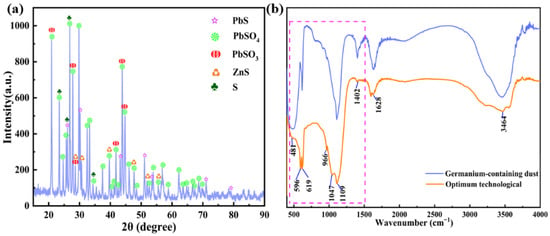
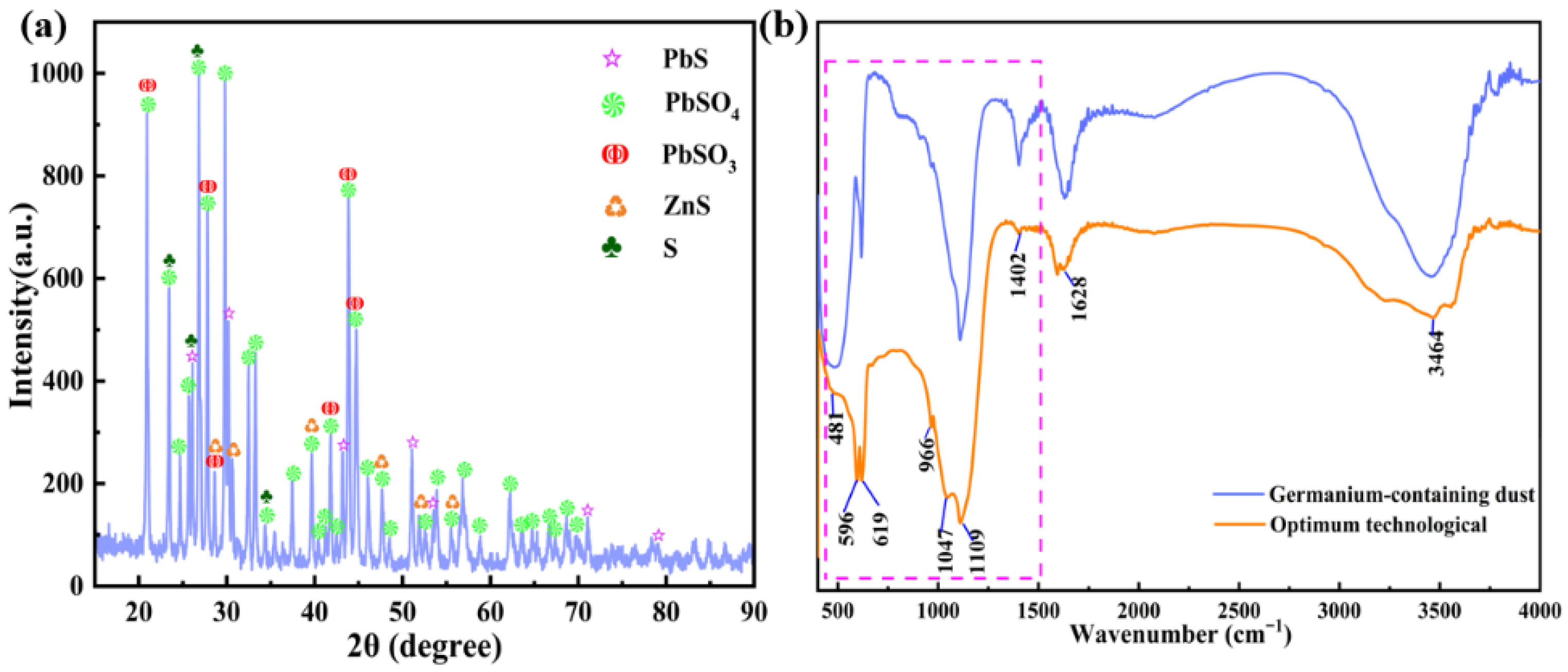
A detailed investigation of the mineral phases of the residues after leaching is the key to understanding the migration behavior and occurrence state of each substance during leaching. The recovery yield of Zn and Ge, along with the complexity of Pb-smelting raw materials, is significantly affected by the reactions that occur during the leaching. As depicted in Figure 5a, the diffraction peak associated with ZnO is completely absent after leaching, while PbSO4 is identified as the primary component in the leaching residue. The sharp and distinct diffraction peak of PbSO4 indicates that ZnO has nearly entirely reacted to form ZnSO4, which has subsequently dissolved into the liquid phase. Importantly, a notable diffraction peak for PbSO3 was detected in the leaching, which may be attributed to the dissolution of SO2 in water, leading to the formation of H2SO3 that subsequently reacts with Pb compounds to generate PbSO3, which is a loose, amorphous or microcrystalline precipitate. Its physical structure is porous and cannot form an effective barrier to prevent diffusion. Therefore, it will not completely coat the unreacted particles, and the acid and SO2 can still react with the Zn and Ge compounds inside the coating. Moreover, according to the experimental results, under the optimal conditions, the recovery rates of Zn and Ge reach 97.51% and 92.43%, respectively. This result strongly proves that PbSO3 cannot form a dense passivation layer to hinder the reaction. Additionally, the presence of diffraction peaks for PbS and ZnS in Figure 5a suggests that the introduction of SO2 does not promote the reaction of low-valent sulfides; instead, only a limited amount of sulfides is solubilized in the H2SO4 solution. The XRD analysis revealed pronounced diffraction peaks for elemental S in the leaching residue. Given that most ZnS was undissolved and no external oxidant was added, its formation likely originated from the reaction of some sulfides (e.g., ZnS or PbS) with H2SO4 to produce H2S, followed by the oxidation of H2S by dissolved SO2 to form S. This interpretation supports the compositional data in Table 4.
Figure 5.
(a) XRD patterns of leaching residues under optimal conditions (2°/min, Graphite Monochromator); (b) infrared spectra of zinc oxide dust and residues under optimal process.
3.2.3. FT-IR Analysis
Figure 5b depicts the alterations in functional groups within the solid phase prior to and subsequent to the leaching process. The absorption peak identified at approximately 480 cm−1 can be ascribed to Zn-O bonds. The disappearance of this absorption peak in the leaching residue, subsequent to the leaching process, indicates that ZnO has fully reacted, thereby supporting the conclusions drawn in Figure 5a [40]. The characteristic absorption peaks of SO42− appear near 600 and 1100 cm−1. Compared with the intensity of the absorption peak of GCD, the characteristic absorption-peak intensity of SO42− is significantly enhanced after the reaction, indicating that a large number of sulfate precipitates are generated during the reaction, such as PbSO4 and CaSO4. [41,42]. The characteristic absorption peak near 960 cm−1 was identified as SO32−. However, this functional group does not exist in the infrared spectrum of GCD, which is mainly attributed to the interactions between SO2 and H2O [43]. The absorption peak near 1400 cm−1 can be ascribed to CO32−. An examination of the intensity of the absorption peaks prior to and subsequent to the reaction demonstrates a notable reduction in the intensity of the characteristic CO32− peak in the residue after the leaching. This finding suggests that H2SO4 participates in a reaction with carbonate during the leaching procedure [44]. The absorption peak identified at approximately 1620 cm−1 is linked to the vibrational modes of water molecules within the crystal structure [45]. Furthermore, the broad peak observed around 3460 cm−1 belongs to the stretching vibrations of O-H bonds in free water [46].
3.2.4. SEM-EDS Analysis
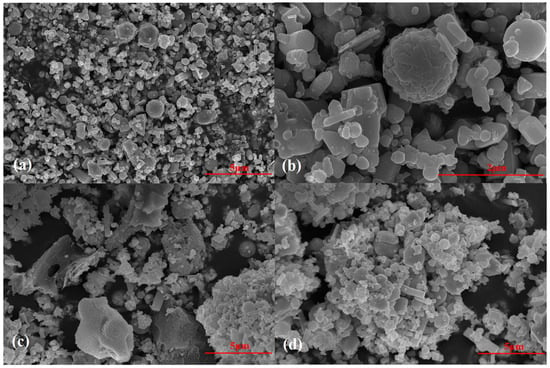
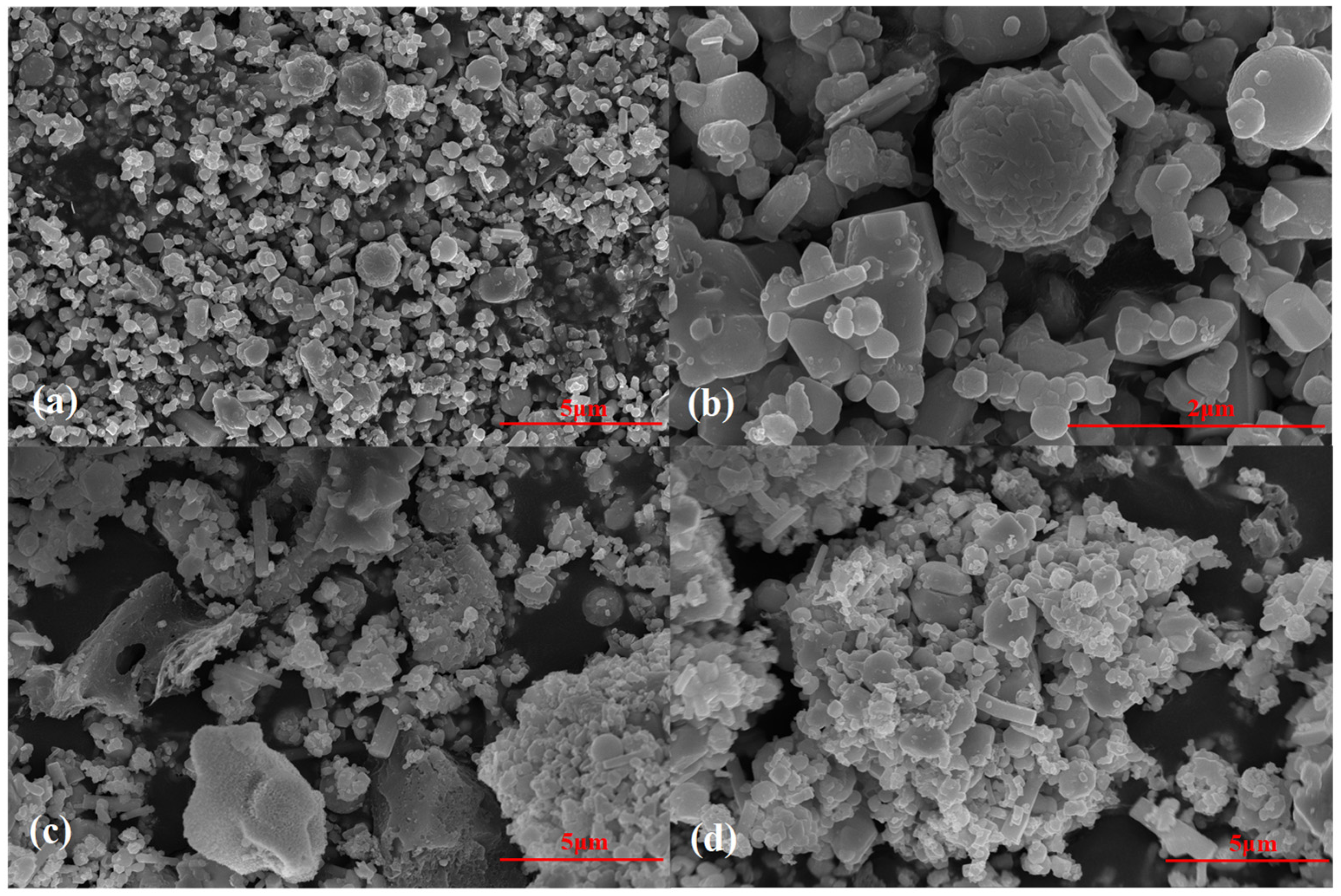
The microscopic morphology of GCD was analyzed both prior to and following the reaction using FE-SEM, with the findings presented in Figure 6. As demonstrated in Figure 6a,b, GCD displays a diverse range of morphologies, including spherical, cubic, cylindrical, hexagonal prismatic, lamellar, and irregular shapes. Additionally, it is noted that these morphologies are interwoven or overlapping, which may contribute to the suboptimal leaching yields of Zn and Ge during traditional leaching processes. The morphology of the residue after the reaction is illustrated in Figure 6c,d. The results demonstrate an increased occurrence of spherical and columnar structures in the solid phase post-reaction, which may be linked to the SO2-H2SO4 system, suggesting that certain components within the GCD have undergone transformation.
Figure 6.
SEM images of GCD: (a,b) before reaction; (c,d) after reaction.
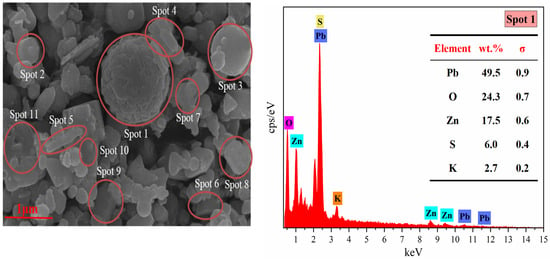
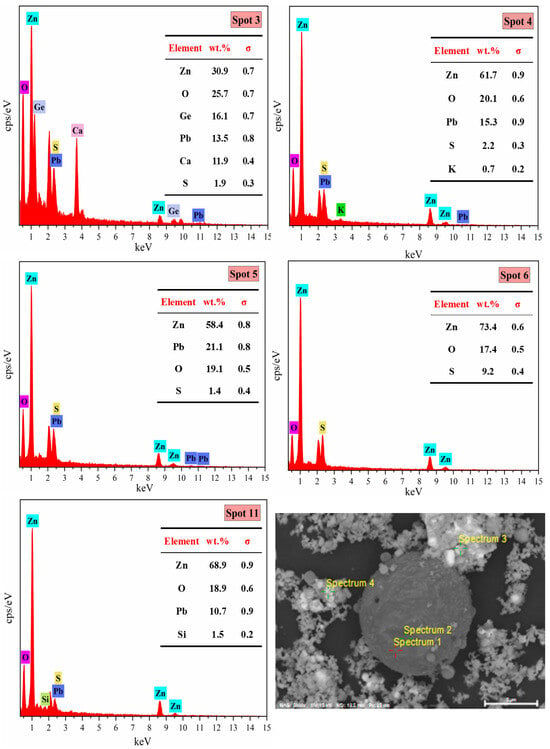
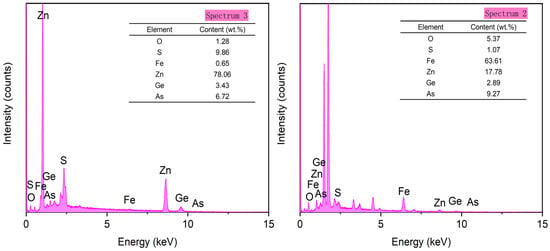
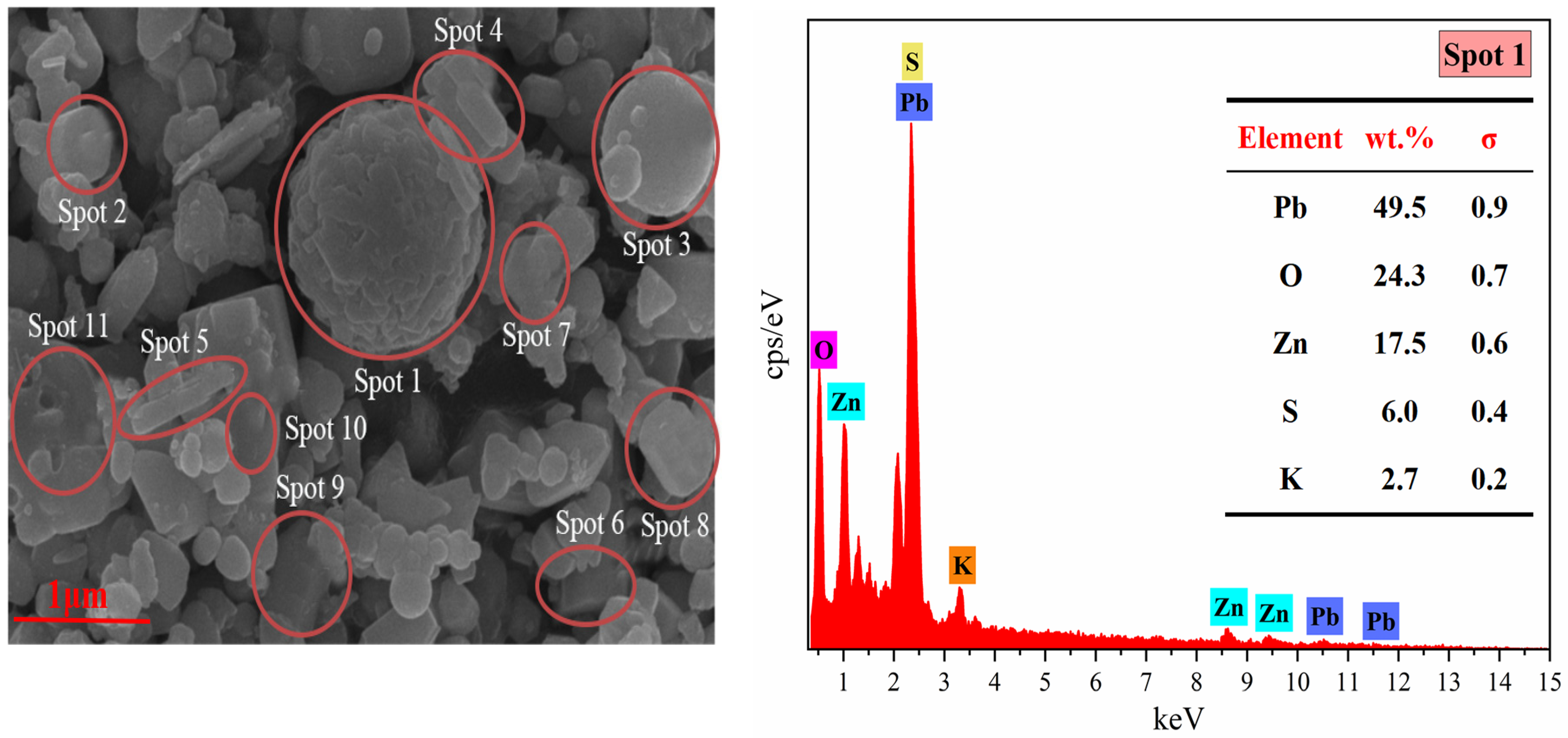
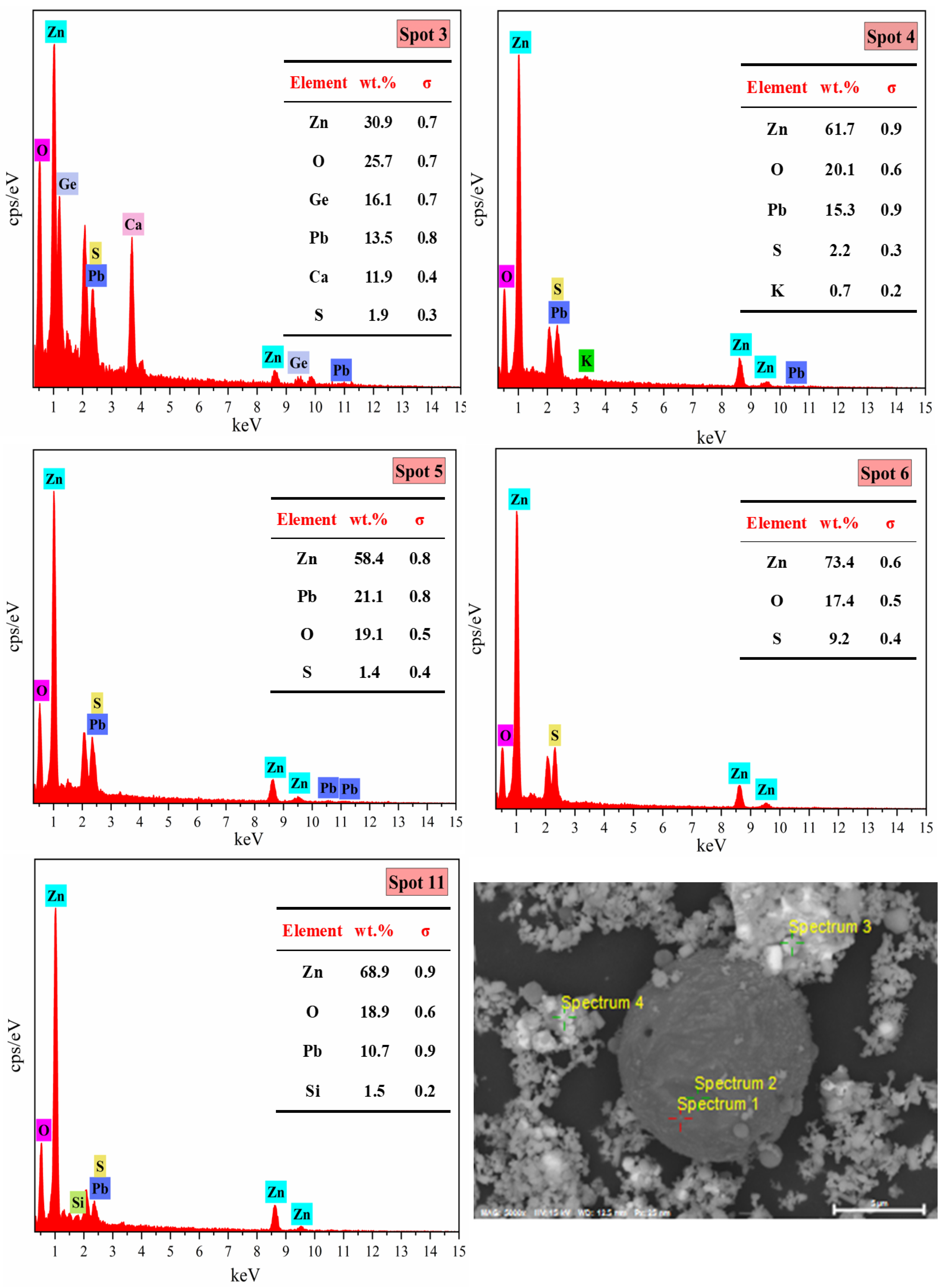
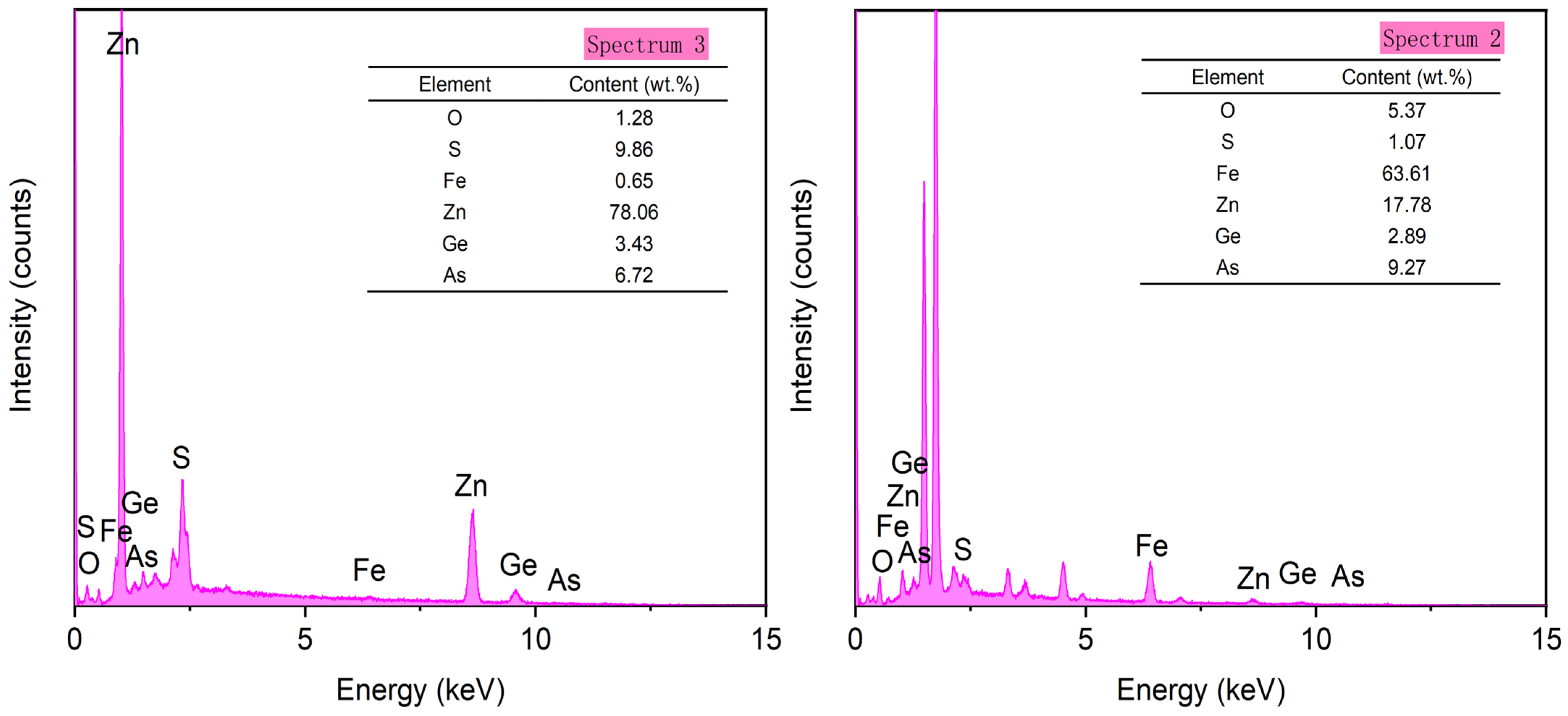
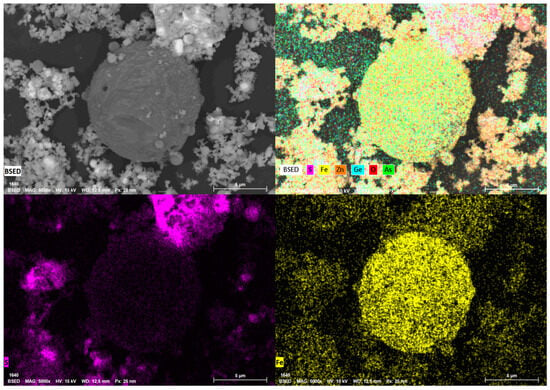
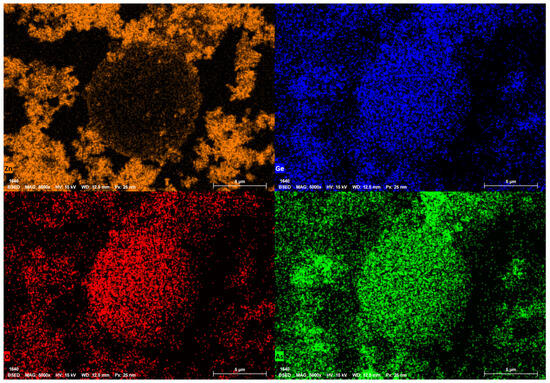
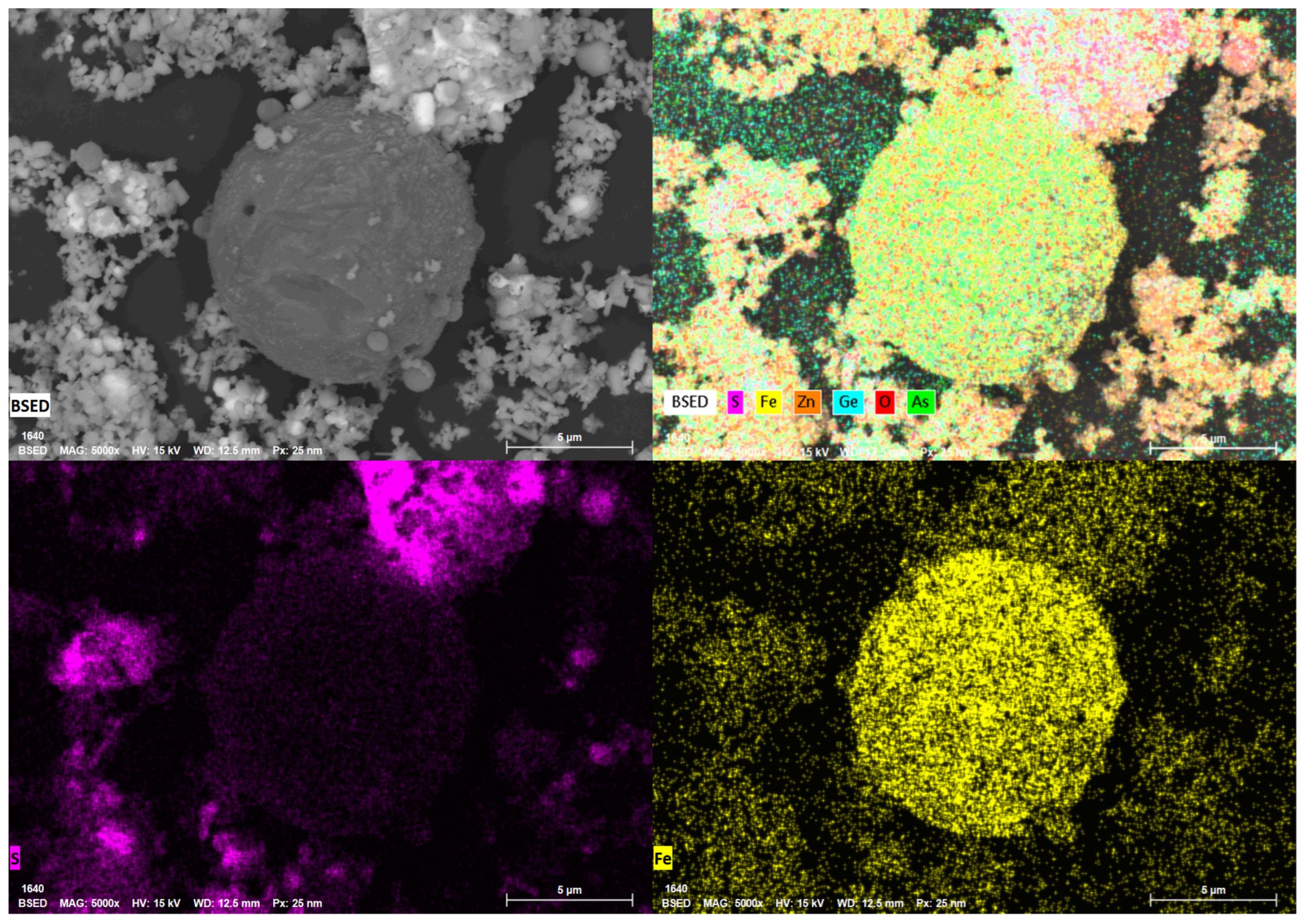
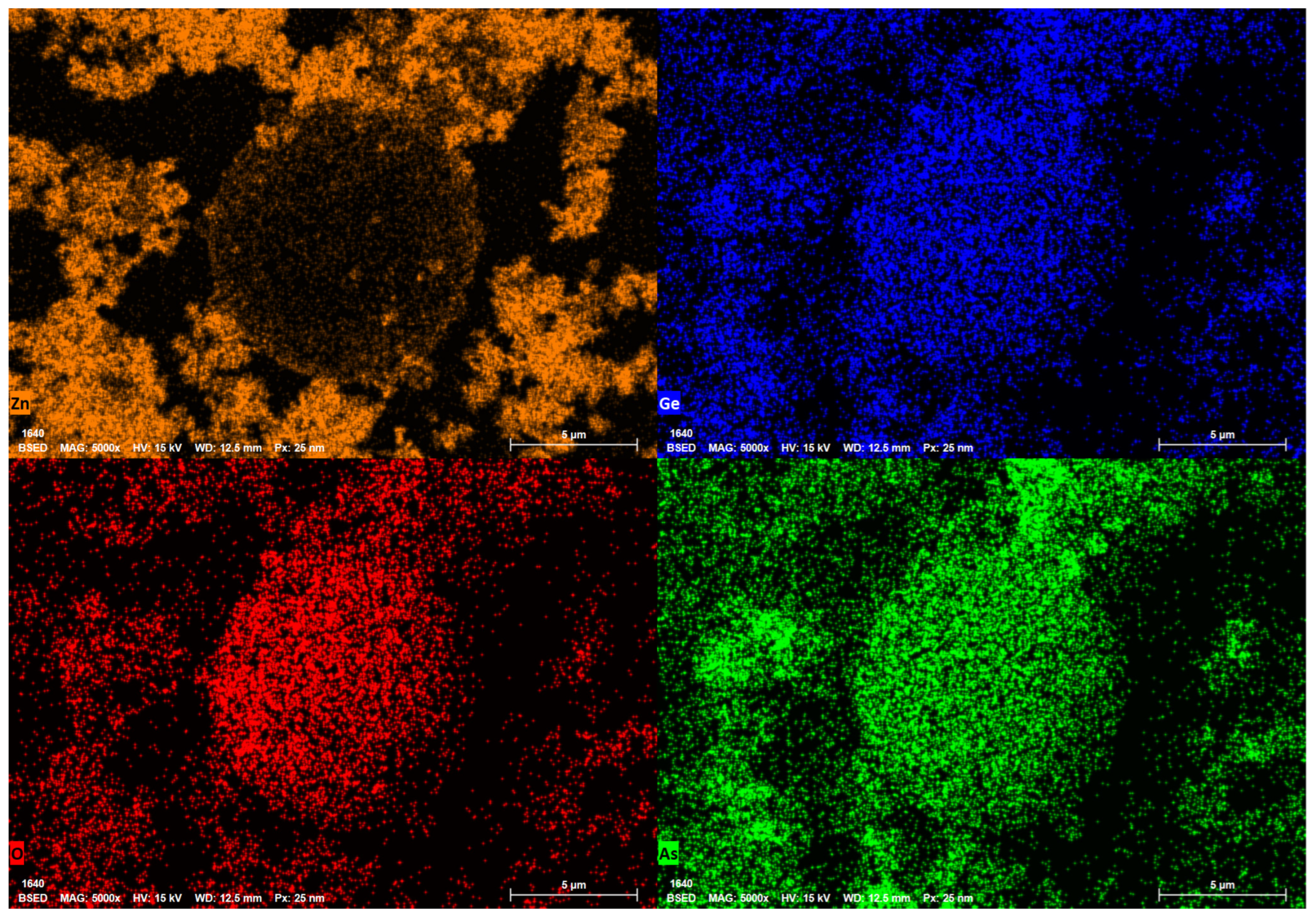
As shown in Figure 7, the rough spherical particle (labeled 1) is enriched in Pb, S, and O, with lower amounts of Zn and trace K. Such a Pb-rich assemblage tends to physically encapsulate adjacent Zn- and Ge-bearing domains, thereby hindering direct contact between the leaching solution and the encapsulated valuable metals. In contrast, particle 3 exhibits a relatively smooth spherical morphology and a more heterogeneous elemental composition (Zn, Ge, O, Pb, and Ca), but with a distinctly lower Pb content on the surface. This may indicate that Ge-bearing phases are more readily exposed and less strongly encapsulated by Pb-rich compounds than Zn-bearing phases. This difference suggests that Ge is more likely present as oxides or germanate-related species within or on the surface of composite particles, rather than being completely sealed by Pb-rich layers. The cuboidal and columnar particles labeled 4 and 5, as well as the irregular particle labeled 11, are mainly composed of Zn and O with varying amounts of Pb and S, indicating that Zn-bearing components are closely associated with Pb–S–O-rich phases. Spot 6 contains high Zn together with O and S, which may imply the microscale coexistence of ZnO and ZnS. After leaching, this morphology almost completely disappears, indicating that ZnO and the reactive fraction exposed on the particle surface can be effectively leached under SO2–H2SO4 conditions. Figure 8 shows the elemental mapping results. In fine-particle regions, Zn and Ge are spatially correlated, whereas Pb and S are concentrated around coarse, rough spherical particles, forming a framework enriched in Pb, S, O, and ZnO. This spatial separation confirms that Pb-bearing phases preferentially coat Zn-rich domains, while Ge-bearing phases are relatively more dispersed and exposed, explaining the higher leachability of Ge once the Pb-rich surface layer is eroded. Combined with the phase identification by XRD (Figure 1), which confirms the presence of ZnO, ZnS, PbSO4, PbS, and ZnFe2O4, these microstructural observations demonstrate that the introduction of SO2 not only promotes the transformation of insoluble Pb-bearing phases but also continuously erodes Pb-rich surface layers, facilitating the exposure and dissolution of Zn- and Ge-bearing components and thereby improving metal recovery.
Figure 7.
Spot scanning EDS spectra of different shapes in GCD.
Figure 8.
SEM–EDS elemental maps of a representative GCD particle.
4. Conclusions
(1) The methodology utilized for the extraction of Zn and Ge from GCD through the application of SO2 and H2SO4 was shown to be both environmentally sustainable and effective. The optimal reaction parameters were determined to be: SO2 duration of 30 min, initial acidity of 120 g·L−1, liquid-to-solid ratio of 7 mL·g−1, reaction temperature of 90 °C, and reaction duration of 30 min. Under these specified conditions, the leaching yields for Zn and Ge were found to be 93.88% and 92.44%, reflecting improvements of 3% and 12%, respectively, compared to traditional extraction methods.
(2) XRD and ICP-OES were employed to characterize and analyze the solid phase, both before and after the reaction. The results revealed that the primary chemical phase present in the reaction residue was PbSO4, with a Pb concentration of 42.76%. This Pb residue was deemed suitable for direct reintegration into the Pb smelting process for recycling purposes.
(3) The reduction of SO2 destroyed the lattice structure of insoluble substances in Ge dust and promoted their transformation into soluble substances. At the same time, the passage of SO2 at a high flow rate impacted and continuously peeled off the solid surface, improving the metal recovery.
(4) The excessive SO2 produced in this study could be used for acid production; therefore, the proposed method exhibited the characteristics of simple operation, in line with the principles of green chemistry, and no impurity ions were introduced. In addition, SO2 is inexpensive and exhibits good performance in industrial production. Thus, the synergistic SO2–H2SO4 reaction process exhibits good prospects for application in GCD treatment.
Author Contributions
C.H.: Conceptualization, data curation, formal analysis, investigation, methodology, writing—original draft; C.X.: conceptualization, data curation, formal analysis, investigation, methodology, writing—original draft; J.L.: data curation, methodology, writing—review and editing; Q.P.: data curation, methodology, writing—review and editing; S.P.: data curation, methodology, writing—review and editing; H.X.: conceptualization, funding acquisition, resources, software, supervision, validation, methodology. All authors have read and agreed to the published version of the manuscript.
Funding
Financial aid from the following programs is gratefully acknowledged: Yunnan Technology Innovation Center of Zinc Resource (202405AK340004), Open Project of the National Key Laboratory of Nonferrous Metal Reinforced Metallurgy New Technology (No. YSQH-ZD-24008), Central Government’s Guiding Fund for Local Science and Technology Development (Grant No. [202407AB110022]).
Data Availability Statement
No data was used for the research described in the article.
Conflicts of Interest
Author Junchang Liu was employed by the Kunming Metallurgy Research Institute Co., Ltd.; Author Qifei Pei was employed by the Yunnan Chihong Zinc & Germanium Co., Ltd. The remaining authors declare that the research was conducted in the absence of any commercial or financial relationships that could be construed as a potential conflict of interest.
References
- Rodriguez, N.R.; Onghena, B.; Binnemans, K. Recovery of Lead and Silver from Zinc Leaching Residue Using Methanesulfonic Acid. ACS Sustain. Chem. Eng. 2019, 7, 19807–19815. [Google Scholar] [CrossRef] [Scilit]
- Silwamba, M.; Ito, M.; Hiroyoshi, N.; Tabelin, C.B.; Hashizume, R.; Fukushima, T.; Park, I.; Jeon, S.; Igarashi, T.; Sato, T.; et al. Recovery of Lead and Zinc from Zinc Plant Leach Residues by Concurrent Dissolution-Cementation Using Zero-Valent Aluminum in Chloride Medium. Metals 2020, 10, 531. [Google Scholar] [CrossRef] [Scilit]
- Xu, Y.J.; Xia, H.Y.; Liu, J.C.; Pei, Q.F.; Lu, Z.Q.; Zhang, Q.; Zhang, L.B. Recovery and enrichment of valuable metals from zinc oxide dust and mitigation of toxicity based on tartaric acid and hydrogen peroxide. Sep. Purif. Technol. 2025, 353, 17. [Google Scholar] [CrossRef] [Scilit]
- Liu, W. Experimental Research on Leaching of Zinc, Indium and Germanium from Zinc Oxide Flue Dust by Mechanically Assisted Ball Milling. Rare Met. Cem. Carbides 2022, 50, 21–26. [Google Scholar]
- Min, X.B.; Jiang, G.H.; Wang, Y.Y.; Zhou, B.S.; Xue, K.; Ke, Y.; Xu, Q.J.; Wang, J.W.; Ren, H.C. Sulfidation roasting of zinc leaching residue with pyrite for recovery of zinc and iron. J. Cent. South Univ. 2020, 27, 1186–1196. [Google Scholar] [CrossRef] [Scilit]
- Xu, Y.J.; Xia, H.Y.; Zhang, Q.; Zhang, L.B. An original strategy and evaluation of a reaction mechanism for recovering valuable metals from zinc oxide dust containing intractable germanide. J. Hazard. Mater. 2024, 468, 133766. [Google Scholar] [CrossRef] [Scilit] [PubMed]
- Xu, Y.J.; Qu, D.K.; Xia, H.Y.; Zhang, Q.; Zhang, L.B. Migration behavior of germanium and its related elements in zinc hydrometallurgy process. Sep. Purif. Technol. 2024, 330, 125467. [Google Scholar] [CrossRef] [Scilit]
- Li, Y.L.; Deng, Z.G.; Zhu, Y.X.; Dai, X.Z.; Lu, Z.Q.; Zhang, M.; Deng, H.B.; Chen, C.L. Study on leaching of Zn and Ge-bearing zinc oxide dust. Nonferrous Met. (Extr. Metall.) 2021, 7, 49–54+69. [Google Scholar]
- Wang, W.K.; Wang, F.C.; Lu, F.H. Microwave alkaline roasting-water dissolving process for germanium extraction from zinc oxide dust and its analysis by response surface methodology (RSM). Metall. Res. Technol. 2018, 115, 10. [Google Scholar] [CrossRef] [Scilit]
- Cook, N.J.; Etschmann, B.; Ciobanu, C.L.; Geraki, K.; Howard, D.L.; Williams, T.; Rae, N.; Pring, A.; Chen, G.; Johannessen, B.; et al. Distribution and Substitution Mechanism of Ge in a Ge-(Fe)-Bearing Sphalerite. Minerals 2015, 5, 117–132. [Google Scholar]
- Geng, X.L.; Liu, Y.; Zhang, W.; Wang, L.S.; Wen, J.K.; Sun, J.Z. Recent advances in the recovery of germanium during the zinc refining process. Chem. Eng. J. 2022, 446, 17. [Google Scholar] [CrossRef] [Scilit]
- Jiang, T.; Zhang, T.; Liu, Z.H. Pb-based aggregate, Ge-galena coexistence, and Ge-anglesite coprecipitate-Limitations and an improvement of germanium recovery from secondary zinc oxide via H2SO4 leaching. Hydrometallurgy 2021, 200, 10. [Google Scholar] [CrossRef] [Scilit]
- Liang, D.Q.; Wang, J.K.; Wang, Y.H. Difference in dissolution between germanium and zinc during the oxidative pressure leaching of sphalerite. Hydrometallurgy 2009, 95, 5–7. [Google Scholar] [CrossRef] [Scilit]
- Wankun, W.; Fuchun, W.; Jie, L. Recovery Germanium by Microwave Alkaline Roasting-water Dissolving from Zinc Oxide Dust Bearing Germanium. Conserv. Util. Miner. Resour. 2017, 6, 26–31. [Google Scholar]
- Li, C. Enrichment and Comprehensive Recovery of Germanium and Indium Smelting Process of the Closed Blast Furnace. Master’s Thesis, Central South University, Changsha, China, 2004. [Google Scholar]
- Wang, J.M.; Cao, H.Y.; Wu, B.X.; Wang, J.; Wu, C.C.; Li, J.H. Slective leaching of gemanium and indium form dezincification oxidized hard zinc slag with oxygen pressure leaching process. Nonferrous Met. (Extr. Metall.) 2013, 47–50. [Google Scholar] [CrossRef]
- Deng, Z.G.; Zhu, Y.X.; Wei, C.; Li, Y.L.; Zhang, M.; Zhao, W.L.; Li, X.B. Recovery of zinc and germanium from zinc oxide dust containing germanium by atmospheric oxygen enrichment leaching. Min. Metall. 2020, 29, 37–43. [Google Scholar]
- Zhu, Y.X.; Deng, Z.G.; Wei, C.; Li, Y.L.; Zhang, M.; Zhao, W.L. Leaching germanium-containing zinc oxide dust by atomspheric oxygen enrichment. Chin. J. Nonferrous Met. 2021, 31, 995–1006. [Google Scholar]
- Liu, C.; He, H.J.; Liang, D.Q.; Huang, H.; Man, L.M.; Song, Y.; Luo, S.Q. Influence of the Mechanical Activation on the Reactivity of Germanium-Containing Zinc Neutral Leaching Residue. Adv. Mater. Res. 2012, 581–582, 868–872. [Google Scholar] [CrossRef] [Scilit]
- Xin, C.F.; Xia, H.Y.; Zhang, Q.; Zhang, L.B.; Zhang, W. Leaching of zinc and germanium from zinc oxide dust in sulfuric acid-ozone media. Arab. J. Chem. 2021, 14, 11. [Google Scholar] [CrossRef] [Scilit]
- Xin, C.F.; Xia, H.Y.; Zhang, Q.; Zhang, L.B.; Zhang, W. Recovery of Zn and Ge from zinc oxide dust by ultrasonic-H2O2 enhanced oxidation leaching. RSC Adv. 2021, 11, 33788–33797. [Google Scholar] [CrossRef] [Scilit]
- Agrafiotis, C.; Thomey, D.; de Oliveira, L.; Ebert, M.; Gobereit, B.; Pernpeintner, J.; Schlögl-Knothe, B.; Alkan, G.; Roeb, M.; Sattler, C. A particle receiver-driven thermochemical cycle employing elemental sulphur for solar thermochemical energy storage: Investigation of particles as concentrated sunlight harvesting media and sulphur trioxide splitting catalysts. Sol. Energy 2022, 234, 21–38. [Google Scholar] [CrossRef] [Scilit]
- Hong, T.; Wei, Y.; Li, L.B.; Mumford, K.A.; Stevens, G.W. An investigation into the precipitation of copper sulfide from acidic sulfate solutions. Hydrometallurgy 2020, 192, 10. [Google Scholar] [CrossRef] [Scilit]
- Cooper, R.M.; Parkinson, G.M.; Newman, O.M.G. The Precipitation of Silica from Acidic Zinc Leach Liquors. In Mixing and Crystallization; Gupta, B.S., Ibrahim, S., Eds.; Springer: Dordrecht, The Netherlands, 2000. [Google Scholar] [CrossRef] [Scilit]
- Vielma, T.; Lassi, U.M.; Salminen, J. Precipitation of silica from zinc process solution. Monatshefte Chem.-Chem. Mon. 2017, 149, 313–321. [Google Scholar] [CrossRef] [Scilit]
- Liu, F.-P.; Liu, Z.-H.; Li, Y.-H.; Liu, Z.-Y.; Li, Q.-H.; Wen, D.-M. Sulfuric leaching process of zinc powder replacement residue containing gallium and germanium. Zhongguo Youse Jinshu Xuebao/Chin. J. Nonferrous Met. 2016, 26, 908–918. [Google Scholar]
- Deng, Z.G.; Fan, G.; Wei, C.; Fan, G.; Li, C.X. Reductive Leaching of Indium-Bearing Zinc Leaching Residue in Sulfuric Acid and Sulfur Dioxide. In Rare Metal Technology 2020; Springer International Publishing: Cham, Switzerland, 2020. [Google Scholar]
- Scott, S.; Galeczka, I.M.; Gunnarsson, I.; Arnórsson, S.; Stefánsson, A. Silica polymerization and nanocolloid nucleation and growth kinetics in aqueous solutions. Geochim. Cosmochim. Acta 2024, 371, 78–94. [Google Scholar] [CrossRef] [Scilit]
- Cornell, R.M.; Schwertmann, U. The Iron Oxides: Structure, Properties, Reactions, Occurrences and Uses; John Wiley & Sons: Hoboken, NJ, USA, 2003. [Google Scholar]
- Dzombak, D.A.; Morel, F.M.M. Surface Complexation Modeling: Hydrous Ferric Oxide; John Wiley & Sons: Hoboken, NJ, USA, 1990. [Google Scholar]
- Martin, S.; Zhu, C.; Rule, J.; Nuhfer, N.T.; Ford, R.; Hedges, S.; Soong, Y. A high-resolution TEM-AEM, pH titration, and modeling study of Zn2+ coprecipitation with ferrihydrite. Geochim. Cosmochim. Acta 2005, 69, 1543–1553. [Google Scholar] [CrossRef] [Scilit]
- Pokrovsky, O.S.; Pokrovski, G.S.; Schott, J.; Galy, A. Experimental study of germanium adsorption on goethite and germanium coprecipitation with iron hydroxide: X-ray absorption fine structure and macroscopic characterization. Geochim. Cosmochim. Acta 2006, 70, 3325–3341. [Google Scholar] [CrossRef] [Scilit]
- Nelen, L.M.; Fuller, K.; Greenlief, C.M. Adsorption and decomposition of H2S on the Ge(100) surface. Appl. Surf. Sci. 1999, 150, 65–72. [Google Scholar] [CrossRef] [Scilit]
- Lewis, A.E. Review of metal sulphide precipitation. Hydrometallurgy 2010, 104, 222–234. [Google Scholar] [CrossRef] [Scilit]
- Zhang, M.; Gu, X.; Fu, S.; Si, R.; Li, F. A Review of Disperse Element Germanium. Bull. Mineral. Petrol. Geochem. 2003, 22, 82–87. [Google Scholar] [CrossRef] [Scilit]
- Bletskan, D. Material synthesis and growth of the single crystals of the type AIVBVI and AIVBIV 2. Chalcogen. Lett. 2007, 4, 1–16. [Google Scholar]
- Xu, K.H.; Chen, Z.B.; Liu, L.N. Technological research on improving the oxygen utilization ratio in the process of oxygen pressure leaching of copper sulfide concentrate. China Nonferrous Metall. 2021, 50, 28–33. [Google Scholar]
- Gunneriusson, L.; Sandström, Å.; Holmgren, A.; Kuzmann, E.; Kovacs, K.; Vértes, A. Jarosite inclusion of fluoride and its potential significance to bioleaching of sulphide minerals. Hydrometallurgy 2009, 96, 108–116. [Google Scholar] [CrossRef] [Scilit]
- Liu, Q.-J.; Liu, Z.-T. Structural, elastic, and mechanical properties of germanium dioxide from first-principles calculations. Mater. Sci. Semicond. Process. 2014, 27, 765–776. [Google Scholar] [CrossRef] [Scilit]
- Muhammad, W.; Ullah, N.; Haroon, M.; Abbasi, B.H. Optical, morphological and biological analysis of zinc oxide nanoparticles (ZnO NPs) using Papaver somniferum L. RSC Adv. 2019, 9, 29541–29548. [Google Scholar] [CrossRef] [Scilit] [PubMed]
- Li, L.; Yan, B.; Li, H.X.; Yu, S.T.; Liu, S.W.; Yu, H.L.; Ge, X.P. SO42−/ZrO2 as catalyst for upgrading of pyrolysis oil by esterification. Fuel 2018, 226, 190–194. [Google Scholar] [CrossRef] [Scilit]
- Wang, J.X.; Wang, A.Q.; Hu, D.M.; Wu, X.L.; Liu, Y.; Chen, T.J. Synthesis, characterization and properties of Ni2+-doped ZnAl2O4-based spinel-type solid acid catalysts: SO42−/Zn1−xNixAl2O4. Mater. Chem. Phys. 2020, 239, 122319. [Google Scholar] [CrossRef] [Scilit]
- Li, L.C.; Bennett, R.; Conway, W.; Yu, H.; Clifford, S.; Maeder, M.; Puxty, G. Development and Evaluation of a Novel Method for Determining Absorbent Composition in Aqueous Ammonia-Based CO2 and SO32− and SO42− Loaded Capture Process Solutions via FT-IR Spectroscopy. Energy Fuels 2018, 32, 8563–8570. [Google Scholar] [CrossRef] [Scilit]
- Ma, X.R.; Wei, X.Y.; Dang, R.; Guo, W.; Kang, Y.H.; Li, X.; Gao, Y.; Bai, J.J.; Zhang, Y.; Zhang, Z.F.; et al. A simple, environmentally friendly synthesis of recyclable magnetic γ-Fe2O3/Cd2+-Ni2+-Fe3+-CO32− layered double hydroxides for the removal of fluoride and cadmium ions. Adsorption capacity and the underlying mechanisms. Appl. Clay Sci. 2021, 211, 106191. [Google Scholar] [CrossRef] [Scilit]
- Chang, J.; Wang, Z.Y.; Yu, J.H.; Guo, T.; Li, X.P. Recovery of zinc and enrichment of indium from indium-bearing zinc oxide flue dust under microwave assisted neutral leaching. Nonferrous Met. (Extr. Metall.) 2022, 69–75. [Google Scholar] [CrossRef]
- Xu, Y.J.; Zhang, Q.; Jiang, G.Y.; Xia, H.Y.; Cai, W.C.; Yan, H. Activated Carbon Loaded with Ti3+ Self-Doped TiO2 Composite Material Prepared by Microwave Method. J. Mater. Eng. Perform. 2022, 31, 2810–2822. [Google Scholar] [CrossRef] [Scilit]

Disclaimer/Publisher’s Note: The statements, opinions and data contained in all publications are solely those of the individual author(s) and contributor(s) and not of MDPI and/or the editor(s). MDPI and/or the editor(s) disclaim responsibility for any injury to people or property resulting from any ideas, methods, instructions or products referred to in the content. |
© 2026 by the authors. Licensee MDPI, Basel, Switzerland. This article is an open access article distributed under the terms and conditions of the Creative Commons Attribution (CC BY) license.