1. Introduction
In recent years, changes in the social structure of Korean society, such as the steady increase in single-person households, the rise of dual-income families, and the growing elderly population, have significantly increased consumer demand for foods that offer convenience and reduced cooking time. These societal shifts have driven the rapid expansion of the home meal replacement (HMR) market in the Republic of Korea [
1]. HMR products refer to commercially prepared meal products that are ready to eat or require minimal preparation and serve as alternatives to home-cooked meals [
2,
3]. These products are typically designed as complete, pre-assembled main dishes intended for in-home consumption, rather than as individual meal components or snack items [
2]. The COVID-19 pandemic further accelerated this trend by encouraging non–face-to-face consumption patterns, thereby creating additional growth opportunities for the HMR industry [
4]. Recent studies have consistently shown that, alongside convenience, consumers increasingly prioritize nutritional quality and sensory satisfaction when selecting food products [
2,
5].
Alongside these evolving consumption patterns, the development of seafood-based HMR products has gained attention. Numerous studies have investigated retort processing and quality characteristics of soup-type, steamed, braised, and fried seafood products. Representative examples include retorted brown-backed toadfish (
Lagocephalus gloveri) soup [
6], combined steaming and heat-smoking treatments for hagfish (
Myxine glutinosa) [
7], and optimized cooking methods for mackerel (
Scomber japonicus) dishes [
8,
9]. With respect to grilled-type HMR products, improvements in sensory and physicochemical properties have been reported for heat-smoked Japanese Spanish mackerel (
Scomberomorus niphonius) [
10]. In addition, heat-smoking conditions for grilled mackerel HMR products have been systematically optimized [
11], and the quality of grilled common squid (
Todarodes pacificus) has been enhanced through combined superheated steam roasting and smoking processes [
12]. Similar integrated processing strategies, such as the combination of high-frequency thawing, superheated steam roasting, and rapid freezing, have resulted in improved texture stability and sensory attributes in grilled pen shell (
Atrina pectinata) and squid [
13]. Further studies have addressed flavor and textural optimization in honey butter–marinated and roasted abalone (
Haliotis discus hannai) [
14]. Collectively, these findings demonstrate that integrated processing approaches involving marination, grilling, and smoking have been actively explored for squid-, mackerel-, and shellfish-based HMR products, yielding consistent improvements in sensory quality and shelf-life stability.
Pacific cod (
Gadus macrocephalus) represents a promising raw material for the development of seafood HMR. This species is classified as low-fat and high-protein, containing approximately 16.1 g of protein and 0.67 g of fat per 100 g of edible portion [
15]. According to recent statistics, domestic production of Pacific cod in Korea (4648 t) remains substantially lower than import volumes (23,575 t) as of 2020 [
16], underscoring the species’ continued reliance on imports and its economic significance in the domestic seafood market. Pacific cod also holds high commercial value in Pacific coastal regions [
17]. Owing to its mild flavor and tender texture, it is widely used in Korean traditional cuisine, including codfish soup and codfish fritters [
18], suggesting strong potential for its application in value-added, consumer-ready food products.
Despite the growing research on integrated processing technologies for seafood HMR products, studies specifically focusing on Pacific cod remain limited. Previous investigations have primarily addressed Pacific cod utilization as a food ingredient, its compositional and quality characterization, or the valorization of processing by-products [
19,
20]. Processed applications have largely focused on partial utilization approaches, such as stock production from cod heads and bones [
21]. In contrast, systematic studies examining Pacific cod as a finished, ready-to-eat grilled HMR product are scarce. This contrasts sharply with the extensive research conducted on squid-, mackerel-, and shellfish-based HMR products using integrated processing strategies [
10,
11,
12]. The lack of research on consumer-ready, grilled Pacific cod HMR products, particularly those produced through combined marination, superheated steam grilling, and smoking, represents a clear knowledge gap [
20].
The limited applications of integrated processing technologies to Pacific cod reflects a broader tendency in seafood research to focus on optimizing individual processing steps rather than adopting holistic, product-oriented approaches. However, the rapid growth of the HMR sector necessitates processing strategies that simultaneously enhance sensory quality, ensure safety, and extend shelf-life. Integrated processing approaches can generate synergistic effects, including effective odor reduction, microbiological control, and texture stabilization, which are difficult to achieve through single treatments alone. Furthermore, the development of value-added HMR products from cod could improve the utilization efficiency of imported raw materials, reduce post-harvest losses, and extend product shelf-life. These outcomes align with internationally recognized strategies for enhancing sustainability within seafood supply chains [
22,
23].
Based on this gap, we hypothesized that applying integrated processing technologies successfully used in other seafood HMR products would improve the quality and shelf-life stability of Pacific cod–based grilled HMR products. Therefore, this study intended to develop a grilled Pacific cod fillet HMR product using a combination of marination, superheated steam grilling, and hot smoking, and to evaluate its microbiological and physicochemical quality characteristics and shelf-life stability. High-frequency thawing was employed as an efficient thawing method due to its ability to reduce thawing time, retain high moisture, minimize drip loss, and preserve freshness compared with conventional approaches [
24]. Herb-based marinades were applied for their effectiveness in reducing fishy odors [
25]. Superheated steam grilling was selected to enhance overall palatability by producing a moist texture, shortening cooking time, and suppressing microbial growth [
26]. Finally, hot smoking was incorporated to impart desirable flavor and aroma while inhibiting microbial proliferation [
27].
4. Discussion
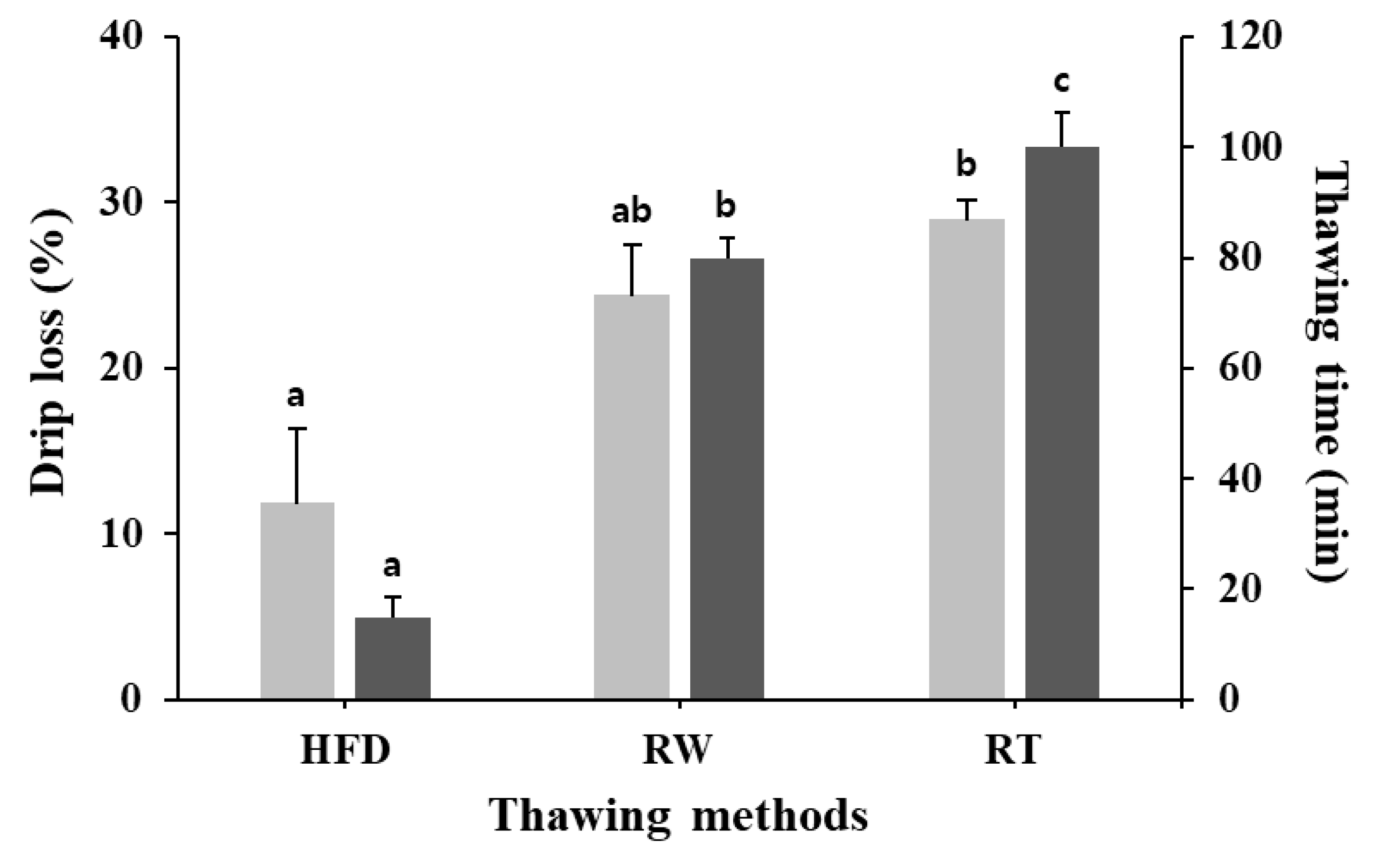
High-frequency thawing demonstrated clear advantages over conventional thawing methods by significantly reducing thawing time and drip loss, indicating improved preservation of muscle cell integrity. Excessive drip loss is widely recognized as a critical quality defect in fish products, as it negatively affects texture, appearance, juiciness, and overall palatability [
47]. The rapid and uniform internal heating associated with high-frequency thawing likely minimizes ice crystal growth and recrystallization during thawing, which are primary causes of mechanical damage to muscle fibers and cell membranes. By generating heat internally through molecular friction, high-frequency thawing reduces reliance on surface heat conduction and limits temperature gradients within the fillet. Previous studies have reported that this mechanism preserves muscle microstructure and enhances water-holding capacity compared with conventional air or water thawing methods [
8,
29,
48,
49]. These findings support the suitability of high-frequency thawing as an effective pretreatment for frozen cod fillets intended for high-quality processed seafood products, particularly those requiring further thermal processing.
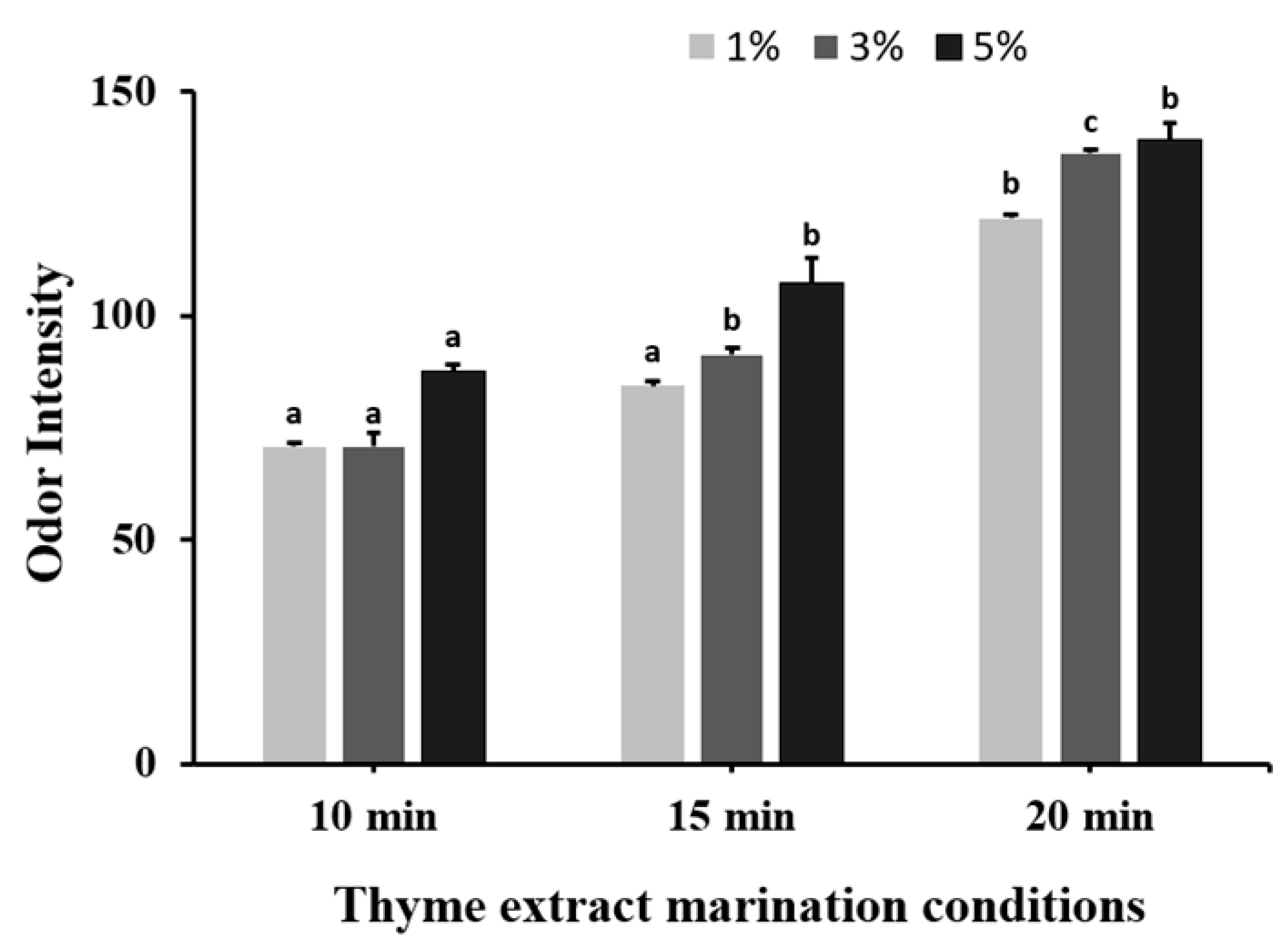
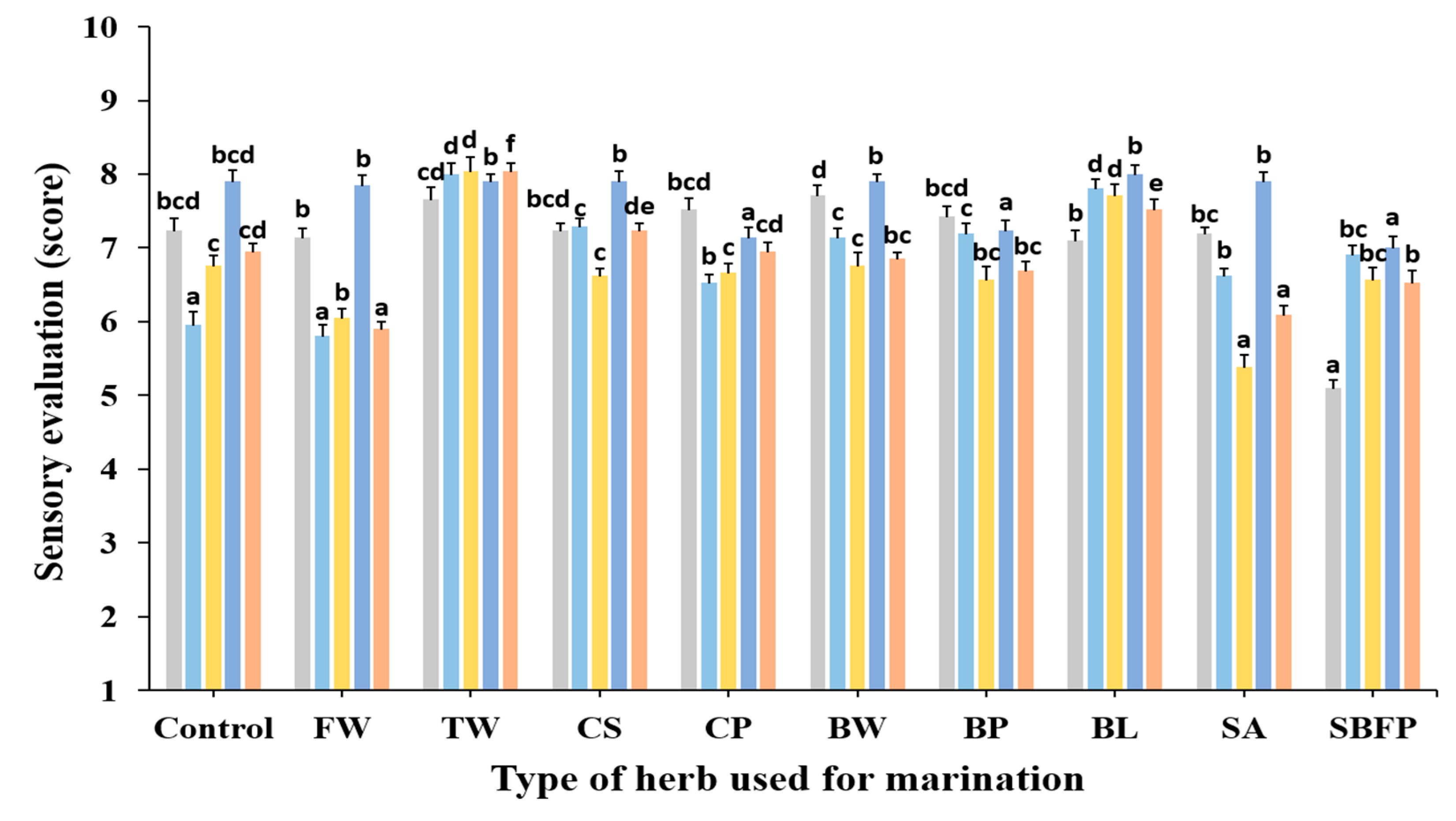
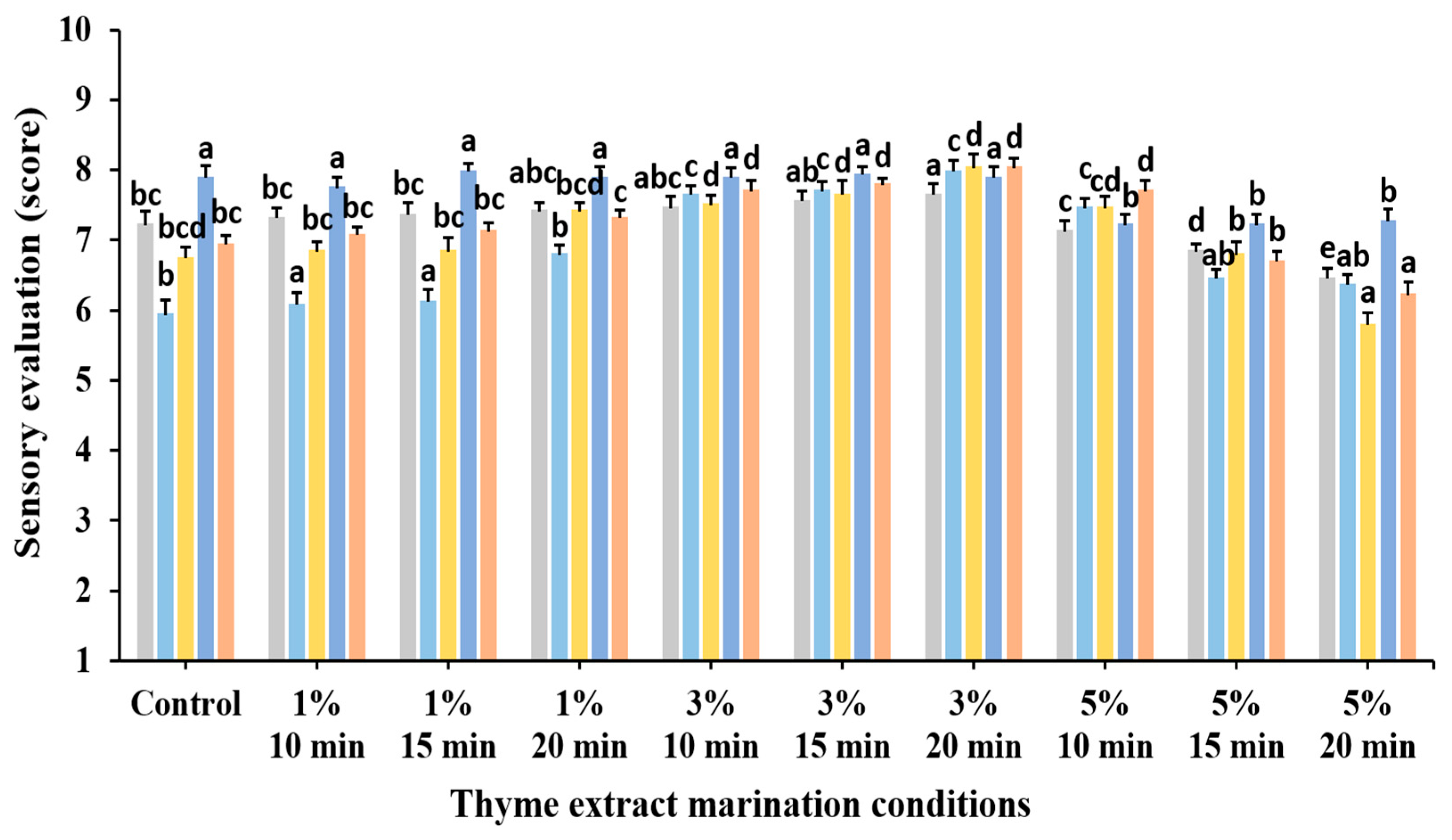
Herb marination markedly influenced sensory characteristics, particularly odor and taste, which are critical determinants of consumer acceptance for cod-based products. Among the herbs evaluated, thyme exhibited superior deodorizing and flavor-enhancing effects. This outcome can be attributed to thyme’s high content of volatile aromatic compounds and phenolic constituents, which are effective in suppressing fishy odors while imparting characteristic herbal notes. Similar deodorizing and masking effects of thyme and bay leaf extracts have been reported in previous studies involving food products [
50]. However, sensory evaluation revealed that increasing thyme concentration beyond an optimal level negatively affected acceptability. This finding underscores the importance of balancing odor suppression with overall flavor harmony, as excessive herb intensity can dominate the sensory profile and reduce consumer preference even when off-odors are effectively masked.
The effectiveness of thyme marination in improving product quality is closely linked to its phenolic components, particularly thymol and carvacrol. These compounds are known to inhibit lipid oxidation and reduce the formation of fishy off-flavor aldehydes such as hexanal and nonanal [
51,
52]. Their antioxidant activity is primarily attributed to free radical scavenging and metal-chelating mechanisms, which limit the propagation of lipid peroxidation reactions and the generation of secondary oxidation products responsible for undesirable odors. Comparable antioxidant effects of herbal phenolics have been documented in fish and meat systems by Viuda-Martos et al. [
53] and by Shahidi and Zhong [
54]. In the present study, the combined deodorizing and antioxidant properties of thyme contributed to improved sensory quality while also supporting oxidative stability during subsequent thermal processing.
Superheated steam grilling further contributed to quality retention by reducing drip loss through rapid surface heating and crust formation. This processing method limits moisture and soluble nutrient exudation compared with conventional dry-heat methods such as oven grilling or pan frying. Rapid protein denaturation at the surface creates a physical barrier that limits water migration from the interior of the fillet, a mechanism previously described for superheated steam processing by Iyota et al. [
55] and Abe and Miyashita [
56]. As a result, drip loss in the high-frequency thawed and superheated steam-grilled sample was 11.9%, which is substantially lower than the 20 to 30% commonly reported for conventionally grilled or oven-cooked fish fillets [
57]. Improved water retention not only enhances yield but also contributes to better texture and juiciness in the final product.
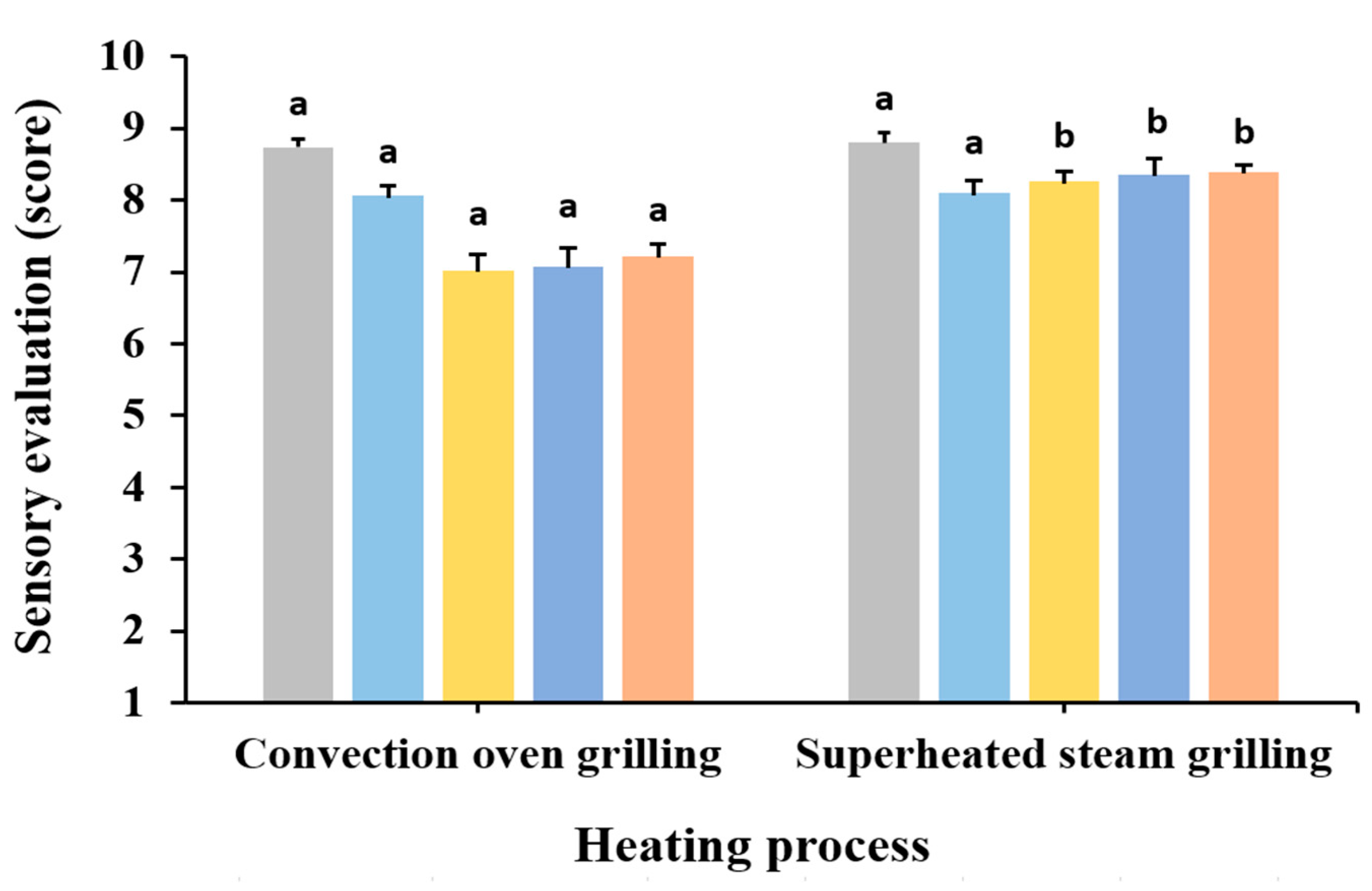
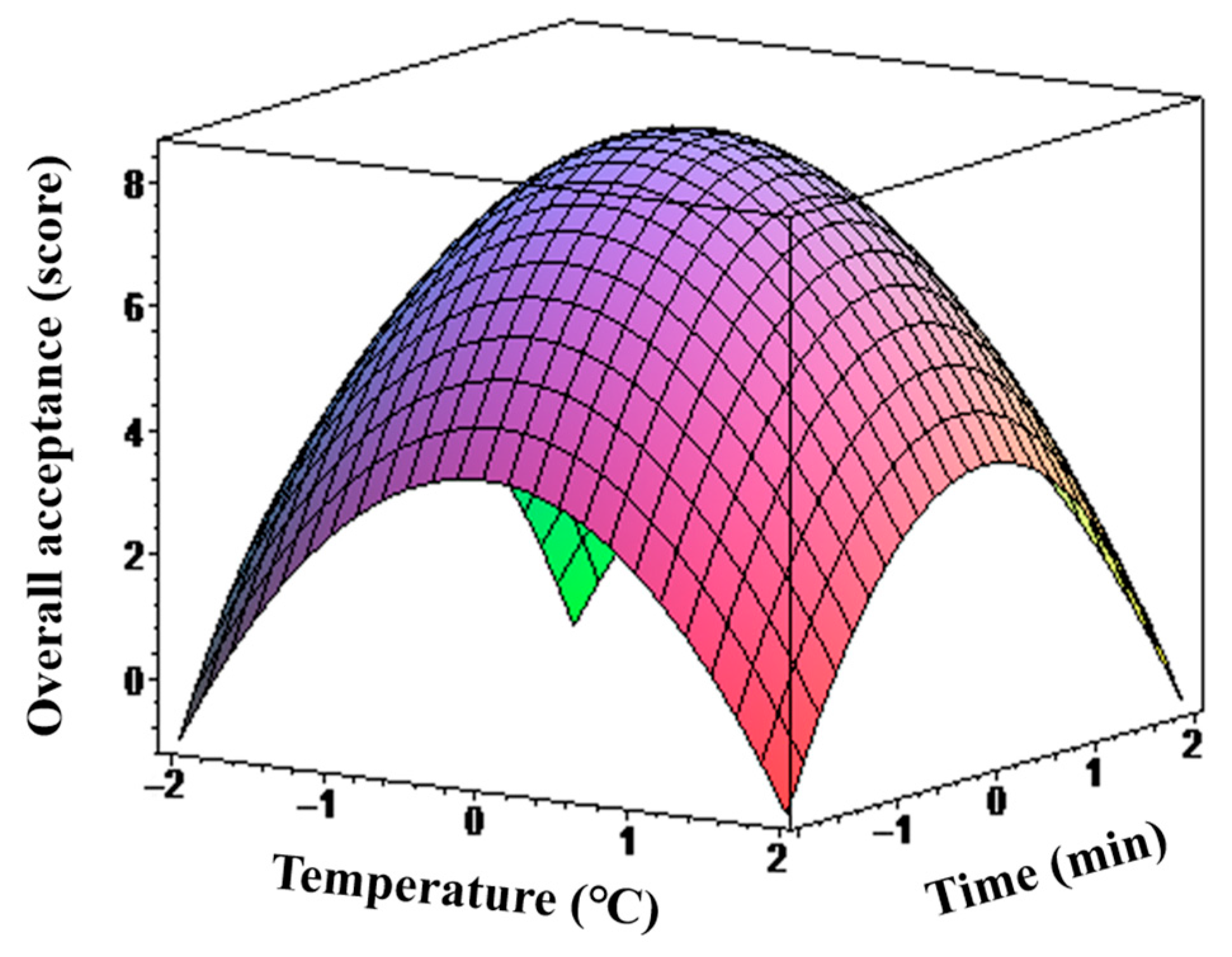
In addition to improving water-holding capacity, superheated steam grilling significantly enhanced sensory quality compared with convection heating, particularly in terms of taste, texture, and overall acceptance. Short-time, high-temperature processing enabled rapid heat penetration while minimizing surface dehydration and oxidative damage. This mechanism helped preserve internal moisture and promoted favorable protein denaturation, resulting in a tender yet cohesive texture and a more pronounced cooked flavor. Optimization using response surface methodology confirmed that moderate processing conditions maximized sensory acceptability, whereas excessive temperature or prolonged heating led to quality deterioration. These observations are consistent with thermal processing principles described by Myers et al. [
58] and emphasize the importance of precise thermal control in the development of seafood-based HMR products.
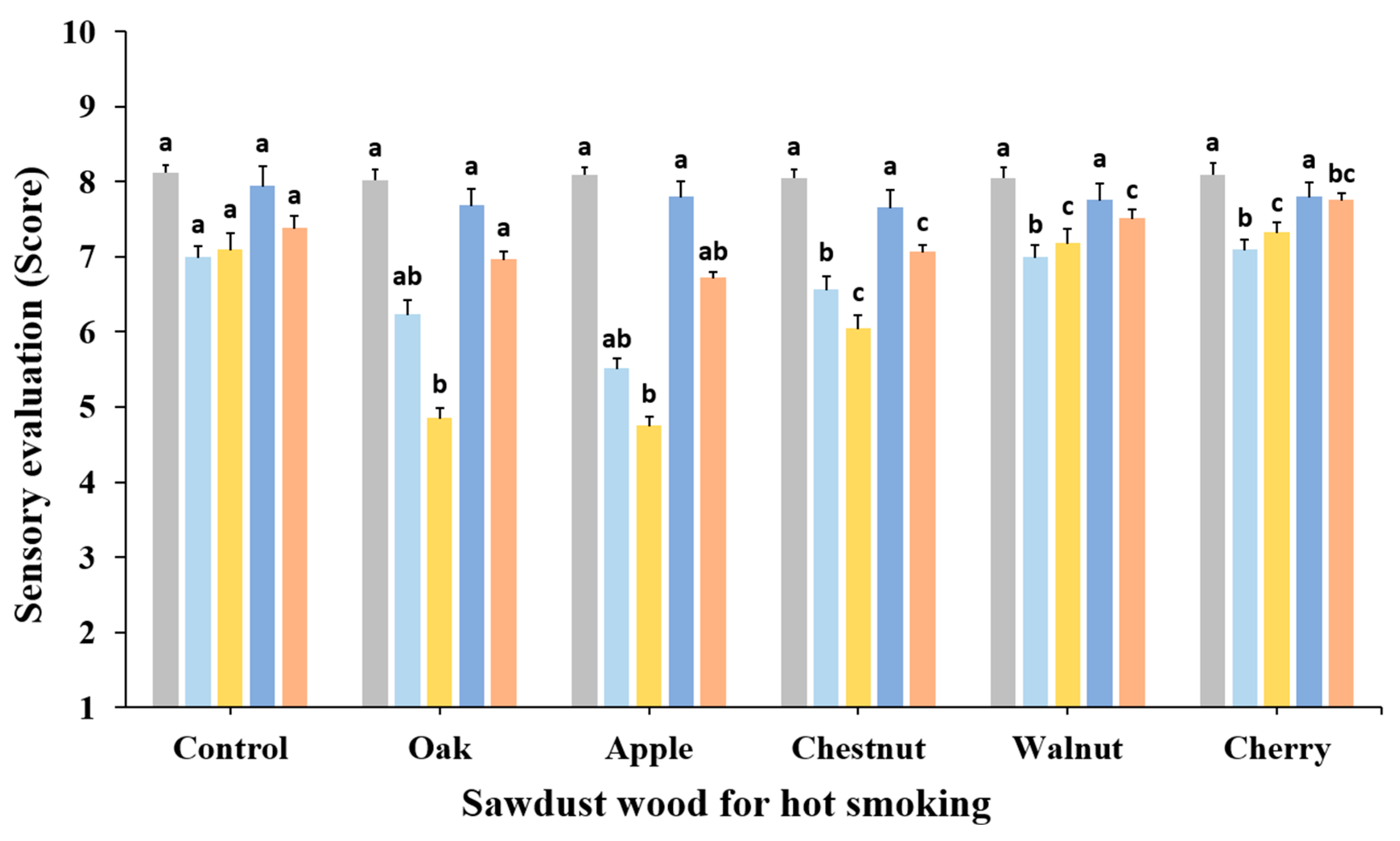
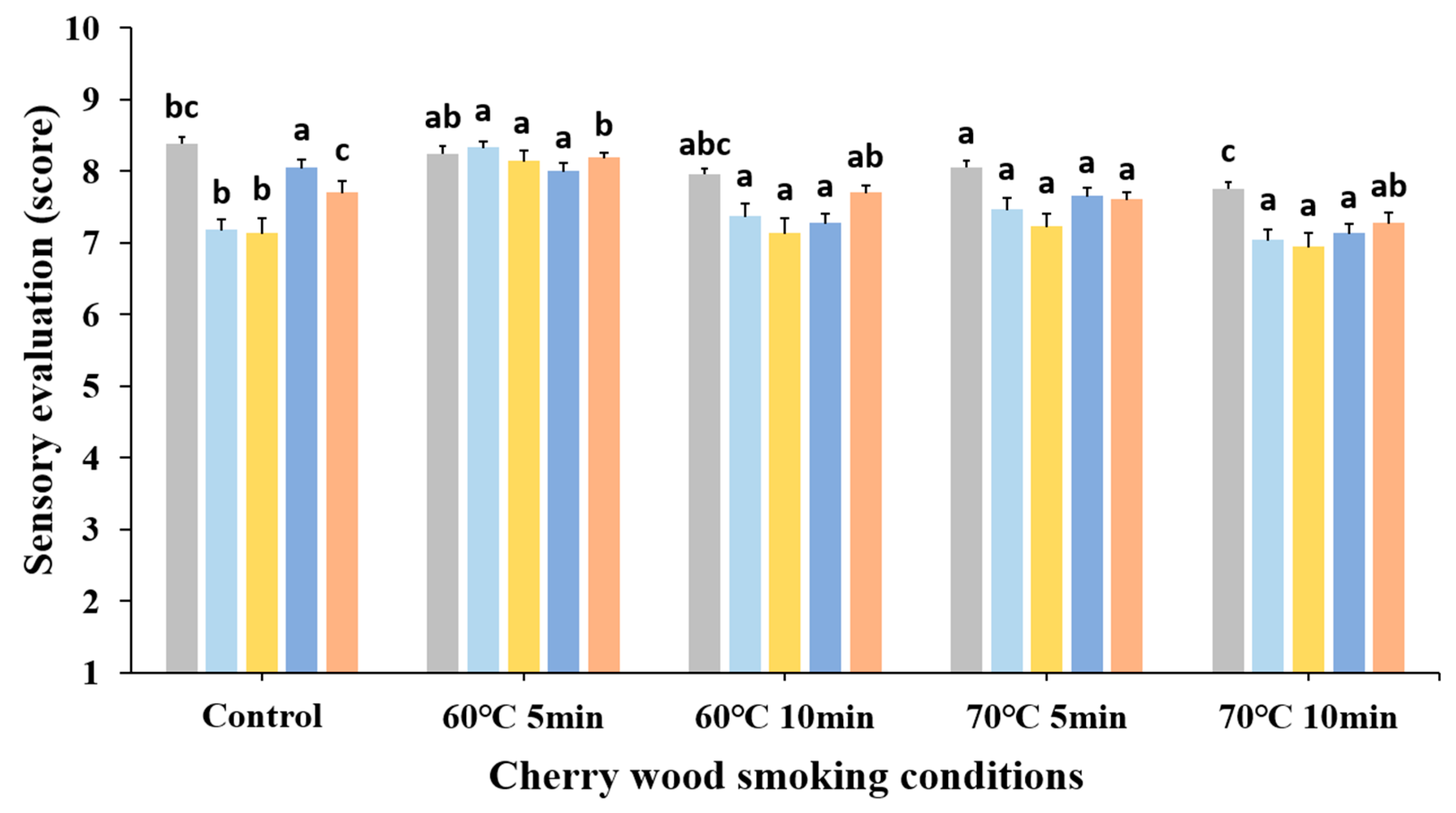
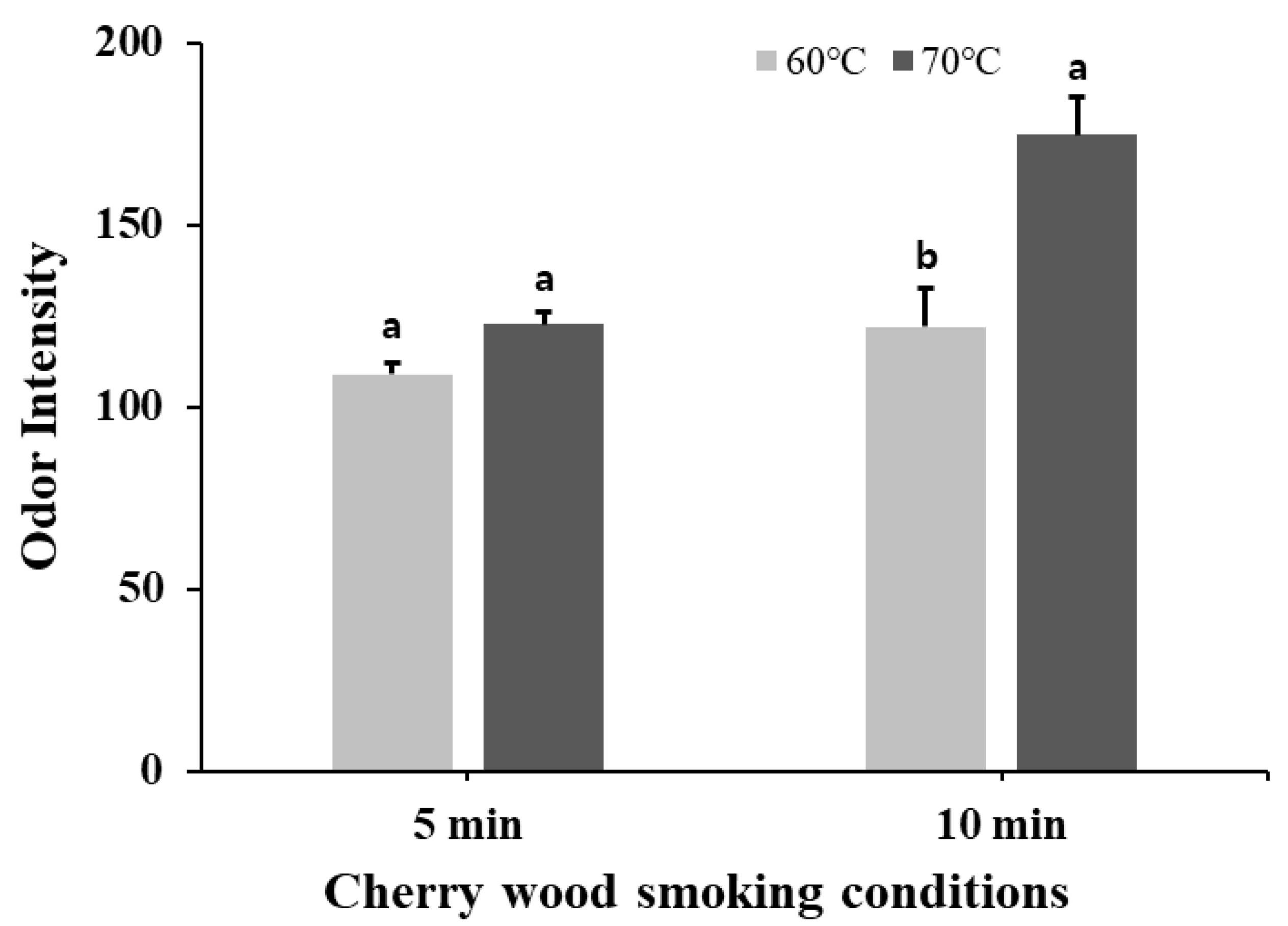
Smoking further enhanced sensory attributes, with cherry wood imparting a favorable and well-balanced flavor profile that complemented the herbal and grilled notes of the product. Differences in sensory characteristics among smoking woods are attributed to variations in volatile compounds generated during wood combustion, including phenols, carbonyls, and organic acids [
59]. Mild smoking conditions preserved texture and enhanced flavor without causing excessive odor intensity or surface dehydration. Importantly, benzo[a]pyrene was not detected in the final product, confirming that controlled smoking parameters can enhance sensory quality while maintaining product safety. Previous studies have emphasized that low-temperature, short-duration smoking minimizes moisture loss and reduces the formation of harmful polycyclic aromatic hydrocarbons [
60,
61], supporting the smoking conditions selected in this study.
The combined application of herb marination, superheated steam grilling, and smoking resulted in significant improvements in microbiological and chemical stability. Herbal extracts contain phenolic compounds and flavonoids that inhibit microbial growth by disrupting cell membranes and interfering with enzyme systems [
62]. Thermal processing further reduces microbial populations through protein denaturation and membrane damage, while smoking introduces antimicrobial compounds such as phenols, organic acids, and formaldehyde [
48,
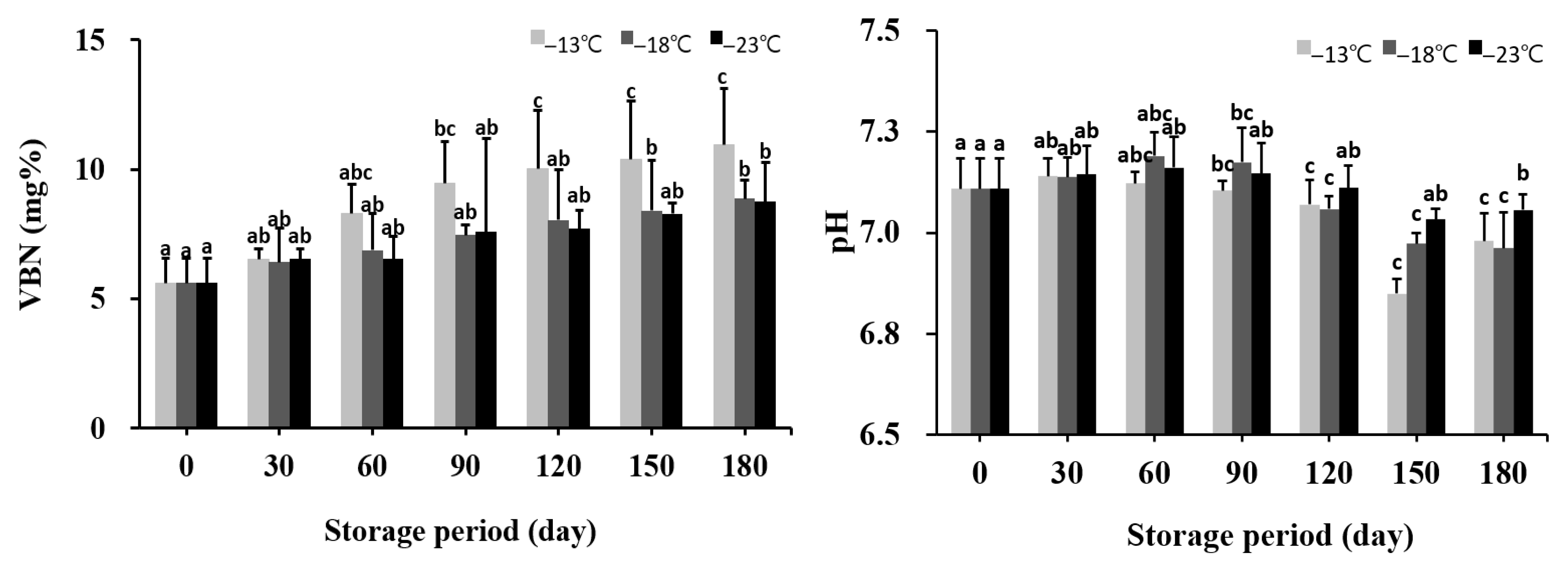
63]. The observed increases in pH and volatile basic nitrogen were primarily associated with thermal protein degradation rather than microbial spoilage, consistent with previous reports on cooked fish products [
64,
65,
66]. These synergistic effects contributed to the low microbial counts observed in the final product. Consequently, changes in physicochemical indicators such as pH and volatile basic nitrogen should be interpreted as effects of thermal processing rather than indicators of spoilage.
The increase in pH observed after grilling and smoking is primarily associated with heat-induced protein denaturation and deamination reactions, which release basic nitrogenous compounds and reduce the buffering capacity of muscle proteins. Similar pH increases have been widely reported for cooked and smoked fish products, even in the absence of microbial spoilage [
67,
68]. In cooked fish, pH values in the range of approximately 6.5 to 7.3 are generally considered acceptable when microbial counts remain within regulatory limits. Likewise, the observed increase in VBN content is mainly attributed to the thermal degradation of proteins and non-protein nitrogen fractions rather than spoilage-related microbial metabolism [
69,
70]. Throughout storage, VBN levels remained well below regulatory and spoilage thresholds, reaching a maximum value of 10.97 mg/100 g at −13 °C, which is far below the commonly accepted spoilage threshold of 20 to 30 mg/100 g, indicating that the product retained high freshness and quality. These slight increases were primarily associated with residual enzymatic activity rather than microbial spoilage [
71,
72].
Lipid oxidation was effectively controlled throughout processing, as indicated by reduced TBARS values. TBARS values below 0.2 mg MDA/kg are commonly associated with low-oxidation conditions in food products [
73,
74]. Although thermal treatments generally suppress the formation of new oxidation products rather than eliminate existing ones, the significantly lower TBARS values observed in the final product compared with raw cod may be explained by several mechanisms. Malondialdehyde and other secondary oxidation products are partially volatile and thermally unstable and may decompose or evaporate during grilling and smoking. In addition, oxidized lipid fractions can be lost with cooking exudates. The presence of antioxidant phenolic compounds from thyme (e.g., thymol and carvacrol) and smoke-derived antioxidants such as syringol and guaiacol may further contribute to radical scavenging and reduction of measurable TBARS levels [
42,
73].
Thermal processing induced pronounced textural changes in the cod fillets, including increased hardness, gumminess, and chewiness. These structural modifications are associated with increased tissue density and mechanical resistance, a phenomenon widely reported in thermally processed lean fish species such as cod and pollock [
75]. Such changes primarily reflect moisture loss, protein aggregation, and collagen shrinkage during high-temperature treatment. Reduced moisture content increases tissue density and structural cohesion, resulting in greater mechanical resistance [
76]. Muscle protein denaturation alters functional properties and contributes to water expulsion due to reduced protein solubility and water-binding capacity [
77]. During heating, the diameter of muscle fibers and the length of sarcomeres decrease as water, soluble proteins, and fats are expelled and proteins denature [
78]. Despite increased firmness, the slight increase in springiness observed in the final product suggests that elasticity was largely retained, resulting in a texture that balances firmness with palatability.
Changes in proximate composition were primarily driven by moisture loss during grilling and smoking. The observed increases in crude protein, lipid, ash, and energy content per 100 g of product reflect concentration effects rather than absolute nutrient gains, as commonly reported for cooked lean fish [
79,
80,
81,
82]. Lean fish species such as cod typically exhibit increased nutrient density after cooking because water is expelled from muscle tissue, concentrating remaining macronutrients on a wet-weight basis [
79,
82]. These compositional changes should therefore be interpreted as redistribution effects rather than enhanced nutritional value per se.
Total and essential amino acid contents increased following processing, primarily due to moisture-driven concentration effects rather than enhanced protein synthesis. Similar increases have been reported for cooked cod and other lean fish species subjected to grilling and roasting [
75,
80]. In contrast, free amino acid levels decreased markedly by approximately 60%, likely due to their participation in heat-induced reactions such as Maillard reactions and Strecker degradation [
83], as well as losses through volatilization during high-temperature grilling and smoking [
84,
85]. Free amino acids such as lysine, alanine, and histidine are particularly reactive and are known to decrease substantially during thermal processing [
84], contributing to flavor development but reducing measurable free amino acid levels. Although Maillard reaction products were not directly measured in this study, the substantial decline in free amino acids under high-temperature processing conditions supports this interpretation.
Marked increases in EPA (76%) and DHA (116%) contents are similarly attributed to moisture loss and the relative thermal stability of long-chain
n−3 polyunsaturated fatty acids during cooking, as previously reported for processed fish [
80,
82]. Changes in fatty acid composition reflected both concentration effects and moderate oxidative modification, with partial preservation of nutritionally important polyunsaturated fatty acids such as EPA and DHA, which are known to be sensitive to thermal oxidation [
86,
87,
88,
89]. These changes reflect compositional redistribution rather than direct nutritional enhancement, since bioavailability and physiological effects were not assessed. Sodium content increased substantially, primarily due to herb marination [
90], which introduced dissolved sea salt and naturally occurring sodium from plant materials into the muscle matrix. Thermal processing facilitated sodium diffusion and retention within denatured proteins, while moisture loss further concentrated sodium on a wet-weight basis [
91].
Frozen storage effectively maintained microbiological safety and quality attributes throughout the storage period, particularly at lower temperatures. Freezing suppresses microbial metabolic activity and slows chemical and enzymatic reactions [
92], explaining the low and stable microbial counts observed. Sensory stability during frozen storage, especially at −23 °C, aligns with previous reports highlighting the importance of low-temperature storage for preserving texture and flavor in seafood products [
92,
93].
Sensory-driven optimization was prioritized in this study because the primary objective was the development of a consumer-oriented home meal replacement product, for which sensory acceptance is a key determinant of market success. Sensory evaluation integrates multiple quality attributes, including flavor, texture, and appearance, which cannot be fully captured by instrumental measurements alone [
30,
94]. Previous studies on seafood and ready-to-eat products have demonstrated meaningful relationships between sensory attributes and instrumental parameters [
77,
78,
95], supporting the combined use of sensory and analytical approaches for product optimization.
From an industrial and market perspective, the integrated processing strategy developed in this study is feasible within existing HMR production lines. High-frequency thawing, superheated steam cooking, and smoking are already applied commercially and can be integrated to reduce processing time, product loss, and rework. Superheated steam cooking has been reported to exhibit higher thermal efficiency than conventional convection heating due to rapid heat transfer and shorter cooking times [
55,
96]. High-frequency thawing further improves yield and reduces raw material waste by minimizing drip loss [
97,
98]. This approach is particularly relevant for cod, a species of high commercial value that is heavily traded internationally [
22,
23], and aligns with continued growth in the HMR sector and increasing demand for high-quality seafood products [
22,
99].
Despite these promising results, several limitations should be acknowledged. Sensory evaluation was performed by a trained panel under controlled laboratory conditions, which may not fully reflect consumer preferences in real market settings [
100]. Shelf-life assessment was restricted to frozen storage, and quality changes under refrigerated or temperature abuse conditions relevant to commercial distribution were not evaluated [
101]. In addition, comprehensive characterization of volatile flavor compounds was beyond the scope of this study. Future research should therefore incorporate consumer acceptance testing, instrumental flavor profiling, and evaluation of product stability across diverse storage and distribution conditions. Further investigation of alternative natural marinades and smoking materials, as well as formal cost benefit analyses, would also support commercialization. Although a detailed consumer-level cost analysis was not conducted, previous economic evaluations of seafood convenience products suggest that value addition through processing can offset higher production costs by extending shelf-life and increasing consumer willingness to pay [
102,
103]. Overall, the integrated processing strategy developed in this study shows strong potential for producing safe, stable, and high-quality grilled cod HMR products, while improving the economic utilization of imported fish and reducing post-import handling and quality losses.



 ,
, 

 ), Odor (
 ), Taste (
 ), Texture (
 ), Overall acceptance (
 ). FW: Fennel whole; TW: Thyme whole; CS: Cumin seeds; CP: Coriander powder; BW: Basil whole; BP: Basil powder; BL: Bay leaves; SA: Star anise; SBFP: Sea buckthorn fruit powder. Different letters (a–f) within each attribute indicate significant differences among means according to Tukey’s test (p < 0.05).