Article

Investigation of Polyhydroxybutyrate (PHB) Biodegradability in Alkaline Landfill Soil
1
Course of Chemical and Biological System, Department of Sciences and Informatics, Faculty of Science and Engineering, Muroran Institute of Technology, Muroran 050-8585, Hokkaido, Japan
2
Course of Chemical and Biological Engineering, Division of Sustainable and Environmental Engineering, Muroran Institute of Technology, Muroran 050-8585, Hokkaido, Japan
*
Author to whom correspondence should be addressed.
Processes 2026, 14(3), 533; https://doi.org/10.3390/pr14030533
Submission received: 30 December 2025 / Revised: 1 February 2026 / Accepted: 2 February 2026 / Published: 3 February 2026
(This article belongs to the Special Issue Environmental Protection and Remediation Processes)

Abstract

The increased production of bio-based plastics, such as polyhydroxybutyrate (PHB), raises the need for a thorough understanding of the fate of these materials in natural and controlled disposal environments, such as landfills. However, there is a paucity of knowledge regarding PHB biodegradation at alkaline landfill sites containing incineration ash. This study aimed to investigate the biodegradability of PHB films in alkaline landfill soil (pH 9.7) and campus soil (pH 7). PHB biodegradation was much faster in campus soil (100%) than in alkaline landfill soil (65.2%) after 63 days. Bioaugmentation with Ralstonia insidiosa C1 (Ralstonia sp. C1) enhanced the PHB biodegradability from 13.6% to 35% in landfill soil and from 26.6% to 79.8% in campus soil. Landfill soil had a bacterial CFU of (2.1 × 10⁶) and fungal CFU of (7.3 × 10³), which is significantly lower than the bacterial CFU (4.4 × 10⁸) and fungal CFU (1.1 × 10⁷) in campus soil, thereby limiting the biomass required for effective PHB decomposition. Next-generation sequencing revealed that landfill soil lacks key PHB-degrading microbial genera that are normally found in soil, such as Ralstonia, Enterobacter, and Comamonas. In conclusion, PHB biodegradability is strongly affected by alkaline landfill soil, the control of which is the key to ensuring effective in situ bioplastic waste management.

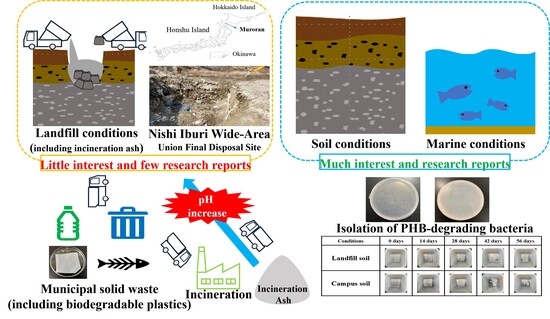
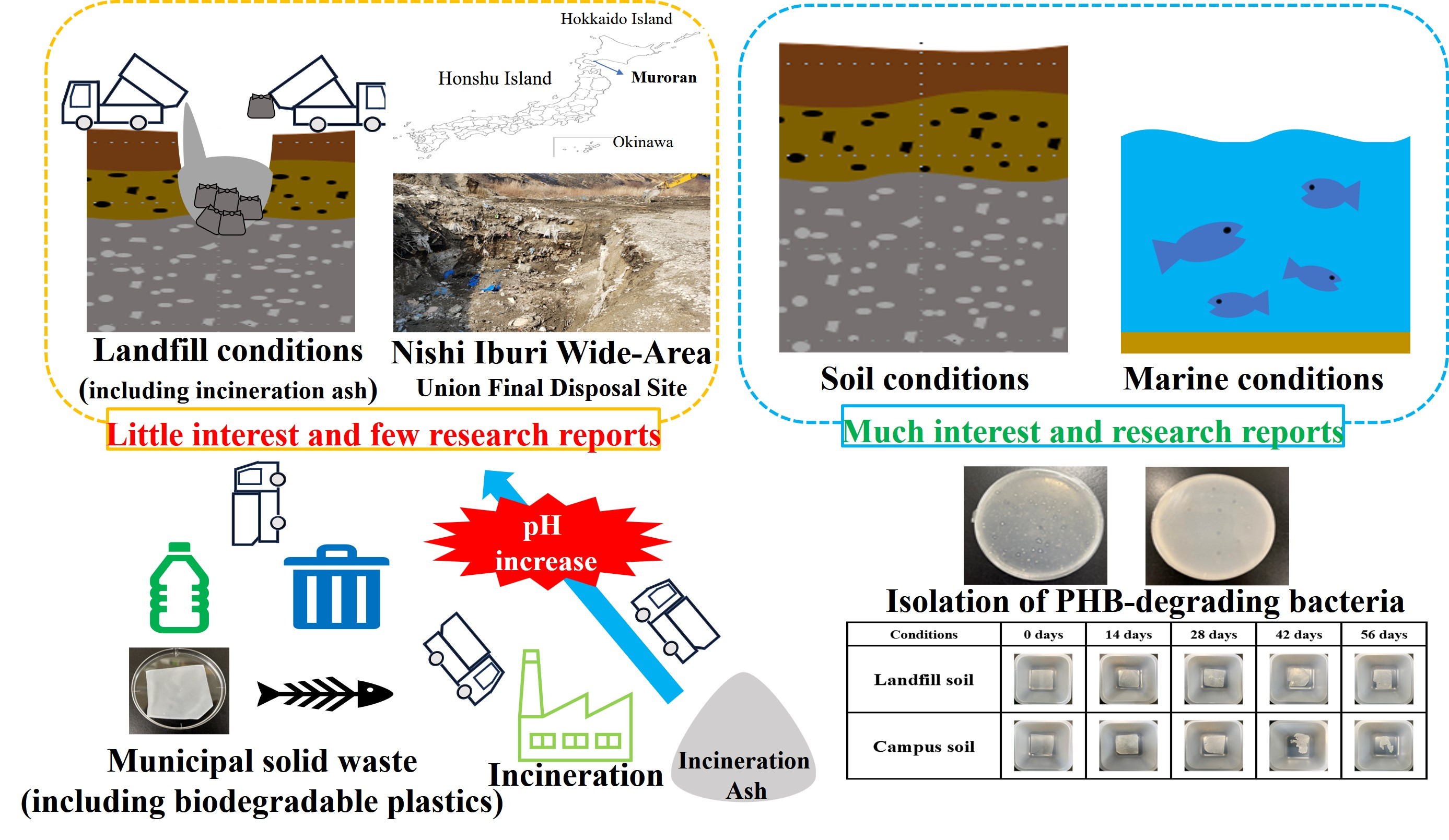
Graphical Abstract

1. Introduction

Plastics are widely used in transportation, construction, clothing, and packaging because of their low cost and superior physical properties. Global plastic production has been growing exponentially from 2 million tons in 1950 to 400 million tons in 2022. However, due to their low degradability and massive production and disposal, plastics have caused serious damage to ecosystems all over the world [1]. In contrast, biodegradable plastics are considered a promising alternative to conventional non-degradable plastics, as they can eventually return safely to the natural environment [2]. Polyhydroxyalkanoates (PHAs) are microbially produced polyesters that are degradable both in aerobic and anaerobic conditions. These biopolymers can be broken down in different environments, including soil, compost, and marine systems, making them different from other biodegradable plastics. Their production capacity is expected to grow considerably between 2024 and 2029 [3,4,5].
Poly(3-hydroxybutyrate) (PHB) is one of the most representative PHAs and exhibits the highest biodegradability among bio-polyesters in natural environments [6]. Its degradation rate depends on environmental factors such as temperature, humidity, oxygen concentration, and microbial community composition. The PHB biodegradation rate is high under composting conditions. Under industrial composting conditions (55–60 °C, aerobic), both PHB and PLA/PHB composites have been reported to be degraded by 90–100% within 30 days, mainly due to the increased activity of thermophilic microorganisms producing esterases and depolymerases [7,8]. In contrast, under home-composting conditions (around 30 °C), the speed of the degradation process is slower, and complete degradation takes about 90 days [8].
In general soil conditions, the temperature and moisture content are major factors affecting PHB biodegradation. Kim et al. (2023) stated that the rate of mass loss of PHB films under 100% relative humidity (RH) was about three times faster than the rate under 40% RH, suggesting that moisture increases the rate of hydrolytic degradation [7]. Casarin et al. (2017) also showed that 80% of a PHB/wood flour composite degraded within 60 days at 25 °C in soil, but degradation was significantly delayed in dry conditions [9]. Furthermore, in aquatic environments, the degradation rate of PHB films is slow, due to the low oxygen availability and low density of microorganisms, with an average rate of degradation estimated to be 0.04–0.09 mg day−1 cm−2 [6,10].
Many of these plastics, particularly those used for packaging purposes, ultimately end up in landfills [1]. Plastics represent approximately 5–20% of municipal solid waste (MSW) disposed of in landfills [11]. However, Afshar et al. (2024) reported that studies on the biodegradability of bioplastics under landfill conditions are limited to only 2.1%, whereas 51% were conducted on sludge and 47% on composting [12]. This finding indicates that, despite the growing use of biodegradable plastics, research on their degradability under landfill conditions remains limited. Therefore, it is crucial to investigate the biodegradability of bioplastics in landfill soil conditions for the further growth of biodegradable plastics as sustainable alternatives [5].
The organic content of landfill soils differs around the globe, and mostly it is contaminated with incinerated ash. In China and India, the organic content of MSW is over 60%, and around 90% of municipal solid waste (MSW) is dumped in landfills [13,14]. In contrast, Kinnaman and Yamamoto (2023) [15] examined waste management data obtained from countries that are members of the Organization for Economic Cooperation and Development (OECD) and showed that the percentage of municipal solid waste that is incinerated is high in developed countries. In particular, Nordic countries show high incineration rates, with an average rate of 44% and a median value of 45%, with others exceeding 50% [15].
In Japan, incineration has been the major mode of municipal waste management since the 1970s. Incineration residues, such as bottom ash and fly ash, constitute 50% and 80% of the disposed waste in landfills, respectively. Due to the high concentrations of calcium [Ca] in these ashes, landfill leachate often has pH values of more than 9 in Japan. Moreover, incineration ash contains a high concentration of toxic residues, which further contaminate landfill sites and affect the biodegradation of pollutants by the microbial community [16,17].
An alkaline pH in the complicated loop of soil serves as a selective filter, which essentially reorganizes the microbial communities and ecological productivity [18]. Analytically, a high pH favors a shift in dominance from fungi to bacteria, as many fungal taxa have a narrow fitness at basicity in comparison to alkaliphilic or alkali-tolerant bacterial strains [19]. Functionally, alkalinity in soil induces a condition of nutrient starvation, especially by decreasing the solubility of essential micronutrients such as iron, manganese, and zinc through the formation of insoluble hydroxides. To survive, microbes must shift metabolic energy from growth to the production of specialized siderophores and extracellular enzymes adapted to high pH [20,21]. Structurally, the soil physical environment at a high pH, which is often associated with high levels of salt and poor drainage conditions, imposes osmotic stress on microbes, thereby limiting microbial productivity [22].
Although biodegradable plastics are expected to contribute to improving landfill capacity because of their degradable characteristic, there is a significant knowledge gap about the degradability of PHB in alkaline landfill soil. While bioremediation technology with the natural microbial community can be employed for the effective degradation of PHB in landfill soil [23,24], the biodegradation activity of microorganisms in alkaline landfill soils containing incinerated ash is still largely unknown [25,26].
Therefore, in this study, the bacterial community structure of alkaline landfill soils was investigated. The biodegradation of PHB films and the influence of alkaline landfill soil on PHB-degrading bacteria were examined. We also use the bioaugmentation technique to enhance the PHB biodegradation in alkaline landfill soil. To the best of our knowledge, this is the first study that has systematically evaluated the microbial community structure and PHB degradation behavior in active landfill soils. Moreover, by experimentally demonstrating the biodegradation potential of biodegradable plastics under landfill conditions, this study provides valuable information for sustainable waste management and landfill capacity improvement.

2. Materials and Methods

2.1. Soil Sample Collection

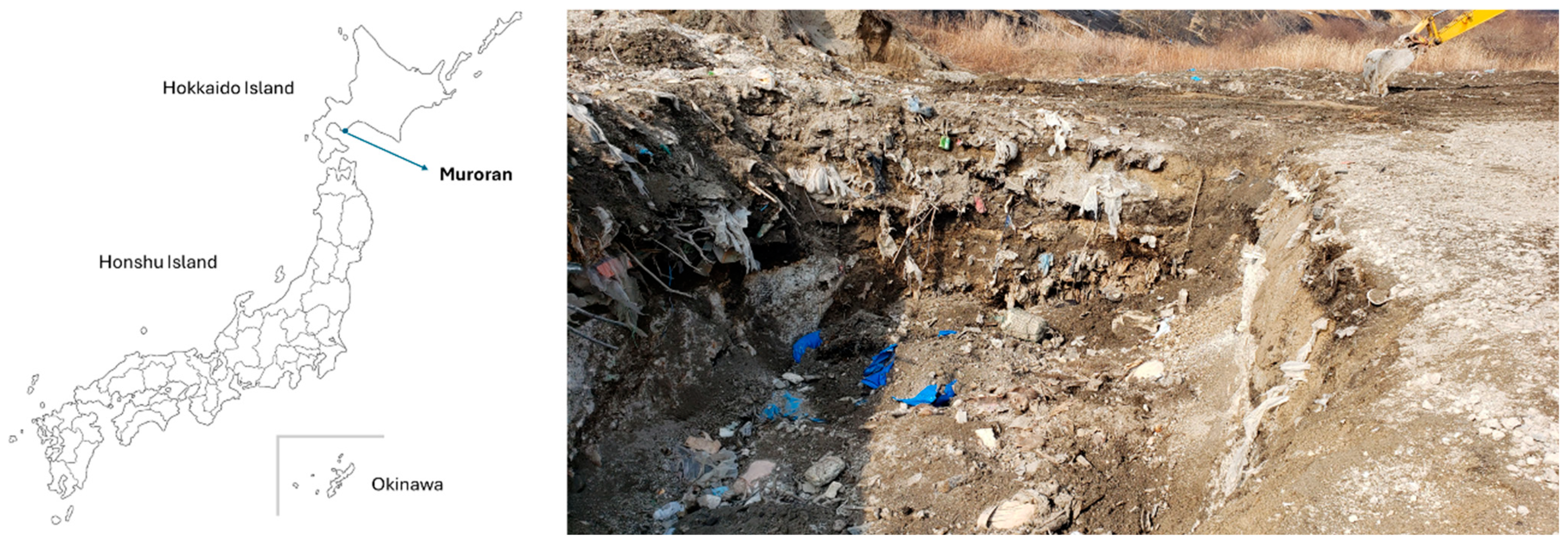
Soil samples were collected from a landfill site, the Muroran Nishiiburi Regional Landfill Site (GPS: 42°23′13.7″ N 141°00′30.9″ E) in Hokkaido, Japan, in which a large amount of incineration ash is filled (Figure 1). This landfill receives incineration ash that is produced during the incineration of general waste (combustible waste) at the Nishiiburi Eco-Factory. This energy recovery waste treatment facility started full-scale operation in October 2024. Incineration ash contributes to more than 65% of the volume to the landfill. A control soil sample was taken from the Muroran Institute of Technology campus. This area has an unknown history of contamination, including incinerating ash, and was used as a general soil for this experiment.

2.2. Measurement of Clear Zone Activity of Isolated Strains

Twenty grams (20 g) of campus soil and landfill soil samples were added to an Erlenmeyer flask of 100 mL phosphate-buffered saline (PBS, pH = 7.0) and stirred at 30 °C for 12 h. Mineral salt (MS) liquid medium was prepared using PHB (SIGMA-ALDRICH, Tokyo, Japan) as the sole carbon source and emulsified using an ultrasonic emulsifier. The composition per liter of MS medium was 1.0 g K2HPO4, 1.0 g NaCl, 0.05 g MgSO4·7H2O, 0.2 g CaCl2, 0.0083 g FeCl3·6H2O, 0.014 g MnCl2·4H2O, 0.017 g NaMoO4·2H2O, and 0.001 g ZnCl2. This emulsion was mixed with MS liquid medium at 90 mL, and 10 mL of it was used in the preparation of agar plates. The pH was adjusted to 7.0, and 2% agar was added. The end concentration of PHB on the agar plates was 0.1% (w/v). A suspension (0.1 mL) of each soil sample was spread onto agar plates and incubated at 30 °C. This procedure was repeated until pure colonies were seen. The isolated strains were submitted to a clear zone formation experiment on agar plates containing PHB as the sole carbon source, as mentioned above. The pH was adjusted to 7, 8, 9, and 10. Clear zones were observed at 12 h intervals.

2.3. Effect of pH on Microbial Count (CFU) of Landfill and Campus Soil

The colony count of bacteria and fungi in each sample of soil was determined through the standard method of spread plate counting. Nutrient broth (NB) agar and Potato Dextrose (PD) agar media were used. One gram (1 g) of soil was diluted serially using sterile saline solution (0.9%), and 0.1 mL of the diluted suspension was poured onto an agar plate and incubated. Bacteria were grown on NB agar at 30 °C for 3 days, and fungi were grown on PD agar at 20 °C for 7 days. The colony-forming units (CFUs) were calculated for each sample. Additionally, 1 g of soil was diluted 10-fold with sterile saline, and the soil pH was measured using a portable pH meter (LAQUAtwin AS-pH-11, Horiba, Ltd., Tokyo, Japan). To obtain the reliability of the experiments, all operations were done in duplicates.

2.4. PHB Degradation in Soil

2.4.1. Preparation of PHB Film

PHB films were prepared based on the solvent casting method [27]. First, 0.6 g of PHB (Sigma-Aldrich) was weighed and added to 30 mL of chloroform. The mixture was shaken and dissolved in an incubator at 60 °C for 2 to 16 h. Once complete dissolution was confirmed, the solution was poured into a 9 cm diameter glass Petri dish and air dried in a fume hood. Next, the PHB film was cut to about 1.5 cm × 1.5 cm square (thickness ~30–50 µm) and finely adjusted to 0.02 g. The PHB film was immersed in 70% ethanol and then UV (Ultraviolet) irradiated for 30 min.

2.4.2. Preparation of Simulated Soil

Each soil sample was sifted through a 14-mesh sieve to standardize particle size. Approximately 30 g of soil was placed in a 50 mL polypropylene (PP) tube. Next, the sterilized PHB film was buried and covered with a sterile breathable silicone stopper. These polypropylene tubes were then incubated at 30 °C, and the moisture content of the soil samples was maintained between 45 and 55% using a moisture checker SK-940A (Sato Keiryoki Seisakusho, Tokyo, Japan). Deionized water was sterilized and periodically added to keep the soil moist. Every seven days, the PHB film was taken out, washed in deionized water, and left to dry for 24 h before being weighed. To make sure that the results were reliable, the experiment was done three times. The rate of biodegradation was determined by using the following Equation (1).
D e g r a d a t i o n   r a t e ( % ) = [ W 1 W 2 W 1 ] × 100
W1: Initial weight of the PHB film (0.02 g). W2: Final weight of the buried PHB film.

2.4.3. Bioaugmentation of Ralstonia sp. C1 to Enhance PHB Film Biodegradation in Soil

Because the composition and activity of indigenous soil microbiota are substantially different between landfill and campus soils, it is challenging to determine the role of soil physicochemical properties on PHB degradation using only native microbial communities. To reduce the biological variability and allow a controlled comparison of the soil conditions, we used a bioaugmentation strategy using Ralstonia sp. C1, a well-characterized PHB-degrading strain previously isolated in our laboratory [28]. By applying the same PHB-degrading microorganism to different soil types, the effect of soil properties on PHB biodegradation could be assessed regardless of variations among indigenous microbiota [28,29].
Ralstonia sp. C1 strain was pre-cultured in nutrient broth (NB) liquid medium for 18 h, and the bacterial cells were collected through centrifugation (10,000 rpm, 4 °C, 5 min). The obtained pellet was washed twice with MS liquid medium and resuspended in 10 mL MS medium. A 1 mL resuspended pellet was added to a 50 mL polypropylene (PP) tube containing PHB film buried in landfill and campus soil.

2.4.4. Factors Affecting Biodegradation of PHB Film in Landfill and Campus Soil

The landfill soil consists of incinerated ash, which can affect the biodegradation of PHB in landfill soil. The main factors could be heavy metals, organic matter and pH of the soil. To navigate the effect of these factors, we used Ralstonia sp. C1 bioaugmentation. As we assumed that pH is the main factor affecting the biodegradation of PHB in landfill soil, we adjusted the pH of campus soil to 9.7 and landfill soil to 7 and observed the biodegradation of PHB film for 28 days with or without Ralstonia sp. C1. Moreover, total organic carbon (TOC) was determined using the potassium dichromate oxidation method [30], and the total nitrogen (TN) level was determined using the Kjeldahl method [31]. The composition of soil heavy metal elements (Cu, Zn, Ni, Cr (VI), Hg, As, Pb, and Cd) was determined through ICP-MS (Shimadzu, Kyoto, Japan) [30,31]. However, these factors were not a major limitation for Ralstonia sp. C1 growth.

2.5. Next-Generation Sequencing (NGS)

NGS analysis was conducted to determine the qualitative difference in microbial genera of landfill and campus soil. NGS analysis was performed according to previous studies [28,29]. Three grams of soil samples from a landfill containing incineration ash (Nishi-Iburi Regional Union Landfill Site soil) and a general soil (university soil) were transferred to storage tubes containing guanidine thiocyanate stock solution (100 mM Tris-HCl, pH 9.0, 40 mM Tris-EDTA (EDTA: ethylenediaminetetraacetic acid), pH 8.0, 4 M guanidine thiocyanate). Each sample suspension was then ground using zirconia beads at 5 m/s for 2 min with a FastPrep-24 instrument (MP Biomedicals, Santa Ana, CA, USA). A 200 mL aliquot was subsequently drawn from this sample, and DNA was extracted from the sample using Mag-DEA DNA 200 (GC) (Precision System Science, Chiba, Japan) as a reagent in a Mag-12GC. The 16S rRNA gene sequences obtained from each sample were analyzed through next-generation sequencing (NGS) using the MiSeq system (Illumina, San Diego, CA, USA) using established procedures [29]. Amplification of the V3 and the V4 hypervariable regions of the 16S rRNA gene was performed through polymerase chain reaction (PCR) using prokaryotic universal primers from microbial genomic DNA [28]. Bacterial identification from sequence reads was done with Metagenome KIN software (v.2.2.1, World Fusion, Tokyo, Japan) and the TechnoSuruga Lab Microbial Identification Database (DB-BA 10.0, TechnoSuruga Laboratory, Shizuoka, Japan) using >97% homology.

3. Results

3.1. Clear Zone on PHB Agar Plate

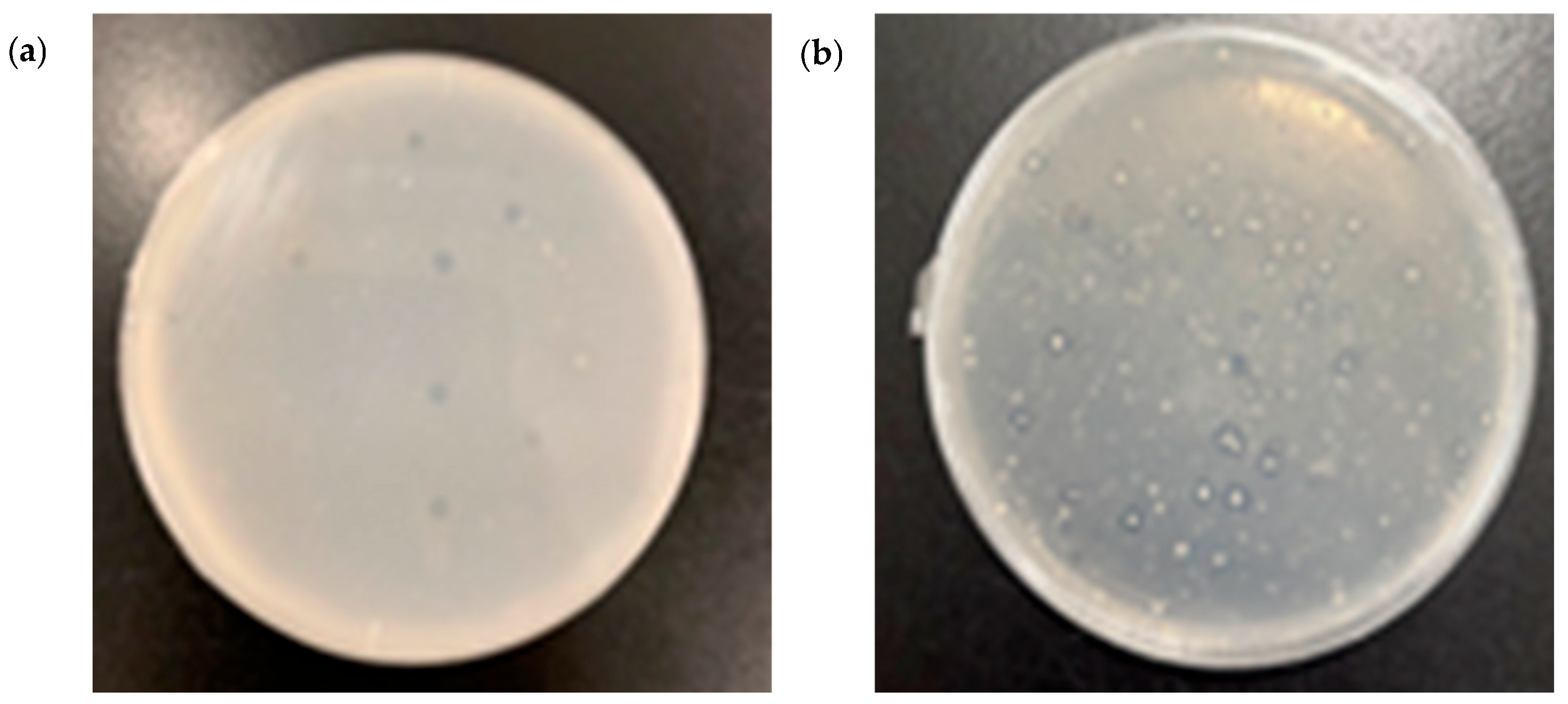
To observe the clear zone on the PHB agar plate of the PHB-degrading microbial community of the landfill and campus soil, 0.1 mL of soil suspension was spread on MS agar medium with PHB as the sole carbon source. As a result, a clear zone was obtained, as shown in Figure 2a,b.

3.2. Measurement of the Clear Zone of Isolated Colonies

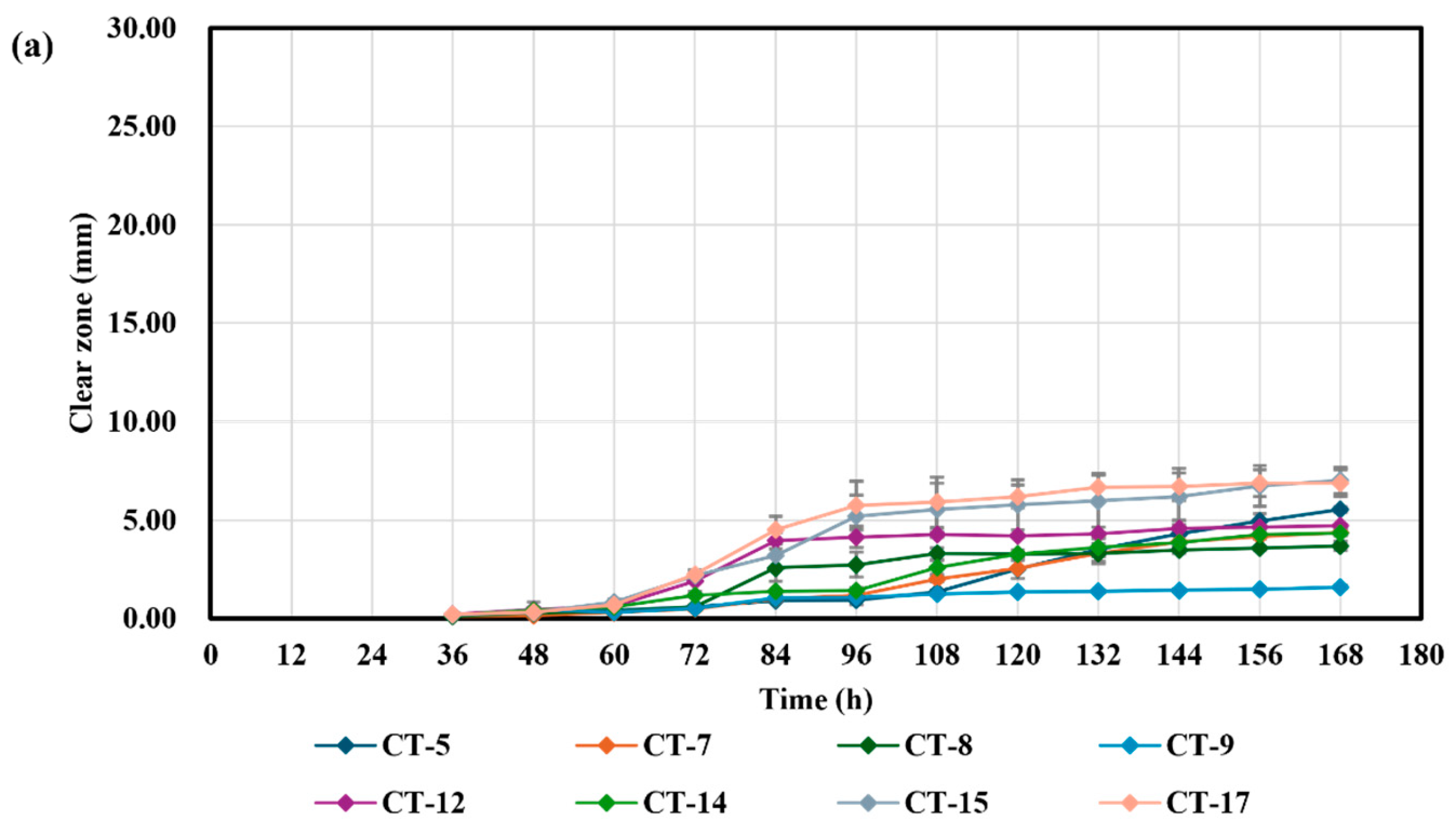
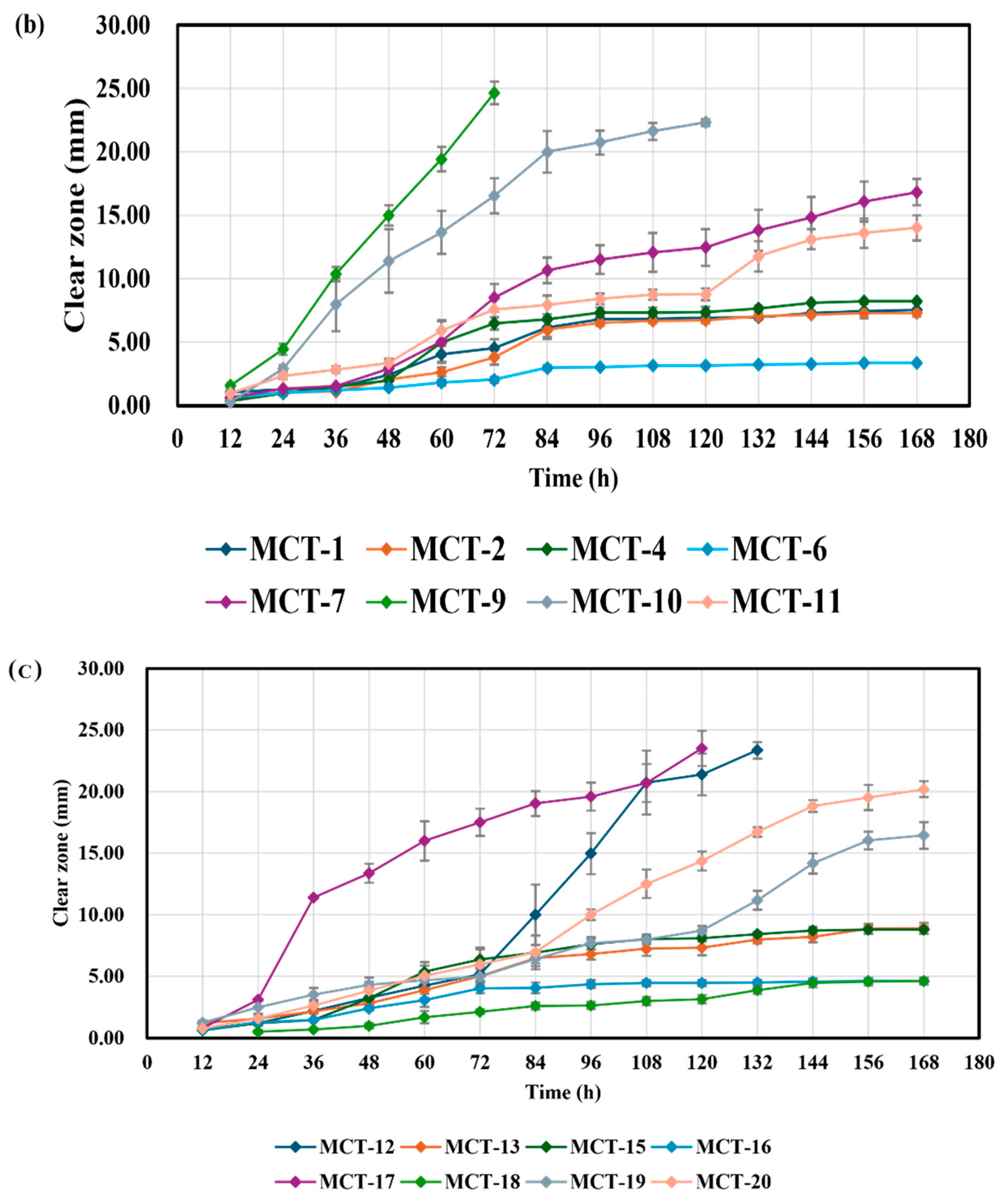
To estimate the biodegradation ability of the bacteria of each soil, colonies were picked from this zone, and PHB-degrading bacteria were isolated through streaking. In total, 37 strains showed a clear zone on the PHB agar plate, but some of the strains lost their activity after subculturing. However, eight strains from the landfill soil and 20 strains from the campus soil retain the clear zone activity on a 0.1% PHB agar plate. The strains CT-15 and CT-17, which were obtained from landfill soil and had a high clear zone activity, showed clear zones of 7.0 mm and 6.9 mm, respectively, after 168 h; see Figure 3a. Comparing the clear zone activities of the strains isolated from the soil on the campus, MCT-9 exhibited the highest clear zone activity, with a clear zone of 24.6 mm at 72 h, and MCT-17 exhibited a clear zone of 23.5 mm at 120 h; see Figure 3b,c. This indicates that the strain from the campus soil has a higher depolymerase activity than the alkaline landfill soil.

3.3. Effect of pH on Bacteria and Fungal CFU

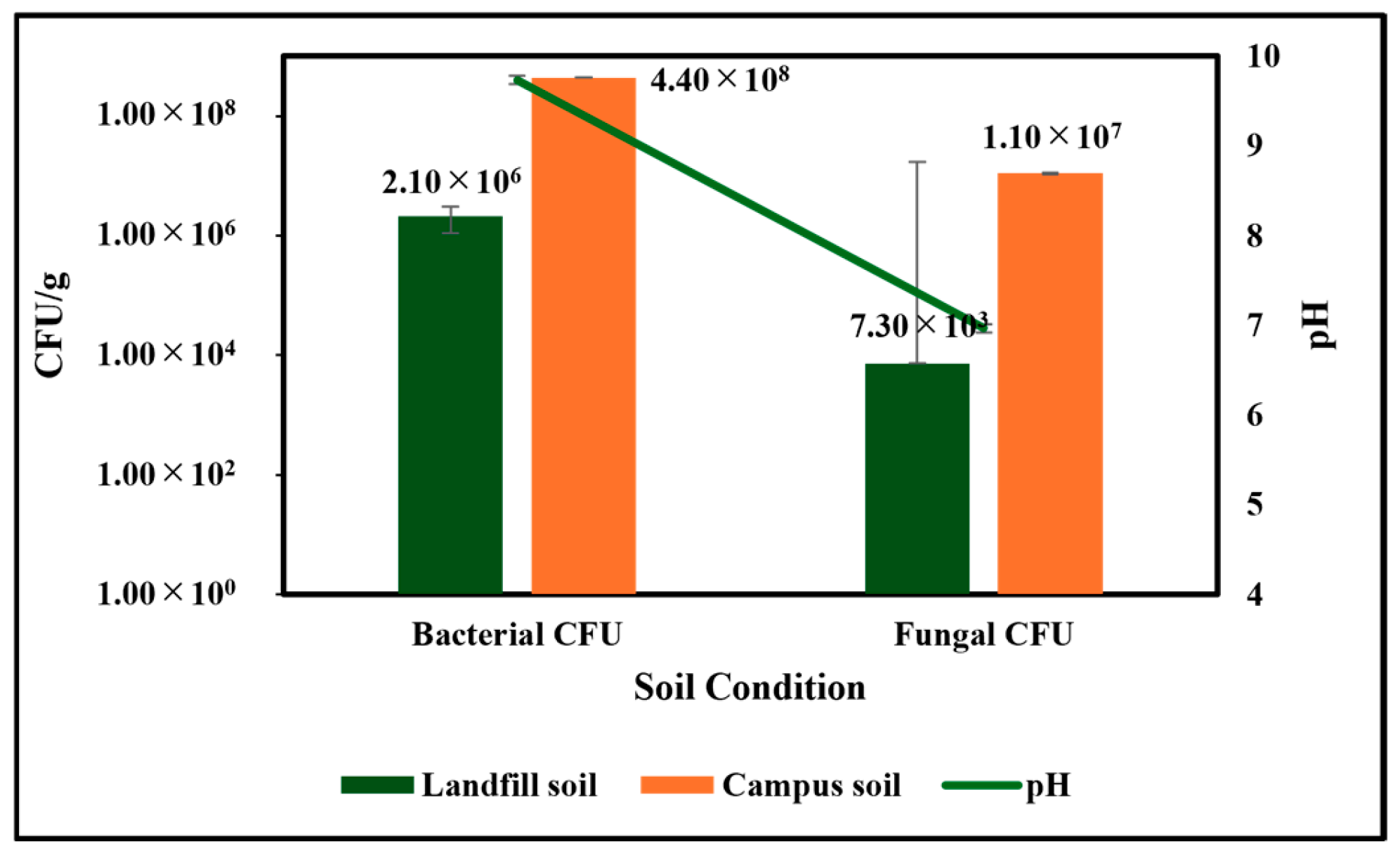
To determine the bacterial and fungal biomass in both soils, the CFU count was performed. The viable bacterial count in the landfill soil was (2.1 ± 0.33) × 106 CFU/g, and the viable fungal count was (7.3 ± 1.20) × 103 CFU/g at a pH of (9.7 ± 0.05). The viable bacterial and fungal counts in the campus soil were (4.4 ± 0.17) × 108 CFU/g and (1.1 ± 0.09) × 107 CFU/g, respectively, at a pH of 7.0 ± 0.05 (Figure 4).

3.4. Biodegradation of PHB Film

3.4.1. Biodegradation of PHB Film in Landfill and Campus Soil

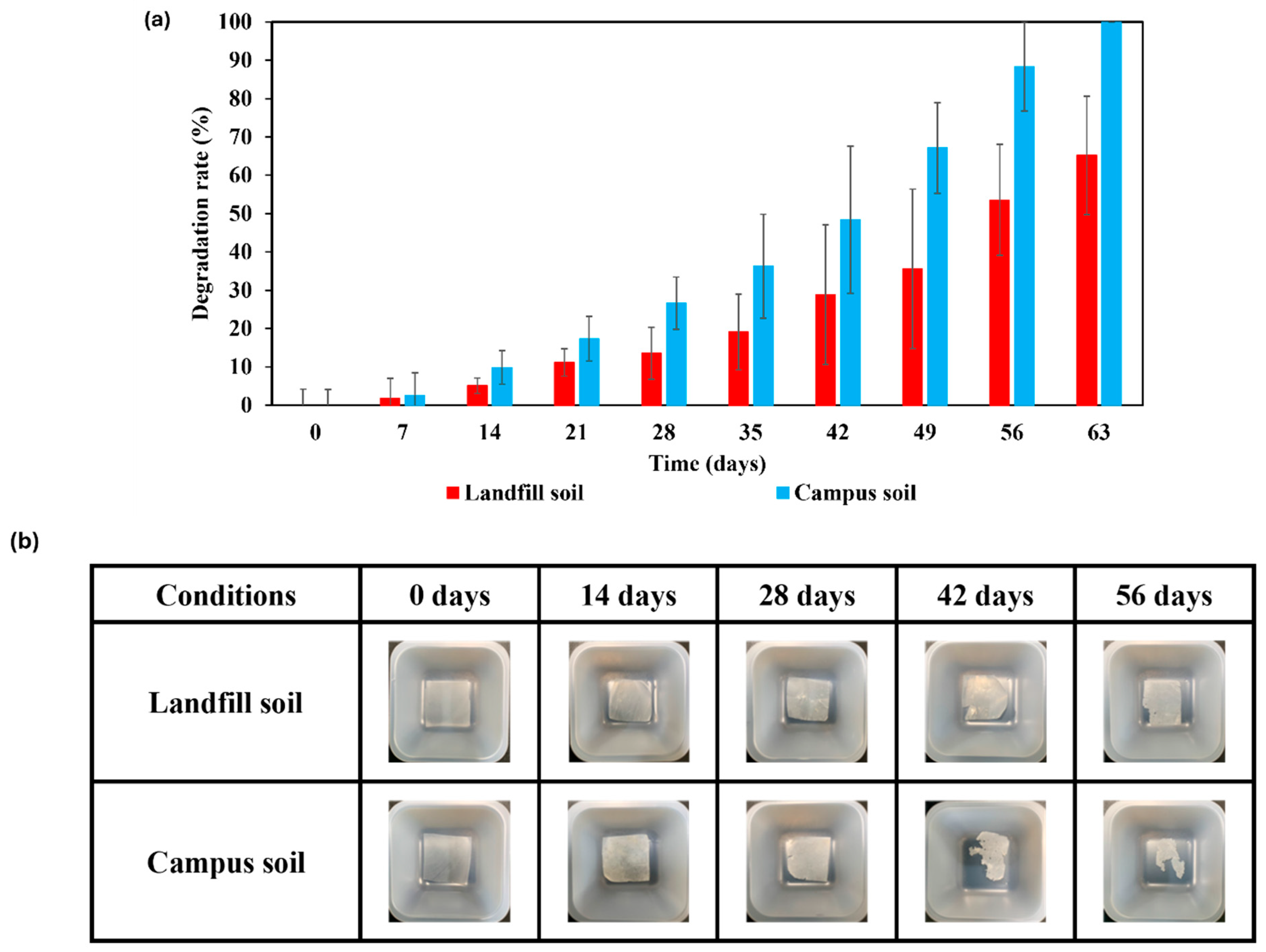
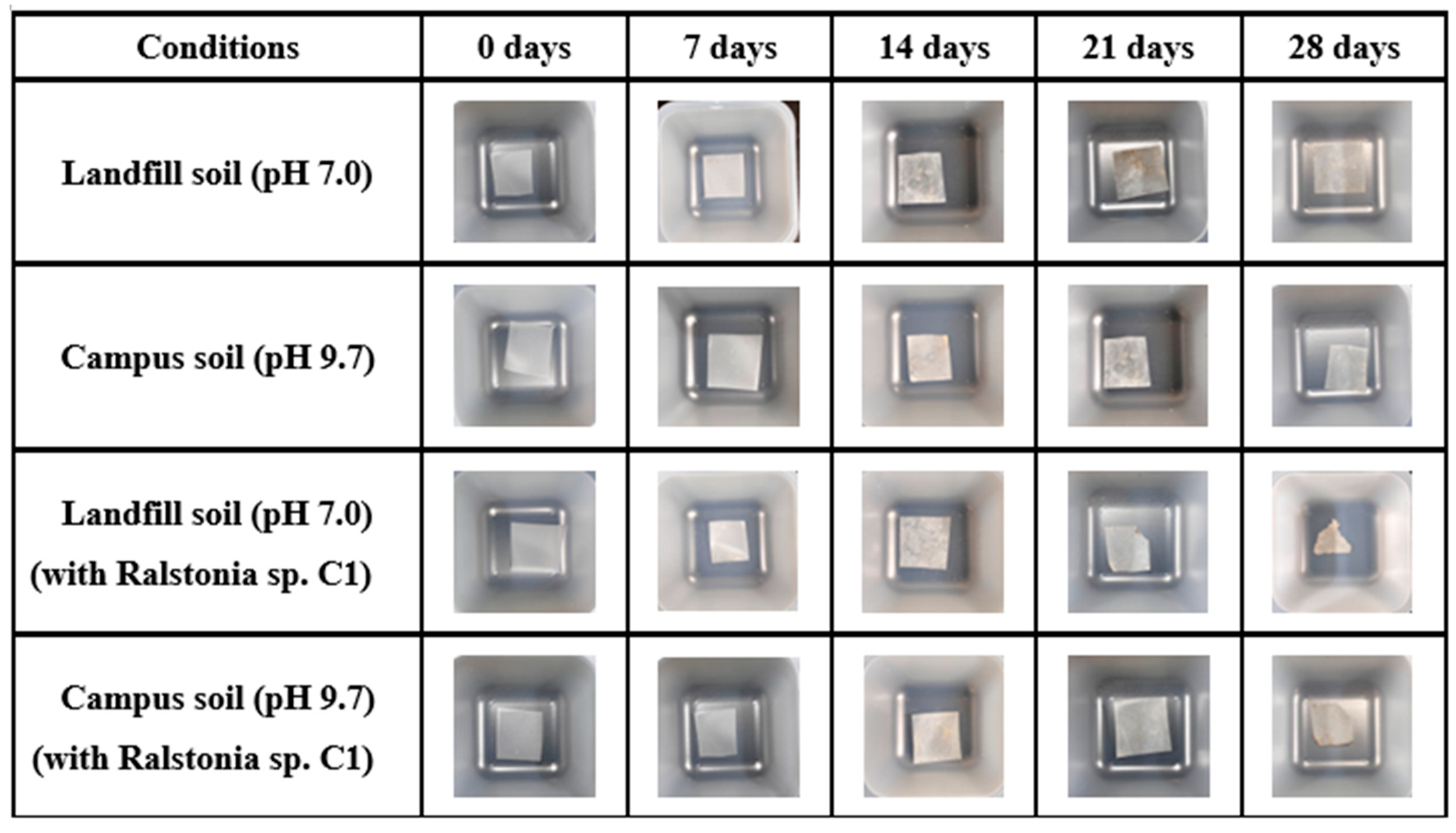
The biodegradation of PHB film was investigated in the landfill and campus soils. PHB biodegradation increased with time in both soils. However, after 63 days, PHB showed a maximum of 65.2% biodegradation in the landfill soil, with a 100% biodegradation in the campus soil (Figure 5a). The pictorial view in Figure 5b shows the physical appearance of the PHB with respect to the time in landfill and campus soils.

3.4.2. Biodegradation of PHB Film in Landfill and Campus Soil Through Ralstonia sp. C1 Bioaugmentation

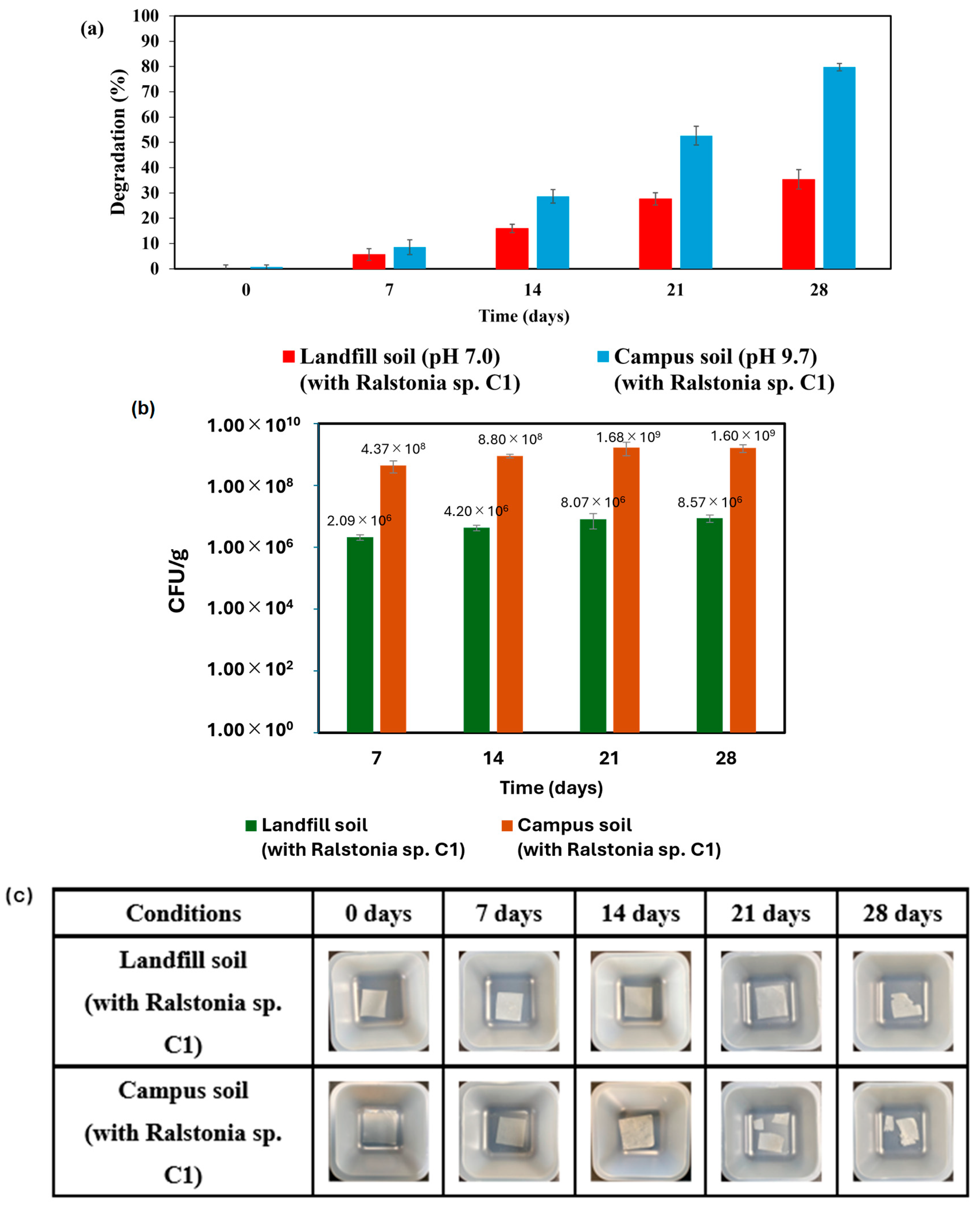
We employed the bioaugmentation technique to enhance the PHB biodegradability in landfill and campus soils using the previously isolated strain Ralstonia sp. C1, as shown in Figure 6a. The addition of the Ralstonia sp. C1 strain into the landfill soil showed an increase in PHB biodegradation from 13.6% to 35.4% after 28 days. Meanwhile, in the campus soil, PHB biodegradation increased from 26.6% to 79.8% after 28 days. The microbial viable count of landfill soil with Ralstonia sp. C1 was 8.57 × 10⁶, while in campus soil it was 1.60 × 10⁹, which indicates the reduction in microbial growth in landfill soil. The pictorial view in Figure 6b depicts the physical appearance of the PHB with respect to the time in landfill and campus soils and with the Ralstonia sp. C1 strain added. The surface erosion of treated pieces was observed under a polarized light microscope at 200× magnification (Figure S1).

3.5. Factors Affecting the PHB Biodegradation in Landfill Soil

We observed the effect of soil properties on PHB biodegradation. First, we investigated the effect of pH on PHB film biodegradation in landfill and campus soils. When we adjusted the pH of the campus soil to 9.7 and landfill soil to 7, the biodegradation of PHB film in the landfill soil increased from 35% to approximately 70%, while, in the campus soil, it decreased from 79.8% to 30% (Figure 7). We also investigated the other chemical properties of the landfill and campus soil. There were some heavy metals detected in the landfill soil, but the quantity was not significantly high enough to affect the growth of Ralstonia sp. C1 (Supplementary Figure S2).

3.6. Fourier-Transform Infrared Spectroscopy (FTIR) Analysis of PHB Film

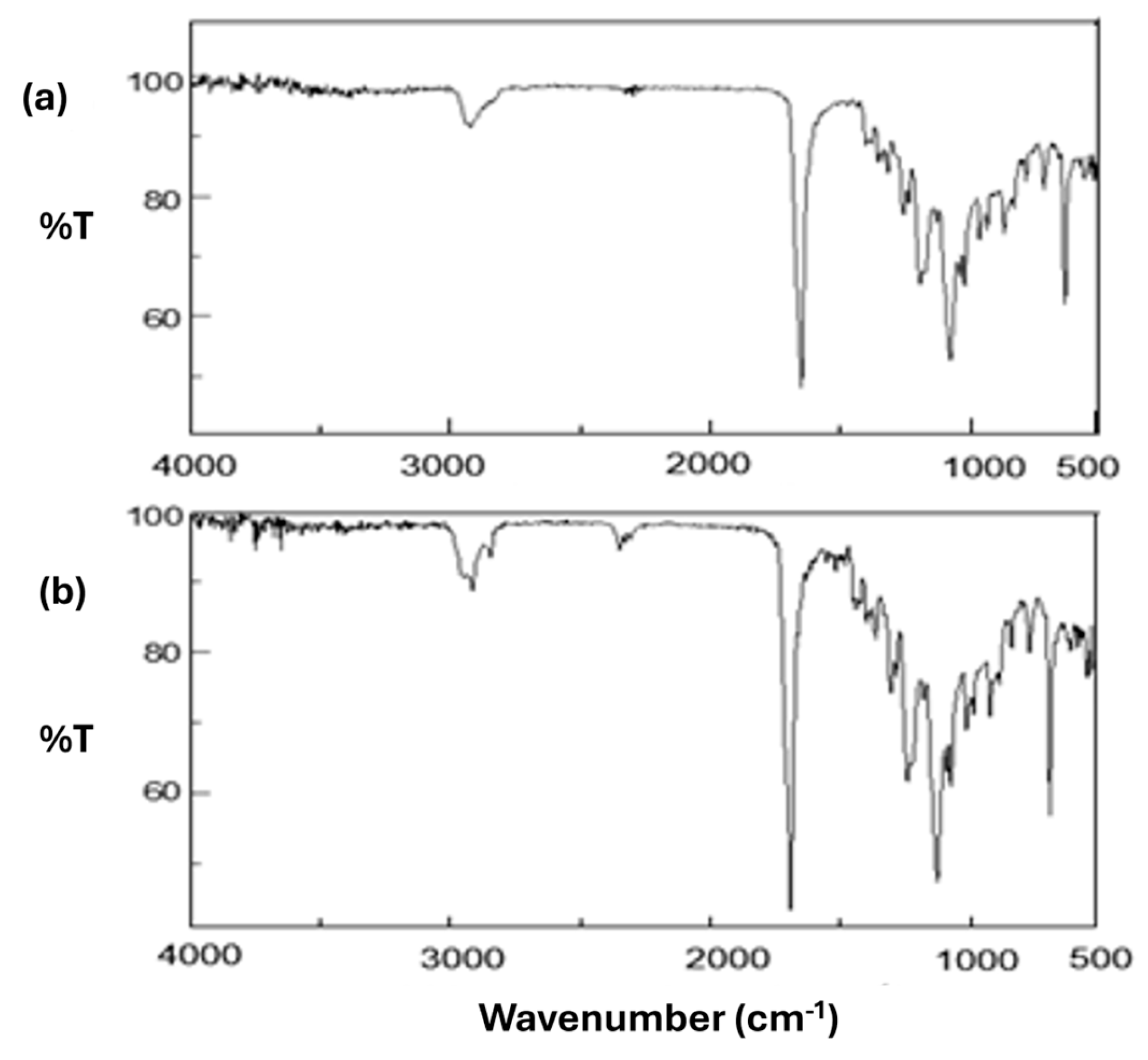
FTIR analysis of the PHB film was done to confirm the bond breakage and new bond formation during biodegradation. The FT-IR spectrum of PHB was measured through attenuated total reflection using a Nicolet 6700 FT-IR spectrometer (Thermo Fisher Scientific, Waltham, MA, USA). Figure 8 shows the FTIR spectra of the initial and degraded PHB films. Each spectrum of samples shows peaks at 2949 cm−1 (CH2 stretching of alkyl), 1713 cm−1 (C=O stretching of ester), 1331 cm−1 (C-H stretching), 1268 cm−1 (C-O-C stretching), 806 cm−1 (C-H out-of-plane deformation of phenyl group), and 728 cm−1 (CH2 rocking), with no shift in wavenumber. However, in the case of the degraded films, peaks at 2919 and 2852 cm−1 (CH stretching of aldehyde) were observed, indicating changes in functional groups.

3.7. Bacterial Community Structure of Landfill and Campus Soil

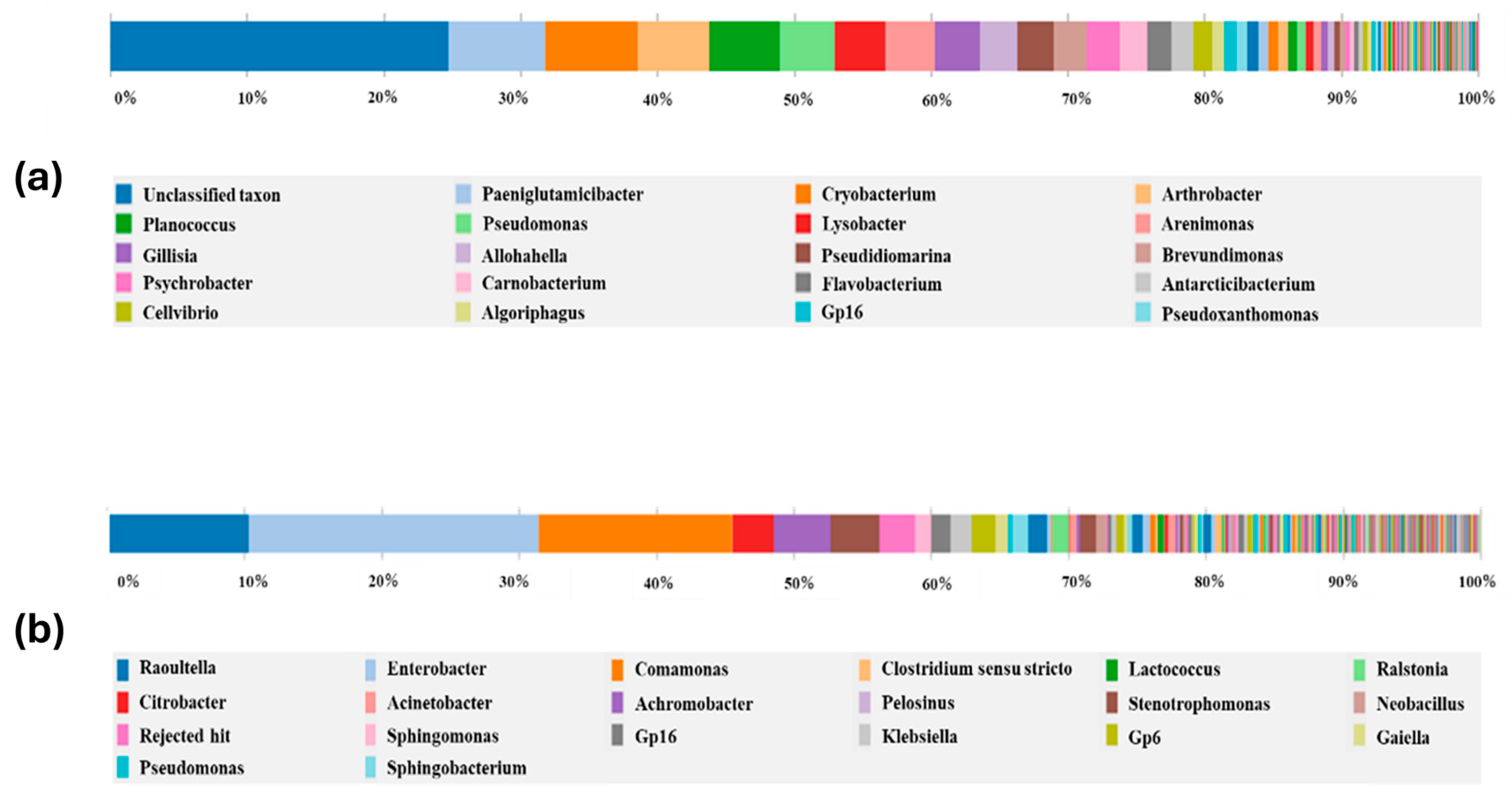
The NGS showed slightly different microbial community structures of landfill soil and campus soil. Paeniglutamicibacter, Cryobacterium, Arthrobacter, Planococcus, Pseudomonas, Lysobacter, Arenimonas, Gillisia, Allohahella, and Pseudidiomarina (Figure 9a) were all detected in the landfill soil. In contrast, Raoultella, Enterobacter, Comamonas, and Clostridium spp. Stemming, Lactococcus, Ralstonia, Citrobacter, Acinetobacter, Achromobacter, and Pelosinus were found in the soil from the campus (Figure 9b) [32,33].

4. Discussion

Conventional plastic pollution has stimulated extensive research on biodegradable polymers, and PHB has been identified as a promising bioplastic because of its natural production by different microorganisms and its potential for complete degradation in different ecological niches. Despite extensive knowledge about the degradation of PHB in controlled settings, such as composting or in soil, our knowledge of the degradation of PHB in highly engineered and chemically dynamic environments, such as municipal solid waste landfills, is notably limited [7]. Given the specific context of many Japanese landfills, exploring the impact of such conditions on PHB degradation is important to properly predict the long-term turnover of the materials and to guide sustainable waste management practices [12,13].
In this study, we investigated the PHB biodegradation in alkaline landfill soil and neutral campus soil. In Japan, the deposition of incineration waste to landfill sites usually makes the landfill soil highly alkaline, which may contribute to the reduction in active microbial biomass [19,20]. This study revealed a severely attenuated rate of PHB degradation in the landfill soil compared to the campus soil, unequivocally demonstrating the inhibitory effect of the alkaline landfill environment. The PHB film completely degraded in the campus soil (pH 7.0) in 63 days (Figure 5a), which is in accordance with the known information on the rapid decomposition of bioplastics in near-optimal environmental conditions with a rich and active microbial community [30]. On the other hand, the PHB degradation rate in the alkaline landfill soil (pH 9.7) was limited to 65% at day 63 (Figure 5a).
This extended lag period presents a significant challenge to the anticipated environmental advantages of PHB in this specific disposal environment. Contrary to the high PHB biodegradability by depolymerase enzymes reported at pH 9.6 in the past (Di et al., 2019 [34]), the rates of degradation in this study declined at alkaline levels. This reduction is attributed to the hindrance of an alkaline environment to active microbial growth for degrading PHB [34]. According to a study by Guan et al. (2025), saline and alkaline stress reduce microbial growth and beneficial microbial taxa [35]. Similarly, Xiong et al. (2024) [36] showed that the pH of the soil affects the soil characteristics and limits the nutrient availability to microorganisms. Therefore, alkaline pH alters the microbial community structure and function by imposing physiological stress [36]. The study by Gu et al. (2022) [37] reported that landfill soil contaminated with leachate affects the structure and function of the microbial community compared to uncontaminated soil. Therefore, in this study, we observed a reduced microbial biomass and PHB biodegrading community in alkaline landfill soil [37].
To further understand the reduced PHB biodegradation in alkaline landfill soil, this study utilized a highly efficient PHB-degrading strain, Ralstonia sp. C1, thereby reinforcing the finding that the degradation bottleneck is physicochemical and not just biological. Ralstonia sp. C1 enhanced the degradation process in both campus soil and landfill soil by almost 80% and 157.35% respectively, in 4 weeks. By adding Ralstonia sp. C1 to landfill soil, PHB biodegradation increased from 13.6% to 35.4% in 28 days. However, PHB biodegradation was still low in alkaline landfill soil compared to campus soil (79.85%) (Figure 6). The measured concentrations of copper, zinc, nickel, hexavalent chromium, mercury, arsenic, lead, and cadmium in the landfill soil were well below the established intervention and screening thresholds for soils (Japan/The Netherlands; Table S1) and, in accordance with our growth assay, did not appear to cause the growth of Ralstonia sp. C1 to be inhibited under the tested conditions (Figure S1). On the other hand, reciprocal pH adjustment, by shifting campus soil to a pH of 9.7 and landfill soil to a pH of 7.0, resulted in large, opposing changes in PHB degradation, which isolated pH as the main limiting factor under the site conditions.
This result showed that the activity of Ralstonia sp. C1 decreased dramatically in alkaline landfill conditions. A similar decrease in PHB biodegradation activity by Ralstonia sp. C1 in alkaline pH was observed in our previous study [28]. The microbial count of landfill soil inoculated with Ralstonia sp. C1 was low, 8.57 × 10⁶ CFU/g, compared to campus soil (1.60 × 10⁹ CFU/g), which clearly demonstrates the retardation of microbial growth in alkaline landfill soil. On the other hand, when campus soil pH was adjusted to 9.7 and landfill soil was adjusted to 7, the PHB film biodegradation increased in landfill soil while decreasing in campus soil. Moreover, the microbial count (CFU/g) was also increased in landfill soil (Figure S3). This collective evidence suggests that the key mechanism of slow degradation is the inhibition of the general growth of the degrading organisms due to the high pH [38,39].
The microbial viable counts provided the quantitative ecological basis for the obtained differences in the performance of degradation. The landfill soil contained much lower populations of viable microbes than the campus soil. The viable fungal count in landfill soil was 7.3 × 10³ CFU/g, which was an impressive 300-fold reduction in the fungal count in the campus soil (1.1 × 10⁷ CFU/g). Similarly, the viable bacterial count was 40 times less in the landfill (2.1 × 10⁶ CFU/g) than in the campus soil (4.4 × 10⁸ CFU/g) (Figure 4). This drastic reduction in the microbial biomass, especially of fungi, which are of main importance for polymer decomposition, is a good indication that the alkaline landfill environment is a strong selective pressure, filtering away a large fraction of the microbial community, severely limiting the number of organisms available to colonize the PHB film and break it down [35,36,37]. Jin and Kirk (2018) reported that a high pH affects the metabolism of microbes and hence reduces microbial growth and function [40].
The limited numbers of viable microbes directly translate into a reduced number of interactions between the polymer and required degrading enzymes, and hence play a role in the slow rate of degradation [41]. The results of this study are concordant with more general ecological principles, in which extreme environmental conditions are known to drastically reduce species richness and total biomass compared to more mesophilic environments [39,42,43].
Delving deeper into the PHB-degrading potential of the community, the genus-level analysis provided information on qualitative differences between landfill and campus soil. While the landfill soil did contain genera known to degrade PHB (i.e., Arthrobacter, Planococcus, and Pseudomonas [6,32]), it conspicuously lacked important genera that were commonly isolated as high-efficiency PHB degraders in general soils. Specifically, the strains Ralstonia and Comamonas, as well as Enterobacter, which are well known in the literature as efficient PHB degraders [6,30,36], were abundantly present in the campus soil in the campus area, while they were rarely found in the landfill soil (Figure 9b). This structural disparity verifies the hypothesis that alkaline landfill soil not only lacks total viable biomass but also is deficient in the efficient PHB biodegrading microbial community [35,36,44,45,46]. Furthermore, the PHB-degrading strains isolated from the landfill soil exhibited a comparatively low clear zone activity, even when screened under neutral conditions, compared with the dominant campus isolates [47,48,49]. This suggests that the landfill soil has a reduced PHB-degrading microbial activity and has likely selected one that has members with the highest priority of surviving in the extreme alkaline and toxic environment rather than for high PHB-biodegrading enzymatic activity [50,51,52].

5. Conclusions

In conclusion, comparisons of bacterial community structure, viable cell counts, pH, clear zone activity and PHB film degradation rates of landfills showed clear differences from the campus soil. The biodegradation of PHB was significantly lower in landfill soil compared to normal campus soil. This is probably caused by the high alkalinity of the landfill soil, which influences the bacterial community structure and function. Furthermore, among the bacterial strains isolated from each soil, the bacterial strains from the landfill soil showed a low clear zone activity compared to the campus soil, which suggests a low depolymerase activity of the strains isolated from the landfill soil. In the future, bioaugmentation techniques using efficient PHB-degrading strains, such as Ralstonia sp. C1, should be optimized to enhance the PHB biodegradability in landfill soil. This study advances sustainable landfill management through an evaluation of biodegradable plastic degradation in alkaline landfill soil.

Supplementary Materials

The following supporting information can be downloaded at: https://www.mdpi.com/article/10.3390/pr14030533/s1, Figure S1: Surface analysis of PHB film (a) Control (b,c) Treated; Figure S2: Time course of growth without and with heavy metals. Values represent the mean of three biological replicates ± SD; Figure S3: Microbial CFU with adjusted pH of landfill and campus soil; Table S1: Contents of heavy metals, TOC, and TN in soil samples.

Author Contributions

Conceptualization, Y.-C.C.; methodology, Y.-C.C.; investigation, Y.-C.C.; resources, Y.-C.C.; data curation, T.T.; investigation, T.T. and S.A.; analysis, T.T.; writing—original draft preparation, T.T. and S.A.; writing—review and editing, S.A. and Y.-C.C.; supervision, Y.-C.C.; funding acquisition, Y.-C.C. All authors have read and agreed to the published version of the manuscript.

Funding

This study was funded by JSPS KAKENHI (grant number: 24K11471). This research was also funded by the Ogasawara Foundation for the Promotion of Science and Engineering (Japan), Funds for Promoting Future Creation (Muroran Institute of Technology) (Japan), the Iwatani Foundation for the Promotion of Science and Engineering (Japan), and Steel Foundation for Environmental Protection Technology (Japan).

Data Availability Statement

The original contributions presented in this study are included in the article/Supplementary Materials. Further inquiries can be directed to the corresponding author.

Conflicts of Interest

The authors declare no conflicts of interest.

References

  1. Houssini, K.; Li, J.; Tan, Q. Complexities of the Global Plastics Supply Chain Revealed in a Trade-Linked Material Flow Analysis. Commun. Earth Environ. 2025, 6, 257. [Google Scholar] [CrossRef]
  2. Ghosh, K.; Jones, B.H. Roadmap to Biodegradable Plastics—Current State and Research Needs. ACS Sustain. Chem. Eng. 2021, 9, 6170–6187. [Google Scholar] [CrossRef]
  3. Naser, A.Z.; Deiab, I.; Darras, B.M. Poly(Lactic Acid) (PLA) and Polyhydroxyalkanoates (PHAs), Green Alternatives to Petroleum-Based Plastics: A Review. RSC Adv. 2021, 11, 17151–17196. [Google Scholar] [CrossRef] [PubMed]
  4. McAdam, B.; Brennan Fournet, M.; McDonald, P.; Mojicevic, M. Production of Polyhydroxybutyrate (PHB) and Factors Impacting Its Chemical and Mechanical Characteristics. Polymers 2020, 12, 2908. [Google Scholar] [CrossRef]
  5. Withana, P.A.; Yuan, X.; Im, D.; Choi, Y.; Bank, M.S.; Lin, C.S.K.; Hwang, S.Y.; Ok, Y.S. Biodegradable Plastics in Soils: Sources, Degradation, and Effects. Environ. Sci. Process. Impacts 2025, 27, 3321–3343. [Google Scholar] [CrossRef]
  6. Meereboer, K.W.; Misra, M.; Mohanty, A.K. Review of Recent Advances in the Biodegradability of Polyhydroxyalkanoate (PHA) Bioplastics and Their Composites. Green Chem. 2020, 22, 5519–5558. [Google Scholar] [CrossRef]
  7. Kim, J.; Gupta, N.S.; Bezek, L.B.; Linn, J.; Bejagam, K.K.; Banerjee, S.; Dumont, J.H.; Nam, S.Y.; Kang, H.W.; Park, C.H.; et al. Biodegradation Studies of Polyhydroxybutyrate and Polyhydroxybutyrate-Co-Polyhydroxyvalerate Films in Soil. Int. J. Mol. Sci. 2023, 24, 7638. [Google Scholar] [CrossRef]
  8. Fogašová, M.; Figalla, S.; Danišová, L.; Medlenová, E.; Hlaváčiková, S.; Vanovčanová, Z.; Omaníková, L.; Baco, A.; Horváth, V.; Mikolajová, M.; et al. PLA/PHB-Based Materials Fully Biodegradable under Both Industrial and Home-Composting Conditions. Polymers 2022, 14, 4113. [Google Scholar] [CrossRef]
  9. Casarin, S.A.; Rodrigues, C.P.; Souza Júnior, O.F.D.; Rosário, F.; Agnelli, J.A.M. Biodegradation in Soil of the PHB/Wood Flour (80/20) and PHB/Sisal Fiber (80/20) Tubes. Mater. Res. 2017, 20, 47–50. [Google Scholar] [CrossRef][Green Version]
  10. Koller, M.; Heeney, D.; Mukherjee, A. Biodegradability of Polyhydroxyalkanoate (PHA) Biopolyesters in Nature: A Review. Biodegradation 2025, 36, 76. [Google Scholar] [CrossRef]
  11. Yang, R.; Xu, Z.; Chai, J. A Review of Characteristics of Landfilled Municipal Solid Waste in Several Countries: Physical Composition, Unit Weight, and Permeability Coefficient. Pol. J. Environ. Stud. 2018, 27, 2425–2435. [Google Scholar] [CrossRef] [PubMed]
  12. Afshar, S.V.; Boldrin, A.; Astrup, T.F.; Daugaard, A.E.; Hartmann, N.B. Degradation of Biodegradable Plastics in Waste Management Systems and the Open Environment: A Critical Review. J. Clean. Prod. 2024, 434, 140000. [Google Scholar] [CrossRef]
  13. Zhang, D.Q.; Tan, S.K.; Gersberg, R.M. Municipal Solid Waste Management in China: Status, Problems and Challenges. J. Environ. Manag. 2010, 91, 1623–1633. [Google Scholar] [CrossRef] [PubMed]
  14. Sharholy, M.; Ahmad, K.; Mahmood, G.; Trivedi, R.C. Municipal Solid Waste Management in Indian Cities—A Review. Waste Manag. 2008, 28, 459–467. [Google Scholar] [CrossRef]
  15. Kinnaman, T.C.; Yamamoto, M. Has Incineration Replaced Recycling? Evidence from OECD Countries. Sustainability 2023, 15, 3234. [Google Scholar] [CrossRef]
  16. Kitamura, H.; Ueshima, M.; Back, S.; Sutthasil, N.; Sakanakura, H.; Ishigaki, T.; Yamada, M. Impact of diatomite addition on lead immobilization in air pollution control residues from a municipal solid waste incinerator. Environ. Sci. Pollut. Res. 2022, 29, 21232–21243. [Google Scholar] [CrossRef]
  17. Sayyed, R.Z.; Wani, S.J.; Alyousef, A.A.; Alqasim, A.; Syed, A.; El-Enshasy, H.A. Purification and Kinetics of the PHB Depolymerase of Microbacterium Paraoxydans RZS6 Isolated from a Dumping Yard. PLoS ONE 2019, 14, e0212324. [Google Scholar] [CrossRef]
  18. Wang, X.; Miao, Y.; Shen, Y.; Lyu, J.; Cui, H.; Hou, S.; Yan, B.; Zhu, H. Adaptation and assembly of microbial communities under saline-alkaline stress in paddy ecosystems: Implications for nitrogen and carbon cycling. Environ. Technol. Innov. 2025, 39, 104329. [Google Scholar] [CrossRef]
  19. Ni, Y.; Yang, T.; Ma, Y.; Zhang, K.; Soltis, P.S.; Soltis, D.E.; Gilbert, J.A.; Zhao, Y.; Fu, C.; Chu, H. Soil pH determines bacterial distribution and assembly processes in natural mountain forests of eastern China. Glob. Ecol. Biogeogr. 2021, 30, 2164–2177. [Google Scholar] [CrossRef]
  20. Gondal, A.H.; Hussain, I.; Ijaz, A.B.; Zafar, A.; Ch, B.I.; Zafar, H.; Sohail, M.D.; Niazi, H.; Touseef, M.; Khan, A.A.; et al. Influence of soil pH and microbes on mineral solubility and plant nutrition: A review. Int. J. Agric. Biol. Sci. 2021, 5, 71–81. [Google Scholar] [CrossRef]
  21. Luan, L.; Jiang, Y.; Dini-Andreote, F.; Crowther, T.W.; Li, P.; Bahram, M.; Zheng, J.; Xu, Q.; Zhang, X.-X.; Sun, B. Integrating pH into the metabolic theory of ecology to predict bacterial diversity in soil. Proc. Natl. Acad. Sci. USA 2023, 120, e2207832120. [Google Scholar] [CrossRef] [PubMed]
  22. Wen, P.; Feng, S.-W.; Liang, J.-L.; Jia, P.; Liao, B.; Shu, W.-S.; Li, J.-T.; Yi, X. Heavy metal pollution in farmland soils surrounding mining areas in China and the response of soil microbial communities. Soil Secur. 2024, 17, 100173. [Google Scholar] [CrossRef]
  23. Herrera, D.A.G.; Mojicevic, M.; Venkatesh, C.; Da Silva Pereira, E.H.; Brennan-Fournet, M. Unveiling the Potential of Bacterial Isolates from Plastic-Polluted Environments: Enhancement of Polyhydroxybutyrate Biodegradation. Biotechnol. Environ. 2024, 1, 9. [Google Scholar] [CrossRef]
  24. Agapov, A.; Pantelic, B.; Ponjavic, M.; Herrera, D.A.G.; Nicevic, M.; Nikodinovic-Runic, J. Degradation of Biomaterials by Streptomyces Microflavus DG19: Depolymerization Activity, Genome Mining, and Soil Burial Assessment. Biotechnol. Environ. 2025, 2, 8. [Google Scholar] [CrossRef]
  25. Zhang, T.; Shi, J.; Wu, X.; Shu, S.; Lin, H. Simulation of Heat Transfer in a Landfill with Layered New and Old Municipal Solid Waste. Sci. Rep. 2022, 12, 2970. [Google Scholar] [CrossRef]
  26. Dalla Santa, G.; Cola, S.; Galgaro, A. Assessment of Frost and Heating Penetration in Compacted Clay Layers of Landfill Top Covers in Temperate Climate. Bull. Eng. Geol. Environ. 2022, 81, 498. [Google Scholar] [CrossRef]
  27. Altaee, N.; El-Hiti, G.A.; Fahdil, A.; Sudesh, K.; Yousif, E. Biodegradation of Different Formulations of Polyhydroxybutyrate Films in Soil. SpringerPlus 2016, 5, 762. [Google Scholar] [CrossRef]
  28. Chang, Y.-C.; Venkateswar Reddy, M.; Suzuki, H.; Terayama, T.; Mawatari, Y.; Seki, C.; Sarkar, O. Characterization of Ralstonia insidiosa C1 Isolated from Alpine Regions: Capability in Polyhydroxyalkanoates Degradation and Production. J. Hazard. Mater. 2024, 471, 134348. [Google Scholar] [CrossRef]
  29. Chang, Y.-C.; Shimadzu, M.; Choi, D.; Sarkar, O.; Venkateswar Reddy, M. An Enhanced Degradation of Polyhydroxyalkanoates (PHAs) Using Adaptive Laboratory Methods: A Sustainable Approach Alternates to Genetic Engineering. Chemosphere 2025, 387, 144654. [Google Scholar] [CrossRef]
  30. Walkley, A.J.; Black, I.A. An Examination of the Degtjareff Method for Determining Soil Organic Matter, and a Proposed Modification of the Chromic Acid Titration Method. Soil Sci. 1934, 37, 29–38. [Google Scholar] [CrossRef]
  31. Zhang, S.; Cui, J.; Wu, H.; Zheng, Q.; Song, D.; Wang, X.; Zhang, S. Organic Carbon, Total Nitrogen, and Microbial Community Distributions within Aggregates of Calcareous Soil Treated with Biochar. Agric. Ecosyst. Environ. 2021, 314, 107408. [Google Scholar] [CrossRef]
  32. Takahashi, S.; Tomita, J.; Nishioka, K.; Hisada, T.; Nishijima, M. Development of a Prokaryotic Universal Primer for Simultaneous Analysis of Bacteria and Archaea Using Next-Generation Sequencing. PLoS ONE 2014, 9, e105592. [Google Scholar] [CrossRef] [PubMed]
  33. Dethlefsen, L.; Huse, S.; Sogin, M.L.; Relman, D.A. The Pervasive Effects of an Antibiotic on the Human Gut Microbiota, as Revealed by Deep 16S rRNA Sequencing. PLoS Biol. 2008, 6, e280. [Google Scholar] [CrossRef] [PubMed]
  34. Di, Y.; Xia, H.; Jiao, Y.; Zhang, X.; Fang, Q.; Li, F.; Chen, S. Biodegradation of polyhydroxybutyrate by Pseudomonas sp. DSDY0501 and purification and characterization of polyhydroxybutyrate depolymerase. 3 Biotech 2019, 9, 359. [Google Scholar] [CrossRef]
  35. Guan, S.; Liu, Y.; Duan, W.; Wang, K.; Wang, P.; Liu, S.; Jia, X.; Hu, Y. Effects of Microbial Fertilizer on Soil Physicochemical Properties and Fungal Community Diversity in Saline–Alkali Soil Cultivated with Oil Sunflowers. Agronomy 2025, 15, 2769. [Google Scholar] [CrossRef]
  36. Xiong, R.; He, X.; Gao, N.; Li, Q.; Qiu, Z.; Hou, Y.; Shen, W. Soil pH amendment alters the abundance, diversity, and composition of microbial communities in two contrasting agricultural soils. Microbiol. Spectr. 2024, 12, e04165-23. [Google Scholar] [CrossRef]
  37. Gu, Z.; Feng, K.; Li, Y.; Li, Q. Microbial characteristics of the leachate contaminated soil of an informal landfill site. Chemosphere 2022, 287, 132155. [Google Scholar] [CrossRef]
  38. Zhang, Z.; Zhao, C.; Rao, Y.; Yu, C.; Luo, Z.; Zhao, H.; Wang, X.; Wu, C.; Wang, Q. Solidification/stabilization and risk assessment of heavy metals in municipal solid waste incineration fly ash: A review. Sci. Total Environ. 2023, 892, 164451. [Google Scholar] [CrossRef]
  39. Phithakrotchanakoon, C.; Rudeekit, Y.; Tanapongpipat, S.; Leejakpai, T.; Aiba, S.-I.; Noda, I.; Champreda, V. Microbial Degradation and Physico-Chemical Alteration of Polyhydroxyalkanoates by a Thermophilic Streptomyces sp. Biologia 2009, 64, 246–251. [Google Scholar] [CrossRef]
  40. Jin, Q.; Kirk, M.F. pH as a primary control in environmental microbiology: 2. Kinetic perspective. Front. Environ. Sci. 2018, 6, 101. [Google Scholar] [CrossRef]
  41. Bang-Andreasen, T.; Nielsen, J.T.; Voriskova, J.; Heise, J.; Rønn, R.; Kjøller, R.; Hansen, H.C.B.; Jacobsen, C.S. Wood Ash Induced pH Changes Strongly Affect Soil Bacterial Numbers and Community Composition. Front. Microbiol. 2017, 8, 1400. [Google Scholar] [CrossRef] [PubMed]
  42. Rousk, J.; Brookes, P.C.; Bååth, E. Contrasting Soil pH Effects on Fungal and Bacterial Growth Suggest Functional Redundancy in Carbon Mineralization. Appl. Environ. Microbiol. 2009, 75, 1589–1596. [Google Scholar] [CrossRef] [PubMed]
  43. Rousk, J.; Brookes, P.C.; Bååth, E. Investigating the Mechanisms for the Opposing pH Relationships of Fungal and Bacterial Growth in Soil. Soil Biol. Biochem. 2010, 42, 926–934. [Google Scholar] [CrossRef]
  44. Chhetri, G.; Jeon, J.-M.; Kim, H.-J.; Choi, T.-R.; Yang, Y.-H.; Yoon, J.-J. Characterization of Streptomyces Species with Poly(3-Hydroxybutyrate) Degradation Capabilities Isolated from Rice Field Soil. Int. J. Biol. Macromol. 2025, 307, 141795. [Google Scholar] [CrossRef]
  45. Calabia, B.P.; Tokiwa, Y. Microbial Degradation of Poly(d-3-Hydroxybutyrate) by a New Thermophilic Streptomyces Isolate. Biotechnol. Lett. 2004, 26, 15–19. [Google Scholar] [CrossRef]
  46. Zhu, M.; McCully, L.M.; Silby, M.W.; Charles-Ogan, T.I.; Huang, J.; Brigham, C.J. Draft Genome Sequence of Ralstonia sp. MD27, a Poly(3-Hydroxybutyrate)-Degrading Bacterium, Isolated from Compost. Genome Announc. 2015, 3, e01170-15. [Google Scholar] [CrossRef]
  47. Takaku, H.; Kimoto, A.; Kodaira, S.; Nashimoto, M.; Takagi, M. Isolation of a Gram-Positive Poly(3-Hydroxybutyrate) (PHB)-Degrading Bacterium from Compost, and Cloning and Characterization of a Gene Encoding PHB Depolymerase of Bacillus Megaterium N-18-25-9. FEMS Microbiol. Lett. 2006, 264, 152–159. [Google Scholar] [CrossRef]
  48. Phothong, N.; Bhamarasuta, S.; Morikane, S.; Tomita, H.; Honda, K.; Napathorn, S.C. Poly(3-Hydroxybutyrate-Co-3-Hydroxyvalerate) Biodegradation by a Novel Thermophilic Actinomadura sp. SCN-SB with Microbial Upcycling Potential. Adv. Ind. Eng. Polym. Res. 2025, 8, 408–421. [Google Scholar] [CrossRef]
  49. Pokynbroda, T.; Semeniuk, I.; Gąszczak, A.; Szczyrba, E.; Semenyuk, N.; Skorokhoda, V.; Pyshyev, S. Study of Biosynthesis and Biodegradation by Microorganisms from Plastic-Contaminated Soil of Polyhydroxybutyrate Based Composites. J. Renew. Mater. 2025, 13, 1439–1458. [Google Scholar] [CrossRef]
  50. Borsodi, A.K.; Aszalós, J.M.; Bihari, P.; Nagy, I.; Schumann, P.; Spröer, C.; Kovács, A.L.; Bóka, K.; Dobosy, P.; Óvári, M.; et al. Anaerobacillus Alkaliphilus sp. Nov., a Novel Alkaliphilic and Moderately Halophilic Bacterium. Int. J. Syst. Evol. Microbiol. 2019, 69, 631–637. [Google Scholar] [CrossRef]
  51. Wen, F.; Yang, G.; Zhao, X.; Zhao, T.; Bai, L.; Xia, Z. Taxonomic and Functional Diversity of Alkali-Tolerant Bacteria Enriched from the Taklimakan Desert. Front. Microbiol. 2025, 16, 1580401. [Google Scholar] [CrossRef]
  52. Wang, J.; Qiu, M.; Shen, Z.; Chen, L.; Ge, Y. Microbial Modulation of Soil pH: A Self-Benefiting Mechanism Exemplified by Bacillus. Soil Biol. Biochem. 2025, 210, 109949. [Google Scholar] [CrossRef]
Figure 1. A map of Japan and a photograph showing the location of the Muroran City Nishi-Iburi Wide Area Union Final Disposal Site, which is the source of reclaimed landfill soil samples.
Processes 14 00533 g001
Figure 2. Clear zone activity of PHB-degrading bacteria isolated from each soil. (a) Landfill soil suspension and (b) campus soil suspension.
Processes 14 00533 g002
Figure 3. Clear zone activity of isolates obtained from landfill soil (a) and from campus soil (b,c).
Processes 14 00533 g003aProcesses 14 00533 g003b
Figure 4. CFU counts of the microbial community of landfill soils and campus soils.
Processes 14 00533 g004
Figure 5. Degradation of PHB films in (a) landfill and campus soil. (b) Pictorial view of film during degradation.
Processes 14 00533 g005
Figure 6. Degradation of PHB films in (a) landfill and campus soil (with Ralstonia sp. C1). (b) Microbial viable count of landfill and campus soil with Ralstonia sp. C1. (c) Pictorial view of film during degradation (with Ralstonia sp. C1).
Processes 14 00533 g006
Figure 7. Biodegradation of PHB film in landfill and campus soil in 28 days (with or without Ralstonia sp. C1) with reciprocally adjusted pH conditions.
Processes 14 00533 g007
Figure 8. FTIR analysis of PHB film before (a) and after (b) biodegradation in soil with Ralstonia sp. C1.
Processes 14 00533 g008
Figure 9. Genus-level analysis results of microbial communities in (a) landfill soil and (b) campus soil. The data for campus soil (b) are based on previous studies.
Processes 14 00533 g009
Disclaimer/Publisher’s Note: The statements, opinions and data contained in all publications are solely those of the individual author(s) and contributor(s) and not of MDPI and/or the editor(s). MDPI and/or the editor(s) disclaim responsibility for any injury to people or property resulting from any ideas, methods, instructions or products referred to in the content.