Article

Fluorescence and Phosphorescence Assay of β-D-Glucans from Basidiomycete Medicinal Mushrooms
1
Chemical Engineering and Biotechnology Research Center, Departmental Area of Chemical Engineering, Instituto Superior de Engenharia de Lisboa, R. Conselheiro Emídio Navarro, 1, 1959-007 Lisboa, Portugal
2
CITAB—Centre for the Research and Technology of Agro-Environmental and Biological Sciences, University of Trás-os-Montes and Alto Douro, 5000-801 Vila Real, Portugal
Processes 2026, 14(3), 442; https://doi.org/10.3390/pr14030442
Submission received: 14 December 2025 / Revised: 15 January 2026 / Accepted: 23 January 2026 / Published: 27 January 2026
(This article belongs to the Special Issue Research of Bioactive Synthetic and Natural Products Chemistry)

Abstract

Basidiomycete mushrooms contain complex β-D-glucans which act as immunomodulator, immune stimulants and anti-cancer agents, which can be either free or bound to proteins. The present report consists of a novel and intrinsic synchronous fluorescence and phosphorescence assay method for β-D-glucans. This analytical technique was carried out by a spectrofluorometer in the range of 250 to 750 nm with a Δλ range of 5–30 nm which exhibited peaks at 492, 540 and 550 nm by using β-D-glucan from Euglena gracilis as a standard. A micro and high-throughput method based on a microplate fluorescence reader was devised with a excitation and emissions λ of 420 nm and 528 nm, respectively. This assay method revealed some advantages over the reported colorimetric methods, since it is a non-destructive assay method of β-D-glucans in samples with a linearity range of 0–14 μg/well, correlation coefficient (r2) of 0.9961, LOD of 0.973 μg/well, LOQ of 2.919 μg/well, greater sensitivity, fast, a high-throughput method and very economical. β-D-glucans of several mushrooms (i.e., Poria coccus, Auricularia auricula, Ganoderma lucidium, Pleurotus ostreatus, Cordyceps sinensis, Agaricus blazei, Polyporus umbellatus, Inonotus obliquee) were purified by using a sequence of various solvent extractions, quantified by either spectrofluorometer or fluorescence microtiter plate reader assay and compared with Congo red assay method. Three-dimensional spectra measurements were carried out on β-D-glucans from commercial sources and medicinal mushroom strains. FTIR spectroscopy was selected to investigate the structural properties of β-D-glucans in these mushroom samples. Therefore, the present assay method is simple, fast, cheap and non-destructive for β-D-glucans from medicinal mushrooms as well as from commercial sources.

1. Introduction

Asian cultures have been very rich and knowledgeable in the use of medicinal mushrooms for mankind for several thousands of years due to their biological and medicinal properties [1,2]. The wide range of biological activities of these basidiomycete mushrooms have revealed antibacterial, antiviral, antitumor, immunosuppressive, antiallergic and anti-sclerotic effects [3,4]. Moreover, biological metabolites and macromolecules extracted from these mushroom fruiting bodies have been used as nutraceuticals for lowering blood glucose and cholesterol levels as well as anti-aging and anti-inflammatory effects [5]. Among these biological substances, polysaccharides, which belong mainly to β- and α-D-glucans, have revealed important functions in immunomodulation and antitumor effects [6,7]. In recent decades, the most studied mushroom polysaccharides are β-D-glucans (e.g., lentinan, schizophyllan and grifolan) and their protein derivatives [8,9,10]. The functions of these biological macromolecules involve stimulation of hematopoietic stem cells, activation of the alternative complement pathway and activation of immune cells such as lymphocytes, macrophages, DC, NK cells, Th cells, Tc cells and B cells [11]. In spite of the huge amount of research already carried out about their biological functions, the structural properties as well as specific assay methods for these β-D-glucans have been poorly studied. There are several types of β-glucans in mushroom species such as β-D-glucans and β-1,3-1,6-D-glucans [12]. As far as antitumor, immune-enhancing and modulating activities, these three activities are attributed to β-1,3-1,6-D-glucans which exhibit a triple helix as their tertiary structure [13,14]. The specific assay of β-D-glucans in mushrooms with antitumor activity is of great medical interest. Regarding the assay methods, a non-specific assay method for polysaccharides based on phenol-sulfuric acid has been described in the literature [15]. Recently, some specific assay methods for β-D-glucans have been reported in the literature [14,16] which revealed some advantages and drawbacks. Although these specific methods for a quantitative assay of β-D-glucans by specific dyes (i.e., Congo red and Alcian blue) have some advantages over other methods, they also have several drawbacks such as being dependent on dye concentration, dye toxicity, pH and buffer ions, and temperature [14,16]. As far as fluorescence spectroscopy is concerned, the aniline blue and curcumin fluorescence assay methods for β-D-glucans involved the use of these compounds as probes to bind to β-D-glucans which revealed some advantages over published assay methods [17,18]. However, they exhibited some drawbacks such as being dependent on dye and NaOH concentrations, fluorophore ratio, time and temperature [17,18]. Although the immunochemical assay method for β-D-glucans exhibited some useful advantages over colorimetric methods, it also presented some disadvantages since it is more laborious, time-consuming, and costly than those published in the literature, as this assay method involves inherent steps such as antigen–antibody binding, enzyme conjugation, substrate reaction and new plate usage [19]. Recently, a report has been published in the literature about the production, purification and fluorescence properties of β-D-glucans from basidiomycete strains [20]. This work described the basic principles of intrinsic fluorescence spectroscopy of β-D-glucans by using a spectrofluorometer and microtiter plate reader [20]. However, the detailed assay method of medicinal mushroom β-D-glucans based on synchronous fluorescence and phosphorescence spectroscopy, as well as their characterization by 3D synchronous fluorescence spectroscopy, have not been reported in this work [20]. There are another two reports [17,18] in the literature which described destructive fluorescence assay methods of β-D-glucans by using exogenous fluorophores of aniline blue and curcumin [17,18].
There is a great need to devise an assay method for these β-D-glucans based on intrinsic fluorescence and phosphorescence properties of these biological macromolecules. Therefore, the aim of the present work involves the investigation of intrinsic and non-destructive fluorescence and phosphorescence of β-D-glucans to design novel, macro, micro and high-throughput intrinsic fluorescence assay methods for β-D-glucans both in a spectrofluorometer and fluorescence microplate reader, respectively. Moreover, the research on 3D synchronous fluorescence of β-D-glucans will provide valuable structural information such as changes in conformation and triple helix formation. This assay method based on a microplate plate revealed some advantages over the reported methods since it only requires about 1.0 μg of β-D-glucans in samples, has greater sensitivity, is a fast, high throughput assay, and is non-destructive and economical.

2. Materials and Methods

2.1. Chemicals

β-D-Glucan from barley, Euglena gracilis, pullulan β-D-Glucan, laminarin and Congo red were purchased from Sigma–Aldrich (St. Louis, MO, USA). Potato dextrose agar (PDA) medium was supplied by Hi-Media Laboratories (Mumbai, India). Milk whey was supplied by a local manufacturer. All other chemicals used were of analytical grade.

2.2. Mushroom Samples

Ganoderma carnosum was harvested from old growth forests of the Olympic Peninsula in Port Townsend—WA (USA). Pleurotus ostreatus mushroom stems were supplied by a mushroom company in Amsterdam (The Netherlands).
Lentinula edodes, Ganoderma lucidum, Poria cocos, Agaricus blazei, Polyporus umbellatus Hericium erinaceus, Coriolus versicolor and Inonotus obliquus young fruiting body powders were supplied by Mycology Research Laboratory, Ltd. (Luton, UK).
A culture medium was developed for cultivation of mushroom strains for β-D-glucans production by testing several agro-industrial wastes as reported previously [20].

2.3. Methods

2.3.1. Growth and Maintenance Conditions of Mushroom Strains

All mushroom strains were grown in PDA medium for 2 weeks at 25 °C in an incubator and were subsequently maintained at 4 °C in PDA medium in the refrigerator.

2.3.2. Production of β-D-Glucan from Basidiomycete Mushroom Strains in Culture Media Containing Agro-Industrial Wastes

All strains were grown in culture media described previously [20].

2.3.3. Isolation of β-D-Glucan from Basidiomycete Mushroom Strains

Extracellular β-D-glucans (EBG) were isolated as reported previously [20]. The separation, purification and fractionation of intracellular β-D-glucans (IBG) from mycelial biomass pellet of Ganoderma carnosum, Ganoderma applanatum and Pleurotus ostreatus as well as from young primordia fruiting bodies powder of Auricularia auricula, Hericium erinaceus, Coriolus versicolor, Lentinula edodes, Pleurotus ostreatus, Inonotus obliquus, Grifola frondosa, Polyporus umbellatus, Cordyceps sinensis, Agaricus blazei, Ganoderma lucidum and Poria cocos was carried out by several water extractions followed by extraction with alkali and acidic solutions as reported in a previous work [14]. Therefore, FW1, FW2, FKOH, FHCl and FNaOH represent samples of extraction with cold H2O, hot H2O, KOH, HCl and NaOH, respectively [14]. Regarding EBG from Pleurotus ostreatus, it was recovered by precipitation with 95% (v/v) ethanol.

2.3.4. Congo Red Assay for Specific Determination of β-D-Glucan with Triple Helical Structure

Congo red assay was used to assay the levels of β-D-glucans in various mushroom samples as reported previously by using β-D-glucans from barley as a standard [14]. Briefly, there was a specific interaction between Congo red dye and β-1,3-D-glucan which was detected by a bathochromic shift from 488 to 516 nm in the UV–Vis spectrophotometer. The reaction mixture consisted of 140 μL of β-D-glucan and 140 μL of 244 μM Congo red solution in 15 mM of phosphate-buffered saline pH 7.2 (PBS) in a single well of a microtiter plate, and the absorbance was read at 510 nm.

2.3.5. Intrinsic Synchronous Fluorescence Spectroscopy (SFS) of β-D-Glucans

The samples containing β-D-glucans were investigated on a spectrofluorometer (JASCO JP-8300, JASCO INTERNATIONAL Co., Ltd., Hachioji, Tokyo, Japan) as reported previously [20].

2.3.6. Intrinsic Fluorescence Measurements of β-D-Glucans in Microtiter Plate Reader

These measurements of β-D-glucans were carried out in a fluorescence microtiter plate reader. For fluorescence assays, 100 µL of a sample was transferred to a well of a NUNC 96 microplate. The samples contained β-D-glucan from basidiomycete mushroom strains, commercial Euglena gracilis and barley β-D-glucans for comparative purposes. The samples were analyzed in triplicate, and blank assays were performed containing either only deionized water or phosphate buffer in each microplate. Intrinsic and non-destructive fluorescence were analyzed in a microplate reader (FLUOstar OPTIMA-BMG LABTECH, Offenburg, Germany), using excitation filters corresponding to λ of 380, 400, 420, 430, 485, or 510 nm and emission filters corresponding to 480, 528, 542, 550, or 620 nm [20].

2.3.7. Intrinsic Synchronous Phosphorescence Spectroscopy (SPS) of β-D-Glucans

Intrinsic synchronous phosphorescence spectroscopy (SPS) of β-D-glucan samples was performed in a spectrofluorometer (JASCO JP-8300, JASCO International Co., Ltd. 11-10, Myojin-cho 1-chome. Hachioji, Tokyo 192-0046, Japan) in quartz cuvettes with a 1 cm optical path length. Spectra Manager software ver. 2.5 was obtained for spectral acquisition and processing (Spectra analysis). Synchronous phosphorescence spectra were obtained by using the following parameters: range of measurement λ of 210–750 nm; data intervals of 2 nm; data points of 271; excitation bandwidth of 20 nm; emission bandwidth of 20 nm; very low sensitivity; chopping period of 100 ms; delay time of 10 ms; integration time of 65 ms, variation in delta wavelength (Δλ) of 5, 10, 20 and 30 nm; response of 0.2 s; light source of Xe lamp and scan speed of 10,000 nm/min.

2.3.8. Intrinsic 3D Fluorescence Spectra Measurements of β-D-Glucans

Three-dimensional intrinsic fluorescence spectra of β-D-glucans were performed across a 3D space (excitation λ, emission λ and fluorescence intensity). The samples containing β-D-glucans were analyzed on a spectrofluorometer (JASCO JP-8300) in quartz cuvettes with a 1 cm optical path length. Spectra Manager software was purchased for spectral acquisition and processing (Interval data analysis). Intrinsic 3D fluorescence spectra were obtained by using the following parameters: scan speed of 10,000 nm/min and light source of Xe lamp; measurement range of 260–750 nm; data interval of 0.5 nm; excitation λ of 250.0 nm; emission bandwidth of 5 nm; response of 10 ms; high sensitivity; start at 260 nm and end at 750 nm; data interval of 0.5 nm; data points of 981; interval measurement of λ (nm) points of 98; start at 250 nm and end at 735 nm; interval of 5 nm; mode of emission and excitation bandwidth of 5 nm.

2.3.9. FTIR Analysis of β-D-Glucans

The structural information of mushroom β-D-glucans was investigated by FTIR analysis as described previously [20].

2.3.10. Statistical Analysis

Correlation and regression analyses were carried out with the Excel software 2024 package (Academic License, Microsoft of Portugal, Lisbon, Portugal). Sigma Plot 16.0 (2011–2012 Systat Software Inc., Hounslow, Middlesex, UK) was purchased to draw graphs in this manuscript. Experimental results are means of three parallel measurements, and the results are presented as mean values ± standard deviation (SD). Statistical analysis was carried out by using one-way analysis of variance (ANOVA). The significance of the p-value is represented with asterisks (*, **, ***) which indicate significance of the p-value less than 0.05, 0.01, or 0.005, respectively.

3. Results and Discussion

3.1. Synchronous Fluorescence Spectroscopy (SFS)

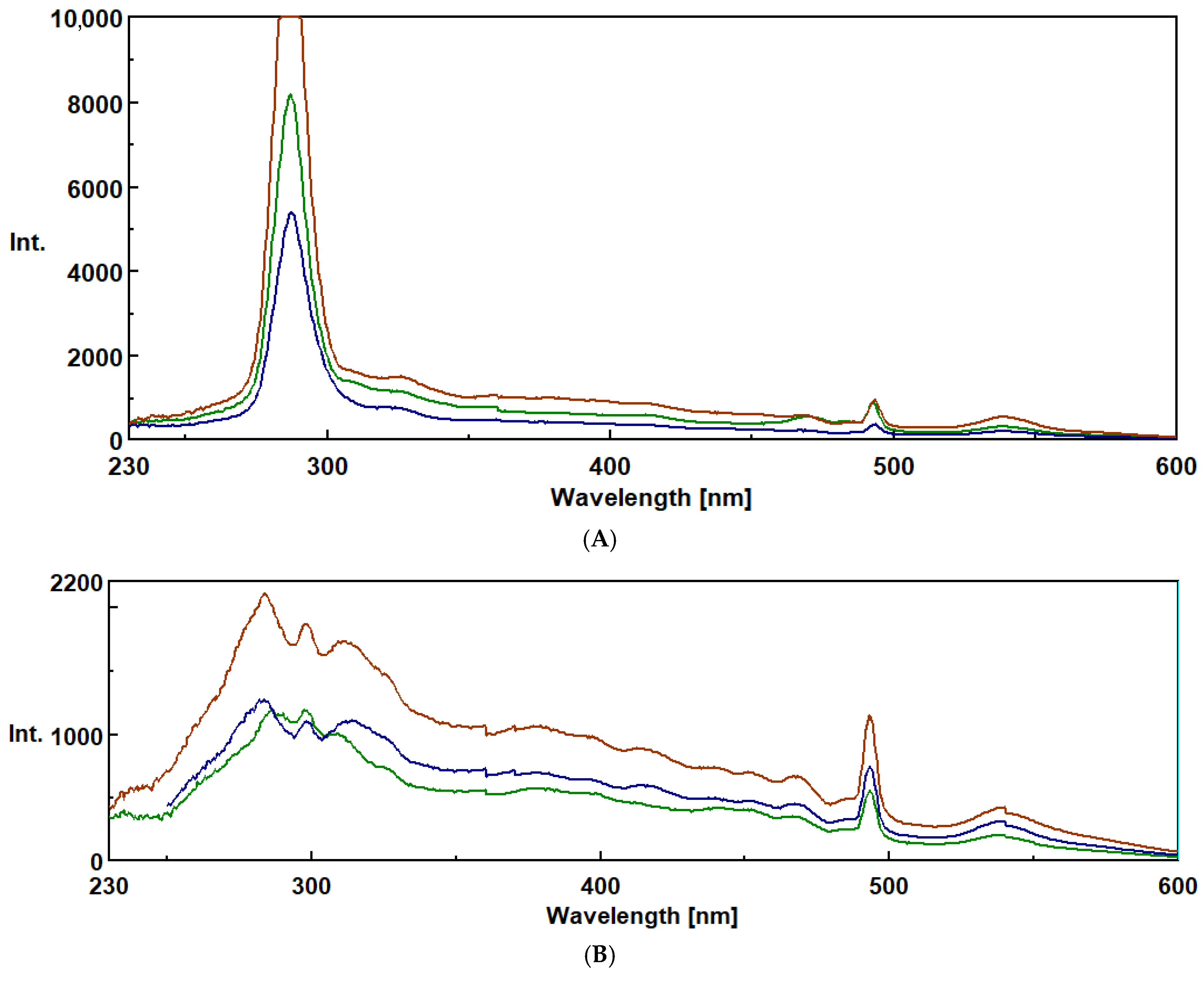
To the author’s knowledge, there is only one report in the literature on intrinsic fluorescence spectroscopy of mushroom β-D-glucans which described very briefly some properties of these biological macromolecules [20]. Therefore, synchronous fluorescence spectroscopy (SFS) of commercial barley and Euglena gracilis β-D-glucans was investigated in a spectrofluorometer with a Δλ of 10 nm at high sensitivity and different amounts of both β-D-glucans exhibiting two fluorescence peaks at 492 and 542 nm (Figure 1). The emission peaks in the region of 280–320 nm may be due to the presence of a protein moiety containing aromatic amino acids such as tyrosine and tryptophan residues. On the other hand, both fluorescence peaks at 492 and 540 nm may be attributed to β-D-glucans since previous reports on aniline blue and curcumin binding on β-D-glucans exhibited emission fluorescence peaks at 502 and 550 nm, respectively [17,18].
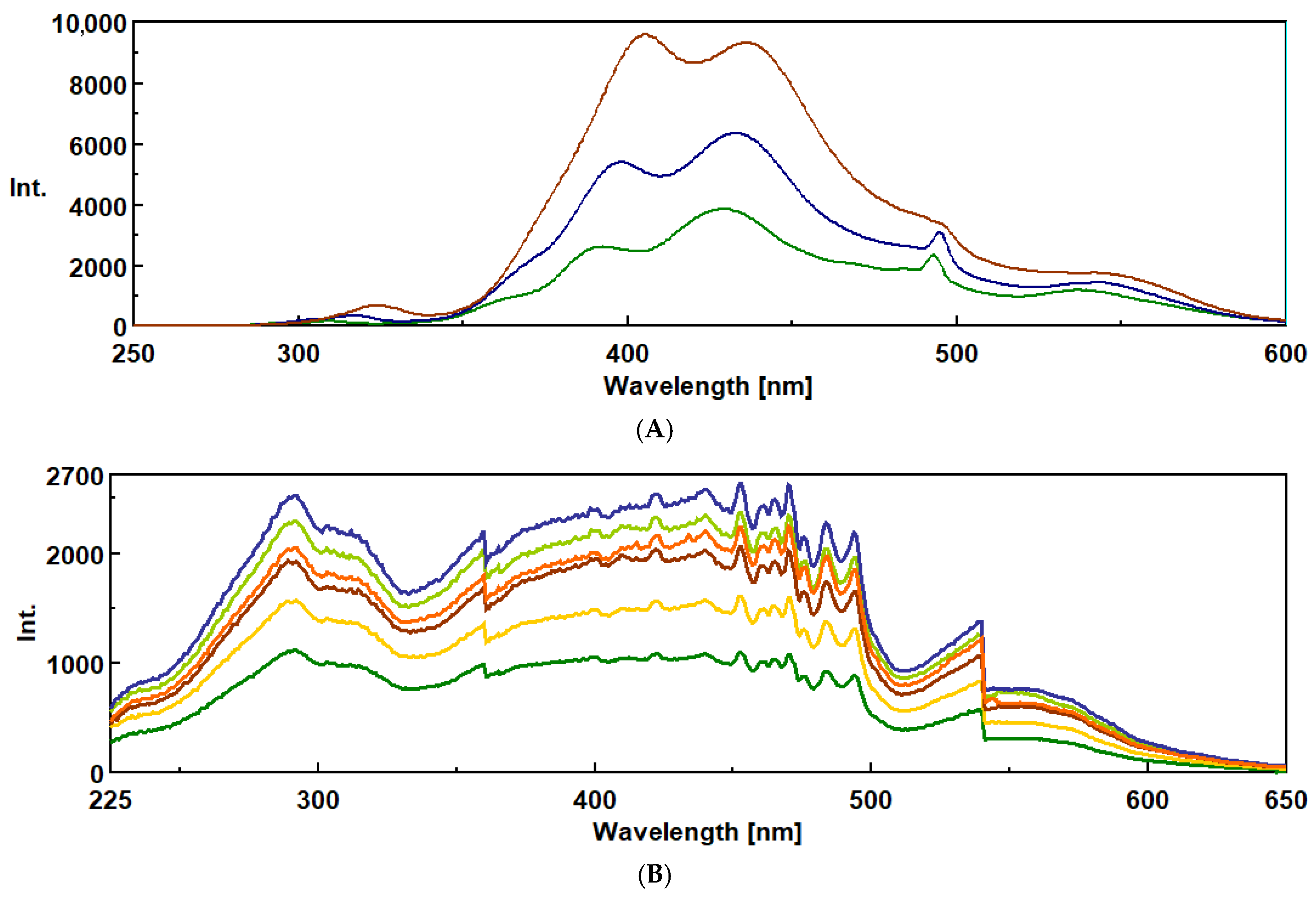
SFS involved simultaneous scans of both the excitation and emission wavelengths of a sample at a constant wavelength difference (Δλ) to produce a simple spectrum. It exhibits sharper and narrower spectra, and it has several advantages over conventional fluorescence spectroscopy such as eliminating light scattering interference, amplifying the small spectral features, enhancing selectivity and improving spectral resolution. The Δλ in SFS is an important parameter to obtain the best resolution, sensitivity and spectral shape for a specific analyte. Therefore, Figure 2A exhibits several synchronous fluorescence spectra at increasing Δλ for Auricularia auricula which revealed an increase in fluorescence intensity at 492 and 542 nm as well as some emission peaks in the region of 280–320 nm, which may be due to the presence of a protein moiety containing aromatic amino acids (Figure 2A,B). The emission peaks in the range of 375–425 nm may be attributed to Maillard compounds which are produced by the Maillard reaction occurring between reducing sugars and amino groups of amino acids during heat treatment [21].
The assay development for β-D-glucans involved the setup of the calibration curve with different concentrations of β-D-glucans from commercial Euglena gracilis, which exhibited an increase in fluorescence intensity at 492 and 542 nm as well as some emission peaks in the region of 280–320 nm (Figure 2B,C).
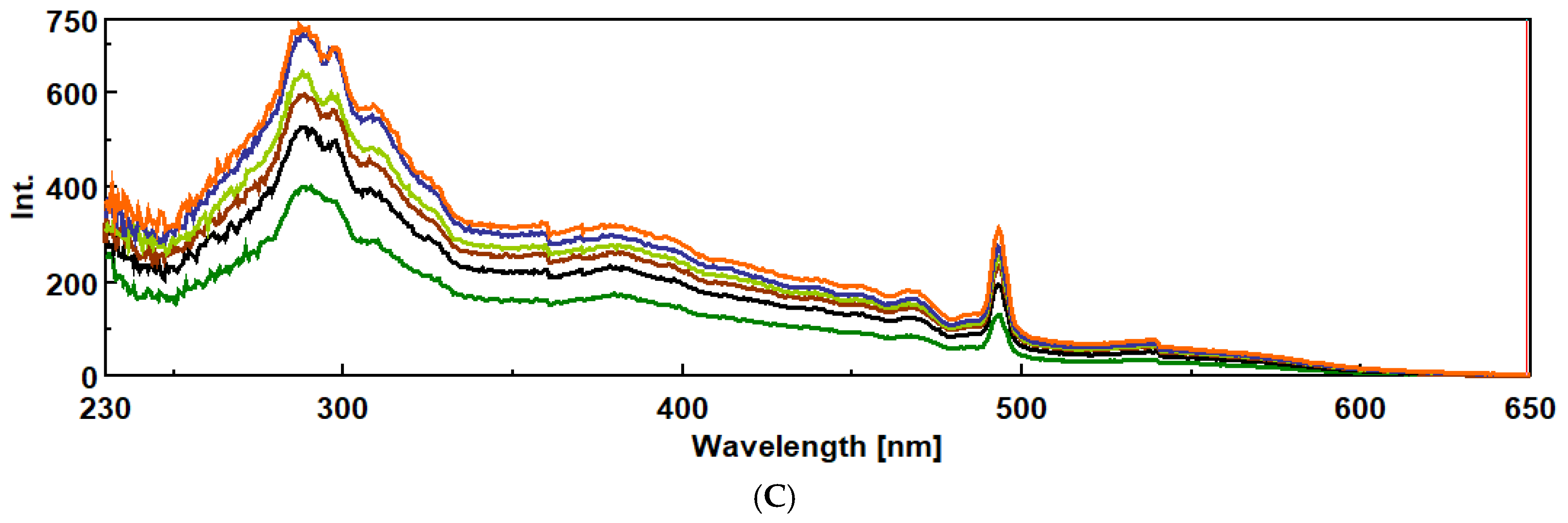
The data in Figure 3A revealed the calibration curve for β-D-glucans from commercial Euglena gracilis by SFS with Δλ of 5 nm and medium sensitivity at 492 nm.
β-D-glucans from mushroom strains were also analyzed by SFS with high sensitivity and Δλ of 10 nm, exhibiting two peaks at 492 and 542 nm as well as several emission peaks in the region of 375–475 nm, as shown in Figure 3B. These emission peaks in the range of 375–475 nm may be due to Maillard compounds, which are produced by the Maillard reaction [21].
In order to investigate the selectivity of SFS for mushroom β-D-glucans, other commercial sources of β-D-glucans were analyzed by this analytical technique such as barley, laminarin and pullulan (Figure 3C), which revealed very low fluorescence levels at 492 and 542 nm for laminarin and pullulan.
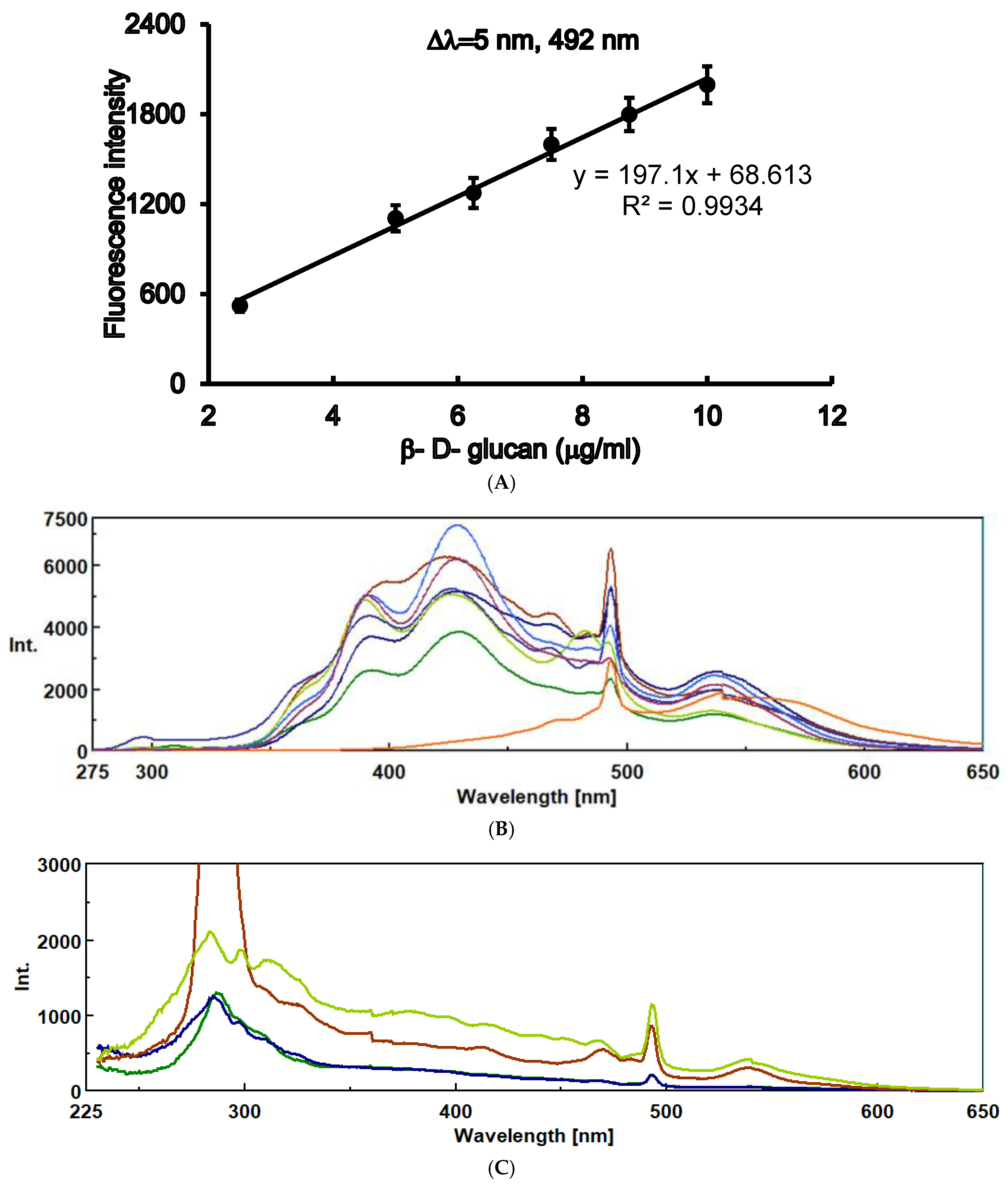
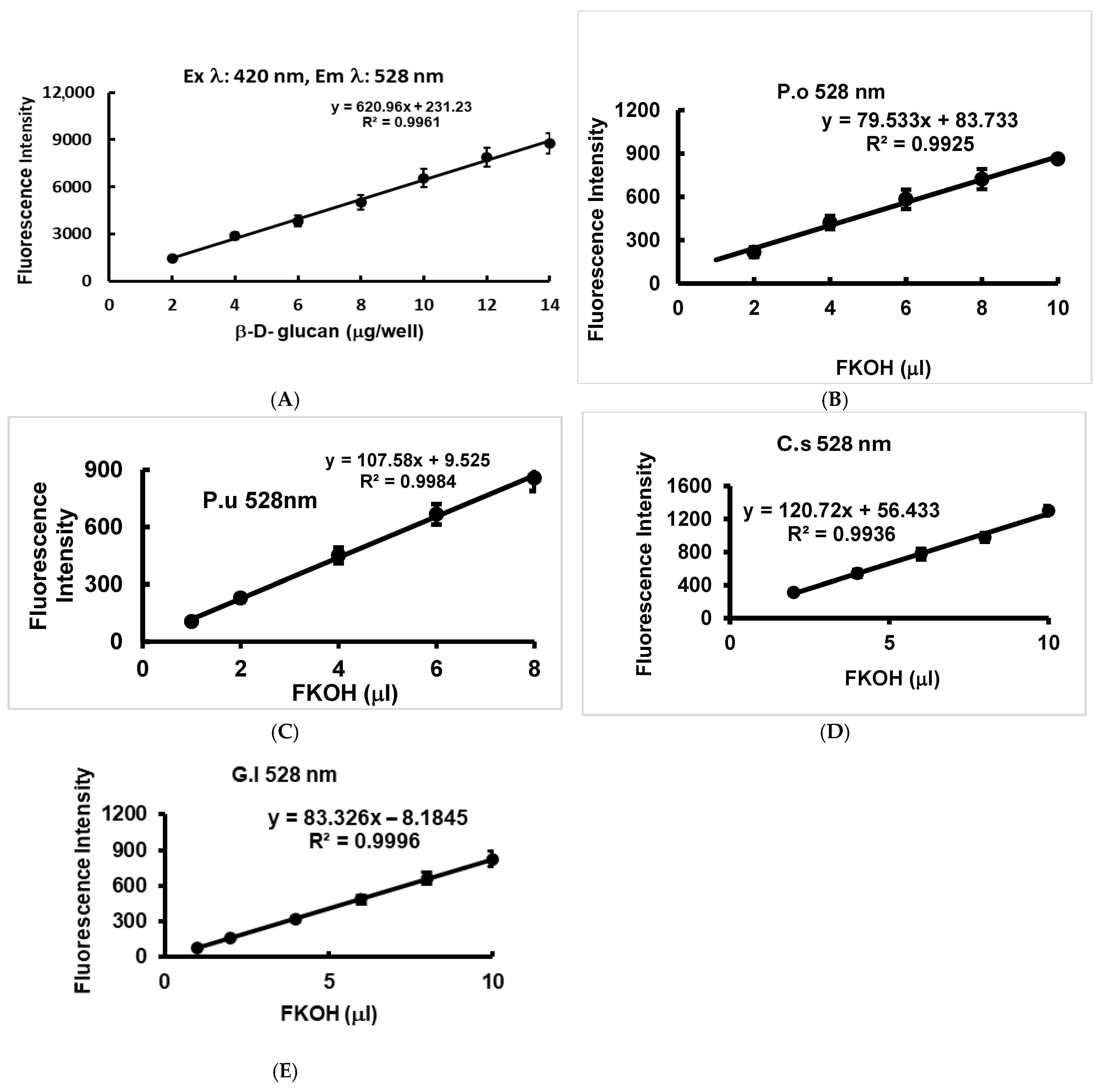
The setup of the high-throughput fluorescence assay method involved the use of a microtiter plate fluorescence reader, which was used with a excitation λ of 420 nm and emission λ of 528 nm with a gain of 2200. The data in Figure 4A exhibited a calibration curve for commercial β-D-glucans from Euglena gracilis. The emission peak at 528 nm is apparently in agreement with the reports on aniline blue binding to β-D-glucans, which exhibited emission fluorescence peak at 502 nm [17].

3.2. Method Validation

This assay method was validated in agreement with ICH recommendations [22] about validation studies which included linearity and range, precision, accuracy, limits of detection (LOD) and quantitation (LOQ), and selectivity. Therefore, this assay method exhibited good linearity (r2 > 0.996) in the range of 0–14 μg/per well in microtiter plates; both LOD and LOQ were calculated from 3.3 × (SE/b), and 10 × (SE/b), respectively, where SE is the standard error and b is the slope of the calibration curves. Therefore, the parameters for the β-D- glucan assay were emission λ of 528 nm, excitation λ of 420 nm, gain 2200, linearity range of 0–14 μg/well, intercept (a) of 231.23, slope (b) of 620.96, correlation coefficient (r2) of 0.9961, % RSD of 0.857, LOD of 0.973 μg/well, LOQ of 2.919 μg/well and p-value of 3.16 × 10⁻⁷.
This assay method was also analyzed on precision and accuracy which were carried out as intra-day measurements through the testing of two different concentrations (i.e., 5 and 10 μg) of β-D-glucans from Euglena gracilis. The values of % RSD were calculated to measure the precision which were 0.845 and 0.984, respectively. Regarding the accuracy, the mean % recovery was determined for each concentration (three replicates) which were 98.3 and 99.1%, respectively.
This assay method was used to measure the fluorescence intensity as a function of volume of FKOH extract of several mushroom strains which exhibited a linear relationship for assay of β-D-glucans for Pleurotus ostreatus, Polyporus umbellatus, Cordyceps sinensis and Ganoderma lucidium (Figure 4B–E).
However, it is important to point out that emission fluorescence was also measured at 480, 542 and 550 nm in a microplate fluorescence reader for these mushroom samples and commercial β-D-glucans. These data are apparently in agreement with the data reported on aniline blue and curcumin binding to β-D-glucans which exhibited emission fluorescence peaks at 502 and 550 nm, respectively [17,18]. The comparative analysis of this fluorescence assay method was investigated by using the Congo red assay method for several mushroom β-D-glucans as shown in Table 1. These data revealed that the concentration of β-D-glucans in these mushroom strains was very similar (i.e., ±10%) for both assay methods (Table 1).
As far as intrinsic SFS for β-D-glucans is concerned, there is only one report in the literature which briefly described some fluorescence properties of these biological macromolecules [20]. However, this analytical technique has been reported to assay for several substances such as pharmaceutical products (i.e., leonurine) and metabolites in biological fluids [23,24]. In fact, SFS has been successfully used to assay for leonurine in traditional Chinese medicine, which was validated according to ICH guidelines [22] and involved selectivity, precision, accuracy and limits of detection (LOD) and quantitation (LOQ) [23].

3.3. Intrinsic Synchronous Phosphorescence Spectroscopy (SPS)

Regarding SPS, it involves the delayed and often long-lasting emission of light from a phosphorescent material that takes place after it has been excited by a light source. The main difference between fluorescence and phosphorescence is due to the fact that the former is a fast, active measurement technique, whereas synchronous phosphorescence describes a property of slow-decaying light emission.
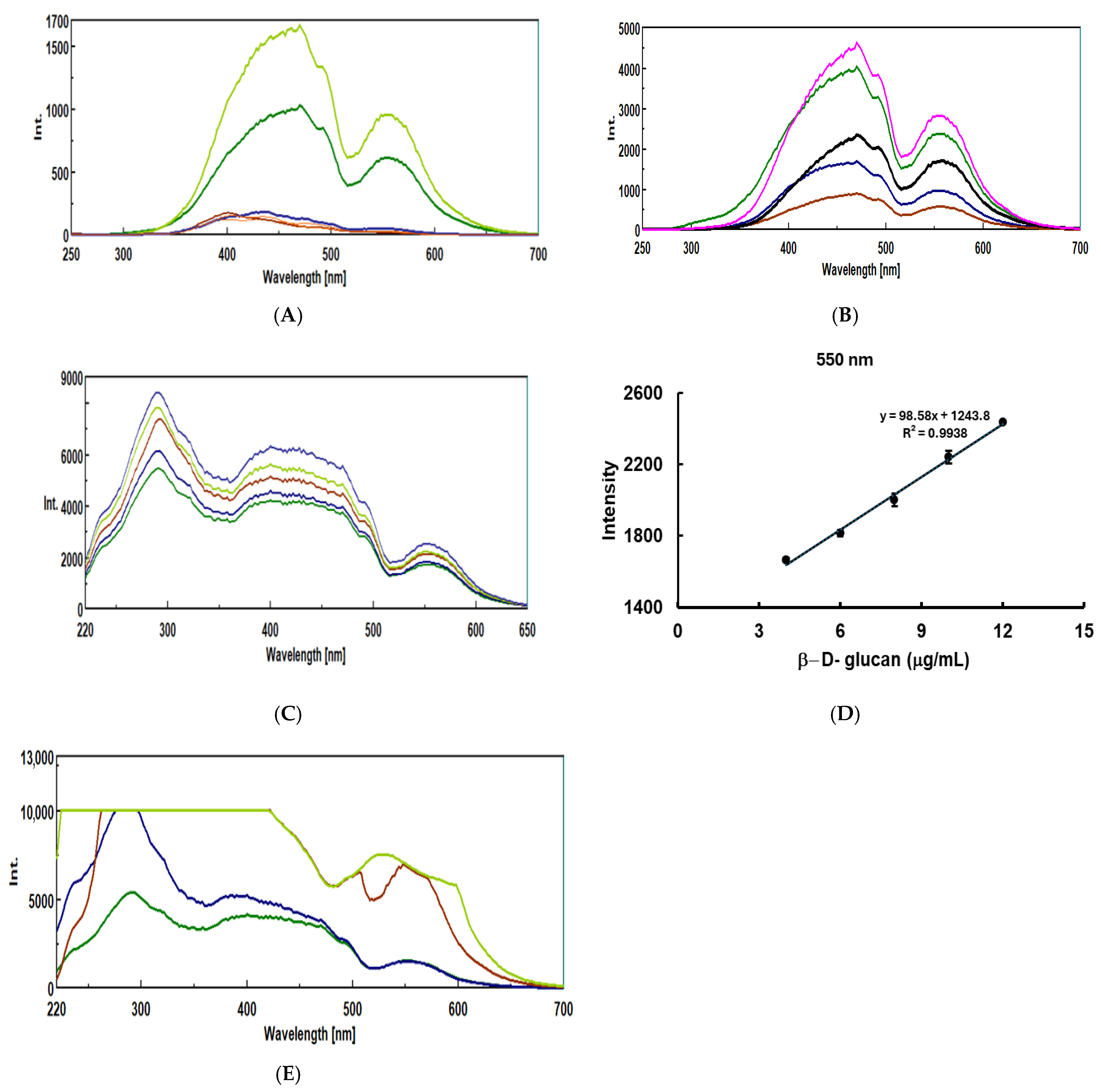
The Δλ in SPS is an important parameter to obtain the best resolution, sensitivity and spectral shape for a specific analyte. Therefore, the data in Figure 5A exhibited several SPF spectra at increasing Δλ for Ganoderma lucidium and Pleurotus ostreatus, which revealed a decrease in fluorescence intensity at 475 and 550 nm. β-D-glucans from several mushroom strains were also analyzed by SPS with very low sensitivity and Δλ of 10 nm, exhibiting two peaks at 475 and 550 nm as shown in Figure 5B. The assay development for β-D-glucans by SPS involved the set-up of the calibration curve with different concentrations of β-D-glucans from commercial Euglena gracilis, which exhibited an increase in phosphorescence intensity at 290, 400 and 550 nm (Figure 5C). The emission peak at 280 nm may be due to the presence of a protein moiety containing aromatic amino acids, whereas the emission peaks at 400 and 550 nm are apparently in agreement with the data reported on curcumin binding to β-D-glucans as well as on Maillard compounds produced by the Maillard reaction [18,21] (Figure 5C).
The data in Figure 5D reveals the calibration curve for β-D-glucans from commercial Euglena gracilis by SPS with Δλ of 10 nm and low sensitivity at 550 nm. In order to investigate the selectivity of SPS for mushroom β-D-glucans, other commercial sources of β-D-glucans were analyzed by this analytical technique such as barley, laminarin and pullulan (Figure 5E), which revealed very low fluorescence levels at 400 and 550 nm for laminarin and pullulan.
There are several reports in the literature about the use of this analytical technique for clinical analyses and phosphorescent metalloporphyrins [25,26]. SPS can provide very useful information in analytical chemistry such as simplified spectra, enhanced sensitivity, microenvironment details, quantitative data and structural information of samples. It offers a faster, more selective and information-rich alternative to conventional fluorescence for complex samples by providing useful information on composition, structure and microenvironment. Therefore, it can be used for bioprocess monitoring, biomedical diagnostics, environmental analysis and food and beverage quality control.
As far as the assay method of β-D-glucans is concerned, both methods based on SFS and SPS have advantages over the reported methods in the literature, as they are cheap, fast, non-destructive, intrinsic and do not require exogenous fluorophores. The comparative analysis of SFS and SPS has revealed that SPS exhibited higher sensitivity to β-D-glucan concentration than SFS for both mushroom and commercial sources.

3.4. Intrinsic 3D Fluorescence Spectroscopy

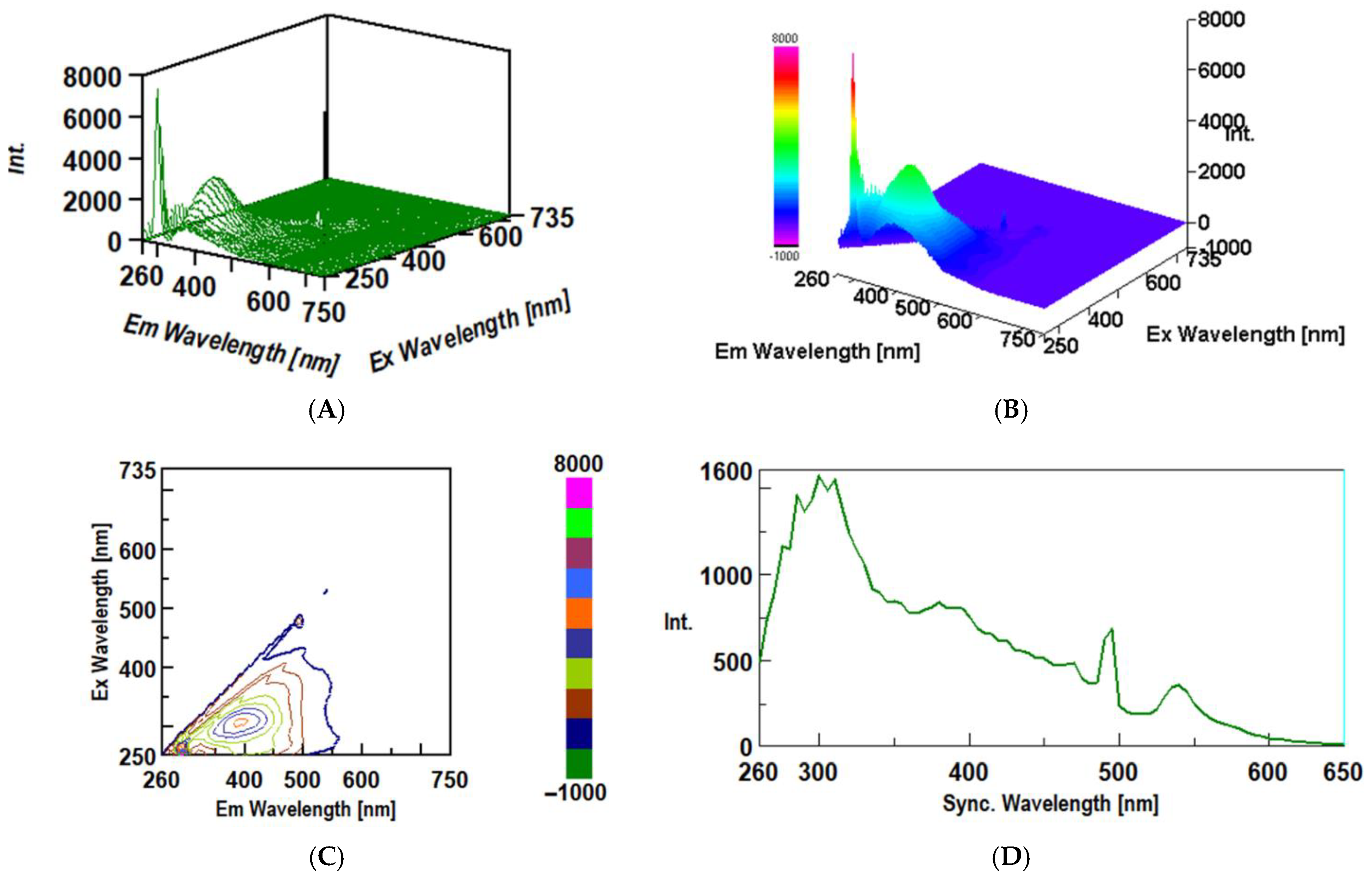
Three-dimensional fluorescence spectra are also emission–excitation matrices (EEM); therefore, by using excitation and emission monochromators successively, it is possible to obtain emission spectra for different excitations λ. Hence, a range of emission spectra at different excitations λ is obtained in this constant step, and EEM exhibited two dimensions: excitation λ and emission λ. Therefore, fluorescence matrices revealed a fluorescence map of all fluorophores present in a sample for their characterization. The data in Figure 6A–D reveals 3-D spectra in different formats for β-D-glucan from Euglena gracilis, as well as a synchronous 2D spectrum which exhibited fluorescence peaks at 492 and 540 nm and several emission peaks in the region of 280–320 nm, as shown in Figure 6D.
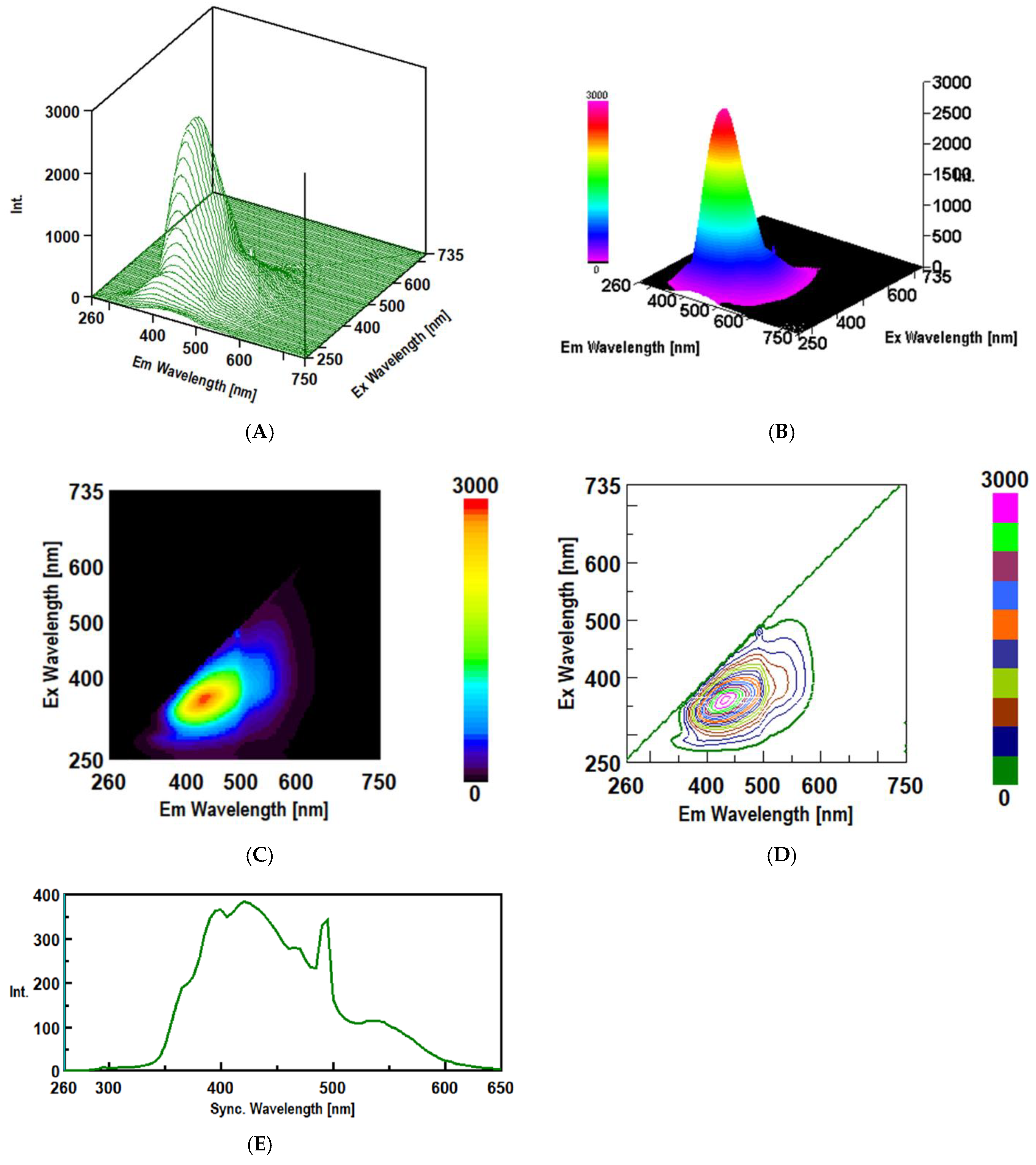
As far as β-D-glucan from basidiomycete mushroom strains are concerned, the data in Figure 7 revealed 3D spectra in several different format as well as a synchronous 2D spectrum from Cordyceps sinensis, which exhibited fluorescence peaks at 492 and 540 nm as well as several emission peaks in the region of 375–475 nm, as shown in Figure 7E. These data in the 3D spectra of β-D-glucan from mushroom strains as well as commercial β-D-glucan are in agreement with the data observed in SFS for β-D-glucans.
Although the data on the 3D spectra measurement for β-D-glucans have not been reported in the literature, this analytical technique of 3D spectra has been widely used in research areas such as smart agriculture, clinical diagnosis and food safety [27,28,29,30]. For instance, it can be used for quick diagnosis of early detection of glaucoma from tear fluid by using 3D synchronous fluorescence spectroscopy (3D-SFS) [28]. 3D-SFS can provide useful information on fluorophore identification, quantitative analysis, microenvironment and interactions, structural and conformational changes, and sample fingerprinting. Therefore, it can be used in environmental science, biochemistry and biophysics, food science and biomarker detection.

3.5. FTIR Analysis of β-D-Glucans

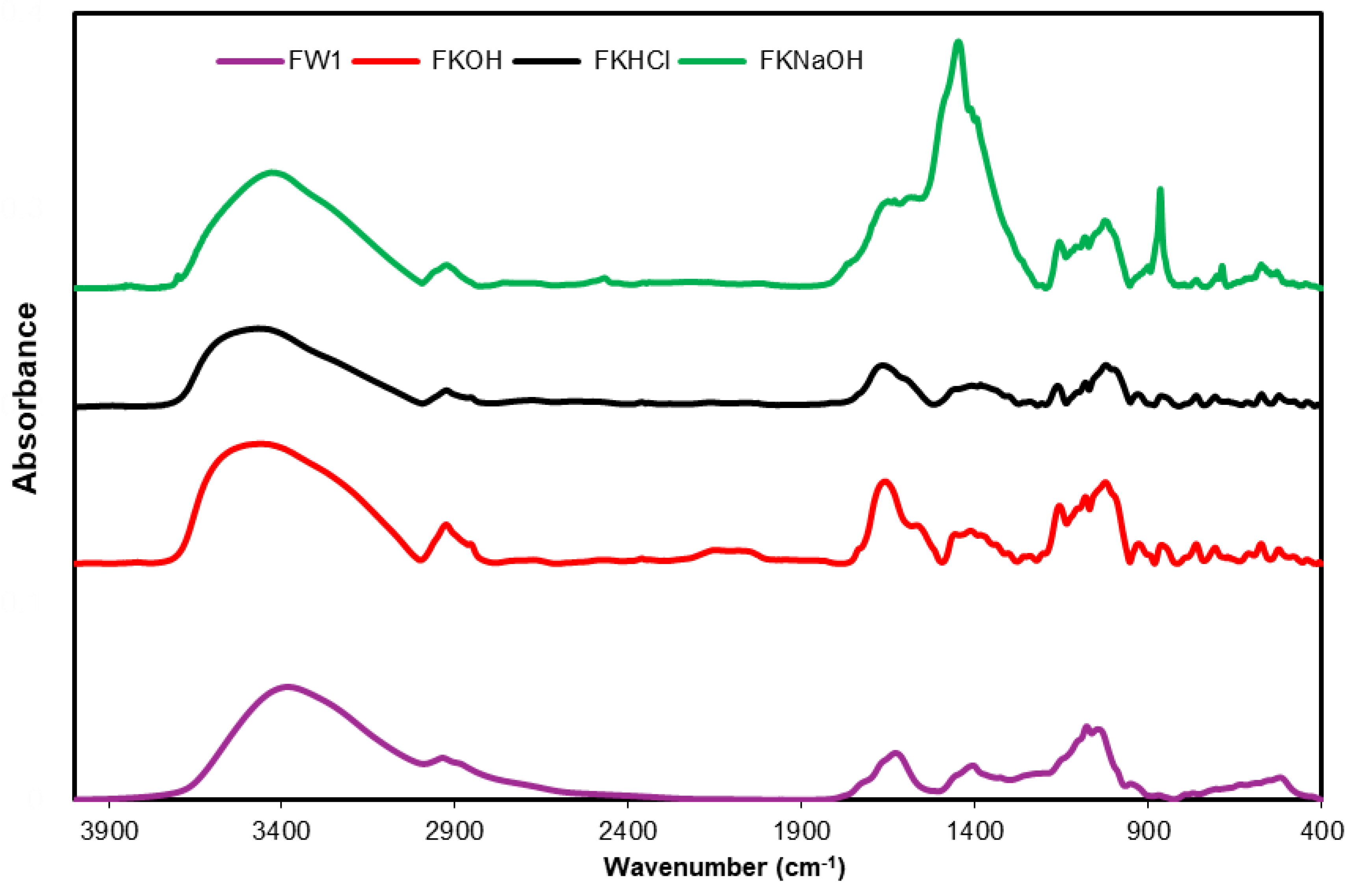
FTIR spectra of all fractions from Hericium erinaceus were analyzed by FTIR, which revealed typical absorption bands of β-D-glucan in the region of 950–1200 cm−1 (Figure 8).
The strong band at 3474 cm−1 is due to the stretching vibration of hydroxyl groups (O-H bond). This broad band centered near 3300 cm−1 is characteristic of carbohydrates. It has been described as a broad band at 3000–3500 cm−1, related to the O-H extension vibration in hydrogen bonds and the N-H vibration in the spectrum of Ganoderma appllanatum [31]. A band at 1638 cm−1 is observed corresponding to the stretching vibration of the C=O group of amides I, as well as a band at 1619 cm−1 of NH bond deformation and C-N extension of amide II, suggesting the presence of proteins. Additionally, several bands were observed at 2920 cm−1, 1153 cm−1 and 1028 cm−1, which are characteristics of β-(1-3) linkages [32].
The typical absorption bands of C-O-C deformation (1180 cm−1), the anomeric C vibration of carbohydrates (1080 cm−1) and the β conformation of carbohydrates (865 cm−1) are also observed, which suggest the presence of β-D-glucans in all fractions [7,31].

4. Conclusions

To the author’s knowledge, this is the first report about the detailed assay method of β-D-glucans from medicinal mushroom strains, which is based on SFS and SPS as well as the characterization of 3D spectra of β-D-glucans. Method validation for this assay was carried out according to ICH guidelines by obtaining a LOD of 0.973 μg/well. The data presented in this work revealed that both assay methods based on SFS and SPS exhibited advantages over published methods in the literature, as they are cheap, fast, non-destructive, intrinsic and do not require exogenous fluorophores. The comparative analysis of SFS and SPS strongly suggests that SPS exhibited higher fluorescence intensity for β-D-glucan levels than SFS for both mushroom and commercial sources. For complex sample matrices of β-D-glucan, SPS and 3D-SFS would provide very useful information compared to SFS in terms of fluorophore identification, simplified spectra, enhanced sensitivity, quantitative analysis, microenvironment and interactions, structural information, conformational changes and sample fingerprinting.
The data presented in this work is novel since a detailed SFS, SPS and 3D-SFS study was carried out to obtain useful structural, qualitative and quantitative information of β-D-glucans from commercial and mushroom sources. The limitation of this study lies in the need for further investigation of fluorescence properties of β-D-glucans and other polysaccharides from other sources in terms of selectivity and specificity. Moreover, fluorescence, phosphorescence and time-resolved fluorescence techniques must be used to fully characterize β-D-glucans from several sources in conjunction with chemometric approach. However, the full structural characterization of purified β-D-glucans should be complemented by using NMR, FTIR and fluorescence spectroscopy as well as by HPLC, GC-MS and ELISA combined with a chemometric approach.

Funding

This work was supported by European Investment Funds by FEDER/COMPETE/POCI—Operacional Competitiveness and Internationalization Programme, under Project POCI-01-0145-FEDER-006958 and National Funds by FCT—Portuguese Foundation for Science and Technology, under the projects UID/AGR/04033/2013, PTDC/AGR-AAM/74526/2006, PEst-OE/EQB/UI0702/2012–2014 and UID/AGR/04033/2019.

Data Availability Statement

The original contributions presented in this study are included in the article. Further inquiries can be directed to the corresponding author.

Conflicts of Interest

There are no conflict of interest.

Abbreviations

BRMBiological response modifiers
Cordyceps sinensisC.s.
3D-SFS3D synchronous fluorescence spectroscopy
EBGExtracellular β-D-glucans
ELISAEnzyme-linked immunosorbent assay
Ganoderma lucidiumG.l.
IBGIntracellular β-D-glucans
PDAPotato dextrose agar
Pleurotus ostreatusP.o.
Polyporus umbellatusP.u.
SFSSynchronous Fluorescence Spectroscopy
SPSSynchronous Phosphorescence Spectroscopy

References

  1. Lysakova, V.; Streletskiy, A.; Sineva, O.; Isakova, E.; Krasnopolskaya, L. Screening of Basidiomycete Strains Capable of Synthesizing Antibacterial and Antifungal Metabolites. Int. J. Mol. Sci. 2025, 26, 9802. [Google Scholar] [CrossRef]
  2. Bhambri, A.; Srivastava, M.; Mahale, V.G.; Mahale, S.; Karn, S.K. Mushrooms as Potential Sources of Active Metabolites and Medicines. Front. Microbiol. 2022, 13, 837266. [Google Scholar] [CrossRef]
  3. Case, S.; O’Brien, T.; Ledwith, A.E.; Chen, S.; Horneck Johnston, C.J.H.; Hackett, E.E.; O’Sullivan, M.; Charles-Messance, H.; Dempsey, E.; Yadav, S.; et al. b-glucans from Agaricus bisporus mushroom products drive Trained Immunity. Front. Nutr. 2024, 11, 1346706. [Google Scholar] [CrossRef]
  4. Patel, D.K.; Dutta, S.D.; Ganguly, K.; Cho, S.-J.; Lim, K.-T. Mushroom-Derived Bioactive Molecules as Immunotherapeutic Agents: A Review. Molecules 2021, 26, 1359. [Google Scholar] [CrossRef]
  5. Lindequist, U.; Niedermeyer, T.H.; Jülich, W.-D. The Pharmacological Potential of Mushrooms. Evid.-Based Complement. Altern. Med. 2005, 2, 285–299. [Google Scholar] [CrossRef]
  6. Han, B.; Baruah, K.; Cox, E.; Vanrompay, D.; Bossier, P. Structure-Functional Activity Relationship of β-Glucans From the Perspective of Immunomodulation: A Mini-Review. Front. Immunol. 2020, 11, 658. [Google Scholar] [CrossRef] [PubMed]
  7. Wang, W.; Tan, J.; Nima, L.; Sang, Y.; Cai, X.; Xue, H. Polysaccharides from fungi: A review on their extraction, purification, structural features, and biological activities. Food Chem. X 2022, 15, 100414. [Google Scholar] [CrossRef]
  8. Chugh, R.M.; Mittal, P.; MP, N.; Arora, T.; Bhattacharya, T.; Chopra, H.; Cavalu, S.; Gautam, R.K. Fungal Mushrooms: A Natural Compound with Therapeutic Applications. Front. Pharmacol. 2022, 13, 925387. [Google Scholar] [CrossRef] [PubMed]
  9. Flores, G.A.; Cusumano, G.; Venanzoni, R.; Angelini, P. The Glucans Mushrooms: Molecules of Significant Biological and Medicinal Value. Polysaccharides 2024, 5, 212–224. [Google Scholar] [CrossRef]
  10. Arunachalam, K.; Sreeja, P.S.; Yang, X. The Antioxidant Properties of Mushroom Polysaccharides can Potentially Mitigate Oxidative Stress, Beta-Cell Dysfunction and Insulin Resistance. Front. Pharmocol. 2022, 13, 874474. [Google Scholar] [CrossRef] [PubMed]
  11. Moradali, M.-F.; Mostafavi, H.; Ghods, S.; Hedjaroude, G.-A. Immunomodulating and anticancer agents in the realm of macromycetes fungi (macrofungi). Int. Immunopharmacol. 2007, 7, 701–724. [Google Scholar] [CrossRef]
  12. Murphy, E.J.; Rezoagli, E.; Major, I.; Rowan, N.; Laffey, J.G. β-Glucans. Encyclopedia 2021, 1, 831–847. [Google Scholar] [CrossRef]
  13. Synytsya, A.; Novak, M. Structural analysis of glucans. Ann. Transl. Med. 2014, 2, 17. [Google Scholar] [CrossRef]
  14. Semedo, M.C.; Karmali, A.; Fonseca, L. A high throughput colorimetric assay of β-1,3-D-glucans by Congo red dye. J. Microbiol. Meth. 2015, 109, 140–148. [Google Scholar] [CrossRef]
  15. Masuko, T.; Minami, A.; Iwasaki, N.; Majima, T.; Nishimura, S.-I.; Lee, Y.C. Carbohydrate analysis by a phenol–sulfuric acid method in microplate format. Anal. Biochem. 2005, 339, 69–72. [Google Scholar] [CrossRef]
  16. Semedo, M.C.; Karmali, A.; Fonseca, L. A novel colorimetric assay of β-D-glucans in basidiomycete strains by alcian blue dye in a 96-well microtiter plate. Biotechnol. Prog. 2015, 31, 1526–1535. [Google Scholar] [CrossRef] [PubMed]
  17. Ko, Y.-T.; Lin, Y.-L. 1,3-â-Glucan Quantification by a Fluorescence Micro assay and Analysis of Its Distribution in Foods. J. Agric. Food Chem. 2004, 52, 3313–3318. [Google Scholar] [CrossRef]
  18. Theint, P.P.; Sakkayawong, N.; Buajarern, S.; Singkhonrat, J. Development of an analytical fluorescence method for quantifying β-glucan content from mushroom extracts; utilizing curcumin as a green chemical fluorophore. J. Food Compos. Anal. 2025, 137, 106896. [Google Scholar] [CrossRef]
  19. Mizono, M.; Minato, K.-I.; Tsuchida, H. Preparation and specificity of antibodies to an anti-tumor β-glucan, lentinan. Biochem. Mol. Biol. Int. 1996, 39, 679–685. [Google Scholar] [CrossRef] [PubMed]
  20. Marques, L.; Karmali, A. Experimental Planning for Production of β-D-Glucan: Purification and Fluorescence Properties from Basidiomycete Strains. Separations 2025, 12, 336. [Google Scholar] [CrossRef]
  21. Freire, P.; Zamora, A.; Castillo, M. Synchronous Front-Face Fluorescence Spectra: A Review of Milk Fluorophores. Foods 2024, 13, 812. [Google Scholar] [CrossRef]
  22. Chrome-Extension. Available online: https://database.ich.org/sites/default/files/Q2%28R1%29%20Guideline.pdf (accessed on 1 December 2025).
  23. Sun, W.; Wang, L.; Zhang, X.; Liu, M.; Liu, P.; Xu, P.; Qu, Y. A synchronous-fluorescence analysis method combing with simple one-step extraction for determination of leonurine in traditional Chinese medicine. Anal. Methods 2024, 16, 6708–6714. [Google Scholar] [CrossRef]
  24. Magdy, G.; Belal, F.; El-Deen, A.K. Green synchronous spectrofluorimetric method for the simultaneous determination of agomelatine and venlafaxine in human plasma at part per billion levels. Sci. Rep. 2022, 12, 22559. [Google Scholar] [CrossRef]
  25. Schulman, J.M.; Schulman, S.G. Phosphorescence, Fluorescence, and Chemiluminescence in Clinical Chemistry; John Wiley & Sons: Hoboken, NJ, USA, 2006. [Google Scholar] [CrossRef]
  26. Papkovsky, D.B.; O’Riordan, T.C. Emerging Applications of Phosphorescent Metalloporphyrin. J. Fluoresc. 2005, 15, 569–584. [Google Scholar] [CrossRef] [PubMed]
  27. Cheng, P.; Wang, S.; Zhu, Y.; Cui, C.; Pan, J. Application of Three-Dimensional Fluorescence Spectroscopy in Smart Agriculture—Detection of Oil Pollutants in Water. Int. J. Pattern Recognit. Artif. Intell. 2023, 37, 2355004. [Google Scholar] [CrossRef]
  28. Dubayová, K.; Krajčíková, K.; Mareková, M.; Tomečková, V. Derivative Three-Dimensional Synchronous Fluorescence Analysis of Tear Fluid and Their Processing for the Diagnosis of Glaucoma. Sensors 2022, 22, 5534. [Google Scholar] [CrossRef]
  29. Shen, F.; Feng, X.; Li, Y.; Lin, X.; Cai, F. Compact three-dimensional fluorescence spectroscopy and its application in food safety. LWT- Food Sci. Technol. 2024, 202, 116324. [Google Scholar] [CrossRef]
  30. Tian, S.; Zhang, Y.; Wang, J.; Zhang, R.; Wu, W.; He, Y.; Wu, X.; Sun, W.; Li, D.; Xiao, Y.; et al. New 3-D Fluorescence Spectral Indices for Multiple Pigment Inversions of Plant Leaves via 3-D Fluorescence Spectra. Remote Sens. 2024, 16, 1885. [Google Scholar] [CrossRef]
  31. Kozarski, M.; Klaus, A.; Nikšić, M.; Vrvić, M.; Todorović, N.; Jakovljević, D.; Griensven, L. Antioxidative activities and chemical characterization of polysaccharide extracts from the widely used mushrooms Ganoderma applanatum, Ganoderma lucidum, Lentinus edodes and Trametes versicolor. J. Food Compos. Anal. 2012, 26, 144–153. [Google Scholar] [CrossRef]
  32. Suraiya, S.; Jang, W.J.; Haq, M.; Kong, I.-S. Isolation and Characterization of β-Glucan Containing Polysaccharides from Monascus spp. Using Saccharina japonica as Submerged Fermented Substrate. Polysaccharides 2024, 5, 435–449. [Google Scholar] [CrossRef]
Figure 1. Synchronous fluorescence spectra of commercial barley β-D-glucan with high sensitivity and Δλ of 10 nm as follows: (A) ___ 0.25 mg; ___ 0.5 mg and ___ 1.0 mg; (B) β-D-glucan from Euglena gracilis: ___ 0.5 mg; ___ 0.35 mg and ___ 0.7 mg.
Processes 14 00442 g001
Figure 2. Synchronous fluorescence spectra of β-D-glucan as follows: (A) High sensitivity and variation in Δλ for Auricularia auricula ___ 10 nm, ___ 20 nm and ___ 30 nm. (B) Different concentrations of commercial β-D-glucan from Euglena gracilis with medium sensitivity and Δλ of 5 nm as follows: ___ 12.0 μg, ___ 10.0 μg, ___ 8.0 μg, ___ 6.0 μg, ___ 4.0 μg and ___ 2.0 μg. (C) Different concentrations of commercial β-D-glucan from Euglena gracilis with high sensitivity and Δλ of 10 nm as follows: ___ 12.0 μg, ___ 10.0 μg, ___ 8.0 μg, ___ 6.0 μg, ___ 4.0 μg and ___ 2.0 μg.
Processes 14 00442 g002aProcesses 14 00442 g002b
Figure 3. Synchronous fluorescence spectroscopy of β-D-glucan. (A) Calibration curve for β-D-glucan from commercial β-D-glucan from Euglena gracilis with medium sensitivity and Δλ of 5 nm. (B) Fluorescence spectra of medicinal mushroom β-D-glucans with high sensitivity and Δλ of 10 nm as follows: ___ Poria coccus, ___ Auricularia auricula, ___ Ganoderma lucidium, ___ Pleurotus ostreatus, ___ Cordyceps sinensis, ___ Agaricus blazei, ___ Polyporus umbellatus, ___ Inonotus oblique. (C) Fluorescence spectra of several commercial sources of β-D-glucan with high sensitivity and Δλ of 10 nm as follows: ___ 0.5 mg barley; ___ 1 mg laminarin; ___ 1 mg pullulan and ___ 0.7 mg Euglena gracilis.
Processes 14 00442 g003
Figure 4. Fluorescence spectroscopy of β-D-glucan by microtiter plate fluorescence reader. (A) Calibration curve for β-D-glucan from commercial β-D-glucan from Euglena gracilis with gain of 2200 with excitation and emission of 420 and 528 nm, respectively, in microtiter plate fluorescence reader. (BE) FKOH fraction of several mushroom strains was analyzed in a microtiter plate fluorescence reader with a gain of 2200 with excitation λ and emission λ of 420 and 528 nm, respectively. The final volume was 100 μL per well which was completed with H2O. (B) Pleurotus ostreatus (P.o); (C) Polyporus umbellatus (P.u); (D) Cordyceps sinensis (C.s); (E) Ganoderma lucidium (G.l).
Processes 14 00442 g004
Figure 5. Synchronous phosphorescence spectra of medicinal mushroom β-D-glucans. (A) Very low sensitivity and variation in Δλ as follows: ___ Ganoderma lucidium 10 nm; ___ Ganoderma lucidium 20 nm; ___ Ganoderma lucidium 30 nm; ___ Pleurotus ostreatus 10 nm; ___ Pleurotus ostreatus 20 nm; ___ Pleurotus ostreatus 30 nm. (B) Very low sensitivity and Δλ of 10 nm as follows: ___ Inonotus obliquee; ___ Pleurotus ostreatus; ___ Auricularia auricula; ___ Agaricus blazei; ___ Cordyceps sinensis. (C) Different concentrations of commercial Euglena gracilis β-D-glucans with low sensitivity and Dl of 10 nm : ___ 4.0 mg; ___ 6.0 mg; ___ 8.0 mg; ___ 10.0 mg and ___ 12.0 mg. (D) Calibration curve of different concentrations of commercial β-D-glucan from Euglena gracilis with low sensitivity and Dl of 10 nm by SPS at 550 nm. (E) Low sensitivity and Δλ of 10 nm as follows (1 mg): ___ laminarin; ___ pullulan; ___ Euglena gracilis; ___ barley.
Processes 14 00442 g005
Figure 6. (A) Three-dimensional spectrum of β-D-glucan from Euglena gracilis (1 mg) with high sensitivity and 10 nm of Δλ. (B) Color 3D view of β-D-glucan from Euglena gracilis (1 mg) with high sensitivity and 10 nm of Δλ. (C) Contour view of β-D-glucan from Euglena gracilis (1 mg) with high sensitivity and 10 nm of Δλ. (D) Synchronous 2D spectrum of β-D-glucan from Euglena gracilis (1 mg) with high sensitivity and 10 nm of Δλ.
Processes 14 00442 g006
Figure 7. (A) Three-dimensional spectrum of β-D-glucan from Cordyceps sinensis with high sensitivity and 10 nm of Δλ. (B) Color 3D view of β-D-glucan from Cordyceps sinensis with high sensitivity and 10 nm of Δλ. (C) Color view of spectrum of β-D-glucan from Cordyceps sinensis with high sensitivity and 10 nm of Δλ. (D) Contour view of β-D-glucan from Cordyceps sinensis with high sensitivity and 10 nm of Δλ. (E) Synchronous 2D spectrum of β-D-glucan from Cordyceps sinensis with high sensitivity and 10 nm of Δλ.
Processes 14 00442 g007
Figure 8. FTIR spectra of several fractions of Hericium erinaceus.
Processes 14 00442 g008
Table 1. β-D-glucan levels using Congo red dye and fluorescence assay methods.
Mushroom StrainsCongo Red DyeFluorescence Assay
μg/mLμg/mL
Lentinula edodes153.25 ± 10.27 *165.25 ± 9.03 *
Inonotus obliquee26.98 ± 1.25 **24.13 ± 1.05 *
Coriolus versicolor169.60 ± 10.71 **182.76 ± 12.35 *
Agaricus blazei166.45 ± 8.97 ***152.87 ± 9.23 *
Ganoderma applanatum29.61 ± 1.25 **27.04 ± 1.64 **
Ganoderma carnosum38.2 ± 1.98 *40.97 ± 1.68 *
Irpex lacteus16.79 ± 1.03 **18.12 ± 1.36 *
Phlebia rufa13.77 ± 1.03 *15.24 ± 0.98 **
Barley12.25 ± 0.85 **10.97 ± 0.72 *
Statistical analysis via one-way ANOVA: * p < 0.05, ** p < 0.01, *** p < 0.001.
Disclaimer/Publisher’s Note: The statements, opinions and data contained in all publications are solely those of the individual author(s) and contributor(s) and not of MDPI and/or the editor(s). MDPI and/or the editor(s) disclaim responsibility for any injury to people or property resulting from any ideas, methods, instructions or products referred to in the content.