
Article

Comprehensive Strategy for Effective Exploitation of Offshore Extra-Heavy Oilfields with Cyclic Steam Stimulation

1
Tianjin Branch of CNOOC Ltd., Tianjin 300459, China
2
CNOOC Key Laboratory of Offshore Heavy Oil Thermal Recovery, Tianjin 300459, China
3
School of Petroleum Engineering, China University of Petroleum (East China), Qingdao 266580, China
*
Author to whom correspondence should be addressed.
Processes 2026, 14(2), 359; https://doi.org/10.3390/pr14020359
Submission received: 23 November 2025 / Revised: 21 December 2025 / Accepted: 30 December 2025 / Published: 20 January 2026

Abstract

The N Oilfield is the first offshore extra-heavy oilfield developed using thermal recovery methods, adopting cyclic steam stimulation (CSS) and commissioned in 2022. The development of offshore heavy oil reservoirs is confronted with numerous technical and operational challenges. Key constraints include limited platform space, stringent economic thresholds for single-well production, and elevated operational risks, collectively contributing to significant uncertainties in project viability. For effective exploitation of the target oilfield, a comprehensive strategy was proposed, which consisted of effective artificial lifting, steam channeling and high water cut treatment. First, to achieve efficient artificial lifting of the extra-heavy oil, an integrated injection–production lifting technology using jet pump was designed and implemented. In addition, during the first steam injection cycle, challenges such as inter-well steam channeling, high water cut, and an excessive water recovery ratio were encountered. Subsequent analysis indicated that low-quality reservoir intervals were the dominant sources of unwanted water production and preferential steam channeling pathways. To address these problems, a suite of efficiency-enhancing technologies was established, including regional steam injection for channeling suppression, classification-based water shutoff and control, and production regime optimization. Given the significant variations in geological conditions and production dynamics among different types of high-water-cut wells, a single plugging agent system proved inadequate for their diverse requirements. Therefore, customized water control countermeasures were formulated for specific well types, and a suite of plugging agent systems with tailored properties was subsequently developed, including high-temperature-resistant N2 foam, high-temperature-degradable gel, and high-strength ultra-fine cement systems. To date, regional steam injection has been implemented in 10 well groups, water control measures have been applied to 12 wells, and production regimes optimization has been implemented in 5 wells. Up to the current production round, no steam channeling has been observed in the well groups after thermal treatment. Compared with the pre-measurement stage, the average water cut per well decreased by 10%. During the three-year production cycle, the average daily oil production per well increased by 10%, the cumulative oil increment of the oilfield reached 15,000 tons, and the total crude oil production exceeded 800,000 tons. This study provides practical technical insights for the large-scale and efficient development of extra-heavy oil reservoirs in the Bohai Oilfield and offers a valuable reference for similar reservoirs worldwide.

1. Introduction

The development of offshore extra-heavy oil has become a pivotal focus in the global energy sector. International benchmark projects, such as Canada’s Hibernia field and the Lula field in Brazil’s pre-salt Santos Basin, have driven technological advancements for the efficient recovery of extra-heavy oil in deepwater and complex environments, accumulating valuable experience for the industry [1,2]. Despite the progress in offshore extra-heavy oil development [3], multiple critical gaps remain to be addressed, which directly motivate the design of this study. First, the research on jet-pump for offshore heavy oil production is severely insufficient, existing jet-pump technologies are mostly designed for conventional oil and gas reservoirs, and their adaptability to high-viscosity and high-water-cut multiphase flow in offshore extra-heavy oil wells has not been systematically evaluated. Second, there is a lack of research on efficient injection-production technologies for offshore extra-heavy oil reservoirs, comprehensive control methods for inter-well steam channeling, and management strategies for high water cut. Current onshore steam channeling control techniques are difficult to apply to offshore platforms due to space constraints and environmental protection requirements, leading to low steam utilization efficiency (usually <30%) in offshore CSS operations. Third, field test effect analysis of plugging and profile control systems such as high-temperature enhanced nitrogen foam and inorganic gel is relatively scarce, which restricts the selection and optimization of effective steam channeling control materials for offshore heterogeneous reservoirs. These gaps are the core motivation for this study, which aims to optimize the multiphase jet-pump structure, develop targeted steam channeling control technologies, and verify the field applicability of high-temperature plugging systems for offshore extra-heavy oil reservoirs.
The N Oilfield is the first large-scale offshore thermal recovery project targeting thick extra-heavy oil reservoirs [4,5,6,7]. It is characterized by deep burial depth, extremely high crude oil viscosity, thick pay zones, and strong aquifer support. This reservoir is classified as an anticlinal massive ultra-heavy oil reservoir with irregular oil-water interfaces, exhibiting complex oil-water relationships including top water, bottom water, and edge water. The oil-bearing intervals are the Lower Minghuazhen Formation and Guantao Formation, with a burial depth ranging from 845 m to 1060 m. The reservoir lithology is dominated by gravel-bearing medium sandstones deposited in thick braided river facies. Owing to the development of low-permeability, high-water-cut poor-quality reservoir intervals, the average permeability ratio reaches 18, and the ratio of horizontal permeability to vertical permeability (Kh/Kv) is approximately 10. The target layers for oilfield development are the Lower Minghuazhen Formation and the Guantao Formation. The reservoir is a massive bottom-water system with an irregular oil–water contact, as shown in Figure 1. The burial depth of the Lower Minghuazhen Formation ranges from 845 to 930 m below sea level. The oil column thickness within the well pattern deployment area is 50–60 m. The average porosity is 34.4%, and the average permeability is 4181 mD. The crude-oil viscosity at 50 °C ranges from 33,595 to 39,099 mPa·s. The burial depth of the Guantao Formation ranges from 930 to 1060 m below sea level. The oil column thickness within the well pattern deployment area is 50–80 m. The average porosity is 32.9%, and the average permeability is 2908 mD. The ground crude oil viscosity at 50 °C ranges from 37,196 to 74,462 mPa·s. A total of 30 closely spaced horizontal wells have been deployed for steam stimulation, with a well spacing of 75 m. The average horizontal section length is 450 m, and the average true vertical depth of the wells is 1000 m. Due to reservoir heterogeneity, horizontal-well steam stimulation is prone to severe steam fingering, resulting in multiple gas- and water-channeling points that significantly degrade development performance and pose considerable challenges for remediation [8,9,10,11].
The N Oilfield began thermal production in April 2022. Over the past three years of high-efficiency development, comprehensive studies have been carried out on the mechanisms of steam/water channeling and on key technologies for enhancing recovery and operational efficiency. These efforts have led to the establishment of an offshore-specific thermal recovery technology system for extra-heavy oil, enabling cumulative oil production to exceed 800,000 tons.

2. Jet Pump-Based Integrated Injection-Production for Extra-Heavy Oil Lift

2.1. Design Strategy

Progressive cavity pumps exhibit poor adaptability to highly deviated wells, and the string wear in the deviated sections of wellbores significantly shortens their service life. Although gas lift technology has lifting potential, multiple technical challenges need to be addressed in practical applications, including gas source temperature control, wellbore operation safety assurance, and optimization of the high-temperature resistance performance of gas lift valves. Given that traditional artificial lift technologies all have unavoidable application limitations, Bohai Oilfield has introduced a dual-string injection-production process for offshore heavy oil thermal recovery development since 2008, with electric submersible pumps (ESPs) configured as the core lifting equipment, and this technology has been officially put into application, achieving remarkable field production performance.
In terms of injection–production operations, a two-trip string process has been primarily adopted, which involves running a dedicated injection string for thermal fluid delivery and a separate production string (with an electrical submersible pump, ESP) for fluid lifting. However, the application of ESPs in extra-heavy oil recovery faces three major challenges. First, the extremely high viscosity of extra-heavy oil, combined with the progressive drop in fluid temperature during the mid- to late-production stages, significantly reduces oil mobility, making efficient lifting by ESP difficult. Second, the dual-string structure significantly increases the cost of thermal recovery operations, and field statistical data indicate that workover operation costs account for more than 40% of the total offshore thermal recovery expenditure, which is based on internal calculations from offshore thermal recovery project cost accounting (workover string cost/total single-well thermal recovery cost). Third, during string replacement operations, introduce cold fluids into the reservoir, causing thermal damage and impairing overall thermal recovery efficiency. As the two-trip ESP-based process cannot satisfy the lifting requirements of Oilfield N, the development of a new artificial-lift method is essential for efficient exploitation of these extra-heavy oil reservoirs.
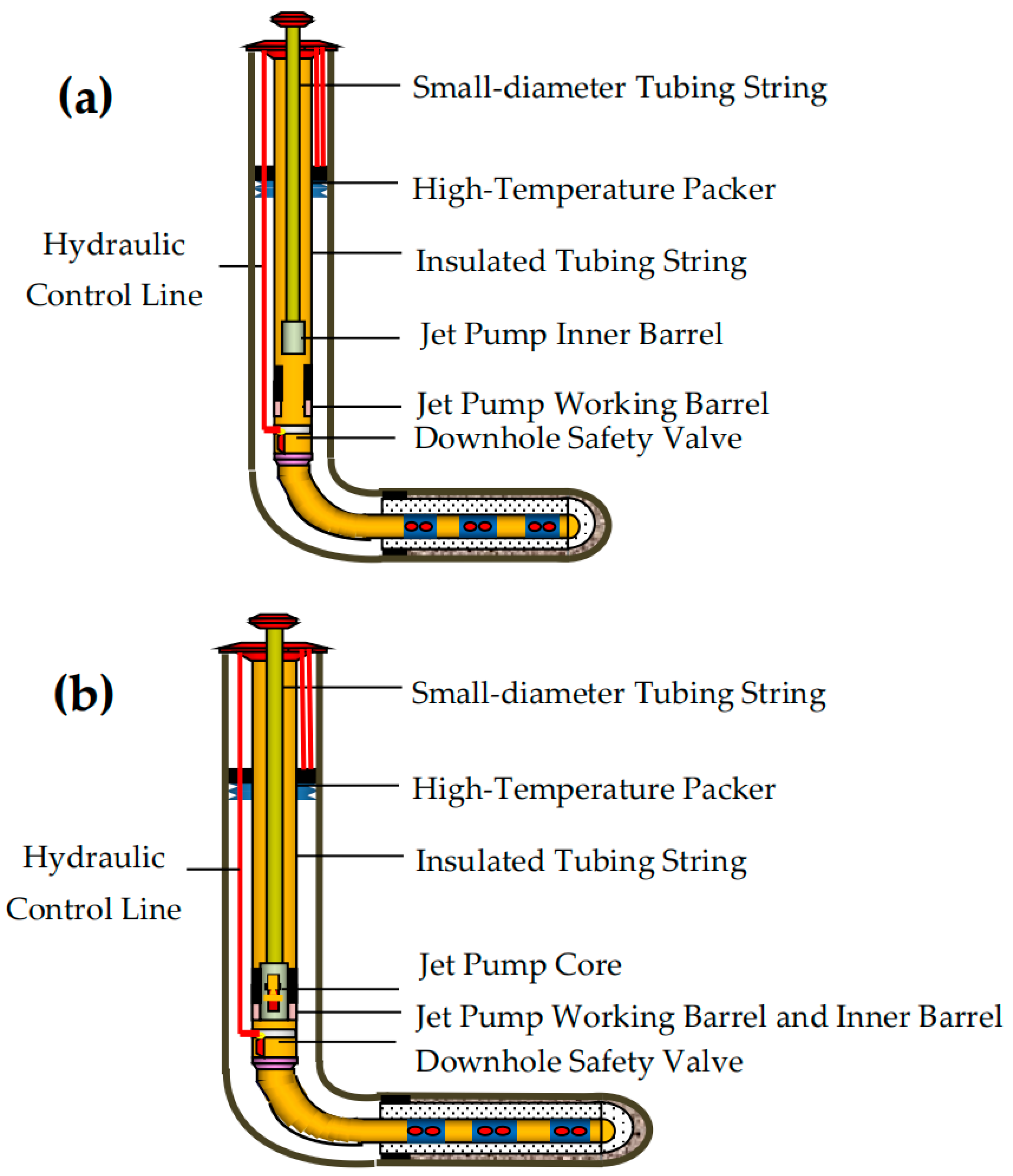
As shown in Figure 2, the concentric-string jet pump is a rodless artificial-lift device that utilizes the jet-flow principle to transfer the energy of the power fluid injected into the well to the production fluid from the downhole reservoir. Unlike conventional casing-type jet pumps, the concentric-string jet pump adopts a concentric dual-barrel structure, consisting of an inner barrel and a working barrel. A sealed insertion structure is arranged between the inner barrel and the working barrel. During operation, the inner barrel is inserted into the working barrel, and the pump core is inserted into the inner barrel. This configuration provides two key advantages: First, it can achieve integrated injection and production. After lifting a small-diameter tubing, the annular passage between the inner barrel and the working barrel is opened, forming a steam injection pathway. Second, pump maintenance is highly convenient. By simply switching the dedicated Christmas tree valves to initiate reverse circulation, the pump core can be retrieved for inspection and repair without requiring extensive workover operations.
Jet pumps have become indispensable equipment in the global oil recovery field due to their adaptability to complex working conditions and potential for technological innovation. By developing concentric tube jet pumps, integrated injection-production Christmas trees, and downhole safety devices, we have established an offshore integrated jet pump injection-production technology, which achieves a temperature resistance of 350 °C and a pressure resistance of 21 MPa. This technology meets the requirements of two working conditions, namely steam injection and oil production, and simultaneously satisfies the spatial layout and safety control requirements of offshore platforms.

2.2. Application Effect

To achieve efficient integrated injection–production lifting using jet pumps for extra-heavy oil, a novel lifting design methodology, specialized downhole tools, and matched surface facilities have been developed, enabling rapid switchover between injection and production operations within a single tubing trip.
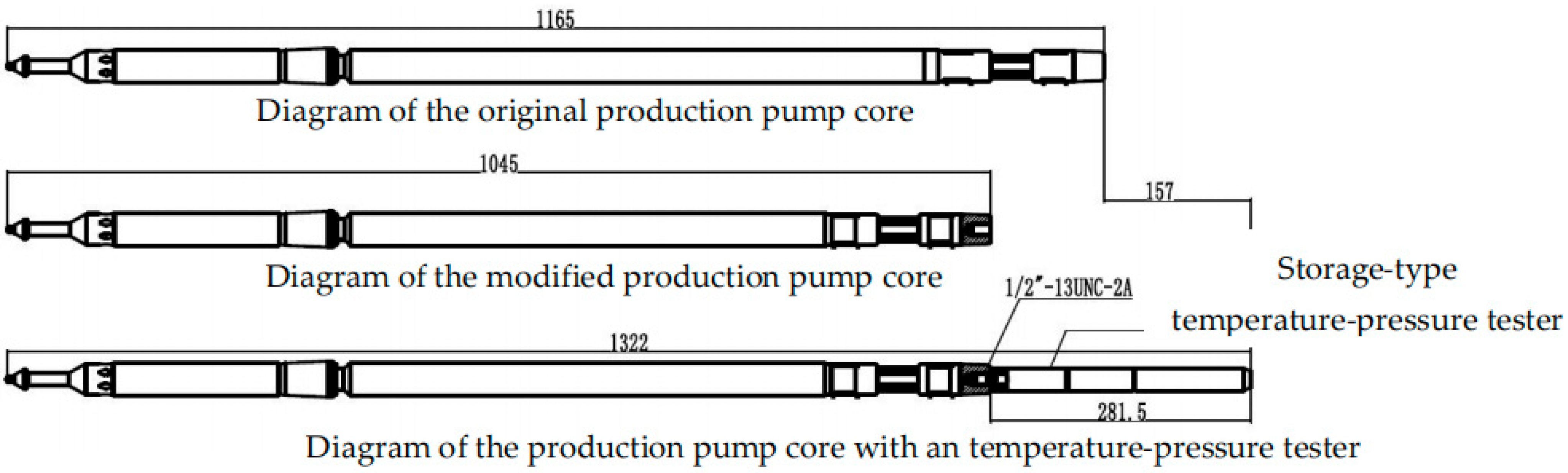
As shown in Figure 3, the concentric tubular jet pump adopts a working barrel with an inner diameter of 56 mm and an inner cylinder of 32 mm. The barrel material is 35CrMo-grade high-temperature resistant alloy, with a temperature resistance rating of 350 °C and a pressure resistance rating of ≥25 MPa, which can meet the high-temperature and high-pressure operating conditions of offshore extra-heavy oil thermal recovery. These parameters provide a fundamental basis for the reproduction of the technology.
The innovative development of specialized tools, including a fully metal-sealed concentric dual-tube injection-production integrated string, a jet pump with integrated temperature and pressure monitoring, a high-temperature deep-well safety control valve, and a jet pump core catcher, have enabled true integration of steam injection and oil production for extra-heavy oil reservoirs. This system allows rapid transition between injection and production modes, significantly reduces operating costs, and enhances overall production efficiency.
Aiming at the jet pump lifting technology for offshore extra-heavy oil reservoirs, the research team innovatively established a comprehensive design methodology system capable of accurately characterizing the complex multiphase mixing flow behavior of water and heavy oil inside the pump. Centering on the jet pump lifting theory, a mathematical model integrating the flow characteristics of multiple functional sections was developed. By coupling the jetting characteristics of the nozzle, mixing characteristics of the throat, and flow characteristics of the diffuser, a mathematical expression incorporating key variables (i.e., two-phase mixing coefficient, friction coefficient, and diffusion coefficient) was adopted to quantify the flow interaction relationships among these sections. On this basis, four core correction parameters were identified and categorized into three groups, specifically including the submerged jet discharge coefficient of the nozzle section, the mixing boundary friction coefficient and two-phase mixing coefficient of the throat section, as well as the low-loss energy conversion diffusion coefficient of the diffuser section. This model provides a clear direction for parameter correction in the accurate modeling of jet pumps, while also offering theoretical support for subsequent pump type selection and optimal design of oil wells. Compared with the conventional design philosophy of jet pump theory based on single-phase water flow, the proposed methodology system can provide targeted guidance for pump type selection during different thermal recovery stages, ensuring the continuous and efficient operation of the jet pump system and its stable contribution to oil production capacity.
An advanced surface process has also been designed to support the integrated jet-pump injection-production system for extra-heavy oil recovery. First, the produced fluid undergoes two-stage separation through free-water separation and electrostatic agglomeration, significantly improving dehydration efficiency. This process significantly elevates the dehydration efficiency. Simultaneously, the combined processes of high-efficiency sand removal, power-fluid pressurization, and power-fluid injection manifold enable simultaneous sand removal and multi-well power-fluid supply. This enables concurrent sand removal and supply to multiple wells simultaneously. The treated water contains less than 300 ppm of oil, complying with the requirements for power fluid pumps. This integrated workflow not only enhances oil–water separation and jet-pump lifting performance but also ensures stable and reliable operation of the entire production system [12].
The integrated jet pump injection-production lifting technology for extra-heavy oil has been successfully implemented on a large scale in Oilfield N. This milestone marks the first successful application of effective lifting technology for extra-heavy oil with viscosities surpassing 50,000 mPa · s, concurrently demonstrating substantial reductions in workover duration and operational expenditures. The cost of a single workover string operation for offshore heavy oil thermal recovery is approximately 5.2 million yuan, accounting for more than 40% of the total offshore thermal recovery expenditure (internal calculation: workover string cost/total single-well thermal recovery cost). A thermal recovery well requires 2 workover string operations to complete one cycle of huff and puff (steam injection and production). The estimated total cost for 26 wells and 8 operation cycles is 200 million yuan. The integrated injection-production technology can significantly reduce the injection-production conversion time of thermal recovery wells and the cold damage caused by the leakage of workover fluid during workover operations. Based on the numerical simulation results, the single-well production can be increased by 4.84% throughout the entire cycle. This technological breakthrough provides significant support for the efficient development of China’s inaugural offshore extra-heavy oil field.

3. Causes Analysis and Control Technologies of Steam Channeling

3.1. Analysis of Steam Channeling Situation

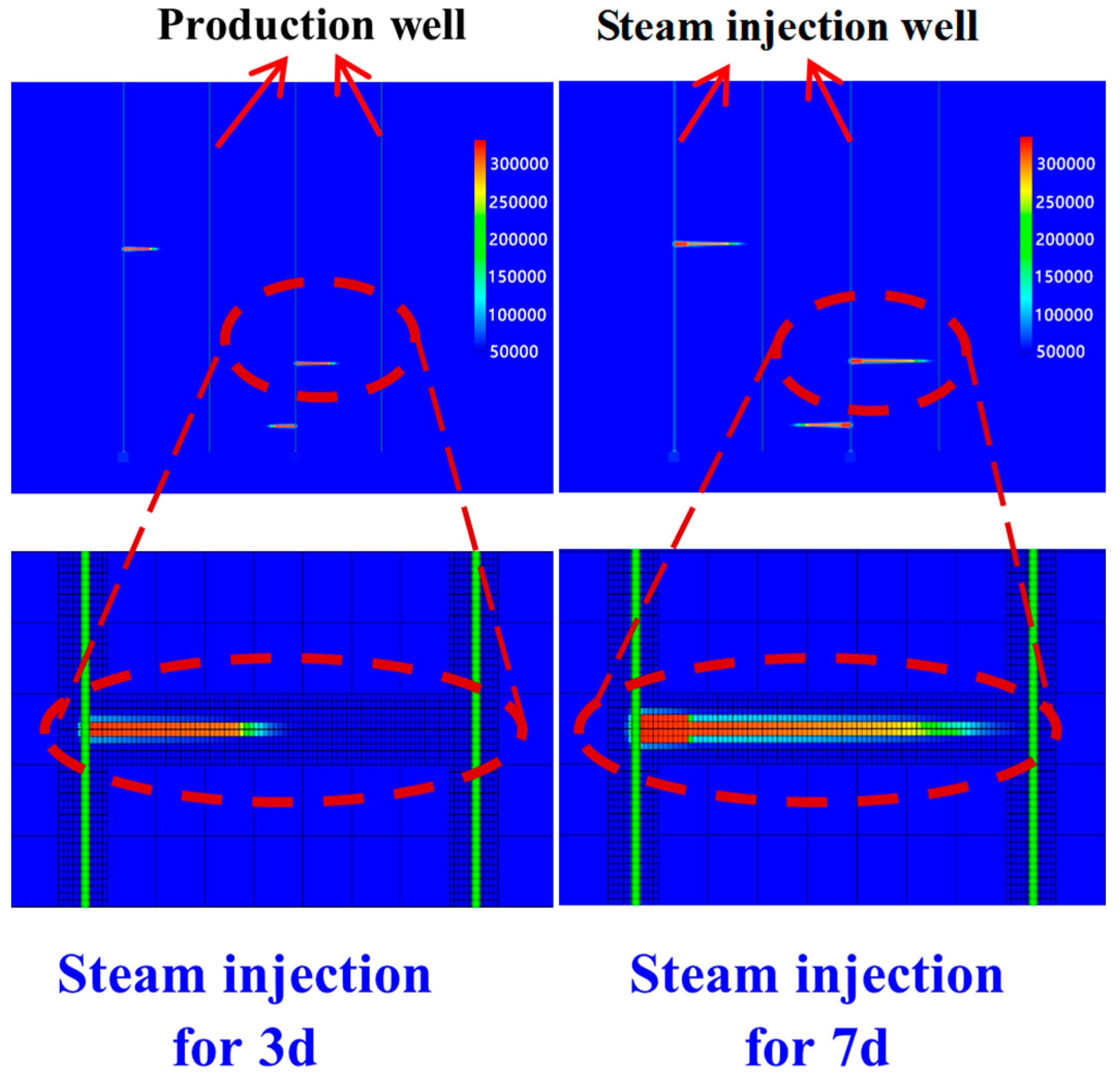
During steam injection operations, an inter-well steam channeling event can be identified if the water cut of adjacent production wells abruptly rises by 10% and the wellhead temperature increases by more than 15 °C. Figure 4 illustrates the evolution characteristics of channeling pathways during single-well steam injection and adjacent-well production processes. Once a steam channeling pathway is formed in a thermal injection well, it will rapidly affect the surrounding production wells. For the extra-heavy oil reservoir in Block N, a total of 11 channeling incidents were monitored during the first cycle of CSS, as presented in Table 1.
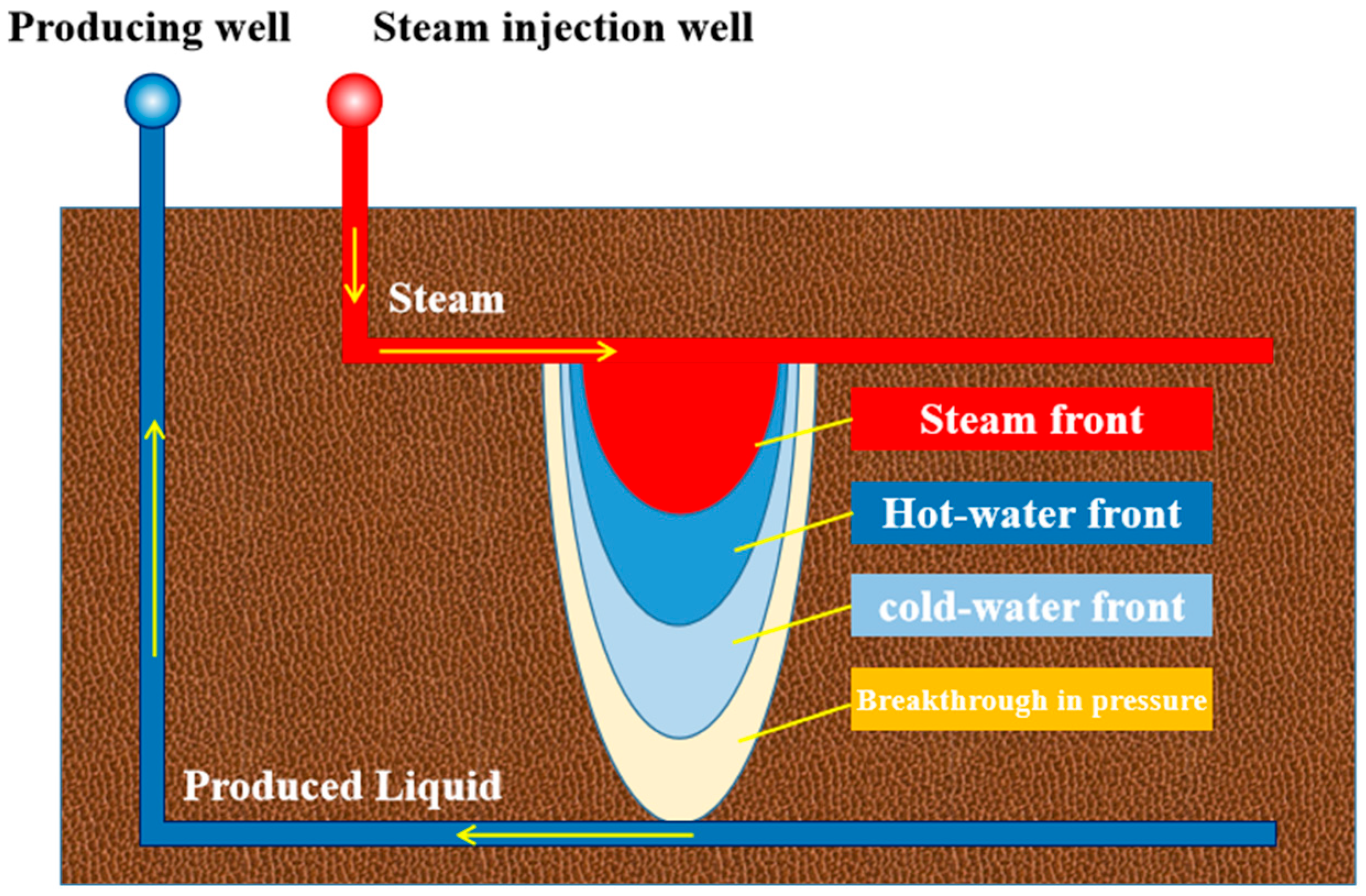
When steam channeling occurred, the injected steam failed to effectively heat the near-wellbore reservoir zone, resulting in uneven mobilization of oil along the horizontal section, reduced thermal efficiency, and deteriorated well performance [13,14,15,16,17,18]. The average daily oil production decreased from 65 t·d−1 before steam channeling to 38 t·d−1 during the channeling events, representing a reduction of 37 t·d−1. The temperature and water cut anomalies lasted an average of 40 days and 37 days, respectively. What is noteworthiness is that during cyclic steam stimulation operations, the bottom-hole temperature of production wells tends to decrease continuously. In the event of steam breakthrough, the bottom-hole flowing temperature of affected wells in the N Oilfield requires approximately 20–50 days to recover to the pre-breakthrough level, with an average recovery period of 40 days. Research indicates that steam channeling in extra-heavy oil reservoirs exhibits three distinct characteristics, as illustrated in Figure 5: (1) During steam injection operations, adjacent production wells exhibit a sharp increase in liquid production rate and temperature, while oil production rate declines significantly; meanwhile, affected by pressure propagation and hot water/steam channeling, the water cut of these wells rises abruptly by over 10% compared with the pre-injection period, with no downward trend observed in the short term. (2) When a thermal connection is established between the steam injection well and the affected well, the steam injection pressure of the injection well shows a downward trend. (3) The gas/oil ratio of the affected well increases, accompanied by a rise in the concentration of H2S and CO in the produced gas, which escalates from 50 ppm to over 1000 ppm. The sulfur content of the extra-heavy oil is 0.625%. Indoor high-temperature experimental analysis has confirmed that the primary cause of H2S generation is the thermal decomposition reaction (TDR) of organosulfur compounds. The main components in crude oil that can decompose to produce H2S are thiols and sulfides. When the temperature reaches approximately 140 °C, the C-S bonds in the sulfur-containing compounds of the crude oil break, generating thiols. These thiols then undergo further desulfurization reactions to produce H2S.

3.2. Reasons for Steam Channeling

The N Oilfield is a top- and bottom-water massive extra-heavy oil reservoir characterized by a complex oil-water system. The reservoir comprises thick, sand-rich braided fluvial deposits exhibiting remarkable distribution stability. Development is conducted through steam stimulation using horizontal wells with a narrow spacing of 75 m, with 9 horizontal wells in the Lower Minghuazhen Formation and 21 in the Guantao Formation. Owing to the small well spacing of 75 m and the long horizontal section length of 445 m, the steam injection method employed is general steam injection. This results in uneven steam chamber development along the extended horizontal section and inconsistent reservoir sweep efficiency.
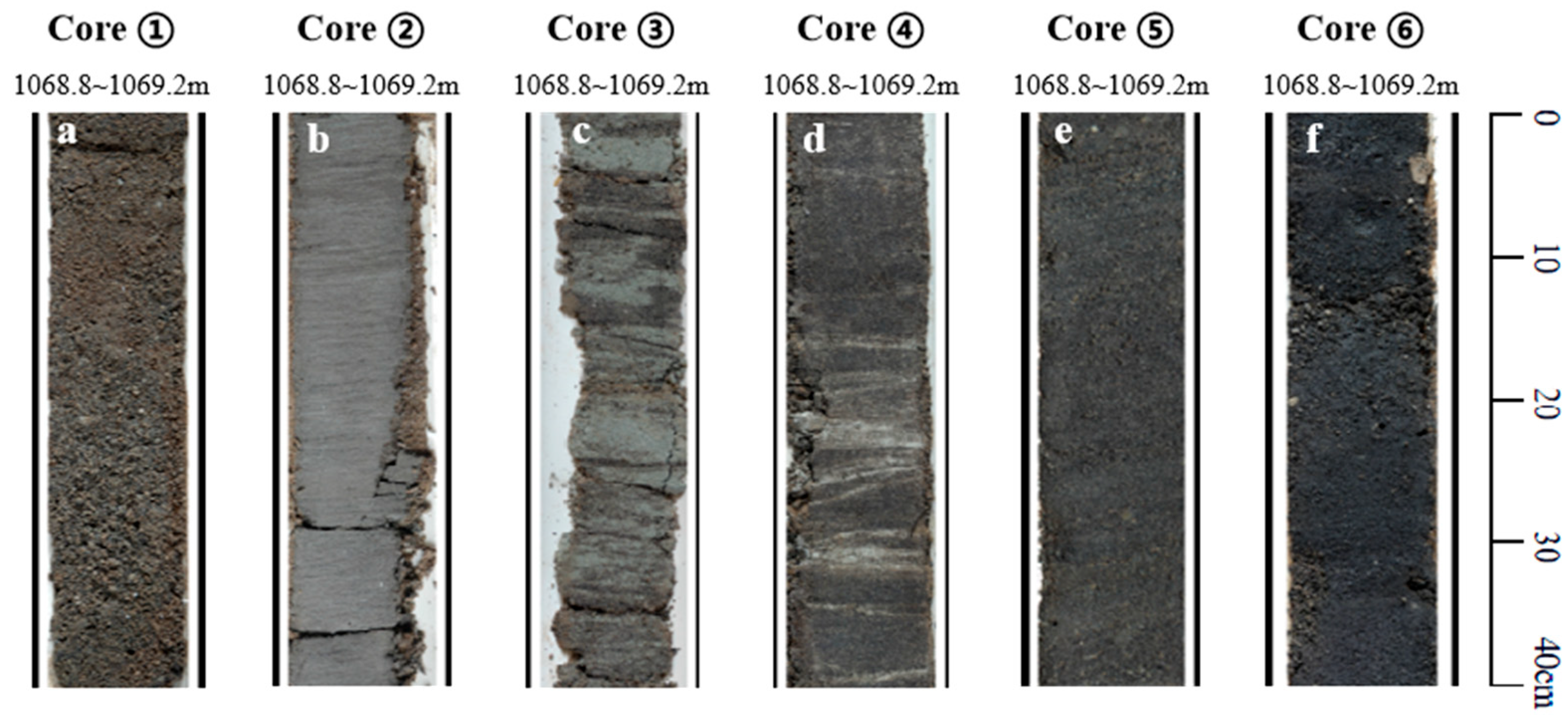
Through systematic characterization of core samples collected from different depths, the high-quality reservoirs are identified as predominantly channel bar facies, composed mainly of conglomerate-bearing coarse sandstone and exhibiting superior petrophysical properties, as depicted in Figure 6. Through well logging curve interpretation and mercury injection experiments on typical cores, the lithology of low-quality reservoirs was identified as fine sandstone or siltstone. The cores have an average measured permeability of 350 mD, with water saturation reaching a maximum of 70%. Notably, such high water saturation further verifies that these reservoirs act as primary pathways for steam and water channeling, and thus constitute a key factor impacting reservoir development performance. This channeling behavior poses a significant challenge to the field’s efficient development.

3.3. Steam Channeling Control Technologies

Without implementing channeling remediation measures, successive huff-and-puff cycles will progressively intensify the development of steam channeling pathways. This will lead to a substantial amount of residual oil being retained in the non-channeled sections of the long lateral wells, ultimately resulting in severe and uneven reservoir depletion. Based on typical steam channeling patterns observed in extra-heavy oil reservoirs, an innovative integrated channeling control strategy was proposed for the second cycle. This strategy combines “dynamic injection-production regulation, multi-well regional thermal management, and uniform steam injection technology”.
During the second-cycle steam stimulation, a multi-well integrated huff-and-puff approach was adopted for channeling control. Specifically: (1) on the injection side: coordinated multi-well steam stimulation was implemented; (2) along the horizontal sections, precision-designed flow control valves were installed. A customized zonal thermal stimulation technology was developed for offshore extra-heavy oil, following the following zoning principles: zone division is based on the severity of channeling to ensure thermal connectivity between wells; huff-and-puff wells within the same stratigraphic horizon are staggered; the maximum number of wells for simultaneous injection is limited to 4, accounting for the capacity of offshore steam generators; well pairs with close spacing, similar properties, and a history of frequent channeling are grouped together.
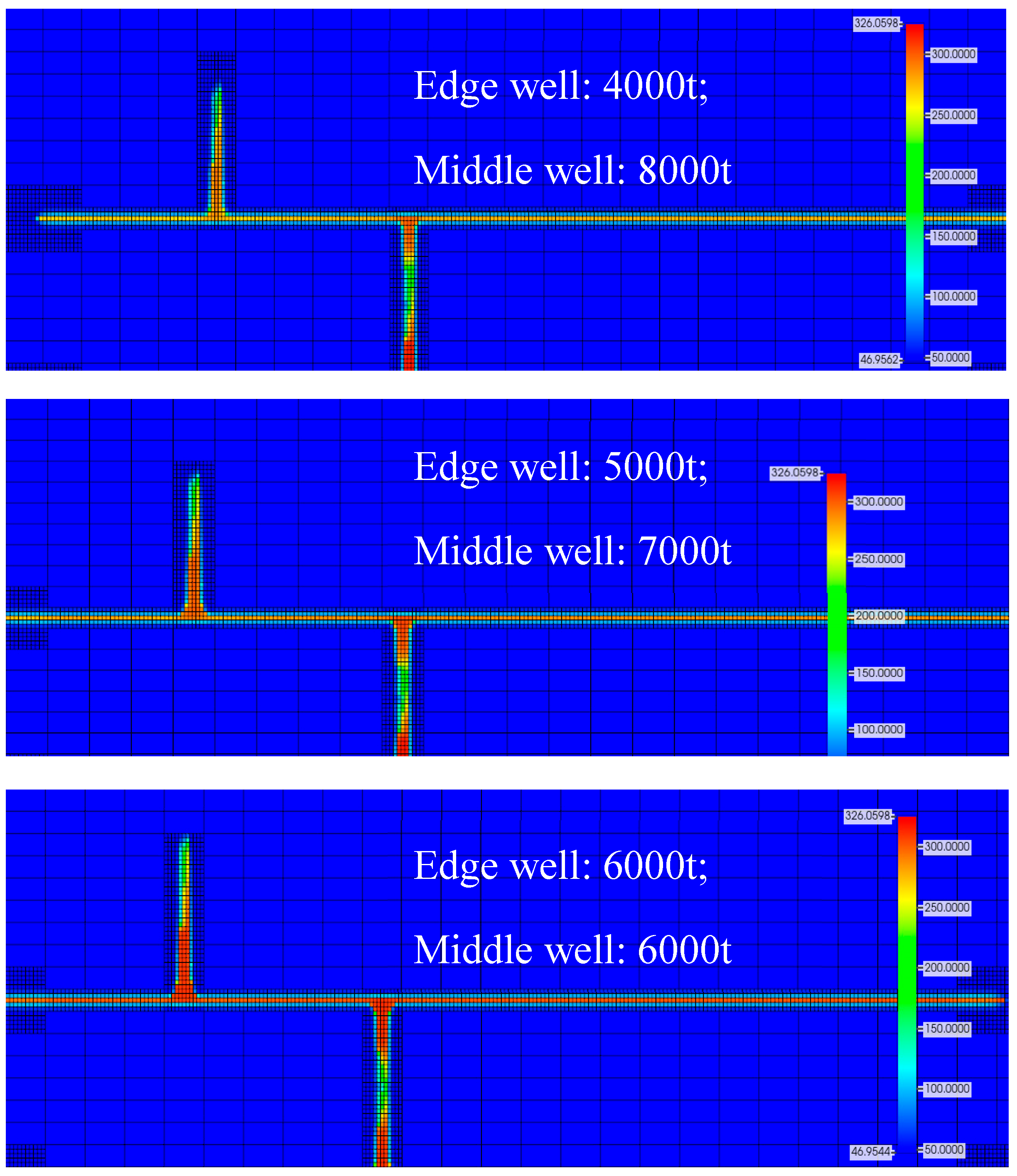
So far, simultaneous steam injection has been successfully conducted in 10 well groups, with no steam channeling observed during the process. Under the combined application of multiple technical measures including balanced injection-production, profile control and plugging, and steam injection optimization, no abnormal increases in temperature or water cut were observed in adjacent production wells during the integral thermal injection of the well group. Meanwhile, distributed temperature sensing (DTS) data from optical fiber monitoring of key wells indicated that the temperature distribution along the horizontal wellbore section was generally uniform, with no localized high-temperature anomalies detected, which confirms that no steam channeling has occurred. A numerical reservoir model of the target reservoir was established based on CMG Stars(Version 2024.40), and numerical simulations were conducted on a typical target well group. Key performance indicators, including the cumulative oil production per well/well group per cycle and the oil/steam ratio under different steam injection rate conditions, were analyzed to determine the optimal cyclic steam injection rate for a single well. Numerical simulation studies have shown that, under a constant total steam injection volume, appropriately reducing the steam injection intensity in edge wells can maintain stable production of the well group while significantly reducing the risk of steam channeling at the periphery, as illustrated in Figure 7. Through the dynamic adjustment of injection-production parameters and multi-well cyclic stimulation in the injection zone, effective control of steam channeling in extra-heavy oil reservoirs has been achieved.
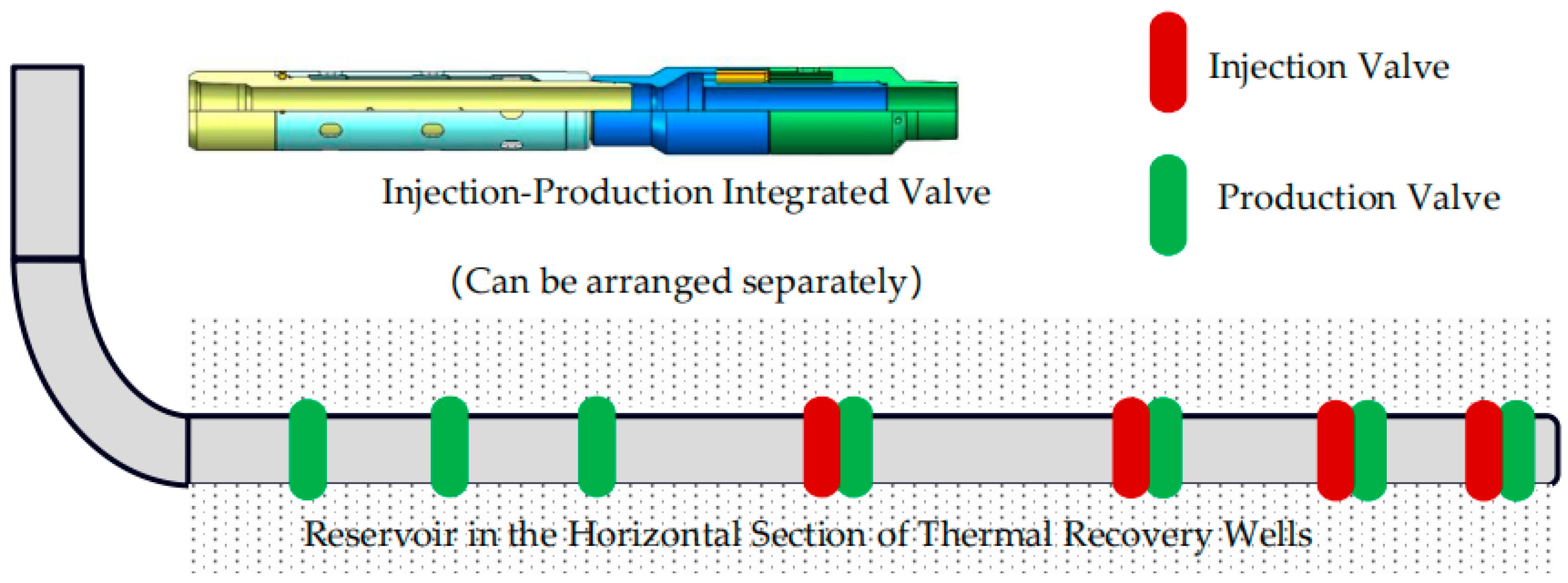
To further enhance the recovery efficiency of horizontal sections, an integrated injection-production control valve system was precisely deployed. This deployment was based on two key factors: avoiding low-quality reservoir zones (as identified through geological steering data) and conducting flow profile analysis using distributed fiber-optic sensing [19,20,21,22,23]. Figure 8 illustrates the valve configuration in typical Well A2H. The design incorporates a total of 11 control valves, including 3 production-only valves located at the heel section and 4 pairs of injection-production valves in the mid-toe sections.
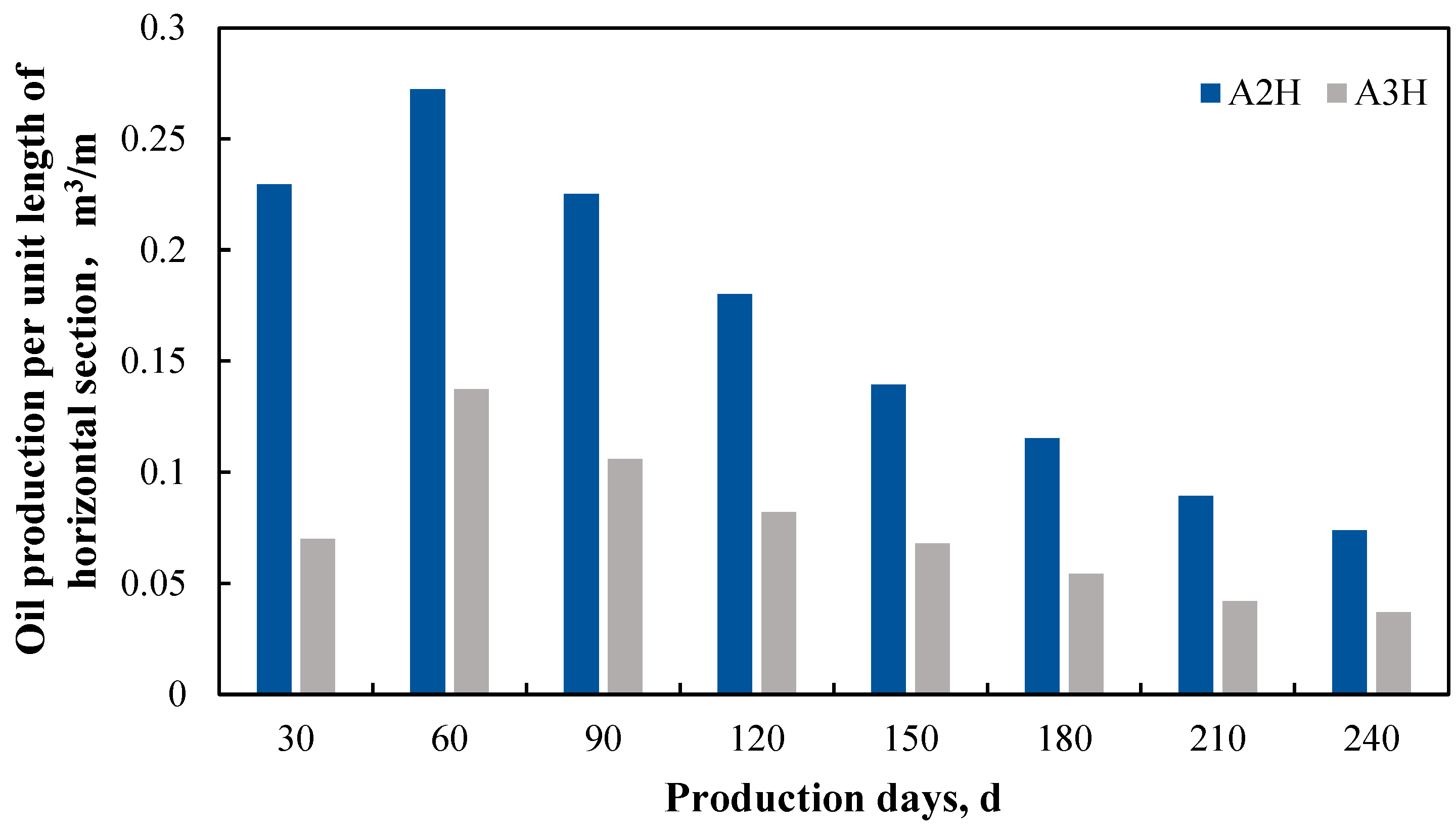
A3H serves as an offset well to A2H. During the second-cycle steam stimulation conducted, A3H maintained conventional steam injection operations without any steam channeling occurrences. Figure 9 illustrates the production situation of two wells following steam stimulation. After 100 days of production, A2H sustained a stable daily oil rate of 60 m3·d−1, whereas A3H exhibited a gradual production decline attributed to uneven reservoir depletion along its extended lateral section—conclusively demonstrating the effectiveness of the flow control valve system implemented in A2H.

4. Causes Analysis and Control Technologies of Steam Channeling and High Water Cut

4.1. Analysis of High Water Cut Situation

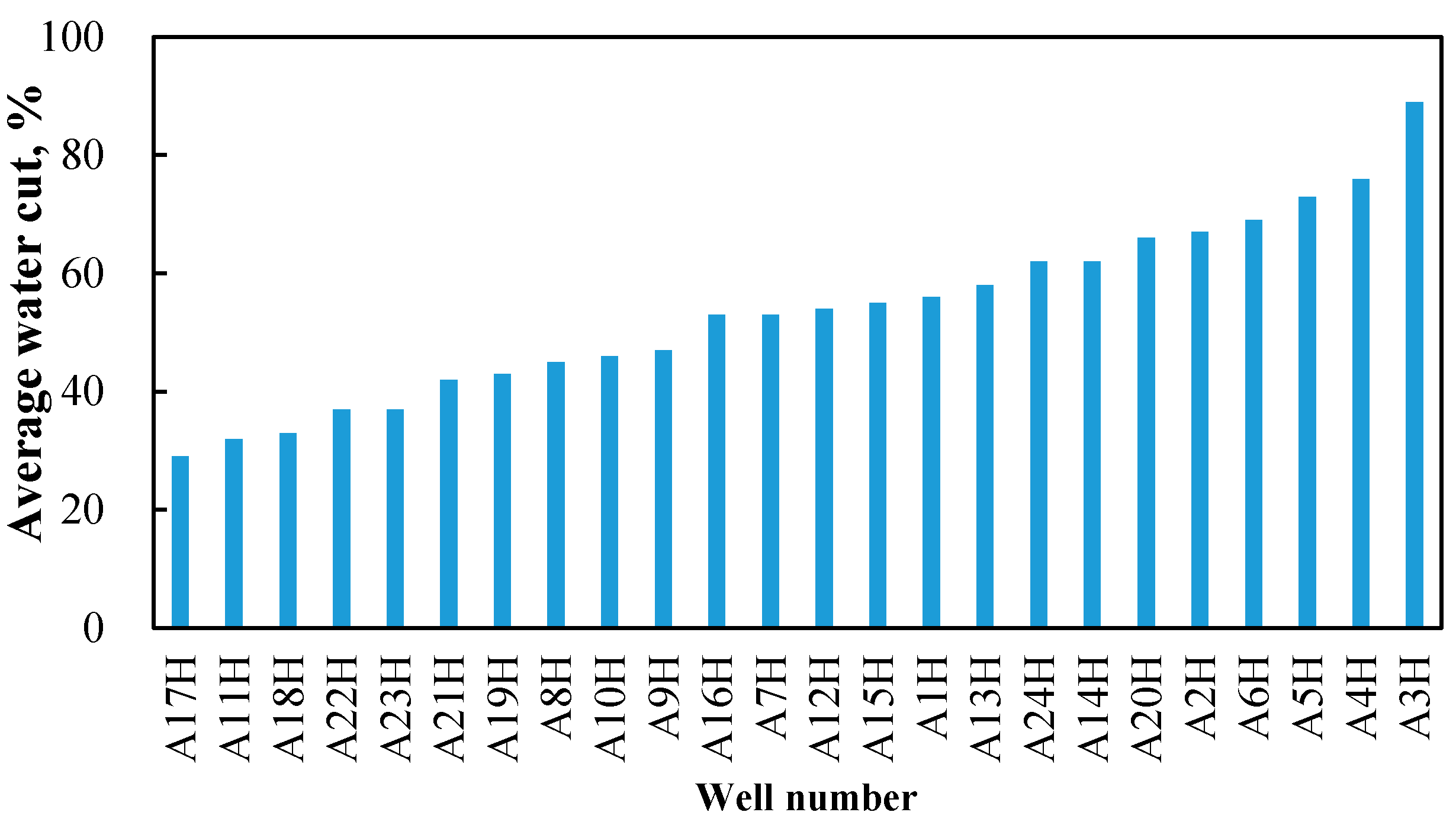
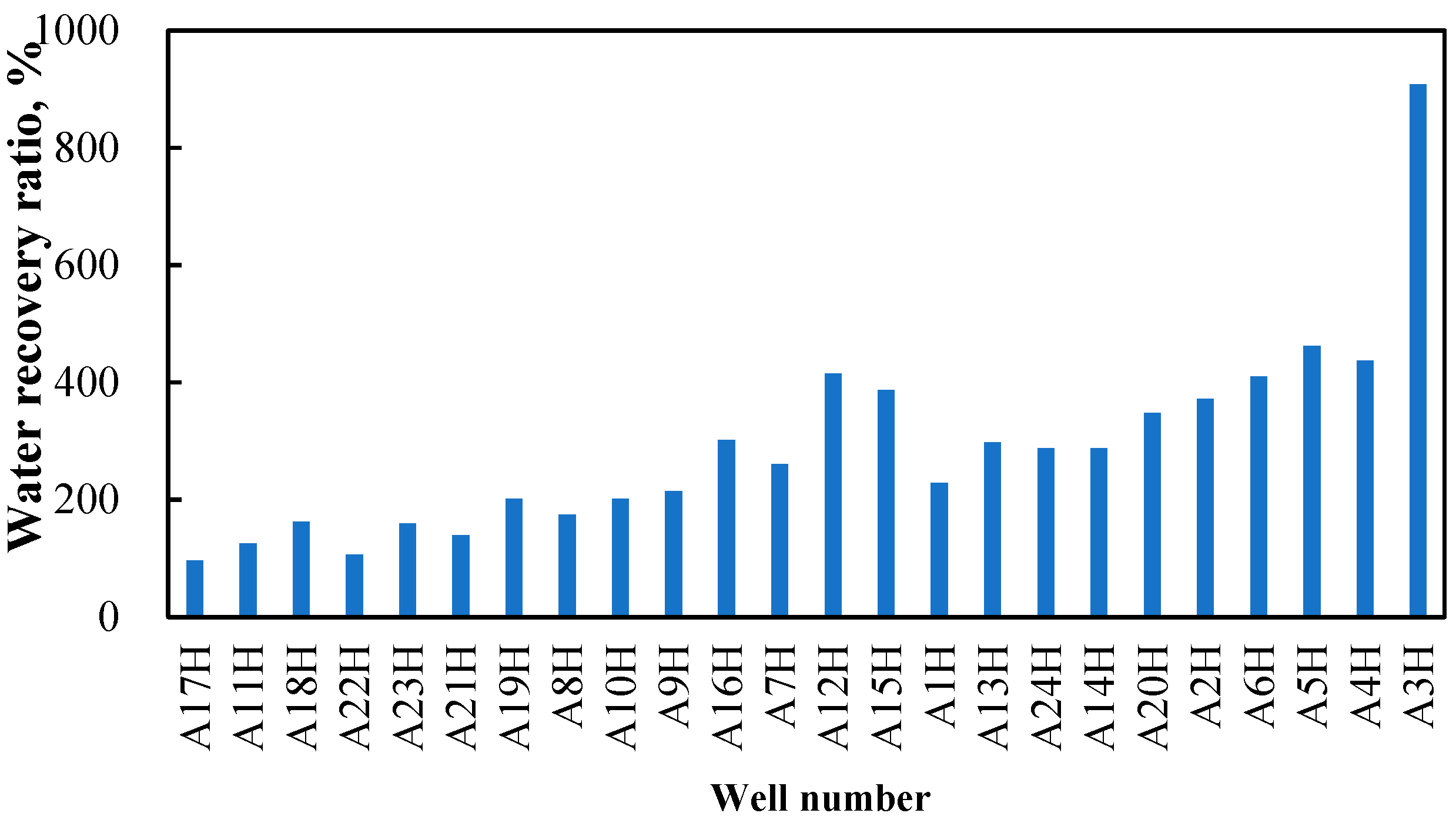
After the first cycle of steam stimulation, the average water cut of individual wells ranged from 29% to 89%, as shown in Figure 10, while the water recovery ratio ranged from 97% to 462%, as illustrated in Figure 11. Through testing key indicators such as the mineralization degree of the produced water from oil wells, it was clear that the formation water is mainly reservoir primary water. By the end of the cycle, the water cut in some wells even exceeded 100%. Although the designed per-well oil production rate for the first cycle was 54 tons, the actual average daily oil production per well was 51 tons. High water cut in oil wells gave rise to multiple adverse effects on thermal recovery operations: firstly, it led to reduced cyclic production efficiency, as evidenced by the failure to meet the designated production target in the first cycle due to the combined impacts of steam channeling and high water cut; secondly, under the high-temperature and high-salinity conditions thermal recovery wells, scale deposition tended to occur in jet pumps, which not only impaired lifting efficiency but also elevated the risk of blockage during pump core replacement; thirdly, to achieve the designed cyclic daily oil production target under high water cut conditions, it was necessary to replace larger nozzles and throat pipes, a modification that markedly increased the demand for power fluid and raised the cost of surface oil-water treatment. Due to the impact of steam channeling and high water cut, the production of the first cycle failed to meet the allocated target. In response to these unsatisfactory results in the first cycle, and to ensure the expected performance of the second cycle of steam stimulation, a comprehensive geological and reservoir characterization program was implemented. This involves precisely identifying steam and water channeling pathways and developing targeted technologies for channeling suppression and water control. These measures establish a crucial technical foundation for the efficient development of the N extra-heavy oil field.

4.2. Reasons for High Water Cut

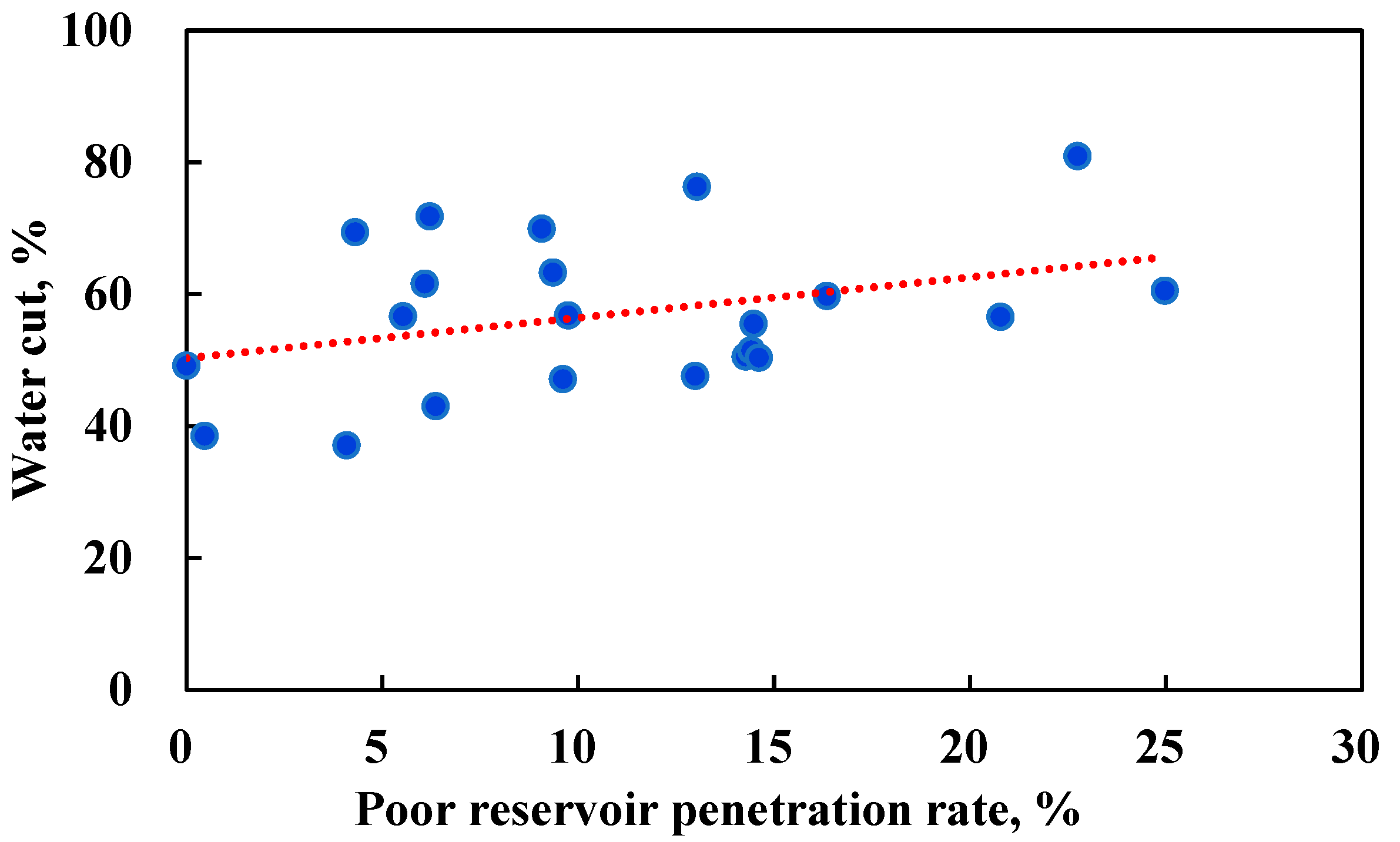
In the N extra-heavy oil field, the average drilling encounter rate of the oil-bearing zone in horizontal sections is 88%, while that for the poor-quality reservoir is 9.1%, with mudstone intervals being nearly absent. Study results reveal a positive correlation between the encounter rate of poor-quality reservoirs and the water cut, as shown in Figure 12, providing a basis for further identification of steam and water channeling pathways. Specifically, a higher poor reservoir encounter rate corresponds to an increased water cut, confirming that these intervals serve as the primary pathways for steam channeling and water production.

4.3. High Water Cut Treatment Technology

To classify water production types in individual wells, this study analyze the relationship between water recovery ratio and pressure drawdown amplitude during the first-cycle steam stimulation under complex oil-water distribution patterns. Based on an integrated analysis of multiple factors including pressure drawdown amplitude, water recovery ratio, water cut, well location, and reservoir physical proper-ties/fluids, the water production types are classified into three major categories.
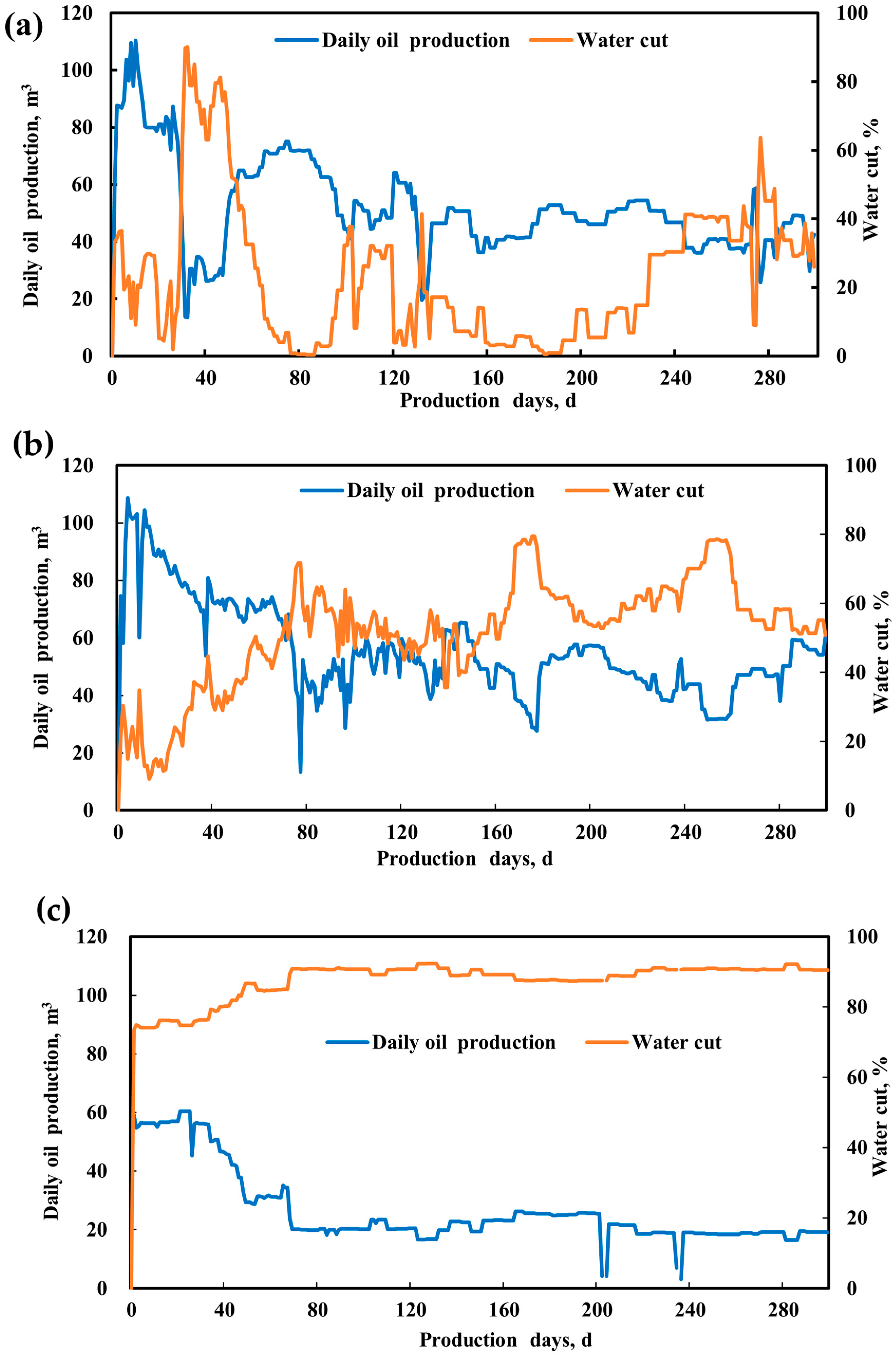
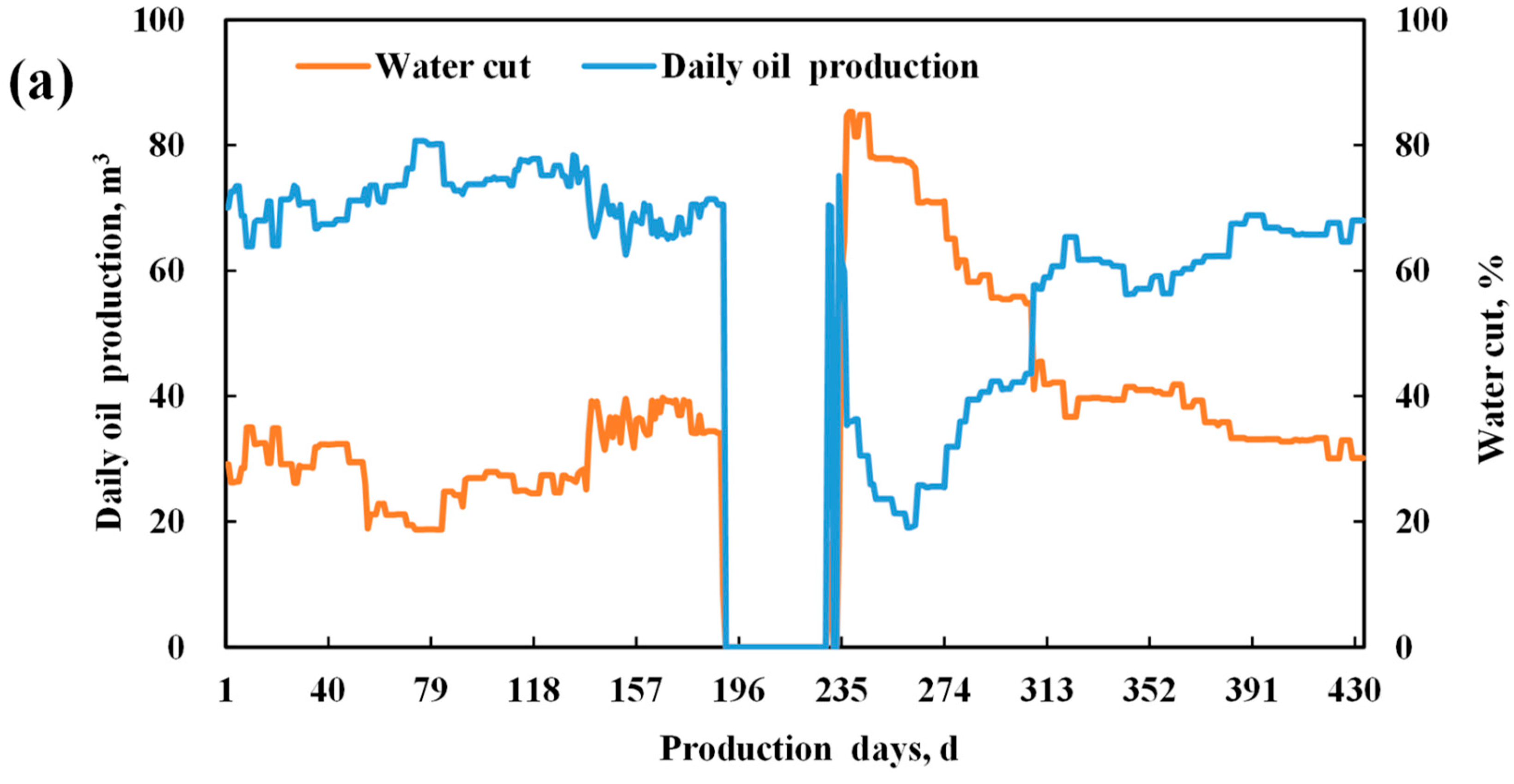
Type I represents weak water-invaded wells. This category is characterized by the following features: a net pay zone penetration rate exceeding 95%; an average oil saturation above 70% in the horizontal section; a low penetration rate of poor-quality reservoirs (<15%); limited edge-water connectivity; and a water recovery ratio below 200% (with the produced water primarily comprising condensed steam and minor tight-zone water). These wells exhibit significant pressure depletion (>5 MPa) by the end of the cycle while maintaining a stable water cut during production, resulting in a terminal water cut of 40%. The typical production profile is illustrated in Figure 13a.
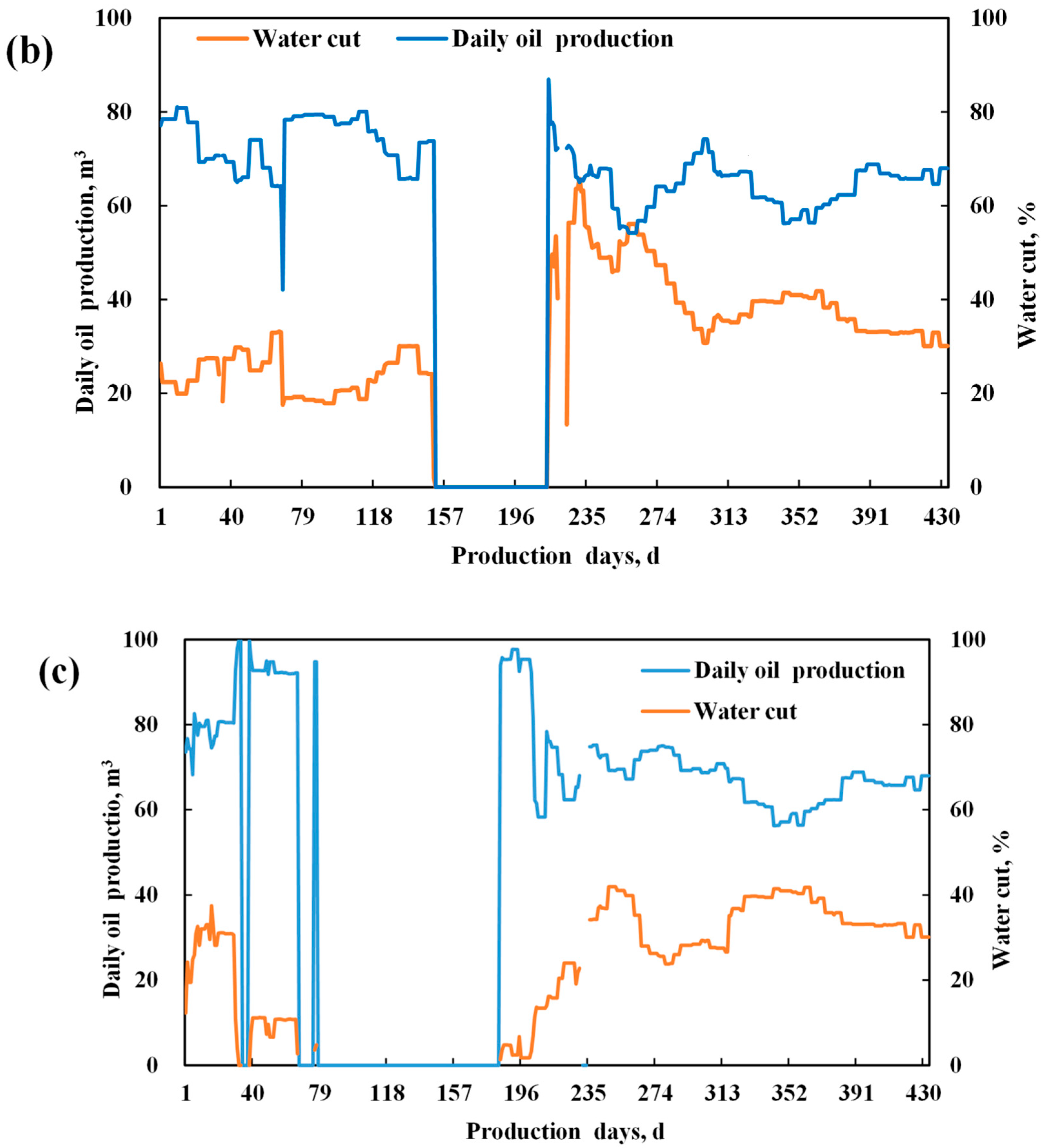
Type II corresponds to moderate water-invaded wells. This category is characterized by: a net pay zone penetration rate of 80–95%; an average oil saturation ranging from 60 to 70% in the horizontal section; relatively high penetration of poor-quality reservoirs; and a water recovery ratio between 200 and 400 wells show a progressively increasing water cut throughout the production cycle, reaching 60–80% by the end of the cycle. The characteristic production behavior is detailed in Figure 13b.
Type III comprises water-invaded wells. This category represents wells with: a net pay zone penetration rate exceeding 95%; an average oil saturation above 70% in the horizontal section; and proximity to edge/bottom water (at a distance of 50–100 m). Characterized by extreme water recovery ratios (>400%) with the produced water dominated by aquifer influx, these wells exhibit abrupt water cut surges (>90%) during production cycles while maintaining a limited decline in flowing pressure (<2 MPa). The diagnostic production profile is shown in Figure 13c.
Water channeling occurs when thermal steam establishes a connection with edge/bottom aquifers, leading to both substantial heat loss and a dramatic increase in the water cut. Such communication between the aquifer and the steam often triggers a significant influx of water, which substantially reduces the oil recovery efficiency. In the industry, the common practice to address high water production is to inject plugging agents [24,25,26,27,28,29,30]. As specified in Table 2, this approach utilizes high-temperature nitrogen foam, thermally stable degradable gel, and high-strength micro-cement for conformance control in wells experiencing weak, moderate, and strong water influx, respectively. The high-temperature foaming agent achieves thermal and salt tolerance by grafting functional groups like sulfonic acid onto the main carbon chain. After undergoing aging at 350 °C, its resistance factor remains above 50. The field injection process parameters of various plugging agents and the testing methods for their plugging performance after formation placement are presented in Table 3.
For Type I wells, foam is generated on the surface and injected in slugs to block water channels. The composite sulfonate high-temperature foam system exhibits a high temperature resistance up to 350 °C and low adsorption capacity, which can effectively optimize oil-water relative permeability and interfacial tension. When the temperature increases from 100 °C to 240 °C, the residual oil saturation can be reduced by more than 20%. At a concentration of 1%, the interfacial tension of the system reaches 10−3 mN/m, and the resistance factor maintains a range of 50–60 at 350 °C. As illustrated in Figure 14a, which depicts the production performance curve of a typical well after foam injection, during the late stage of the first cyclic steam stimulation, the well produced 38 m3·d−1 of oil with a 75% water cut. The peak oil production reached 85 m3·d−1, and the water cut dropped to as low as 20% after treatment.
For Type II high-water-cut wells, it is crucial to use a blocking agent with enhanced sealing strength. After a comprehensive assessment of the following key factors: temperature resistance (up to 350 °C), post-gelation degradability, controllable gel time, high blocking strength, and operational convenience, a low-viscosity consolidating and degradable gel has been selected as the optimal high-temperature gel system. The high-temperature resistant, low-viscosity, consolidated and degradable gel system exhibits an initial breakthrough pressure of 4.35 MPa at 250 °C, with a breakthrough pressure retention rate of over 92.5% after aging and a plugging efficiency of more than 98%. This high-temperature degradable gel is composed of lithium-magnesium layered double hydroxide (LDH) as the main agent, polyamide as the gelling agent, and sodium persulfate as the stabilizer. The optimized formulation consists of 20% LDH, 3% gelling agent, and 1% stabilizer, achieving a decomposition temperature above 380 °C [31,32,33,34]. Figure 14b illustrates the production performance curve of a representative well after the injection of the high-temperature degradable gel. It shows that during the late phase of the first cyclic steam stimulation cycle, the well produced 21 m3·d−1 of oil with a 78% water cut. The peak oil production increased significantly to 81 m3·d−1, and the water content was reduced to as low as 59% after the treatment.
The high-strength micro-cement system demonstrates excellent rheological properties and penetration capacity, along with distinct thixotropic characteristics. Its composition primarily includes ultra-fine cement (with a particle size range of 1–10 μm), defoaming agents, dispersants, thixotropic additives, and set retarders. Figure 14c displays the production performance curve of a representative well after the injection of the high-strength micro-cement system. It indicates that during the late stage of the first cyclic steam stimulation cycle, the water cut exceeded 100% (indicating complete water breakthrough), while post-treatment results showed significant improvement, with peak oil production reaching 42 m3·d−1 and the water content being substantially reduced to 56%.

4.4. Production Strategy Adjustment

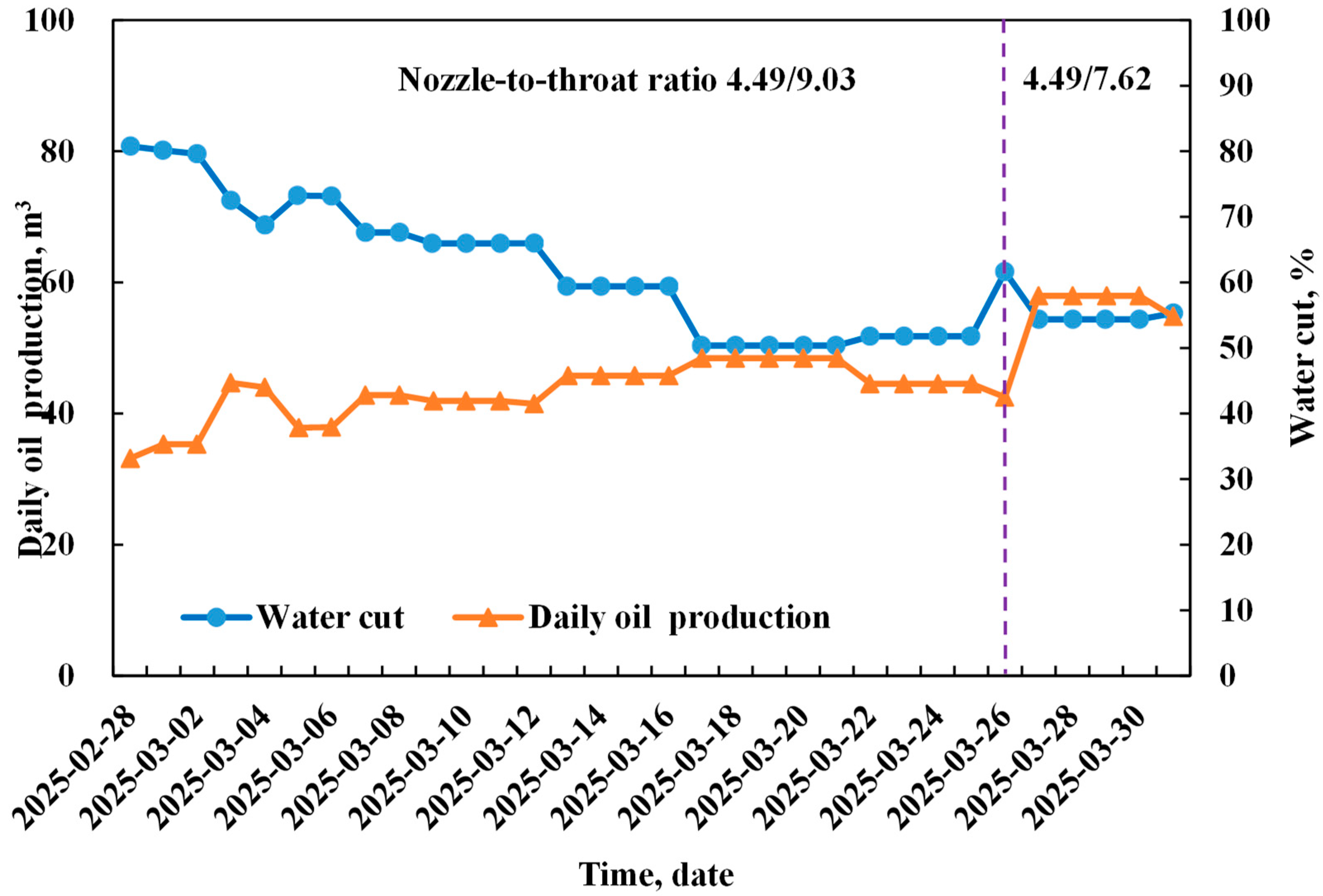
The N Oilfield utilizes an integrated jet-pump injection-production lifting system. This integration eliminates the need for frequent tubing tripping operations during injection and production processes, consequently reducing operational costs and enhancing development efficiency [35,36,37]. Jet pumps are available in various models of nozzles and throats. Different nozzle-throat combinations can achieve distinct discharge capacities and lift heads. The operational efficiency of jet pumps is dictated by the geometric nozzle-to-throat ratio. Improper matching of this ratio with the fluid characteristics of reservoir fluids can significantly degrade liquid production performance. As shown in the case of A19H after its second cyclic steam stimulation operation: the initial use of production pump internals with a 4.49 mm/9.03 mm nozzle/throat configuration resulted in suboptimal production rates, with a total liquid output of 97 m3·d−1 and an oil output of 45 m3·d−1. This subpar performance was inferior compared to offset thermally stimulated wells, clearly indicating pump-reservoir incompatibility. Combined with the pump characteristic curve, theoretical correction method and adjacent well application experience, primary selection and iterative calculation were conducted for the pump type matched with A19H. The pump type that satisfies the calculation convergence and has no cavitation risk was selected first, and then the pump type with high efficiency and wide regulation range was further optimized as the recommended pump type. An optimization effort involved adjusting to a 4.49 mm/7.62 mm nozzle/throat assembly. This adjustment maintained the total liquid production at 97 m3·d−1 while increasing the oil output to 66 m3·d−1, representing a 21 m3·d−1 increment in oil production (Figure 15). Based on the numerical simulation results, the decline rate of the oil well decreased after the implementation of the technical measures, while the cyclic oil-gas ratio was significantly higher than that of the previous cycle, rising from 2.4 to 2.7 during this period. This successful intervention has been replicated in five well applications to date. Through systematic pump configuration optimization, an average incremental oil gain of 50 m3·d−1 per well has been achieved.
The N extra-heavy oil field, which was put into operation in April 2022, has successfully implemented a series of integrated development measures. These measures encompass thermal stimulation across 10 well groups, water-control treatments in 12 wells, and production optimization in 5 wells. Through the application of systematic enhanced oil recovery (EOR) technologies, zero steam channeling incidents were achieved in Oilfield N during the second development cycle [38,39,40]. The steam sweep volume, defined as the pore space volume corresponding to the reservoir area where the temperature rises above 80 °C and derived from numerical simulation calculations, increased by 15%, while the average water cut per well decreased by 10%. After the implementation of three technical measures, namely regional steam injection, water control treatment, and production system optimization, the cumulative incremental oil production of the oilfield increased by 15,000 t compared with the original development plan. From April 2022 to April 2025, the cumulative crude oil production of 30 horizontal wells in Oilfield N exceeded 800,000 t, with the data sourced from the wellhead metering dataset of the production database of CNOOC Tianjin Branch.

5. Overall Development Status of the Oilfield

The integrated wellbore steam channeling control strategy, which integrates zonal steam injection and classified water control, effectively prevents steam from prematurely communicating with top/bottom water and faults, eliminating potential leakage paths for oil spills and ensuring offshore operational safety. Meanwhile, the strategy optimizes steam sweep efficiency, significantly improving the single-well cyclic oil/steam ratio and reducing invalid energy consumption, achieving synergistic environmental and economic benefits. For future development, the focus will be on researching more environmentally friendly chemical agent systems [41,42,43,44], enhancing the biodegradability and low toxicity of foams, gels, and other functional materials, and further minimizing the environmental impact of offshore extra-heavy oil thermal recovery, promoting green and sustainable development.
Based on the concentric-tube jet pump principle, a series of targeted technologies were developed, including integrated process and string design, jet pump theory for heavy oil lifting, temperature-pressure monitoring integrated jet pumps, high-temperature-resistant deep-well safety valves, and miniaturized power fluid pumps. This development culminated in a novel and field-validated offshore-integrated jet pump injection-production technology, which, for the first time, enabled the effective lifting of extra-heavy oil (viscosity > 50,000 mPa·s). It achieved a remarkable 78% reduction in operational costs and an 82% reduction in cycle time, thereby establishing a new paradigm for safe and efficient injection-production in offshore heavy oil thermal recovery.

6. Conclusions

(1)
To tackle the challenges of inter-well steam channeling, high water cut, and a high water recovery ratio encountered during the first cycle of steam stimulation in the N extra-heavy oil field, a detailed reservoir characterization was carried out. This comprehensive analysis confirmed that low-quality reservoirs are the main flow paths for steam and water channeling.
(2)
To address the above challenges, an integrated efficiency-improving technology system was developed based on three technical pillars: regional steam injection for channeling control, graded water control and plugging, and production system optimization. Based on reservoir penetration rate and aquifer influence degree, three differentiated chemical plugging strategies were developed: high-temperature N2 foam profile control for wells with reservoir penetration rate > 95% and weak water invasion; high-temperature degradable gel water control for wells with reservoir penetration rate 80–95% and near-edge water; and ultrafine cement plugging for wells with reservoir penetration rate < 80% and severe water invasion (water cut > 100%), realizing precise governance of wells with different water invasion types. The deployment of dynamic tubing strings in offshore thermal recovery wells entails relatively high costs. Therefore, chemical agents are typically injected through the original well tubing during the plugging and profile control operations of oil wells. These agents primarily rely on natural selectivity to penetrate the high-water-cut preferential channels; however, the injection accuracy of chemical agents into high-water-cut reservoir zones requires further enhancement, for instance, by adopting fixed-point injection tubing strings.
(3)
Field applications included regional steam injection in 10 well groups, water control operations in 12 wells, and production optimization in 5 wells. Post-treatment, the average water cut per well was reduced by 10%. This study offers essential technical guidance for advancing the large-scale and high-efficiency development of extra-heavy oil reservoirs in the Bohai Oilfield.
To address the challenges of rapid production decline and low recovery efficiency in steam flooding development, alternative techniques such as combined steam flooding/SAGD (Steam-Assisted Gravity Drainage) will be explored in future research. Building on the detailed reservoir characterization of the target oilfield, subsequent work will focus on determining the optimal timing for converting from steam flooding to SAGD and optimizing well pattern configurations. On this basis, three-dimensional well pattern flooding will be gradually implemented, and experimental zones for composite development, SAGD, and layered system development will be established. These initiatives aim to explore effective approaches to enhance reserve utilization efficiency and overall oil recovery rates. Beyond the N Oilfield, this study offers two key insights for global offshore extra-heavy oil development: geological heterogeneity must be the starting point for technology design—low-quality reservoirs, often overlooked, are the core target for mitigating steam channeling and high water cut; offshore-specific constraints (limited deck space, high operational costs) require compact, multi-functional technologies (e.g., integrated jet pumps) rather than direct replication of onshore solutions. These insights provide a valuable technical blueprint for similar reservoirs in the Bohai Bay, Gulf of Mexico, and other offshore heavy oil-rich regions.

Author Contributions

C.Z. (Chunsheng Zhang): Methodology, Investigation, Writing—Original Draft. J.B.: Conceptualization, Formal analysis, Data curation. X.Z.: Formal analysis, Data curation. W.Z.: Investigation, Formal analysis, Data curation. C.Z. (Chao Zhang): Supervision, Writing—review and editing. All authors have read and agreed to the published version of the manuscript.

Funding

This study was supported by the National Science and Technology Major Project (No. 2024ZD1403804) and Comprehensive Scientific Research Program of CNOOC (KJZH-2025-2208).

Data Availability Statement

The raw data supporting the conclusions of this article will be made available by the authors on request.

Conflicts of Interest

Authors Chunsheng Zhang, Jianhua Bai, Xu Zheng and Wei Zhang were employed by the CNOOC China Ltd. The remaining authors declare that the research was conducted in the absence of any commercial or financial relationships that could be construed as a potential conflict of interest. The CNOOC China Ltd. had no role in the design of the study; in the collection, analyses, or interpretation of data; in the writing of the manuscript, or in the decision to publish the results.

References

  1. Jiang, W. Current Status of Heavy Oil Development Technologies in Canada and Application Considerations for New Technologies in Bohai Sea, China. China Offshore Oil Gas (Eng.) 2006, 18, 123–125. [Google Scholar] [CrossRef]
  2. Rosa, M.B.; Cavalcante, J.S.A.; Miyakawa, T.M.; de Freitas, L.C.S. The Giant Lula Field: World’s Largest Oil Production in Ultra-Deep Water Under a Fast-Track Development. In Proceedings of the Offshore Technology Conference, Houston, TX, USA, 30 April–3 May 2018. [Google Scholar] [CrossRef]
  3. Sun, H.; Wang, H.; Cao, X.; Shu, Q.; Fan, Z.; Wu, G.; Yang, Y.; Wu, Y. Innovations and Applications of the Thermal Recovery Techniques for Heavy Oil. Energy Geosci. 2024, 5, 100332. [Google Scholar] [CrossRef]
  4. Cai, H.; Zou, J. Technical challenges, current situation, and prospects of thermal recovery of heavy oil in Bohai Oilfield. China Offshore Oil Gas 2024, 36, 157–169. [Google Scholar]
  5. Zhu, G.; Wang, X. Horizontal steam flooding pilot test for thin shallow super heavy oil of Chunfeng Oilfield in Junggar basin, Junggar Basin. Sci. Technol. Rev. 2014, 32, 55–60. [Google Scholar] [CrossRef]
  6. Zhang, Z.; Zhou, Y.; Shen, D.; Nie, L.; Li, X. Physical modeling experiments on steam nitrogen foam flooding for a vertical and horizontal well combination. Acta Pet. Sin. 2012, 33, 90–95. [Google Scholar] [CrossRef]
  7. Zhang, J.; Song, H.; Zhang, W.; Rong, K.; Li, Y.; Pan, Y. Profile control technique for steam channeling challenge in small well spacing huff-and-puff in offshore ultra heavy oil reservoirs. Oil Drill. Prod. Technol. 2024, 46, 199–266. [Google Scholar] [CrossRef]
  8. Ma, L.; Peng, Y.; Wang, J.; Gao, Y.; Pu, C.; Wen, L. Characterization and treatment of steam channeling after multiple cycles of huff and puff in heavy oil L reservoir. Pet. Geol. Eng. 2024, 38, 53–63. [Google Scholar] [CrossRef]
  9. Lin, S.; Sun, Y.; Zhang, W.; Mei, W.; Ji, H.; Tong, C.; Liu, C. Theoretical research and application of staged steam injection for horizontal wells in offshore oilfields. Petrochem. Ind. Appl. 2023, 42, 47–50. [Google Scholar] [CrossRef]
  10. Ma, L.; Zhang, W.; Han, X.; Zhao, Y.; Wang, Q.; Wang, Z. Research and application of enhanced nitrogen foam water control technology for offshore super heavy oil thermal recovery. Spec. Petrochem. 2025, 42, 31–34. [Google Scholar] [CrossRef]
  11. Qin, H. Exploration and practice in fine development of ultra heavy oil reservoir. Adv. Fine Petrochem. 2025, 26, 12–16. [Google Scholar] [CrossRef]
  12. Mohammadi, S.; Berg, C.F.; Schümann, H. The Potential of Subsea Water Separation and Treatment for Efficient Offshore Operations. Energy Fuels 2025, 39, 20104–20128. [Google Scholar] [CrossRef]
  13. Yang, H.; Jiang, H.; Xu, Z.; Zhang, X.; Wang, T.; Liu, H.; Ma, X.; Zhu, J.; Zhang, X.; Kang, W. Development and evaluation of organic/metal ion double crosslinking polymer gel for anti-CO2 gas channeling in high temperature and low permeability reservoirs. Pet. Sci. 2025, 22, 724–738. [Google Scholar] [CrossRef]
  14. Gu, Z.; Zhang, C.; Li, P.; Li, Z.; Wang, M.; Li, Z. CO2-induced in-situ targeted precipitation of asphaltene in heavy oil reservoirs: Balancing Formation Gas Channeling Regulation and Wellbore Asphaltene Blockage Prevention. SPE J. 2024, 29, 6138–6154. [Google Scholar] [CrossRef]
  15. Xu, W.; Yang, H.; Xie, C.; Zhang, H.; Xu, Y.; Zhang, J. Development technology and application of heavy oil thermal recovery in Bohai oilfield. Petrochem. Ind. Appl. 2024, 43, 34–53. [Google Scholar] [CrossRef]
  16. Sun, Q.; Li, Z.; Li, S.; Jiang, L.; Wang, J.; Wang, P. Utilization of surfactant-stabilized foam for enhanced oil recovery by adding nanoparticles. Energy Fuels 2014, 28, 2384–2394. [Google Scholar] [CrossRef]
  17. White, A.J.; Hounslow, M.J. Modelling droplet size distributions in polydispersed wet-steam flows. Int. J. Heat Mass Transf. 2000, 43, 1873–1884. [Google Scholar] [CrossRef]
  18. Gu, Z.H.; Zhang, C.; Lu, T.; Wang, H.Y.; Li, Z.M.; Wang, H.T. Experimental analysis of the stimulation mechanism of CO2-assisted steam flooding in ultra-heavy oil reservoirs and its significance in carbon sequestration. Fuel 2023, 345, 128188. [Google Scholar] [CrossRef]
  19. Bera, A.; Babadagli, T. Status of electromagnetic heating for enhanced heavy oil/bitumen recovery and future prospects: A review. Appl. Energy 2015, 151, 206–226. [Google Scholar] [CrossRef]
  20. Cao, Y.; Liu, D.; Zhang, Z.; Wang, S.; Wang, Q.; Xia, D. Steam channeling control in the steam flooding of super heavy oil reservoirs, Shengli Oilfield. Pet. Explor. Dev. 2012, 39, 785–790. [Google Scholar] [CrossRef]
  21. Zhang, C.; Li, P.F.; Lun, Z.M.; Gu, Z.H.; Li, Z.M. Unveiling the beneficial effects of N2 as a CO2 impurity on fluid-rock reactions during carbon sequestration in carbonate reservoir aquifers: Challenging the notion of purer is always better. Environ. Sci. Technol. 2024, 58, 22980–22991. [Google Scholar] [CrossRef]
  22. Chai, M.J.; Nourozieh, H.; Chen, Z.X.; Yang, M. A technical, economic, and environmental assessment on dimethyl ether (DME) as a renewable solvent from carbon dioxide utilization for heavy oil recovery. Chem. Eng. J. 2024, 482, 148936. [Google Scholar] [CrossRef]
  23. Dong, X.; Liu, H.; Chen, Z.; Wu, K.; Lu, N.; Zhang, Q. Enhanced oil recovery techniques for heavy oil and oilsands reservoirs after steam injection. Appl. Energy 2019, 239, 1190–11211. [Google Scholar] [CrossRef]
  24. Jamshid-Nezhad, M. Steam alternating non-condensable gas injection for more heavy oil recovery. Energy 2022, 240, 122476. [Google Scholar] [CrossRef]
  25. Zhou, W.; Xin, C.; Chen, S.; Yu, Q.; Wang, K. Polymer-Enhanced Foam Flooding for Improving Heavy Oil Recovery in Thin Reservoirs. Energy Fuels 2020, 34, 4116–4128. [Google Scholar] [CrossRef]
  26. Yang, Y.; Lyu, C.; Shi, L.; Hu, C.; Zhu, Y.; Hou, J.; Yu, H.; Zhang, Y. A Mini-Review of the Solvent Steam Co-Injection Process: Solvent Selection Criterion and Phase Behavior. Energy Fuels 2025, 39, 8391–8406. [Google Scholar] [CrossRef]
  27. Nishi, Y.; Iwashita, N.; Sawada, Y.; Inagaki, M. Sorption kinetics of heavy oil into porous carbons. Water Res. 2002, 36, 5029–5036. [Google Scholar] [CrossRef] [PubMed]
  28. Pang, Z.X.; Wang, L.T.; Yin, F.H.; Lyu, X.C. Steam chamber expanding processes and bottom water invading characteristics during steam flooding in heavy oil reservoirs. Energy 2021, 234, 121214. [Google Scholar] [CrossRef]
  29. Dong, X.H.; Jiang, X.C.; Zheng, W.; Liu, H.Q.; Liu, R.J.; Wang, W.C.; Zeng, D.S.; Wang, T.C. Discussion on the sweep efficiency of hybrid steam−chemical process in heavy oil reservoirs: An experimental study. Pet. Sci. 2022, 19, 2905–2921. [Google Scholar] [CrossRef]
  30. Gu, Z.; Li, Z.; Xu, Z.; Lu, C.; Liu, C.; Jiang, Y.; Lu, T. Experimental investigation on microscopic force measurement of foam and heavy oil. Langmuir 2021, 36, 14748–14762. [Google Scholar] [CrossRef]
  31. Sun, X.; Hou, L.; Tang, S.; Wang, M.; Xiong, Y.; Zhu, Z. Removal mechanism of adhering heavy oil from pipeline wall in low-temperature flow. Energy 2024, 296, 131118. [Google Scholar] [CrossRef]
  32. Xi, C.; Qi, Z.; Zhang, Y.; Liu, T.; Shen, D.; Mu, H.; Dong, H.; Li, X.; Jiang, Y.; Wang, H. CO2 assisted steam flooding in late steam flooding in heavy oil reservoirs. Pet. Explor. Dev. 2019, 46, 1242–1250. [Google Scholar] [CrossRef]
  33. Zhou, X.; Yuan, Q.; Rui, Z.; Wang, H.; Feng, J.; Zhang, L.; Zeng, F. Feasibility study of CO2 huff ‘n’ puff process to enhance heavy oil recovery via long core experiments. Appl. Energy 2019, 236, 526–539. [Google Scholar] [CrossRef]
  34. Zhang, J. Performance of high temperature steam injection in horizontal wells of heavy oil reservoirs. Energy 2023, 282, 128863. [Google Scholar] [CrossRef]
  35. Sun, X.; Jia, Z.; Zhao, Y.; Sun, X.; Yu, G. CO2 mass transfer in SiO2 nanoparticle-enhanced carbonated water/heavy oil systems under reservoir conditions. Chem. Eng. J. 2025, 521, 166838. [Google Scholar] [CrossRef]
  36. Gu, Z.; Li, Z.; Xu, Z.; Zhang, C. Microscopic mechanical model analysis and visualization investigation of SiO2 nanoparticle/HPAM polymer foam liquid film displacing heavy oil. Langmuir 2022, 38, 9166–9185. [Google Scholar] [CrossRef]
  37. Yu, T.; Zhang, Z.; Li, Y.; Liu, Y.; Li, A.; Chen, D.; Chen, L. A numerical simulation method for cyclic steam stimulation development of heavy oil reservoirs with multi-layer radial horizontal wells. Processes 2025, 13, 3694. [Google Scholar] [CrossRef]
  38. García-Maza, S.; Rojas-Flores, S.; González-Delgado, A.D. Impact of mass integration on the technoeconomic performance of the gas oil hydrocracking process in Latin America. Processes 2025, 13, 3681. [Google Scholar] [CrossRef]
  39. Hu, J.; Yang, J.; Wang, P.; Gu, X.; Chen, G. Improvement of the fluidity of heavy oil using a composite viscosity reducer. Processes 2025, 13, 3547. [Google Scholar] [CrossRef]
  40. Zuo, M.; Chen, H.; Qi, X.; Liu, X.; Xu, C.; Yu, H.; Brahim, M.S.; Wu, Y.; Liu, H. Effects of CO2 injection volume and formation of in-situ new phase on oil phase behavior during CO2 injection for enhanced oil recovery in tight oil reservoirs. Chem. Eng. J. 2022, 452, 139454. [Google Scholar] [CrossRef]
  41. Liu, Y.L.; Zhang, C.; Li, S.Y.; Li, Z.M. Study of Steam Heat Transfer Enhanced by CO2 and Chemical Agents: In Heavy Oil Production. Pet. Sci. 2023, 20, 1030–1043. [Google Scholar] [CrossRef]
  42. Li, B.; Li, B.; Zang, Y.; Zhu, D.; Li, Z.; Ruan, L. Experimental Study of the Distillation Mechanism during Coinjection of Flue Gas and Steam for Heavy Oil Development. Sep. Purif. Technol. 2023, 324, 124553. [Google Scholar] [CrossRef]
  43. Kasala, E.E.; Wang, J.; Majid, A.; Nadege, M.N.; Nyakilla, E.E. Advancement Perspectives in Enhancing Heavy Oil Recovery Using N2- and CO2-Assisted Steam Injection: Exploring Molecular Interactions to Field Applications. Energy Fuels 2025, 39, 10200–10244. [Google Scholar] [CrossRef]
  44. Zhang, C.; Liu, Y.; Gu, Z.; Li, P.; Li, Z.; Zhang, K. Chemicals-CO2 Mechanisms of Inhibiting Steam Heat Transfer and Enhancing Oil Film Strip: Steam Flow through the Wall-Adhering Oil Film Surface in Porous Medium. Fuel 2024, 356, 129572. [Google Scholar] [CrossRef]
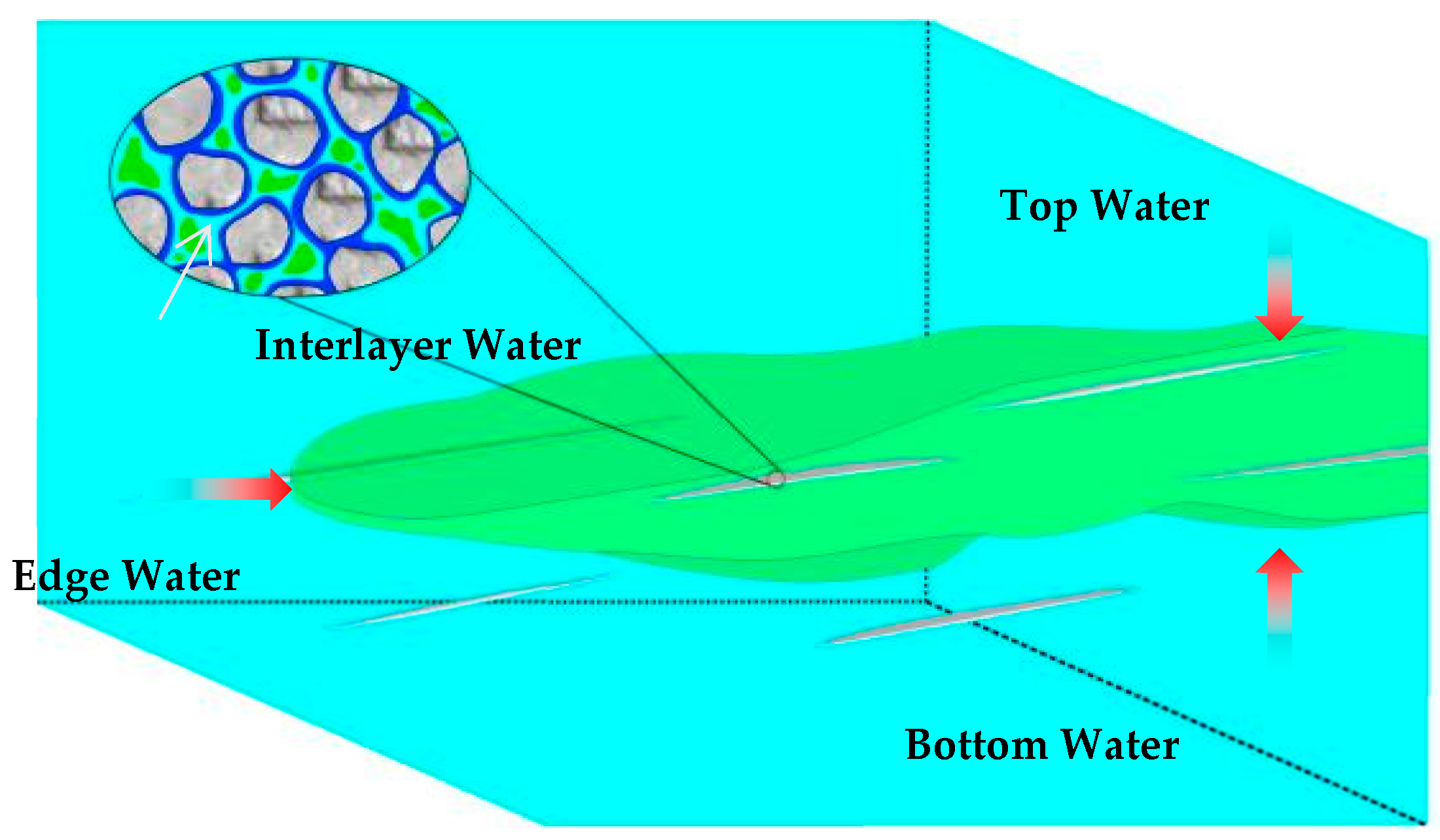
Figure 1. Longitudinal structure characteristics of N Oilfield.
Processes 14 00359 g001
Figure 2. Principle of the integrated jet pump injection-production technology: (a) high-temperature steam injection; (b) normal production.
Processes 14 00359 g002
Figure 3. Diagram of the production pump core.
Processes 14 00359 g003
Figure 4. Development of gas channeling channels.
Processes 14 00359 g004
Figure 5. Characteristics of steam channeling in typical wells of the N Oilfield.
Processes 14 00359 g005
Figure 6. Characteristics of the core in N extra-heavy oilfield: (a) massive bedding with gravel and coarse sandstone; (b) oil stains wavy, fine sandstone; (c) oil spot plate cross bedding, middle sandstone; (d) oil immersed groove like cross bedding, middle sandstone; (e) rich in oil block bedding, middle sandstone; (f) oil rich blocky bedding, gravel bearing coarse sandstone.
Processes 14 00359 g006
Figure 7. Fine-grained analysis of injection heat quantity in multi-well injection well groups in the region.
Processes 14 00359 g007
Figure 8. Setting of injection and production values for A2H.
Processes 14 00359 g008
Figure 9. The production performance of A2H and its neighboring wells.
Processes 14 00359 g009
Figure 10. The average water cut of wells after the first round of CSS.
Processes 14 00359 g010
Figure 11. The water recovery rate of wells after the first round of CSS.
Processes 14 00359 g011
Figure 12. The relationship between poor reservoir encounter rate and water cut.
Processes 14 00359 g012
Figure 13. Three types of typical well production performance: (a) Type-I; (b) Type-II; (c) Type-III.
Processes 14 00359 g013
Figure 14. Production dynamics after plugging: (a) Type-I; (b) Type-II; (c) Type-III.
Processes 14 00359 g014aProcesses 14 00359 g014b
Figure 15. Production dynamics of A19H before and after pump core replacement.
Processes 14 00359 g015
Table 1. Steam Channeling in the first round of CSS.
OrderOil Well
(Injection Well→Production Well)
Temperature Variation Impact Duration (d)Water Cut Variation Impact Duration (d)Daily Oil Production (t·d−1)
Before Steam ChannelingDuring Steam Channeling
1A18H→A19H23361008
2A22H→A23H45427017
3A26H→A17H59518226
4A13H→A12H43385128
5A11H→A12H60374432
6A10H→A9H23239184
7A10H→A11H26317147
8A3H→A4H21245033
9A11H→A10H80705531
10A4H→A5H75813753
11A16H→A45H21383949
Table 2. Injection and production parameters and regulation optimization strategies based on the differences in water production types.
ClassificationTarget FormationWater Production MechanismThermal Injection OptimizationProduction Regime AdjustmentChemical Control Method
Type IGuantao formationCondensate and inferior-zone waterAdhere to the ODP-based steam injection scheme, progressively increasing the steam volume by 10% per cycleModerate liquid rate increaseMulti-stage slug injection of high-temperature N2 foam for profile control
Type IIGuantao formation
(Type II-a)
Condensate and inferior-zone water (with significant contribution from the latter)Explore an appropriately elevated steam injection intensity, with a 20% incremental rate per cycleFeasibility of aggressively increasingHigh-temperature resistant, high-strength gel for water control
Mingxia formation
(Type II-b)
Condensate and inferior-zone water (with potential hydraulic connection to the aquifer)Investigate a “Less Steam, More Cycles” pattern to delay communication with edge waterModerate liquid rate control
Type IIIMingxia formationBotto and edge water breakthroughCement Plugging
Table 3. Injection and plugging performance test parameters of plugging agents.
Target WellPlugging Agent TypeInjection ParametersTesting Method
Type INitrogen FoamInjection rate: 10 t/h; surface foaming; gas–liquid ratio: 1:1;
average injection volume: 500 m3; concentration: 5%
Compare key parameters (e.g., cumulative oil production in the same period and cyclic oil/steam ratio) of the oil well before and after plugging
Type IIInorganic GelInjection rate: 6 t/h; concentration: 20%; injection volume: 300 m3Compare key indicators (e.g., steam injection pressure and steam injection rate) of the oil well before and after plugging
Type IIIUltrafine CementInjection rate: 6 t/h; plugging radius: 0.1 m; plugging dosage: designed based on plugging lengthCompare key parameters (e.g., water cut) of the oil well before and after plugging
Disclaimer/Publisher’s Note: The statements, opinions and data contained in all publications are solely those of the individual author(s) and contributor(s) and not of MDPI and/or the editor(s). MDPI and/or the editor(s) disclaim responsibility for any injury to people or property resulting from any ideas, methods, instructions or products referred to in the content.