Article

Structural Parametric Study of an Ultra-High-Head Pump–Turbine Runner for Enhanced Frequency Safety Margin


1
School of Civil Engineering and Water Resources, Qinghai University, Xining 810016, China
2
Laboratory of Ecological Protection and High Quality Development in the Upper Yellow River, Xining 810016, China
3
Key Laboratory of Water Ecology Remediation and Protection at Headwater Regions of Big Rivers, Ministry of Water Resources, Xining 810016, China
4
Fujian Yunxiao Pumped Stroge Co., Ltd., State Grid Corporation of China, Zhangzhou 363300, China
5
Department of Energy and Power Engineering, Tsinghua University, Beijing 100084, China
6
S.C.I. Energy, Future Energy Research Institute, 8706 Zurich, Switzerland
*
Author to whom correspondence should be addressed.
Processes 2026, 14(2), 284; https://doi.org/10.3390/pr14020284
Submission received: 9 December 2025 / Revised: 30 December 2025 / Accepted: 12 January 2026 / Published: 14 January 2026
(This article belongs to the Special Issue CFD Simulation of Fluid Machinery)

Abstract

Structural optimization focusing on the root fillet radius and the crown and band thicknesses was implemented to prevent rotor–stator interaction-induced resonance, with the objective of enhancing the frequency safety margin for the 4-nodal-diameter mode shape. An ultra-high-head pump–turbine runner is analyzed using an acoustic fluid–structure coupling method to investigate modal characteristics and identify effective design improvements. The results show that increasing the root fillet radius from 0 to 50 mm raises the frequency safety margin from 3.7% to 8.5%, thereby significantly reducing the resonance risk. Likewise, increasing the thickness of the crown, the band, or both leads to higher frequency safety margins, with simultaneous thickening of both components delivering the most improvement. Frequency safety margins continue to rise as the degree of thickening increases. When a runner’s natural frequency is only slightly higher than the corresponding excitation frequency, design measures such as enlarging the root fillet radius and jointly thickening the crown and band effectively expand the frequency safety margin. These findings can provide designers with both qualitative and quantitative references when modifying these structural parameters to mitigate resonance risk.

1. Introduction

Pump–turbines, as the core equipment of pumped-storage power stations [1,2,3], play a crucial role in supporting a sustainable energy system by providing peak shaving, valley filling, frequency regulation, and emergency backup. With the global transition toward clean, low-carbon, and sustainable energy systems, the construction of pumped-storage power plants has entered a phase of rapid development [4]. As a result, the operational head of pump–turbines is increasing, and the requirements for operational stability, structural safety, and long-term reliability have become more stringent [5]. During operation, the runner, being the core component for energy conversion, is continuously subjected to complex hydraulic excitations and rotational loads. Rotor–stator interaction (RSI) between the runner and the movable guide vanes can excite resonance once the excitation frequency approaches the natural frequency of the corresponding structural mode, leading to structural fatigue damage or even crack formation, seriously compromising unit safety [6,7,8,9]. Therefore, conducting modal analysis of the runner, particularly predicting, preventing, and controlling its resonant behavior, has become an indispensable aspect of pump–turbine design.
Research methods for studying the modal characteristics of pump–turbine runners primarily include experimental investigation [10,11,12] and numerical simulation [13,14,15]. Within experimental investigation, it is further divided into model testing [16,17,18,19] and prototype testing [20]. However, prototype testing is primarily suitable for performance validation and fault diagnosis of the unit and cannot be conducted during the design phase. Meanwhile, physical model experiments involve high material and time costs, and achieving full geometric similarity between model and prototype, especially for crown and band clearances, is practically impossible. Previous research has demonstrated that these clearances significantly influence the runner’s modal characteristics [21]. Therefore, at the current stage, numerical simulation has become an indispensable and irreplaceable tool, enabling accurate prediction of modal behavior and reducing resonance risk of pump–turbine runners.
As is well known, the presence of surrounding water significantly affects the modal characteristics of the runner. Therefore, the Acoustic-Fluid–Structure Coupling Method (AFSCM) was proposed to obtain these characteristics through numerical simulation during the design phase [22,23,24,25]. This method treats the surrounding fluid domain as an acoustic medium, solved via the Helmholtz equation [26], thereby accounting for the added mass effect imposed on the runner by the surrounding water. The AFSCM has been widely adopted in previous studies of pump–turbine dynamics [27,28], with simulation results showing good agreement with experimental measurements [11,29,30]. Therefore, the AFSCM was adopted in this study, supporting dependable simulation outcomes that contribute to the runner design.
The occurrence of cavitation alters the density and speed of sound of the fluid surrounding the runner, thereby leading to an increase in the runner’s natural frequency [31,32,33,34]. However, during the design phase, due to time constraints and the multitude of potential cavitation conditions, it is impractical to conduct detailed studies on the runner’s modal characteristics under all cavitation scenarios. Furthermore, according to Huang’s research [35], the presence of a cavity has a relatively minor impact on the natural frequencies of higher-order mode shapes. Since this study focuses on the natural frequency of the higher-order mode shape, the influence of the cavity is not considered in this study.
Numerous studies have confirmed that the water in the clearances between the runner and stationary components, such as the head cover and bottom ring, has a significant impact on the added mass [15,21]. Hence, to more accurately predict these characteristics during runner design, these clearances must be accounted for in the numerical model. Previous studies have primarily focused on comparing the effects of the presence or absence of clearances on the modal characteristics of the runner and the added mass effect of the water [36]. However, there is a corresponding lack of research on how changes in structural parameters alter the fluid domain in clearances, which in turn affects the runner’s modal characteristics and the associated water-induced added mass effect.
In runner design, modifications are typically based on an existing similar runner, and structural changes inevitably alter its modal characteristics. There is currently limited research in this area. Lais et al. [37] investigated the influence of several numerical and structural parameters, such as material, size and geometrical details of the hub, on the modal properties of the runner. Regarding structural parameters, Lais’s study focused on the pressure-relieving holes on the crown and did not consider the effects of the RFR or the crown and band thicknesses. Cao’s study [36] indicates that geometric parameters such as the root fillet radius (RFR), blade thickness, and band thickness affect the runner’s frequencies and mode shapes to varying degrees. Although Cao’s research addresses the influence of RFR on the runner’s modal natural frequencies, it lacks a quantitative assessment and does not explore the impact of RFR on the added mass effect or its underlying mechanisms. Furthermore, the influence of crown thickness and the coupled effect of crown and band thickness on the runner’s modal characteristics remain unexamined. Therefore, this study will analyze the effects of the fillet radius at the RFR, crown thickness, and band thickness on the runner’s modal characteristics from both qualitative and quantitative perspectives.
In summary, previous research has primarily focused on how to obtain the modal characteristics of the runner more accurately (e.g., by improving experimental methods and developing numerical simulation techniques like AFSCM). In contrast, systematic studies on how key structural parameters—such as the RFR, crown thickness, and band thickness—quantitatively influence these characteristics have been relatively scarce. Therefore, in this study, an ultra-high-head pump–turbine unit was employed to qualitatively and quantitatively assess the effects of the RFR, crown thickness, and band thickness on the runner’s modal characteristics. The surrounding water of the runner was accurately modeled to account for its induced added mass effect. The study aims to provide a theoretical reference for runner design, with the goal of mitigating resonance risk and ensuring the safe operation of the unit.

2. Numerical Theory and Model

2.1. Acoustic Fluid–Structure Coupling Method

When accounting for the mass effect of the surrounding water, the fluid structure coupling equation of the pump–turbine runner can be written in an assembled form as:
M s               0 ρ ¯ 0 R T         [ M f ] u ¨ p ¨ + [ C s ]         0     0         [ C f ] u ˙ p ˙ + K s       [ R ]     0               [ K f ] u p = F s     0
where [Ms], [Cs] and [Ks] are the mass matrix, damping matrix, and stiffness matrix of pump–turbine runner, {u}, { u ˙ } and { u ¨ } are acceleration, velocity and displacement of pump–turbine runner, respectively, {Fs} is the external force acting on the pump–turbine runner, [Mf], [Cf] and [Kf] are the acoustic fluid mass matrix, acoustic fluid damping matrix and acoustic fluid stiffness matrix, {Ff} is the fluid load generated by displacement of the structure on the coupling surface, [R] is the acoustic fluid boundary matrix, P is the nodal pressure vector, and ρ ¯ 0 is the acoustic fluid mass density constant.

2.2. Added Mass Effect

The surrounding water constrains the deformation of the runner, leading to a reduction in the natural frequencies of the runner. However, the rate of this frequency reduction varies across different mode shapes and depends on the specific structural optimization applied. To quantitatively evaluate the added mass effect of the water on the structure, the added mass factor has been introduced by researchers [38].
The natural frequency of the runner submerged in water is lower than in air due to the fluid added mass. The value of the natural frequency of the submerged runner can be expressed as Equation (2) [39], while the natural frequency of the runner in air can be expressed as Equation (3).
f w = 1 2 π K s M S + M A
f a = 1 2 π K s M S
where MA is the fluid added mass.
The added mass factor λ [27,40] is a dimensionless factor representing the fluid added mass (MA) over the structural modal mass (MS) of the corresponding mode shape in air, and λ can be calculated from Equations (2) and (3), as shown in Equation (4).
λ = M A M S = f a f w 2 1

2.3. Rotor–Stator Interaction Resonance Theory

Due to the rotation of the runner, the relative position between the runner and the guide vanes changes periodically, which excites different vibration modes. Resonance occurs when both the excited vibration mode and its frequency match those of the natural modes of the runner.
In most mode shapes, there exist lines of zero out-of-plane displacement that cross the entire structure. These lines are defined as nodal diameters (ND). The combination of runner blades and guide vanes defines the resonant mode shapes of the runner according to the RSI resonance theory [41,42]. Only the specific combinations that satisfy Equation (5) can excite the mode with k ND. The excitation frequency of the runner by RSI is given by n Z g f n , where fn is the rotation frequency of the runner.
n Z g ± k = m Z r
where n and m are any positive integers, k represents the nodal diameters, Zg and Zr are the numbers of guide vanes and runner blades.
The pump–turbine in this study has 9 blades and 22 guide vanes. The rated rotating speed (nr) and the rated rotating frequency of the unit (fn) are 428.6 rpm and 7.143 Hz, respectively. Therefore, the resonant mode shape of the runner is 4ND with an excitation frequency of 157.1 Hz.

2.4. Frequency Safety Margin (FSM)

As is widely recognized, resonance in a runner occurs only when the frequency of its RSI excitation mode closely matches the corresponding natural frequency. Therefore, the FSM (∆) is defined to quantify the proximity between the natural frequency and the excitation frequency. The FSM (∆) is calculated with the natural frequencies (fSC) and RSI excitation frequency (frsi) by Equation (6).
Δ = 100 % f s c f r s i / f r s i

2.5. Numerical Model

An ultra-high-head pump–turbine runner with a specific speed of 3.57 m·kW is used in this study. The maximum head (Hm) of the investigated pumped storage power stations is above 500 m. The properties of material are listed in Table 1.
The numerical model includes runner, flow passage, crown chamber and band chamber, as shown in Figure 1. Water is assumed to be homogeneous with a constant density of 998.2 kg·m−3 and a constant speed of sound of 1482 m/s at 20 °C. An impedance boundary is used to reduce the problem size, as shown in Figure 1. The acoustic absorption coefficient affects damping but has little to no effect on the natural frequency. Since damping characteristics are not the focus of this study, this coefficient was set to 0.3 [43].
The first forty mode frequencies and shapes are attained by AFSCM simulation with the aforementioned boundary conditions, and the 0ND shape to 4ND shape are selected to analyze the effect of structure parameters on mode characteristics.

2.6. Grid Independence

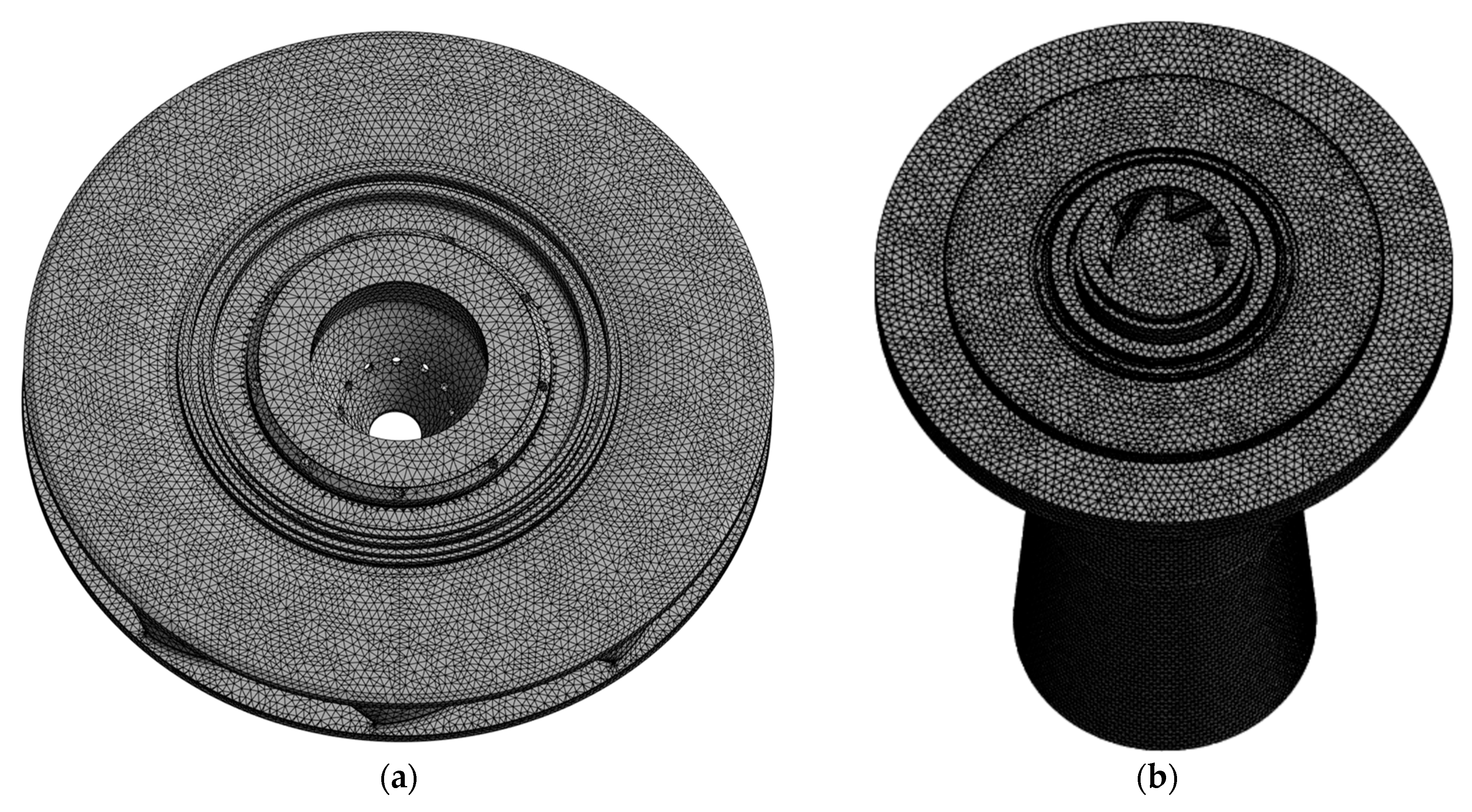
The computational mesh of the pump–turbine runner and surrounding water is shown in Figure 2.
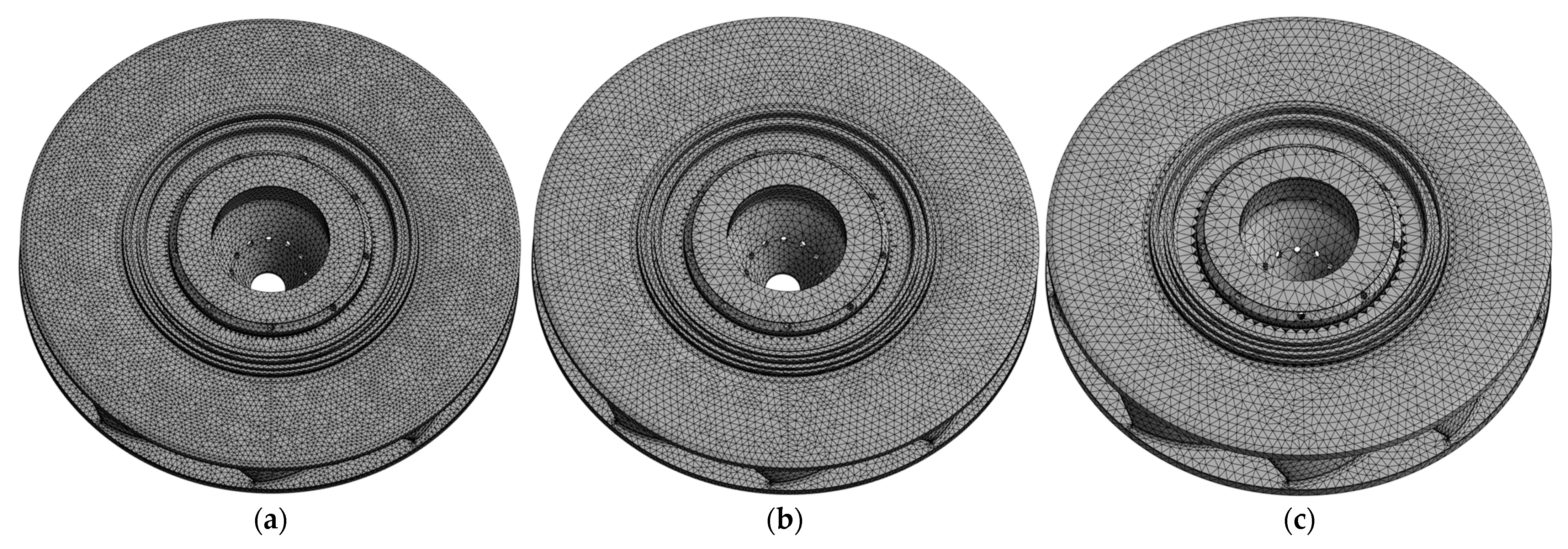
The level of mesh refinement significantly influences the results. To eliminate the influence of the mesh on the results, the grid independence was verified using the Grid Convergence Index (GCI) criterion based on the Richardson extrapolation method [44], with the frequencies corresponding to the 0ND~4ND mode shapes as the reference variable. Three successively refined grids with different discretization scales were created, as shown in Figure 3. The verification results are presented in Table 2. ϕ 1 , ϕ 2 , and ϕ 3 represent the natural frequencies of the corresponding mode shapes computed on the three grid sets, respectively. These frequencies and all subsequent natural frequencies mentioned have been normalized with respect to the excitation frequency of 157.1 Hz. ϕ ext 21 is the extrapolation based on the results obtained from the three grid sets mentioned above, with a relative error of e ext 21 expressed. e a 21 is the relative error of the calculated value on the fine grid with respect to that on the medium-coarse grid. The convergence index GCI fine 21 is less than 5%, which satisfies the GCI convergence criterion. Therefore, the final number of grid elements adopted is approximately 2.21 million, with the root fillet mesh size of 53 mm.

3. Results and Discussion

3.1. Effect of the RFR

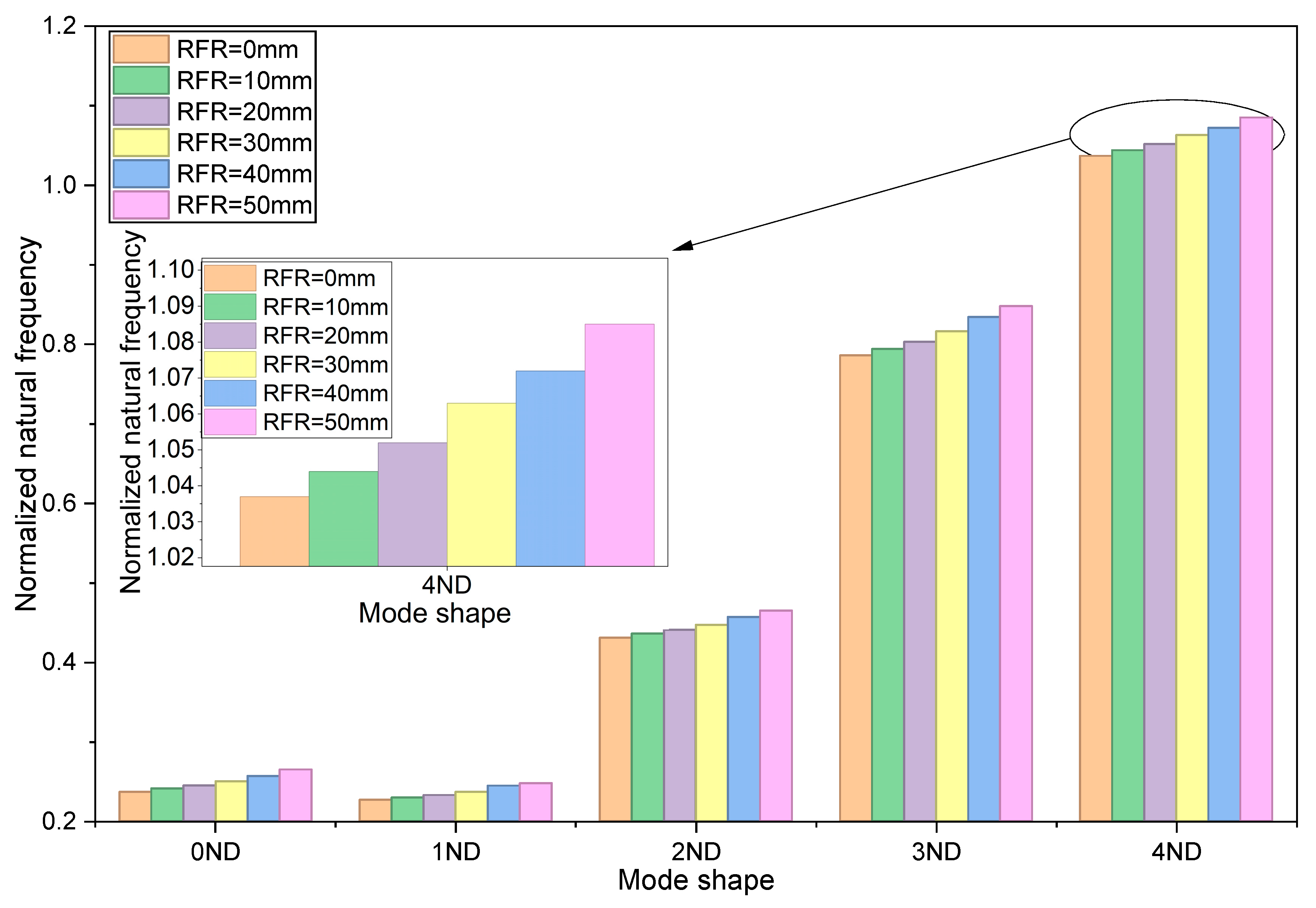
The modal analysis of runners under different fillet radii from 0 mm to 50 mm is conducted, as shown in Figure 4.
The wet-mode natural frequency of the runner exhibits a growing trend as the RFR increases. Increasing RFR from 0 mm to 50 mm elevates the natural frequency of the 4 ND by 4.6%. An explanation for this phenomenon can be derived from Equation (2). As the RFR increases, both the stiffness and modal mass of the runner increase, whereas the added mass decreases. The improvement in stiffness has a more significant effect than the improvement in modal mass. Therefore, according to Equation (2), this will lead to an increase in the natural frequency.
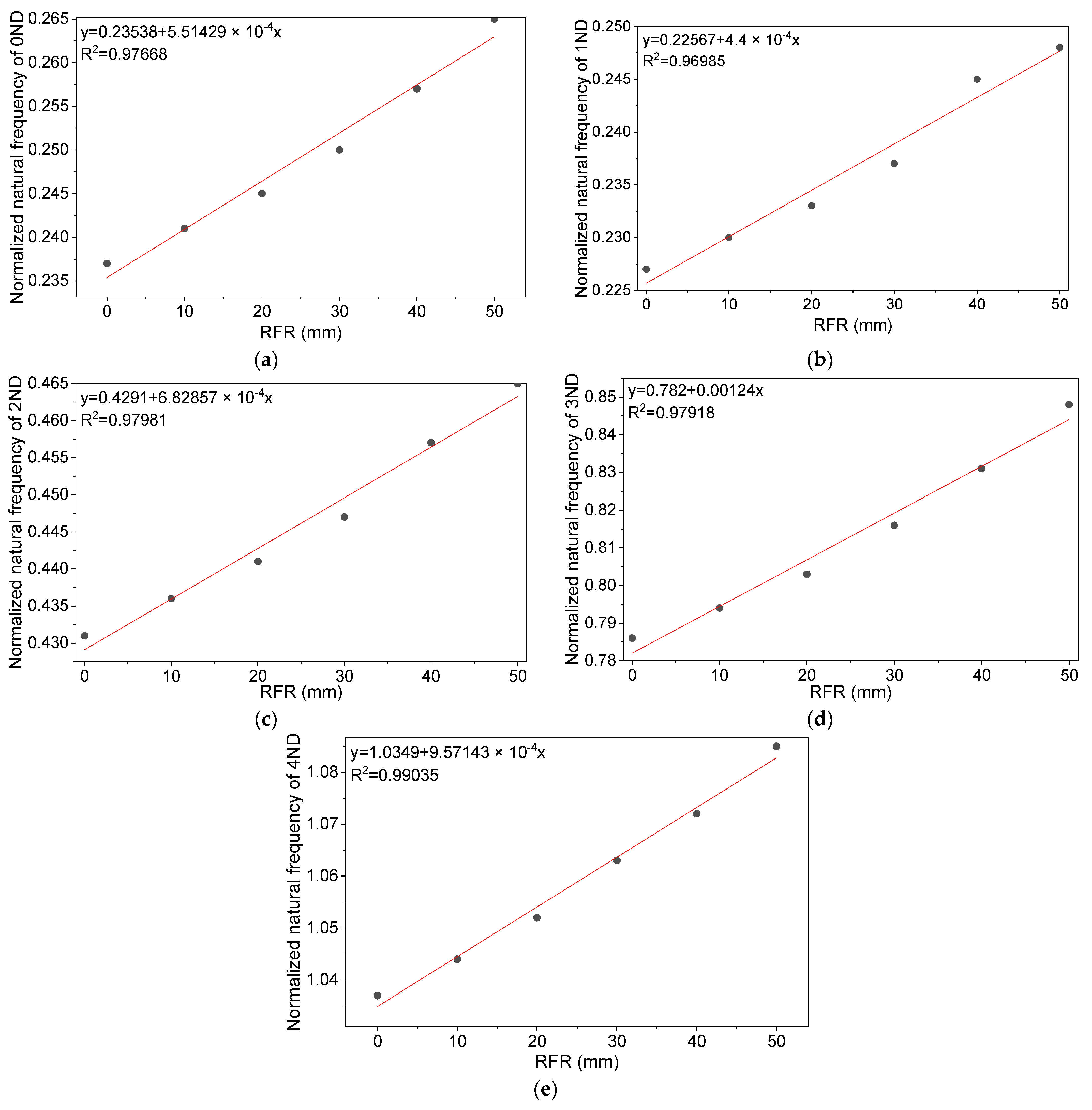
As observed from the regression analysis in Figure 5, the natural frequency of 0ND~4ND exhibits a linear relationship with the RFR. The R2 value, a measure of goodness-of-fit for the linear regression model, is close to 1. It can be seen that the increase in natural frequency for the RFR is relatively small, which is about 1.5 Hz (1% of the excitation frequency) for a 10 mm increase in the RFR. By employing the fitting formula, the natural frequency of the submerged runner in water for any mode for different RFR values can be estimated during design, which enables a shortened design cycle.
A comparison of the fitting curves for the 0ND to 4ND mode shapes reveals that as the number of ND increases, the slope of the fitting curve becomes steeper. This indicates that the frequency improvement achieved by increasing the RFR becomes more significant for higher nodal diameter modes. This phenomenon occurs because a higher number of nodal diameters divides the runner into more symmetrical sectors oscillating in phase. The increase in stiffness resulting from a higher RFR more effectively restricts the vibration amplitude of these smaller, anti-phase sectors, thereby leading to a greater enhancement of the natural frequency. Consequently, for higher-order excitation modes, the effectiveness of increasing the RFR in enhancing vibration avoidance is more pronounced.
As shown in Table 3, the added mass effect for the 0ND mode is significantly greater than that for higher-order modes. This is because the 0ND mode involves axial deformation of the entire runner, resulting in a larger deformation range that displaces a greater volume of water in the same direction. Consequently, the added mass effect caused by the water is more pronounced for this mode shape.
To more intuitively demonstrate the variation in the added mass effect due to changes in the RFR, a new variable, the added mass factor relative change ratio, is defined. It is calculated using the following formula:
ROC = λ λ R λ R × 100 %
where λR is the reference added mass factor, which in this section represents the added mass factor corresponding to RFR = 0.
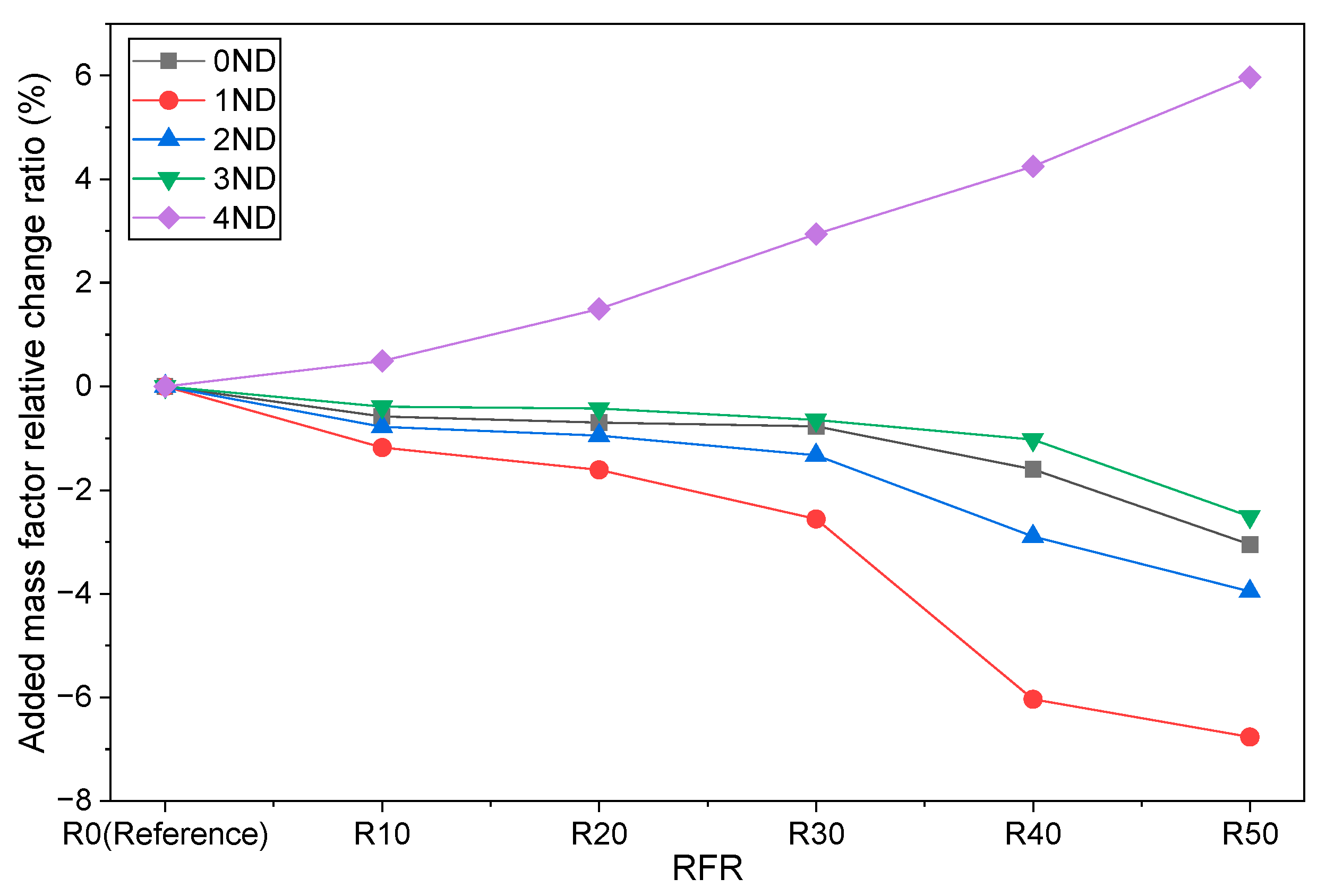
It can be readily observed from Figure 6 below that the added mass factor decreases for 0ND~3ND mode shape with increasing RFR, indicating a weakening of the added mass effect induced by the water. This occurs because the modal mass increases, while the added mass decreases as the RFR rises. Consequently, the above conclusion can be easily derived from Equation (4). However, for the 4ND mode shape, this trend is exactly the opposite. As noted earlier, the dry-mode natural frequency corresponding to the 4ND mode shape is more sensitive to changes in the RFR. In contrast, the wet-mode natural frequency, influenced by hydraulic damping, exhibits a relatively less pronounced variation. This differential sensitivity results in the enhancement of the added mass effect for the 4ND mode shape with increasing RFR.
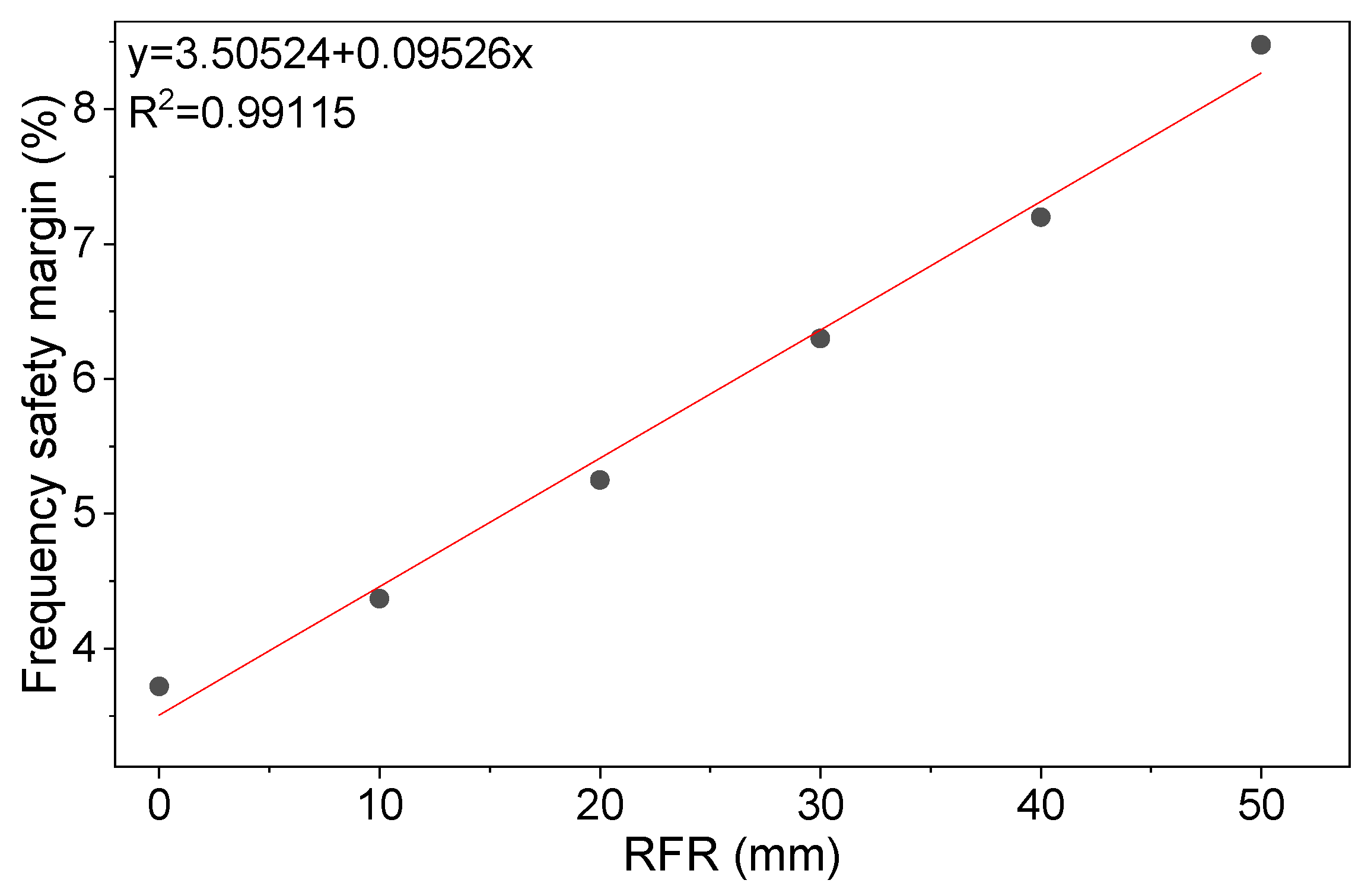
As illustrated in Figure 7, the FSM exhibits growth with an increase in the RFR. Based on the fitting curve, a 10 mm increase in RFR yields a 1 percentage point gain in the FSM. For the pump–turbine unit in this study, the RSI excites the 4ND mode shape. When the RFR is 0 mm, the FSM falls to 3.7%, which may lead to hydraulic resonance induced by RSI during normal operation of the unit. When the RFR reaches 50 mm, the corresponding FSM for the 4ND mode is close to 8.5%. This indicates that the runner is positioned sufficiently far from the RSI resonance region, ensuring that no hydraulic resonance induced by RSI will occur during normal operation. It is advisable, therefore, to moderately increase the RFR in the runner design of pump–turbine units to raise the FSM, thereby avoiding the occurrence of hydraulic resonance induced by RSI.

3.2. Effect of the Thickness of the Crown and the Band

3.2.1. Effect of the Thickening Location

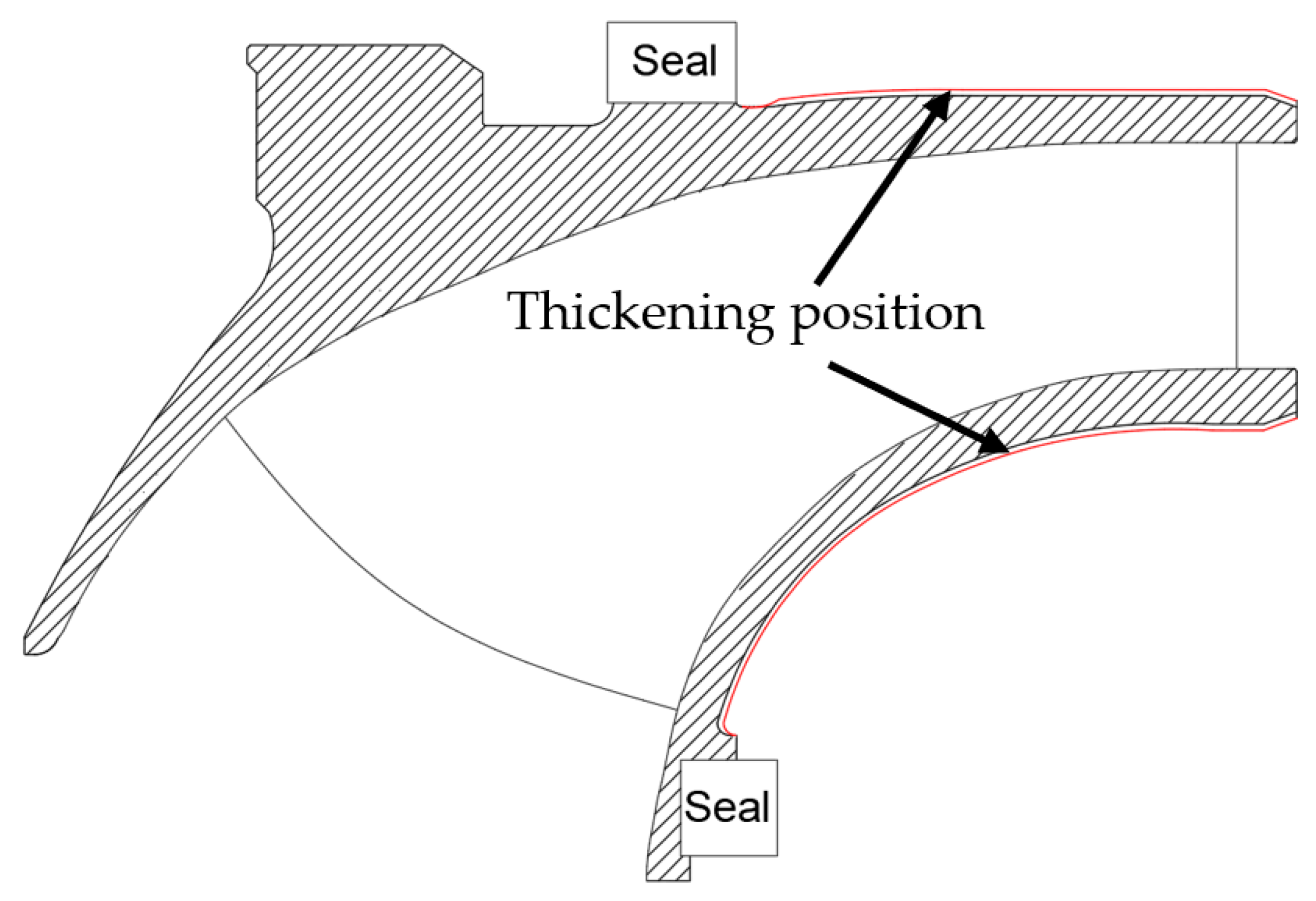
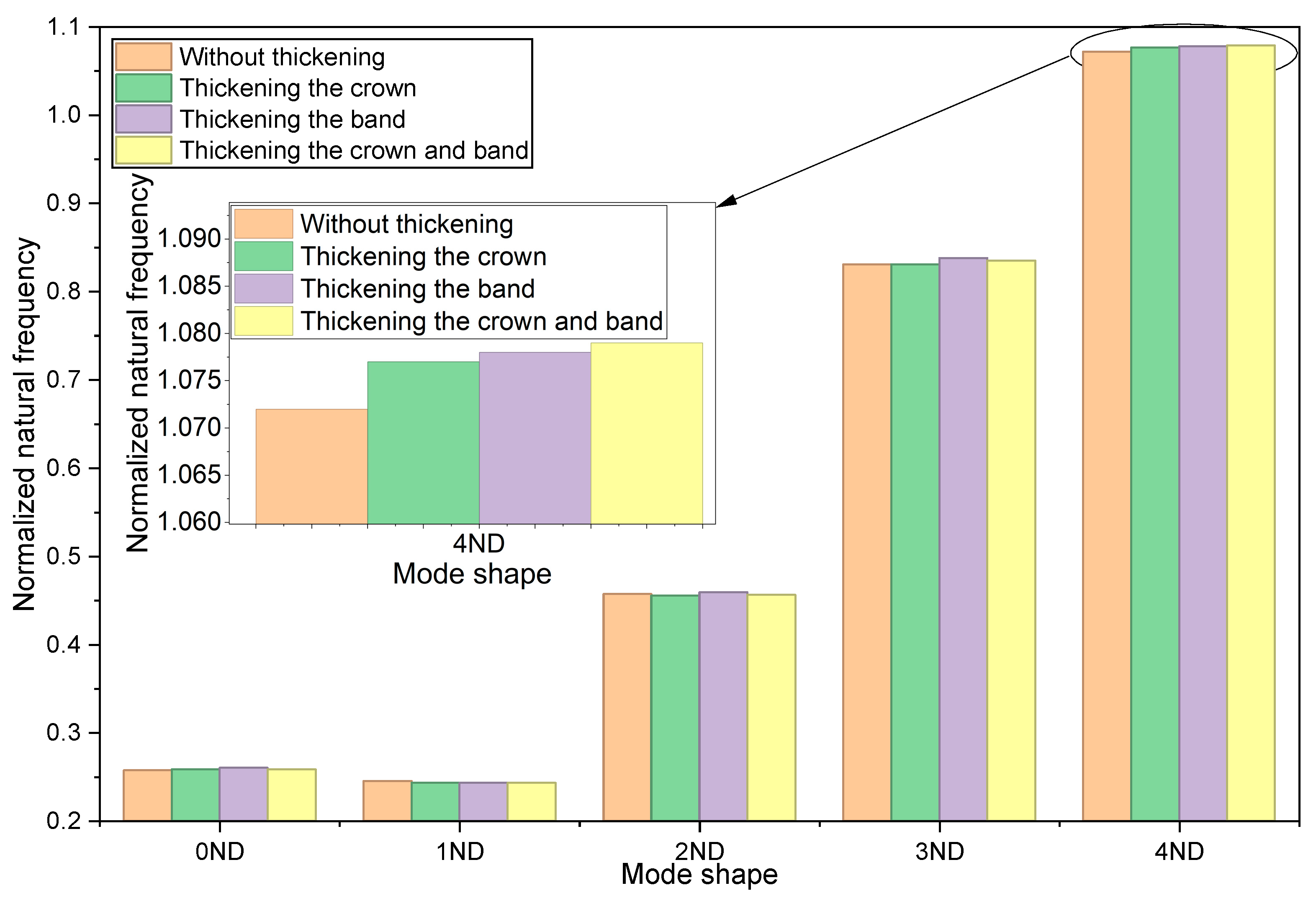
To investigate the influence of thickening different parts on the natural frequency of the runner, four design schemes were established: no thickening, thickening only the crown, thickening only the band, and thickening both the crown and the band. The thickening was implemented with a thickness of 2 mm. Figure 8 is a schematic diagram of the runner with a thickened crown and band. In the figure, the red curve illustrates the thickening scheme, defining both the position and direction of material addition on the crown and band.
Figure 9 illustrates that all three thickening schemes increase the natural frequency associated with the 4ND mode of the runner. This is because the 4ND mode shape exhibits relatively smaller deformation amplitudes, making it more sensitive to increases in stiffness. Consequently, the stiffness enhancement resulting from the runner thickening plays a dominant role, thus leading to a rise in the natural frequency corresponding to the 4ND mode.
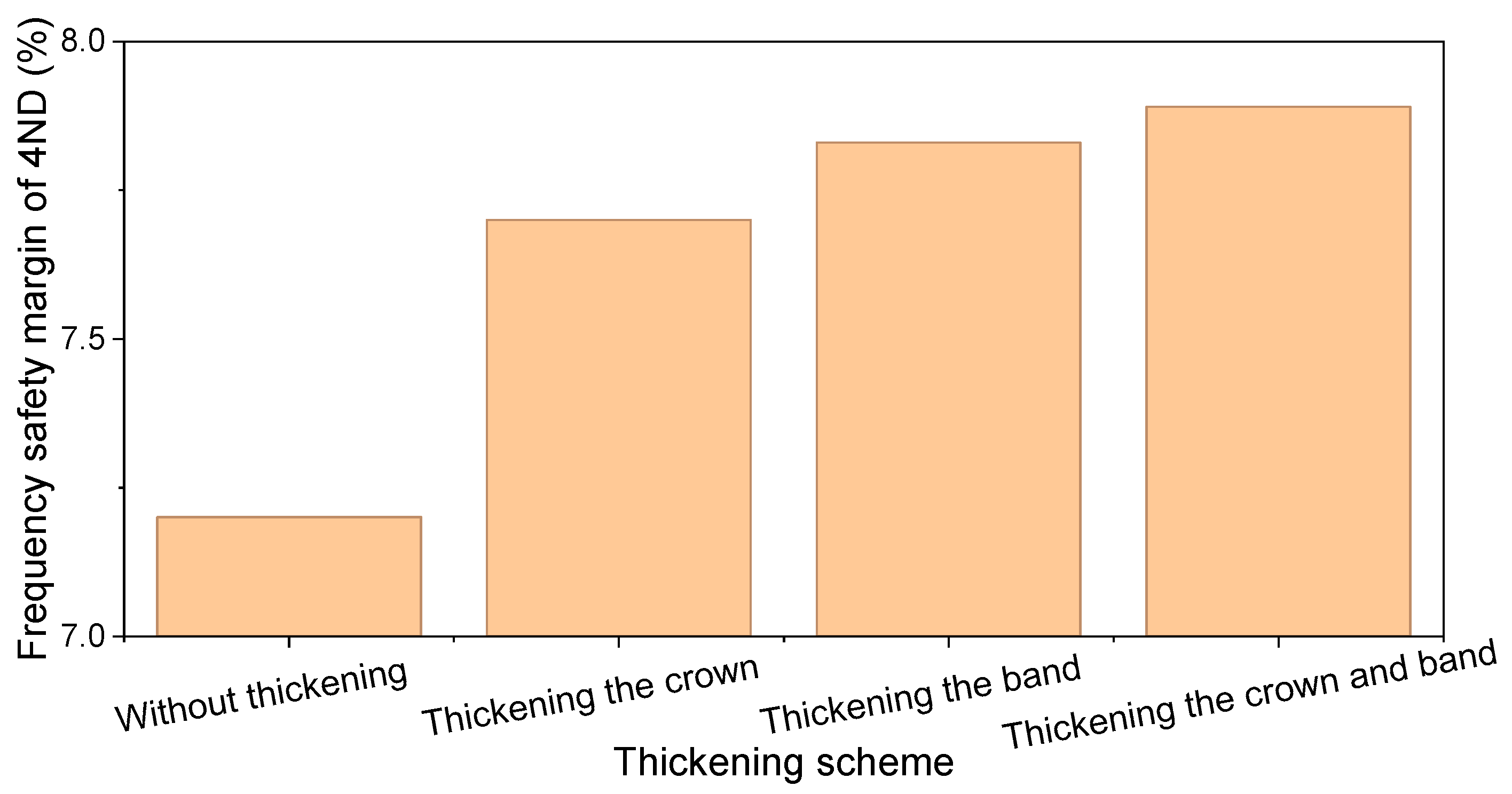
Among the three thickening schemes, thickening both the crown and the band yields the most significant improvement and is therefore the recommended approach. While thickening only the band results in a more pronounced effect than thickening only the crown. However, overall, the improvement in natural frequency achieved by thickening the runner is less significant than that achieved by increasing the RFR. Even with simultaneous thickening of both the crown and the band by 2 mm, the 4ND natural frequency is increased by only 0.6%, and the FSM is improved by merely 0.7 percentage points, as shown in Figure 10. Therefore, this approach should be avoided where possible.
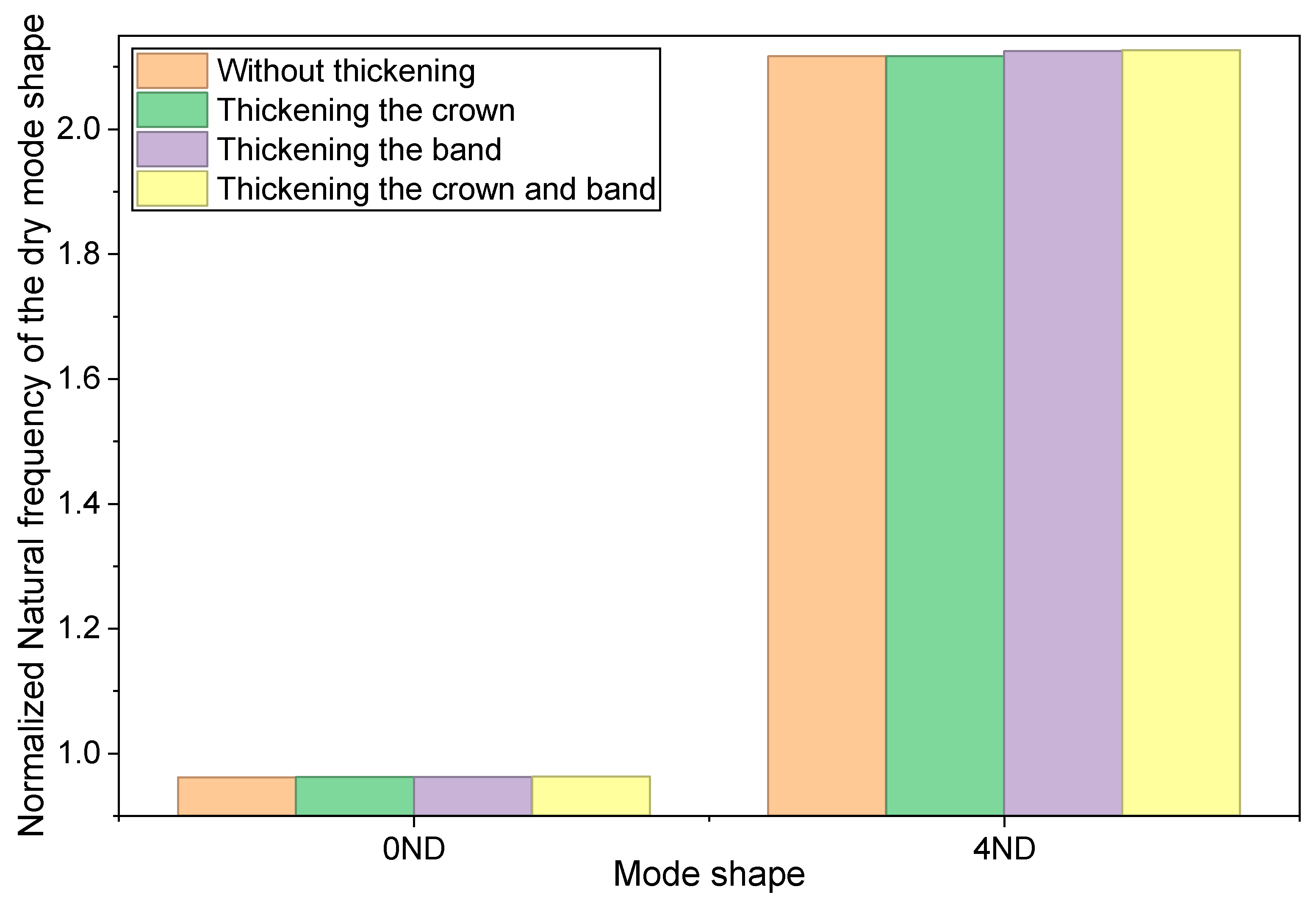
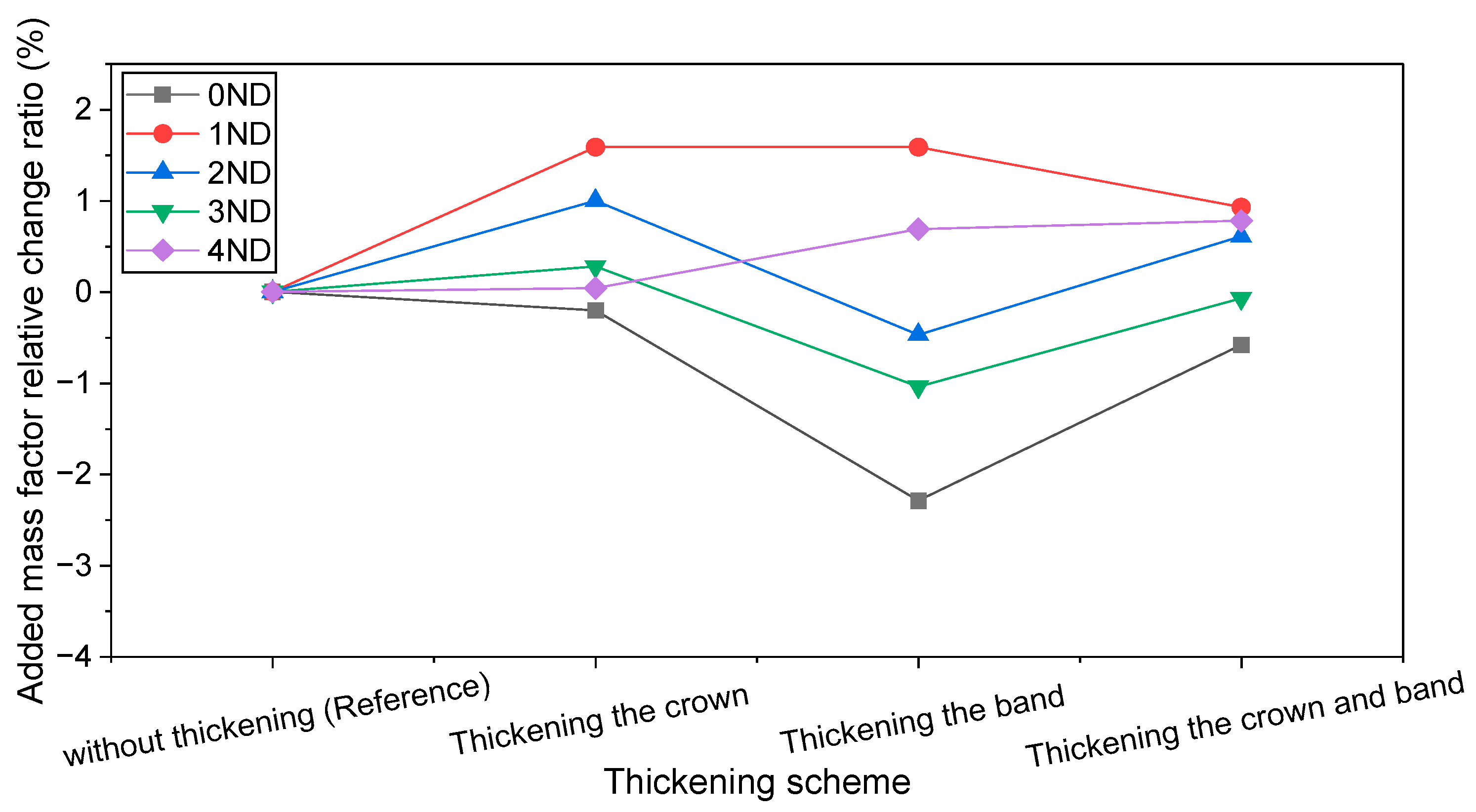
Table 4 presents the added mass factors corresponding to different thickening schemes. It can be observed from the table that for the 0ND mode shape, runner thickening leads to a reduction in the added mass factor, whereas for the 4ND mode shape, the added mass factor increases with runner thickening. This difference primarily arises because the 0ND mode, characterized by axial motion, is relatively insensitive to the stiffness improvement induced by runner thickening. In contrast, the 4ND mode, with its smaller vibration amplitudes, is more sensitive to changes in stiffness. Consequently, runner thickening has a more pronounced effect on the dry-mode natural frequency of the 4ND mode, while exerting a negligible effect on that of the 0ND mode, as shown in Figure 11. This differential response ultimately leads to the distinct influences of runner thickening on the added mass effect of the runner.
Furthermore, as observed in Figure 12, the change in the added mass effect resulting from runner thickening is significantly smaller than that induced by the RFR. This further illustrates that the changes in modal characteristics induced by runner thickening are relatively minor.

3.2.2. Effect of the Thickening Thickness

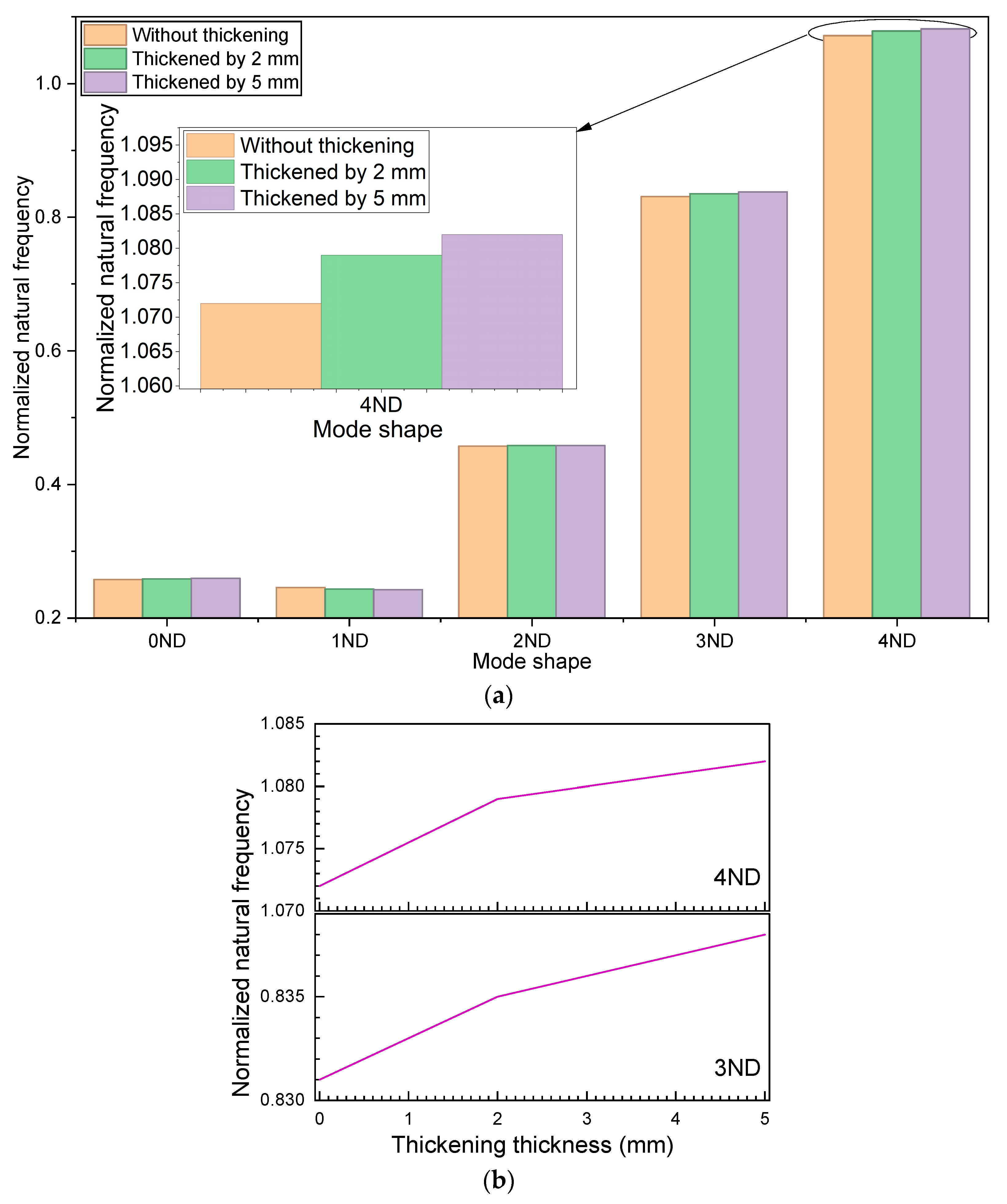
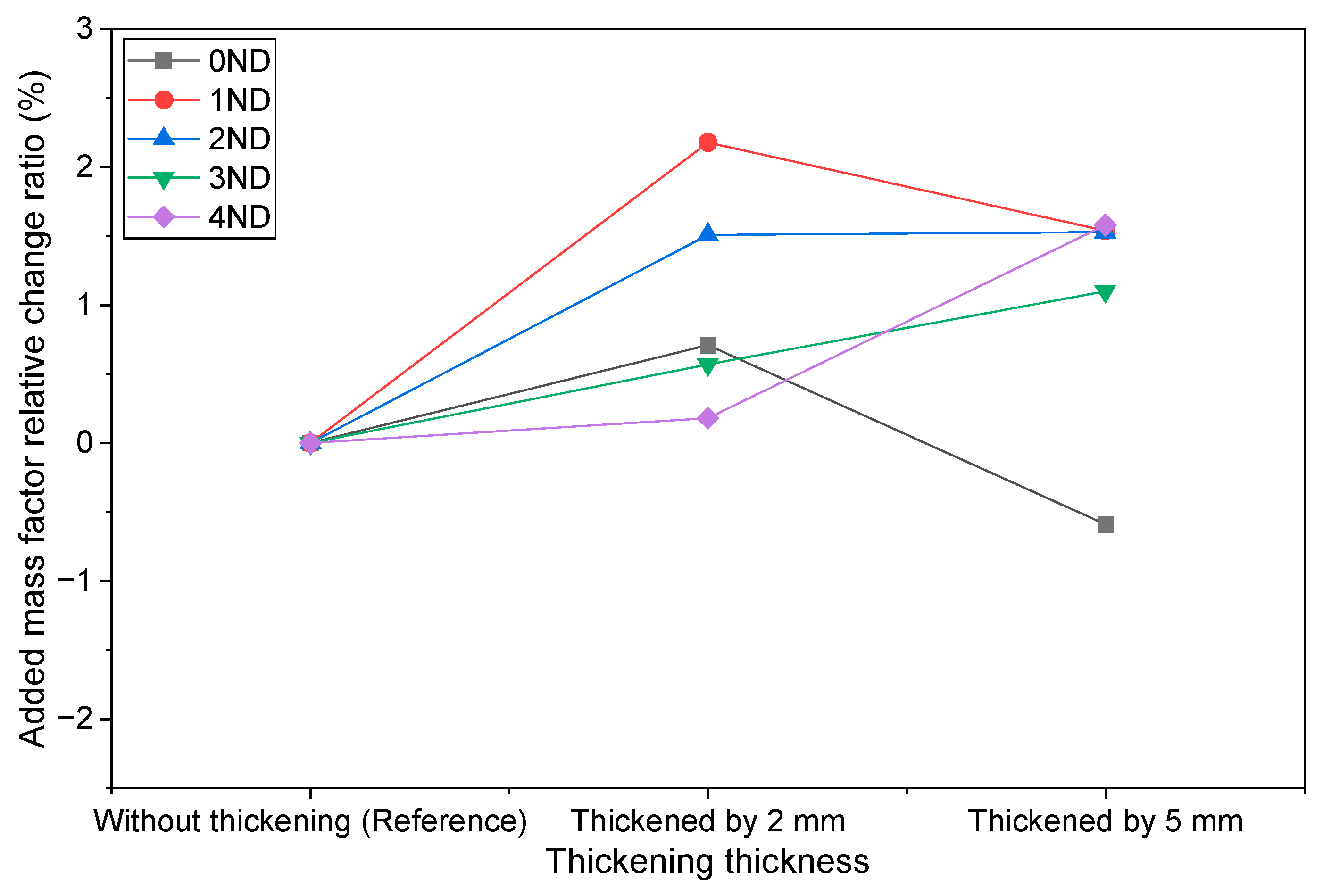
To investigate the influence of different thickening thicknesses on the modal characteristics of the runner, a modal analysis was conducted on three models: one without thickening, one with both the crown and band thickened by 2 mm, and one with both thickened by 5 mm. The results are shown in Figure 13. Simultaneously thickening both the crown and the band by 5 mm enhances the 4ND natural frequency by 0.9% and improves the FSM by 1%.
The results show that the thickening of the runner has a minor impact on the natural frequencies corresponding to the 0ND to 2ND mode shapes, while it leads to a relatively more pronounced increase in the natural frequencies of the 3ND and 4ND mode shapes. This is related to the deformation patterns and amplitudes of the runner under different mode shapes, as discussed earlier. For every 1 mm increase in the thickness of both the crown and the band, the natural frequencies corresponding to the 3ND and 4ND mode shapes increase by about 0.2 Hz (0.13% of the excitation frequency).
Figure 13b reveals a nonlinear relationship between thickening thickness and natural frequency, showing diminishing returns (i.e., progressively smaller frequency gains) with increased thickness. Hence, relying excessively on thickening the crown and band to raise the natural frequency is not recommended.
From Table 5 and Figure 14, it can be observed that, with the exception of the 0ND mode shape, the added mass effect induced by the water becomes more pronounced as the thickening thickness increases, albeit to a limited extent. The water-induced added mass effect for higher-order mode shapes (such as 3ND and 4ND) is more sensitive to changes in thickening thickness. If the excitation mode shape induced by RSI is a higher-order mode, a greater thickness may be attempted to achieve a higher FSM. Otherwise, it is not recommended to reduce resonance risk by thickening the runner’s crown and band.

4. Conclusions

In this study, the influence of structural parameters—such as the RFR, crown thickness, and band thickness—on its modal characteristics is investigated based on AFSCM. The objective of this study is to enhance the FSM by means of modifying structural parameters, in order to reduce resonance risk induced by RSI.
Both the natural frequency and the FSM of the runner rise with increasing RFR. Specifically, for every 10 mm increase in RFR, the natural frequency increases by approximately 1%, and the FSM improves by 1 percentage point. Variations in RFR have a more pronounced effect on the FSM of higher-order excitation modes. The minimum RFR recommended for an FSM ≥ 8% is 50 mm for the runner investigated.
Thickening only the crown, only the band, or both simultaneously improves both the natural frequency and the FSM of the 4ND mode, with simultaneous thickening yielding the most significant enhancement. The improvement becomes more pronounced as the thickness increases. The increase in natural frequency is about 0.13% of the excitation frequency for every 1 mm increase in the thickness of both the crown and the band.
In summary, both increasing the RFR and thickening the crown or band of the runner can enhance the natural frequency of the 4ND mode. However, increasing the RFR is more efficient, making it the preferred design strategy. If necessary, the RFR can be increased while also thickening both the crown and band. These findings provide valuable guidance for the design of ultra-high-head pump–turbine runners, helping prevent hydraulic resonance induced by RSI, and ensuring the safe and stable operation of pumped-storage units and systems.
Finally, it is worth mentioning that the effects of cavitation and runner rotation were not considered in this study. A more accurate prediction of runner resonance would require the inclusion of these factors.

Author Contributions

Conceptualization, Z.W. and X.H.; methodology, M.L. and X.H.; software, M.L. and F.J.; validation, Z.L. and D.Z.; investigation, M.L., F.J., D.Z., X.H. and Z.L.; writing—original draft preparation, M.L. and X.H.; writing—review and editing, M.L., F.J., X.H., D.Z. and Z.L.; project administration J.L.; funding acquisition, Z.W. and J.L.; supervision, Z.W. and J.L. All authors have read and agreed to the published version of the manuscript.

Funding

This research was funded by the project: Fujian Yunxiao Pumped Storage Power Station Pump-Turbine Unit Steady-State and Transient Operation Fluid-Structure Interaction Dynamic Characteristics Analysis and Evaluation Service China National Nuclear Power Co., Ltd. Zhangzhou Energy Co., Ltd., and the Open Research Fund Program of Laboratory for Ecological Protection and High-quality Development of the Upstream of Yellow River, grant number 2024hhsyzz01.

Data Availability Statement

The original contributions presented in the study are included in the article, further inquiries can be directed to the corresponding author.

Conflicts of Interest

Authors Feng Jin, Dawei Zheng, Zebin Lai were employed by the company Fujian Yunxiao Pumped Stroge Co., Ltd., State Grid Corporation of China. Author Xingxing Huang was employed by the company S.C.I. Energy, Future Energy Research Institute. The remaining authors declare that the research was conducted in the absence of any commercial or financial relationships that could be construed as a potential conflict of interest. The companies in affiliation and funding had no role in the design of the study; in the collection, analyses, or interpretation of data; in the writing of the manuscript, or in the decision to publish the results.

Abbreviations

The following abbreviations are used in this manuscript:
RSIRotor–stator interaction
AFSCMAcoustic fluid–structure coupling method
RFRRoot fillet radius
FSMFrequency safety margin
NDNodal diameter
GCIGrid convergence index

References

  1. Li, D.; Wang, H.; Xiang, G.; Gong, R.; Wei, X.; Liu, Z. Unsteady simulation and analysis for hump characteristics of a pump turbine model. Renew. Energy 2015, 77, 32–42. [Google Scholar] [CrossRef]
  2. Jin, X.; Zhou, W.; Ma, J.; Su, H.; Liu, S.; Gao, B. Analysis on the vibration signals of a novel double-disc crack rotor-bearing system with single defect in inner race. J. Sound Vib. 2025, 595, 118729. [Google Scholar] [CrossRef]
  3. Zhou, W.; Jin, X.; Ding, L.; Ma, J.; Su, H.; Zhao, A. Research on vibration signal decomposition of cracked rotor-bearing system with double-disk based on CEEMDAN-CWT. Appl. Acoust. 2025, 227, 110254. [Google Scholar] [CrossRef]
  4. Yang, K.; Fu, Q.; Yuan, L.; Liu, Q.; He, X.; Liu, F. Research on development demand and potential of pumped storage power plants combined with abandoned mines in China. J. Energy Storage 2023, 63, 106977. [Google Scholar] [CrossRef]
  5. Shang, L.; Zhu, J.; Huang, X.; Gao, S.; Wang, Z.; Liu, J.; Agarwal, A. Fluid–structure interactions in pump-turbines: A comprehensive review. Processes 2025, 13, 2321. [Google Scholar] [CrossRef]
  6. Trivedi, C.; Gandhi, B.; Michel, C.J. Effect of transients on Francis turbine runner life: A review. J. Hydraul. Res. 2013, 51, 121–132. [Google Scholar] [CrossRef]
  7. Egusquiza, E.; Valero, C.; Huang, X.; Jou, E.; Guardo, A.; Rodriguez, C. Failure investigation of a large pump-turbine runner. Eng. Fail. Anal. 2012, 23, 27–34. [Google Scholar] [CrossRef]
  8. Flores, M.; Urquiza, G.; Rodriguez, J.M. A fatigue analysis of a hydraulic Francis turbine runner. World J. Mech. 2012, 2, 28–34. [Google Scholar] [CrossRef]
  9. Dörfler, P.; Sick, M.; Coutu, A. Flow-Induced Pulsation and Vibration in Hydroelectric Machinery: Engineer’s Guidebook for Planning, Design and Troubleshooting; Springer: London, UK, 2013. [Google Scholar] [CrossRef]
  10. Cao, D.; Ding, J.; Zhou, Y.; Jiang, C. Measurement and analysis on natural frequency of runner blade of hydraulic turbine by hammering method. In Proceedings of the IOP Conference Series: Earth and Environmental Science, Trondheim, Norway, 26 June–1 July 2022; p. 12061. [Google Scholar] [CrossRef]
  11. Escaler, X.; Hütter, J.K.; Egusquiza, E.; Farhat, M.; Avellan, F. Modal behavior of a reduced scale pump-turbine impeller. Part 1: Experiments. In Proceedings of the IOP Conference Series: Earth and Environmental Science, Timişoara, Romania, 20–24 September 2010; p. 12116. [Google Scholar] [CrossRef]
  12. Rodriguez, C.G.; Egusquiza, E.; Escaler, X.; Liang, Q.W.; Avellan, F.; Agarwal, A. Experimental investigation of added mass effects on a Francis turbine runner in still water. J. Fluids Struct. 2006, 22, 699–712. [Google Scholar] [CrossRef]
  13. Xia, X.; Moraga, G.; Presas, A.; Wang, Z.; Zhou, L.; Agarwal, A. Natural mode splitting of a rotating disc in water at different wall distances as a model for high-head Francis runners. J. Sound Vib. 2025, 597, 118824. [Google Scholar] [CrossRef]
  14. Huang, J.; Zhu, M.; Duan, J.; Peng, Z.; Qian, J.; Chen, L.; Zeng, Y.; Guo, T.; Agarwal, A. Study on the modal characteristics of runner with cracked blade for Francis turbine under the effect of fluid. Meas. Sci. Technol. 2025, 36, 056117. [Google Scholar] [CrossRef]
  15. Hu, S.; Wang, X.; Wang, X.; Wang, W.; Yan, Y.; Agarwal, A. Modal analysis of Francis turbine considering interaction among the runner, water of leakage sealing gap and top cover. J. Vib. Eng. Technol. 2025, 13, 403. [Google Scholar] [CrossRef]
  16. Zhang, J.; Zeng, Y.; Zhou, P.; Wang, W.; Zhou, L.; Yao, Z. Experimental study on modal characteristics of an underwater rotating disc in coupled nodal circle and diameter modes. J. Fluids Struct. 2026, 140, 104443. [Google Scholar] [CrossRef]
  17. Egusquiza, M.; Tessier, A.; Presas, A.; Valentín, D.; St-Amant, Y.; Houde, S.; Agarwal, A. Experimental study on the detection of vibrations of an operating turbine runner with sensors on the casing. Measurement 2025, 248, 116773. [Google Scholar] [CrossRef]
  18. Von Locquenghien, F.; Faigle, P.; Aschenbrenner, T. Model test with sensor equipped Francis runner for part load operation. In Proceedings of the IOP Conference Series: Earth and Environmental Science, Lausanne, Switzerland, 21–26 March 2021; p. 12118. [Google Scholar] [CrossRef]
  19. Tessier, A.; Coulaud, M.; Thibault, D.; Houde, S.; St-Amant, Y.; Agarwal, A. A method to perform an experimental modal analysis of a medium head Francis runner in operation. Exp. Mech. 2025, 65, 1081–1096. [Google Scholar] [CrossRef]
  20. Egusquiza, M.; Valero, C.; Presas, A.; Valentín, D.; Egusquiza, E.; Agarwal, A. Experimental investigation on the dynamic response of pelton runners. IOP Conf. Ser. Earth Environ. Sci. 2019, 240, 22062. [Google Scholar] [CrossRef]
  21. He, L.; Zhou, L.; Ahn, S.; Wang, Z.; Nakahara, Y.; Kurosawa, S.; Agarwal, A. Evaluation of gap influence on the dynamic response behavior of pump-turbine runner. Eng. Comput. 2019, 36, 491–508. [Google Scholar] [CrossRef]
  22. Valentín, D.; Presas, A.; Egusquiza, E.; Valero, C. On the capability of structural–acoustical fluid–structure interaction simulations to predict natural frequencies of rotating disklike structures submerged in a heavy fluid. J. Vib. Acoust. 2016, 138, 34502. [Google Scholar] [CrossRef]
  23. Presas, A.; Valentin, D.; Egusquiza, E.; Valero, C.; Seidel, U. Influence of the rotation on the natural frequencies of a submerged-confined disk in water. J. Sound Vib. 2015, 337, 161–180. [Google Scholar] [CrossRef]
  24. Graf, B.; Chen, L. Correlation of acoustic fluid-structural interaction method for modal analysis with experimental results of a hydraulic prototype turbine runner in water. In Proceedings of the International Conference on Noise and Vibration, Leuven, Belgium, 20–22 September 2010; pp. 2489–2503. [Google Scholar]
  25. Liang, Q.W.; Rodriguez, C.G.; Egusquiza, E.; Escaler, X.; Farhat, M.; Avellan, F. Numerical simulation of fluid added mass effect on a Francis turbine runner. Comput. Fluids 2007, 36, 1106–1118. [Google Scholar] [CrossRef]
  26. Kinsler, L.E.; Frey, A.R.; Coppens, A.B.; Sanders, J.V. Fundamentals of Acoustics; John Wiley & Sons: Hoboken, NJ, USA, 2000; ISBN 0471847895. [Google Scholar]
  27. Rodriguez, C.G.; Flores, P.; Pierart, F.G.; Contzen, L.R.; Egusquiza, E.; Agarwal, A. Capability of structural–acoustical FSI numerical model to predict natural frequencies of submerged structures with nearby rigid surfaces. Comput. Fluids 2012, 64, 117–126. [Google Scholar] [CrossRef]
  28. Liang, Q.W.; Rodríguez, C.G.; Egusquiza, E.; Escaler, X.; Avellan, F. Modal response of hydraulic turbine runners. In Proceedings of the 23rd IAHR Symposium on Hydraulic Machinery and Systems, Yokohama, Japan, 18–21 October 2006; pp. 1–9. [Google Scholar]
  29. Trivedi, C.; Cervantes, M.J. Fluid-structure interactions in Francis turbines: A perspective review. Renew. Sustain. Energy Rev. 2017, 68, 87–101. [Google Scholar] [CrossRef]
  30. Valero, C.; Huang, X.; Egusquiza, E.; Farhat, M.; Avellan, F. Modal behavior of a reduced scale pump turbine impeller. Part II: Numerical simulation. In Proceedings of the IOP Conference Series: Earth and Environmental Science, Timişoara, Romania, 20–24 September 2010; p. 12117. [Google Scholar] [CrossRef]
  31. Ducoin, A.; Astolfi, J.A.; Sigrist, J. An experimental analysis of fluid structure interaction on a flexible hydrofoil in various flow regimes including cavitating flow. Eur. J. Mech. B Fluids 2012, 36, 63–74. [Google Scholar] [CrossRef]
  32. Benaouicha, M.; Astolfi, J. Analysis of added mass in cavitating flow. J. Fluids Struct. 2012, 31, 30–48. [Google Scholar] [CrossRef]
  33. Lelong, A.; Guiffant, P.; André Astolfi, J. An experimental analysis of the structural response of flexible lightweight hydrofoils in cavitating flow. J. Fluids Eng. 2018, 140, 21116. [Google Scholar] [CrossRef]
  34. De La Torre, O.; Escaler, X.; Egusquiza, E.; Farhat, M. Experimental investigation of added mass effects on a hydrofoil under cavitation conditions. J. Fluids Struct. 2013, 39, 173–187. [Google Scholar] [CrossRef]
  35. Huang, X.; Escaler, X. Added mass effects on a Francis turbine runner with attached blade cavitation. Fluids 2019, 4, 107. [Google Scholar] [CrossRef]
  36. Cao, J.; Luo, Y.; Umar, B.M.; Wang, W.; Wang, Z.; Agarwal, A. Influence of structural parameters on the modal characteristics of a Francis runner. Eng. Fail. Anal. 2022, 131, 105853. [Google Scholar] [CrossRef]
  37. Lais, S.; Liang, Q.; Henggeler, U.; Weiss, T.; Escaler, X.; Egusquiza, E. Dynamic analysis of Francis runners-experiment and numerical simulation. Int. J. Fluid Mach. Syst. 2009, 2, 303–314. [Google Scholar] [CrossRef]
  38. Milne-Thomson, L.M. Theoretical Hydrodynamics; Courier Corporation: North Chelmsford, MA, USA, 1996; ISBN 0486689700. [Google Scholar]
  39. Kwak, M.K.; Amabili, M. Hydroelastic vibration of free-edge annular plates. J. Vib. Acoust. 1999, 121, 26–32. [Google Scholar] [CrossRef]
  40. Valentin, D.; Presas, A.; Egusquiza, E.; Valero, C. Experimental study on the added mass and damping of a disk submerged in a partially fluid-filled tank with small radial confinement. J. Fluids Struct. 2014, 50, 1–17. [Google Scholar] [CrossRef]
  41. Rode, B.R.; Kumar, A. Rotor–stator interaction investigations in variable speed reversible pump-turbine at higher head. Phys. Fluids 2024, 36, 35122. [Google Scholar] [CrossRef]
  42. Tanaka, H. Vibration behavior and dynamic stress of runners of very high head reversible pump-turbines. Int. J. Fluid Mach. Syst. 2011, 4, 289–306. [Google Scholar] [CrossRef]
  43. Liu, D.; Xia, X.; Yang, J.; Wang, Z. Effect of boundary conditions on fluid–structure coupled modal analysis of runners. J. Mar. Sci. Eng. 2021, 9, 434. [Google Scholar] [CrossRef]
  44. Celik, I.B.; Ghia, U.; Roache, P.J.; Freitas, C.J. Procedure for estimation and reporting of uncertainty due to discretization in CFD applications. J. Fluids Eng. 2008, 130, 78001. [Google Scholar] [CrossRef]
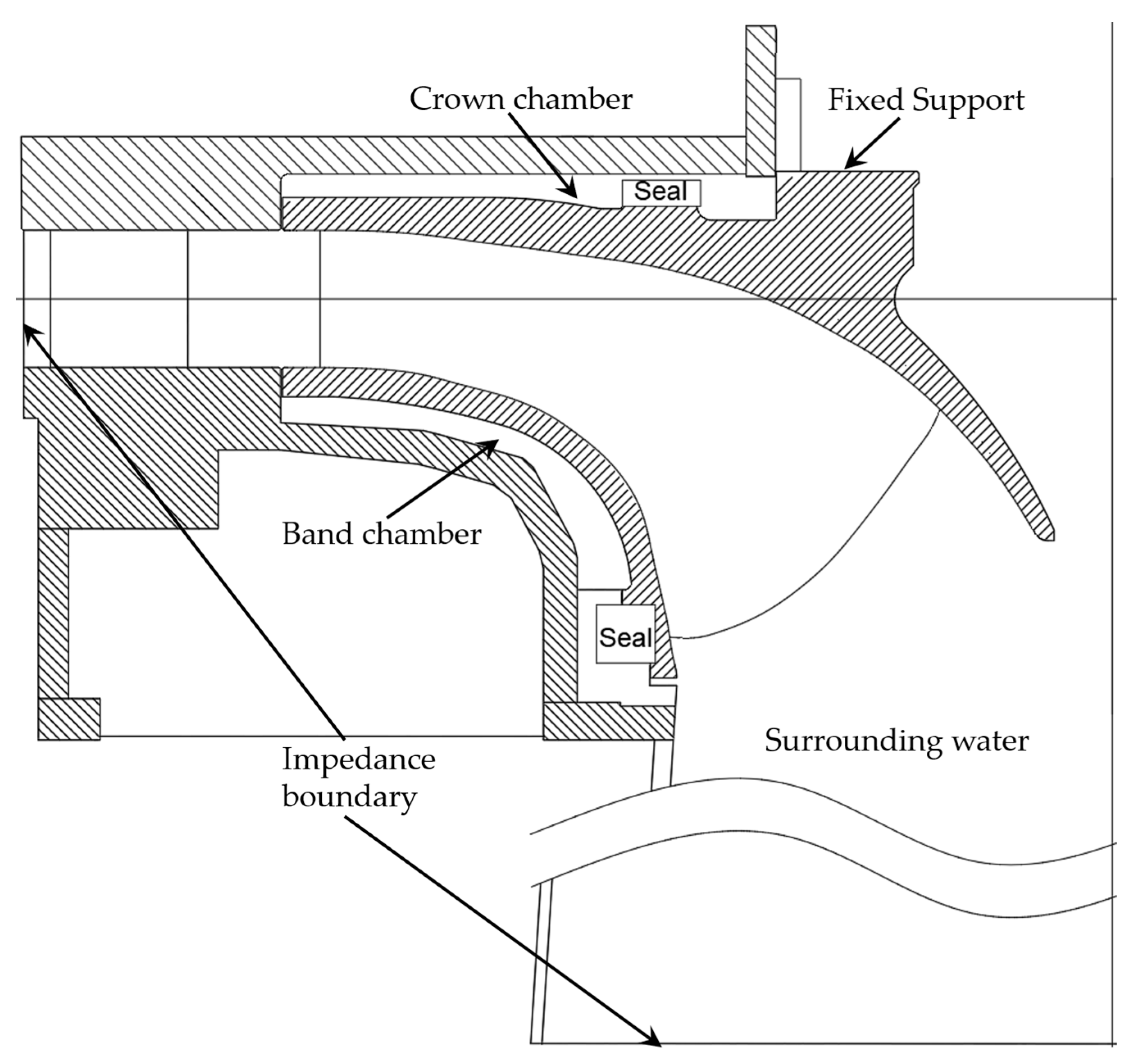
Figure 1. The pump turbine runner submerged in water.
Processes 14 00284 g001
Figure 2. Computational meshes of the pump–turbine runner and the surrounding water: (a) Mesh of the pump–turbine runner; (b) Mesh of the fluid domain around the runner.
Processes 14 00284 g002
Figure 3. Pump–turbine runner computational meshes with different levels of refinement (a) Fine mesh; (b) Medium mesh of the runner; (c) Coarse mesh of the runner.
Processes 14 00284 g003
Figure 4. Modal characteristics under different root fillet radii.
Processes 14 00284 g004
Figure 5. Regression analysis of the modal characteristics under different root fillet radii: (a) 0ND; (b) 1ND; (c) 2ND; (d) 3ND; (e) 4ND.
Processes 14 00284 g005
Figure 6. Added mass factor relative change ratio for different root fillet radii.
Processes 14 00284 g006
Figure 7. The FSM of the runner for different root fillet radii.
Processes 14 00284 g007
Figure 8. Schematic diagram of the runner thickening.
Processes 14 00284 g008
Figure 9. Wet modal characteristics under different thickening locations.
Processes 14 00284 g009
Figure 10. The FSM of 4ND under different thickening locations.
Processes 14 00284 g010
Figure 11. Dry modal characteristics under different thickening locations.
Processes 14 00284 g011
Figure 12. Added mass factor relative change ratio with different thickening locations.
Processes 14 00284 g012
Figure 13. Modal characteristics under different thickening thicknesses: (a) Normalized natural frequency under different thickening thicknesses; (b) Normalized natural frequency of 3ND and 4ND under different thickening thicknesses.
Processes 14 00284 g013
Figure 14. Added mass factor relative change ratio under different thicknesses.
Processes 14 00284 g014
Table 1. Properties of material.
PropertiesDensityElasticity ModulusPoisson’s Ratio
Value7700 kg·m−32.1 × 10⁵ MPa0.3
Table 2. Results of grid error estimation.
Variablef0f1f2f3f4
ϕ 1 0.2570.2450.4570.8291.072
ϕ 2 0.2580.2460.4590.8311.073
ϕ 3 0.2590.2470.4610.8341.075
ϕ ext 21 0.2540.2410.4520.8231.068
e ext 21 1.50%1.60%1.10%0.80%0.40%
GCI fine 21 1.90%1.90%1.30%1%0.50%
Table 3. Added mass factor of the runner with different root fillet radii.
Modal ShapeAdded Mass Factor λ
R50R40R30R20R10R0
0ND12.7512.9413.0513.0613.0813.15
1ND6.56.556.796.866.896.97
2ND3.9644.064.084.094.12
3ND3.043.083.13.13.13.12
4ND2.912.872.832.792.762.75
Table 4. Added mass factor of the runner with different thickening locations.
Modal ShapeAdded Mass Factor λ
Without ThickeningThickening the CrownThickening the BandThickening the Crown and Band
0ND12.9412.9212.6512.87
1ND6.556.656.656.61
2ND44.033.974.02
3ND3.083.093.053.08
4ND2.872.872.892.89
Table 5. Added mass factor of the runner with different thicknesses.
Modal ShapeAdded Mass Factor λ
Without ThickeningThickened by 2 mmThickened by 5 mm
0ND12.9413.0412.87
1ND6.556.696.65
2ND44.064.06
3ND3.083.13.12
4ND2.872.912.95
Disclaimer/Publisher’s Note: The statements, opinions and data contained in all publications are solely those of the individual author(s) and contributor(s) and not of MDPI and/or the editor(s). MDPI and/or the editor(s) disclaim responsibility for any injury to people or property resulting from any ideas, methods, instructions or products referred to in the content.