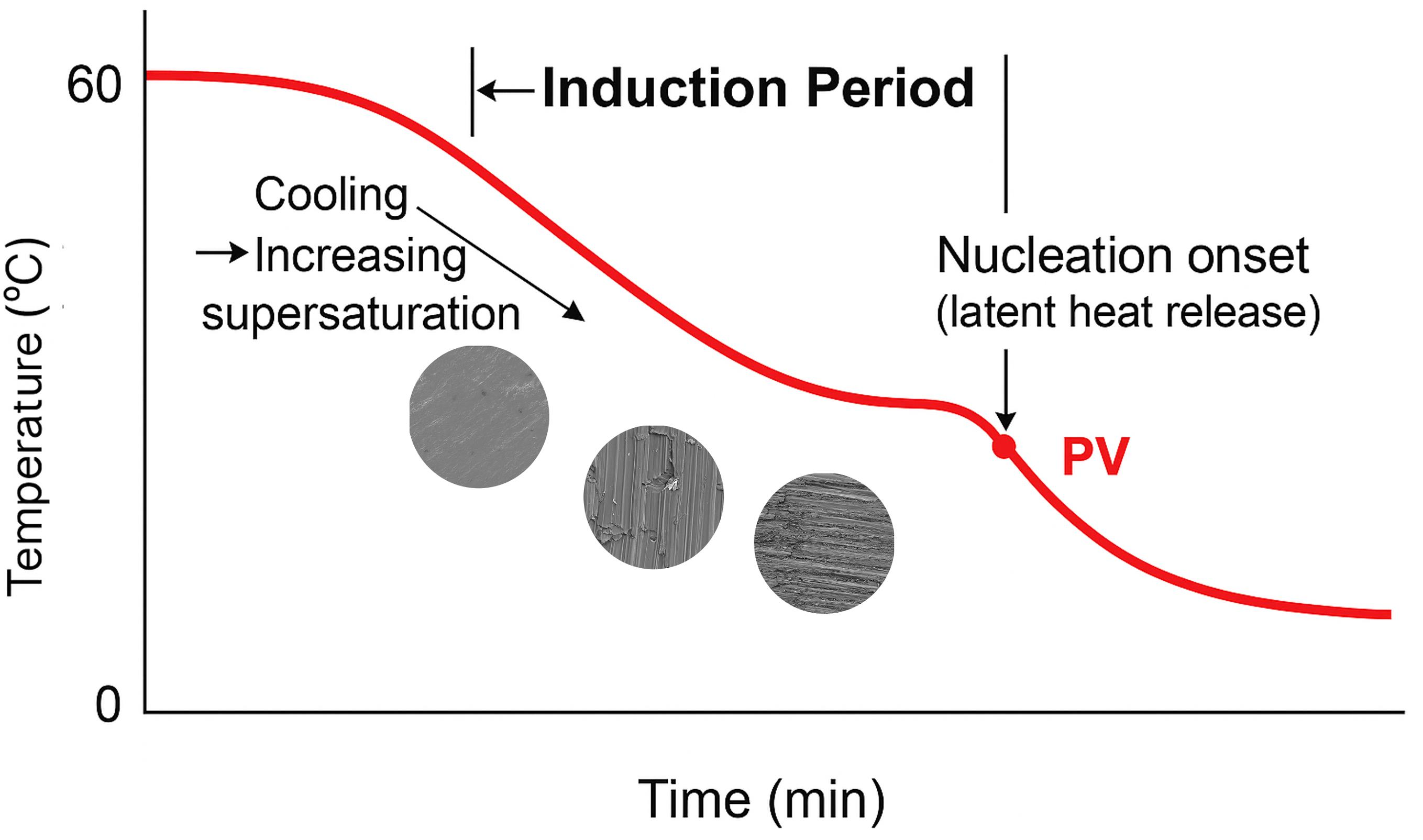
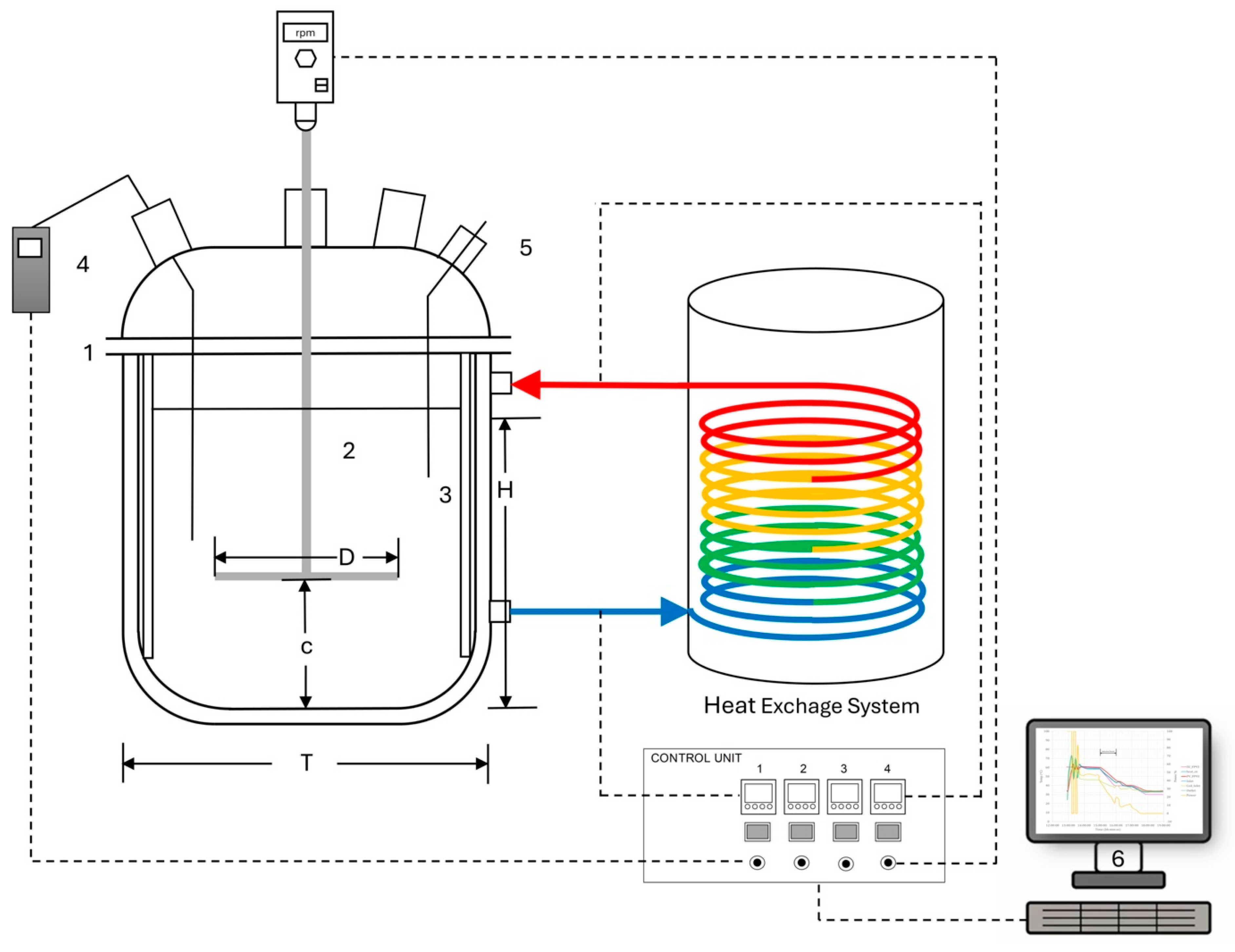
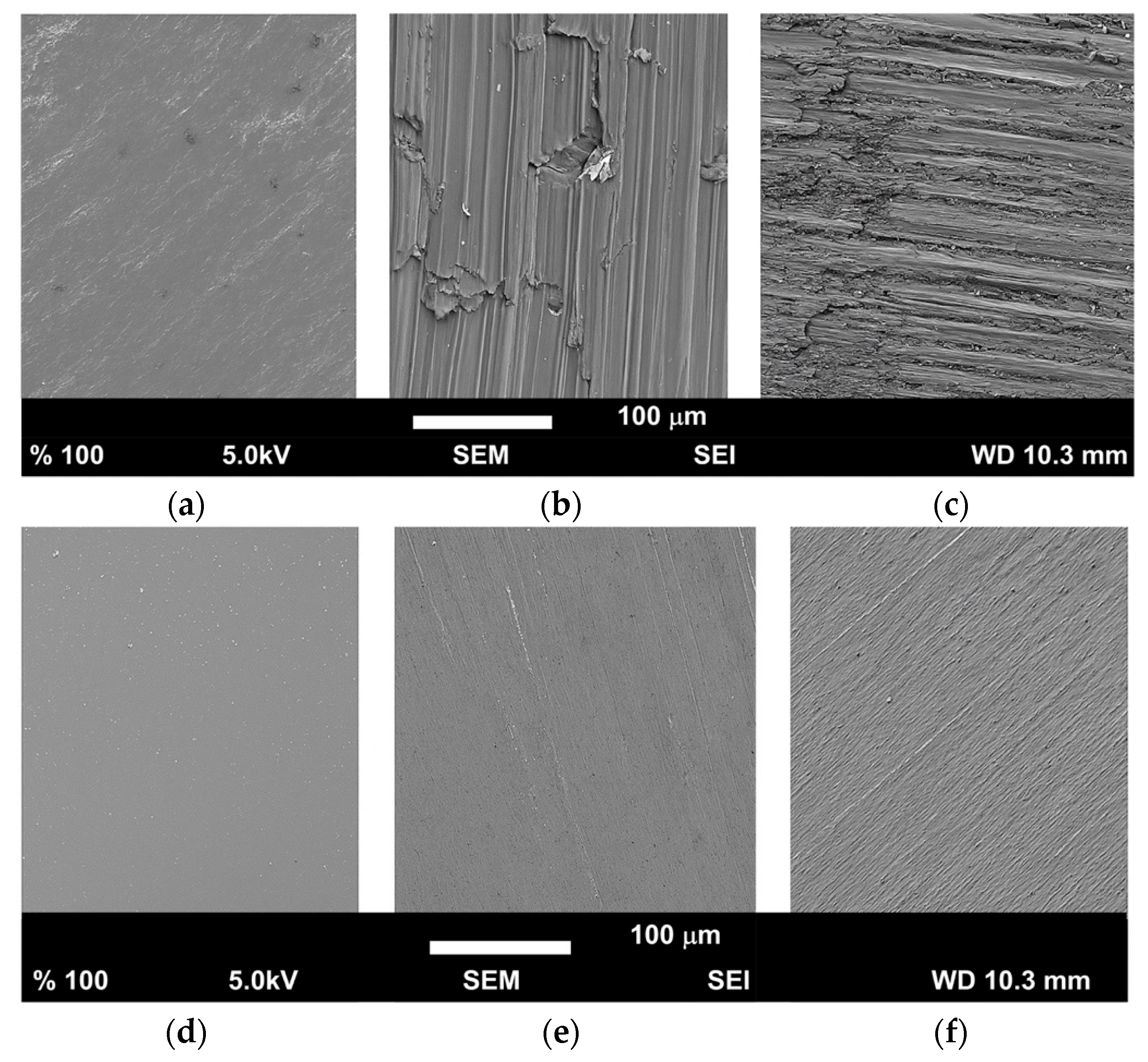
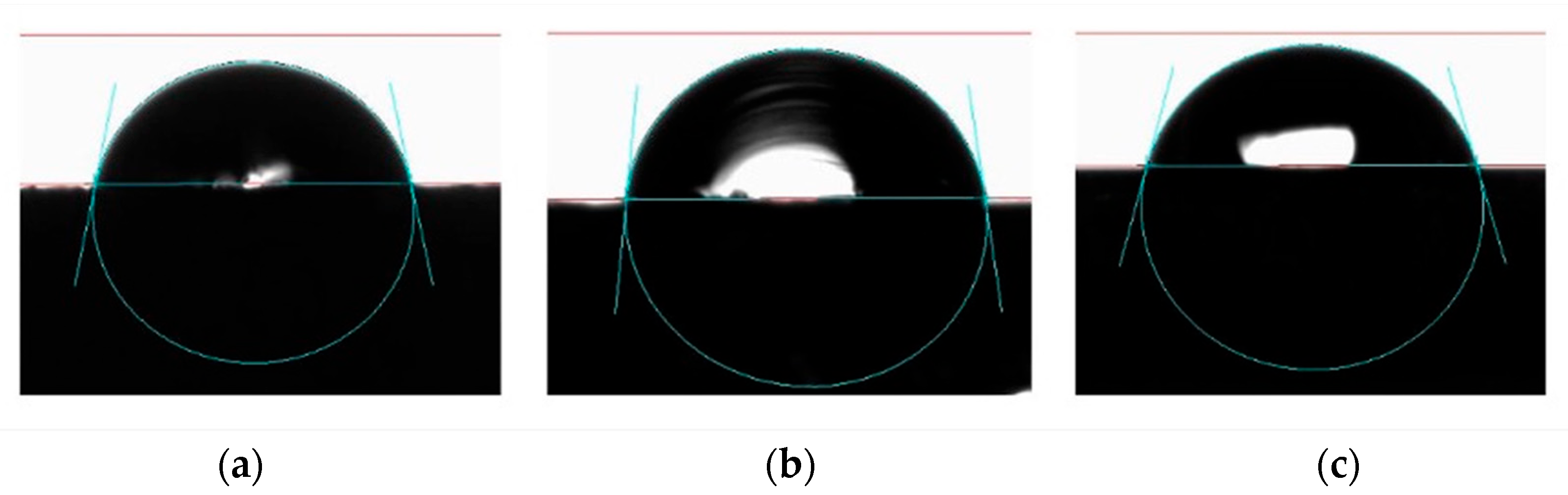
In Situ Analysis of Surface Properties, Supersaturation, and Solution Density Effects on Aqueous KNO3 Incrustation in a Cooling Crystallization Process


Abstract
Share and Cite
Al-Rashed, M.H.; Alenzi, A.F.; Mohammad, A.; Alkhaldi, K.H.A.E. In Situ Analysis of Surface Properties, Supersaturation, and Solution Density Effects on Aqueous KNO3 Incrustation in a Cooling Crystallization Process. Processes 2026, 14, 201. https://doi.org/10.3390/pr14020201
Al-Rashed MH, Alenzi AF, Mohammad A, Alkhaldi KHAE. In Situ Analysis of Surface Properties, Supersaturation, and Solution Density Effects on Aqueous KNO3 Incrustation in a Cooling Crystallization Process. Processes. 2026; 14(2):201. https://doi.org/10.3390/pr14020201
Chicago/Turabian StyleAl-Rashed, Mohsen H., Adel F. Alenzi, Abubaker Mohammad, and Khaled H. A. E. Alkhaldi. 2026. "In Situ Analysis of Surface Properties, Supersaturation, and Solution Density Effects on Aqueous KNO3 Incrustation in a Cooling Crystallization Process" Processes 14, no. 2: 201. https://doi.org/10.3390/pr14020201
APA StyleAl-Rashed, M. H., Alenzi, A. F., Mohammad, A., & Alkhaldi, K. H. A. E. (2026). In Situ Analysis of Surface Properties, Supersaturation, and Solution Density Effects on Aqueous KNO3 Incrustation in a Cooling Crystallization Process. Processes, 14(2), 201. https://doi.org/10.3390/pr14020201