Article

Sand Screenout Early Warning Models Based on Combinatorial Neural Network and Physical Models

1
Petroleum Engineering School, Southwest Petroleum University, Chengdu 610500, China
2
School of Mechatronic Engineering, Southwest Petroleum University, Chengdu 610500, China
3
Yumen Drilling Branch, China Petroleum Western Drilling Engineering Co., Ltd., Jiuquan 735000, China
4
EISC Southwest Branch Center of PetroChina Logging Southwest Company, Chongqing 401120, China
*
Author to whom correspondence should be addressed.
Processes 2025, 13(4), 1018; https://doi.org/10.3390/pr13041018
Submission received: 11 March 2025 / Revised: 23 March 2025 / Accepted: 26 March 2025 / Published: 28 March 2025

Abstract

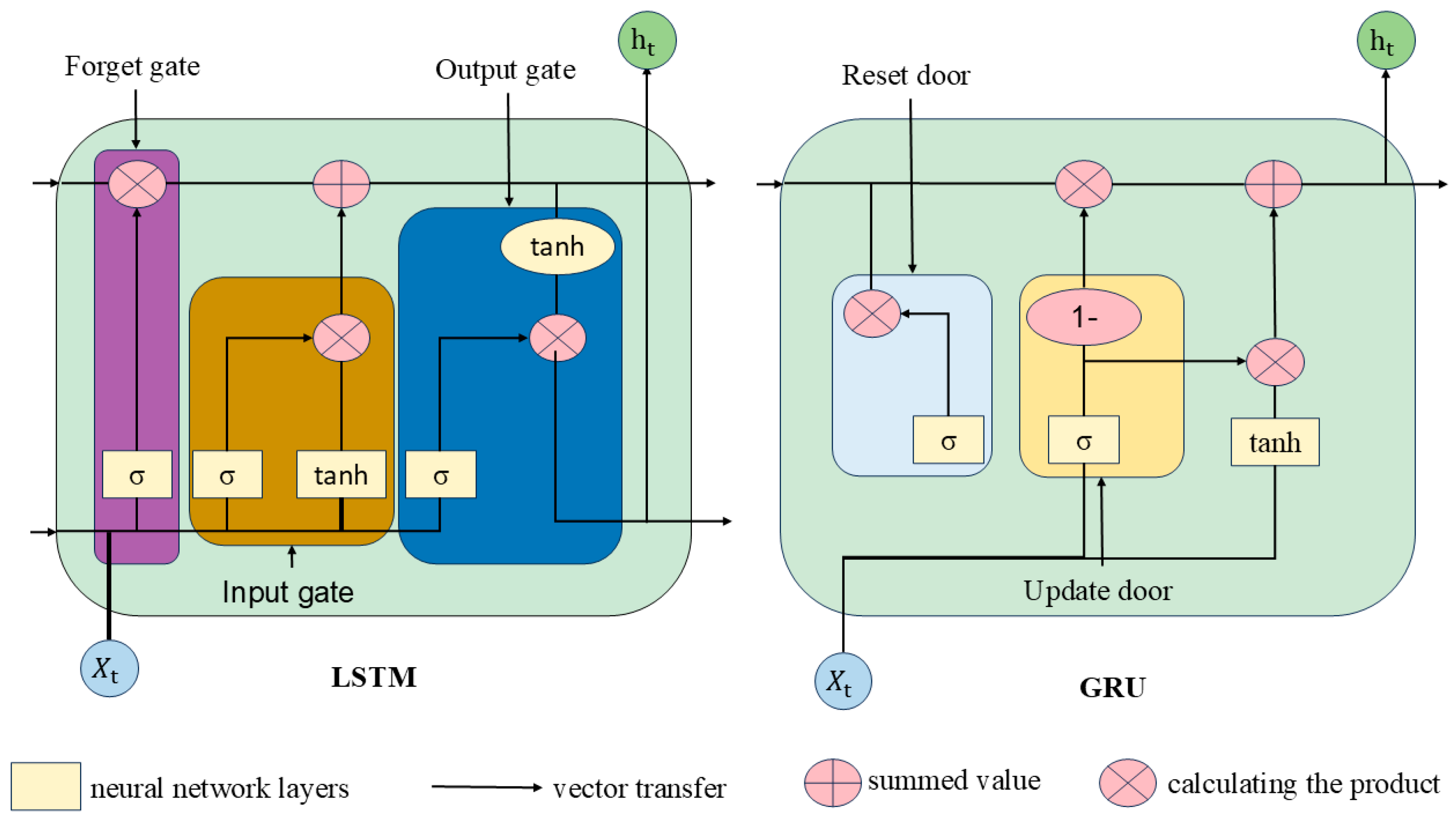
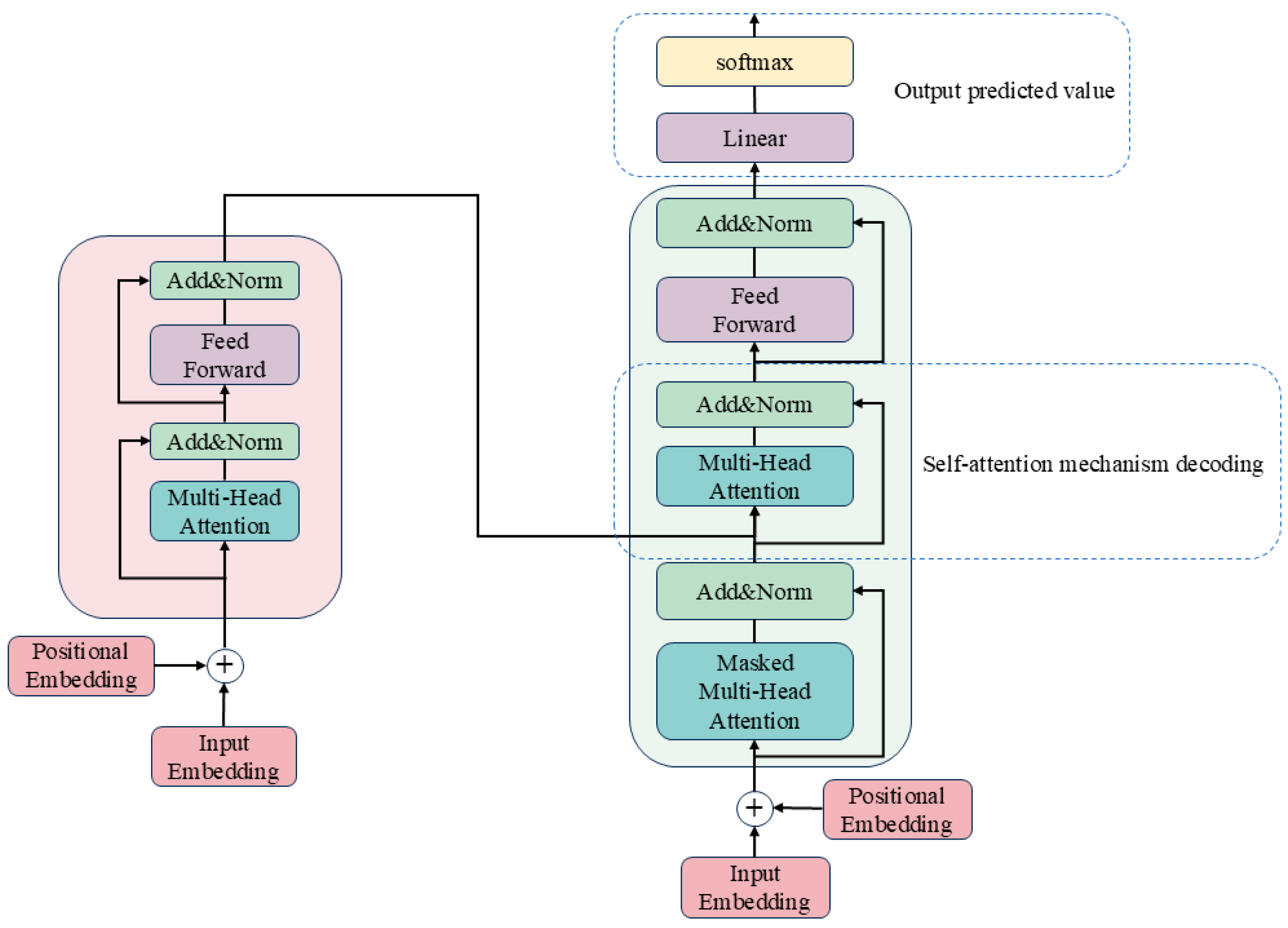
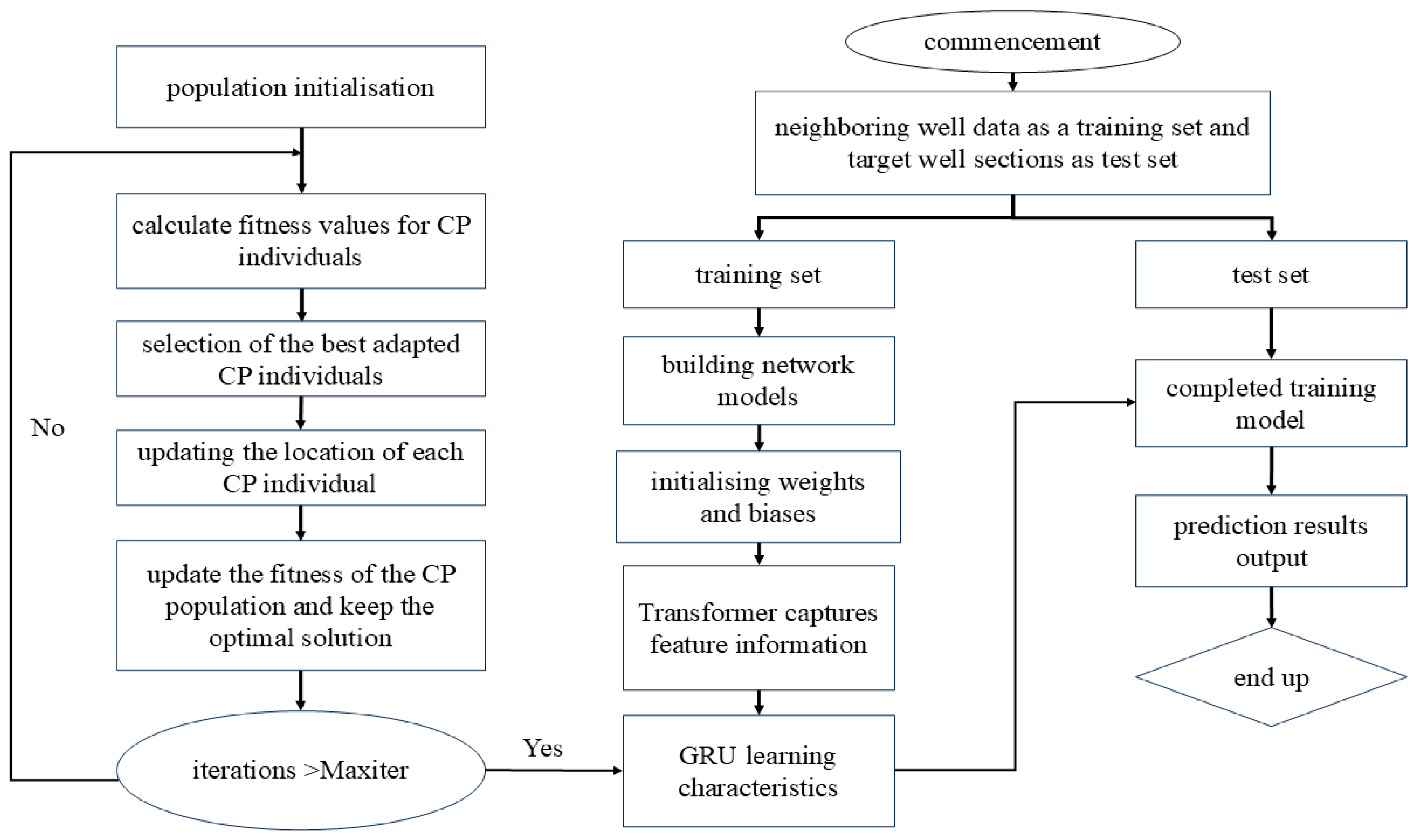
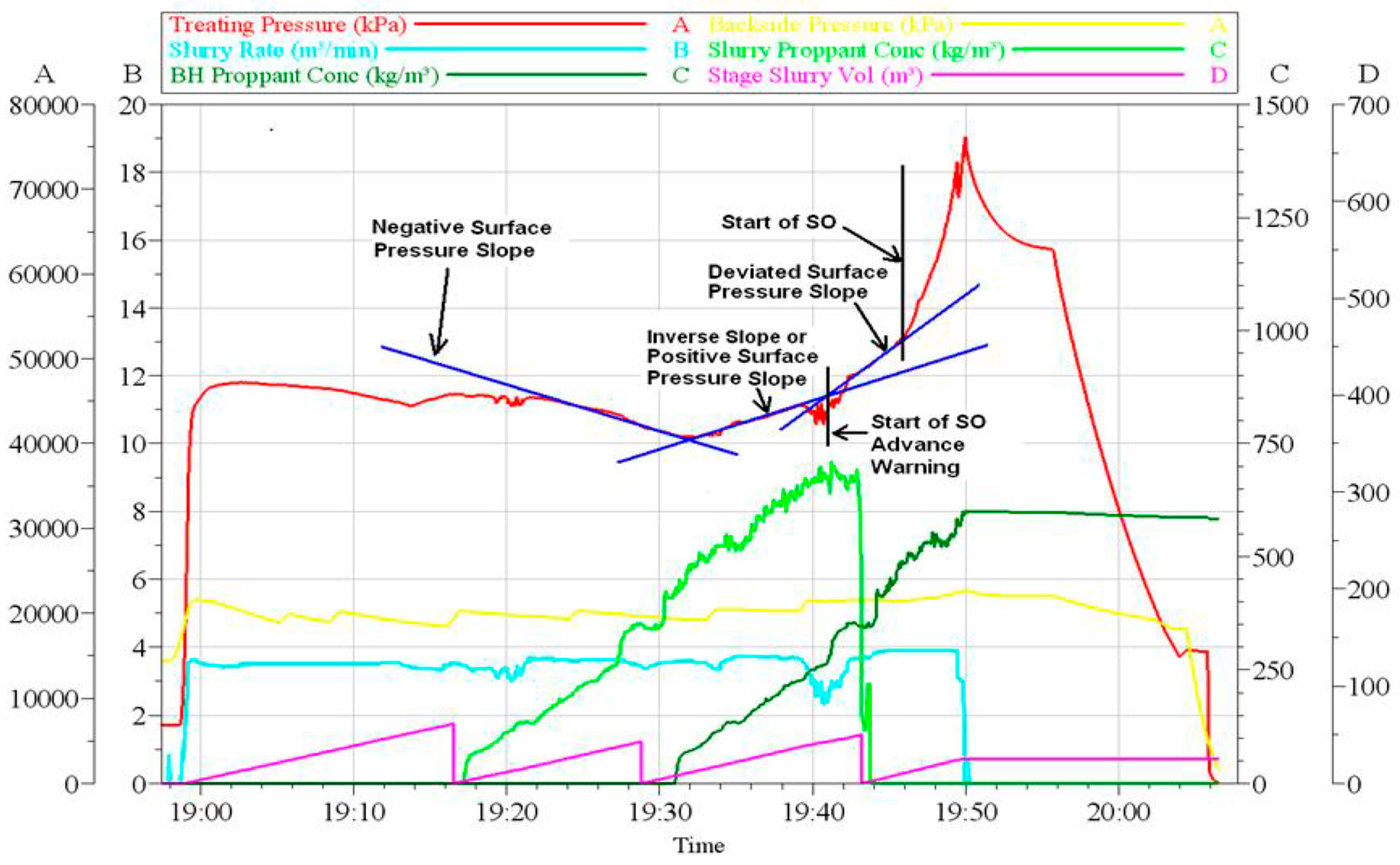
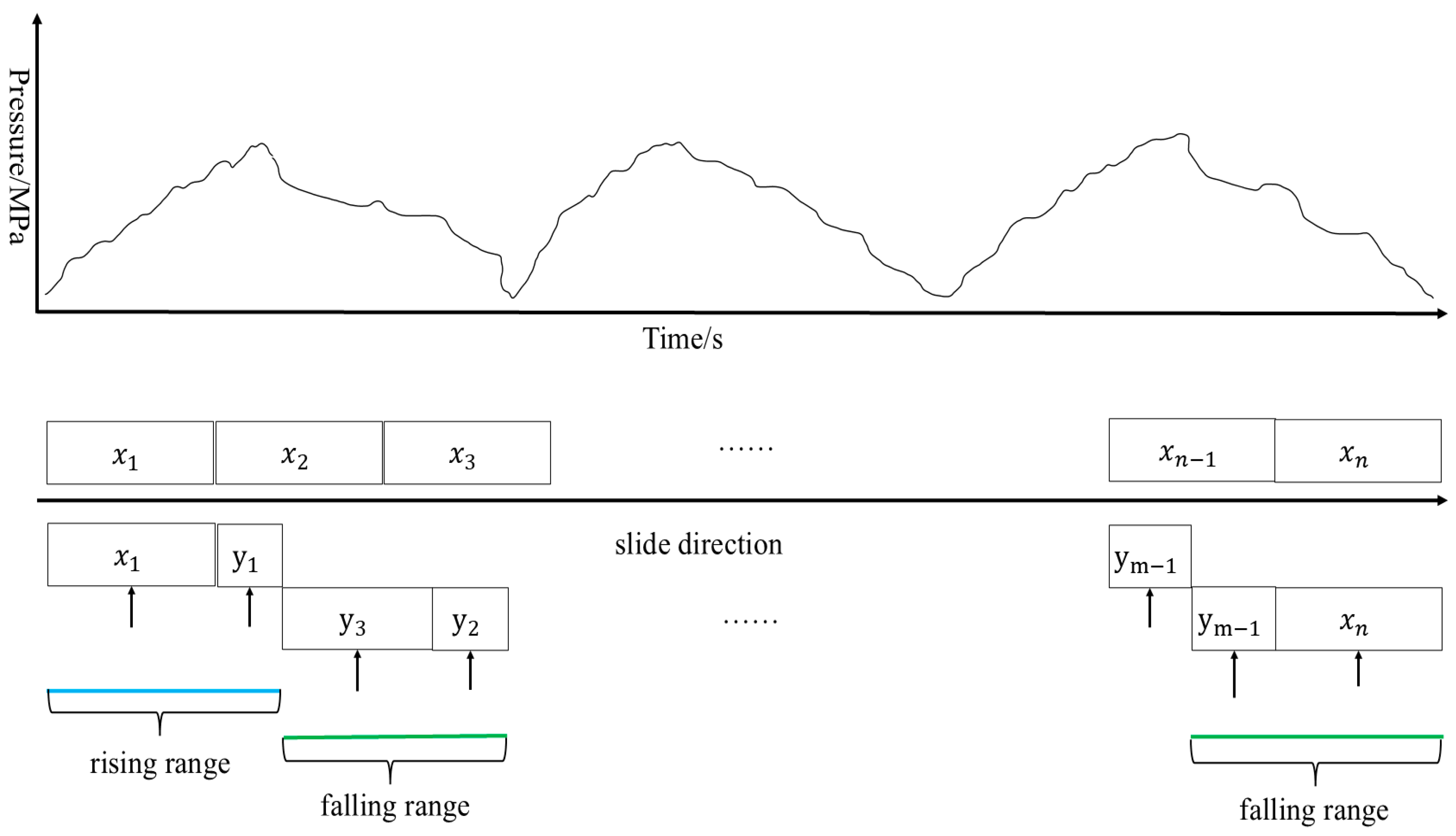
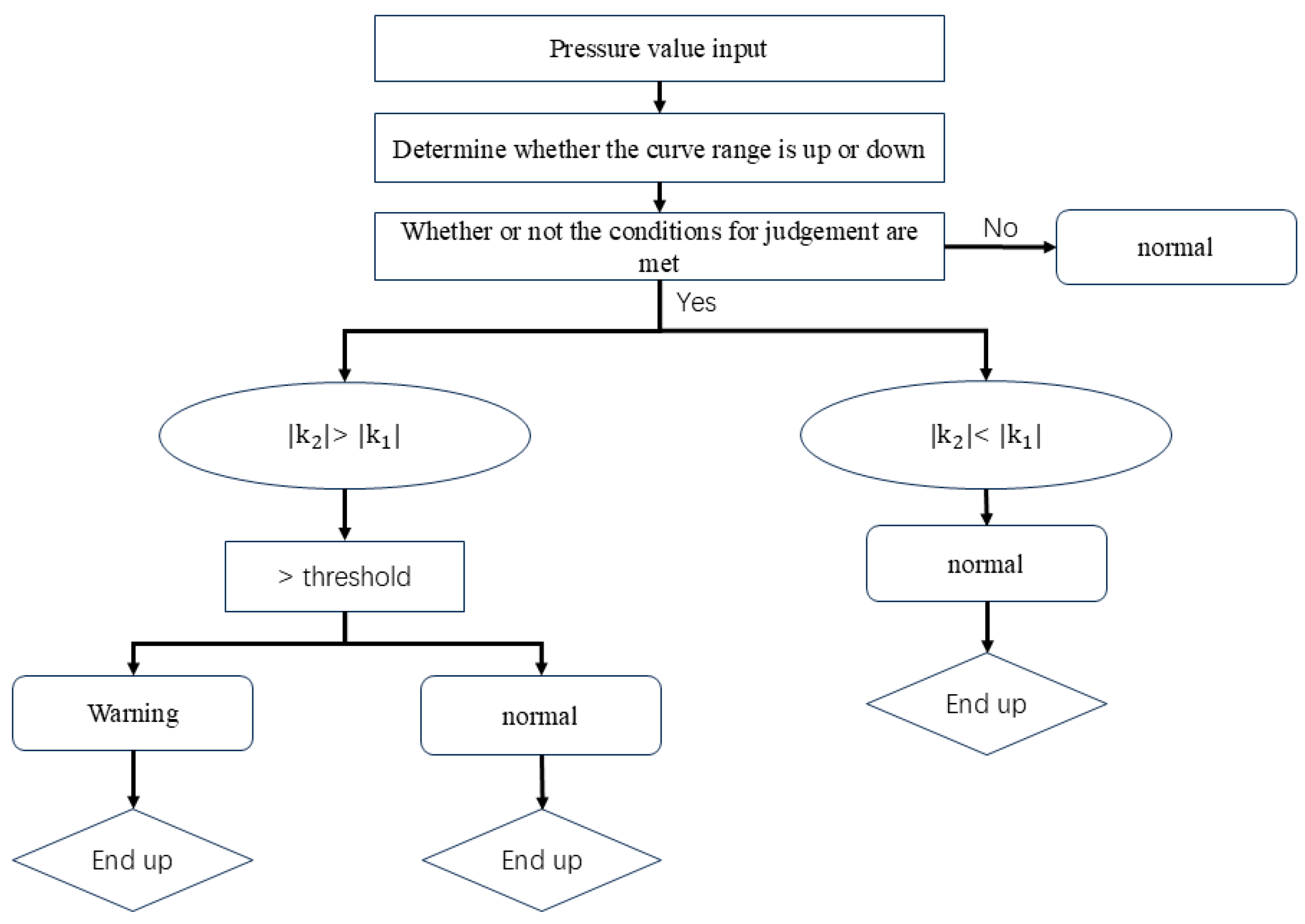
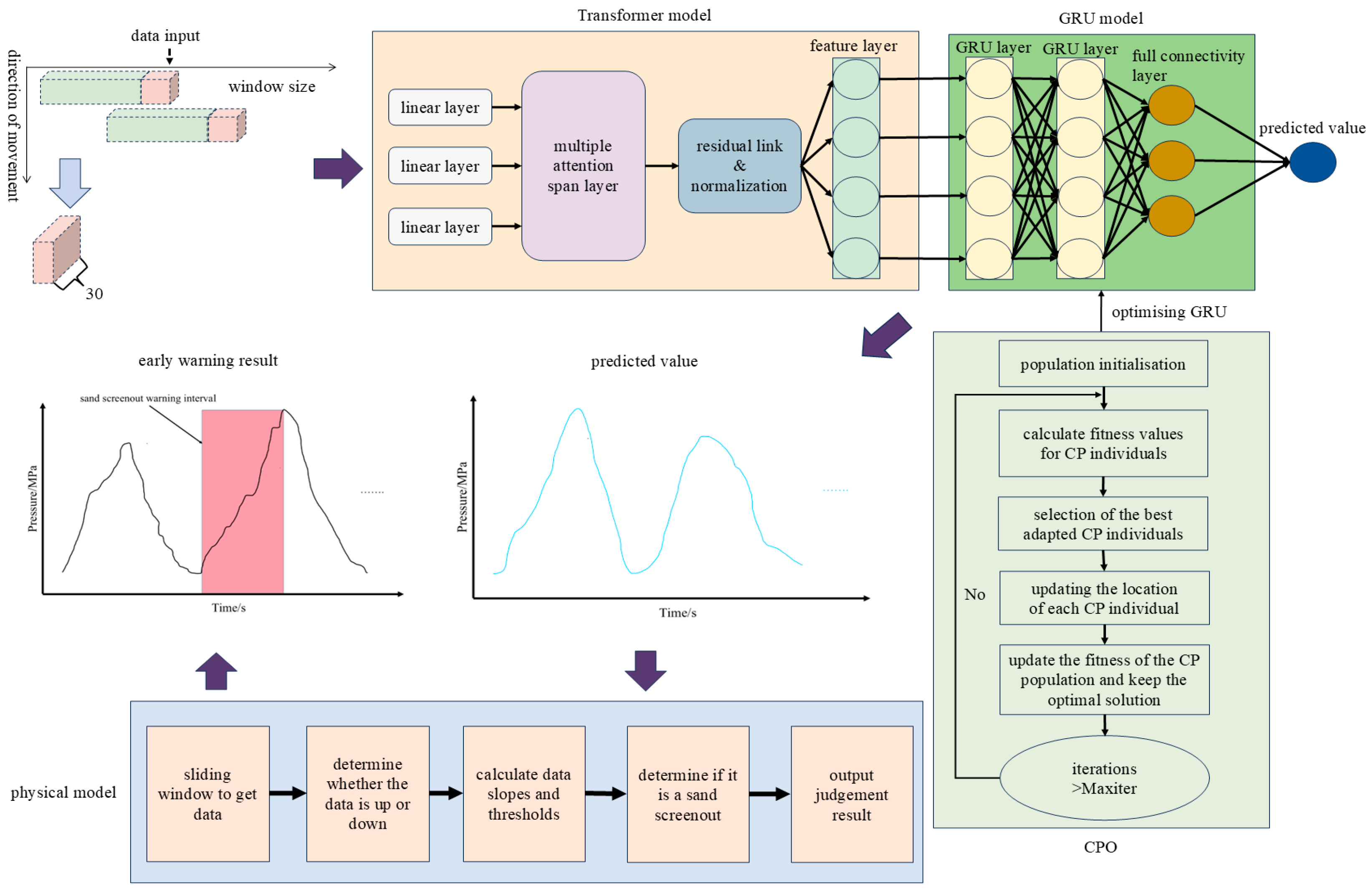
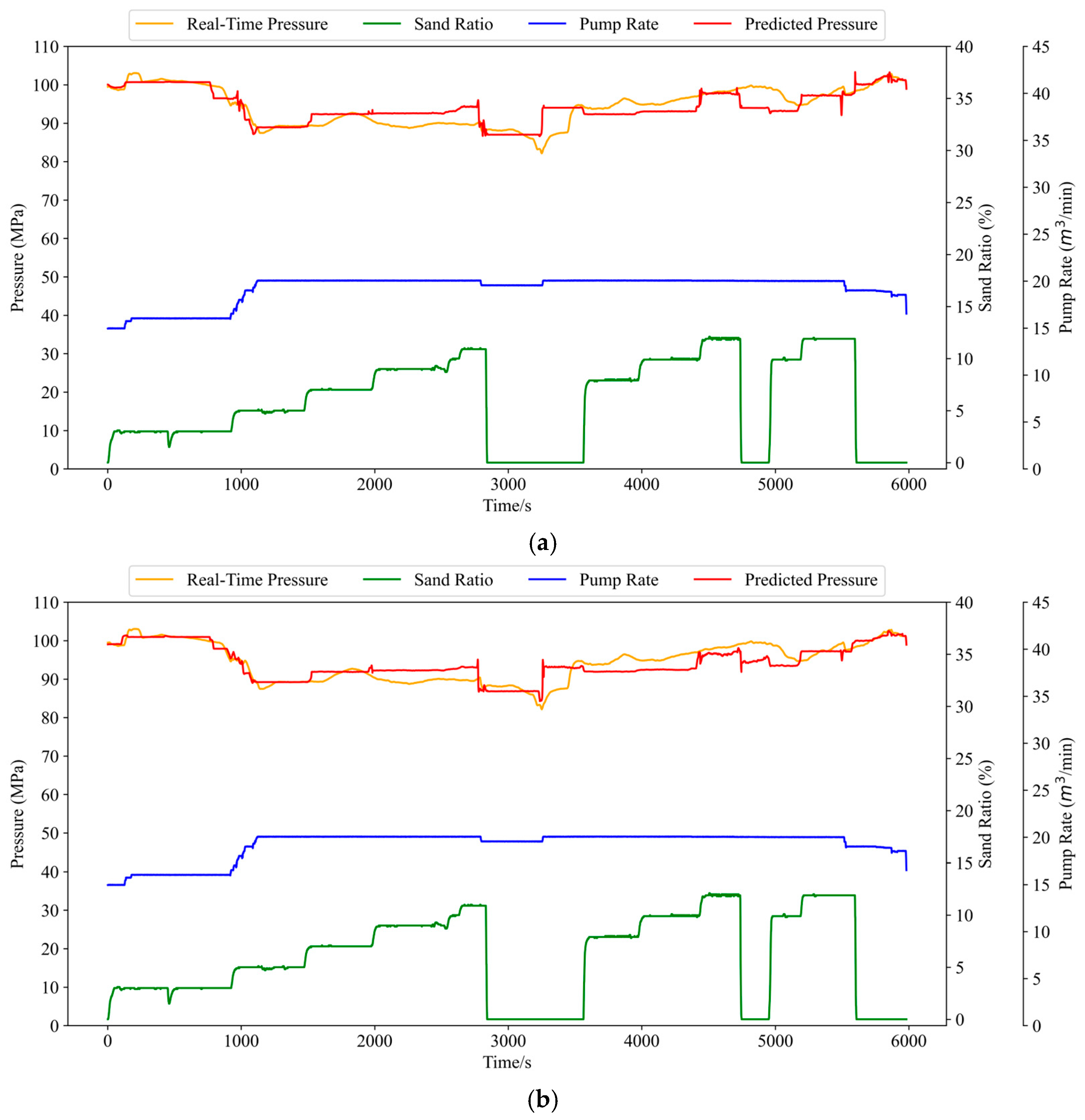
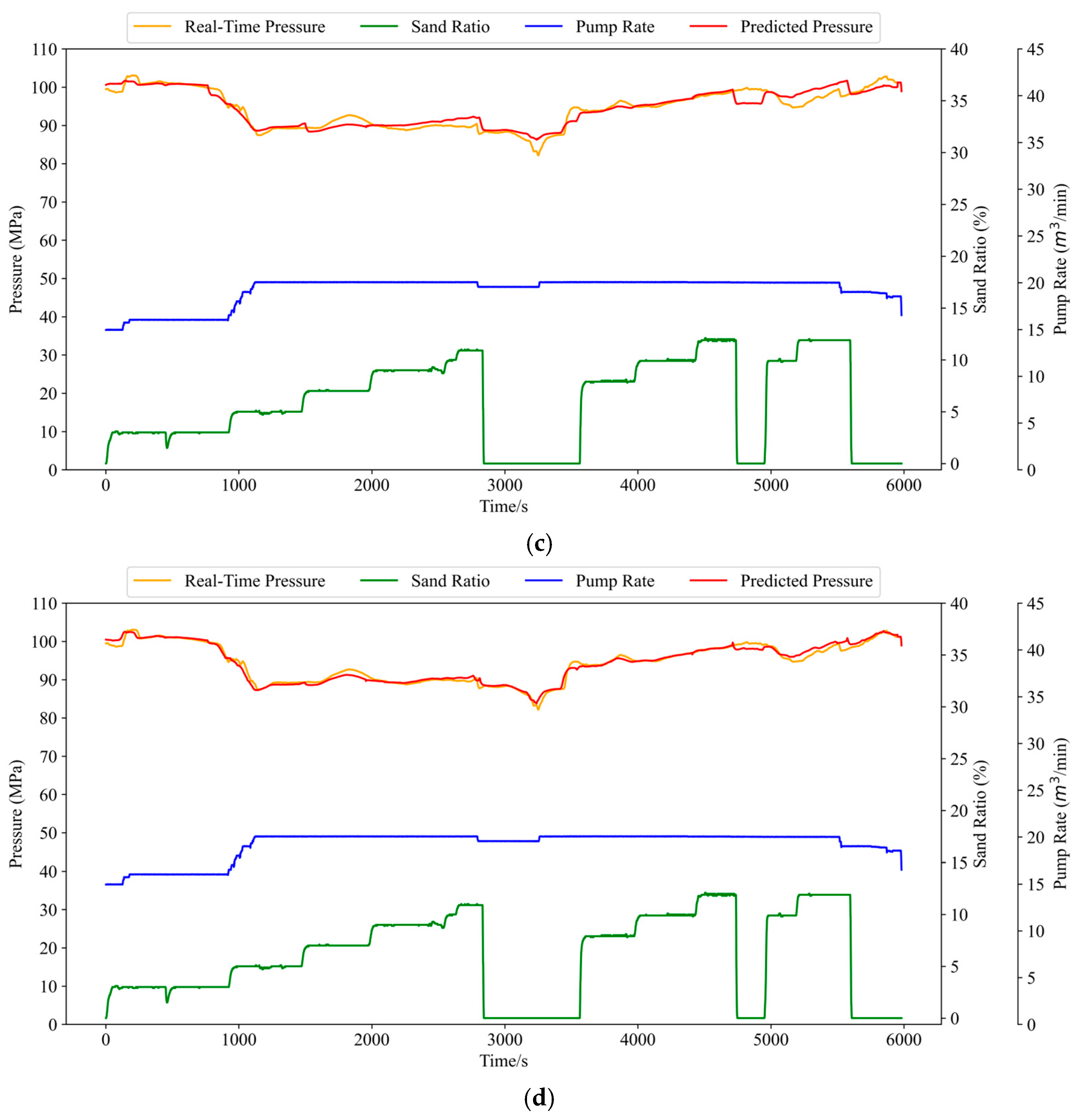
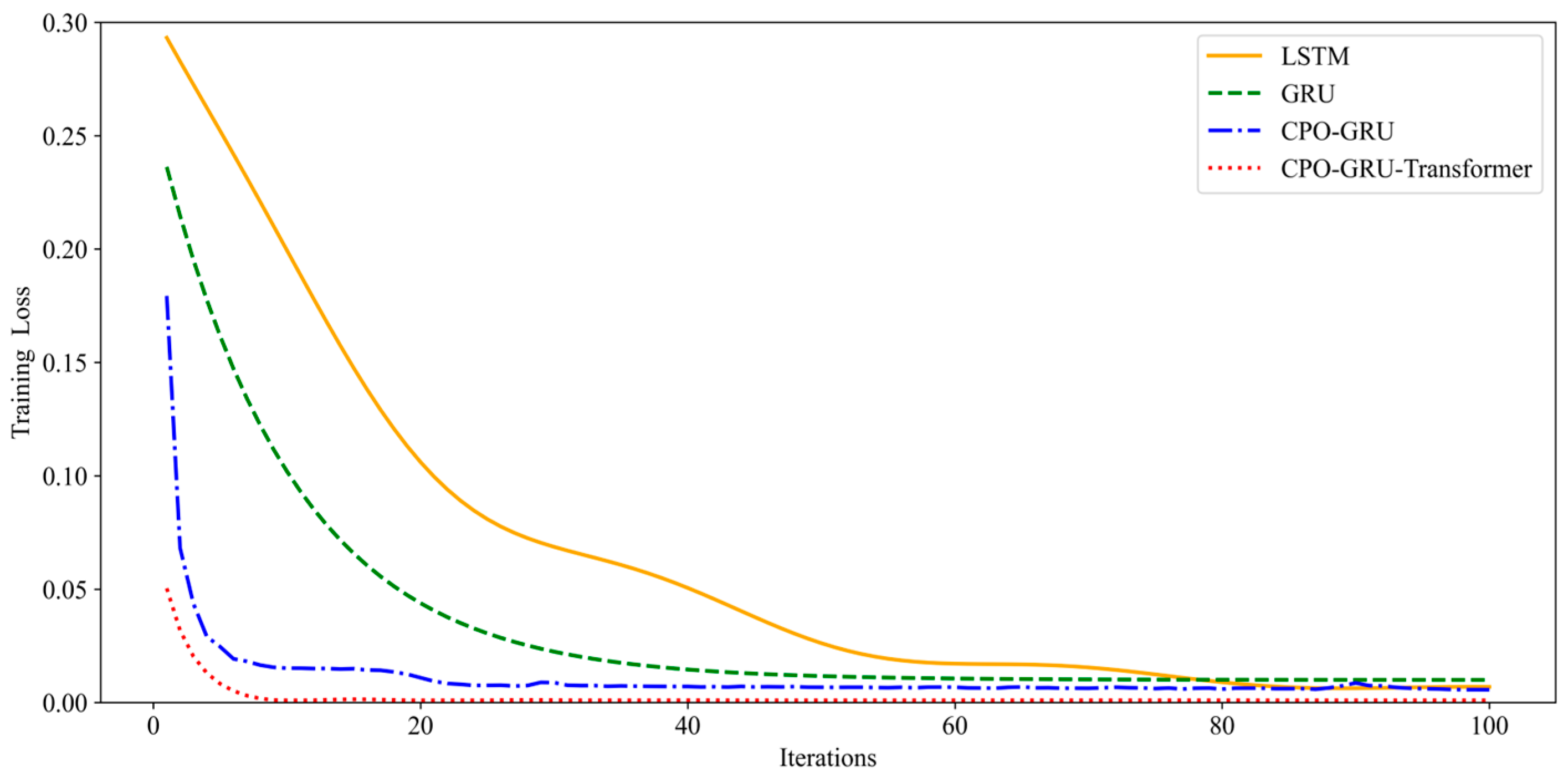
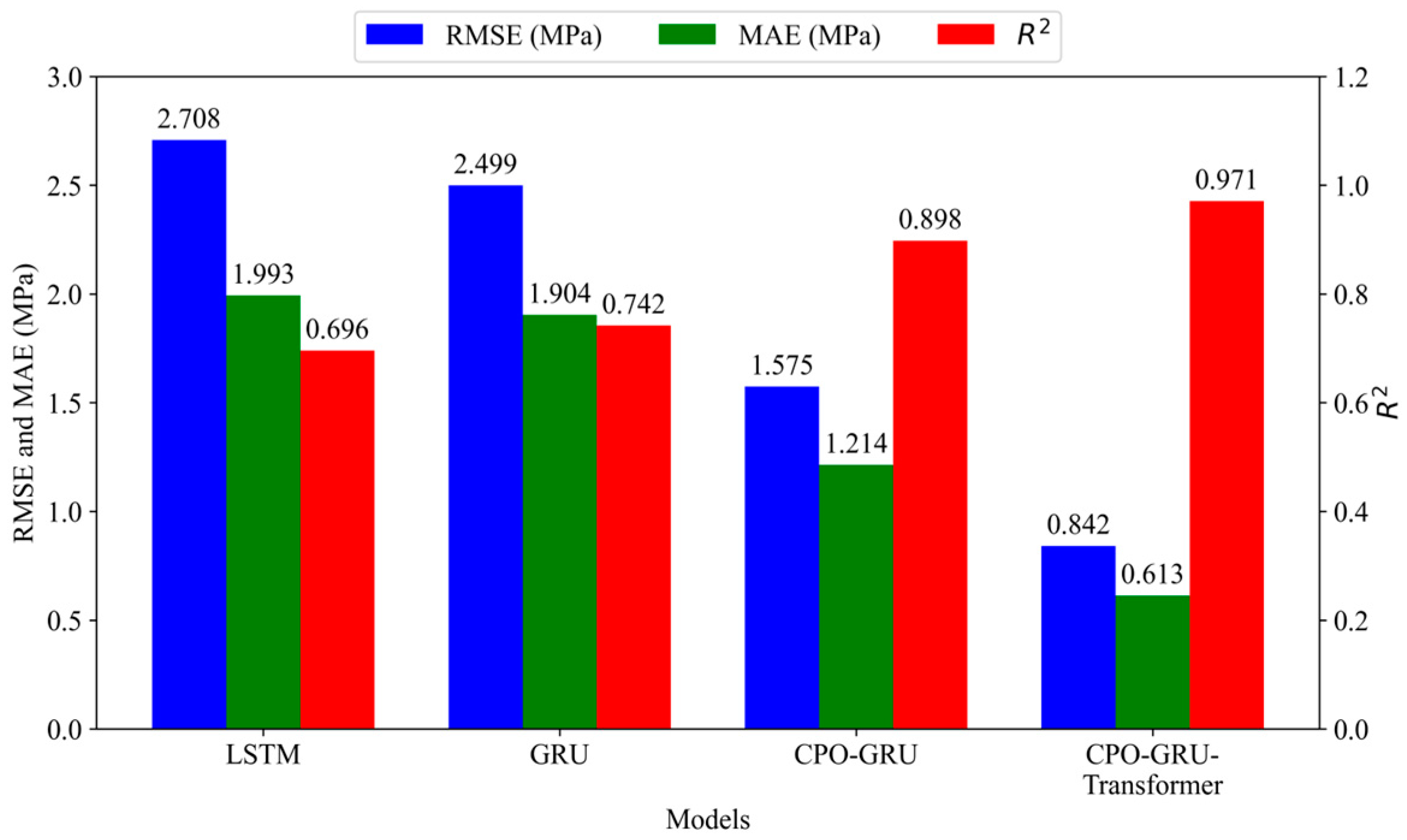
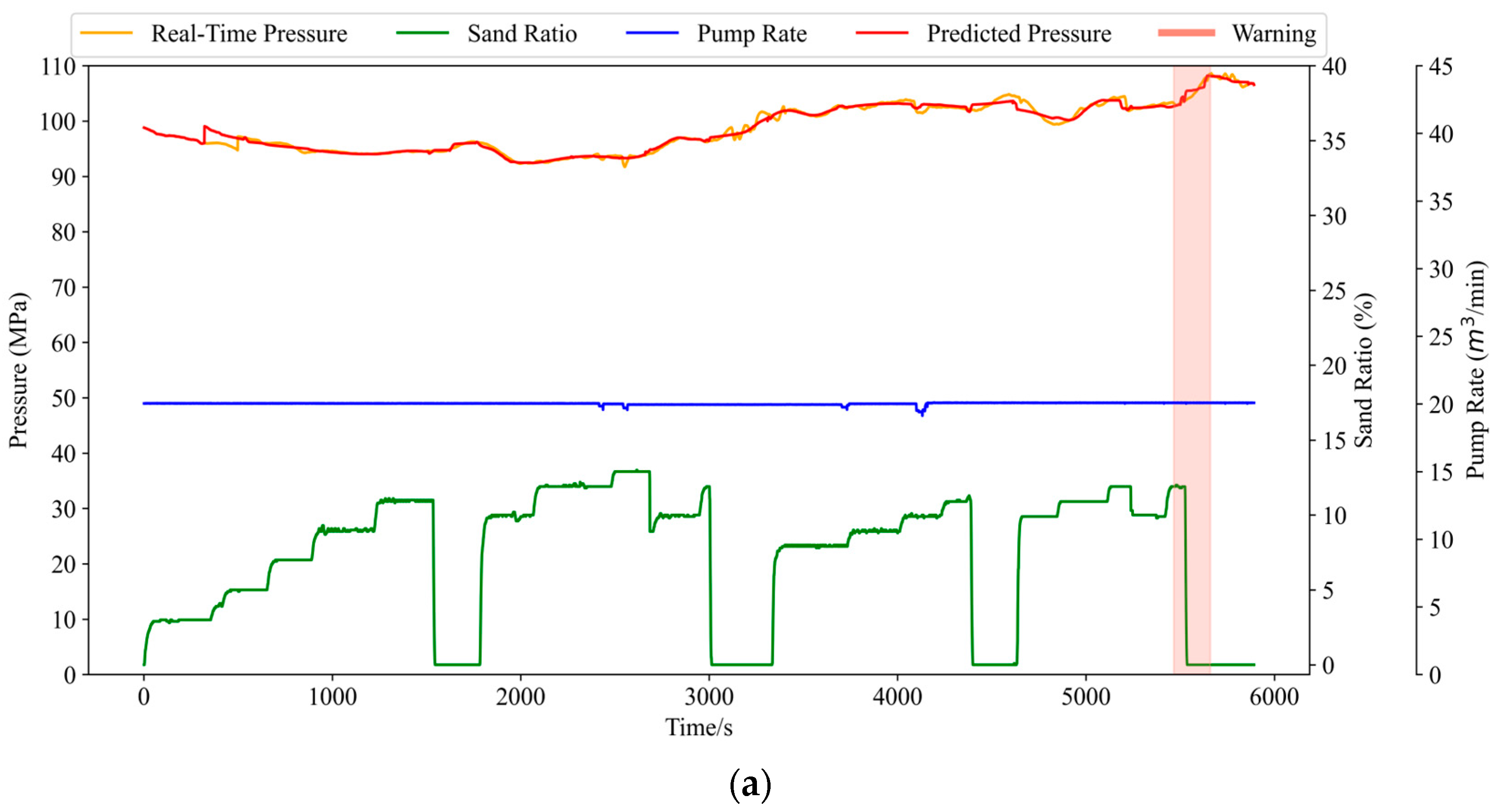
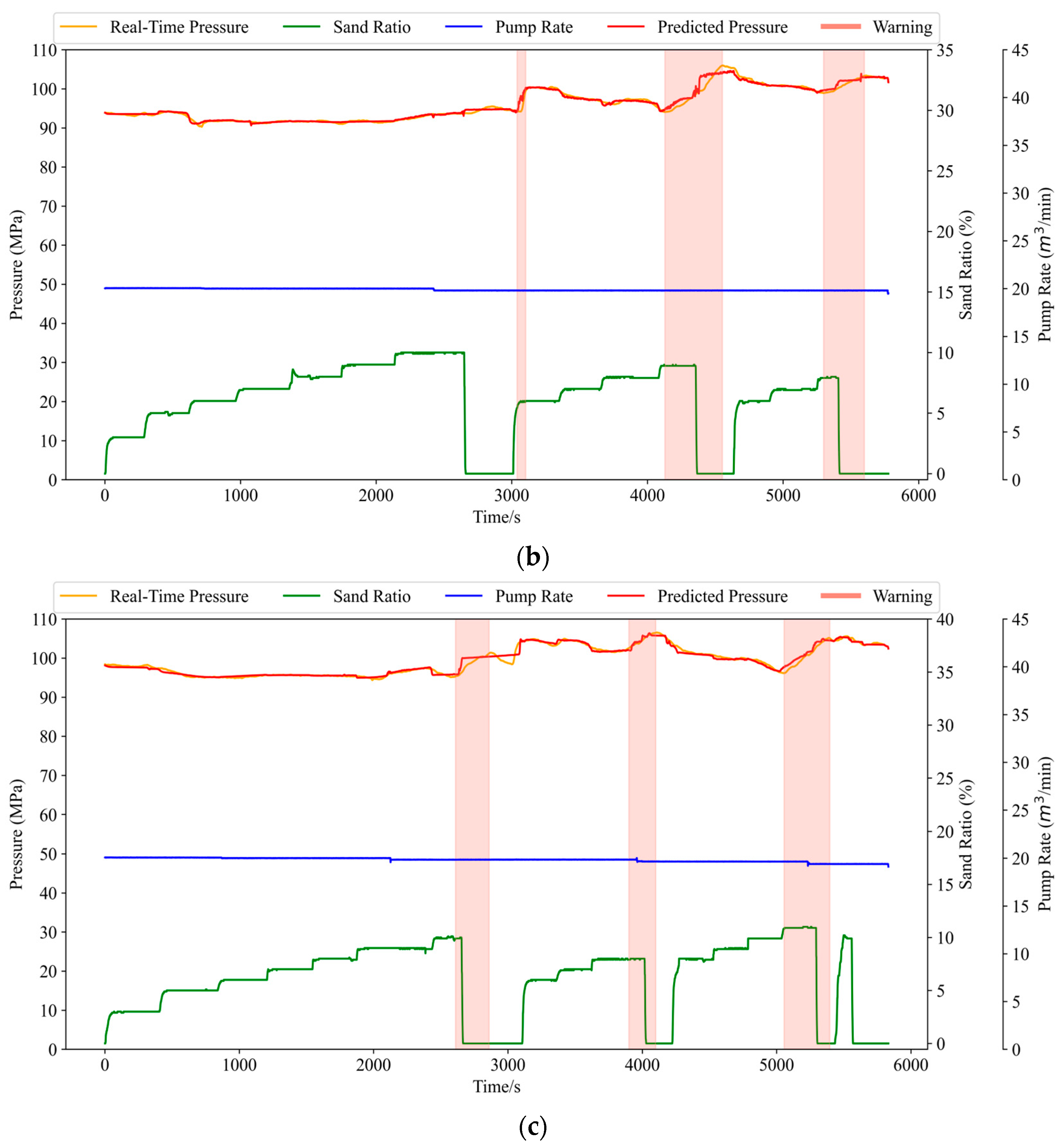
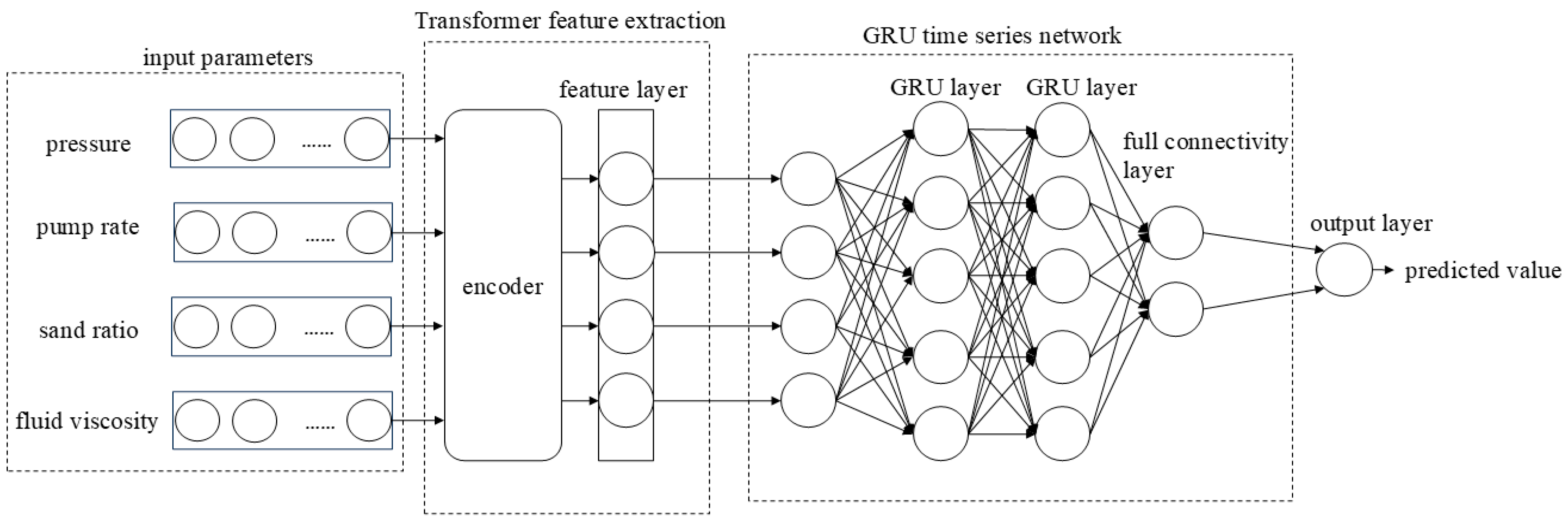
Sand screenout is a critical challenge in hydraulic fracturing, affecting both the construction process and operational safety. This paper proposes a sand screenout warning model that integrates a combinatorial neural network and physical approaches to enhance both the speed and accuracy of sand screenout warnings. Firstly, the combined neural network uses a Transformer to capture key features during fracturing construction from historical data, and the extracted features are input to the Gated Recurrent Unit (GRU) for temporal prediction and the Crested Porcupine Optimizer (CPO) to further optimise the GRU-Transformer hyperparameters of the model. Additionally, the physical model improves the conventional inverse slope method by incorporating a threshold and sliding module, which enhances slope calculation and warning accuracy. The results showed that for fracturing pressure prediction, the proposed CPO-GRU-Transformer model obtained an RMSE value of 0.842 MPa, MAE of 0.613 Mpa, and R2 of 0.971, a smaller RMSE and MAE and a larger R2 than the three pressure prediction models, namely LSTM, GRU, and CPO-GRU. The proposed sand screenout warning model has been applied in the field construction of the U shale gas area in the Sichuan Basin. The warning points of the model proposed in this study were advanced by 73.5 s on average compared with the manual warning points in the three validated fracturing segments, with a successful warning rate of 85.71%, which greatly avoids the possibility of sand screenout and provides a method of fast calculation speed and high prediction accuracy, providing an early warning of sand screenout.
Keywords: sand screenout; physical model; GRU; CPO; Transformer sand screenout; physical model; GRU; CPO; Transformer