Article

Predicting Multi-Dense Jet Concentration Fields Using a Field Reconstruction Machine Learning Framework


1
Anhui Key Laboratory of Mine Intelligent Equipment and Technology, Anhui University of Science & Technology, Huainan 232001, China
2
Department of Water Resources Engineering, Dalian University of Technology, Dalian 116024, China
3
Marine Foundation Engineering Laboratory, China Railway Construction Port and Shipping Bureau Group Co., Ltd., Zhuhai 519000, China
4
Liaoning Province Water Resources Management Group Co., Ltd., Shenyang 110000, China
5
Guangxi Key Laboratory of Beibu Gulf Marine Resources, Environment and Sustainable Development, Fourth Institute of Oceanography, Ministry of Natural Resources, Beihai 536000, China
*
Author to whom correspondence should be addressed.
Processes 2025, 13(3), 863; https://doi.org/10.3390/pr13030863
Submission received: 17 February 2025 / Revised: 7 March 2025 / Accepted: 13 March 2025 / Published: 14 March 2025

Abstract

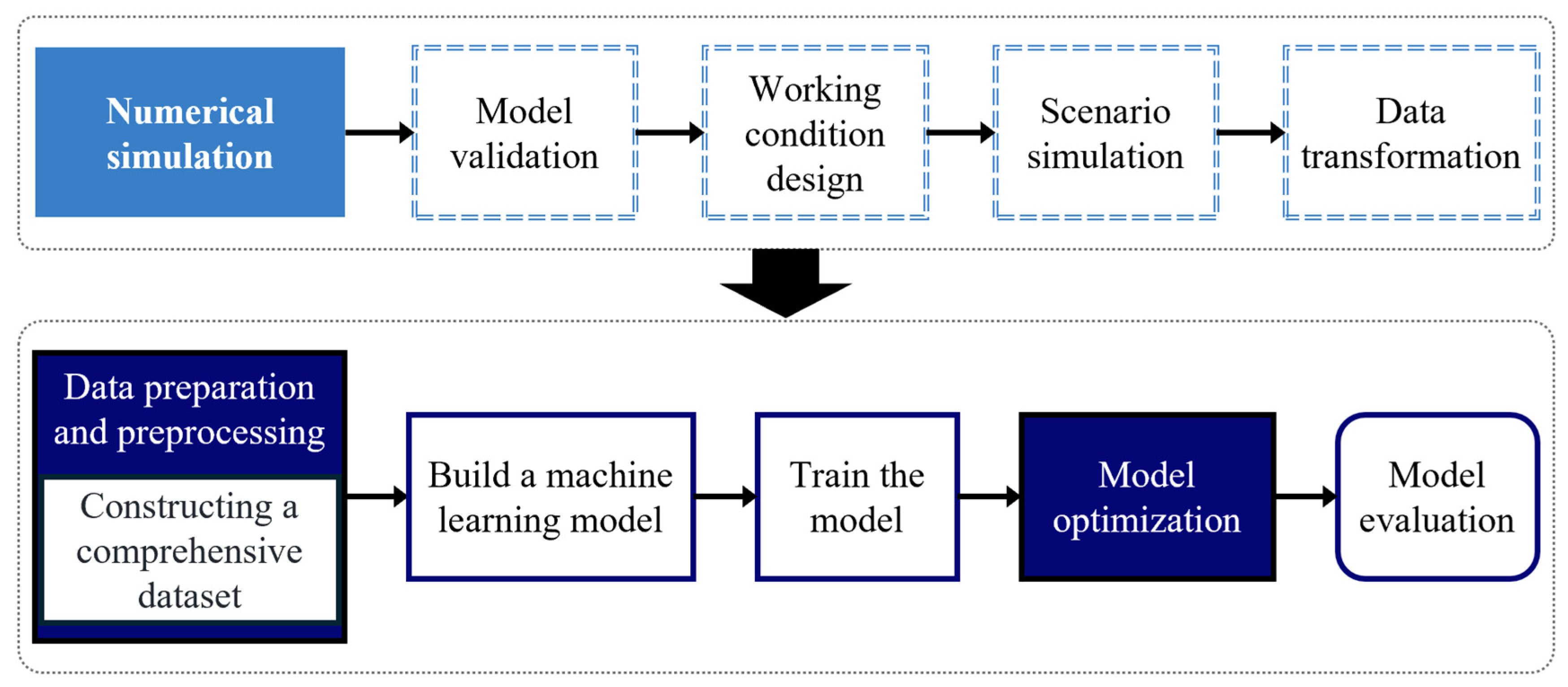
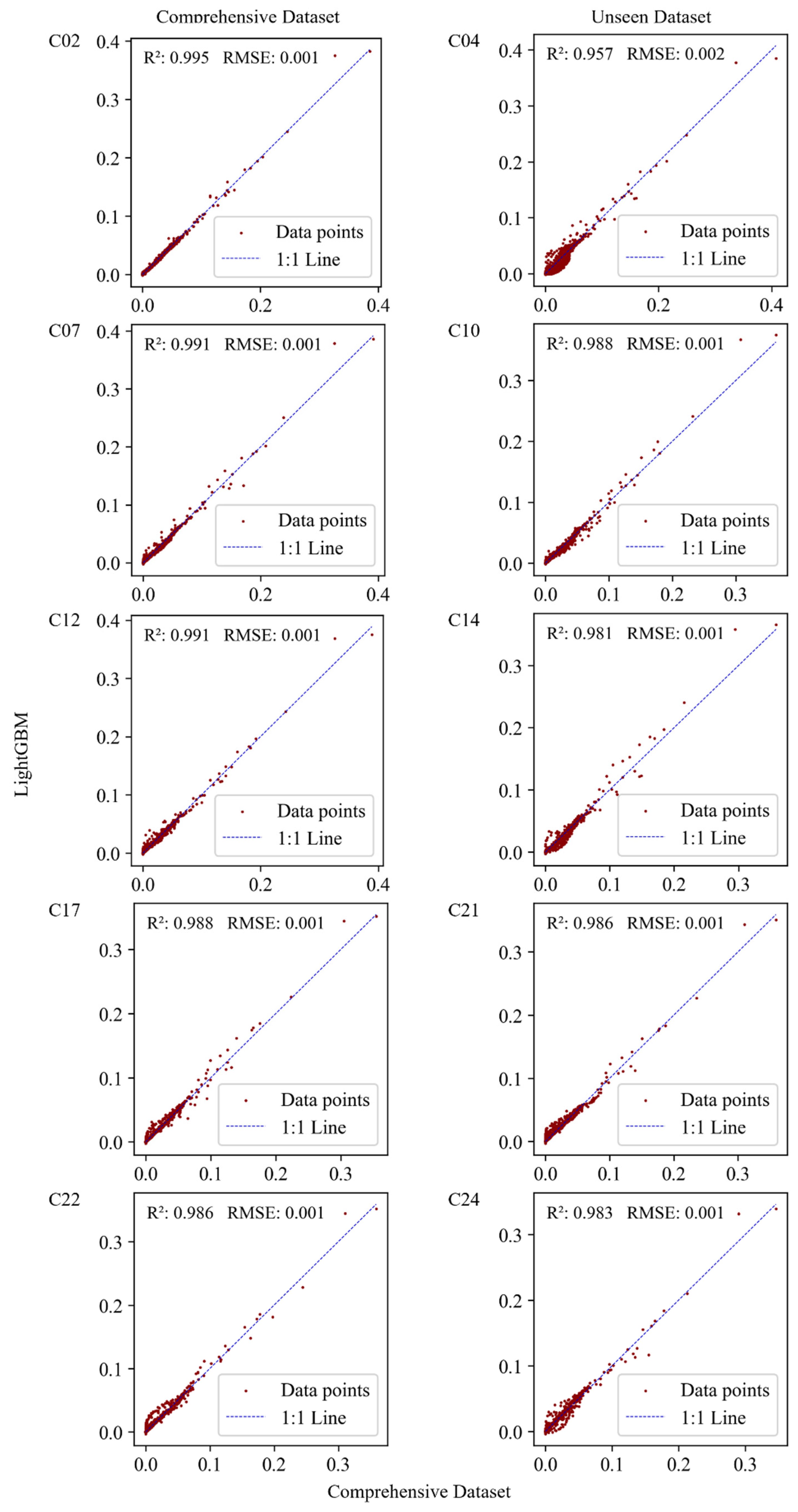
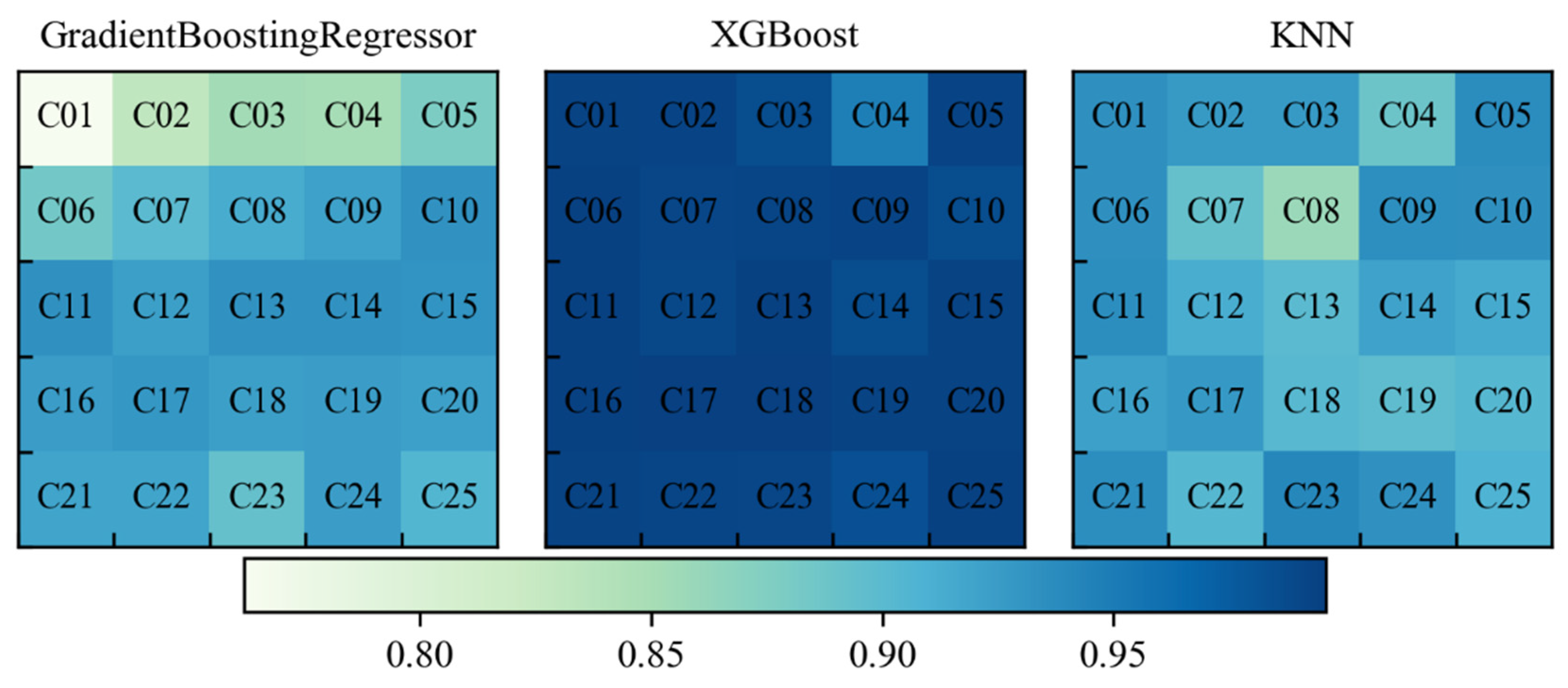
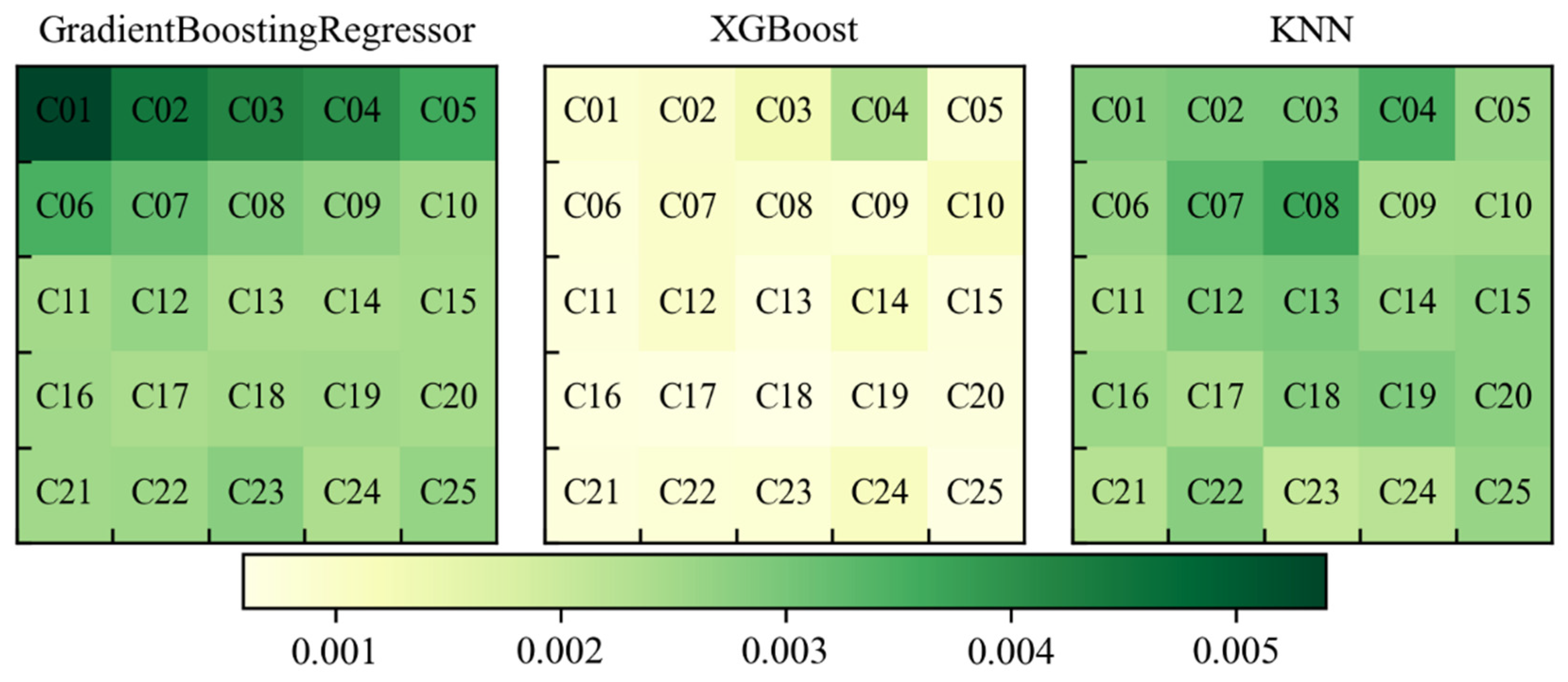
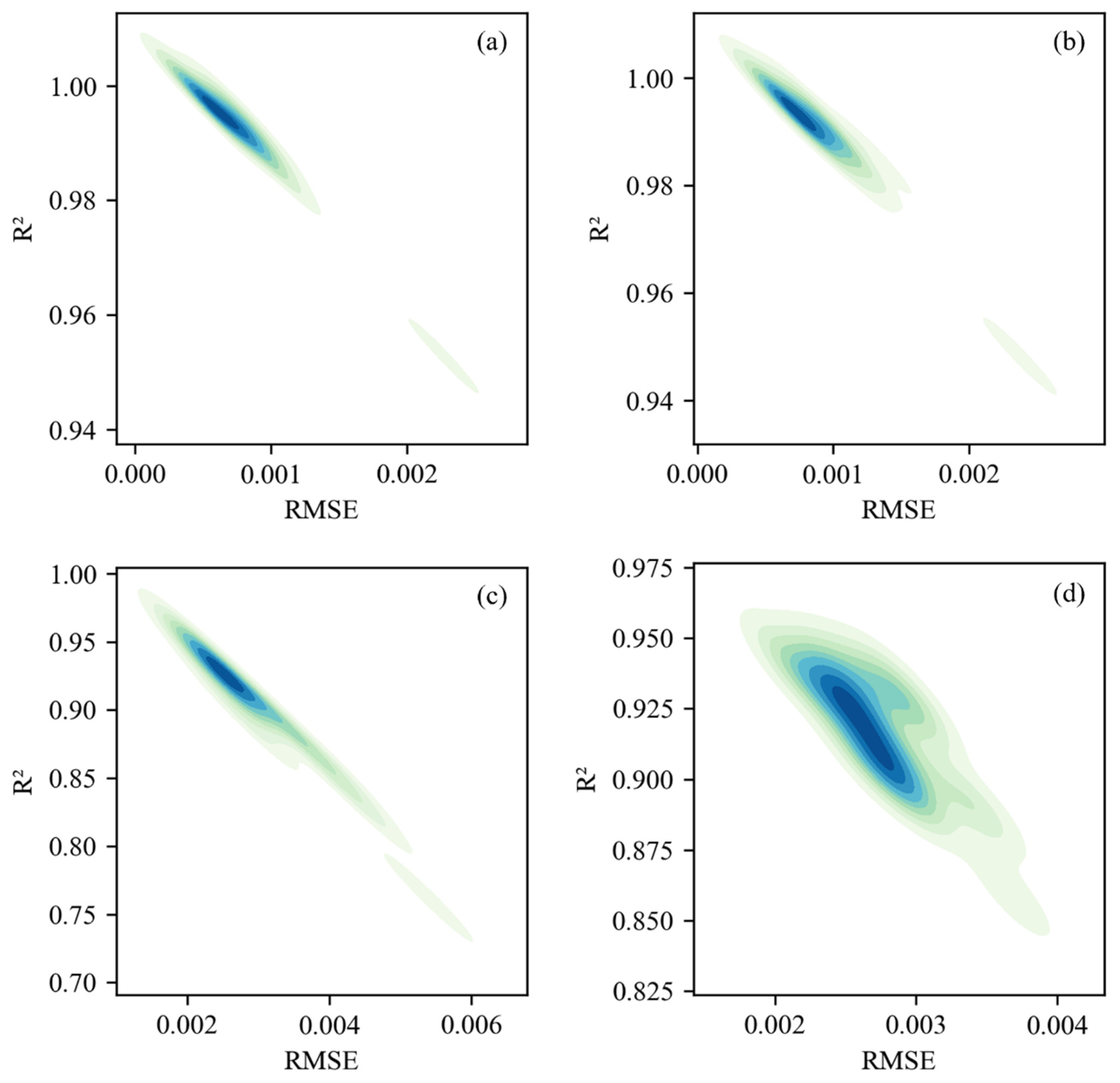
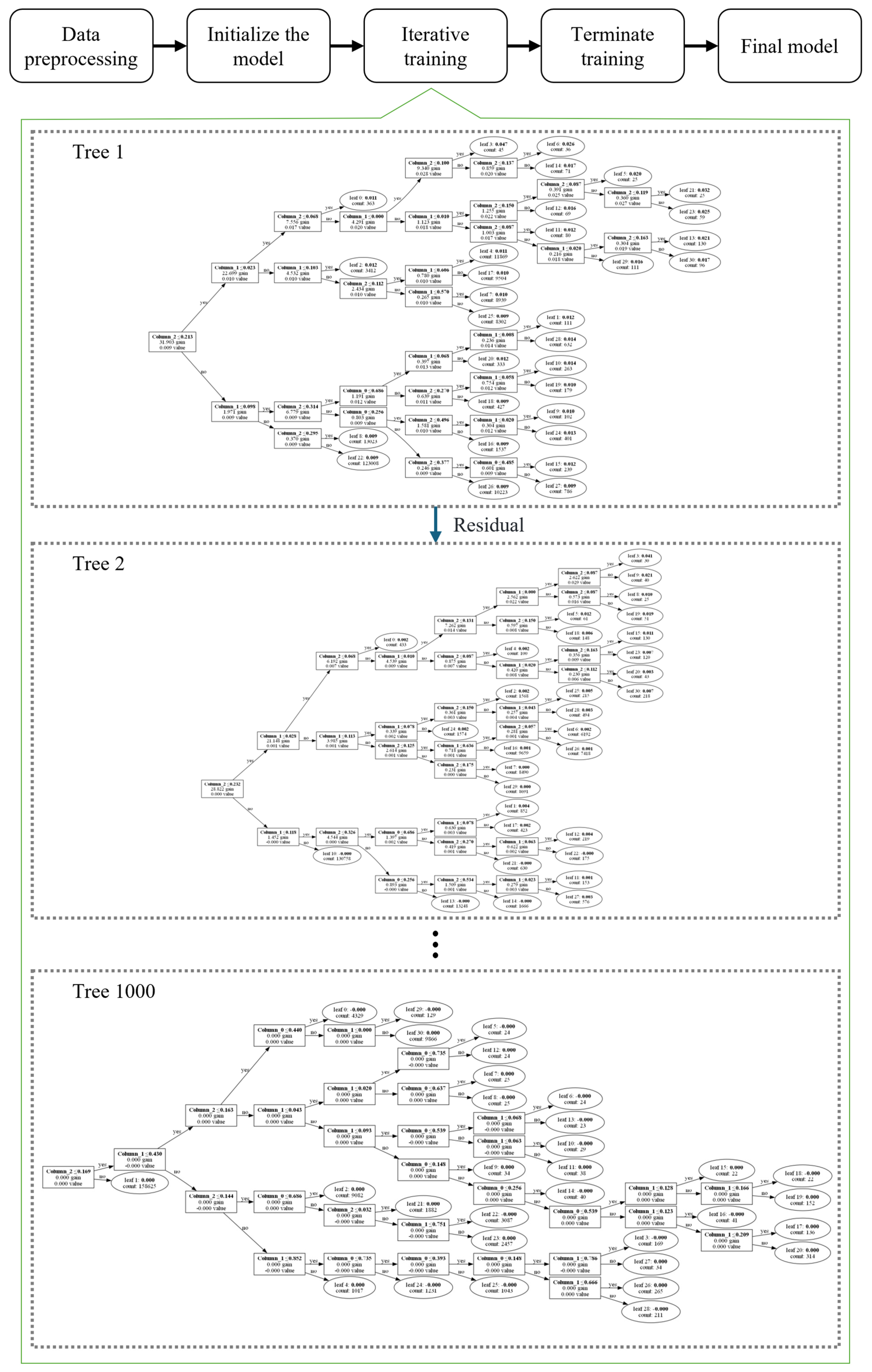
Jet phenomena have significant applications in environmental engineering, chemical process simulations, fluid dynamics, and pollutant dispersion. However, traditional physical models and numerical simulation methods face challenges such as high computational cost and limited accuracy when dealing with complex jet phenomena, such as systems with multiple inclined dense jets. To address this issue, this study proposes a field reconstruction machine learning algorithm to model the concentration field of multiple inclined dense jets. A comprehensive dataset was constructed through computational fluid dynamics (CFD) simulations, and a field reconstruction LightGBM model was trained and compared with field reconstruction approaches based on the XGBoost, GradientBoostingRegressor, and KNN algorithms to validate its superiority in this physical problem. Through testing, the R2 value of LightGBM is close to 0.99, and the RMSE value is around 0.001. The results show that the LightGBM model can accurately predict the mixing and diffusion processes of the jets and exhibits higher prediction accuracy and stability compared to other machine learning methods used in this study, particularly in the complex flow environment of high-density jets. This study provides new ideas and tools for researching jet characteristics and offers theoretical support for engineering emission optimization.
Keywords: inclined dense jets; multiple diffusers; machine learning; LightGBM; field reconstruction inclined dense jets; multiple diffusers; machine learning; LightGBM; field reconstruction