Article

Adaptive Neuro-Fuzzy Inference System-Based Static Synchronous Compensator for Managing Abnormal Conditions in Real-Transmission Network in Middle Egypt


by
Ahmed A. Zaki Diab
1,2,*,
Saleh Al Dawsari
3,4,*,
Ibram Y. Fawzy
1,
Ahmed M. Elsawy
1 and
Ayat G. Abo El-Magd
5
1
Electrical Engineering Department, Faculty of Engineering, Minia University, Minia 61111, Egypt
2
Department of Mechatronics Engineering, Faculty of Engineering, Minia National University, Minia 61111, Egypt
3
School of Engineering, Cardiff University, Cardiff CF24 3AA, UK
4
Electrical Engineering Department, College of Engineering, Najran University, Najran P.O. Box 1988, Saudi Arabia
5
El-Minia High Institute of Engineering and Technology, New Minya, Minia 61111, Egypt
*
Authors to whom correspondence should be addressed.
Processes 2025, 13(3), 745; https://doi.org/10.3390/pr13030745
Submission received: 14 January 2025 / Revised: 10 February 2025 / Accepted: 10 February 2025 / Published: 4 March 2025
(This article belongs to the Special Issue AI-Based Modelling and Control of Power Systems)

Abstract

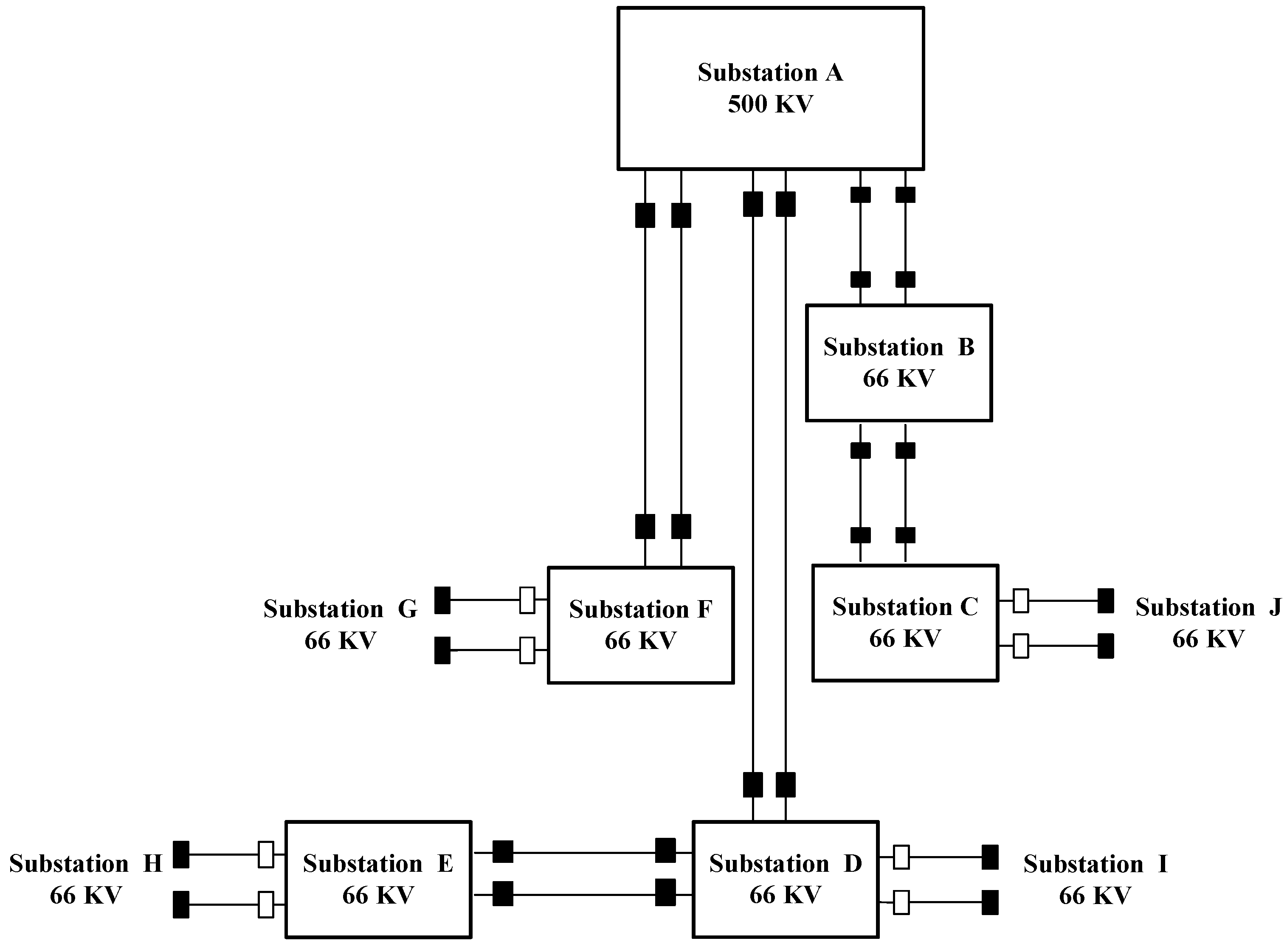
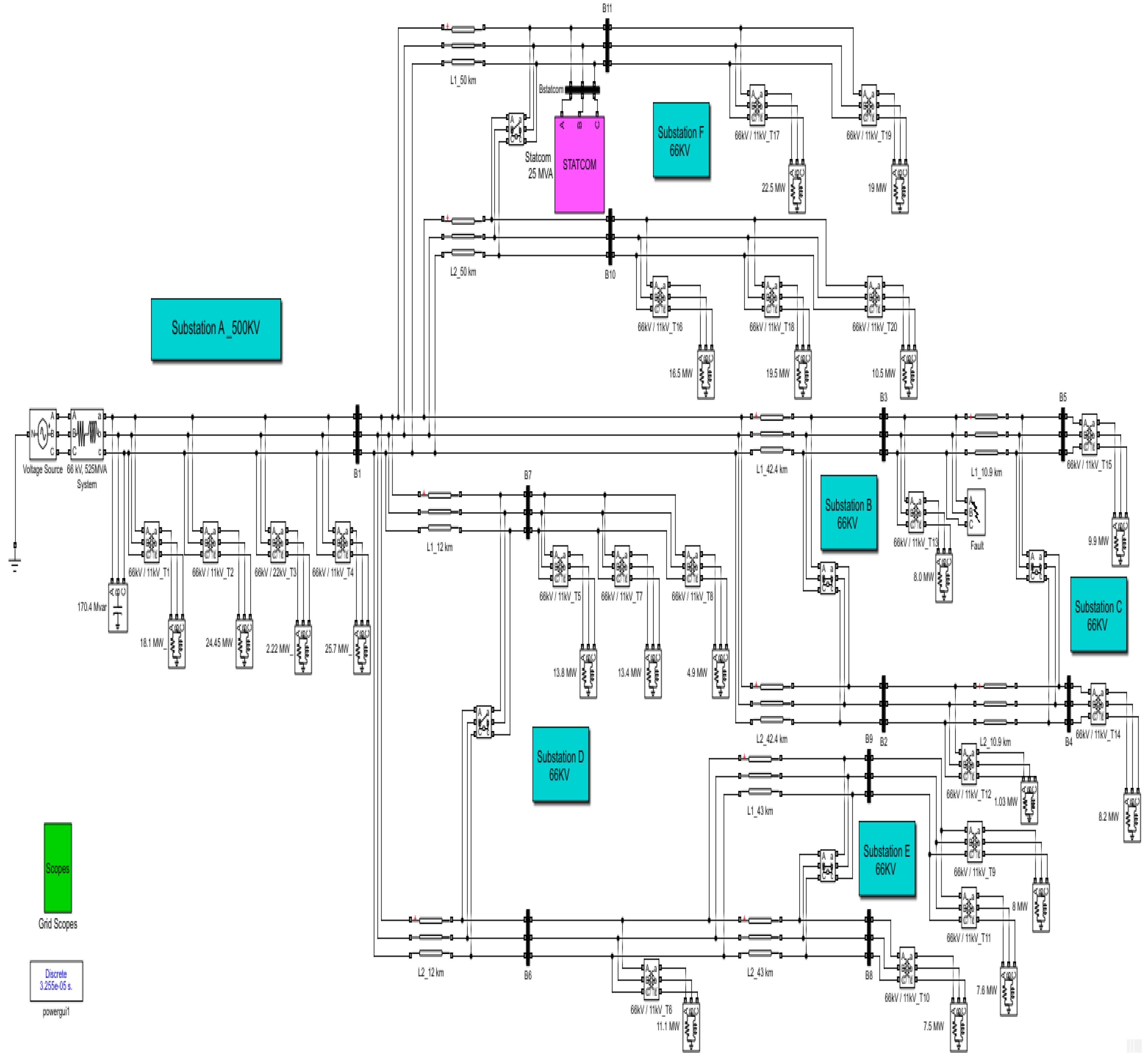
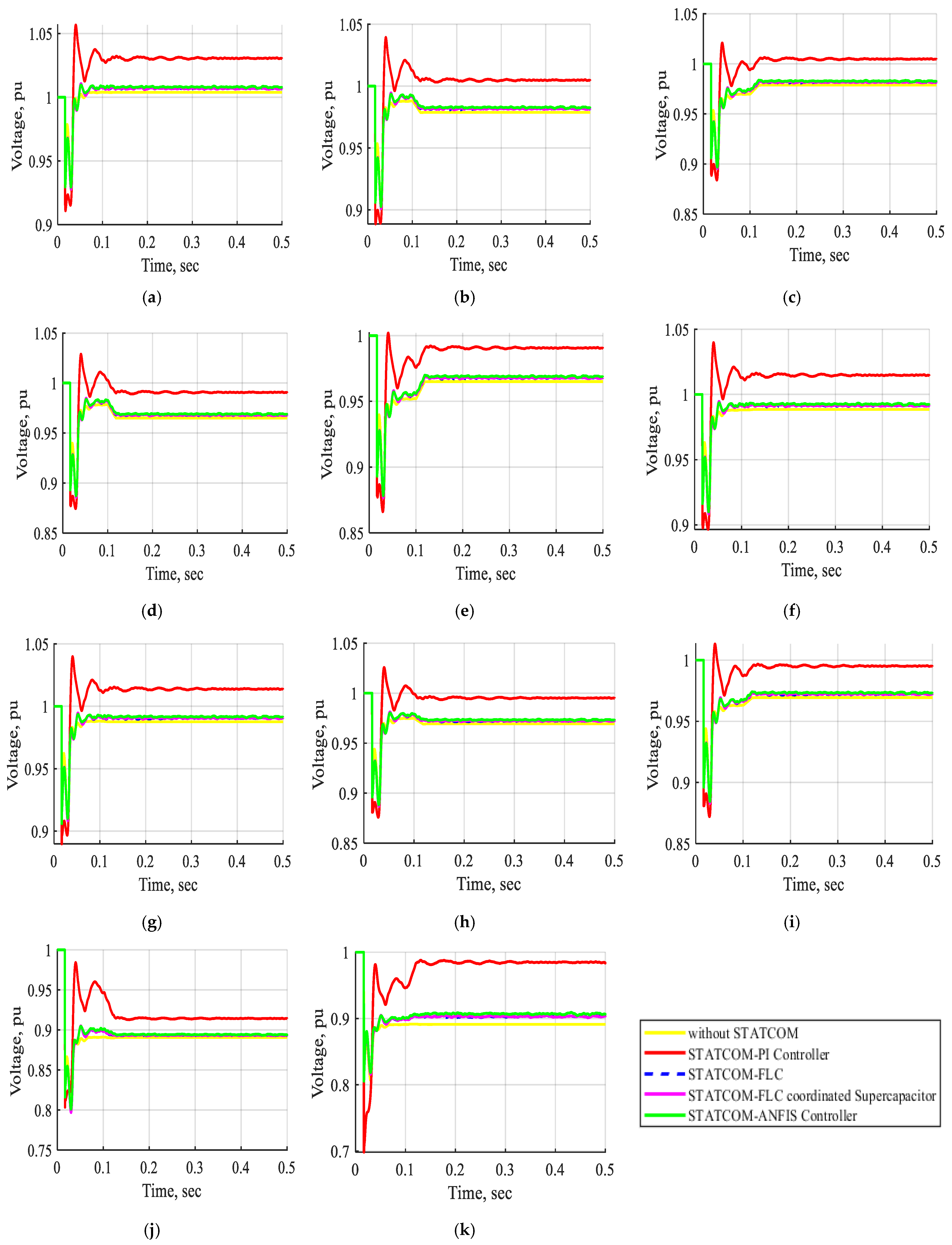
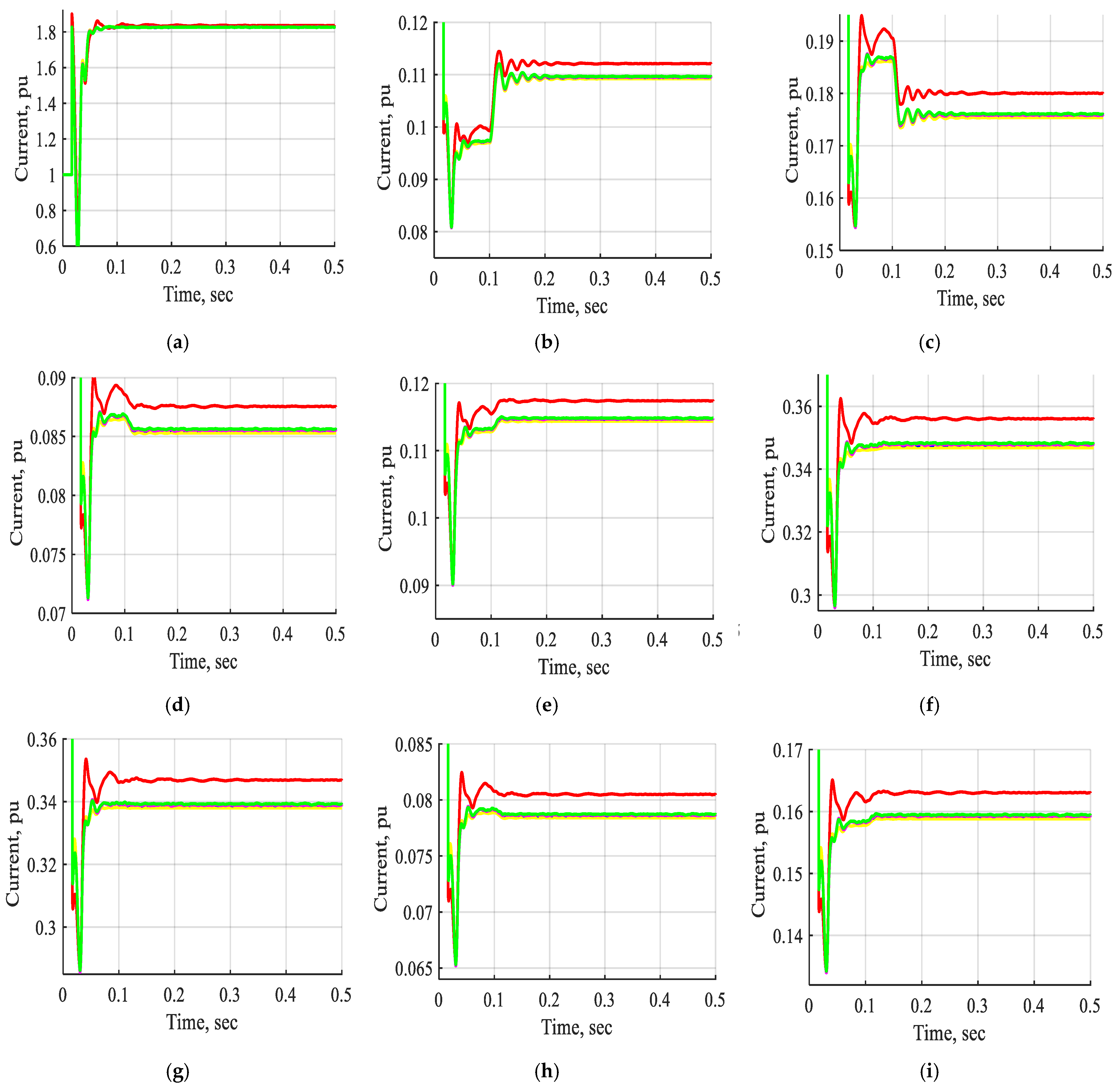
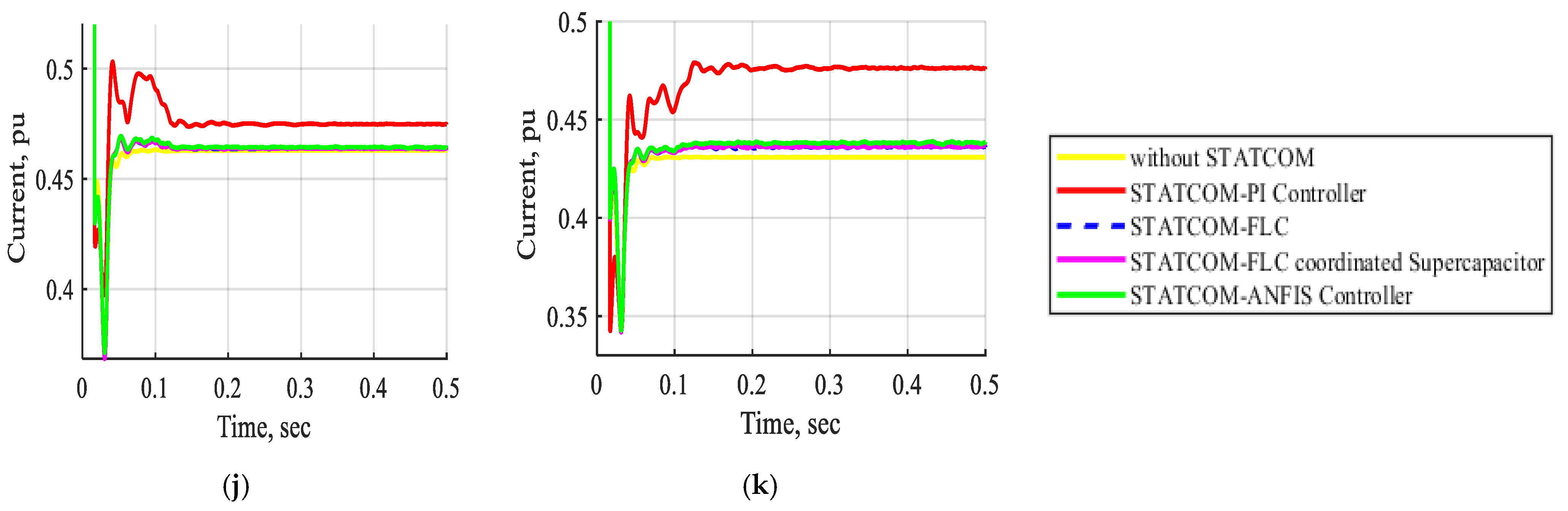
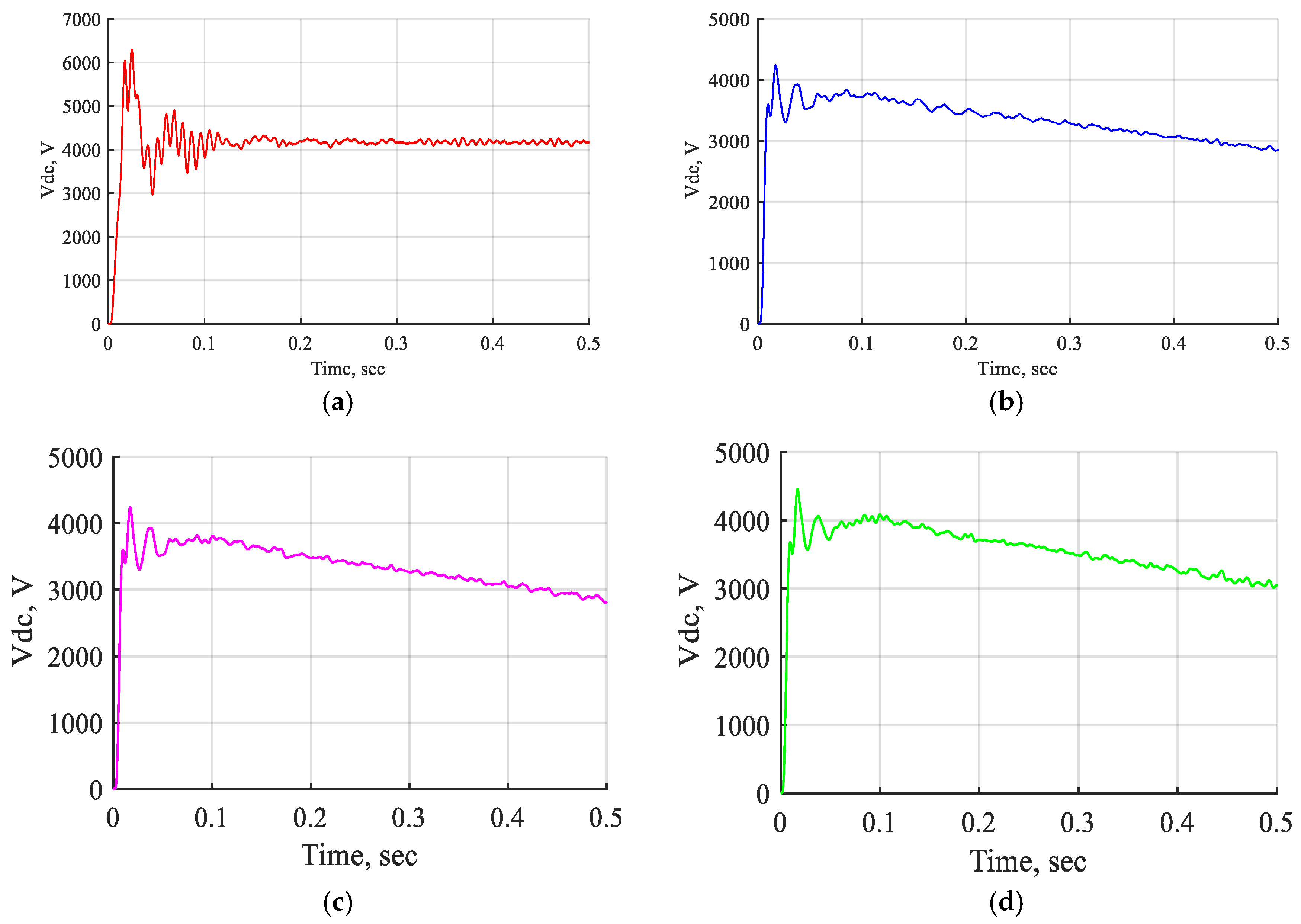
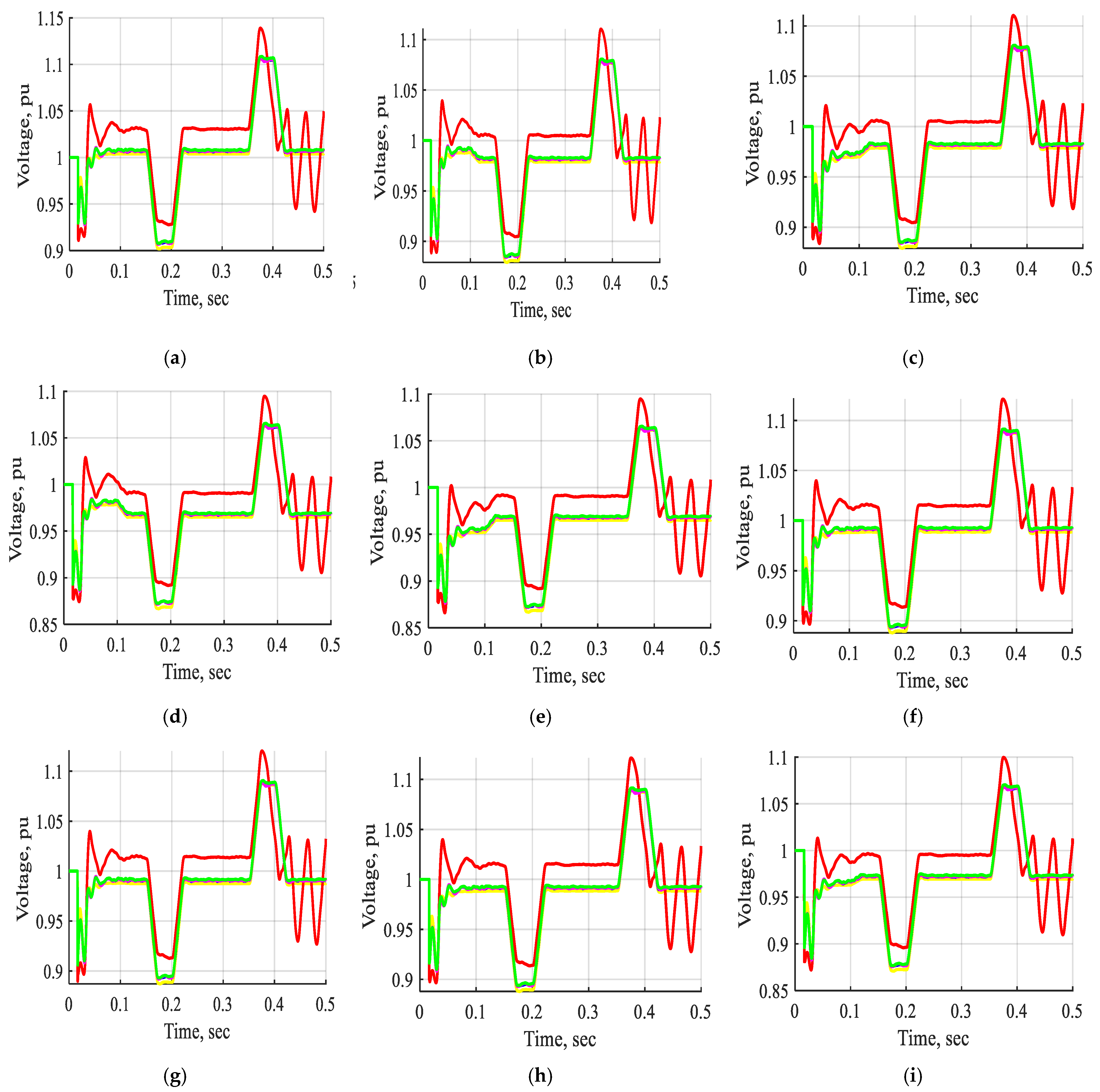
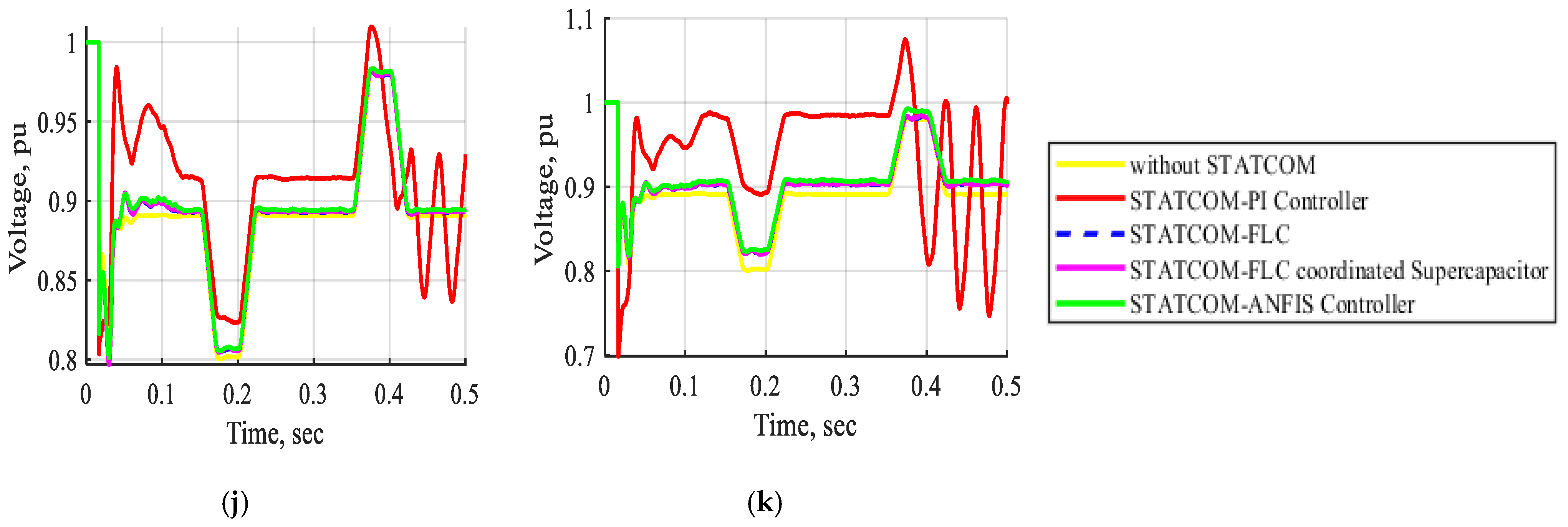
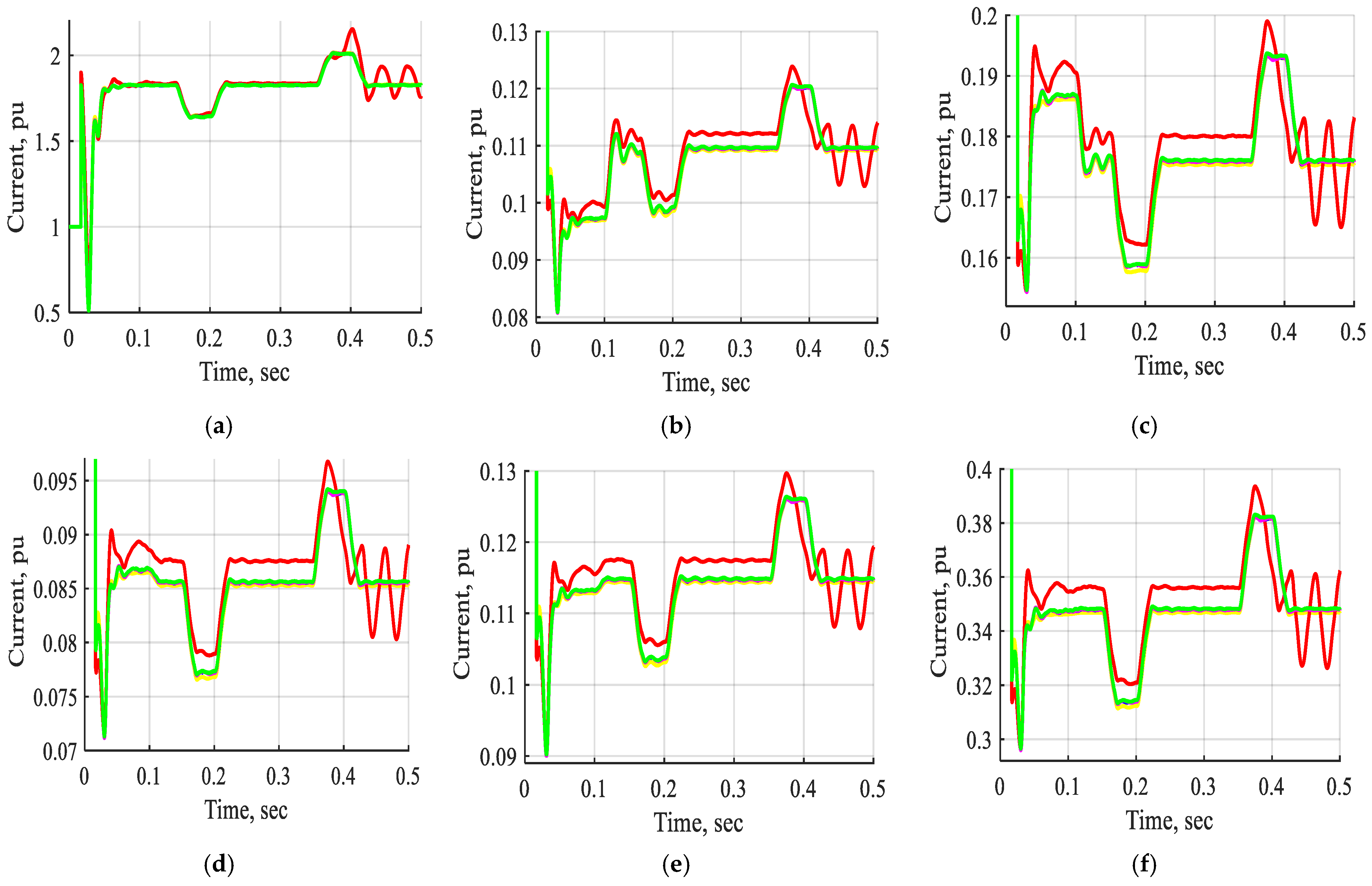
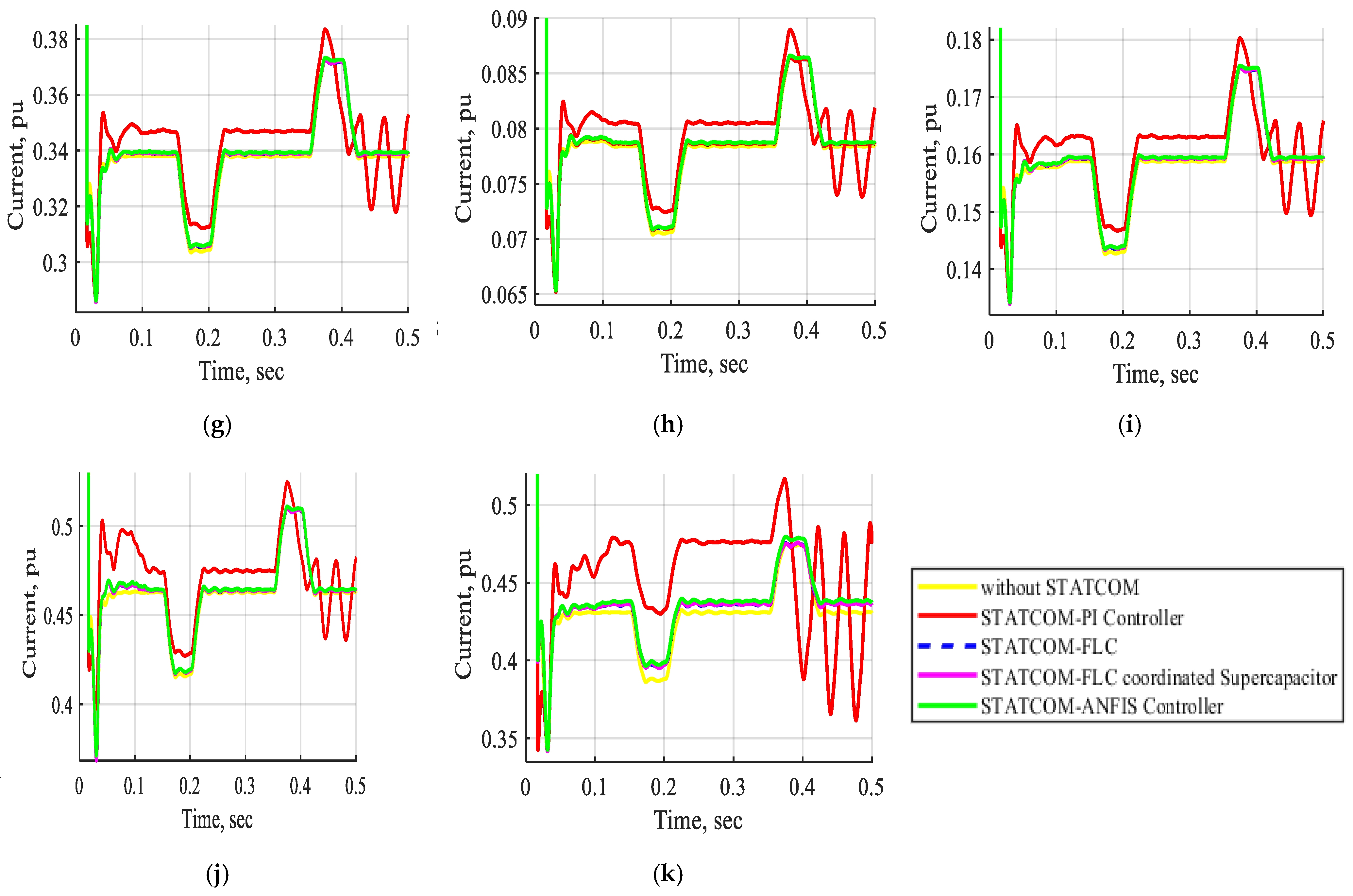
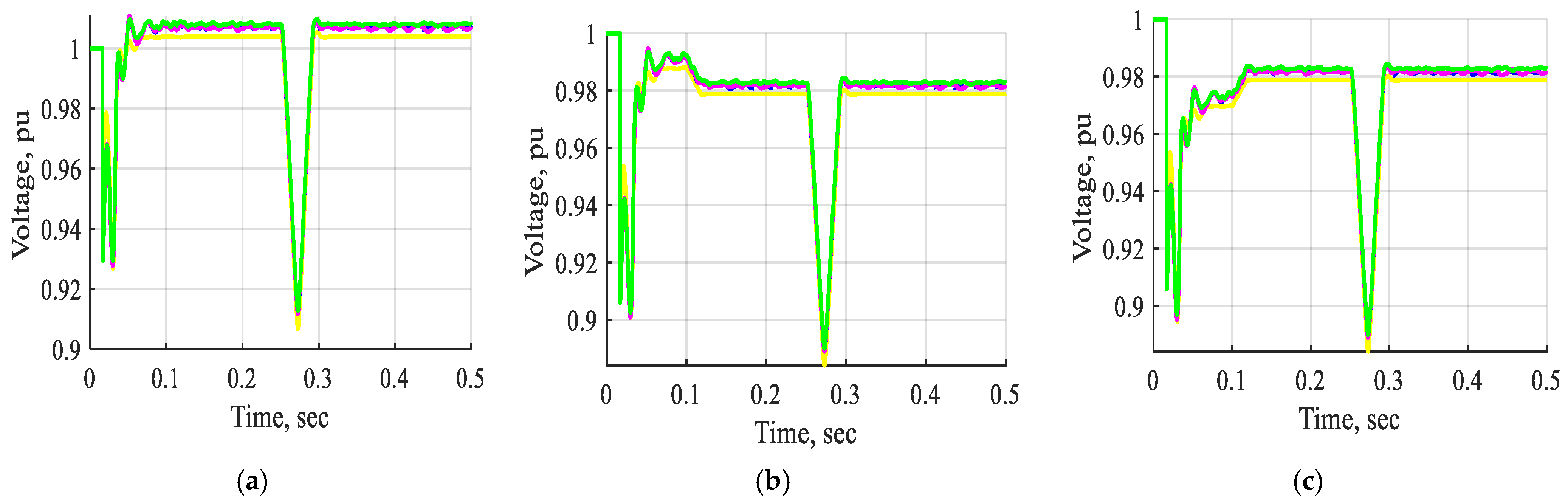
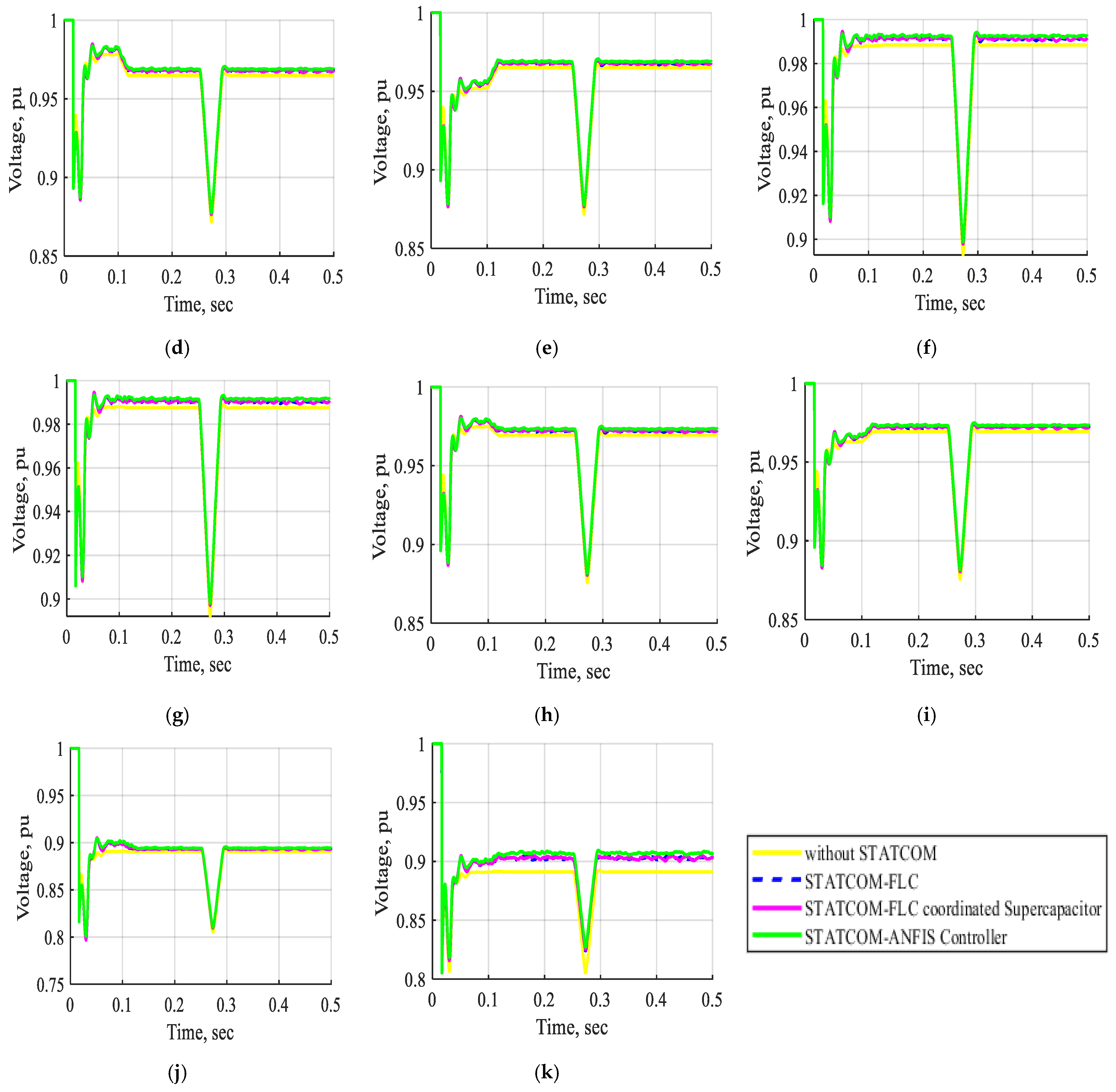
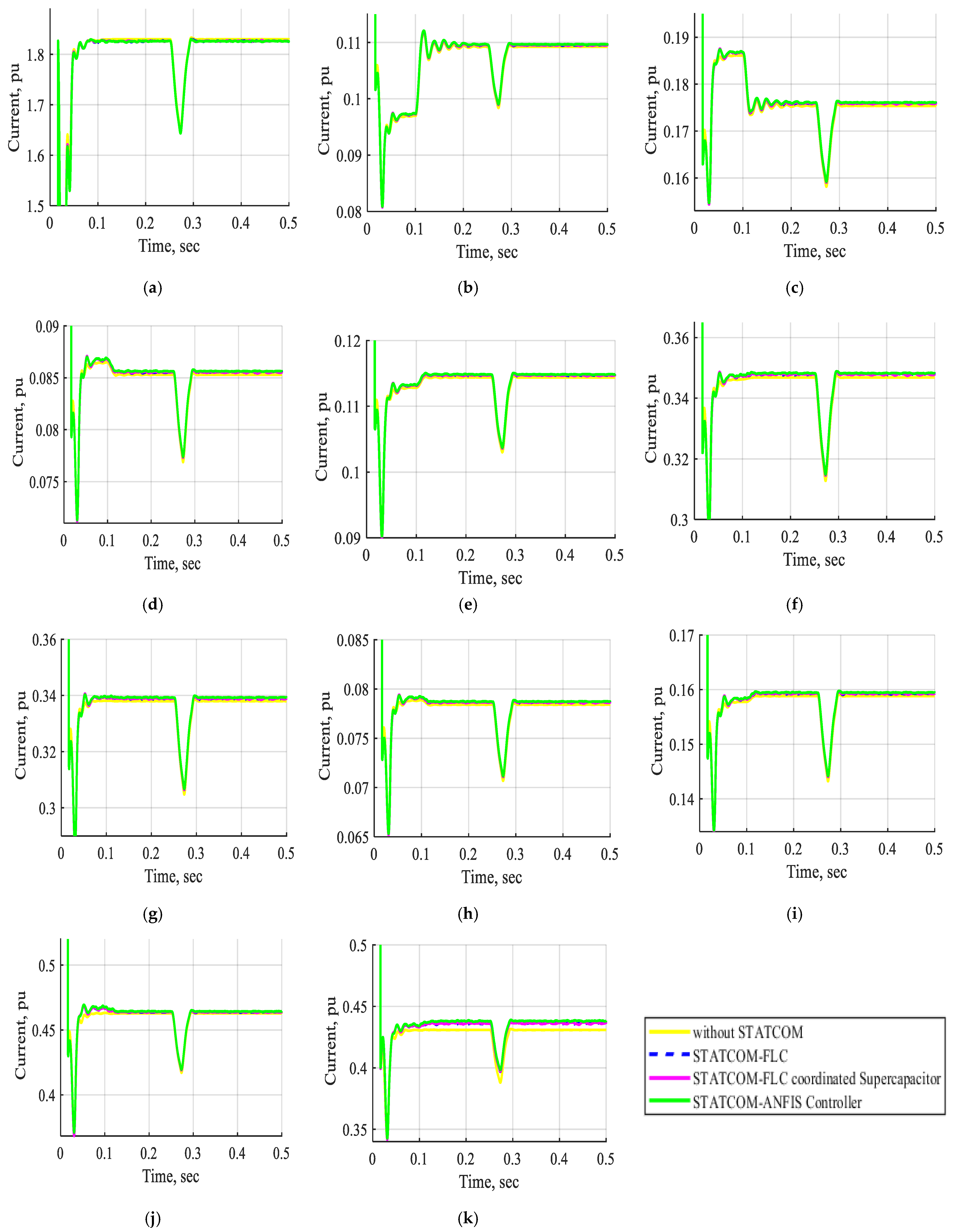
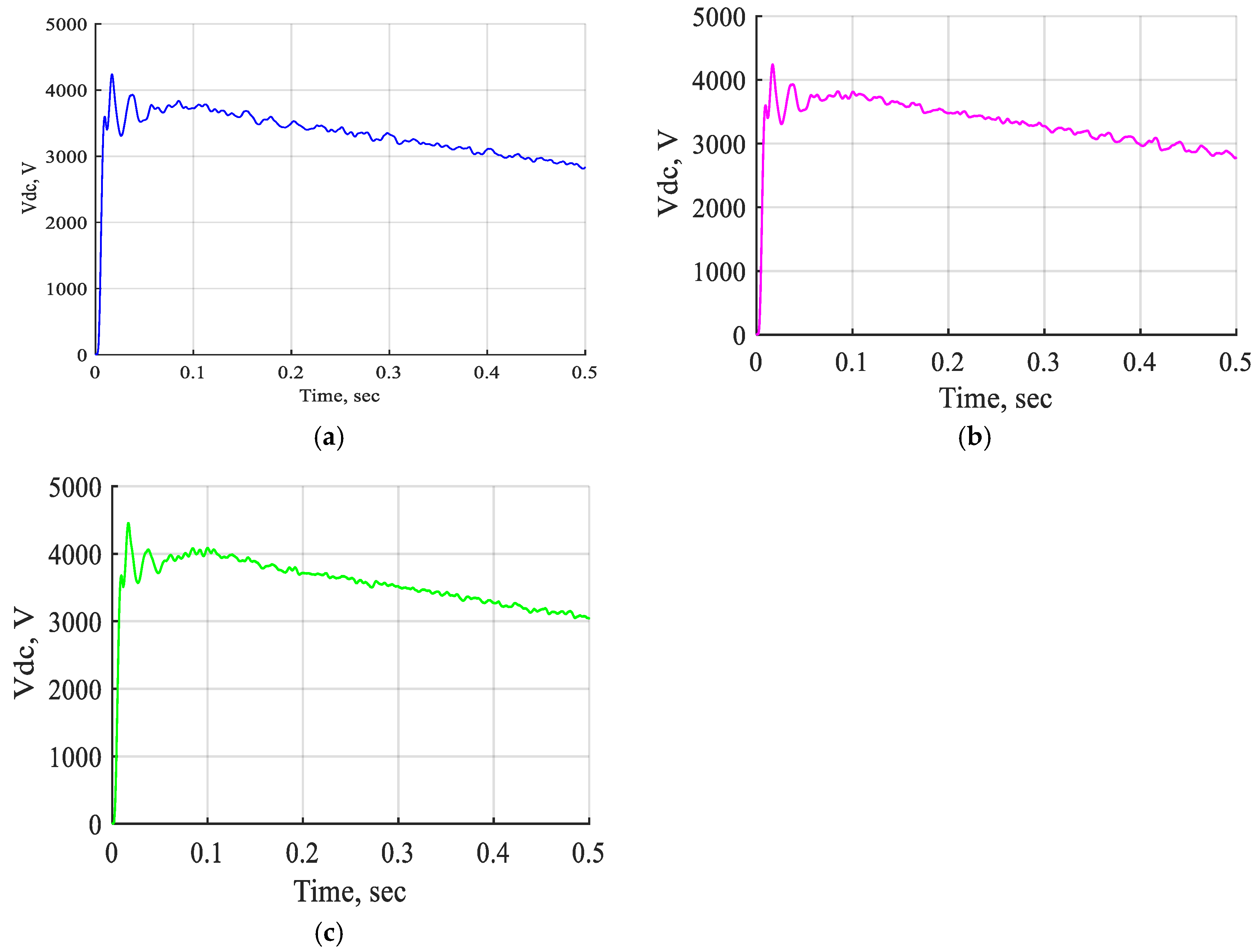
This paper examines the deployment of a 25 MVA Static Synchronous Compensator (STATCOM) to improve voltage stability in a real 66 kV 525 MVA transmission network in the Middle Egypt Electricity Zone. A MATLAB/Simulink model is developed to assess the performance of the STATCOM in both normal and fault conditions, including single-phase and three-phase faults. The STATCOM regulates the voltage by adjusting it within ±10% of the nominal value and is connected to a shunt with the bus B11. Four control strategies are implemented: a proportional–integral (PI) controller, an adaptive neuro-fuzzy inference system (ANFIS), a fuzzy logic controller (FLC), and an FLC combined with a supercapacitor. FLCs outperform PI controllers in maintaining voltage stability; however, they exhibit limitations regarding their responsiveness to dynamic changes within the network. The findings demonstrate that the STATCOM enhances the voltage and current stability compared to the system without this component. The ANFIS controller demonstrates optimal performance characterized by minimal waveform fluctuations. Under standard conditions, a single STATCOM integrated with an ANFIS elevates the bus voltages to 100.382% (B10) and 101.953% (B11), surpassing the performance of the FLC (100.314% and 101.246%) and the FLC–supercapacitor combination (100.326% and 101.392%). The deployment of two STATCOM units alongside an ANFIS improves the voltage levels to 102.122% (B10) and 102.200% (B11). The findings demonstrate that the AN-FIS-controlled STATCOM enhances system performance under normal operating conditions, voltage source fluctuations, and fault scenarios. The deployment of two STATCOM units, each rated at 25 MVA and controlled by an ANFIS, significantly enhances voltage stability compared to a single unit.
Keywords: electrical transmission network; STATCOM; PI; FLC; supercapacitor; ANFIS; voltage stability; normal; abnormal conditions electrical transmission network; STATCOM; PI; FLC; supercapacitor; ANFIS; voltage stability; normal; abnormal conditions