
Article

Sentiment Analysis of Meme Images Using Deep Neural Network Based on Keypoint Representation
by
Endah Asmawati
1,2,
Ahmad Saikhu
2,* and
Daniel O. Siahaan
2
1
Department of Informatics Engineering, Universitas Surabaya, Surabaya 60293, Indonesia
2
Department of Informatics, Institut Teknologi Sepuluh Nopember, Surabaya 60111, Indonesia
*
Author to whom correspondence should be addressed.
Informatics 2025, 12(4), 118; https://doi.org/10.3390/informatics12040118

Submission received: 10 September 2025 / Revised: 3 October 2025 / Accepted: 13 October 2025 / Published: 28 October 2025
(This article belongs to the Special Issue Practical Applications of Sentiment Analysis)

Abstract

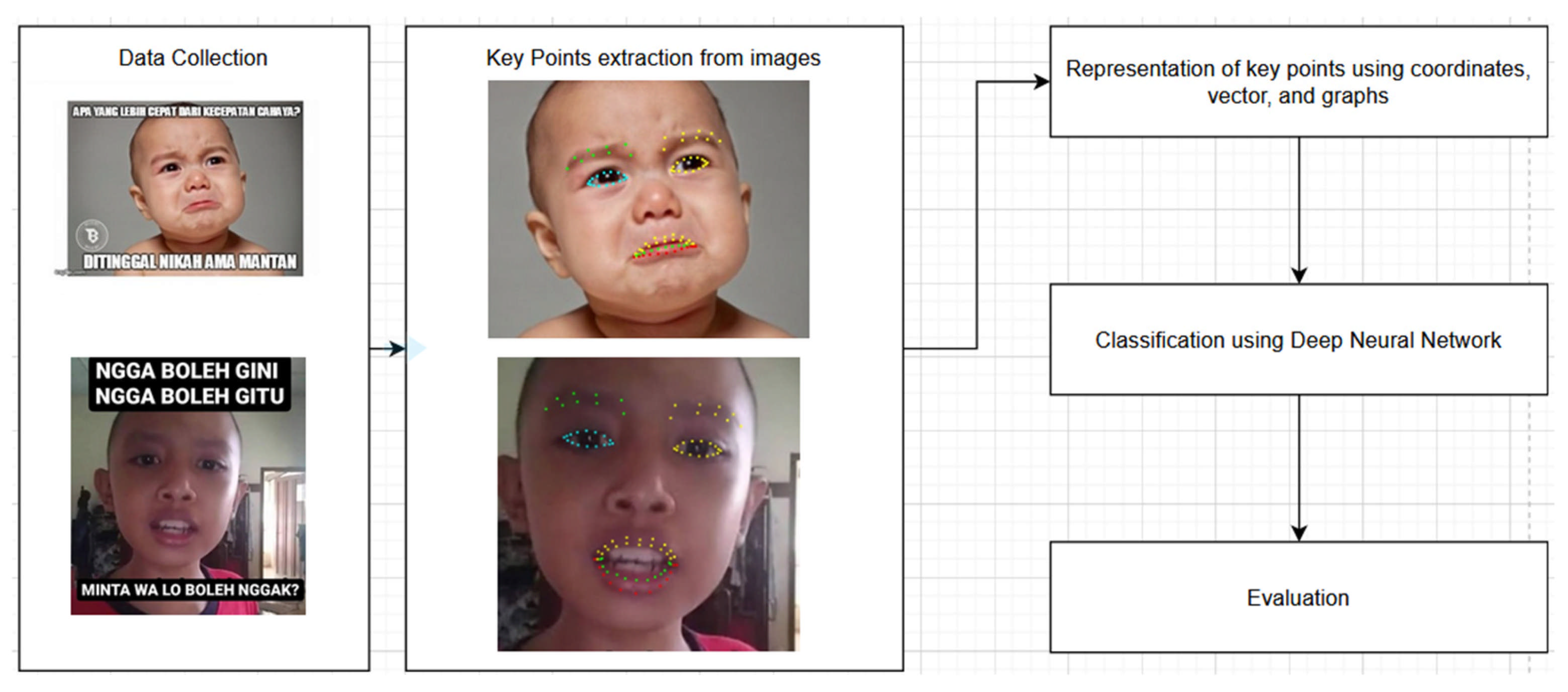
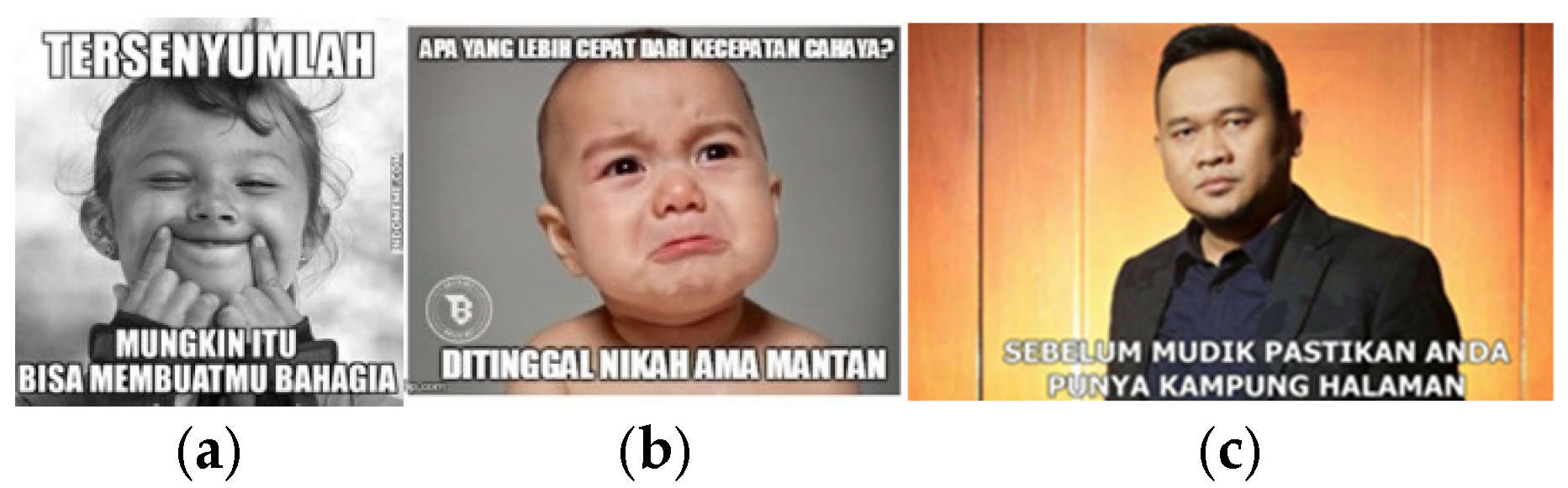
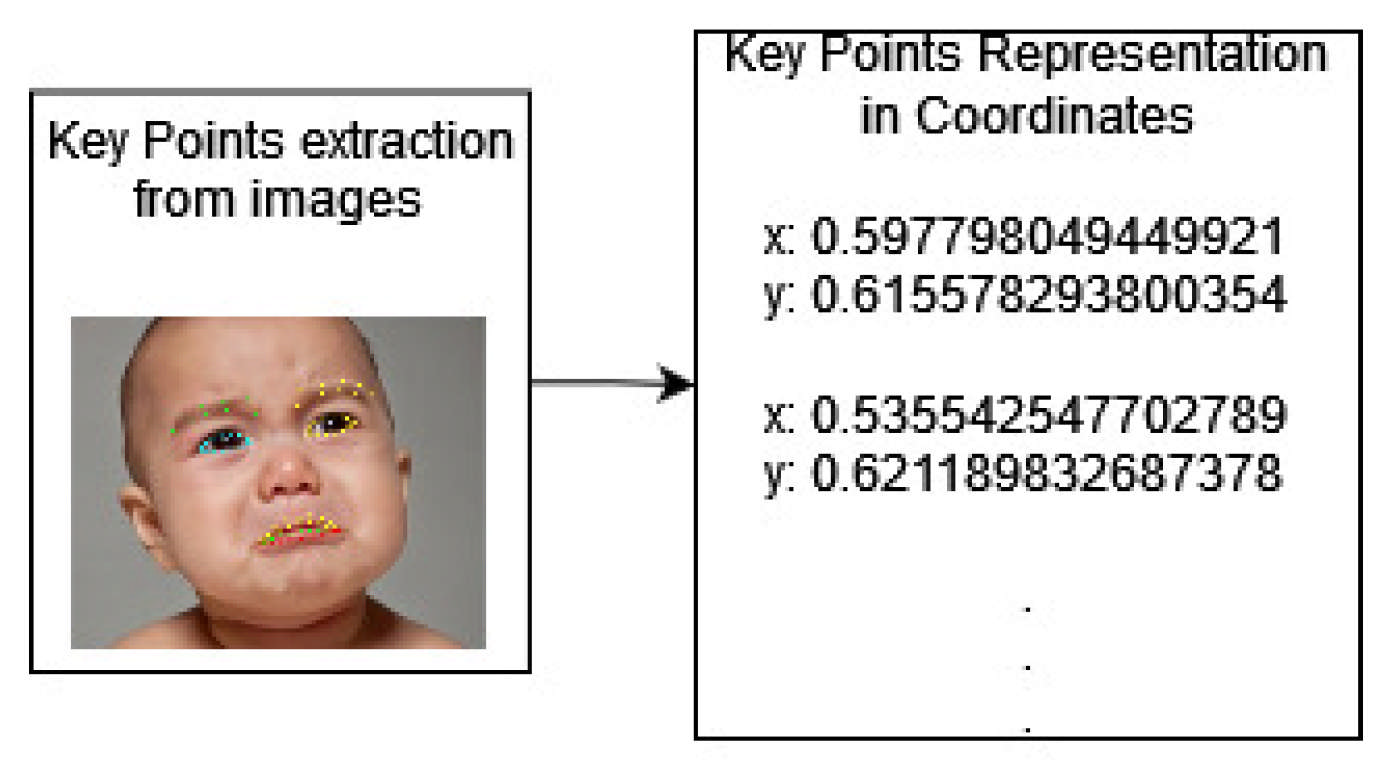
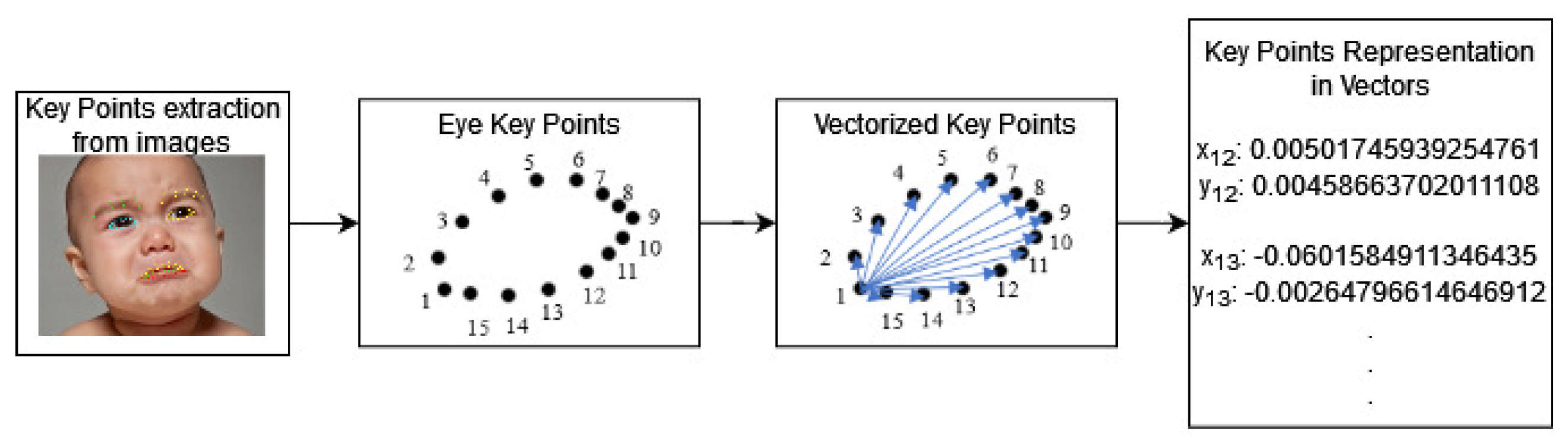
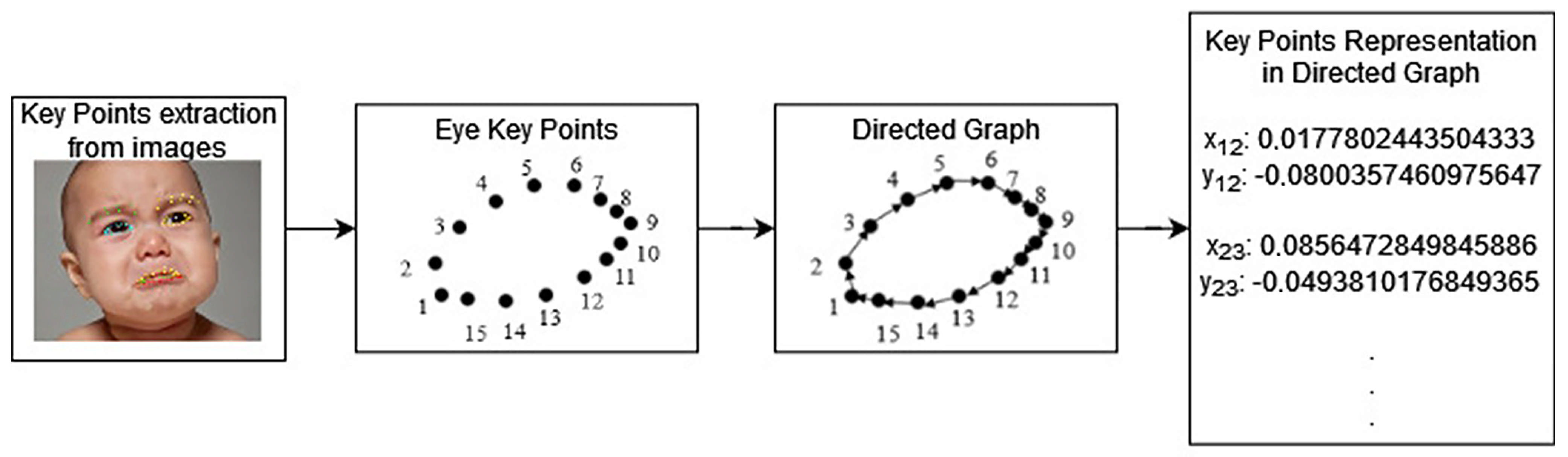
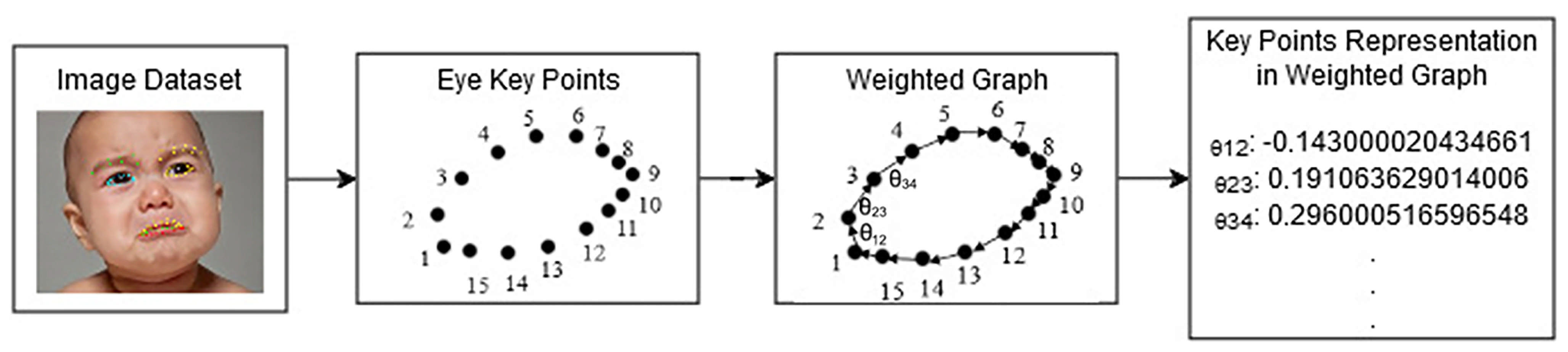
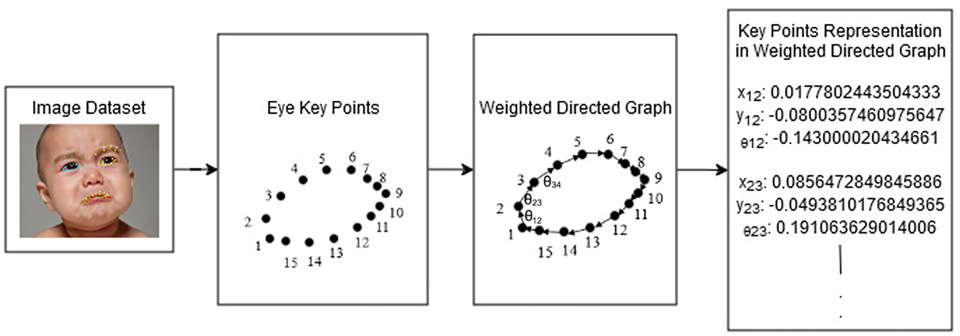
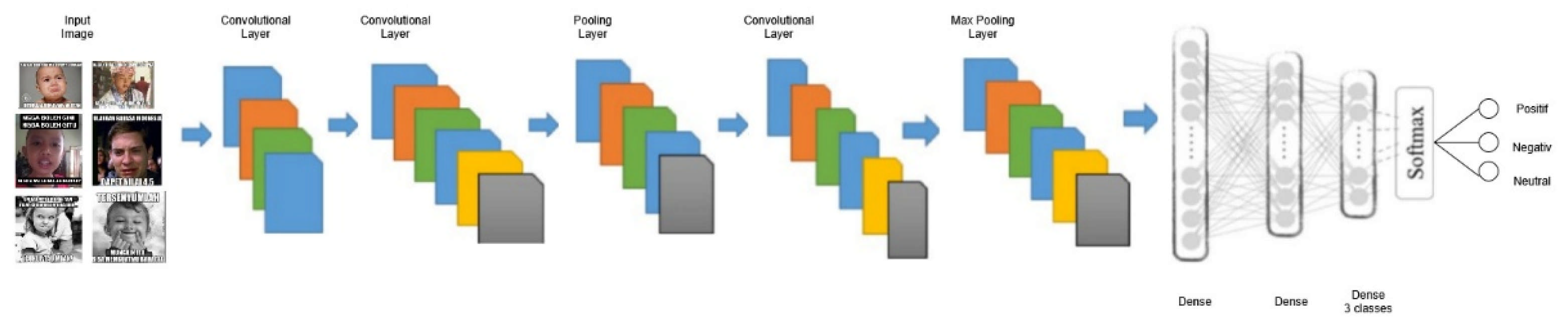
Meme image sentiment analysis is a task of examining public opinion based on meme images posted on social media. In various fields, stakeholders often need to quickly and accurately determine the sentiment of memes from large amounts of available data. Therefore, innovation is needed in image pre-processing so that an increase in performance metrics, especially accuracy, can be obtained in improving the classification of meme image sentiment. This is because sentiment classification using human face datasets yields higher accuracy than using meme images. This research aims to develop a sentiment analysis model for meme images based on key points. The analyzed meme images contain human faces. The facial features extracted using key points are the eyebrows, eyes, and mouth. In the proposed method, key points of facial features are represented in the form of graphs, specifically directed graphs, weighted graphs, or weighted directed graphs. These graph representations of key points are then used to build a sentiment analysis model based on a Deep Neural Network (DNN) with three layers (hidden layer: i = 64, j = 64, k = 90). There are several contributions of this study, namely developing a human facial sentiment detection model using key points, representing key points as various graphs, and constructing a meme dataset with Indonesian text. The proposed model is evaluated using several metrics, namely accuracy, precision, recall, and F-1 score. Furthermore, a comparative analysis is conducted to evaluate the performance of the proposed model against existing approaches. The experimental results show that the proposed model, which utilized the directed graph representation of key points, obtained the highest accuracy at 83% and F1 score at 81%, respectively.
Keywords: DNN; graph; innovation; key points; meme; sentiment analysis DNN; graph; innovation; key points; meme; sentiment analysis