Article

Deep-Learning-Based Automated Classification of Chinese Speech Sound Disorders
1
Department of Electronic and Computer Engineering, National Taiwan University of Science and Technology, Taipei 106, Taiwan
2
Sijhih Cathay General Hospital, New Taipei 221, Taiwan
*
Author to whom correspondence should be addressed.
Children 2022, 9(7), 996; https://doi.org/10.3390/children9070996

Submission received: 26 May 2022 / Revised: 30 June 2022 / Accepted: 30 June 2022 / Published: 1 July 2022

Abstract

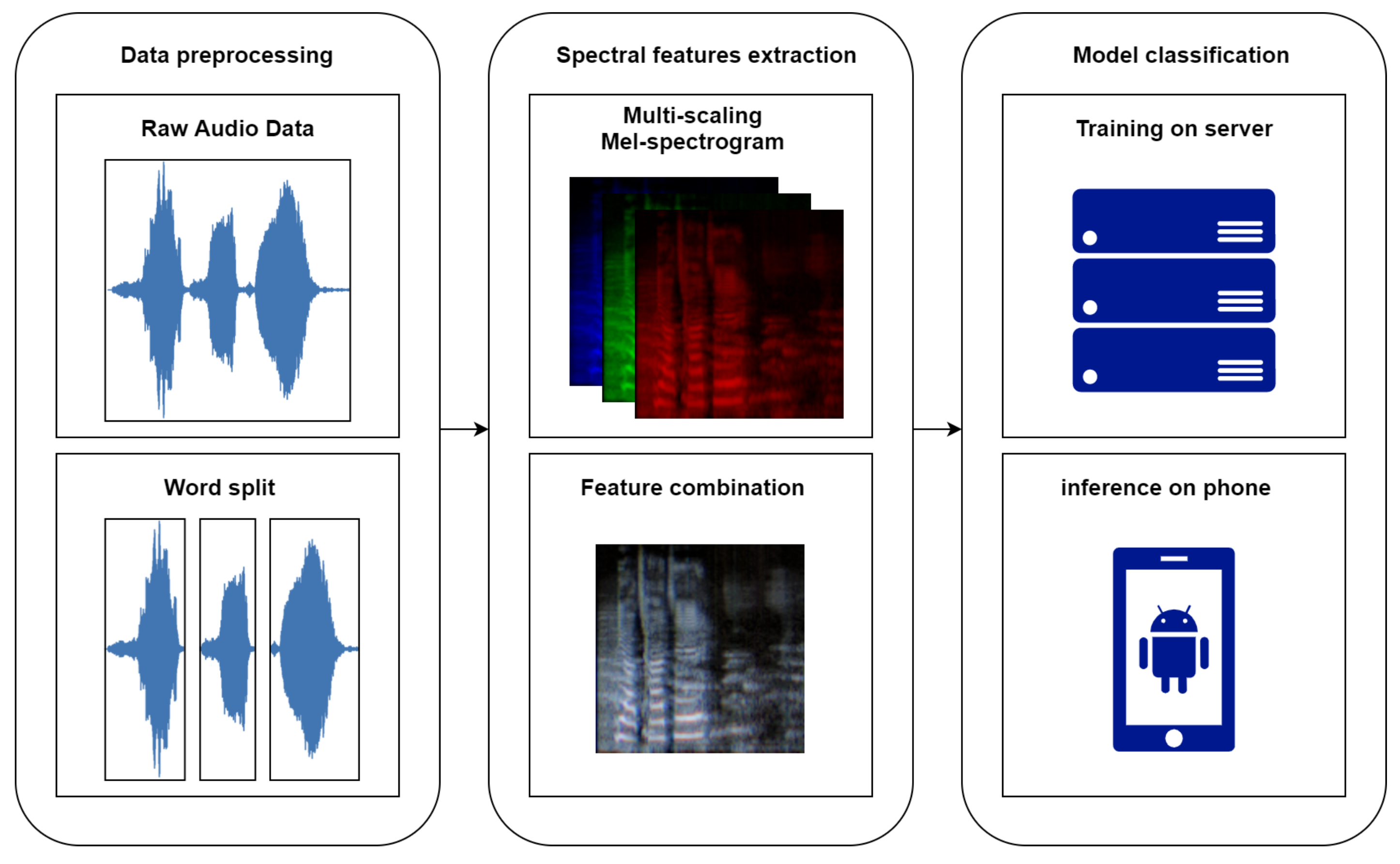
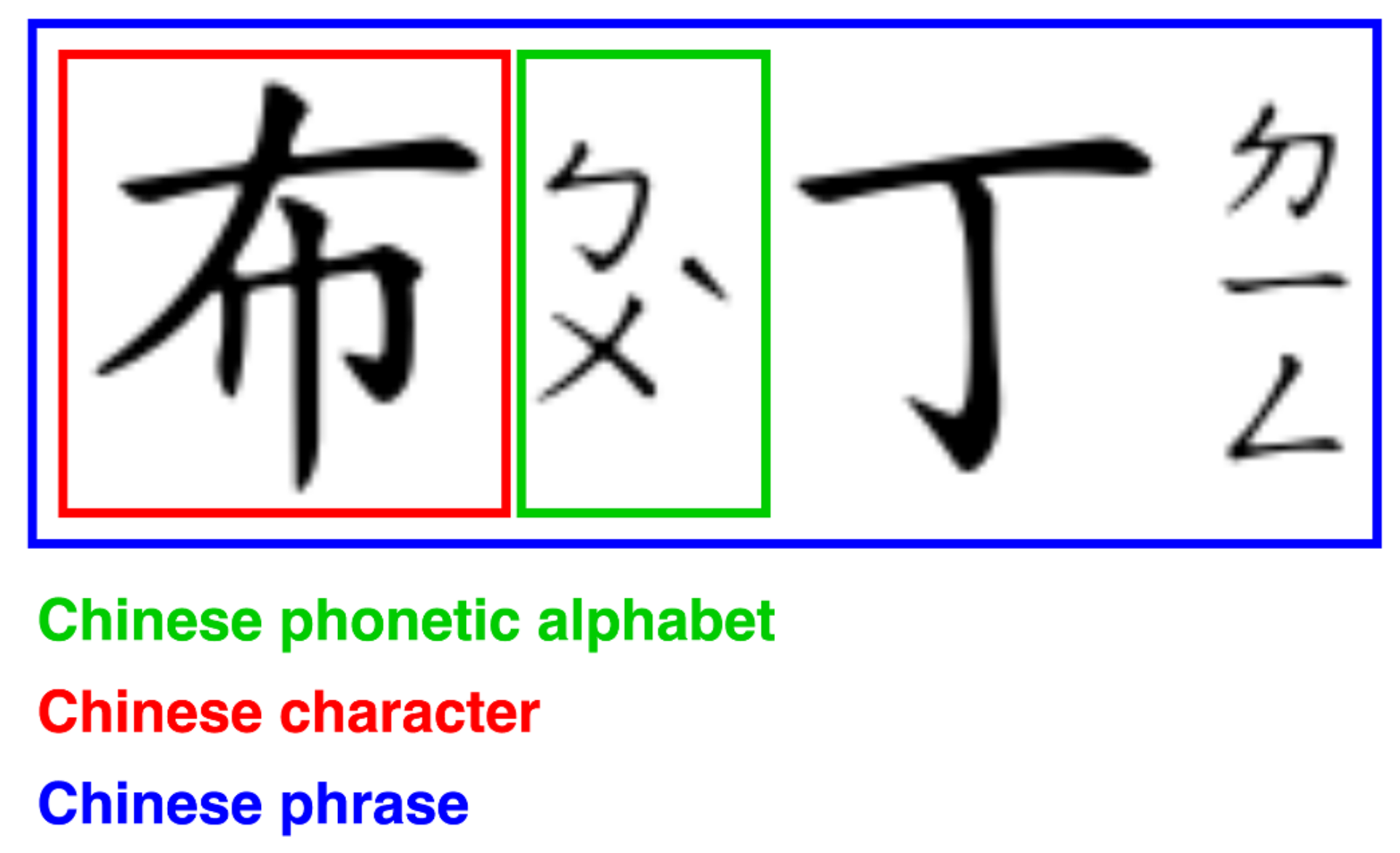
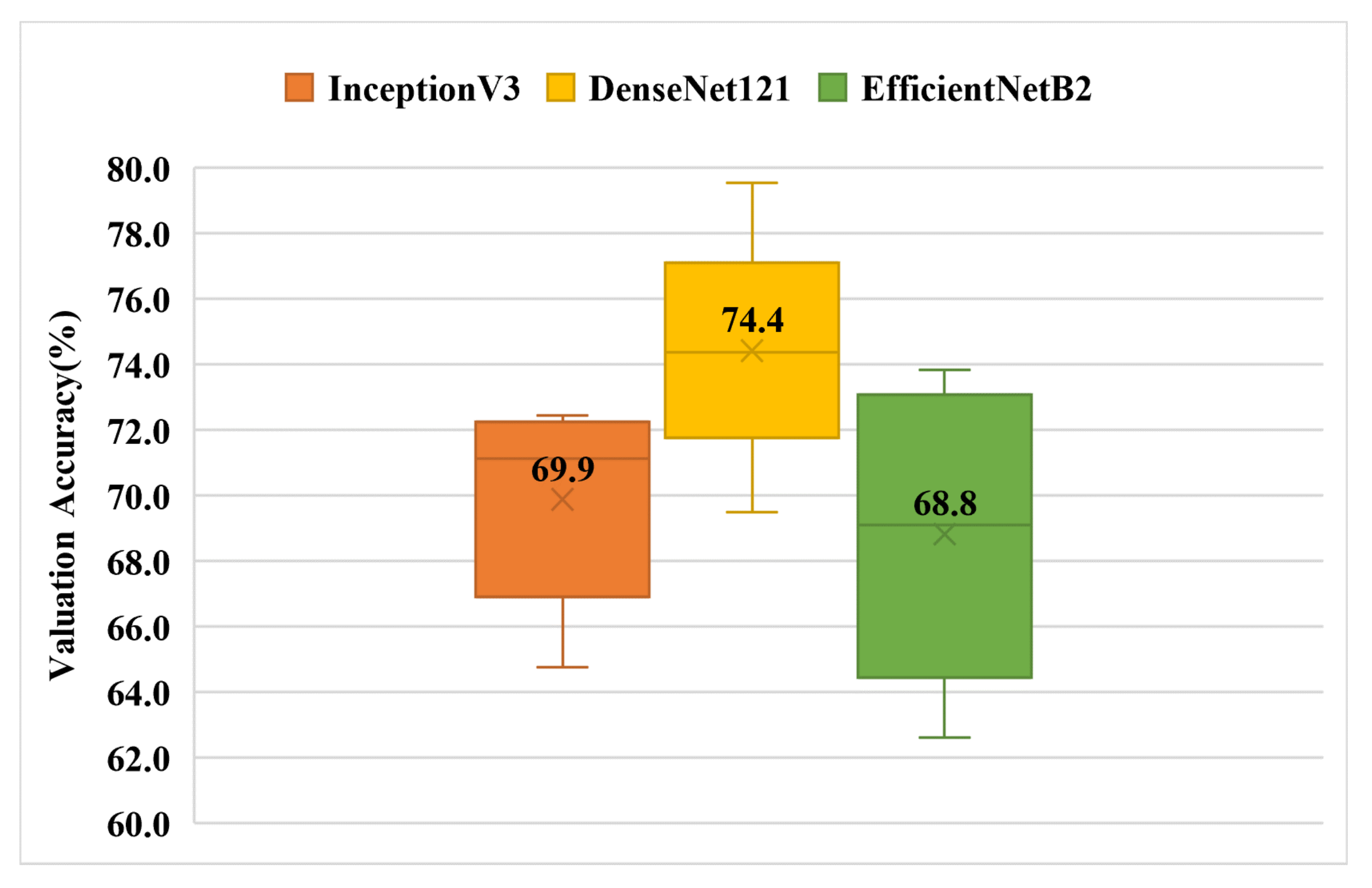
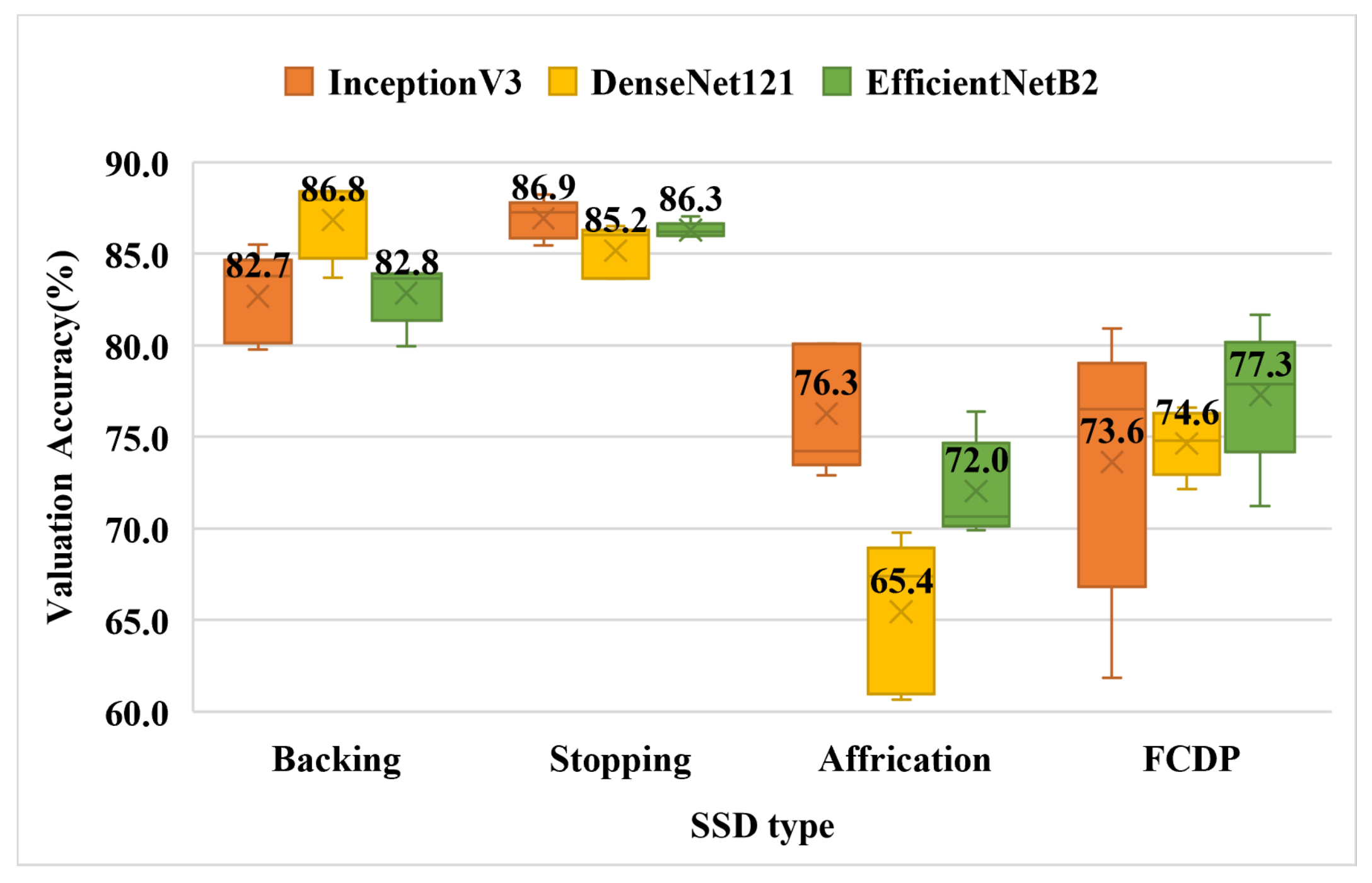
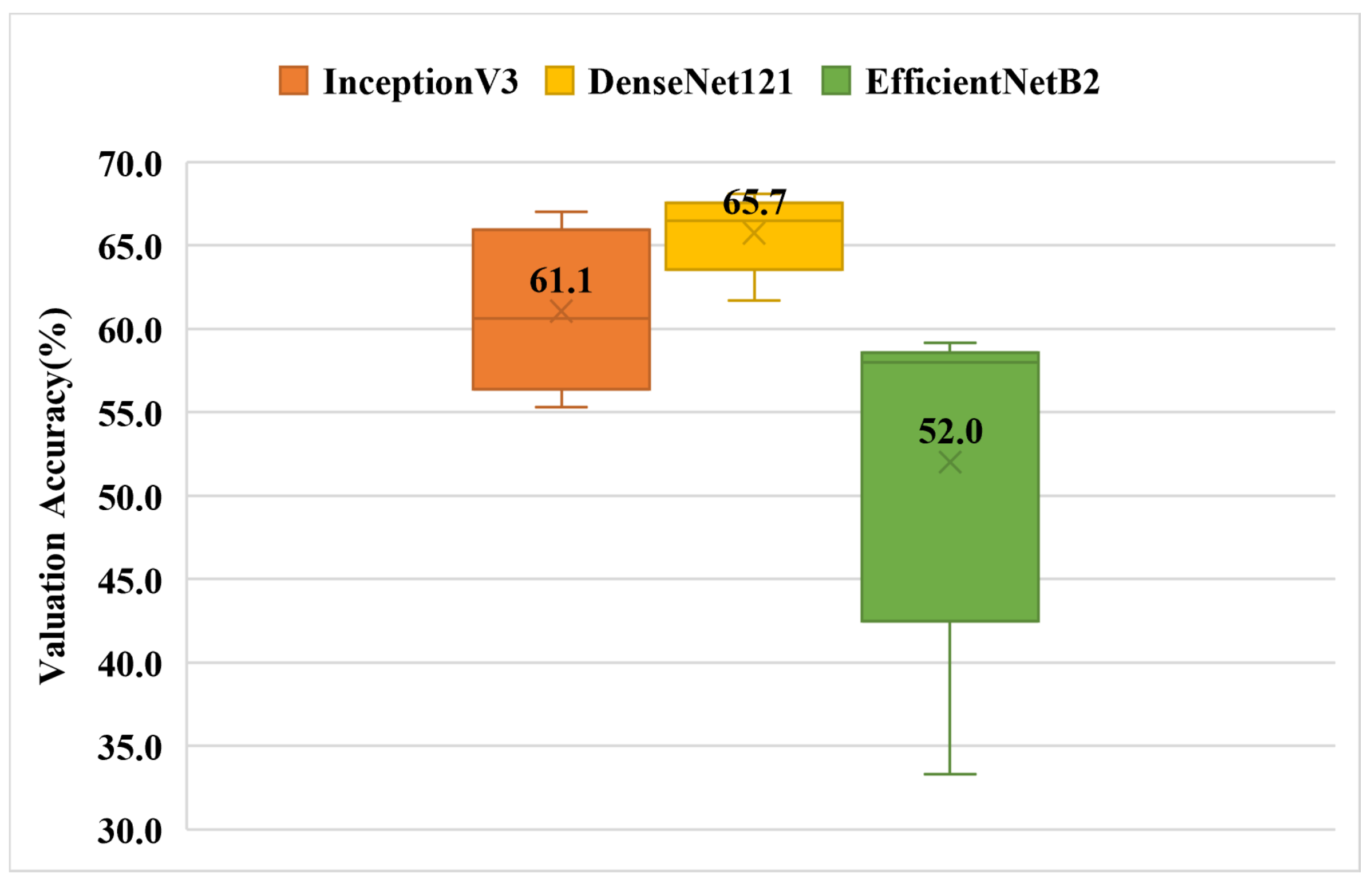
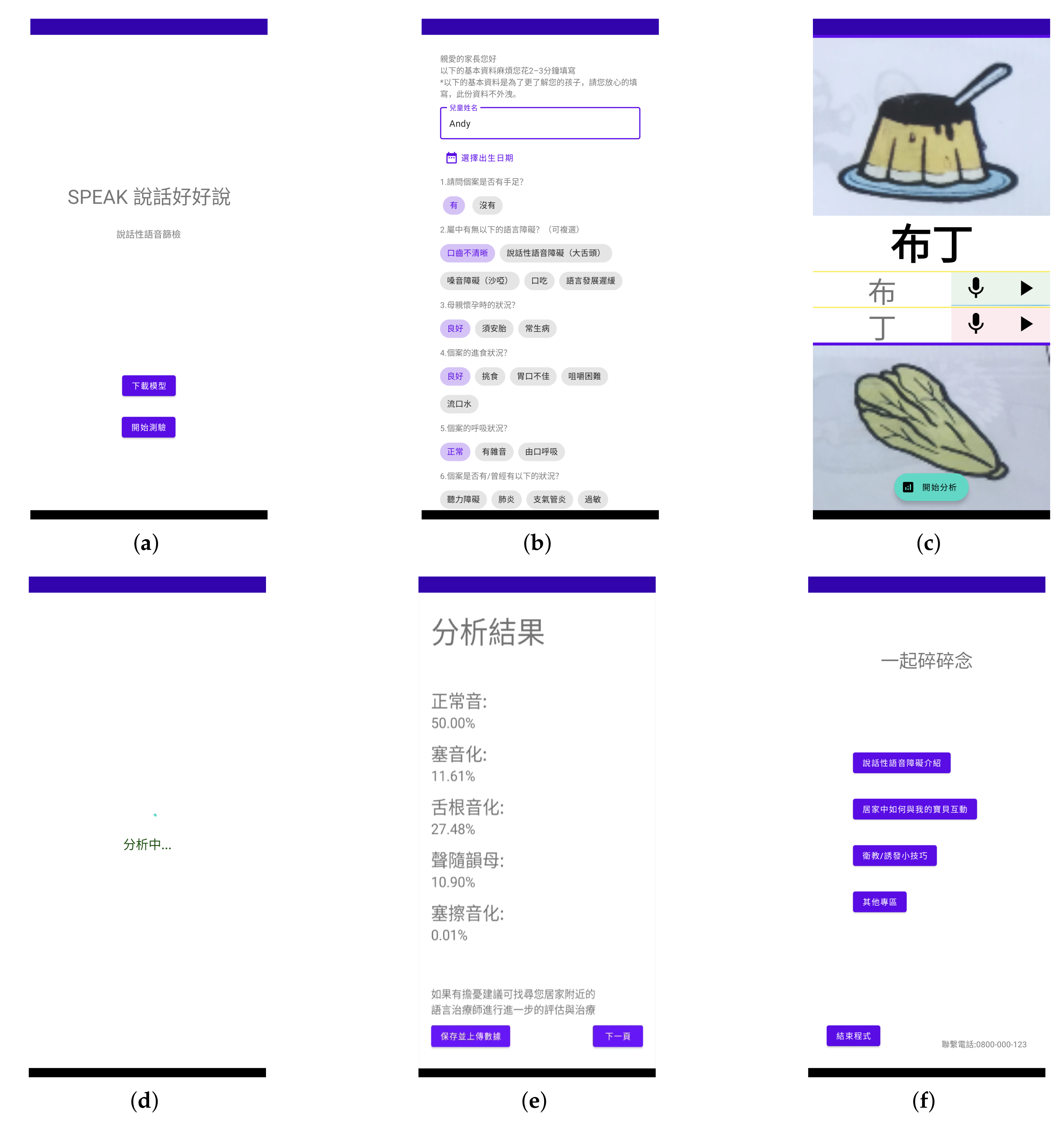
This article describes a system for analyzing acoustic data to assist in the diagnosis and classification of children’s speech sound disorders (SSDs) using a computer. The analysis concentrated on identifying and categorizing four distinct types of Chinese SSDs. The study collected and generated a speech corpus containing 2540 stopping, backing, final consonant deletion process (FCDP), and affrication samples from 90 children aged 3–6 years with normal or pathological articulatory features. Each recording was accompanied by a detailed diagnostic annotation by two speech–language pathologists (SLPs). Classification of the speech samples was accomplished using three well-established neural network models for image classification. The feature maps were created using three sets of MFCC (Mel-frequency cepstral coefficients) parameters extracted from speech sounds and aggregated into a three-dimensional data structure as model input. We employed six techniques for data augmentation to augment the available dataset while avoiding overfitting. The experiments examine the usability of four different categories of Chinese phrases and characters. Experiments with different data subsets demonstrate the system’s ability to accurately detect the analyzed pronunciation disorders. The best multi-class classification using a single Chinese phrase achieves an accuracy of 74.4 percent.
Keywords: speech sound disorder; speech disfluency classification; Chinese speech sound disorder dataset; machine learning; artificial intelligence speech sound disorder; speech disfluency classification; Chinese speech sound disorder dataset; machine learning; artificial intelligence