Review

Chest Compressions for Bradycardia during Neonatal Resuscitation—Do We Have Evidence?


by
Vikash Agrawal
1,
Satyan Lakshminrusimha
2 and
Praveen Chandrasekharan
1,*
1
Division of Neonatology, Department of Pediatrics, University at Buffalo, Buffalo, NY 14260, USA
2
Division of Neonatology, Department of Pediatrics, University of California Davis, Davis, CA 95616, USA
*
Author to whom correspondence should be addressed.
Children 2019, 6(11), 119; https://doi.org/10.3390/children6110119

Submission received: 7 September 2019 / Revised: 16 October 2019 / Accepted: 17 October 2019 / Published: 29 October 2019

Abstract

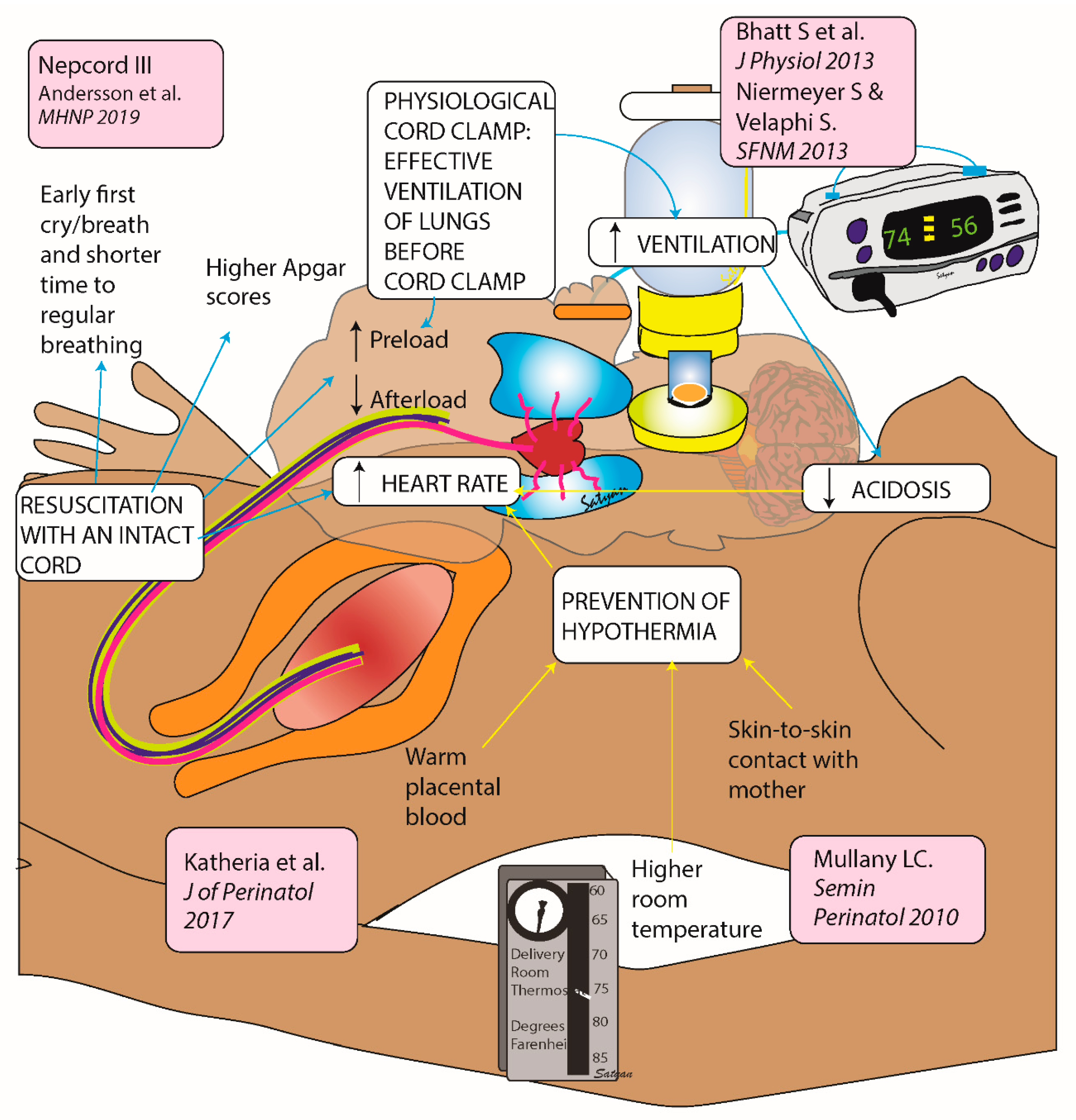
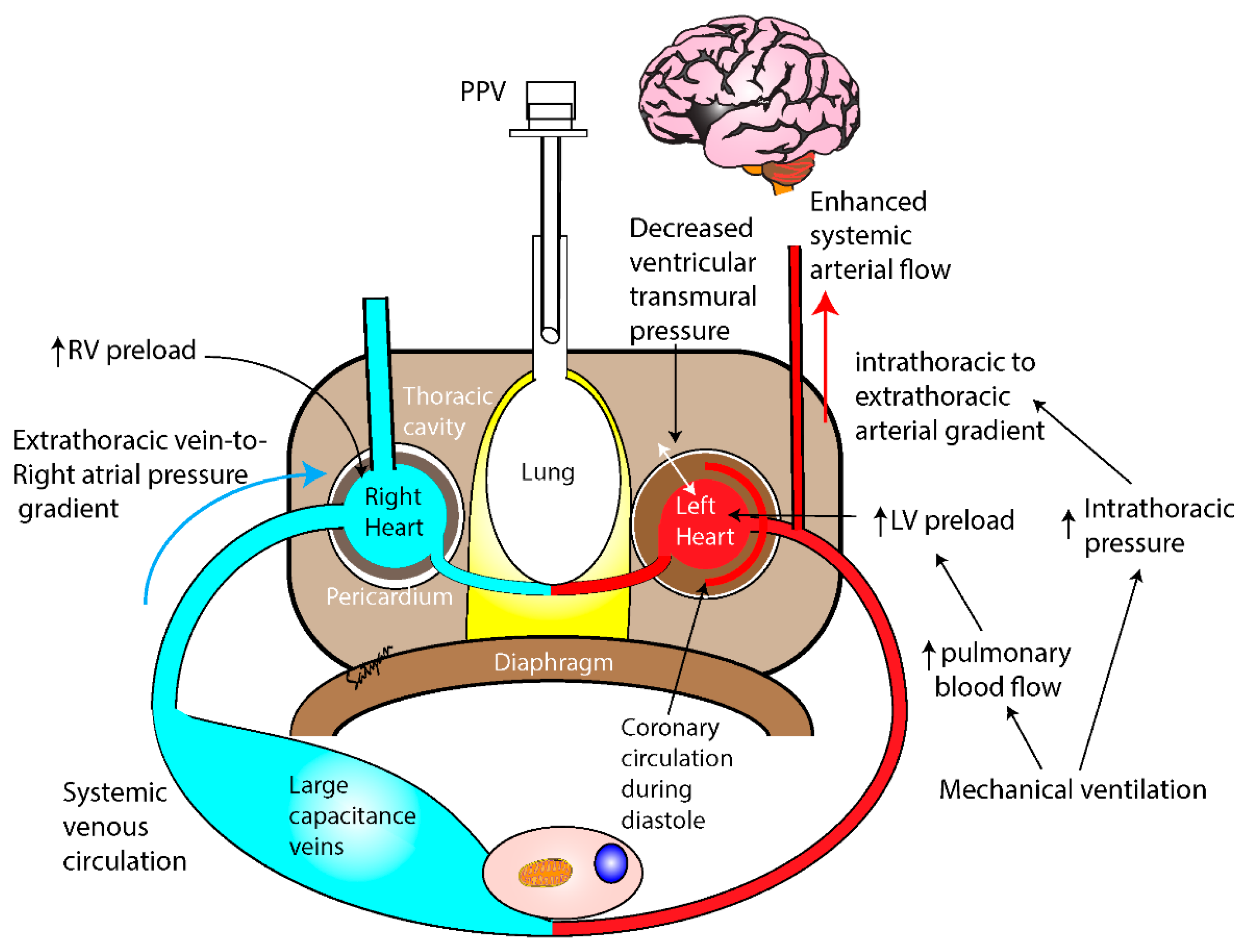
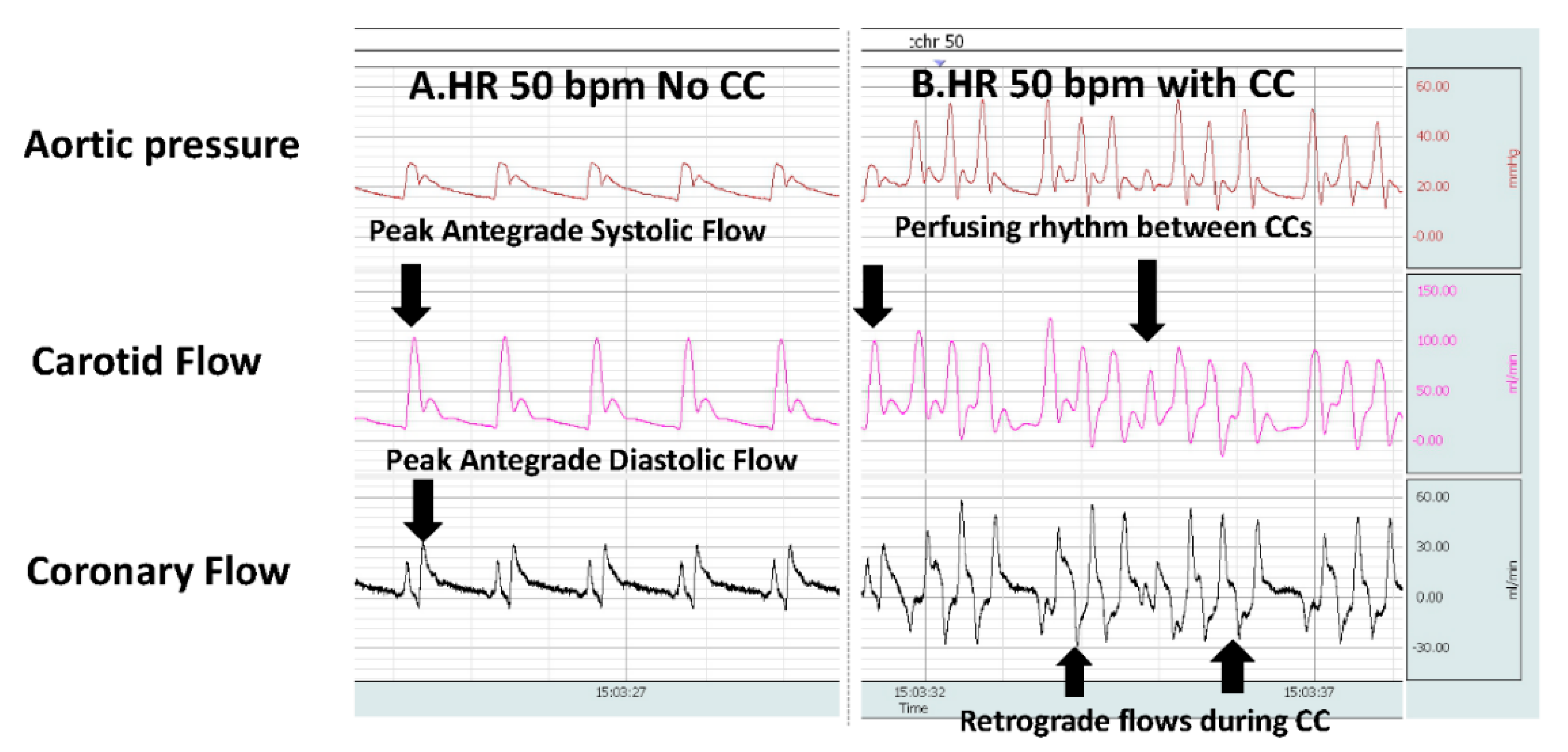
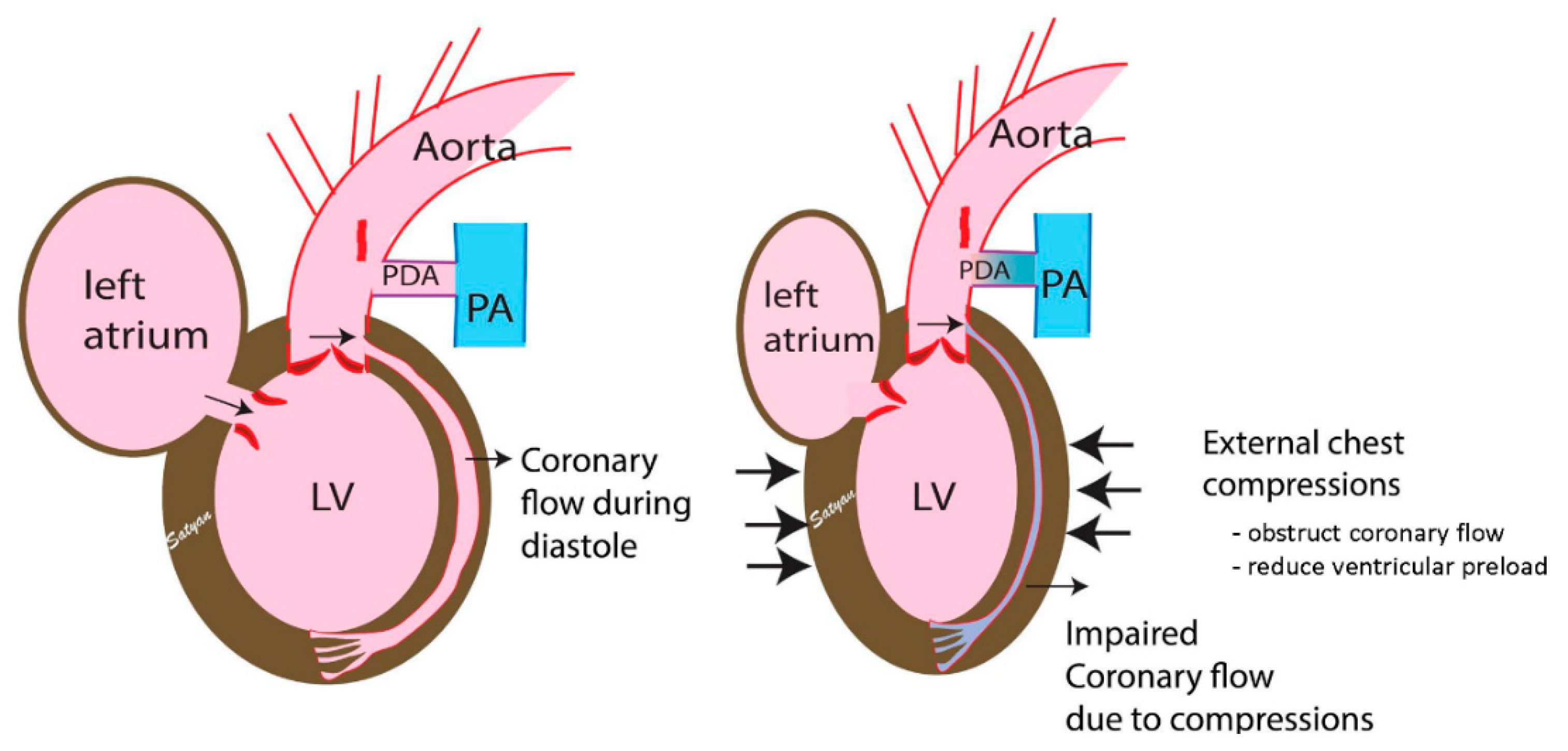
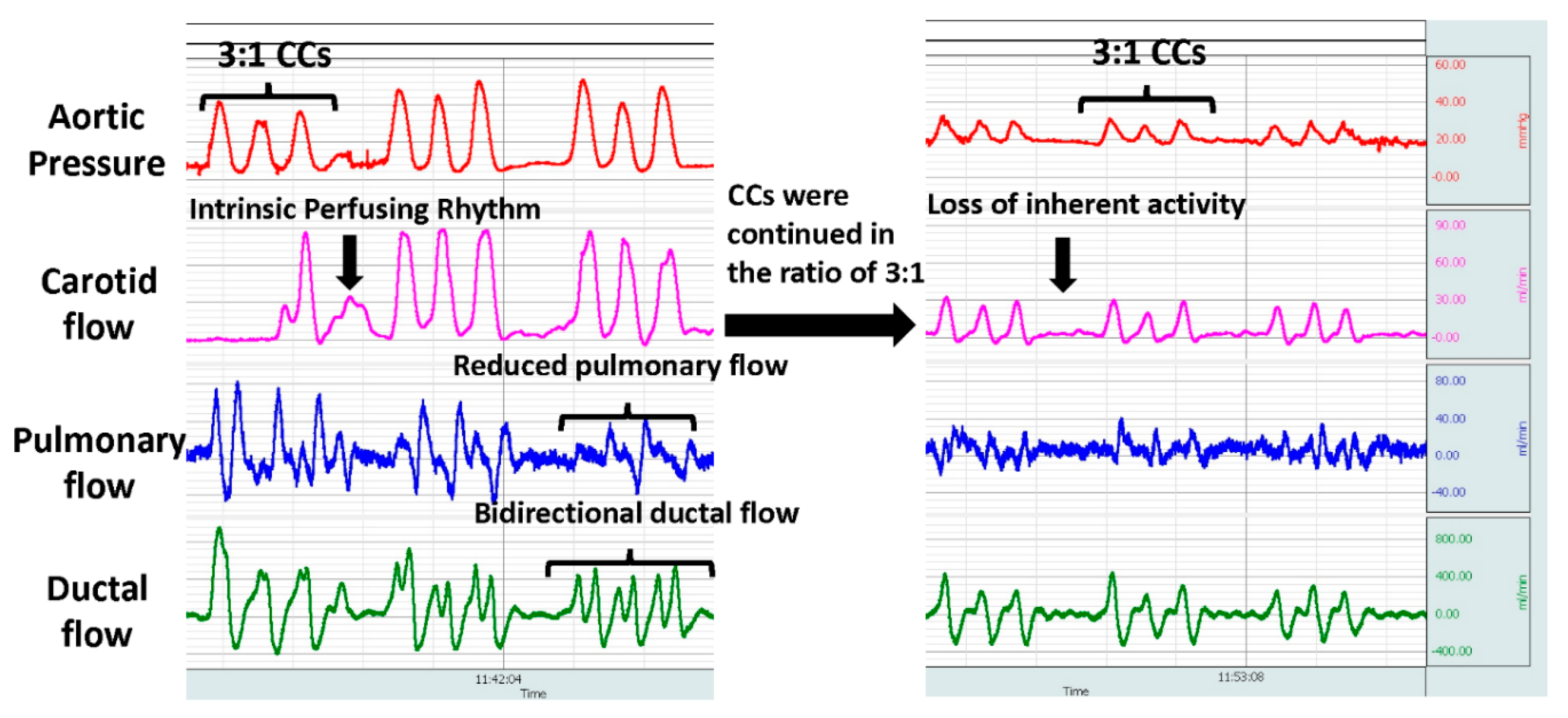
The International Liaison Committee on Resuscitation (ILCOR) recommends the initiation of chest compressions (CC) during neonatal resuscitation after 30 s of effective ventilation if the infant remains bradycardic (defined as a heart rate less than 60 bpm). The CC are performed during bradycardia to optimize organ perfusion, especially to the heart and brain. Among adults and children undergoing cardiopulmonary resuscitation (CPR), CC is indicated only for pulselessness or poor perfusion. Neonates have a healthy heart that attempts to preserve coronary and cerebral perfusion during bradycardia secondary to asphyxia. Ventilation of the lungs is the key step during neonatal resuscitation, improving gas exchange and enhancing cerebral and cardiac blood flow by changes in intrathoracic pressure. Compressing the chest 90 times per minute without synchrony with innate cardiac activity during neonatal bradycardia is not based on evidence and could potentially be harmful. Although there are no studies evaluating outcomes in neonates, a recent pediatric study in a hospital setting showed that when CC were initiated during pulseless bradycardia, a third of the patients went into complete arrest, with poor survival at discharge. Ventilation-only protocols such as helping babies breathe are effective in reducing mortality and stillbirths in low-resource settings. In a situation of complete cardiac arrest, CC reinitiates pulmonary flow and supports gas exchange. However, the benefit/harm of performing asynchronous CC during bradycardia as part of neonatal resuscitation remains unknown.
Keywords: neonatal resuscitation; bradycardia; chest compressions neonatal resuscitation; bradycardia; chest compressions