Article

Development of Language and Pragmatic Communication Skills in Preschool Children with Developmental Language Disorder in a Speech Therapy Kindergarten—A Real-World Study

1
Medical Practice Pediatric/ENT, Wedemarkstr. 83, 30900 Wedemark, Germany
2
Logopaedic Kindergarten, An der Autobahn 2, 30851 Langenhagen, Germany
*
Author to whom correspondence should be addressed.
Children 2025, 12(7), 921; https://doi.org/10.3390/children12070921

Submission received: 18 January 2025 / Revised: 25 June 2025 / Accepted: 28 June 2025 / Published: 11 July 2025

Abstract

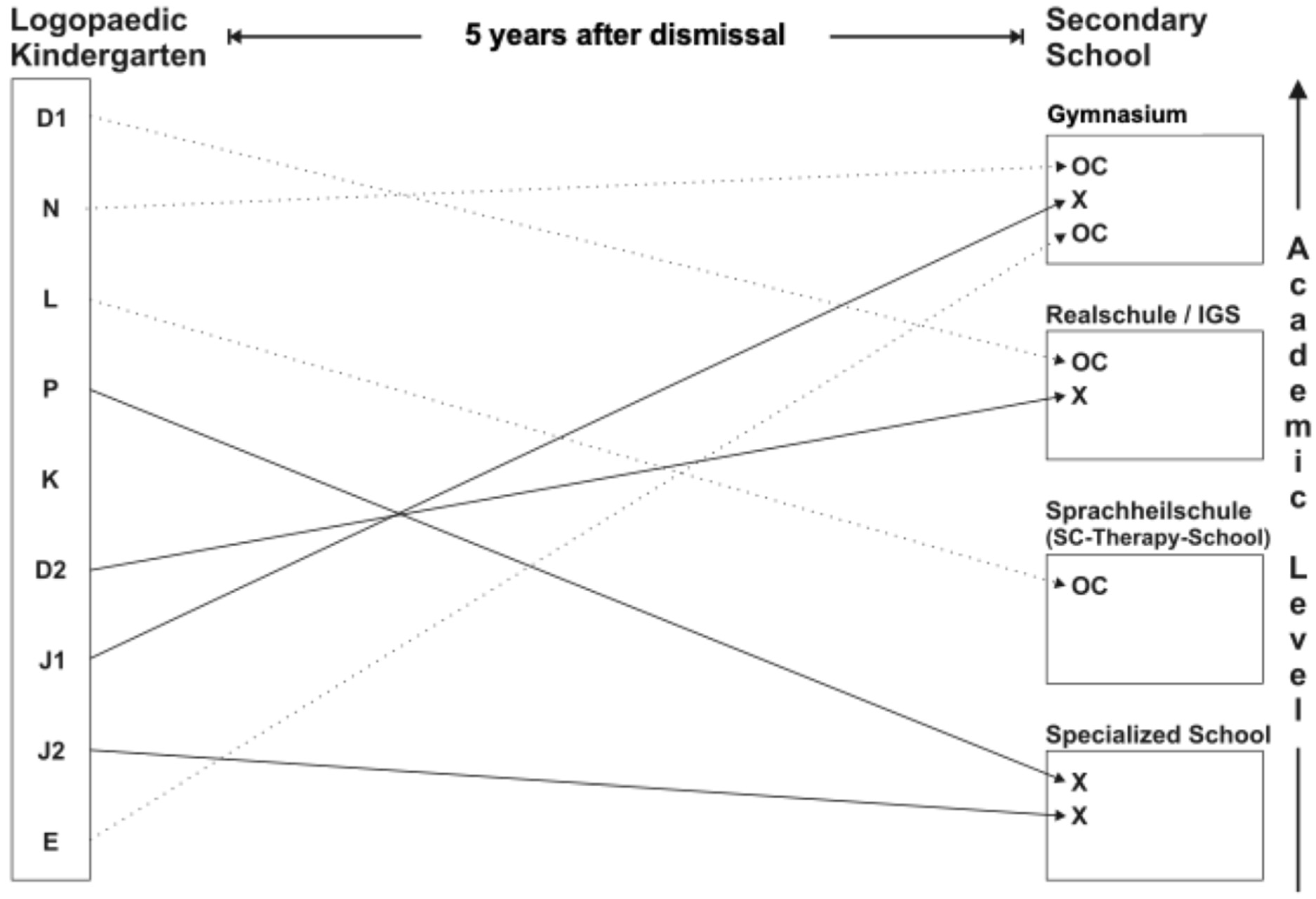
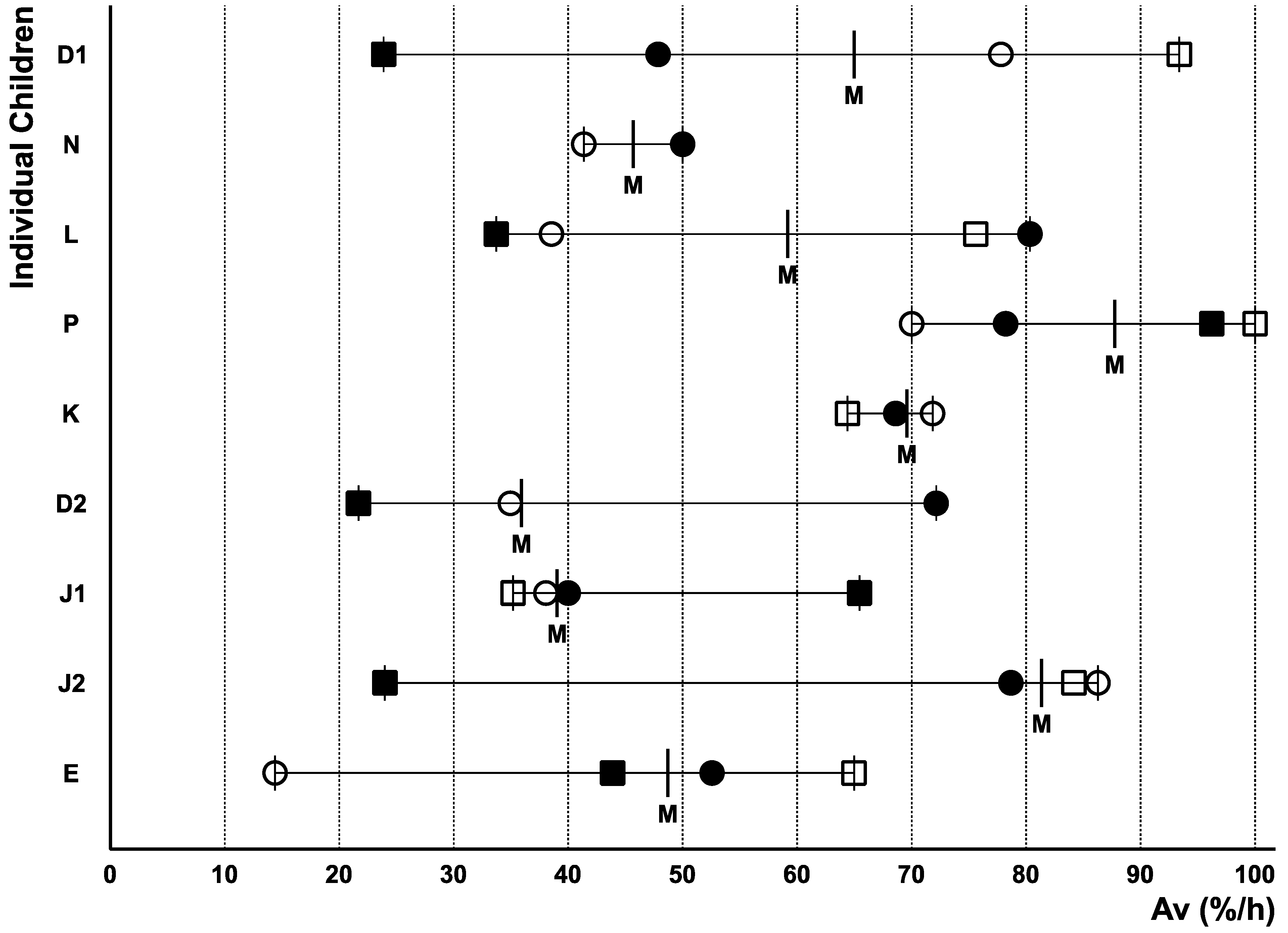
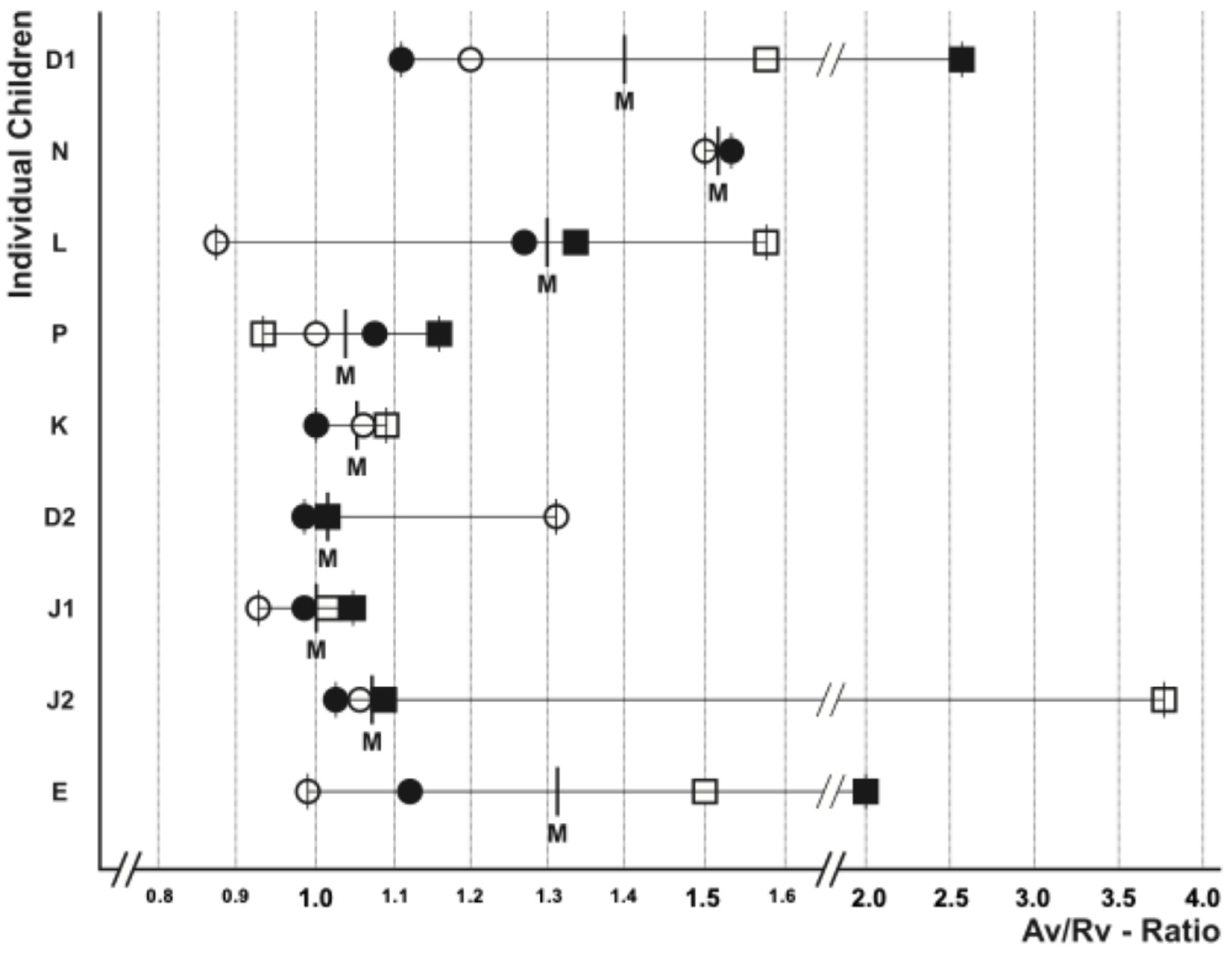
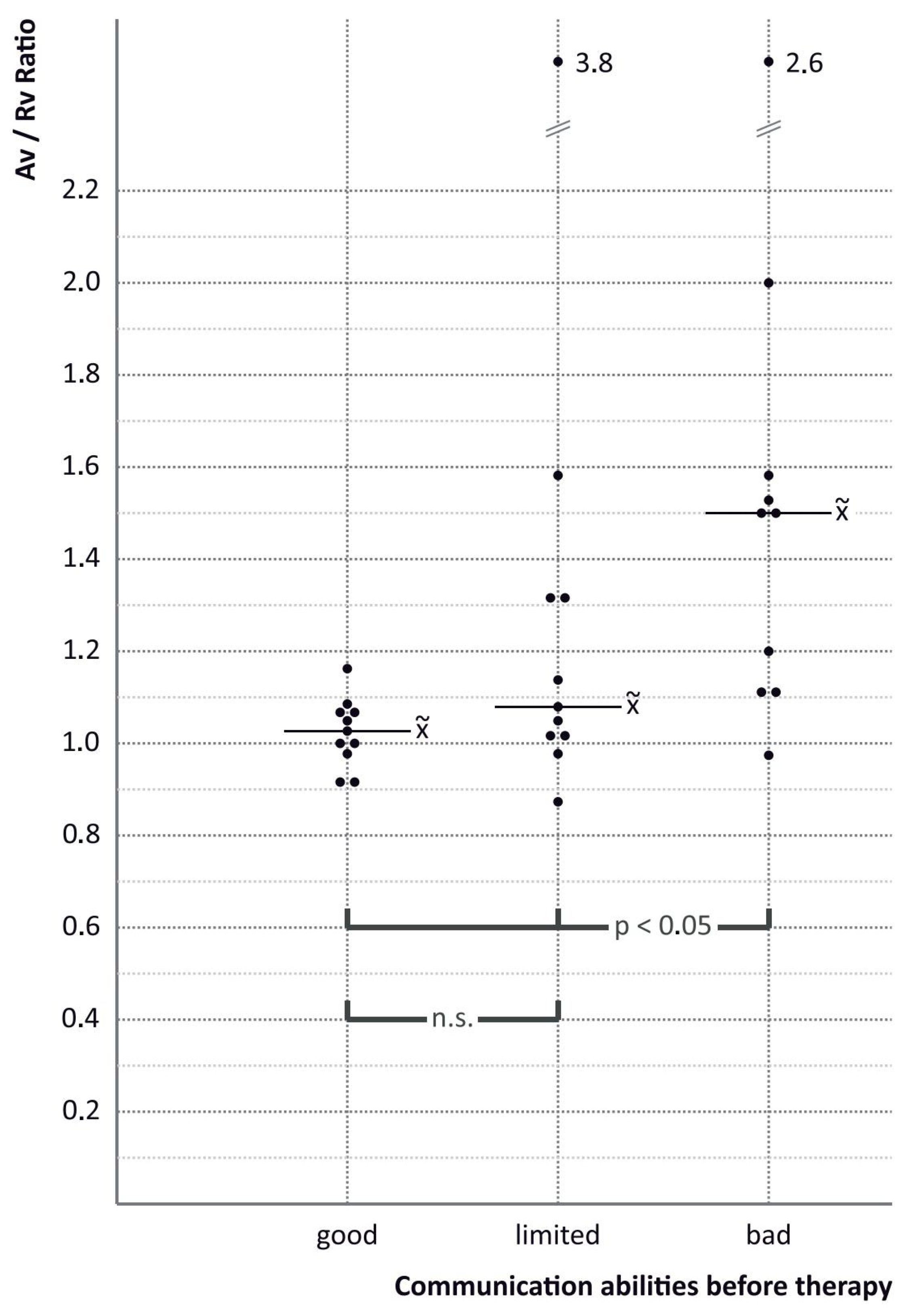
Background: Several studies document the importance of communicative abilities for children’s development. Especially in recent years verbal communication in preschool children with developmental language disorder (DLD) has been studied, relying heavily on statistical analysis, outcome measures, or/and parents’ reports. Purpose: This explorative study investigates the effects of speech therapy on the development of language and verbal communication skills in preschool children with DLD within their peer group in a day-to-day setting using objective video-documentation. Hypothesis: Speech therapy leads to improvement of language, communication, and possibly to concurrent development of both language and verbal communication skills in preschool children. Methods: Preliminary prospective study to assess language and verbal communications skills of nine preschool children (seven boys, two girls, 4–6 y) with DLD in a speech therapy kindergarten using video recordings over a one-year therapy period. The communicative participation of the members of the peer group was assessed and included the verbal address (Av) and the ratio of “verbal address/verbal reaction” (Av/Rv). Results: The investigation results in evidence for two outcome groups: One group with suspected preferential verbal communication disorders (n = 4) was characterised by a high Av/Rv value, meaning they were scored to have a normal or high verbal address (Av) and a low verbal response (Rv) (predominantly interpersonal communication related disorder). This group showed minimal changes in the short term but demonstrated improvement after 5 years of schooling; thus, pedagogical activities seemed to be particularly effective for these children. The second group showed a balanced Av/Rv ratio (predominantly language related disorder) (n = 5); but after five years they demonstrated a partial need for special school support measures. This group may therefore particularly benefit from speech therapy. Conclusions: The present study clearly shows that even with speech-language therapy, the linguistic ability of DLD-disturbed children does not necessarily develop simultaneously with their communication ability. Rather, the investigations provide evidence for two groups of preschool children with DLD and communication disorder: One group demonstrated a predominantly verbal communication related disorder, where pedagogical intervention might be the more important treatment. The second group showed predominantly DLD, therefore making speech therapy the more effective intervention. In this study, all children expressed their desire to communicate with their peers. To the authors’ best knowledge, this is the first study determining the ability to communicate in a preschool cohort with DLD using characterisation with video documentation in a follow-up for 1 year.
Keywords: verbal communication development; preschool children with speech-language disorder; communicative participation; logopaedic kindergarten; importance of SL-therapy and educational measures verbal communication development; preschool children with speech-language disorder; communicative participation; logopaedic kindergarten; importance of SL-therapy and educational measures