Next Article in Journal
Teaching Parents via Online Asynchronous Training to Use Speech-Generating Devices with Their Autistic Children: A Pilot Study
Next Article in Special Issue
The Association Between Motor Competence and Inhibitory Control in Preschool Children
Previous Article in Journal
Scientific Integrity and Transparency in Academic Writing: The Foundation of Credible Science
Previous Article in Special Issue
Longitudinal Associations of Body Fatness and Physical Fitness with Cognitive Skills in Preschoolers
 
 
Correction published on 20 November 2024, see Children 2024, 11(11), 1406.
Article

PASS Theory and Movement Disorders: Methodology for Assessment and Intervention

by
Katerina Asonitou
* and
Dimitra Koutsouki
Laboratory of Adapted Physical Activity/Developmental and Physical Disabilities, School of Physical Education and Sport Science, National and Kapodistrian University of Athens, 17237 Athens, Greece
*
Author to whom correspondence should be addressed.
Children 2024, 11(10), 1192; https://doi.org/10.3390/children11101192

Submission received: 29 August 2024 / Revised: 23 September 2024 / Accepted: 25 September 2024 / Published: 29 September 2024 / Corrected: 20 November 2024
(This article belongs to the Special Issue Cognitive and Motor Development: Children and Adolescents)

Abstract

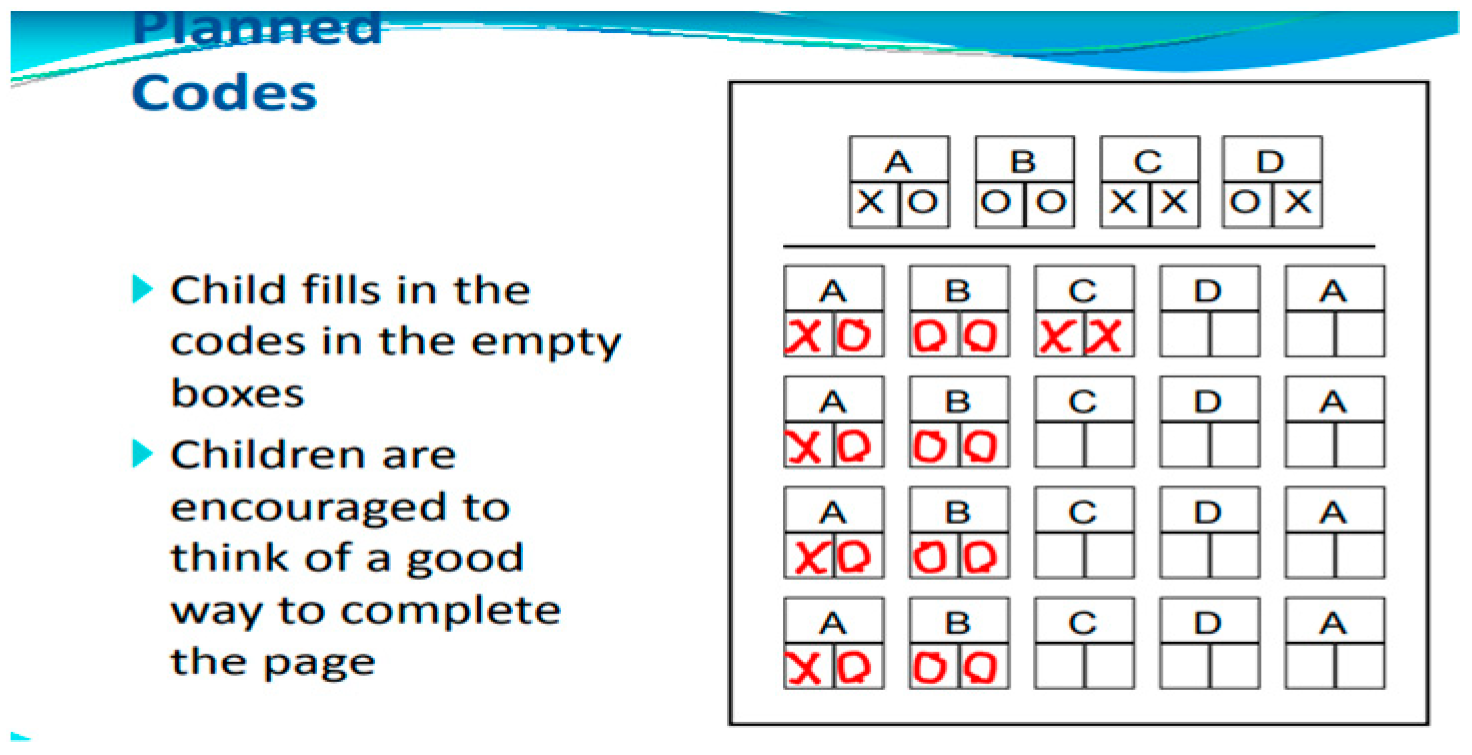
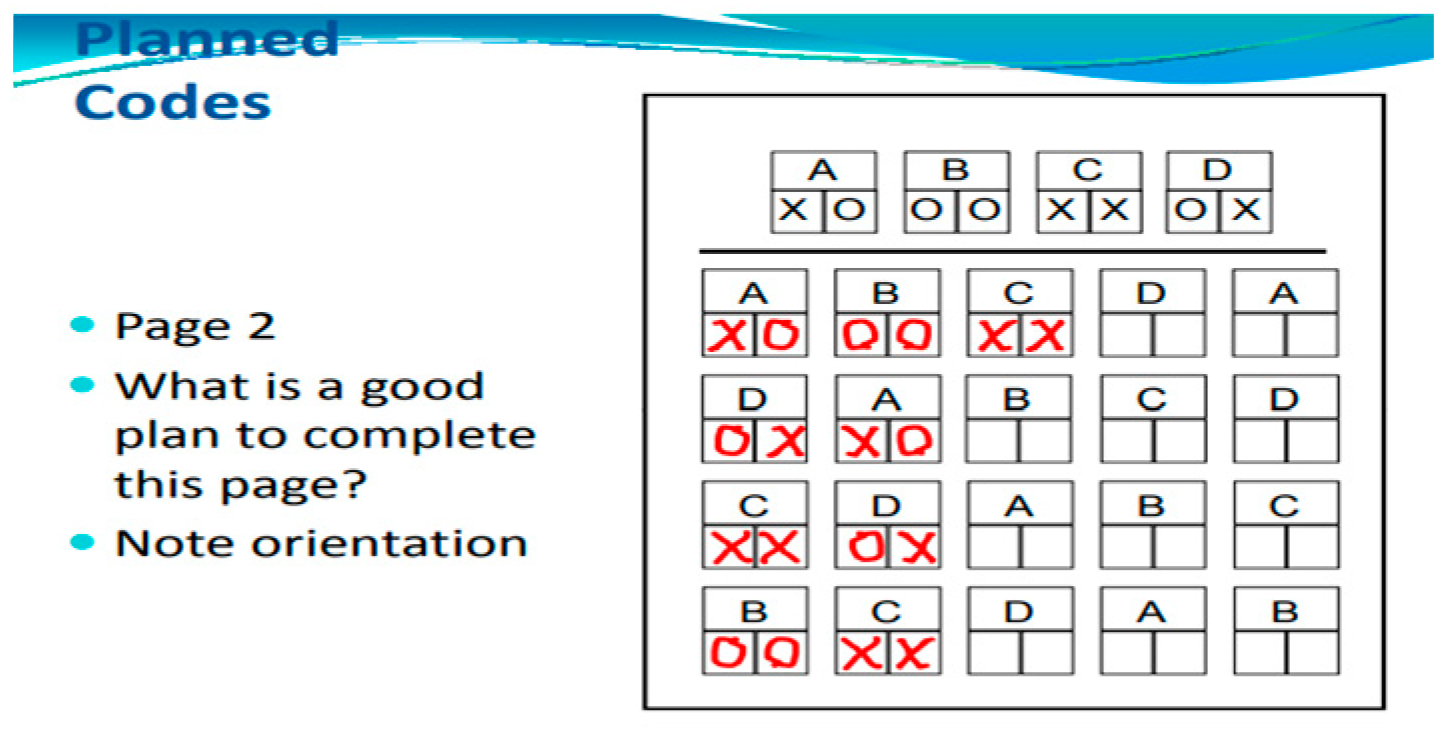
Background/Objectives: Executive dysfunction appears to be a significant secondary characteristic frequently linked with movement disorders. Planning is a high-level cognitive process integral to our executive functions. Children who show deficits in their planning ability usually have difficulties in making decisions or problem-solving, such as initiating tasks or mentally organizing a project, and monitoring and controlling their behavior effectively. These difficulties can significantly impact their academic performance and daily functioning even in adulthood. However, the existing research on the relationships between motor performance and planning abilities is limited and inconsistent. Methods: This study aimed to explore the potential associations between motor and planning skills in 30 preschool-aged children with Developmental Coordination Disorder (DCD) and 30 healthy controls matched for age, including utilizing the PASS theory and Cognitive Assessment System (CAS). Results: The findings highlighted balance, total motor score, and planned codes as the primary factors distinguishing the two groups. A significant Pearson’s correlation was observed between the overall MABC-2 scores and the subdomain scores, along with the Planning Scale indices for both groups, suggesting a substantial relationship between these assessments. Among the Planned codes items, the most notable predictor of overall motor performance in children was identified. Furthermore, the total score for Planned Connections emerged as the most robust predictor for tasks associated with manual dexterity. Conclusions: The relationship between motor skills and executive functions in early childhood plays a vital role in the development of early intervention strategies that utilize cognitive-motor tools.
Keywords: planning; executive functions; cognitive-motor assessment; comorbidity; DCD; early intervention; preschool age planning; executive functions; cognitive-motor assessment; comorbidity; DCD; early intervention; preschool age