Review

Towards Explainable Deep Learning in Computational Neuroscience: Visual and Clinical Applications


1
Department of Biomedical Engineering, College of IT Convergence, Gachon University, Sujeong-gu, Seongnam-si 13120, Republic of Korea
2
Department of AI and Software, College of IT Convergence, Gachon University, Sujeong-gu, Seongnam-si 13120, Republic of Korea
*
Authors to whom correspondence should be addressed.
Mathematics 2025, 13(20), 3286; https://doi.org/10.3390/math13203286
Submission received: 3 September 2025 / Revised: 5 October 2025 / Accepted: 11 October 2025 / Published: 14 October 2025
(This article belongs to the Special Issue Methods, Analysis and Applications in Computational Neuroscience)

Abstract

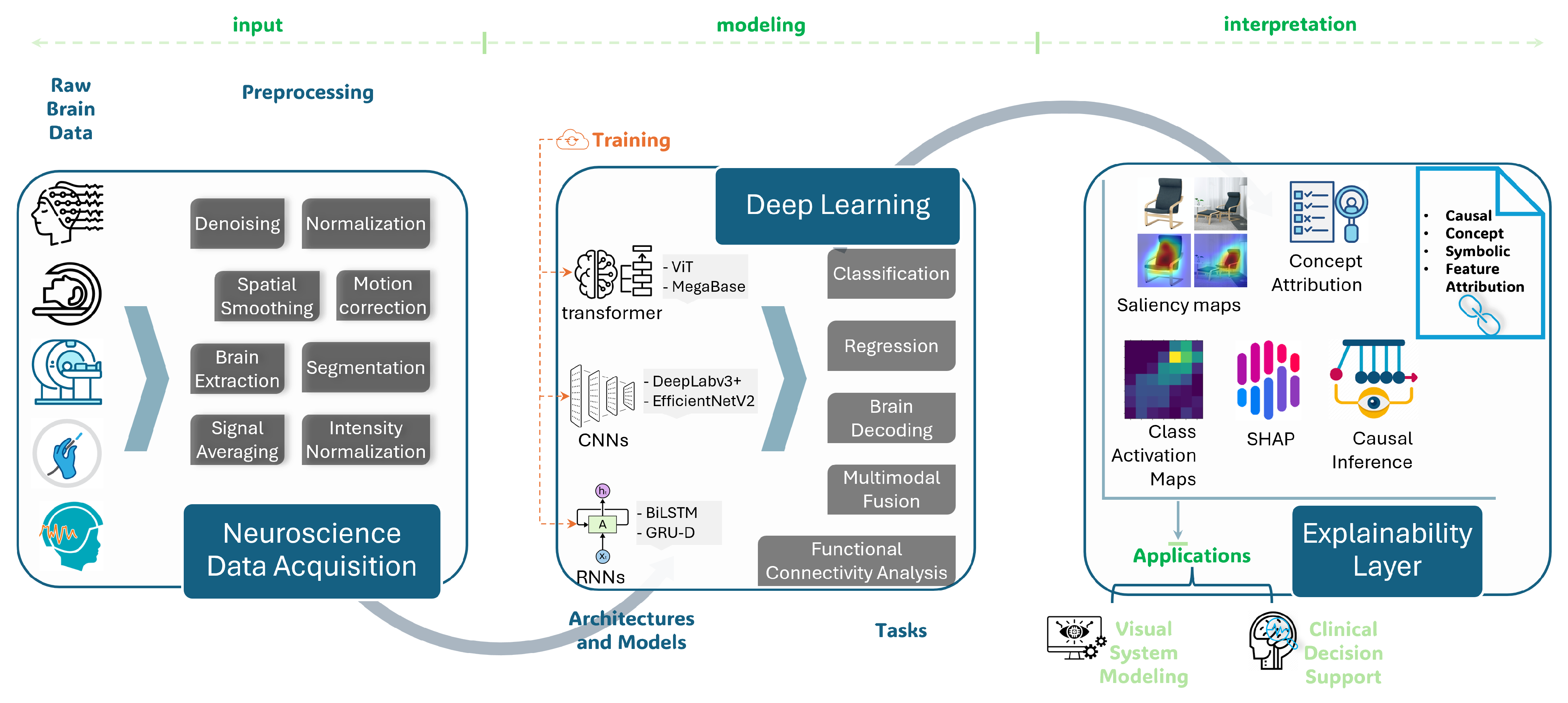
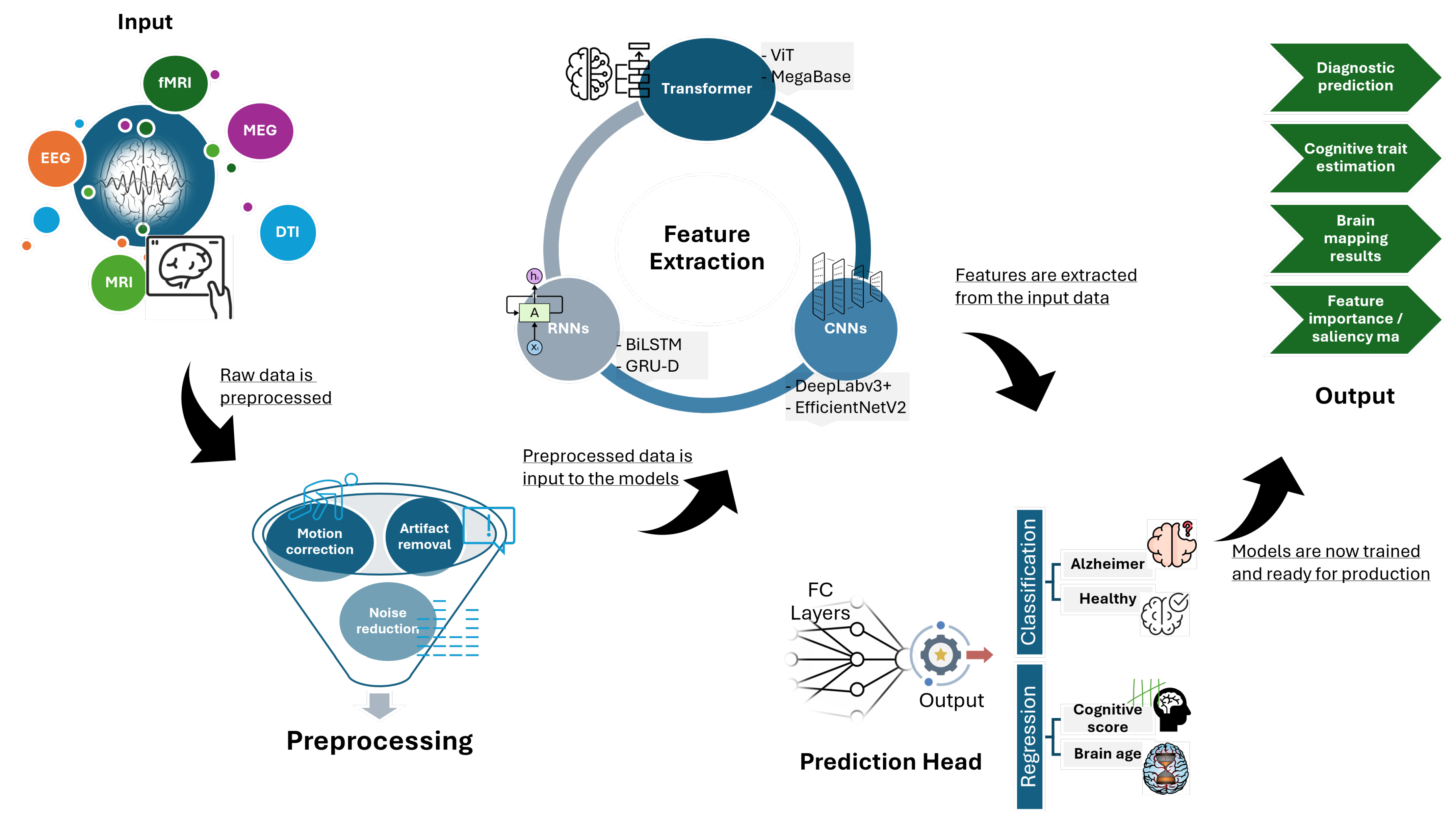
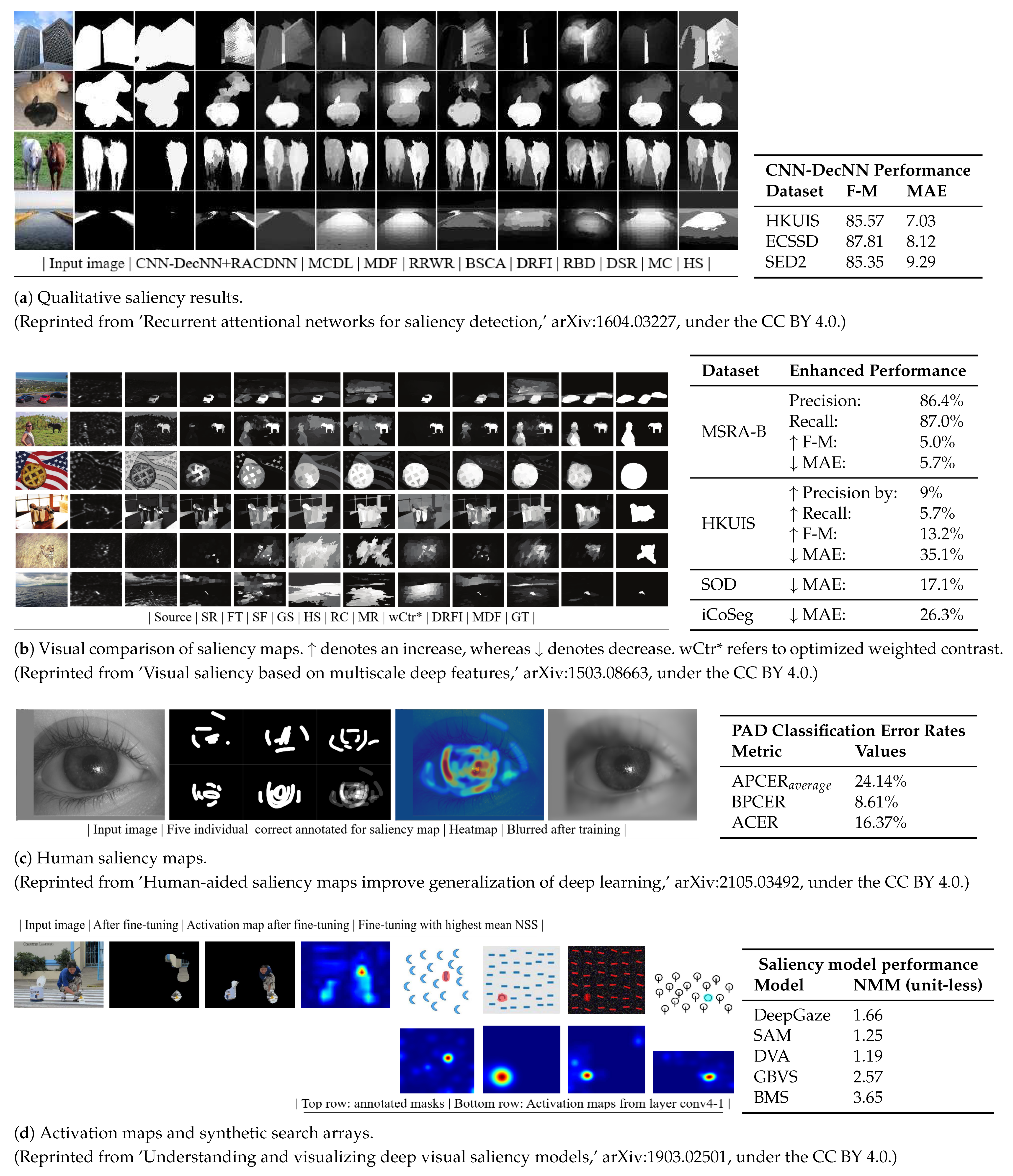
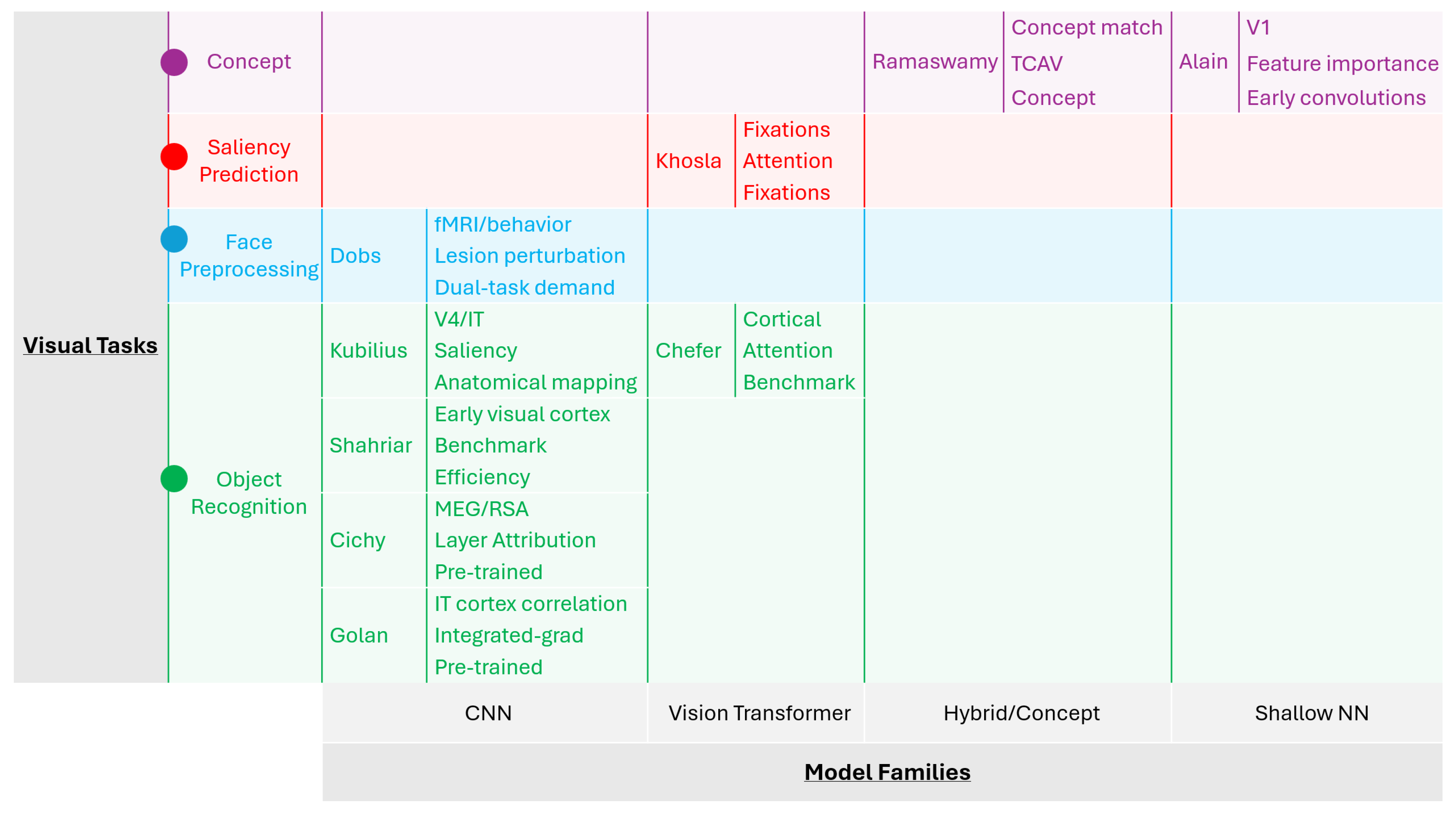
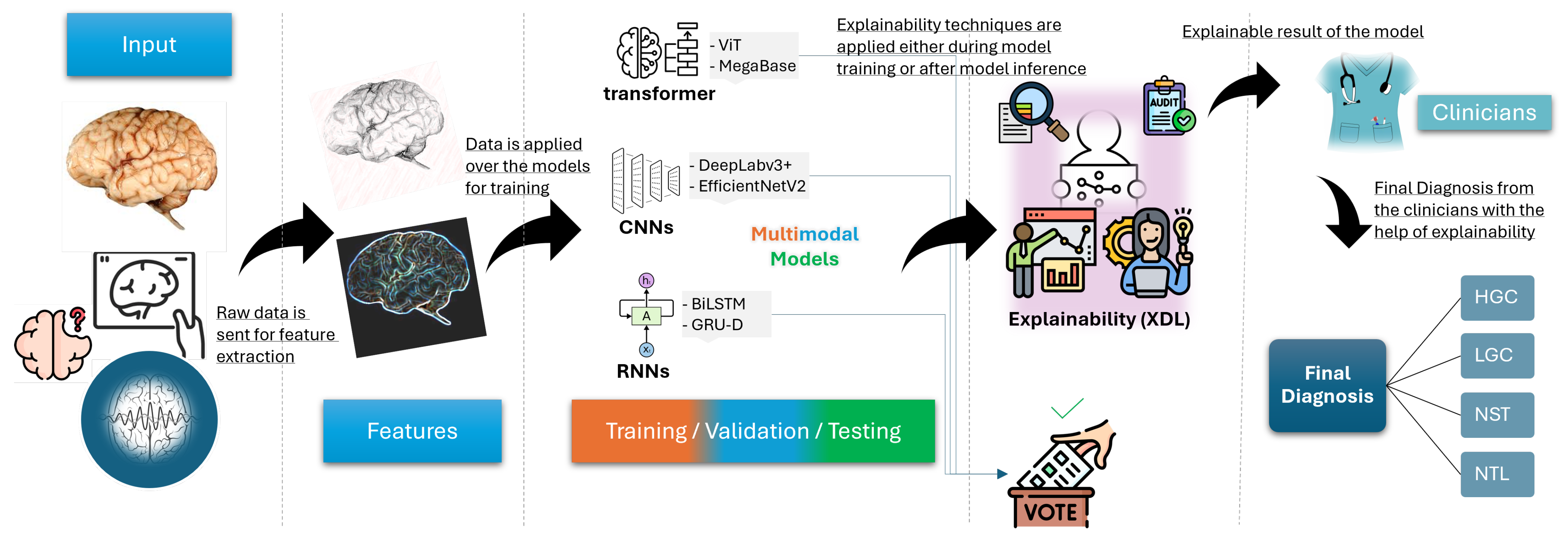
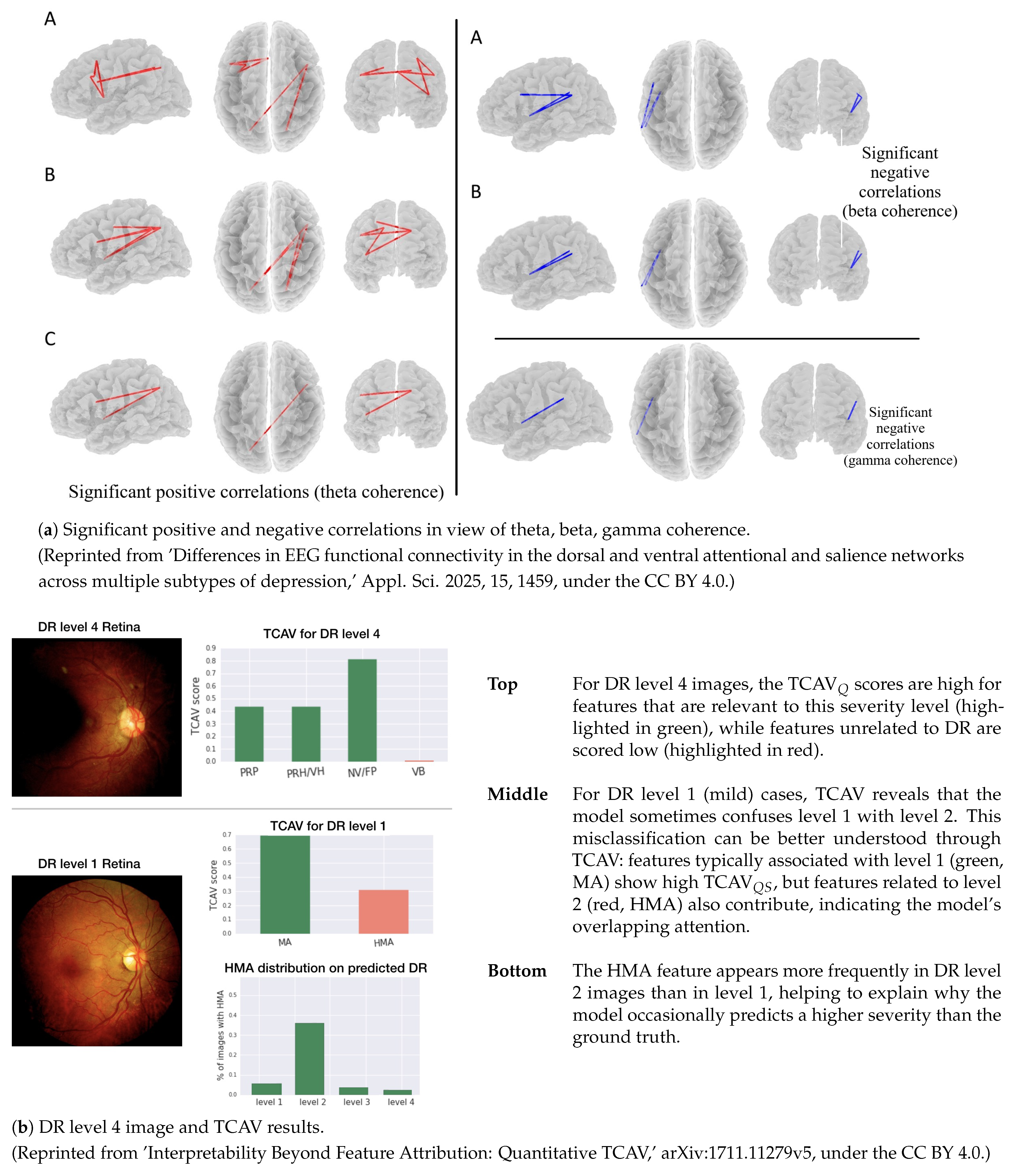
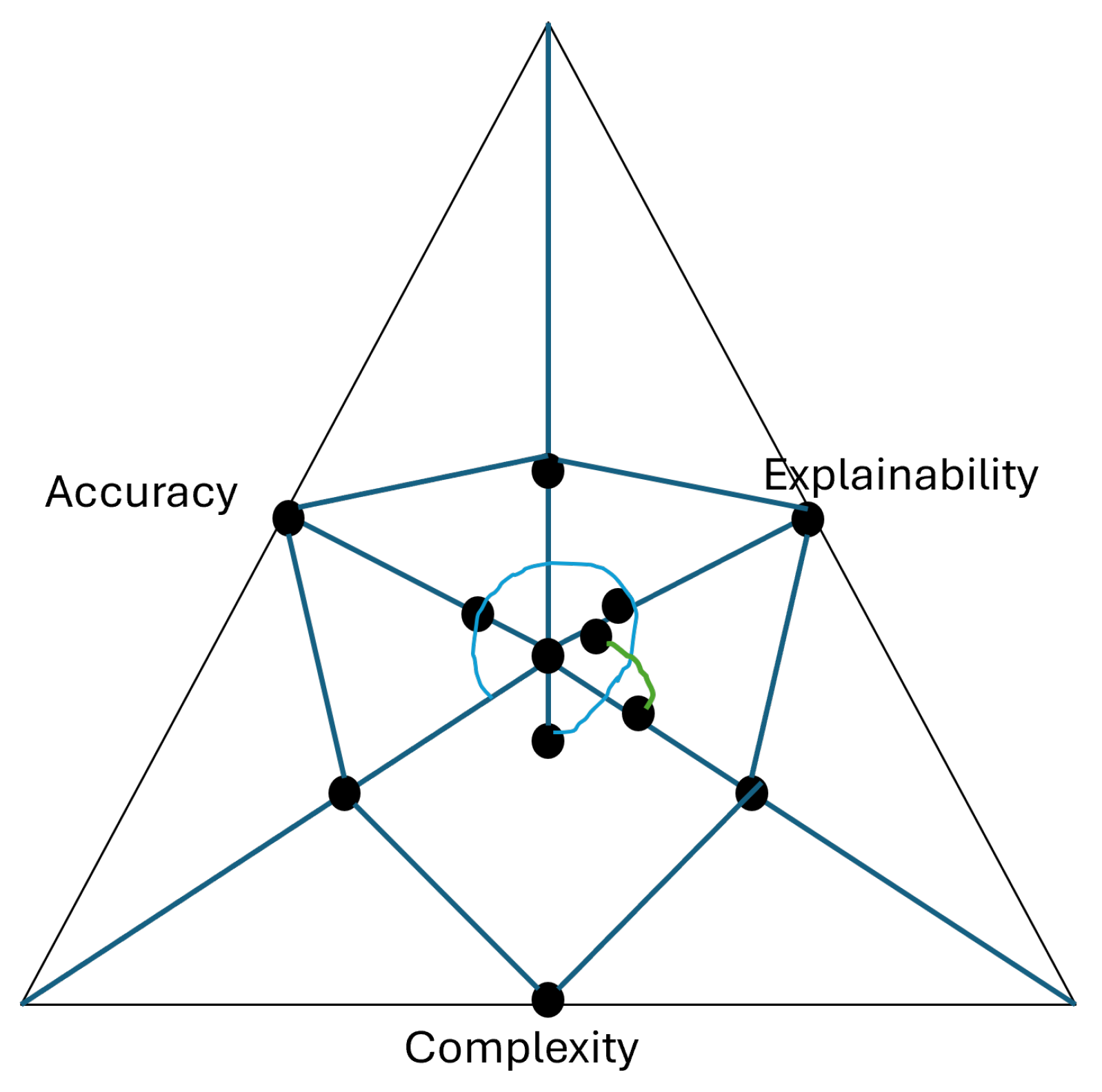
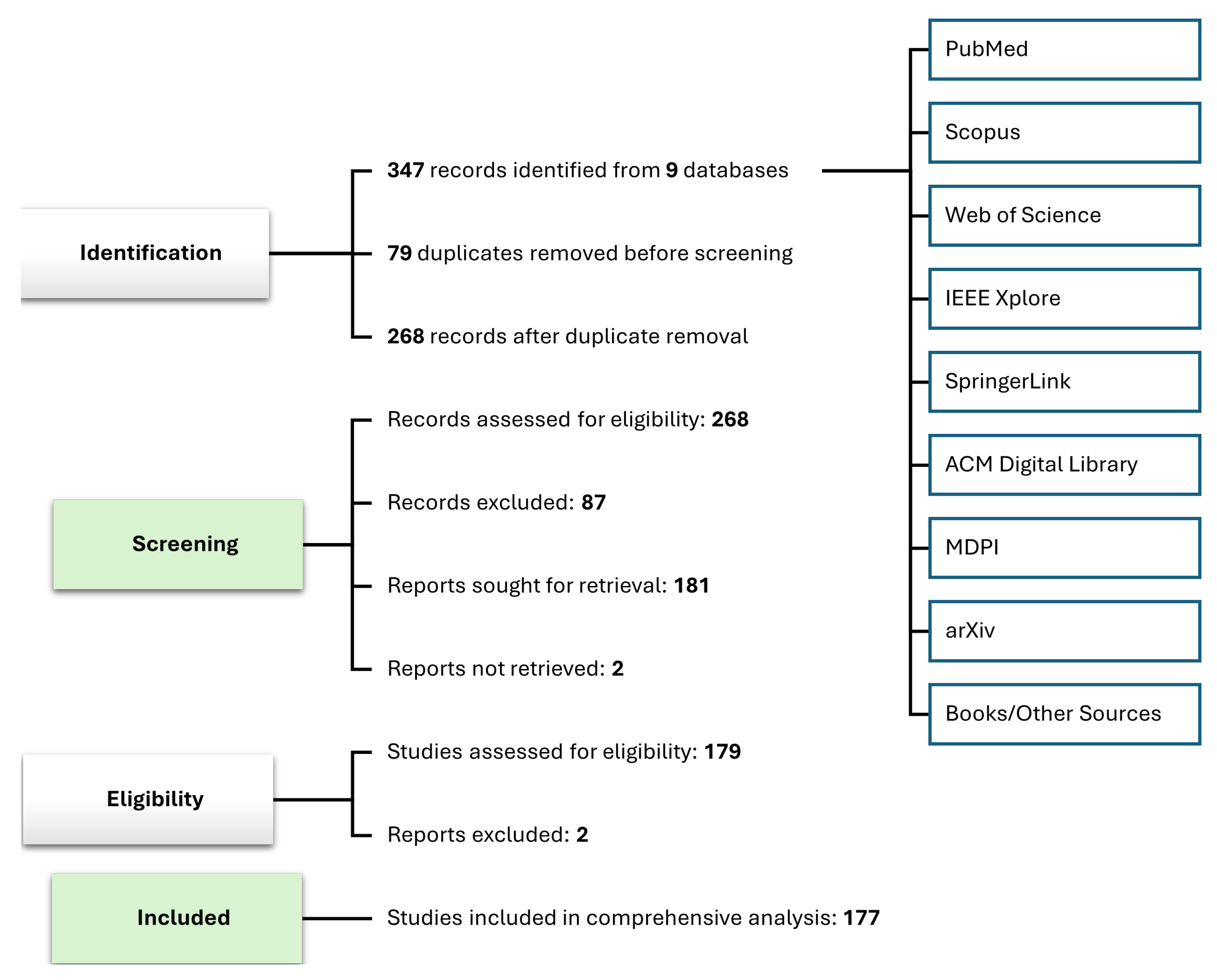
Deep learning has emerged as a powerful tool in computational neuroscience, enabling the modeling of complex neural processes and supporting data-driven insights into brain function. However, the non-transparent nature of many deep learning models limits their interpretability, which is a significant barrier in neuroscience and clinical contexts where trust, transparency, and biological plausibility are essential. This review surveys structured explainable deep learning methods, such as saliency maps, attention mechanisms, and model-agnostic interpretability frameworks, that bridge the gap between performance and interpretability. We then explore explainable deep learning’s role in visual neuroscience and clinical neuroscience. By surveying literature and evaluating strengths and limitations, we highlight explainable models’ contribution to both scientific understanding and ethical deployment. Challenges such as balancing accuracy, complexity and interpretability, absence of standardized metrics, and scalability are assessed. Finally, we propose future directions, which include integrating biological priors, implementing standardized benchmarks, and incorporating human-intervention systems. The research study highlights the position of explainable deep learning, not only as a technical advancement but represents it as a necessary paradigm for transparent, responsible, auditable, and effective computational neuroscience. In total, 177 studies were reviewed as per PRISMA, which provided evidence across both visual and clinical computational neuroscience domains.
Keywords: explainable deep learning; computational neuroscience; visual attention; clinical applications; neural networks explainable deep learning; computational neuroscience; visual attention; clinical applications; neural networks