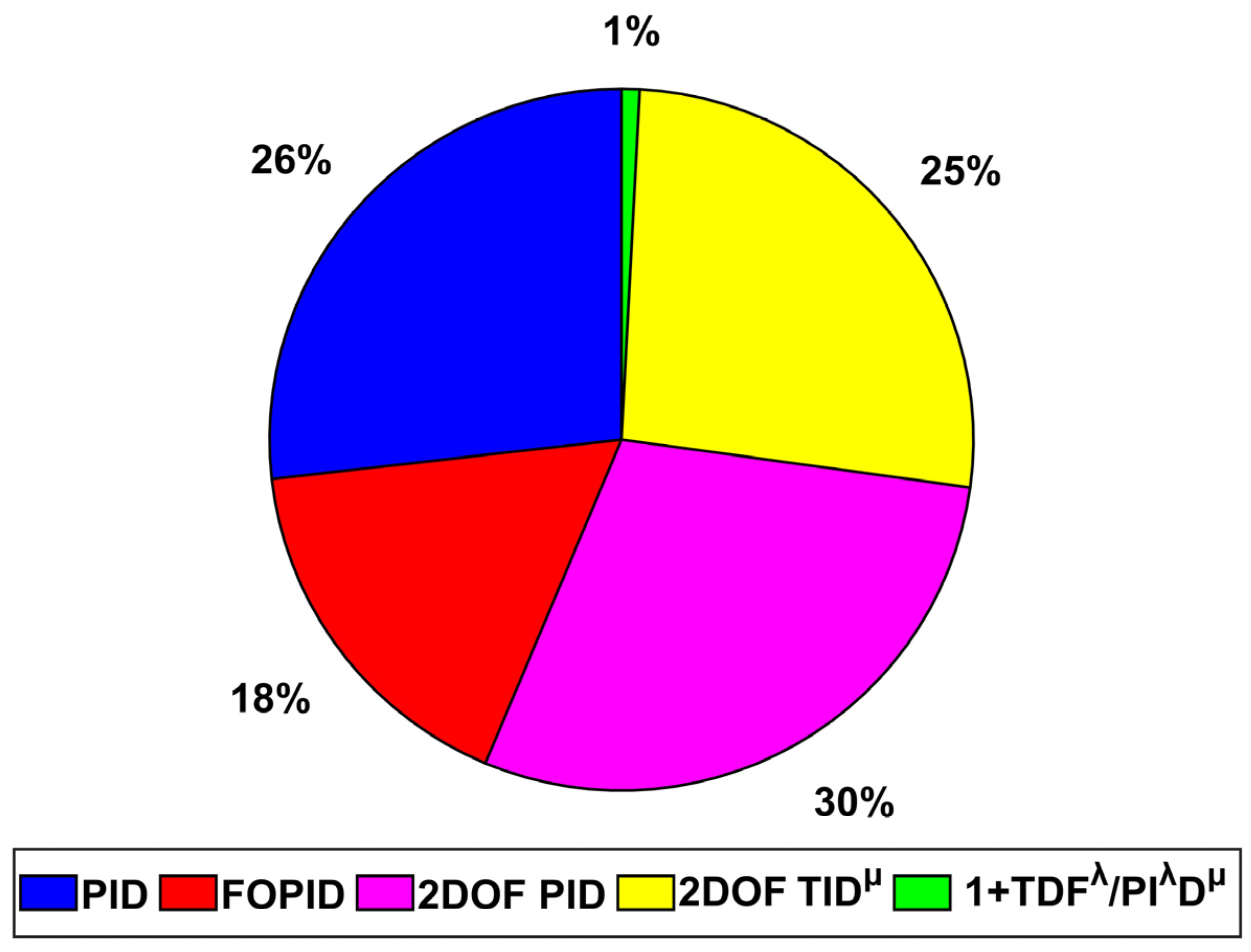
Article

Development of an Optimal Novel Cascaded 1+TDFλ/PIλDμ Controller for Frequency Management in a Triple-Area Power Grid Considering Nonlinearities and PV/Wind Integration

by
Abdullah Hameed Alhazmi
1,
Ashraf Ibrahim Megahed
1,
Ali Elrashidi
1,2,* and
Kareem M. AboRas
1,*
1
Department of Electrical Power and Machines, Faculty of Engineering, Alexandria University, Alexandria 21544, Egypt
2
Electrical Engineering Department, University of Business and Technology, Jeddah 23435, Saudi Arabia
*
Authors to whom correspondence should be addressed.
Mathematics 2025, 13(18), 2985; https://doi.org/10.3390/math13182985
Submission received: 2 August 2025 / Revised: 27 August 2025 / Accepted: 12 September 2025 / Published: 15 September 2025
(This article belongs to the Section E: Applied Mathematics)

Abstract

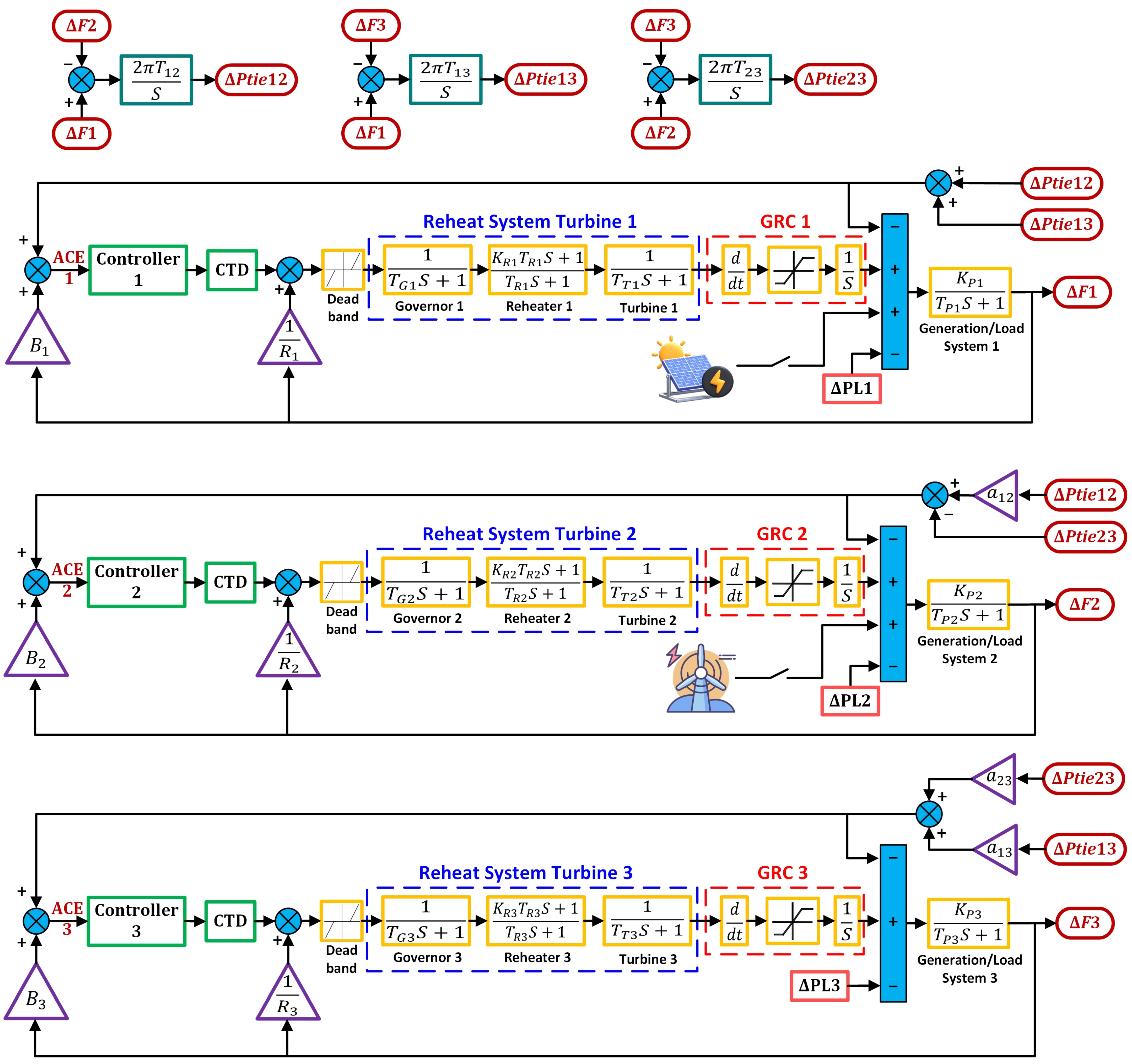
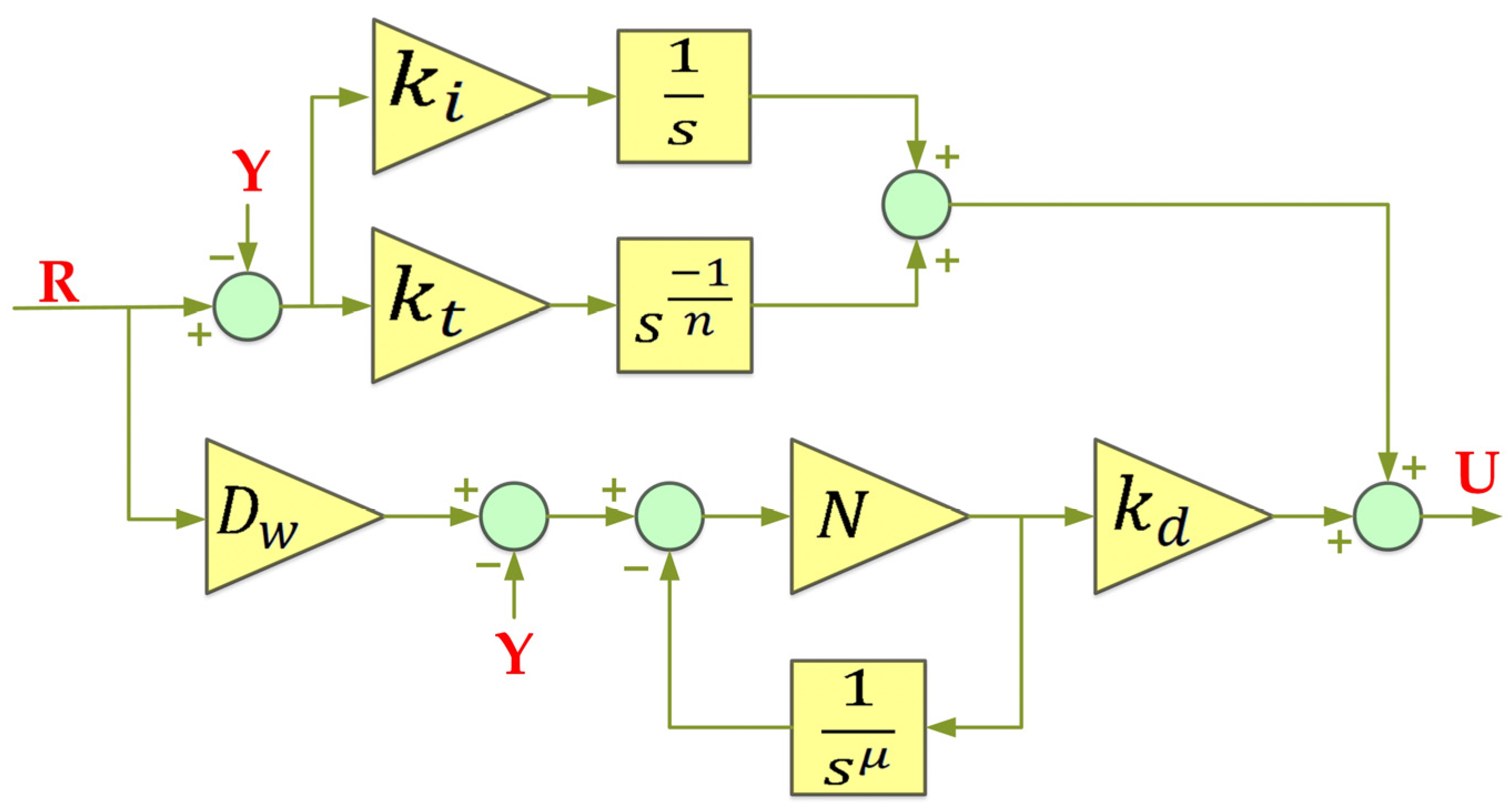
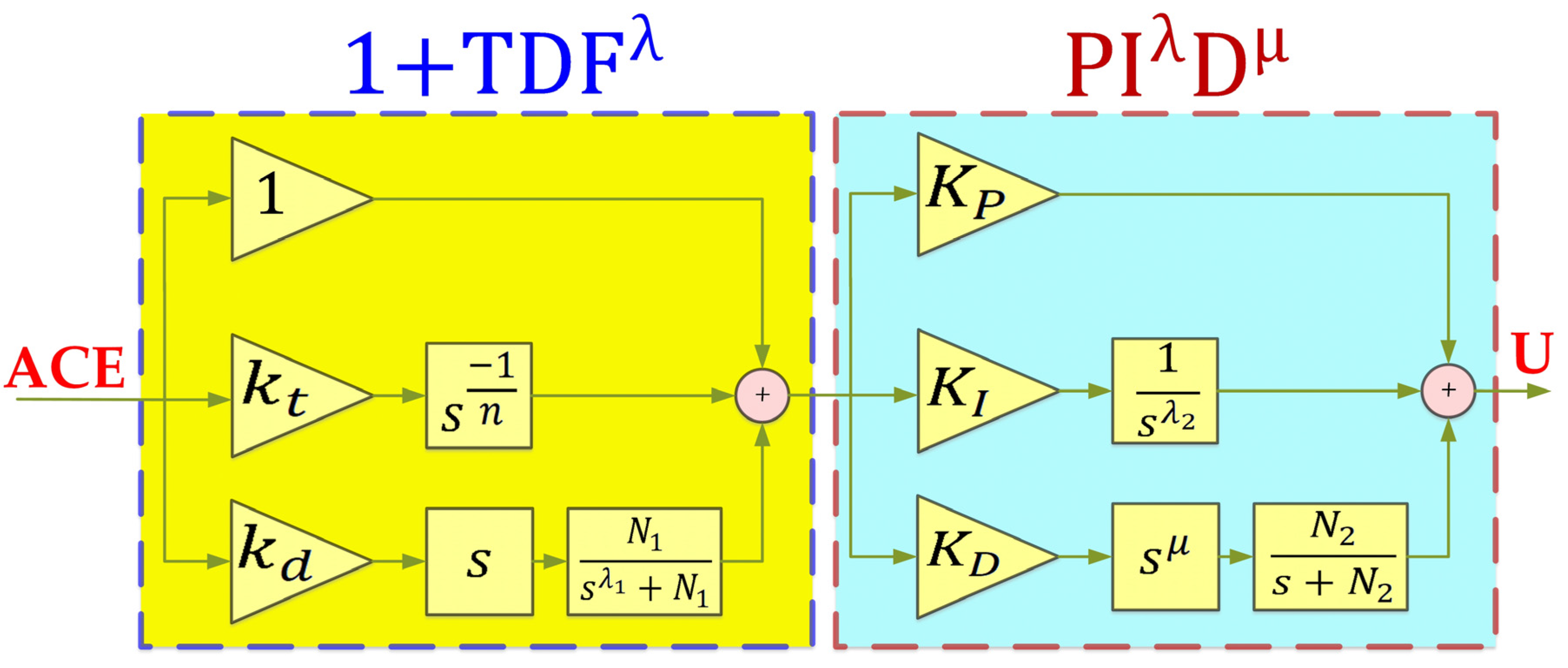
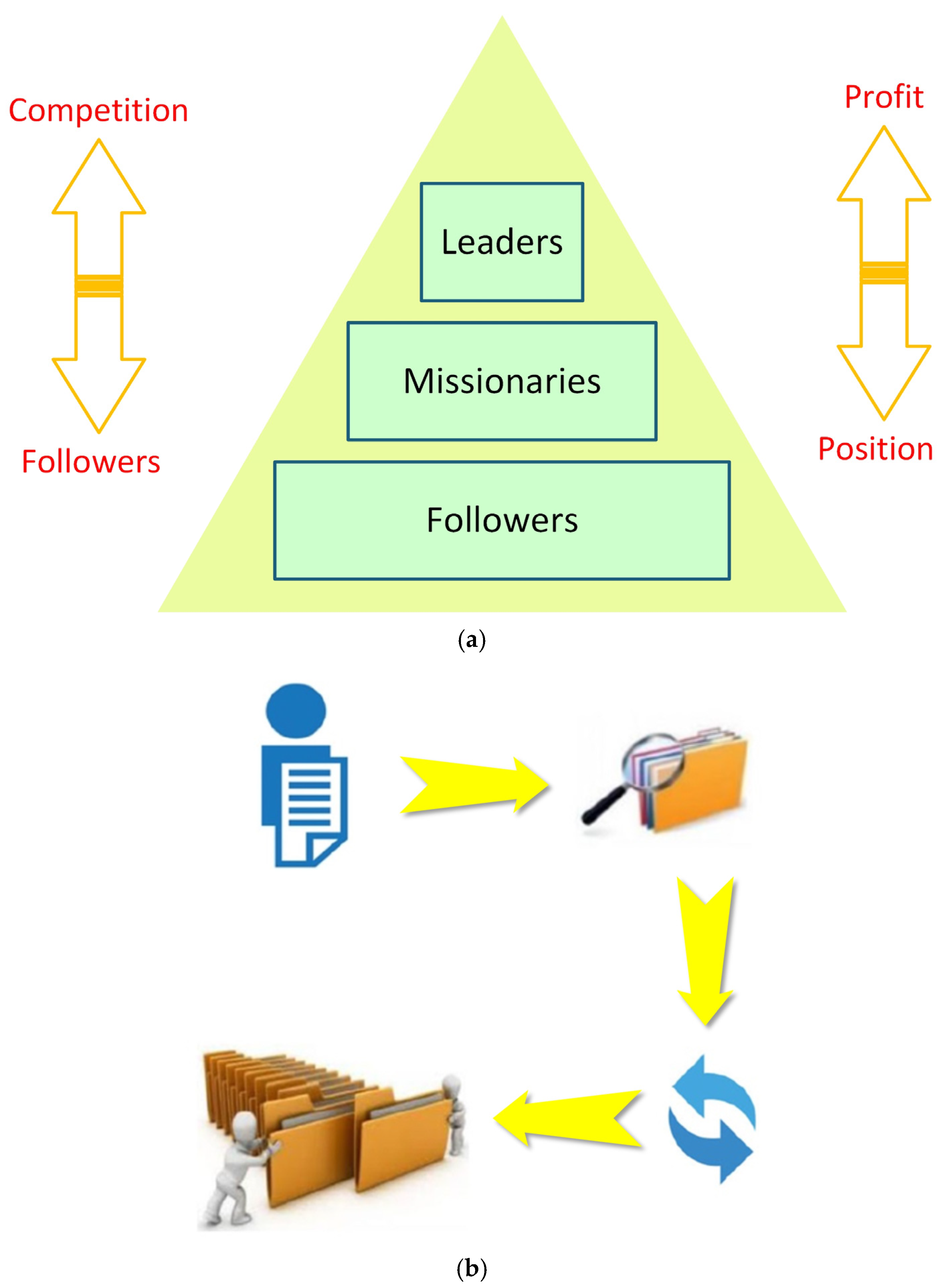
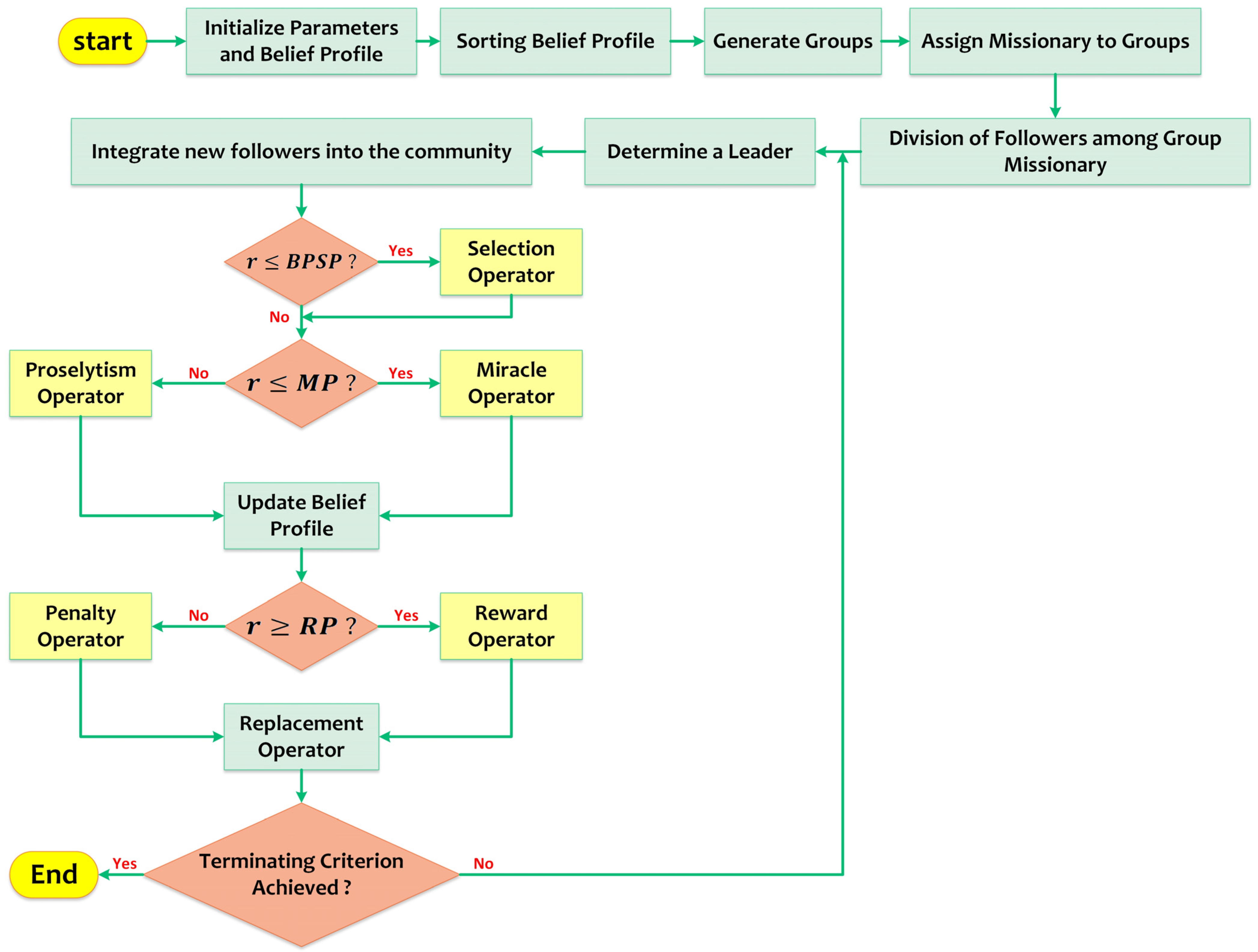
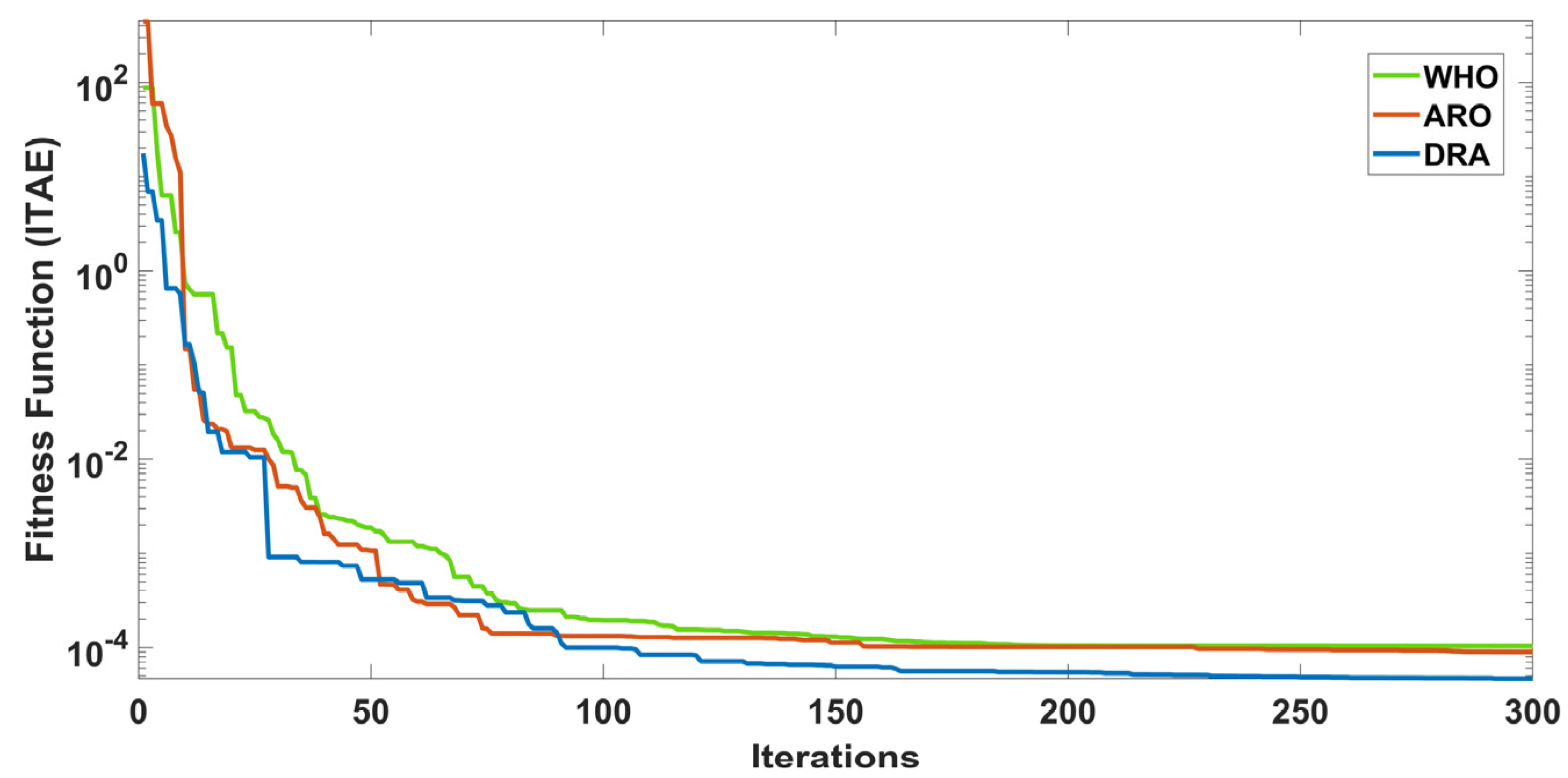
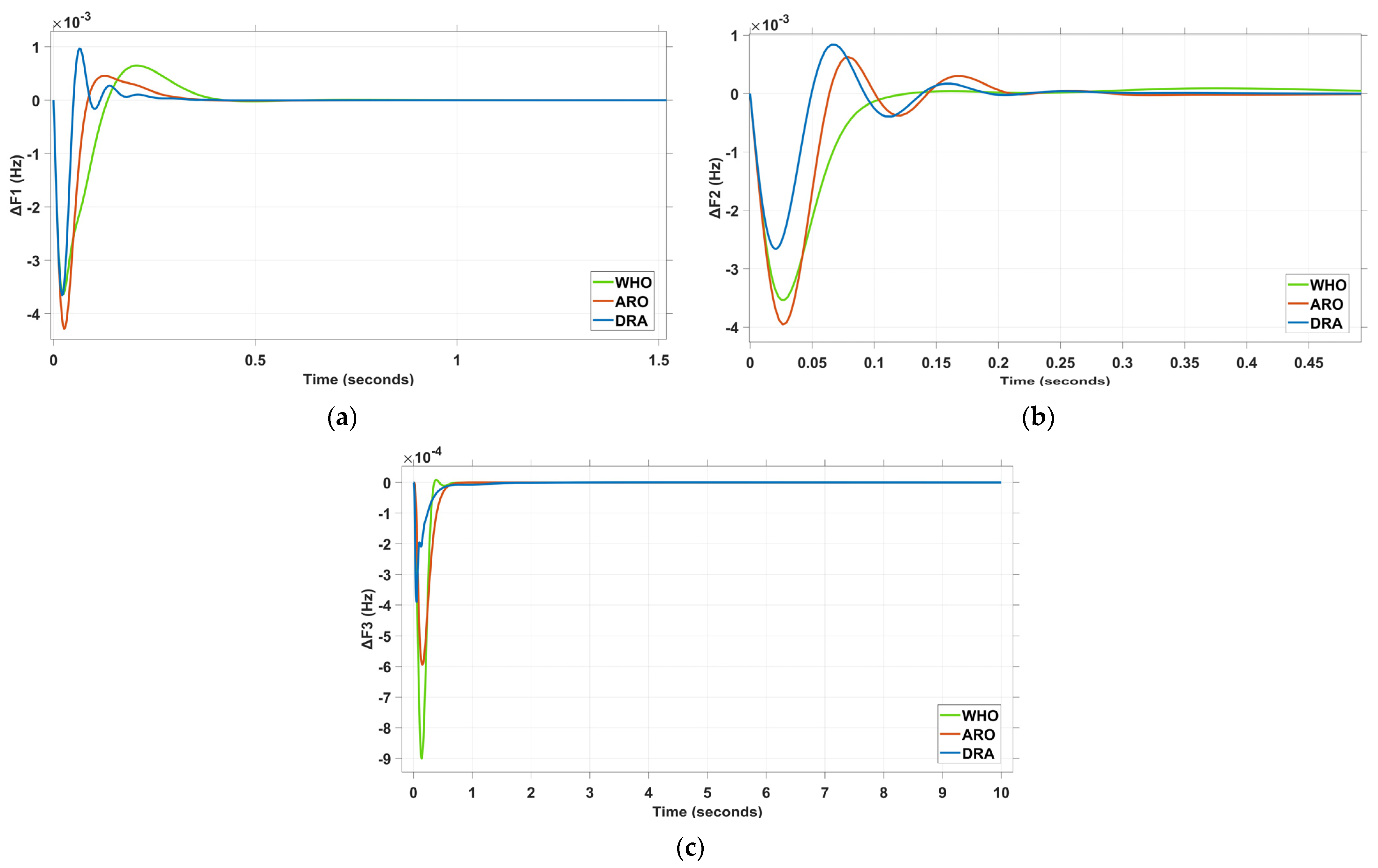
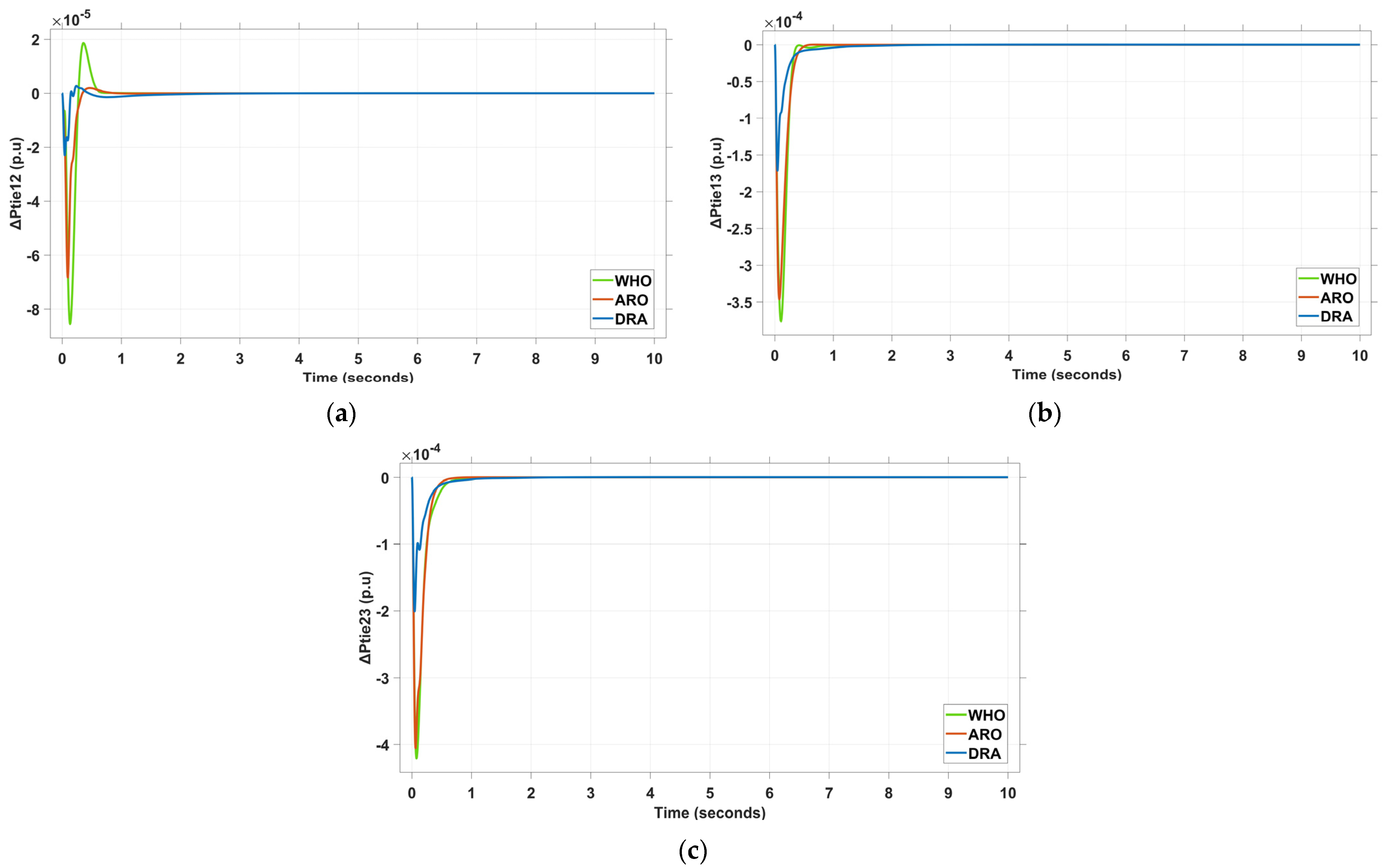
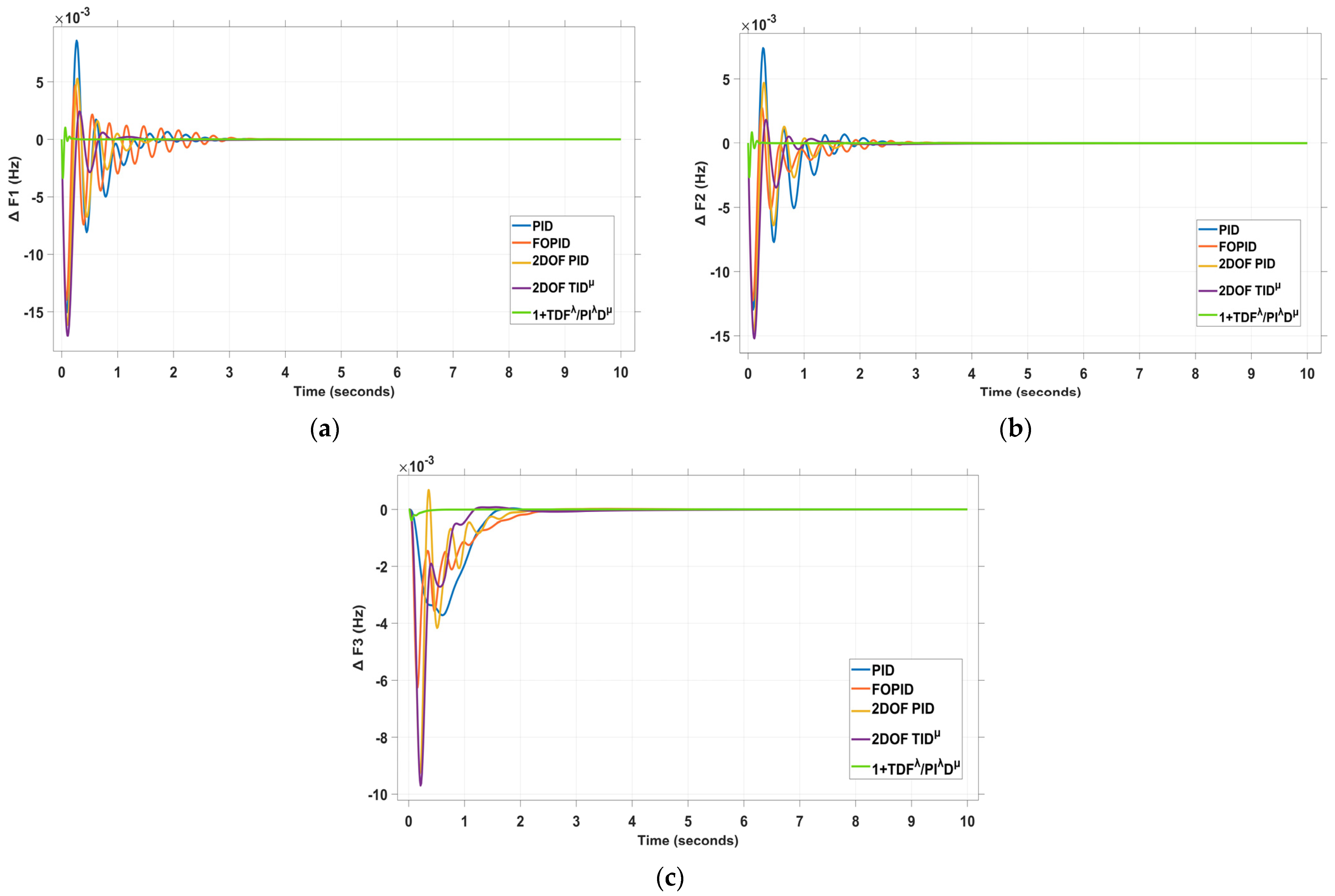
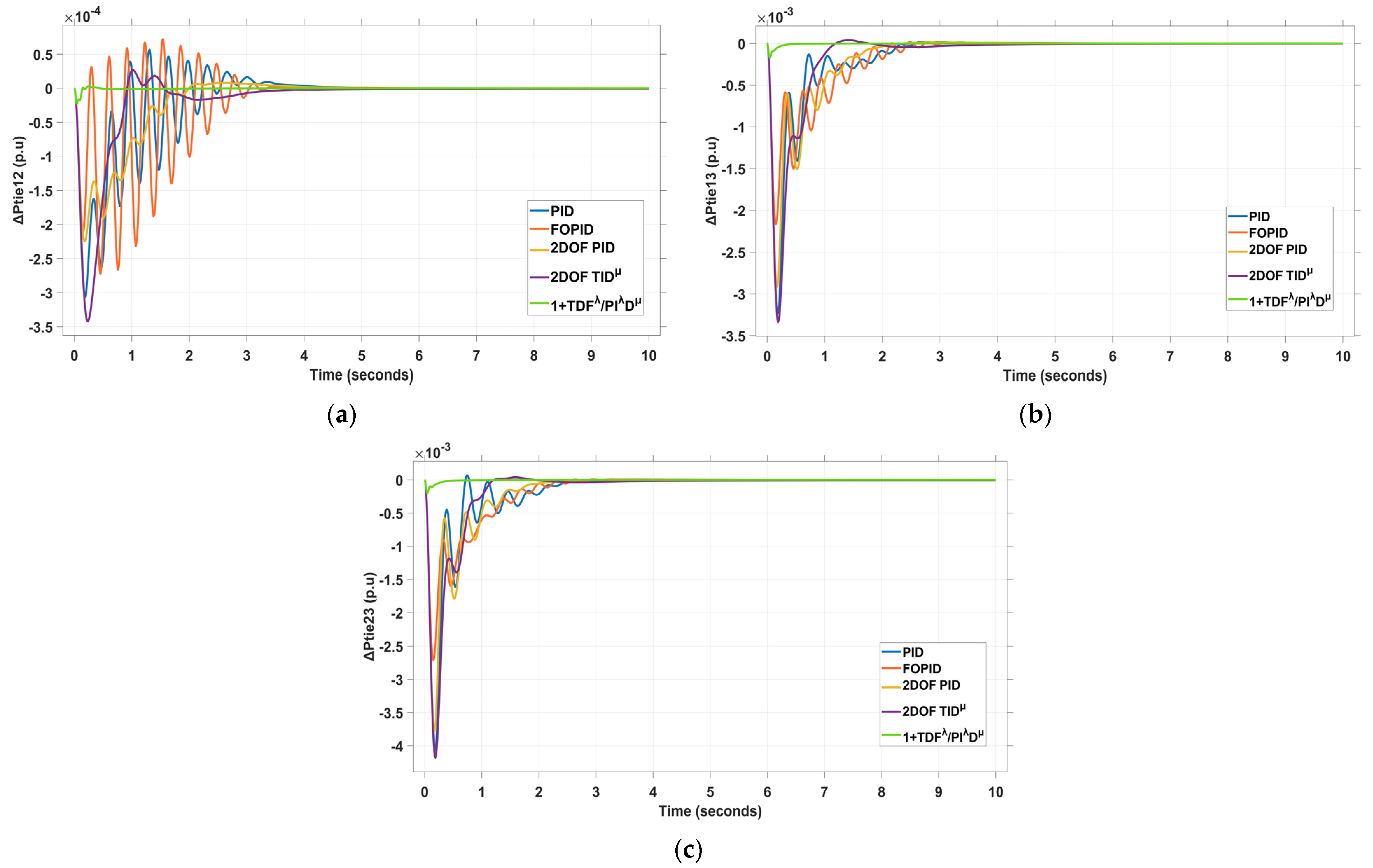
Continuous decrease in inertia and sensitivity to load/generation fluctuation are significant challenges for present-day power networks. The primary reason for these issues is the increased penetration capabilities of renewable energy sources. An imbalanced load with significant power output has a substantial impact on the frequency and voltage characteristics of electrical networks. Various load frequency control (LFC) technologies are widely used to address these issues. Existing LFC approaches in the literature are inadequate in addressing system uncertainty, parameter fluctuation, structural changes, and disturbance rejection. As a result, the purpose of this work is to suggest a better LFC approach that makes use of a combination of a one plus tilt fractional filtered derivative (1+TDFλ) cascaded controller and a fractional order proportional–integral–derivative (PIλDμ) controller, which is referred to as the recommended 1+TDFλ/PIλDμ controller. Drawing inspiration from the dynamics of religious societies, including the roles of followers, missionaries, and leaders, and the organization into religious and political schools, this paper proposes a new application of the efficient divine religions algorithm (DRA) to improve the design of the 1+TDFλ/PIλDμ controller. A triple-area test system is constructed to analyze a realistic power system, taking into account certain physical restrictions such as nonlinearities as well as the impact of PV and wind energy integration. The effectiveness of the presented 1+TDFλ/PIλDμ controller is evaluated by comparing their frequency responses to those of other current controllers like PID, FOPID, 2DOF-PID, and 2DOF-TIDμ. The integral time absolute error (ITAE) criterion was employed as the objective function in the optimization process. Comparative simulation studies were conducted using the proposed controller, which was fine-tuned by three recent metaheuristic algorithms: the divine religions algorithm (DRA), the artificial rabbits optimizer (ARO), and the wild horse optimizer (WHO). Among these, the DRA demonstrated superior performance, yielding an ITAE value nearly twice as optimal as those obtained by the ARO and WHO. Notably, the implementation of the advanced 1+TDFλ/PIλDμ controller, optimized via the DRA, significantly minimized the objective function to 0.4704×10⁴. This reflects an approximate enhancement of 99.5% over conventional PID, FOPID, and 2DOF-TIDμ controllers, and a 99% improvement relative to the 2DOF-PID controller. The suggested case study takes into account performance comparisons, system modifications, parameter uncertainties, and variations in load/generation profiles. Through the combination of the suggested 1+TDFλ/PIλDμ controller and DRA optimization capabilities, outcomes demonstrated that frequency stability has been significantly improved.
Keywords: frequency stability; triple-area power system; FO controllers; metaheuristic optimization approaches; sensitivity analysis; PV/wind energy impact; system nonlinearities; ITAE index frequency stability; triple-area power system; FO controllers; metaheuristic optimization approaches; sensitivity analysis; PV/wind energy impact; system nonlinearities; ITAE index