Article

Prediction of China’s Silicon Wafer Price: A GA-PSO-BP Model

School of Economics and Management, Nanjing Tech University, Nanjing 211816, China
*
Author to whom correspondence should be addressed.
Mathematics 2025, 13(15), 2453; https://doi.org/10.3390/math13152453
Submission received: 27 June 2025 / Revised: 26 July 2025 / Accepted: 28 July 2025 / Published: 30 July 2025

Abstract

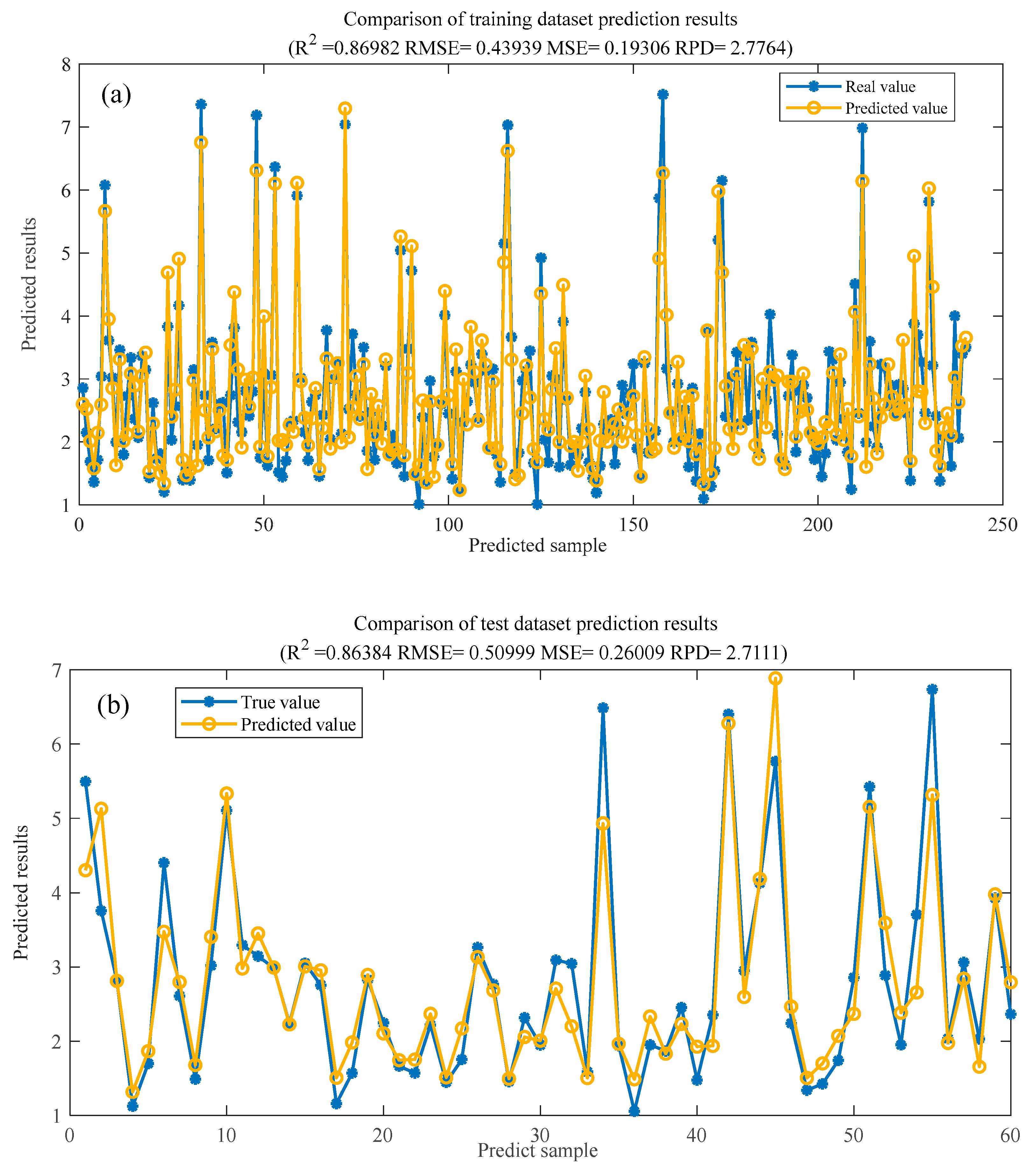
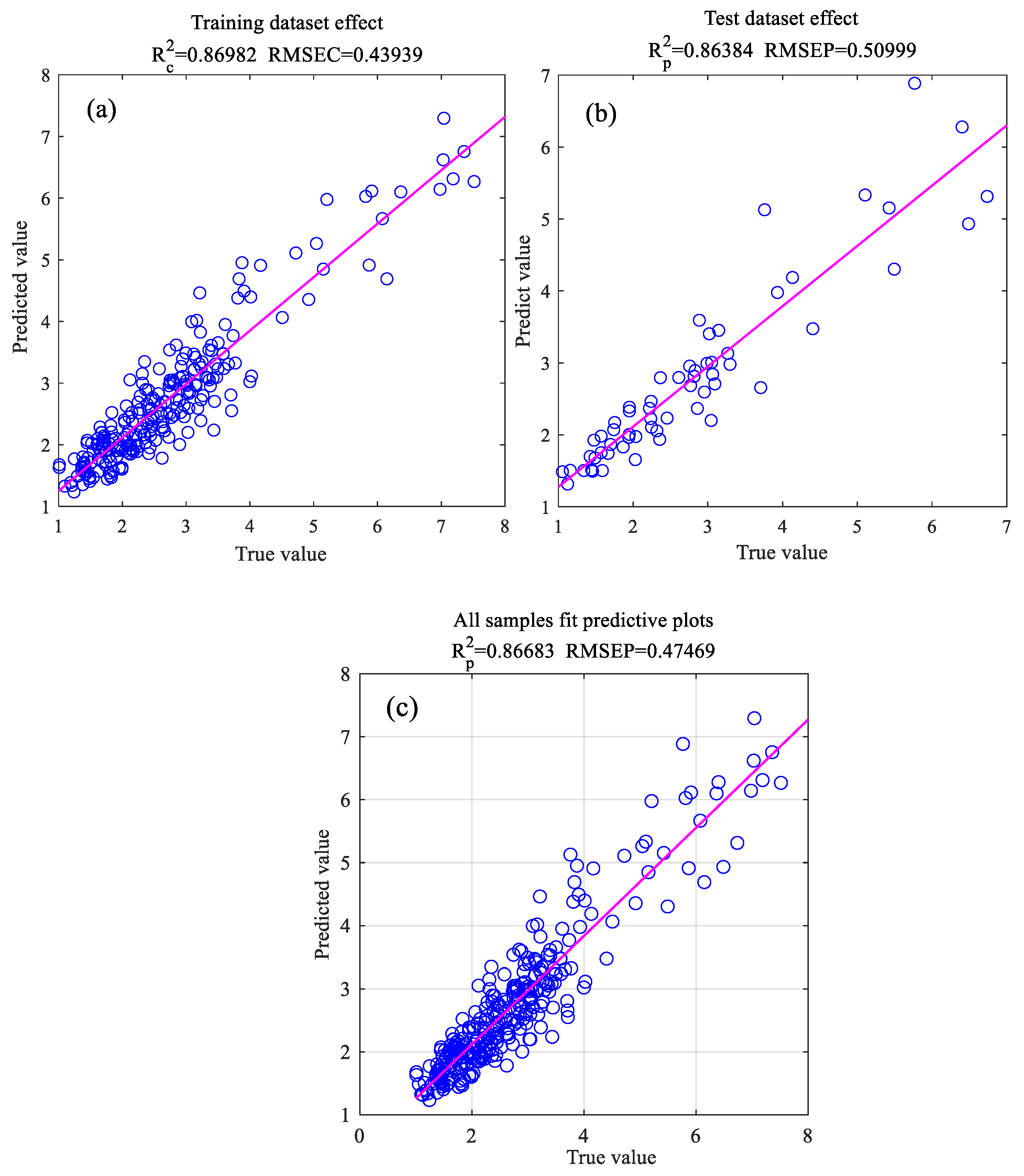
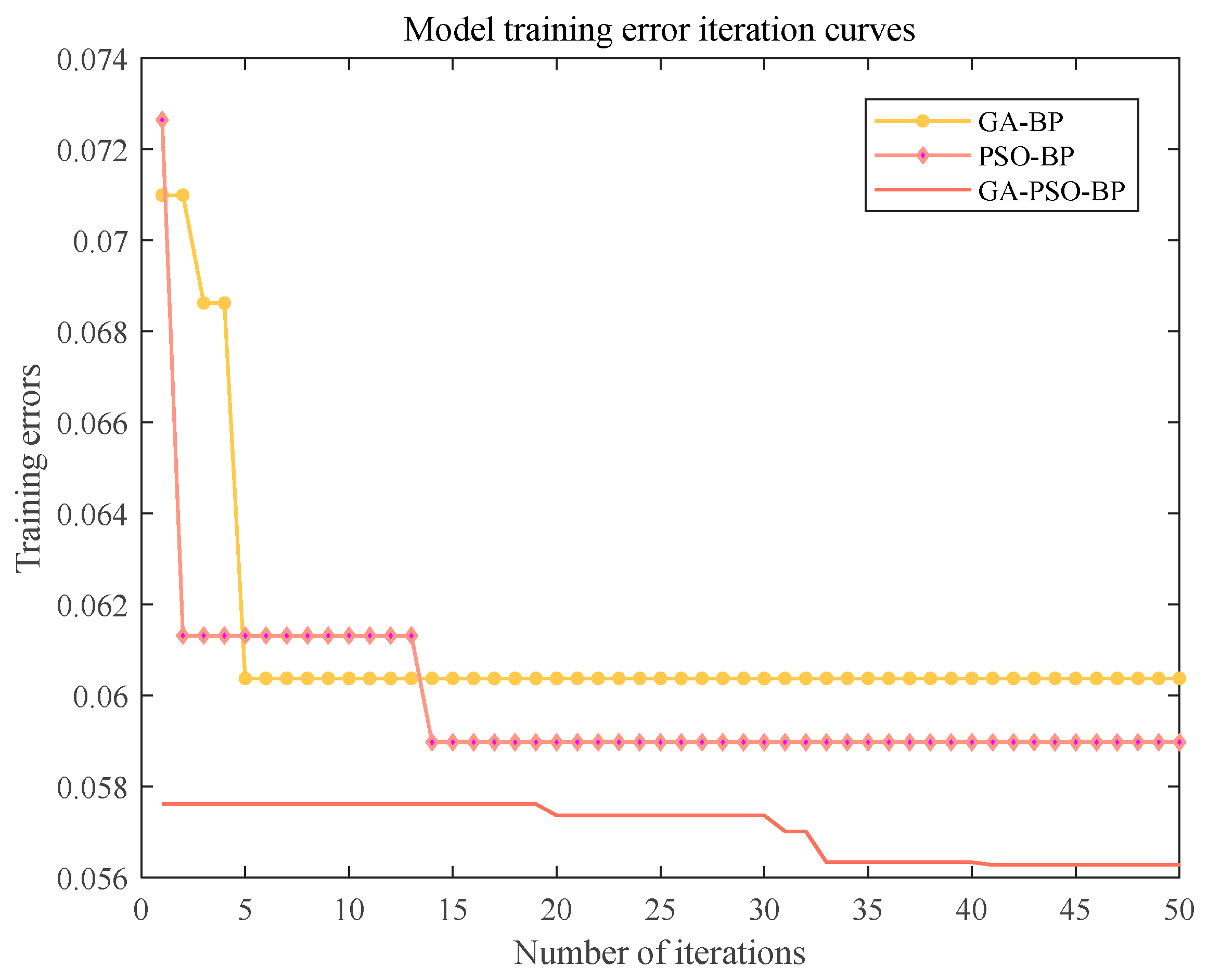
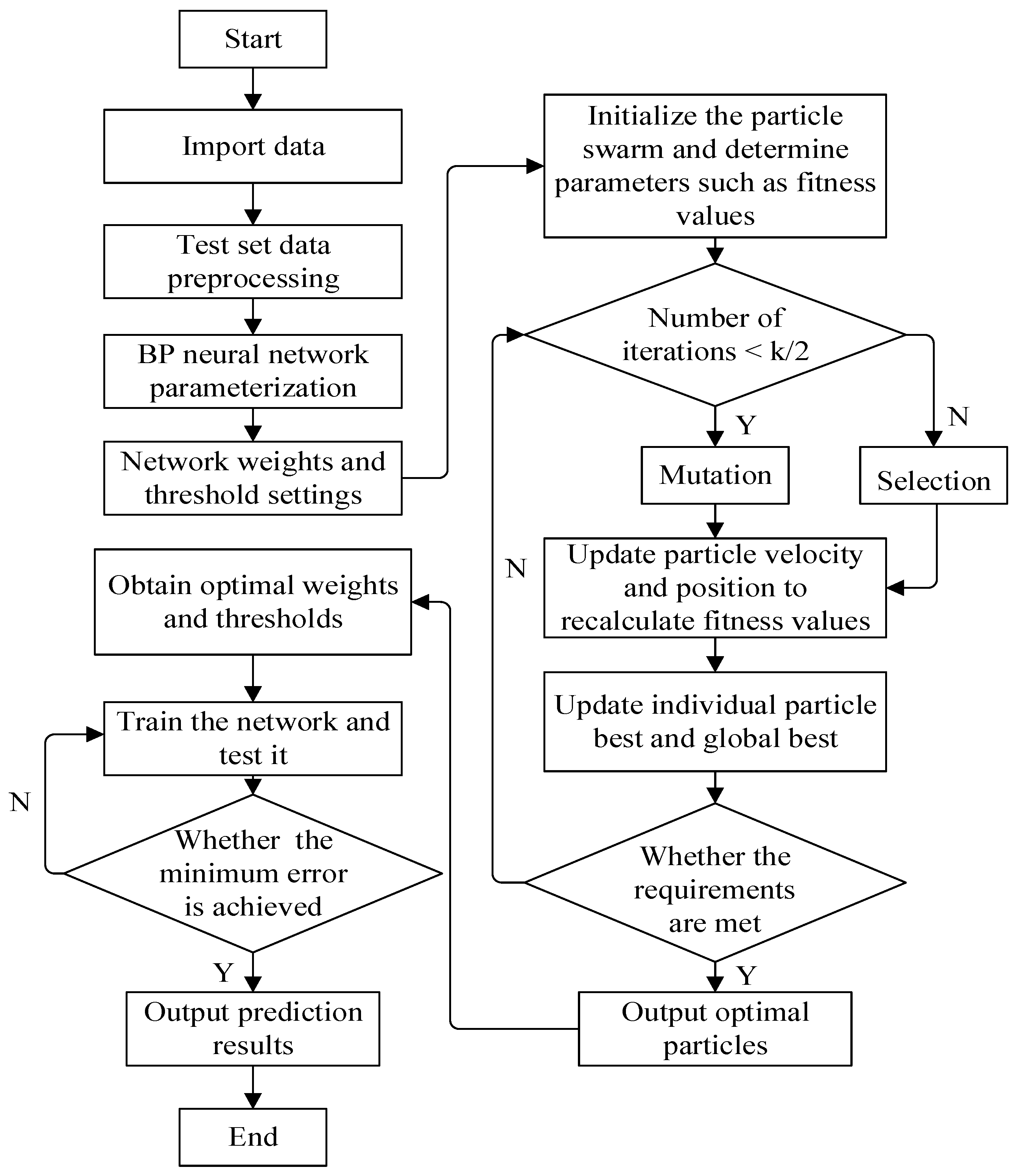
The BP (Back-Propagation) neural network model (hereafter referred to as the BP model) often gets stuck in local optima when predicting China’s silicon wafer price, which hurts the accuracy of the forecasts. This study addresses the issue by enhancing the BP model. It integrates the principles of genetic algorithm (GA) with particle swarm optimization (PSO) to develop a new model called the GA-PSO-BP. This study also considers the material price from both the supply and demand sides of the photovoltaic industry. These prices are important factors in China’s silicon wafer price prediction. This research indicates that improving the BP model by integrating GA allows for a broader exploration of potential solution spaces. This approach helps to prevent local minima and identify the optimal solution. The BP model converges more quickly by using PSO for weight initialization. Additionally, the method by which particles share information decreases the probability of being confined to local optima. The upgraded GA-PSO-BP model demonstrates improved generalization capabilities and makes more accurate predictions. The MAE (Mean Absolute Error) value of the GA-PSO-BP model is 31.01% lower than those of the standalone BP model and also falls by 19.36% and 16.28% relative to the GA-BP and PSO-BP models, respectively. The smaller the value, the closer the prediction result of the model is to the actual value. This model has proven effective and superior in China’s silicon wafer price prediction. This capability makes it an essential resource for market analysis and decision-making within the silicon wafer industry.
Keywords: BP neural network; particle swarm optimization; genetic algorithm; China’s silicon wafer price prediction BP neural network; particle swarm optimization; genetic algorithm; China’s silicon wafer price prediction