Article

A Hybrid Optimization Model for Efficient Detection and Classification of Malware in the Internet of Things

1
School of Mathematics and Statistics, Central South University, Changsha 410083, China
2
Department of Information and Communication Technology, University of Agder (UiA), N-4898 Grimstad, Norway
*
Authors to whom correspondence should be addressed.
Mathematics 2024, 12(10), 1437; https://doi.org/10.3390/math12101437
Submission received: 30 March 2024 / Revised: 25 April 2024 / Accepted: 29 April 2024 / Published: 7 May 2024
(This article belongs to the Special Issue Network Security in Artificial Intelligence Systems)

Abstract

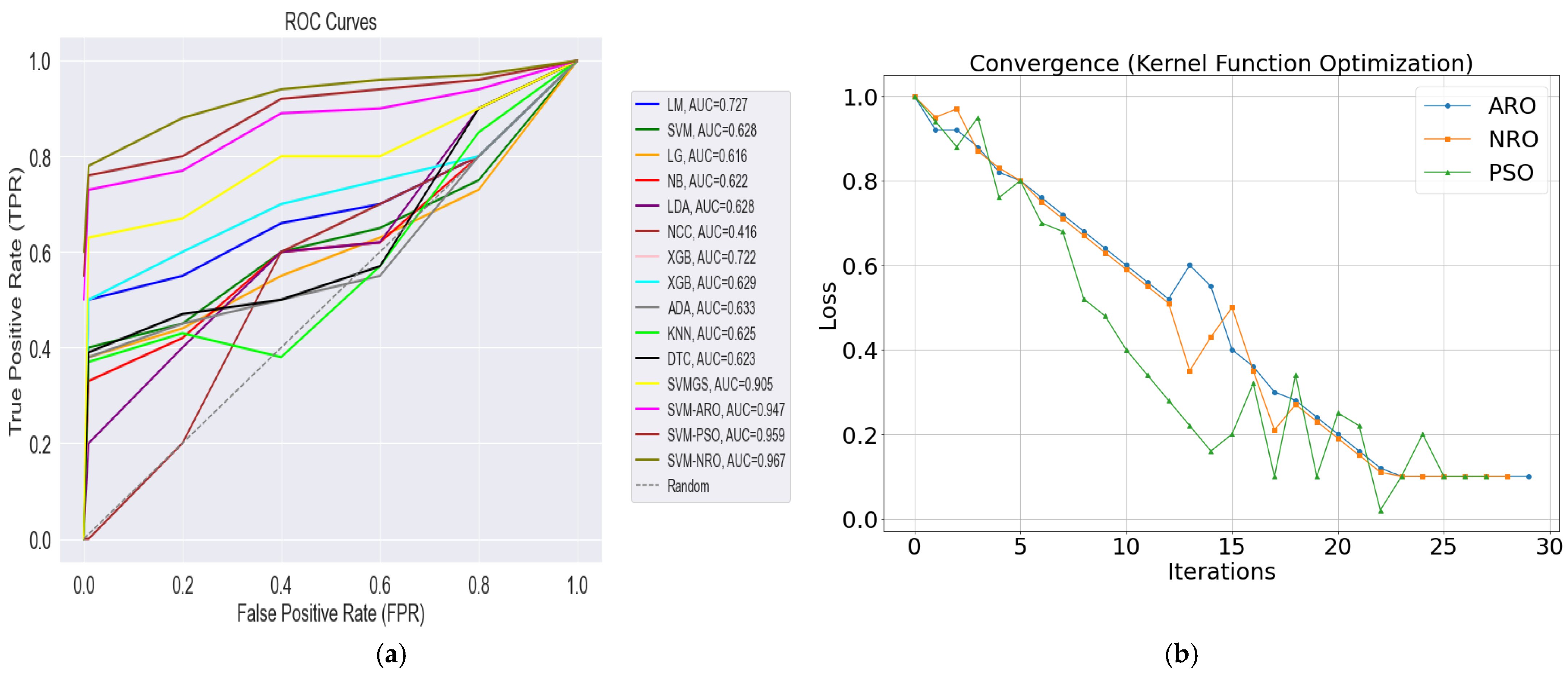
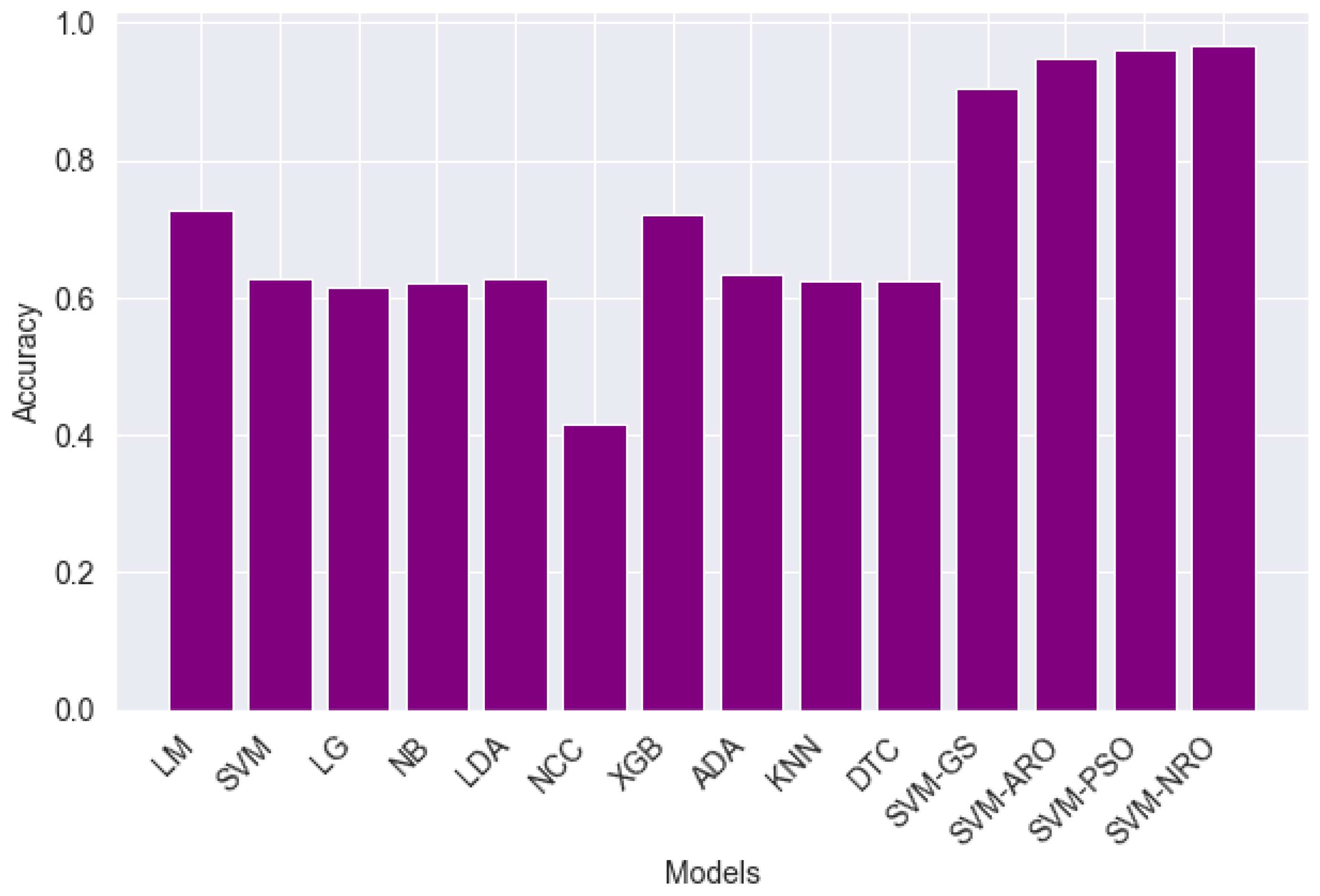
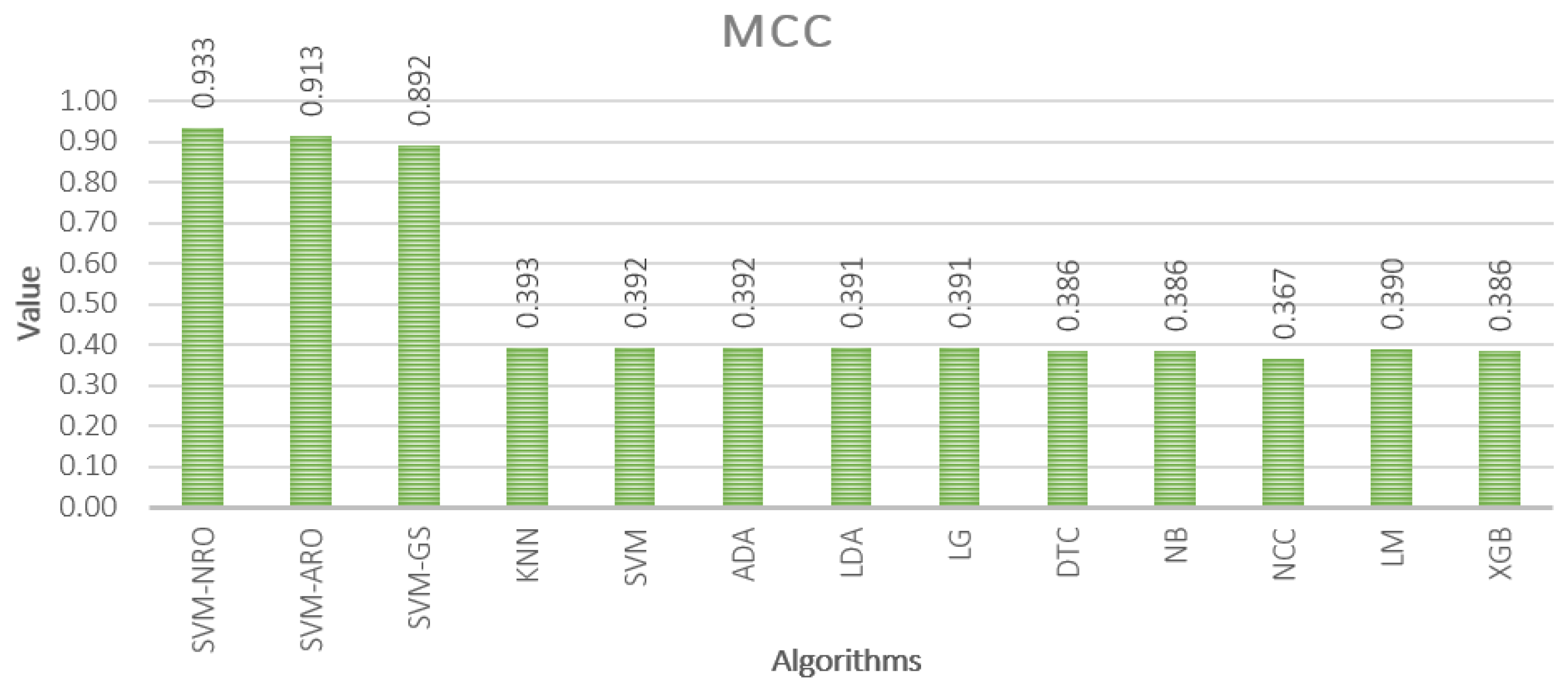
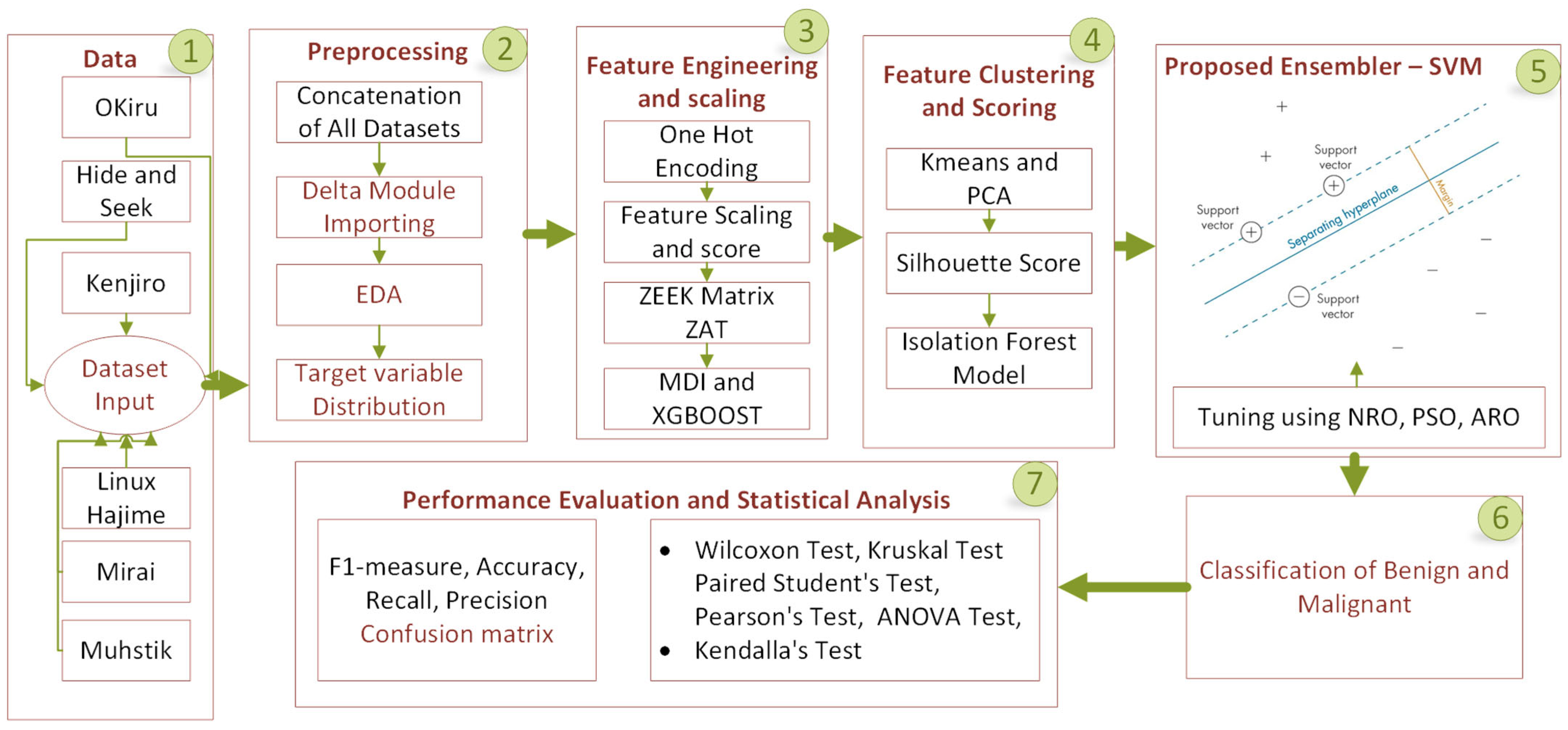
The proliferation of Internet of Things (IoT) devices and their integration into critical infrastructure and business operations has rendered them susceptible to malware and cyber-attacks. Such malware presents a threat to the availability and reliability of IoT devices, and a failure to address it can have far-reaching impacts. Due to the limited resources of IoT devices, traditional rule-based detection systems are often ineffective against sophisticated attackers. This paper addressed these issues by designing a new framework that uses a machine learning (ML) algorithm for the detection of malware. Additionally, it also employed sequential detection architecture and evaluated eight malware datasets. The design framework is lightweight and effective in data processing and feature selection algorithms. Moreover, this work proposed a classification model that utilizes one support vector machine (SVM) algorithm and is individually tuned with three different optimization algorithms. The employed optimization algorithms are Nuclear Reactor Optimization (NRO), Artificial Rabbits Optimization (ARO), and Particle Swarm Optimization (PSO). These algorithms are used to explore a diverse search space and ensure robustness in optimizing the SVM for malware detection. After extensive simulations, our proposed framework achieved the desired accuracy among eleven existing ML algorithms and three proposed ensemblers (i.e., NRO_SVM, ARO_SVM, and PSO_SVM). Among all algorithms, NRO_SVM outperforms the others with an accuracy rate of 97.8%, an F1 score of 97%, and a recall of 99%, and has fewer false positives and false negatives. In addition, our model successfully identified and prevented malware-induced attacks with a high probability of recognizing new evolving threats.
Keywords: intrusion detection; malware detection; Internet of Things; machine learning; optimization; classification intrusion detection; malware detection; Internet of Things; machine learning; optimization; classification