


Abstract
Extracurricular activities (ECAs) are widely recognized as contributors to holistic student development, although the nature and magnitude of their associations with academic performance remain context-dependent across educational levels. At the same time, artificial intelligence and machine learning are increasingly used in many educational settings, while variables that are not directly related to academic content, such as participation in extracurricular activities, are very rarely used. The present review is a systematic literature review conducted according to the PRISMA 2020 framework. It consisted of 30 empirical studies published between 2010 and 2025 which examined the relationship between ECAs and academic performance, with focused attention on studies that incorporated AI and ML techniques. The majority of the studies, across all education levels, reported neutral to positive associations between ECAs and academic performance metrics, such as grades, test scores, and engagement indicators. The evidence suggests that moderate involvement in ECAs generally does not harm academic performance, while excessive involvement can generate time conflicts that undermine study. A substantial proportion of the studies reviewed (12 of 30, or 40%) applied AI or ML methods to predict academic outcomes. These studies reported improvements in predictive accuracy when ECA-related variables were included, though performance metrics varied widely across algorithms, datasets, and outcome measures, precluding direct comparison. Overall, the findings suggest that ECAs complement student development, with effects contingent on activity type, intensity, and educational context. Future research should prioritize longitudinal designs, standardized ECA measurement, and interpretable AI models that support transparent and equitable decision-making. Longitudinal studies are needed to clarify the temporal sequence of associations between ECA participation and academic outcomes, and to assess equity of access.
1. Introduction
Extracurricular activities (ECAs) are widely regarded as integral to holistic student development. Participation in sports, arts, volunteering, and other co-curricular domains has been linked to positive outcomes such as enhanced motivation, social skills, and academic performance. While many educational systems emphasize exam results as the primary measure of achievement, ECAs represent an important dimension of learning that extends beyond the classroom.
At the same time, artificial intelligence (AI) and machine learning (ML) have become increasingly prominent in education. Predictive models are being developed to forecast academic success, detect students at risk of underperforming, and support evidence-based decision-making (Almalawi et al., 2024). Although the majority of these applications rely on conventional academic data (e.g., grades, attendance, demographics), there is growing recognition that ECA participation may also serve as a valuable predictor of student outcomes.
These two bodies of work have developed largely in parallel, with little systematic cross-fertilization (Seow & Pan, 2014). Research on ECAs and academic outcomes has produced a substantial empirical record using traditional statistical methods (surveys, regression analyses, longitudinal cohort studies) but has rarely engaged with computational or data-driven approaches. Conversely, educational AI/ML research has grown rapidly in predictive power, yet it draws almost exclusively on academic variables: prior grades, attendance records, demographic characteristics, and learning management system activity logs (Vaarma & Li, 2024). Non-academic dimensions of student life, including extracurricular participation, are systematically absent from these models, not because they are considered unimportant, but because they are not routinely collected or standardised in institutional datasets (M. Wang & Degol, 2014).
This exclusion carries practical consequences. Students who participate actively in ECAs often develop persistence, resilience, and self-regulatory skills that support long-term academic trajectories but may not be reflected in short-term GPA or attendance data (Himelfarb et al., 2014). A predictive model trained solely on academic variables may therefore misclassify such students as at-risk, misdirecting early-warning interventions and institutional resources. At the same time, institutions that begin collecting ECA data and integrating it into analytics pipelines need principled evidence about which activities carry predictive signal, how participation should be operationalized, and what value ECA-enriched models add once academic confounders are controlled.
The present review responds to this need not by revisiting whether ECAs are beneficial (a question with a well-established empirical record) but by conducting a systematic methodological audit of how ECA participation is conceptualized, measured, and operationalized in data-driven models of academic performance. By synthesizing evidence across both the ECA–outcomes literature and the AI/ML work in education, the review assesses the extent to which ECA data has been incorporated into predictive analytics, evaluates the quality and consistency of that operationalization, and identifies the conditions under which ECA-enriched models outperform those relying on academic variables alone. Guided by PRISMA 2020 standards (Page et al., 2021), the review includes 30 empirical studies published between 2010 and 2025.
Research Questions
This review was guided by the following research questions:
- What is the impact of extracurricular activities on students’ academic outcomes?
- How have artificial intelligence (AI) and machine learning (ML) methods been applied to analyze ECA data in education?
- What gaps remain in the evidence base, and what directions should future research take?
2. Literature Review
To provide the theoretical and empirical context for this review, this section synthesizes relevant background literature across four interconnected domains. It begins by examining definitional debates surrounding extracurricular activities and their scope across educational settings. It then reviews evidence on the relationship between ECA participation and academic performance. This is followed by an overview of artificial intelligence and machine learning applications in education. Finally, it considers the emerging literature on integrating ECA data into AI/ML predictive frameworks, the gap that motivates the present review.
2.1. Definitions and Scope of Extracurricular Activities
Extracurricular activities (ECAs) have been the subject of considerable scholarly attention, yet their definition remains contested across disciplines, cultures, and educational systems. Broadly, ECAs refer to structured or semi-structured activities organized outside the formal academic curriculum, often under the auspices of schools, universities, or community organizations. These activities may include sports, arts, music, student clubs, volunteering, leadership programs, debating societies, or cultural initiatives (Metsäpelto & Pulkkinen, 2012). What unites them is that they provide students with opportunities to engage in experiences that extend beyond traditional academic instruction, supporting the development of social, emotional, and cognitive competencies. One of the most persistent issues in the literature is the lack of a universally agreed definition. In some contexts, ECAs are narrowly defined as school-sponsored, supervised programs that require consistent participation, such as athletics, orchestra, or student government. In other contexts, the term has been broadened to include non-school-based activities (e.g., part-time employment, religious youth groups, online communities, or self-directed hobbies) (O’Connor & Jose, 2012). This definitional ambiguity complicates cross-study comparisons, as what one study identifies as “extracurricular” may be excluded by another. For example, while some researchers consider paid work an extracurricular activity, others argue it should be analyzed separately because of its economic rather than educational motivations (Di Gessa & Grundy, 2017).
The scope of ECAs also varies across educational levels. In primary and secondary education, ECAs are often framed as opportunities for holistic development, character building, and the cultivation of social skills (Patle, 2024). They are frequently linked to broader policy initiatives designed to improve student engagement and reduce dropout. At the university level, ECAs tend to emphasize employability, leadership, and the development of professional networks, reflecting the shift from general development to career preparation (Hordósy & Clark, 2018). These differences underscore the importance of context when evaluating the role and impact of ECAs.
Cultural and national contexts further influence definitions. In countries such as the United States or the United Kingdom, ECAs are strongly embedded within the educational experience and often tied to institutional identity and prestige. Participation in varsity sports, for instance, is not only considered extracurricular but also a marker of school culture (Chapman et al., 2023), while in China, university students increasingly turn to extracurricular activities due to frustration with classroom-bounded education that fails to meet their evolving demands for practical knowledge and personal meaning in a transforming socio-economic landscape (Sum, 2018).
Scholars have also debated whether ECAs should be categorized as co-curricular activities, blurring the boundaries between “curricular” and “extracurricular.” The term “co-curricular” emphasizes integration with formal learning, such as project-based clubs that reinforce academic subjects, or service-learning initiatives where students apply classroom knowledge in community contexts. While some institutions use the terms interchangeably, others maintain a strict distinction, with “extracurricular” referring to voluntary activities outside curriculum requirements and “co-curricular” signifying structured programs linked to learning objectives (El-Haggar et al., 2019).
Despite these definitional variations, a common thread in the literature is the recognition that ECAs serve as an educational space beyond the classroom. They provide opportunities for students to explore identities, form social networks, and acquire transferable skills such as teamwork, leadership, and time management (Bernabe et al., 2025). This conceptualization positions ECAs as a complementary dimension of education, where learning occurs in non-formal but still purposeful ways.
2.2. ECAs and Academic Performance
The relationship between extracurricular activities (ECAs) and academic performance has been examined extensively, with the majority of studies reporting positive associations. Participation in ECAs is frequently linked with higher grades, improved standardized test scores, stronger school attendance, and lower dropout rates. These findings are often attributed to the way ECAs cultivate transferable skills such as time management, self-discipline, self-concept, and teamwork, which reinforce academic achievement. In addition, ECAs can increase student engagement and sense of belonging, creating a supportive context for learning (Bernabe et al., 2025). However, the evidence is not entirely uniform. Some researchers have argued that the benefits of ECAs follow a curvilinear pattern, with moderate participation associated with the strongest academic outcomes, while excessive involvement can lead to overcommitment and stress that undermine performance (Leksuwankun et al., 2023). For example, students heavily engaged in multiple activities may experience time conflicts that reduce study hours and increase fatigue. Thus, while ECAs are generally beneficial, the balance between breadth, depth, and academic demands is critical.
Differences are also observed by type of activity. Sports participation is frequently associated with persistence, discipline, and resilience, though findings sometimes suggest gendered or cultural variations in outcomes (Lei et al., 2018). Arts and music activities are often linked to creativity, problem-solving, and cognitive flexibility, contributing to academic success indirectly. Service and volunteering initiatives strengthen social responsibility and motivation, while academic clubs and competitions provide opportunities for applied learning and peer collaboration. These distinctions highlight that ECAs are not homogeneous; their impact depends on the developmental and educational pathways they reinforce (W. Wang et al., 2024).
Another important factor is educational context. In systems with strong traditions of holistic education, such as in the United States or Finland, ECAs are viewed as integral to schooling and strongly supported by policy. In exam-oriented contexts, such as parts of East Asia, ECAs have historically been marginalized, but recent reforms increasingly emphasize their role in enhancing creativity, well-being, and global competencies (Li et al., 2025). Cross-national comparisons therefore reveal that cultural values and policy frameworks shape both the availability of ECAs and their relationship to academic outcomes.
Overall, the literature supports the view that ECAs function as a complement rather than a distraction from academic achievement, although certain research still indicates no direct academic benefits from ECA participation, suggesting cultural and educational system contexts significantly influence these relationships. While effects vary by type, intensity, and cultural setting, ECAs consistently provide pathways for skill development and engagement that extend into improved academic performance. This evidence underlines the importance of including ECA participation in broader discussions of student success.
2.3. AI and Machine Learning in Education
Artificial intelligence (AI) and machine learning (ML) have become increasingly central to educational research and practice over the past decade. Their applications range from predictive analytics to adaptive learning systems, offering new possibilities for decision support in schools and universities (Moore & Tsay, 2024). At their core, these approaches leverage large datasets to identify patterns, forecast outcomes, and provide personalized recommendations. Recent work has also emphasized the broader role of innovative educational technologies, including artificial intelligence, adaptive learning systems, and immersive environments, in reshaping pedagogical practices and student engagement, particularly in primary education (Kalogeratos, 2026).
One of the most common applications of AI in education is student performance prediction. Using demographic, behavioral, and academic data, ML algorithms such as decision trees, random forests, support vector machines, and neural networks are employed to forecast grades, detect risk of dropout, or predict course completion (Badal & Sungkur, 2023). Research shows impressive predictive accuracy, with some classification algorithms achieving over 90% accuracy in predicting high school graduation and dropout risk (Sorensen, 2018). Institutions have adopted such predictive models in early warning systems to help advisors identify at-risk students and allocate resources more effectively. Beyond predictive modeling in education, explainable and transparent AI systems have already been successfully applied in other public-sector decision-making contexts. Neuro-fuzzy ranking models have been used to support employee evaluation and prioritization (Giotopoulos et al., 2023; Michalopoulos et al., 2022). Recent studies further extend this into dynamic workload management systems using machine learning for automated resource allocation (Giotopoulos et al., 2024, 2025). Another area of development is intelligent tutoring systems and adaptive learning platforms. Here, AI is used to tailor instruction to individual learners, adapting the pace and difficulty of content in real time. Reinforcement learning and natural language processing techniques have been integrated into these systems, allowing for more interactive and personalized experiences. This strand of research emphasizes not only prediction but also the capacity of AI to mediate instruction dynamically, offering students feedback and pathways designed to maximize their learning outcomes (Coppin, 2025; Mittal et al., 2024).
Despite these advances, AI in education also raises challenges. Interpretability is a recurrent issue: while complex models such as deep neural networks may achieve high accuracy, they often function as “black boxes,” making it difficult for educators to understand why a prediction was made. This limits trust and adoption in practice. Ethical concerns also arise regarding bias, fairness, and data privacy (Alotaibi, 2024). Models trained on biased or incomplete datasets risk reproducing inequities, particularly for underrepresented student groups. A notable limitation of current applications is their narrow data scope. Most studies rely heavily on academic variables (grades, test scores, attendance, or online activity logs) while non-academic dimensions such as extracurricular activities are rarely included. M. Wang and Degol (2014) emphasize the critical need to incorporate non-academic activities and learning-related emotions into student engagement research, noting that engagement in nonacademic activities significantly influences individual differences in student outcomes. This restricts the capacity of AI to capture the full range of factors that shape student success. Incorporating richer datasets, including socio-emotional measures and ECAs, represents a promising but underexplored direction.
2.4. Integrating ECAs into AI/ML Models
Although extracurricular activities (ECAs) have long been associated with positive student outcomes, their systematic integration into artificial intelligence (AI) and machine learning (ML) models remains limited. The majority of predictive analytics in education rely on conventional variables such as prior grades, attendance, demographics, and learning management system activity (Vaarma & Li, 2024). These factors capture only part of the student experience and risk oversimplifying the complexity of educational success. ECAs, which provide insights into motivation, social capital, and non-cognitive skill development, are rarely included, despite their potential to enrich models of academic performance.
The small number of studies that have examined ECAs within AI/ML frameworks offer promising findings. When incorporated as predictor variables, ECA participation often improves classification accuracy for outcomes such as dropout risk or GPA prediction. Some research demonstrates that the presence of ECA data helps models differentiate between students with similar academic profiles but differing levels of engagement or resilience. For example, students with weaker grades but active involvement in sports or volunteering may outperform predictions made by models that exclude ECA measures (Himelfarb et al., 2014). This suggests that ECAs capture important dimensions of persistence and motivation overlooked by purely academic indicators. However, these studies remain fragmented and methodologically heterogeneous. Some use simple binary indicators of ECA participation, while others attempt more fine-grained categorization by activity type or intensity. Few studies include longitudinal data, limiting the ability to examine causal relationships. Moreover, inconsistencies in how ECAs are defined, whether as school-sponsored activities, informal hobbies, or co-curricular projects, further complicate comparisons. The lack of standardized data collection on ECAs across institutions is a major barrier to scaling such analyses (Dang & Nguyen Viet, 2021; Memarian & Olewnik, 2023).
Another gap lies in the interpretability and fairness of models that do include ECAs. While ML techniques may improve predictive performance, educators and policymakers need to understand how participation in specific activities influences outcomes. Evidence from big-data implementations in other sectors (Theodorakopoulos et al., 2022) further supports that large-scale decision systems can be transparent and operationally feasible. Without transparent explanations, the integration of ECAs risks being dismissed as an opaque or anecdotal factor. Furthermore, ethical concerns arise around whether all students have equitable access to ECAs, since opportunities often depend on socioeconomic resources, institutional funding, and cultural context (Hordósy & Clark, 2018). Models that emphasize ECAs without considering these structural inequities could inadvertently reinforce educational disparities. The integration of ECAs into AI/ML research is at an early stage, with scattered evidence suggesting real promise but limited systematic adoption. Addressing this gap requires more consistent definitions of ECAs, robust longitudinal datasets, and interpretable ML approaches that situate extracurricular participation as a meaningful, equitable predictor of student success. This review responds to this need by systematically synthesizing available evidence on ECAs, academic performance, and the role of AI/ML in connecting the two domains.
3. Methods
3.1. Search Strategy
This review followed the PRISMA 2020 guidelines and employed a two-strand search strategy designed to capture both the broader ECA–academic performance literature and the more targeted body of work applying AI/ML methods to ECA data (Page et al., 2021). This dual-strand design reflects the structure of the review itself: AI/ML constitutes a focused analytical lens applied to a subset of the ECA–outcomes evidence base, not a universal eligibility filter. This review was not prospectively registered in PROSPERO or any equivalent registry; this decision is acknowledged as a limitation and is consistent with the exploratory and methodological focus of the work.
3.1.1. Database Coverage
The search was conducted across seven databases spanning educational, computational, and multidisciplinary perspectives: Scopus, Web of Science Core Collection, ERIC (Education Resources Information Center), IEEE Xplore, ACM Digital Library, PubMed, and SpringerLink. Supplementary searches were performed on Google Scholar and leading publisher platforms (Elsevier, Wiley, Taylor & Francis, Sage). The temporal scope covered January 2010 to March 2025, and only English-language publications were included.
3.1.2. Strand 1: ECA, Outcomes, and AI/ML (Technical Databases)
In multidisciplinary and computational databases (Scopus, IEEE Xplore, ACM Digital Library), a three-part Boolean query combining ECA, academic-outcome, and AI/ML terms was applied to identify studies that explicitly operationalize ECA data within predictive or analytical models. Search strings covered three keyword groups:
- Extracurricular activities: “extracurricular,” “co-curricular,” “after-school,” “student clubs,” “sports,” “arts,” “volunteering,” “leadership,” “competitions,” “music,” “theatre,” “debate.”
- Academic outcomes: “academic achievement,” “GPA,” “grades,” “test scores,” “dropout,” “retention,” “persistence,” “engagement,” “learning outcomes.”
- AI and machine learning: “machine learning,” “artificial intelligence,” “data mining,” “predict*,” “classification,” “regression,” “educational data mining,” “learning analytics.”
The representative query applied in Scopus was:
- (TITLE-ABS-KEY(extracurricular OR “co-curricular” OR “after-school”OR “student clubs” OR sports OR arts OR volunteering OR leadershipOR competition*))AND (TITLE-ABS-KEY(“academic achievement” OR GPA OR gradesOR “test scores” OR dropout OR retention OR engagement OR performance))AND (TITLE-ABS-KEY(“machine learning” OR “artificial intelligence”OR “predict*” OR classification OR regression OR “data mining”))
3.1.3. Strand 2: ECA and Academic Outcomes (Education-Focused Databases)
In subject-specific education and health databases (ERIC, Web of Science, PubMed, SpringerLink), the AI/ML requirement was relaxed. A two-part Boolean query combining only the ECA and academic-outcome keyword groups was applied, ensuring that empirical studies examining ECA participation and academic performance were not excluded solely on the basis of their analytical method. This strand was specifically designed to capture the non-ML evidence base that contextualizes the AI/ML findings and informs the broader synthesis.
The complete database-specific search strings for all databases are reported below for full reproducibility.
- Web of Science Core Collection (Strand 2).
- TS=((extracurricular OR “co-curricular” OR “after-school”OR “student clubs” OR sports OR arts OR volunteering OR leadershipOR competition*) AND (“academic achievement” OR GPA OR gradesOR “test scores” OR dropout OR retention OR engagement OR performance))AND DT=(Article OR Review)AND LA=(English)AND PY=(2010-2025)
- ERIC (Strand 2).
- (extracurricular OR “co-curricular” OR “after-school”OR “student clubs” OR sports OR arts OR volunteering OR leadership)AND (“academic achievement” OR “academic performance” OR GPAOR grades OR dropout OR retention OR “student engagement”)Filters: Peer-reviewed; Publication date: 2010–2025; Language: English
- IEEE Xplore (Strand 1).
- (“Abstract”:“extracurricular” OR “Abstract”:“co-curricular”OR “Abstract”:“after-school” OR “Abstract”:“student clubs”OR “Abstract”:“sports” OR “Abstract”:“volunteering”OR “Abstract”:“leadership”)AND (“Abstract”:“academic performance” OR “Abstract”:“GPA”OR “Abstract”:“dropout” OR “Abstract”:“retention”)AND (“Abstract”:“machine learning” OR “Abstract”:“artificialintelligence”OR “Abstract”:“data mining” OR “Abstract”:“classification”OR “Abstract”:“prediction”)Filters: Journals and Conference Proceedings; 2010–2025
- ACM Digital Library (Strand 1).
- [[All: “extracurricular”] OR [All: “co-curricular”]OR [All: “after-school activities”]]AND [[All: “academic performance”] OR [All: “GPA”]OR [All: “dropout”] OR [All: “student retention”]]AND [[All: “machine learning”] OR [All: “deep learning”]OR [All: “educational data mining”] OR [All: “learning analytics”]]Publication date: Jan 2010 – Mar 2025
- PubMed (Strand 2).
- (“extracurricular activities”[tiab] OR “co-curricular”[tiab]OR “after-school”[tiab] OR “sports participation”[tiab]OR “volunteering”[tiab])AND (“academic performance”[tiab] OR “academic achievement”[tiab]OR “grade point average”[tiab] OR “school performance”[tiab])AND (“student”[tiab] OR “education”[tiab])Filters: English; Publication dates: 2010/01/01–2025/03/31
- SpringerLink (Strand 2).
- query: (“extracurricular” OR “co-curricular” OR “after-school”)AND (“academic performance” OR “academic achievement” OR “GPA”OR “dropout” OR “student engagement”)Discipline: Education; Language: English; Date: 2010–2025
The searches were conducted on 15 March 2025. All queries were executed without language or document-type restrictions in a first pass; English-language and empirical filters were then applied at the screening stage to maintain transparency about the initial retrieval pool.
3.1.4. Snowballing
Reference lists of all included studies and relevant reviews were screened manually (backward snowballing), while citation alerts for key studies were set in Scopus and Google Scholar to capture newly published work (forward snowballing). Snowballing served as a third strand bridging both the AI/ML-focused and broader ECA–outcomes literature, and was the primary route through which several non-ML empirical studies entered the final sample. The asymmetry between database-specific search strategies is acknowledged as a limitation of the search architecture (see Section 3.5).
The search process resulted in a total of 803 records across all sources. Table 1 reports the exact record counts retrieved from each database and supplementary source. All records were exported to the Zotero reference manager for organization and duplicate removal. After removing 120 duplicates (identified by matching on title, authors, and DOI), 683 unique records were available for title and abstract screening. This process ensured comprehensive coverage, minimized the risk of missing relevant studies, and balanced sensitivity (capturing as many relevant studies as possible) with specificity (excluding irrelevant records).
Table 1.
Record counts by database and supplementary source.
3.2. Eligibility Criteria
To ensure rigor and consistency, explicit inclusion and exclusion criteria were established prior to the screening process. These criteria were guided by the PICOS framework (Population, Intervention/Exposure, Comparison, Outcomes, Study design), adapted for the context of this systematic review (Amir-Behghadami & Janati, 2020).
- Population.
Eligible studies focused on students in formal education settings, including primary, secondary, and higher education. Studies on vocational or professional training programs were included if they explicitly addressed extracurricular or co-curricular participation. Research focused solely on teachers, administrators, or informal adult learners was excluded, as the review centers on student engagement and outcomes.
- Intervention/Exposure.
The intervention of interest was participation in extracurricular or co-curricular activities (ECAs). ECAs were broadly defined as organized, voluntary activities outside the formal academic curriculum that aim to promote personal, social, or academic development. This definition encompassed sports, arts, volunteering, leadership roles, cultural programs, and student organizations. To maintain inclusivity, studies were considered if they examined ECAs either as primary variables (e.g., direct measures of participation) or as part of broader engagement models. Studies that focused exclusively on employment, informal hobbies, or family obligations were excluded, as these do not fall under the structured ECA framework.
- Comparison.
While not all studies included explicit control or comparison groups, eligible research typically contrasted outcomes of students with and without ECA participation, or examined variations by type, frequency, or intensity of involvement. Studies without any reference to ECA-related variation were excluded.
- Outcomes.
The review focused on academic outcomes broadly construed. Eligible outcomes included quantitative measures such as GPA, grades, standardized test scores, course completion, graduation, and retention/persistence, as well as engagement-related outcomes (e.g., academic motivation, self-regulated learning, or school belonging) where these were linked to performance. Studies focusing exclusively on non-academic outcomes (e.g., mental health, social capital, or personality traits) were excluded unless they also reported an academic measure.
- Study Design.
Only empirical research was included, encompassing quantitative, qualitative, and mixed-methods designs. Cross-sectional surveys, longitudinal cohort studies, quasi-experiments, and randomized controlled trials were all considered. AI/ML studies based on educational datasets were included if ECA participation was among the variables used for prediction or analysis.
Exclusion criteria applied to:
- Non-empirical publications (reviews, theoretical essays, opinion pieces);
- Grey literature without peer review or full text (abstracts, posters, theses);
- Non-English studies, due to resource constraints and challenges in ensuring reliable interpretation;
- Duplicate or overlapping datasets, unless a new analytical approach or outcome was reported.
3.3. Study Selection Process
The study selection process followed the PRISMA 2020 guidelines to ensure transparency and reproducibility (Page et al., 2021). After the search strategy was applied across all databases (see Section 3.1 and Table 1), records were exported into the Zotero reference management software for organization and duplicate removal. This step eliminated 120 duplicate entries, leaving 683 unique records for initial screening.
- Title and Abstract Screening.
Two reviewers independently screened the titles and abstracts of the 683 records against the eligibility criteria (Section 3.2). During this stage, the focus was on determining whether studies included (i) a population of students, (ii) reference to extracurricular or co-curricular activities, and (iii) at least one academic outcome measure. Records clearly unrelated to education, AI, or ECAs were excluded at this stage. Discrepancies between reviewers were resolved through discussion, and if necessary, consultation with a third reviewer. A third reviewer was invoked when the two primary reviewers could not reach consensus after discussion (two instances occurred). Inter-rater agreement at the title-and-abstract screening stage was computed using Cohen’s kappa; the observed kappa was (95% CI: 0.74–0.88), indicating substantial to near-perfect agreement (Landis & Koch, 1977). This first screening reduced the pool to 95 articles for full-text review. Following title and abstract screening, 95 articles were selected for full-text review; all were successfully retrieved. Each paper was evaluated against all inclusion and exclusion criteria. Reasons for exclusion at this stage were carefully documented to maintain an audit trail. A full list of excluded full-text articles with reasons for exclusion is provided in Appendix C (Table A3). The most common reasons for exclusion were:
- No measure of extracurricular activity (): studies focused only on academic variables or other forms of engagement. Borderline cases (for example, studies that used employment or informal club membership as ECA proxies) were discussed between reviewers and excluded if the activity did not meet the definition of a structured, voluntary, curriculum-external engagement.
- No academic outcome reported (): papers examined well-being, skills, or social outcomes without linking them to grades or performance.
- Non-empirical designs (): theoretical essays, reviews, or commentaries.
- Insufficient or missing data (): conference abstracts or incomplete reports.
- Non-English publications ().
Following this process, 30 studies met all eligibility criteria and were included in the final synthesis. These represented a diverse mix of methodologies (quantitative, qualitative, and mixed methods), educational levels (primary, secondary, and higher education), and analytic approaches (traditional statistical methods versus AI/ML models). The overall process is illustrated in a PRISMA 2020 flow diagram (Figure 1). The diagram depicts the number of records identified, screened, assessed for eligibility, and included, along with detailed reasons for exclusion at each stage. This visual summary ensures clarity in how the final sample of 30 studies was derived and demonstrates adherence to systematic review standards.
Figure 1.
PRISMA 2020 flow diagram illustrating the study selection process.
To ensure consistency and transparency, a structured data extraction protocol was developed prior to full-text analysis. The protocol was designed to capture key bibliographic, methodological, and outcome-related information from each included study, with particular emphasis on identifying whether and how analytical methods were applied. A standardized data extraction form was created in Microsoft Excel, and the following fields were included:
- Study identification: First author, year of publication, and full title.
- Education level: Primary, secondary, or higher education.
- ECA type: Sports, arts, music, volunteering/service, cultural activities, leadership/organizing, or mixed categories.
- Methodology: Research design (cross-sectional, longitudinal, case study, experimental, quasi-experimental), analytic approach (e.g., regression, structural equation modeling, thematic analysis), and data sources (survey, administrative records, institutional datasets).
- Academic and Related Outcome(s): GPA, standardized test scores, course grades, dropout/persistence, engagement, employability skills.
- Key findings: A concise summary (1–2 sentences) of the study’s main conclusions, written in narrative form.
- Analytical Method Type: Specific algorithm(s) applied (e.g., decision trees, random forests, support vector machines, logistic regression, neural networks). For studies without ML, the principal statistical technique was recorded (e.g., regression analysis, ANOVA, SEM, qualitative thematic analysis).
Two reviewers independently piloted the extraction form on a random sample of five studies to refine coding categories and ensure clarity. Minor adjustments were made, such as standardizing terminology for statistical methods and collapsing overlapping ECA categories. Following the pilot phase, each included study was fully coded by one reviewer and independently checked by a second. Discrepancies were resolved through discussion, with consensus reached in all cases.
To ensure accuracy, extracted data were cross-checked against the full-text PDFs of the 30 studies. Particular care was taken to capture whether ML methods were actually used in analysis, since abstracts sometimes used terms such as “prediction” or “modeling” in a generic sense. Where multiple methods were reported, the most advanced or primary technique was listed, while secondary analyses were noted in comments.
The finalized extraction sheet served as the basis for the synthesis presented in Table 2. This table consolidates all extracted variables, provides a transparent overview of study characteristics, and highlights methodological diversity.
Table 2.
Characteristics of included empirical studies (n = 30).
3.4. Synthesis Approach
Given the diversity of research designs, measures of extracurricular activity (ECA) participation, and analytic techniques across the included studies, a narrative synthesis was adopted in accordance with PRISMA 2020 (Item 13d) and guided by contemporary standards for narrative synthesis, including the SWiM reporting guideline (Campbell et al., 2020). This approach was selected because the substantial heterogeneity of study populations, interventions, and outcomes precluded a quantitative meta-analysis, while allowing a transparent, systematic, and interpretive integration of findings.
Following data extraction, all information from the thirty studies was organized into a structured synthesis matrix in Microsoft Excel. The matrix included details on educational level, ECA type, methodological approach, academic outcomes, and principal findings. Two reviewers independently coded each study outcome as positive, neutral, or negative in relation to academic performance and identified recurrent secondary themes such as motivation, engagement, retention, and employability. Inter-reviewer agreement exceeded 90%, and any discrepancies were resolved through discussion until consensus was achieved.
The synthesis proceeded in three complementary stages. First, a descriptive mapping grouped studies according to educational level (primary, secondary, or higher education), ECA category (sports, arts, volunteering, mixed), and analytic approach (traditional statistical versus AI/ML-based). This mapping provided an overview of the evidence base and highlighted under-represented domains, particularly the limited number of studies integrating ECA data into machine-learning models.
Second, a comparative analysis examined patterns within and across these groups, for example contrasting the academic effects of sports with those of arts or volunteering, or comparing results between school and university contexts. This step also considered whether AI/ML applications yielded stronger predictive accuracy or novel insights relative to traditional analytical methods.
Third, a thematic synthesis identified four overarching domains through an inductive–deductive process:
- Academic achievement (grades, GPA, test scores);
- Engagement and motivation (attendance, persistence, self-efficacy);
- Retention and dropout (risk and continuation factors);
- Employability and transferable skills (communication, leadership, career readiness).
Within each domain, consistencies and contradictions were compared and interpreted in relation to methodological rigor, context, and sample characteristics. When findings diverged, convergence was determined by the majority pattern of results and the relative methodological strength of the contributing studies. Outlying results were retained and discussed to preserve transparency and interpretive balance.
All analytic steps and coding decisions were documented to ensure replicability. This structured yet interpretive synthesis enabled a comprehensive integration of heterogeneous evidence and laid the foundation for the subsequent assessment of bias and methodological limitations presented in Section 3.5.
3.5. Risk of Bias and Quality Assessment
A systematic assessment of methodological quality and risk of bias was undertaken for all 30 included studies. Given the heterogeneity of study designs across the evidence base, encompassing cross-sectional surveys, longitudinal cohorts, randomised trials, quasi-experiments, qualitative studies, and machine-learning analyses, a structured checklist adapted from the JBI critical appraisal framework (Moola et al., 2020) was applied in preference to a single standardised instrument such as Cochrane’s Risk of Bias 2.0 (Sterne et al., 2019), which is designed for randomised trials only. Five domains were evaluated for each study: (1) appropriateness of study design relative to the research question; (2) adequacy and clarity of sample description and recruitment; (3) validity and reliability of ECA-participation and academic-outcome measurement; (4) control of confounding variables; and (5) clarity and transparency of statistical analysis and reporting. Each domain was rated Yes (criterion fully met), Partial (partially met or unclear), or No (not met). An overall risk-of-bias classification (Low, Moderate, or High) was then assigned using the following decision rule: Low risk required “Yes” on at least four of the five domains; Moderate risk applied when two or three domains were rated “Yes” with no critical domain rated “No”; and High risk was assigned when two or more domains were rated “No,” or when either the measurement validity domain (Domain 3) or the analysis transparency domain (Domain 5) was rated “No,” as these are considered methodologically critical. For qualitative studies, the confounding domain was recorded as N/A and excluded from the overall judgement, consistent with JBI guidance.
For the twelve studies employing machine-learning methods, the standard five JBI domains were supplemented by five ML-specific appraisal criteria: (a) whether a train–test split or cross-validation procedure was explicitly reported; (b) whether data leakage risks and class imbalance were acknowledged and addressed; (c) whether hyperparameter tuning and model-selection procedures were described; (d) whether feature importance or explainability methods (e.g., SHAP, LIME, or built-in tree importance) were used to clarify the contribution of ECA-related variables to model outputs; and (e) whether fairness and equity considerations were explicitly addressed, including assessment of demographic bias, differential model performance across student subgroups (e.g., by socioeconomic status, gender, or ethnicity), and the risk that ECA-based predictors may reproduce or amplify existing educational inequalities. These criteria informed the overall risk rating, particularly for Domain 5 (analysis transparency), and are consolidated in the machine-learning summary table presented later in this section, alongside algorithm and performance information. Future ML studies in this domain should also report multiple complementary performance metrics (e.g., F1-score, AUC-ROC, and confidence intervals alongside accuracy), provide fully documented reproducible pipelines, and apply structured explainability analyses such as SHAP or LIME to clarify the contribution of ECA-related features to model outputs. Quality ratings for all 30 studies are reported in full in Appendix B (Table A2) and were used to contextualise the narrative synthesis.
Application of criterion (e) revealed a near-universal gap across the twelve ML studies: none conducted a structured demographic fairness analysis. Only two papers engaged with related concerns at all. Mestizo et al. (2024) addressed class imbalance through stratified sampling, a technical precaution that reduces algorithmic bias toward the majority class but does not evaluate whether model performance differs across student subgroups defined by socioeconomic status, gender, or ethnicity. Ahmed et al. (2025) incorporated SHAP and LIME explanations, which enhance predictive transparency and can support equity-oriented auditing, but reported no subgroup-level performance disaggregation. Two further studies (Demirtürk & Harunoğlu, 2025; Liu, 2025) used a synthetic Kaggle dataset that by design precludes meaningful subgroup analysis. The remaining eight ML studies, namely Sharma and Yadav (2022), Sharma et al. (2023), Rahman et al. (2021), Hasbun et al. (2016), Falát and Piscová (2022), Jenitha et al. (2021), Alkan et al. (2025), and Sahu et al. (2024), made no reference to fairness or equity considerations whatsoever. This is a significant oversight given that ECA participation is known to be unevenly distributed across socioeconomic groups (Hordósy & Clark, 2018): models trained without attending to these structural inequalities risk reproducing or amplifying them when deployed in early-warning or resource-allocation systems.
In terms of study design, many of the investigations were cross-sectional, which limits the ability to infer causality. Longitudinal designs, though fewer in number, provided stronger indications of temporal relationships between participation in extracurricular activities and academic outcomes. Experimental and quasi-experimental approaches were rare, and the limited use of such designs constrains the degree to which effects can be attributed directly to ECA participation.
Sampling procedures also introduced variability. A considerable proportion of studies relied on convenience samples drawn from single institutions, thereby restricting generalizability. Larger multi-institutional or national datasets, particularly those used in some machine-learning research, offered broader external validity but occasionally lacked contextual information on the nature and quality of ECA participation.
Measurement issues were among the most consistent sources of bias. Definitions of both ECA engagement and academic performance differed widely: some studies applied simple binary indicators of participation, whereas others recorded frequency, duration, or type of activity. Academic outcomes ranged from self-reported grade-point averages to institutional records of performance. These inconsistencies reduced comparability across studies and may have introduced measurement error.
Analytical procedures were generally transparent in traditional statistical work, although effect sizes and confidence intervals were not always reported. In studies employing machine-learning techniques, common risks included model overfitting, inadequate reporting of validation procedures such as cross-validation or train–test splits, and limited interpretability of complex algorithms. The synthesis process described in Section 3.4 helped to mitigate interpretive bias by applying double-reviewer coding and consensus verification.
It should be acknowledged that the JBI-based appraisal framework focused exclusively on methodological quality dimensions and did not capture stakeholder perceptions of ECA quality, a dimension increasingly recognised as relevant in educational research (Hordósy & Clark, 2018). Employers, institutions, and students may evaluate the quality of extracurricular provision differently from researchers, and these perceptual dimensions (for example, whether an activity is institutionally recognised, employer-valued, or student-initiated) can influence both participation patterns and the academic outcomes associated with ECA engagement. Future quality appraisal frameworks for ECA research would benefit from incorporating such stakeholder perspectives alongside conventional methodological criteria.
Publication bias remains a potential concern. Because the search was confined to peer-reviewed sources, there is a risk that studies reporting null or negative findings were under-represented. Reviewer bias was addressed through independent screening, extraction, and synthesis by at least two reviewers, with disagreements resolved through discussion and consensus.
A further limitation is the near-universal absence of shared data or code among the included studies: only two studies used publicly available datasets (Demirtürk & Harunoğlu, 2025; Liu, 2025), and none provided replication code. Future research should prioritise open and reproducible practices. Concretely, this entails: (i) full specification of preprocessing steps, including imputation strategies, outlier-handling procedures, feature scaling, and categorical encoding decisions; (ii) precise operational definitions of all ECA features and outcome variables; (iii) complete disclosure of model hyperparameters and the procedures used to tune them; (iv) transparent validation protocols, including fixed random seeds, stratified train–test splits, or nested cross-validation with reported fold-level variance; and (v) public availability of anonymised datasets and analysis scripts in accessible repositories such as OSF, Zenodo, or GitHub. Adherence to these standards would substantially raise the bar for independent verification and cumulative knowledge-building in this domain. Overall, while the evidence base displays consistent patterns linking ECA engagement with favorable academic and developmental outcomes, limitations such as heterogeneous measurement, reliance on cross-sectional designs, and risks of overfitting in predictive models must be acknowledged. These factors moderate the strength of the conclusions and underline the need for future research employing more rigorous, standardized, and transparent designs.
4. Results
4.1. Overview of Included Studies
A total of thirty studies met the inclusion criteria and were retained for synthesis, as summarized in the PRISMA 2020 flow diagram (Figure 1). The included research spans the period from 2010 to 2025 and covers diverse educational levels, methodological designs, and analytical approaches.
Figure 2 illustrates the distribution of studies by educational level, showing that higher education accounted for the largest share, followed by secondary and primary education. This distribution suggests that the relationship between extracurricular participation and academic outcomes has been more extensively investigated within university settings, possibly due to greater data availability and institutional reporting practices.
Figure 2.
Distribution of studies by education level.
Studies also varied in terms of the types of extracurricular activities examined. Generic or mixed extracurricular participation constituted the largest category, followed by arts-based activities, sports, and volunteering or leadership-oriented activities. This distribution, illustrated in Figure 3, reflects a research emphasis on creative and expressive forms of engagement, with comparatively fewer studies exploring structured leadership or community service experiences.
Figure 3.
Distribution of studies by primary extracurricular activity (ECA) focus.
Methodologically, the evidence base included a balanced mix of quantitative and mixed-methods designs. Traditional statistical analyses (e.g., regression or path analysis) were the predominant analytical approach, while a growing number of studies employed machine-learning or data-mining techniques to model academic performance outcomes. The increasing application of artificial intelligence methods in this area marks a notable shift toward predictive and computational perspectives on educational engagement.
Table 2 provides a detailed summary of the included studies, outlining their educational context, ECA focus, methodological design, and main findings. The detailed methodological quality assessment is reported in Appendix B. This tabular presentation serves as the empirical foundation for the synthesis described in Section 4.2, allowing patterns of convergence and divergence to be examined systematically across the evidence base.
Across the included studies, academic outcomes were coded as positive, neutral, or negative based on reported statistical significance and effect direction as indicated in Table 3. The coding procedure applied the following rules: (1) a study was coded positive if the primary analysis reported a statistically significant association () or a meaningful effect size in the direction of higher ECA engagement being linked to better academic outcomes; (2) a study was coded neutral if the primary analysis reported no statistically significant association between ECA participation and the academic outcome; and (3) a study was coded negative if the primary analysis identified a statistically significant association in the direction of ECA engagement being linked to lower academic performance or increased dropout risk. Studies reporting mixed results were assigned the code corresponding to the majority of their reported outcomes. In cases of an even split, the overall study conclusion as stated by the original authors was used as the deciding criterion. Two reviewers independently coded all 30 studies. The resulting inter-rater agreement for outcome direction coding was , with disagreements resolved through consensus discussion.
Table 3.
Summary of academic outcome directions across included studies.
Table 4 summarizes the main methodological and performance characteristics of studies employing machine learning techniques.
Table 4.
Summary of machine learning-based studies on extracurricular activities and academic performance.
4.2. Patterns Across Education Levels and ECA Types
At the primary school level, ECAs were most often associated with improvements in motivation, attendance, and social integration (Alvariñas-Villaverde et al., 2024; Feraco et al., 2021). Several studies suggested that structured participation in sports and arts at an early age fosters positive attitudes toward learning, better classroom behavior, and stronger foundational literacy and numeracy outcomes (Feraco et al., 2021; D. Wang et al., 2023). Teachers often framed ECAs as a means of channeling energy productively and instilling basic discipline. In this age group, the impact on formal academic metrics such as standardized test scores was less consistent (D. Wang et al., 2023), but indirect benefits, such as improved concentration and greater enthusiasm for school, were widely reported (Alvariñas-Villaverde et al., 2024; Feraco et al., 2021). At the secondary level, findings highlighted both academic and developmental benefits, though results were more nuanced. Sports participation was linked to resilience, teamwork, and persistence, and in some contexts, higher grades and test scores (Anjum, 2021; Knifsend & Graham, 2012). Arts-based activities, including music and drama, were associated with creativity, problem-solving, and communication skills, which often translated into better performance in language and humanities subjects (Feraco et al., 2022; Ishiguro et al., 2023; Tan et al., 2022). Volunteering and service-based ECAs promoted social responsibility and self-efficacy, while leadership roles in clubs or student organizations correlated with improved organizational and time-management skills (Anjum, 2021). However, some studies identified risks of over-involvement, with heavy participation occasionally associated with stress, fatigue, and time conflicts (Knifsend & Graham, 2012; Sahu et al., 2024). At the university level, ECAs were more strongly linked to employability, persistence, and holistic development than to immediate academic metrics such as GPA. Participation in leadership programs, professional societies, and cultural organizations provided opportunities for networking and skills acquisition beyond the classroom (Hui et al., 2021; King et al., 2021). Sports and volunteering were frequently associated with personal growth, resilience, and career readiness (Buckley & Lee, 2021; Griffiths et al., 2021). Although positive GPA effects were observed in some cases (Gutierrez, 2023; Leksuwankun et al., 2023; Sharma & Yadav, 2022), the dominant theme was that ECAs were associated with academic persistence, retention, and preparedness for the labor market (Hui et al., 2021; King et al., 2021).
4.3. Studies Using ML vs. Non-ML Approaches
A central aim of this review was to examine whether studies incorporating machine-learning (ML) methods provide distinct insights compared with those relying on traditional statistical approaches. Among the thirty included studies, twelve explicitly applied machine-learning techniques.
The majority of investigations relied on traditional statistical approaches. These studies typically used regression-based models to examine associations between ECA participation and academic outcomes such as grade-point average, test performance, or retention. Findings were largely consistent, indicating positive relationships between ECA participation and academic performance, although the magnitude of effects varied by activity type, frequency, and educational context. Conventional statistical models offered strong interpretability and hypothesis testing but were often limited to small or medium-sized samples, thereby constraining generalisability. In addition, ECA participation was frequently operationalised as a binary variable, which oversimplified the multidimensional nature of extracurricular engagement.
Studies employing ML introduced a complementary, prediction-oriented perspective. Commonly used algorithms included decision trees, random forests, support vector machines, logistic regression, and, in a smaller number of cases, neural networks (Falát & Piscová, 2022; Hasbun et al., 2016; Jenitha et al., 2021; Rahman et al., 2021; Sharma et al., 2023; Sharma & Yadav, 2022). These techniques were particularly suited to larger datasets combining demographic, behavioural, and academic variables. Integrating ECA-related features into ML models yielded two recurring findings. First, several studies reported improvements in predictive accuracy for academic outcomes such as GPA and dropout risk when ECA variables were included (Ahmed et al., 2025; Alkan et al., 2025; Demirtürk & Harunoğlu, 2025; Liu, 2025; Mestizo et al., 2024; Sahu et al., 2024). Second, ML analyses highlighted the relative importance of specific predictors, suggesting that engagement in leadership, sports, or volunteering activities could serve as indicators of persistence and resilience even after accounting for prior academic performance and demographic factors (Ahmed et al., 2025; Demirtürk & Harunoğlu, 2025; Jenitha et al., 2021).
Despite these contributions, ML-based studies also exhibited methodological limitations. Validation procedures were not consistently reported, raising concerns about overfitting and reproducibility. Interpretability remained a key challenge: while tree-based models offered partial transparency, more complex architectures such as neural networks functioned largely as black boxes, limiting insight into how ECA participation influenced predictions (Lundberg & Lee, 2017; Shmueli, 2010). Furthermore, many ML studies continued to represent ECA participation using simplified indicators, failing to capture intensity, duration, or diversity of involvement.
4.4. Key Findings Grouped by Academic Outcomes
Synthesizing across the thirty included studies, four main domains of academic outcomes were identified: academic achievement, engagement and motivation, retention or dropout, and employability skills. Together, these domains illustrate both the direct and indirect ways in which extracurricular activities (ECAs) contribute to student success.
Regarding academic achievement, the majority of studies reported positive associations between ECA participation and grades, GPA, or standardized test performance (Alvariñas-Villaverde et al., 2024; Anjum, 2021; Gutierrez, 2023; Mukesh et al., 2023; Rafiullah et al., 2017). Sports and arts activities were frequently linked with cognitive and motivational benefits (Feraco et al., 2022; Ishiguro et al., 2023; Tan et al., 2022), while participation in academic clubs reinforced subject-specific knowledge (Chan, 2016). Machine-learning-based studies reinforced these patterns by demonstrating that the inclusion of ECA-related variables improved GPA prediction accuracy (Falát & Piscová, 2022; Liu, 2025; Sharma et al., 2023). However, some evidence pointed to neutral or negative effects, primarily when excessive involvement generated time pressures that constrained study time (Fares et al., 2015; Knifsend & Graham, 2012; Leksuwankun et al., 2023).
Engagement and motivation emerged as a key indirect pathway linking ECAs to academic performance. At the school level, ECA participation was associated with improved attendance, classroom behavior, and enthusiasm for learning (Anjum, 2021; Feraco et al., 2021; Feraco et al., 2022). At the university level, ECAs strengthened institutional attachment, self-efficacy, and persistence (Griffiths et al., 2021; King et al., 2021). Leadership and volunteering roles were particularly associated with confidence, motivation, and a sense of purpose (King et al., 2021; Rafiullah et al., 2017).
For retention and dropout outcomes, both traditional statistical analyses and ML-based models indicated that structured participation in ECAs reduced attrition risk (Hasbun et al., 2016; Mestizo et al., 2024). Decision-tree and random-forest approaches consistently identified ECA involvement as a significant predictor of persistence, supporting the view that ECAs function as a protective factor within educational trajectories (Alkan et al., 2025; Hasbun et al., 2016; Mestizo et al., 2024).
Finally, employability and transferable skills were especially salient in higher education contexts. Participation in leadership, arts, and volunteering activities was associated with the development of teamwork, communication, and time-management skills valued by employers (Buckley & Lee, 2021; Griffiths et al., 2021; Hui et al., 2021). Even in cases where GPA effects were modest, ECAs contributed meaningfully to career readiness and professional development (Buckley & Lee, 2021; Hui et al., 2021).
Overall, the evidence demonstrates that ECAs support student outcomes across multiple dimensions. Machine-learning-based studies further underscored the predictive value of engagement-related data, highlighting the potential of integrating ECA participation into data-driven models of academic success.
A complete study-level evidence matrix, including detailed methodological and analytical characteristics for all included studies, is provided in Table A1 (Appendix A).
5. Discussion
5.1. Synthesis in Relation to the Research Questions
The three research questions that structured this review provide the organizing frame for the interpretive synthesis below. Rather than restating the descriptive patterns reported in Section 4, this section situates those patterns within the broader literature and draws interpretive conclusions about what the evidence collectively means for theory, practice, and future research.
- RQ1: What is the impact of extracurricular activities on students’ academic outcomes?
The weight of evidence supports the conclusion that ECA participation is broadly, though not unconditionally, beneficial for academic outcomes. Approximately two-thirds of studies reported positive associations, roughly a quarter found no significant effect, and one in ten identified negative outcomes, typically in contexts of over-involvement or competing time demands. This distribution aligns with the curvilinear hypothesis developed in the broader ECA literature (Knifsend & Graham, 2012), where moderate engagement yields the strongest academic returns and excessive involvement undermines performance, a pattern especially salient among secondary students managing multiple activities simultaneously.
Importantly, the mechanisms through which ECAs support academic outcomes appear to be developmentally differentiated rather than uniform. At the primary and secondary levels, the dominant pathway is motivational and behavioral: ECA participation is associated with greater school belonging, higher attendance rates, and stronger self-regulatory habits, namely discipline, persistence, and time management, that are linked to academic learning (Anjum, 2021; Feraco et al., 2021; Ishiguro et al., 2023). At the university level, this motivational channel is supplemented by a second, more developmental pathway: ECAs contribute to professional identity formation, social capital, and employability-relevant competencies that support academic persistence and post-graduation trajectories (Buckley & Lee, 2021; Griffiths et al., 2021; Hui et al., 2021). The implication is that ECA benefits are not simply additive; they operate through context-specific processes that differ across the life course.
The evidence also reveals meaningful variation by activity type that goes beyond the binary of “beneficial versus not.” Arts and music activities yield cognitive and creative benefits that transfer across subjects (Feraco et al., 2022; Ishiguro et al., 2023), while sports participation builds resilience and teamwork rather than improving grades directly (Anjum, 2021; Knifsend & Graham, 2012). Volunteering and leadership roles strengthen intrinsic motivation and self-efficacy (King et al., 2021; Rafiullah et al., 2017). These distinctions suggest that the field should move beyond treating ECAs as a homogeneous construct and develop activity-specific models that map participation onto the developmental mechanisms most relevant at each educational level.
- RQ2: How have AI and ML methods been applied to analyze ECA data in education?
Twelve of the thirty included studies employed machine-learning or data-mining methods, a growing but still minority strand of this evidence base. The temporal distribution is notable: the majority of ML-based studies were published after 2020, consistent with the broader acceleration of educational data mining and learning analytics as research fields (Moore & Tsay, 2024). Collectively, these studies demonstrate a consistent proof-of-concept: when ECA-related variables are incorporated alongside conventional academic and demographic features, predictive models of outcomes such as GPA, dropout risk, and retention tend to improve.
However, several methodological features of these studies warrant critical interpretation. First, the wide range of reported accuracy estimates (from approximately 75% to 94%) cannot be taken as evidence of a cumulative field because the studies differ fundamentally in outcome measures, feature sets, sample sizes, and validation approaches. Direct comparison is not possible, and the headline figures in several studies likely reflect overfitting rather than robust generalizability. Second, despite the sophistication of the algorithms applied, ECA variables were almost universally operationalized as binary or categorical indicators of participation. This represents a significant mismatch: the ECA–outcomes literature has consistently shown that frequency, duration, intensity, and motivational quality of engagement matter far more than simple participation (Knifsend & Graham, 2012; Leksuwankun et al., 2023), yet ML studies have not yet translated this insight into richer feature engineering. Third, interpretability was rarely addressed. Most studies reported predictive performance without explaining how ECA participation influenced model outputs or for which student subgroups ECA variables carried the greatest weight. This limits actionability for practitioners and raises equity concerns when such models are deployed in early-warning or resource-allocation contexts (Alotaibi, 2024; Lundberg & Lee, 2017).
Taken together, these observations position the current ML evidence base as promising but pre-paradigmatic. The field has established that ECA data adds predictive signal; it has not yet established under what conditions that signal is reliable, how it should be captured, or how findings can be made interpretable and equitable enough for real-world deployment.
5.2. Implications for Practice and Policy
At the institutional level, the findings indicate that balanced participation in extracurricular activities (ECAs) is associated with positive academic and developmental outcomes. Schools and universities should therefore view ECAs not as peripheral or optional add-ons, but as integral components of the student learning environment. Encouraging participation across a diverse range of activities, including sports, arts, volunteering, and leadership, can promote a broad set of competencies, from academic persistence to employability-related skills. At the same time, institutions should actively monitor student workloads to prevent over-involvement that may compromise academic focus or well-being. These findings are consistent with broader evidence indicating that the integration of artificial intelligence in education remains uneven across systems, with institutional readiness, infrastructure, and policy coordination acting as critical constraints (Kalogeratos et al., 2026).
A second implication concerns student monitoring and decision support systems. While most educational institutions collect extensive academic data, ECA participation is rarely captured in a systematic or standardized manner. The evidence synthesized in this review suggests that ECAs are meaningful predictors of outcomes such as retention and grade-point average when incorporated into predictive models. This highlights the need for institutions to develop structured mechanisms for recording ECA involvement, including activity type, frequency, and intensity. Integrating such data into machine-learning-based early warning systems would enable more accurate and holistic identification of at-risk students and support more targeted, timely interventions.
At the policy level, recent reforms in several regions, particularly in parts of Asia, reflect a growing recognition of ECAs as essential to holistic education. Policymakers can build on this momentum by embedding ECAs within accountability frameworks, accreditation standards, and national curricula. Importantly, funding and resource allocation strategies should ensure equitable access to extracurricular opportunities, mitigating disparities linked to socioeconomic background, institutional resources, or geographic location. Without such safeguards, predictive models that incorporate ECA data risk reinforcing, rather than alleviating, existing educational inequalities.
5.3. Research Gaps and Future Directions
Although this review identifies consistent evidence supporting the benefits of extracurricular activities (ECAs) and highlights the potential of machine learning (ML) to enrich predictive models, several gaps remain that limit the strength and generalizability of current knowledge.
First, there is a lack of longitudinal and experimental research. Most included studies employed cross-sectional designs, capturing associations at a single point in time. Longitudinal studies and experimental or quasi-experimental approaches are needed to examine how sustained ECA participation influences academic trajectories, persistence, and post-graduation outcomes. Without such designs, causal inferences remain tentative.
Second, definitions and measurement of ECAs remain inconsistent. Many studies operationalized ECA participation as a binary indicator, overlooking important distinctions in frequency, intensity, duration, and type of involvement. This simplification limits comparability across studies and risks obscuring meaningful variation in engagement. Academic performance measures were similarly heterogeneous, ranging from self-reported grade-point averages to standardized test scores and retention indicators. Future research should prioritize standardized definitions and validated measurement instruments to enhance methodological rigor and comparability.
Third, ML approaches remain underutilized within this research domain, and where they are applied, reproducibility is largely absent. Although ML-based studies demonstrated promising results, they constitute a relatively small proportion of the evidence base, and critical methodological details are routinely omitted. Where applied, ECA variables were often simplified, missing opportunities to model richer patterns of participation. Future work should integrate fine-grained ECA data and adopt explainable AI techniques to ensure that predictive models are transparent and interpretable for educators and policymakers. Reproducibility should be treated as a first-class research output: studies should fully document preprocessing pipelines (imputation, scaling, encoding), provide precise definitions of ECA features and outcome variables, disclose all model hyperparameters and tuning procedures, report transparent validation protocols with fixed random seeds and fold-level variance estimates, and release anonymised datasets and analysis code in open repositories. Without such practices, reported performance figures cannot be verified, compared, or built upon.
Fourth, issues of equity and access are insufficiently addressed. Few studies examined whether all students have equal opportunities to participate in ECAs, despite evidence that access is shaped by socioeconomic status, institutional resources, and cultural norms. ML models incorporating ECA data must explicitly account for these structural factors to avoid reinforcing existing inequalities. Research focusing on under-resourced and marginalized contexts is particularly needed.
Fifth, bibliometric and science-mapping analysis of this literature remains largely unexplored. While this review applied a narrative synthesis augmented by systematic screening, a dedicated bibliometric study could quantify collaboration networks, trace citation flows, identify productive research clusters, and map the temporal evolution of key concepts, all structural dimensions that narrative synthesis cannot easily capture. Open-access platforms such as BiBLoX (https://biblox.bandirma.edu.tr (accessed on 27 June 2026)), which supports VOSviewer-compatible co-citation, keyword co-occurrence, and institutional collaboration mapping, offer accessible entry points for such analyses. A bibliometric study of the ECA–academic performance literature would complement the present review and provide a richer picture of the field’s intellectual development, recurring themes, and under-explored directions.
Sixth, the geographic scope of existing research remains limited. Much of the literature originates from North America and parts of Asia, with comparatively little evidence from Africa, Latin America, and the Middle East. Expanding the geographic and cultural coverage of future studies would provide more representative insights into how ECAs and ML-based analytics function across diverse educational systems and policy environments.
In sum, advancing this field requires more rigorous research designs, standardized measures, deeper and reproducible integration of ML methodologies, sustained attention to fairness and equity, broader geographic coverage, and structured bibliometric mapping of the literature itself. Addressing these gaps will enable more reliable, generalizable, and actionable insights into the role of extracurricular activities in promoting academic success in the era of artificial intelligence.
6. Conclusions
This review set out not to re-litigate whether ECAs are beneficial (a question with a well-established empirical record) but to conduct a systematic methodological audit of how ECA participation has been conceptualized, measured, and operationalized in data-driven models of academic performance. Synthesizing 30 empirical studies published between 2010 and 2025, and guided by PRISMA 2020 standards (Page et al., 2021), it arrives at three principal conclusions.
First, the evidence consistently supports the view that ECAs are broadly, though not unconditionally, associated with positive academic outcomes. The dominant pattern across educational levels is that moderate ECA participation reinforces academic trajectories through motivational and behavioral pathways at school—improving attendance, school belonging, and self-regulation—and through professional development and identity-formation processes at university—supporting persistence, retention, and employability. Effects vary meaningfully by activity type: arts and music transfer cognitive benefits across subjects (Feraco et al., 2022; Ishiguro et al., 2023); sports build resilience and teamwork (Anjum, 2021; Knifsend & Graham, 2012); volunteering and leadership strengthen intrinsic motivation and self-efficacy (King et al., 2021; Rafiullah et al., 2017). Over-involvement carries genuine costs, underscoring the importance of balance. The review’s contribution here is not a new finding but a more differentiated synthesis: the academic value of ECAs operates through distinct, developmentally specific mechanisms that a single aggregate estimate cannot capture.
Second, twelve of the thirty studies applied machine-learning or data-mining methods, demonstrating that ECA-related variables add predictive signals to models of GPA, dropout risk, and retention. This is a meaningful result, but the review also identifies a fundamental limitation: ECA participation has been operationalized almost exclusively as a binary or categorical indicator, creating a systematic mismatch between the richness of the theoretical construct and the poverty of its computational representation (Knifsend & Graham, 2012; Leksuwankun et al., 2023). The wide variation in reported accuracy estimates across studies (approximately 75–94%) reflects differences in datasets, feature sets, and validation procedures rather than a cumulative body of knowledge. Interpretability and equity have been largely unaddressed, limiting the applicability of these models in real educational settings where decisions affect individual students (Alotaibi, 2024; Lundberg & Lee, 2017).
These conclusions must be read against the limitations of the evidence base. The majority of included studies employed cross-sectional designs, which preclude causal inference. Definitions of both ECAs and academic performance were heterogeneous, constraining cross-study comparability. Geographic coverage is uneven, with most studies drawn from North America and East Asia. Publication bias toward positive findings remains a concern despite the inclusion of studies reporting null or negative effects. It is also worth noting that two of the included ML studies (Demirtürk & Harunoğlu, 2025; Liu, 2025) independently used the same publicly available synthetic dataset from Kaggle (“Student_performance_data_.csv”, ), which limits the independence of their findings and may reduce the generalizability of results drawn from this source.
The path forward requires more than incremental refinement of existing approaches. What the field needs is a coordinated effort to standardize how ECA participation is measured and recorded in institutional datasets, so that the rich theoretical understanding developed over decades of educational research can be translated into the feature-engineering decisions that determine what predictive models can learn. By treating extracurricular engagement as a structured, meaningful dimension of student life rather than a peripheral variable, researchers and institutions can build models that are not only more accurate but more interpretable, more equitable, and ultimately more useful for the students they are designed to serve.
Author Contributions
A.A., D.M., D.P. and K.C.G. conceived of the study, designed the search strategy and eligibility criteria, conducted the systematic review and data extraction, analyzed and synthesized the results, drafted the initial manuscript, and revised the final manuscript. All authors have read and agreed to the published version of the manuscript.
Funding
This research received no external funding.
Data Availability Statement
The data supporting the findings of this review are contained within the article and its appendices.
Acknowledgments
The publication fees of this manuscript have been financed by the Research Council of the University of Patras. We are indebted to the anonymous reviewers whose comments helped us to improve the presentation.
Conflicts of Interest
The authors declare no conflicts of interest.
Appendix A. Study-Level Evidence Matrix
Table A1.
Study-level evidence matrix: characteristics of all included studies.
Appendix B. Methodological Quality Assessment
This appendix presents the detailed methodological quality and risk-of-bias assessment of all 30 empirical studies included in the systematic review. The appraisal framework was adapted from the JBI Critical Appraisal Checklists (Moola et al., 2020), simplified into five cross-cutting domains applicable across the heterogeneous study designs in this evidence base: (1) appropriateness of study design relative to the research question; (2) adequacy and clarity of sample description and recruitment; (3) validity and reliability of measurement of extracurricular-activity participation and academic outcomes; (4) control of confounding variables and risk of selection or measurement bias; and (5) clarity and transparency of statistical analysis and reporting. Two reviewers independently rated each domain as Yes, Partial, or No, with discrepancies resolved by consensus. An overall risk-of-bias classification (Low, Moderate, or High) was assigned based on the pattern of domain-level ratings. Studies marked with ML applied machine-learning techniques and were additionally assessed against design-specific JBI items for analytical cross-sectional or quantitative non-randomized designs.
Table A2.
Methodological quality assessment of included studies ().
Appendix C. Excluded Full-Text Studies with Reasons for Exclusion
The following table lists all 65 full-text articles assessed for eligibility and subsequently excluded, grouped by primary reason for exclusion, in accordance with PRISMA 2020 reporting standards (Item 17).
Table A3.
Full-text articles excluded from the review with reasons for exclusion.
Appendix D. Proposed Standardised ECA Coding Scheme
To address the heterogeneity in ECA measurement identified across the included studies, the following standardised coding scheme is proposed for use in future primary research and systematic reviews. The scheme operationalises ECA participation along four dimensions that capture both the nature and the intensity of engagement, and enables consistent cross-study comparison.
Table A4.
Proposed standardised coding scheme for extracurricular activity (ECA) measurement.
Where retrospective application to included studies is possible, authors are encouraged to recode existing binary ECA variables using at minimum the Activity type and 1053 Participation intensity dimensions. This scheme is consistent with recommendations in the 1054 broader ECA measurement literature (Hordósy & Clark, 2018) and addresses the feature 1055 engineering limitations identified in ML-based studies (see Section 3.5).
References
- Ahmed, W., Wani, M. A., Plawiak, P., Meshoul, S., Mahmoud, A., & Hammad, M. (2025). Machine learning-based academic performance prediction with explainability for enhanced decision-making in educational institutions. Scientific Reports, 15(1), 26879. [Google Scholar] [CrossRef] [Scilit] [PubMed]
- Alkan, B. B., Kuzucuk, S., Alkan, N., & Sinan, A. (2025). Using machine learning to predict student outcomes for early intervention and formative assessment. Scientific Reports, 15(1), 39797. [Google Scholar] [CrossRef] [Scilit] [PubMed]
- Almalawi, A., Soh, B. S., Li, A., & Samra, H. E. (2024). Predictive models for educational purposes: A systematic review. Big Data and Cognitive Computing, 8, 187. [Google Scholar] [CrossRef] [Scilit]
- Alotaibi, N. S. (2024). The impact of AI and LMS integration on the future of higher education: Opportunities, challenges, and strategies for transformation. Sustainability, 16(23), 10357. [Google Scholar] [CrossRef] [Scilit]
- Alvariñas-Villaverde, M., Pumares-Lavandeira, L., & Pino-Juste, M. (2024). Extracurricular activities and academic performance in primary education in rural area. Revista Iberoamericana de Psicología y Salud, 15(2), 56–65. [Google Scholar] [CrossRef] [Scilit]
- Amir-Behghadami, M., & Janati, A. (2020). Population, intervention, comparison, outcomes and study (PICOS) design as a framework to formulate eligibility criteria in systematic reviews. Emergency Medicine Journal, 37(6), 387. [Google Scholar] [CrossRef] [Scilit] [PubMed]
- Anjum, S. (2021). Impact of extracurricular activities on academic performance of students at secondary level. International Journal of Applied Guidance and Counseling, 2(2), 7–14. [Google Scholar] [CrossRef] [Scilit]
- Badal, Y. T., & Sungkur, R. K. (2023). Predictive modelling and analytics of students’ grades using machine learning algorithms. Education and Information Technologies, 28(3), 3027–3057. [Google Scholar] [PubMed]
- Bernabe, J. B., Guevara, P. P., Martizano, C. A., & Pedroso, J. E. (2025). Students’ views on extracurricular activities in enhancing social skills and self-concept. Social Lens, 2(2), 1–9. [Google Scholar] [CrossRef] [Scilit]
- Buckley, P., & Lee, P. (2021). The impact of extra-curricular activity on the student experience. Active Learning in Higher Education, 22(1), 37–48. [Google Scholar] [CrossRef] [Scilit]
- Campbell, M., McKenzie, J. E., Sowden, A., Katikireddi, S. V., Brennan, S. E., Ellis, S., Hartmann-Boyce, J., Ryan, R., Shepperd, S., Thomas, J., Welch, V., & Thomson, H. (2020). Synthesis without meta-analysis (SWiM) in systematic reviews: Reporting guideline. BMJ, 368, l6890. [Google Scholar] [CrossRef] [Scilit] [PubMed]
- Chan, Y.-K. (2016). Investigating the relationship among extracurricular activities, learning approach and academic outcomes: A case study. Active Learning in Higher Education, 17(3), 223–233. [Google Scholar] [CrossRef] [Scilit]
- Chapman, G., Emambocus, W., & Obembe, D. (2023). Higher education student motivations for extracurricular activities: Evidence from UK universities. Journal of Education and Work, 36(2), 138–152. [Google Scholar] [CrossRef] [Scilit]
- Coppin, B. (2025). The potential of AI in education: Personalizing learning. International Journal of Artificial Intelligence for Science (IJAI4S), 1(2). [Google Scholar] [CrossRef] [Scilit]
- Dang, H. P., & Nguyen Viet, B. (2021). Inside the intention to join extracurricular activities: Integrating the theory of planned behavior and signaling theory. Cogent Education, 8(1), 1888672. [Google Scholar] [CrossRef] [Scilit]
- Demirtürk, B., & Harunoğlu, T. (2025). A comparative analysis of different machine learning algorithms developed with hyperparameter optimization in the prediction of student academic success. Applied Sciences, 15(11), 5879. [Google Scholar] [CrossRef] [Scilit]
- Di Gessa, G., & Grundy, E. (2017). The dynamics of paid and unpaid activities among people aged 50–69 in Denmark, France, Italy, and England. Research on Aging, 39(9), 1013–1038. [Google Scholar] [PubMed]
- El-Haggar, N., Mezhoudi, N., & Alrawjih, F. (2019). The impact of co-curricular activities supported by generic skills on students’ performance at university level. International Journal of Innovative Technology and Exploring Engineering, 8(12), 981–986. [Google Scholar] [CrossRef] [Scilit]
- Falát, L., & Piscová, T. (2022). Predicting GPA of university students with supervised regression machine learning models. Applied Sciences, 12(17), 8403. [Google Scholar] [CrossRef] [Scilit]
- Fares, J., Saadeddin, Z., Al Tabosh, H., Aridi, H., El Mouhayyar, C., Koleilat, M. K., Chaaya, M., & El Asmar, K. (2015). Extracurricular activities associated with stress and burnout in preclinical medical students. Journal of Epidemiology and Global Health, 6(3), 177–185. [Google Scholar] [CrossRef] [Scilit] [PubMed]
- Feraco, T., Resnati, D., Fregonese, D., Spoto, A., & Meneghetti, C. (2021). Soft skills and extracurricular activities sustain motivation and self-regulated learning at school. The Journal of Experimental Education, 90(3), 550–569. [Google Scholar] [CrossRef] [Scilit]
- Feraco, T., Resnati, D., Fregonese, D., Spoto, A., & Meneghetti, C. (2022). An integrated model of school students’ academic achievement and life satisfaction. Linking soft skills, extracurricular activities, self-regulated learning, motivation, and emotions. European Journal of Psychology of Education, 38(1), 109–130. [Google Scholar] [CrossRef] [Scilit] [PubMed]
- Giotopoulos, K. C., Michalopoulos, D., Karras, A., Karras, C., & Sioutas, S. (2023). Modelling and analysis of neuro fuzzy employee ranking system in the public sector. Algorithms, 16(3), 151. [Google Scholar] [CrossRef] [Scilit]
- Giotopoulos, K. C., Michalopoulos, D., Vonitsanos, G., Papadopoulos, D., Giannoukou, I., & Sioutas, S. (2024). Dynamic workload management system in the public sector. Information, 15(6), 335. [Google Scholar] [CrossRef] [Scilit]
- Giotopoulos, K. C., Michalopoulos, D., Vonitsanos, G., Papadopoulos, D., Giannoukou, I., & Sioutas, S. (2025). Dynamic workload management system in the public sector: A comparative analysis. Future Internet, 17(3), 119. [Google Scholar] [CrossRef] [Scilit]
- Griffiths, T.-L., Dickinson, J., & Day, C. J. (2021). Exploring the relationship between extracurricular activities and student self-efficacy within university. Journal of Further and Higher Education, 45(9), 1294–1309. [Google Scholar] [CrossRef] [Scilit]
- Gutierrez, E. B. (2023). Correlational study between academic performance, co-curricular activities and extra-curricular activities in a select educational Institution. International Journal of Multidisciplinary: Applied Business and Education Research, 4(10), 3543–3548. [Google Scholar] [CrossRef] [Scilit]
- Hasbun, T., Araya, A., & Villalon, J. (2016). Extracurricular activities as dropout prediction factors in higher education using decision trees. In 2016 IEEE 16th international conference on advanced learning technologies (ICALT) (pp. 242–244). IEEE. [Google Scholar] [CrossRef] [Scilit]
- Himelfarb, I., Lac, A., & Baharav, H. (2014). Examining school-related delinquencies, extracurricular activities, and grades in adolescents. Educational Studies, 40, 81–97. [Google Scholar]
- Hordósy, R., & Clark, T. (2018). Beyond the compulsory: A critical exploration of the experiences of extracurricular activity and employability in a northern red brick university. Research in Post-Compulsory Education, 23(3), 414–435. [Google Scholar] [CrossRef] [Scilit]
- Hui, Y. K., Kwok, L. F., & Ip, H. H. S. (2021). Employability: Smart learning in extracurricular activities for developing college graduates’ competencies. Australasian Journal of Educational Technology, 37(2), 171–188. [Google Scholar] [CrossRef] [Scilit]
- Ishiguro, C., Ishihara, T., & Morita, N. (2023). Extracurricular music and visual arts activities are related to academic performance improvement in school-aged children. npj Science of Learning, 8(1), 7. [Google Scholar] [CrossRef] [Scilit] [PubMed]
- Jenitha, T., Santhi, S., & Jeba, J. M. P. (2021). Prediction of students’ performance based on academic, behaviour, extra and co-curricular activities. Webology, 18(1), 262–279. [Google Scholar] [CrossRef] [Scilit]
- Kalogeratos, G. (2026). Innovative educational technologies in primary education: Advancing learning, equity and teacher-led transformation. Asian Journal of Education and Social Studies, 52(2), 54–66. [Google Scholar] [CrossRef] [Scilit]
- Kalogeratos, G., Spanou, A., & Kapota, T. (2026). Reframing digital transformation management in greek education: Artificial intelligence, systemic challenges, and strategic policy pathways. Asian Journal of Research in Computer Science, 19(4), 73–83. [Google Scholar] [CrossRef] [Scilit]
- King, A. E., McQuarrie, F. A., & Brigham, S. M. (2021). Exploring the relationship between student success and participation in extracurricular activities. SCHOLE: A Journal of Leisure Studies and Recreation Education, 36(1–2), 42–58. [Google Scholar] [CrossRef] [Scilit]
- Knifsend, C. A., & Graham, S. (2012). Too much of a good thing? How breadth of extracurricular participation relates to school-related affect and academic outcomes during adolescence. Journal of Youth and Adolescence, 41(3), 379–389. [Google Scholar] [CrossRef] [Scilit] [PubMed]
- Landis, J. R., & Koch, G. G. (1977). The measurement of observer agreement for categorical data. Biometrics, 33(1), 159–174. [Google Scholar] [CrossRef] [Scilit]
- Lei, H., Cui, Y., & Zhou, W. (2018). Relationships between student engagement and academic achievement: A meta-analysis. Social Behavior and Personality, 46, 517–528. [Google Scholar] [CrossRef] [Scilit]
- Leksuwankun, S., Dangprapai, Y., & Wangsaturaka, D. (2023). Student engagement in organising extracurricular activities: Does it matter to academic achievement? Medical Teacher, 45(3), 272–278. [Google Scholar] [CrossRef] [Scilit] [PubMed]
- Li, J., Fan, Q., Zhao, K., Zhang, Y., & Liang, H. (2025). Student creative thinking in East Asia: The role of extracurricular activities and supportive environments. Thinking Skills and Creativity, 58, 101937. [Google Scholar] [CrossRef] [Scilit]
- Liu, H. (2025). Prediction and analysis of student gpa based on random forest model. In Proceedings of the 8th international conference on computer information science and artificial intelligence (pp. 378–384). ACM. [Google Scholar]
- Lundberg, S. M., & Lee, S.-I. (2017). A unified approach to interpreting model predictions. In Advances in neural information processing systems (Vol. 30, pp. 4765–4774). ACM. [Google Scholar]
- Memarian, B., & Olewnik, A. (2023). Longitudinal analysis of co-curricular involvement among engineering undergraduates: Exploring timing, type, and self-reported skills development. Journal of Higher Education Theory & Practice, 23(20), 113. [Google Scholar] [CrossRef] [Scilit]
- Mestizo, F., Orozco, A., González, B., Santos, E., & Hernandez-Gress, N. (2024). Predicting university student dropout with extracurricular activities participation using machine learning models: A case study at tecnológico de monterrey. Research in Computing Science, 153(12), 107–118. [Google Scholar]
- Metsäpelto, R., & Pulkkinen, L. (2012). Socioemotional behavior and school achievement in relation to extracurricular activity participation in middle childhood. Scandinavian Journal of Educational Research, 56, 167–182. [Google Scholar] [CrossRef] [Scilit]
- Michalopoulos, D., Karras, A., Karras, C., Sioutas, S., & Giotopoulos, K. C. (2022). Neuro-fuzzy employee ranking system in the public sector. In Fuzzy systems and data mining VIII (pp. 325–333). IOS Press. [Google Scholar]
- Mittal, M., Tripathi, A., Kaur, R., Gupta, D. N., Sardana, K., & Avdesh pandey, S. (2024). Integrating AI into pedagogy: Exploring AI-enhanced approaches for student-centered learning. In 2024 3rd edition of IEEE delhi section flagship conference (DELCON) (pp. 1–4). IEEE. [Google Scholar]
- Moola, S., Munn, Z., Tufanaru, C., Aromataris, E., Sears, K., Sfetcu, R., Currie, M., Lisy, K., Qureshi, R., Mattis, P., Mu, P.-F., & Barker, T. H. (2020). Chapter 7: Systematic reviews of etiology and risk. In JBI manual for evidence synthesis. JBI. [Google Scholar] [CrossRef] [Scilit]
- Moore, W., & Tsay, L. S. (2024). From data to decisions: Leveraging AI for proactive education strategies. In Proceedings of the international conference on AI research. Academic Conferences and Publishing Limited. [Google Scholar]
- Mukesh, H. V., Acharya, V., & Pillai, R. (2023). Are extracurricular activities stress busters to enhance students’ well-being and academic performance? Evidence from a natural experiment. Journal of Applied Research in Higher Education, 15(1), 152–168. [Google Scholar] [CrossRef] [Scilit]
- O’Connor, S., & Jose, P. E. (2012). A propensity score matching study of participation in community activities: A path to positive outcomes for youth in New Zealand? Developmental Psychology, 48(6), 1563–1569. [Google Scholar] [CrossRef] [Scilit] [PubMed]
- Page, M. J., McKenzie, J. E., Bossuyt, P. M., Boutron, I., Hoffmann, T. C., Mulrow, C. D., Shamseer, L., Tetzlaff, J. M., Akl, E. A., Brennan, S. E., Chou, R., Glanville, J., Grimshaw, J. M., Hróbjartsson, A., Lalu, M. M., Li, T., Loder, E. W., Mayo-Wilson, E., McDonald, S., … Moher, D. (2021). The PRISMA 2020 statement: An updated guideline for reporting systematic reviews. BMJ, 372, n71. [Google Scholar] [CrossRef] [Scilit] [PubMed]
- Patle, T. (2024). School extra curricural activity. Gurukul International Multidisciplinary Research Journal, XII, 377–384. [Google Scholar] [CrossRef] [Scilit]
- Rafiullah, Zaman, F., & Khan, J. Z. (2017). Positive impact of extracurricular activities on university students in Lahore, Pakistan. International Journal of Social Sciences and Management, 4(1), 22–31. [Google Scholar] [CrossRef] [Scilit]
- Rahman, S. R., Islam, M. A., Akash, P. P., Parvin, M., Moon, N. N., & Nur, F. N. (2021). Effects of co-curricular activities on student’s academic performance by machine learning. Current Research in Behavioral Sciences, 2, 100057. [Google Scholar] [CrossRef] [Scilit]
- Sahu, P., Rodrigues, J., & Silva, M. (2024). Predicting student academic performance using machine learning: Analyzing socio-economic and personal factors from secondary education in Portugal. In Proceedings of the international conference on information and communication technology for african development (ICTACS) (pp. 1982–1986). IEEE. [Google Scholar] [CrossRef] [Scilit]
- Seow, P. S., & Pan, G. (2014). A literature review of the impact of extracurricular activities participation on students’ academic performance. Journal of Education for Business, 89(7), 361–366. [Google Scholar] [CrossRef] [Scilit]
- Sharma, N., Appukutti, S., Garg, U., Mukherjee, J., & Mishra, S. (2023). Analysis of student’s academic performance based on their time spent on extra-curricular activities using machine learning techniques. International Journal of Modern Education and Computer Science, 15(1), 46–57. [Google Scholar] [CrossRef] [Scilit]
- Sharma, N., & Yadav, M. (2022). A comparative analysis of students’ academic performance using prediction algorithms based on their time spent on extra-curricular activities. In 2022 third international conference on intelligent computing instrumentation and control technologies (ICICICT) (pp. 745–750). IEEE. Available online: https://ieeexplore.ieee.org/document/9917606/ (accessed on 27 June 2026). [CrossRef] [Scilit]
- Shmueli, G. (2010). To explain or to predict? Statistical Science, 25(3), 289–310. [Google Scholar] [CrossRef] [Scilit]
- Sorensen, L. C. (2018). “Big data” in educational administration: An application for predicting school dropout risk. Educational Administration Quarterly, 55, 404–446. [Google Scholar] [CrossRef] [Scilit]
- Sterne, J. A. C., Savović, J., Page, M. J., Elbers, R. G., Blencowe, N. S., Boutron, I., Cates, C. J., Cheng, H. Y., Corbett, M. S., Eldridge, S. M., Emberson, J. R., Hernán, M. A., Hopewell, S., Hróbjartsson, A., Junqueira, D. R., Jüni, P., Kirkham, J. J., Lasserson, T., Li, T., … Higgins, J. P. T. (2019). RoB 2: A revised tool for assessing risk of bias in randomised trials. BMJ, 366, l4898. [Google Scholar] [CrossRef] [Scilit] [PubMed]
- Sum, C. (2018). From water to tears: Extra-curricular activities and the search for substance in China’s universities. Children’s Geographies, 16, 15–26. [Google Scholar]
- Tan, M., Cai, L., & Bodovski, K. (2022). An active investment in cultural capital: Structured extracurricular activities and educational success in China. Journal of Youth Studies, 25(8), 1072–1087. [Google Scholar] [CrossRef] [Scilit]
- Theodorakopoulos, L., Antonopoulou, H., Mamalougou, V., & Giotopoulos, K. C. (2022). The drivers of volume volatility: A big data analysis based on economic uncertainty measures for the Greek banking system. Banks and Bank Systems, 17(3), 49–57. [Google Scholar] [CrossRef] [Scilit] [PubMed]
- Vaarma, M., & Li, H. (2024). Predicting student dropouts with machine learning: An empirical study in Finnish higher education. Technology in Society, 76, 102474. [Google Scholar] [CrossRef] [Scilit]
- Wang, D., Xiong, R., Zhang, J., Han, X., Jin, L., Liu, W., Qu, Y., Chen, Q., Chen, S., Chen, X., Li, Y., He, M., Zeng, Y., & Liu, Y. (2023). Effect of extracurricular after-school physical activities on academic performance of schoolchildren: A cluster randomized clinical trial. JAMA Pediatrics, 177(11), 1141. [Google Scholar] [CrossRef] [Scilit] [PubMed]
- Wang, M., & Degol, J. L. (2014). Staying engaged: Knowledge and research needs in student engagement. Child Development Perspectives, 8(3), 137–143. [Google Scholar] [CrossRef] [Scilit] [PubMed]
- Wang, W., Li, W., & Yao, J. (2024). The relationship between participation in extracurricular arts and sports activities and adolescents’ social and emotional skills: An empirical analysis based on the OECD social and emotional skills survey. Behavioral Sciences, 14(7), 541. [Google Scholar] [CrossRef] [Scilit] [PubMed]
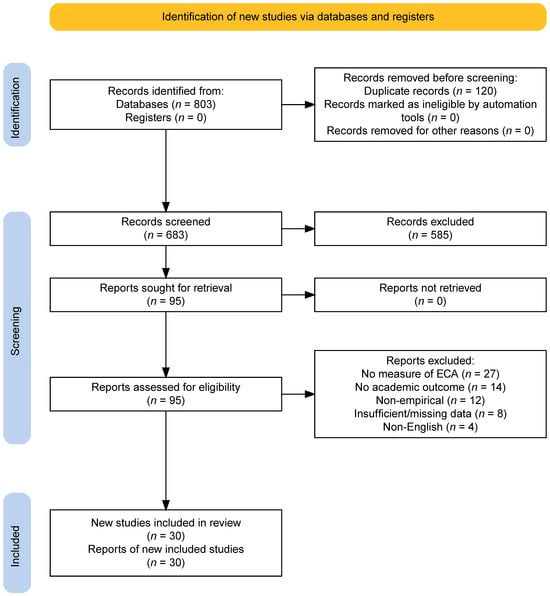
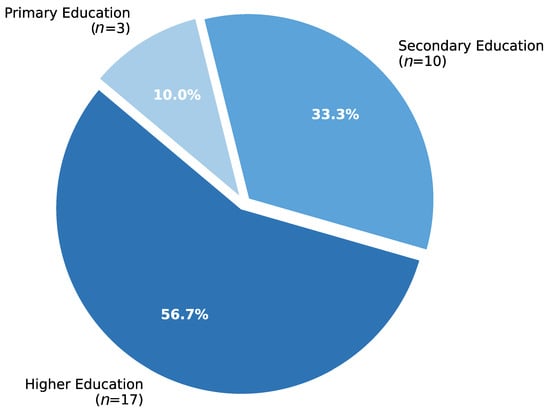
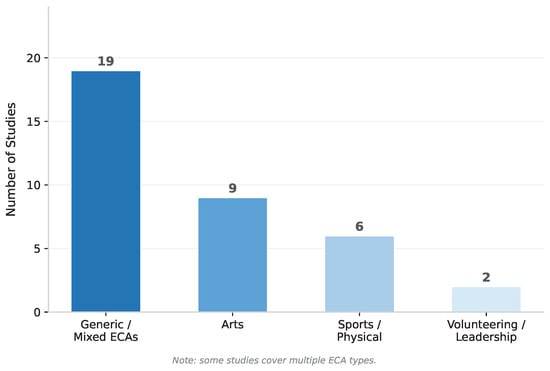
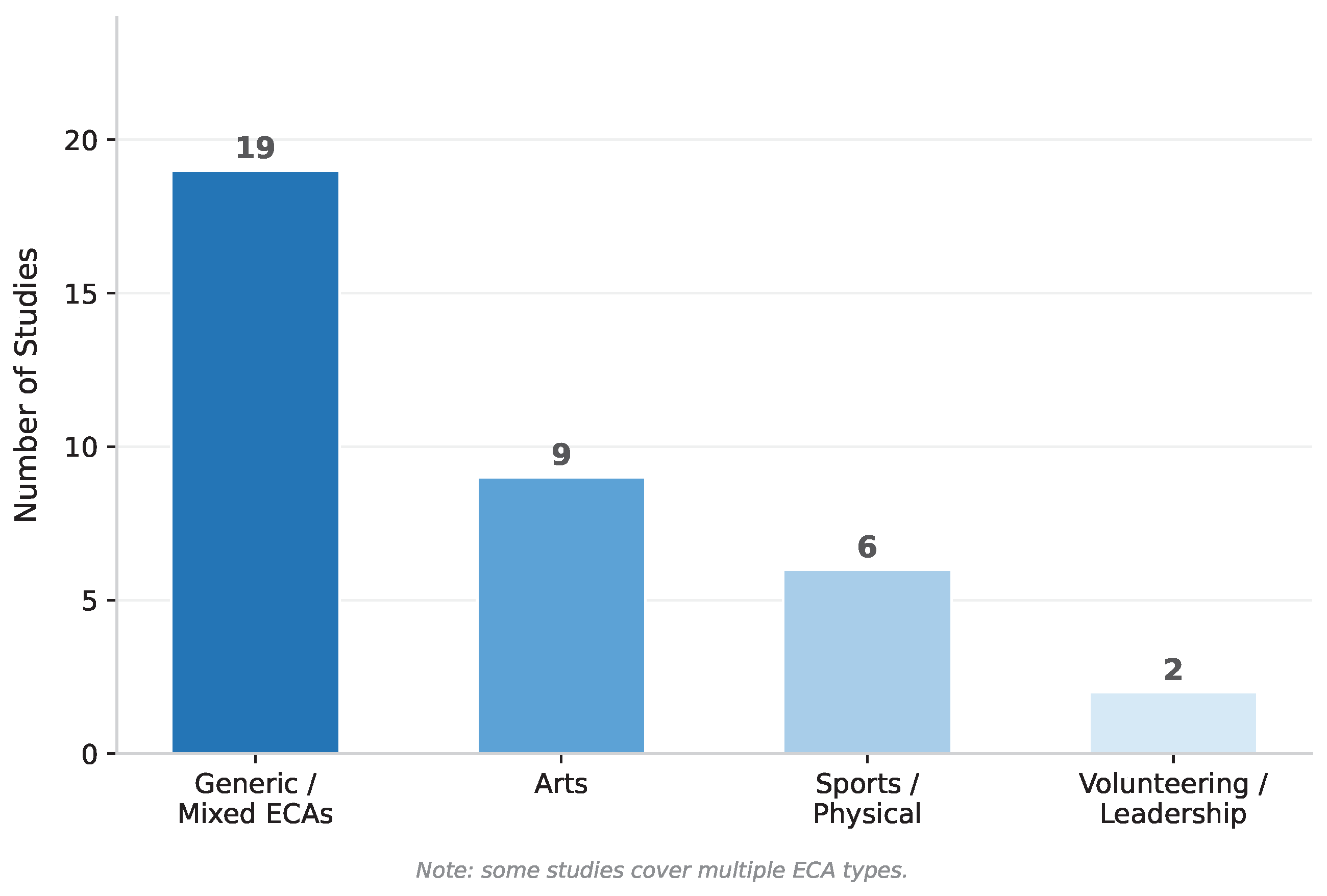

Disclaimer/Publisher’s Note: The statements, opinions and data contained in all publications are solely those of the individual author(s) and contributor(s) and not of MDPI and/or the editor(s). MDPI and/or the editor(s) disclaim responsibility for any injury to people or property resulting from any ideas, methods, instructions or products referred to in the content. |
© 2026 by the authors. Licensee MDPI, Basel, Switzerland. This article is an open access article distributed under the terms and conditions of the Creative Commons Attribution (CC BY) license.