


Abstract
Despite the recent surge in research on the use of AI in English language learning, little attention has been paid to its role in improving phonological awareness among preschoolers. Most existing studies have focused on general literacy skills or older learners, with insufficient emphasis on early phonemic awareness and its subskills. Furthermore, there is a lack of research examining these relationships within Arab or multilingual contexts. This study investigates the impact of artificial intelligence (AI) tools on the development of English phonological awareness in kindergarten children in an Arab educational context in Jordan using a quasi-experimental design. The participants comprised 45 students divided into two groups: a control group (n = 23), consisting of 14 females and 9 males, and an experimental group (n = 22), consisting of 12 females and 10 males. All participants were physically and mentally healthy 5–6 year-old children from similar socioeconomic and cultural backgrounds. The experimental group was taught via the AI-based Starfall platform and the control group was taught via conventional teacher-oriented instruction. Both groups were given pre- and posttests, which included assessments of five phonemic awareness skills: initial sound recognition, blending, segmentation, deletion, and substitution. Descriptive statistics, including means and standard deviations, and independent-samples t-tests were calculated to determine the effect of the AI program on developing kindergarteners’ phonemic awareness compared with conventional teaching methods. The findings of the study show significant improvements in the experimental group compared with the control group. Bringing AI into the kindergarten classroom may improve literacy instruction and, in turn, early reading readiness through engaging, interactive and adaptive learning experiences.
1. Introduction
Recent research has revealed the importance of understanding phonological awareness and its role in early literacy development (Gillon, 2018; Moats, 2020). While earlier studies primarily focused on traditional instructional approaches to phonological awareness development (National Reading Panel, 2000), more recent research has begun to investigate the integration of technology and artificial intelligence in early language learning (Raposo-Rivas et al., 2024; Quan et al., 2026). However, little attention has been given to the application of AI platforms in improving phonemic awareness among preschoolers, specifically across its subskills and within multilingual contexts (Pistre, 2026).
According to Castles et al. (2018), phonological awareness, which involves the ability to recognize, reflect on, and alter the sound structure of spoken words, is widely recognized as a crucial prerequisite for successful reading development. In Anku (2024), it was stated that such awareness encompasses various subskills, including recognizing phonemes, blending, segmentation, deletion, and substitution. Mastering these abilities enables young individuals to grasp the alphabetic principle, which is the link between letters and sounds, a crucial aspect of reading and spelling (Sedita, 2020). Hence, developing phonological awareness in kindergarten is an essential educational objective for improving early reading readiness and preventing future literacy difficulties.
In the past, teacher-directed methods of phonological awareness have included repetition, vocal drills and visual aids. In a related early childhood context, an experimental study was conducted in Chile involving 121 prekindergarten and kindergarten children in low-income classrooms, where structured instructional games were implemented over a six-month period to support curriculum-based learning outcomes (Strasser et al., 2023). Although traditional phonological awareness approaches have demonstrated effectiveness in supporting early literacy development, they may not fully accommodate differences in learners’ pace of learning, motivation, and auditory discrimination abilities. For example, in a study conducted in South Africa, Eccles et al. (2021) reported that conventional instructional practices may not adequately address individual learning differences among young learners. In recent years, the integration of artificial intelligence (AI) into education has offered innovative solutions to overcome such limitations. In a systematic review of studies retrieved from international databases, including Web of Science, EBSCO, IEEE, ACM, Scopus, and Google Scholar, Su et al. (2023) highlighted the potential of AI-powered educational tools to provide adaptive, interactive, and personalized learning experiences that support learner engagement and instructional effectiveness. Similarly, studies conducted in Nigeria (Benebo-Solomon & Ohaka, 2024) and China (Quan et al., 2026) have reported that AI-based applications can support speech and language development in early childhood education through the integration of movement, immediate feedback, and personalized learning content.
In research on technology-enhanced learning in early childhood, digital resources targeting phonological awareness have been associated with high engagement and improved learning outcomes, largely attributable to game-based features, multisensory input, and immediate feedback. A study in a government school in Pakistan involving 60 kindergarten-to-Grade 1 learners examined the effectiveness of using technology-enhanced language learning tools as a supplementary resource for teaching systematic synthetic phonics (Malik et al., 2024). In addition, Neumann (2018) analyzed previous research on digital resources designed to improve phonological awareness in early childhood education contexts. The results indicated that digital tools with interactive components, instant feedback, and an adaptive learning environment have a positive influence on these skills. Furthermore, they reach all types of learning styles. However, most research has investigated preschool and early primary contexts in a general sense rather than specific phonemic subskills. Although artificial intelligence has enabled the use of adaptive technologies across K–12 education stages, its application to the early development of phonological awareness remains limited and insufficiently explored (Su et al., 2023; Raposo-Rivas et al., 2024). Recent research in primary school context suggest that integrating AI applications with teacher collaboration and age-appropriate materials can enhance learner engagement and instructional effectiveness (A. Han et al., 2024; Jegede, 2025). Nevertheless, these studies predominantly involve older learners in structured educational environments and rarely address young second-language learners in kindergarten contexts. Furthermore, existing research tends to position AI as an assessment or supplementary tool rather than as a direct instructional medium for teaching discrete phonemic awareness skills such as initial sound identification, deletion, and substitution (Quan et al., 2026; Pistre, 2026).
In this context, Starfall is an interactive literacy platform designed for children from preschool through second grade. It integrates animated pictures, sounds, songs, stories, and educational games to support early literacy development through engaging multimodal learning experiences (UNESCO, 2021). Consistent with the principles of multiple intelligences theory (Gardner, 2011), this platform accommodates diverse learning styles while promoting phonemic awareness, phonics, vocabulary, and reading comprehension. Previous research has reported positive effects on learner motivation, participation, and reading achievement among young EFL learners (Bataineh & Alghareeb, 2025). Although Starfall is not a fully autonomous artificial intelligence system, it incorporates several features commonly associated with technology-enhanced and personalized learning environments, including interactive feedback, learner-centered progression, multimodal content delivery, and self-paced learning opportunities.
In light of the promising educational potential of technology-supported platforms such as Starfall, understanding their effectiveness within specific educational contexts remains essential. Within the Jordanian educational context, recent research has highlighted several challenges and priorities related to educational development, learner support, and inclusive learning environments. Studies conducted in Jordan have emphasized the importance of creating supportive educational settings that address diverse learner needs, strengthen instructional practices, and improve educational outcomes across different student populations. For example, research has identified the critical role of teacher–student relationships, inclusive teaching practices, and supportive school environments in promoting academic achievement and educational resilience among learners in Jordan (Aleghfeli, 2024). Similarly, educational studies conducted in Jordan have drawn attention to factors affecting student engagement, participation, and retention, including the need for effective instructional strategies, enhanced educational support services, and learner-centered approaches that accommodate individual differences (Alsagarat, 2024). Furthermore, evidence from Jordanian research indicates that children and adolescents may experience a range of educational and psychosocial challenges that can influence their learning and academic development, highlighting the importance of early educational interventions that foster engagement and positive learning experiences (AlHamawi et al., 2023). Despite these contributions, limited attention has been given to the use of AI-based instructional applications for developing phonological awareness among young EFL learners in Jordanian kindergarten settings. Therefore, the present study addresses an important gap in the Jordanian literature by examining the effectiveness of AI-supported instruction through the Starfall platform in enhancing English phonological awareness among kindergarten children.
Taking into account all the relevant aspects, this study seeks to address the following research questions:
- Does AI-based teaching have a significant impact on enhancing phonemic awareness in kindergarten children compared with conventional teaching methods?
- Are there any significant differences between the experimental and control groups across the five phonemic awareness subskills?
1.1. Previous Studies
1.1.1. Phonological Awareness
Phonological awareness is a fundamental metalinguistic ability that involves recognizing and consciously manipulating the sound structure of spoken language (Naeem & Khan, 2024). It reflects an individual’s capacity to perceive that words are composed of smaller auditory units, such as syllables, onset-rime patterns, and phonemes, and to analyze and modify these units through processes such as blending, segmentation, deletion, and substitution. This skill develops progressively from implicit sensitivity to sound patterns in early childhood to more explicit and controlled awareness, enabling children to understand how spoken language is structured. It is widely considered a critical foundation for literacy development, as it supports word decoding and facilitates the acquisition of reading and spelling skills (Kung, 2020; Gillon, 2018; Gellert & Elbro, 2017).
Research has demonstrated that phonological awareness is a strong predictor of later reading achievement, particularly during the early years of formal schooling. This relationship is especially evident among second-language learners, whose literacy development depends heavily on accurate auditory discrimination and sensitivity to the sound structure of language (Gellert & Elbro, 2017; Naeem & Khan, 2024). As phonological awareness develops, children progress from basic sound recognition to more demanding skills such as segmentation and deletion, which require greater cognitive control and explicit manipulation of phonological units. Consequently, these advanced skills benefit from systematic and well-structured instructional support (National Reading Panel, 2000). In this regard, recent studies suggest that artificial intelligence-supported learning environments may provide effective opportunities for strengthening phonological awareness among young learners. Evidence indicates that AI-based instructional tools can facilitate the development of phoneme recognition, blending, and segmentation skills through interactive and adaptive learning experiences. Nevertheless, researchers have emphasized that more complex phonemic manipulation tasks continue to require teacher-guided instruction and scaffolding to achieve optimal learning outcomes (Pistre, 2026; Quan et al., 2026).
The Five Phonemic Subskills
Phonemic awareness is a set of specific skills that help kids identify and play with the smallest sounds in spoken language. Phoneme identification represents one of the earliest and most fundamental components of phonemic awareness. It refers to learners’ ability to recognize and isolate individual sounds within spoken words, particularly at the beginning, middle, or end of a word (Gillon, 2018). This skill emerges during the early stages of language acquisition, as young children naturally become sensitive to prominent sounds in spoken language (Mues et al., 2023). Developing this awareness enables children to selectively attend to phonological units within continuous speech, thereby strengthening their sensitivity to the internal sound structure of words. The development of phoneme identification plays an important role in early literacy acquisition because it supports children’s understanding of the alphabetic principle and facilitates the connection between spoken sounds and written symbols. Previous research has shown that accurate phoneme identification is strongly associated with later decoding ability and reading fluency, particularly among second-language learners who rely heavily on precise auditory discrimination when learning unfamiliar sound systems (Naeem & Khan, 2024). As children become more capable of distinguishing phonemic contrasts, they gradually progress from implicit phonological sensitivity toward more advanced forms of conscious phonemic manipulation.
Furthermore, phoneme blending refers to the ability to combine individual speech sounds to produce a complete and recognizable word (Gillon, 2018; Department of Education, 2017). This skill requires learners to integrate separate phonemic units sequentially and synthesize them into meaningful linguistic forms. As one of the core components of phonemic awareness, blending contributes directly to the development of decoding abilities because it enables children to transform sequences of letters and sounds into spoken words during early reading tasks (Webber et al., 2024). The successful development of phoneme blending depends on auditory synthesis and working memory, as learners must retain individual sounds while simultaneously integrating them into a coherent word structure (National Reading Panel, 2000). Consequently, blending is often regarded as a more cognitively demanding skill than basic sound identification. Previous research has demonstrated that blending instruction supports early reading acquisition and facilitates word recognition processes; however, its effectiveness is strongest when integrated within broader phonological awareness instruction rather than being taught in isolation (Cheung & Slavin, 2013; Kilpatrick, 2019).
Similarly, phoneme segmentation represents another essential component of phonemic awareness that requires learners to divide spoken words into their individual sound units. This skill plays a central role in early literacy development because it enables children to recognize the internal structure of words and establish connections between phonemes and their corresponding graphemes (Gellert & Elbro, 2017). Gillon (2018) described phoneme segmentation as the ability to analyze spoken words by separating them into their constituent phonemes, a process that reflects advanced awareness of speech structure and conscious manipulation of phonological units. The educational importance of segmentation extends beyond sound recognition to include spelling and writing development. According to Castiglioni-Spalten and Ehri (2003), children who can accurately segment words are better able to associate individual sounds with written letters, thereby strengthening phoneme–grapheme correspondence skills. Compared with simpler phonemic tasks, segmentation requires greater cognitive processing because learners must mentally reorganize sound sequences into smaller, distinguishable units (Webber et al., 2024). Previous research has further demonstrated that systematic segmentation instruction contributes significantly to early literacy achievement and enhances later spelling performance among both monolingual and bilingual learners (Albro, 2025).
In addition to segmentation, phoneme deletion represents a more advanced level of phonemic awareness because it requires learners to manipulate the internal sound structure of words consciously. Gillon (2018) defines phoneme deletion as the ability to remove a specific phoneme from a spoken word and identify the remaining form. Successfully performing this task reflects a high degree of cognitive flexibility and metalinguistic awareness, as learners must mentally retain the original word while simultaneously restructuring its phonological composition. Phoneme deletion tasks involve sophisticated phonological processing and demand considerable attentional control. For example, removing the initial /s/ sound from the word “smile” results in the word “mile” (National Reading Panel, 2000). Such activities strengthen children’s understanding of word structure and contribute to the development of decoding and morphological awareness skills (Neumann, 2018). Given that deletion tasks place substantial demands on working memory and auditory analysis, young learners generally benefit from systematic, repetitive, and highly structured instructional practice when developing this skill (Webber et al., 2024).
Finally, phoneme substitution is generally regarded as the most cognitively demanding phonemic awareness subskill because it requires learners to manipulate sounds within a word by replacing one phoneme with another to create a different lexical item. For example, changing the initial /c/ sound in “cat” to /b/ produces the word “bat.” According to Gillon (2018), phoneme substitution involves simultaneously removing and inserting phonological units within a single mental operation, reflecting advanced phonemic awareness and a high level of cognitive flexibility. Mastery of substitution tasks demonstrates learners’ sensitivity to phonemic contrasts and their understanding of how changes in individual sounds alter word meaning. This skill contributes substantially to advanced decoding and spelling development because it requires learners to coordinate phonological and orthographic knowledge simultaneously (Cheung & Slavin, 2013). However, substitution is considered one of the last phonemic skills to emerge developmentally due to the significant demands it places on working memory, auditory processing, and phonological analysis (National Reading Panel, 2000). These challenges may become even more pronounced among young ESL/EFL learners who must distinguish unfamiliar English phonemes that differ from those of their native language, thereby necessitating intensive and carefully structured instructional support.
Table 1 summarizes the phonemic awareness subskills along with their definitions and educational significance.
Table 1.
Phonemic awareness subskills: definitions and educational importance.
1.1.2. Conventional vs. AI-Based Instruction
Previous research has highlighted the value of conventional phonological awareness instruction in supporting early literacy development. In a review focusing on phonological awareness and phonics instruction in the Indian ESL context, Khan and Khan (2021) emphasized the effectiveness of teacher-led demonstrations, repeated practice, oral language activities, rhyme-based exercises, and print-related instruction in developing foundational literacy skills. Similarly, drawing on classroom-based research and evidence from preschool settings, Phillips et al. (2008) reported that explicit and systematic phonological awareness instruction can substantially support emergent literacy development. Nevertheless, traditional instructional approaches may not always accommodate diverse learning preferences, sustain the attention of young learners, or provide individualized feedback that addresses each child’s specific learning needs.
Recent advances in artificial intelligence have introduced new opportunities to address these limitations. In a 12-week pilot study involving 50 learners, Zhou et al. (2025) developed and evaluated an artificial intelligence-based real-time feedback system that integrated automatic speech recognition, phonetic and syntactic error detection, and pragmatic analysis. Their findings demonstrated improvements in pronunciation, grammar, and communicative performance, highlighting the potential of adaptive technologies to provide immediate and personalized feedback. Likewise, in a framework-based study proposing the Smart Multimodal Enhanced Interaction Learning Framework (SMEILF), L. Han (2025) highlighted the educational value of multimodal learning environments that integrate images, videos, real-time feedback, and adaptive learning pathways. The proposed framework emphasized that combining visual and auditory input can enhance learner engagement, improve comprehension and retention, and support the development of language skills through interactive and personalized learning experiences.
Despite these advantages, technology alone may not fully address the demands of advanced phonemic awareness instruction. In their project developing an interactive phoneme blending website for primary school children aged 6 to 9 years, Sabry et al. (2025) emphasized the importance of combining digital learning tools with explicit instructional guidance. Their findings suggest that, while technology can effectively support phoneme recognition and blending through interactive activities, complex phonemic manipulation skills continue to benefit from teacher guidance, modeling, and individualized support. Accordingly, a balanced instructional approach that integrates artificial intelligence tools with teacher-mediated instruction may provide the most effective framework for developing phonological awareness among young learners.
AI-Based Tools in Early Literacy
In recent years, there has been widespread growth in AI-based platforms used to improve early literacy. These systems present personalized learning paths and change material in real time based on student performance, which enables differentiated instruction in kindergartens (Kosmas et al., 2025). AI systems also increase young children’s engagement via the use of multimodal elements, including animation, game-based activities, and immediate corrective feedback, which in turn improves early reading results (Neumann, 2018). In addition, when AI tools are designed in collaboration with educators, they perform well in raising student motivation. Furthermore, they tend to yield superior reading results when integrated into the classroom, when compared with traditional static digital resources (Kosmas et al., 2025). In addition, this technology provides exposure to correct pronunciation, offers repetitive phoneme practice and provides learners with a chance to self-correct via visual and audio cues, which are very important elements for the development of early phonological skills, particularly among ESL/EFL learners. Despite these advantages, the existing literature has not truly examined AI’s role in building phonemic subskills, such as segmentation, deletion, and substitution, in second-language kindergarten settings. Furthermore, recent research has focused on digital phonics as opposed to AI-based adaptive education, revealing the need for more targeted studies in this promising field (Naeem & Khan, 2024).
International research has consistently emphasized the importance of phonological awareness in literacy development, and studies conducted in Jordan have reached similar conclusions regarding its central role in English language learning and reading achievement. Evidence from the Jordanian context indicates that phonological awareness contributes significantly to the development of early reading skills and should be systematically integrated into EFL instruction. For example, Al Tamimi (2012) demonstrated that an explicit phonological awareness intervention improved young learners’ performance in key phonological skills, including blending, deletion, and substitution. Research has also highlighted challenges related to teacher preparation and instructional practices. Al-Shaboul (2018) found that pre-service EFL teachers recognized the importance of phonological awareness for reading development, but required stronger preparation to effectively teach and assess these skills. Similarly, Alhumsi and Awwad (2020) reported that many Jordanian EFL teachers demonstrated a limited understanding of phonological awareness concepts and frequently confused phonological awareness with phonics. Alongside this growing interest in phonological awareness, Jordanian researchers have increasingly explored the educational potential of artificial intelligence in English language learning. For instance, Al-Mawaly and Al-Jamal (2022) reported that AI-based applications had positive effects on developing listening skills among Jordanian sixth-grade learners, while Almawadeh et al. (2024) found that an AI-powered chatbot significantly improved speaking performance among Jordanian eighth-grade students. More recently, Al-Smadi et al. (2025) emphasized the importance of integrating artificial intelligence tools with effective pedagogical practices to maximize language learning outcomes. Despite these advances, existing Jordanian research has primarily focused on older learners and language skills such as listening and speaking. Consequently, limited empirical attention has been devoted to examining how AI-supported learning environments, especially the Starfall platform, can facilitate the development of phonological awareness among young EFL learners. This gap is particularly evident in kindergarten settings, where the potential of innovative digital platforms to support early literacy development remains insufficiently explored.
1.1.3. Research Gap
Although the value of digital instruction and the growth of AI’s role in early literacy have been reported in the existing literature, large gaps remain. In particular, researchers have not examined AI systems that teach specific phonemic subskills, for instance, initial sound identification, deletion, and substitution, in young EFL/ESL learners, who may greatly benefit from adaptive audio support. While much research has been conducted on digital phonics, less has been undertaken regarding AI-driven adaptive systems, limiting our understanding of the value of real-time customization for phonological development (Neumann, 2018). However, a few studies have compared AI-assisted instruction with conventional teacher-led approaches in kindergarten, providing insights into what each has to offer. Still, there is limited research examining the pros and cons of AI. While it supports basic skills adequately, it may fall short in complex phoneme skills, and an area that is not well understood. Furthermore, there is a dearth of research on AI-based phonological awareness interventions in Arab and multilingual early childhood settings, leaving a gap in this field. This study examines the impact of an AI-based tool (Starfall) on five phonemic subskills in kindergarten students; it also compares this tool with conventional instruction, offering a perspective on a new and under-researched area of literacy.
1.1.4. Statement of the Problem
Phonological awareness is the basis of early reading and is an issue with which many kindergarteners have trouble, particularly English language learners (Zhang et al., 2025). Present teaching methods mostly involve repetitive, language-based tasks that do not always engage young learners or address their different learning needs (Strasser et al., 2023). Conversely, AI in education provides technologies such as Starfall, which offers adaptive, interactive, and multisensory learning, which in turn may improve phonological skills. However, there is insufficient research examining how AI-based instruction affects the phonological awareness of kindergarteners (Neumann, 2018). Thus, this study aims to examine whether AI tools really do outperform conventional methods in improving phonemic awareness in young learners.
2. Materials and Methods
2.1. The Design
The researchers used a quasi-experimental design to examine the performance of an AI-based program in terms of improving phonemic awareness in developing children. The independent variable was the use of the Starfall educational platform, and the dependent variable was phonemic awareness. Children were divided into a control group and an experimental group.
2.2. Participants
Students were selected from Al-Hussain Bin Talal Model School. The study included 45 children, divided into two groups: a control group (n = 23), consisting of 14 females and 9 males, and an experimental group (n = 22), consisting of 12 females and 10 males. All participants were enrolled in kindergarten and ranged in age from 5 to 6 years. The children shared similar cultural and socioeconomic backgrounds, as most of them had at least one parent—if not both—employed at Al-Hussein Bin Talal University, either as academic staff members or administrative employees. This relative homogeneity contributed to minimizing external variability related to environmental and sociocultural factors.
Furthermore, all participants were reported to be physically and mentally healthy, with no identified cognitive, developmental, or physical disabilities. This ensured that the observed outcomes could be more reliably attributed to the instructional interventions rather than to individual health or developmental differences.
It should be mentioned that some participating children were either born in or spent part of their early childhood in English-speaking environments, including the United States and the United Kingdom. This was primarily due to one or both parents being sponsored by the university to pursue their studies abroad. As a result, these children were exposed to English at an early stage, gaining preliminary linguistic experiences through listening and everyday interaction. Such early exposure may have contributed to variations in their phonemic awareness levels when compared with peers who had not experienced similar linguistic environments.
Moreover, Arabic is the official medium of instruction across all participating schools and serves as the primary language for teaching and classroom interaction. In contrast, English is introduced as a foreign language and is taught through structured instructional sessions lasting approximately 20 min per day. The use of English within these sessions is limited to guided learning activities designed to develop foundational language skills, including phonemic awareness.
It is also essential to recognize that Arabic and English each possess distinct phonological systems, which can influence how children perceive and acquire sounds. Although there are certain similarities in the pronunciation of some phonemes across the two languages, notable differences exist. In particular, some phonemes are language-specific, appearing in one language but not the other, or differ in their articulation (Swan & Smith, 2001; Odisho, 2005).
An intervention was implemented for both groups. The control group was taught via conventional methods that mostly included teacher-directed work and drills, while the experimental group used the Starfall platform. Pretesting was conducted for both groups; this revealed no significant differences between them, indicating that the groups were equivalent.
2.3. Instrument
For data collection, the researchers created a test with five sections and five items per section based on the studies of Hjetland et al. (2019) and Yopp (1995). The test was designed to assess five subskills of phonemic awareness: (a) Initial Phoneme Identification (IPI), (b) Phoneme Blending (PB), (c) Phoneme Segmentation (PSG), (d) Phoneme Deletion (PD), and (e) Phoneme Substitution (PSB). Simple and very common vocabulary was chosen, appropriate for each student’s level. In addition, two experts in the field of English language teaching checked the test’s validity and reliability. The Kindergarten Phonemic Awareness Test administered in the present study is presented in Appendix A.
2.4. Starfall Educational Platform
AI is a multidisciplinary field concerned with the development of computer-based systems capable of performing functions that typically require human intelligence, including learning, reasoning, problem solving, adaptation, and decision making. Contemporary perspectives on AI increasingly emphasize intelligent systems that can perceive information from their environment, process available data, adapt to changing conditions, and make decisions that support the achievement of specific objectives (Russell & Norvig, 2021). In educational contexts, AI-supported technologies are particularly valued for their capacity to facilitate personalized learning, provide immediate feedback, monitor learner progress, and adapt instructional experiences to individual needs and performance levels. These characteristics have contributed to the growing adoption of technology-enhanced learning environments designed to improve educational outcomes and learner engagement (UNESCO, 2021). Within this context, Starfall represents an interactive literacy platform developed for children from preschool through second grade. Although it is not a fully autonomous AI system, it incorporates several features commonly associated with AI-supported and personalized learning environments. Drawing on Gardner’s (2011) theory of multiple intelligences, the platform integrates sounds, animated pictures, songs, stories, educational games, and interactive activities to accommodate diverse learning styles and support active learner engagement. In addition, Starfall provides structured and self-paced learning experiences, multimodal content delivery, interactive feedback, and progressive literacy activities targeting phonemic awareness, phonics, vocabulary, and reading comprehension. Previous research has demonstrated the educational value of this platform in supporting literacy development. For example, Bataineh and Alghareeb (2025) reported that the use of Starfall in EFL classrooms enhanced learner participation, motivation, and reading comprehension while providing teachers with effective opportunities to integrate educational technology into literacy instruction. Collectively, these features make Starfall a valuable technology-supported learning tool for promoting early language and literacy development among young learners (Bataineh & Alghareeb, 2025; Russell & Norvig, 2021).
The Starfall platform was used as an educational tool to improve the phonological awareness of learners. This program was chosen due to its simplicity and suitability for learners at an early age. It shows phonemes and words in an interactive way that combines both sounds and images, helping children to understand them more easily.
Through this platform, it was observed that learners directly engaged with the activities available in the program, including listening to sounds, identifying them, and trying to construct or segment them. This type of interaction helped the learners recognize the difference between sounds and practice them instead of only listening to theoretical explanations.
The simplicity of designing activities through this program and its ease of use helped the learners engage with it. The activities were clear and suited to their age. Furthermore, the program’s direct feedback helped the learners identify their mistakes and self-correct them.
Overall, Starfall was considered to be appropriate for these kinds of learners because it introduces content in a gradual and interactive way. It also enables learners to learn through trial and practice, thus supporting the development of their phonological awareness.
2.5. Procedure of the Intervention
Before the intervention began, the teacher of the experimental group received systematic and structured training on implementing the phonemic awareness instructional program using the Starfall platform. The training focused on clarifying the instructional objectives, organizing the sequence of phonemic awareness skills, and selecting appropriate teaching strategies aligned with the developmental characteristics of kindergarten learners. Particular attention was given to integrating the interactive features of the Starfall platform, including animated pictures, audiovisual phonics activities, pronunciation modeling, sound repetition, and picture-supported exercises. The training also provided detailed guidance on conducting activities according to the instructional stages of introduction, discrimination, and writing. During these stages, the teacher learned how to employ the application’s multimodal resources effectively to reinforce phonemic awareness skills. For example, animated visual scenes, colorful picture representations, and synchronized sound effects were used to help learners associate phonemes with meaningful visual contexts. In addition, learners were exposed to repeated auditory models accompanied by moving images and interactive tasks designed to maintain attention and enhance sound discrimination. Furthermore, the training included practical demonstrations conducted by the researchers to illustrate how the application could be integrated into classroom instruction. The teacher was trained to utilize Starfall’s immediate audiovisual feedback features, interactive games, phonics songs, and animated storytelling activities to encourage learner participation and self-correction. Discussions also addressed classroom management procedures, activity sequencing, and effective feedback techniques to ensure consistency in instructional implementation. This preparation process was intended to maintain a high level of instructional fidelity and maximize the educational benefits of the AI-supported learning environment throughout the intervention period.
In contrast, the control group teacher taught phonemic awareness skills using a direct teaching approach characterized by explicit instruction, teacher-centered delivery, and structured practice. The teacher followed a fixed instructional sequence aligned with the stages of introduction, discrimination, and production, relying primarily on a smart board and images. With this approach, the teacher assumed full responsibility for presenting the content, modeling accurate pronunciation, and guiding learners’ responses through repetition and immediate corrective feedback.
This direct instructional pattern was consistently applied across all phonemic awareness skills, including initial phoneme identification, blending, segmentation, deletion, and substitution. Learners first listened to the word as pronounced by the teacher, then identified or distinguished its phonemic components through auditory or visual input, and finally demonstrated their understanding through structured writing tasks such as completing missing letters or constructing words using cards. This approach ensured consistency in instruction while emphasizing repetition, clarity, and the central role of the teacher in guiding the learning process.
The intervention was carried out over seven weeks. In the first week, the pretest was conducted. The intervention spanned the next five weeks, during which the focus was on developing one of the five phonemic awareness skills per week. In the last week, the posttest was administered.
The intervention was conducted over five weeks, with each week focusing on one of the five variables: IPI, PB, PSG, PD, and PSB. Sessions were held 3 times a week for 15–20-min intervals. The Starfall platform was used and displayed on the classroom screen.
In the first week, initial phoneme identification was introduced, as presented in the ABCs unit of Starfall. The children listened to the target sounds and then identify words or pictures that began with the same initial phoneme. To help with their sound recognition, visual aids such as color-coding were used. For example, children were presented with word pairs such as “Sun–Sock” and were asked to determine whether both words began with the same initial sound by responding “yes” or “no” (see Figure 1). In the second week, phoneme blending was introduced. Learners listened to individual phonemes through the Learn to Read section and were directed to blend them into complete CVC words. Learners were encouraged to form meaningful connections between sounds through interactive activities, which included repetition and audio feedback. After children listened to segmented sounds (e.g., /m/, /ɒ/, /p/), they were required to blend them to produce the target word, “mop” (see Figure 2).
Figure 1.
Initial phoneme identification.
Figure 2.
Phoneme blending.
The third week was devoted to instructing children in phoneme segmentation. Learners were taught to break down words into individual phonemes through digital activities. Each letter was highlighted by the program as its sound was produced. This supported both auditory and visual processing of phonemic units. For instance, children were asked to break down words into their constituent sounds (e.g., “sit” → /s/ /ɪ/ /t/) (see Figure 3). The fourth week addressed phoneme deletion. Learners were required to recognize the new word that was formed after deleting one phoneme from another word; for example, “Say cat without /k/,” where the correct response is “at.” These activities helped learners listen carefully and analyze the sound patterns in order to improve their phonemic manipulation skills (see Figure 4).
Figure 3.
Phoneme segmentation.
Figure 4.
Phoneme deletion.
In the fifth week, children were trained on phoneme substitution. In this activity, learners were instructed to substitute one sound for another, which in turn produced a new word; for example, changing /f/ in “fan” to /m/ to produce “man.” As the exercise progressed, the program gave students immediate audiovisual feedback for correct answers, enabling them to self-correct and improve their awareness of how a change in just one phoneme can totally change the meaning (see Figure 5).
Figure 5.
Phoneme substitution.
The sessions had a set structure that included a short warm-up with sound and rhyme repetition. The Starfall platform was then used for a digital task, followed by a brief reinforcement activity. Auditory, visual, and kinesthetic learning were integrated to provide an organized and engaging approach, which improved phonemic awareness. The control group covered the same weekly topics in phonemic awareness and word lists, but only via conventional teacher-directed instruction, which included whole-group drills and explicit teacher demonstrations. Worksheets were also used, as they are typical elements in the literacy curriculum.
Finally, all participants undertook the phonemic awareness test as a pretest at the beginning of the study and as a posttest upon completion of the five-week program.
Table 2 illustrates the daily instructional plan of the intervention sessions, including the activities used, their duration, and expected outcomes.
Table 2.
Daily instructional plan of the intervention sessions.
2.6. Study Ethics
As the participants of the study were children, strict ethical research standards were adhered to. First, informed consent was obtained from the ethics committee of Al-Hussain Bin Talal Model School, number (deleted for peer review), prior to data collection.
In addition, after explaining the aim of the study, informed consent was obtained from the participants’ parents allowing their children to voluntarily participate in the study. The parents were also informed that participation was voluntary and that their children were free to withdraw from the study at any time.
The parents were also informed that the data would be confidential and could be used only for the study’s purposes. To ensure the confidentiality of the data, codes were used instead of the participants’ real names. The activities performed in the study were suitable for the participants’ age and did not pose any risk of psychological or educational harm.
2.7. Data Analysis
The data collected from the pretest and posttest were analyzed using the Statistical Package for the Social Sciences (SPSS) software, version.24. Some statistical techniques, such as descriptive statistics, including means and standard deviations, were calculated to determine the effect of the AI-based program on the kindergarteners’ phonemic awareness development. Independent-samples t-tests were also conducted to examine if there were significant differences between the two groups regarding the pre- and posttest scores for the five variables. The significance level (alpha) was set at p ˂ 0.05 for all statistical tests.
3. Results
3.1. Results for Research Question 1 (RQ1): Does AI-Based Teaching Have a Significant Impact on Enhancing Phonemic Awareness in Kindergarten Children Compared with Conventional Teaching Methods?
To answer the first research question, descriptive statistics were analyzed to determine the impact of AI-based teaching on phonemic awareness in kindergarten students.
Table 3 introduces the means, standard deviations and pretest and posttest results for the control and experimental groups across the five variables: IPI, PB, PSG, PD, and PSB. It also presents the results of an independent-samples t-test, showing the differences between the two groups.
Table 3.
Student performance in control and experimental groups.
Table 3 presents the means, standard deviations, t values, degrees of freedom, and significance levels for both the experimental and control groups across the five phonemic awareness subskills. The pretest results revealed no statistically significant differences between the groups across all subskills, including IPI, PB, PSG, PD, and PSB, with all p-values exceeding 0.05. These findings indicate that the two groups were statistically equivalent before the intervention. Following the AI-based instructional program, the posttest results revealed statistically significant differences in favor of the experimental group in initial phoneme identification ((t21) = −2.37, p = 0.02), where the experimental group achieved a higher mean score (M = 0.12, SD = 0.05) than the control group (M = 0.09, SD = 0.04). Similarly, significant differences were observed in phoneme segmentation ((t21) = −2.57, p = 0.01), with the experimental group achieving a mean score of 0.11 (SD = 0.04) compared with 0.08 (SD = 0.04) for the control group. Significant improvements were also found in phoneme deletion, ((t21) = −2.57, p = 0.01), favoring the experimental group (M = 0.13, SD = 0.03) over the control group (M = 0.10, SD = 0.04). In contrast, no statistically significant differences were found in phoneme blending, ((t21) = −0.21, p = 0.84), or phoneme substitution, ((t21) = −1.58, p = 0.12), although the experimental group demonstrated slightly higher mean scores in both subskills. Overall, these findings suggest that the AI-based instructional program was effective in improving initial phoneme identification, phoneme segmentation, and phoneme deletion, while its effect on phoneme blending and phoneme substitution was not statistically significant.
3.2. Results for Research Question 2 (RQ2): Are There Any Significant Differences Between the Experimental and Control Groups Across the Five Phonemic Awareness Subskills?
To answer the second research question, an Independent-Samples t-test was carried out to identify differences between the experimental and control groups.
Figure 6 illustrates the mean scores of the control and experimental groups in the pretest and posttest across the five phonemic awareness variables. The results showed statistically significant differences in favor of the experimental group for some phonemic awareness subskills; specifically, in initial phoneme identification (p = 0.02), phoneme segmentation (p = 0.01), and phoneme deletion (p = 0.01). These findings suggest that the AI-based instructional program demonstrated a significant impact on these subskills.
Figure 6.
Mean scores for the control and experimental groups in pre- and post-experiment tests across the five variables.
In contrast, no statistically significant differences were observed in phoneme blending (p = 0.84) and phoneme substitution (p = 0.12), although the experimental group demonstrated slightly higher mean scores in these variables.
To determine whether these differences were statistically significant (α ≤ 0.05), an Analysis of Covariance (ANCOVA) was conducted. In addition, Eta squared (η2) was calculated to measure the effect size of using artificial intelligence tools on enhancing English phonological awareness among kindergarten children. The detailed results are presented in Table 4.
Table 4.
Analysis of Covariance (ANCOVA) examining the significance of differences in the study sample’s scores on the phonological awareness scale according to group (control vs. experimental).
The results presented in Table 4 indicate statistically significant differences (α ≤ 0.05) between the experimental and control groups in the post-test phonological awareness scale, favoring the experimental group. To examine the significance of these differences, an (ANCOVA) was conducted using the pretest scores as a covariate. The results revealed a statistically significant effect for the group variable ((F1, 42) = 128.8, p < 0.05), indicating that the AI-based instructional intervention had a significant impact on participants’ phonological awareness performance. Furthermore, the obtained Eta squared value (η2 = 0.76) represents a large effect size, indicating that approximately 76% of the variance in the posttest phonological awareness scores can be attributed to the instructional treatment. These findings demonstrate the superior performance of the experimental group compared with the control group, providing strong evidence for the effectiveness of artificial intelligence tools in enhancing English phonological awareness among kindergarten children.
4. Discussion
The present study investigated the effectiveness of AI-based instruction, implemented through the Starfall platform, in developing English phonological awareness among Jordanian kindergarten children. The findings revealed statistically significant improvements in initial phoneme identification, phoneme segmentation, and phoneme deletion among children in the experimental group. These findings suggest that AI-supported instructional environments can contribute meaningfully to the development of foundational phonological awareness skills during the early stages of English language learning.
The positive outcomes observed in the current study may be explained by the instructional characteristics of the Starfall platform. The program combines animated visual representations, auditory modeling, interactive activities, repetition, and immediate feedback within a structured learning sequence. These features provide children with repeated opportunities to attend to speech sounds and establish connections between phonemes and their corresponding symbols. This interpretation is consistent with the conclusions of Su et al. (2023), who emphasized that AI-supported educational technologies can provide adaptive and personalized learning experiences that accommodate individual learner differences and enhance engagement. Similar findings were reported by Benebo-Solomon and Ohaka (2024) and Quan et al. (2026), who found that AI-based applications can support language development through individualized instruction, movement-based learning experiences, and immediate corrective feedback.
The present findings also align with previous research examining technology-enhanced literacy instruction in early childhood settings. Neumann (2018) concluded that digital learning resources characterized by interactive components and immediate feedback positively influence the development of phonological awareness. Likewise, Malik et al. (2024) reported that technology-supported phonics instruction enhanced learner engagement and literacy outcomes among young children through game-based and multisensory learning activities. The present findings are further supported by Bataineh and Alghareeb (2025), who demonstrated that the use of Starfall improved learner participation, motivation, and literacy-related outcomes among young EFL learners. Collectively, these studies suggest that technology-supported platforms can create highly engaging learning environments that facilitate the acquisition of foundational literacy skills during the early years of schooling.
The significant gains observed in Initial Phoneme Identification, Phoneme Segmentation, and Phoneme Deletion can also be interpreted in light of established theories of phonological awareness development. Gillon (2018), Moats (2020), and the National Reading Panel (2000) emphasized that phonological awareness develops most effectively when children receive systematic and explicit instruction that allows them to identify, analyze, and manipulate speech sounds. Similarly, Castles et al. (2018), Sedita (2020), and Anku (2024) highlighted the importance of phonemic awareness as a prerequisite for understanding the alphabetic principle and acquiring reading skills. The structured, repetitive learning experiences provided by Starfall appear to have created favorable conditions for strengthening these foundational abilities. Furthermore, Gellert and Elbro (2017), Kung (2020), and Naeem and Khan (2024) have emphasized that auditory discrimination and sensitivity to phonological structures are particularly important for second-language learners. Consequently, the improvements observed in the present study suggest that AI-supported instruction may provide valuable support for young EFL learners who are still developing awareness of the English sound system.
These findings are particularly important when considered within the Jordanian educational context. Previous Jordanian research has consistently emphasized the importance of phonological awareness for English language learning and reading development. Al Tamimi (2012) demonstrated that explicit phonological awareness instruction significantly improved Jordanian learners’ performance in blending, deletion, and substitution tasks. Although the current study employed an AI-supported platform rather than traditional instructional techniques, both studies point to the same conclusion: systematic phonological awareness instruction is essential for developing early literacy skills among Jordanian EFL learners. The present study extends Al Tamimi’s findings by demonstrating that technology-supported learning environments can also serve as effective vehicles for delivering phonological awareness instruction during the kindergarten years.
The present findings may also be interpreted in relation to research examining teacher preparation and instructional practices in Jordan. Al-Shaboul (2018) found that pre-service EFL teachers recognized the importance of phonological awareness but often lacked sufficient preparation to teach and assess these skills effectively. Similarly, Alhumsi and Awwad (2020) reported that many Jordanian EFL teachers experienced difficulties distinguishing between phonological awareness and phonics and demonstrated limited understanding of phonological awareness levels and instructional procedures. These findings highlight existing instructional challenges within the Jordanian context. In this respect, the effectiveness of Starfall observed in the current study suggests that well-designed technology-supported platforms may help address some of these challenges by providing structured activities, consistent modeling, and immediate feedback that support both teachers and learners during phonological awareness instruction.
The results also contribute to the growing body of Jordanian research examining artificial intelligence applications in English language learning. Al-Mawaly and Al-Jamal (2022) reported significant improvements in listening comprehension among Jordanian sixth-grade students who used AI-based applications, while Almawadeh et al. (2024) found that AI-powered chatbots enhanced speaking performance among Jordanian secondary school learners. More recently, Al-Smadi et al. (2025) emphasized that AI technologies can enhance language learning outcomes when integrated with effective pedagogical practices. Although these studies focused on older learners and different language skills, the current findings extend the Jordanian literature by demonstrating that AI-supported learning environments can also contribute to the development of foundational literacy skills among kindergarten children. Consequently, the present study fills an important gap in Jordanian educational research by providing empirical evidence regarding the use of AI-supported instruction for phonological awareness development in early childhood education.
Despite the overall positive findings, no statistically significant differences were found in phoneme blending and phoneme substitution. This result suggests that not all phonological awareness skills respond equally to technology-supported instruction. Blending and substitution require children to manipulate, reorganize, and integrate phonological units within their working memory, which is cognitively more demanding than identification, segmentation, or deletion tasks. This interpretation is consistent with the observations of Pistre (2026) and Quan et al. (2026), who argued that while AI-supported environments can effectively facilitate phoneme recognition and segmentation, more advanced phonemic manipulation skills often require teacher guidance, scaffolding, and direct interaction. Ahmed (2023) and reached similar conclusions, emphasizing that technological tools should complement rather than replace the social and instructional interactions that support language acquisition. Therefore, the developmental characteristics of kindergarten learners, together with the complexity of blending and substitution tasks, may have limited the extent to which these skills could be improved through the current intervention.
Overall, the findings indicate that AI-supported instruction through the Starfall platform can significantly enhance specific dimensions of phonological awareness among Jordanian kindergarten children, particularly those related to phoneme identification, segmentation, and deletion. At the same time, the findings highlight the continuing importance of teacher guidance in supporting more complex phonological manipulation skills. Rather than replacing traditional instruction, AI-based technologies appear to be most effective when integrated within a balanced educational framework that combines the strengths of digital learning environments with the expertise, guidance, and scaffolding provided by teachers. This conclusion is consistent with contemporary perspectives on blended learning and educational technology integration, which emphasize the complementary relationship between technological innovation and effective classroom pedagogy.
5. Conclusions
The present study investigated the effectiveness of AI-supported instruction through the Starfall platform in enhancing English phonological awareness among Jordanian kindergarten children. The findings revealed significant improvements in initial phoneme identification, phoneme segmentation, and phoneme deletion among the experimental group, indicating that AI-supported learning environments can effectively contribute to the development of foundational phonological awareness skills during early language learning.
These findings support previous research emphasizing the importance of systematic phonological awareness instruction for literacy development (Gillon, 2018; National Reading Panel, 2000) and extend recent evidence on the educational value of AI-supported technologies in language learning (Su et al., 2023; Raposo-Rivas et al., 2024). Within the Jordanian context, the study complements earlier research highlighting the importance of phonological awareness for English language learning (Al Tamimi, 2012) and expands recent Jordanian studies that have demonstrated the effectiveness of AI applications in developing language skills (Al-Mawaly & Al-Jamal, 2022; Almawadeh et al., 2024).
However, the absence of significant differences in phoneme blending and phoneme substitution suggests that more complex phonological manipulation skills may require additional teacher guidance beyond technology-supported instruction. Therefore, AI-based tools should be viewed as complementary resources that support, rather than replace, teacher-led instruction. Overall, the study contributes new evidence from the Jordanian kindergarten context and highlights the potential of AI-supported learning environments for strengthening early English literacy development.
6. Implications of the Findings
6.1. Implications for Future Educational Research
Future research should investigate the differential effects of AI-supported instruction on individual phonological awareness subskills across different age groups and educational contexts. Longitudinal studies are also needed to examine whether improvements in phonological awareness transfer to later reading, spelling, and overall literacy achievement. Furthermore, future studies may compare different AI-supported platforms and instructional designs to identify which technological features contribute most effectively to phonological awareness development. Additional research involving larger samples and diverse linguistic contexts would further strengthen the understanding of how AI-supported learning environments can support early literacy acquisition among young second-language learners.
6.2. Implications for Educational Policy and Practice
From a policy perspective, the findings support current educational efforts in Jordan to integrate digital technologies into teaching and learning environments while promoting learner-centered instructional practices. Educational authorities may consider incorporating developmentally appropriate technology-supported literacy programs into early childhood education settings, particularly in contexts where learners have limited exposure to English outside the classroom. In addition, teacher preparation programs and professional development initiatives should provide educators with practical training on phonological awareness instruction and the effective integration of AI-supported educational tools. Such training may help to address challenges previously identified in Jordanian research regarding teachers’ understanding and implementation of phonological awareness instruction (Al-Shaboul, 2018; Alhumsi & Awwad, 2020).
At the classroom level, the findings suggest that AI-supported instructional tools should be viewed as complementary rather than substitutive resources. While digital platforms can provide structured practice, immediate feedback, and individualized learning opportunities, the role of the teacher remains essential in supporting higher-level phonological manipulation skills and facilitating meaningful language interaction. Consequently, balanced instructional models that combine technology-supported learning with teacher-guided instruction may offer the most effective approach for enhancing early literacy development among Jordanian kindergarten learners.
7. Limitations
Despite these positive results, some limitations were encountered in this study. First, the sample size was small and limited to only one school, which might affect the generalizability of the results. Second, the intervention period was relatively short and might be insufficient to show the full effect of using AI on all phonemic awareness skills, especially more complex skills. Finally, this study used only one tool, limiting a comprehensive understanding of the roles of other technological tools.
8. Recommendations
In light of the findings, future studies should be conducted using a larger sample size and in other educational environments in order to increase the generalizability of the results. It is also suggested that longer-term studies should be conducted to better identify the effects of using AI on developing learners’ phonological awareness. These technological tools should be integrated with conventional teaching instead of relying solely on them, especially for cognitively demanding skills. Finally, the scope of this research should be extended to include different tools and techniques, in order to compare their effectiveness.
Author Contributions
Conceptualization, A.A.A.Q. and R.M.A.M.; methodology, A.A.A.Q. and R.M.A.M.; formal analysis, A.A.A.Q.; investigation, A.A.A.Q. and R.M.A.M.; resources, R.M.A.M.; writing—original draft preparation, A.A.A.Q.; writing—review and editing, R.M.A.M. All authors have read and agreed to the published version of the manuscript.
Funding
This research received no external funding.
Institutional Review Board Statement
The study was conducted in accordance with the Declaration of Helsinki, and approved by the Institutional Review Board of Al-Hussein Bin Talal University under the oversight of the Deanship of Scientific Research and Graduate Studies (AHU/97/431; 20 September 2025).
Informed Consent Statement
Informed consent was secured from the parents of all children enrolled in the kindergarten who took part in the study, and all data were collected and handled in strict accordance with confidentiality and ethical standards.
Data Availability Statement
The data and original contributions underlying this study are included in the article. Further inquiries can be directed to the corresponding author.
Conflicts of Interest
The authors declare no conflicts of interest.
Appendix A
Table A1.
Kindergarten Phonemic Awareness Test Items.
References
- Ahmed, A. A. M. (2023). Perceptions and attitudes of international undergraduates toward zoom-based language learning. Journal of English Studies in Arabia Felix, 2(2), 58–71. [Google Scholar] [CrossRef] [Scilit]
- Albro, J. (2025). The effects of phonological and phonemic awareness interventions: A systematic review. Kentucky Reading Research Center. [Google Scholar]
- Aleghfeli, Y. K. (2024). Inclusive teaching and learning practices that promote and protect reading and science literacy for Palestinian children. Education Sciences, 14(11), 1145. [Google Scholar] [CrossRef] [Scilit]
- AlHamawi, R., Khader, Y., Abu Khudair, S., Tanaka, E., & Al Nsour, M. (2023). Mental health and psychosocial problems among children and adolescents in Jordan: A scoping review. Children, 10(7), 1165. [Google Scholar] [CrossRef] [Scilit] [PubMed]
- Alhumsi, M. H., & Awwad, A. A. (2020). Teachers’ knowledge of phonological awareness levels: A case of Jordanian EFL teachers’ perception. International Journal of Innovation, Creativity and Change, 13(11), 814–832. [Google Scholar]
- Almawadeh, N. S., Almaharma, H., Qatawneh, S., & Bin Tareef, M. (2024). Enhancing the ability of Jordanian secondary-school students to speak English through employing AI Chabot instruction. Educational Administration: Theory and Practice, 30(5), 3188–3196. [Google Scholar]
- Al-Mawaly, H. M., & Al-Jamal, D. A. H. (2022). The effect of artificial intelligence application on Jordanian EFL sixth-grade students’ listening comprehension and their attitudes towards it. Journal of Positive School Psychology, 6(6), 8781–8791. [Google Scholar]
- Alsagarat, T. A. A. (2024). The factors contributing to school dropout in schools in Aqaba governorate, Jordan: The perspective of school principals. Journal of Educational and Social Research, 14(4), 364. [Google Scholar] [CrossRef] [Scilit]
- Al-Shaboul, Y. (2018). Jordanian pre-service EFL teachers’ perspectives about phonological awareness: Contributions to reading development. Athens Journal of Education, 5(2), 173–188. [Google Scholar] [CrossRef] [Scilit]
- Al-Smadi, O. A., Rashid, R. A., Al-Ramahi, R. A., Alqaryouti, M. H., Ugli, H. S. Z., & Vokhidovich, A. N. (2025). Jordanian English language learners’ engagement with AI-supported self-regulated learning. Research in Learning Technology, 33, 3377. [Google Scholar] [CrossRef] [Scilit]
- Al Tamimi, Y. A. S. (2012). Relevance of phonological awareness intervention to a Jordanian EFL classroom. Arab World English Journal, 3(2), 117–147. [Google Scholar]
- Anku, F. K. (2024). The impact of phonemic awareness and phonics instructions on the reading skills of learners with reading difficulties. International Journal of Research and Scientific Innovation, XI(I), 88–107. [Google Scholar] [CrossRef] [Scilit]
- Bataineh, R. F., & Alghareeb, M. B. (2025). Starfall as a catalyst for Kuwaiti EFL young learners’ reading comprehension: A teacher’s reflections. Journal of Ethnic and Cultural Studies, 12(1), 141–153. [Google Scholar] [CrossRef] [Scilit] [PubMed]
- Benebo-Solomon, W., & Ohaka, R. U. (2024). Utilizing artificial intelligence tools for language acquisition in early childhood education. International Journal of Institutional Leadership, Policy and Management, 6(4), 543–552. [Google Scholar]
- Castiglioni-Spalten, M. L., & Ehri, L. C. (2003). Phonemic awareness instruction: Contribution of articulatory segmentation to novice beginners’ reading and spelling. Scientific Studies of Reading, 7(1), 25–52. [Google Scholar] [CrossRef] [Scilit] [PubMed]
- Castles, A., Rastle, K., & Nation, K. (2018). Ending the reading wars: Reading acquisition from novice to expert. Psychological Science in the Public Interest, 19(1), 5–51. [Google Scholar] [CrossRef] [Scilit] [PubMed]
- Cheung, A. C., & Slavin, R. E. (2013). The effectiveness of educational technology applications for enhancing reading achievement in K-12 classrooms: A meta-analysis. Educational Research Review, 9, 88–113. [Google Scholar] [CrossRef] [Scilit]
- Department of Education. (2017). Phonological and phonemic awareness: Kindergarten (PDLK001). Government of Western Australia.
- Eccles, R., van der Linde, J., le Roux, M., Holloway, J., MacCutcheon, D., Ljung, R., & Swanepoel, W. (2021). Is phonological awareness related to pitch, rhythm, and speech-in-noise discrimination in young children? Language, Speech, and Hearing Services in Schools, 52(1), 383–395. [Google Scholar] [CrossRef] [Scilit] [PubMed]
- Gardner, H. (2011). Frames of mind: The theory of multiple intelligences (3rd ed.). Basic Books. [Google Scholar]
- Gellert, A. S., & Elbro, C. (2017). Does a dynamic test of phonological awareness predict early reading difficulties? A longitudinal study from kindergarten through Grade 1. Journal of Learning Disabilities, 50(3), 227–237. [Google Scholar] [CrossRef] [Scilit] [PubMed]
- Gillon, G. T. (2018). Phonological awareness: From research to practice (2nd ed.). Guilford Press. [Google Scholar]
- Han, A., Corrigan, S., Han, S., & Peppler, K. (2024). Co-design a logic model for inclusive AI-powered learning application with primary school teachers. In Proceedings of the 17th international conference on computer-supported collaborative learning (CSCL 2024) (pp. 233–236). International Society of the Learning Sciences. [Google Scholar] [CrossRef] [Scilit]
- Han, L. (2025). Applying image and video processing in English education: A technology-enhanced learning framework. Scalable Computing: Practice and Experience, 26(4), 1740–1753. [Google Scholar] [CrossRef] [Scilit]
- Hjetland, H. N., Brinchmann, E. I., Scherer, R., & Melby-Lervåg, M. (2019). Preschool predictors of later reading comprehension ability: A systematic review. Campbell Systematic Reviews, 15(1–2), e1017. [Google Scholar] [CrossRef] [Scilit] [PubMed]
- Jegede, O. O. (2025). Effectiveness of technology-enhanced language development activities in early childhood language learning compared to traditional methods. In Preschool education in the 21st century-innovative insights, strategies, and practical approaches. IntechOpen. [Google Scholar]
- Khan, M., & Khan, R. (2021). Phonological awareness and phonics instruction: Inclusive practice that benefits all kinds of learners. Asia Pacific Journal of Developmental Differences, 8(1), 173–185. [Google Scholar] [CrossRef] [Scilit]
- Kilpatrick, D. A. (2019). Essentials of assessing, preventing, and overcoming reading difficulties. Wiley. [Google Scholar]
- Kosmas, P., Nisiforou, E. A., Kounnapi, E., Sophocleous, S., & Theophanous, G. (2025). Integrating artificial intelligence in literacy lessons for elementary classrooms: A co-design approach. Educational Technology Research and Development, 73(4), 2589–2615. [Google Scholar] [CrossRef] [Scilit]
- Kung, K. (2020). Phonological awareness: A guidebook for parents. Western University. [Google Scholar]
- Malik, S., Imdadullah, M., & Javed, M. (2024). Effectiveness of technology-enhanced language learning (TELL) tools for phonics instruction: Implications for very young learners. Linguistics and Literature Review, 10(1), 1–24. [Google Scholar] [CrossRef] [Scilit]
- Moats, L. C. (2020). Speech to print: Language essentials for teachers (3rd ed.). Brookes Publishing. [Google Scholar]
- Mues, M., Zuk, J., Norton, E. S., Gabrieli, J. D. E., Hogan, T. P., & Gaab, N. (2023). Preliteracy skills mediate the relation between early speech sound production and subsequent reading outcomes. Journal of Speech, Language, and Hearing Research, 66(8), 2766–2782. [Google Scholar] [CrossRef] [Scilit] [PubMed]
- Naeem, F. M., & Khan, M. K. (2024). Enhancing phonological awareness in early literacy through digital tools: A qualitative literature review on effectiveness and engagement. Pakistan Languages and Humanities Review, 8(3), 439–450. [Google Scholar] [CrossRef] [Scilit]
- National Reading Panel. (2000). Teaching children to read: An evidence-based assessment of the scientific research literature on reading and its implications for reading instruction: Reports of the subgroups (NIH Publication No. 00-4769). National Institute of Child Health and Human Development.
- Neumann, M. M. (2018). Using tablets and apps to enhance emergent literacy skills in young children. Early Childhood Research Quarterly, 42, 239–246. [Google Scholar] [CrossRef] [Scilit]
- Odisho, E. Y. (2005). Techniques of teaching comparative pronunciation in Arabic and English. Gorgias Press. [Google Scholar]
- Phillips, B. M., Clancy-Menchetti, J., & Lonigan, C. J. (2008). Successful phonological awareness instruction with preschool children: Lessons from the classroom. Topics in Early Childhood Special Education, 28(1), 3–17. [Google Scholar] [CrossRef] [Scilit] [PubMed]
- Pistre, C. (2026). “AI’m learning to read!”: A kindergarten experiment with a chatbot. Reading and Writing. [Google Scholar] [CrossRef] [Scilit]
- Quan, S., Tu-Shea, X., Ding, Y., Du, Y., Zheng, Q., & Gerdich, L. E. (2026). Conversational AI in children’s home literacy learning: Effectiveness, advantages, challenges, and family perception. Computers and Education: Artificial Intelligence, 10, 100549. [Google Scholar] [CrossRef] [Scilit]
- Raposo-Rivas, M., Halabi-Echeverry, A. X., Sarmiento Campos, J. A., & García-Fuentes, O. (2024). Associations among variables in technology-enhanced phonological awareness programmes based on a meta-analysis. Education Sciences, 14(4), 343. [Google Scholar] [CrossRef] [Scilit]
- Russell, S., & Norvig, P. (2021). Artificial intelligence: A modern approach (4th ed.). Pearson. [Google Scholar]
- Sabry, M. S., Mohammed, M. A. A., Sayed, M. M., Salah, M. W., & Mohamed, S. G. (2025). Designing phoneme blending web site to enhance language learning of primary school students. Applied Research in Sciences and Humanities, 2(1), 164–181. [Google Scholar] [CrossRef] [Scilit]
- Sedita, J. (2020). The role of orthographic mapping in learning to read. Keys to Literacy. [Google Scholar]
- Strasser, K., Balladares, J., Grau, V., Marín, A., & Preiss, D. (2023). Efficacy and perception of feasibility of structured games for achieving curriculum learning goals in pre-kindergarten and kindergarten low-income classrooms. Early Childhood Research Quarterly, 65, 396–406. [Google Scholar] [CrossRef] [Scilit]
- Su, J., Ng, D. T. K., & Chu, S. K. W. (2023). Artificial intelligence (AI) literacy in early childhood education: The challenges and opportunities. Computers and Education: Artificial Intelligence, 4, 100124. [Google Scholar] [CrossRef] [Scilit]
- Swan, M., & Smith, B. (2001). Learner English: A teacher’s guide to interference and other problems (2nd ed.). Cambridge University Press. [Google Scholar]
- UNESCO. (2021). AI and education: Guidance for policy-makers. UNESCO. [Google Scholar]
- Webber, C., Patel, H., Cunningham, A., Fox, A., Vousden, J., Castles, A., & Shapiro, L. (2024). An experimental comparison of additional training in phoneme awareness, letter-sound knowledge and decoding for struggling beginner readers. British Journal of Educational Psychology, 94(1), 282–305. [Google Scholar] [CrossRef] [Scilit] [PubMed]
- Yopp, H. K. (1995). A test for assessing phonemic awareness in young children. The Reading Teacher, 49(1), 20–29. [Google Scholar] [CrossRef] [Scilit]
- Zhang, K., Sun, X., Flores-Gaona, Z., Yu, C.-L., Eggleston, R. L., Nickerson, N., Caruso, V. C., Tardif, T., & Kovelman, I. (2025). Cross-linguistic transfer in bilingual children’s phonological and morphological awareness skills: A longitudinal perspective. Bilingualism: Language and Cognition, 28(2), 327–342. [Google Scholar] [CrossRef] [Scilit] [PubMed]
- Zhou, Y., He, Y., Wang, X., Song, L., Liu, X., & Liu, W. (2025). AI-based real-time feedback system for improving English oral proficiency. In Proceedings of the 2025 international conference on distance education and learning (ICDEL) (pp. 349–353). IEEE. [Google Scholar] [CrossRef] [Scilit]
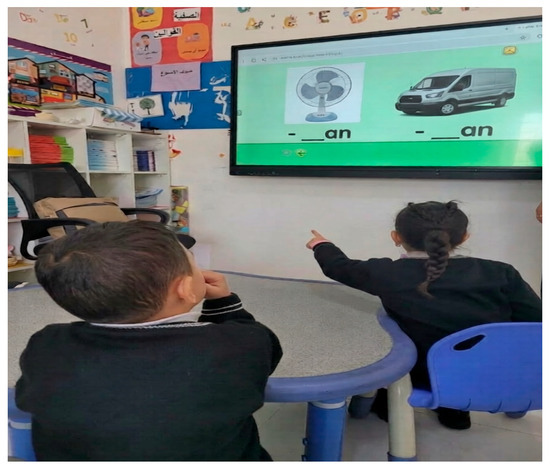
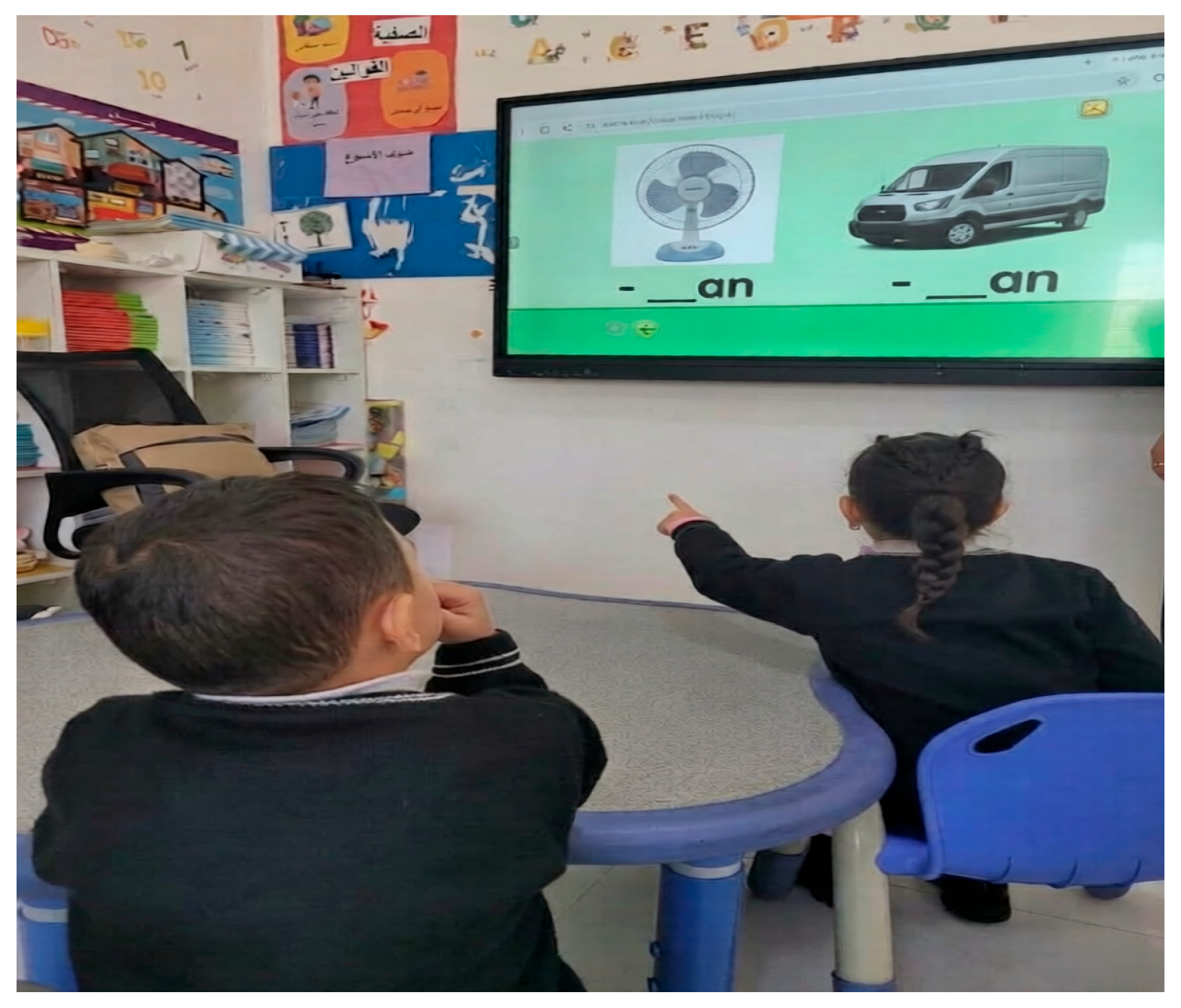
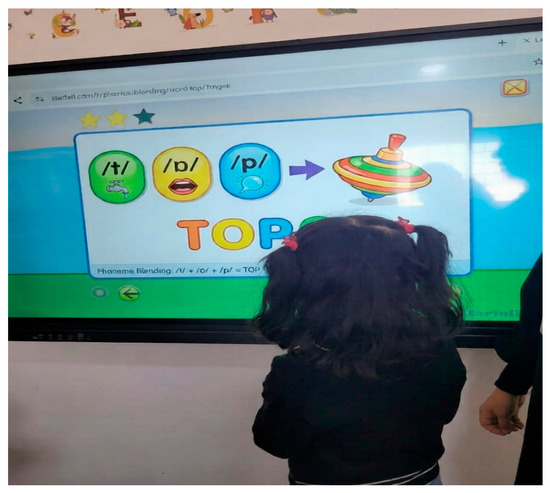
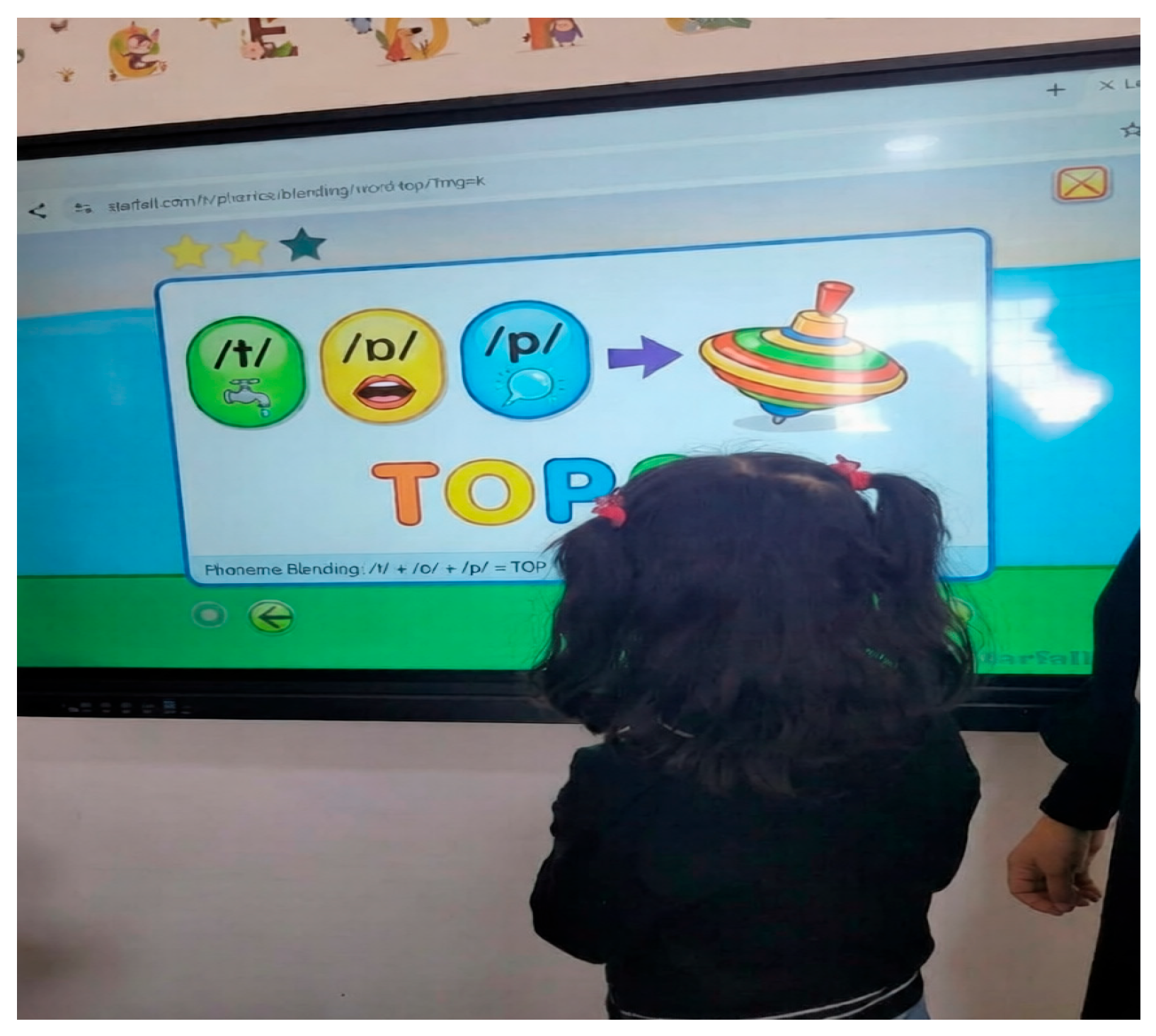
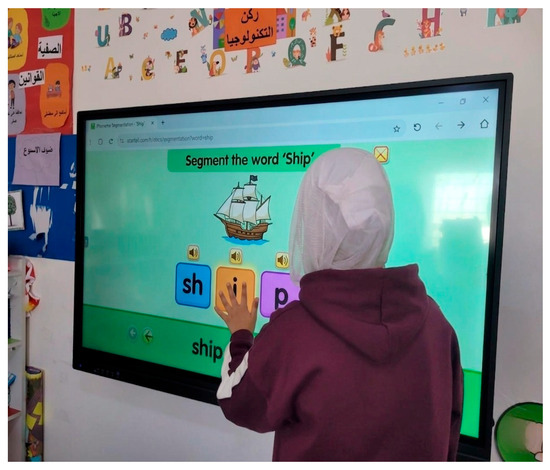
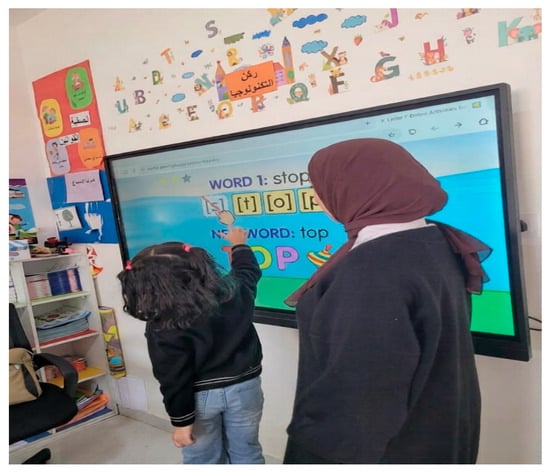
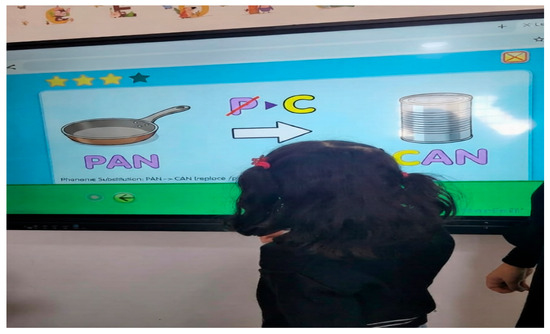
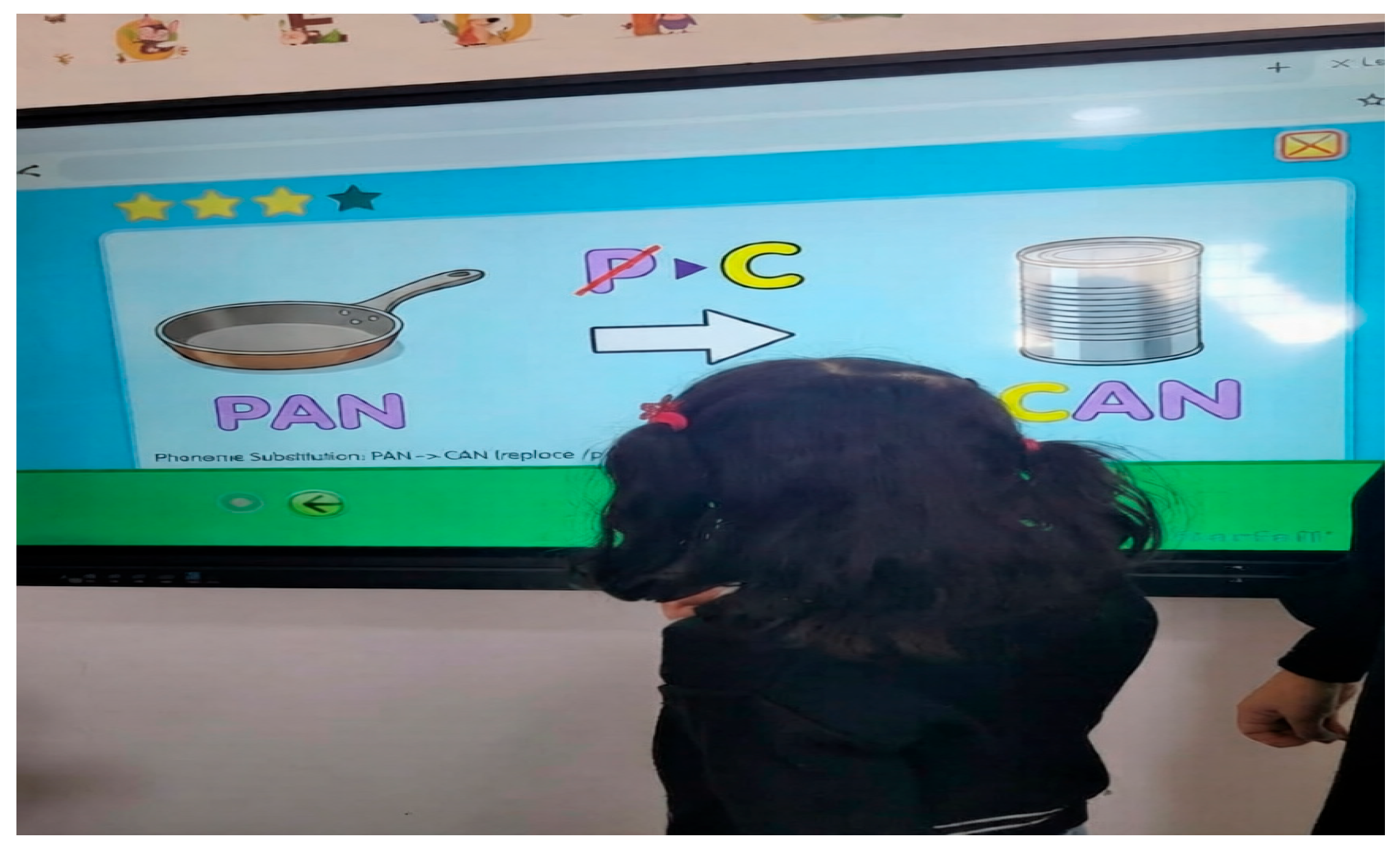
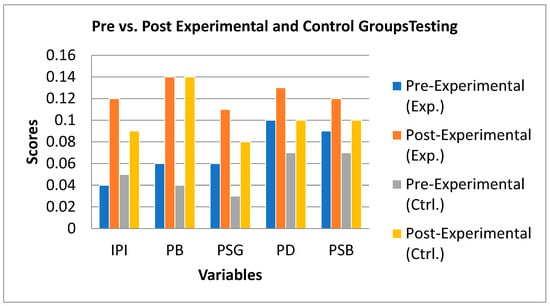
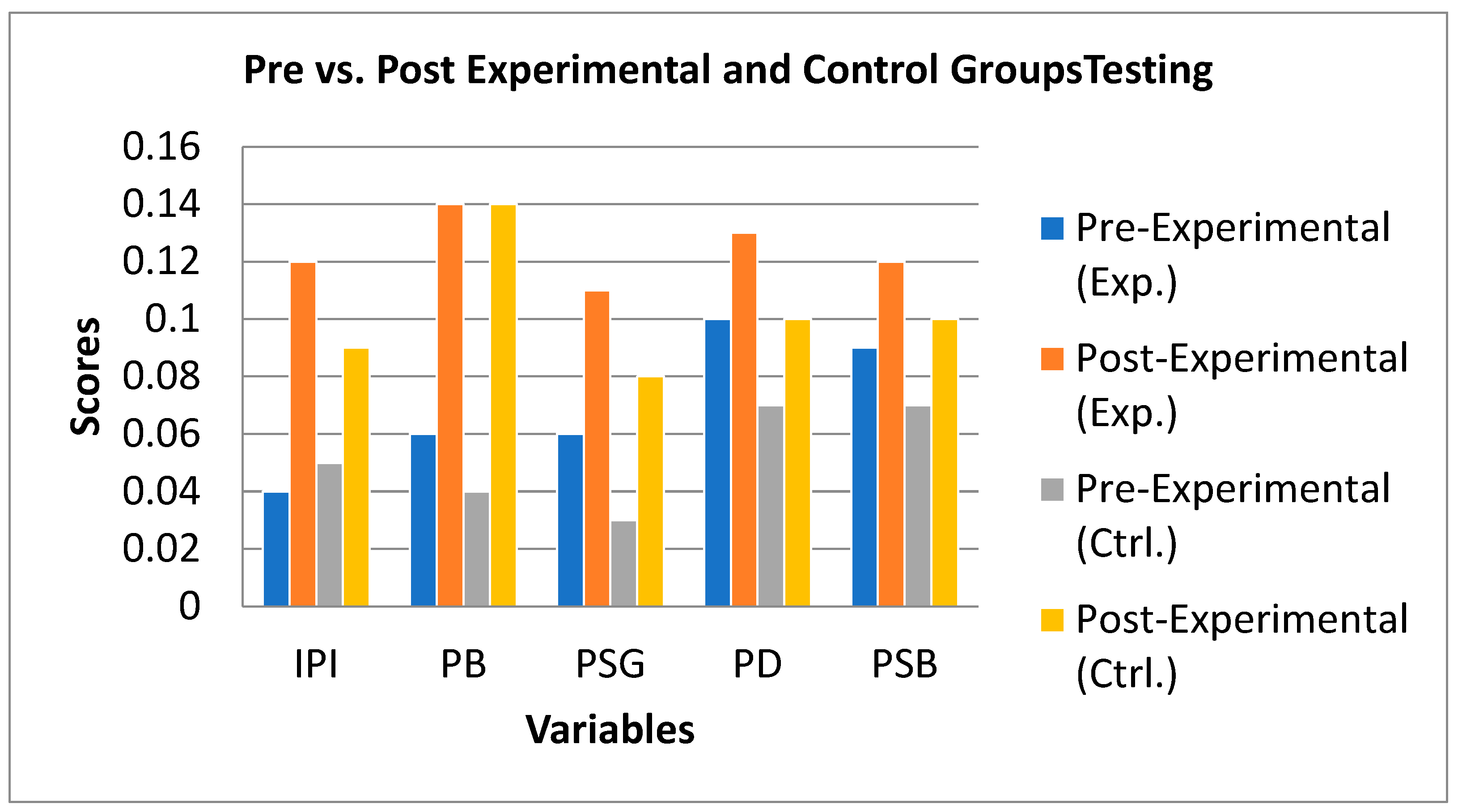

Disclaimer/Publisher’s Note: The statements, opinions and data contained in all publications are solely those of the individual author(s) and contributor(s) and not of MDPI and/or the editor(s). MDPI and/or the editor(s) disclaim responsibility for any injury to people or property resulting from any ideas, methods, instructions or products referred to in the content. |
© 2026 by the authors. Licensee MDPI, Basel, Switzerland. This article is an open access article distributed under the terms and conditions of the Creative Commons Attribution (CC BY) license.