In this section, the empirical findings of our comprehensive survey conducted in 2025 among educators teaching Slovak in Hungarian-medium schools across Slovakia are presented. The results are structured into two primary dimensions: (1) teacher-observed challenges faced by learners in language acquisition and usage, and (2) the dominant pedagogical and methodological frameworks within these classrooms.
4.1. Teacher Perceptions of Challenges Faced by Minority Students and the Linguistic Environment
The analysis of teacher perceptions (measured using the questionnaire presented in
Appendix A) revealed that the most significant obstacles to state language acquisition were related to the internal language systems: vocabulary range (M = 3.50; SD = 0.658), grammatical accuracy (M = 3.40; SD = 0.690), and orthographic control (M = 3.38; SD = 0.661). These deficiencies were reported to be present most intensely during reading comprehension tasks and expressive language production. Conversely, fundamental communicative functions, such as phonological control (M = 2.49; SD = 0.816) and the ability to understand and follow instructions (M = 2.50; SD = 0.836), were perceived as significantly less problematic. This suggests that students are generally able to master basic functional thresholds.
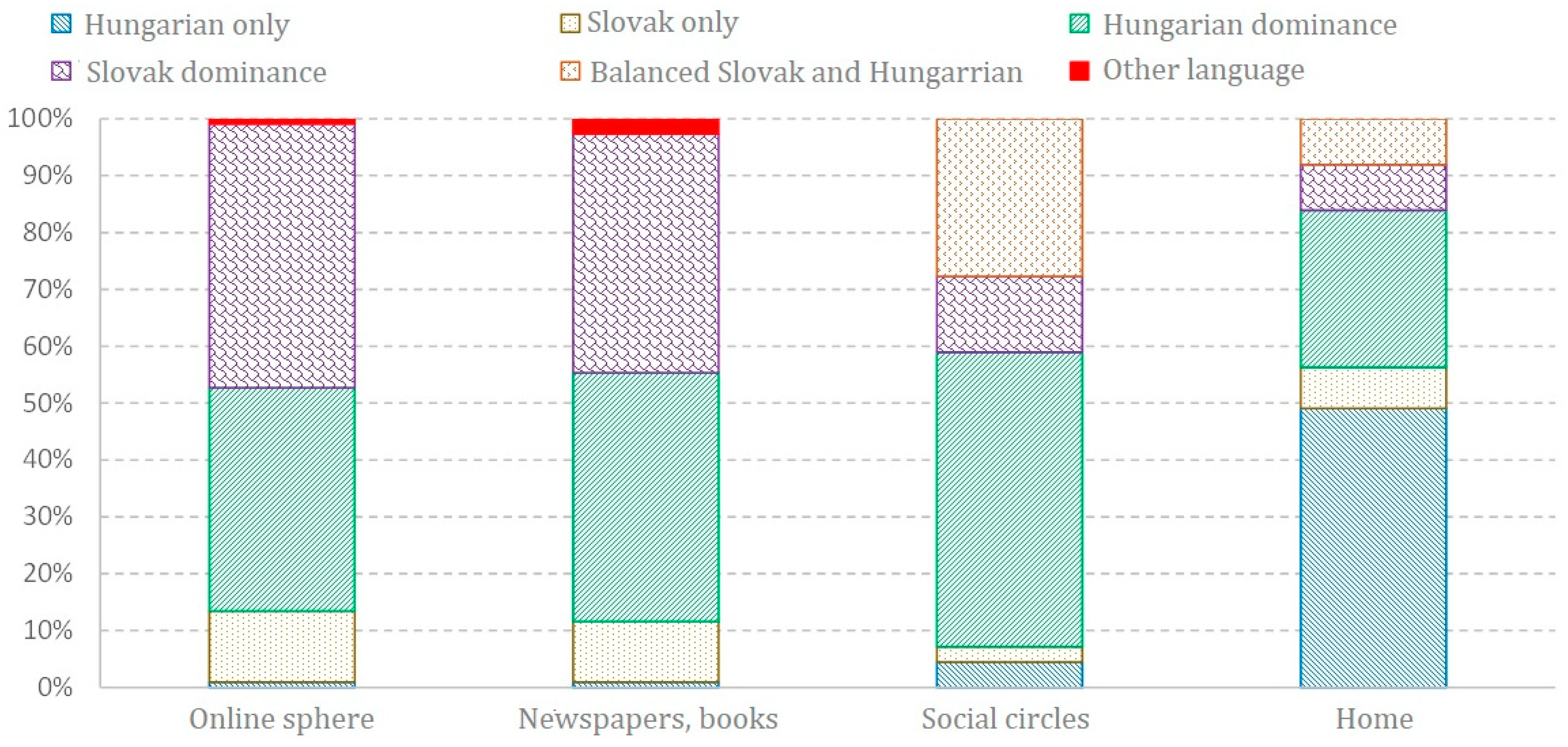
The data indicate a high degree of variance in teacher opinions regarding the two fundamental communicative functions mentioned above, largely influenced by the sociolinguistic context of the teachers. For instance, teachers who mostly employed Slovak for public business in their personal lives perceived student pronunciation to be a significantly smaller challenge (χ2 = 7.589; p = 0.022) than those who conducted their business predominantly in Hungarian (M = 2.91; SD = 0.684). This difference likely reflects varying densities of Hungarians and Slovaks within specific settlements. In regions with higher Hungarian concentrations, administrative tasks are more frequently conducted in the minority language, which may potentially influence teachers’ exposure to, or expectations of, high-level Slovak phonology.
As for the perceived difficulties faced by students in understanding and following instructions, differences can be explained by several significant variables:
Teachers’ native language (χ2 = 6.996; p = 0.008; Hungarian: N = 101; M = 2.50, SD = 0.832; Slovak: N = 11; M = 3.18, SD = 0.603);
Gographical location of the school (χ2 = 8.480; p = 0.014; Western Slovakia: N = 39, M = 2.33, SD = 0.772; Central Slovakia: N = 41, M = 2.51, SD = 0.898; Eastern Slovakia: N = 32, M = 2.91, SD = 0.734);
Preferred language for public business (χ2 = 9.789; p = 0.007; predominantly Slovak, but also Hungarian: N = 47, M = 2.33, SD = 0.810; predominantly Hungarian, but also Slovak: N = 22, M = 2.95, SD = 0.575);
Type of institution (χ2 = 384.500; p = 0.040; nine-grade primary school: N = 54, M = 2.54; SD = 0.719; secondary school: N = 20, M = 2.10, SD = 0.788).
Regarding oral production, a significant difference was observed in relation to the teachers’ level of education (χ2 = 561.000; p = 0.026; graduate: N = 84, M = 3.27, SD = 0.665; recent majors: N = 19, M = 3.63, SD = 0.597) and their personal media consumption habits (i.e., the language of the books and newspapers they read) (χ2 = 4.762; p = 0.029). Regarding written production and phonological control, a significant difference related to the geographical location of the school was observed (χ2 = 9.628; p = 0.008 and χ2 = 7.050; p = 0.029). Audio-visual comprehension was found to be related to the language preferred when conducting public business (χ2 = 9.497; p = 0.009).
In summary, these findings indicate that students’ Slovak language difficulties are perceived by teachers to be primarily related to productive language use, specifically regarding vocabulary acquisition, grammatical accuracy, orthographic control, and oral and written expression. On the other hand, receptive activities, including reading comprehension, audio-visual comprehension, and phonological control, are viewed as secondary concerns. Accordingly, in alignment with the CEFR requirements and suggestions (
Council of Europe, 2020), pedagogical practices must transcend beyond isolated lexical or grammatical instruction to favor the holistic development of communicative language competences. Rather than addressing linguistic deficits, effective L2 teaching requires a balance between receptive, productive, interactive, and mediating activities. By integrating linguistic, sociolinguistic, and pragmatic components into a unified instructional framework, teachers can more effectively bridge the prevailing competence–use gap. This will enable learners to not only accumulate theoretical knowledge but also to develop the functional capacity required for spontaneous, authentic communication in the target language within the broader environment.
Regarding differences between the subsamples, it can be stated that teachers’ perceptions of the difficulties faced by minority students in productive and receptive communication (audio-visual and reading comprehension, as well as written and spoken production and interaction) are affected by the native language and qualifications of the teachers, the nature of their educational institution, and geographical setting. On the other hand, teachers’ perceptions of students’ understanding of language systems (grammatical accuracy, orthographic and phonological control, and vocabulary range) are shaped by the geographical location of their educational institution.
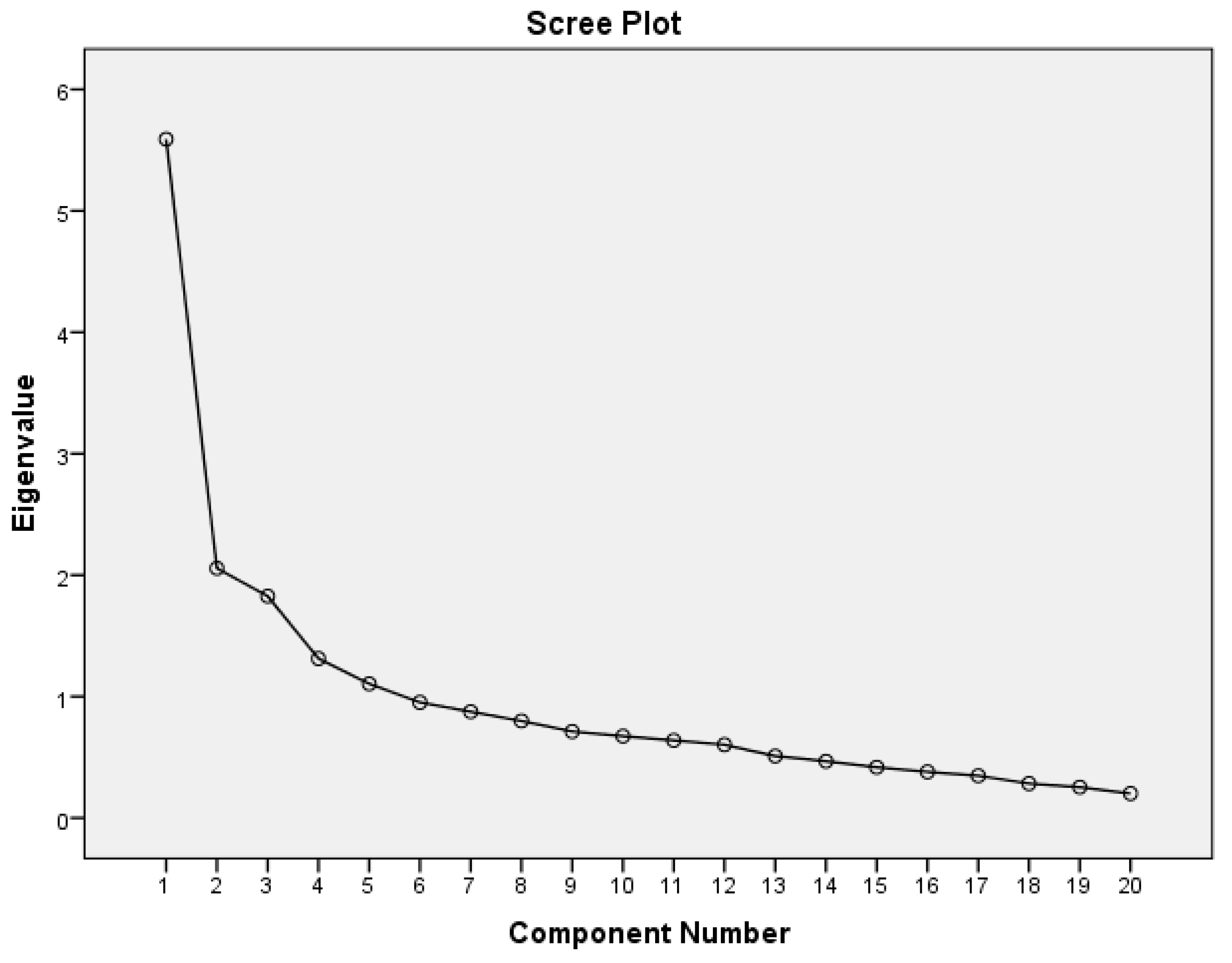
Participants’ perceptions of students’ language difficulties were also examined via a principal component analysis (with Varimax rotation) (KMO = 0.846; Bartlett’s χ2 = 422.755; p = 0.000).
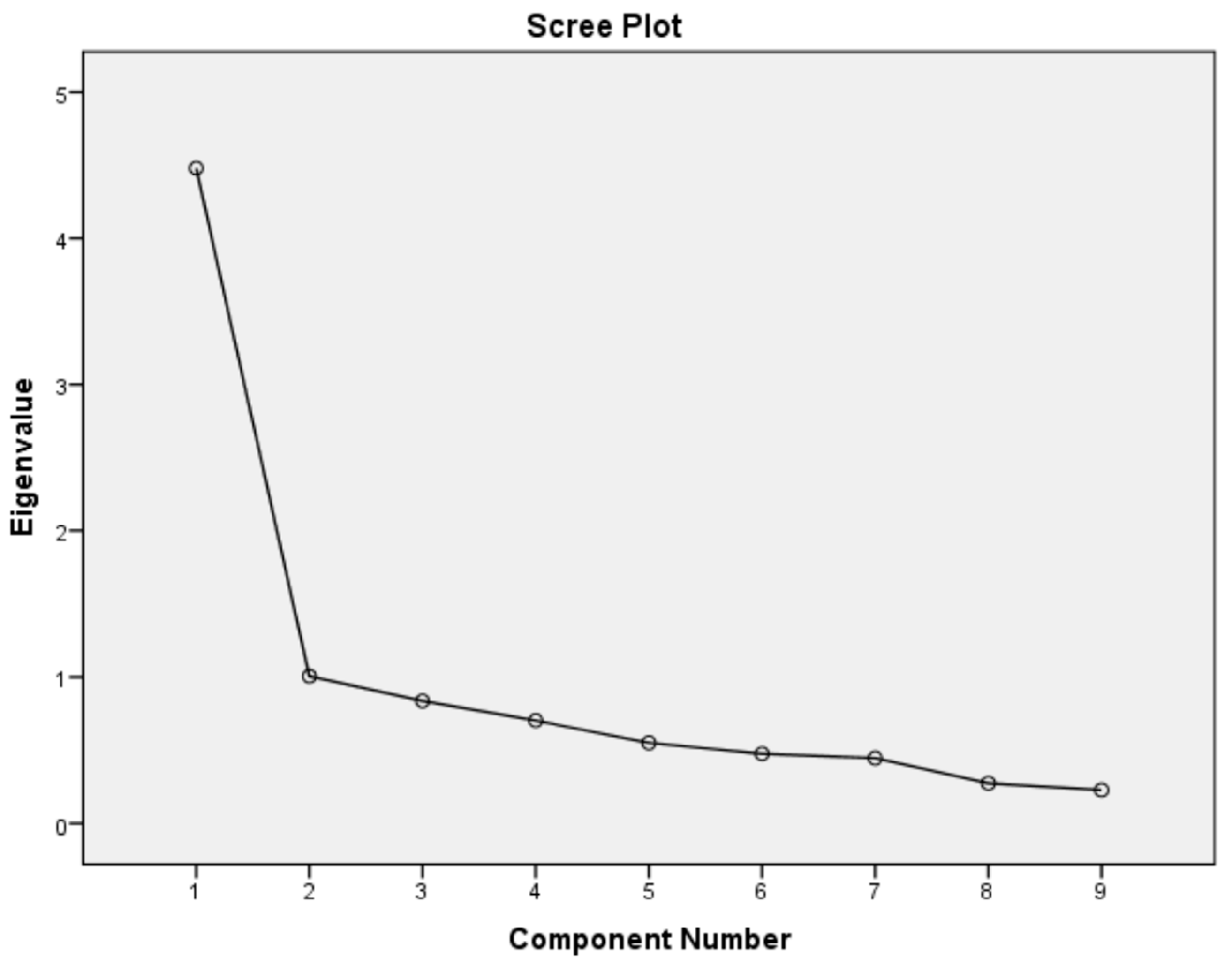
The communalities of the variables are all above 0.50, indicating that the retained components adequately explained the variance of the individual items. To determine the number of principal components, a scree plot analysis was performed. Based on the distribution of eigenvalues, the curve showed a marked break after the second component. Therefore, two principal components were retained in the analysis, explaining 60.956% of the total variance (
Appendix F).
The two principal components were (1) language use and (2) language knowledge problems. The rotated component matrix, including factor weights and the percentage of variance explained by each component, is given in
Appendix F.
Moderate to strong correlations were observed among the perceived student difficulties (
Table 1). Based on the correlation matrix, three groups of variables could be identified: (1) difficulties related to productive language use (written and oral production), (2) difficulties related to reception (audio-visual and reading comprehension, as well as oral comprehension regarding the understanding of instructions), and (3) difficulties related to the internal system and formal elements of the Slovak language.
Teacher perceptions regarding classroom conditions (
Appendix B) further highlight the focus on productive language use. Specifically, respondents noted that Slovak language classes heavily prioritize language use in everyday life (M = 3.23; SD = 0.684) and situational dialogs (M = 3.22; SD = 0.611). This is further confirmed by the priority placed on the practical use of Slovak in everyday life situations than on Slovak literature resources (M = 1.70; SD = 0.655) and grammatical instruction (M = 2.01; SD = 0.704). A serious deficiency related to either the lack of, or the failure to use, a pedagogical manual for assisting with the teaching of the Slovak language in a minority setting is also highlighted (M = 1.88; SD = 0.871).
A principal component analysis was conducted to explore the data and revealed four independent components capturing different aspects of Slovak language classroom conditions (KMO = 0.692; Bartlett’s χ2 = 352.393; p = 0.000). The first component represents a more traditional instructional paradigm centered on grammar and literature. The second component reflects communicative pedagogy and target language immersion, emphasizing authentic Slovak language interactions in the classroom. The third component highlights the importance of the broader institutional and cultural environment in supporting language acquisition. The fourth component focuses on the availability and effective use of instructional materials and pedagogical guidance.
Overall, the model indicates that effective Slovak language education is shaped not only by classroom methodology but also by language exposure and the quality of pedagogical support resources.
When determining the number of principal components, an effort was made to ensure that the eigenvalue value was not less than 60%, which is an accepted threshold in social science research. The rotated component matrix, together with its associated factor weights and percentage of variance explained by each component, is given in
Appendix G.
The correlation matrix of variables related to conditions of Slovak language classes indicates two main sources of influence: (1) active and exclusive use of the state language and (2) utilitarianism in everyday communication vs. teaching Slovak literature and grammar (
Table 2). Teachers clearly see monolingual, learner-centered teaching strategies and practice in everyday life situations as the most suitable strategies for overcoming problems related to language production, interaction, and reception among students.
4.2. Teaching and Learning Pedagogical Practices in Slovak Language Classes
To explore the relationships between variables examining the organization of Slovak language classes (measured using the questionnaire presented in
Appendix C), principal component analysis with Varimax rotation (KMO = 0.789; Bartlett’s χ
2 = 751.130;
p = 0.000) was conducted. The communalities of the variables were acceptable, with most values being above 0.50, indicating that the retained components adequately explained the variance of the individual items.
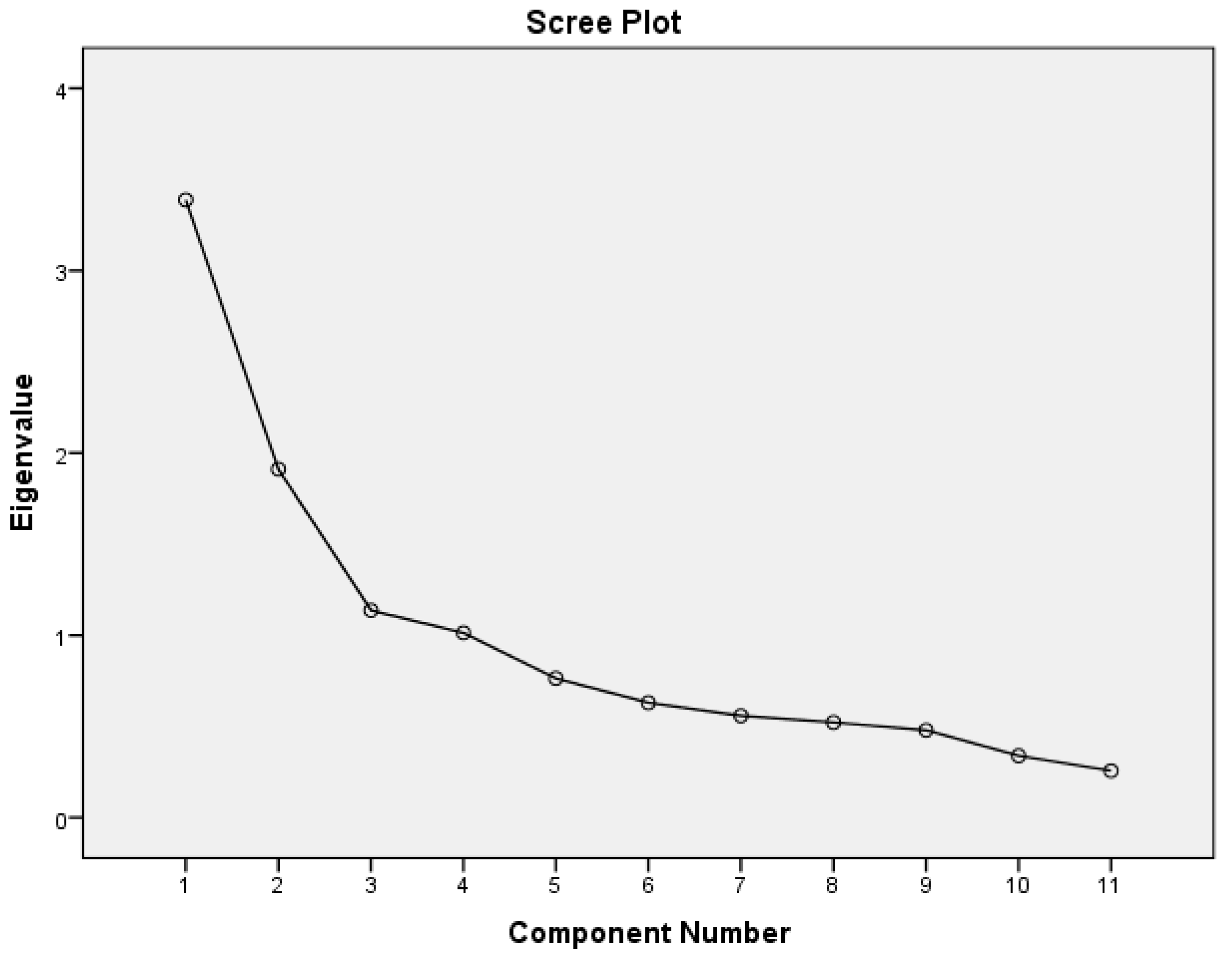
In addition to the Kaiser criterion, a scree plot analysis was also performed to determine the number of principal components. Although the eigenvalue curve showed a marked break after the third component, suggesting a three-factor solution, additional components were isolated through Varimax rotation. Because these additional components either contained few elements or represented meaningful content-specific sub-dimensions (
Appendix H), the final interpretation was based on the four most stable principal components.
The first principal component (PC1.1) includes classroom activities related to student autonomy and self-regulated learning. This component is associated with high factor weights for variables describing independent processing of learning materials, individual task-solving, working according to one’s own ideas, and the independent search for information. It represents forms of learning organization in which students take an active role in shaping their own learning processes, make decisions, and bear responsibility for choosing their own learning strategies. This component is related to learner-centered, autonomy-supporting pedagogical approaches (
Holec, 1979;
Zimmerman, 2002).
The second principal component (PC1.2) can be interpreted as a dimension reflecting structured, model-based language learning. It primarily includes items describing the imitation of language models, task completion based on given models, work on guided tasks containing new knowledge, and reading texts in Slovak. This component encompasses classroom practices in which the learning process is characterized by strong teacher guidance and a predetermined structure. This component is therefore more closely related to more traditional instructional-driven language teaching methods, where linguistic input and modeling are given a prominent role (
Ellis, 2003).
The third principal component (PC1.3) is related to creative, exploratory, and collaborative forms of learning. Variables describing cooperation, creativity development, the independent discovery of new knowledge, and the use of one’s task-solving strategies are associated with this component with high factor weights. The component reflects a learning environment in which joint work, experiential learning and creative problem-solving play important roles. From a methodological point of view, this component can be linked to constructivist pedagogical principles (
Vygotsky & Cole, 1978) and, in the language pedagogical context, to communication-centered and task-based language teaching. According to
Skehan (
1998), problem-solving and meaning-centered tasks promote not only language use but also language proficiency development, especially when they encourage cooperation and reflective thinking among students.
The fourth principal component (PC1.4) represents a traditional, teacher-centered instructional approach to Slovak language education. The learning process is primarily guided by the teacher through the explicit explanation of grammatical rules, demonstration of correct language patterns, and structured practice activities. Students typically solve language tasks based on previously presented examples and models, while practicing fixed word combinations and sample sentences. This component therefore reflects a highly structured and deductive teaching methodology in which knowledge transmission, guided instruction, and accuracy-oriented language practice play central roles.
An additional component identified during Varimax rotation primarily includes activities related to authentic auditory and visual language input (PC1.5). Due to its low item count and narrow thematic focus, this component was excluded from the final interpretative framework, though it can be regarded as a complementary element of structured language learning.
The presence of these four principal components suggests that the examined classroom practices combine elements of several pedagogical paradigms. The identified autonomy-supporting, structured, and constructivist forms of learning organization do not exclude, rather, they complement each other. This is in line with contemporary language pedagogical approaches, which consider a flexible methodological repertoire adapted to the learning situation and the age and developmental level of students as desirable.
Overall, the results of the principal component analysis suggest that Slovak language classroom conditions can be described along four pedagogically distinct learning organization dimensions: (1) support for student autonomy; (2) structured, model-based learning; (3) creative and collaborative learning; and (4) traditional teacher-directed, rule-based learning. Together, these dimensions provide a comprehensive picture of the examined classroom practices and learning organization methods examined in this study.
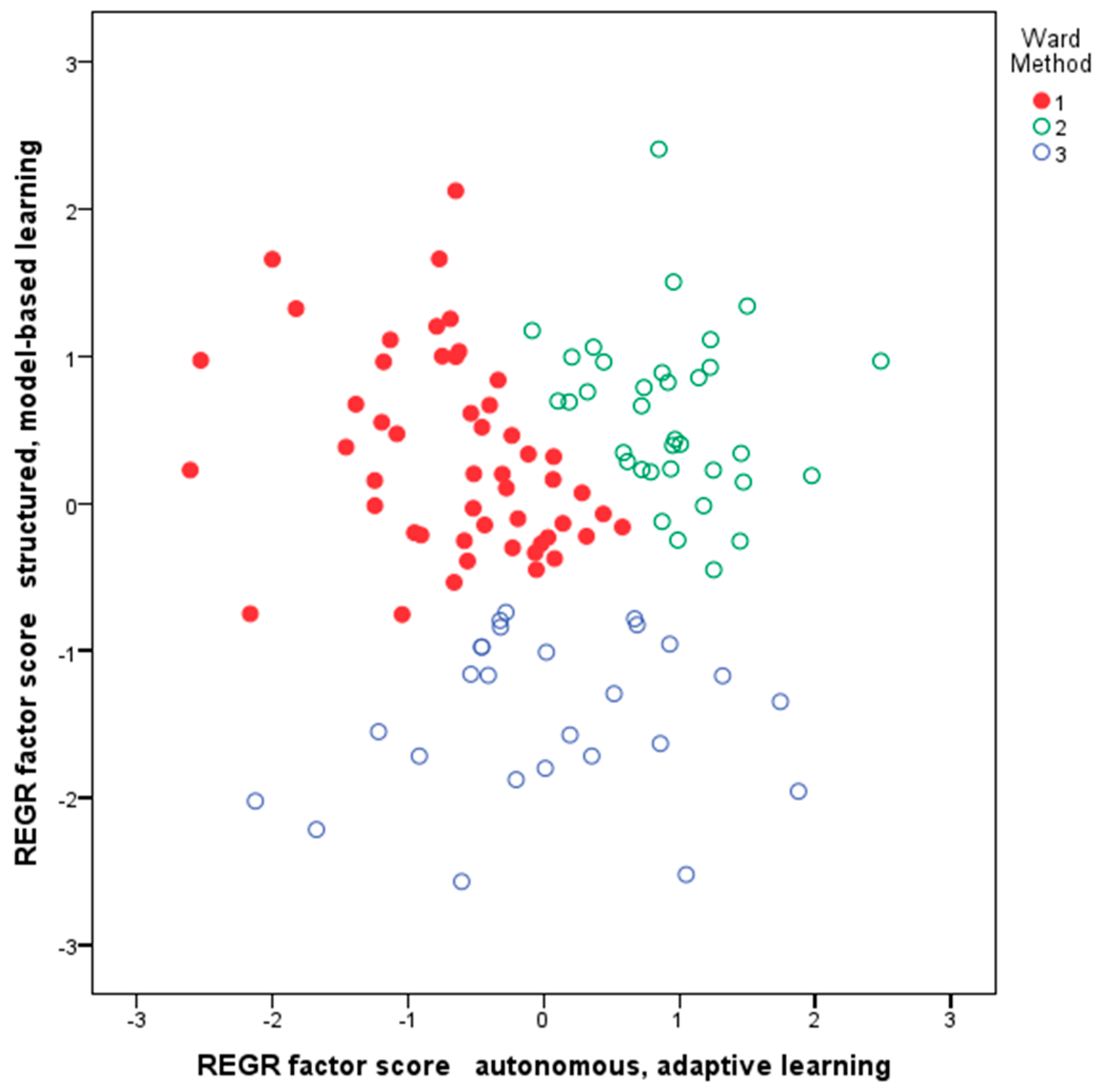
Based on the factor scores derived from the principal component analysis, we conducted a hierarchical cluster analysis employing Ward’s method, which resulted in three distinct clusters. These clusters’ arrangement clearly illustrates learning organization profiles across the dimensions of student autonomy and structured, model-based language learning. Based on the dendrogram and their pedagogical clarity, the three clusters were retained.
The scatterplot displays the distribution of cases along the two standardized factor dimensions derived from the principal component analysis: autonomous, adaptive learning and structured, model-based learning. The spatial arrangement of the clusters reflects the relative positions of the cluster centroids on these latent dimensions. Positive factor scores indicate an above-average representation of a given pedagogical orientation, whereas negative scores indicate a below-average representation. The distances between clusters represent relative dissimilarities in pedagogical profiles, as Ward’s hierarchical clustering method aims to minimize within-cluster variance while maximizing between-cluster separation. The partial overlap observed among some clusters suggests the existence of transitional or mixed pedagogical profiles rather than entirely discrete pedagogical categories.
The first cluster (N = 47; cluster centroid: −0.92098; 0.72901) is characterized by high values on the autonomous, adaptive learning dimension and slightly high values on the structured, model-based learning dimension. It can therefore be interpreted as reflecting an autonomous, adaptive learning organization profile. The second cluster (N = 34; cluster centroid: 0.89109; 0.2654) shows below-average values on the autonomous, adaptive and structured, model-based learning dimensions, especially the latter, indicating a low-structured, uncertain learning organization environment. The third cluster (N = 31; cluster centroid: −0.39209; −1.03729) is separated along low autonomy and high structured-based learning; it can thus be interpreted as reflecting a structured, teacher-led learning organization profile. The results of the one-way analysis of variance show that the clusters are markedly separated along both learning dimensions (
p < 0.001), supporting the descriptive validity of the cluster solution (
Figure 2). The results indicate that student autonomy becomes an effective learning organization principle in a pedagogical sense when it is supported by an appropriate structure; on its own without a supporting framework, it does not necessarily lead to a higher level of learning quality.
Descriptive statistical analysis concerning the individual items (
Table 3) adds depth to the above discussion by indicating that Slovak language teaching is predominantly characterized by structured, pattern-based, and rule-oriented pedagogical practices. While this approach may foster linguistic security, it simultaneously offers limited support for the cultivation of autonomous, creative, and authentic language use. The use of these pedagogical practices is especially significant in environments where minority languages are spoken, as students’ opportunities for natural language interaction are somewhat restricted.
We endeavored to clarify language teaching methodology in the classroom through additional inquiries (questionnaire presented in
Appendix D). According to the descriptive statistical analysis, the most prevalent methods used included thorough explanations of linguistic phenomena and rules (M = 3.46; SD = 0.747; Mo = 4), the application of grammar through communicative situations (M = 2.99; SD = 0.691; Mo = 3), and role-playing in real-life contexts (M = 2.87; SD = 1.018; Mo = 3). The most significant variations were observed between teachers in the last of these three methods. Conversely, the least commonly used methods are those in which students independently deduce certain grammatical rules (M = 2.10; SD = 0.722; Mo = 2) and translate Slovak texts into Hungarian (M = 2.31; SD = 0.806; Mo = 2).
Additionally, a principal component analysis (with Varimax rotation; KMO = 0.729; Bartlett’s χ2 = 333.188; p = 0.000) on these variables was conducted, revealing four distinct methodological dimensions within the classroom: (PC2.1) communicative, life situation-based language use; (PC2.2) translation- and meaning-focused receptive language learning; (PC2.3) inductive, student-centered language learning; and (PC2.4) deductive, teacher-driven language learning and cultural mediation. The component structure distinctly illustrates the internal differentiation of pedagogical approaches employed in Slovak language instruction while simultaneously demonstrating close alignment with the prior descriptive statistical and principal component analysis findings.
When determining the number of principal components, an effort was made to ensure that the eigenvalue value was not less than 60%, which is an accepted threshold in social science research. The rotated component matrix, together with the associated factor weights and percentage of variance explained by each component, is given in
Appendix I.
Looking at the component structure as a whole, it can be stated that Slovak language teaching methodology follows several pedagogical logics that exist in parallel with each other. In practice, traditional teacher-centered, rule-oriented, and translation-based approaches dominate over learning forms based on communication, autonomy, and authentic language use. This result fits organically with the previously presented explanatory model, according to which classroom practice prioritizing linguistic security may limit the long-term development of spontaneous and functional language use.
A comparison of the results obtained from the two analytical procedures shows (
Table 4) that the principal components are content-stable, while the second principal component analysis reveals a finer internal structure. In particular, structured, rule-oriented learning shows clear internal differentiation. The previously identified component FK1.2 is broken down into two pedagogically distinct components (deductive vs. inductive grammar learning). In contrast, the creative and authentic learning elements integrate content elements from several previously separate components, reflecting a complex communicative, life situation-based learning dimension.
Regarding the processing of curricular materials (measured using the questionnaire presented in
Appendix E), our results indicate that participants preferred semantic clarification of unknown expressions through descriptive explanation (83.9%) and synonymy (79.5%), whereas higher-order cognitive strategies such as analogy (19.6%) and anonymity (27.7%) showed lower levels of preference. The participants’ error correction strategies were characterized by a high level of teacher intervention. A majority of teachers (50.9%) provided explicit corrective feedback (explaining the reasoning behind errors), while only a minority (14.3%) opted for correction without explanation.
Regarding the overall assessment of student work, we can see a teacher-centric hierarchy with formative and summative evaluation being dominated by teachers’ perspectives (sometimes: 13.4%; often: 60.7%; always: 25.9%). In contrast, self-evaluation (sometimes: 25.9%; often: 41.1%; always: 32.1%) and peer assessment (never: 6.3%; sometimes: 38.4%; often: 36.6%; always: 18.8%)—critical components in the development of metacognitive awareness—were noticeably less frequent. Teachers’ preparatory activities prioritized structured outputs, with significant focus on lesson planning (never: 3.6%; sometimes: 19.6%; often: 47.3%; always: 29.5%), the preparation of audio and video recordings (never: 0.9%; sometimes: 22.3%; often: 65.2%; always: 11.6%), and the compilation of homework assignments (never: 2.7%; sometimes: 30.4%; often: 56.3%; always: 10.7%).
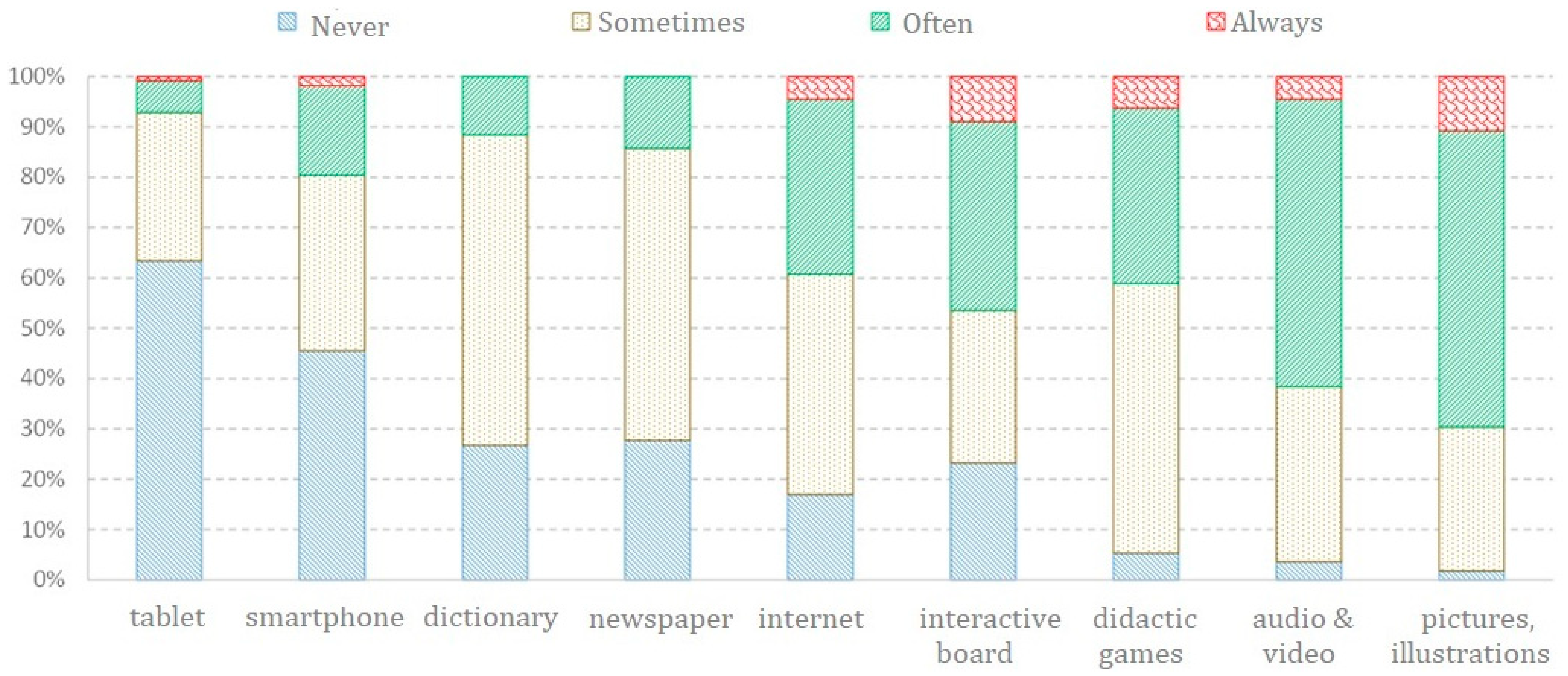
Furthermore, the hierarchy of teaching aids (
Figure 3) reflects a traditional reliance on visual and auditory scaffolding. The use of pictures and illustrations (M = 2.79; SD = 0.650; Mo = 3), audio and video recordings (M = 2.63; SD = 0.631; Mo = 3), and didactic games (M = 2.42; SD = 0.693; Mo = 2) dominated the teaching process, while tablets (M = 1.45; SD = 0.655; Mo = 1), smartphones (M = 1.76; SD = 0.808; Mo = 1), and dictionaries (M = 1.85; SD = 0.603; Mo = 2) were used but remained peripheral to classroom practice.
In summary, these findings illustrate a pedagogical environment characterized by highly teacher-led, rule-governed instruction and controlled language production. The choice of pedagogical methods—ranging from semantic explanation to evaluative feedback—consistently reinforces a deductive pedagogical logic. While modern communicative tools and illustrative elements have been integrated into the classroom, they appear to be used as ‘supplementary aids’ rather than as catalysts for transforming the fundamental structure of learning organization.
While this teaching model provides a highly structured and predictable learning environment in the short term, it arguably sustains the competence–use gap by prioritizing receptive and rule-oriented language instruction over active engagement. Thus, the current framework risks restraining students’ communicative competence to a rule-based level, which may limit the development of autonomous, reflective, and spontaneous language use that is essential for successful integration into the broader environment where the state language dominates.