


Abstract
This paper presents a holistic development model for South African schools that aims to ensure inclusive and equitable quality education and promote lifelong learning opportunities for all, as defined by the United Nation’s Sustainable Development Goal 4: Quality Education, by 2030. It addresses critical gaps in private secondary schools, including unclear performance objectives, inadequate monitoring, and limited data-driven decision-making. To meet these needs, the study proposes a new performance management model based on Kaplan and Norton’s balanced scorecard framework, combining four perspectives: Students, Academic excellence, Learning and growth, and Resources. Using a positivist approach, the model was validated by confirmatory factor analysis of 244 respondents across 12 private schools in Durban. The Comparative Fit Index, Normed Fit Index, and Tucker–Lewis Index confirmed its structural validity, while the Root Mean Square of Error Approximation indicated excellent absolute fit. Several intercorrelations emerged within the Learning and growth perspective, particularly regarding staff respect for students and their value to students. Implementation revealed an overall satisfactory performance rating of 3.85 on a 5-point scale. The Student perspective scored lowest (3.39), highlighting inadequate student preparation as a key issue, with learners’ pre-class reading of material scoring just 2.81. These findings underscore the model’s utility in identifying areas for improvement, particularly in student engagement, academic excellence, and organisational culture within the Learning and Growth dimension.
1. Introduction
South Africa has 24,900 schools, with 90.8% being public and the remaining private, primarily serving affluent populations (Cowling, 2024). Historically, private schools catered predominantly to white students but have seen increased racial integration and black middle-class enrolment post-apartheid. These schools often feature higher family incomes, a predominance of English- or Afrikaans-speaking students, and a small number of international students. Urban private schools exhibit greater diversity than rural ones, with elite institutions differing significantly in quality from more accessible private schools. Despite English-only rules, students often use their home languages informally for social and problem-solving purposes, with code-switching common. Teacher attitudes toward home language use were often unsupportive, and a lack of support for home languages negatively affected learners’ identities and excluded parents (Pitout et al., 2021). Infrastructure disparities persist, with rural schools most affected. Provincial education spending on infrastructure declined between 2008 and 2011 but improved from 2015 to 2018 due to national grants. Infrastructure challenges in schools in the Northwest Province remain widespread, reflecting racial and socioeconomic disparities, with issues ranging from structural damage, such as blown-off roofs and cracked walls, to overcrowding, inadequate fencing, and insufficient access to water and sanitation (SAHRC, 2023). Performance measurement is vital in this context, as private schools must perform academically to attract top talent. Financially, they compete against other businesses, such as retail, manufacturing, or banking, to attract investments from private investors or equity funds. Poor performance in any industry, academic, or financial context will be detrimental to the viability of private schools. This postulates an urgent need for school management and school boards to measure performance holistically to remain competitive. In practice, private school managers serve two masters: investors seeking a profitable return on investment (ROI), and the customers (students and parents) who demand superior academic performance. It is, therefore, vital that managers measure the performance of private secondary schools. In this context, developing a scorecard-based model as part of a school’s strategic framework to manage performance can help private secondary schools in South Africa measure and holistically improve their performance (Chang et al., 2013; Rompho, 2020).
Recent national reports indicate increasing pressure on both public and private schooling systems in South Africa. The Department of Basic Education’s Master List of Schools 2022 (DBE, 2022) confirms continued growth in private school enrolments, driven by perceived quality differentials and governance stability. Simultaneously, the South African Human Rights Commission’s Schools’ Infrastructure Inquiry Report (SAHRC, 2023) highlights persistent infrastructural inequality and governance challenges in basic education institutions, reinforcing the need for structured performance management frameworks.
Internationally, recent studies confirm a growing emphasis on holistic performance measurement in education systems, particularly through integrated performance management systems and scorecard-based models (Garengo & Betto, 2024; Coşkun & Nizaeva, 2023; Tan et al., 2024). These developments underline the urgency of developing context-specific performance measurement frameworks for private secondary schools in South Africa.
Although this study is empirically grounded in private secondary schools in KwaZulu-Natal, South Africa, its contribution extends beyond a single national context. Educational institutions worldwide (particularly private and independent schools) face similar challenges related to accountability, stakeholder expectations, resource constraints, and the need for holistic performance management systems. International research increasingly calls for context-sensitive adaptations of performance measurement frameworks that move beyond purely financial or academic indicators (Rompho, 2020; Coşkun & Nizaeva, 2023; Garengo & Betto, 2024).
By empirically validating a multidimensional, scorecard-based performance model in an emerging economy context, this study contributes to the global literature on educational performance management. The findings offer insights into how performance antecedents such as student engagement, organisational culture, academic processes, and resource management interact in complex educational environments. These insights are relevant to researchers, policymakers, and practitioners in comparable international contexts seeking adaptable, evidence-based performance management frameworks for private secondary education.
It is, however, notable that while developed within the South African private schooling context, the model offers a transferable framework for performance diagnosis in private and independent schools internationally, particularly in emerging and transitional education systems. While prior studies have applied the balanced scorecard in educational contexts, these models are often generic, conceptually oriented, or developed in non-African settings. This study extends existing work by developing and empirically validating a context-specific, multidimensional performance model tailored to private secondary schools in South Africa. Unlike prior models, the proposed framework integrates culturally and operationally relevant constructs (such as student engagement, organisational culture, and infrastructure adequacy) within a unified measurement structure tested through confirmatory factor analysis.
While the balanced scorecard framework has been widely applied internationally in educational contexts, its direct transferability to South Africa is limited. The unique contextual realities of South African private secondary schools (such as persistent infrastructure disparities, multilingual learning environments, and dual accountability to investors and parents) necessitate a tailored approach. Unlike generic scorecard models, our framework explicitly integrates student engagement challenges (e.g., low pre-class preparation), organisational culture dynamics (e.g., respect between staff and students), and infrastructure adequacy (e.g., access to water, sanitation, and internet connectivity). These dimensions reflect the lived realities of South African schools and ensure that performance measurement is not only academically focused but also culturally and socioeconomically grounded.
2. Literature Review
Traditional performance appraisal in private secondary schools does not provide holistic measures. As such, this study embarked on a journey to develop a customised scorecard-based model to measure private schools’ performance in the South African context. Kaplan and Norton’s (1992) scorecard served as a theoretical point of departure for addressing challenges in performance management in private secondary schools in South Africa. Leadership studies are not included here as tangential references but as critical antecedents that shape the proposed scorecard’s Learning and Growth perspective. For example, transformational leadership practices (such as idealised influence and intellectual stimulation) directly enhance teacher professionalism and innovative work behaviour, which in turn strengthen organisational culture and student engagement (Sengendo & Eduan, 2024; Tan et al., 2024). Similarly, knowledge-oriented leadership fosters knowledge-sharing and collaboration among educators, thereby improving professional development outcomes and aligning with the model’s emphasis on teacher quality and continuous learning (Chughtai & Khan, 2024). These leadership dimensions are therefore integrated into the model as mechanisms that drive performance improvements in private secondary schools, rather than as standalone theoretical discussions. By embedding leadership practices into the scorecard’s antecedents, the model reflects how managerial and cultural factors interact with academic processes to influence overall school performance in the South African context.
2.1. Historical Development of Performance Measurement
Recent research by Garengo and Betto (2024) has shifted from traditional performance appraisal systems toward integrated performance management systems that combine leadership, organisational culture, and measurement structures. These authors demonstrate that organisational culture and leadership style play a decisive role in the successful implementation of performance measurement systems. Similarly, Chughtai and Khan (2024) show that knowledge-oriented leadership significantly enhances innovative performance through knowledge-sharing and engagement mechanisms.
In the education sector, recent empirical studies confirm the value of holistic performance frameworks. Tan et al. (2024) provide meta-analytic evidence that school leadership practices have a direct and measurable effect on learner outcomes, while Coşkun and Nizaeva (2023) confirm that balanced scorecard systems improve strategic alignment and accountability in educational institutions. These contemporary studies reinforce the relevance and necessity of a structured, multidimensional performance management framework in private secondary schools
A Performance Management System (PMS) enhances employees’ productivity by measuring their job performance (Poister, 2008). Other authors opine that performance management is the key process by which organisations set goals, determine standards, assign work, evaluate work, and distribute rewards (Varma et al., 2023). The primary goal of PMS is to help public service workers perform their duties more effectively. A PMS aims to improve civil servants’ (such as educators) accountability, performance, communication, efficiency, and productivity. In this regard, Ridwan’s (2021) study of schoolteachers and principals found that teacher performance is not a stand-alone factor but is influenced by many factors, including the school management system established by the leader. Another study on school principal leadership and teacher professionalism in the learning process at private Madrasah Aliyah schools found that leadership is a key determinant of improving teachers’ professionalism, enhancing school performance, and establishing a conducive learning environment (Warisno & Hidayah, 2022). An intense PMS also fosters IWB (Innovative Work Behaviour) by addressing high distinctiveness, consistency, and consensus among teachers (Bauwens et al., 2023). In public secondary schools in Kenya, it was observed that the principal’s reward system plays a crucial role in determining teacher performance, and a proper blend of reward types is necessary to achieve optimal performance (Sakwa et al., 2023). Evidence suggests that strategic leadership, strategic resource allocation, and strategic incentives positively and significantly impact the performance of public secondary schools (Nang’ole & Muathe, 2023; Sengendo & Eduan, 2024). For individuals occupying leadership roles, acquiring knowledge of performance management and understanding its rationale for implementation in organisational settings can be advantageous.
Performance management refers to the systematic procedure through which a leader, manager, or supervisor within an organisation monitor and assesses the performance of employees under their supervision. It serves as a viable alternative to the conventional employee evaluation system, enabling managers to evaluate their employees’ performance more comprehensively. A performance management strategy that yields positive outcomes is frequently characterised by its continuous nature, in which managers are given multiple opportunities to recognise and reward team members’ efforts (Poister, 2008). Performance management offers team members numerous opportunities to enhance their work performance. Implementing efficient performance management strategies can empower teams to collaborate effectively and work toward achieving both immediate and long-term organisational goals and objectives. A study by Garengo and Betto (2024) revealed that the shift from a passive-avoidant to a transactional leadership style supports the implementation of a performance measurement system (PMS). Then, further change from transactional to transformational leadership favours the development of an achievement culture and participative performance management practices. Further studies in leadership by Chughtai and Khan (2024) and Garengo and Betto (2024) confirmed that knowledge-sharing behaviour and work engagement mediate the relationship between knowledge-oriented leadership and employees’ innovative performance.
Several studies (Nag et al., 2025a, 2025b; Msosa, 2020; Rompho, 2020; Amin, 2021; and others) dealt with teacher or educator performance and school performance, while others focused mainly on analysing the changes in teacher absenteeism as a major in class factor contributing to student performance and effective learning (Jonas, 2011; Rompho, 2020). Jonas (2011) developed a scorecard to monitor and evaluate the governance of special schools in the Northern Cape. This study focused mainly on the governance of these schools. Rompho (2020) developed a comprehensive scorecard for Thai public schools, revealing a direct link among the scorecard’s measurement matrices. In contrast, a study by Amin (2021) measured performance in Islamic Primary Schools using a balanced scorecard. Siburian and Pangaribuan (2020) was developed to measure performance outcomes in North Sumatra effectively and to enhance performance through tools such as the balanced scorecard. Gningue et al. (2022) investigated the relationship between school climate and teacher leadership development. Unfortunately, none of these studies specifically addresses the challenges faced by private secondary schools in South Africa. International performance measures lack cultural and African insight and are incomplete for measuring the performance of South African private schools. Managing schools’ performance is problematic for principals and school boards. Although there are regulated agreements among board members and principals regarding the specific performance criteria in the public-school management system, this is not the case in private schools. There are disagreements about which criteria require performance management in private schools and about the role of performance management in each case. For example, some members strongly emphasise academic performance criteria, while others believe that sports should play a more prominent role because of their marketing value in a private school. Private schools compete in the open market for top pupils against both other private schools and public schools. As such, private school management must identify the “right” performance criteria and regularly measure them to ensure their managerial actions yield the desired returns. It is also notable that recent scholarship has advanced dynamic performance frameworks that emphasise adaptability and stakeholder engagement. For example, Johnson et al. (2022) propose that multi-stakeholder perspectives in performance model integrates citizen feedback in public service evaluations. On the other hand, Mensah et al. (2023) demonstrate the moderating role of digital transparency in enhancing performance outcomes in health organizations at local government settings. These studies support the need for the current scorecard approach and highlight emerging theoretical perspectives. While numerous studies have applied balanced scorecard frameworks in educational contexts (Rompho, 2020; Amin, 2021; Siburian & Pangaribuan, 2020), their scope is often limited to either academic performance or governance structures. For example, Jonas (2011) focused primarily on governance in special schools, while Amin (2021) applied the scorecard to Islamic primary schools without addressing broader organisational culture. These approaches, although valuable, remain fragmented and do not capture the multidimensional realities of private secondary schools in South Africa.
In contrast, studies such as Garengo and Betto (2024) and Chughtai and Khan (2024) emphasise the role of leadership and organisational culture in performance measurement, but they are situated in non-African contexts and lack empirical validation in emerging economies. This reveals a critical gap: existing models either emphasise narrow performance indicators or fail to incorporate contextual realities such as infrastructure adequacy, linguistic diversity, and socioeconomic disparities.
Our study addresses this gap by synthesising insights from these diverse strands of literature into a unified, empirically validated framework. By integrating leadership practices, organisational culture, and resource adequacy into the balanced scorecard structure, the model moves beyond a generic listing of factors to provide a context-sensitive synthesis tailored to South African private schools. This critical integration ensures that the model is both theoretically grounded and practically relevant.
2.2. Stage 1: Developing a Theoretical Model to Measure Performance in Private Secondary Schools
This stage employed a systematic literature review to develop a theoretical framework (or scorecard-based model) for measuring school performance in the eThekwini district of Durban, KwaZulu-Natal, South Africa. Kaplan and Norton’s (1992) Balanced Scorecard served as a point of departure for the systematic literature review. Using the same concept as the theoretical foundation, this systematic review included 71 qualitative, 62 quantitative, 4 mixed-methods, and 2 generic articles. The final 43 articles (25 quantitative and 28 qualitative studies) were used to identify variables and inter-variable relationships in the theoretical model.
After identifying 220 relevant articles, closer scrutiny reduced the number to 120, and then to 43. These 43 articles were used to develop the theoretical framework’s antecedents, which can serve as a scorecard for measuring secondary school performance. The results are novel and unique, highlighting the importance of using a structured performance management framework. The results also provide a point of departure for the empirical development of management and consulting tools for the basic education sector. The systematic review identified four antecedents to measure performance. These antecedents are (1) the Student perspective, (2) the Internal perspective for academic excellence, (3) the Learning and growth perspective, and (4) the Resources perspective. Three of the four antecedents (except the Resource perspective) comprise several sub-constructs (see Figure 1). Implementing a strategic performance management framework using a scorecard in private secondary schools in South Africa has significant practical implications (Pereira & Melão, 2012; Dariyo et al., 2022).
Figure 1.
The theoretical model developed from the systematic literature review (Nag et al., 2025b).
A key implication of this strategic scorecard is enhanced goal alignment, as it establishes explicit, quantifiable goals aligned with the school’s mission and long-term vision. By communicating these objectives to teachers and staff, the framework ensures a shared understanding of how individual roles contribute to the institution’s success (Williams, 2010; Hasan & Chyi, 2017; Soderberg et al., 2011; Yuliansingh et al., 2024). This fosters collaboration and a sense of purpose among stakeholders. A scorecard also promotes data-driven decision-making by enabling schools to gather and analyse data on academic achievements, attendance, teacher evaluations, and resource allocation (Storey, 2002; Soderberg et al., 2011; Coşkun & Nizaeva, 2023). This approach allows administrators to make informed decisions based on evidence, identifying strengths and areas for improvement to refine strategies and interventions effectively. Additionally, the scorecard provides a structured method for monitoring progress through key performance indicators (KPIs) and targets for various aspects of school operations (Hasan & Chyi, 2017; Soderberg et al., 2011; Nugraha et al., 2020). Continuous evaluation helps detect issues early, ensuring timely interventions and fostering accountability. This practice encourages ongoing improvement, as educators and administrators clearly understand their performance expectations and can take proactive steps to achieve or exceed them.
Although several studies have adapted the balanced scorecard to educational settings (e.g., Rompho, 2020; Saksono & Bernardus, 2023; Dariyo et al., 2022), these models exhibit three key limitations. First, they are predominantly conceptual or case-specific and lack rigorous empirical validation using advanced statistical techniques such as confirmatory factor analysis. Second, they do not adequately reflect the contextual realities of private secondary schools in emerging economies, particularly in South Africa. Third, existing models tend to adopt generic scorecard dimensions without incorporating context-specific sub-constructs such as student behavioural engagement, organisational culture dynamics, and infrastructure constraints.
This study addresses these gaps by developing and empirically validating a context-sensitive performance measurement model that integrates these dimensions into a coherent and statistically tested framework.
Figure 1 shows the theoretical model developed from the systematic literature review.
Existing scorecard-based models in education often emphasise academic outcomes and financial sustainability but overlook context-specific factors that shape performance in emerging economies. In South Africa, private schools operate within a complex environment marked by linguistic diversity, socioeconomic inequality, and infrastructural constraints. For example, code-switching between English and home languages is common, yet often discouraged by teachers, affecting learner identity and parental inclusion. Similarly, infrastructure challenges (such as overcrowding, inadequate sanitation, and unreliable utilities) directly influence both teaching quality and student outcomes. By embedding these realities into the model, our framework moves beyond replication of international scorecards to provide a context-sensitive diagnostic tool for South African private schools. This contextualization ensures that performance management is responsive to local challenges while remaining aligned with global best practices.
2.3. Stage 2: Empirical Validation of the Theoretical Model
A holistic performance appraisal system for corporations is based on the Balanced Scorecard proposed by Kaplan and Norton (1992). More recent scholarship further supports the adaptation of scorecard-based models to education contexts. Saksono and Bernardus (2023) and Dariyo et al. (2022) demonstrate that balanced scorecard frameworks enhance strategic alignment, accountability, and academic performance in school environments. Recent African and developing-country studies also confirm that leadership quality, institutional culture, and performance measurement systems jointly influence school effectiveness and stakeholder satisfaction (Sengendo & Eduan, 2024; Maqbool et al., 2024). These findings support the relevance and contemporary theoretical positioning of the proposed model. However, this scorecard is insufficient to address issues in performance measurement in education, especially in the context of secondary schools in the private space, and so the author devised and tested a new theoretical model tailored to the needs of South African private and independent schools.
Principals, educators/SGBs and practitioners will benefit from this model in its entirety to understand how antecedents and sub-antecedents impact school performance. Rompho (2020) highlights the value of a scorecard-based approach to measure school performance, though the Balanced Scorecard by Kaplan and Norton (1992) is not entirely suited for education. Adapting this concept, schools with strong academic indicators are often seen as successful in delivering quality education (Brown & Wohlstetter, 2006; Rahayu et al., 2023). High academic performance and good student behaviour, reflecting character and spirituality (Saksono & Bernardus, 2023), enhance parent satisfaction, engagement, and school reputation, leading to growth in enrolment and finances (Wei & Ni, 2023). School attributes also play a critical role in parental satisfaction (Rompho, 2020). Parent dissatisfaction with school services can lead to declining enrolment as parents seek better options (Chuktu et al., 2024). Research by Kristanti et al. (2024) emphasises the need for collaboration between schools and parents to enhance academic achievement and character development. Teachers’ innovations also boost stakeholder satisfaction and academic excellence (Dariyo et al., 2022).
Transformational leadership, through idealised influence, intellectual stimulation, and individualised consideration, is a key predictor of academic success (Sengendo & Eduan, 2024). Additionally, effective school leadership practices are strongly linked to improved student achievement (Tan et al., 2024). Zulela et al. (2022) identified character education as a significant predictor of academic success, emphasising the importance of the ‘Internal Process for Good behaviour’ parameter. Distributed leadership and diverse leadership styles also significantly improve learner outcomes (Jambo & Hongde, 2020; Maqbool et al., 2024). In school settings, Gningue et al. (2022) found a positive relationship between teacher leadership and school climate. Two sub-perspectives comprise the “Internal Perspective for academic excellence”: Processes for academic excellence and facilitating student behaviour. Saksono and Bernardus (2023) state that to create an internal process for academic excellence, schools need to use a scorecard as a strategic framework for a holistic evaluation of employees (teachers and staff). Key parameters for academic excellence include the percentage of students excelling in national-level certifications (e.g., Grade 12) and innovations in facilities that enhance stakeholder satisfaction (Dariyo et al., 2022; Rompho, 2020).
The Learning and growth perspective emphasises teacher quality and infrastructure, as assessed by participation in professional development and innovation initiatives (Ogunbayo & Mhlanga, 2022). Effective teacher training and leadership styles also improve academic outcomes and stakeholder value (Jambo & Hongde, 2020; Maqbool et al., 2024; Gningue et al., 2022). The quality of teachers and adequate infrastructure, including functional facilities, utilities, and internet connectivity, are critical for learning and growth. These factors, along with sufficient resources, create a cycle where good teachers attract better resources and vice versa (Rompho, 2020). Financial, leadership, and management resources are also vital for school performance. The final model, validated with empirical data, effectively illustrates the impact of antecedents and sub-antecedents on school performance.
The empirical validation departed by testing the data for suitability. Firstly, data adequacy was established using Kaiser’s criterion (KMO = 0.831; decision rule: KMO ≥ 0.70), as well as determining sphericity and significance (p ≤ 0.05) of the data (Maskey et al., 2018; Field, 2017; Pallant, 2020). Sufficient data entries are available for multivariate analysis, and the assumptions of significance and sphericity are acceptable. The data also exhibit suitable skewness and kurtosis. Internal consistency and reliability were measured using Cronbach’s alpha (α = 0.873; decision rule: α ≥ 0.70). All antecedents and sub-antecedents exceeded the required alpha coefficient of 0.70 with ease. Validity was statistically ensured through a varimax-rotated exploratory factor analysis (Rehman et al., 2025; Imandin et al., 2016; Bisschoff & Salim, 2014). Empirical relationships and factor variances were calculated between the antecedents and their sub-antecedents (see Figure 2).
Figure 2.
Empirically validated model.
3. Problem Statement
Although the model for measuring and managing performance in private secondary schools has been theoretically developed and empirically validated, its practical applicability remains untested. Before implementation, it is necessary to confirm whether the model demonstrates adequate fit and can address performance appraisal shortcomings in private schools. The absence of applied measurement statistics leaves open the question of whether the model is truly “fit-for-purpose”. This study therefore aims to evaluate model fit and assess its suitability for practical application.
4. Research Objectives
The study postulates two objectives, namely to:
- Confirm the antecedents of the model structurally and measure each one’s model fit; and to
- Measure the academic performance of private secondary schools.
5. Hypotheses
The specific hypotheses are:
H1.1.
There are significant positive relationships between the antecedent Student perspective and its sub-antecedents.
H1.2.
There are significant positive relationships between the antecedent internal perspective and its sub-antecedents.
H1.3.
There are significant positive relationships between the antecedent Learning and Growth Perspective and its sub-antecedents.
H1.4.
There are significant positive relationships between the antecedent Resource perspective and its sub-antecedents.
6. Research Methodology
This study employed an epistemological approach grounded in a positivist paradigm to provide an objective interpretation of events and offer a scientific rationale for its viewpoints. This approach employs systematic hypothesis testing to advance scientific knowledge. By accumulating empirically validated findings, results from hypothesis tests are used to “inform and advance science” (Park et al., 2020). The study population comprised approximately 900 staff members (teaching, administrative, and management personnel) across 18 registered private secondary schools in the eThekwini Municipality. An institutional access process followed, whereby formal meetings were held with school principals and governing bodies to explain the research purpose, ethical compliance, and data collection procedures. While students and parents are critical stakeholders in school performance, this study focused exclusively on staff respondents (teachers, administrators, and principals). Staff members were selected because they are directly responsible for implementing performance management practices and thus provide informed perspectives on the antecedents measured in the scorecard. Ethical considerations also limited the inclusion of minors, as obtaining consent and ensuring anonymity across multiple schools posed significant challenges. Additionally, the study’s primary objective was to validate the structural fit of the proposed model, for which staff perspectives were most appropriate. Future research will expand the framework to include student and parent evaluations, thereby offering a more holistic assessment of school performance.
The study deployed a purposive institutional stratified sampling strategy to ensure representation across management and board members, educators and administrative respondents. A total of 12 schools were conveniently selected because they consented to participate in the study. A gatekeeper was appointed at each school to facilitate data collection. Hard copies of the questionnaires were handed to the gatekeepers to distribute and collect the completed questionnaires from the personnel. All completed questionnaires were posted in a “return box and not personally given to the gatekeeper. This meant that the voluntary participation remained anonymous. A structured 5-point Likert scale (where 1 signified poor performance and 5 signified excellent performance) was used to collect data. Inferential statistics, using IBM’s Statistical Package for the Social Sciences (SPSS) version 29, were used to analyse the data (IBM Corp., 2022b). Confirmatory factor analysis was used to test and validate the model parameters and simplify the models (IBM Corp., 2022a). A total of 285 questionnaires were distributed, and 274 were collected. However, only 244 were usable (comprising 211 educators, 14 Principals and School Boards members, and 19 Administrative staff), yielding an effective response rate of 85%.
The study was scientifically approved by the North-West University Scientific Committee and ethically cleared by the Faculty of Economic Sciences’ Ethics Committee as a minimal-risk study. A formal ethics number was issued (NWU-01736-24-A4).
7. Results
While the preceding sections present statistical evidence of model fit and performance measurement, the findings can also be interpreted in practical terms for school leaders and policymakers. In essence, the results indicate how different aspects of school functioning (namely, student engagement, academic processes, organisational culture, and resources) collectively shape overall school performance. The following discussion, therefore, translates the technical findings into practical insights relevant to educational decision-making and school improvement.
7.1. Objective 1: Confirm the Antecedents of the Model Structurally and Measure Each One’s Model Fit
The structural models of the antecedents and sub-antecedents are displayed in Figure 3, Figure 4, Figure 5 and Figure 6. Table 1 shows the model fit for the four models. The regression weights for the variables mostly exceed the 0.70 threshold. However, scrutiny of the standardised regression weights indicates that, across the models, three variables (RP8 (0.67), LG2 (0.67), and LG7 (0.69)) have marginally lower regression weights. Likewise, two sub-antecedents, namely Student behaviour (0.60) and Adequate water supply (0.55), also showed regression weights below 0.70. The variables have regression weights marginally below the required 0.70, but the two antecedents show markedly lower weights. However, Steinmetz et al. (2009) and Hulland (1999) argue that standardised regression weights below 0.70 should be reviewed for relevance relative to the other variables before elimination. Variables with regression weights lower than 0.40 are redundant, while weights between 0.4 and 0.7 can be retained after consideration because they reflect a moderate influence (Hair et al., 2018).
Figure 3.
Student perspective.
Figure 4.
Learning and Growth Perspective.
Figure 5.
Internal perspective.
Figure 6.
Resource perspective.
Table 1.
Goodness-of-fit indices.
Six goodness-of-fit indices were used to evaluate the models. These indices measure the absolute, incremental, and non-normed fit (Hair et al., 2018; Kumar, 2015). To ensure that performance scores were interpreted against validated benchmarks, thresholds were aligned with established psychometric and statistical standards. For example, Cronbach’s alpha values above 0.70 indicated acceptable reliability, while Kaiser–Meyer–Olkin values above 0.70 confirmed sampling adequacy. Similarly, confirmatory factor analysis indices (CFI, NFI, TLI ≥ 0.90) were used to validate structural fit (Fornell & Laker, 1981). Within this framework, performance scores on the 5-point Likert scale were interpreted as follows: values below 3.0 indicated areas requiring urgent improvement, values between 3.0 and 3.5 reflected moderate adequacy, and values above 3.5 suggested satisfactory performance. This approach ensured that thresholds were not arbitrary but grounded in validated measurement conventions.
Table 1 shows the index values for the Degrees of freedom (CMIN/df), Comparative Fit Index, Normed Fit Index (NFI), Tucker-Lewis Index (TLI), and Root Mean Square Error of Approximation (RMSEA) (Xia & Yang, 2019; Henseler et al., 2009; Kumar, 2015). Absolute fit is measured by the RMSEA index (Distefano & Morgan, 2014). Table 1 also shows the model fit indices.
Based on the findings for Objective 1, the models can be used to assess the performance of private secondary schools. Therefore, the analysis proceeds to the second objective of the study, namely, measuring the academic performance of secondary private schools.
7.2. Objective 2: Measuring Academic Performance
The four antecedents’ measurement models (as displayed in Figure 1, Figure 2, Figure 3 and Figure 4) are used to measure the performance of private schools in the eThekwini district in Durban, KwaZulu-Natal. The measurement results appear in Table 2. The criteria coding in the tables corresponds to that in Figure 3, Figure 4, Figure 5 and Figure 6 (see Appendix A for the criteria descriptions). The values in the table represent the respondents’ mean score on the 5-point Likert scale. A mean value of 5 indicates perfect performance, while the midpoint on the scale is 3. This means that scores below three indicate poor performance, while scores above three indicate good performance. Table 2 shows the mean values of each antecedent, its sub-antecedents, and the measuring criteria.
Table 2.
Performance of private secondary schools.
7.3. Discussion of Results
The strong normed and non-normed fit indices observed across all four antecedent models align with prior studies that report the suitability of balanced scorecard frameworks in educational contexts (Rompho, 2020; Saksono & Bernardus, 2023; Dariyo et al., 2022). These findings empirically support the literature review’s argument that scorecard-based performance systems provide an effective structure for capturing the multidimensional nature of school performance.
The structural models (Figure 3, Figure 4, Figure 5 and Figure 6) show good normed and non-normed fit. All indices are satisfactory and exceed the required fit index of 0.95 by a wide margin. All four models are significant (p ≤ 0.05) and display acceptable degrees of freedom (df ≤ 5) (Komang, 2018). However, the absolute fit indices (shown by RMSEA) indicate that all four models show excellent absolute fit (RMSEA ≤ 0.08) (Arbuckle, 2021). There are also strong intercorrelations among the Student perspective and Learning perspective models. Such correlations are consistent with the literature emphasising the interdependent nature of organisational culture and human relationships in schools (Gningue et al., 2022; Garengo & Betto, 2024). As discussed in the literature review, cultural and relational constructs are often closely intertwined, making it difficult to achieve a clear statistical separation in applied educational settings. The observed intercorrelations, therefore, reflect theoretical expectations rather than model misspecification. In both models (Model 1: Student perspective and Model 2: Internal perspective), there are no significant strong correlations between the variables (r ≥ 0.50; p ≤ 0.05). However, in Model 3: Learning and growth perspective, there are two significant strong negative correlations between the variable LG10: The school staff treats each other with respect and LG3: Student discipline policies and practices are fair (r = −0.60; p ≤ 0.05). Likewise, there is a significantly strong negative correlation between LG10: The school staff treats each other with respect and LG5: Faculty and staff value what students have to say (r = −0.65; p ≤ 0.05) (Field, 2017). Within the Learning and Growth perspective, several strong negative correlations were observed between subconstructs. For example, staff respect for students was negatively correlated with students’ perceived value of teachers, suggesting potential tensions in how organisational culture is experienced by different stakeholders. While the overall model fit remained satisfactory, these findings highlight possible conflicts between subconstructs that warrant further investigation. Such correlations may reflect underlying dynamics in private schools, where professional development initiatives, resource adequacy, and cultural practices interact in complex ways.
The strong intercorrelations identified within the Learning and growth perspective support prior findings that leadership practices, staff relationships, and perceptions of fairness are mutually reinforcing elements of school climate (Gningue et al., 2022; Sengendo & Eduan, 2024). This reinforces the literature review’s argument that learning and growth in schools cannot be reduced to isolated professional development activities but must be understood as part of a broader organisational culture shaped by leadership behaviour.
These correlations indicate that, at present, staff do not value students’ input or treat their colleagues with respect. Both criteria are important in effective school functioning (Yuliansingh et al., 2024). In Model 4: Resource perspective, two medium intercorrelations exist (0.30 ≤ r<0.50; p ≤ 0.05) (Field, 2017). They are between the sub-antecedent Quality learning facilities and RP1: The school has a good infrastructure (r = 0.35; p ≤ 0.05). This indicates that an adequate infrastructure should incorporate learning facilities into its design for a school to perform effectively. Likewise, the sub-antecedent Adequate water supply correlated with RP3: The water supplied at the school is clean (r = 0.47; p ≤ 0.05), signifying that an adequate water supply alone is not enough; water should be clean and potable. The satisfactory performance of the Resource Perspective corroborates findings from prior research emphasising the importance of infrastructure quality and resource adequacy in supporting effective teaching and learning (Rompho, 2020; Ogunbayo & Mhlanga, 2022). The observed correlations between infrastructure quality and learning facilities further reinforce the literature’s assertion that physical resources serve as an enabling foundation for educational performance rather than as independent performance drivers.
From a practitioner perspective, the observed intercorrelations (particularly within the Learning and Growth Perspective) suggest that relational and cultural factors in schools are closely interconnected. For example, respect among staff and the extent to which students feel valued appear to influence one another. This implies that interventions aimed at improving school culture cannot be implemented in isolation but should form part of an integrated organisational development strategy.
Table 2 shows the measured performance of public secondary schools. From the table, it is evident that the schools are performing well overall; none of the criteria, sub-antecedents, or antecedents scored below the midpoint of 3. However, several studies (Bisschoff & Lotriet, 2012; Els & Bisschoff, 2023; Hough & Bisschoff, 1995; Salim, 2013; Weber, 2019) indicated that the midpoint alone is insufficient. These studies suggest that scores on a five-point scale should be interpreted as follows: unsatisfactory areas of performance (below 3), development areas (3 to 3.5), and satisfactory areas of performance (above 3.5). The overall performance rating of 3.85 was interpreted as satisfactory based on validated benchmarks, consistent with reliability and fit indices exceeding accepted thresholds. In contrast, the Student perspective score of 3.39, while above the minimum adequacy threshold, highlighted specific areas of concern—particularly low pre-class preparation (2.81)—that require targeted interventions. This benchmark-driven interpretation strengthens the validity of our findings and ensures that performance ratings are not merely comparative but grounded in established measurement standards.
The results show that in the current performance of secondary private schools, none of the antecedents or sub-antecedents are performing unsatisfactorily. However, it is notable that one criterion (SP11: The learner thoroughly reads the material before every class) falls below the midpoint, indicating poor performance. In this regard, educators must find a way to engage students, so they come to class prepared. The sub-antecedent Academic discipline (3.02) marginally exceeds this margin. The relatively low score in the Student perspective (3.39) underscores the importance of contextual factors in South African private schools. Specifically, inadequate preparation and limited engagement with pre-class materials (average score 2.81) highlight systemic challenges in fostering independent learning. These findings illustrate that while the structural dimensions of the balanced scorecard are consistent with international frameworks, the South African contextualization—particularly student engagement, organisational culture, and infrastructure adequacy—provides unique insights into performance gaps that would otherwise remain obscured.
The antecedent Student perspective (3.39) and two of its sub-antecedents, Academic discipline (3.02) and Positive learning attitude (3.46), are both areas for development. This means that management should develop targeted interventions to improve this antecedent and its sub-antecedents, enabling satisfactory performance. All other antecedents and their sub-antecedents are performing satisfactorily, and management should be able to maintain these performance levels. The overall performance rating is 3.85, signifying that private secondary schools are performing satisfactorily.
The findings of this study reinforce and extend existing literature on performance measurement in education. For example, the relatively low score in the Student perspective (3.39) supports Tan et al. (2024), who found that leadership practices directly influence learner outcomes, highlighting the need for stronger engagement strategies. Similarly, the observed tensions within the Learning and Growth perspective echo Garengo and Betto’s (2024) emphasis on organisational culture as a decisive factor in performance measurement systems. Our results also align with Rompho (2020), who demonstrated that scorecard-based models must incorporate contextual realities to remain effective; in our case, infrastructure adequacy and linguistic diversity emerged as critical dimensions. At the same time, the satisfactory overall performance rating (3.85) suggests that private schools in South Africa are broadly competitive, consistent with Wei and Ni (2023), who linked academic excellence and stakeholder satisfaction to enrolment growth. By integrating these findings with prior scholarship, the study demonstrates that while international scorecard frameworks provide useful foundations, context-specific adaptations are essential for capturing the multidimensional realities of South African private secondary schools.
7.4. Limitations and Alternative Perspectives
Despite the study’s contributions, several limitations should be acknowledged. First, the research employed a cross-sectional design, capturing perceptions of performance at a single point in time. While this approach is appropriate for model validation and diagnostic assessment, it does not enable causal inference or the examination of performance dynamics over time. Longitudinal designs could provide deeper insight into how performance antecedents evolve and interact.
Second, the study relied on self-reported perceptual data from educators, administrators, and school management. Although perceptual measures are commonly used in performance management research, they may be subject to response bias and social desirability effects. Future research could triangulate these findings with objective indicators such as learner outcomes, financial performance data, or external evaluation reports.
Third, the empirical data were collected from private secondary schools in the eThekwini Municipality of Durban in KwaZulu-Natal. While this context is appropriate given the study’s objectives, it limits the generalisability of the findings to other provinces, rural settings, or public schooling contexts. Replication studies across different geographic and institutional settings would strengthen the model’s external validity.
Fourth, although normed and non-normed fit indices demonstrated strong model fit, the absolute fit indices (RMSEA) indicated marginal to poor fit in the Learning and Growth and Resource Perspectives. This suggests strong intercorrelations among certain indicators, particularly those related to organisational culture and staff–student relationships. Rather than indicating model failure, this finding reflects the complex, interdependent nature of school environments, in which cultural and relational constructs are closely intertwined.
Finally, the presence of some negative correlations within the Learning and growth perspective underscores the need to refine the measurement model. These results suggest that certain subconstructs may not align as well as expected, potentially due to contextual factors such as resource constraints, leadership practices, or cultural dynamics. While the model overall achieved satisfactory fit indices, these findings may indicate potential misspecification of the measurement model. Future research should explore alternative specifications of the Learning and growth perspective, including testing moderating variables (e.g., leadership style, resource allocation) or redefining the boundaries of subconstructs. This iterative refinement will strengthen the model’s robustness and ensure it accurately captures the multidimensional realities of South African private secondary schools.
From an alternative methodological perspective, future research may explore formative or hybrid measurement models in which certain indicators are treated as formative rather than reflective. In addition, applying a full structural equation model could enable testing causal pathways linking the four antecedents to overall school performance. Such approaches may further refine the model and enhance its explanatory power.
7.5. Practical and Policy Implications
For school principals and governing bodies, the findings demonstrate the value of using a structured scorecard to move beyond anecdotal or intuition-based decision-making. The model enables schools to identify not only overall performance levels but also specific areas for development, such as student preparation for class and academic discipline.
For policymakers and education authorities, the results highlight the importance of supporting holistic performance measurement frameworks that incorporate student behaviour, organisational culture, and resource management alongside academic outcomes. Such frameworks may assist in benchmarking school performance and guiding targeted interventions.
For educators and practitioners, the results emphasise that student engagement and learning attitudes remain critical leverage points for improving school performance. The low score for pre-class preparation indicates a need for pedagogical strategies that promote active learning and learner responsibility.
8. Accepting or Rejecting the Hypotheses
All the specific hypothesis (H1.1, H1.2, H1.3, and H1.4) are accepted.
9. Conclusions
The research successfully concluded the development and testing of a scorecard-based model to evaluate the holistic performance of private secondary schools in South Africa, confirming its suitability for this purpose. The structural validation of the four-perspective model produced highly satisfactory normed and non-normed fit indices, supporting the hypotheses that antecedents and their sub-antecedents have significant positive relationships. This offers school management and boards a scientifically validated framework for strategic decision-making. However, the structural analysis identified poor absolute fit (high RMSEA) in the Learning and Growth and Resource Perspectives, attributed to significant negative intercorrelations, especially in the Learning and Growth Perspective. These intercorrelations suggest that staff may not consistently value students’ input or treat colleagues with respect; this is a key element of a healthy school culture. The model’s application in Stage 4 showed that, while private schools perform satisfactorily overall (3.85), the Student Perspective (3.39) and its sub-antecedents (Academic Discipline (3.02) and Positive Learning Attitude (3.46)) fall within the development range (3.0 to 3.5). The lowest-scoring criterion, learners thoroughly reading material before class (2.81), highlights the need for targeted management interventions to enhance student engagement and academic discipline.
While the study confirms the suitability of the proposed scorecard-based model as a diagnostic tool for assessing private secondary school performance, the findings should be interpreted with consideration of the study’s methodological and contextual limitations. The model does not claim universal applicability or causal prediction; rather, it provides a structured framework for identifying performance strengths, development areas, and organisational misalignments.
Importantly, the observed intercorrelations within the Learning and Growth and Resource Perspectives highlight the complexity of school performance systems and suggest that performance dimensions in educational settings may not operate independently. Recognising these interdependencies strengthens, rather than weakens, the model’s practical relevance. Future research should extend this work by employing longitudinal designs, objective performance indicators, and alternative modelling approaches to further validate and refine the framework.
In practical terms, the study shows that private secondary schools in the sample are generally performing satisfactorily, but that student engagement and preparation for learning remain key areas requiring attention. The proposed scorecard provides a user-friendly diagnostic tool that allows school leaders to identify priority areas for improvement without requiring advanced statistical expertise. As such, the model is intended not only for researchers but also for practitioners and policymakers seeking evidence-based approaches to school performance management.
Consistent with prior research on balanced scorecard applications in education (Rompho, 2020; Saksono & Bernardus, 2023), the findings demonstrate that a multidimensional performance framework provides both theoretical coherence and practical diagnostic value in complex school environments.
In summary, the model is a robust diagnostic tool for assessing overall performance and identifying specific organisational and student behaviour deficiencies. School management can use these insights to develop strategies that enhance the Student Perspective and address cultural issues affecting staff-student relationships. Future research should explore a complete structural equation model to test the predictive power of the four antecedents on overall school performance.
Author Contributions
The study was conceptualised by all three authors. C.B. (Christo Bisschoff) and D.N. developed the methodology; D.N. conducted the data collection and prepared the original draft; C.B. (Christo Bisschoff) conducted the statistical analysis and validation; and C.B. (Christoff Botha) reviewed and edited. All authors have read and agreed to the published version of the manuscript.
Funding
The authors wish to acknowledge Management College of South Africa (MANCOSA)’s financial support and the support of their Senior Staff Development Programme.
Institutional Review Board Statement
The North-West University’s Faculty of Economic and Management Sciences’ Ethical Committee approved the study as “low-risk” and issued the ethics number NWU-01736-24-A4.
Informed Consent Statement
Informed consent was obtained from all subjects involved in the study.
Data Availability Statement
The data are available upon request from the corresponding author.
Conflicts of Interest
The authors declare no conflicts of interest.
Appendix A. Questionnaire to Measure Performance in Private Schools
Instructions
Please indicate your agreement or disagreement on the following scale: Strongly disagree = 1; Disagree = 2; Neither Agree nor Disagree = 3; Agree 4; or Strongly Agree = 5.
I am a…
| School principal | |
| Educator | |
| Administrative staff |
Educators’ Perspective for Academic Excellence
| Sr. No | Questions | SD | D | N | A | SA |
| SP1 | The learner prepares well for all subjects | 1 | 2 | 3 | 4 | 5 |
| SP2 | The learner pays attention and listens to class discussions | 1 | 2 | 3 | 4 | 5 |
| SP3 | The learner strives to get good grades in every subject | 1 | 2 | 3 | 4 | 5 |
| SP4 | The learner actively participates in in-class discussions | 1 | 2 | 3 | 4 | 5 |
| SP5 | The learners do their homework attentively | 1 | 2 | 3 | 4 | 5 |
| SP6 | The learner exerts more effort to accomplish challenging assignments | 1 | 2 | 3 | 4 | 5 |
| SP7 | Learners prefer to engage in challenging assignments | 1 | 2 | 3 | 4 | 5 |
| SP8 | The learner pays undivided attention during his/her study | 1 | 2 | 3 | 4 | 5 |
| SP9 | The learner revises class notes properly before every class | 1 | 2 | 3 | 4 | 5 |
| SP10 | The learner follows a proper time schedule for study | 1 | 2 | 3 | 4 | 5 |
| SP11 | The learner thoroughly reads the material before every class | 1 | 2 | 3 | 4 | 5 |
| SP12 | The learners try to “catch up” if they missed a lesson if he/she was absent from any of the classes | 1 | 2 | 3 | 4 | 5 |
| SP13 | The learner balances extracurricular activities with their studies | 1 | 2 | 3 | 4 | 5 |
| SP14 | The learners prefer that teachers complement them openly in-class | 1 | 2 | 3 | 4 | 5 |
| SP15 | The learners appreciate positive feedback from their parents | 1 | 2 | 3 | 4 | 5 |
| SP16 | The learner follows the directions given by the teacher | 1 | 2 | 3 | 4 | 5 |
| SP17 | The learners aim to deliver their best work | 1 | 2 | 3 | 4 | 5 |
| SP18 | The learners are behaving appropriately towards fellow students | 1 | 2 | 3 | 4 | 5 |
| SP19 | Learners participate in skills development class activities | 1 | 2 | 3 | 4 | 5 |
| Internal Process for Academic Excellence | ||||||
| IP1 | The learners like to attend this school | 1 | 2 | 3 | 4 | 5 |
| IP2 | The learners are proud to be in this school | 1 | 2 | 3 | 4 | 5 |
| IP3 | The learners are looking forward to going to this school | 1 | 2 | 3 | 4 | 5 |
| IP4 | The learners are happy to be at this school | 1 | 2 | 3 | 4 | 5 |
| IP5 | The school hosts programs in which the community can also participate in | 1 | 2 | 3 | 4 | 5 |
| IP6 | The school has several extracurricular activities where communities are involved | 1 | 2 | 3 | 4 | 5 |
| IP7 | Parents are involved in the school decision-making process | 1 | 2 | 3 | 4 | 5 |
| IP8 | The teachers make a great effort to help students understand academic content | 1 | 2 | 3 | 4 | 5 |
| IP9 | The teachers in the school are very supportive in general | 1 | 2 | 3 | 4 | 5 |
| IP10 | The learner loves to attend classes because the teacher explains the subject well | 1 | 2 | 3 | 4 | 5 |
| IP11 | The school has a good record with a high Grade 12 pass rate | 1 | 2 | 3 | 4 | 5 |
| Resources Perspective | ||||||
| RP1 | The school has a good infrastructure | 1 | 2 | 3 | 4 | 5 |
| RP2 | The water and electric connections are safe | 1 | 2 | 3 | 4 | 5 |
| RP3 | The water supplied at the school is clean | 1 | 2 | 3 | 4 | 5 |
| RP4 | The school has a good internet connection in the computer labs | 1 | 2 | 3 | 4 | 5 |
| RP5 | Students have access to computer labs all the time | 1 | 2 | 3 | 4 | 5 |
| RP6 | The lab instructors are well-trained, and they can help the learners | 1 | 2 | 3 | 4 | 5 |
| RP7 | There is a backup generator for an uninterrupted power supply | 1 | 2 | 3 | 4 | 5 |
| RP8 | The school has a playground for the students to play in their leisure time | 1 | 2 | 3 | 4 | 5 |
| RP9 | The classrooms are nice and brightly lit | 1 | 2 | 3 | 4 | 5 |
| RP10 | The teachers place great emphasis on a clean and hygienic school environment | 1 | 2 | 3 | 4 | 5 |
| RP11 | The water supply exceeds the school’s needs (no water rationing is required) | 1 | 2 | 3 | 4 | 5 |
| RP12 | The school has a constant water supply | 1 | 2 | 3 | 4 | 5 |
| RP13 | The labs are well-stocked and have all the needed chemicals and equipment to enable teachers to do the experiments | 1 | 2 | 3 | 4 | 5 |
| Learning and Growth Perspective | ||||||
| Student Learning | 1 | 2 | 3 | 4 | 5 | |
| SL1 | The students learn a lot from the assessments | 1 | 2 | 3 | 4 | 5 |
| SL2 | The assessments are aligned with learning outcomes | 1 | 2 | 3 | 4 | 5 |
| SL3 | There are different forms of assessment used to measure student learning | 1 | 2 | 3 | 4 | 5 |
| Staff Learning & Growth | 1 | 2 | 3 | 4 | 5 | |
| LG1 | Teachers teach one another with respect | 1 | 2 | 3 | 4 | 5 |
| LG2 | Students and teachers treat each other with respect | 1 | 2 | 3 | 4 | 5 |
| LG3 | Student discipline policies and practices are fair | 1 | 2 | 3 | 4 | 5 |
| LG4 | The principal model’s respectful behaviour | 1 | 2 | 3 | 4 | 5 |
| LG5 | Faculty and Staff value what students have to say | 1 | 2 | 3 | 4 | 5 |
| LG6 | The Faculty and Staff respect all races and cultures | 1 | 2 | 3 | 4 | 5 |
| LG7 | Teachers are respectful of parents | 1 | 2 | 3 | 4 | 5 |
| LG8 | Most of the school staff in the institute has a unified vision | 1 | 2 | 3 | 4 | 5 |
| LG9 | The schooling staff has a sense of ownership and responsibility | 1 | 2 | 3 | 4 | 5 |
| LG10 | The school staff treats each other with respect | 1 | 2 | 3 | 4 | 5 |
| LG11 | The staff and students are committed to the school’s values | 1 | 2 | 3 | 4 | 5 |
| LG12 | The staff is unbiased in all tasks related to the school | 1 | 2 | 3 | 4 | 5 |
| LG13 | The school staff voluntarily puts effort into helping students with disabilities | 1 | 2 | 3 | 4 | 5 |
| LG14 | The school facilities are well looked after and are up to state standards | 1 | 2 | 3 | 4 | 5 |
| LG15 | The school puts equal emphasis on academics as well as sports | 1 | 2 | 3 | 4 | 5 |
| LG16 | The school staff has good knowledge in their areas of teaching | 1 | 2 | 3 | 4 | 5 |
References
- Amin, C. (2021). Balanced scorecard perspectives on school performance at the Islamic Primary School Lentera Hati. ANP Journal of Social Science and Humanities, 2(2), 136–144. [Google Scholar] [CrossRef] [Scilit]
- Arbuckle, J. L. (2021). IBM SPSS AMOS 28 user’s guide. IBM Corp. [Google Scholar]
- Bauwens, R., Audenaert, M., & Decramer, A. (2023). Performance management systems, innovative work behaviour and the role of transformational leadership: An experimental approach. Journal of Organisational Effectiveness: People and Performance, 11(1), 178–195. [Google Scholar] [CrossRef] [Scilit]
- Bentler, P. M. (1990). Comparative fit indexes in structural models. Psychological Bulletin, 107(2), 238–246. [Google Scholar] [CrossRef] [Scilit] [PubMed]
- Bisschoff, C. A. (2021). A model to measure and manage brand loyalty of commercial farmers towards their agribusiness. Baltica, 34(8), 32–67. [Google Scholar]
- Bisschoff, C. A., & Lotriet, R. A. (2012). Factor identification in managerial ethics. African Journal of Business Management, 6(43), 10741–10749. [Google Scholar] [CrossRef] [Scilit]
- Bisschoff, C. A., & Salim, S. (2014). A model to measure the brand loyalty of financial institutions. Mediterranean Journal of Social Sciences, 5(23), 302–309. [Google Scholar] [CrossRef] [Scilit]
- Brown, R. S., & Wohlstetter, P. (2006). Developing a performance evaluation system for charter schools: The balanced scorecard approach. Center on Educational Governance, Rossier School of Education, University of Southern California. [Google Scholar]
- Browne, M. W., & Cudeck, R. (1992). Alternative ways of assessing model fit. Sociological Methods & Research, 21(2), 230–258. [Google Scholar] [CrossRef] [Scilit]
- Chang, H. T., Hsu, H. M., Liou, J. W., & Tsai, C. T. (2013). Psychological contracts and innovative behaviour: A moderated path analysis of work engagement and job resources. Journal of Applied Social Psychology, 43(10), 2120–2135. [Google Scholar] [CrossRef] [Scilit]
- Chughtai, M. S., & Khan, H. S. U. D. (2024). Knowledge-oriented leadership and employees’ innovative performance: A moderated mediation model. Current Psychology, 43(4), 3426–3439. [Google Scholar] [CrossRef] [Scilit]
- Chuktu, O., Owan, V. J., Abang, K. B., Idika, D. O., Ekpo, E. E., Ekon, E. E., Dan, F. A. O., Ojini, R. A., Sunday, M. O., Robert, A. I., & Aduma, P. O. (2024). Institutional attributes and parents’ contentment with pupils’ quality of teaching, care, and safety in public primary schools. Cogent Education, 11(1), 2295167. [Google Scholar] [CrossRef] [Scilit]
- Coşkun, A., & Nizaeva, M. (2023). Strategic performance management using the balanced scorecard in educational institutions. Open Education Studies, 5(1), 20220198. [Google Scholar] [CrossRef] [Scilit]
- Cowling, N. (2024). Number of students in KwaZulu-Natal in South Africa 2022, by gender and grade. Available online: https://www.statista.com/statistics/1351083/number-of-students-in-kwazulu-natal-in-south-africa-by-gender/?srsltid=AfmBOooil1wezgD9wjzPtE3A4fJj16LrMEPbbk0-n3D9hU2zdJ8HgYcP (accessed on 17 June 2025).
- Dariyo, A., Uwes, S., & Tumanggor, R. O. (2022). The implementation of the balanced scorecard for improving quality of education. Nidhomul Haq: Jurnal Manajemen Pendidikan Islam, 7(3), 451–464. [Google Scholar] [CrossRef] [Scilit]
- Department of Basic Education (DBE). (2022). Master list of schools 2022. Department of Basic Education (DBE). Available online: https://www.education.gov.za/Programmes/EMIS/EMISDownloads.aspx (accessed on 21 July 2025).
- Distefano, C., & Morgan, G. B. (2014). A comparison of diagonal weighted least squares robust estimation techniques for ordinal data. Structural Equation Modeling: A Multidisciplinary Journal, 21(3), 425–438. [Google Scholar] [CrossRef] [Scilit]
- Els, D., & Bisschoff, C. A. (2023). A post-COVID model to measure brand loyalty of banking clients during a pandemic. Banks and Bank Systems, 18(2), 24–37. [Google Scholar] [CrossRef] [Scilit] [PubMed]
- Field, A. (2017). Understanding statistics using IBM SPSS (5th ed.). Sage. [Google Scholar]
- Fornell, C., & Laker, D. F. (1981). Evaluating structural equations models with unobserved variables and measurement error. Journal of Marketing Research, 18, 39–50. [Google Scholar] [CrossRef] [Scilit]
- Garengo, P., & Betto, F. (2024). The role of organisational culture and leadership style in performance measurement and management: A longitudinal case study. Production Planning & Control, 35(2), 151–169. [Google Scholar] [CrossRef] [Scilit]
- Gningue, S. M., Peach, R., Jarrah, A. M., & Wardat, Y. (2022). The relationship between teacher leadership and school climate: Findings from a teacher leadership project. Education Sciences, 12(11), 749. [Google Scholar] [CrossRef] [Scilit]
- Hair, J. F., Jr., Black, W. C., Babin, B. J., & Anderson, R. E. (2018). Multivariate data analysis (8th ed.). Prentice Hall. [Google Scholar]
- Hasan, R. U., & Chyi, T. M. (2017). Practical application of balanced scorecard: A literature review. Journal of Strategy and Performance Management, 5(3), 87–103. Available online: https://www.scribd.com/document/454773273/PRACTICAL-APPLICATION-OF-BALANCED-SCOREC-pdf (accessed on 10 June 2025).
- Henseler, J., Ringle, C. M., & Sinkovics, R. R. (2009). The use of partial least squares path modeling in international marketing. Advances in International Marketing, 20, 277–319. [Google Scholar]
- Hough, J., & Bisschoff, C. A. (1995). Kliëntediens van die Oss-Vrystaatse Koöperasie. OVK. [Google Scholar]
- Hulland, J. (1999). Use of partial least squares (PLS) in strategic management research: A review of four recent studies. Strategic Management Journal, 20(2), 195–204. [Google Scholar] [CrossRef]
- IBM Corp. (2022a). IBM AMOS statistics (Version 29) [Computer software]. IBM Corp. [Google Scholar]
- IBM Corp. (2022b). IBM SPSS statistics (Version 29) [Computer software]. IBM Corp. [Google Scholar]
- Imandin, L., Bisschoff, C., & Botha, C. (2016). Confirmatory analysis of the model to measure employee engagement. Problems and Perspectives in Management, 14(2), 93–103. [Google Scholar] [CrossRef] [Scilit]
- Jambo, D., & Hongde, L. (2020). The effect of principal’s distributed leadership practice on students’ academic achievement: A systematic review of the literature. International Journal of Higher Education, 9(1), 189–198. [Google Scholar] [CrossRef] [Scilit]
- Johnson, L. C. M., Atun, R., Røttingen, J.-A., & Kickbusch, I. (2022). A multi-stakeholder approach to health strategy: Lessons for implementation and system performance. Global Health Research and Policy, 7, 23. [Google Scholar] [CrossRef] [Scilit]
- Jonas, P. T. (2011). A scorecard for monitoring and evaluation of governance of special schools in the Western Cape [Master’s thesis, University of Stellenbosch]. [Google Scholar]
- Kaplan, R. S., & Norton, D. P. (1992). The balanced scorecard: Measures that drive performance. Harvard Business Review, 70(1), 71–79. [Google Scholar] [CrossRef] [Scilit]
- Komang, A. (2018). Standardized regression weight in AMOS? [Discussion post]. ResearchGate. Available online: https://www.quora.com/If-I-share-a-Facebook-post-with-a-specific-friend-only-will-friends-of-that-person-be-able-to-see-the-post (accessed on 2 April 2026).
- Kristanti, M., Cahyani, I., & Suhartono, S. (2024). Profile of school partnership collaboration model with parents to support educational success at SD Terang Nusantara. Asian Journal of Social and Humanities, 2(5), 1065–1076. [Google Scholar] [CrossRef] [Scilit]
- Kumar, G. N. S. (2015, March 21). Structural equation modeling using AMOS part 4: Model fit by G N Satish Kumar [Video]. YouTube. Available online: http://www.youtube.com/watch?v=nFml5AQwwHY (accessed on 10 June 2025).
- Maqbool, S., Zafeer, H. M. I., Maqbool, S., Zeng, P., Draissi, Z., & Javed, S. (2024). Stance of numerous leadership styles and their effect on teaching to sustain academic performance at the high school level. Heliyon, 10(16), e36438. [Google Scholar] [CrossRef] [Scilit]
- Maskey, R., Fei, J., & Nguyen, H. O. (2018). Use of exploratory factor analysis in maritime research. The Asian Journal of Shipping and Logistics, 34(2), 91–111. [Google Scholar] [CrossRef] [Scilit]
- Mensah, I. K., Khan, M. K., Liang, J., Zhu, N., Lin, L.-W., & Mwakapesa, D. S. (2023). The moderating influence of perceived government information transparency on COVID-19 pandemic information adoption on social media systems. Frontiers in Psychology 14, 1172094. [Google Scholar] [CrossRef] [Scilit]
- Msosa, S. K. (2020). A comparative trend analysis of changes in teacher rate of absenteeism in South Africa. Education Sciences, 10(8), 189. [Google Scholar] [CrossRef] [Scilit]
- Nag, D., Bisschoff, C. A., & Botha, C. J. (2025a). A conceptual paper to develop a strategic performance scorecard for private secondary schools. Journal of Economic Development, Environment and People. In press. [Google Scholar]
- Nag, D., Bisschoff, C. A., & Botha, C. J. (2025b). A conceptual scorecard to measure the performance of private secondary schools. International Journal of Education Science, 50(1), 9–22. [Google Scholar] [CrossRef] [Scilit]
- Nang’ole, C. W., & Muathe, S. M. (2023). Strategic leadership, strategic resources allocation, strategic incentive and performance of public secondary schools in Bungoma, County. Kenya. Journal of Business and Management Sciences, 11(4), 229–239. [Google Scholar] [CrossRef] [Scilit]
- Nugraha, D., Reftyawati, D., & Sari, Y. A. (2020). The effective school strategic plan implementation: A best practice of school improvement. Attractive: Innovative Education Journal, 2(2), 9–19. [Google Scholar] [CrossRef] [Scilit]
- Ogunbayo, S. B., & Mhlanga, N. (2022). Effects of training on teachers’ job performance in Nigeria’s public secondary schools. Asian Journal of Assessment in Teaching and Learning, 12(1), 44–51. [Google Scholar] [CrossRef] [Scilit]
- Pallant, J. (2020). SPSS survival manual: A step-by-step guide to data analysis using IBM SPSS (7th ed.). Routledge. [Google Scholar] [CrossRef] [Scilit]
- Park, Y. S., Konge, L., & Artino, A. R., Jr. (2020). The positivism paradigm of research. Academic Medicine, 95(5), 690–694. [Google Scholar] [CrossRef] [Scilit]
- Pereira, M. M., & Melão, N. F. (2012). The implementation of the balanced scorecard in a school district: Lessons learned from an action research study. International Journal of Productivity and Performance Management, 61(8), 919–939. [Google Scholar] [CrossRef] [Scilit]
- Pitout, H., Álvarez Calderón, C. A., & Dinan Thompson, M. (2021). Emergent bilingual learners in former Model C schools: Home language use and performance. South African Journal of Education, 41(1), 1–11. [Google Scholar]
- Poister, T. H. (2008). Measuring performance in public and nonprofit organisations. Wiley. Available online: https://scispace.com/pdf/measuring-performance-in-public-and-nonprofit-organizations-p8sf7r7mn3.pdf (accessed on 10 June 2025).
- Rahayu, S., Yudi, Y., Rahayu, R., & Luthfi, M. (2023). The relationship of balanced scorecard perspectives and government organisation performance measurement. International Journal of Productivity and Performance Management, 72(7), 1881–1902. [Google Scholar] [CrossRef] [Scilit]
- Rehman, S., Bisschoff, C. A., & Botha, C. J. (2025). Measuring academic performance at South African private higher education institutions. Business & IT, 15(1), 13–28. [Google Scholar] [CrossRef] [Scilit]
- Ridwan, R. (2021). The effect of leadership on performance: Analysis of school management ability and attitude. AKADEMIK: Jurnal Mahasiswa Ekonomi & Bisnis, 1(2), 59–67. [Google Scholar] [CrossRef] [Scilit]
- Rompho, N. (2020). The balanced scorecard for school management: A case study of Thai public schools. Measuring Business Excellence, 24(3), 285–300. [Google Scholar] [CrossRef] [Scilit]
- Saksono, L. A., & Bernardus, D. (2023). Design of balanced scorecard as a school’s performance measurement. International Journal of Professional Business Review, 8(4), 1–16. [Google Scholar] [CrossRef] [Scilit]
- Sakwa, S. E., Mugwe, M. C., & Macharia, S. (2023). Principal’s teacher reward strategies on teacher performance in public secondary schools in Mumias East Sub-County, Kenya. East African Journal of Education Studies, 6(1), 38–55. [Google Scholar] [CrossRef] [Scilit]
- Salim, S. (2013). Measuring the brand loyalty of financial institutions [Master’s dissertation, North-West University]. NWU Institutional Repository. [Google Scholar]
- Sengendo, D., & Eduan, W. (2024). Headteachers’ transformational leadership and its influence on academic performance: A case of public secondary schools in Uganda. International Journal of Research and Innovation in Social Science, 8(3), 1184–1192. [Google Scholar] [CrossRef] [Scilit]
- Siburian, P., & Pangaribuan, W. (2020). Transformation based on outcomes performance assessment instrumentation model of the national standard of education to the balanced scorecard (Case studies in senior high schools in North Sumatra Province, Indonesia). Advances in Social Sciences Research Journal, 7(11), 503–525. [Google Scholar] [CrossRef] [Scilit]
- Soderberg, M., Kalagnanam, S., Sheehan, N. T., & Vaidyanathan, G. (2011). When is a balanced scorecard a balanced scorecard? International Journal of Productivity and Performance Management, 60(7), 688–708. [Google Scholar] [CrossRef] [Scilit]
- South African Human Rights Commission (SAHRC). (2023). Schools’ infrastructure northwest inquiry report. Available online: https://www.sahrc.org.za/home/21/files/Schools%20Infrastructure%20Inquiry%20Report.pdf (accessed on 10 June 2025).
- Steinmetz, H., Schmidt, P., Tina-Booh, A., Wieczorek, S., & Schwartz, S. H. (2009). Testing measurement invariance using multigroup CFA: Differences between educational groups in human values measurement. Quality and Quantity, 43(4), 599–616. [Google Scholar] [CrossRef] [Scilit]
- Storey, A. (2002). Performance management in schools: Could the balanced scorecard help? School Leadership & Management, 22(3), 321–338. [Google Scholar] [CrossRef] [Scilit]
- Tan, C. Y., Dimmock, C., & Walker, A. (2024). How school leadership practices relate to student outcomes: Insights from a three-level meta-analysis. Educational Management Administration & Leadership, 52(1), 6–27. [Google Scholar] [CrossRef] [Scilit]
- Tucker, L. R., & Lewis, C. (1973). A reliability coefficient for maximum likelihood factor analysis. Psychometrika, 38(1), 1–10. [Google Scholar] [CrossRef] [Scilit]
- Varma, A., Budhwar, P., & DeNisi, A. (2023). Performance management systems: A global perspective. Routledge. [Google Scholar] [CrossRef] [Scilit]
- Warisno, A., & Hidayah, N. (2022). Investigating principals’ leadership to develop teachers’ professionalism at Madrasah. Al-Tanzim: Jurnal Manajement Pendidikan Islam, 6(1), 603–616. [Google Scholar] [CrossRef] [Scilit]
- Weber, R. (2019). Measuring the effect of customer satisfaction on customer re-purchase intention in the second-hand motor industry [MBA dissertation, North-West University]. [Google Scholar]
- Wei, F., & Ni, Y. (2023). Parent councils, parent involvement, and parent satisfaction: Evidence from rural schools in China. Educational Management Administration & Leadership, 51(1), 198–218. [Google Scholar] [CrossRef] [Scilit]
- Williams, B. W. (2010). Organisational health and mindfulness as predictors of school effectiveness: Using the balanced scorecard [Ph.D. dissertation, University of Alabama]. The University of Alabama Institutional Repository. [Google Scholar]
- Xia, Y., & Yang, Y. (2019). RMSEA, CFI, and TLI in structural equation modeling with ordered categorical data: The story they tell depends on the estimation methods. Behaviour Research Methods, 51(1), 409–428. [Google Scholar] [CrossRef] [Scilit]
- Yuliansingh, Y., Ismanto, B., & Wasitohadi, W. (2024). Education quality and performance based on balanced scorecard in junior high school: A case study at SMPN 8 Insumbrei Supiori Regency, Papua. Jurnal Paedagogy, 11(1), 156–164. [Google Scholar] [CrossRef] [Scilit]
- Zulela, M. S., Neolaka, A., Iasha, V., & Setiawan, B. (2022). How is the education character implemented? The case study in an Indonesian elementary school. Journal of Educational and Social Research, 12(1), 371–380. [Google Scholar] [CrossRef] [Scilit]
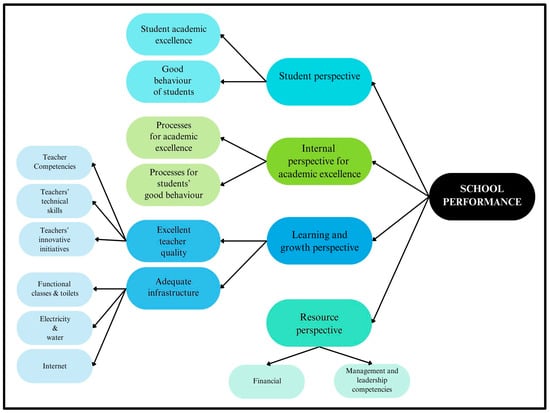
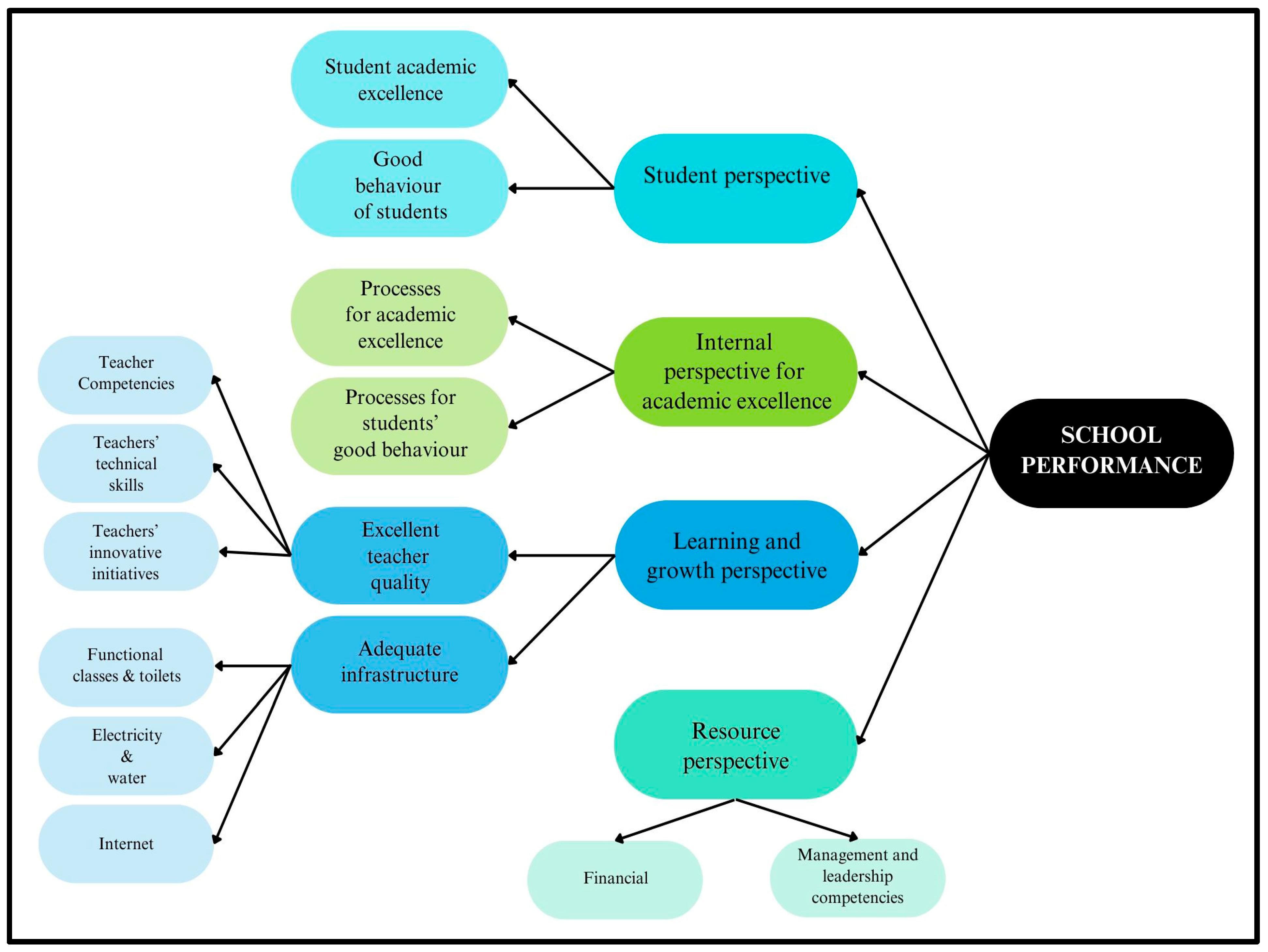
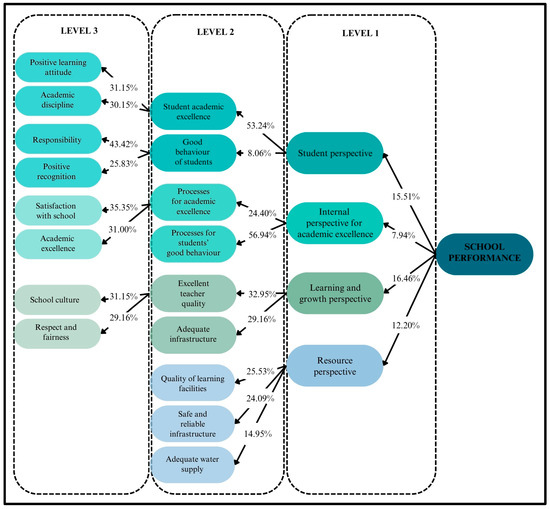
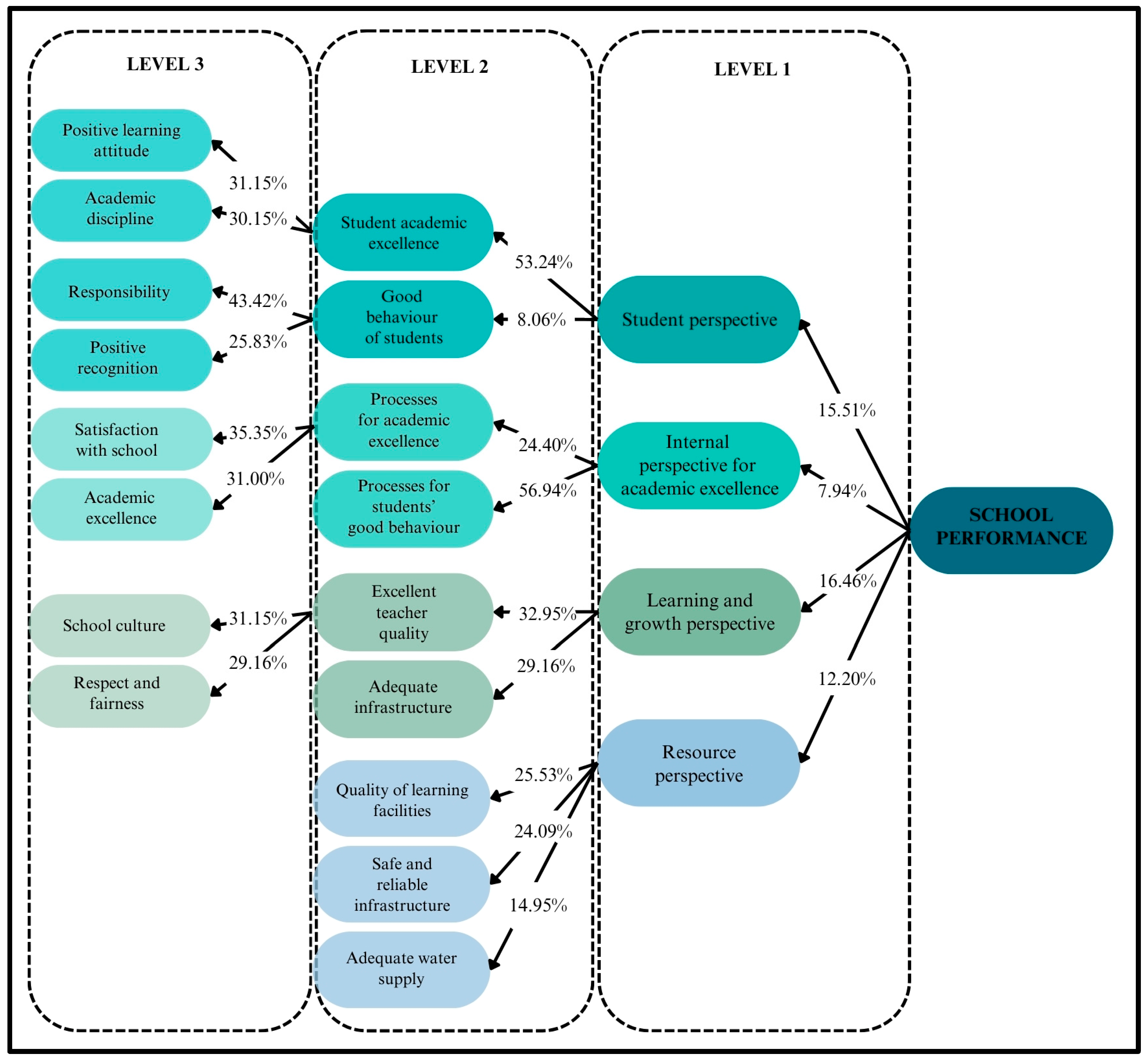
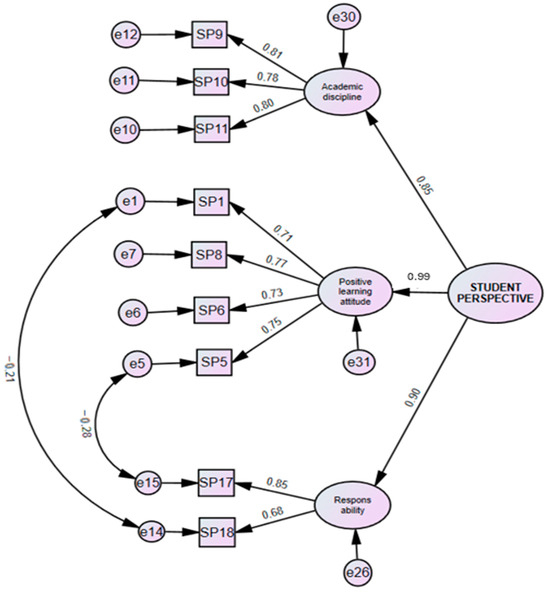
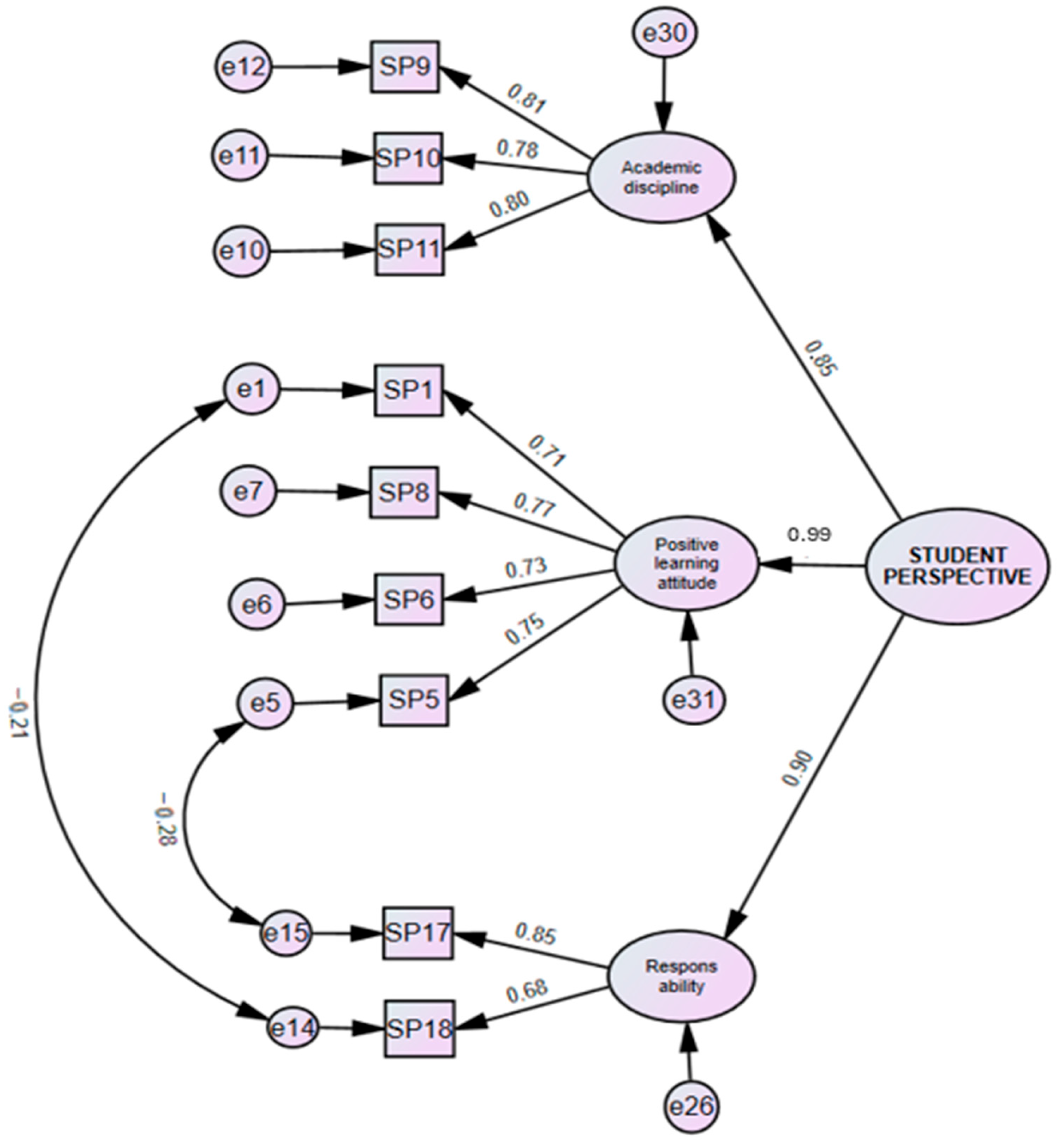
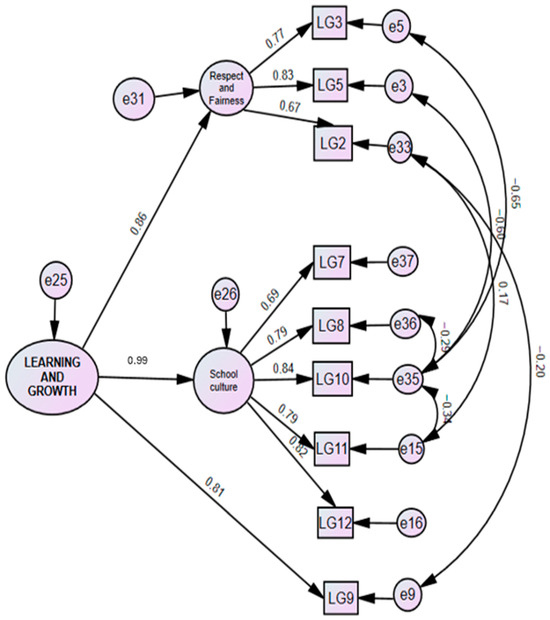
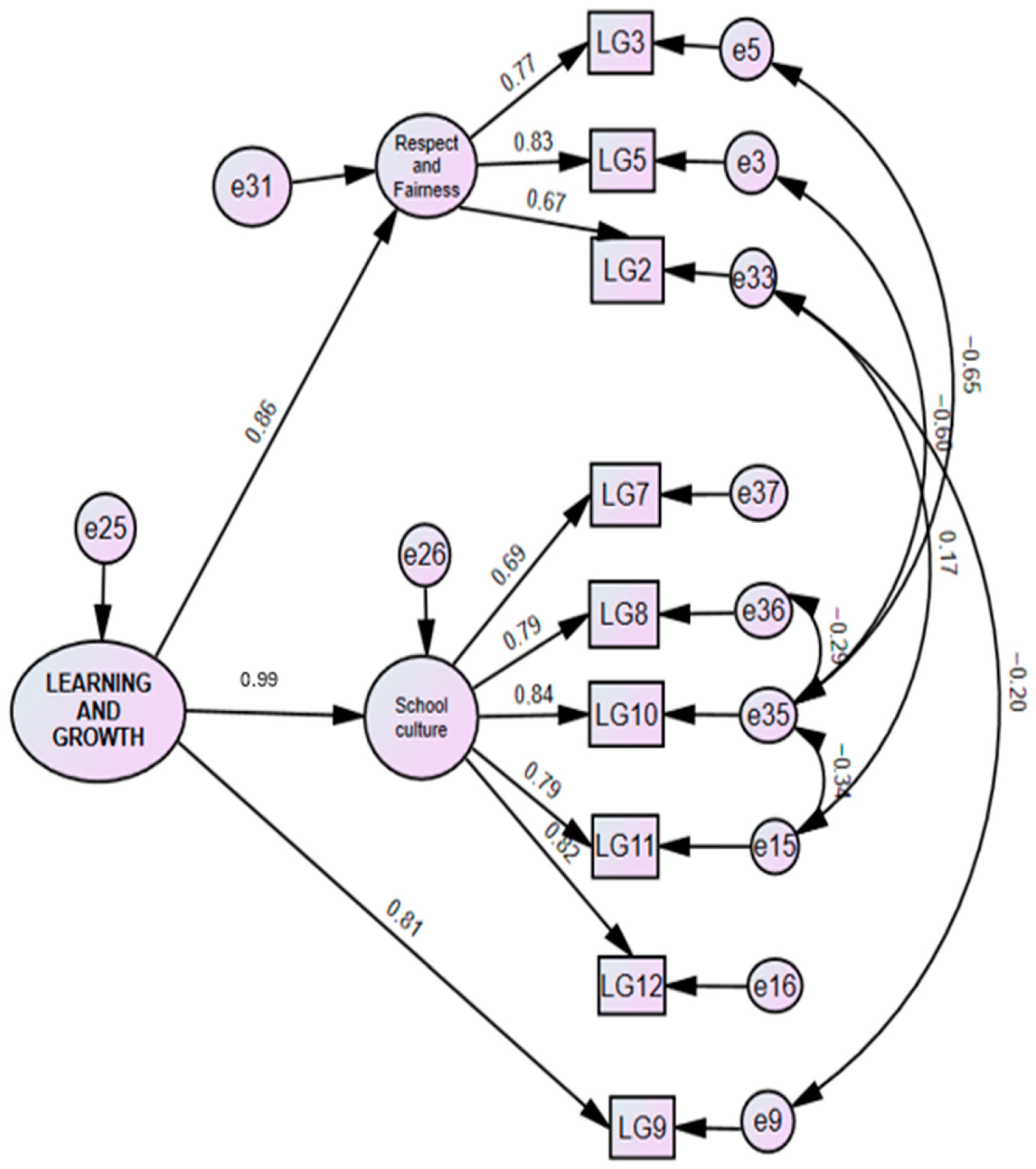
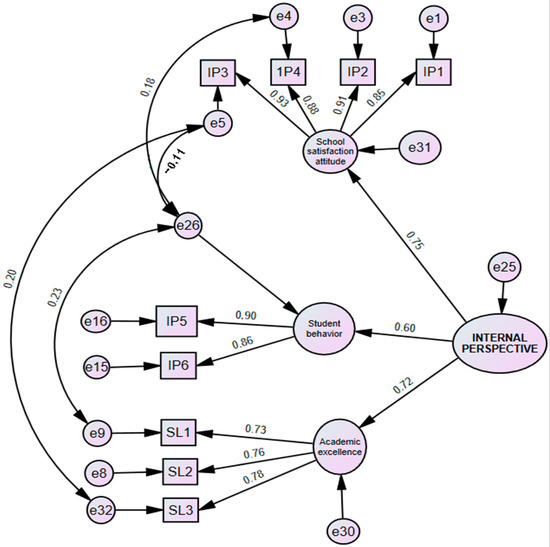
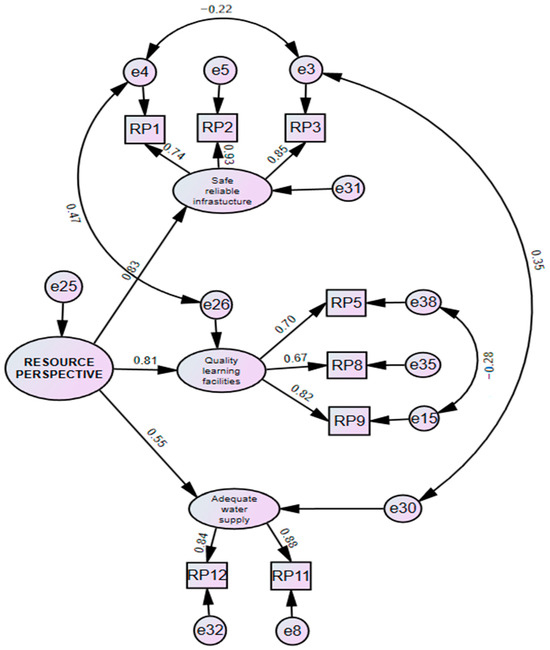

Disclaimer/Publisher’s Note: The statements, opinions and data contained in all publications are solely those of the individual author(s) and contributor(s) and not of MDPI and/or the editor(s). MDPI and/or the editor(s) disclaim responsibility for any injury to people or property resulting from any ideas, methods, instructions or products referred to in the content. |
© 2026 by the authors. Licensee MDPI, Basel, Switzerland. This article is an open access article distributed under the terms and conditions of the Creative Commons Attribution (CC BY) license.