Article

Reflections of Former CLIL Pupils on Their Motivations, Expectations and Perceived Learning Outcomes

Department of Translation, Interpreting and Communication, Ghent University, 9000 Gent, Belgium
*
Author to whom correspondence should be addressed.
Educ. Sci. 2026, 16(3), 495; https://doi.org/10.3390/educsci16030495

Submission received: 13 January 2026 / Revised: 23 February 2026 / Accepted: 19 March 2026 / Published: 21 March 2026
(This article belongs to the Special Issue Bilingual Education and Second Language Acquisition)

Abstract

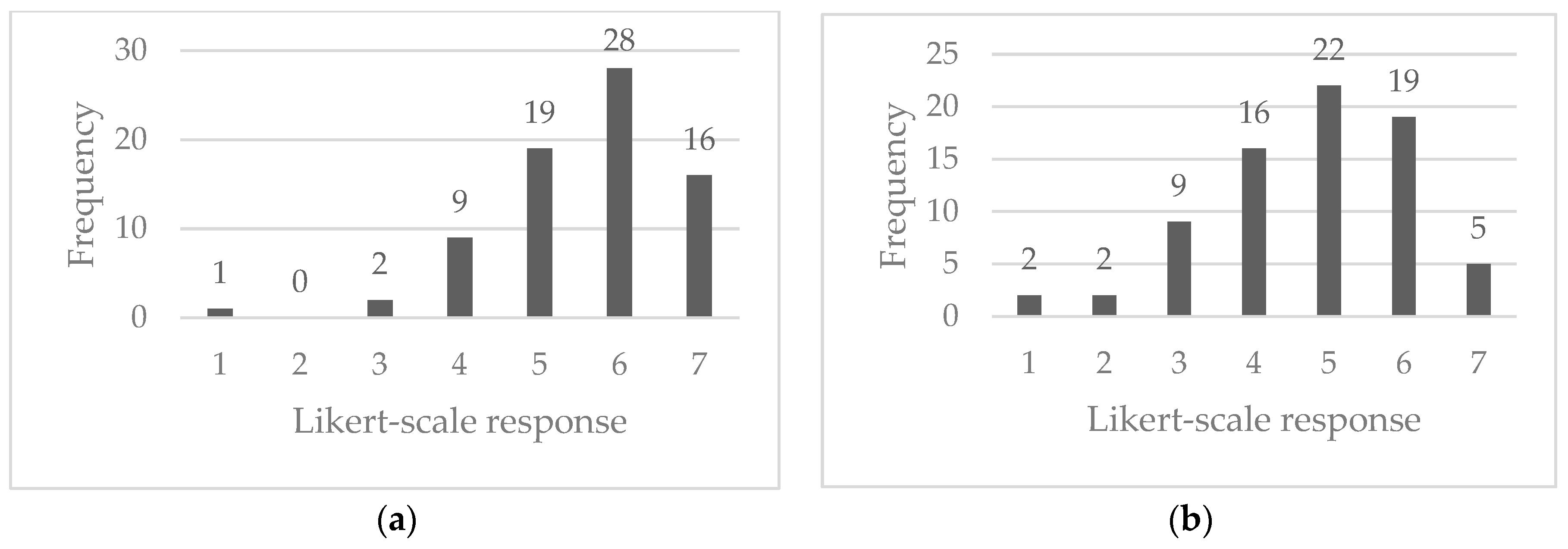
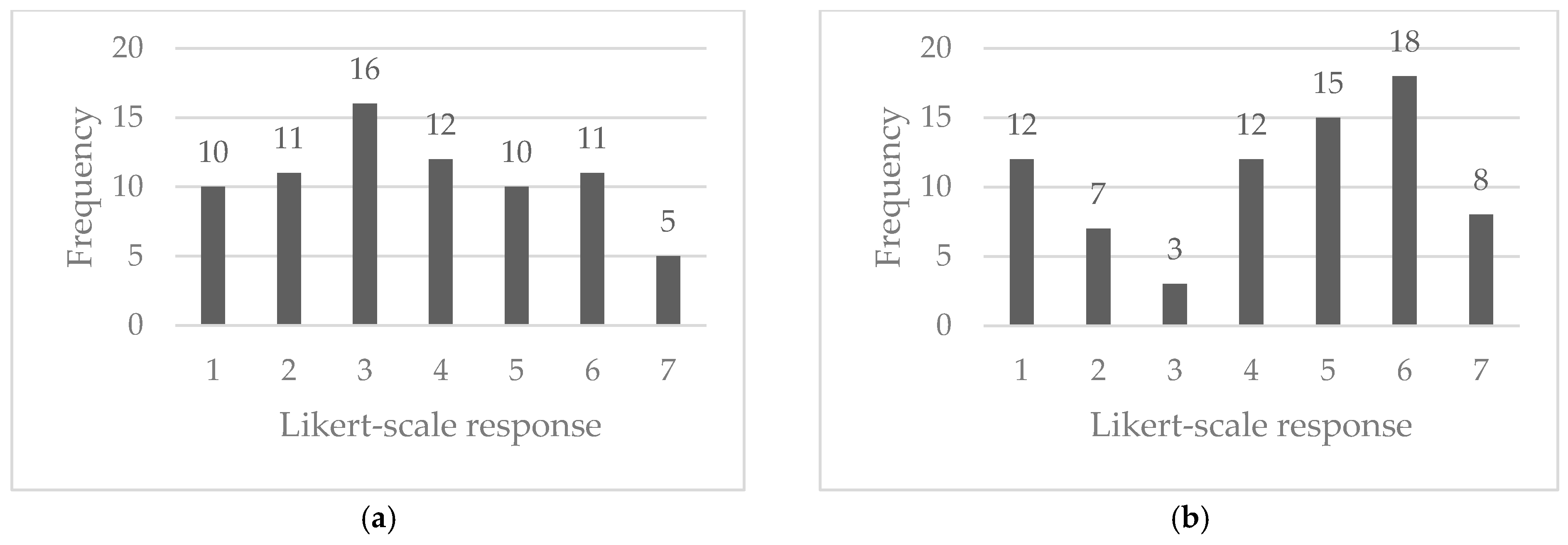
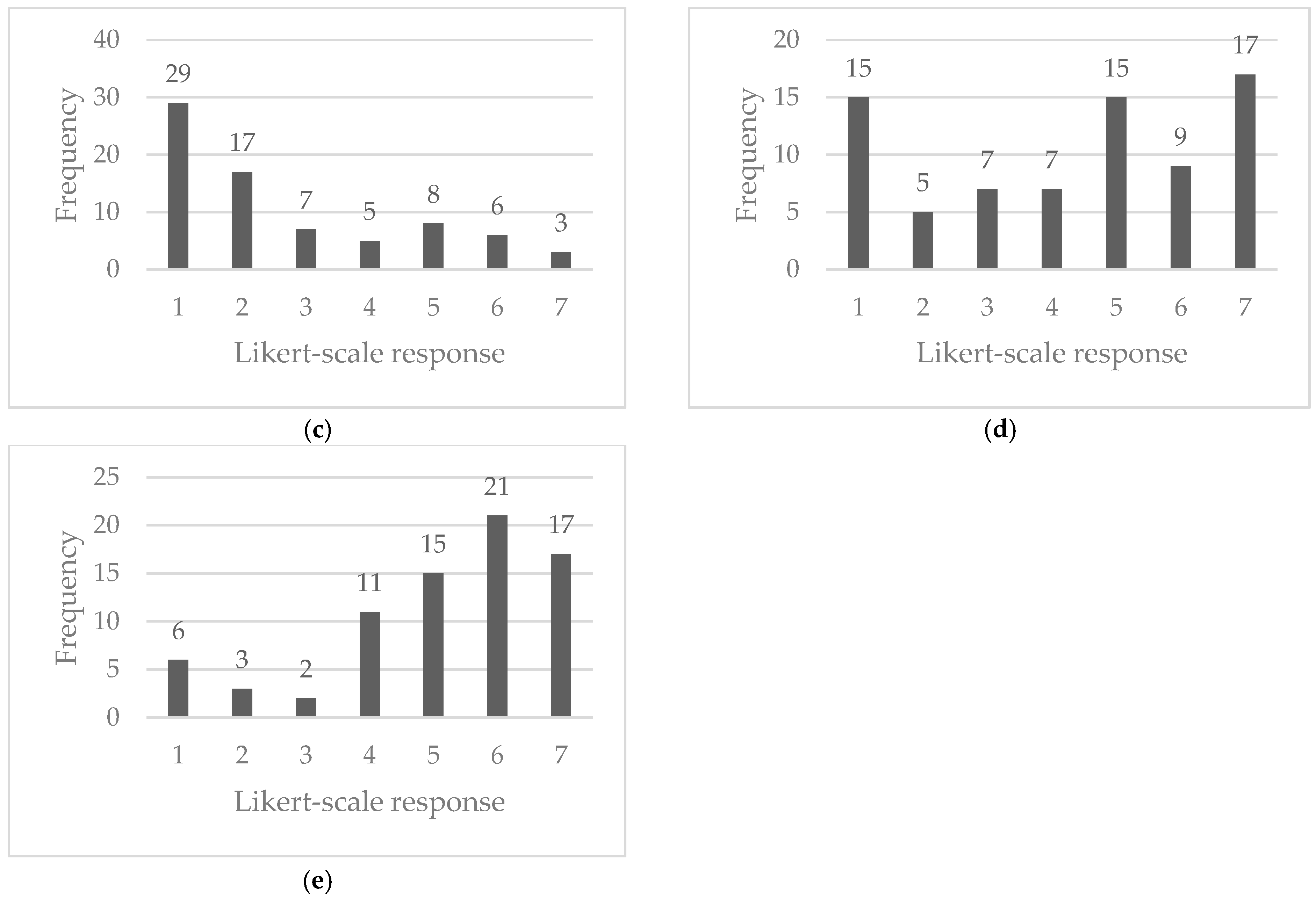
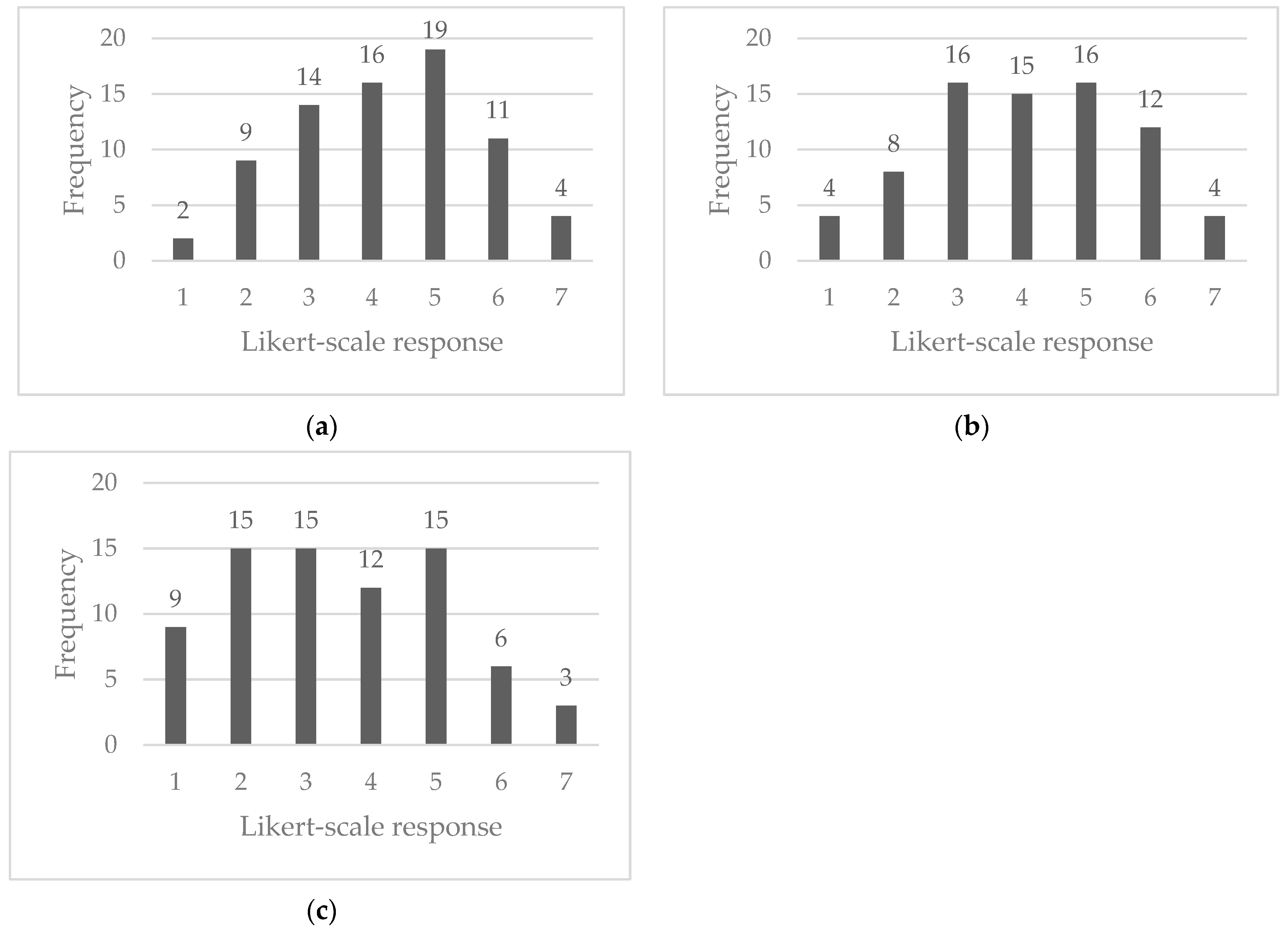
This paper explores how former CLIL pupils who have completed secondary school reflect on their experiences with Content and Language Integrated Learning (CLIL) through a survey with both open- and closed-ended questions. Data was gathered on former pupils’ initial expectations, their motivations, their evaluations of their teachers’ competence, and the perceived impact of CLIL on their language proficiency and content understanding. The sample consisted of 75 participants (ages 18–23) who had taken at least one CLIL subject in a Flemish secondary school. The results reveal that many pupils initially viewed CLIL primarily as a means of enhancing their language skills. This expectation was only partially fulfilled: while some reported increased proficiency and confidence, others were less certain of concrete linguistic gains. In terms of subject content, most pupils felt that learning in a second language had not negatively affected their content understanding. Teachers were mostly deemed competent as to subject knowledge, but language competence was more critically evaluated. Pupils who viewed their teachers’ language competence favorably were also more likely to report personal language improvement. Motivations for participating in CLIL included an interest in languages, a desire for an academic challenge, and perceived future benefits. These insights underscore the need for CLIL programmes to align expectations, teacher support, and target-language use with learners’ perceived experiences.
Keywords: Content and Language Integrated Learning (CLIL); teacher competence; motivation; CLIL effects Content and Language Integrated Learning (CLIL); teacher competence; motivation; CLIL effects