1. Introduction
zSpace is an immersive educational technology designed to enhance student learning across multiple disciplines. The integration of such advanced technologies into educational environments has become increasingly essential, as they enable learners to explore complex subjects in depth and interactively.
This approach was intended to empower educators to critically examine their existing pedagogical practices, share their professional experiences, and collectively develop strategies for curricular enhancement in higher-education contexts (
Kemmis, 2021). In medical and nursing education, learning extends beyond traditional classroom interactions, as students are continuously exposed to complex clinical environments where they engage with academic instructors, healthcare professionals, administrative staff, and multidisciplinary clinical teams. These interactions significantly influence students’ professional development, communication skills and clinical competence. Consequently, pedagogical approaches must account for the multifaceted nature of learning in healthcare settings and promote the integration of theoretical knowledge with practical applications (
Dania & Griffin, 2021;
Wright, 2021).
In this regard, the use of the flipped classroom model was identified as a particularly suitable instructional strategy for implementing the described educational intervention. By shifting the acquisition of foundational knowledge to the pre-class phase and dedicating in-class time to discussion, problem-based learning, and reflective activities, the flipped classroom fosters active learning and deeper engagement among students (
Shulman, 1986). This pedagogical model supports the development of critical thinking, clinical reasoning, and collaborative skills, which are essential competencies in medical and nursing education. Furthermore, the flipped classroom approach aligns with contemporary trends in higher education that emphasize student-centered learning, lifelong learning, and the cultivation of reflective practitioners. When combined with participatory action research, this model enhances students’ disciplinary knowledge and contributes to continuous professional development among educators, ultimately leading to sustainable improvements in educational quality within medical and nursing programs (
Roberts & Collins, 2026).
In recent years, a growing body of research has explored the use of virtual reality (VR), augmented reality (AR), and 3D visualization tools in anatomy and medical education. Previous studies have demonstrated that immersive technologies can improve spatial understanding, learner motivation, and short-term knowledge retention compared to traditional cadaver-based or textbook-centered approaches (
Radianti et al., 2020;
Moro et al., 2017). From a cognitive perspective, these benefits can be explained through cognitive load theory, which emphasizes the importance of managing intrinsic and extraneous cognitive loads in complex learning environments. Well-designed 3D visualizations can reduce unnecessary cognitive processing by integrating spatial and verbal information, thereby facilitating meaningful learning in health professional education (
van Merriënboer & Sweller, 2010). Similarly, 3D anatomy platforms have been shown to support the active exploration of anatomical structures and enhance student engagement, particularly in complex systems such as the respiratory and cardiovascular systems (
Luursema et al., 2017).
However, much of the existing literature focuses primarily on technological effectiveness or learning outcomes in isolation, often within controlled experimental settings or single-discipline cohorts such as medical students (
Kozov & Ivanova, 2023). Few studies have examined the pedagogical integration of immersive technologies within structured instructional models, such as the flipped classroom, or considered their application across multiple healthcare-related undergraduate programs simultaneously. Moreover, despite its central importance in medical education, limited attention has been given to the role of immersive 3D environments in supporting the acquisition of Latin medical terminology alongside anatomical knowledge.
Consequently, a clear research gap exists in relation to the systematic integration of immersive 3D technologies, such as zSpace, within learner-centered pedagogical frameworks in healthcare education. In particular, limited evidence is available on how such technologies can support the integrated learning of anatomical structures and Latin medical terminology in diverse undergraduate healthcare programmes (
Harden, 2000). To address this gap, the present study adopts an applied, pedagogically grounded approach that moves beyond the evaluation of technology in isolation and examines its integration into an authentic educational setting. By operationalizing zSpace within a flipped classroom model and a participatory action research framework, this study provides empirical evidence of its educational value, scalability, and relevance to contemporary medical and nursing education.
This study contributes to the literature in three ways:
(1) by examining the pedagogical integration of zSpace within a flipped classroom model;
(2) by evaluating its role in supporting the combined learning of anatomical structures and Latin medical terminology; and
(3) by investigating its application across multiple healthcare undergraduate programmes.
In the paper, zSpace technology was implemented during practical sessions with students specializing in Nursing, Midwifery, and Physician Assistant programs. The primary objective was to facilitate a clearer and more detailed understanding of human anatomical structures and their corresponding Latin terminology, while simultaneously increasing student motivation and engagement.
2. Materials and Methods
2.1. Study Design
This study employed a descriptive, cross-sectional design using a post-intervention survey to evaluate students’ perceptions of the educational effectiveness of zSpace-supported anatomy instruction. The study does not employ an objective pre- and post-test assessment of knowledge. Instead, it utilizes a retrospective self-assessment approach within the post-intervention survey, where students rate their perceived level of knowledge before and after the session to capture self-reported change.
2.2. Participants
The study involved a total of 34 undergraduate students enrolled in the Nursing, Midwifery, and Physician Assistant bachelor programs. Participation was voluntary. Eligible participants were required to be actively enrolled in the Anatomy and Latin medical terminology courses and have successfully completed the theoretical module on the human respiratory system prior to the intervention. The sample consisted of 11 Midwifery students, 13 Nursing students, and 10 Physician Assistant students. The majority of participants were female (88.2%), reflecting the typical gender distribution within these programs.
2.3. Ethics and Consent
The study protocol was reviewed and approved by the Ethics Committee of the University of Ruse. Informed consent was obtained from all subjects involved in the study. Participation was voluntary, and data were collected anonymously via Google Forms.
2.4. Educational Intervention
The educational intervention consisted of an individual, technology-enhanced practical session using a zSpace 3D stereoscopic laptop. Each participant interacted with a 3D anatomical model of the human respiratory system for a duration of 15 min.
During the session, students were instructed to identify and isolate anatomical structures, manipulate the model through rotation and magnification, examine internal layers, and explore spatial relationships between organs. The intervention was designed to support anatomical understanding and reinforce the acquisition of corresponding Latin medical terminology.
2.5. Instruments (Questionnaire)
Data were collected using a structured, anonymous questionnaire developed specifically for the purposes of this study (
Table 1). The instrument consisted of ten items grouped into several dimensions, including perceived learning effectiveness, student engagement, visualization quality, and instructional organization.
Most of the questions used five-point Likert-type scale ranging from 2 (“very low”) to 6 (“very high”), reflecting the conventional Bulgarian grading system. This culturally familiar framework was used to enhance interpretability and reduce cognitive ambiguity among participants. The other questions were structured so that respondents could answer more freely.
The questionnaire was reviewed by experts in anatomy education and educational technology to ensure content validity and clarity.
2.6. Procedure
Prior to the intervention, students completed conventional instruction in anatomy and Latin medical terminology related to the respiratory system, following a flipped classroom sequencing approach commonly applied in anatomy education (
Torralba Estellés et al., 2026). The experimental session was conducted one week after completion of the theoretical module to allow for knowledge consolidation.
At the beginning of the session, participants received brief instruction on how to use the zSpace system. The students were instructed to identify and isolate anatomical structures and manipulate the model through rotation and magnification. Such interactive visual modeling approaches have been shown to enhance learning regulation and engagement in biomedical education (
Latre-Navarro & Quintas-Hijós, 2025). Students then completed the individual practical exercise under lecturer supervision. Following the session, participants completed the questionnaire, which was administered via the Google Forms platform.
2.7. Data Analysis
Data were analyzed using IBM SPSS Statistics, Version 22. Descriptive statistics (mean, median, mode, and standard deviation) were used to summarize student perceptions. The Kolmogorov–Smirnov test was employed to determine the normality of data distribution. Since the data were non-normally distributed (p < 0.05), the non-parametric Wilcoxon Signed-Rank test was used to compare retrospective self-reported knowledge levels (before vs. after). Statistical significance was set at α = 0.05, and p-values are reported following APA conventions (e.g., p < 0.001 instead of p = 0.000). Additionally, effect sizes (r) were calculated to provide a standardized measure of the magnitude of perceived change in student knowledge.
2.8. Instructional Phases
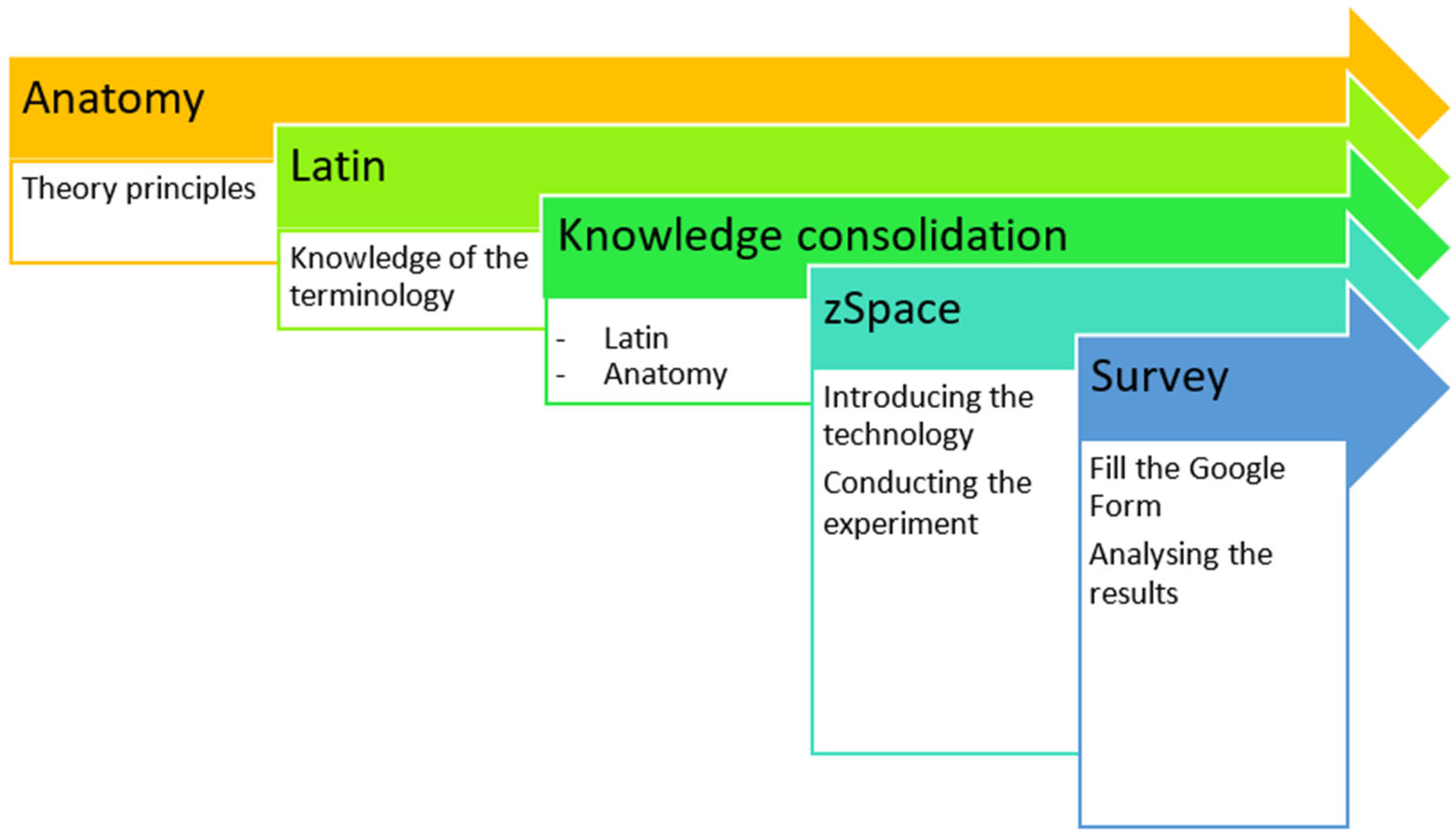
The instructional methodology comprised three sequential phases.
The first phase involved theoretical preparation, including familiarization with fundamental anatomical concepts through conventional instructional materials and the acquisition of Latin terminology relevant to the respiratory system. This phase provided foundational knowledge related to organ structure, physiological function, and anatomical interrelationships.
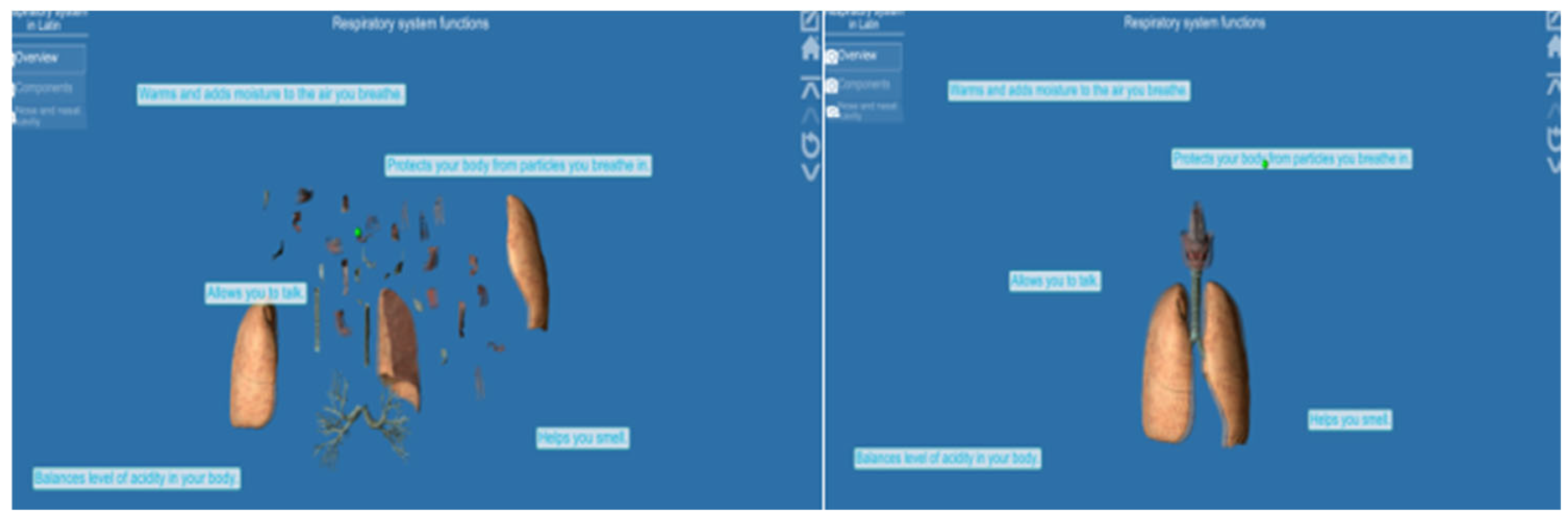
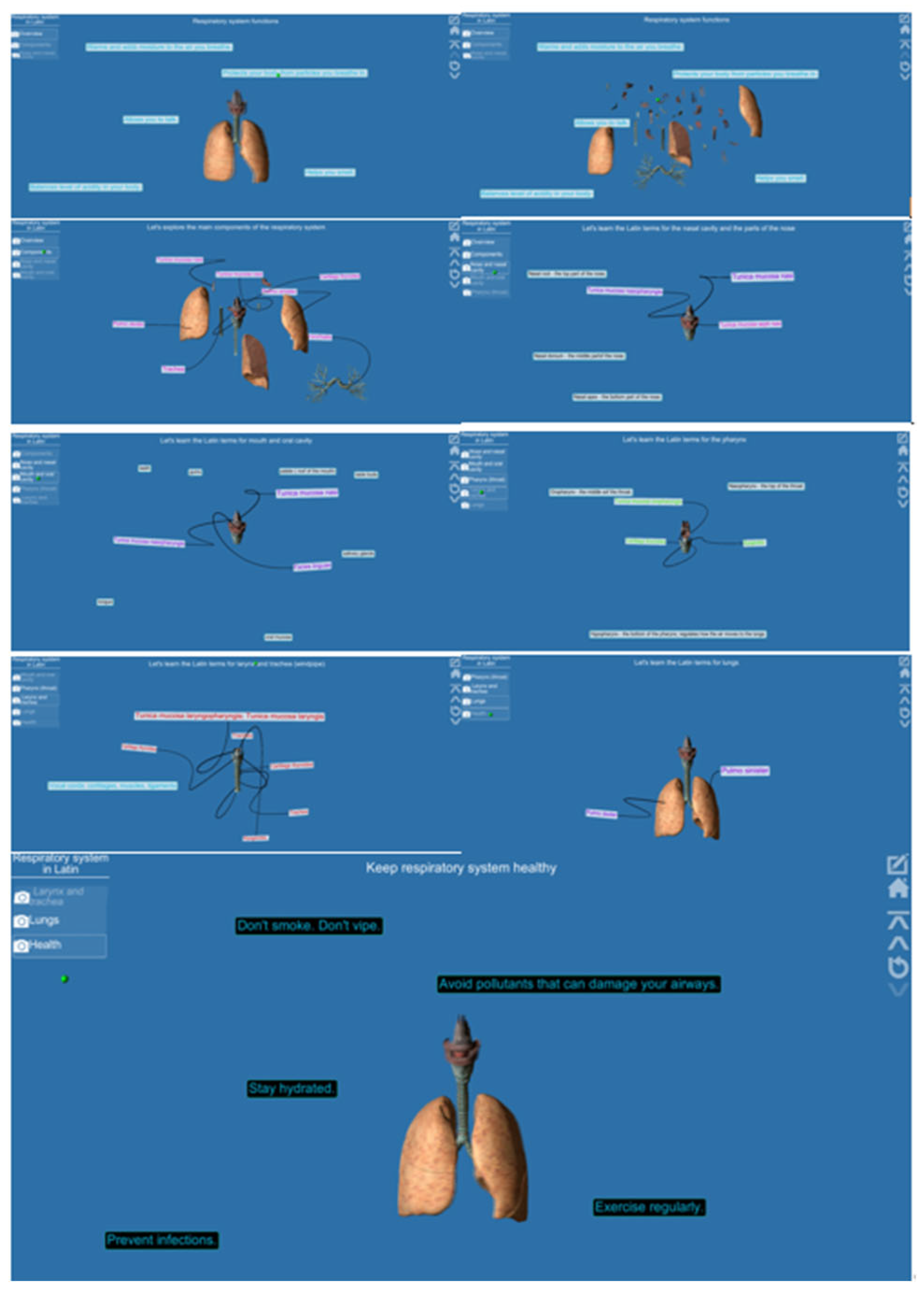
The second phase focused on knowledge consolidation through formative assessment and experiential learning activities, including written tests, guided discussions, and applied exercises. These activities supported the application of Latin terminology within anatomical contexts (
Figure 1 and
Figure 2).
The third phase consisted of the technology-enhanced learning experiment. Prior to the experimental session, students received a brief orientation to the zSpace platform, as none of the participants had prior experience with immersive 3D educational systems. Lecturers demonstrated core system functionalities, including visualization, scaling, rotation, and segmentation of 3D anatomical models. Upon completion of the intervention, participants completed the post-intervention questionnaire, and the responses were subsequently analyzed (
Figure 3).
3. Results
3.1. Descriptive Statistics
Descriptive statistics for student responses to Question 3, Question 4, and selected instructional organization items are presented in
Table 2,
Table 3 and
Table 4. Mean, median, and mode values were calculated for all Likert-scale items.
For Question 3, mean values ranged from 3.76 to 5.18. The highest mean scores were observed for satisfaction with the level of visualization detail (M = 5.18) and the perceived influence of the technology on the acquisition of new knowledge (M = 5.12). Understanding of the respiratory system structure also received a high mean score (M = 4.94).
For Question 4, students reported higher self-assessed knowledge levels at the end of the presentation (M = 5.12) compared with the beginning (M = 4.24). Mean values for the level of knowledge required during and to complete the presentation were 4.68 and 4.74, respectively.
Instructional organization items showed mean values ranging from 3.97 to 4.18, indicating generally positive evaluations of lesson structure, clarity of objectives, and workload balance.
3.2. Normality Testing
The key issues related to the effectiveness and perception of learning supported by zSpace were subjected to descriptive and comparative statistical analysis. The Kolmogorov–Smirnov test was applied to assess data normality. As the obtained
p-values were less than 0.05, the null hypothesis of normal distribution was rejected, and nonparametric statistical tests were subsequently employed. The results of the Kolmogorov–Smirnov normality test indicated that, for all analyzed variables, the
p-values were below the 0.05 threshold, confirming the non-normal distribution of the data. Responses were concentrated in the upper range of the scale. Mean values for the analyzed variables were generally high, with relatively low standard deviations, suggesting limited response variability among participants (
Table 5).
3.3. Perceived Learning Effectiveness
Students reported positive perceptions regarding the educational value of the zSpace-supported instruction. The highest mean scores were observed for satisfaction with the level of anatomical detail (M = 5.18) and the influence of the technology on the acquisition of new knowledge (M = 5.12). Understanding of the respiratory system structure also received a high evaluation (M = 4.94).
Understanding the Structure
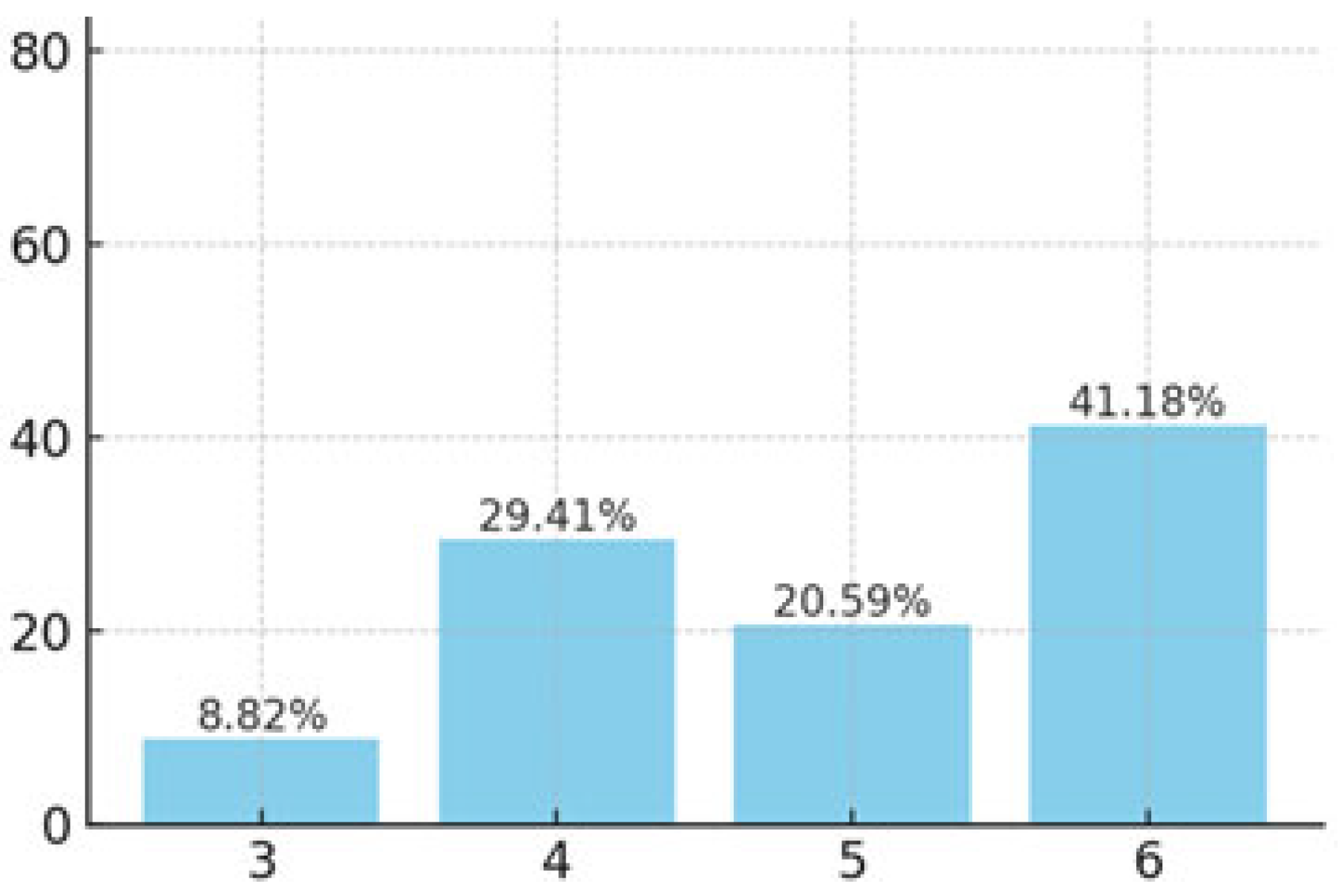
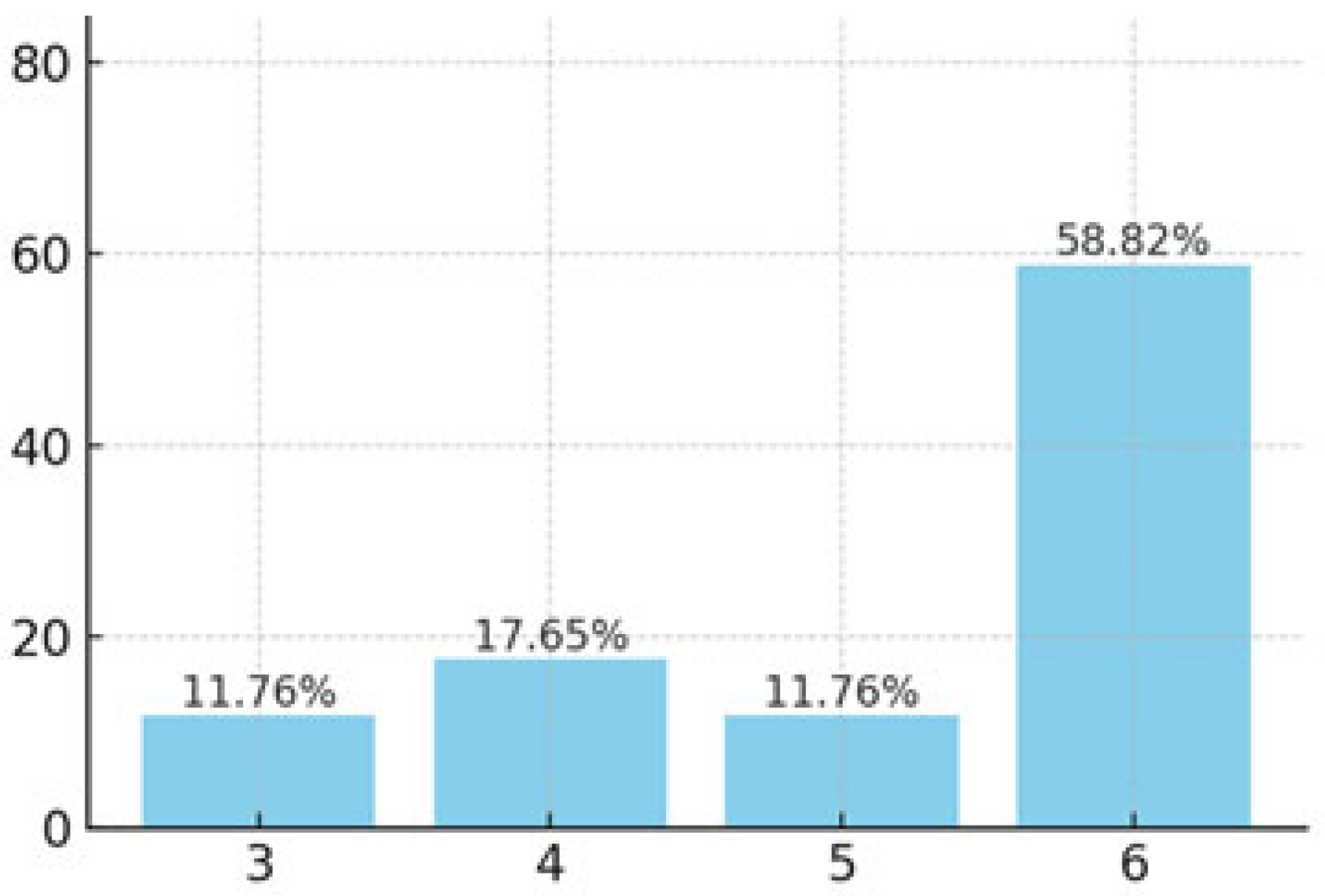
Figure 4 presents the distribution of responses related to perceived understanding of the respiratory system structure. Responses were predominantly concentrated in the upper range of the scale, indicating high levels of self-reported understanding following the instructional session.
3.4. Visualization Quality
3.4.1. Detail of Visualization
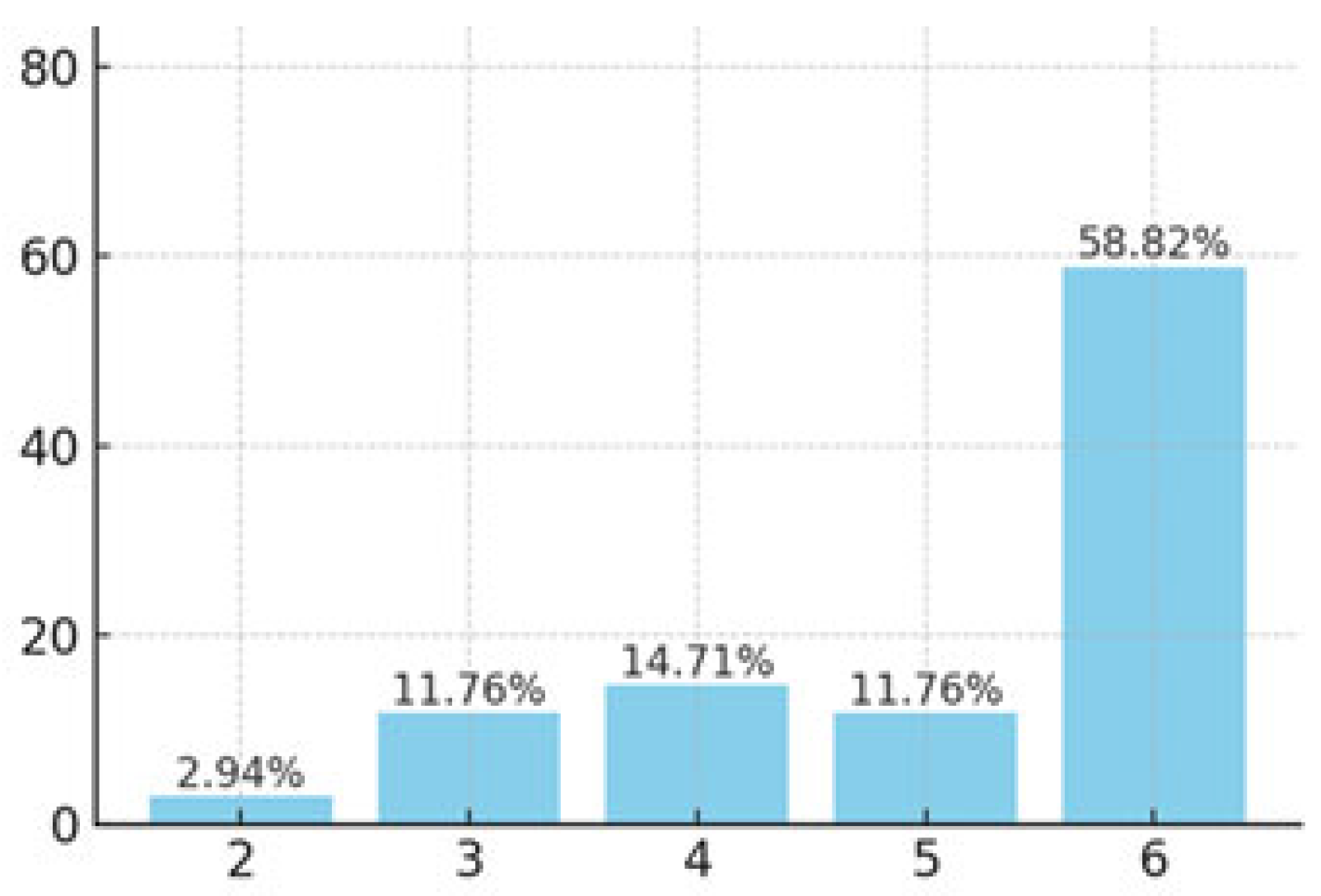
Figure 5 demonstrates a pronounced concentration of responses within the highest rating range, indicating that the majority of participants perceived the level of visualization detail as fully meeting their needs for understanding anatomical features.
3.4.2. zSpace Visualization
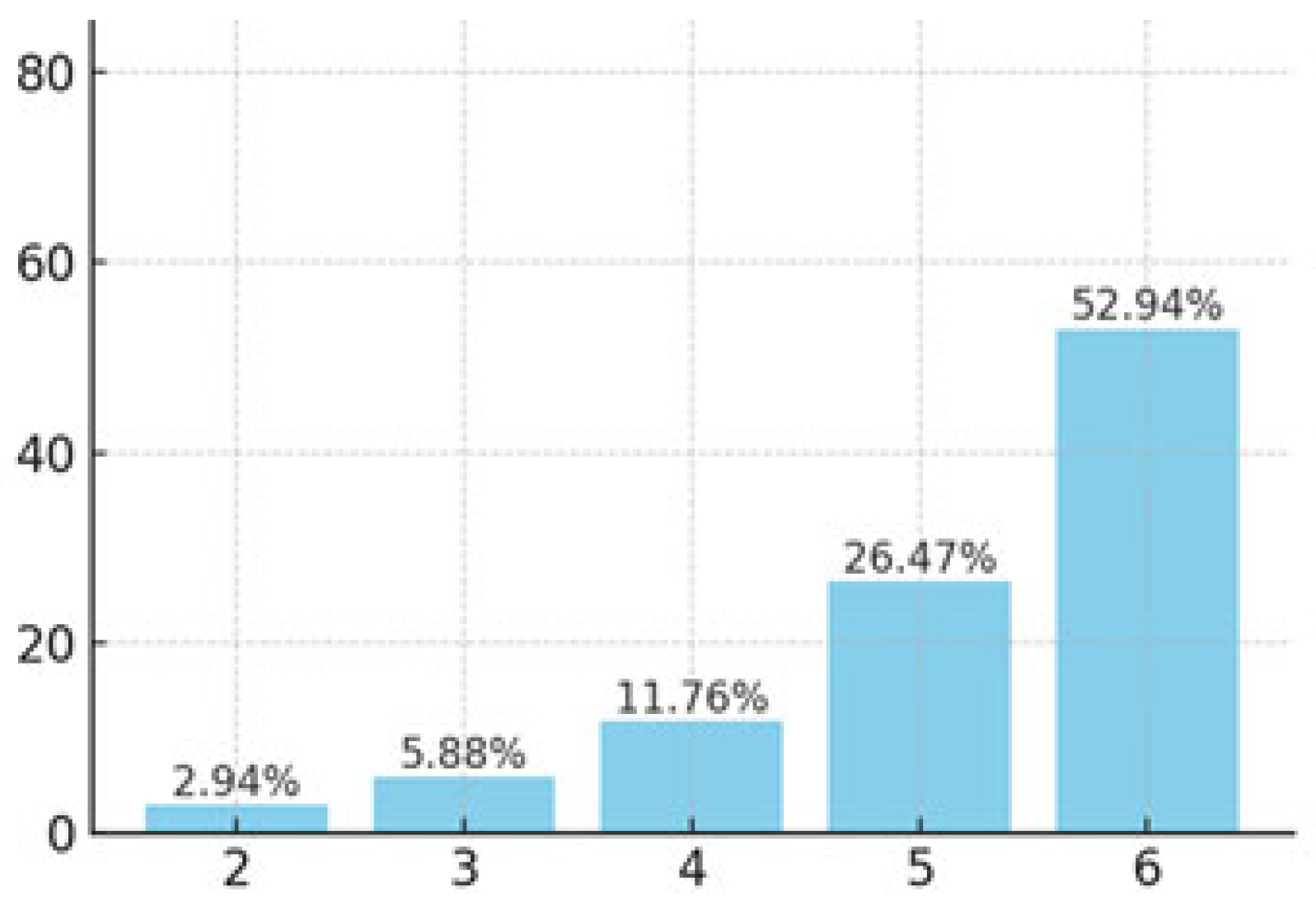
The predominance of high ratings shown in
Figure 6, along with the near absence of low values, indicates consistently positive evaluations of zSpace as a visualization tool. The distribution of responses suggests a close correspondence between participants’ expectations and the visual representation provided by the system.
3.4.3. Impact of Knowledge Acquisition
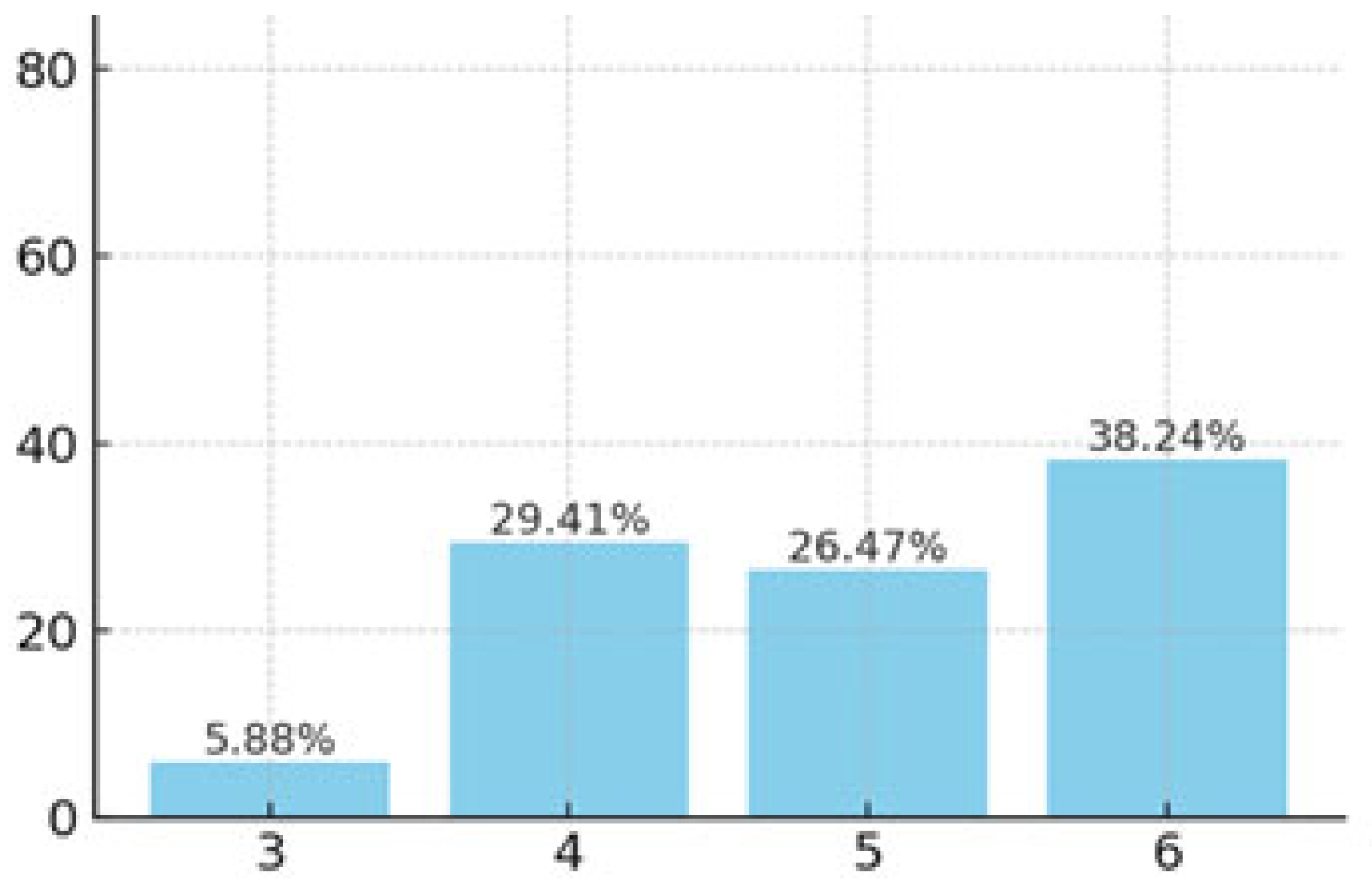
Figure 7 indicates a clearly positive distribution of responses regarding the perceived impact on the acquisition of new knowledge. The majority of participants rated this impact within the upper range of the scale. Analysis of the response distribution shows a concentration of values at the higher end of the scale, accompanied by low variability, indicating a high level of agreement among participants. These results reflect consistently positive evaluations of the perceived contribution of zSpace-supported instruction to the learning of new information.
3.5. Student Engagement
The observed distribution of responses demonstrates a clear tendency for participants to perceive zSpace-supported instruction as more engaging compared with traditional teaching methods. Ratings were predominantly concentrated in the higher range of the scale, indicating consistently positive evaluations of learner engagement. The response pattern reflects a shared perception among participants regarding the relative level of engagement associated with the use of zSpace.
The perceived impact of the technology (
Figure 8) on learner engagement achieved a mean score of 4.94, while the perceived potential contribution to higher learning outcomes reached a mean value of 5.05. Students also reported that the use of zSpace could reduce the time required for learning, with a mean score of 4.56.
4. Discussion
The present study examined the pedagogical effectiveness of zSpace technology, integrated within a flipped classroom framework, for supporting the learning of respiratory system anatomy and Latin medical terminology among undergraduate healthcare students. The high levels of satisfaction are consistent with previous findings, indicating that digital instructional resources can enhance both academic performance and student satisfaction in nursing anatomy education (
Ortega et al., 2025). The findings indicate that 3D visualization is perceived by learners as a valuable addition to traditional anatomy instruction (
Mayer, 2020).
The high levels of satisfaction reported with respect to anatomical clarity and level of detail are consistent with previous research demonstrating the benefits of 3D-based learning environments for enhancing spatial understanding in medical education (
Radianti et al., 2020;
Moro et al., 2017). In line with earlier studies, participants perceived immersive visualization as facilitating more meaningful engagement with complex anatomical content, particularly in systems characterized by intricate spatial relationships.
The results further suggest that the integration of zSpace within a structured pedagogical model contributes not only to cognitive outcomes but also to affective dimensions of learning, including motivation and engagement. This finding aligns with evidence indicating that technology-enhanced, active learning strategies can promote deeper learning and learner autonomy in health sciences education (
Hristova et al., 2021).
An important contribution of this study lies in its focus on the role of 3D environments in supporting the acquisition of Latin medical terminology alongside anatomical knowledge. Despite its central relevance to professional communication in healthcare, this dual learning objective has received limited empirical attention in prior research.
Several limitations should be acknowledged. The study employed a relatively small sample size and relied on self-reported perceptions rather than objective performance measures. Additionally, the absence of a control group limits the ability to draw causal inferences regarding the effectiveness of the intervention. Future research should incorporate experimental designs, larger and more diverse samples, and longitudinal assessments of knowledge retention and clinical transfer.
From a practical perspective, the findings indicate that the effective implementation of 3D technologies requires not only appropriate technical infrastructure (
Rusev et al., 2014) but also pedagogical training for instructors and careful curricular integration. When these conditions are met, technologies such as zSpace may contribute meaningfully to contemporary medical and nursing education.
The relatively small sample size (N = 34) represents a limitation of the present study and restricts the generalizability of the findings. Future research should involve larger cohorts and multi-institutional samples to validate these results.
Although students reported positive perceptions, the adoption of zSpace technology requires a rigorous strategic evaluation. While it offers high-end stereoscopic 3D visualization that enhances spatial learning and engagement, its implementation entails costs that significantly exceed conventional ICT tools. Hardware investments and recurring software licensing fees may limit scalability and present challenges related to financial sustainability. Furthermore, as a proprietary platform, it may exist in tension with Open Educational Resource (OER) principles regarding interoperability and accessibility. To mitigate the risk of a ‘digital divide’—where access to advanced immersive tools is restricted to well-funded institutions—zSpace should be positioned as a complement to, rather than a replacement for, free digital assets and open education. Consequently, the findings of this study must be interpreted within the specific institutional context of its application, balancing pedagogical value against technological and budgetary constraints.
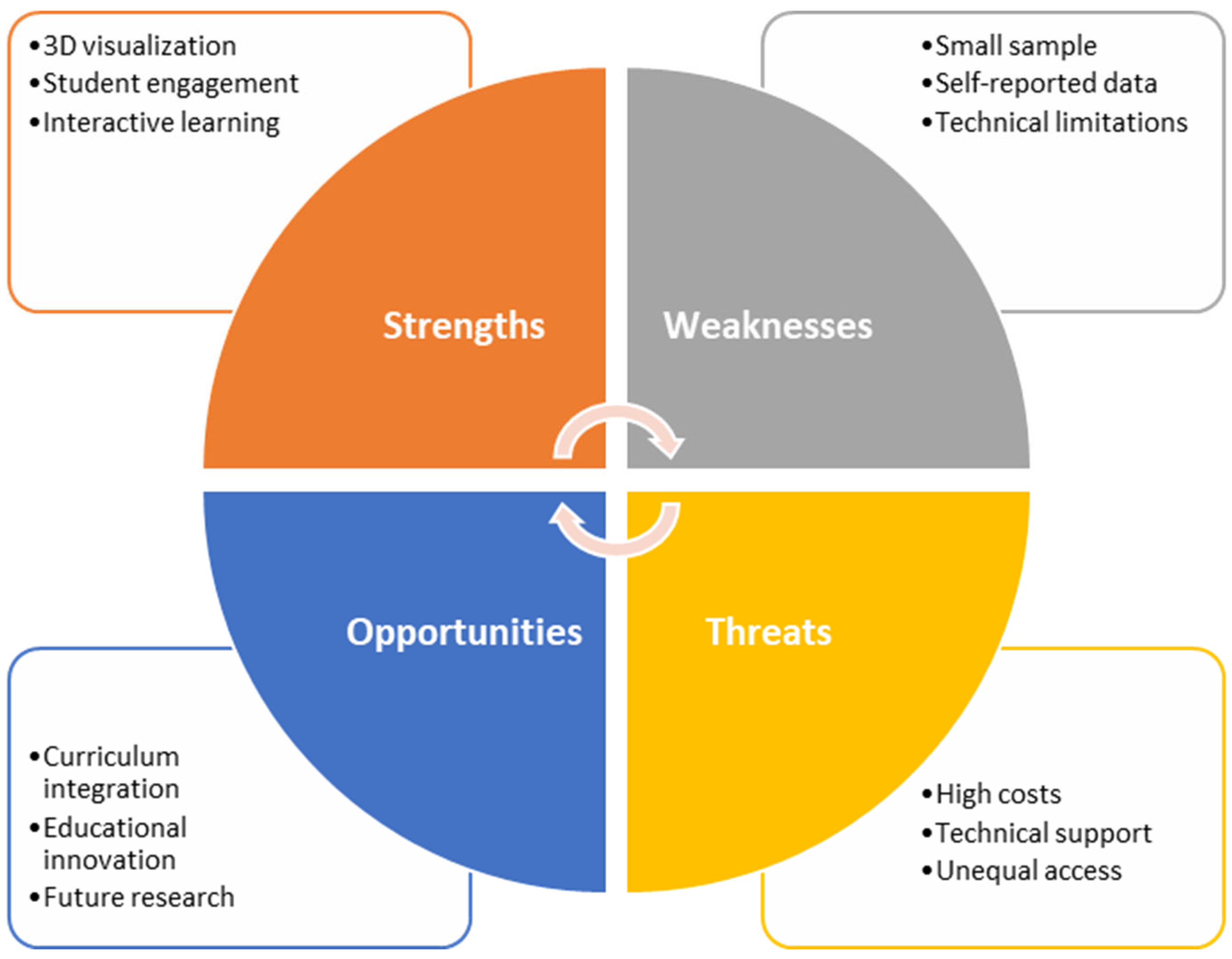
A SWOT analysis of the study shows that the Strengths are related to the use of the innovative zSpace technology for 3D visualization, which improves the understanding of complex anatomical structures, increases student engagement, and supports the acquisition of Latin medical terminology through interactive learning. The Weaknesses mainly stem from the limitations of the study, including the small number of participants, the reliance primarily on self-assessment through questionnaires rather than objective measurements of knowledge, as well as potential challenges related to technical infrastructure, students’ digital literacy, and instructors’ preparedness to work with the technology. The Opportunities include expanding the application of zSpace to other anatomical systems and medical disciplines, integrating it into broader educational programs and various healthcare specialties, and conducting future research with larger samples and experimental designs. The Threats are associated with the high cost of technological equipment, the need for specialized technical support, possible organizational barriers within universities, and the risk of unequal access to such educational technologies across different educational institutions (
Figure 9).
5. Conclusions
In summary, this study provides empirical support for the pedagogical value of integrating immersive educational technologies into undergraduate medical education, particularly in facilitating the learning of complex anatomical structures and Latin-based medical terminology. The incorporation of zSpace as a personalized, interactive instructional environment embedded within a structured pedagogical sequence that combines prior theoretical preparation with hands-on experiential engagement was associated with high levels of perceived instructional effectiveness, enhanced visualization quality, and increased learner involvement.
Students reported clearer understanding compared with their prior learning experiences. Furthermore, the consistently positive learner perceptions observed suggest that such technologies may contribute not only to improved cognitive outcomes but also to greater motivational engagement and more favorable attitudes toward the learning experience.
Taken together, these findings underscore the potential of zSpace as an innovative educational tool capable of enriching anatomy instruction through personalized and experiential learning pathways. Future applications may extend this approach to other anatomical systems, and further research should explore its long-term impact on knowledge retention, clinical reasoning development, and broader curricular integration in medical education.