Article

The Presence of Ethics in Initial Teacher Training: Reasons and Implications

by
Evangelina Bonifácio
1,
Adelaide Proença
2,3 and
Luísa Carvalho
2,3,4,*
1
CITED—Transdisciplinary Research Center in Education and Development, Polytechnic Institute of Bragança, Campus de Santa Apolónia, 5300-253 Bragança, Portugal
2
School of Education and Social Sciences (ESECS), Polytechnic Institute of Portalegre, Praça do Município, 11, 7300-110 Portalegre, Portugal
3
CARE—Research Center on Health and Social Sciences, Campus Politécnico, 10, 7300-555 Portalegre, Portugal
4
CIEP—Centre for Research in Education and Psychology, University of Evora, Colégio Pedro da Fonseca, Apartado 94, 7002-554 Évora, Portugal
*
Author to whom correspondence should be addressed.
Educ. Sci. 2025, 15(8), 1046; https://doi.org/10.3390/educsci15081046

Submission received: 8 July 2025 / Revised: 7 August 2025 / Accepted: 13 August 2025 / Published: 15 August 2025

Abstract

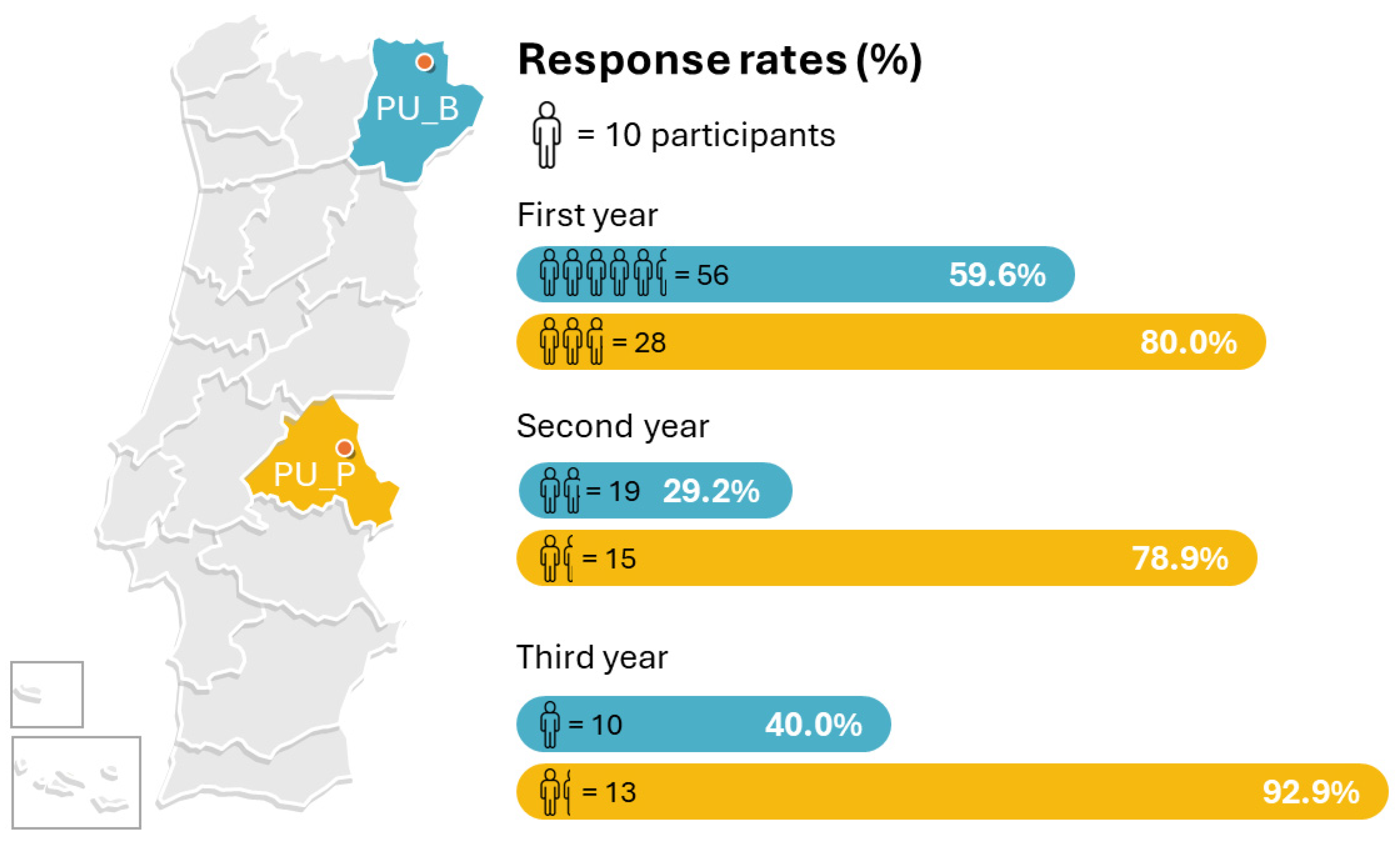
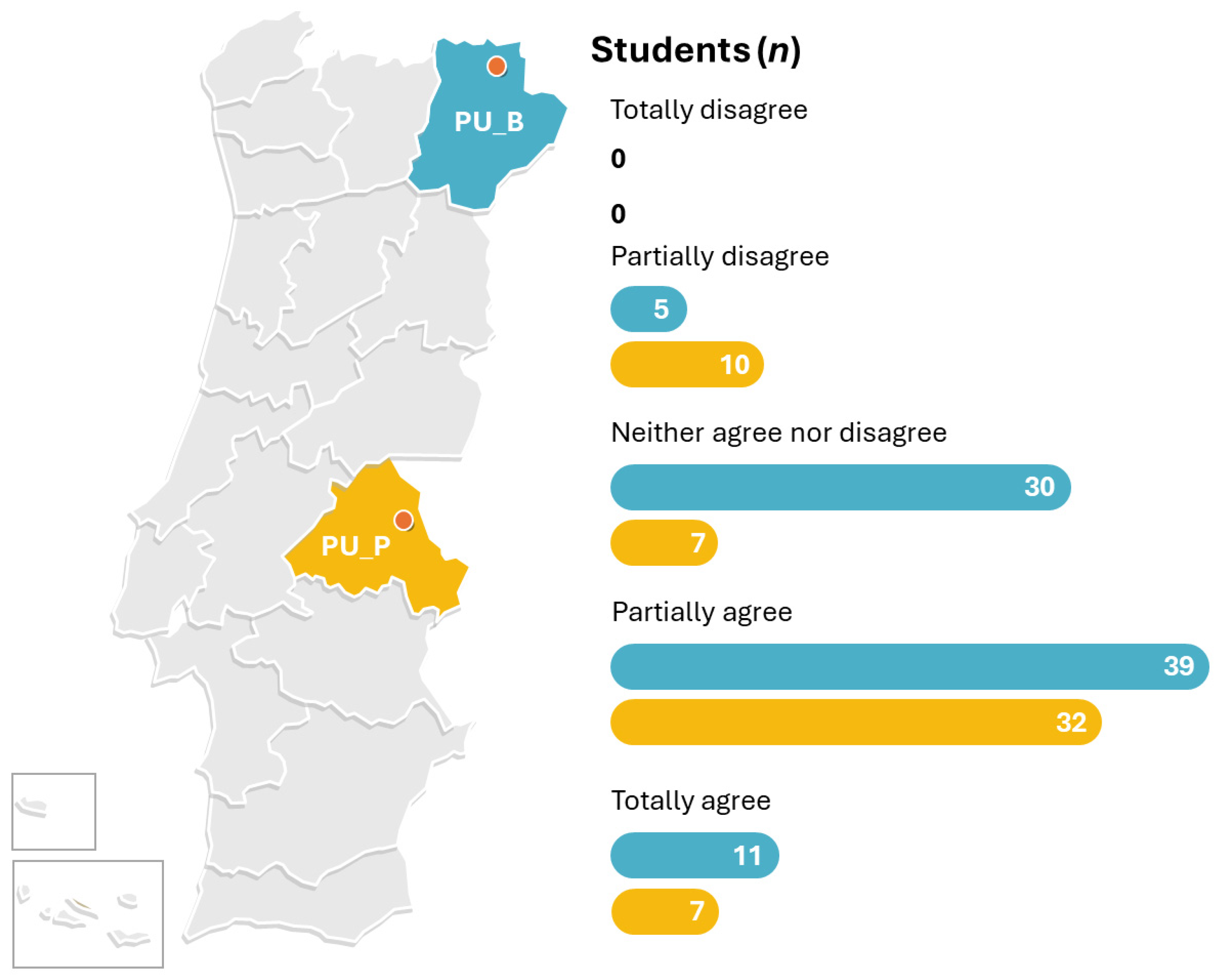
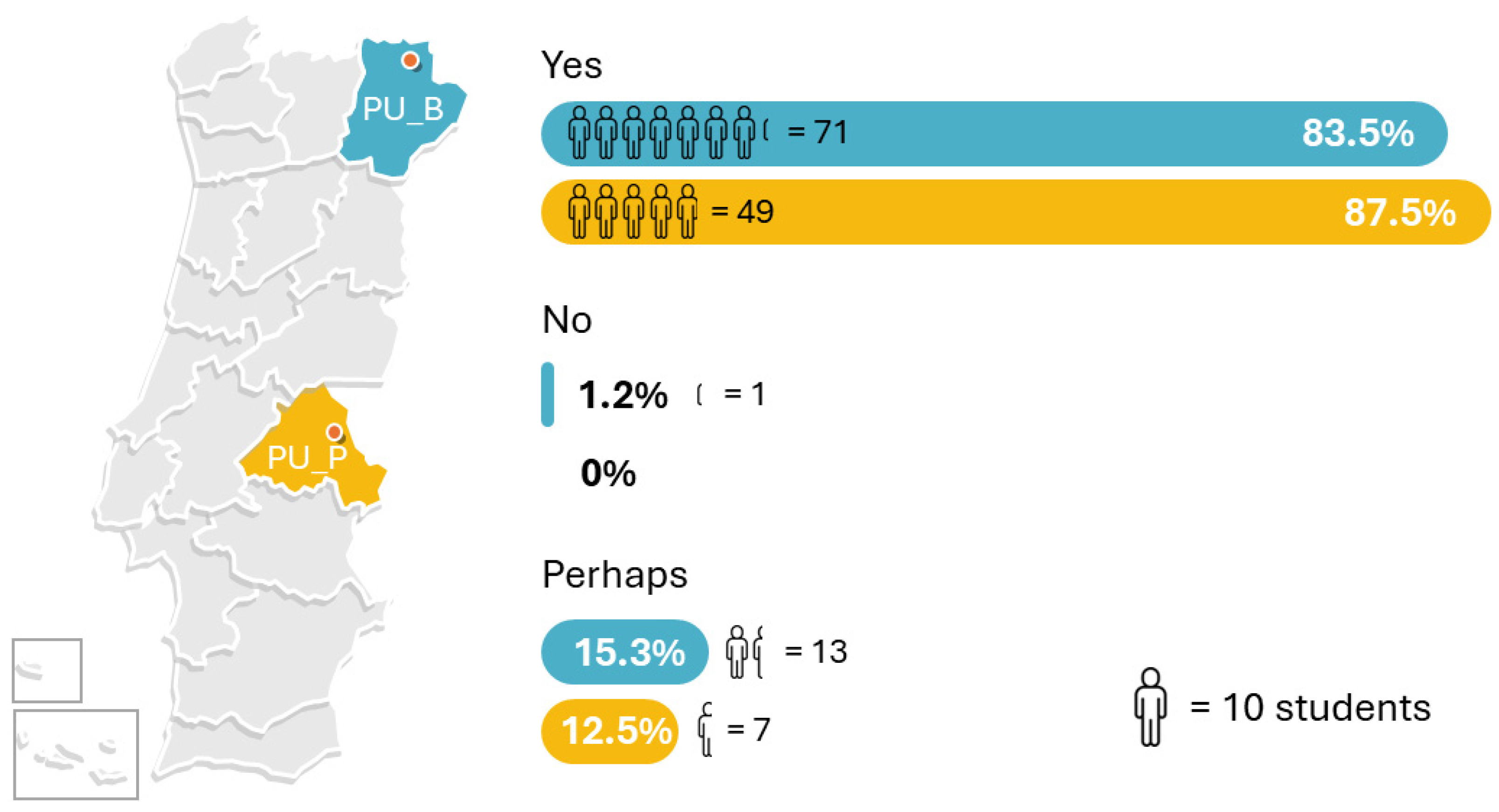
Ethics has emerged as a central dimension of the teaching profession, although it is not always explicitly addressed in initial teacher training study plans. In this context, a quantitative study was conducted to examine, from a comparative perspective, the perceptions of undergraduate students in Elementary Education from two Portuguese higher education institutions regarding the treatment of the ethical dimension in their course study plans. Data was collected from 141 students using a questionnaire survey. The objectives were: (i) to determine whether the Elementary Education degree study plan adequately addresses ethical issues; (ii) to assess whether ethics should be taught as an integral part of the study plan; (iii) to gather possible suggestions and ways to improve the ethical approach in the Elementary Education degree. The results indicate that, while participants believe the study plan adequately addresses ethical issues, they also feel that ethics should be an integral component of the Elementary Education degree. Additionally, they suggested other ways to enhance the ethical approach in initial teacher training.
Keywords: ethics; elementary education; teaching; study plan ethics; elementary education; teaching; study plan