Article

A First Ever Look into Greece’s Vast Educational Data: Interesting Findings and Policy Implications

by
Ilias Papadogiannis
1,
Manolis Wallace
1,*,
Vassilis Poulopoulos
1,
Georgia Karountzou
1 and
Dimitris Ekonomopoulos
2
1
ΓAB LAB—Knowledge and Uncertainty Research Laboratory, University of the Peloponnese, 22131 Tripolis, Greece
2
Regional Directorate of Primary and Secondary Education of Peloponnese, 22132 Tripolis, Greece
*
Author to whom correspondence should be addressed.
Educ. Sci. 2021, 11(9), 489; https://doi.org/10.3390/educsci11090489

Submission received: 12 July 2021 / Revised: 18 August 2021 / Accepted: 27 August 2021 / Published: 1 September 2021
(This article belongs to the Special Issue Intelligence and Analytics in Education)

Abstract

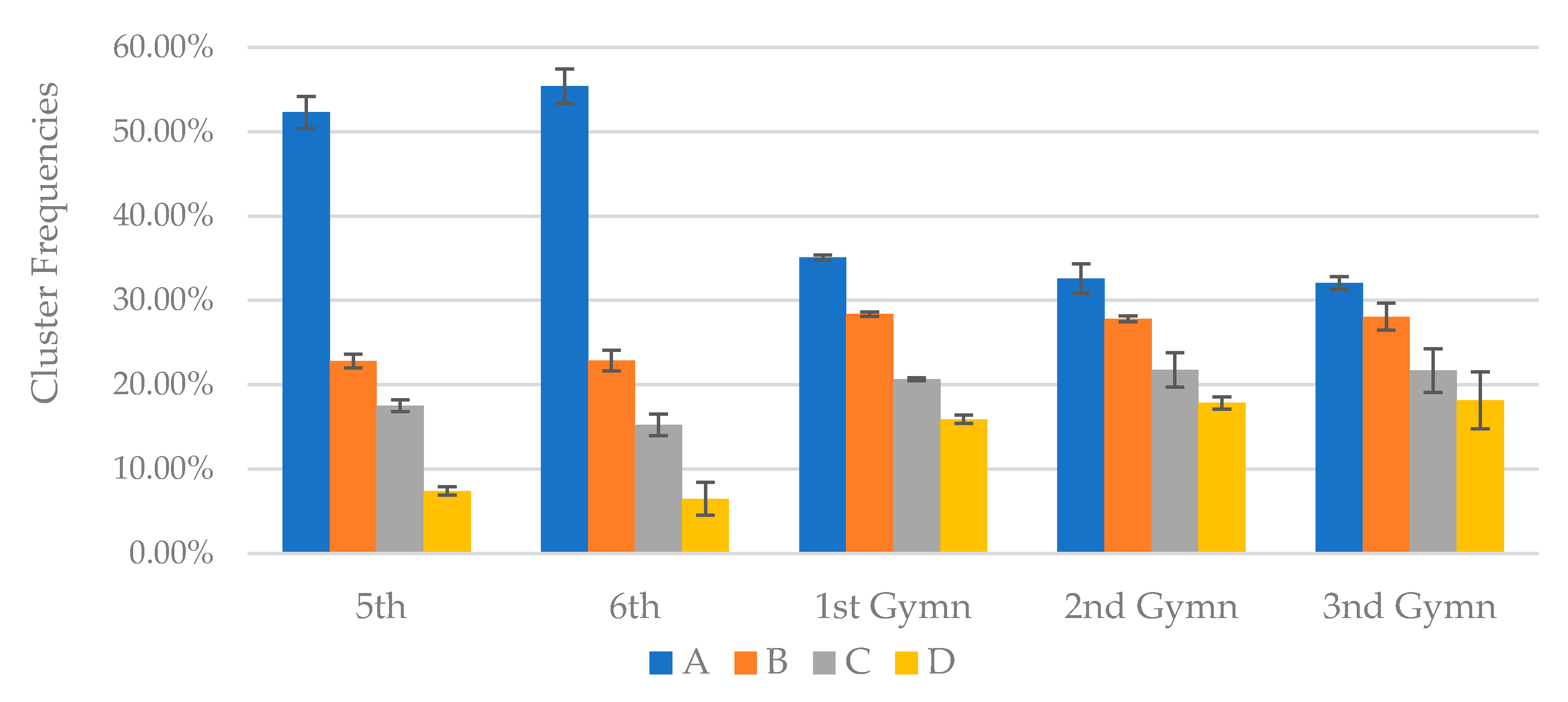
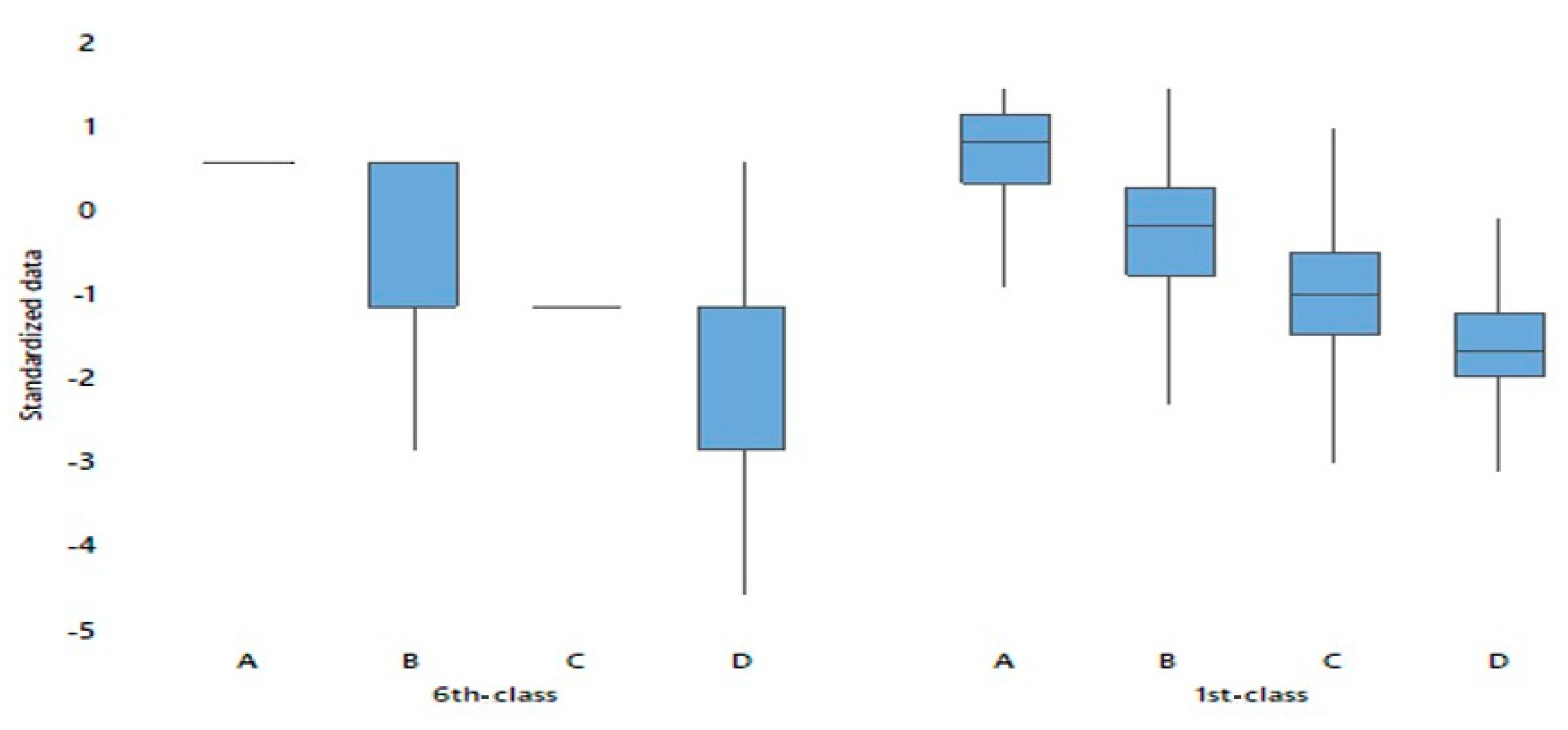
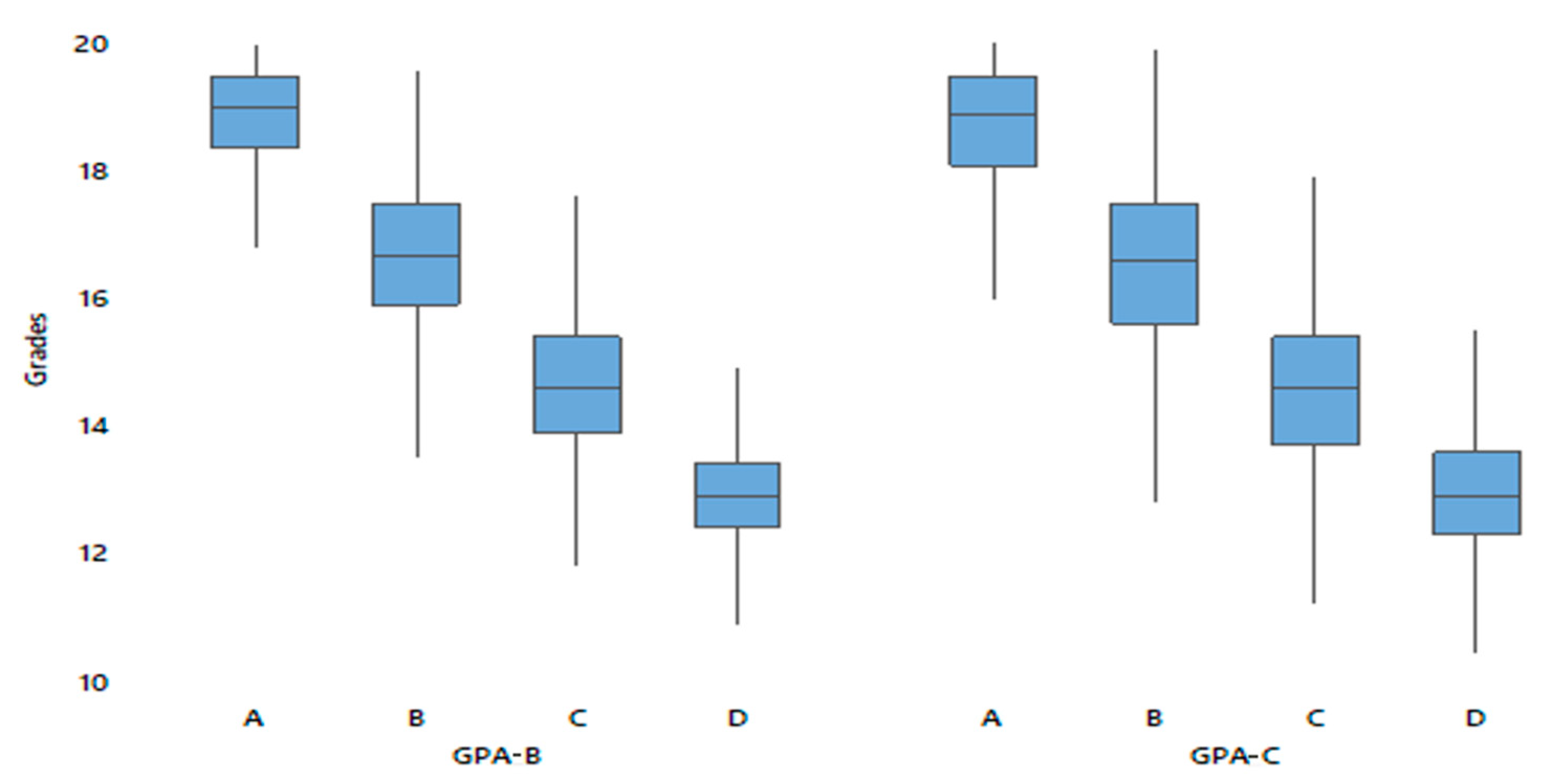
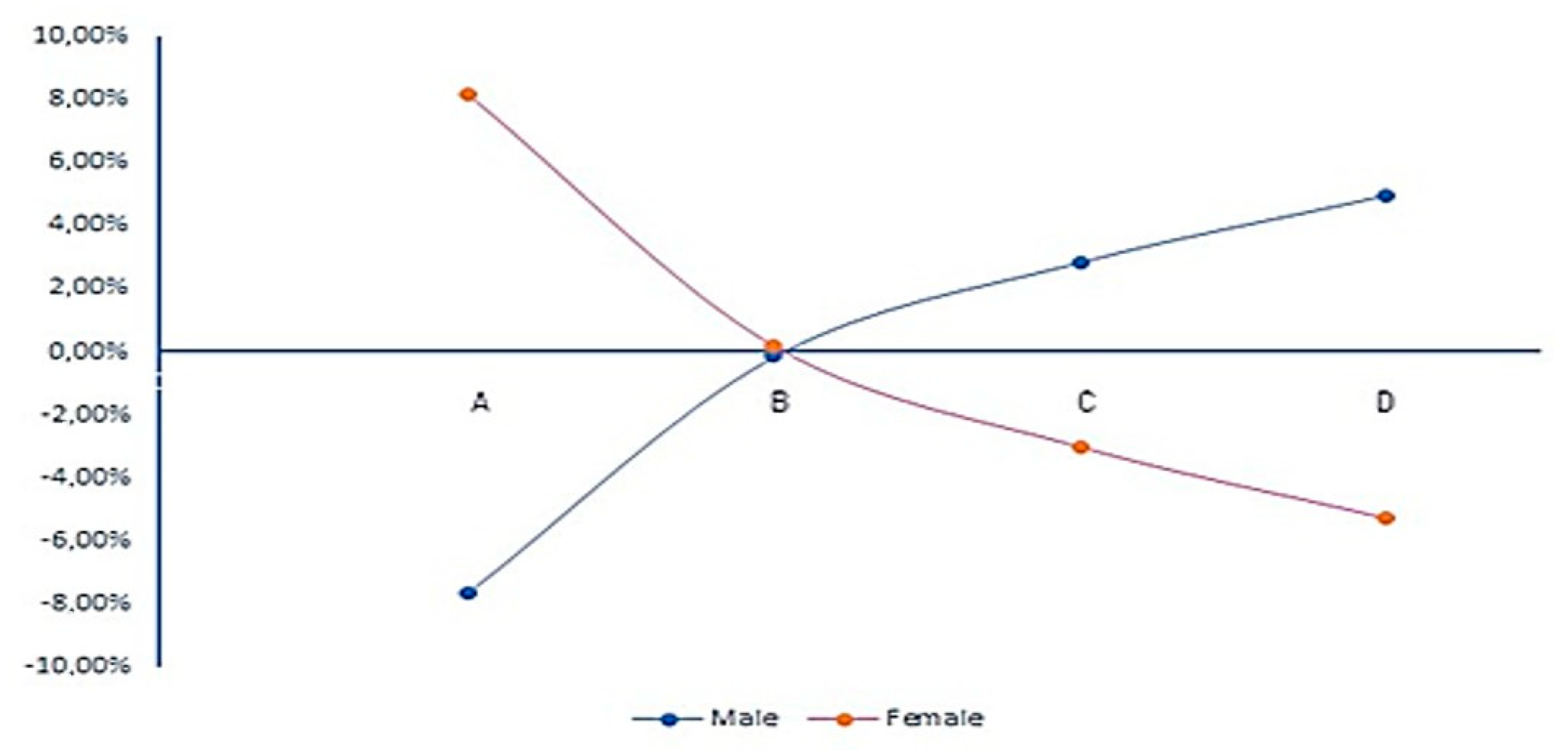
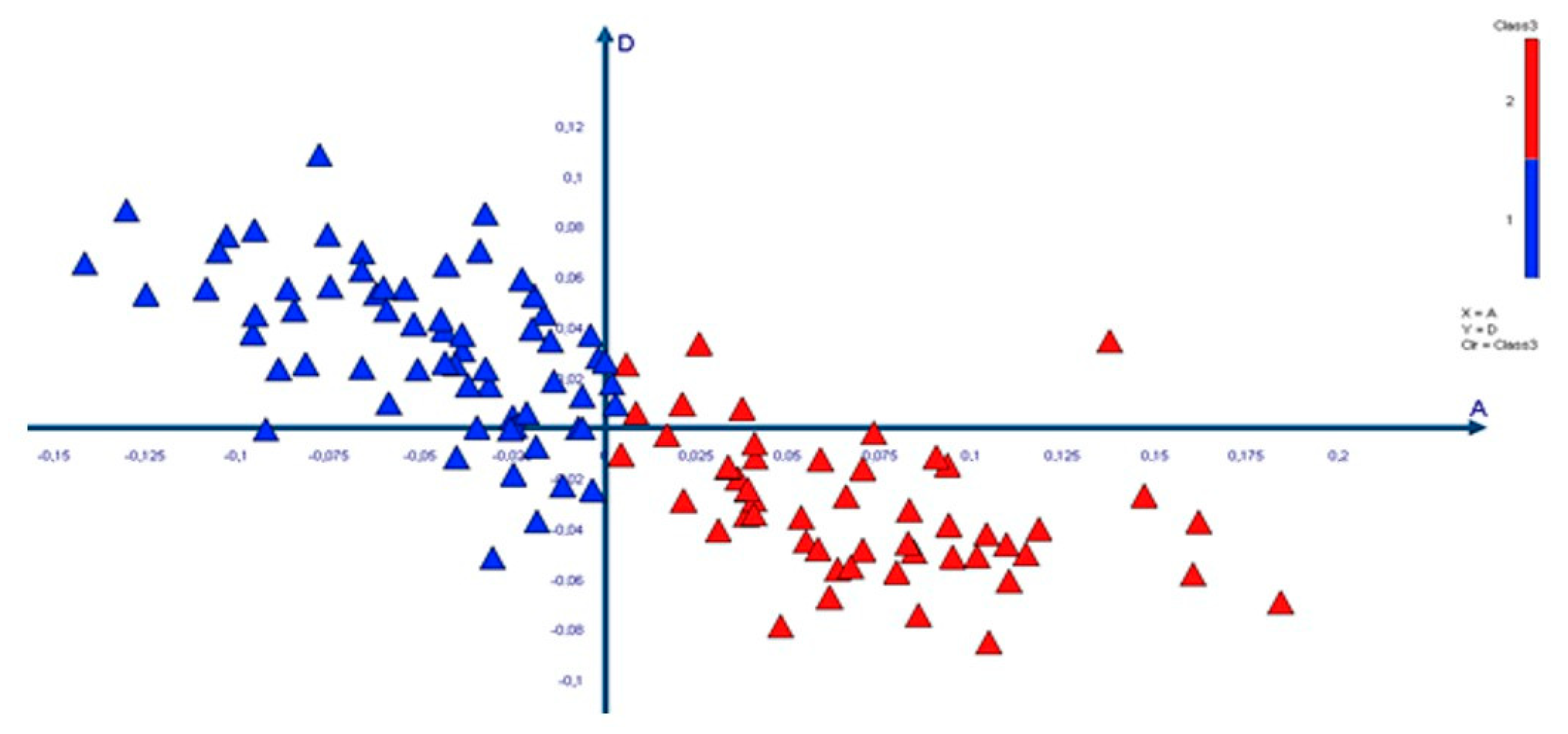
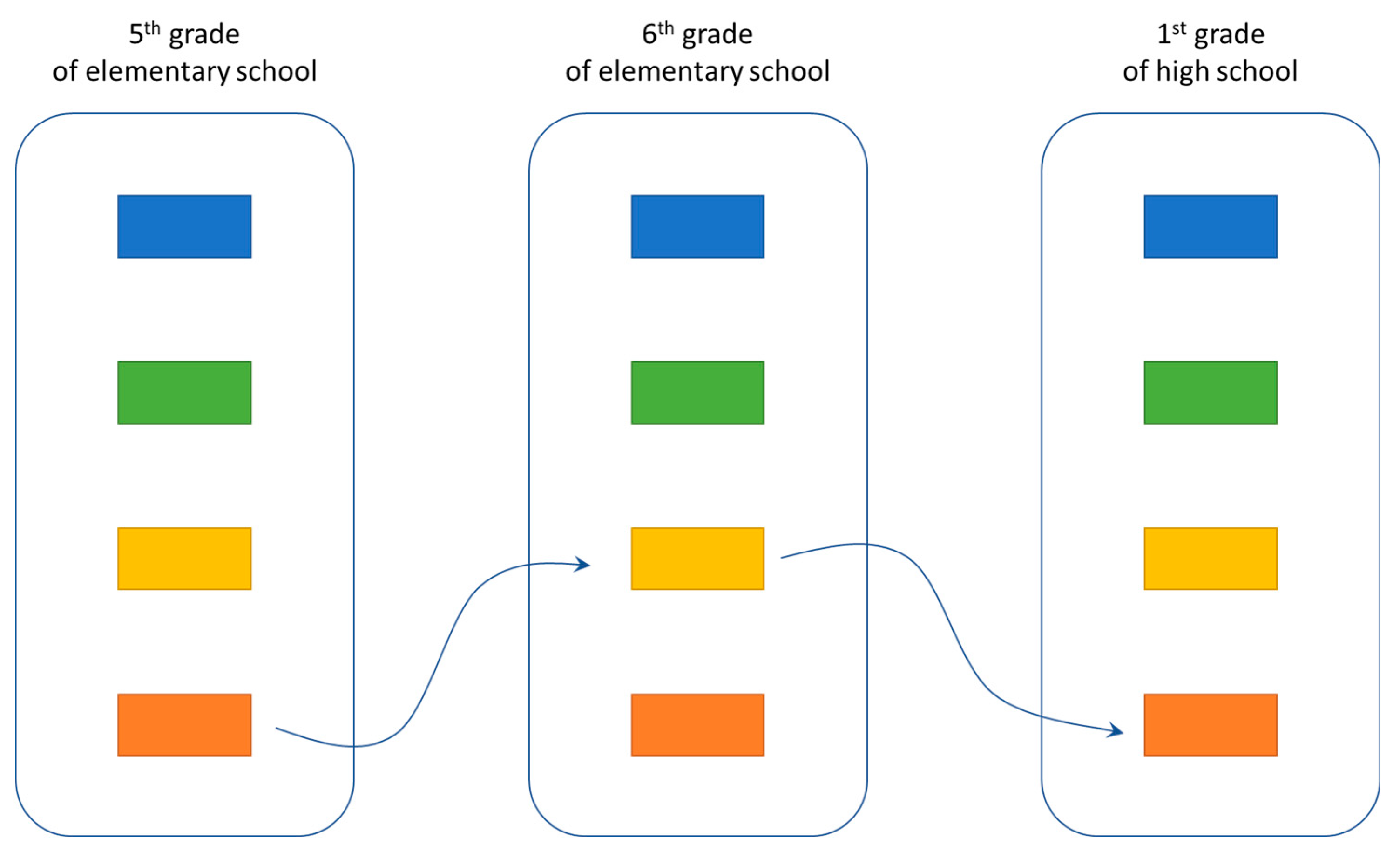
Intro: In this survey the academic performance of primary and secondary school students in Greece, for three consecutive school years, was examined. The data concerned all Greek students of the last two grades of elementary school and the three grades of junior high school. Method: Unsupervised learning methods such as an X-means algorithm in combination with descriptive and inductive statistical methods were used, in order to examine students’ performance levels. The longitudinal stability of academic performance levels and the influence of demographic characteristics such as the region, gender and guardians’ profession were also examined. Results: The existence of four levels of academic performance and longitudinal stability of frequencies per performance level was confirmed. There was also statistically significant differentiation based on the profession of guardian, gender, and area of residence. Discussion: The results demonstrated specific challenges that the educational policy of the country has to address. The stability of the percentages of students in the four groups of academic performance that emerged over time, shows corresponding stability in the factors that affect academic performance. A gradual reduction in the performance of students in high School was found, as the level of difficulty of the courses increases from class to class. Some demographic characteristics of students are not independent of their performance. However, due to the compliance with the general regulation of personal data, there was no access to additional features that may be related to performance, such as nationality and exact place of residence.
Keywords: academic performance; primary secondary; education; unsupervised learning; clustering; X-means algorithm academic performance; primary secondary; education; unsupervised learning; clustering; X-means algorithm