


Abstract
This study provides a comprehensive empirical examination of the factors influencing the adoption of smart technologies in the Serbian hotel industry by integrating structural equation modeling (SEM), mediation and multigroup analyses, and machine-learning-based robustness testing. Grounded in the UTAUT framework, the research investigates how perceptual, organizational, and social determinants shape employees’ Behavioural Intention (BI) and actual Use Behaviour (USE). A key theoretical contribution is the introduction of the construct Perceived Spatial Impact of Technology (PST), which captures employees’ perceptions of how smart technologies transform the architectural concept, spatial organization, aesthetics, and functional logic of hotels. Although UTAUT traditionally focuses on users, neither prior studies nor the present one examine these dynamics from the perspective of architects or designers who create hotel spaces. Thus, the findings serve as an initial step from the user viewpoint, while future research should incorporate expert architectural reasoning to better understand how spatial knowledge and design logic intersect with user perceptions. All core UTAUT constructs significantly predict BI and USE, with Performance Expectancy and BI emerging as the strongest predictors across SEM and Random Forest models. PST exerts a fully mediated effect on USE through BI, and multigroup analysis reveals notable differences across job roles, hotel categories, and age groups. Overall, the results highlight that digital transformation in hospitality is not only technological and organizational, but also fundamentally architectural.
1. Introduction
In recent years, hotels worldwide have been undergoing a significant technological transformation. Smart technologies are increasingly being introduced to improve operational efficiency, support employees in their daily tasks, and create a more comfortable and personalized experience for guests. The most commonly used smart technologies in smart hotels include cloud computing, artificial intelligence (AI), big data, the Internet of Things (IoT), NFC, and recognition technologies [1,2]. These technologies should not be understood solely as operational tools; they also function as agents of organizational and spatial restructuring that actively reshape the built environment, work processes, and professional roles within hotels [3].
Tourism plays a significant role in shaping and promoting the identity of a country through local traditions, lifestyle, cultural practices and heritage. This is particularly pronounced in the context of the Republic of Serbia, where the tourism sector in 2023 achieved approximately 1.5 billion euros in gross added value, which is about 2.0% of the gross domestic product, with a simultaneous significant contribution to employment and regional development. In addition to the direct economic contribution, according to the latest estimates of the World Travel & Tourism Council, the total contribution of the travel and tourism sector to Serbia’s gross domestic product amounted to approximately 6–7% in the post-pandemic period (2022–2024), which confirms the economic relevance of this sector and indicates its increasingly pronounced exposure to strong global competitive pressures [4]. As a developing economy, Serbia now faces renewed pressure to strengthen its competitiveness amid evolving global markets, structural shifts in tourism demand, and the accelerated global adoption of digital technologies. Smart technology integration is therefore essential not only for improving organisational performance, but also for fostering employee adaptability and well-being, particularly in transitional economies such as Serbia [5]. In the context of rapid technological shifts that are redefining competitive benchmarks and guest expectations, tourism enterprises must rethink and adapt both their business models and internal operations in order to remain competitive, resilient, and innovative [6].
The hospitality sector thus confronts a dual challenge: modernizing outdated infrastructure while ensuring that employees can effectively adapt to emerging digital systems. This challenge is particularly pronounced in transitional and post-socialist economies such as Serbia and other Western Balkan countries, where many hotels lack the technological foundation required for advanced automation and digital integration. Moreover, the success of smart hotels ultimately depends on employees’ ability to use innovative tools confidently and efficiently [3,7]. However, employees may experience concerns regarding job security, limited digital literacy, or insufficient managerial support, all of which can generate resistance to technological change [2,8]. At the same time, smart services can enhance employee performance by providing improved oversight of business processes and greater flexibility in daily operations [9]. By equipping staff with appropriate skills and fostering a supportive organisational culture, hotels can balance technological progress with the human dimension that remains essential for guest satisfaction and sustainable industry growth [8,10].
Beyond business process innovation, the shift toward smart technologies is fundamentally reshaping the architectural and spatial characteristics of hotels. Smart check-in kiosks, sensor-equipped guest rooms, adaptive lighting, and energy-efficient systems are challenging traditional hotel typologies and requiring new forms of spatial flexibility and technological integration [1,11]. Importantly, these changes extend beyond surface-level digital installations and entail deeper modifications to the architectural concept, including spatial hierarchies, circulation patterns, functional zoning, and the relationship between front-of-house and back-of-house spaces. Such transformations demand closer collaboration between architects, IT professionals, engineers, and hotel employees, particularly in buildings not originally designed for high levels of automation.
Automation of routine tasks, personalization of services through real-time data, and data-driven decision-making are fundamentally altering hotel operations. Business workflows are becoming more intelligent, adaptive, and guest-centered, which in turn reshapes employee roles and professional practices [12]. Buhalis and Leung [1] demonstrate that smart technologies influence the layout of reception areas, guest rooms, and shared spaces; for example, many hotels have reduced or redesigned traditional reception zones as mobile check-in has become widely accepted.
Different types of hotels adopt technological innovation at different speeds and in different ways. Higher-category hotels tend to be early adopters of advanced digital solutions such as biometric access or AI-driven personalization. Mid-range hotels typically prioritize technologies that enhance energy efficiency and streamline staff workflows, whereas budget hotels often implement simpler automation systems aimed at reducing operational burdens [13]. Alongside traditional categories, new forms of hospitality have emerged, including smart boutique hotels that integrate contemporary design with interactive technologies and fully automated hotels where many staff functions are replaced by robots or intelligent systems [14].
Although a growing body of research examines how smart technologies affect employees, guests, and hotel management, considerably less attention has been paid to how these systems transform hotels’ physical environments, spatial organization, aesthetics, and architectural logic. This gap suggests that digital transformation must be understood not only as a technological or organisational process, but also as an architectural one that redefines the spatial identity of hospitality environments. To address this complexity, the Unified Theory of Acceptance and Use of Technology (UTAUT), particularly in its extended form, provides a robust framework for analyzing behavioral intentions, perceived usefulness, and contextual factors shaping employees’ adaptation to new systems. However, this study advances the framework by introducing Perceived Spatial Impact of Technology (PST) as a construct that captures employees’ perceptions of how digital technologies influence the architectural concept rather than merely their awareness of technological presence in space.
By providing empirical evidence from the employees in the hotel industry in Serbia, this study strengthens the policy discourse on digital transformation in the hospitality sector. Although conducted in Serbia, its insights are highly relevant for other developing countries that face comparable technological, organisational, and workforce-related challenges in adopting smart technologies. The findings offer practical guidance not only for policymakers and hotel managers but also for architects engaged in designing or retrofitting hospitality spaces, as smart technologies increasingly shape spatial organization and functional layouts. Overall, the study supports more informed decision-making and reinforces the role of smart technologies as a key driver of efficient, inclusive, and spatially responsive digital transformation in hospitality.
2. Theoretical Model and Hypothesis Development
The hospitality industry has experienced significant change in recent years, evolving from traditional service models to hybrid physical ones such as digital environments [2,14]. Smart operations now represent a major reorganisation of hotel processes and service delivery [15], affecting not only technological performance but also social, organisational, and environmental aspects [16]. Digital transformation has led to a growing body of research, primarily clustered around two dominant perspectives: guest-focused and employee-focused viewpoints.
A substantial body of research highlights guests’ positive responses to smart hotel features. Smart technologies are seen as enhancing comfort, convenience, control, and personalization, significantly boosting satisfaction and service quality [17,18,19]. These technologies also enhance brand loyalty as guests increasingly expect seamless digital interactions combined with human-centred service practices. In luxury hotels, technology-enabled service innovations, such as personalised room environments, AI-driven concierge services, and fully automated room control, have been shown to elevate guest satisfaction and encourage long-term loyalty [20,21,22]. A similar pattern of benefits also appears in small- and medium-sized hotels (SMHs), where even small digital improvements can greatly boost service quality and operational efficiency. However, SMHs are experiencing unique structural and financial challenges that influence their adoption of smart technologies, slowing down their digital transformation and making it more dependent on specific circumstances [23]. Several studies highlight that younger generations hold more positive attitudes towards smart hotel technologies, primarily because they display higher digital literacy, greater familiarity with mobile and automated systems, and stronger expectations from personalised, technology-enabled services. This highlights clear generational differences in perceived usefulness and ease of adoption [24].
Alongside guest focused research, emerging studies investigate how smart technologies transform employee roles, workloads, and organisational functioning. While automation and digital tools may diminish repetitive tasks and physical effort, they can also create challenges such as techno stress, role ambiguity, and job insecurity, especially when technological adoption occurs rapidly or lacks proper support [7,25]. Organizational readiness, training, and employee attitudes are therefore essential factors for successful digital transformation [26,27,28].
These findings emphasise that success in hospitality technology relies not only on system infrastructure, but also on human acceptance and skills. Beyond technological and organizational factors, a growing field of research highlights the importance of spatial and architectural design in influencing technology adoption and interaction. Smart technologies are increasingly shaping hotel environments, creating flexible, adaptable spaces that enable personalization, interactivity, and efficient workflows. Spatial layout, circulation, and the positioning of digital interfaces directly affect employee productivity and guest engagement, yet this dimension remains underexplored relative to technological studies.
Scholars also examine how digitalisation intersects with cultural and architectural identity. Smart systems need to be carefully integrated into hospitality spaces to ensure that modern solutions do not compromise traditional aesthetics or regional cultural values [29]. The research highlights that culturally sensitive smart design enhances both the experiential and aesthetic quality of hotel environments and supports sustainability through more efficient resource management.
Smart technologies further support modularity, customisation, and responsive space configuration, transforming hospitality buildings into adaptable smart environments that meet evolving social and individual needs [15,30]. This is especially important for small hotels with limited space or heritage buildings where smart systems can improve flexibility without significant structural changes.
The literature reveals significant advancements in understanding how smart technologies reshape hospitality, yet also identifies key gaps. While guest-level and employee-level outcomes have been extensively studied, spatial and socio-cultural factors remain insufficiently examined, particularly in emerging economies. There is a lack of empirical research on how architectural design influences technology acceptance and limited evidence from regions such as Serbia and the Western Balkans, where digital transformation in hospitality is growing but remains under-documented. An integrated, interdisciplinary perspective is therefore needed, combining technological, organisational and spatial insights to better understand how hotels, especially smaller, independent properties, can sustainably and effectively implement smart technologies.
2.1. A UTAUT-Based Model for Integrating Smart Technologies and Spatial Transformation in Hotel Buildings
The Unified Theory of Acceptance and Use of Technology (UTAUT) has become a key theoretical framework in hospitality research because it effectively explains both guest and employee acceptance of smart hotel technologies [31,32]. Due to the fact that hotels increasingly depend on digital, automated, and AI-enabled systems, UTAUT can offer a structured approach to understanding how different user groups evaluate and adopt technological innovations. Its core constructs are Performance Expectancy (PE), Effort Expectancy (EE), Social Influence (SI), and Facilitating Conditions (SC), which align closely with the technological and organisational realities of modern hotels, making UTAUT one of the most widely used models in this field (ref).
The extended UTAUT framework builds on earlier theories of technology adoption, particularly the Technology Acceptance Model (TAM) developed by Davis [33]. TAM introduced Perceived Usefulness (PU) and Perceived Ease of Use (PEOU) as key predictors of Behavioural Intention (BI), which subsequently influences actual technology use (Use Behaviour—USE). While TAM provided a foundational structure for understanding individual acceptance of technology, it was later expanded through models such as UTAUT to incorporate social influence and facilitating conditions, making it more applicable to organisational and service contexts, including hospitality. In both TAM and UTAUT, BI remains a central mediating variable that links users’ cognitive perceptions with their actual behaviour.
However, when applied to smart hotels, technology adoption cannot be fully understood only as a cognitive or organisational process; it is also inherently spatial. Digital systems are embedded within physical environments and actively reshape how spaces are used, navigated, and experienced. To strengthen the theoretical grounding of this study, the integration of architectural and spatial theories is therefore essential. From a space syntax perspective, smart technologies modify spatial configurations, movement patterns, and visibility relations within hotels, influencing how employees and guests interact with the built environment [34]. Affordance theory explains how digital interfaces, sensors, and automated systems alter the action possibilities that spaces offer to users, thereby shaping behavior through environmental cues rather than solely through individual attitudes [35]. Similarly, environmental psychology highlights how spatial layout, lighting, and technological mediation affect users’ perceptions, comfort, and behavioural responses [36].
By integrating these perspectives with the UTAUT framework, this study moves beyond purely technological or managerial explanations of adoption and situates digital transformation within a broader architectural and spatial context. Numerous studies in hospitality confirm that perceived usefulness and ease of use of smart technologies, consistent with TAM principles, continue to shape guests’ and employees’ intention to adopt innovations such as AI, mobile applications, and service robots [19,34]. This research extends that body of work by demonstrating that such perceptions are also intertwined with how users interpret and experience the spatial and architectural transformations induced by smart technologies.
In recent years, scholars have increasingly relied on extended versions of the UTAUT model, incorporating additional constructs such as trust, perceived risk, technology readiness, and hedonic motivation to better reflect the complexities of smart service adoption in hospitality settings [19,37,38]. Despite these contextual extensions, Behavioural Intention (BI) and Use Behaviour (USE) still remain the core outcome variables of the model. An increasing amount of research confirms that BI continues to act as the main mediator between users’ perceptions and their actual engagement with technology, while USE reflects the tangible behavioural involvement with smart device systems [39,40]. From the employee perspective, numerous studies show that performance expectancy and effort expectancy are key drivers of employees’ willingness to use automated and digital systems in daily hotel operations, whereas employees are more inclined to adopt technologies they perceive as efficient, intuitive, and useful [32,41]. Social influence also plays a meaningful role, particularly in organisational environments where managerial support, peer endorsement, and collaborative work cultures encourage the use of tools such as chatbots, ERP systems, and AI-enabled applications [17]. Empirical evidence, such as the acceptance of AI among Serbian hotel employees, further demonstrates that behavioural intention is one of the strongest predictors of actual technology use in smart work environments [31]. Taken together, employee-focused studies confirm that the integration of UTAUT with organisational and digital transformation factors offers a powerful framework for explaining workforce readiness in technologically advanced hotels. From the guest perspective, UTAUT and TAM have been widely used to analyse how visitors evaluate mobile check-in systems, smart-room interfaces, AI concierge tools, and robotic services. Core determinants, perceived usefulness, ease of use, performance expectancy, and effort expectancy, consistently predict guests’ behavioural intention and actual use of smart technologies [17,40,42]. Recent research demonstrates that additional factors, such as trust, privacy perceptions, and hedonic motivation, play an important role in shaping guest acceptance of smart hotel technologies. Moreover, recent findings emphasise the importance of spatial characteristics, including spatial usability, interface accessibility, and environmental cues, which significantly influence guest experience within technology-enhanced rooms [43].
These results suggest that guest technology acceptance is deeply embedded within the physical digital environment of the hotel.
Despite the widespread application of UTAUT in hospitality, existing models rarely integrate spatial and architectural characteristics as formal constructs. Although spatial elements such as environmental cues and design features have been investigated independently, they have not been systematically integrated into UTAUT-based models. By incorporating the architectural and spatial aspects of smart technology environments, researchers and practitioners can develop a more comprehensive and nuanced understanding of how guests perceive, interact with, and adopt technological innovations within contemporary hotel buildings [43].
Beyond their functional and operational benefits, smart systems in some extension influence the architectural concept, spatial organisation, and aesthetic identity of contemporary hotels. Understanding how employees perceive and adopt such technologies is therefore essential to ensuring successful digital transformation in both operational and spatial design processes. To analyse these relationships, this study employs the Unified Theory of Acceptance and Use of Technology (UTAUT) and extends it through the introduction of a new construct that reflects the architectural and spatial dimension of technological integration.
2.1.1. Performance Expectancy (PE)
One of the core constructs in the UTAUT model is Performance Expectancy (PE), defined as the degree to which an individual believes that using a particular system will help improve job performance [44,45]. In the context of the hospitality industry, PE has consistently emerged as a key predictor of employees’ behavioural intention to adopt digital systems. Several empirical studies confirm the importance of this construct. For instance, Mahmoud and Abdel-Aziz [32] found that Performance Expectancy significantly influences employees’ intention to use digital technologies in high-end hotels, particularly among those with higher levels of education. Similarly, Ariyanto et al. [46] showed that Performance Expectancy significantly influences employees’ intention to adopt hotel information systems, and this effect remained robust even when it comes to cultural factors like organisational hierarchy and collectivist norms. In addition, Austin and Setiawan [47], in their qualitative study on the integration of Google Nest Hub devices in hotel rooms, reported that employees’ expectations of improved functionality and operational efficiency were central to their acceptance of the technology. PE was identified as one of the four main dimensions shaping staff attitudes toward the use of smart devices in hospitality operations. Collectively, these studies underscore that Performance Expectancy remains one of the most reliable predictors of Behavioural Intention (BI) among hotel employees, and its role is crucial for the successful implementation of smart technologies in modern hospitality environments. Based on the above, the following hypothesis was developed:
H1:
Performance Expectancy positively influences Behavioural Intention.
2.1.2. Effort Expectancy (EE)
Effort Expectancy (EE) refers to how easy employees think it is to use new technology [44]. In hotels, this is especially important because staff need to learn new systems quickly while still providing high-quality service. Research shows that when technology is easy to use, employees are more willing to try it. For example, Mahmoud and Abdel-Aziz [32] found that EE strongly influences hotel employees’ intention to use digital tools. This idea fits well with Expectancy Theory, which says that people are motivated when they believe their effort will lead to good results, and those results will be rewarded [48]. Chiang and Jang [49] applied this theory in hotels and found that employees are more motivated when they think their hard work will lead to valuable outcomes such as better pay or personal satisfaction. Therefore, if hotel technology is easy to use, employees are more likely to believe their effort will pay off, which increases both motivation and technology adoption. Based on the above, the following hypothesis was developed:
H2:
Effort Expectancy positively influences Behavioural Intention.
2.1.3. Social Influence (SI)
Social Influence (SI) refers to the perceived pressure or encouragement from colleagues, supervisors, or the broader organisational environment to use a specific technology. In the collaborative and often hierarchical structure of hotels, such social cues can significantly influence employee behaviour. When management actively demonstrates the use of new technologies and when teams promote mutual support, employees are more likely to form positive intentions toward technology adoption [47]. This highlights the importance of leadership communication, peer role-modelling, and a supportive workplace culture during digital transformation. These findings are reinforced by Mhina and Johar [50], who maintain that SI, along with perceived image and individual attitudes, can significantly predict both behavioural intention and actual use among public sector employees in Tanzania, demonstrating its relevance across institutional settings. Furthermore, Chang et al. [37] found out that social norms and peer influence shape attitudes towards technology in online hotel booking, especially among younger users. Collectively, these studies indicate that technology adoption is not solely based on individual assessment, but it is heavily influenced by social context. In the hospitality industry, where interpersonal relationships and teamwork are vital, SI becomes a crucial factor in the success of any technology implementation strategy. Based on the above, the following hypothesis was developed:
H3:
Social Influence positively influences Behavioural Intention.
2.1.4. Facilitating Conditions (FC)
Facilitating Conditions (FC) refer to the organizational and technical infrastructure that supports employees in using technology effectively [44]. In the hotel sector, this includes access to reliable systems, user support, internet connectivity, and structured training programmes. Moreover, evidence from hospitality settings supports this connection. In their evaluation of a hotel information system, Yosef and Sobri [45] found that staff acceptance was significantly affected by support mechanisms and the availability of system resources, indicating that FC plays a crucial role in user engagement within hotel environments. Similarly, Nur and Madyatmadja [51] reported that employees were more willing to adopt HR information systems when they received sufficient guidance and assistance from colleagues and management, even in contexts with limited digital familiarity. These findings suggest that FC not only reduces technological barriers but also influences user perceptions of usability and trust. More broadly, Al-Azizi et al. [52] found that FC positively influenced behavioural intention among public sector employees adopting mobile applications, emphasising the importance of infrastructure and managerial backing across institutional settings. Although drawn from different industries, these insights reinforce the central role of FC in enabling successful technology adoption, especially in high-pressure, service-oriented environments like hospitality. Based on the above, the following hypothesis was developed:
H4:
Facilitating Conditions positively influence Behavioural Intention.
2.1.5. Behavioural Intention (BI) and Use Behaviour (UB)
These constructs are among the most frequently emphasised in the studies applying the extended UTAUT model within the tourism and hospitality industry. In the case of both employees and guests, behavioural constructs, particularly Behavioural Intention (BI) and Use Behaviour (USE), play a central role in explaining smart technology adoption in hospitality settings. A robust body of literature confirms that BI is a strong and consistent predictor of actual use across digital systems, from mobile hotel applications to AI-enabled services [19,53]. Research on robotic and AI-mediated hotel environments further establishes BI as the primary pathway through which individual perceptions translate into real technology usage [39,54]. These behavioural mechanisms form the core of UTAUT’s explanatory power and remain essential for understanding both workforce adaptation and guest engagement in smart hotels. In line with the original UTAUT model, the following hypotheses were developed:
H5a:
Performance Expectancy positively influences Use Behaviour.
H5b:
Behavioural Intention positively influences Use Behaviour.
2.1.6. Integrating Perceived Spatial Impact and Hotel Architecture into the UTAUT Model
Although UTAUT explains fundamental drivers of technology acceptance, it does not account for the spatial and architectural consequences of digital transformation, an aspect highly relevant to hotels as complex experiential environments. Smart technologies reshape the architectural concept by influencing spatial configuration (e.g., automated reception zones, sensor-driven room layouts), technical infrastructure, and the aesthetic narrative of modern hotels.
In architectural and hospitality research, the perception of environmental and spatial change is a known predictor of behavioural engagement with digital tools. Employees who acknowledge that smart technologies can meaningfully shape hotel spaces are more likely to accept and adopt such technologies in their everyday professional activities. Thus, the newly proposed construct—Perceived Spatial Impact of Technology (PST)—captures a contextual antecedent that extends UTAUT by linking digital adoption to the spatial and conceptual transformation of hotels.
In the analysed studies, different sets of UTAUT variables were applied and adapted to specific architectural research contexts. Popova and Zagulova [55] employ the original UTAUT model, which includes performance expectancy, effort expectancy, social influence, facilitating conditions, behavioural intention, and use behaviour, to examine the use of web applications in smart city environments. Park, Hahm, and Park [56] further extend the model by incorporating UTAUT elements such as hedonic motivation and habit, in addition to the core constructs (PE, EE, SI, FC, BI, UB), to better explain planners’ adoption of advanced ICT technologies. Chen and Liu [57] apply a simplified UTAUT model in the context of landscape architecture education and video game-based learning, integrating hedonic motivation, price value, and habit along with the standard UTAUT factors (PE, EE, SI, FC, BI). The work of Elmashharawi [57], focusing on architecture students’ adoption of computational design tools, remains within the classic UTAUT framework, analysing PE, EE, SI, FC, BI, and use behaviour. Although several studies in architecture and related fields have introduced the extended or modified versions of UTAUT, none of them incorporate architectural perception or spatial-design cognition as a dedicated construct. Therefore, the variable proposed in our study, rooted in architectural expertise, spatial perception, and design-related user experience, represents a genuine conceptual innovation, expanding the UTAUT model into a domain that has not yet been systematically explored [57]. Although UTAUT explains fundamental drivers of technology acceptance, it does not account for the spatial and architectural consequences of digital transformation, an aspect highly relevant to hotels as complex experiential environments. Smart technologies reshape the architectural concept by influencing spatial configuration (e.g., automated reception zones, sensor-driven room layouts), technical infrastructure, and the aesthetic narrative of modern hotels.
In architectural and hospitality research, the perception of environmental and spatial change is a known predictor of behavioural engagement with digital tools. Employees who acknowledge that smart technologies meaningfully shape hotel spaces are more likely to accept and adopt such technologies in their everyday professional activities. Thus, the newly proposed construct—Perceived Spatial Impact of Technology (PST)—captures a contextual antecedent that extends UTAUT by linking digital adoption to the spatial and conceptual transformation of hotels.
The introductory section of the questionnaire revealed that a substantial proportion of employees (between 72% and 78%) perceive digital and automated technologies as factors that reshape the spatial organisation of hotel interiors, while approximately 70% believe that these technologies influence the hotel’s aesthetic and functional identity. Only a small share of respondents (6–10%) reported that such effects are minimal or non-existent. This perception represents a contextual attitude that lies outside the latent constructs of the UTAUT model yet meaningfully complements and strengthens the pathways defined in hypotheses H1–H5a,b.
Specifically, employees who already recognise the spatial and conceptual impact of smart technologies are more inclined to expect performance-related benefits, thereby reinforcing the mechanisms underlying Performance Expectancy and its influence on both Behavioural Intention and Use Behaviour. A similar dynamic applies to Effort Expectancy: when employees perceive that technologies meaningfully shape hotel spaces, this can contribute to the belief that digital tools are intuitive, useful, and worth the effort required to learn and apply them. Furthermore, when a majority of employees acknowledge the transformative role of technology in hotel design, this recognition may elevate social norms and organisational expectations, thereby amplifying the effects of Social Influence. Perceiving the spatial relevance of technology may also enhance confidence in the availability of adequate infrastructural and technical support, ultimately reinforcing the pathways associated with Facilitating Conditions.
Finally, employees who understand and value the spatial and experiential contribution of smart technologies are more likely to convert these perceptions into stronger behavioural intentions and, consequently, actual use. This alignment suggests that spatial awareness operates as a bridge between perceptual beliefs and practical engagement with technology.
For these reasons, hypothesis H6 is introduced as a conceptual link between employees’ perceptions of the architectural and spatial role of smart technologies in hotels and their intention to use such technologies in practice.
H6:
Perceived Spatial Impact of Technology positively influences Behavioural Intention to use digital technologies in the processes of planning, designing, or reconstructing the architectural concept of hotels.
2.1.7. The Relationship Between the Key Determinants of the UTAUT Model (PE, EE, SI, and FC) and Use Behaviour
Hypothesis H7 proposes that the effects of Performance Expectancy, Effort Expectancy, Social Influence, and Facilitating Conditions on actual technology use do not occur directly, but are transmitted through employees’ Behavioral Intention. This means that perceptions of usefulness, ease of use, social pressure, and organizational support first shape employees’ willingness to use smart technologies. Only once this intention is formed do these determinants translate into actual Use Behavior.
H7:
Behavioural Intention mediates the relationship between the key determinants of the UTAUT model (PE, EE, SI, and FC) and Use Behaviour.
2.1.8. The UTAUT Constructs Influence Behavioral Intention and Use Behavior
This hypothesis assumes that the influence of UTAUT constructs on employees’ intention to use technology and their actual usage is not uniform across all individuals and organizational contexts. Differences in job roles, age groups, and hotel categories are expected to shape how employees perceive usefulness, ease of use, social influence, and organizational support. As a result, technology adoption patterns vary depending on professional responsibilities, experience, and the technological maturity of the hotel environment.
H8:
The effects of the UTAUT constructs on Behavioral Intention and Use Behavior differ across employee groups, age categories, and hotel categories.
2.2. Summary of the Extended Model
The extended model incorporates the five original UTAUT pathways and introduces PST as a new theoretical predictor of Behavioural Intention. This extension reflects the unique architectural and spatial characteristics of the hospitality sector, emphasising how the perceived influence of smart technologies on hotel design shapes employee adoption behaviour.
2.3. SEM Results
All hypotheses within the extended UTAUT model were formulated as positive assumptions, which are fully aligned with the original theoretical foundations of the UTAUT model [44] and with the majority of empirical studies in which construct relationships consistently show a positive direction of influence. In the existing literature, perceptual factors (PE, EE), social factors (SI), organisational factors (FC), and spatial factors (PST) are continuously associated with increases in intention and technology use, with no theoretical or empirical indications of negative relationships. Therefore, the positive formulation of hypotheses in this study is theoretically justified and methodologically grounded (Figure 1).
Figure 1.
Model Diagram (SEM/UTAUT+ H6).
2.4. Construct: Perceived Spatial Impact of Smart Technologies (PST)
Perceived Spatial Impact of Smart Technologies (PST) is defined as a contextual construct that captures employees’ perceptions of how digital technologies influence spatial and conceptual design solutions in hotels. It reflects the extent to which staff recognise that smart technologies shape the organisation and transformation of hotel environments. Specifically, PST encompasses the perception that smart technologies significantly affect the layout and organisation of reception areas, alter established approaches to designing guest rooms and technical spaces, and increasingly form an integral part of the hotel’s aesthetic identity. The construct also includes employees’ awareness that the implementation of digital systems often requires adjustments to the physical structure or overall design of the building, as well as the understanding that digitalisation contributes to redefining the functional concept of hotel spaces. Together, these dimensions position PST as a key link between technology adoption and perceived architectural and spatial transformation within contemporary hotel settings (Figure 1).
3. Materials and Methods
3.1. Sample and Procedure
The research was conducted on a sample of employees working in three-, four-, and five-star hotels located in the largest tourist centres of Serbia. Data collection took place during regular work shifts during morning, afternoon, and partly evening hours to ensure the representativeness of different operational conditions and work rhythms. This procedure enabled the collection of responses in real hotel operating environments, without interrupting or altering daily processes. The focus was placed on hotels that had already initiated digital transformation or were planning to introduce smart technologies in the near future in order to provide a relevant context for analysing technology acceptance and the spatial reshaping of hotel environments.
Data were collected using a structured questionnaire distributed in person and online during working hours, with prior approval from hotel management. Before completing the questionnaire, participants were informed about the purpose of the study, the anonymity and voluntary nature of their participation, and the fact that their responses would be used exclusively for scientific purposes. This approach reduced the likelihood of socially desirable responses and increased respondents’ trust in the research process.
After eliminating incomplete and inconsistent questionnaires, a total of 563 valid responses were included in the analysis. This sample size meets and exceeds the minimum recommendations for covariance-based structural equation modeling (CB-SEM), which require at least 200 respondents and an approximate ratio of ten respondents per estimated parameter. The adequacy of the sample size was further verified using an a priori G*Power analysis, software version 3.1.9.7 (f2 = 0.15, α = 0.05, 1 − β = 0.95, number of predictors = 4), which indicated a minimum required N ≈ 129. The obtained sample of N = 563 therefore substantially surpasses this threshold [58]. Additionally, each latent construct in the model was measured with at least three indicators, ensuring an identified measurement model and stable parameter estimation, in line with the standards outlined by Kline [59].
The sample includes employees across different hierarchical levels (front office, back office, and management), as well as a variety of age groups and lengths of work experience, which later enabled multigroup analysis and comparison of key model paths across subgroups. The sociodemographic structure of the sample reflects a diverse and methodologically robust distribution of respondents. A total of 563 hotel employees participated in the study, with nearly equal gender representation and a slightly higher proportion of women. Most respondents fall within the 18–39 age range, reflecting the operational demographics of the hotel sector. Position-wise, front-office and back-office roles dominate the sample, while management accounts for roughly one-fifth of respondents, which supports multigroup comparisons. The majority of participants have up to ten years of work experience, while one-quarter belong to higher seniority categories, contributing to balanced perceptions between younger and more experienced employees. The highest proportion of respondents work in four-star hotels, and nearly two-thirds report prior experience with smart technologies, confirming that the research was conducted in a real-world environment of ongoing digital transformation (Table 1).
Table 1.
Sociodemographic characteristics of the respondents.
To reduce the likelihood of socially desirable responses, participants were explicitly informed that neither the researchers nor hotel management would have access to individual answers, and that there were no correct or desirable ways of responding. The questionnaire was completed independently, without the presence of a direct supervisor, which further minimized the possibility of pressure or biased responding.
3.2. Instruments
The research instrument was developed based on the UTAUT model and relevant literature on the application of smart technologies in the hotel industry [44]. The questionnaire included six latent constructs: Performance Expectancy, Effort Expectancy, Social Influence, Facilitating Conditions, Behavioural Intention, and Use Behaviour. All constructs were measured using multi-item scales with responses on a five-point Likert scale (1 to 5), where lower values indicated lower agreement and higher values indicated stronger agreement with the given statements.
Performance Expectancy reflects employees’ belief that smart technologies contribute to higher work efficiency, improved service quality, and more profitable hotel operations. Effort Expectancy captures the perceived ease of using digital systems, clarity of instructions, ease of learning, and adaptability to new solutions. Social Influence refers to the impact of management, colleagues, and guests on the acceptance and use of smart technologies, as well as the organisational culture that encourages innovation and digitalisation. Facilitating Conditions encompass the perceived availability of resources, technical support, and training, as well as the institutional readiness of the hotel to plan and implement technological changes. Behavioural Intention measures employees’ willingness and intention to actively use smart technologies in their daily work, as well as their level of support for further technological enhancement of hotel spaces. Use Behaviour represents actual behaviour in terms of the frequency of using smart systems, the integration of technology into daily tasks, and the reliance on digital solutions while performing work duties.
The scales were previously adapted to the hotel context and the spatial dimension of design to ensure that the items directly reflect the specificities of smart technology implementation in the hospitality industry. Subsequently, based on theoretical insights and expert recommendations, the instrument was expanded with an additional construct, Perceived Spatial Impact of Technology (PST), which was statistically validated within the CFA model of the main study.
A pilot study was conducted prior to the main research in order to examine the clarity of item formulations, the preliminary reliability of the constructs, and the overall functionality of the questionnaire within a hotel environment. The pilot phase was carried out in two hotels categorised as 4* and 5* in Belgrade, with a total of 50 employees participating, representing different organisational positions (front office, back office, and management). The number of respondents meets the recommendations for early-stage assessment of measurement instruments as it allows for the identification of unclear statements and potential issues related to scaling or response distribution.
The questionnaire was administered in person and online under controlled conditions to ensure that respondents understood the instructions and that any ambiguities could be recorded immediately. After completing the questionnaire, each participant was asked to indicate any items they found unclear, overly long, or ambiguous, as well as to report any technical issues concerning the scale format or question order. The pilot sample was analysed using SPSS, 26.00. Particular attention was paid to the internal consistency of the constructs. The preliminary Cronbach’s α indicated that all scales had values between 0.78 and 0.89, suggesting satisfactory reliability and supporting the continuation of the research without eliminating constructs. However, two items, one from Effort Expectancy and one from Social Influence, showed Item Total correlations below the recommended threshold of 0.40, and one item from Facilitating Conditions showed a more pronounced issue of linear dependency. After reviewing the content of these items and consulting experts in the hospitality field, it was decided to rephrase them to improve clarity and reduce potential interpretative ambiguity but not to remove them as they were conceptually important for the proposed model.
A preliminary factor structure of the questionnaire was also tested, with the expected seven-dimensional model demonstrating adequate indications of fit and clear construct separation. The Exploratory Factor Analysis conducted on the pilot sample identified six factors that together explained 72.4% of the total variance, with all factor loadings exceeding 0.60. These results indicated that the questionnaire structure was stable and aligned with the theoretical basis of the UTAUT model, confirming that the instrument could be used in the main study without major modifications. Based on respondent feedback and statistical findings, minor linguistic adjustments were made to shorten certain statements and improve readability, as well as to reorganise the question order to enhance the logical flow of the questionnaire and reduce the potential for respondent fatigue. The pilot phase thus fulfilled its purpose, confirming that the instrument possessed satisfactory clarity, reliability, and preliminary validity, enabling the implementation of the main research on an expanded sample.
Once the measurement model was confirmed, a structural model was constructed to reflect the theoretically proposed relationships among the constructs. The model was based on the assumption that Performance Expectancy, Effort Expectancy, Social Influence, and Facilitating Conditions influence Behavioural Intention, while Performance Expectancy and Behavioural Intention influence Use Behaviour. In addition to these relationships, the model was expanded according to the aim of testing a new hypothesis, H6, which posits that the Perceived Spatial Impact of Technology influences Behavioural Intention, thereby introducing the spatial–architectural dimension of digital transformation in hotels into the analytical framework. The structural model was estimated in AMOS using standardised paths, critical ratios (CR), and p-values for hypothesis testing, along with fit indices, all of which were within the ranges recommended by Hu and Bentler [60].
One of the key objectives of the research was to examine the indirect mechanisms of construct influence, both within the standard UTAUT framework and with respect to the new construct introduced through hypothesis H6. Therefore, a mediation analysis was performed with Behavioural Intention as the mediating variable. Mediation effects were tested using a bias-corrected bootstrapping procedure with 5000 resamples, assessing direct, indirect, and total effects among constructs [61]. The 95% confidence intervals for indirect effects did not include zero, indicating statistically significant mediation and confirming that Behavioural Intention plays a crucial role in transmitting the effects of perceptual, organisational, and spatial-conceptual factors on actual technology use. These findings confirm that not only traditional UTAUT constructs, but also the perceived spatial impact of technology (PST), influence Use Behaviour exclusively through formed intention, thereby empirically strengthening the theoretical model extension proposed in hypothesis H6.
3.3. Data Analysis
Data analysis was carried out in several consecutive stages using a combination of statistical software packages. Basic descriptive analyses, normality checks, and the calculation of multicollinearity indicators were conducted in IBM SPSS Statistics. Structural modelling, including confirmatory factor analysis of the measurement model, structural model estimation, mediation analysis, and multigroup analysis, was performed in AMOS using the maximum likelihood estimation method.
Before conducting the descriptive analysis, data normality was assessed. Skewness and kurtosis values for the observed variables ranged from −1 to +1, indicating acceptable deviations from a normal distribution and justifying the use of maximum likelihood estimation in the CB-SEM approach [62]. Given that all data were collected using the same instrument from the same respondents at a single point in time, attention was also devoted to evaluating potential common method bias. To reduce the risk of common method bias, procedural remedies such as anonymity, randomised item order, and neutral item wording were applied. A Harman’s single-factor test without rotation was conducted for this purpose, and the first extracted factor explained 32% of the total variance. Since this value does not exceed the recommended threshold of 50%, it was concluded that common method variance did not substantially affect the research results [63]. In addition to statistical assessment, procedural measures to minimise common method bias were also implemented, including anonymous responses, neutral item formulations, randomised item ordering, and a clear explanation of the research purpose without indicating expected outcomes. These procedures further reduce the likelihood that the observed response structure results from systematic bias [64]. Multicollinearity among constructs was examined using Variance Inflation Factor (VIF) values calculated for all latent constructs. All VIF values were below the threshold of 5, indicating the absence of problematic overlap and confirming that the constructs could be reliably included in the structural model [65].
After preliminary checks, confirmatory factor analysis (CFA) was conducted to examine the measurement model. In this phase, the structure of latent constructs and their relationships with indicators were assessed, alongside the evaluation of model fit. Fit indices such as χ2/df, CFI, TLI, RMSEA, and SRMR indicated that the measurement model demonstrated adequate alignment with the empirical data [66]. Convergent validity was confirmed through significant and strong standardised loadings,; Cronbach’s α, Composite Reliability, and Omega coefficients above commonly accepted thresholds; and AVE values exceeding 0.50. Discriminant validity was assessed using the Fornell-Larcker criterion, whereby the square root of AVE of each construct exceeded its correlations with other constructs, as well as the HTMT ratios, which were within recommended limits [67].
A multigroup analysis (MGA) was also conducted to examine whether the strength of relationships in the model differed across respondent subgroups [37]. Groups were defined according to job position (front office, back office, management), age category, and hotel category. The procedure involved testing configural invariance to verify whether the model shared the same structure across groups, followed by metric invariance testing to assess equality of factor loadings, and finally, comparison of individual paths and global models using differences in coefficients (Δβ) and chi-square differences (Δχ2). The identified differences in path coefficients across groups indicated that the effects of UTAUT constructs were not homogeneous and depended on employees’ organizational roles, age, and hotel technological sophistication, which is thoroughly discussed in the interpretative sections of this paper.
Additional machine learning analyses were conducted in Python 3.10 using the scikit-learn library for estimating Permutation Importance and the Random Forest model. Permutation Importance enabled assessment of the relative contribution of each construct in explaining use behaviour, while the Random Forest served as a predictive model to examine whether the constructs retained the same hierarchical importance as in the structural model [68].
4. Results and Discussion
In the introductory section of the questionnaire, respondents were presented with a set of questions that do not form part of the UTAUT model but serve as a contextual framework for understanding their perceptions of whether smart technologies influence spatial and conceptual design solutions in hotels. These questions do not possess a latent structure and were not included in the CFA or SEM analyses; instead, they function as descriptive indicators of employees’ general attitudes. Descriptive findings show that most employees recognize a strong influence of smart technologies on the way hotel spaces are designed. A total of 72–78% of respondents agree that digital and automated systems reshape the organization of reception areas, guest rooms, and technical spaces, while approximately 15–18% express a neutral stance, and only 6–10% believe that this influence is not significant. Most respondents also point out that technologies affect the aesthetic identity of hotels, with around 70% agreeing that contemporary digital solutions have become an integral part of the overall visual and functional concept.
Results of the measurement model show that all constructs exhibit stable and high factor loadings, with mean values confirming the expected patterns within the UTAUT framework. Items measuring performance expectancy and behavioural intention stand out in particular, indicating strong employee beliefs that digital solutions enhance efficiency and that they are willing to use them actively. The constructs of effort expectancy, social influence, and facilitating conditions also demonstrate good fit within the model, with consistent item variability. The introduction of the new construct, Perceived Spatial Impact of Technology (PST), proved to be justified, as all items show high loadings and consistent average values. The results indicate that employees clearly recognise the spatial implications of digitalization, including the organization of the reception area, room design, aesthetic identity, and the functional structure of hotel space. This confirms that PST represents a valid and well-integrated addition to the model without compromising its psychometric properties (Table 2).
Table 2.
Descriptive analysis values.
4.1. CFA Results
The fit indices indicate that the confirmatory factor model is well aligned with the observed data. The CFI and TLI values exceed the recommended threshold of 0.95, while RMSEA and SRMR fall within acceptable limits, confirming that the model reproduces the observed covariances with minimal error. The χ2/df ratio is below the recommended cutoff of 3, further indicating a stable measurement model structure and adequate theoretical specification of the constructs. These results confirm that the CFA model is valid and methodologically robust, providing a reliable foundation for the subsequent SEM analysis (Table 3).
Table 3.
Fit indexes of the CFA model.
The results presented in Table 4 confirm clear construct distinctiveness given that the square roots of the AVE values are consistently higher than the intercorrelations among the constructs, thereby meeting the Fornell-Larcker criterion. The HTMT coefficients fall below the recommended threshold of 0.85, including the newly added PST construct, indicating that no unacceptable conceptual overlap exists among the constructs. The highest correlations appear between BI-SI and BI-USE, which is theoretically expected, while PST shows moderately high yet acceptable correlations with PE, FC, and BI, confirming that it represents a distinct and empirically stable latent dimension. Overall, the table demonstrates strong discriminant validity of the entire measurement model.
Table 4.
Discriminant validity: Fornell–Larcker and HTMT.
The values preceding HTMT represent the correlations between constructs used for the Fornell-Larcker comparison. The HTMT values shown in parentheses correspond to the Heterotrait-Monotrait ratio, which serves as an additional indicator of discriminant validity. The diagonal displays the square root of AVE (√AVE), highlighted in bold, as it is compared against the inter-construct correlations according to the Fornell-Larcker criterion to assess discriminant validity.
All constructs demonstrate high internal consistency, as confirmed by the Cronbach’s α and composite reliability values, which are well above the recommended minimum. The AVE values clearly indicate that more than half of the variance of each construct is explained by its indicators, confirming convergent validity. The range of standardised factor loadings within each construct is high and stable, confirming that all items represent relevant manifestations of their respective latent variables. The Omega coefficients further strengthen the reliability assessment, indicating that the constructs are theoretically well defined and empirically well measured. These findings point to the methodological robustness of the instruments and provide a solid foundation for the structural SEM analysis (Table 5).
Table 5.
Internal reliability and convergent validity of the constructs.
The structural model explains 58% of the variance in Behavioural Intention (R2 = 0.58) and 67% of the variance in Use Behaviour (R2 = 0.67), indicating a high predictive power of the extended UTAUT framework. The fit indices show that the structural model fits the observed data very well. The χ2/df ratio falls within recommended limits, while the CFI and TLI exceed the standard thresholds for good comparative fit. The RMSEA and SRMR values are below acceptable cutoffs, confirming that the approximation error is low and that the model accurately reproduces the empirical covariances. This set of fit indicators confirms the stability and theoretical consistency of the model, allowing for reliable interpretation of the path coefficients (Table 6).
Table 6.
Fit indices of the SEM model.
The results of the structural model show that all hypotheses within the extended UTAUT framework receive empirical support, although with clearly differentiated effect strengths. Performance Expectancy exerts the strongest and theoretically expected influence on Behavioural Intention (β = 0.41, p < 0.001), confirming that employees perceive the benefits of smart technologies as the primary motivational driver. Effort Expectancy (β = 0.27, p < 0.001) and Social Influence (β = 0.33, p < 0.001) exhibit moderate but stable effects on intention formation, indicating that social expectations and ease of use contribute to technology acceptance in line with previous UTAUT findings. Facilitating Conditions show the weakest yet still statistically significant effect (β = 0.18, p = 0.011), suggesting that organisational support contributes to intention formation—but to a lesser extent compared to perceptual and social factors.
Behavioural Intention emerges as the strongest predictor of actual use (β = 0.62, p < 0.001), fully consistent with the UTAUT premise that intention is the key mechanism driving behaviour. Performance Expectancy also exerts a weak but significant direct effect on Use Behaviour (β = 0.14, p = 0.048), indicating that perceived usefulness may influence actual use even independently of intention, although to a much smaller degree.
Hypothesis H6 receives full support: the Perceived Spatial Impact of Technology shows a moderate and stable effect on Behavioural Intention (β = 0.29, p < 0.001). This result indicates that employees who more clearly perceive the spatial, conceptual, and architectural consequences of digitalization demonstrate a higher readiness to adopt smart technologies. This further confirms the theoretical rationale for incorporating the spatial dimension into the extended UTAUT model. Perceived Spatial Impact of Technology (PST) has a positive influence on the Behavioural Intention (BI) that can be attributed to cognitive and contextual mechanism as opposed to a technological one. Employees find smart technologies to be something that significantly redefine the spatial structure, functional rationale, and aesthetic unity of hotel spaces, such technologies would not be viewed as an independent digital instrument anymore but rather as a part of the working environment. This spatial integration can minimize the cognitive dissonance and resistance to change, creating the feeling of harmony of the environment with the sense of control. Consequently, this leads to higher intentions among the employees to use smart technologies and feel that they are relevant, legitimate, and applicable in their daily practice. By doing so, PST gets to act as a situational antecedent in reinforcing Behavioural Intention, which later gets translated into actual use, which is entirely aligned with the mediating effect of BI in the UTAUT model (Table 7).
Table 7.
SEM Results and hypothesis testing.
4.2. Mediation Analysis
H7:
Behavioural Intention mediates the relationship between the key determinants of the UTAUT model (PE, EE, SI, and FC) and Use Behaviour.
The results of the mediation analysis clearly confirm the central role of behavioral intention (Behavioural Intention) in the process of adopting smart technologies in the hotel sector. It was found that Behavioral Intention represents the key mechanism through which the basic determinants of the UTAUT model influence actual behavior in the use of technology (Use Behaviour), which is fully consistent with the theoretical assumptions of this model.
With the Performance Expectancy construct, partial mediation was identified, which indicates that the perceived usefulness of technology affects the actual use, both directly and indirectly, through the formation of behavioral intention. This finding suggests that hotel employees use smart technologies not only because they have a clear intention to adopt them, but also because they immediately recognize their operational benefits in their daily work.
In contrast, full mediation was confirmed for Effort Expectancy, Social Influence and Facilitating Conditions, which means that these factors do not have a direct impact on the actual use of technology, and act exclusively through Behavioral Intention. These results indicate that the perception of ease of use, social expectations and organizational support primarily shape employees’ willingness to accept technology, while actual behavior is realized only after the intention is formed. A particularly significant finding is related to the Perceived Spatial Impact of Technology (PST), where complete mediation was also confirmed. Although PST has no direct effect on the actual use of technology, its indirect effect through Behavioral Intention is statistically significant. This indicates that the perception of the way technology affects the spatial organization of work and the architectural solution of the hotel, and the flow of employees shapes their intention to use digital systems, which only then leads to actual use. In this way, a new mechanism is revealed through which spatial-architectural perceptions become a relevant factor in the process of digital transformation of hotel organizations. The results of the mediation analysis additionally confirm the theoretical consistency of the extended UTAUT model and indicate that Behavioral Intention represents the central point of connecting individual, organizational and spatial-architectural perceptions with the actual behavior of employees in the use of smart technologies (Table 8).
Table 8.
Mediation analysis results (bias-corrected bootstrapping, 5000 samples).
For comparison purposes, the explanatory power of the original UTAUT model (without PST) and the extended model (with PST) was directly compared using the same dataset, as shown in Table 9. The results of the comparison of the original UTAUT model and the extended model, which includes the Perceived Spatial Impact of Technology (PST) construct, indicate a clear improvement in the explanatory power of the structural model. The introduction of PST led to an increase in the explained variance of both behavioral intention (Behavioural Intention) and actual behavior in the use of technology (Use Behaviour). These findings confirm that the spatial-architectural perception of technology represents an additional and independent source of explanation that goes beyond the classical cognitive and social determinants included in the original UTAUT framework. The increase in the explained variance of behavioral intention indicates that employees do not form attitudes about adopting smart technologies solely based on their usefulness, ease of use, and social expectations, but also based on how technology reshapes the workspace, workflows, and interactions with guests. At the same time, the growth of the explained variance of actual behavior confirms that the spatial dimension of technology has a lasting effect, which is not only exhausted at the level of intention, but also transferred to actual use. The comparison of the two models empirically confirms the theoretical justification of the introduction of the PST construct and shows that its inclusion contributes to a more complete understanding of the digital transformation process in the hotel sector, especially in the context of environments where spatial organization and architectural solutions are inextricably linked to the daily work practices of employees.
Table 9.
Comparison of explanatory power.
4.3. Results of MGA
H8:
The effects of the UTAUT constructs on Behavioral Intention and Use Behavior differ across employee groups, age categories, and hotel categories.
Based on the multigroup analysis, which revealed statistically significant variations in the strength of UTAUT pathways across employee groups, age categories, and hotel categories, H8 was formulated to capture these systematic differences in technology-adoption patterns.
The results of the multigroup analysis indicate that the effects of the UTAUT constructs differ significantly across the examined groups (H8). The PE → BI path shows significant differences across all three groups (Job Position: Δβ = 0.17, p = 0.012; Age: Δβ = 0.14, p = 0.018; Hotel Category: Δβ = 0.21, p = 0.004), suggesting that the perception of the usefulness of smart technologies is shaped differently depending on job role, age, and the technological sophistication of the hotel. Effort Expectancy only shows significant differences between age groups (Δβ = 0.19, p = 0.009), with younger employees responding more strongly to the ease of use of technologies.
Social Influence and Facilitating Conditions differ across job positions and hotel categories (e.g., for SI → BI, Job: Δβ = 0.22, p = 0.001 and Category: Δβ = 0.18, p = 0.016; for FC → BI, Job: Δβ = 0.15, p = 0.028 and Category: Δβ = 0.25, p = 0.002), indicating that team culture, managerial support, and resource availability carry varying weights in technologically advanced hotels and in more hierarchical organizational environments. Behavioral Intention has a stronger influence on Use Behaviour among younger employees (Δβ = 0.20, p = 0.007), while the direct PE → USE effect differs based on hotel category (Δβ = 0.19, p = 0.014), consistent with the assumption that technologically advanced hotels achieve a higher intensity of actual digital solution usage.
A particularly important finding relates to the new PST construct: the PST → BI path varies significantly by job position (Δβ = 0.13, p = 0.033) and hotel category (Δβ = 0.28, p = 0.001), while no differences were found across age groups. This pattern suggests that employees in urban and technologically advanced hotels, as well as those in managerial positions, perceive the spatial and architectural implications of digital systems more strongly than other groups.
Hypothesis H8 is fully supported, as significant differences were observed in the strength of UTAUT construct effects across employee groups, age categories, and hotel categories. These findings indicate that the process of adopting digital technologies is not uniform and depends on organizational role, experience, and the infrastructural and technical characteristics of the hotel environment, while PST additionally highlights spatial and architectural differences in digital practices (Table 10).
Table 10.
Group differences in structural relationships based on MGA.
A multigroup analysis (MGA) was conducted additionally to examine whether the relationships between the constructs of the extended UTAUT model differed depending on the gender of the respondents. The sample was divided into male and female groups, and the comparison of structural trajectories was performed after confirming the appropriate level of invariance of the model. The results show that the differences between male and female groups are statistically significant in certain paths that lead to the formation of behavioral intention. A statistically significant difference was found in the strength of the relationship Performance Expectancy → Behavioral Intention, as well as Effort Expectancy → Behavioral Intention. In other paths, including Social Influence → Behavioral Intention, Facilitating Conditions → Behavioral Intention, Perceived Spatial Impact of Technology → Behavioral Intention, as well as Behavioral Intention → Use Behaviour, no statistically significant differences between gender groups were observed. Detailed results of the multigroup analysis by gender are shown in Table 11.
Table 11.
Gender-based group differences.
4.4. Machine Learning-Based Robustness Check
The results were also subjected to the robustness check, which entailed the application of the Random Forest model, in which the latent scores of the constructs of the SEM analysis would be utilized as input variables. Use of actual technology behaviour (USE) was taken to be the target variable. This makes the results of machine learning directly comparable to structural model. The random Forest model was trained through the scikit-learn library under the Python 3.10 environment and the common parameters were used when conducting social and organizational research. The ensemble size was fixed at 500 so as to have stable estimates and minimize the variance of the models. Split node criterion was Gini impurity and the depth of the trees is not pre-limited which enables the model to find non-linear patterns in the data. The default value of the minimum observations per sheet is maintained. In order to measure the performance of the model, cross-validation with five repetitions (5-fold cross-validation) was conducted, where the coefficient of determination (R2) was employed as the fundamental measure of the model quality. This method allows for stabilization of the evaluation of the model and minimizes the possibility of overlearning. Random Forest model showed a good performance (R2 = 0.61). Regarding input data processing, no further standardization or scaling of variables was carried out as the algorithm of the Random Forest is not determined by the differences in the scale of the data. Every construct was defined as a continuous variable, and the latent scores of the SEM analysis were employed without any further transformation and trait engineering. This maintained the theoretical framework of the model and evaded the introduction of artificial predictors. The significance of the individual constructs was evaluated through the Permutation Importance approach where the alteration in the accuracy of prediction is evaluated following random permutation of the values of individual variables. With this method, it is possible to accurately estimate the relative importance of each construct and is a common method of ensemble model interpretation. The application of a random forest analysis was strictly done as a robustness test and not a replacement for structural modelling.
The results of the machine-learning-based robustness check clearly show that Behavioural Intention (Permutation Importance = 0.142) remains by far the most important factor in predicting actual technology use, fully aligning with the theoretical assumptions of the UTAUT model and the findings of the SEM analysis. Performance Expectancy ranks as the second most influential predictor (0.061), confirming that perceived usefulness exerts both direct and indirect effects on Use Behaviour. Social Influence (0.044) retains a moderate contribution, while the newly introduced construct, Perceived Spatial Impact of Technology (PST = 0.038), emerges as a relevant predictor, positioned immediately after SI and ahead of Effort Expectancy. This finding indicates that employees’ perceptions of how smart technologies affect the spatial organisation of hotels play a stable, albeit indirect, role in shaping digital behaviour, further supporting the justification for including PST in the extended model. Effort Expectancy (0.032) and Facilitating Conditions (0.018) have the smallest contributions to prediction, which is expected given their predominantly indirect effects mediated through Behavioural Intention. Overall, the Permutation Importance results confirm the robustness of the structural model and the consistency of the established relationships, with PST occupying a clearly defined position within the hierarchy of predictors of smart technology use in the hotel sector (Table 12).
Table 12.
Results of Permutation importance.
The Random Forest model, developed to assess the robustness of the SEM findings and to further verify the predictive structure of the model, demonstrated solid performance (R2 = 0.61). This indicates that the combination of UTAUT constructs and PST reliably predicts the actual use of smart technologies (USE). The Feature Importance analysis reproduces the expected theoretical pattern, with Behavioural Intention remaining the strongest predictor of USE (0.47), fully consistent with the results of the SEM model. Performance Expectancy ranks second (0.21), further confirming that perceived usefulness contributes both directly and indirectly to actual use, even when the model is evaluated using an algorithmic, nonparametric approach. The newly introduced construct, Perceived Spatial Impact of Technology (PST), also shows a meaningful predictive contribution (0.16), positioning itself immediately after PE and ahead of SI and EE. This finding indicates that employees’ perception of the spatial and conceptual impact of technology has a real influence on behavioural outcomes, although, consistent with SEM results, it operates primarily through Behavioural Intention.
Social Influence (0.14) and Effort Expectancy (0.11) exhibit moderate contributions, aligning with their primarily cognitive and motivational roles in the early stages of technology adoption. Facilitating Conditions show the smallest relative importance (0.07), confirming that technical support and resources are beneficial but not the primary drivers of actual behaviour when compared to perceptual and motivational determinants. Overall, the Random Forest analysis fully replicates the findings of the SEM model and the Permutation Importance procedure, confirming that Behavioural Intention represents the central mechanism underlying technology use, while Performance Expectancy and PST serve as influential additional cognitive factors shaping employees’ digital behaviour. This result strengthens the robustness of the extended UTAUT model and the theoretical relevance of the spatial dimension introduced in H6 (Table 13).
Table 13.
Results of Random forest analysis.
This study provides a comprehensive analysis of the factors shaping the adoption of smart technologies in the hotel industry of Serbia, integrating three analytical approaches: structural equation modelling (SEM), mediation and multigroup analyses, and a Random Forest machine learning model. By combining these methods, the research offers an in-depth understanding of the psychological, organisational, and spatial architectural determinants of digital transformation in contemporary hotel environments.
4.5. Confirmation of UTAUT Assumptions in the Hospitality Sector
The results show that all standard UTAUT constructs exert clear and statistically stable effects on Behavioural Intention and Use Behaviour. Performance Expectancy (PE) emerges as the dominant predictor of intention to use, confirming that employees adopt technology primarily when they perceive its practical value in everyday hotel operations. Effort Expectancy (EE) and Social Influence (SI) also demonstrate strong effects, highlighting the importance of intuitive use and social expectations in high-service environments. Facilitating Conditions (FC) exert a moderate yet significant influence, confirming that technical support and available resources contribute to the formation of positive intentions, although they are not decisive.
All structural paths in the SEM model are significant, and Behavioural Intention appears as the key mechanism translating cognitive assessments into actual technological behaviour. This finding is further supported by the Random Forest analysis, where BI provides by far the strongest contribution to predicting USE (0.47), strengthening the theoretical expectations of the UTAUT framework.
4.5.1. Theoretical Contribution: The Role of Spatial-Architectural Perception (H6)
The most significant theoretical contribution of this study is the confirmation of Hypothesis H6, which introduces the construct Perceived Spatial Impact of Technology (PST). The findings indicate that employees perceive smart technologies as influencing the architectural concept of the hotel, the organisation of reception areas, guest rooms, and technical zones, the aesthetics, visual identity, and spatial ergonomics, the logic of spatial use and interactions with guests.
SEM analysis shows that PST significantly influences Behavioural Intention, while mediation results confirm full mediation: employees who perceive the spatial impact of technologies develop stronger intentions to use them, and this intention translates into actual behaviour. The Random Forest analysis additionally confirms that PST has a consistent moderate contribution to predicting USE (0.12), indicating that spatial perception remains important even under algorithmic evaluation.
This finding opens a new research direction in which digital transformation is viewed not only through operational processes but also through space as an integral component of technological adoption.
4.5.2. Mediation Analysis: Behavioural Intention as the Central Mechanism
The mediation analysis confirms a key theoretical premise of UTAUT: Behavioural Intention is the primary channel through which perceptual and organisational determinants influence actual technology use. The study identifies:
Partial mediation for PE → USE;
Full mediation for EE → USE, SI → USE, and FC → USE;
Full mediation for PST → USE, providing further support for H6.
This demonstrates that the perception of spatial transformation influences behavior only when employees develop a clear intention to use digital technologies.
4.5.3. Multigroup Analysis: Different Users, Different Adoption Patterns
The multigroup analysis confirms Hypothesis H7, showing that technology adoption is not homogeneous among employees. Differences were found across:
Job positions (front office, back office, management);
Hotel categories;
Age groups.
The most prominent variations were observed in:
PE → BI (strongest in 5-star hotels and among managers);
SI → BI (prominent among front-office staff and in luxury hotels);
EE → BI (strongest among younger employees);
BI → USE (strongest among older employees);
PST → BI (strongest among front-office staff and in higher-category hotels).
These findings indicate that spatial-architectural perception of technology depends on employees’ exposure to space, the technological demands of their roles, and the standards of the hotel category.
The consistency between the SEM results, the mediation analysis, and the Random Forest model demonstrates that the structure of relationships within the proposed framework is stable across analytical techniques. Behavioural Intention consistently emerges as the most influential predictor of actual technology use, while PST remains a meaningful and reliable contributor to the formation of intention. Performance Expectancy maintains both direct and indirect effects on Use Behaviour in all analytical approaches. Together, these findings underscore the methodological and theoretical robustness of the extended UTAUT model and confirm the reliability of its predictive structure. In addition to confirming the structural pathways of the extended UTAUT model, the study provides important insights into heterogeneity in technology adoption across different employee groups, hotel categories, and age groups, thereby confirming H8. The multigroup analysis demonstrates that the effects of UTAUT constructs on Behavioural Intention and Use Behaviour vary significantly across the examined subgroups, indicating that adoption of smart technologies is not uniform but shaped by organizational roles, demographic characteristics, and the technological sophistication of the hotel environment.
Although the PST construct has been statistically validated through CFA and HTMT analyses, its conceptual distinction from perceived usefulness requires explicit clarification. Despite the fact that the discriminant validity of the PST construct has been empirically verified with the help of the statistical indicators, one should further elaborate on the conceptual specificity of the scales in relation to the perceived usefulness of technology in general. Perceived usefulness is more of an evaluation of the practical usefulness of technology, i.e., how much technology is helpful in enhancing work performance or in the way of how much technology helps in the execution of tasks [69]. Against this backdrop, the approach of PST does not focus on what technology does, but rather on how it transforms the spatial configuration of work and processes of daily operation. Technological spatial impact in an architectural sense encompasses shifts in the spatial layout of work areas, movement of the employees and the patterns of interaction at the hotel. Introduction of intelligent technologies may result in the necessity of fixed workstations becoming reduced, the structure of service zones becoming altered, and the ergonomics of work places and effective utilization of space being improved. PST is thus a whole brain test of the impact of technology on the relationship between the physical space, employees and work processes and not the utility of the system in terms of its functionality [10]. This theoretical stance of the PST construct reveals that it is complementary and not a duplicate of the already existing UTAUT determinants. Although the classical UTAUT is dedicated to personal cognitive appraisal and social determinants, PST presents a spatial aspect of technology acceptance, which is especially pertinent in spatially intense service settings, e.g., the hotel industry [56]. Accordingly, spatial impact should be understood as a multidimensional architectural concept encompassing changes in spatial layout, circulation patterns, workplace ergonomics, and functional integration of technology into the architectural logic of the hotel, rather than aesthetic preferences alone.
5. Conclusions
This study provides a comprehensive theoretical and empirical framework for understanding the adoption of smart technologies in the hotel sector, confirming all core UTAUT structural paths and introducing the original spatial–architectural construct PST. The findings show that employees accept technology when it offers clear operational benefits, is easy to use, and is supported by both organizational and social environments. However, the most important contribution of this research lies in demonstrating that employees strongly perceive smart technologies as reshaping the architectural concept, organization, and aesthetics of hotels, and that this perception significantly shapes their intention to use such technologies.
The mediation analysis confirms that Behavioral Intention is the main channel through which all four UTAUT construct domains, perceptual, effort-related, social, and infrastructural, translate into actual use, while PST influences behavior exclusively through intention. The multigroup analysis indicates that these relationships vary by age, job position, and hotel category, suggesting the need for differentiated implementation strategies. The Random Forest model further confirms the stability of these findings through machine learning, with BI and PE emerging as the strongest predictors, while PST maintains a consistent moderate contribution to final behavior formation.
Overall, the results demonstrate that the digital transformation of hotels is not only a technological and organizational process, but also an architectural one in which the perception of spatial change plays a key role in technology adoption. This work therefore opens significant opportunities for new interdisciplinary research integrating architectural design, organizational behavior, and advanced digital technologies.
From a practical perspective, the extended UTAUT model developed in this study can serve as a strategic tool for guiding both technology deployment and spatial renovation in hotels. Managers and decision-makers can use the model to prioritize investments in technologies that clearly enhance Performance Expectancy while simultaneously strengthening Facilitating Conditions through targeted training, technical support, and infrastructure upgrades. The strong mediating role of Behavioral Intention suggests that change-management strategies should focus on building employees’ confidence, reducing perceived effort, and fostering a supportive organizational culture before implementing large-scale digital transformations.
In terms of spatial renovation, the PST construct highlights the need to integrate smart technologies into the architectural concept from the early design stages rather than treating them as add-ons. Architects and hotel planners can use these findings to redesign reception areas, guest rooms, and back-of-house spaces in ways that align with digital workflows, guest experience goals, and staff usability. In technologically advanced hotels, this may involve reducing traditional reception layouts, optimising circulation patterns, and embedding sensors and automation systems into the spatial logic of the building. In lower-category hotels, a gradual, modular approach to smart integration may be more appropriate, balancing cost constraints with operational benefits.
Although this study offers a comprehensive theoretical and empirical overview of smart technology adoption in the Serbian hotel sector, several limitations should be acknowledged. The research was conducted within a national context, suggesting that future studies should compare different cultural, economic, and technological settings to assess the external validity of the extended UTAUT model with the PST construct. Additionally, the cross-sectional design limits the ability to track changes over time; longitudinal studies could provide deeper insights into how PST, BI, and USE evolve across different phases of technology implementation.
While PST was empirically validated, its operationalization could be further expanded through methods such as BIM simulations, VR-based spatial evaluations, or real-time analyses of user interaction with smart systems in physical environments. Future research could also incorporate spatial performance indicators such as energy efficiency, comfort, and guest flow optimization to better understand how digital technologies reshape the holistic architectural concept of hotels.
Importantly, this study recognizes that the UTAUT model is primarily centered on end-users of space, while expert architectural perspectives have been largely absent from prior research. The PST construct addresses this gap from a user-perception standpoint but it does not replace professional architectural evaluation. Future studies should therefore integrate architectural reasoning, engineering expertise in building automation, and user-centred insights from both employees and guests to develop a truly interdisciplinary understanding of digital transformation as both a behavioral and architectural process.
The sample used in the research was comprised primarily of workers in hotels working at the tourist centers in cities where the use of smart technologies is more significant and the workspace demands are more severe. In this kind of setting, technology has a more frequent influence on the spatial organization, flows of movement and interactions of employees and PST is a more appropriate construct in this situation. Even though the study has undertaken a multigroup analysis based on the hotel category, other dimensions like the location of the facility or ownership structure were not of concern to this study. This research has additional limitations. Although the hotels included in the sample are mostly located in urban tourist centers, the differences between urban, rural and heritage hotels, nor between chains and independent hotels, were not explicitly analyzed. These factors can significantly influence both the adoption of technology and the perception of its spatial impact. Future research should incorporate these contextual dimensions through extended multigroup analyses, particularly in rural and cultural-historical hotel settings.
Although the obtained results refer to employees in three- to five-star hotels in the Republic of Serbia, they provide relevant insights into the processes of acceptance of smart technologies in spatially and organizationally similar hotel environments. The generalization of the findings to the wider hospitality sector should be interpreted in the context of a market with a similar level of technological maturity and organizational structure.
Although in this research the spatial impact of technology is considered from the perspective of employees, such an approach does not represent a limitation, but provides a specific value for understanding the functional transformation of hotel space. Employees are the primary daily users of hotel workspaces and are directly exposed to changes in spatial layout, movement flows, ergonomics, and interactions resulting from the implementation of smart technologies. Their perceptions therefore represent a relevant source of information about how architectural solutions work in practice, not just at the level of design intentions. In this sense, PST can be seen as an empirical indicator of the post-occupation experience of the space, which can inform the creation of project tasks (design briefs), the evaluation of existing hotel facilities and the adaptation of architectural solutions to the requirements of a digitalized work environment. Although architects and designers were not directly involved in the sample, the findings of this research offer an insight into the way end users of space experience the spatial consequences of technological interventions, which represents a valuable input for future design and evaluation research. Future research could further expand this approach by combining the perspective of employees with the views of architects and designers, thus enabling a deeper integration of organizational, technological and architectural dimensions in the analysis of smart hotel spaces.
Author Contributions
Conceptualization, M.M., T.G. and M.M.R.; methodology, M.M., T.G. and M.M.R.; software, T.G.; validation, T.G., M.M.R. and M.P.; formal analysis, J.A. and D.S.; investigation, M.P. and D.S.; resources, M.M., T.G. and M.M.R.; data curation, M.M., T.G. and M.M.R.; writing—original draft preparation, M.M., T.G. and M.M.R.; writing—review and editing, M.P.; visualization, J.A.; supervision, M.M., T.G. and M.M.R. All authors have read and agreed to the published version of the manuscript.
Funding
This research was supported by the Ministry of Science, Technological Development and Innovation of the Republic of Serbia (Contract No. 451-03-34/2026-03; 451-03-33/2026-03/200172; 451-03-33/2026-03).
Informed Consent Statement
Informed consent was obtained from all subjects involved in the study.
Data Availability Statement
The original contributions presented in this study are included in the article. Further inquiries can be directed to the corresponding author(s).
Conflicts of Interest
The authors declare no conflicts of interest.
Abbreviations
The following abbreviations are used in this manuscript:
| UTAUT | The Unified Theory of Acceptance and Use of Technology |
| BI | Behavioral Intention |
| PE | Performance Expectancy |
| SI | Social Influence |
| PST | Perceived Spatial Impact of Technology |
| FC | Facilitating Conditions |
| CFI | Comparative Fit Index |
| TLI | Tucker–Lewis Index |
| RMSEA | Root Mean Square Error of Approximation |
| SRMR | Standardized Root Mean Square Residual |
References
- Buhalis, D.; Leung, R. Smart hospitality—Interconnectivity and interoperability towards an ecosystem. Int. J. Hosp. Manag. 2018, 71, 41–50. [Google Scholar] [CrossRef] [Scilit]
- Çeltek, E. Analysis of Smart Technologies Used in Smart Hotels. İşletme Araştırmaları Derg. 2023, 15, 2880–2892. [Google Scholar] [CrossRef] [Scilit]
- Milovanović, V.; Chong, K.; Paunović, M. Benefits from adopting technologies for the hotel’s supply chain management. Menadz. Hotel. Tur. 2022, 10, 91–103. [Google Scholar] [CrossRef] [Scilit]
- Vujko, A.; Petrović, M.D.; Dragosavac, M.; Gajić, T. Differences and similarities among rural tourism in Slovenia and Serbia–perceptions of the local tourism workers. Ekon. Poljopr. 2016, 63, 1459–1469. [Google Scholar] [CrossRef] [Scilit]
- Al_Kasasbeh, O. Integrating Technological Innovations and Human Resource Practices for Enhancing Organizational Performance and Employee Well-being in Developing Countries. Organ. J. Econ. Manag. Financ. 2024, 3, 101–113. [Google Scholar] [CrossRef] [Scilit]
- Turnšek, M.; Radivojević, V. Platformization in Tourism: Typology of Business Models, Evolution of Market Concentration and European Regulation Responses. Platforms 2025, 3, 1. [Google Scholar] [CrossRef] [Scilit]
- Thakur, N.; Sharma, C. Employee Readiness and Challenges in Adopting Smart Technology in Hospitality and Tourism Industry. In Smart Operations and Enhancing Guest Experience in the Hospitality Industry; IGI Global: Hershey, PA, USA, 2025; pp. 241–270. [Google Scholar] [CrossRef] [Scilit]
- Dong, Y.; Wang, M.; Liu, E.; Xing, L. Causes of digital fatigue among hotel employees in the digital age: Configuration study based on fsQCA. Asia Pac. J. Mark. Logist. 2026, 38, 311–327. [Google Scholar] [CrossRef] [Scilit]
- Hassan, W.; Mahmoud, A.; Hussien, H. The Impact of Smart Services on the Efficiency and Effectiveness of Employees Performance in Hotels. Minia J. Tour. Hosp. Res. MJTHR 2022, 14, 145–164. [Google Scholar] [CrossRef] [Scilit]
- Fadlurrahman, F.; Nugraha, J.; Mukti, A.; Orbawati, E.; Ikhtiara, S.; Amaliatulwalidain, A. Strengthening community-based tourism through the 4P model: The selected coastal tourism case in Indonesia. J. Geogr. Inst. Jovan Cvijic SASA 2025, 75, 383–399. [Google Scholar] [CrossRef] [Scilit]
- Hussain, M.N.; Li, Z.; Yang, S.; Benabdejelil, M. Effect of ICT and Urbanization on Economic Growth: New Insight from OIC Countries. J. Glob. Inf. Technol. Manag. 2024, 27, 100–118. [Google Scholar] [CrossRef] [Scilit]
- Wang, Y.; Zhou, H.; Zhang, Y.; Sun, X. Role of Entrepreneurial Behavior in Achieving Sustainable Digital Economy. Front. Public Health 2022, 10, 829289. [Google Scholar] [CrossRef] [Scilit]
- Tariq, M.U. The Role of AI in Transforming Hospitality Operations-Enhancing Efficiency and Guest Experience. In Smart Operations and Enhancing Guest Experience in the Hospitality Industry; IGI Global: Hershey, PA, USA, 2025; pp. 415–446. [Google Scholar] [CrossRef] [Scilit]
- Chourasia, B. The Future of Smart Hotels and Digital Transformation in the Hospitality Industry. In Advances in Hospitality, Tourism and the Services Industry (AHTSI) Book Series; IGI Global Scientific Publishing: Hershey, PA, USA, 2025; pp. 533–540. [Google Scholar] [CrossRef] [Scilit]
- Anwar, A.; Kumar, S.; Manoharan, G. Revolutionizing the Hospitality Industry. In Smart Operations and Enhancing Guest Experience in the Hospitality Industry; IGI Global: Hershey, PA, USA, 2025; pp. 271–296. [Google Scholar] [CrossRef] [Scilit]
- Banerjee, P.; Bhat, A. Transforming Smart Hospitality: Leveraging AI and IoT for Sustainable Tourism, Enhanced Guest Experience, and Cybersecurity Resilience. Eco-Tourism Sustain. Dev. 2025, 1, 14–26. [Google Scholar] [CrossRef] [Scilit]
- Singh, R.; Gehlot, A.; Akram, S.V.; Thakur, A.K.; Gupta, L.R.; Priyadarshi, N.; Twala, B. Integration of advanced digital technologies in the hospitality industry: A technological approach towards sustainability. Sustain. Eng. Innov. 2024, 6, 37–56. [Google Scholar] [CrossRef] [Scilit]
- Yadav, N.; Raju, S.S. Smart Hotel Technologies Redefining Guest Convenience and Operational Efficiency. In Smart Hotel Technologies Redefining Guest Convenience and Operational Efficiency; IGI Global Scientific Publishing: Hershey, PA, USA, 2025; pp. 25–56. [Google Scholar] [CrossRef] [Scilit]
- Morosan, C.; DeFranco, A. Using social distancing technology in hotels: A social exchange perspective. Int. J. Contemp. Hosp. Manag. 2021, 33, 3177–3198. [Google Scholar] [CrossRef] [Scilit]
- Rumangkit, S.; Pradhani, R.A.; Suryanto; Husin, H.; Sentosa, I.; Hadi, A.S. Impact of Technology-Based Service Innovation on Customer Satisfaction and Loyalty in Luxury Hotels. In Proceedings of the 2025 4th International Conference on Creative Communication and Innovative Technology (ICCIT), Kota Cirebon, Indonesia, 15–16 August 2025; pp. 1–7. [Google Scholar] [CrossRef] [Scilit]
- Talukder, M.B.; Afchar, M.N. Vision Hotels. In Global Practices and Innovations in Sustainable Homestay Tourism; IGI Global: Hershey, PA, USA, 2025; pp. 269–294. [Google Scholar]
- Talukder, M.B.; Chowdhury, H.H.K.; Kabir, F.; Swarna, D.A. Smart Luxury Hospitality. In Smart Operations and Enhancing Guest Experience in the Hospitality Industry; IGI Global: Hershey, PA, USA, 2025; pp. 1–22. [Google Scholar] [CrossRef] [Scilit]
- Tung, P.T. Assess the Barrier of Small and Medium-Sized Hotel Digitalization: A Combination of AHP and DEMATEL Analysis. J. Environ. Manag. Tour. 2024, 15, 547–563. [Google Scholar]
- Anita, T.L.; Putra, A.N.; Wahyuningtyas, D.; Sy, O.; Wiyana, T.; Adiati, M.P. The Impact of AI Adoption on Guest Experience and Satisfaction in Hospitality Industry. In Proceedings of the 2025 4th International Conference on Creative Communication and Innovative Technology (ICCIT), Kota Cirebon, Indonesia, 15–16 August 2025; pp. 1–6. [Google Scholar] [CrossRef] [Scilit]
- Tavitiyaman, P.; Zhang, X.; Xu, J.; Tsui, B. Impact of Smart Tourism Technology Attributes on Perceived Usefulness, Service Experience Evaluation, and Business Performance: A Perspective of Hotel Employees. J. Qual. Assur. Hosp. Tour. 2024, 27, 184–209. [Google Scholar] [CrossRef] [Scilit]
- Alhammadi, A. The Integration of Industry 4.0 Technologies in the Hospitality Sector. Int. J. Technol. Syst. 2025, 10, 20–31. [Google Scholar] [CrossRef] [Scilit]
- Nanu, L. Redefining the servicescape in hospitality through technology and artificial intelligence: A conceptual framework. Int. J. Contemp. Hosp. Manag. 2025, 37, 3042–3060. [Google Scholar] [CrossRef] [Scilit]
- Paunović, M.; Lazarević Moravčević, M.; Ružičić Mosurović, M. Business Process Innovation of Serbian Entrepreneurial Firms. Econ. Anal. 2022, 55, 66–78. [Google Scholar] [CrossRef] [Scilit]
- Ghazal, N.A.R.; Khuraibet, S.K.; Khalifa, S.Z. Balancing Iraqi Southern Heritage and Modern Technologies in Hotel Interior Design. In Proceedings of the 2025 IEEE 4th International Conference on Computing and Machine Intelligence (ICMI), Mount Pleasant, MI, USA, 5–6 April 2025; pp. 1–5. [Google Scholar] [CrossRef] [Scilit]
- Miletić, M.; Komatina, D.; Mosurović Ružičić, M. Climate Responsive Green Building Strategies in Circular Cities: A Comparative Study for Two Regions. Sustainability 2025, 17, 3469. [Google Scholar] [CrossRef] [Scilit]
- Gajić, T.; Vukolić, D.; Bugarčić, J.; Đoković, F.; Spasojević, A.; Knežević, S.; Đorđević Boljanović, J.; Glišić, S.; Matović, S.; Dávid, L.D. The Adoption of Artificial Intelligence in Serbian Hospitality: A Potential Path to Sustainable Practice. Sustainability 2024, 16, 3172. [Google Scholar] [CrossRef] [Scilit]
- Mahmoud, A.; Abdelaziz, M. The Impact of Accepting Digital Transformation Technologies on Employees’ Intention to Use: Education Level as a Moderator. Minia J. Tour. Hosp. Res. MJTHR 2024, 18, 1–27. [Google Scholar] [CrossRef] [Scilit]
- Davis, F.D. Perceived Usefulness, Perceived Ease of Use, and User Acceptance of Information Technology. MIS Q. 1989, 13, 319. [Google Scholar] [CrossRef] [Scilit]
- Netto, V.M. ‘What is space syntax not?’ Reflections on space syntax as sociospatial theory. Urban Des. Int. 2016, 21, 25–40. [Google Scholar] [CrossRef] [Scilit]
- Amojo, I. Persuasive Technologies: On Behavior Modification and Affordances of Digital Objects in Virtual Environments. Ph.D. Thesis, Freie Universitaet Berlin, Berlin, Germany, 2022. Available online: https://www.proquest.com/openview/8b2d916671c2c3141e2353db4e1e2446/1?pq-origsite=gscholar&cbl=2026366&diss=y (accessed on 15 October 2025).
- Manganari, E.E.; Siomkos, G.J.; Rigopoulou, I.D.; Vrechopoulos, A.P. Virtual store layout effects on consumer behaviour. Internet Res. 2011, 21, 326–346. [Google Scholar] [CrossRef] [Scilit]
- Chang, C.; Liu, L.; Huang, H.; Hsieh, H. Factors Influencing Online Hotel Booking: Extending UTAUT2 with Age, Gender, and Experience as Moderators. Information 2019, 10, 281. [Google Scholar] [CrossRef] [Scilit]
- Ding, P.; Chong, K.M.; Tan, T.H.; Zhang, W.; Gao, J.; Zhang, Q. Investigating Behavioural Intention Toward Adopting Artificial Intelligence Service Robots Technology in Hospitality in China. Environ. Proc. J. 2023, 8, 389–397. [Google Scholar] [CrossRef] [Scilit]
- Tussyadiah, I.P.; Park, S. Consumer Evaluation of Hotel Service Robot. In Information and Communication Technologies in Tourism; Springer International Publishing: Cham, Switzerland, 2018; pp. 308–320. [Google Scholar] [CrossRef] [Scilit]
- Tamilmani, K.; Rana, N.P.; Dwivedi, Y.K. Consumer Acceptance and Use of Information Technology: A Meta-Analytic Evaluation of UTAUT2. Inf. Syst. Front. 2021, 23, 987–1005. [Google Scholar] [CrossRef] [Scilit]
- Razzaq, I.M.; Saputra, M. Analyzing End-User Acceptance of SaaS-Based ERP Systems in Hospitality in Bali: A UTAUT 3 Model Approach with SEM-PLS Using R Programming. In Proceedings of the 2024 8th International Conference on Information Technology (InCIT), Chonburi, Thailand, 14–15 November 2024; pp. 301–306. [Google Scholar] [CrossRef] [Scilit]
- Bostan, I.; Moroşan, A.-A.; Hapenciuc, C.-V.; Stanciu, P.; Condratov, I. Are Structural Funds a Real Solution for Regional Development in the European Union? A Study on the Northeast Region of Romania. J. Risk Financ. Manag. 2022, 15, 232. [Google Scholar] [CrossRef] [Scilit]
- Wong, I.A.; Zhang, D.; Li, Y.M.; Huang, G.I.; Sun, D. Understanding Guests’ Multisentiment Responses to Hotel Innovation. Cornell Hosp. Q. 2025, 19389655251379457. [Google Scholar] [CrossRef] [Scilit]
- Venkatesh, V.; Morris, M.G.; Davis, G.B.; Davis, F.D. User Acceptance of Information Technology: Toward A Unified View1. MIS Q. 2003, 27, 425–478. [Google Scholar] [CrossRef] [Scilit]
- Estrada, Y.; Sobri, M. Evaluasi Sistem Informasi Manajemen Hotel Dengan Metode Unified Theory Of Acceptance And Use Of Technology (UTAUT) 2 Di Bina Darma Hotel Palembang. SMATIKA J. 2022, 12, 200–209. [Google Scholar] [CrossRef] [Scilit]
- Ariyanto, D.; Subroto, B.; Purnomosidhi, B. Does the Balinese Tri Hita Karana Culture Affect the Adoption and Usage of Information Technology Systems ? Inf. Knowl. Manag. 2014, 4, 150–161. [Google Scholar]
- Austin, P.; Setiawan, B. The Promises and Challenges of Google Nest Hub Integration in Cilegon Hotels Using Theory of Acceptance & Use of Technology (UTAUT). South Asian J. Soc. Stud. Econ. 2024, 21, 119–128. [Google Scholar] [CrossRef] [Scilit]
- Suciu, L. Vroo’s Expectancy Theory. An Empirical Study: Civil Servant’s Performance Appraisal Influencing Expectancy. Transylvanian Rev. Adm. Sci. 2013, 9, 180–200. [Google Scholar]
- Chiang, C.F.; Jang, S.C. An expectancy theory model for hotel employee motivation. Int. J. Hosp. Manag. 2008, 27, 313–322. [Google Scholar] [CrossRef] [Scilit]
- Mhina, J.R.; Md Johar, M.G. Investigating Tanzania Government Employees’ Acceptance and Use of Social Media: An Empirical Validation and Extension of UTAUT. Int. J. Manag. Inf. Technol. 2018, 10, 75–94. [Google Scholar] [CrossRef] [Scilit]
- Hakim, A.N.; Madyatmadja, E.D. Examining the Employees’ Acceptance of Human Resource Information Systems: An Empirical Study with UTAUT Model. J. Syst. Manag. Sci. 2023, 14, 40–58. [Google Scholar] [CrossRef] [Scilit]
- Al-Azizi, L.; Al-Badi, A.H.; Al-Zrafi, T. Exploring the Factors Influencing Employees’ Willingness to Use Mobile Applications in Oman: Using UTAUT Model. J. e-Gov. Stud. Best Pract. 2018, 2018, 553293. [Google Scholar] [CrossRef] [Scilit]
- Jayaprakash, L.A.K.; Jasbir, S.D.; Varsha, A.; Praney, M.; Manjunath, C.; Tusha. Evaluating the Role of Organizational and Marketing Innovations in Firm Performance. Evol. Stud. Imaginative Cult. 2024, 771–780. [Google Scholar] [CrossRef] [Scilit]
- Mariani, M.M.; Perez-Vega, R.; Wirtz, J. AI in marketing, consumer research and psychology: A systematic literature review and research agenda. Psychol. Mark. 2022, 39, 755–776. [Google Scholar] [CrossRef] [Scilit]
- Popova, Y.; Zagulova, D. UTAUT Model for Smart City Concept Implementation: Use of Web Applications by Residents for Everyday Operations. Informatics 2022, 9, 27. [Google Scholar] [CrossRef] [Scilit]
- Park, J.; Hahm, J.J.; Park, J.-Y. Event planners’ intentions to use advanced ICTs: Extension of the UTAUT model. J. Conv. Event Tour. 2025, 26, 53–75. [Google Scholar] [CrossRef] [Scilit]
- Chen, N.; Liu, T. Acceptance of Architecture-Related Content Videogames in Landscape Architecture Education: A Simplified UTAUT 2 Model. In Proceedings of the 2023 IEEE International Conference on Industrial Engineering and Engineering Management (IEEM), Singapore, 18–21 December 2023; pp. 0778–0782. [Google Scholar] [CrossRef] [Scilit]
- Faul, F.; Erdfelder, E.; Buchner, A.; Lang, A.-G. Statistical power analyses using G*Power 3.1: Tests for correlation and regression analyses. Behav. Res. Methods 2009, 41, 1149–1160. [Google Scholar] [CrossRef] [Scilit]
- Kline, P. Handbook of Psychological Testing; Routledge: Oxfordshire, UK, 2013; ISBN 9781315812274. [Google Scholar]
- Hu, L.; Bentler, P.M. Cutoff criteria for fit indexes in covariance structure analysis: Conventional criteria versus new alternatives. Struct. Equ. Model. A Multidiscip. J. 1999, 6, 1–55. [Google Scholar] [CrossRef] [Scilit]
- MacKinnon, D.P.; Fairchild, A.J.; Fritz, M.S. Mediation Analysis. Annu. Rev. Psychol. 2007, 58, 593–614. [Google Scholar] [CrossRef] [Scilit]
- Kaur, P.; Stoltzfus, J.; Yellapu, V. Descriptive statistics. Int. J. Acad. Med. 2018, 4, 60. [Google Scholar] [CrossRef] [Scilit]
- Aguirre-Urreta, M.I.; Hu, J. Detecting Common Method Bias. ACM SIGMIS Database DATABASE Adv. Inf. Syst. 2019, 50, 45–70. [Google Scholar] [CrossRef] [Scilit]
- Tang, D.; Wen, Z. Statistical approaches for testing common method bias: Prob-lems and suggestions. J. Psychol. Sci. 2020, 43, 215–223. [Google Scholar]
- Salmerón, R.; García, C.; García, J. Overcoming the inconsistences of the variance inflation factor: A rede-fined VIF and a test to detect statistical troubling multicollinearity. arXiv 2020, arXiv:2005.02245. [Google Scholar]
- Marsh, H.W.; Muthén, B.; Asparouhov, T.; Lüdtke, O.; Robitzsch, A.; Morin, A.J.S.; Trautwein, U. Exploratory Structural Equation Modeling, Integrating CFA and EFA: Application to Students’ Evaluations of University Teaching. Struct. Equ. Model. A Multidiscip. J. 2009, 16, 439–476. [Google Scholar] [CrossRef] [Scilit]
- Dirgiatmo, Y. Macroeconomic Risk and Growth in the Southeast Asian Countries: Insight from Indonesia; Emerald Publishing Limited: Leeds, UK, 2023. [Google Scholar] [CrossRef] [Scilit]
- Hao, J.; Ho, T.K. Machine learning made easy: A review of scikit-learn package in python programming language. J. Educ. Behav. Stat. 2019, 44, 348–361. [Google Scholar] [CrossRef] [Scilit]
- Tokbergenova, U.; Issakov, Y.; Abdimanapov, B.; Arslan, M.; Pavlichenko, L.; Aktymbayeva, B.; Beisembinova, A.; Shaken, A.; Gajic, T. Tourism clusters in emerging destinations: Perceived competitiveness and economic sustainability. J. Geogr. Inst. Jovan Cvijic SASA 2025, 75, 347–363. [Google Scholar] [CrossRef] [Scilit]
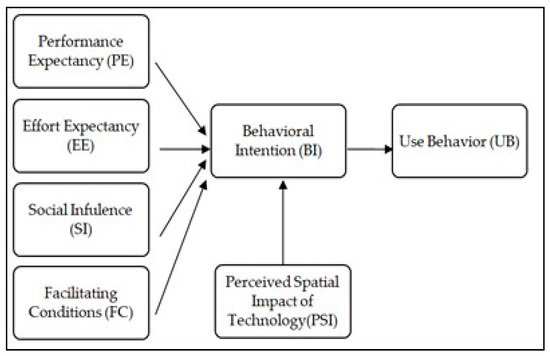
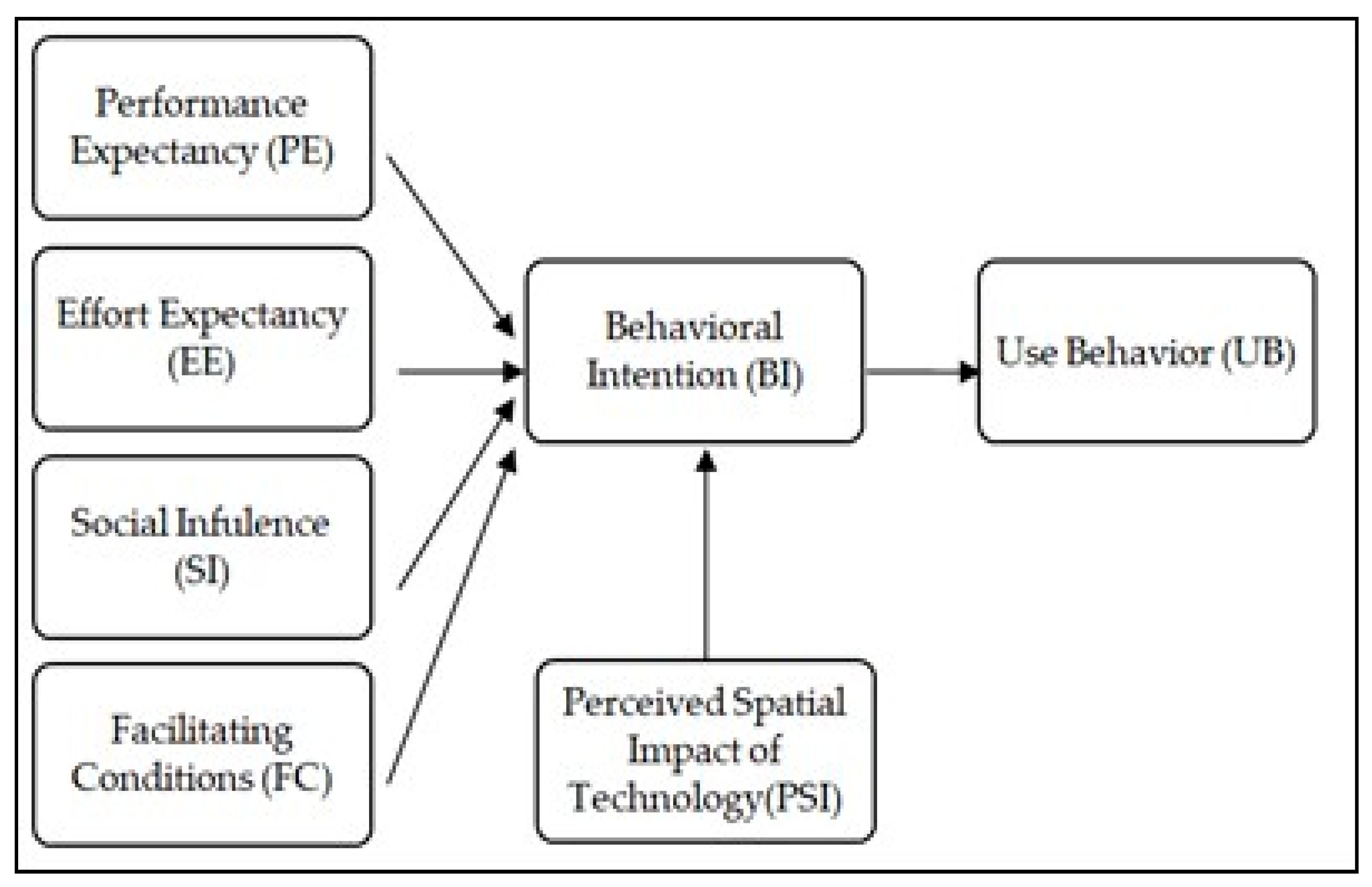

Disclaimer/Publisher’s Note: The statements, opinions and data contained in all publications are solely those of the individual author(s) and contributor(s) and not of MDPI and/or the editor(s). MDPI and/or the editor(s) disclaim responsibility for any injury to people or property resulting from any ideas, methods, instructions or products referred to in the content. |
© 2026 by the authors. Licensee MDPI, Basel, Switzerland. This article is an open access article distributed under the terms and conditions of the Creative Commons Attribution (CC BY) license.