Systematic Review

Sustainability Reporting: A Machine Learning Meta-Regression Analysis

by
Hanvedes Daovisan
Behavioral Science Research Institute, Srinakharinwirot University, Bangkok 10110, Thailand
Technologies 2026, 14(1), 21; https://doi.org/10.3390/technologies14010021

Submission received: 26 November 2025 / Revised: 23 December 2025 / Accepted: 24 December 2025 / Published: 29 December 2025

Abstract

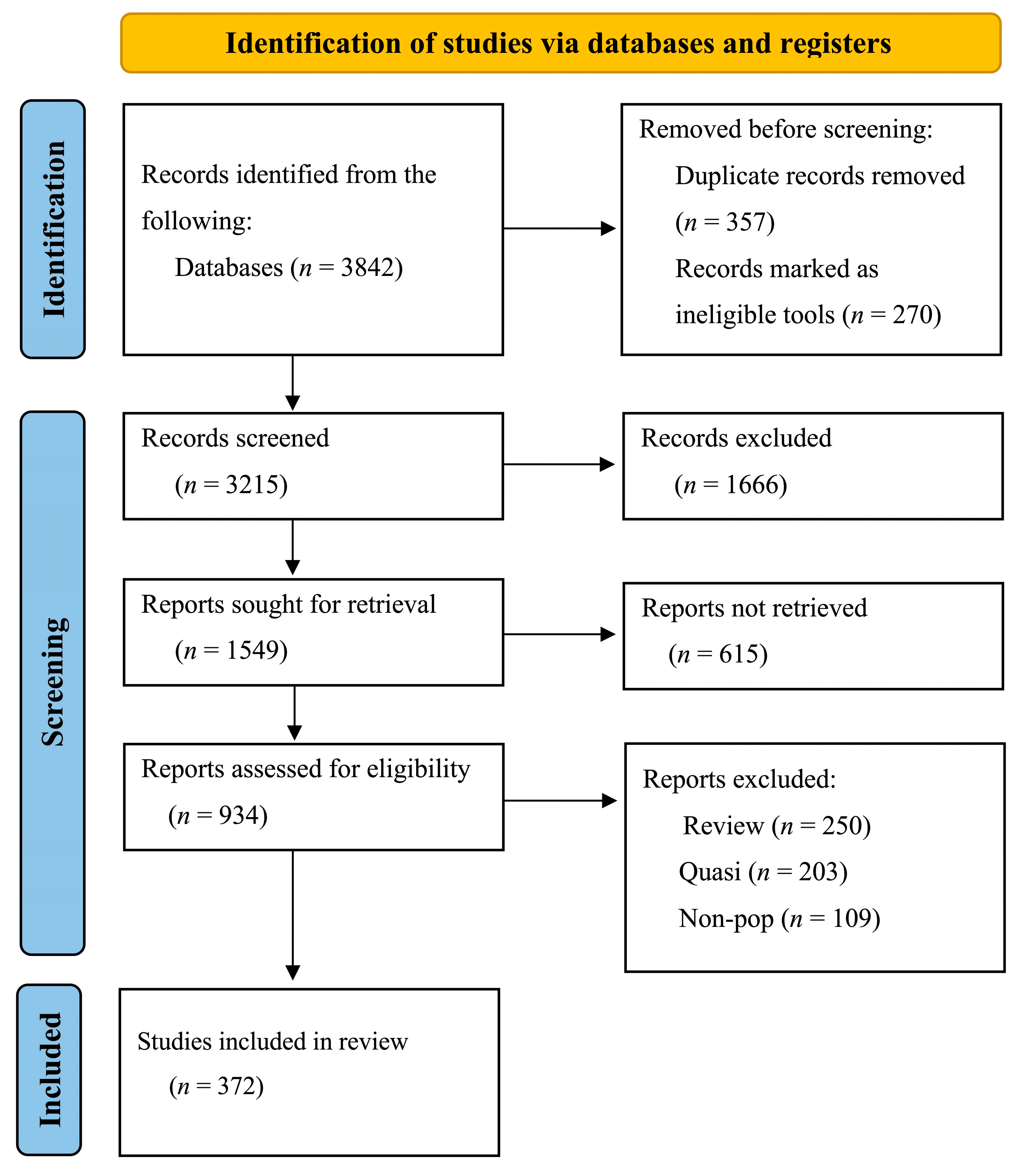
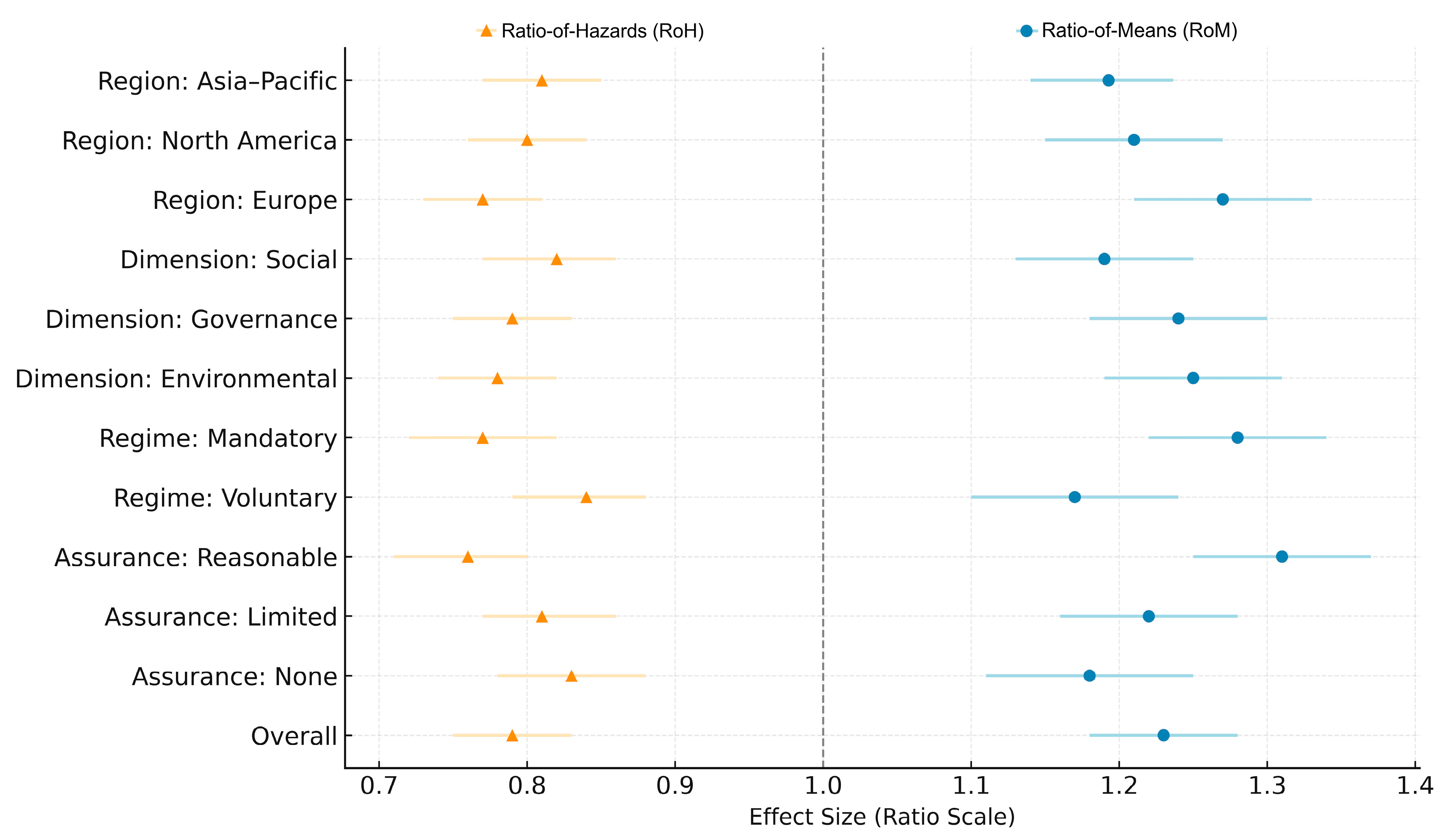
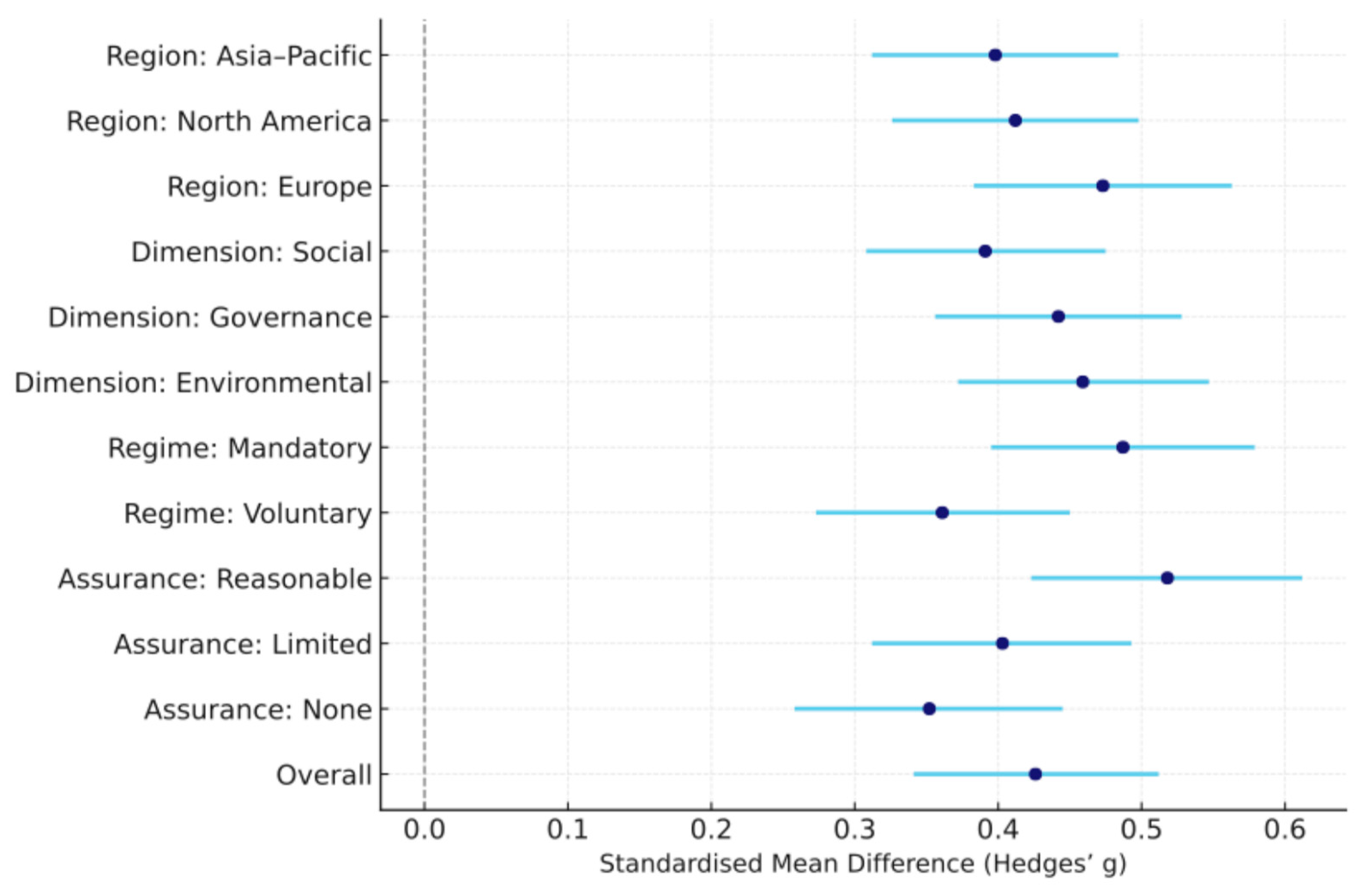
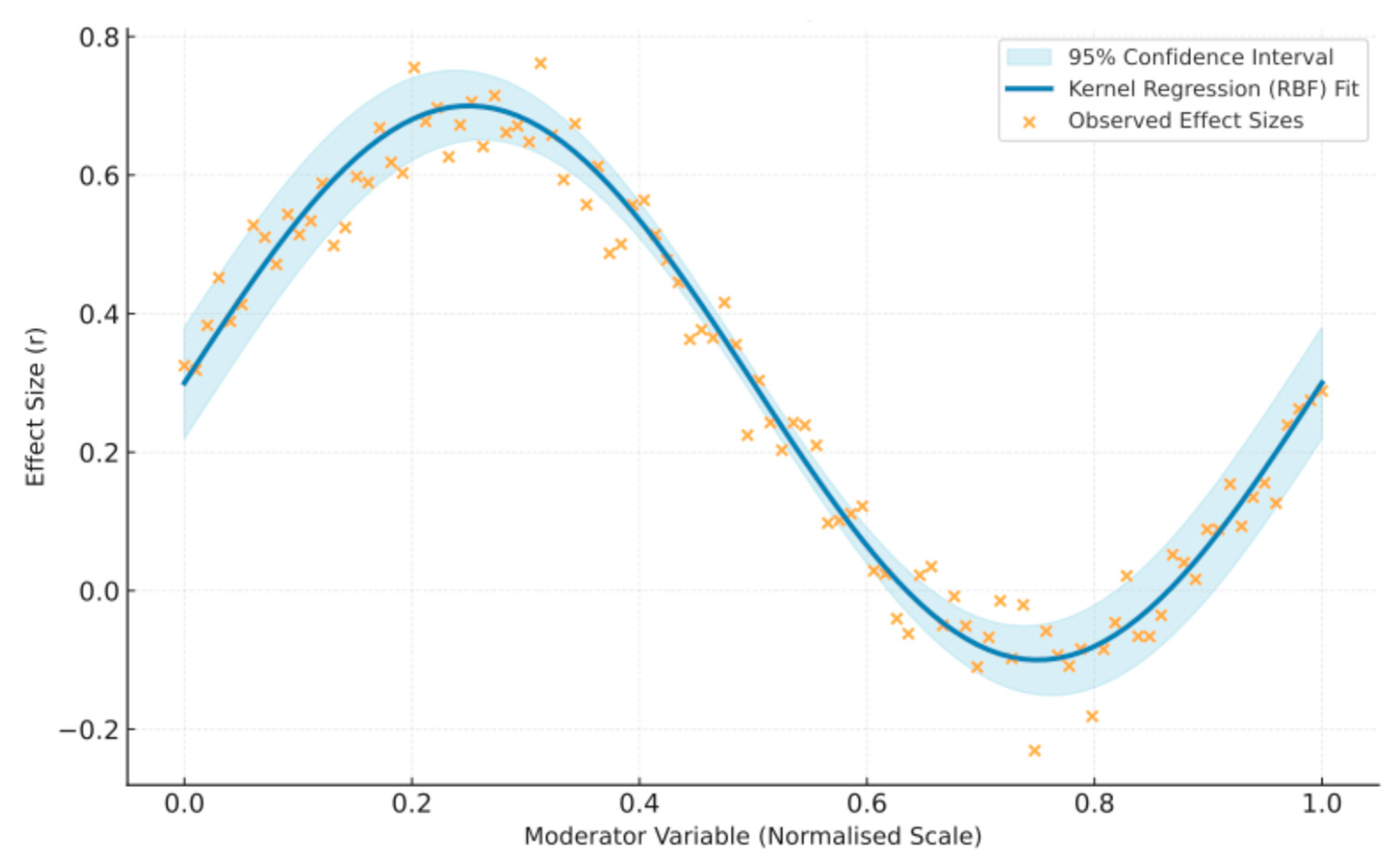
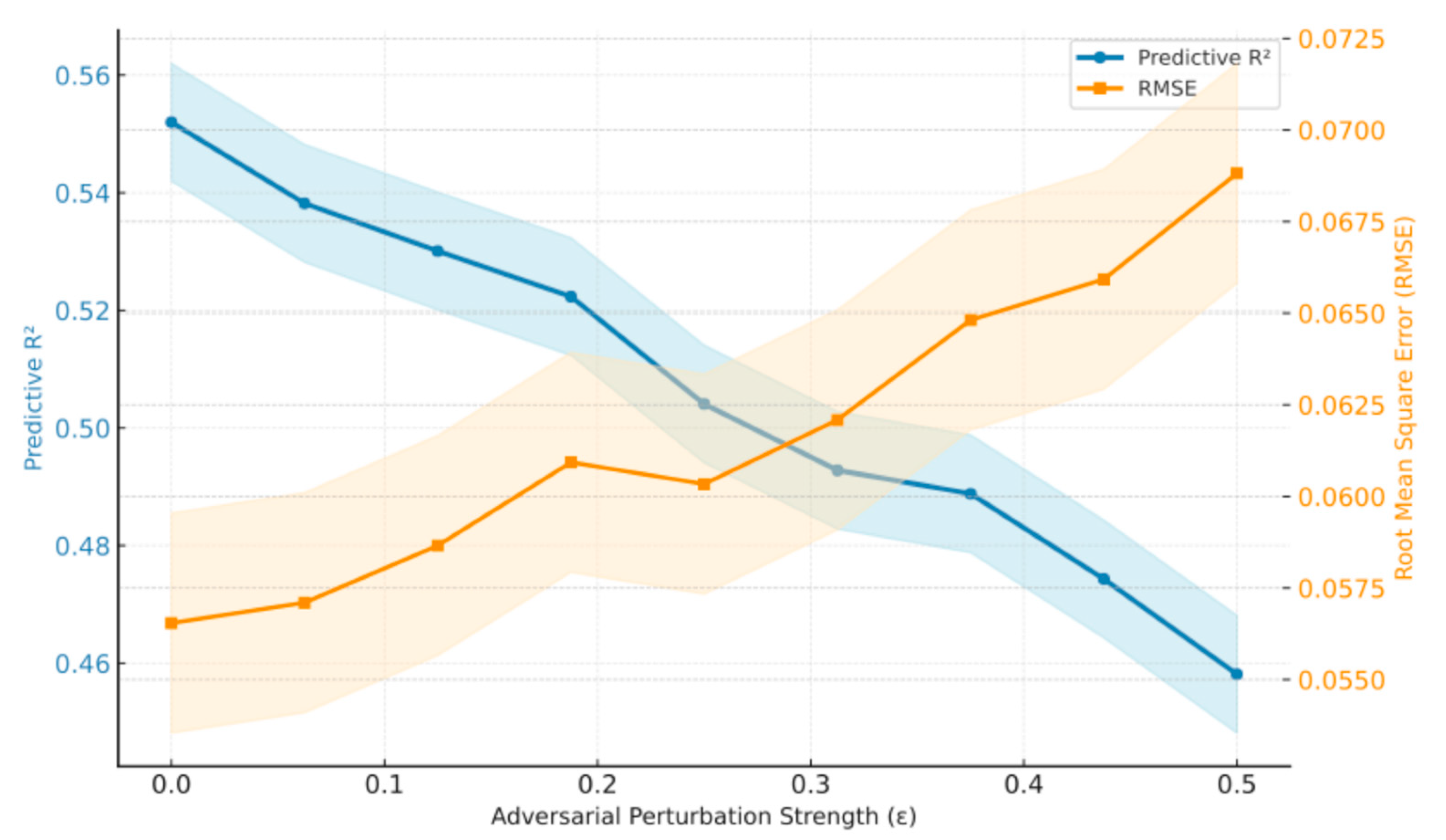
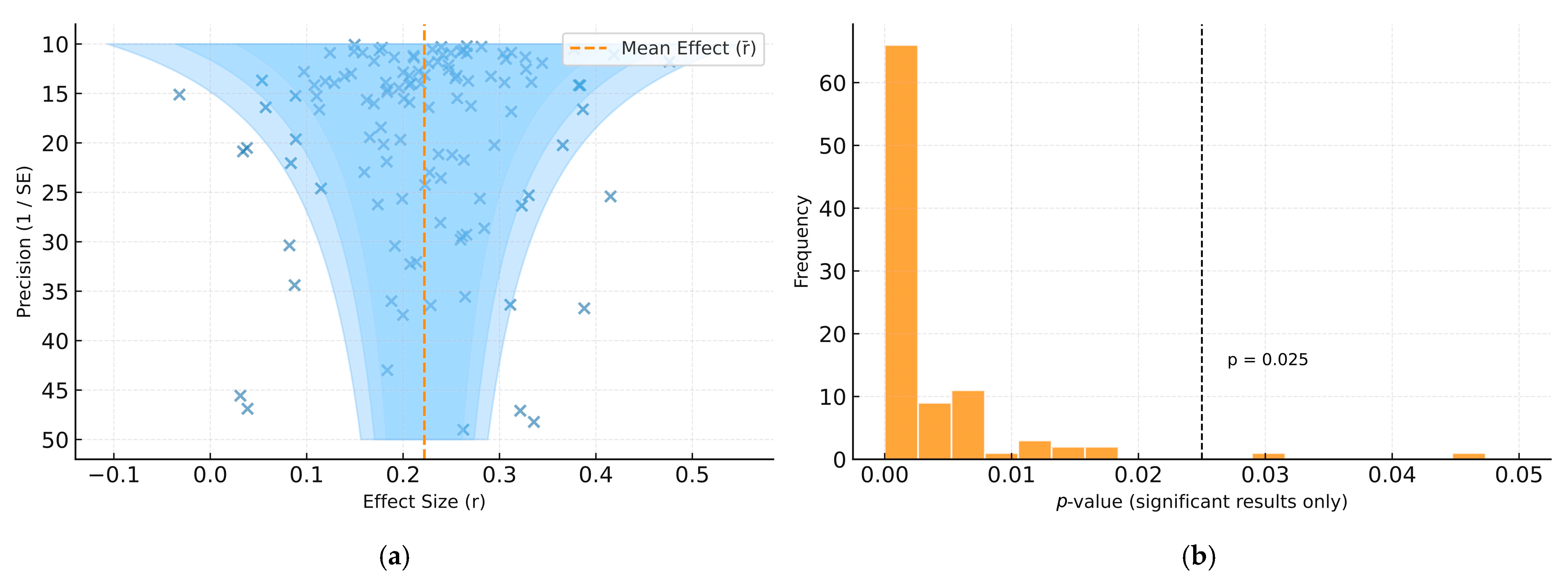
The quality of sustainability reporting (SR) has come to be widely regarded as a factor of considerable importance in influencing organisational performance. However, empirical evidence in relation to SR has been characterised by fragmentation across industrial sectors. The purpose of this study was to synthesise the relationship between SR and organisational performance across the manufacturing, finance, energy and utilities, services, and ICT sectors. Our systematic review, performed using the PRISMA 2020 framework and machine learning meta-regression, was conducted on 372 studies retrieved from the Scopus database between 1 January 2020 and 1 November 2025. Our pooled correlation showed that the SR effect was positively associated with outcome performance (r = 0.231, 95% CI [0.184, 0.279]) and yielded a standardised mean difference (g = 0.426, 95% CI [0.341, 0.512]). The meta-regression showed that assurance quality (β = 0.156, p < 0.001), the regulatory regime (β = 0.142, p < 0.001), and reporting standard alignment (β = 0.118, p = 0.003) are significant moderating factors. The predictive robustness was confirmed through cross-validation (R2 = 0.55; RMSE = 0.056), while feature stability was substantiated by a mean SHAP variance of less than 0.012. Transparency, comparability, and decision usefulness in SR were found to be enhanced by institutional mechanisms—particularly those providing credible assurance within mandatory regulatory frameworks.
Keywords: sustainability reporting; sustainable innovation; environmental assurance; data transparency; ethical artificial intelligence; machine learning governance sustainability reporting; sustainable innovation; environmental assurance; data transparency; ethical artificial intelligence; machine learning governance