
Article

/t/ Production in Mainstream and Aboriginal Australian Englishes in Warrnambool and Mildura: A Sociophonetic Acoustic Study

1
School of Languages and Linguistics, The University of Melbourne, Parkville, VIC 3010, Australia
2
Department of Theoretical and Applied Linguistics, University of Cambridge, Cambridge CB3 9DA, UK
*
Author to whom correspondence should be addressed.
Languages 2026, 11(5), 94; https://doi.org/10.3390/languages11050094

Submission received: 5 November 2025 / Revised: 27 March 2026 / Accepted: 1 April 2026 / Published: 7 May 2026
(This article belongs to the Special Issue Advances in Australian English)

Abstract

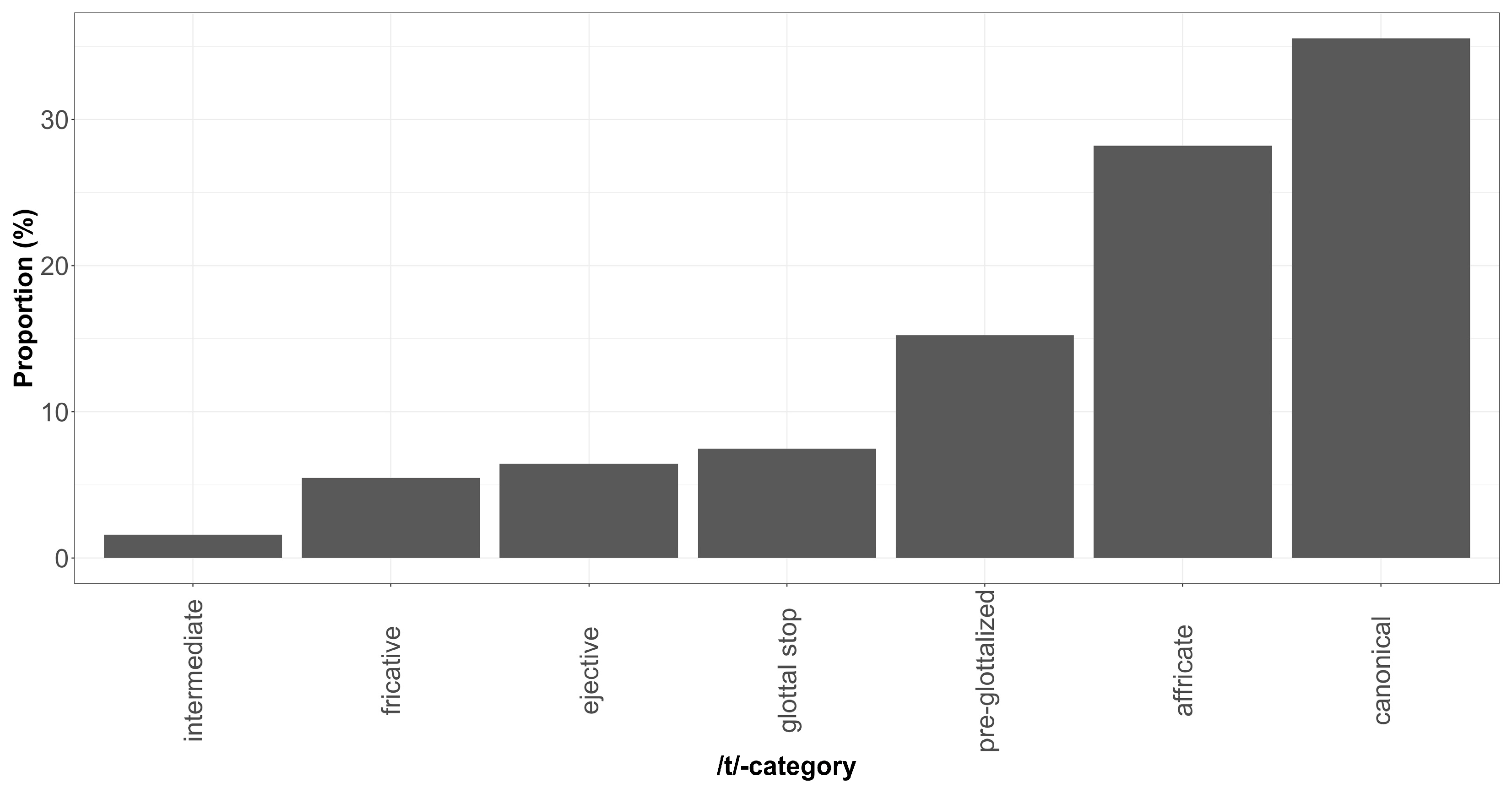
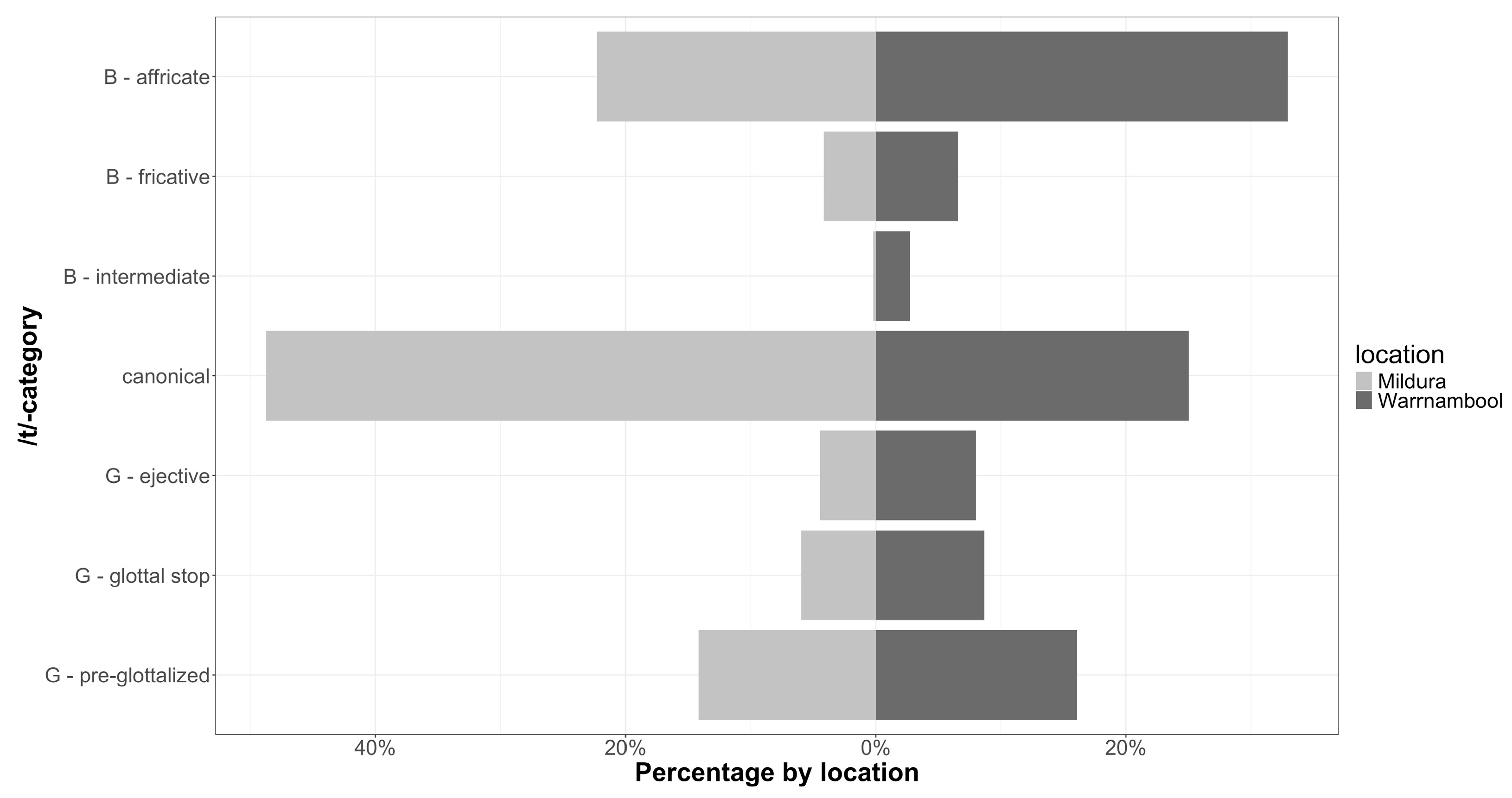
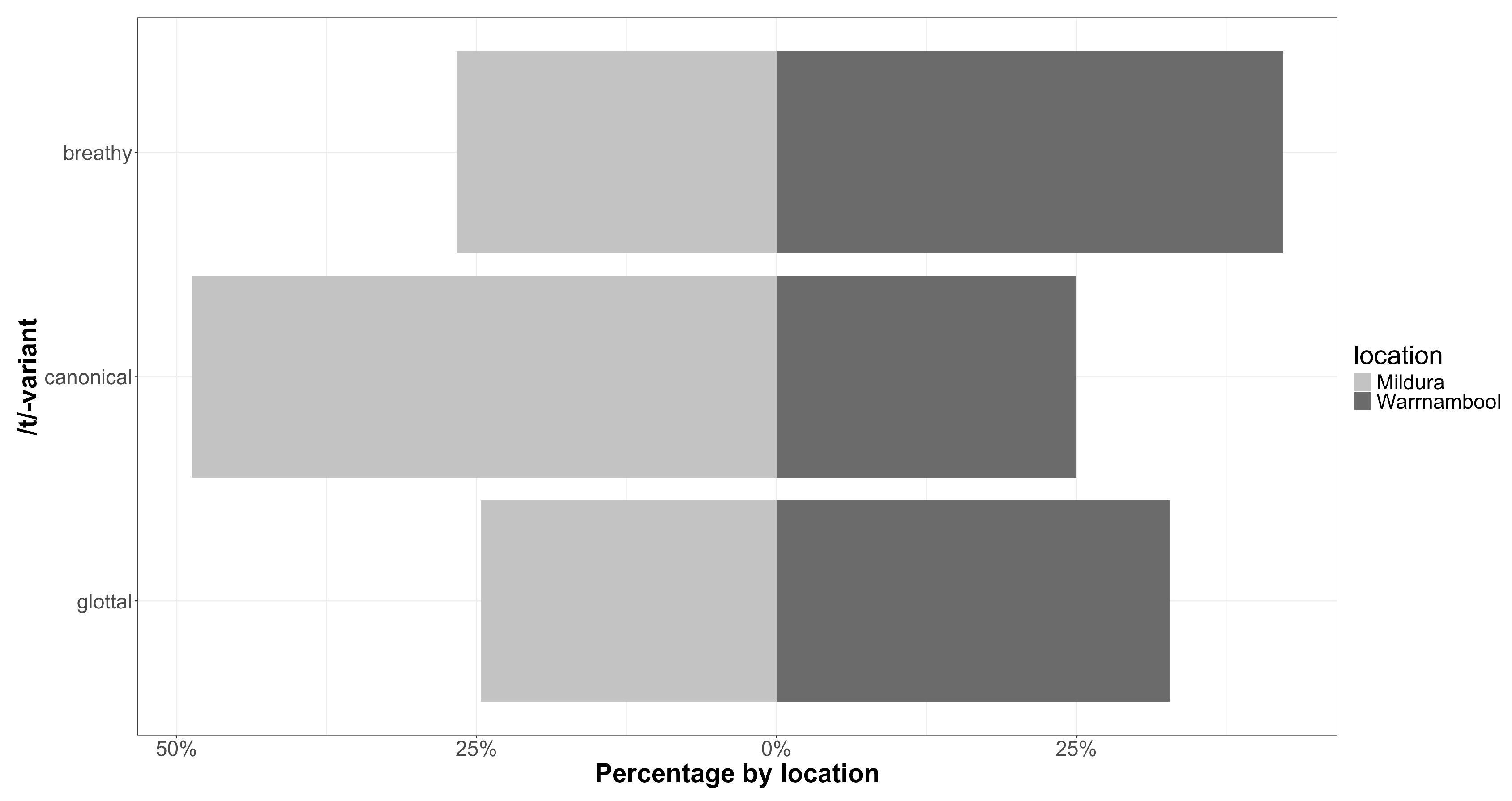
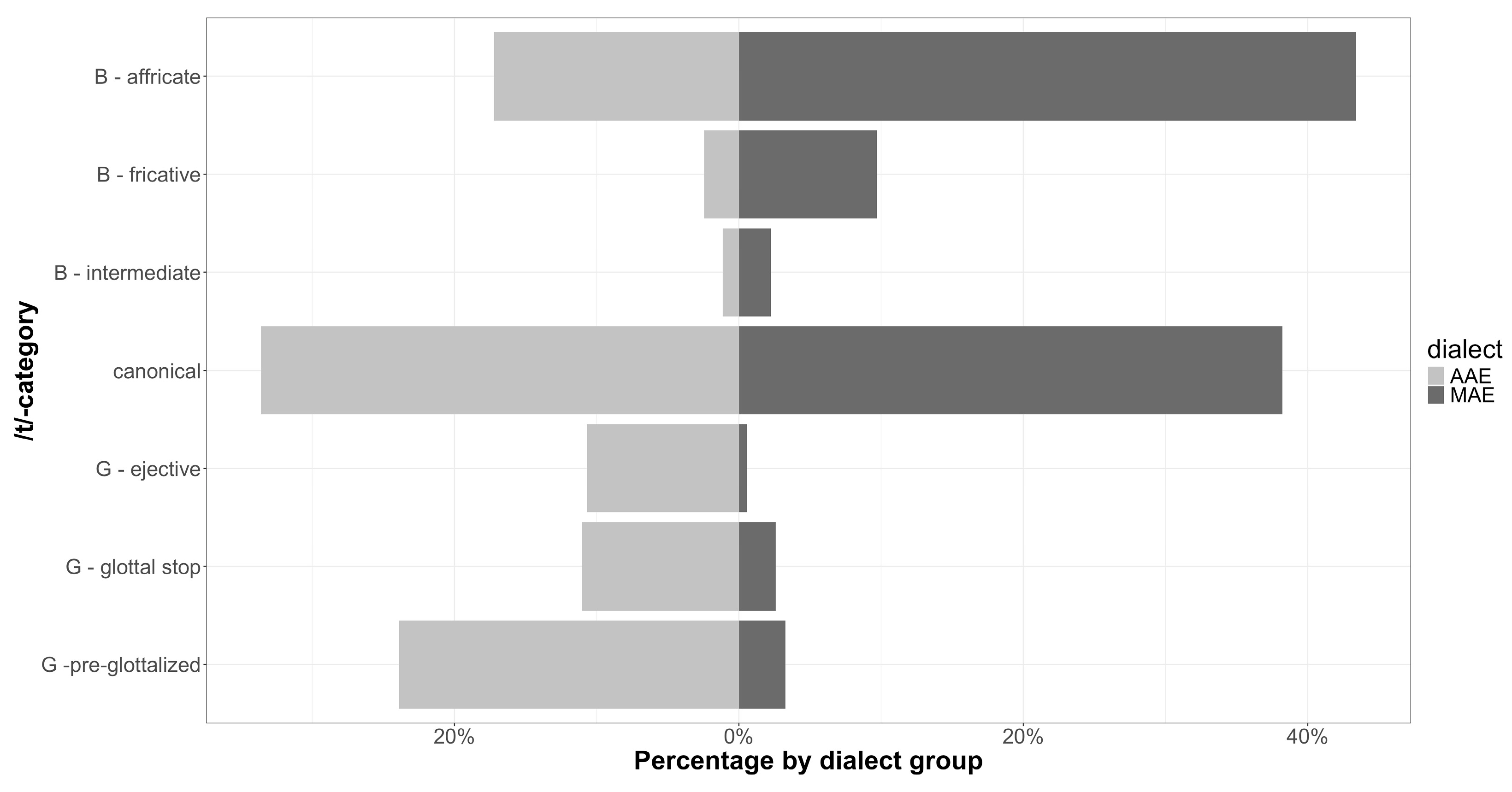
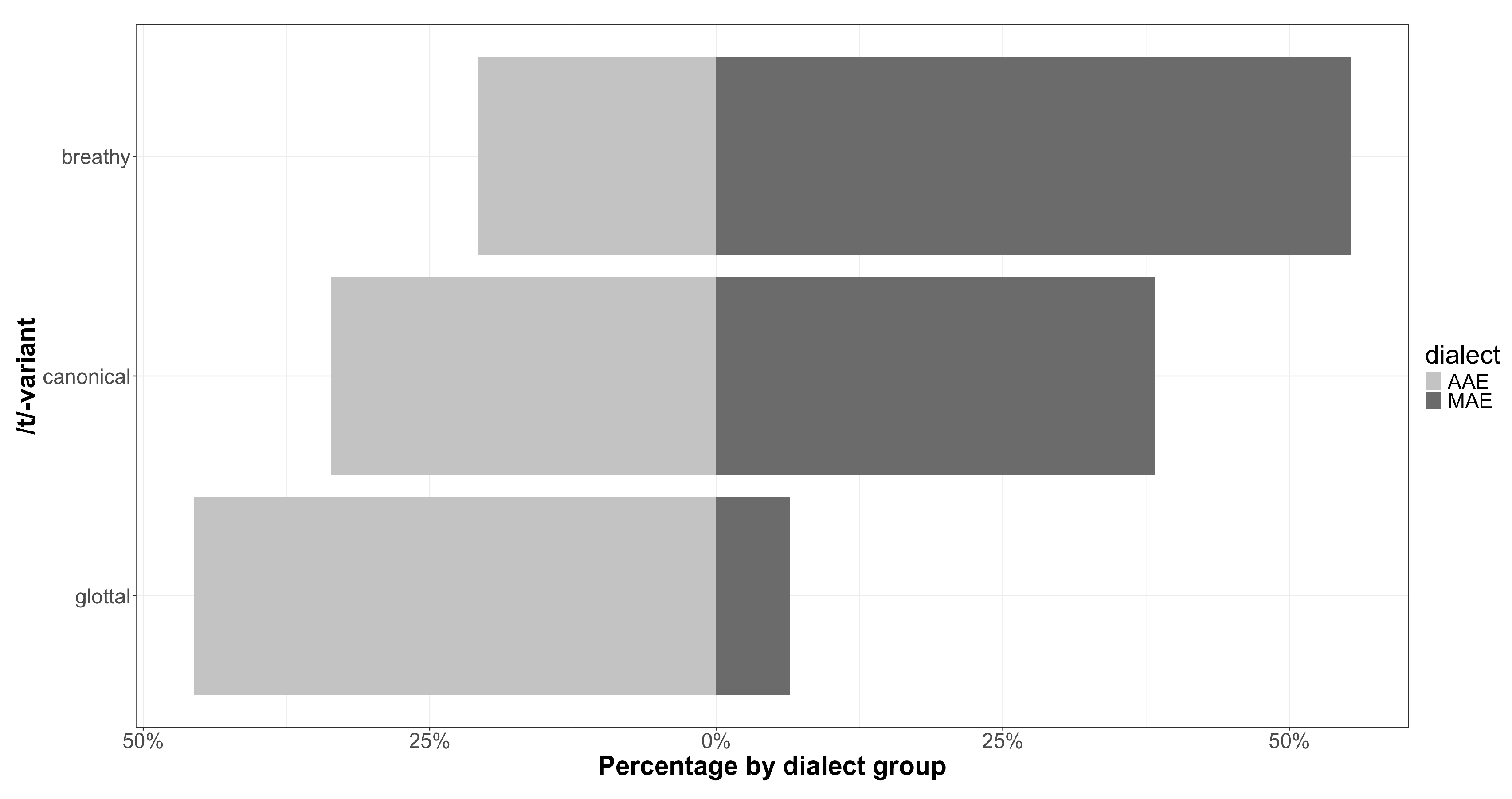
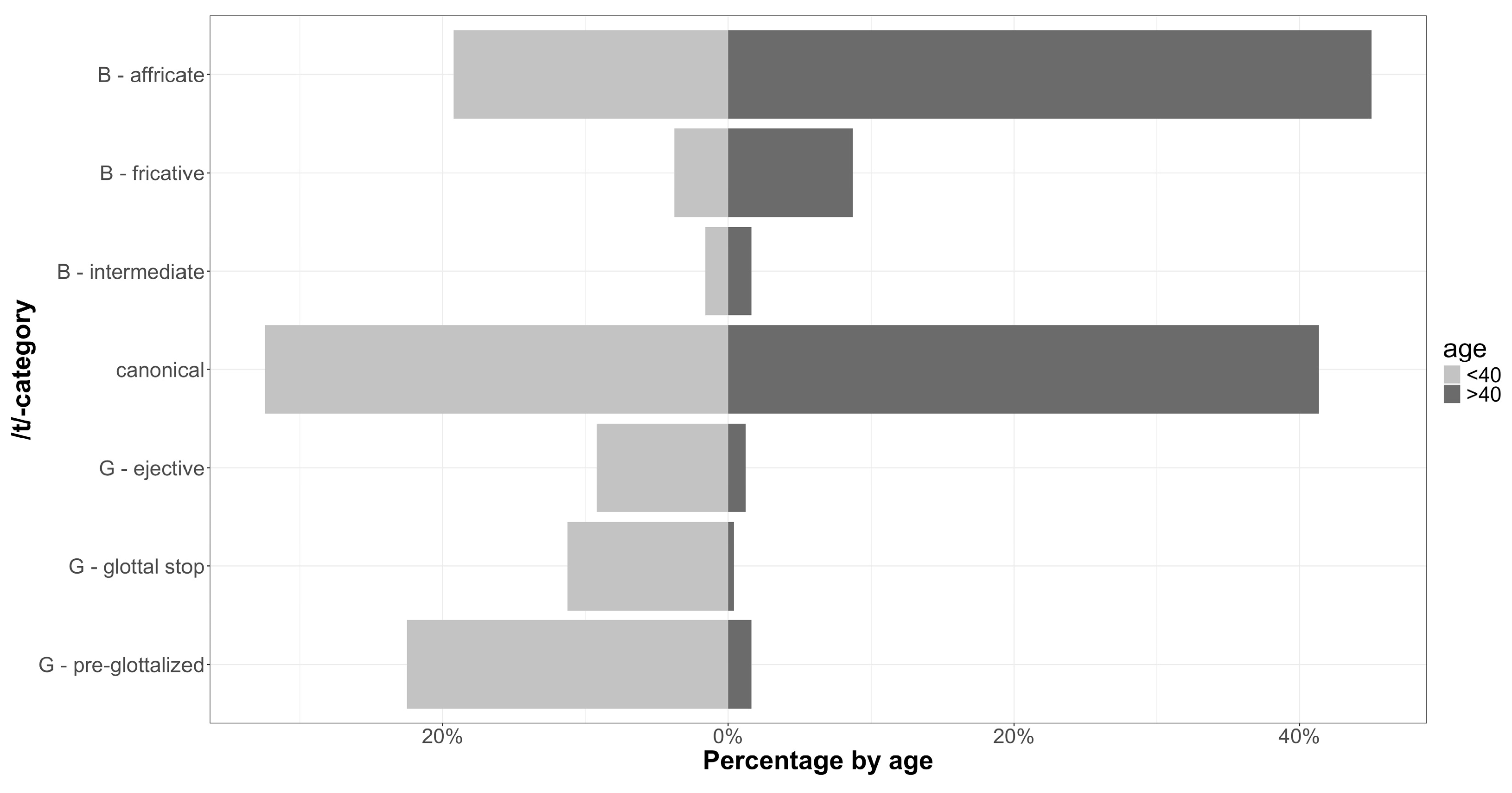
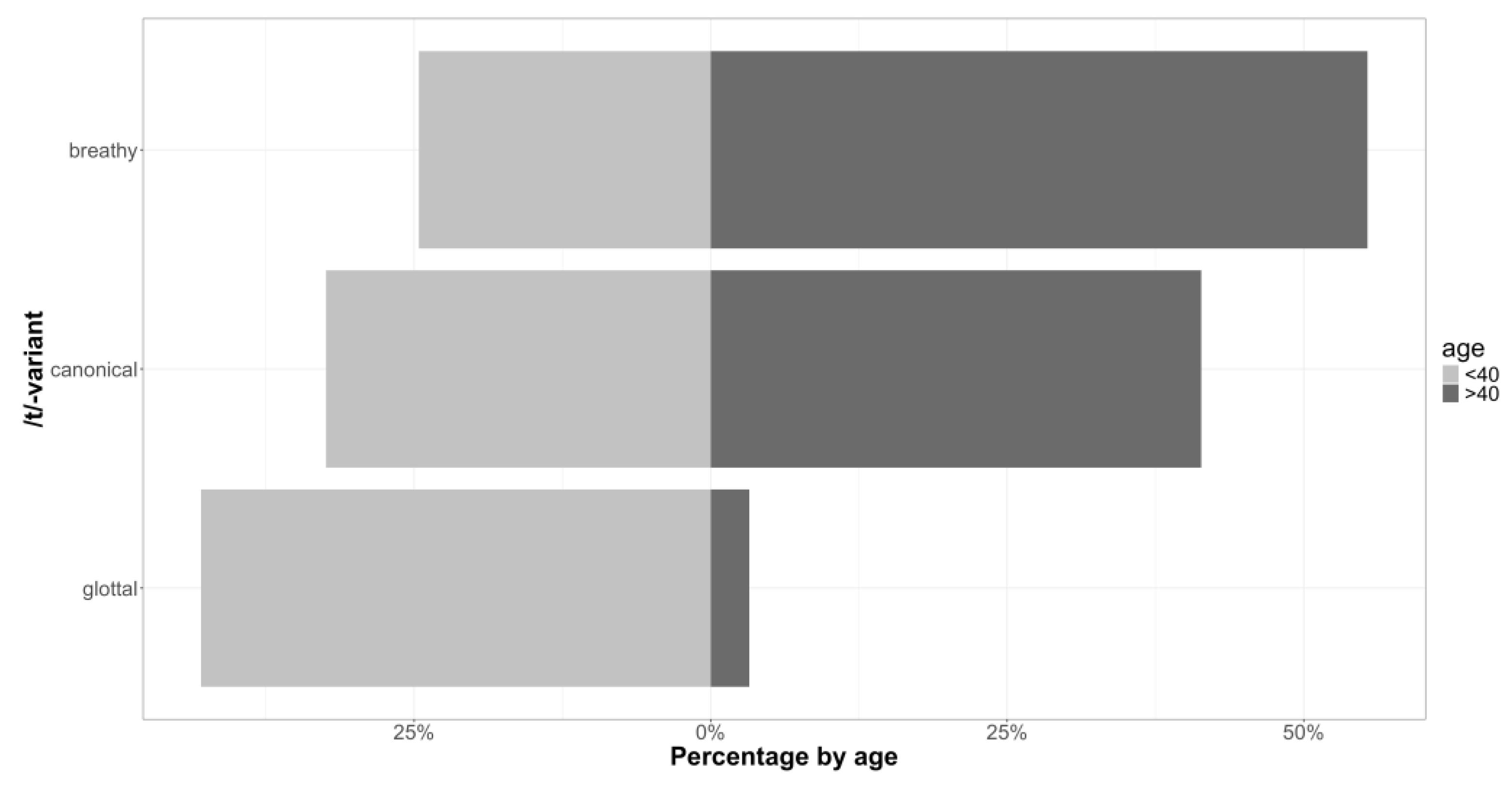
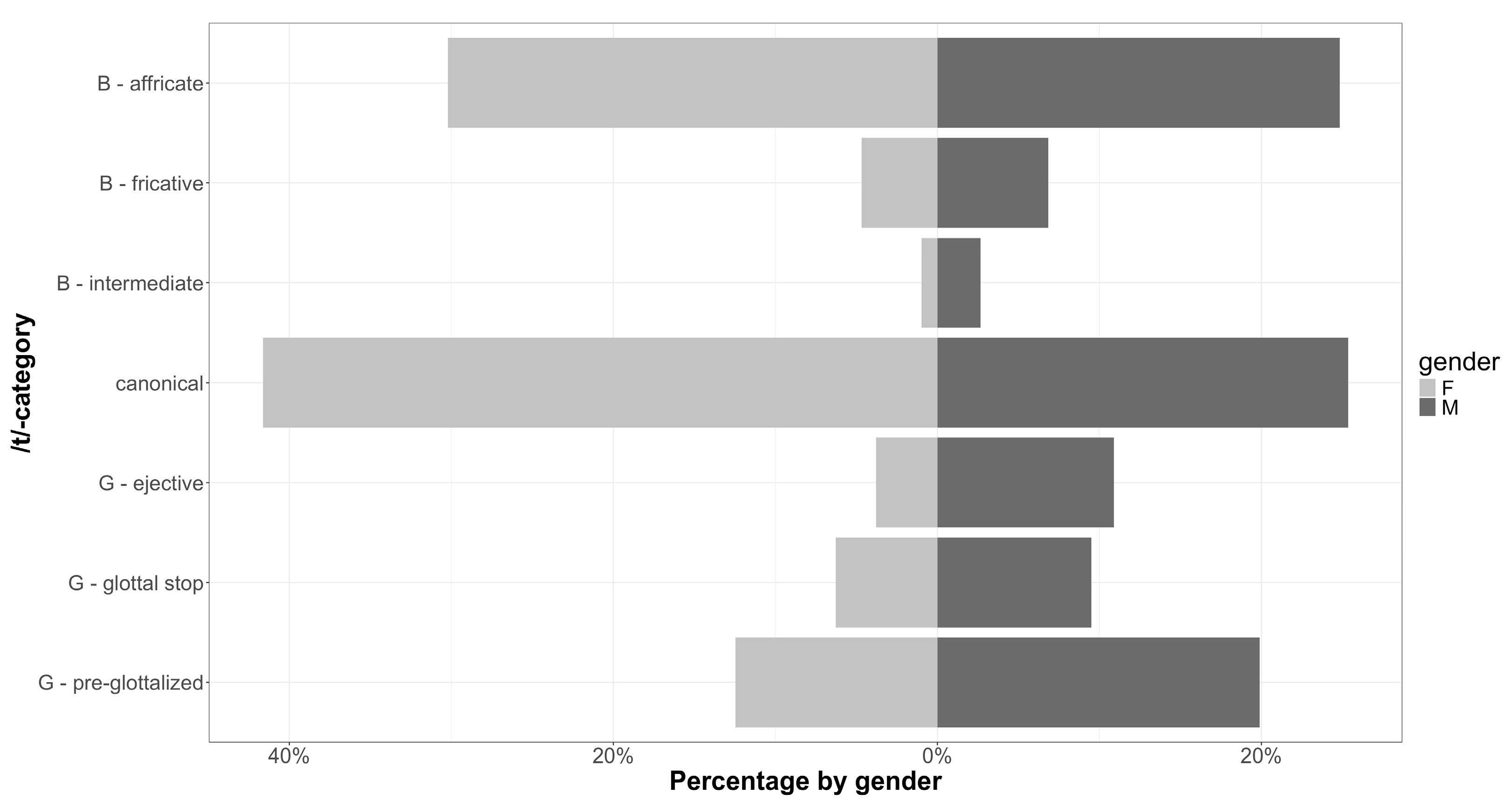
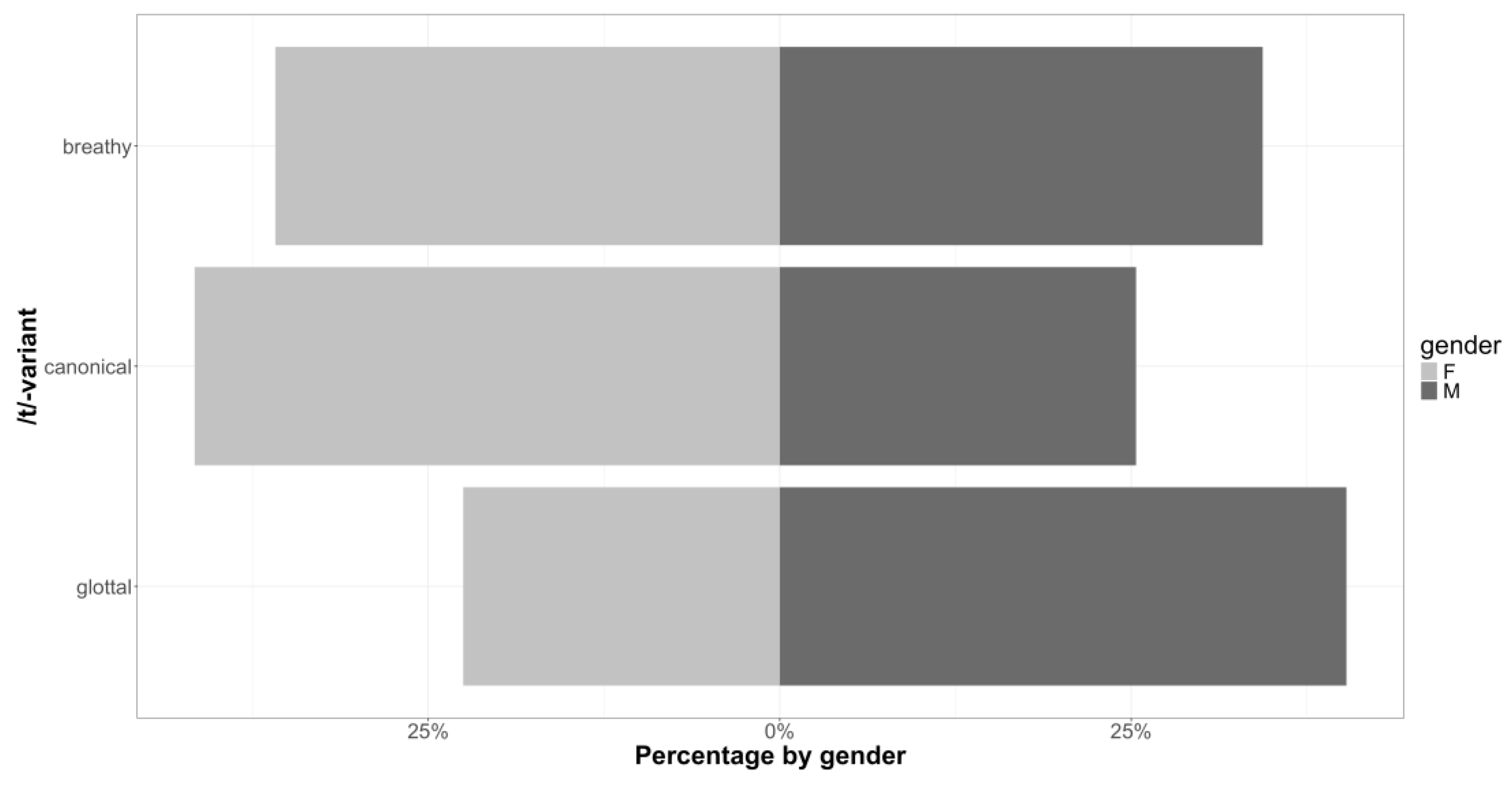
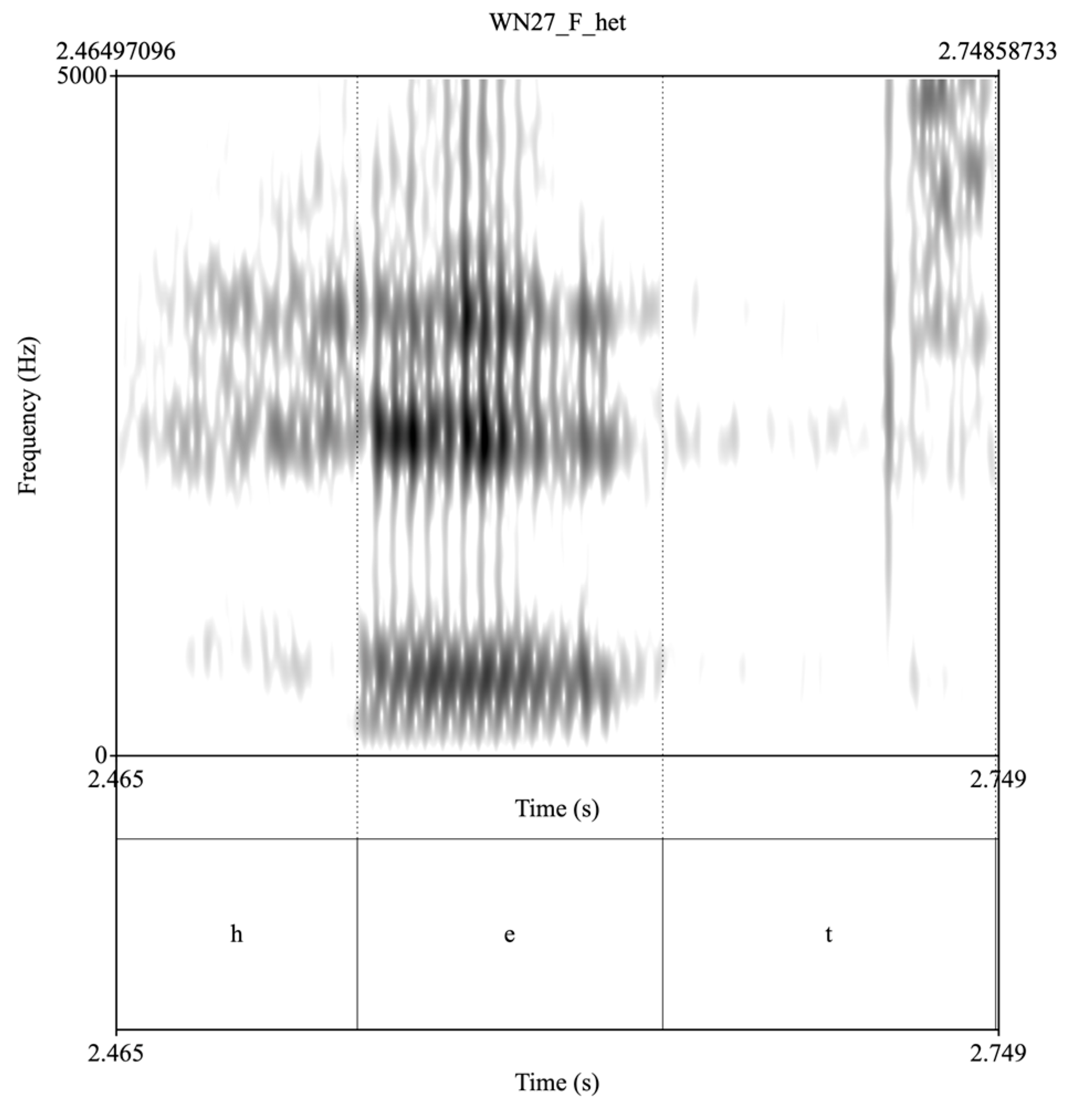
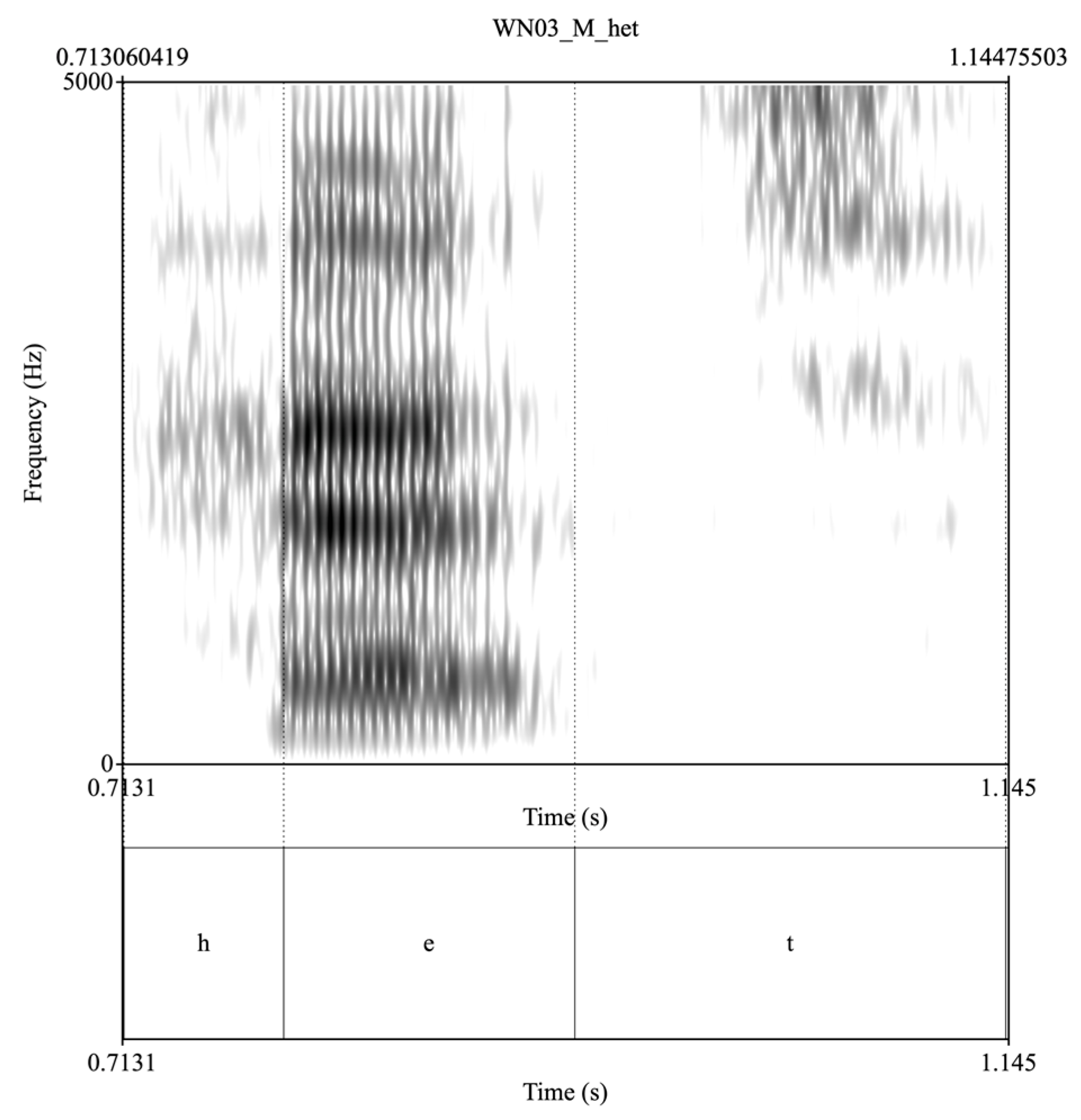
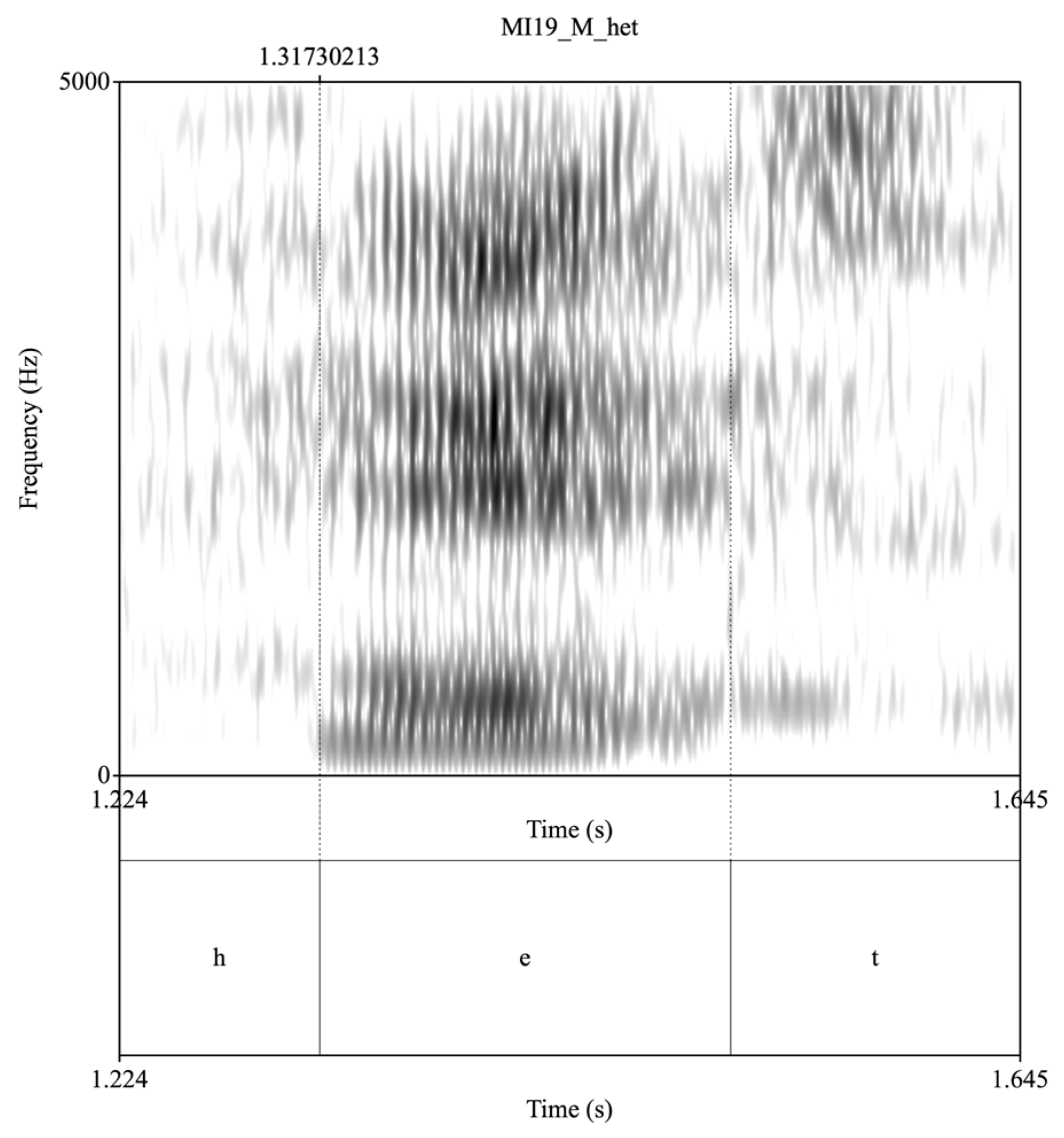
A sociophonetic study of coda /t/ in Australian Englishes spoken in Warrnambool and Mildura, Victoria, Australia, is described. A total of 2112 coda /t/ tokens produced by 61 adult L1 speakers was analyzed using auditory and acoustic profiling, focusing on four social factors (location, dialect, age and gender). The corpus included 33 Aboriginal English and 28 Mainstream Australian English speakers (24 male, 37 female) who fell into roughly equal age groups of <40 and >40 years. Overall, the “canonical” (aspirated) variant [th] was most frequently observed, followed by affricate [ts] and pre-glottalized [ˀt]; these variants accounted for 79% of all tokens. As for sociophonetic patterning, the best-fitting model included all four predictors (location, dialect, age and gender), with random intercepts for speaker and word. Dialect (Aboriginal or Mainstream Australian English) and age showed the strongest sociophonetic patterning, followed by limited effects for location. Variants were subsequently grouped into three superordinate categories—“breathy”, “canonical” (aspirated) and “glottal”—and a model was created including all four predictors and all two-way interactions between them, with random intercepts for speaker and word. This model showed that linking variants with broad voice qualities highlights even stronger sociophonetic patterning in some cases and is a promising direction for future research. The study contributes findings to three under-explored areas: consonant variability in Australian Englishes, fine-grained phonetic variation in Australian Aboriginal English, and analysis of speech from non-urban locations.
Keywords: consonants; plosives; acoustics; sociophonetics; Australian English; Australian Aboriginal English; /t/ variation consonants; plosives; acoustics; sociophonetics; Australian English; Australian Aboriginal English; /t/ variation