
Article

Methodology for Evaluating Risk of Visual Inspection Tasks of Aircraft Engine Blades
Department of Mechanical Engineering, University of Canterbury, Christchurch 8041, New Zealand
*
Author to whom correspondence should be addressed.
Aerospace 2021, 8(4), 117; https://doi.org/10.3390/aerospace8040117

Submission received: 16 March 2021 / Revised: 13 April 2021 / Accepted: 14 April 2021 / Published: 19 April 2021

Abstract

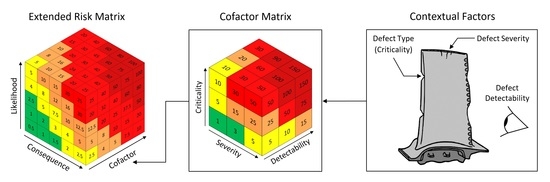
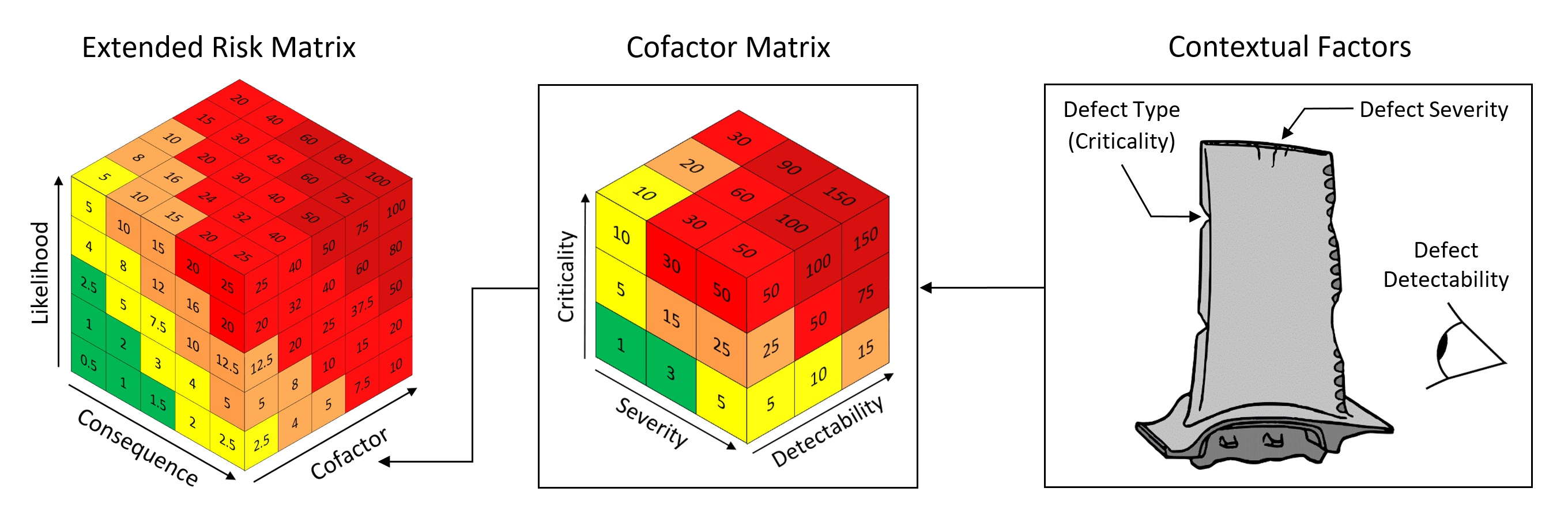
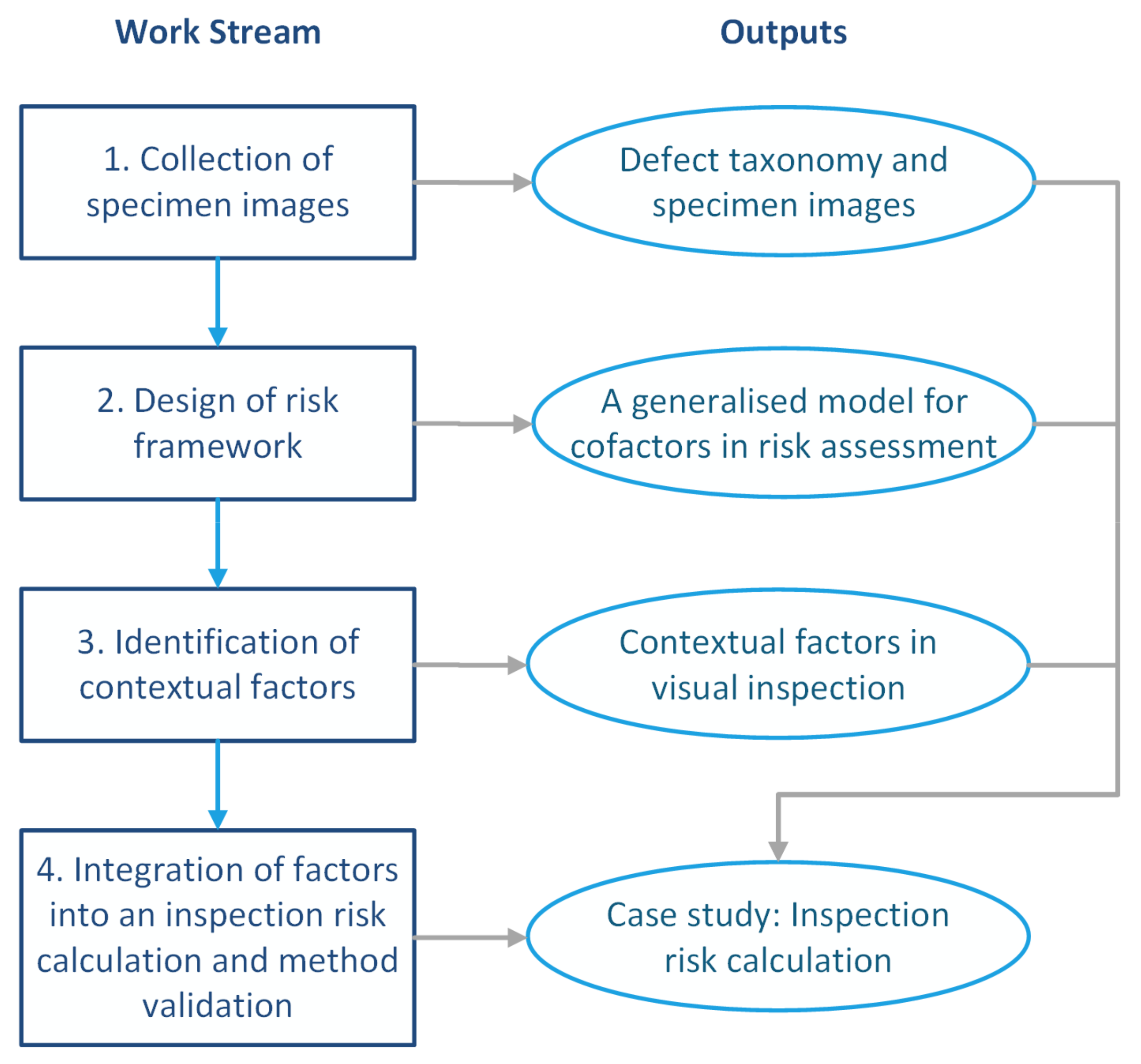
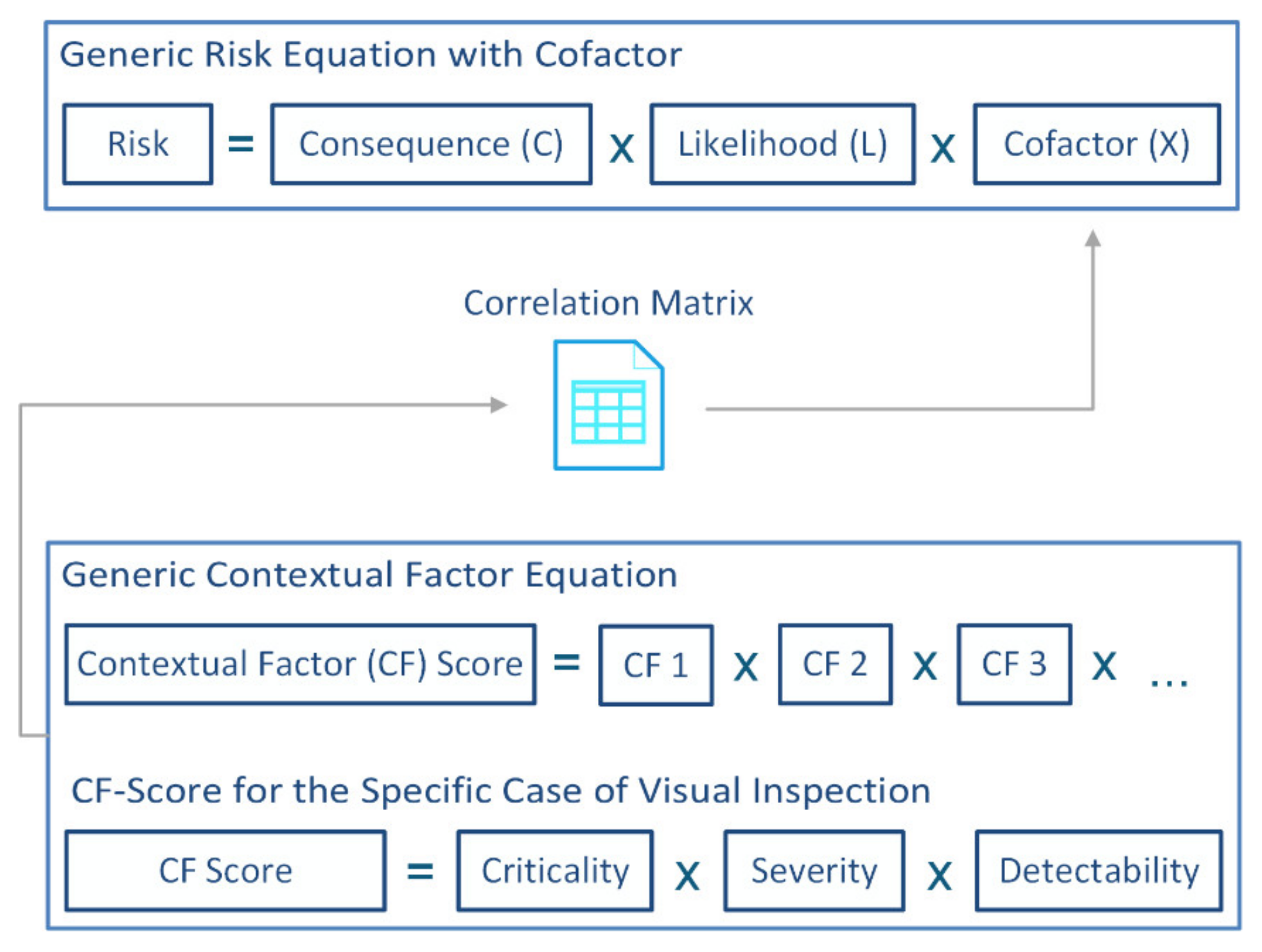
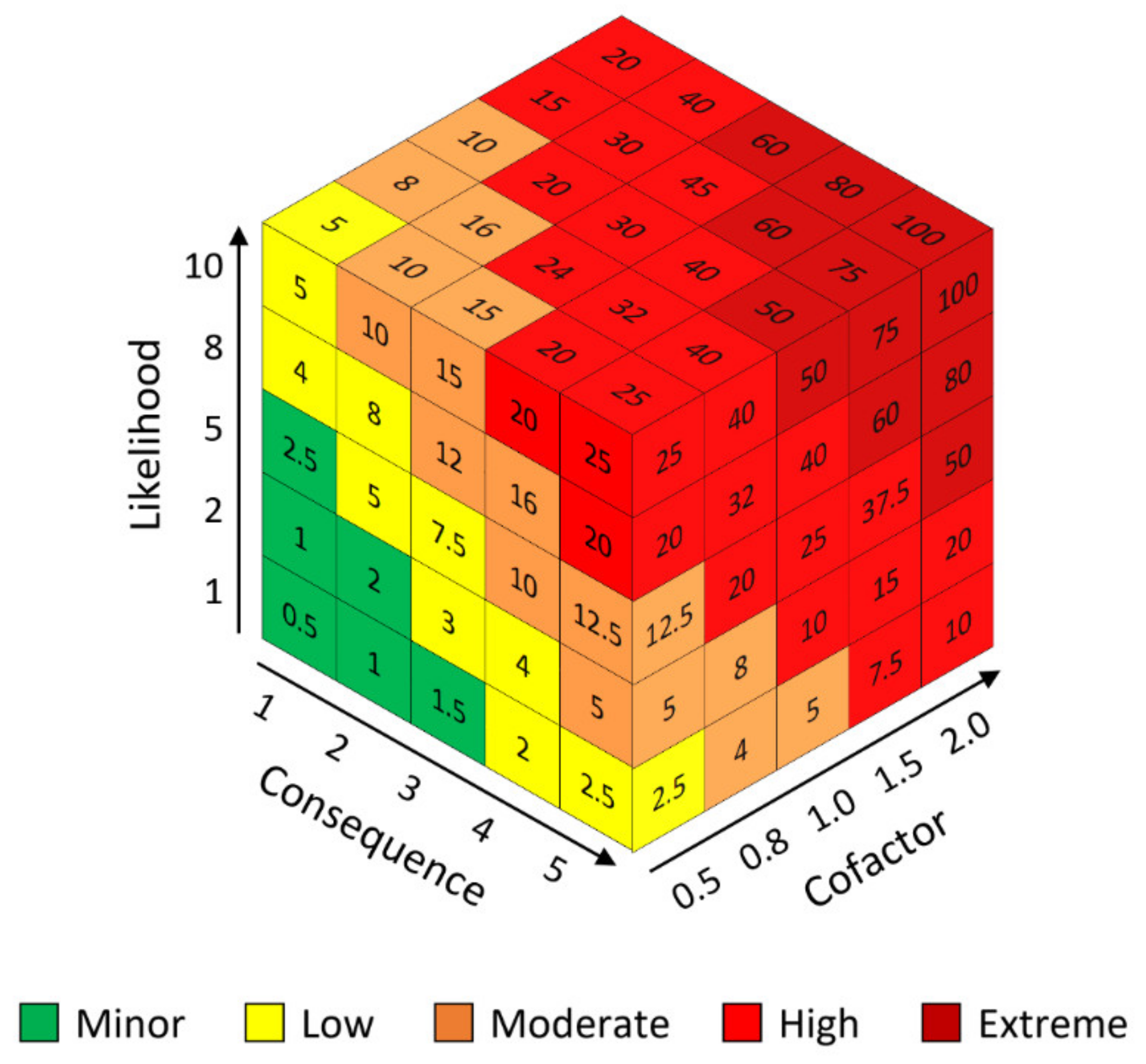
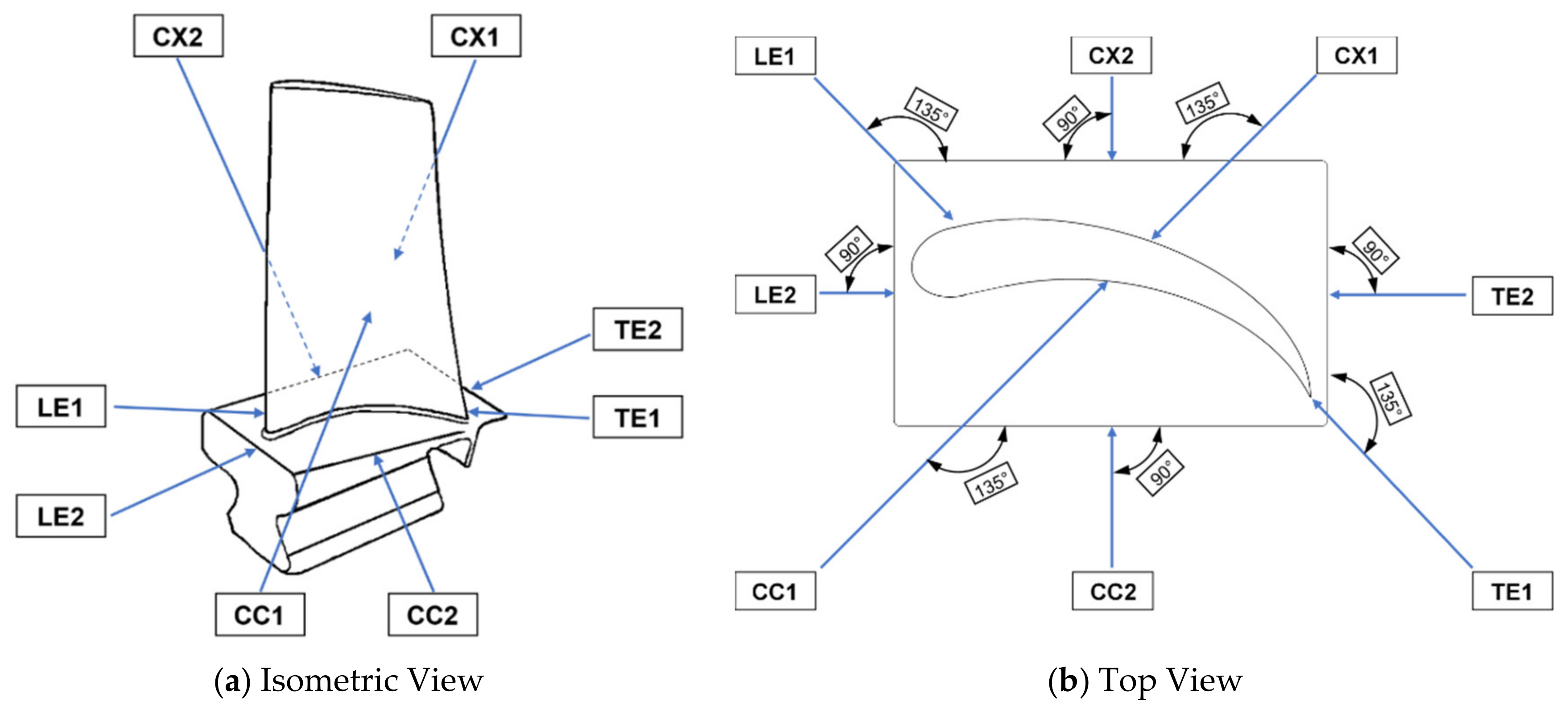
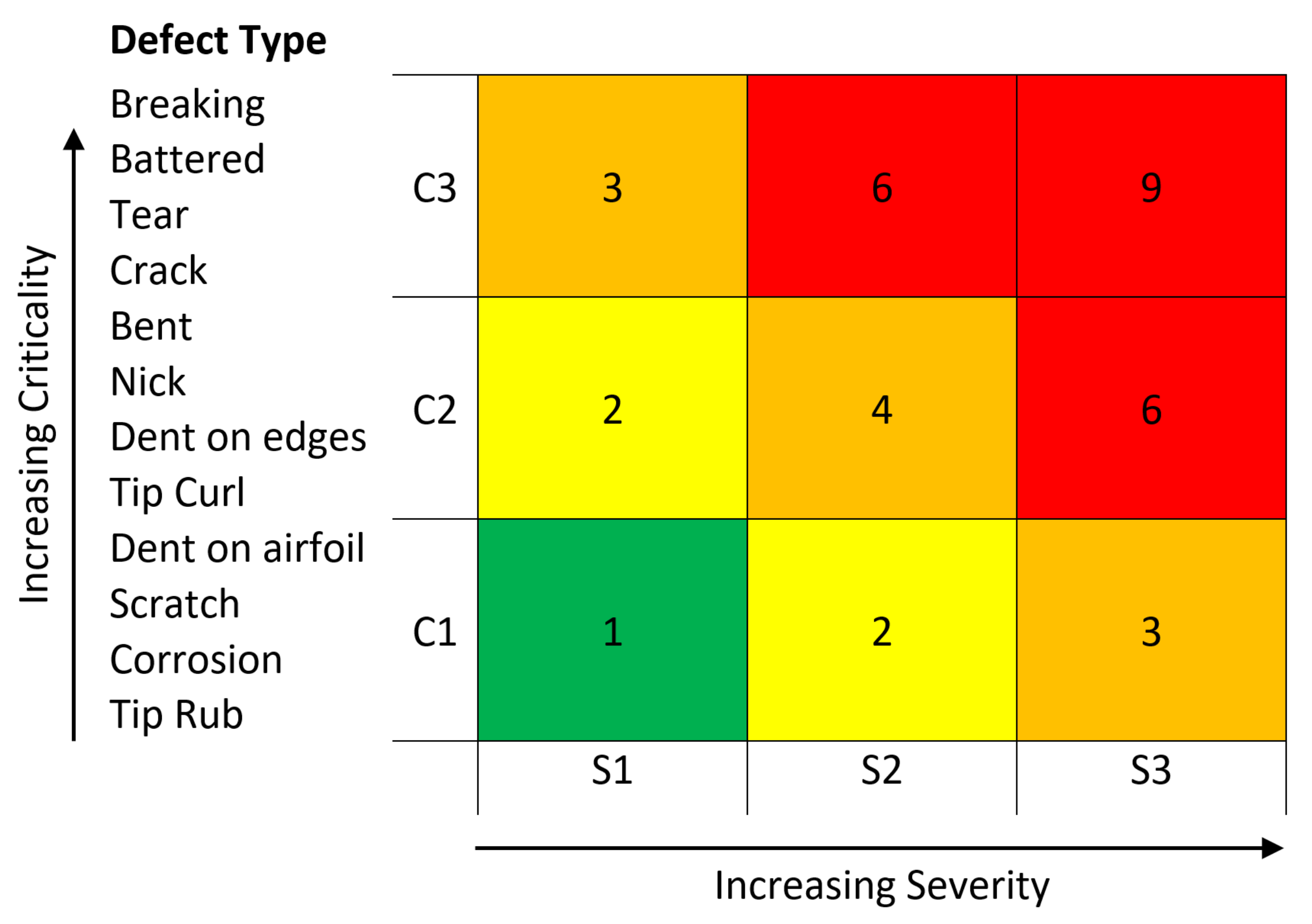
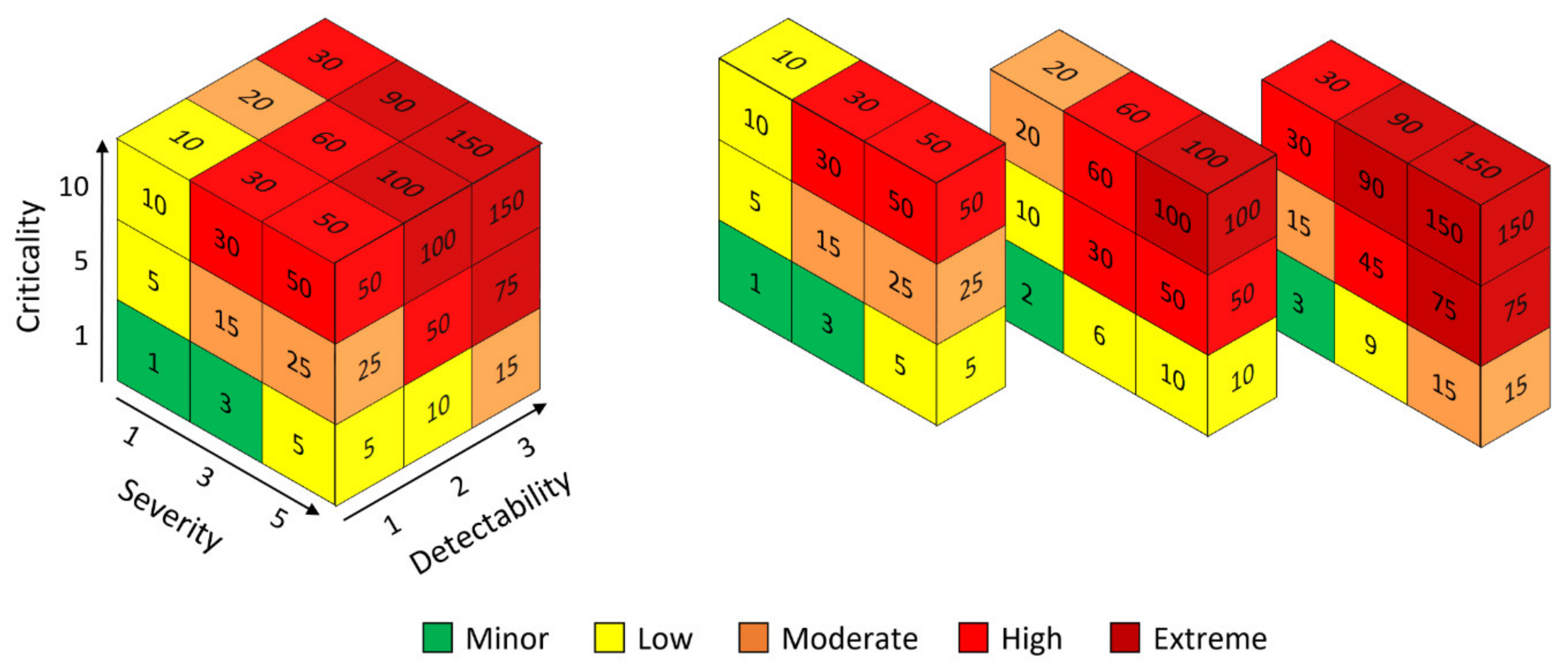
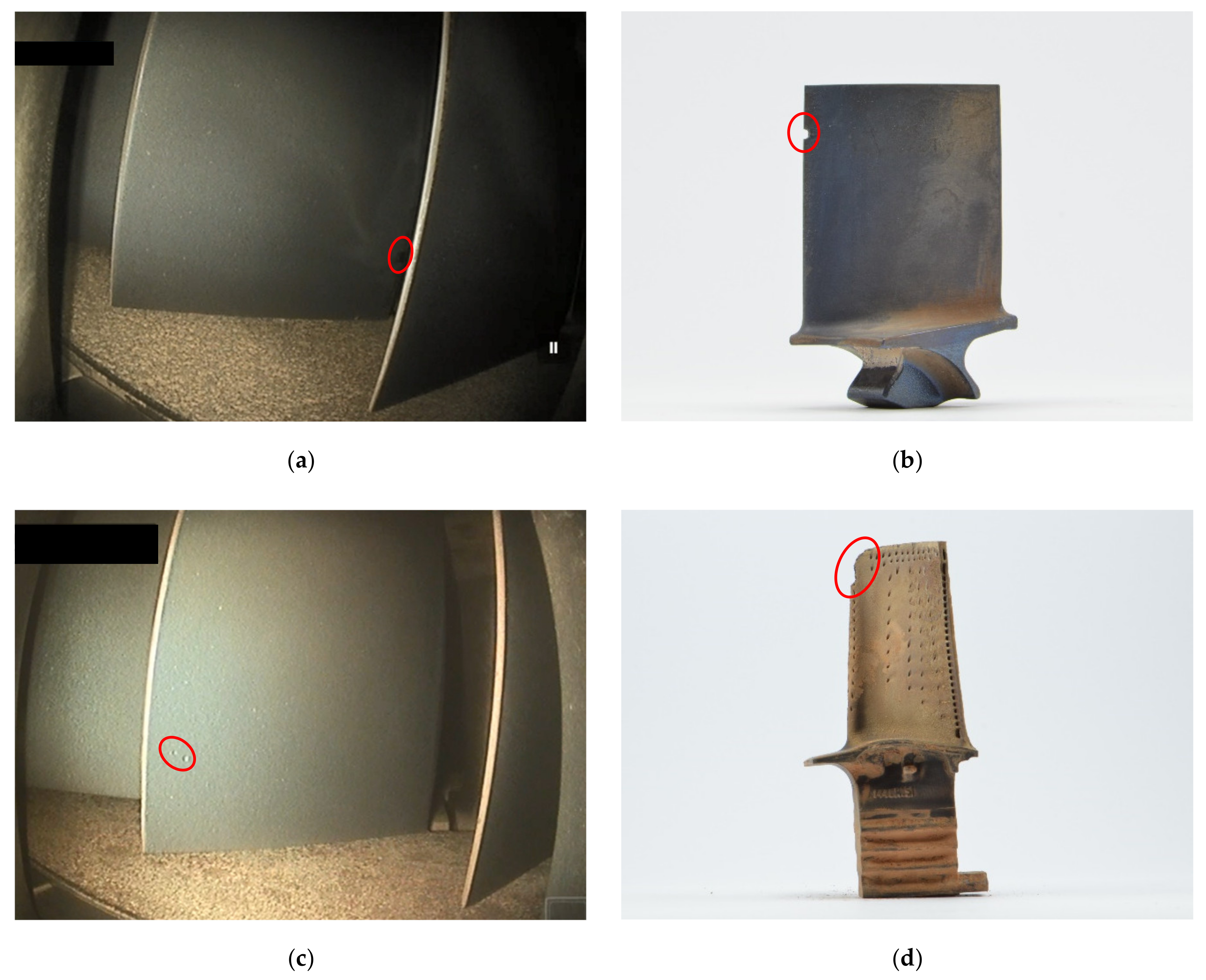
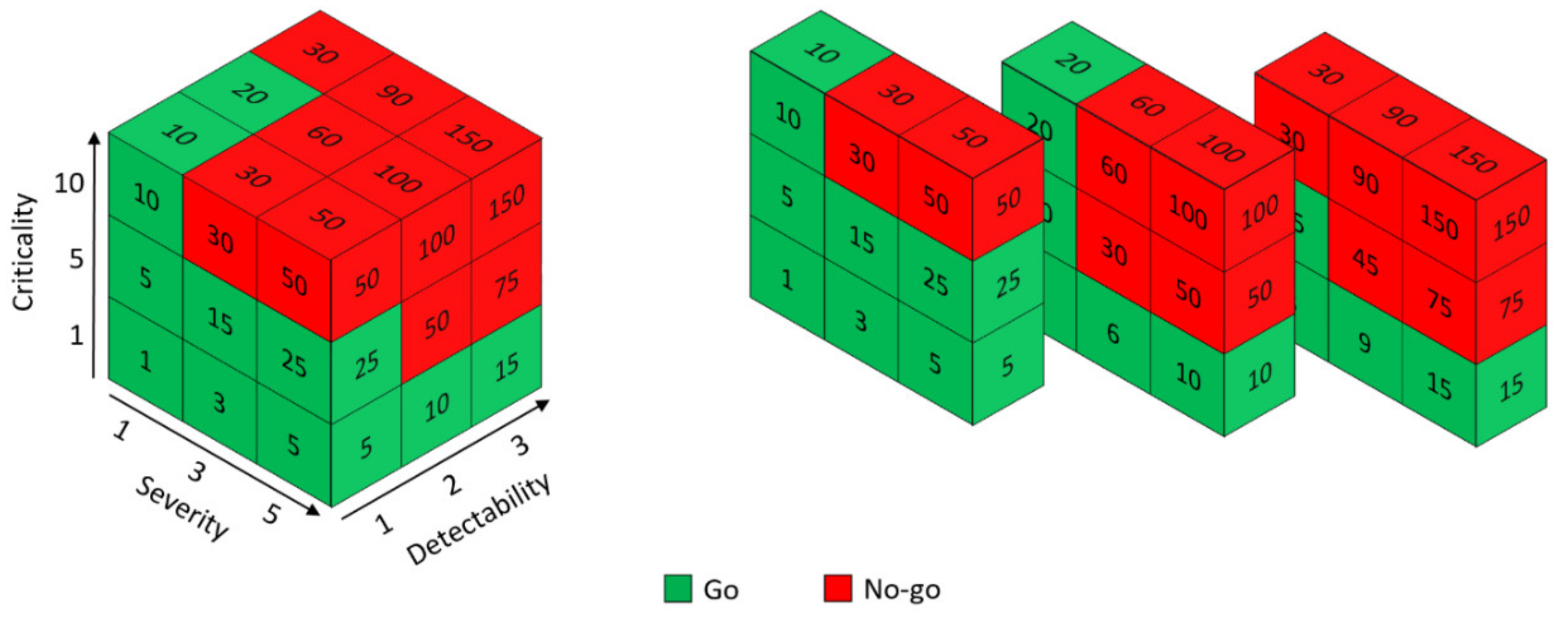
Risk assessment methods are widely used in aviation, but have not been demonstrated for visual inspection of aircraft engine components. The complexity in this field arises from the variety of defect types and the different manifestation thereof with each level of disassembly. A new risk framework was designed to include contextual factors. Those factors were identified using Bowtie analysis to be criticality, severity, and detectability. This framework yields a risk metric that describes the extent to which a defect might stay undetected during the inspection task, and result in adverse safety outcomes. A simplification of the framework provides a method for go/no-go decision-making. The results of the study reveal that the defect detectability is highly dependent on specific views of the blade, and the risk can be quantified. Defects that involve material separation or removal such as scratches, tip rub, nicks, tears, cracks, and breaking, are best shown in airfoil views. Defects that involve material deformation and change of shape, such as tip curl, dents on the leading edges, bents, and battered blades, have lower risk if edge views can be provided. This research proposes that many risk assessments may be reduced to three factors: consequence, likelihood, and a cofactor. The latter represents the industrial context, and can comprise multiple sub-factors that are application-specific. A method has been devised, including appropriate scales, for the inclusion of these into the risk assessment.
Keywords: risk assessment; risk management; aviation safety; gas turbine engine; blade inspection; MRO; aircraft maintenance; contextual factors risk assessment; risk management; aviation safety; gas turbine engine; blade inspection; MRO; aircraft maintenance; contextual factors
Graphical Abstract