Article

How Well Can Persistent Contrails Be Predicted?


1
Deutsches Zentrum für Luft- und Raumfahrt, Institut für Physik der Atmosphäre, D-82234 Oberpfaffenhofen, Germany
2
Forschungszentrum Jülich, IEK-8, D-52425 Jülich, Germany
*
Author to whom correspondence should be addressed.
Aerospace 2020, 7(12), 169; https://doi.org/10.3390/aerospace7120169

Submission received: 29 October 2020 / Revised: 20 November 2020 / Accepted: 27 November 2020 / Published: 2 December 2020

Abstract

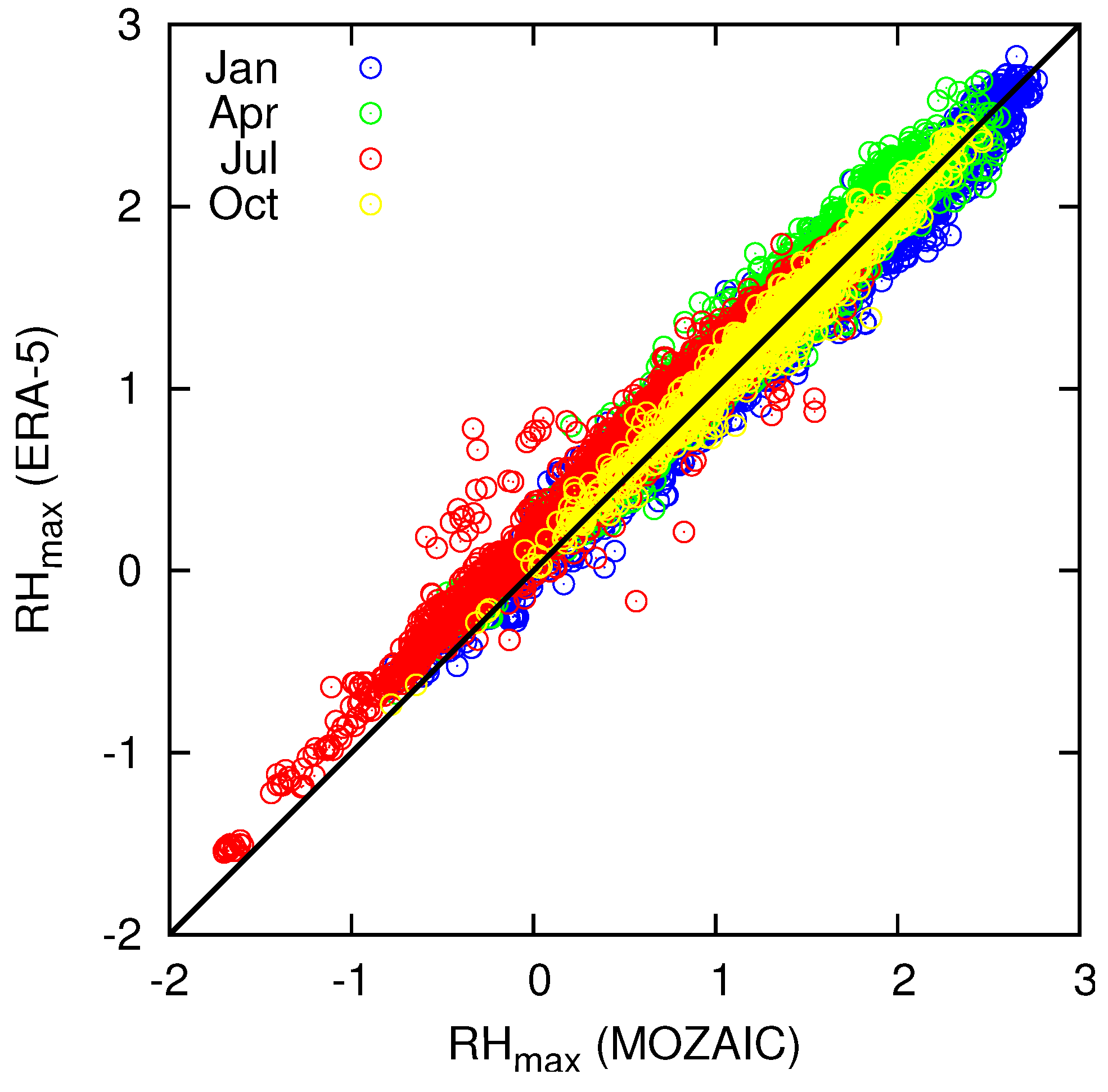
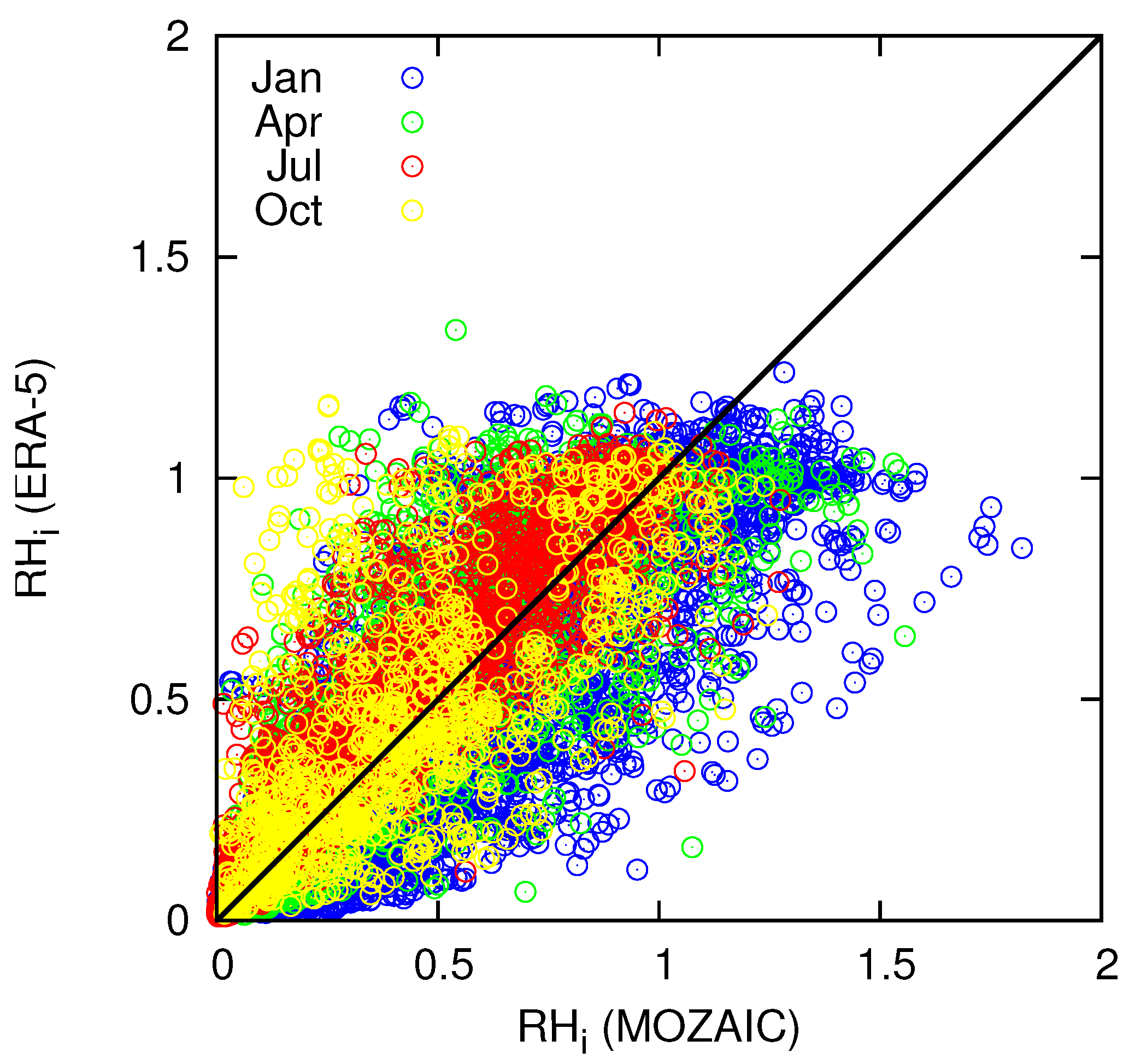
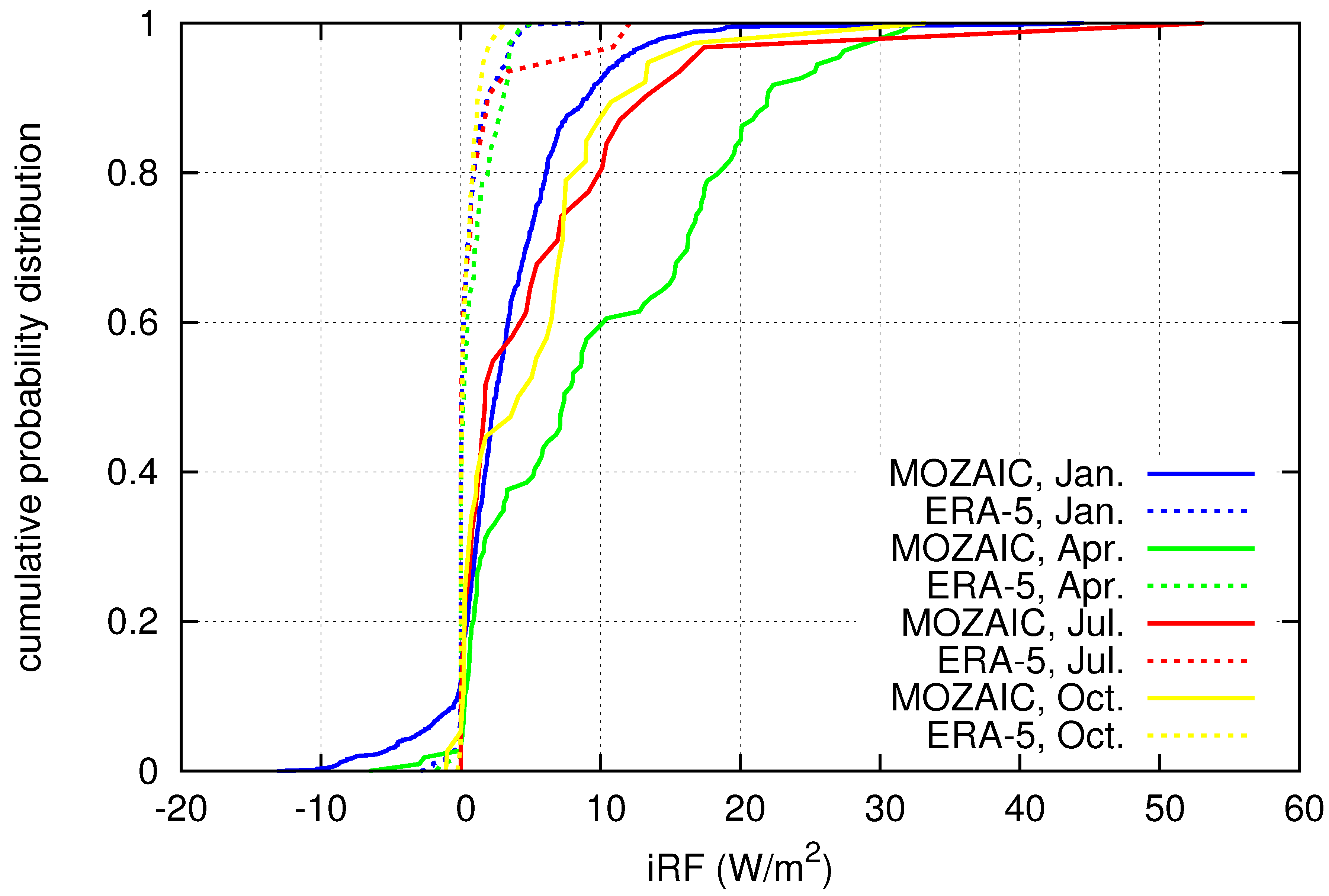
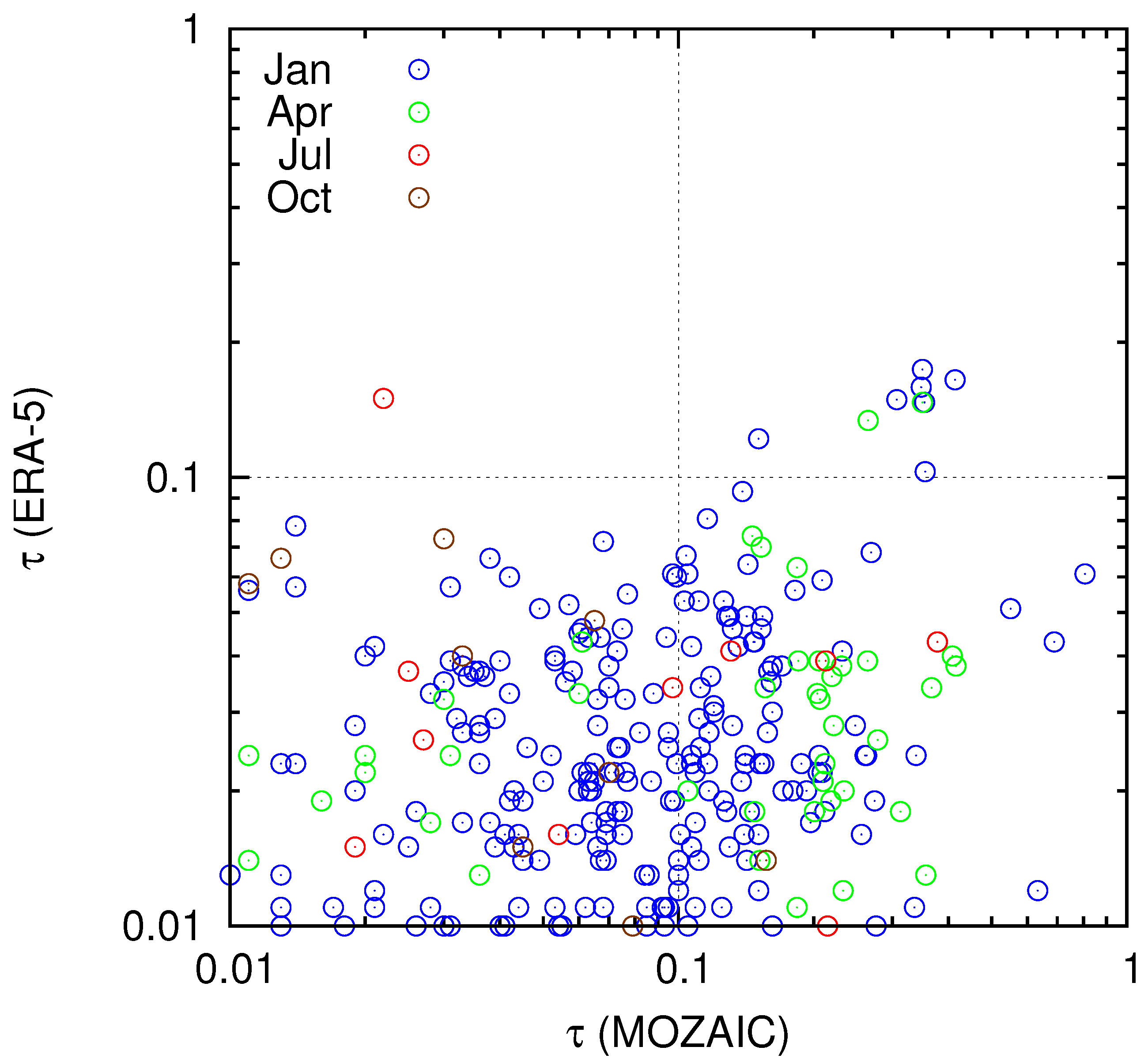
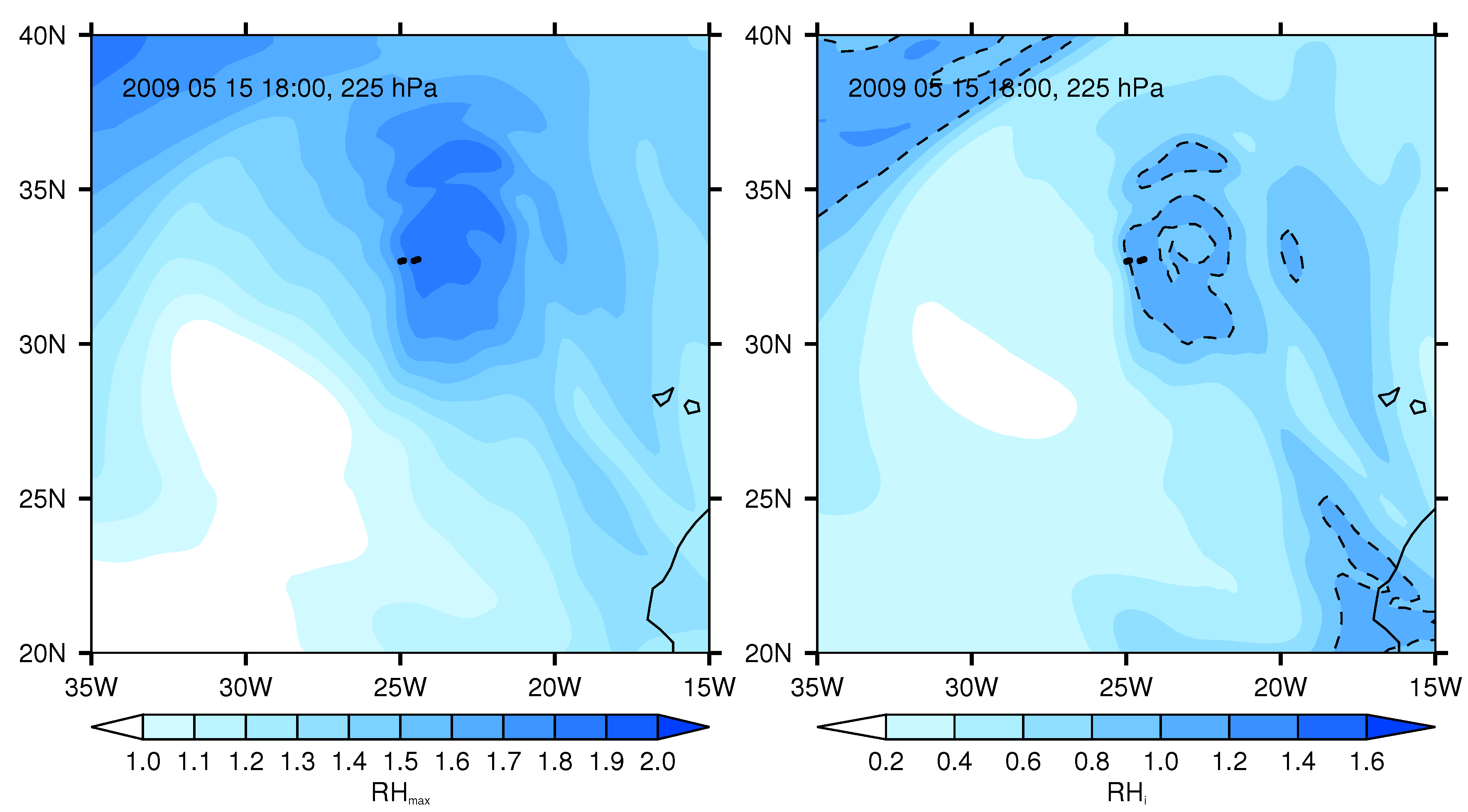
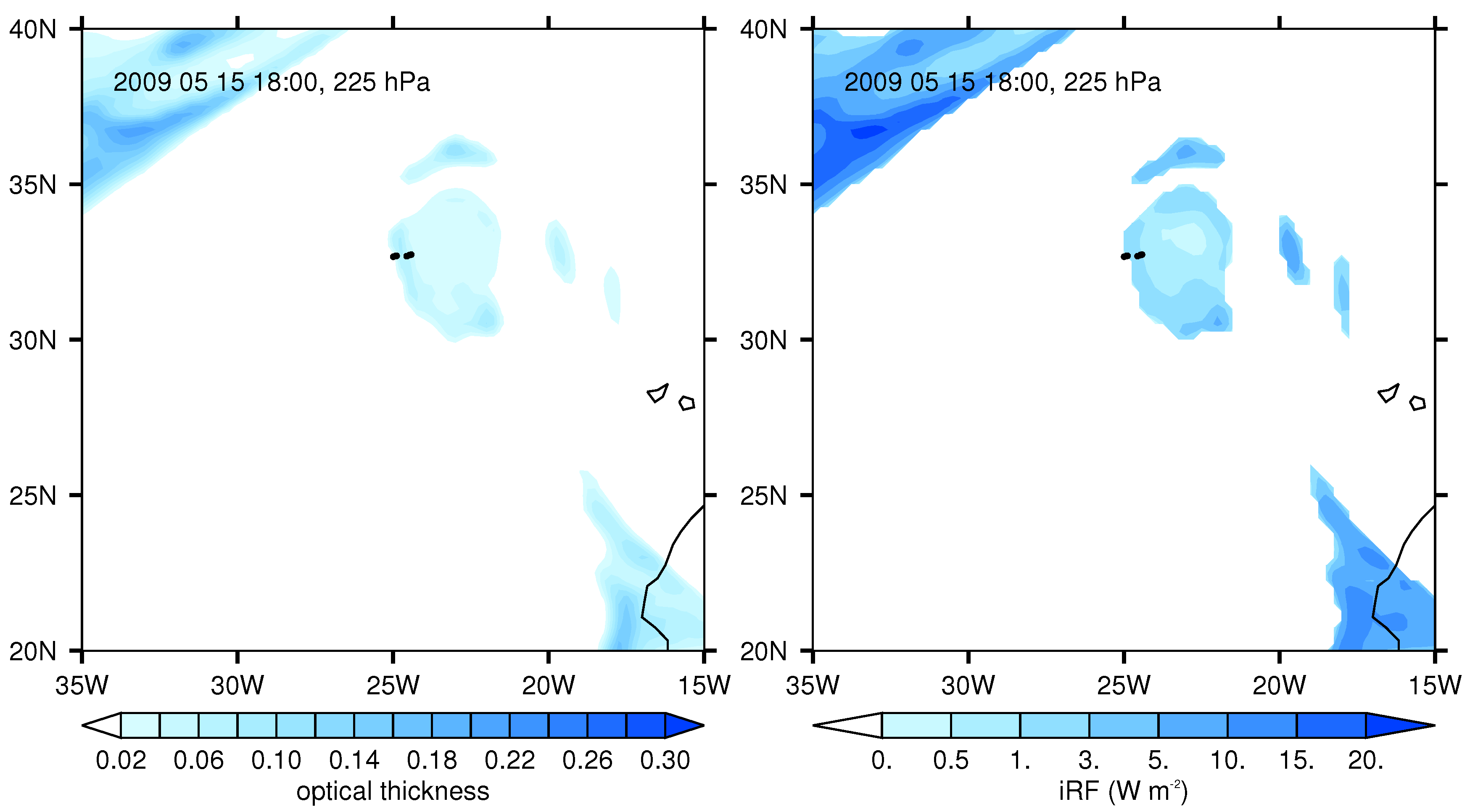
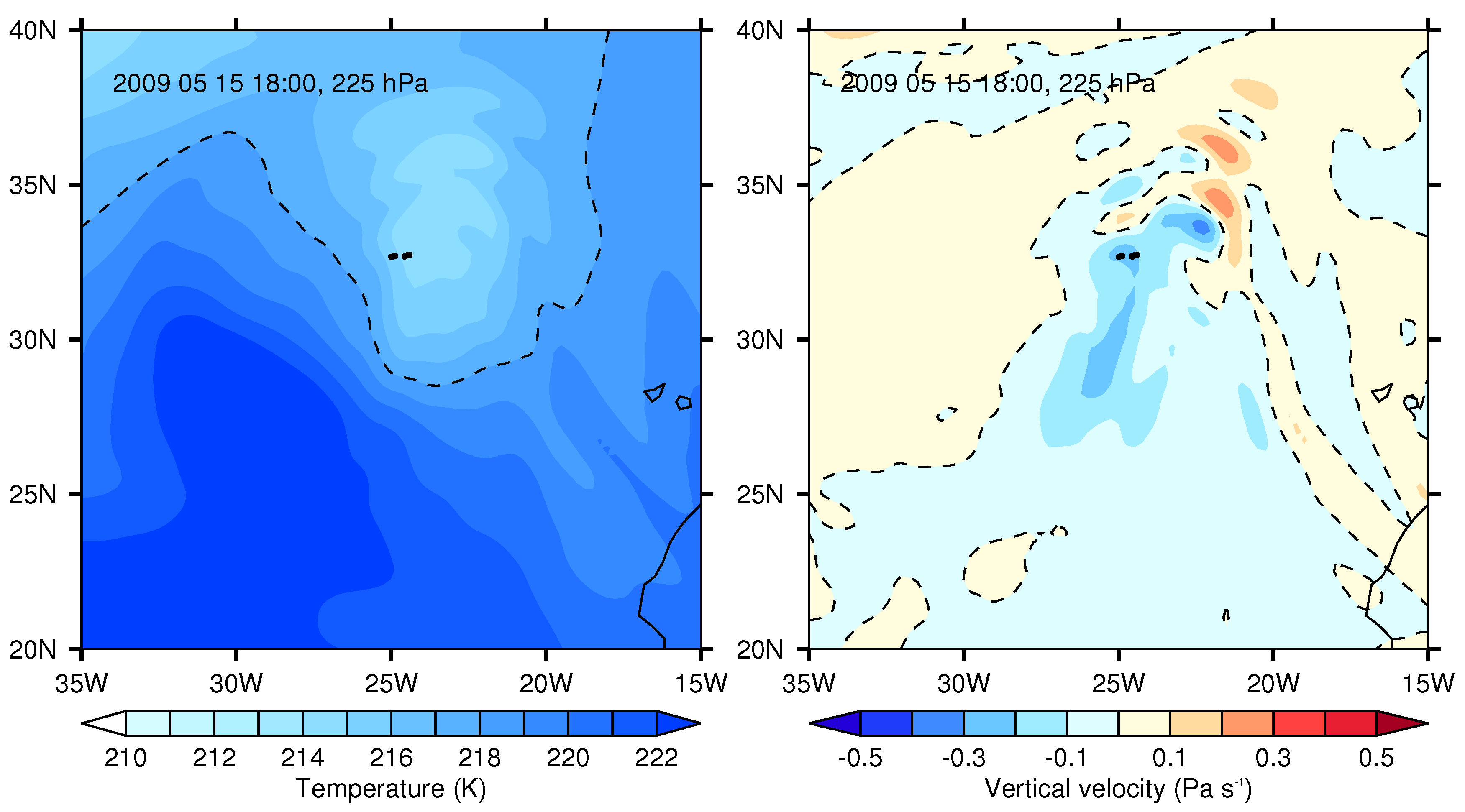
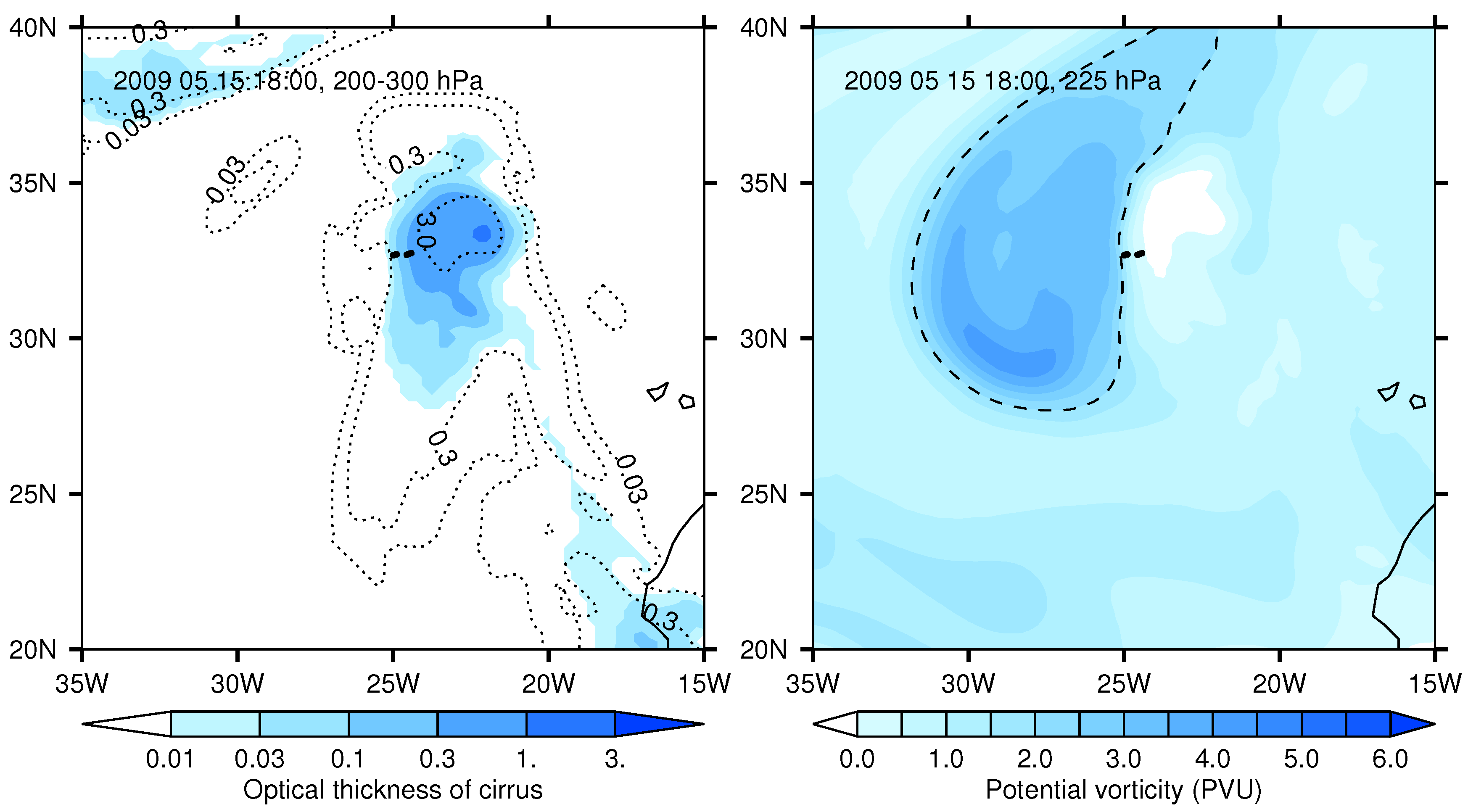
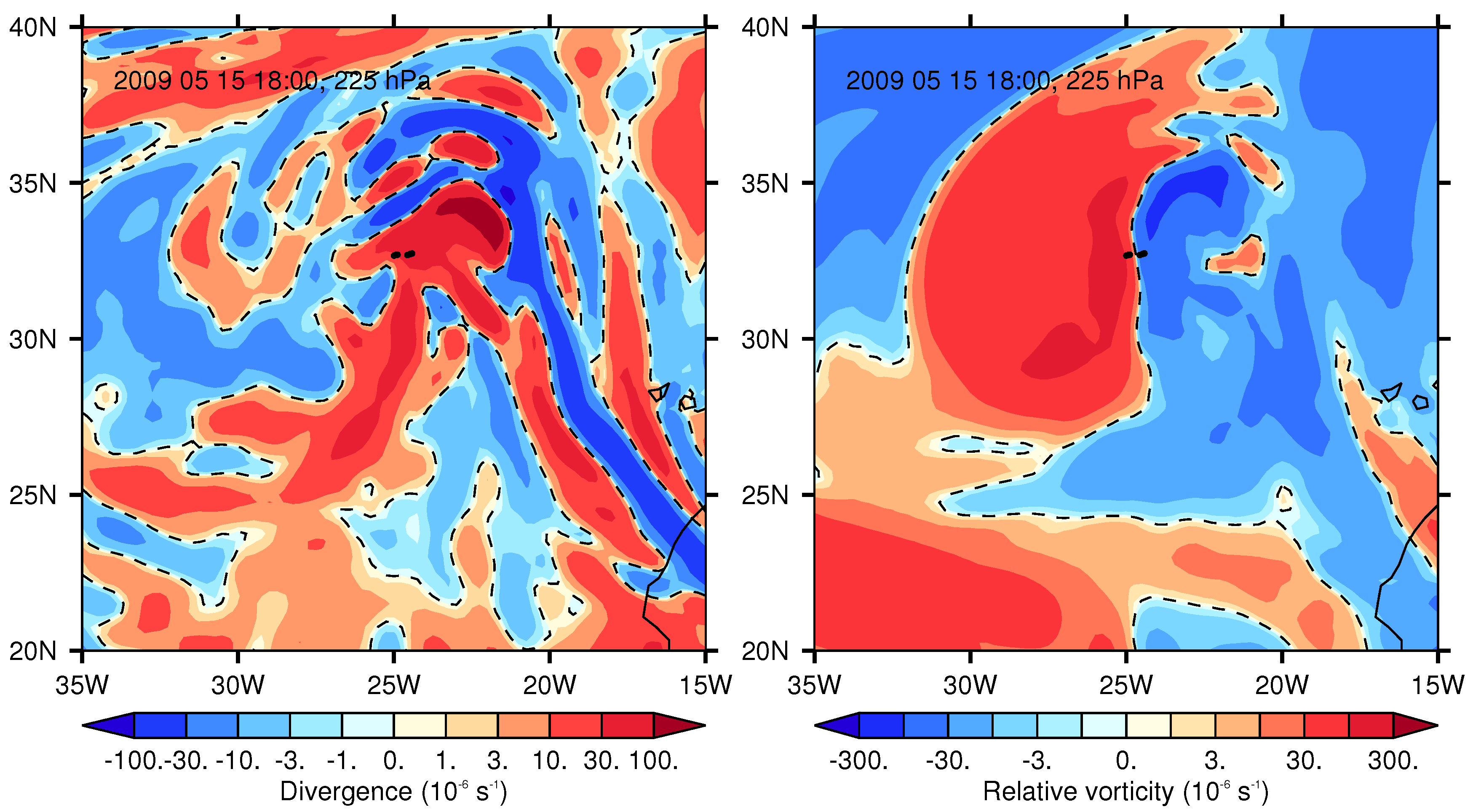
Persistent contrails and contrail cirrus are responsible for a large part of aviation induced radiative forcing. A considerable fraction of their warming effect could be eliminated by diverting only a quite small fraction of flight paths, namely those that produce the highest individual radiative forcing (iRF). In order to make this a viable mitigation strategy it is necessary that aviation weather forecast is able to predict (i) when and where contrails are formed, (ii) which of these are persistent, and (iii) how large the iRF of those contrails would be. Here we study several data bases together with weather data in order to see whether such a forecast would currently be possible. It turns out that the formation of contrails can be predicted with some success, but there are problems to predict contrail persistence. The underlying reason for this is that while the temperature field is quite good in weather prediction and climate simulations with specified dynamics, this is not so for the relative humidity in general and for ice supersaturation in particular. However we find that the weather model shows the dynamical peculiarities that are expected for ice supersaturated regions where strong contrails are indeed found in satellite data. This justifies some hope that the prediction of strong contrails may be possible via general regression involving the dynamical state of the ambient atmosphere.
Keywords: contrails; climate; mitigation; predictability contrails; climate; mitigation; predictability