Article

Development and Verification of Small Mammal Life Support System for Microgravity Environment in Space


1
Shanghai Institute of Technical Physics, Chinese Academy of Sciences, 500 Yutian Road, Shanghai 200083, China
2
University of Chinese Academy of Sciences, No. 19A Yuquan Road, Beijing 100049, China
3
Laboratory Animal Center, Institute of Zoology, Chinese Academy of Sciences, Beijing 100101, China
4
State Key Laboratory of Organ Regeneration and Reconstruction, Institute of Zoology, Chinese Academy of Sciences, Beijing 100101, China
5
Beijing Institute for Stem Cell and Regenerative Medicine, Beijing 100101, China
*
Authors to whom correspondence should be addressed.
Aerospace 2026, 13(2), 196; https://doi.org/10.3390/aerospace13020196

Submission received: 16 January 2026 / Revised: 11 February 2026 / Accepted: 15 February 2026 / Published: 18 February 2026
(This article belongs to the Section Astronautics & Space Science)

Abstract

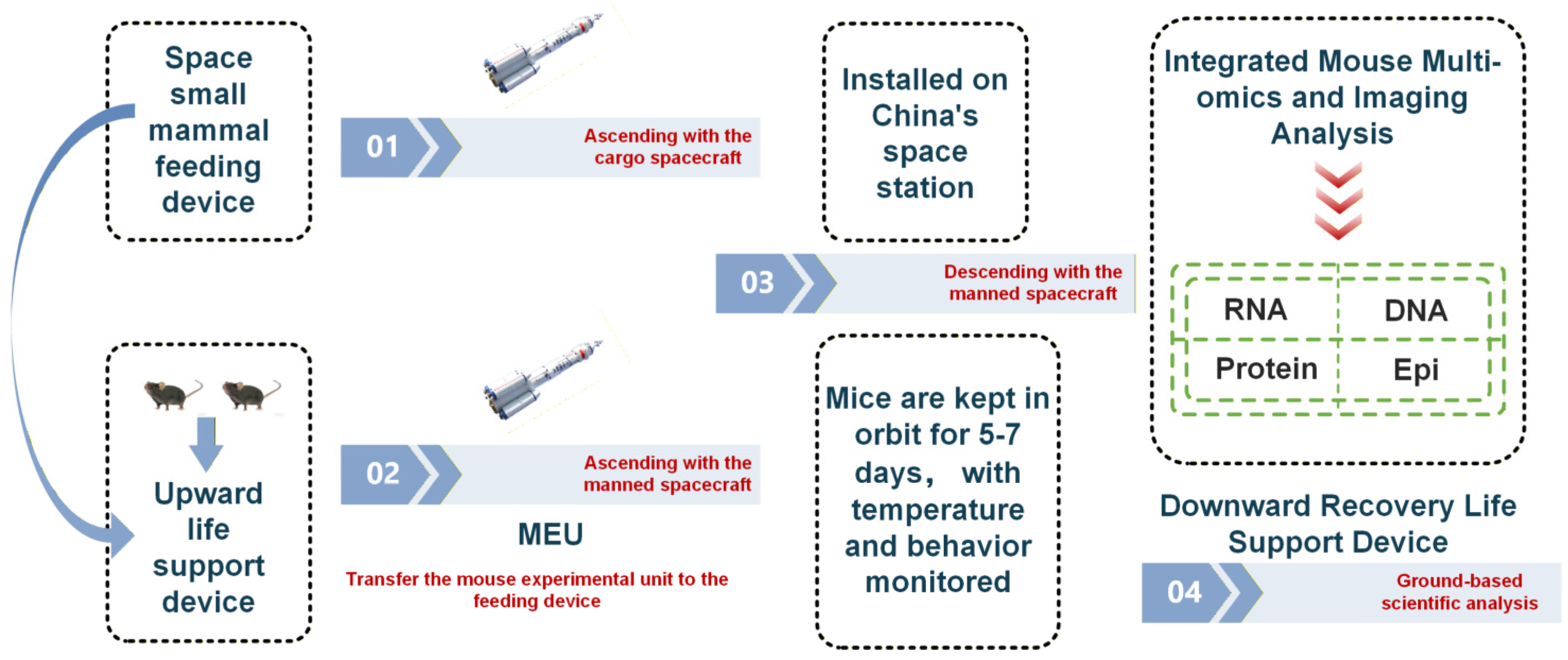
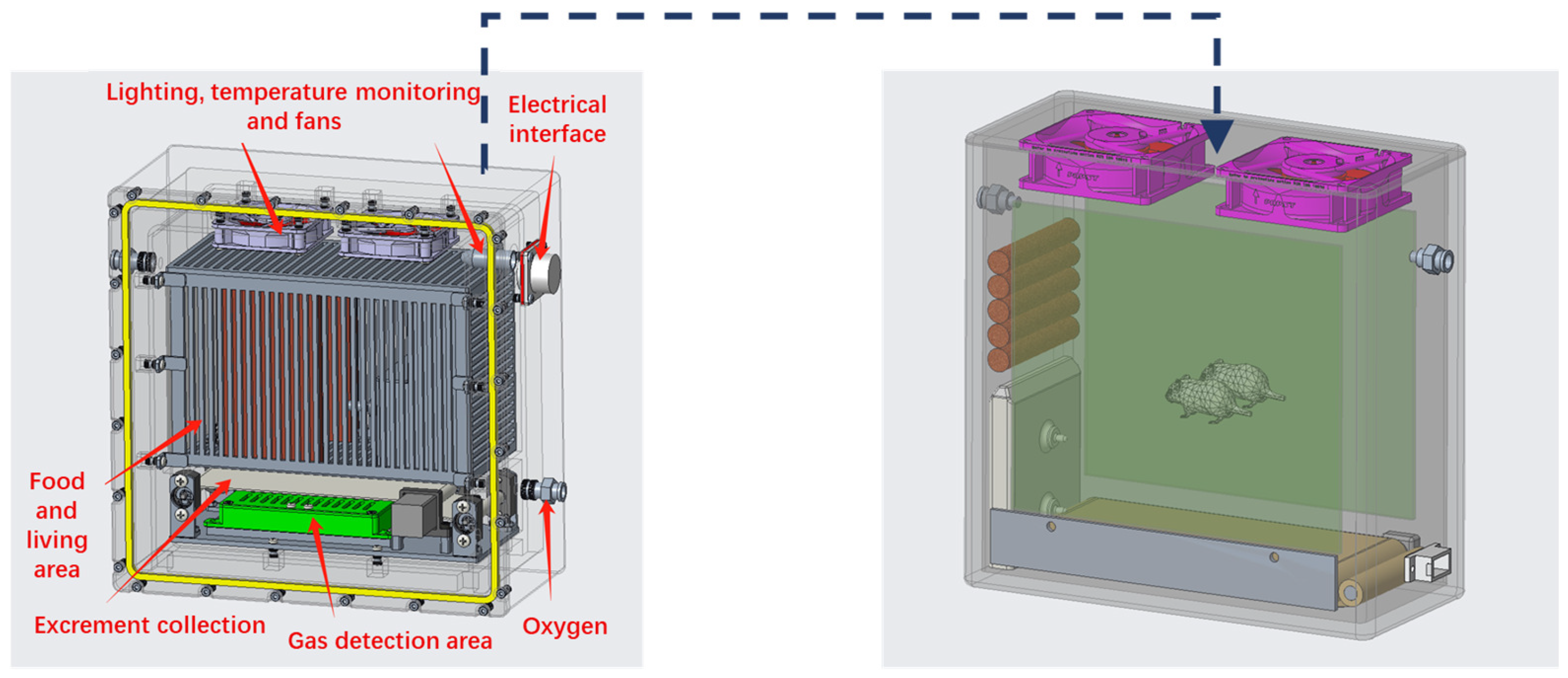
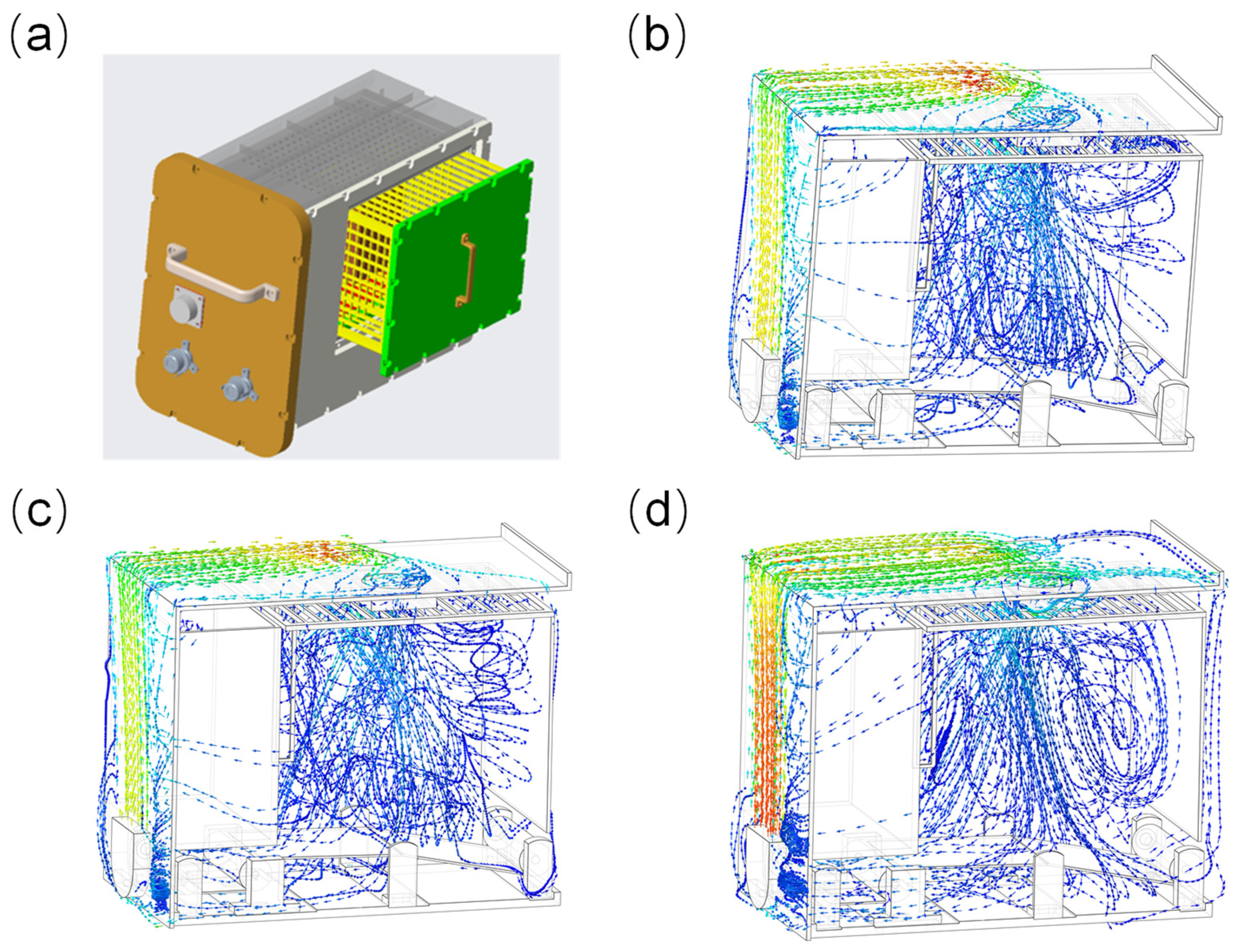
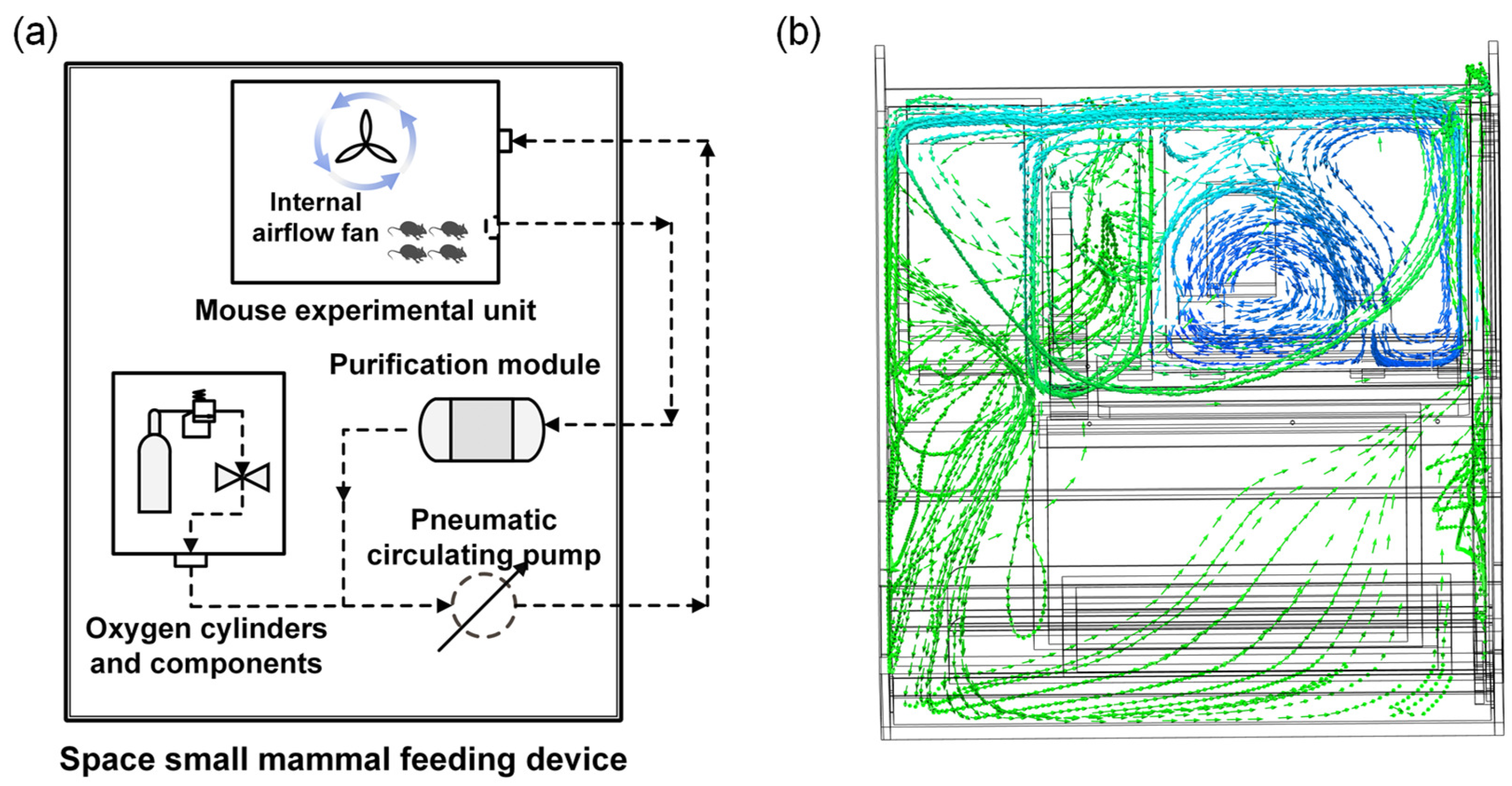
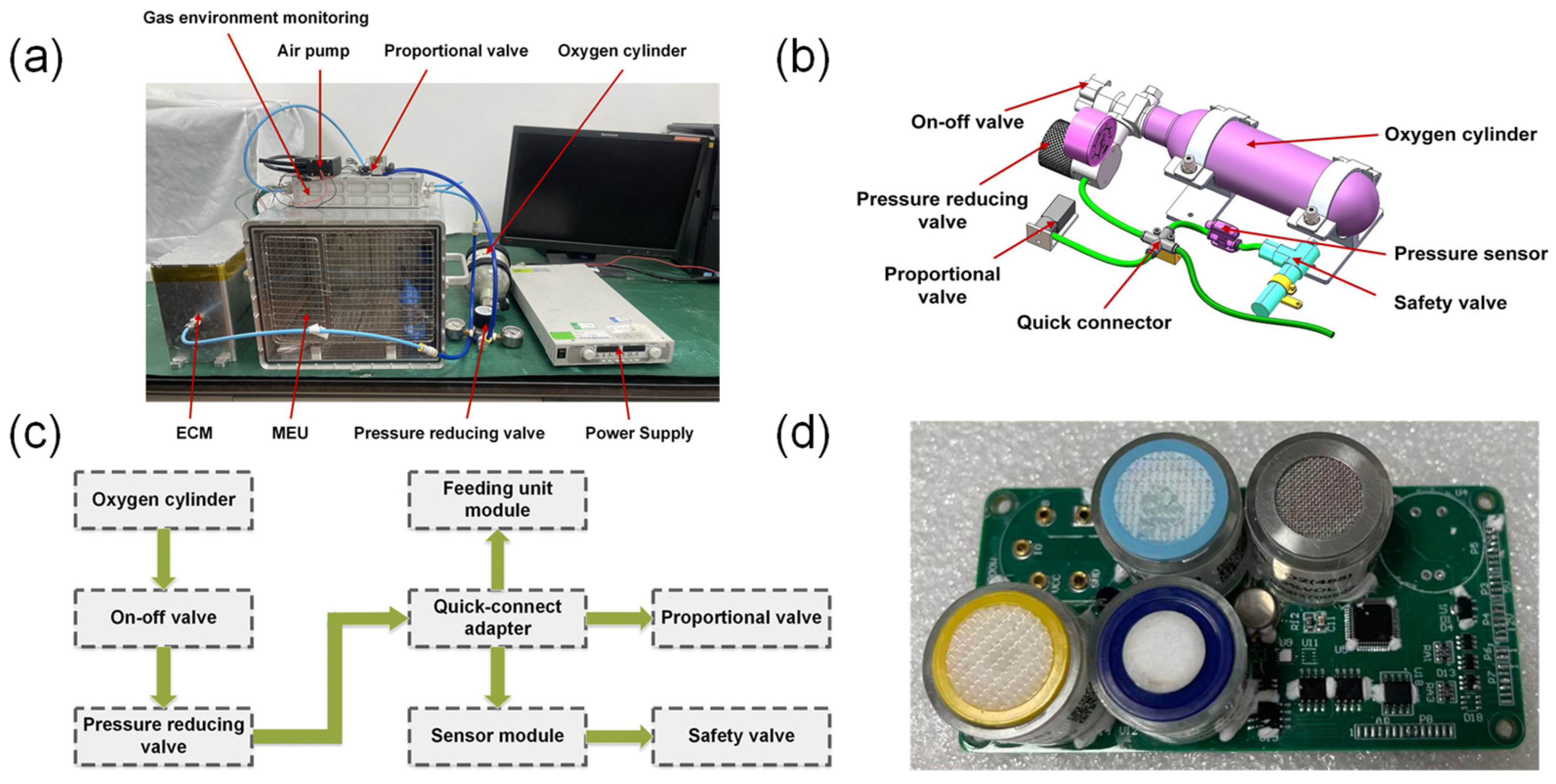
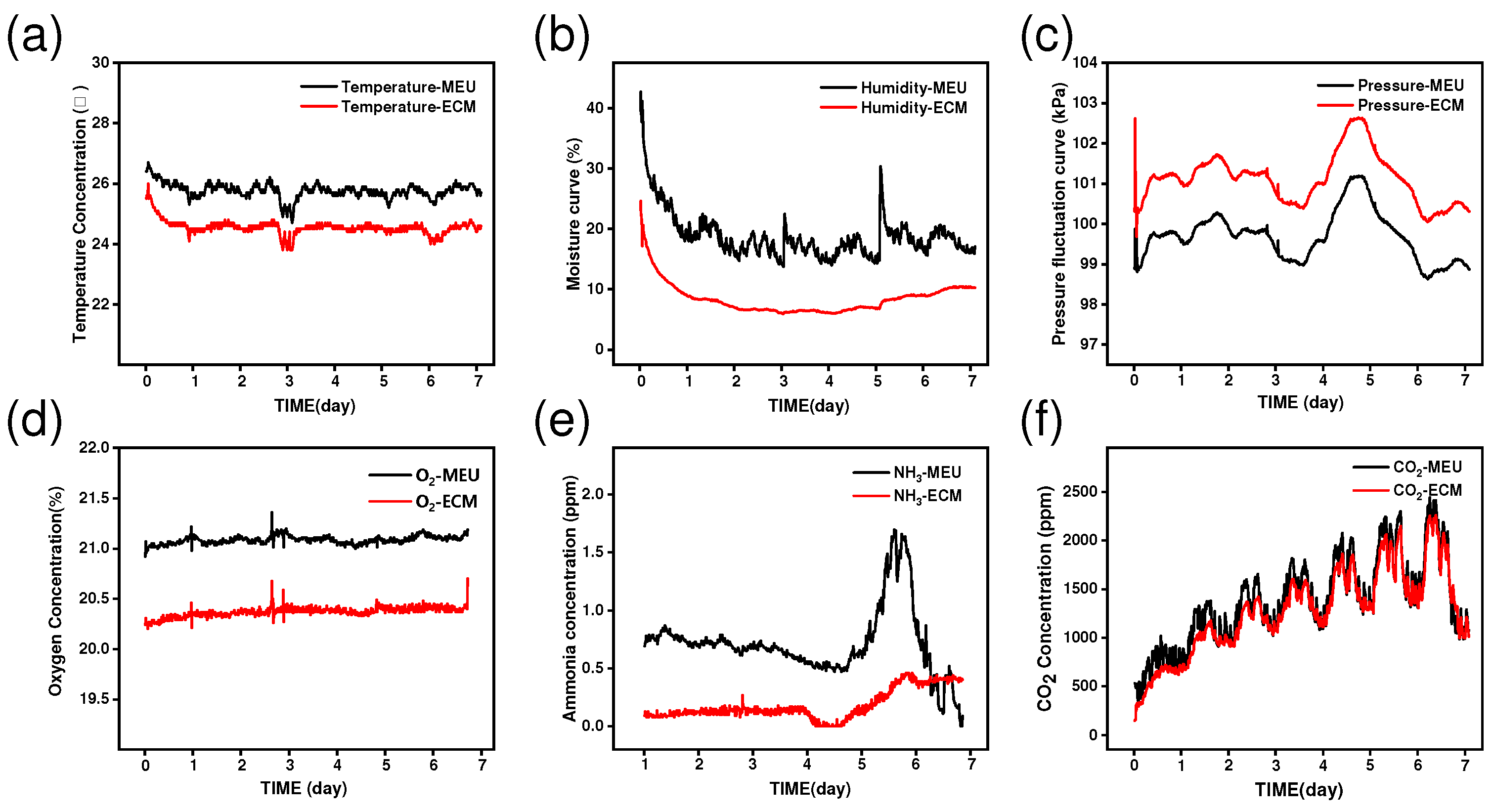
With the development of the deep space exploration missions, performing in-orbit experiments with small mammals to investigate the effects of microgravity and cosmic radiation on mammalian life becomes increasingly important. In this study, a small mammal husbandry and life support system for small mammal life support in the microgravity environment of space stations has been developed. The system consists of small mammal feeding device, mouse experiment unit, environmental control module and upward/downward life support devices. The system combines gas circulation, dynamic oxygen source, exhaust gas absorption, temperature and humidity control and the on-board monitoring of several parameters into a closed loop control system and a hermetic system. The circulation in the system is uniform, and there is an excellent gas exchange performance within the system in closed environment, which was verified by computational fluid dynamics numerical simulation of gas distribution and exhaust gas purification. The system can protect samples during transportation by using flexible packaging and cushioning structure. The system can satisfy the requirements of oxygen, food and water supply to ensure the feeding of mice throughout their life cycle in space. The research results lay a foundation for the development of deep-space life support system and long-term mammalian experiments in space stations.
Keywords: life support system; gas purification; small mammal feeding device; oxygen consumption life support system; gas purification; small mammal feeding device; oxygen consumption