Article

Temperature Prediction of Icy Lunar Soil Sampling Based on the Discrete Element Method

1
School of Mechanical Engineering, Zhejiang Sci-Tech University, Hangzhou 310018, China
2
State Key Laboratory of Robotics and System, Harbin Institute of Technology, Harbin 150001, China
3
School of Mechanical and Electrical Engineering, Guangzhou University, Guangzhou 510006, China
*
Author to whom correspondence should be addressed.
Aerospace 2024, 11(5), 400; https://doi.org/10.3390/aerospace11050400

Submission received: 28 March 2024 / Revised: 11 May 2024 / Accepted: 13 May 2024 / Published: 16 May 2024
(This article belongs to the Special Issue Space Sampling and Exploration Robotics)

Abstract

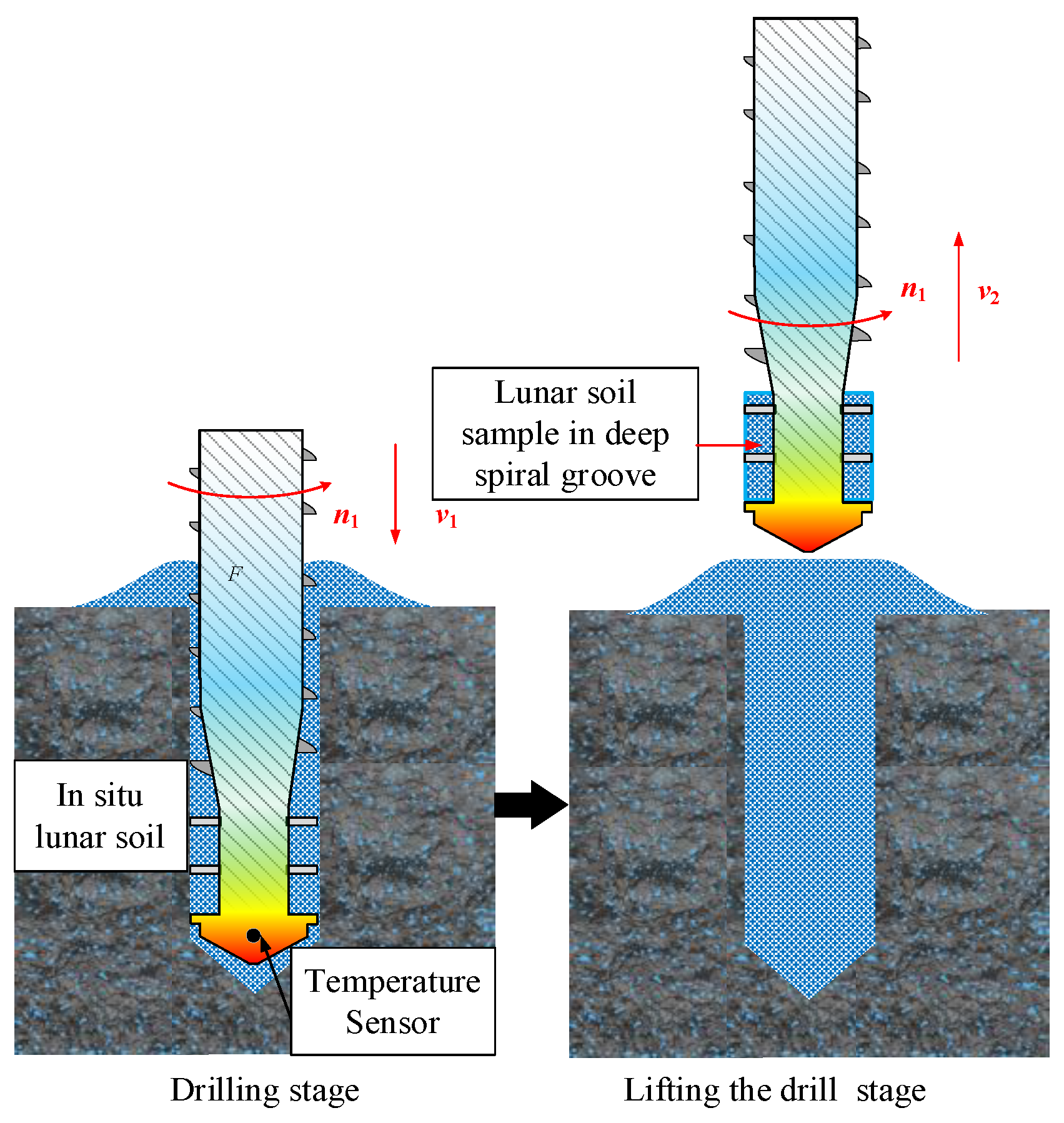
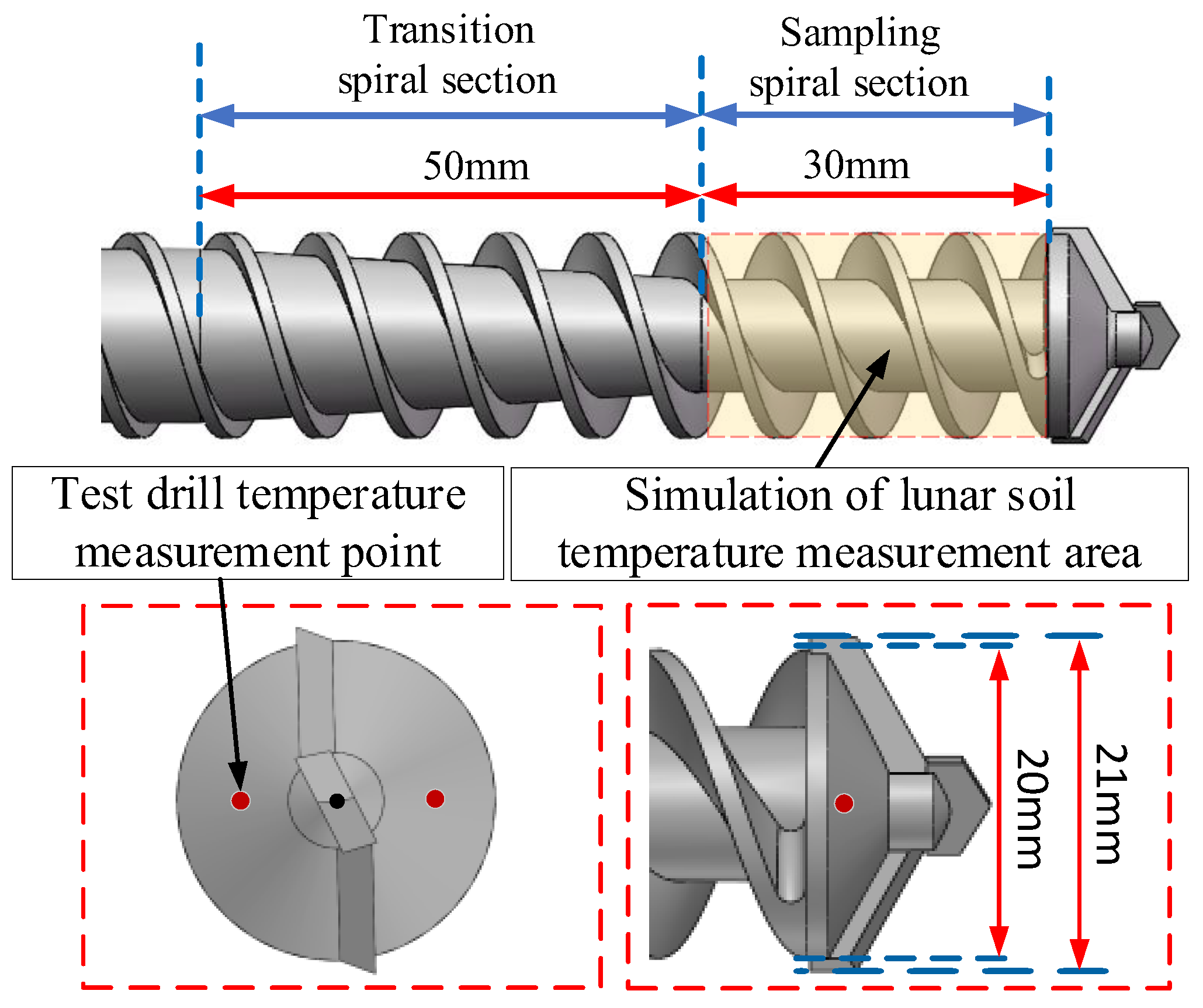
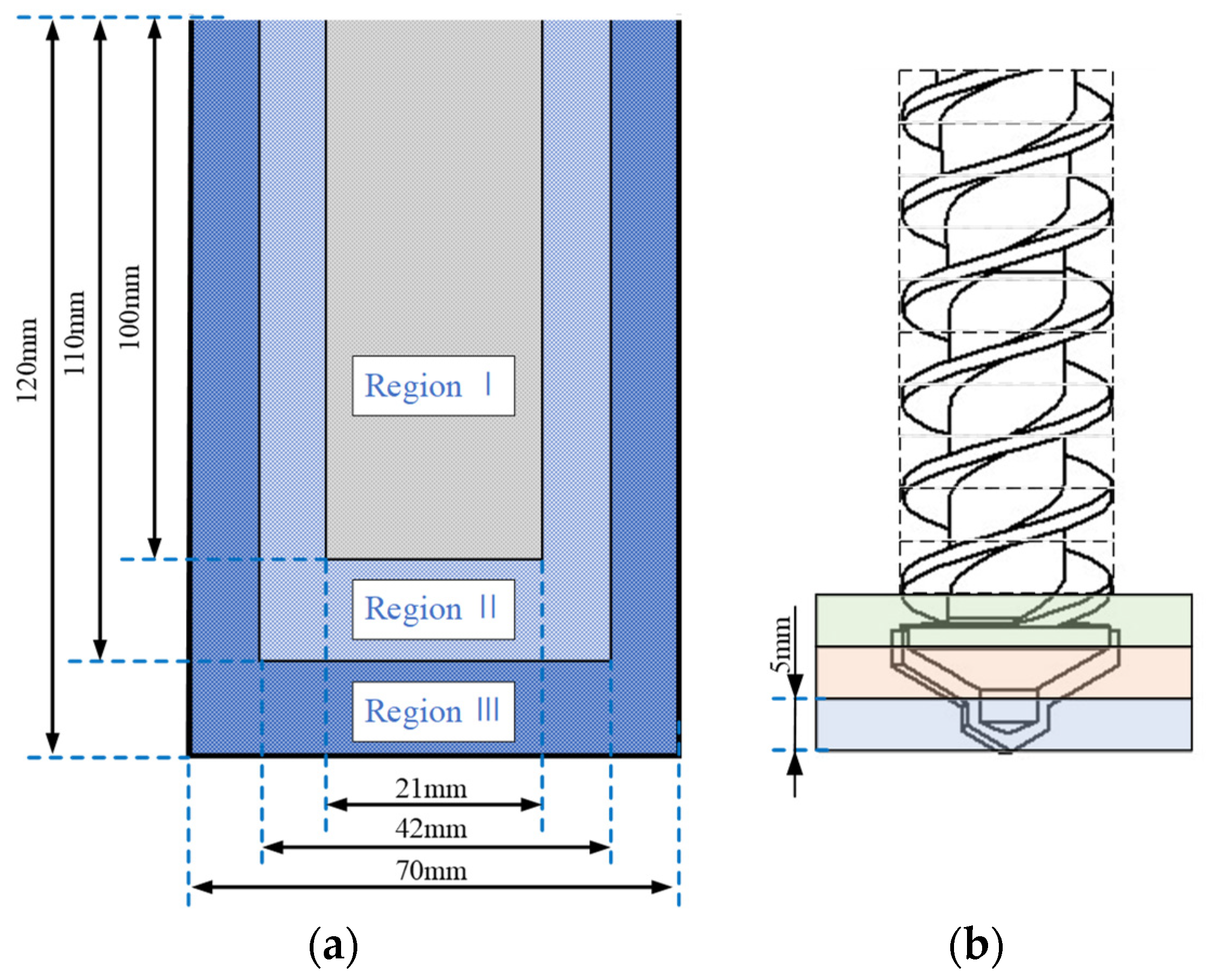
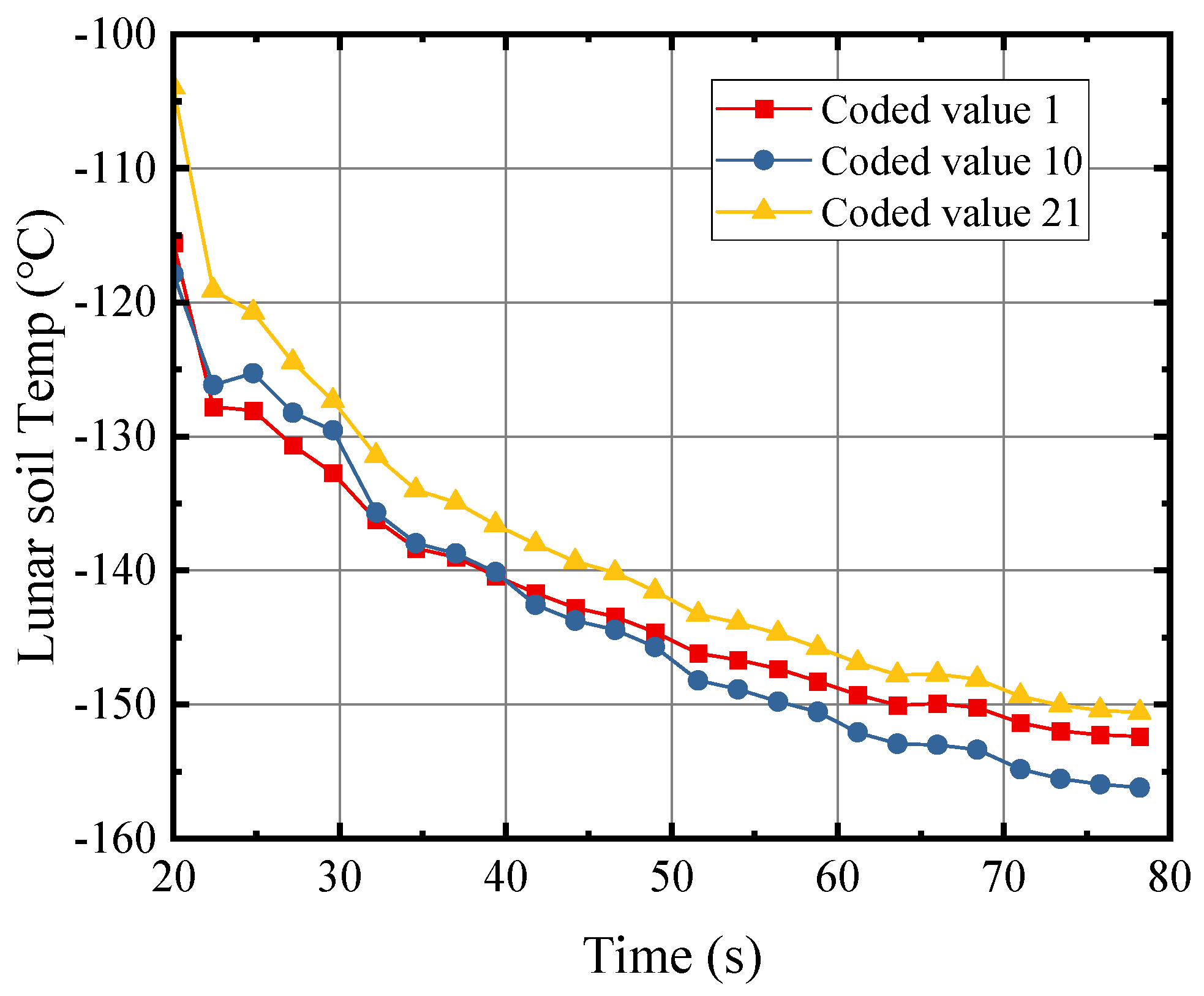
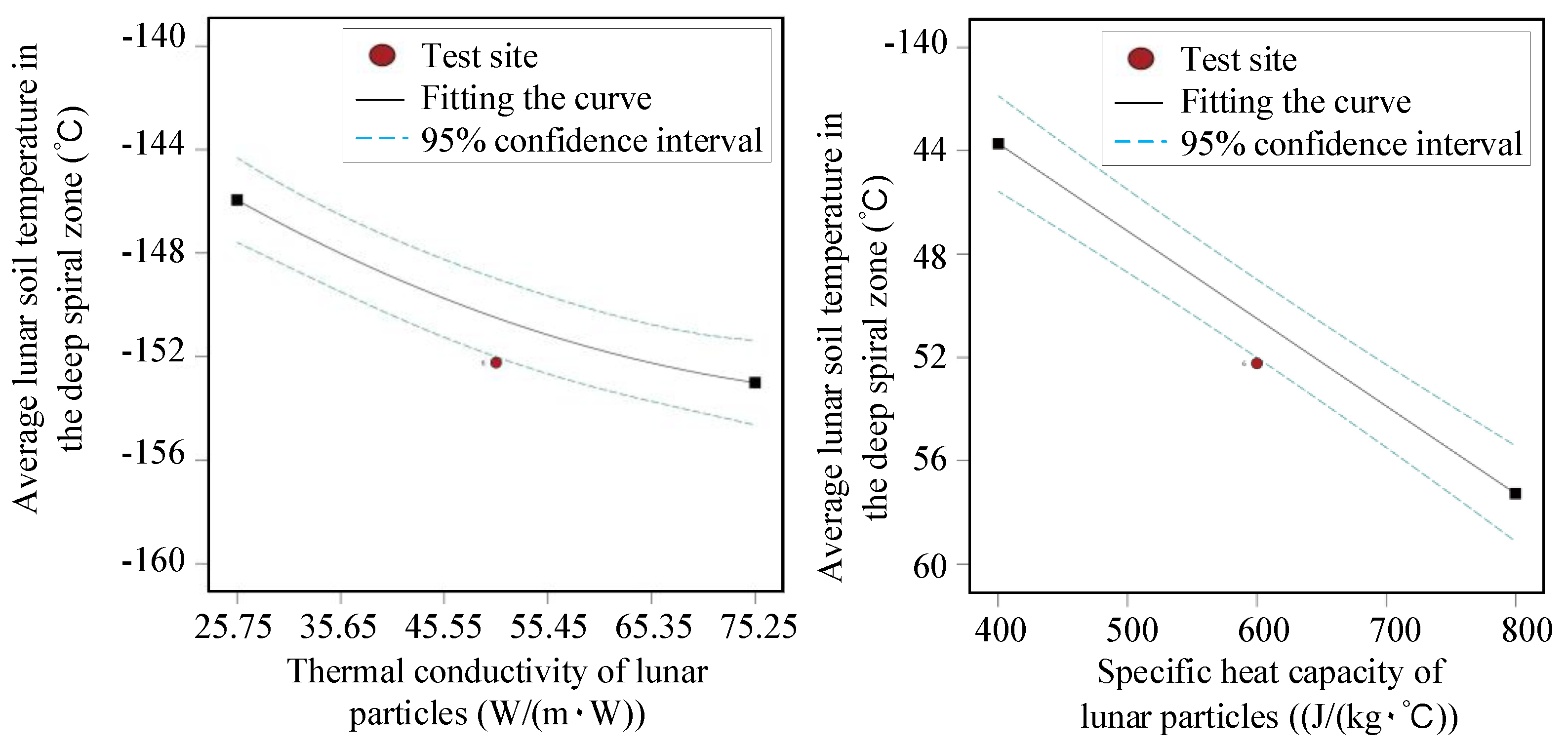
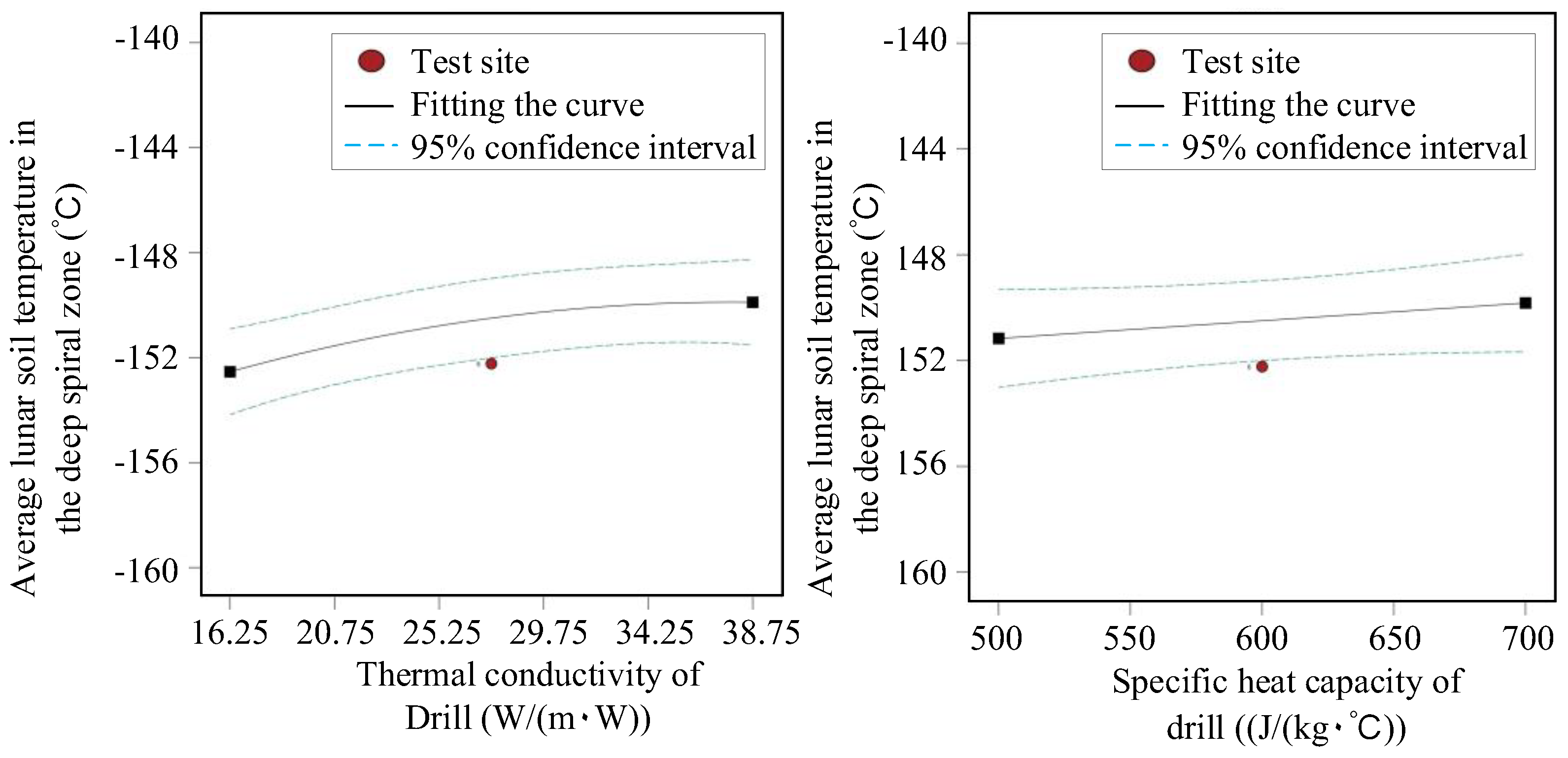
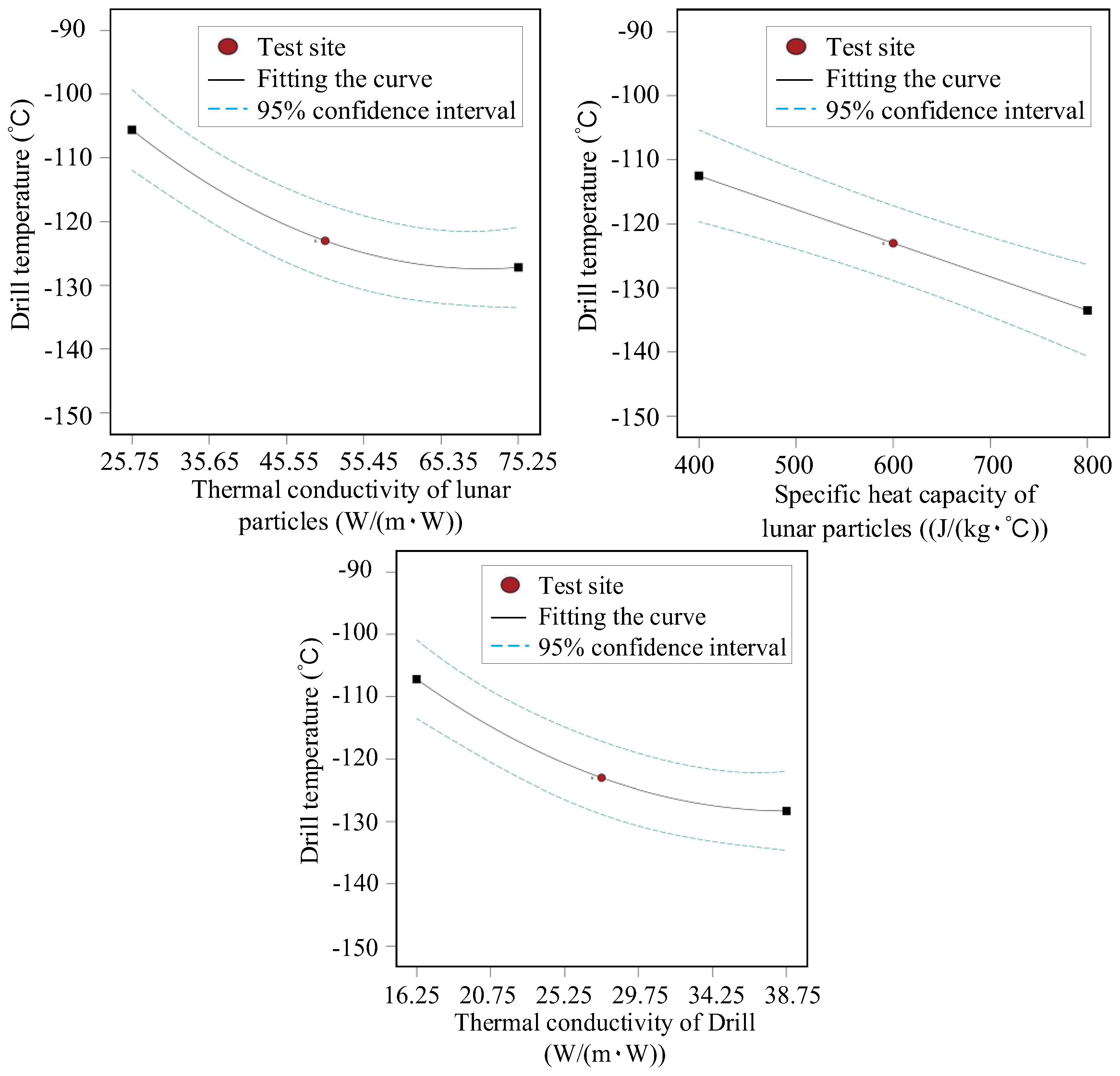
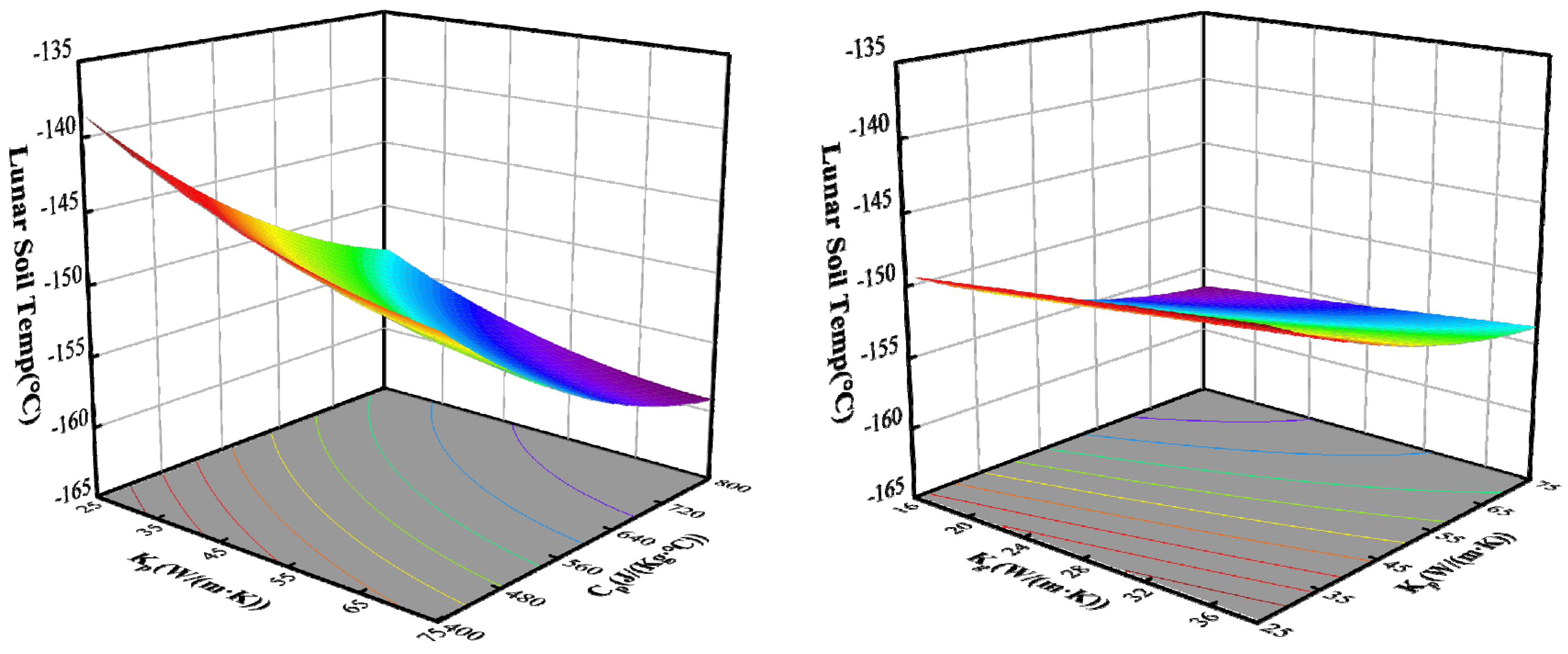
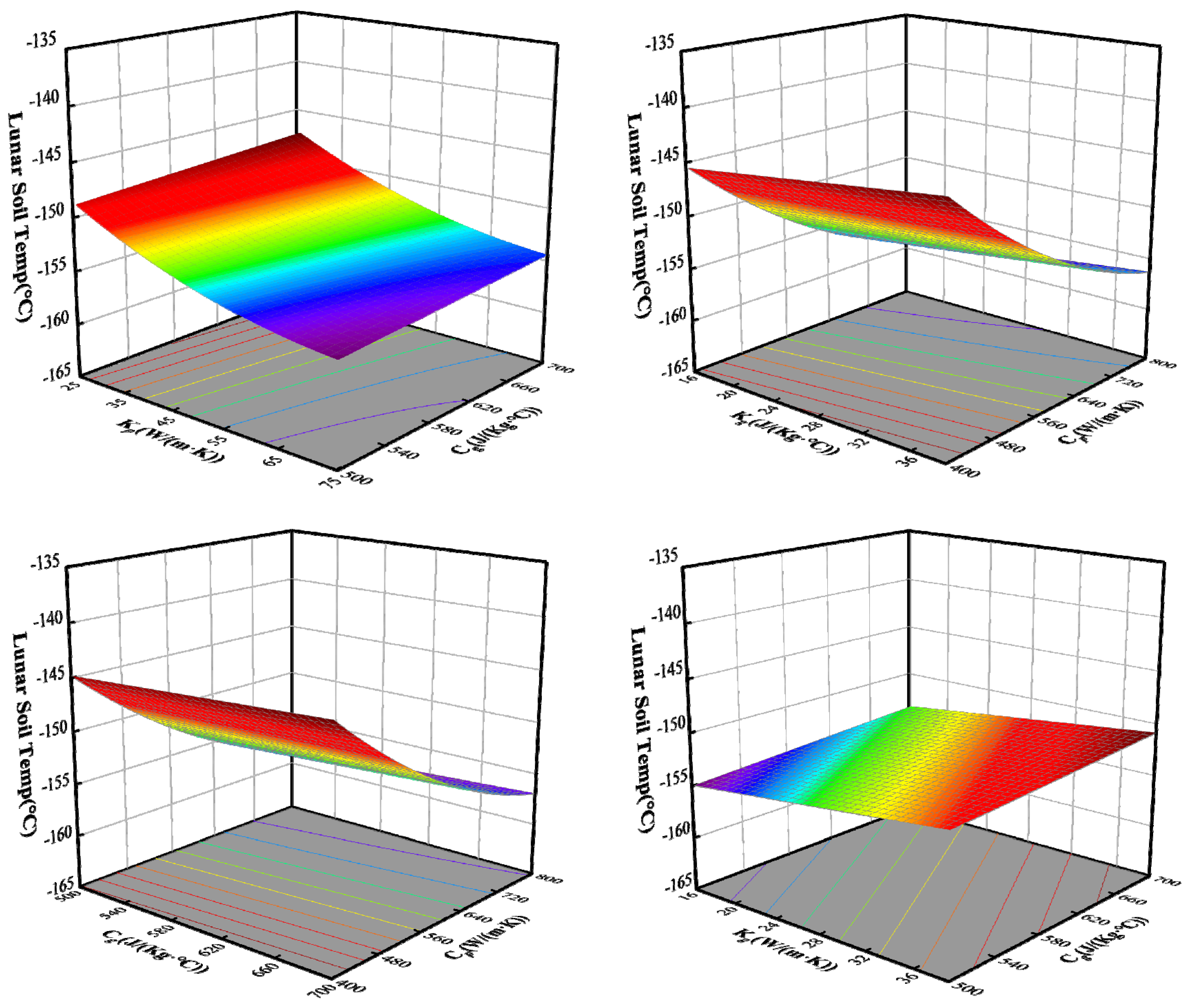
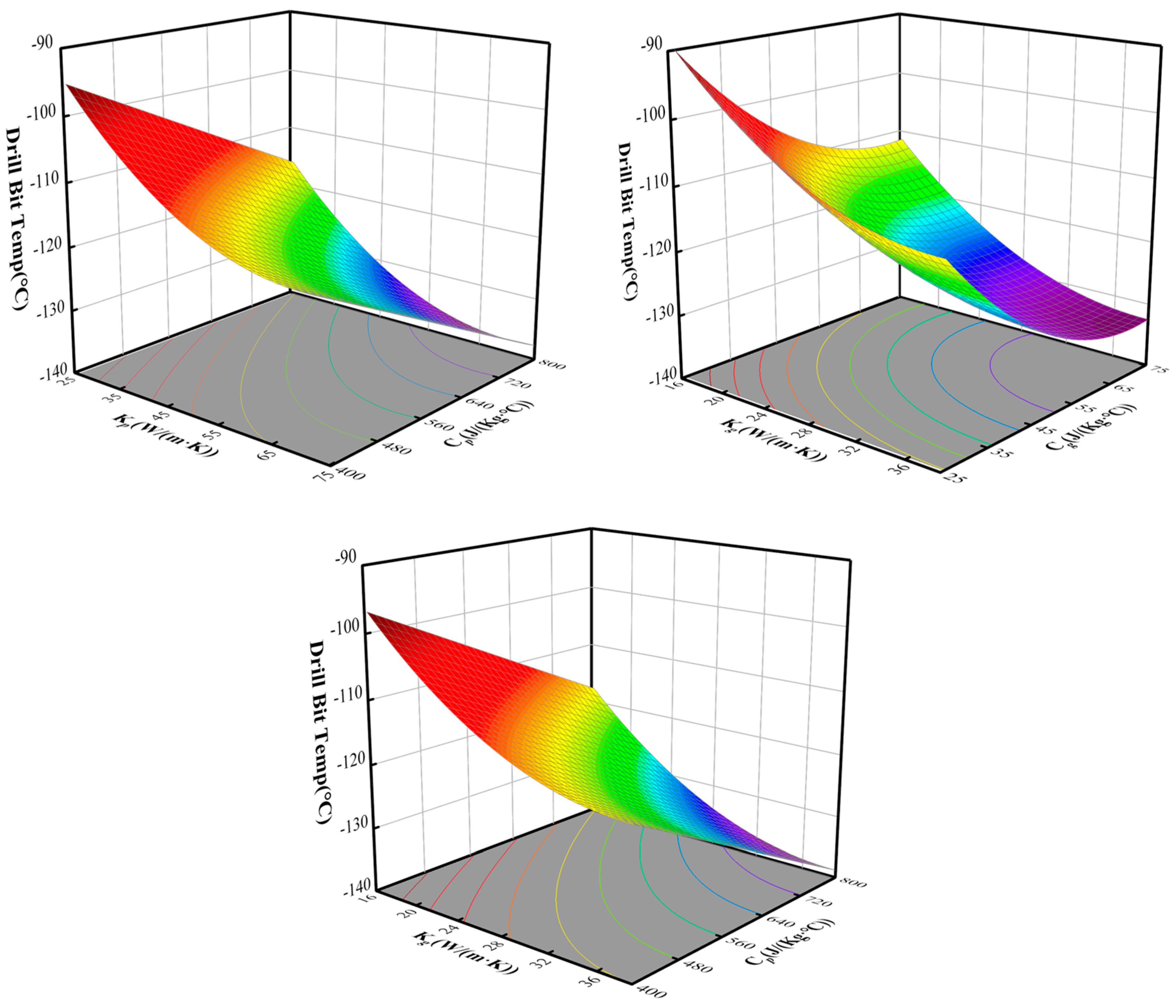
This study is part of the preliminary research for the Chang’e 7 project in China. The Chang’e 7 project plans to drill to penetrate the lunar polar soil and collect lunar soil samples using a spiral groove structure. Ice in the cold environment of the lunar polar region is one of the important targets for sampling. In the vacuum environment of the lunar surface, icy soil samples are sensitive to ambient temperature and prone to solid–gas phase change as the temperature increases. To predict the temperature range of lunar soil samples, this study analyzed the effect of thermal parameters on the temperature rise of lunar soil particles and the drill using discrete element simulation. The parameters included in the thermal effect analysis included the thermal conductivity and specific heat capacity of the drilling tools and lunar soil particles. The simulation showed that the temperature of the icy lunar soil sample in the spiral groove ranged from −127.89 to −160.16 °C within the thermal parameter settings. The magnitude of the value was negatively correlated with the thermal conductivity and specific heat capacity of the lunar soil particles, and it was positively correlated with those of the drilling tools. The temperature variation in the drill bit ranged from −51.21 to −132 °C. The magnitude of the value was positively correlated with the thermal conductivity and specific heat capacity of the lunar soil particles and the thermal conductivity of the drilling tool.
Keywords: lunar exploration; icy lunar soil; discrete element method; temperature prediction lunar exploration; icy lunar soil; discrete element method; temperature prediction