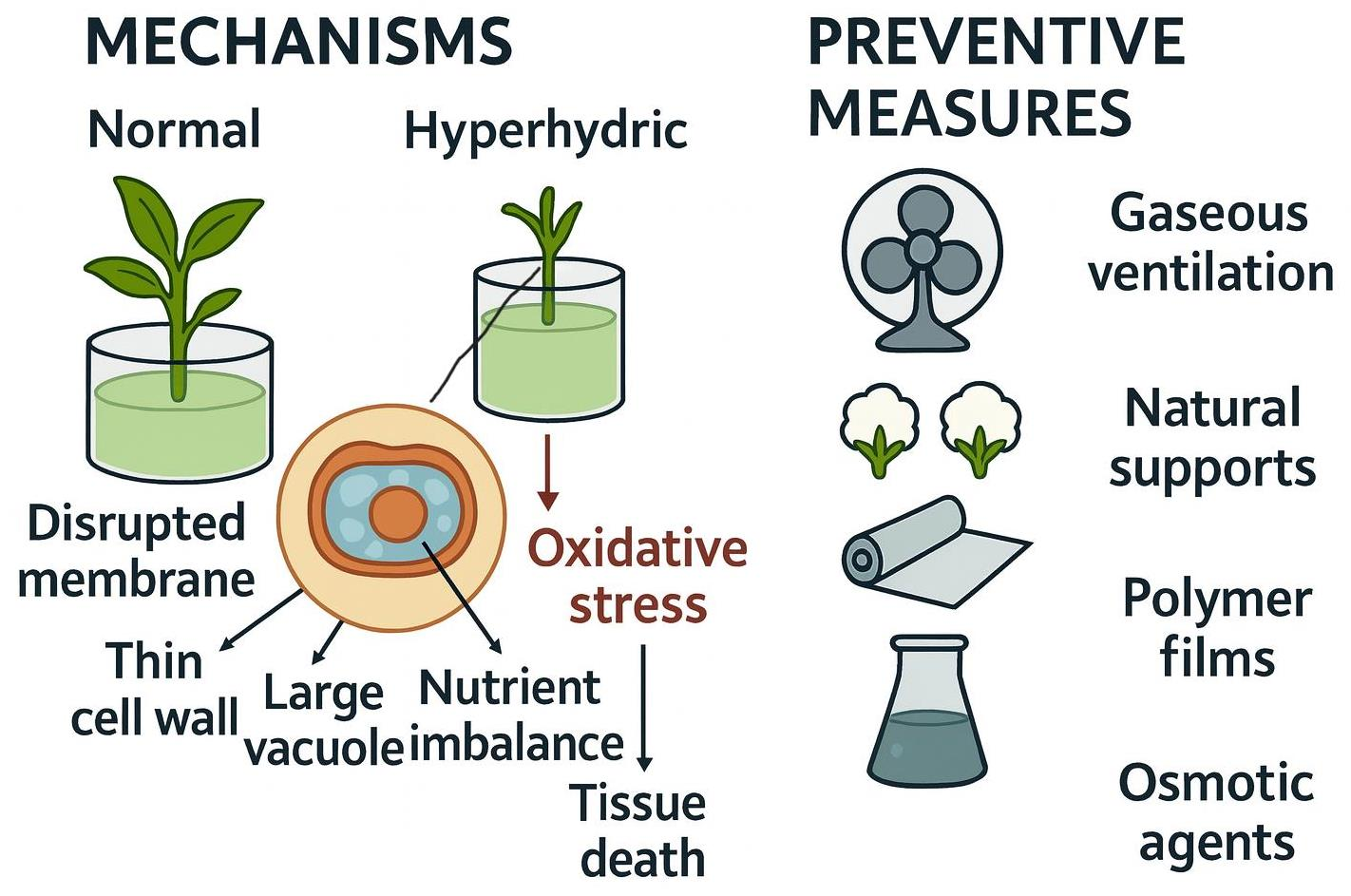
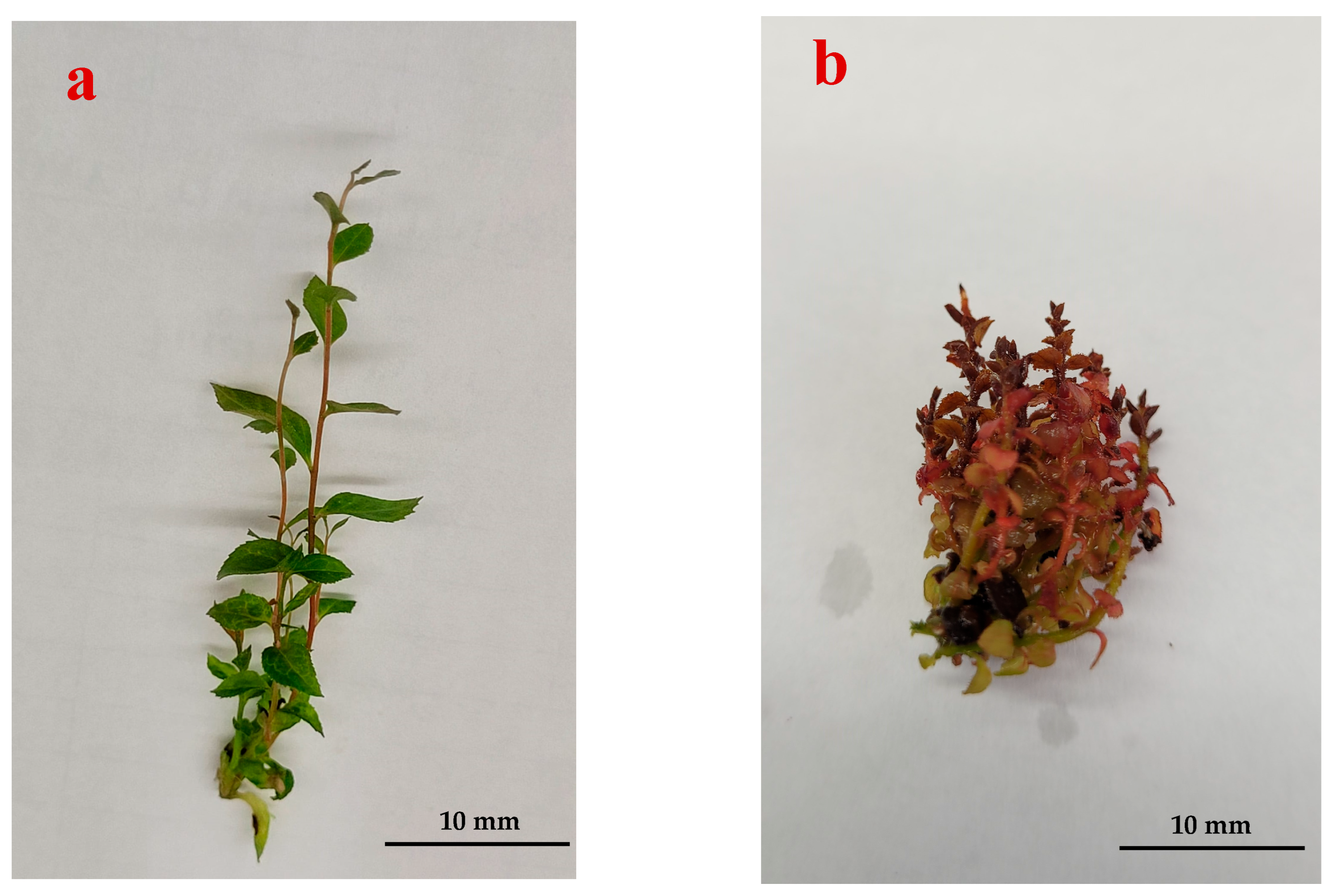
Hyperhydricity Syndrome in In Vitro Plants: Mechanisms, Physiology, and Control



Abstract
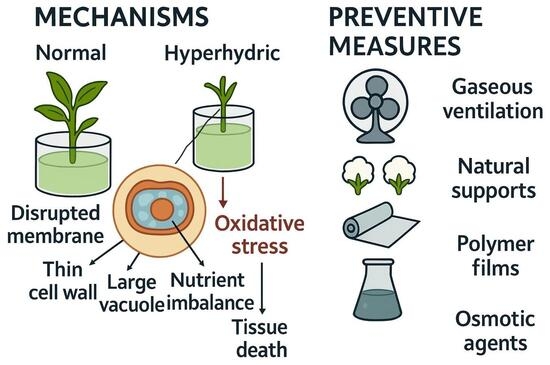
1. Introduction
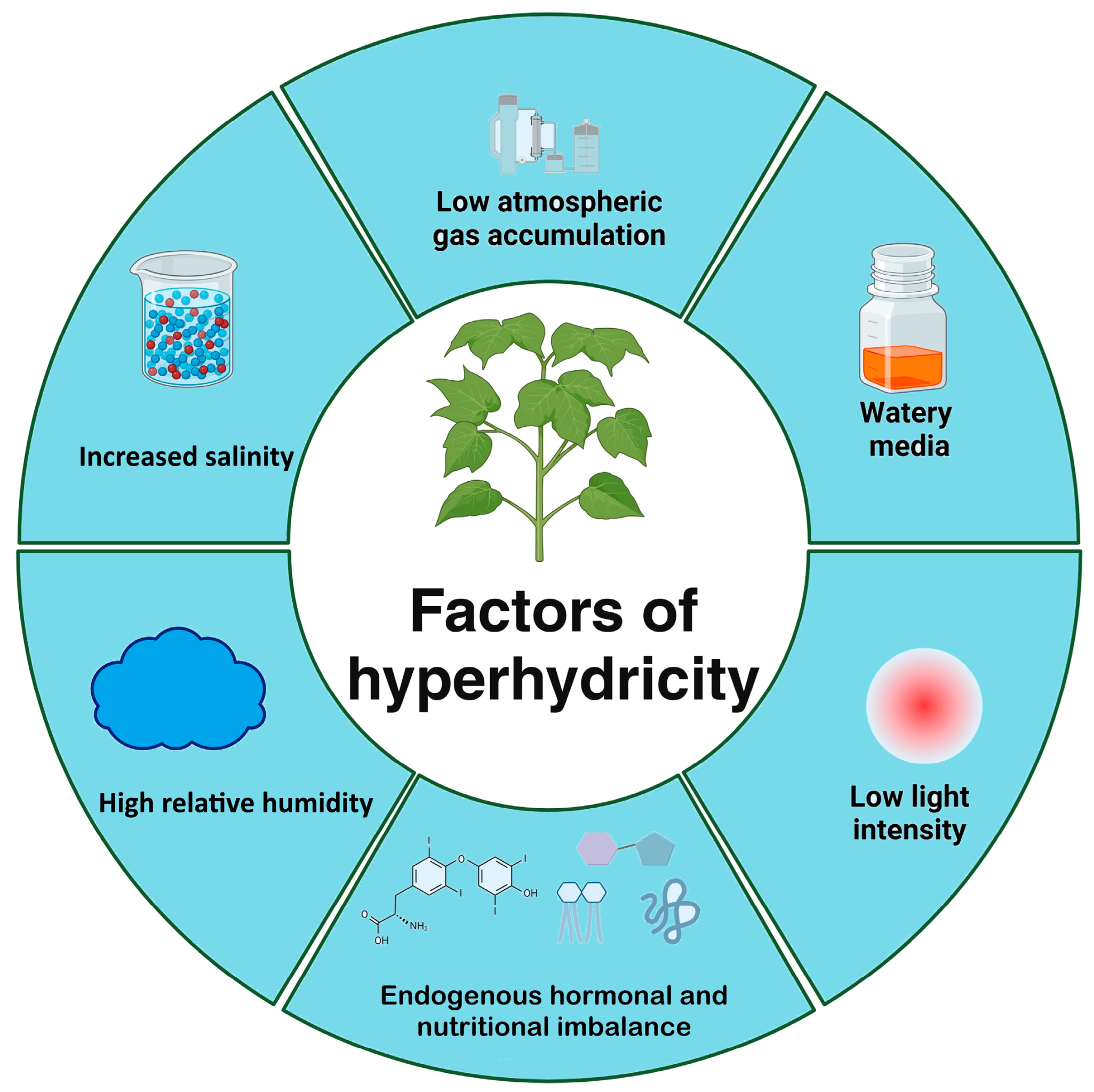
2. Factors Inducing Hyperhydricity
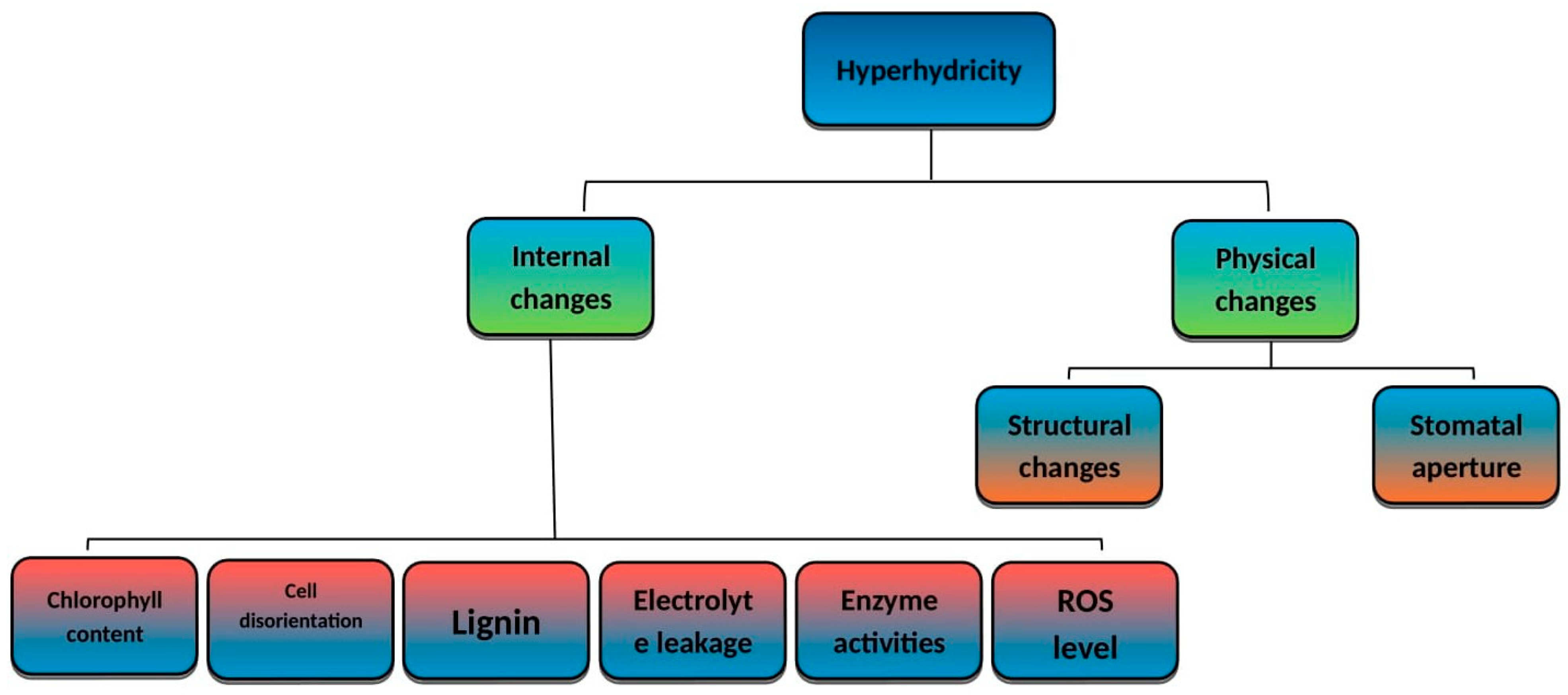
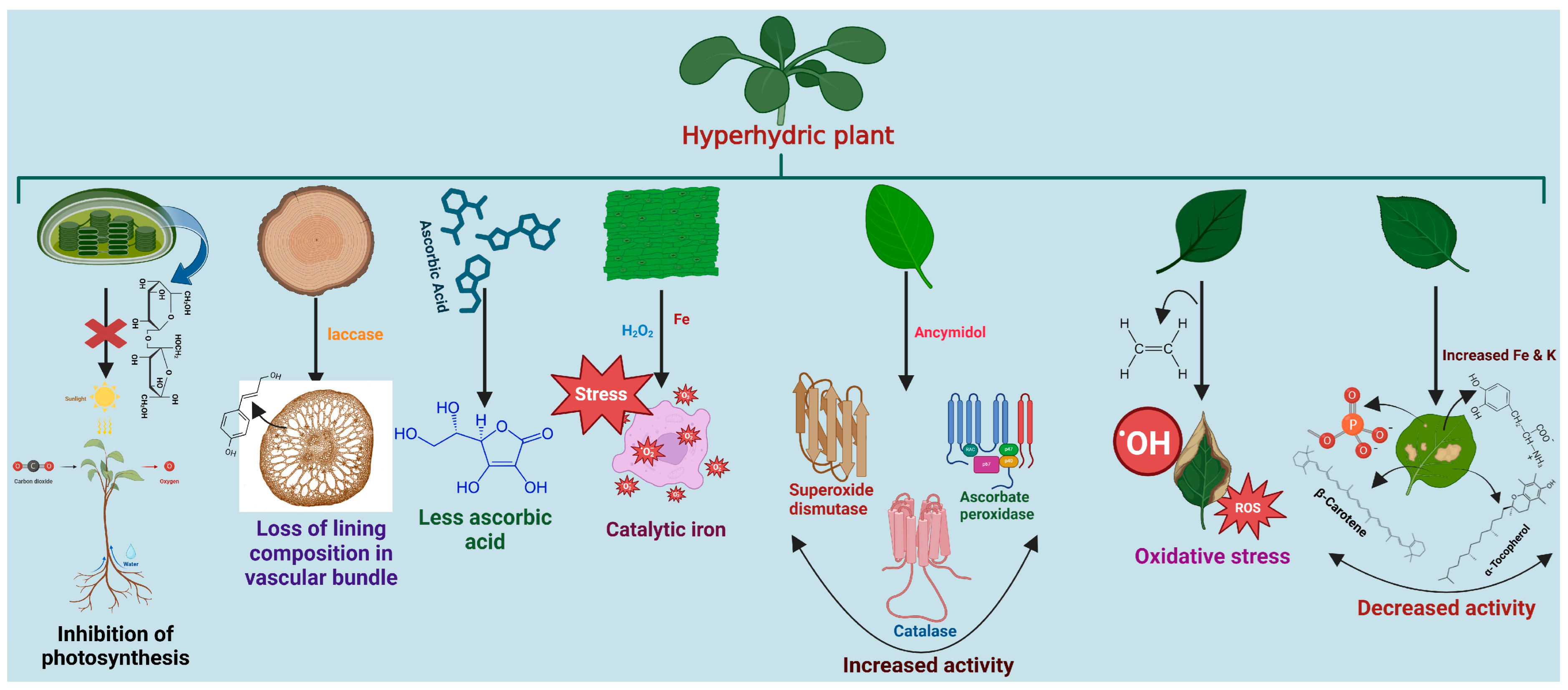
3. Changes Under Hyperhydric Conditions
3.1. Structural Changes
3.2. Biochemical Changes
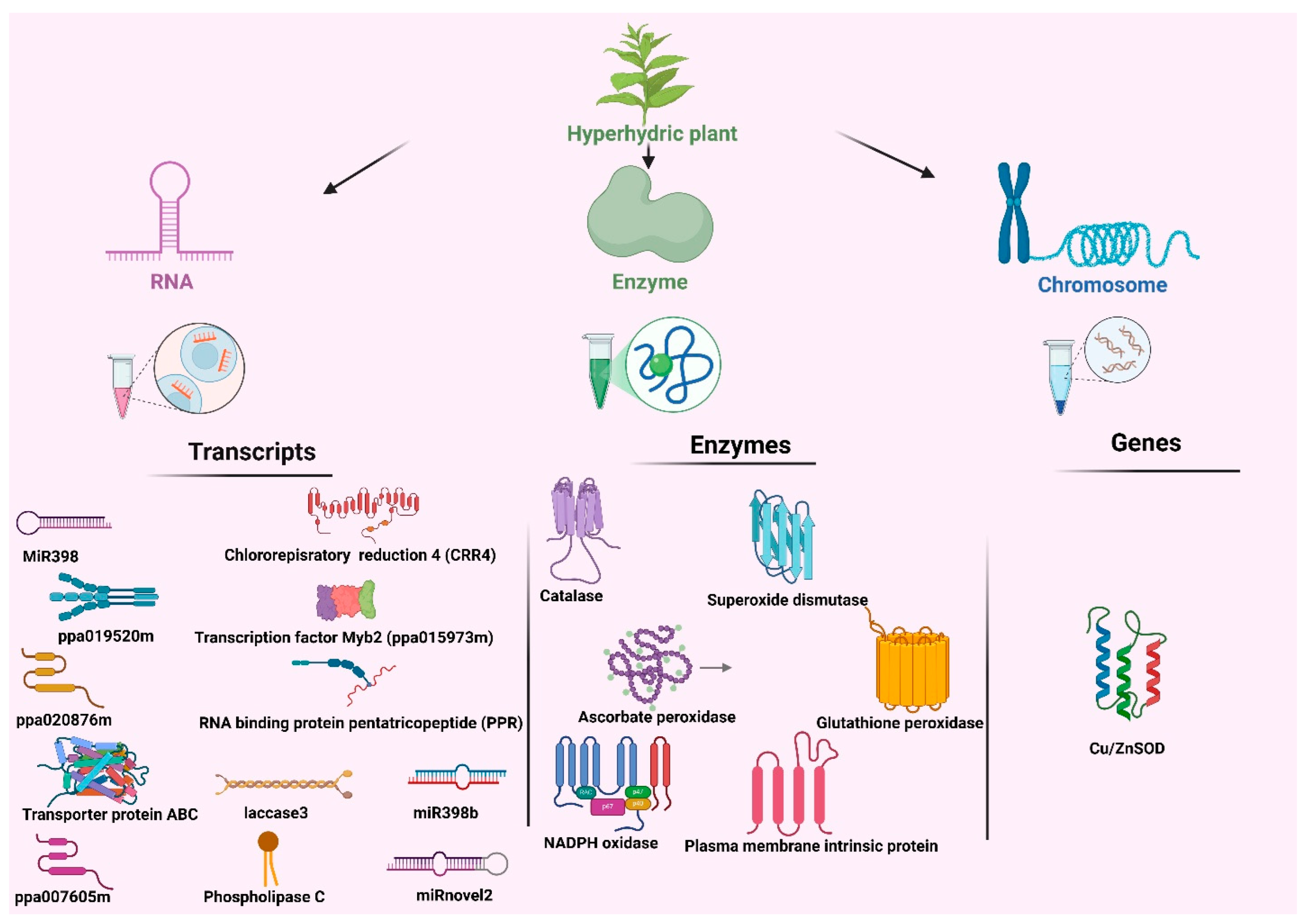
4. RNA Sequencing and HPLC-Based Metabolite Profiling for Hyperhydric Plants
5. Ultrastructural Changes
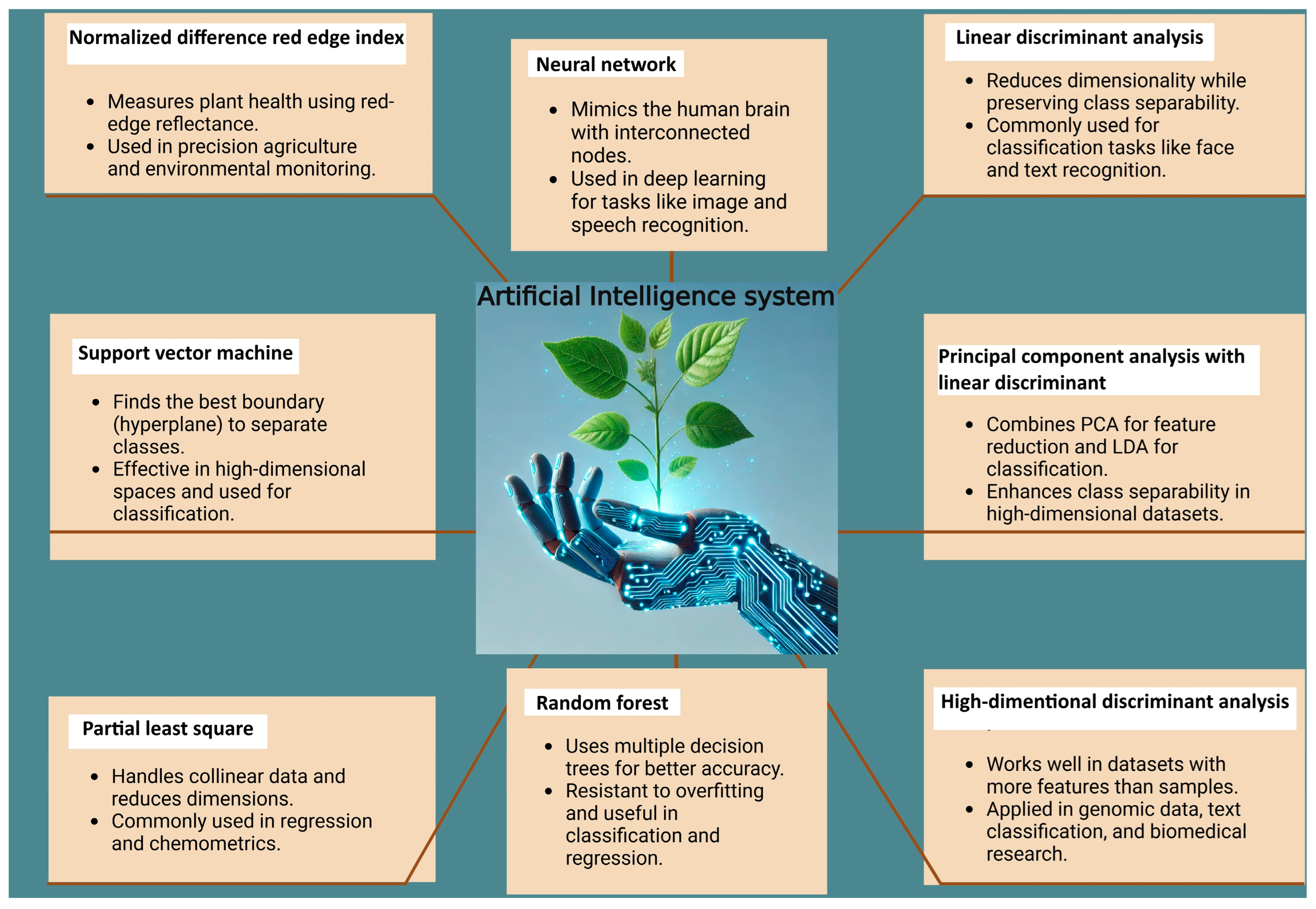
6. Artificial Intelligence Model for Optimizing the Algorithm in Hyperhydricity
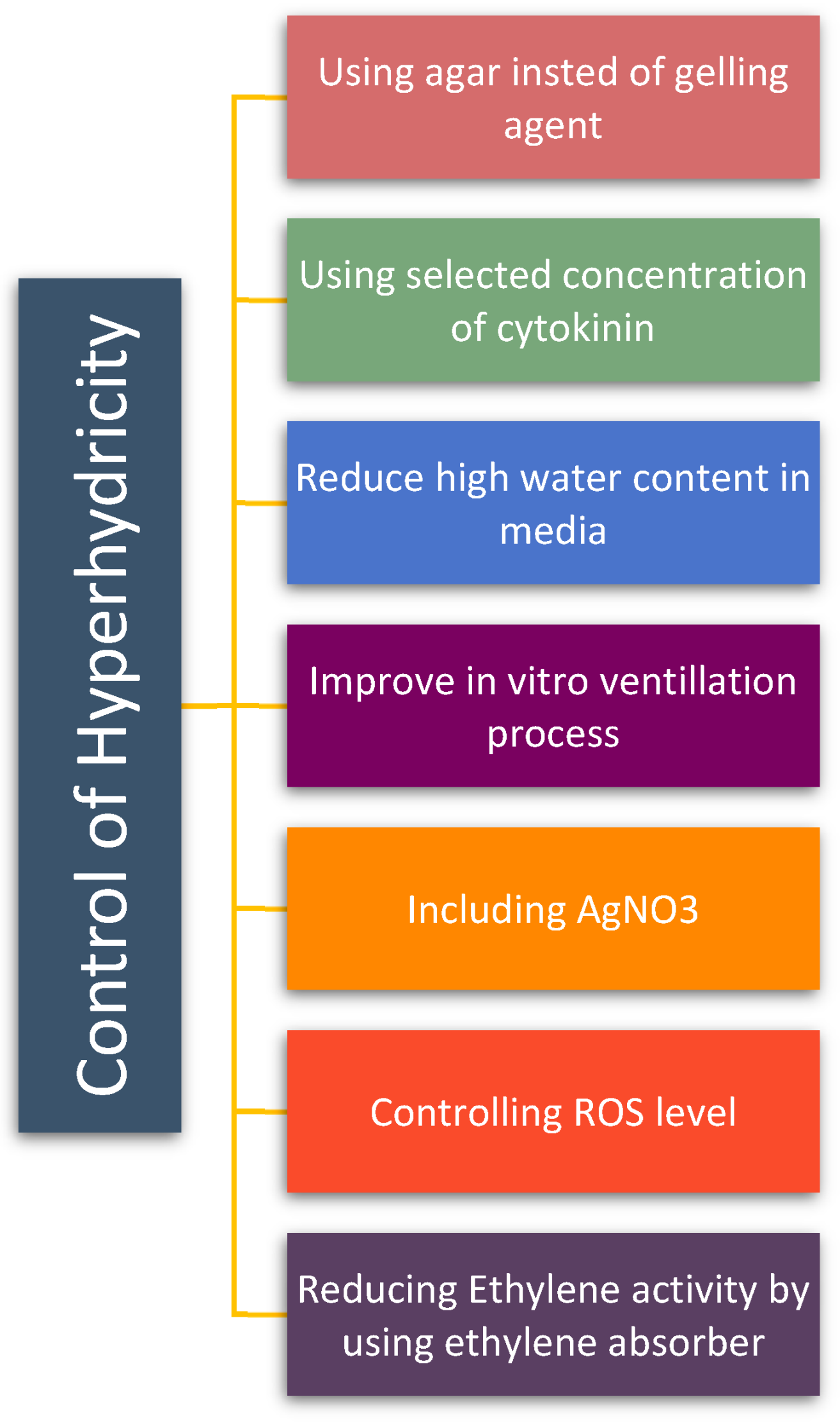
7. Preventive Measures for Hyperhydricity
8. Conclusions
Author Contributions
Funding
Data Availability Statement
Acknowledgments
Conflicts of Interest
References
- Dries, N.V.D.; Gianní, S.; Czerednik, A.; Krens, F.A.; De Klerk, G.J.M. Flooding of the apoplast is a key factor in the development of hyperhydricity. J. Exp. Bot. 2013, 64, 5221–5230. [Google Scholar] [CrossRef] [PubMed]
- Gantait, S.; Mahanta, M. Hyperhydricity-induced changes among in vitro regenerants of Gerbera. S. Afr. J. Bot. 2022, 149, 496–501. [Google Scholar] [CrossRef]
- Gao, H.; Li, J.; Ji, H.; An, L.; Xia, X. Hyperhydricity-induced ultrastructural and physiological Changes in Blueberry (Vaccinium spp.). Plant Cell Tissue Organ Cult. 2018, 133, 65–76. [Google Scholar] [CrossRef]
- Brand, M.H. Agar and ammonium nitrate influence hyperhydricity, tissue nitrate and total nitrogen content of serviceberry (Amelanchier arborea) shoots in vitro. Plant Cell Tissue Organ Cult. 1993, 35, 203–209. [Google Scholar] [CrossRef]
- Ziv, M.; Ariell, T. Vitrification in relation to stomatal deformation and malfunction in carnation leaves in vitro. In Physiology, Growth and Development of Plants in Culture; Springer: Berlin/Heidelberg, Germany, 1994; pp. 143–150. [Google Scholar]
- Barua, R.; Kundu, S.; Majumder, S.; Marshall, H.D.; Igamberdiev, A.U.; Debnath, S.C. Exploring two bioreactor systems for micropropagation of Vaccinium membranaceum and the antioxidant enzyme profiling in tissue culture raised plants. Plant Growth Regul. 2025, 105, 805–819. [Google Scholar] [CrossRef]
- Mayor, M.L.; Nestares, G.; Zorzoli, R.; Picardi, L.A. Reduction of hyperhydricity in sunflower tissue culture. Plant Cell Tissue Organ Cult. 2003, 72, 99–103. [Google Scholar] [CrossRef]
- Dewir, Y.H.; Chakrabarty, D.; Ali, M.B.; Hahn, E.J.; Paek, K.Y. Lipid peroxidation and antioxidant enzyme activities of Euphorbia millii hyperhydric shoots. Environ. Exp. Bot. 2006, 58, 93–99. [Google Scholar] [CrossRef]
- Bakir, Y.; Eldem, V.; Zararsiz, G.; Unver, T. Global transcriptome analysis reveals differences in gene expression patterns between nonhyperhydric and hyperhydric peach leaves. Plant Genome 2016, 9, 1–9. [Google Scholar] [CrossRef]
- Liu, M.; Jiang, F.; Kong, X.; Tian, J.; Wu, Z.; Wu, Z. Effects of multiple factors on hyperhydricity of Allium sativum L. Sci. Hortic. 2017, 217, 285–296. [Google Scholar] [CrossRef]
- Ivanova, M.; Van Staden, J. Influence of gelling agent and cytokinins on the control of hyperhydricity in Aloe polyphylla. Plant Cell Tissue Organ Cult. 2011, 104, 13–21. [Google Scholar] [CrossRef]
- Kundu, S.; Barua, R.; Marshall, H.D.; Siow, Y.L.; Igamberdiev, A.U.; Debnath, S.C. Somatic Embryogenesis in Vaccinium Vitis-Idaea L.: A High-Fidelity Micropropagation Approach Producing True-to-Type Plants with Enhanced Phytochemical Profiles. Plant Cell Tissue Organ Cult. 2025, 161, 37. [Google Scholar] [CrossRef]
- Majumder, S.; Igamberdiev, A.U.; Debnath, S.C. PVP-40 Mediated Enhancement of Mesophyll Protoplast Yield and Viability for Transient Gene Expression in Black Huckleberry. Plant Methods 2025, 21, 150. [Google Scholar] [CrossRef] [PubMed]
- Isah, T. Changes in the biochemical parameters of Albino, hyperhydric and normal green leaves of Caladium bicolor cv. “Bleeding Hearts” in vitro long-term cultures. J. Photochem. Photobiol. B 2019, 191, 88–98. [Google Scholar] [CrossRef]
- Dillen, W.; Buysens, S. A simple technique to overcome vitrification in Gypsophila paniculata L. Plant Cell Tissue Organ Cult. 1989, 19, 181–188. [Google Scholar] [CrossRef]
- Ivanova, M.; van Staden, J. Natural ventilation effectively reduces hyperhydricity in shoot cultures of Aloe polyphylla schönland Ex Pillans. Plant Growth Regul. 2010, 60, 143–150. [Google Scholar] [CrossRef]
- Kevers, C.; Franck, T.; Strasser, R.J.; Dommes, J.; Gaspar, T. Hyperhydricity of micropropagated shoots: A typically stress-induced change of physiological state. Plant Cell Tissue Organ Cult. 2004, 77, 181–191. [Google Scholar] [CrossRef]
- Tian, J.; Jiang, F.; Wu, Z. The apoplastic oxidative burst as a key factor of hyperhydricity in garlic plantlet in vitro. Plant Cell Tissue Organ Cult. 2015, 120, 571–584. [Google Scholar] [CrossRef]
- Aitken-Christie, D.P.; Cohen, D.; Grout, B.; Von Arnold, S.; Zimmerman, R.; Ziv, M. Reconsideration of the term “Vitrification” as used in micropropagation. Plant Cell Tissue Organ Cult. 1992, 30, 135–140. [Google Scholar] [CrossRef]
- Foyer, C.H.; Leiandais, M.; Foyer, K.J.K.; Leiandais, C.H.; Kunert, M. Photooxidative stress in plants. Physiol. Plant. 1994, 92, 696–717. [Google Scholar] [CrossRef]
- Ochatt, S.J.; Muneaux, E.; Machado, C.; Jacas, L.; Pontécaille, C. The hyperhydricity of in vitro regenerants of grass pea (Lathyrus sativus L.) is linked with an abnormal DNA content. J. Plant Physiol. 2002, 159, 1021–1028. [Google Scholar] [CrossRef]
- Arigundam, U.; Variyath, A.M.; Siow, Y.L.; Marshall, D.; Debnath, S.C. Liquid culture for efficient in vitro propagation of adventitious shoots in wild Vaccinium vitis-idaea ssp. minus (Lingonberry) using temporary immersion and stationary bioreactors. Sci. Hortic. 2020, 264, 109199. [Google Scholar] [CrossRef]
- Muneer, S.; Park, Y.G.; Jeong, B.R. Red and blue light-emitting diodes (LEDs) participate in mitigation of hyperhydricity in in vitro-grown carnation genotypes (Dianthus caryophyllus). J. Plant Growth Regul. 2018, 37, 370–379. [Google Scholar] [CrossRef]
- Whitehouse, A.B.; Marks, T.R.; Edwards, G.A. Control of hyperhydricity in Eucalyptus axillary shoot cultures grown in liquid medium. Plant Cell Tissue Organ Cult. 2002, 71, 245–252. [Google Scholar] [CrossRef]
- Teng, W.-L.; Liu, Y.-J. Restricting hyperhydricity of lettuce using screen raft and water absorbent resin. Plant Cell Tissue Organ Cult. 1993, 34, 311–314. [Google Scholar] [CrossRef]
- Vandemoortele, J.-L. A procedure to prevent hyperhydricity in Cauliflower axillary shoots. Plant Cell Tissue Organ Cult. 1999, 56, 85–88. [Google Scholar] [CrossRef]
- Wang, Y.L.; Wang, X.D.; Zhao, B.; Wang, Y.C. Reduction of hyperhydricity in the culture of Lepidium meyenii shoots by the addition of rare earth elements. Plant Growth Regul. 2007, 52, 151–159. [Google Scholar] [CrossRef]
- Ivanova, M.; Van Staden, J. Effect of ammonium ions and cytokinins on hyperhydricity and multiplication rate of in vitro regenerated shoots of Aloe polyphylla. Plant Cell Tissue Organ Cult. 2008, 92, 227–231. [Google Scholar] [CrossRef]
- Cai, C.Q.; Doyon, Y.; Ainley, W.M.; Miller, J.C.; DeKelver, R.C.; Moehle, E.A.; Rock, J.M.; Lee, Y.L.; Garrison, R.; Schulenberg, L.; et al. Targeted transgene integration in plant cells using designed zinc finger nucleases. Plant Mol. Biol. 2009, 69, 699–709. [Google Scholar] [CrossRef]
- Tabart, J.; Franck, T.; Kevers, C.; Dommes, J. Effect of polyamines and polyamine precursors on hyperhydricity in micropropagated apple shoots. Plant Cell Tissue Organ Cult. 2015, 120, 11–18. [Google Scholar] [CrossRef]
- Vinoth, A.; Ravindhran, R. Reduced hyperhydricity in watermelon shoot cultures using silver ions. In Vitr. Cell. Dev. Biol. Plant 2015, 51, 258–264. [Google Scholar] [CrossRef]
- de Klerk, G.J.; Pramanik, D. Trichloroacetate, an Inhibitor of Wax Biosynthesis, Prevents the development of hyperhydricity in Arabidopsis seedlings. Plant Cell Tissue Organ Cult. 2017, 131, 89–95. [Google Scholar] [CrossRef]
- Petruş-Vancea, A. Cell ultrastructure and chlorophyll pigments in hyperhydric and non-hyperhydric Beta vulgaris var. conditiva plantlets, treated with deuterium-depleted water. Plant Cell Tissue Organ Cult. 2018, 135, 13–21. [Google Scholar] [CrossRef]
- Li, L.; Tan, J.; Miao, Y.; Lei, P.; Zhang, Q. ROS and autophagy: Interactions and molecular regulatory mechanisms. Cell Mol. Neurobiol. 2015, 35, 615–621. [Google Scholar] [CrossRef] [PubMed]
- Wi, S.J.; Jang, S.J.; Park, K.Y. Inhibition of biphasic ethylene production enhances tolerance to abiotic stress by reducing the accumulation of reactive oxygen species in Nicotiana tabacum. Mol. Cell 2010, 30, 37–49. [Google Scholar] [CrossRef] [PubMed]
- Gao, H.; Xia, X.; An, L.; Xin, X.; Liang, Y. Reversion of hyperhydricity in pink (Dianthus chinensis L.) plantlets by AgNO3 and its associated mechanism during in vitro culture. Plant Sci. 2017, 254, 1–11. [Google Scholar] [CrossRef] [PubMed]
- Debergh, P.; Harbaoui, Y.; Lemeur, Y. Mass propagation of globe artichoke (Cynara scolymus): Evaluation of different hypotheses to overcome vitrification with special reference to water potential. Physiol. Plant 1981, 53, 181–187. [Google Scholar] [CrossRef]
- Casanova, E.; Moysset, L.; Trillas, M.I. Effects of agar concentration and vessel closure on the organogenesis and hyperhydricity of adventitious carnation shoots. Biol. Plant. 2008, 52, 1–8. [Google Scholar] [CrossRef]
- Werker, E.; Leshem, B. Structural changes during vitrification of carnation plantlets. Ann. Bot. 1987, 59, 377–385. [Google Scholar] [CrossRef]
- Jausoro, V.; Llorente, B.E.; Apóstolo, N.M. Structural differences between hyperhydric and normal in vitro shoots of Handroanthus impetiginosus (Mart. Ex DC) Mattos (Bignoniaceae). Plant Cell Tissue Organ Cult. 2010, 101, 183–191. [Google Scholar] [CrossRef]
- Pasternak, T.; Steinmacher, D. Plant tissue culture in vitro: A long journey with lingering challenges. Int. J. Plant Biol. 2025, 16, 97. [Google Scholar] [CrossRef]
- Nikam, T.D.; Mulye, K.V.; Chambhare, M.R.; Nikule, H.A.; Ahire, M.L. Reduction in hyperhydricity and improvement in in vitro propagation of commercial hard fibre and medicinal glycoside yielding agave sisalana perr. ex engelm by Nacl and polyethylene glycol. Plant Cell Tissue Organ Cult. 2019, 138, 67–78. [Google Scholar] [CrossRef]
- Chakrabarty, D.; Park, S.Y.; Ali, M.B.; Shin, K.S.; Paek, K.Y. Hyperhydricity in apple ultrastuctural and physiological aspects. Tree Physiol. 2006, 3, 377–388. [Google Scholar] [CrossRef]
- Peharec, P.; PosiloviĆ, H.; Balen, B.; Krsnik-Rasol, M. Spine micromorphology of normal and hyperhydric Mammillaria gracilis Pfeiff. (Cactaceae) shoots. J. Microsc. 2010, 239, 78–86. [Google Scholar] [CrossRef]
- Shaik, S.; Dewir, Y.H.; Singh, N.; Nicholas, A. Micropropagation and bioreactor studies of the medicinally important plant Lessertia (Sutherlandia) frutescens L. S. Afr. J. Bot. 2010, 76, 180–186. [Google Scholar] [CrossRef]
- Piqueras, A.; Cortina, M.; Serna, M.D.; Casas, J.L. Polyamines and hyperhydricity in micropropagated carnation plants. Plant Sci. 2002, 162, 671–678. [Google Scholar] [CrossRef]
- Yadav, M.K.; Gaur, A.K.; Garg, G.K. Development of suitable protocol to overcome hyperhydricity in carnation during micropropagation. Plant Cell Tissue Organ Cult. 2003, 72, 153–156. [Google Scholar] [CrossRef]
- Fernandez-García, N.; Piqueras, A.; Olmos, E. Sub-cellular location of H2O2, peroxidases and pectin epitopes in control and hyperhydric shoots of carnation. Environ. Exp. Bot. 2008, 62, 168–175. [Google Scholar] [CrossRef]
- Majada, J.P.; Fal, M.A.; Tadeo, F.; Sánchez-Tamés, R. Effects of natural ventilation on leaf ultrastructure of Dianthus caryophyllus L. cultured in vitro. In Vitr. Cell. Dev. Biol. Plant 2002, 38, 272–278. [Google Scholar] [CrossRef]
- Saher, S.; Piqueras, A.; Hellin, E.; Olmos, E. Pectin methyl esterases and pectins in normal and hyperhydric shoots of carnation cultured in vitro. Plant Physiol. Biochem. 2005, 43, 155–159. [Google Scholar] [CrossRef] [PubMed]
- Wu, H.J.; Yu, X.N.; Da Silvac, J.A.T.; Lu, G.P. Direct shoot induction of Paeonia lactiflora “Zhong Sheng Fen” and rejuvenation of hyperhydric shoots. N. Z. J. Crop Hortic. Sci. 2011, 39, 271–278. [Google Scholar] [CrossRef]
- Albarrán, J.; Bertrand, B.; Lartaud, M.; Etienne, H. Cycle characteristics in a temporary immersion bioreactor affect regeneration, morphology, water and mineral status of coffee (Coffea arabica) somatic embryos. Plant Cell Tissue Organ Cult. 2005, 81, 27–36. [Google Scholar] [CrossRef]
- Piatczak, E.; Wielanek, M.; Wysokinska, H. Liquid culture system for shoot multiplication and secoiridoid production in micropropagated plants of Centaurium erythraea Rafn. Plant Sci. 2005, 168, 431–437. [Google Scholar] [CrossRef]
- Sreelekshmi, R.; Siril, E.A.; Muthukrishnan, S. Role of biogenic silver nanoparticles on hyperhydricity reversion in Dianthus chinensis L. an in vitro model culture. J. Plant Growth Regul. 2022, 41, 23–39. [Google Scholar] [CrossRef]
- Sivanesan, I.; Song, J.Y.; Hwang, S.J.; Jeong, B.R. Micropropagation of Cotoneaster wilsonii Nakai—A rare endemic ornamental plant. Plant Cell Tissue Organ Cult. 2011, 105, 55–63. [Google Scholar] [CrossRef]
- Mazri, M.A.; Meziani, R.; Elmaataoui, S.; Alfeddy, M.N.; Jaiti, F. Assessment of genetic fidelity, biochemical and physiological characteristics of in vitro grown date palm Cv. Al-Fayda. Vegetos 2019, 32, 333–344. [Google Scholar] [CrossRef]
- Hassannejad, S.; Bernard, F.; Mirzajani, F.; Gholami, M. SA Improvement of hyperhydricity reversion in Thymus daenensis shoots culture may be associated with polyamines changes. Plant Physiol. Biochem. 2012, 51, 40–46. [Google Scholar] [CrossRef]
- Picoli, E.A.T.; Otoni, W.C.; Figueira, M.L.; Carolino, M.B.; Almeida, R.S.; Silva, E.A.M.; Carvalho, C.R.; Fontes, E.P.B. Hyperhydricity in in vitro eggplant regenerated plants: Structural characteristics and involvement of BiP (Binding Protein). Plant Sci. 2001, 160, 857–868. [Google Scholar] [CrossRef]
- Lai, C.C.; Lin, H.M.; Nalawade, S.M.; Fang, W.; Tsay, H.S. Hyperhydricity in shoot cultures of Scrophularia yoshimurae can be effectively reduced by ventilation of culture vessels. J. Plant Physiol. 2005, 162, 355–361. [Google Scholar] [CrossRef]
- Gupta, S.D.; Prasad, V.S.S. Shoot multiplication kinetics and hyperhydric status of regenerated shoots of gladiolus in agar-solidified and matrix-supported liquid cultures. Plant Biotechnol. Rep. 2010, 4, 85–94. [Google Scholar] [CrossRef]
- Matsumoto, T.; Sakai, A. Cryopreservation of axillary shoot tips of in vitro-grown grape (Vitis) by a two-step vitrification protocol. Euphytica 2003, 131, 299–304. [Google Scholar] [CrossRef]
- Lišková, D.; Kollárová, K.; Kučerová, D.; Vatehová, Z.; Zelko, I.; Lux, A.; Van Staden, J. Alternatives to improve long-term cultures of Harpagophytum procumbens in vitro. S. Afr. J. Bot. 2016, 104, 55–60. [Google Scholar] [CrossRef]
- Šedivá, J.; Vlašínová, H.; Mertelík, J. Shoot regeneration from various explants of Horse chestnut (Aesculus hippocastanum L.). Sci. Hortic. 2013, 161, 223–227. [Google Scholar] [CrossRef]
- Kadota, M.; Niimi, Y. Effects of cytokinin types and their concentrations on shoot proliferation and hyperhydricity in in vitro pear cultivar shoots. Plant Cell Tissue Organ Cult. 2003, 72, 261–265. [Google Scholar] [CrossRef]
- Kadota, M.; Niimi, Y. In vitro induction of tetraploid plants from a diploid japanese pear cultivar (Pyrus pyrifolia N. cv. Hosui). Plant Cell Rep. 2002, 21, 282–286. [Google Scholar] [CrossRef]
- Nancy, M.A.; Berta, E.L. Anatomy of normal and hyperhydric leaves and shoots of in vitro grown Simmondsia chinensis (Link) Schn. In Vitr. Cell. Dev. Biol. Plant 2000, 36, 243–249. [Google Scholar] [CrossRef]
- Monsalud, M.-J.; Mathews, H.; Litz, R.E.; Gray, D.J. Control of hyperhydricity of mango somatic embryos. Plant Cell Tissue Organ Cult. 1995, 42, 195–206. [Google Scholar] [CrossRef]
- Chen, J.; Ziv, M. The effect of ancymidol on hyperhydricity, regeneration, starch and antioxidant enzymatic activities in liquid-cultured Narcissus. Plant Cell Rep. 2001, 20, 22–27. [Google Scholar] [CrossRef]
- Bayraktar, M.; Hayta-Smedley, S.; Unal, S.; Varol, N.; Gurel, A. Micropropagation and prevention of hyperhydricity in olive (Olea europaea L.) cultivar ‘Gemlik’. S. Afr. J. Bot. 2020, 128, 264–273. [Google Scholar] [CrossRef]
- Shetty, K.; Curtis, O.F.; Levin, R.E. Specific interaction of Mucoid strains of Pseudomonas spp. with oregano (Origanum vulgare) clones and the relationship to prevention of hyperhydricity in tissue culture. J. Plant Physiol. 1996, 5, 605–611. [Google Scholar] [CrossRef]
- Fontes, M.A.; Otoni, W.C.; Carolino, S.M.B.; Brommonschenkel, S.H.; Fontes, E.P.B.; Fári, M.; Louro, R.P. Hyperhydricity in pepper plants regenerated in vitro: Involvement of bip (binding protein) and ultrastructural aspects. Plant Cell Rep. 1999, 19, 81–87. [Google Scholar] [CrossRef]
- Park, S.W.; Jeon, J.H.; Kim, H.S.; Park, Y.M.; Aswath, C.; Joung, H. Effect of sealed and vented gaseous microenvironments on the hyperhydricity of potato shoots in vitro. Sci. Hortic. 2004, 99, 199–205. [Google Scholar] [CrossRef]
- Ivanova, M.; van Staden, J. Nitrogen source, concentration, and NH4+:NO3− ratio influence shoot regeneration and hyperhydricity in tissue-cultured Aloe polyphylla. Plant Cell Tissue Organ Cult. 2009, 99, 167–174. [Google Scholar] [CrossRef]
- Sen, A.; Alikamanoglu, S. Antioxidant enzyme activities, malondialdehyde, and total phenolic content of PEG-induced hyperhydric leaves in sugar beet tissue culture. In Vitr. Cell. Dev. Biol. Plant 2013, 49, 396–404. [Google Scholar] [CrossRef]
- Makunga, N.P.; Jäger, A.K.; Van Staden, J. Improved in vitro rooting and hyperhydricity in regenerating tissues of Thapsia garganica L. Plant Cell Tissue Organ Cult. 2006, 86, 77–86. [Google Scholar] [CrossRef]
- Poljuha, D.; Balen, B.; Bauer, A.; Ljubesic, N.; Krsnik-Rasol, M. Morphology and ultrastructure of Mammillaria gracillis (Cactaceae) in in vitro culture. Plant Cell Tissue Organ Cult. 2003, 75, 117–123. [Google Scholar] [CrossRef]
- Gao, H.; Xu, D.; Zhang, H.; Cheng, X.; Yang, Q. Effects of culture medium composition and PEG on hyperhydricity in Dendrobium officinale. In Vitr. Cell. Dev. Biol. Plant 2020, 56, 143–149. [Google Scholar] [CrossRef]
- Thomas, P.; Mythili, J.B.; Shivashankara, K.S. Explant, medium and vessel aeration affect the incidence of hyperhydricity and recovery of normal plantlets in triploid watermelon. J. Hortic. Sci. Biotechnol. 2000, 75, 19–25. [Google Scholar] [CrossRef]
- Awatef, M.B.-E.; Ahmed, A.N.; Ibrahim, A.I.; Mohsen, K.H.E.; Tamer, M.A.E. Minimizing the hyperhydricity associated with in vitro growth and development of watermelon by modifying the culture conditions. Afr. J. Biotechnol. 2012, 11, 8705–8717. [Google Scholar] [CrossRef][Green Version]
- Franck, T.; Kevers, C.; Gaspar, T.; Dommes, J.; Deby, C.; Greimers, R.; Serteyn, D.; Deby-Dupont, G. Hyperhydricity of Prunus avium shoots cultured on gelrite: A controlled stress response. Plant Physiol. Biochem. 2004, 42, 519–527. [Google Scholar] [CrossRef]
- Pang, J.; Xiong, Y.; Zeng, Y.; Chen, X.; Zhang, X.; Li, Y.; Wu, K.; Zeng, S.; da Silva, J.A.T.; Ma, G. Shoot organogenesis and plant regeneration from leaf and petiole explants of Corydalis saxicola bunting. In Vitr. Cell. Dev. Biol. Plant 2023, 59, 121–128. [Google Scholar] [CrossRef]
- Lucchesini, M.; Monteforti, G.; Mensuali-Sodi, A.; Serra, G. Leaf ultrastructure, photosynthetic rate and growth of myrtle plantlets under different in vitro culture conditions. Biol. Plant. 2006, 50, 161–168. [Google Scholar] [CrossRef]
- Rasco, S.M.; Pateña, L.F. Control of hyperhydricity in shallot (Allium cepa var. group Aggregatum) Micropropagation. Crop Sci. Soc. Philipp. 1997, 22, 106–111. [Google Scholar]
- Zhao, X.M.; Ren, J.J.; Du, W.H.; Hao, H.S.; Wang, D.; Qin, T.; Liu, Y.; Zhu, H.-B. Effect of vitrification on promoter CpG island methylation patterns and expression levels of DNA methyltransferase 1o, histone acetyltransferase 1, and deacetylase 1 in metaphase ii mouse oocytes. Fertil. Steril. 2013, 100, 256–261. [Google Scholar] [CrossRef] [PubMed]
- Polivanova, O.B.; Bedarev, V.A. Hyperhydricity in plant tissue culture. Plants 2022, 11, 3313. [Google Scholar] [CrossRef]
- Kampfenkel, K.; Van Montagu, M.; Inzé, D.K. Effects of iron excess on Nicotiana plumbaginifolia plants (implications to oxidative stress). Plant Physiol. 1995, 107, 725–735. [Google Scholar] [CrossRef]
- Becana, M.; Moran, J.F.; Iturbe-Ormaetxe, I. Iron-dependent oxygen free radical generation in plants subjected to environmental stress: Toxicity and antioxidant protection. Plant Soil 1998, 201, 137–147. [Google Scholar] [CrossRef]
- Apel, K.; Hirt, H. Reactive oxygen species: Metabolism, oxidative stress, and signal transduction. Annu. Rev. Plant Biol. 2004, 55, 373–399. [Google Scholar] [CrossRef]
- Gaspar, T.; Kevers, C.; Franck, T.; Bisbis, B.; Billard, J.-P.; Huault, C.; Le Dily, F.; Petit-Paly, G.; Rideau, M.; Penel, C.; et al. Paradoxical results in the analysis of hyperhydric tissues considered as being under stress: Question for a debate. Bulg. J. Plant Physiol. 1995, 21, 80–97. [Google Scholar]
- Olmos, E.; Piqueras, A.; Martínez-Solano, J.R.; Hellin, E. The subcellular localization of peroxidase and the implication of oxidative stress in hyperhydrated leaves of regenerated carnation plants. Plant Sci. 1997, 130, 97–105. [Google Scholar] [CrossRef]
- Saher, S.; Piqueras, A.; Hellin, E.; Olmos, E. Hyperhydricity in micropropagated carnation shoots: The role of oxidative stress. Physiol. Plant 2004, 120, 152–161. [Google Scholar] [CrossRef]
- Rizvi, S.; Raza, S.T.; Ahmed, F.; Ahmad, A.; Abbas, S.; Mahdi, F. The role of vitamin E in human health and some diseases. Sultan Qaboos Univ. Med. J. 2014, 14, 157–165. [Google Scholar] [CrossRef]
- Sattar, S.; Song, Y.; Anstead, J.A.; Sunkar, R.; Thompson, G.A. Cucumis melo microrna expression profile during aphid herbivory in a resistant and susceptible interaction. Mol. Plant Microbe Interact. 2012, 25, 839–848. [Google Scholar] [CrossRef]
- Yong-Hwa, L.; Hyun-Soon, K.; Mi-Sun, K.; Yoon-Sik, K.; Hyouk, J.; Jae-Heung, J. Reduction of shoot hyperhydricity in micropropagated potato plants via antisense inhibition of a ChCuZnSOD gene. J. Korean Soc. Appl. Biol. Chem. 2009, 52, 397–400. [Google Scholar] [CrossRef]
- Maliński, M.P.; Kikowska, M.; Kruszka, D.; Napierała, M.; Florek, E.; Sliwinska, E.; Thiem, B. Various in vitro systems of Ragged robin (Lychnis Flos-Cuculi L.): A new potential source of phytoecdysteroids? Plant Cell Tissue Organ Cult. 2019, 139, 39–52. [Google Scholar] [CrossRef]
- Pati, P.K.; Kaur, J.; Singh, P. A liquid culture system for shoot proliferation and analysis of pharmaceutically active constituents of Catharanthus roseus (L.) G. Don. Plant Cell Tissue Organ Cult. 2011, 105, 299–307. [Google Scholar] [CrossRef]
- Bekircan, T.; Yaşar, A.; Yıldırım, S.; Sökmen, M.; Sökmen, A. Effect of cytokinins on in vitro multiplication, volatiles composition and rosmarinic acid content of Thymus leucotrichus hal. shoots. 3 Biotech. 2018, 8, 180. [Google Scholar] [CrossRef]
- Ivanova, M.; Novák, O.; Strnad, M.; Van Staden, J. Endogenous cytokinins in shoots of Aloe polyphylla cultured in vitro in relation to hyperhydricity, exogenous cytokinins and gelling agents. Plant Growth Regul. 2006, 50, 219–230. [Google Scholar] [CrossRef]
- Barua, R.; Kundu, S.; Igamberdiev, A.U.; Debnath, S.C. Hyperhydricity-induced physiological changes and catechin accumulation in blueberry hybrids (Vaccinium corymbosum × V. angustifolium). Horticulturae 2025, 11, 418. [Google Scholar] [CrossRef]
- Gabr, A.M.M.; Fayek, N.M.; Mahmoud, H.M.; El-Bahr, M.K.; Ebrahim, H.S.; Sytar, O.; El-Halawany, A.M. Effect of light quality and media components on shoot growth, rutin, and quercetin production from common buckwheat. ACS Omega 2022, 7, 26566–26572. [Google Scholar] [CrossRef] [PubMed]
- Dermastia, M.; Ravnikar, M.; Kova, M. Morphology of potato (Solanum tuberosum L. Cv. Sante) stem node cultures in relation to the level of endogenous cytokinins. J. Plant Growth Regul. 1996, 15, 105–108. [Google Scholar] [CrossRef]
- Lucchesini, M.; Bertoli, A.; Mensuali-Sodi, A.; Pistelli, L. Establishment of in vitro tissue cultures from Echinacea angustifolia D.C. adult plants for the production of phytochemical compounds. Sci. Hortic. 2009, 122, 484–490. [Google Scholar] [CrossRef]
- Louro, R.P.; Dos Santos, A.V.; Machado, R.D. Ultrastructure of Eucalyptus grandis × Eucalyptus urophylla. I. shoots cultivated in vitro in multiplication and elongation-rooting media. Int. J. Plant Sci. 1999, 160, 217–227. [Google Scholar] [CrossRef]
- Jafari, M.; Daneshvar, M.H.; Jafari, S.; Hesami, M. Machine learning-assisted in vitro rooting optimization in Passiflora caerulea. Forests 2022, 13, 2020. [Google Scholar] [CrossRef]
- Bethge, H.; Mohammadi Nakhjiri, Z.; Rath, T.; Winkelmann, T. Towards automated detection of hyperhydricity in plant in vitro culture. Plant Cell Tissue Organ Cult. 2023, 154, 551–573. [Google Scholar] [CrossRef]
- Hameg, R.; Arteta, T.A.; Landin, M.; Gallego, P.P.; Barreal, M.E. Modeling and optimizing culture medium mineral composition for in vitro propagation of Actinidia arguta. Front. Plant Sci. 2020, 11, 554905. [Google Scholar] [CrossRef]
- Jamshidi, S.; Yadollahi, A.; Arab, M.M.; Soltani, M.; Eftekhari, M.; Sabzalipoor, H.; Sheikhi, A.; Shiri, J. Combining gene expression programming and genetic algorithm as a powerful hybrid modeling approach for pear rootstocks tissue culture media formulation. Plant Methods 2019, 15, 136. [Google Scholar] [CrossRef]
- Nezami-Alanagh, E.; Garoosi, G.A.; Landín, M.; Gallego, P.P. Computer-based tools provide new insight into the key factors that cause physiological disorders of Pistachio rootstocks cultured in vitro. Sci. Rep. 2019, 9, 9740. [Google Scholar] [CrossRef] [PubMed]
- Hesami, M.; Jones, A.M.P. Application of artificial intelligence models and optimization algorithms in plant cell and tissue culture. Appl. Microbiol. Biotechnol. 2020, 104, 9449–9485. [Google Scholar] [CrossRef]
- Mensuali-Sodp, A.; Panizza, M.; Serra, G.; Tognoni, F. Involvement of activated charcoal in the modulation of abiotic and biotic ethylene levels in tissue cultures. Sci. Hortic. 1993, 54, 49–57. [Google Scholar] [CrossRef]
- Sarkar, D.; Sud, K.C.; Chakrabarti, S.K.; Naik, P.S. Growing of potato microplants in the presence of alginate-silverthiosulfate capsules reduces ethylene-induced culture abnormalities during minimal growth conservation in vitro. Plant Cell Tissue Organ Cult. 2002, 68, 79–82. [Google Scholar] [CrossRef]
- Lakshmanan, P.; Keng Ng, S.; Shiong Loh, C.; Jin Goh, C. Auxin, Cytokinin and ethylene differentially regulate specific developmental states associated with shoot bud morphogenesis in leaf tissues of mangosteen (Garcinia mangostana L.) cultured in vitro. Plant Cell Physiol. 1997, 38, 59–64. [Google Scholar] [CrossRef][Green Version]
- Zhang, F.; Maeder, M.L.; Unger-Wallaced, E.; Hoshaw, J.P.; Reyon, D.; Christian, M.; Li, X.; Pierick, C.J.; Dobbs, D.; Peterson, T.; et al. High frequency targeted mutagenesis in Arabidopsis thaliana using zinc finger nucleases. Proc. Natl. Acad. Sci. USA 2010, 107, 12028–12033. [Google Scholar] [CrossRef] [PubMed]



| Species | Plant Material | Type of In Vitro Culture | Major Observations | Reference |
|---|---|---|---|---|
| Agave (Agave sisalana Perrine) | Central meristematic part of the bulbils | MS medium | Include osmotic stress-causing substances like sodium chloride and polyethylene glycol (PEG 6000) to solve the hyperhydricity problem | [42] |
| Apple (Malus domestica Borkh. cv M9 EMLA) | Rootstocks | MS medium | Treatment with 60 mM maltose and 30 mM sorbitol triggered hyperhydricity, accompanied by a decrease in chloroplast abundance, enhanced activity of antioxidant enzymes, and a higher proportion of oxidized pyridine nucleotides | [43] |
| Arabidopsis (Arabidopsis thaliana (L.) Heynh (Col-0) | Seeds | ½ MS salt medium | Water accumulated heavily in the apoplast of the leaves of hyperhydrated seedlings and flooded the apoplastic air spaces; the increased expression of hypoxia-responsive genes in hyperhydrated seedlings revealed that the water saturation of the apoplast decreased oxygen supply; impairment of gas exchange reduced stomatal aperture in hyperhydrated plants | [1] |
| Blueberry (Vaccinium spp.) | Young stems | ½ MS salt with 2.0 mg zeatin | Hyperhydric plantlets exhibited reduced cell wall thickness, decreased number of mitochondria, excessive accumulation of ROS and ethylene, abnormality of stomatal movement | [3] |
| Cactus (Mammillaria gracilis Pfeiff.) | Roots | MS medium | The spines of the hyperhydric shoots showed elongated trichomes | [44] |
| Caladium (Caladium bicolor (Aiton) Vent. cv. “Bleeding hearts”) | Rhizomes | MS medium supplemented with 2, 4-dichlorophenoxy acetic acid | Hyperhydricity was more frequent in liquid over solid medium-cultured plantlets and often happened in shoot cultures, influenced by the photoperiodic incubation and culture conditions | [14] |
| Cancer bush (Lessertia frutescens) (L.) Goldblatt & J.C. Manning) | Nodal segments | MS medium | In the temporary immersion bioreactor, 50% displayed hyperhydricity signs | [45] |
| Carnation (Dianthus caryophyllus L.) | Shoots | MS medium | Red and blue light reduced hyperhydricity | [23] |
| Carnation plant (Dianthus caryophyllus L. var. Nora) | Shoots | MS medium (liquid or semi-solid) | Stomatal malfunction in response to light and dark. Hyperhydric plantlets showed oxidative damage, high malondialdehyde (MDA) content, low lignification, and high peroxidase activity | [46] |
| Carnation cv. White sim, Exquisite and Scania (Dianthus caryophyllus L.) | Nodal segments | MS medium | Iron and/or magnesium in the media reduced hyperhydricity | [47] |
| Carnation (Dianthus caryophyllus cv. Killer) | Shoots | MS medium | Disrupted middle lamella and the intercellular spaces | [48] |
| Carnation (Dianthus caryophyllus L. cv. Nelken) | Nodal segments | MS medium | Hyperhydric tissues exhibit poorly developed cell walls, a less dense cytoplasm, underdeveloped chloroplasts, an increased vacuolar area, and structural abnormalities in stomata | [49] |
| Carnation (Dianthus caryophyllus L. cv. Oslo, Killer and Alister) | Shoots | MS medium | Hyperhydric leaves have reduced pectins and higher (4–10 times) pectin methyl esterases activity | [50] |
| Chinese peony (Paeonia lactiflora Pall. ‘Zhong Sheng Fen’) | Buds | ½ MS medium containing double calcium chloride | Hyperhydric microshoots were successfully revived and allowed to develop normally by adding activated charcoal, removing ammonium nitrate from the media, doubling the content of Ca2+, or removing BA from the medium | [51] |
| Coffee (Coffea arabica L.) | Young leaves | ½ MS callogenesis medium | Higher water content, more negative water potential values, and higher K+ concentration were all characteristics of hyperhydric embryos; the most torpedo-shaped embryos lacking hyperhydricity were produced using 1 min immersions every 4 h, and they were successful in regenerating plants (75% of the time) | [52] |
| Common centaury (Centaurium erythraea Rafn) | Shoot tips | MS medium (liquid) with 6-benzylaminopurine and indole-3-acetic acid | More shoot production but less vigor | [53] |
| China pink (Dianthus chinensis L.) | Nodal segments | MS medium | Lowered the levels of hydrogen peroxide (H2O2) | [54] |
| Cotoneaster (Cotoneaster wilsonii Nakai) | Nodal and shoot-tip explants | MS medium containing 2-isopentyl adenine, 6-benzyladenine, and thidiazuron alone or in a combination with naphthaleneacetic acid | Hyperhydric shoots were produced by high TDZ concentrations and repeated subcultures | [55] |
| Crown-of-thorns (Euphorbia milii Des Moul.) | Apical meristems | MS medium (liquid) in temporary immersion bioreactor | Increase in malondialdehyde, dehydroascorbate reductase, glutathione reductase, catalase, ascorbate peroxidase, peroxidase, monodehydroascorbate reductase, and superoxide dismutase enzymes | [8] |
| Date palm (Phoenix dactylifera L. cv Al-Fayda) | Adventitious buds | ½ MS medium (liquid) | Different concentrations of the exogenous hormones: 2iP 6-(dimethylallylamino) purine, 6-benzylaminopurine, indole-3-acetic acid, indole-3-butyric acid, kinetin, 2-naphthoxyacetic acid resulted in varying frequencies of hyperhydricity and finally led to tissue browning | [56] |
| Denaian thyme (Thymus daenensis Celak.) | Seeds | MS medium | Chlorophyll deficiency in shoots and reduced differentiation during growth | [57] |
| Eggplant (Solanum melongena L.) | Germinated seedlings | MS medium | Inducing a higher accumulation of binding protein | [58] |
| Eucalyptus hybrids and species (Eucalyptus grandis W.Hill; E. camaldulensis Dehnh.; E. urophylla S.T.Blake; E. dunnii Maiden) | Axillary shoots | MS medium (liquid) | Enhanced absorption of cytokinin led to the suppression of apical dominance | [24] |
| Figwort (Scrophularia yoshimurae T.Yamaz) | Nodal segments | MS medium | Proper ventilation in liquid culture reduced hyperhydricity than sealed parafilm | [59] |
| Garlic (Allium sativum L. cv. Ershuizao, Cangshan and Zhengyuezao) | Shoots | MS medium | Younger inflorescence and smaller explant | [10] |
| Garlic (Allium sativum L. cv. Ershuizao) | Bulbs | B5-based MS medium | Chloroplast and mitochondrial ultrastructure are disrupted | [18] |
| Gladiolus (Gladiolus hybridus Hort. cv. Wedding Bouquet) | Primary leaves of the sprouted corms | MS medium | Maximum shoot multiplication with minimal to no hyperhydricity symptoms was achieved using liquid culture | [60] |
| Grape (Vitis vinifera L. cv. Cabernet sauvignon) | Axillary shoot tips | ½ MS medium with 6-benzyladenine | Dehydration improved shoot recovery for hyperhydricity | [61] |
| Grapple (Harpagophytum procumbens DC. ex Meisn.) | Shoots | MS medium with sucrose and 6-benzylaminopurine | Silicon reduced shoot-tip necrosis, improved leaf and shoot growth, and increased root stability at their base | [62] |
| Horse chestnut (Aesculus hippocastanum L.) | Stems | WPM | Cytokinin (6-benzyladenine and thidiazuron) increased hyperhydricity | [63] |
| Japanese pear (Pyrus pyrifolia (Burm.f.) Nak. cv. Hosui and Kosui) | Shoots | WPM | Thidiazuron stimulated hyperhydricity | [64] |
| Japanese pear (Pyrus pyrifolia (Burm.f.) Nak. cv. Hosui) | Shoots | ½ MS with indole-3-butyric acid and 6-Benzyladenine | Charcoal in the medium increased shoot hyperhydricity | [65] |
| Jojoba (Simmondsia chinensis (Link) Schneider) | Seedlings | Multiplication medium supplemented with benzylaminopurine | Numerous morphological flaws were evident in hyperhydric plantlets, including hypertrophy of the stem cortex and mesophyll, improperly shaped non-functional stomata, epidermal discontinuity, and xylem hypolignification; they did not survive during acclimatization | [66] |
| Lingonberry shoots (Vaccinium vitis-idaea L.) | Shoots | Debnath and McRae’s basal medium | Zeatin (9.1 μM) induced higher hyperhydricity | [22] |
| Mango (Mangifera indica L.) | Ovule | MS medium | Abscisic acid reduced the hyperhydricity of the primary somatic embryo | [67] |
| Narcissus (Narcissus tazetta L. cv. Ziva) | Bulbs | MS medium (liquid) | Ascorbate peroxidase and catalase activities were decreased | [68] |
| Olive (Olea europaea L.) | Nodal segments | WPM | Replacing the gelling agent with agar prevented the occurrence of hyperhydricity | [69] |
| Oregano (Origanum vulgare L.) | Germinated seedlings | MS medium | The application of Pseudomonas spp. in in vitro Origanum vulgare culture significantly reduced hyperhydricity | [70] |
| Peach (Prunus persica var. nectarina (Aiton) Maxim.) | Shoots | MS medium | Hyperhydricity modifies the expression of numerous transcripts, including the transporter protein ABC, the transcription factor Myb2, the RNA-binding protein pentatricopeptide, and the laccase 3 mRNA | [9] |
| Pepper (Capsicum annuum L. cv ‘Agronômico G10′) | Seeds | MS medium lacking growth regulators | The chloroplasts showed thylakoid disorder, low grana number, an accumulation of large starch grains, and a low accumulation or lack of plastoglobulus, which is an 80 kDa protein generated in hyperhydric plants | [71] |
| Pink lapacho (Handroanthus impetiginosus (Mart. ex DC) Mattos) | Unrooted shoots | MS salt medium | Collapsed cells, epidermal holes, epidermal discontinuity, disorganized cortex | [40] |
| Potato shoot (Solanum tuberosum L.) | Tubers | Completely sealed vessel | No ethylene found; lower dry weight and chlorophyll content | [72] |
| Red beet (Beta vulgaris var. Conditiva) | Germinated seeds | MS medium | The application of Deuterium-depleted water (DDW—25 ppm deuterium) in in vitro culture prevents hyperhydricity | [33] |
| Spiral aloe (Aloe polyphylla Schonland ex Pillans) | Germinated seeds | MS medium | Gerlite induces higher hyperhydricity | [11] |
| Spiral aloe (Aloe polyphylla) | Germinated seeds | MS medium | Natural ventilation effectively reduces hyperhydricity | [16] |
| Spiral aloe (Aloe polyphylla) | Germinated seedlings | MS medium | Ammonium cytokinins and ions induce hyperhydricity | [28] |
| Spiral aloe (Aloe polyphylla) | Germinated seedlings | MS medium | NO3− in the media reduced hyperhydricity | [73] |
| Sugar beet (Beta vulgaris L. cv. Felicita) | De-coated seeds | MS medium supplemented with polyethylene glycol 6000 | Hyperhydricity levels increased along with browning and/or blackening of tissues in culture when polyethylene glycol 6000 was exposed for prolonged periods (up to 4 weeks); several antioxidant enzyme activities increased, notably at lower polyethylene glycol 6000 concentrations | [74] |
| Sunflower (Helianthus annuus L.) | Shoots | MS medium | Silver nitrate including media reduced hyperhydricity | [7] |
| Thapsia (Thapsia garganica L.) | Petiole and leaflet | MS medium | 2% polyethylene glycol with adequate ventilation decreases hyperhydricity | [75] |
| Thimble cactus (Mammillaria gracillis Pfeiff.) | Leaves | MS medium | Without using hormones, shoots naturally formed calluses that produced normal and hyperhydrated nodes | [76] |
| Tiepishihu (Dendrobium officinale Kimura & Migo) | Nodal segments | MS medium | Polyethylene glycol 6000 significantly hampers water metabolism and the antioxidant system | [77] |
| Triploid watermelon [Citrullus lanatus (Thunb.) Matsum. and Nakai] | Seeds | Basal MS medium | High 6-benzyladenine resulted in multiple shoots and increased hyperhydricity; proper ventilation with cotton bunks or cellulose nitrate filters reduced hyperhydricity | [78] |
| Watermelon (Citrullus lanatus Thunb.) | De-coated seeds | MS medium | Silver nitrate supplementation led to the highest decrease in hyperhydricity and an increase in the number of shoots | [31] |
| Watermelon (Citrulus lanatus cv. Giza 1) | Seeds | MS medium containing 6-benzyladenine, kinetin or thidiazuron | 6-benzyladenine concentration (above 2 mg/L) resulted in many shoots and more hyperhydricity, but vessel aeration and medium substitution of gelrite for agar decreased hyperhydricity symptoms | [79] |
| Wild cherry (Prunus avium L.) | Shoots | MS medium | Elevated levels of stress indicators, including ethylene, polyamines, and proline | [80] |
| Yanhuanglian (Corydalis saxicola Bunting) | Leaves | MS medium containing 6-benzyladenine and naphthaleneacetic acid | Cytokinins such as 6-benzyladenine and thidiazuron causing hyperhydricity during shoot organogenesis | [81] |
| Plant Part | Method | Compound | Findings | Reference |
|---|---|---|---|---|
| Flowering herb and roots of Ragged Robin | HPLC | Ecdysteroids | Adventitious roots are stirred up; culture can be thought of as a different source of biomass that is high in pharmacologically active ecdysteroids | [95] |
| Catharanthus leaf sample | HPLC | Vincristin, vinblastine, and total alkaloid | Medicinally important compounds were found (vincristine, vinblastine, and total alkaloid) | [96] |
| Common buckwheat seeds | NMR and HPLC | Rutin, quercetin | When exposed to blue light, rutin and quercetin extracts were obtained at 4.3 mg and 7.0 mg/g, respectively, as opposed to 3.7 mg of rutin/g of extract and traces of quercetin | [100] |
| Seeds of Moonlight Thyme | HPLC | Rosmarinic acid | The lowest concentration of thidiazuron (0.1 mg/L) was adequate for high synthesis of rosmarinic acid (9.25 mg/g). AgNO3 applied to reduce hyperhydricity | [97] |
| Potato plants | HPLC | Zeatin-type cytokinins | Media supplemented with jasmonic acid to reduce the production of cytokinins | [101] |
| Shoot culture of Aloe | HPLC | Endogenous cytokinins | Up-regulation of endogenous cytokinin levels is at least largely responsible for exogenous cytokinins’ and gelrite’s ability to induce hyperhydricity in shoots of Aloe polyphylla | [98] |
| Aerial parts of Echinacea angustifolia D.C. | LC–DAD–ESI–MS | Alkamides, flavonoids, and caffeolquinic derivatives | To improve the production, growers and herbal product companies may find it quite convenient to clone selected superior individuals using flower stalk explants | [102] |
Disclaimer/Publisher’s Note: The statements, opinions and data contained in all publications are solely those of the individual author(s) and contributor(s) and not of MDPI and/or the editor(s). MDPI and/or the editor(s) disclaim responsibility for any injury to people or property resulting from any ideas, methods, instructions or products referred to in the content. |
© 2025 by the authors. Licensee MDPI, Basel, Switzerland. This article is an open access article distributed under the terms and conditions of the Creative Commons Attribution (CC BY) license (https://creativecommons.org/licenses/by/4.0/).
Share and Cite
Barua, R.; Igamberdiev, A.U.; Debnath, S.C. Hyperhydricity Syndrome in In Vitro Plants: Mechanisms, Physiology, and Control. Plants 2025, 14, 3721. https://doi.org/10.3390/plants14243721
Barua R, Igamberdiev AU, Debnath SC. Hyperhydricity Syndrome in In Vitro Plants: Mechanisms, Physiology, and Control. Plants. 2025; 14(24):3721. https://doi.org/10.3390/plants14243721
Chicago/Turabian StyleBarua, Rajesh, Abir U. Igamberdiev, and Samir C. Debnath. 2025. "Hyperhydricity Syndrome in In Vitro Plants: Mechanisms, Physiology, and Control" Plants 14, no. 24: 3721. https://doi.org/10.3390/plants14243721
APA StyleBarua, R., Igamberdiev, A. U., & Debnath, S. C. (2025). Hyperhydricity Syndrome in In Vitro Plants: Mechanisms, Physiology, and Control. Plants, 14(24), 3721. https://doi.org/10.3390/plants14243721