Article

Modifications in Carbon and Nitrogen Metabolites of Vigna unguiculata L. Seed Organs Induced by Different Priming Treatments


by
Lilya Boucelha
1,
Réda Djebbar
1,*,
Sabrina Gueridi
1 and
Othmane Merah
2,3,*
1
Laboratory of Biology and Physiology of Organisms (LBPO), Faculty of Biological Sciences, University Houari Boumediene of Sciences and Technology (USTHB), BP 32 Bab Ezzouar, Algiers 16111, Algeria
2
Laboratory of Agro-Industrial Chemistry (LCA), University of Toulouse, 31030 Toulouse, France
3
Department of Biological Engineering, University Institute of Technology, University of Toulouse, 32000 Auch, France
*
Authors to whom correspondence should be addressed.
Plants 2025, 14(20), 3218; https://doi.org/10.3390/plants14203218

Submission received: 29 August 2025 / Revised: 6 October 2025 / Accepted: 6 October 2025 / Published: 20 October 2025

Abstract

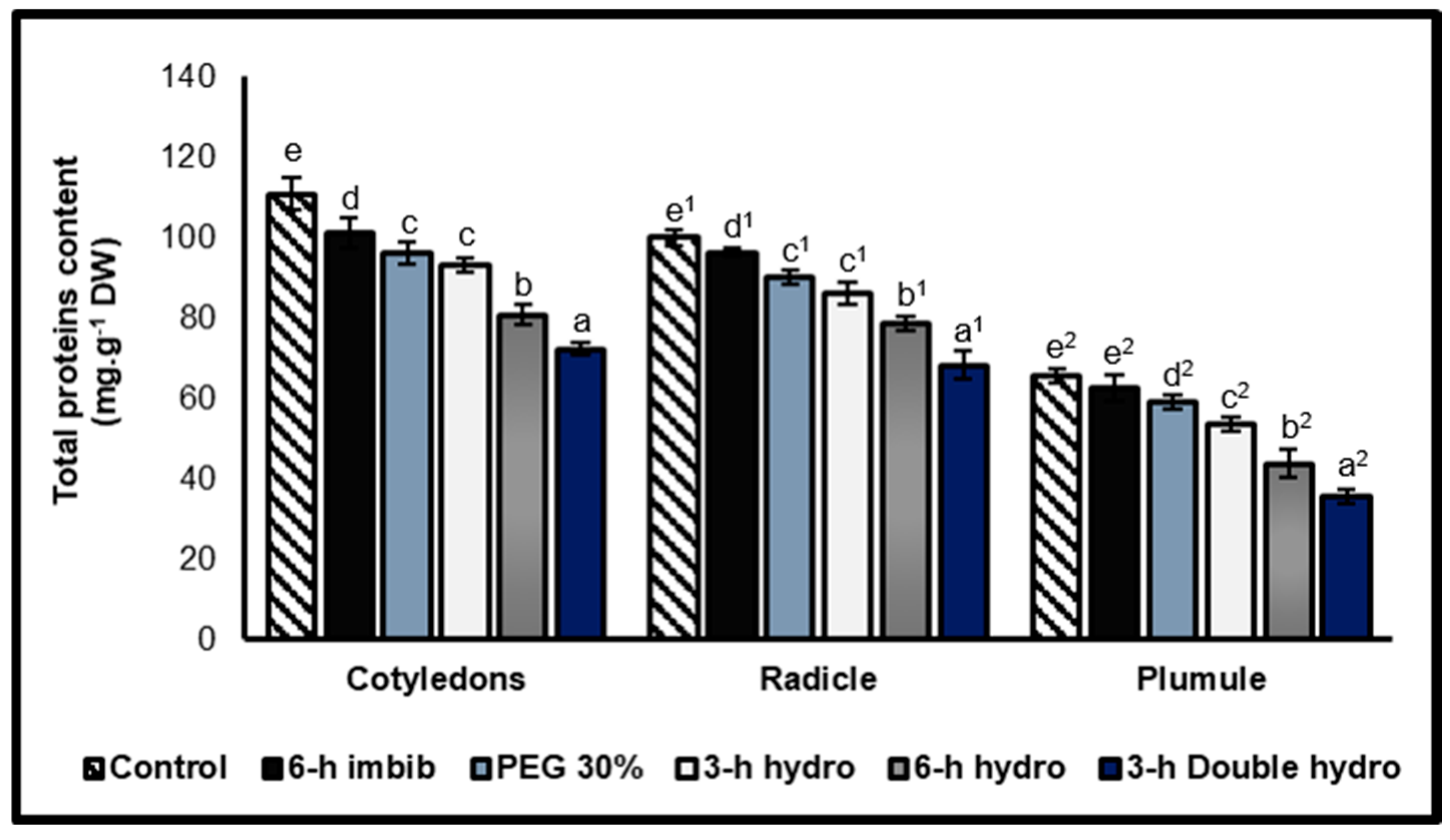
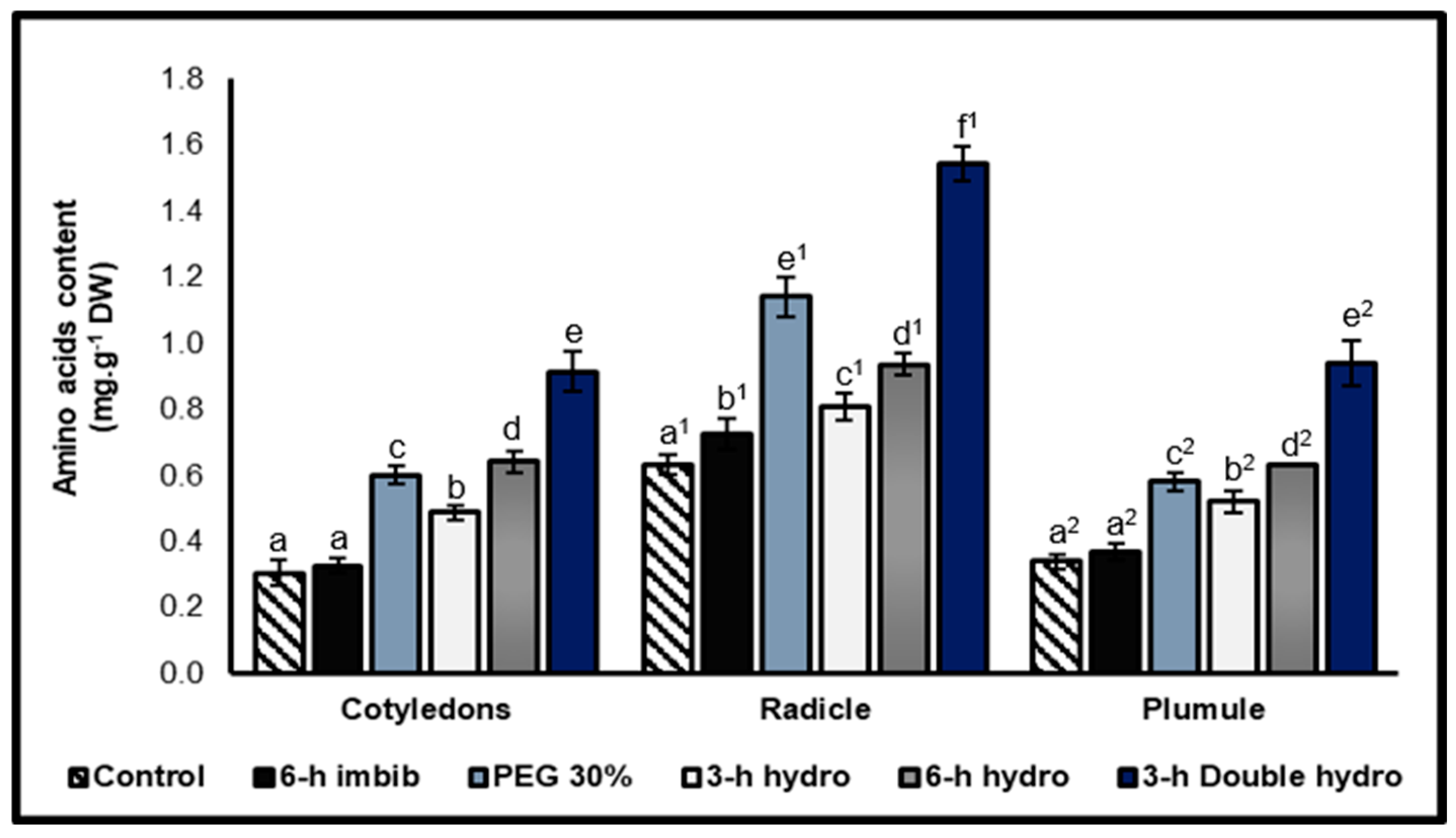
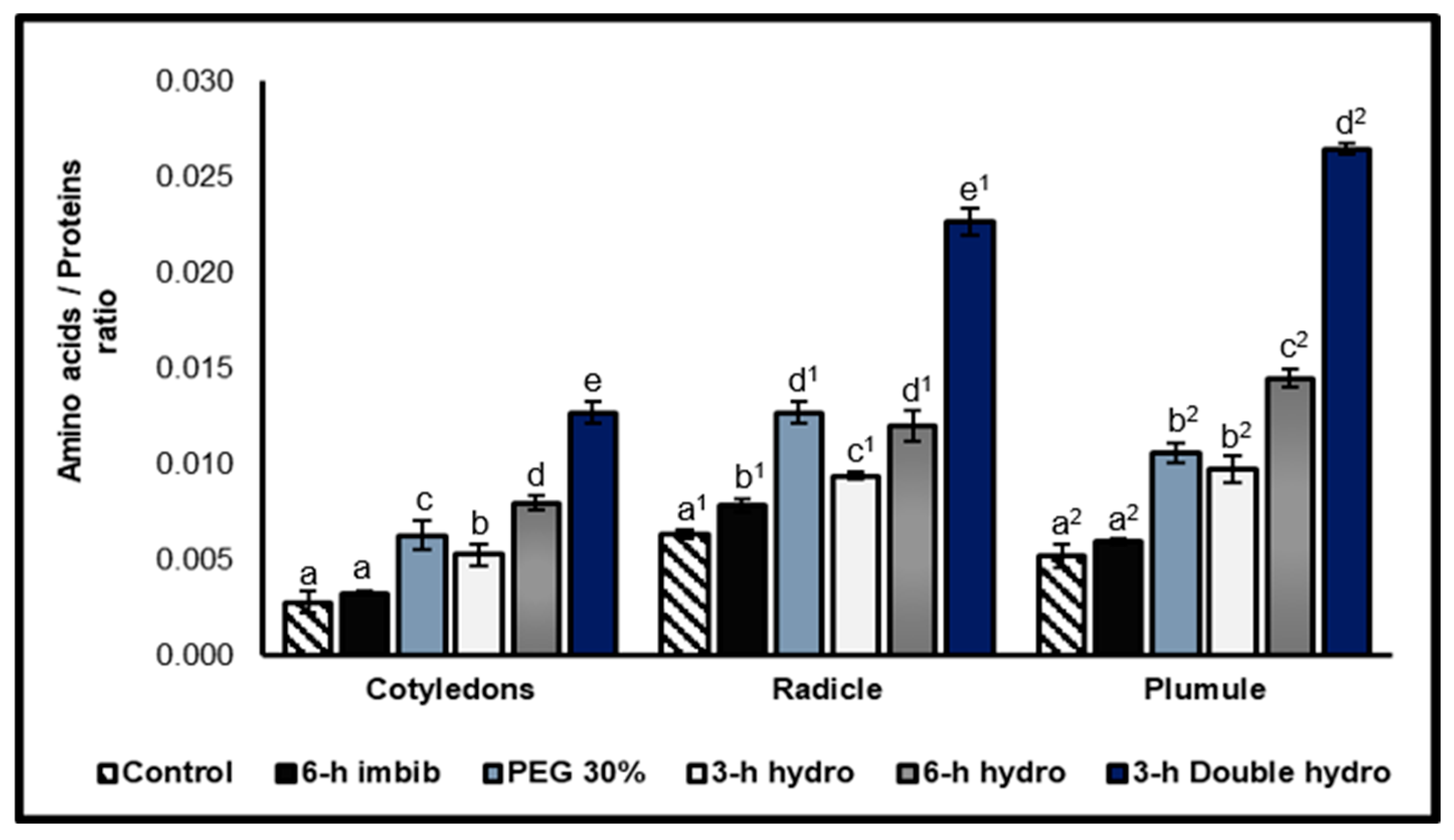
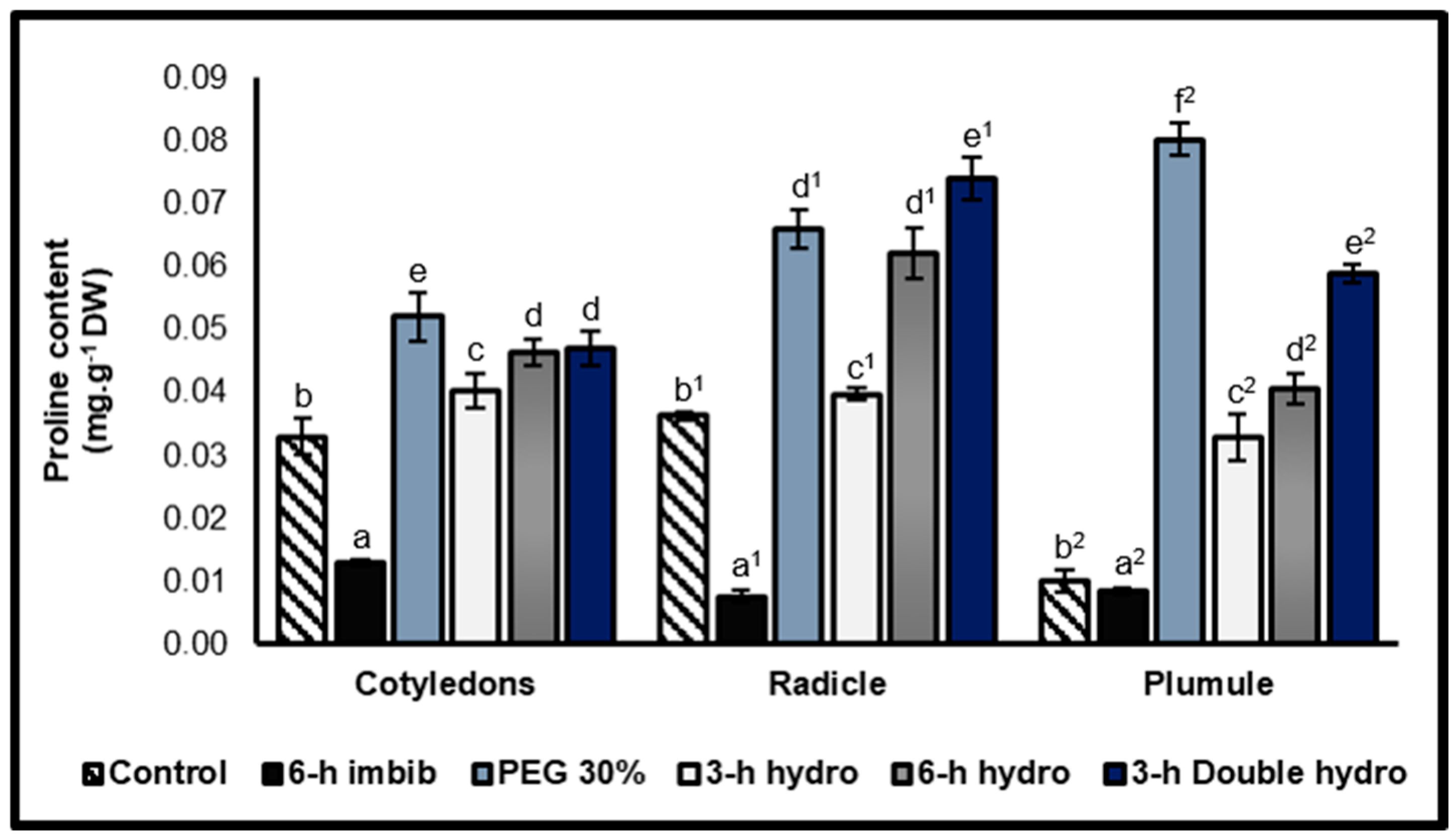
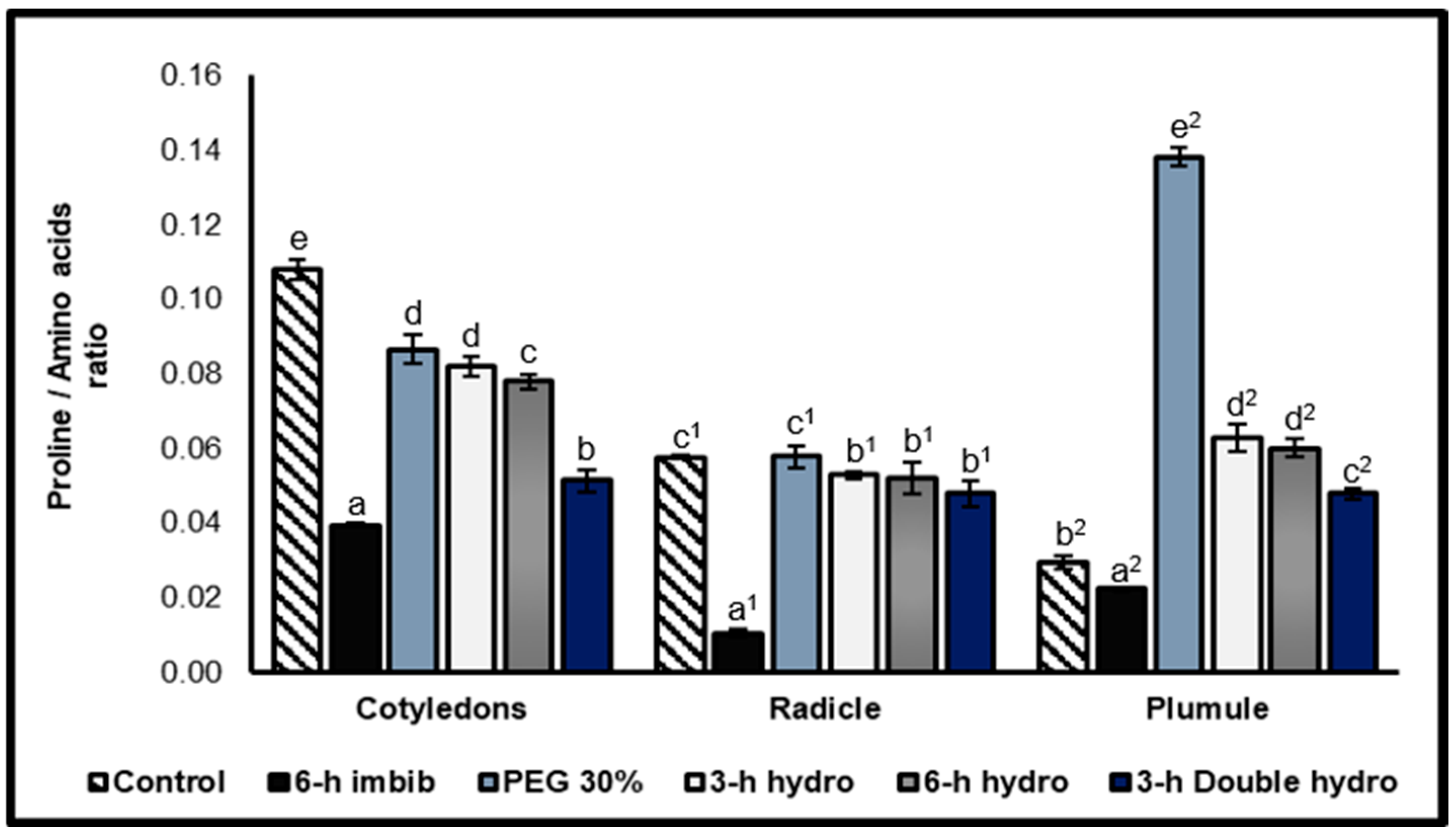
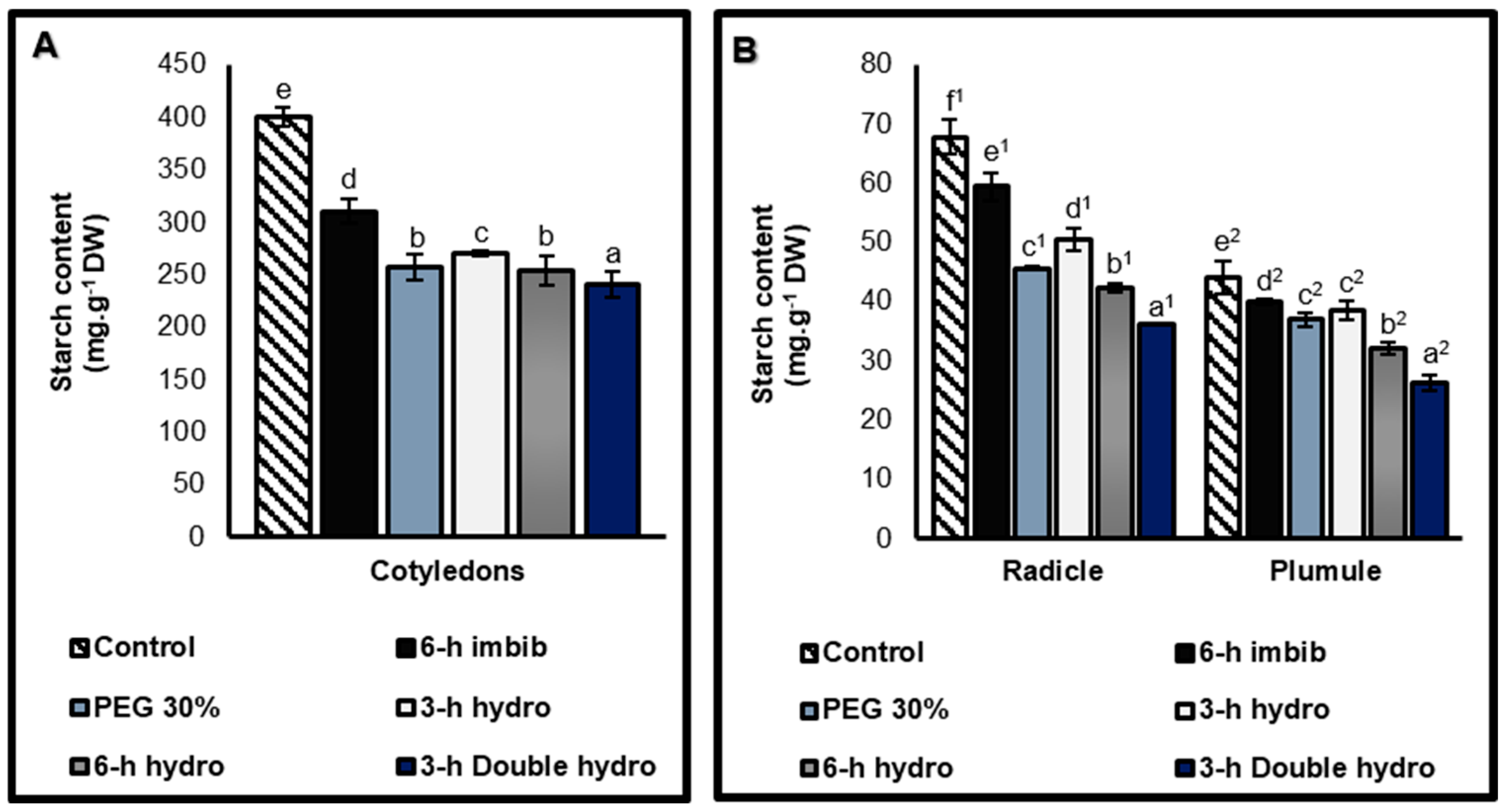
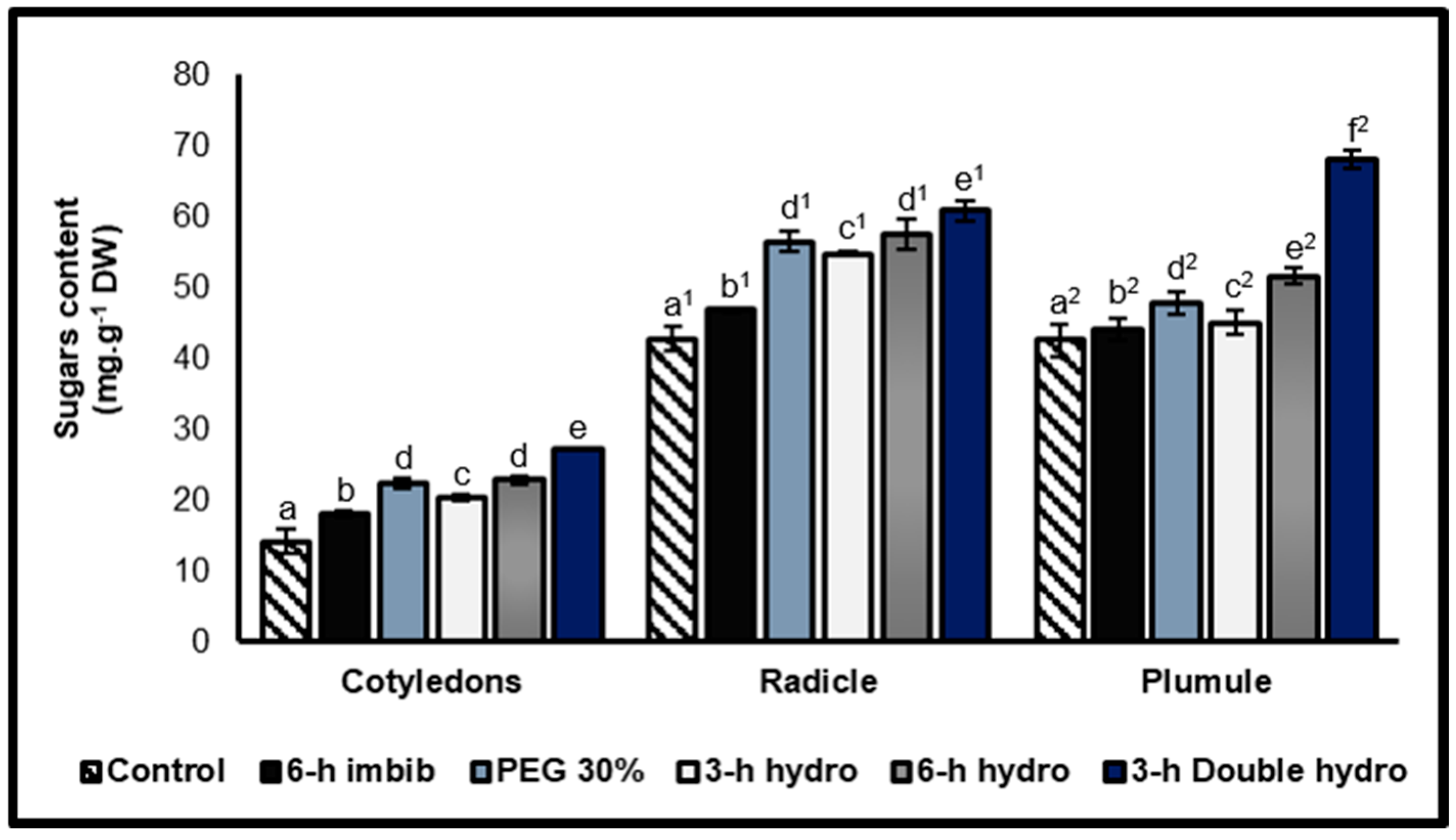
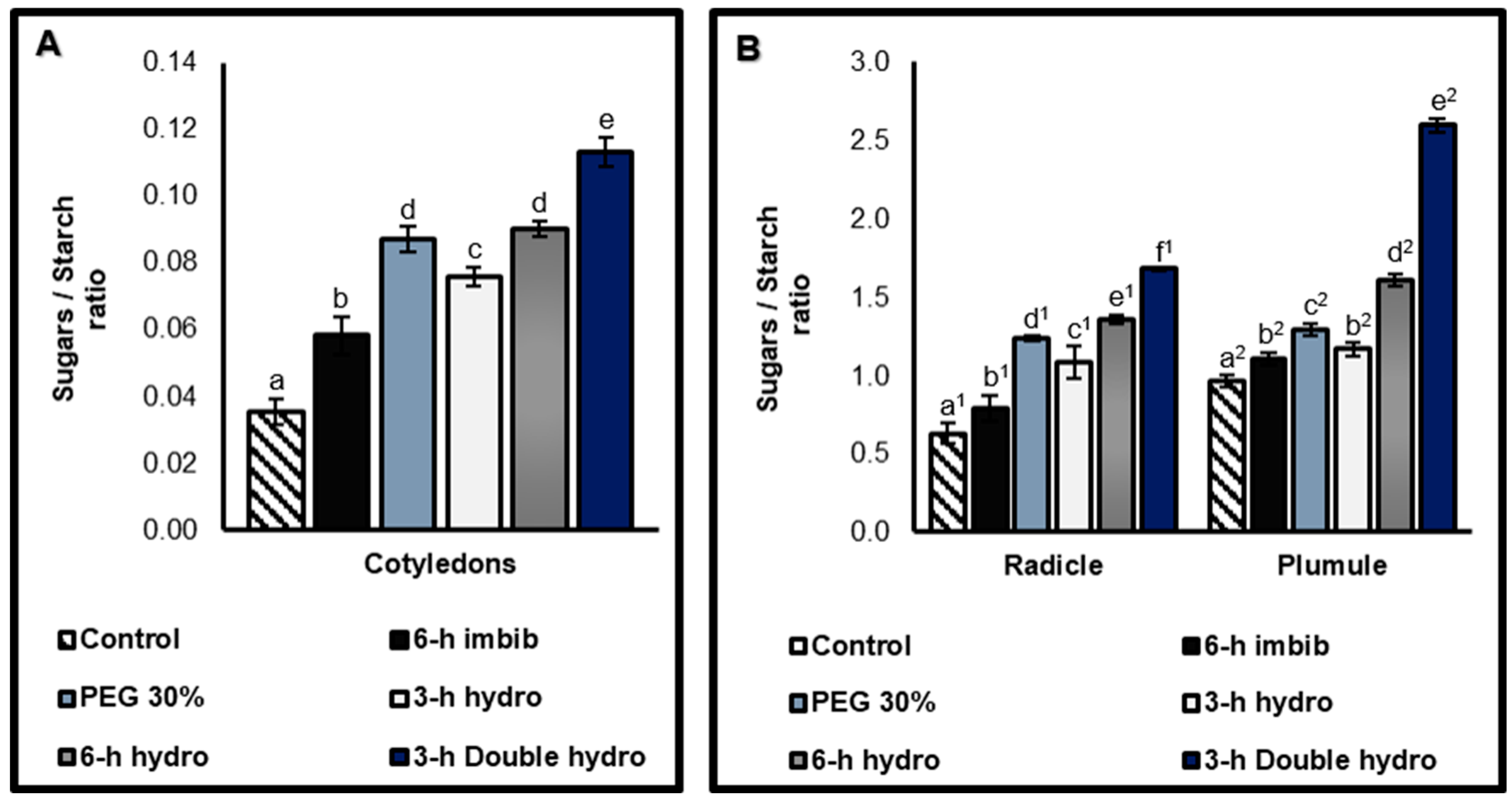
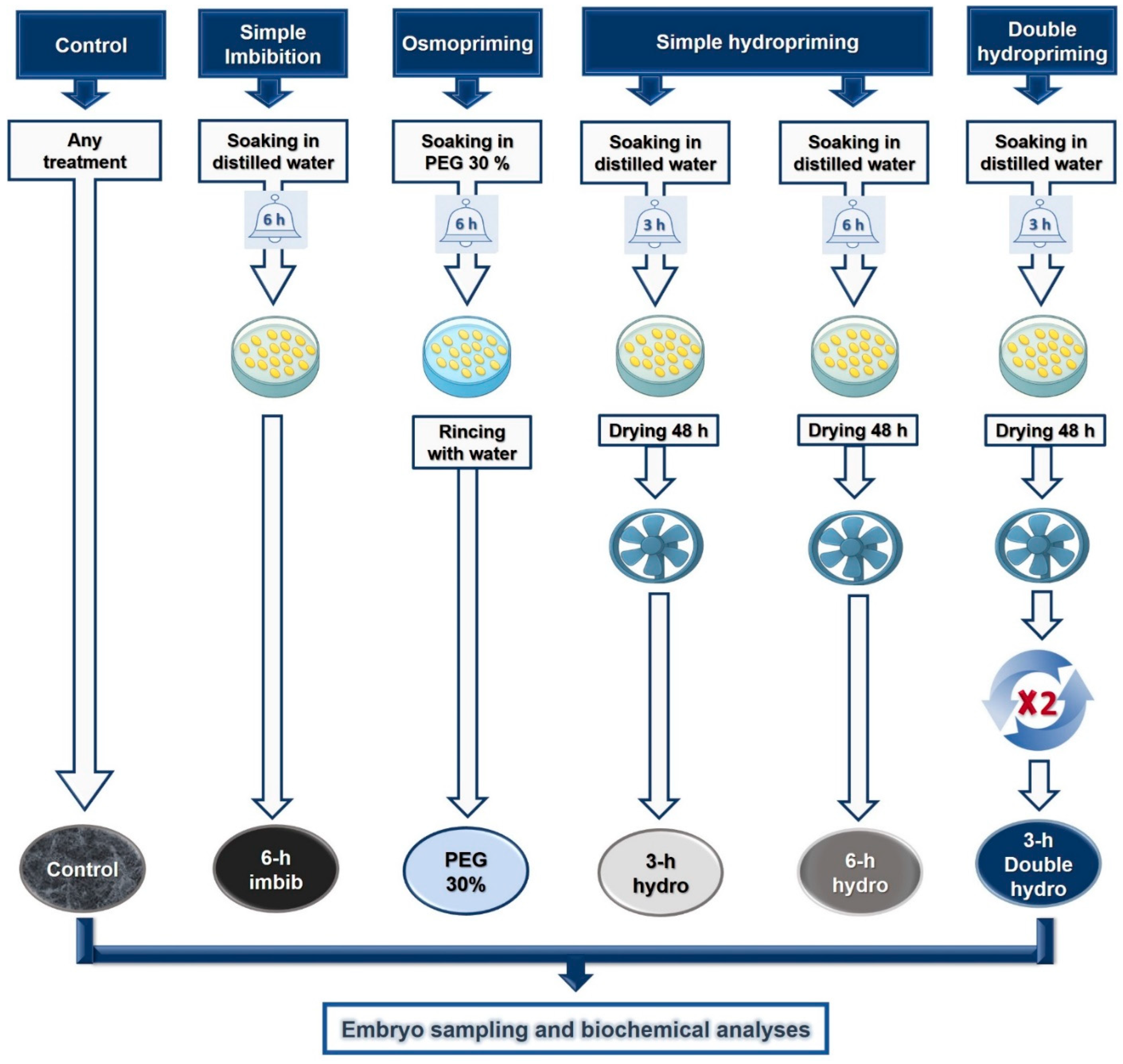
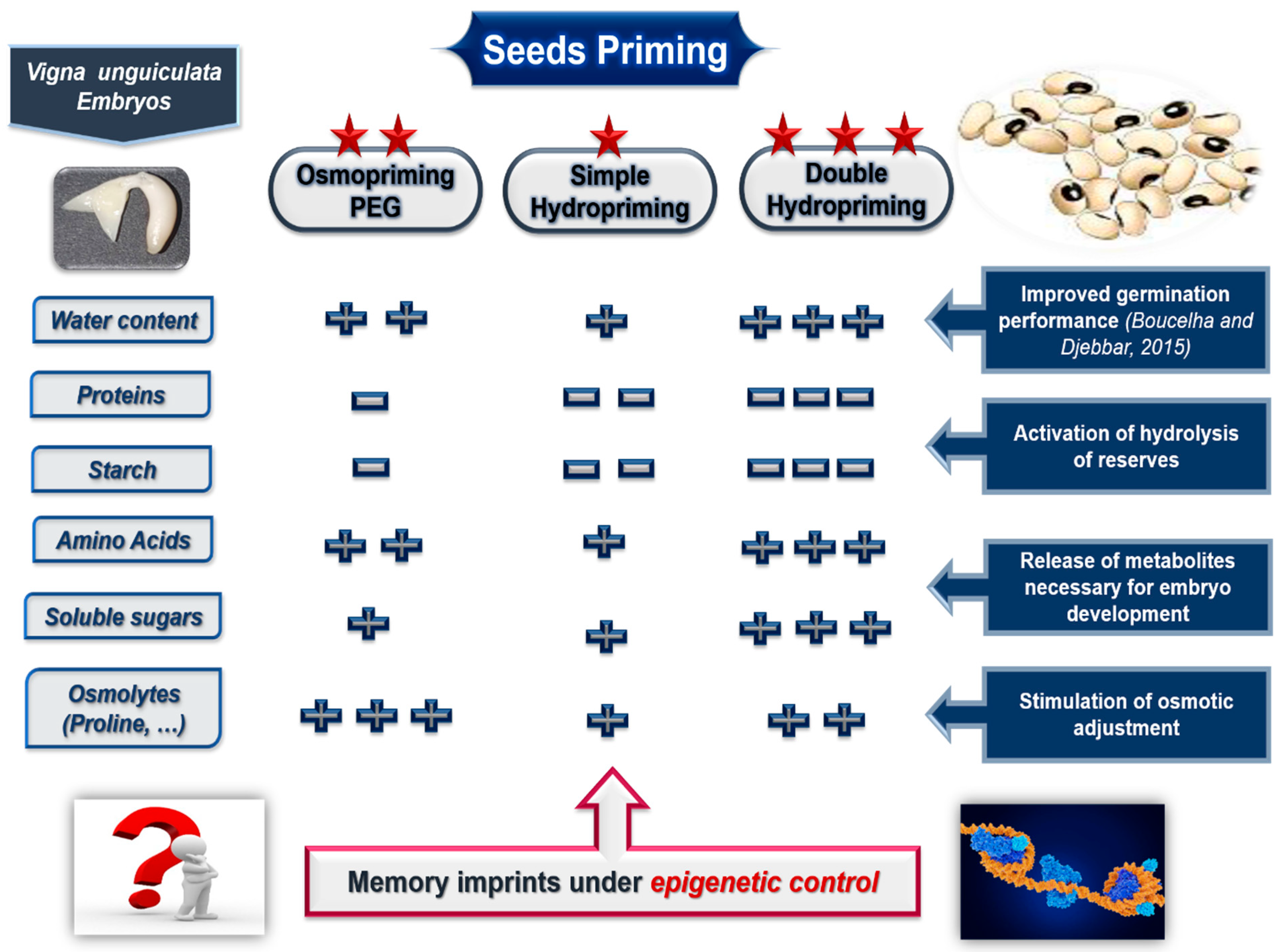
Seed priming has become a promising technique in agriculture and crop-stress management. Several authors have shown that the positive effects of seed priming are associated with various metabolic, physiological, and biochemical modifications (enzyme activation, membrane repair, initiation of DNA/RNA, and protein synthesis) that enhance the speed, uniformity, and vigor of germination. However, the mechanisms underlying seed priming are not yet well understood. The aim of our work was to study the quantitative and qualitative metabolic changes in the embryonic axes (radicle and plumule) and cotyledons of Vigna unguiculata (L.) Walp. Seeds were subjected to osmopriming with polyethylene glycol (PEG), simple hydropriming, and double hydropriming (a novel treatment). Results indicated that all types of priming, particularly double hydropriming, strongly stimulated the hydrolysis of protein and carbohydrate reserves. This resulted in a decrease in soluble proteins and starch contents and an increase in amino acids and soluble sugars contents. Moreover, the priming promoted the biosynthesis of osmolytes such as proline and induced qualitative changes in the composition of amino acids and soluble sugars. These biochemical changes depend on the organ and treatment method applied to the seeds. It is worth noting that double hydropriming induces metabolic modifications to a greater extent than single hydropriming.
Keywords: germination; double hydropriming; metabolism; seed; embryo; cowpea germination; double hydropriming; metabolism; seed; embryo; cowpea