Abstract
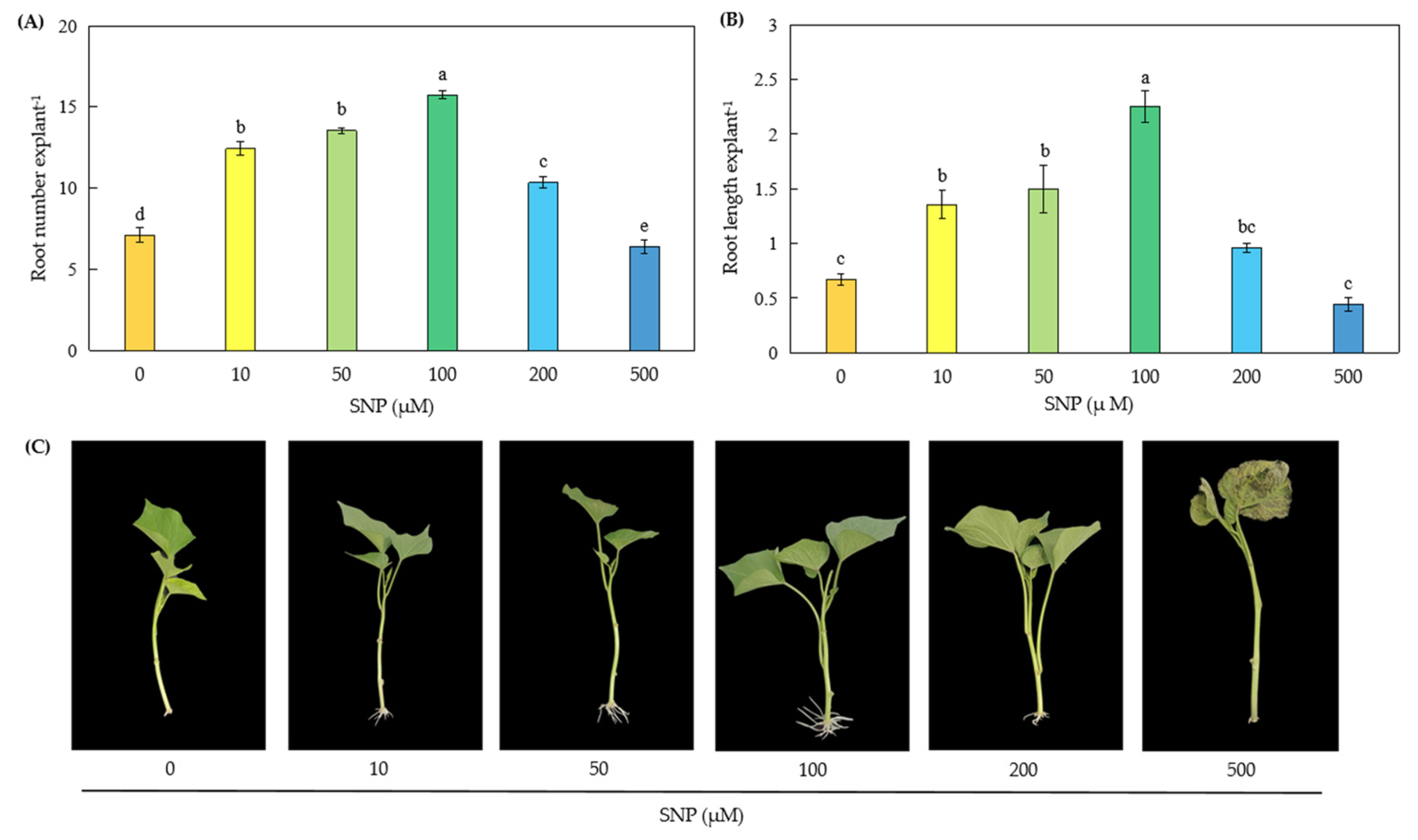
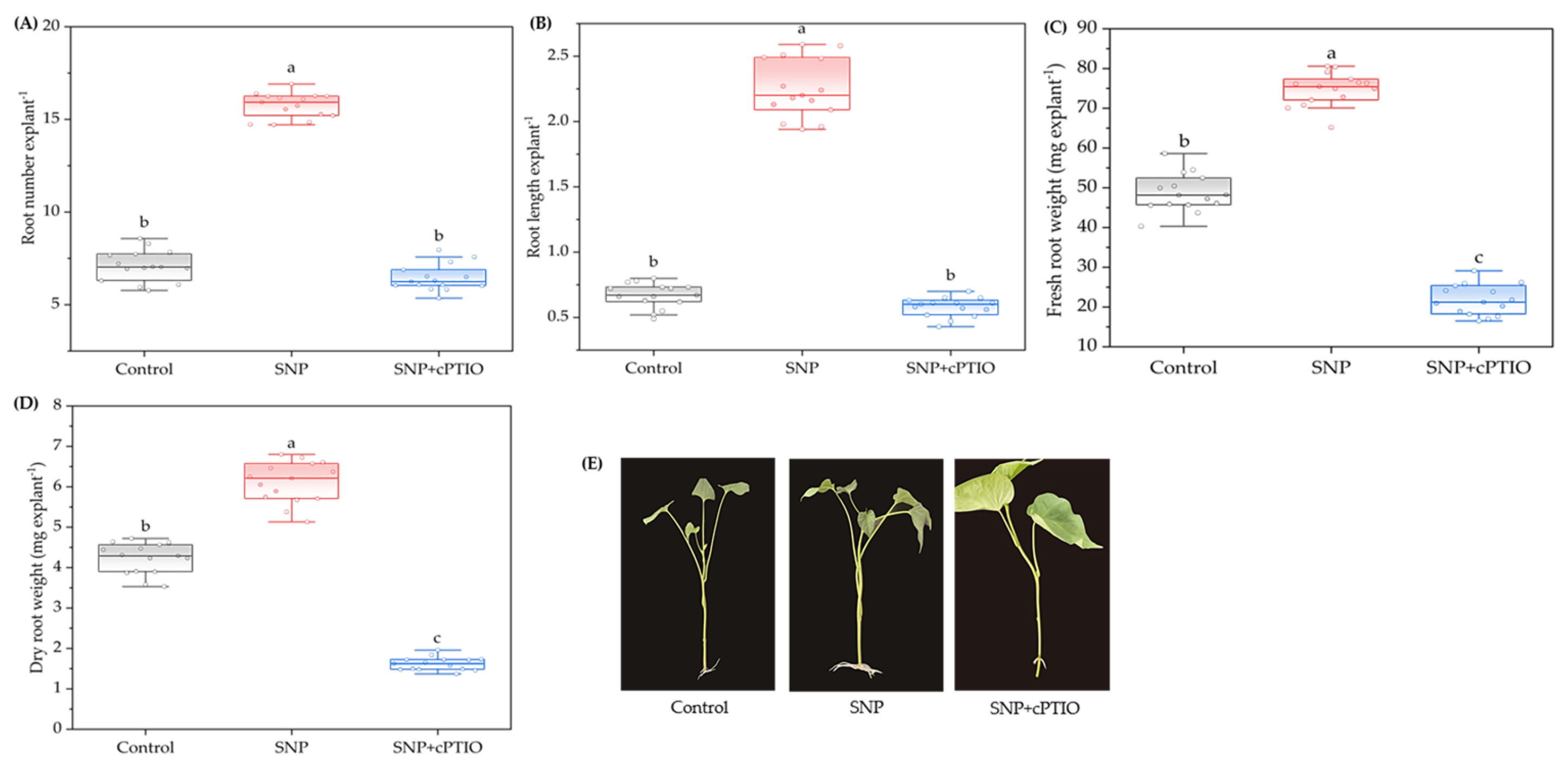
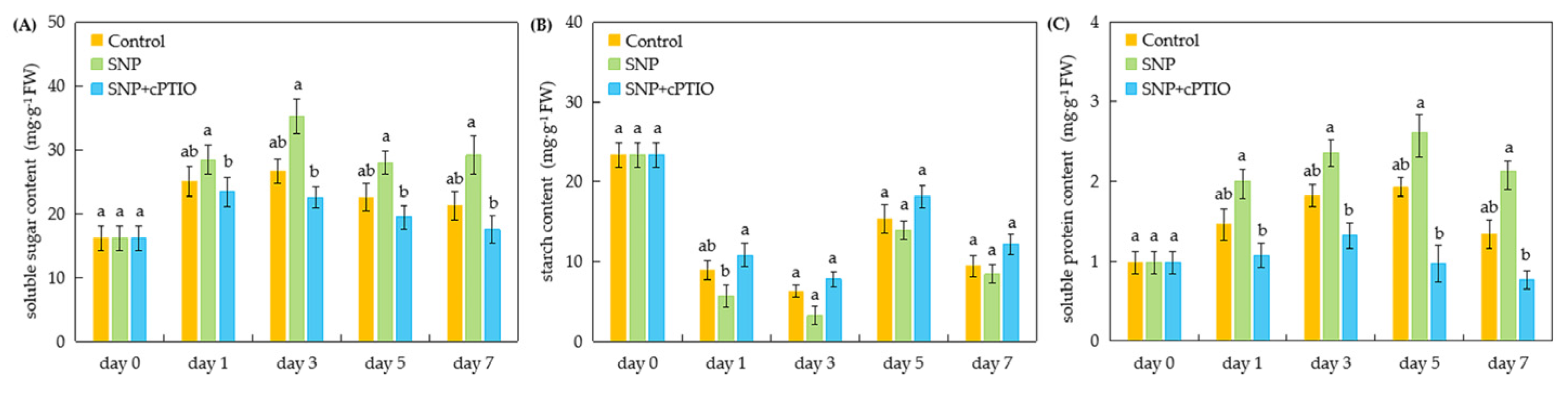
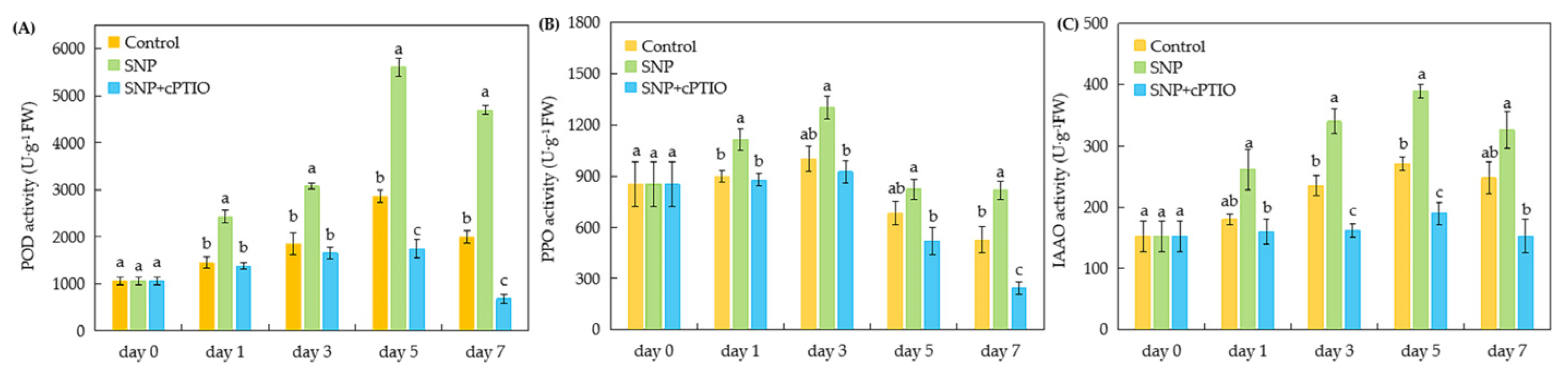
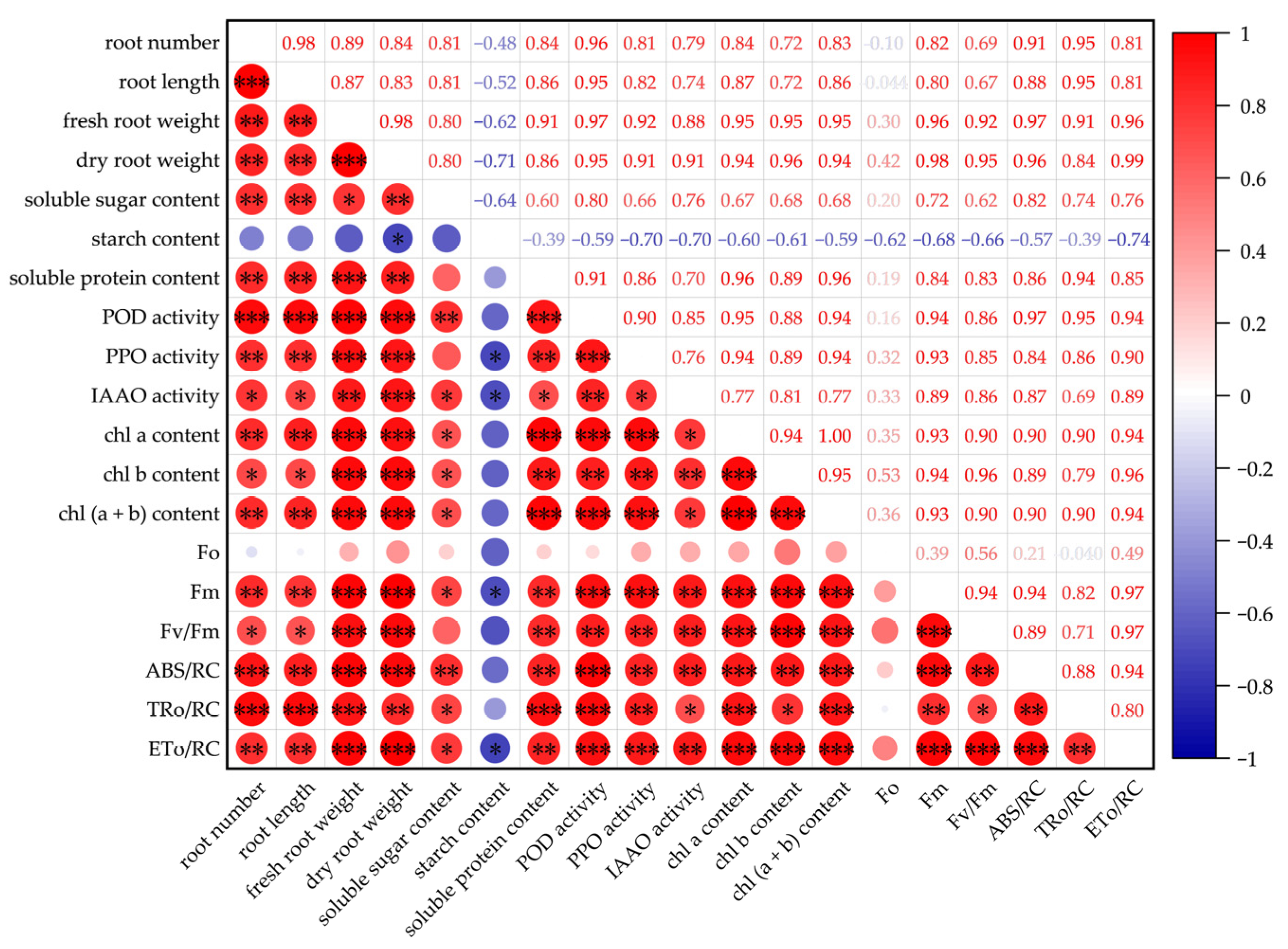
Adventitious rooting is a key step for the clonal propagation of many economically important horticultural and woody species. Accumulating evidence suggests that nitric oxide (NO) serves as a key signaling molecule with key roles in root organogenesis. However, the role of NO in adventitious root development and its underlying mechanism in sweetpotato cuttings remain to be clarified. In this study, a pot experiment was conducted using hydroponically cultured sweetpotato cuttings (Ipomoea batatas cv. ‘Jin Ganshu No. 9’) treated with different concentrations of sodium nitroprusside (SNP, an NO donor) solution (0, 10, 50, 100, 200, and 500 μmol·L−1). Three treatments were established: Control, SNP (the optimal concentration of SNP), and SNP + 2-(4-carboxyphenyl)-4,4,5,5-tetramethylimidazoline-1-oxyl-3-oxide (cPTIO, an NO scavenger). The results showed that NO promoted adventitious rooting in a dose-dependent manner, with the maximal biological response observed at 100 μM SNP. At this concentration, the root number and length of adventitious roots increased by 1.22 and 2.36 times, respectively, compared to the control. SNP treatment increased fresh root weight, dry root weight, the content of soluble sugar, soluble protein, chlorophyll a (Chl a), chlorophyll b (Chl b), and total chlorophyll (a + b) [Chl(a + b)], as well as the activities of peroxidase (POD), polyphenol oxidase (PPO), and indole acetic acid oxidase (IAAO). It also enhanced the levels of maximum fluorescence (Fm), maximum photochemical efficiency of photosystem II (Fv/Fm), absorbed light energy (ABS/RC), trapped energy flux (TRo/RC), and electron transport flux (ETo/RC), while decreasing starch content and initial fluorescence (Fo). On the 7th day, the SNP treatment significantly enhanced several biochemical parameters compared to the control. We observed an increase in many of the parameters: POD activity by 1.35 times, PPO activity by 0.55 times, chlorophyll content (Chl a by 0.66 times, Chl b by 0.22 times, and Chl a + b by 0.57 times), and photosynthesis parameters by 28–98%. Meanwhile, starch content and Fo in the SNP treatment decreased by 10.77% and 23.86%, respectively, compared to the control. Furthermore, the positive effects of NO on adventitious root development and associated biochemical parameters were reversed by the NO scavenger cPTIO. Additionally, significant and positive correlations were observed between morphological characteristics and most physiological indicators. Collectively, these results demonstrate that NO promotes adventitious root formation, which may be by enhancing rooting-related enzyme activities, improving photosynthetic performance in leaves, and accelerating the metabolism of soluble sugar, soluble protein, and starch.