Article

Assessing Spectral Analysis of Phytoconstituents and Their In Silico Interactions with Target Proteins in Plant Seed Extracts

1
Department of Plant Biology and Biotechnology, Loyola College (Autonomous), Affiliated to University of Madras, Chennai 600034, Tamil Nadu, India
2
Department of Chemistry, Loyola College (Autonomous), Affiliated to University of Madras, Chennai 600034, Tamil Nadu, India
3
Department of Biotechnology, Yeungnam University, Gyeongsan-si 385541, Gyeongbuk, Republic of Korea
4
Department of Biological Sciences, Faculty of Science, King Abdulaziz University (KAU), Jeddah 21589, Saudi Arabia
5
Centre of Excellence in Bionanoscience Research, King Abdulaziz University (KAU), Jeddah 21589, Saudi Arabia
*
Authors to whom correspondence should be addressed.
Plants 2023, 12(19), 3352; https://doi.org/10.3390/plants12193352

Submission received: 26 August 2023 / Revised: 13 September 2023 / Accepted: 19 September 2023 / Published: 22 September 2023
(This article belongs to the Special Issue Antimicrobial Activity of Natural Compounds)

Abstract

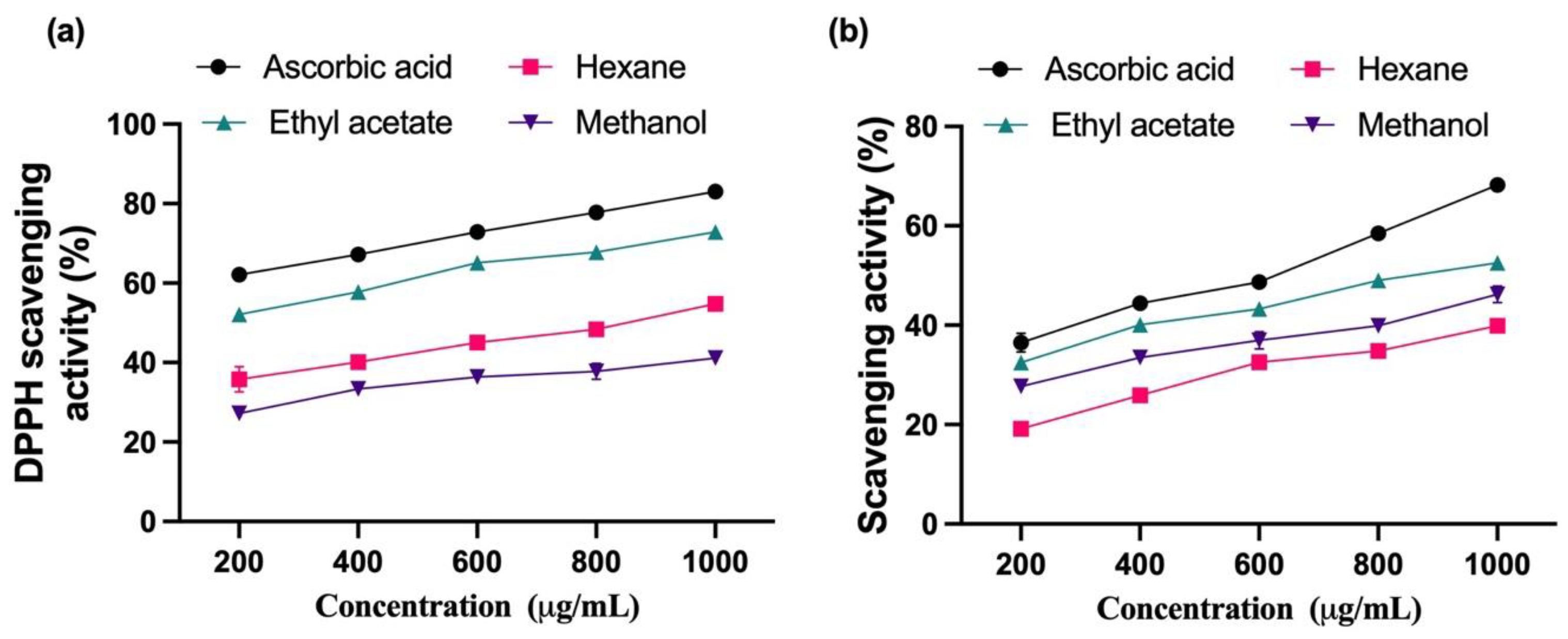
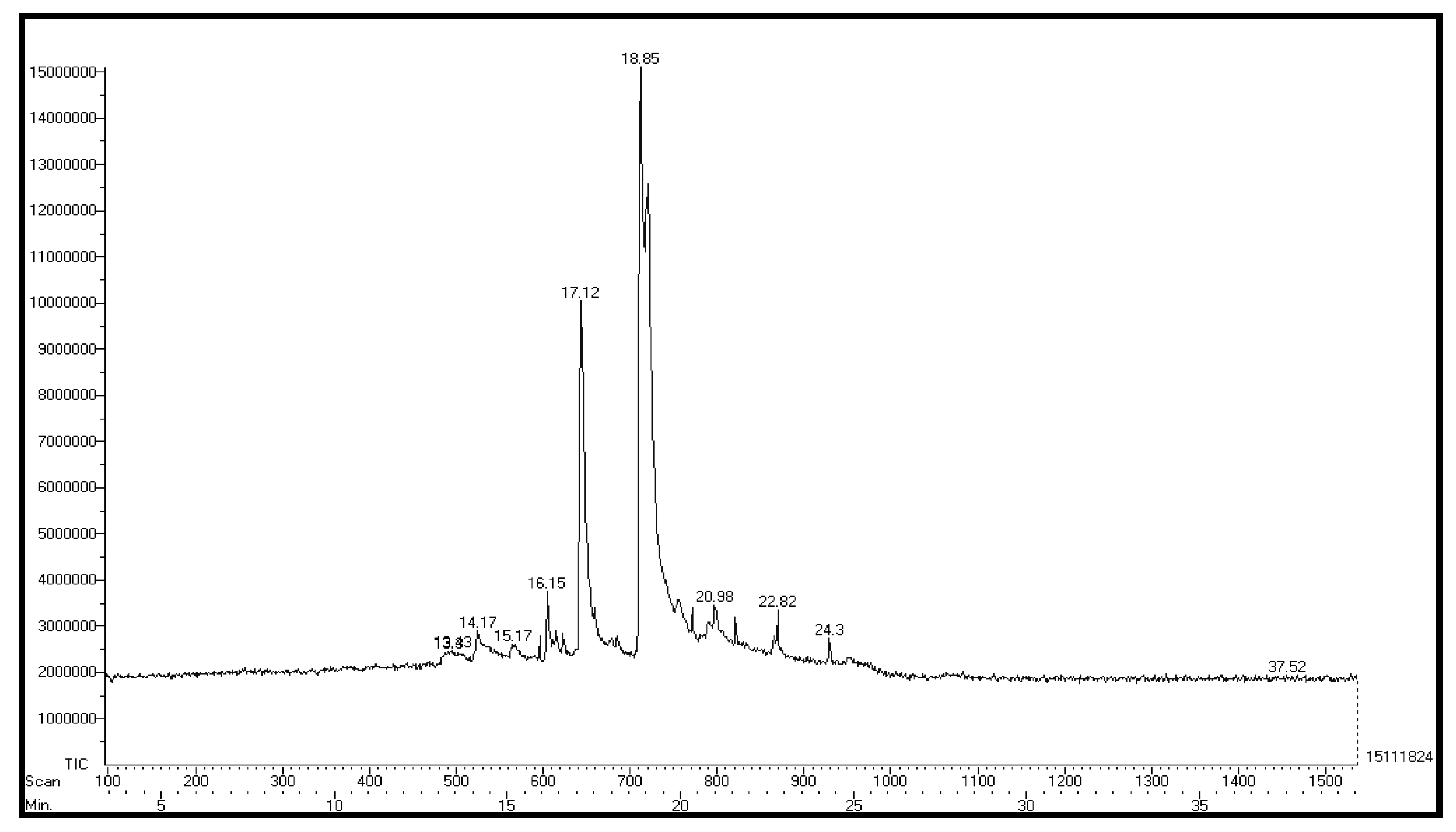
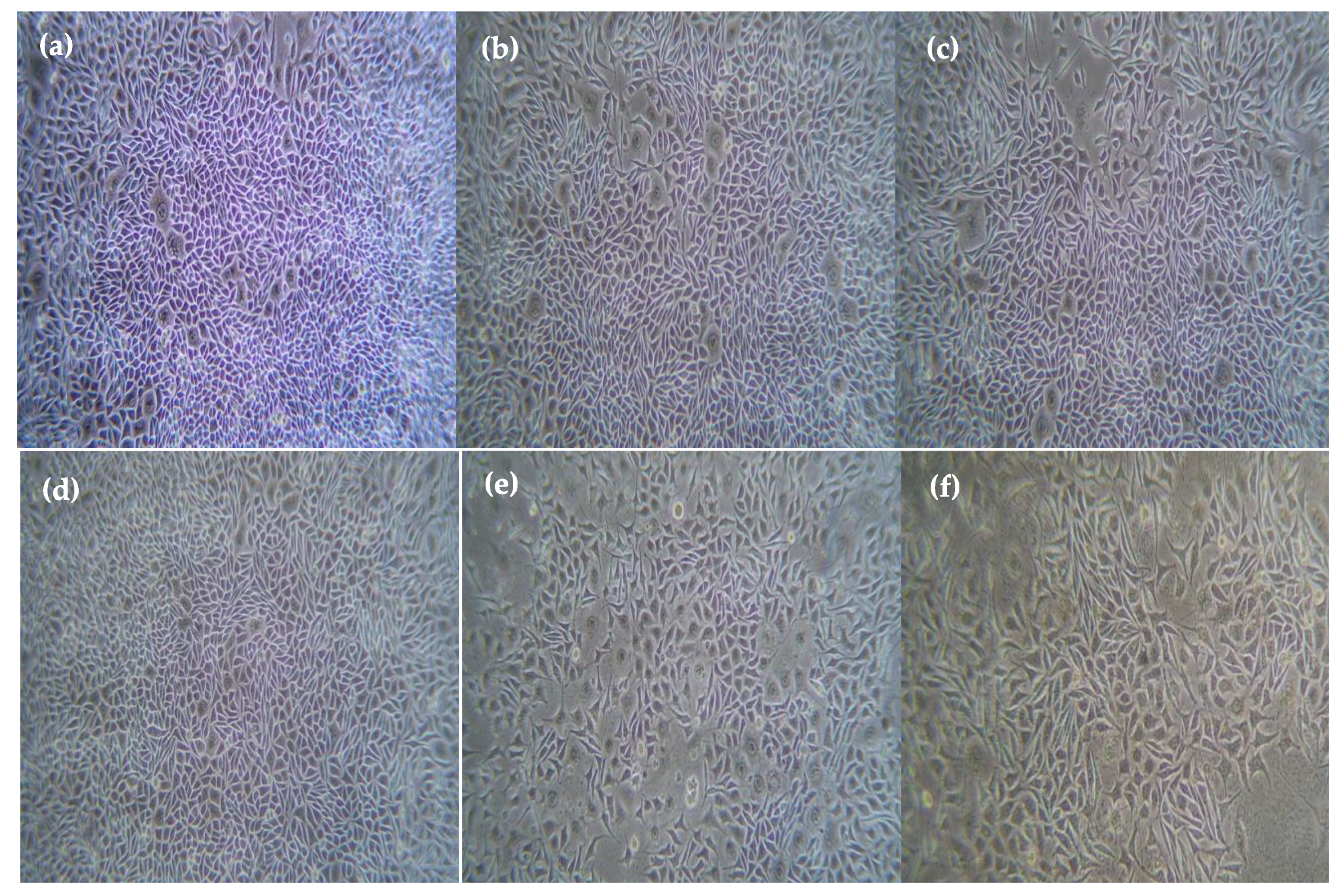
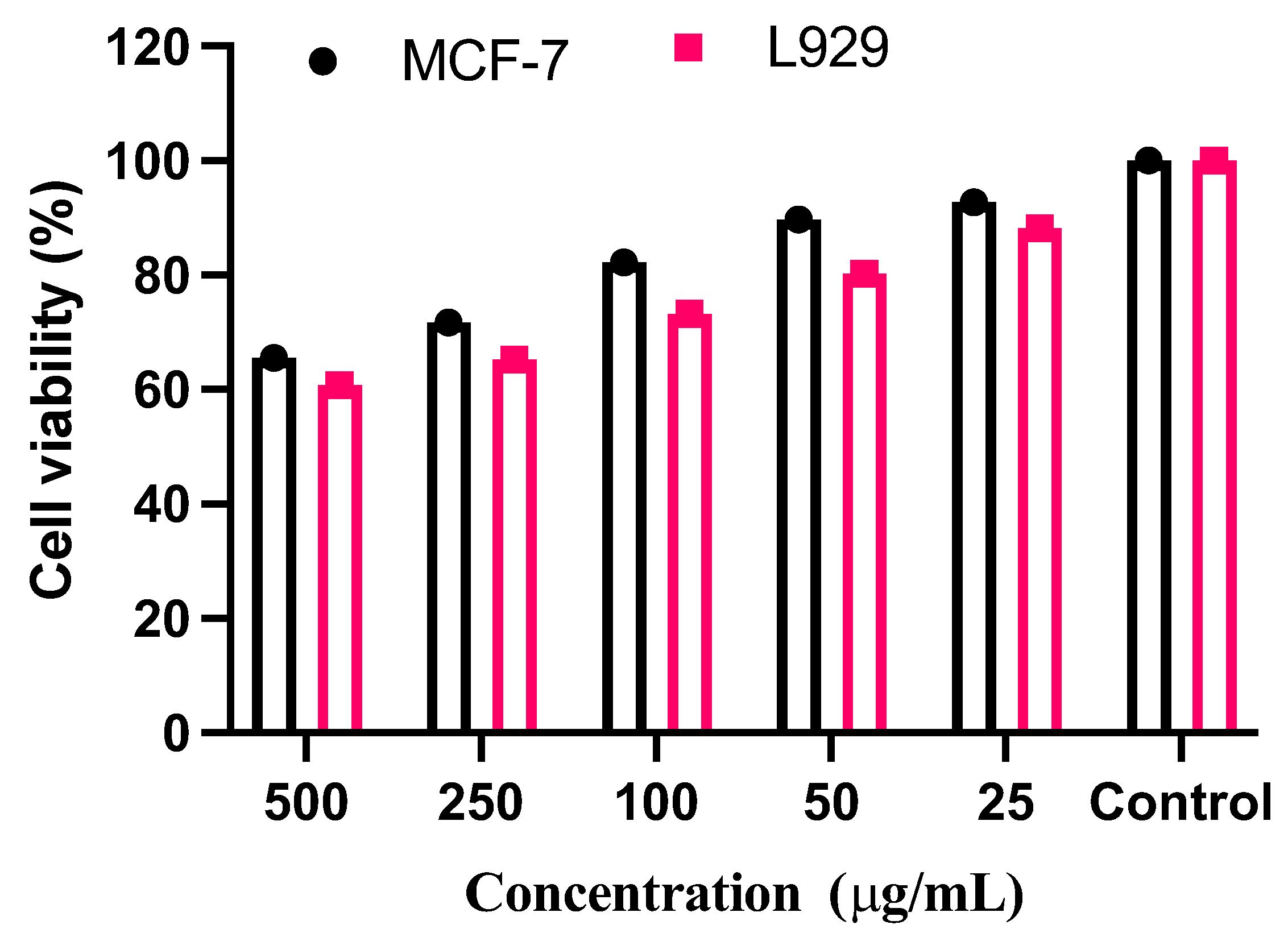
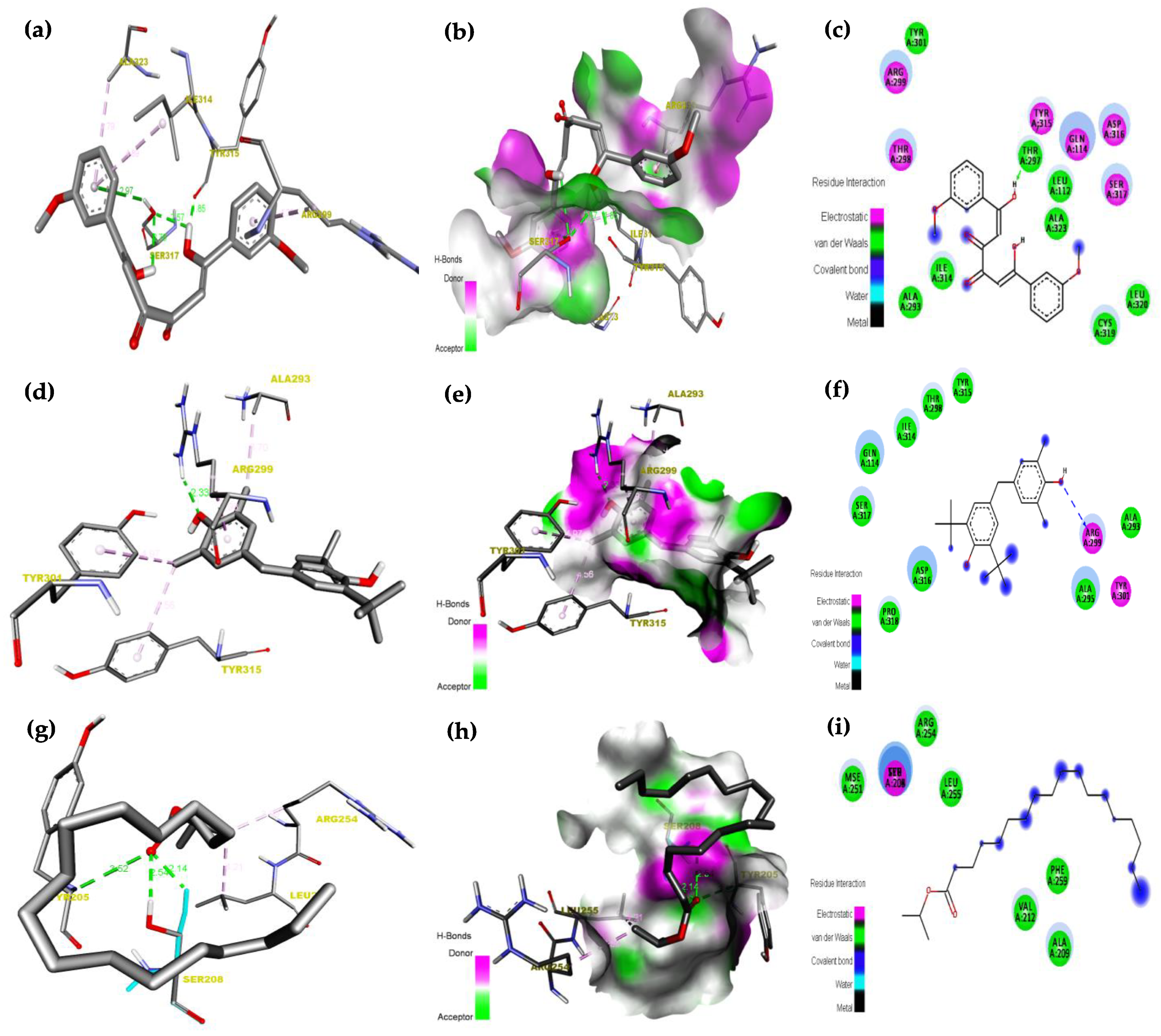
The pharmacological and preventive attributes of extracts from vegetable seeds have garnered widespread recognition within the scientific community. This study systematically assessed the in vitro antibacterial, antioxidant, and anti-breast cancer properties of phytochemicals present in various solvent-based vegetable seed extracts. We also conducted molecular docking simulations to ascertain their interactions with specific target proteins. Besides, nine distinct chemical constituents were identified using gas chromatography-mass spectrometry (GCMS). Remarkably, the ethyl acetate extract exhibited robust inhibitory effects against Gram-positive and Gram-negative bacterial strains. Furthermore, its capacity for 2,2-diphenyl-1-picrylhydrazyl (DPPH) scavenging was found to be noteworthy, with an IC50 value of 550.82 ± 1.7 µg/mL, representing a scavenging efficiency of 64.1 ± 2.8%. Additionally, the ethyl acetate extract demonstrated significant hydrogen peroxide (H2O2) scavenging activity, with a maximal scavenging rate of 44.1 ± 1.70% (IC50) at a concentration of 761.17 ± 1.8 µg/mL. Intriguingly, in vitro cytotoxicity assays against human breast cancer (MCF-7) cells revealed varying levels of cell viability at different extract concentrations, suggesting potential anticancer properties. Importantly, these ethyl acetate extracts did not display toxicity to L929 cells across the concentration range tested. Subsequently, we conducted in-silico molecular docking experiments utilizing Discovery Studio 4.0 against the c-Met kinase protein (hepatocyte growth factor; PDB ID: 1N0W). Among the various compounds assessed, 3,4-Dihydroxy-1,6-bis-(3-methoxy-phenyl)-hexa-2,4-diene-1,6-dione exhibited a notable binding energy of −9.1 kcal/mol, warranting further investigation into its potential anticancer properties, clinical applications, and broader pharmacological characteristics.
Keywords: vegetable seed; GC-MS; antibacterial; antioxidant; anti-breast cancer; in-silico molecular docking vegetable seed; GC-MS; antibacterial; antioxidant; anti-breast cancer; in-silico molecular docking