


Abstract
Modern web and tourist maps use pictorial symbols to help users quickly and easily identify Points of Interest (POIs). Pictorial symbols are sometimes misinterpreted due to poor design choices. As a result, it is important to evaluate pictorial symbols with map users. This paper uses an online questionnaire to examine how different graphic parameters—such as frame outline, frame background, frame shape, color hue, and pictogram category (semantic, visual, or arbitrary)—are perceived by map users. The evaluation of pictograms includes three aspects: understanding, to capture the map reader’s opinion; preference, to investigate the map maker’s choice; and appropriateness, to document the evaluation of an existing map. Seven popular Points of Interest (POIs) were selected for the evaluation of pictorial symbols: Hotel, Restaurant, Parking, Museum, Airport, Hospital, and Church. Based on the questionnaire results and the statistical analysis of 520 responses, several conclusions were drawn. Users prefer symbols with a frame outline and a frame background. They also prefer symbols with a white background, which increases contrast and improves legibility. In contrast, users do not have a strong preference for a specific frame shape. In general, users can recognize symbol groups based on frame shape, but the effect is stronger when the color hue appears in the frame background or outline. The statistical analysis demonstrates that perceived appropriateness constitutes an objective measure related to comprehension. Furthermore, appropriateness is independent of the pictogram classification as semantic, visual, or arbitrary. Instead, it is determined by the graphic ability of the pictogram to represent a specific POI. This conclusion reaffirms the importance of designing successful semantic and visual pictograms or adopting those already familiar to map users, as familiarity has also been identified as an important factor by this research. Overall, this paper, based on user evaluations, provides practical insights to improve pictorial symbols on a tourist map.
1. Introduction
Tourist maps are essential for the spatial orientation and communication of important information to visitors, especially when exploring unfamiliar environments. For map users, symbols often indicate what is available in a place or the location of a specific landmark. They help users understand reality, locate services, orient, and make navigation decisions. A key component of tourist maps is the design of map symbols that represent Points of Interest (POIs), such as hotels, museums, and restaurants, enabling the rapid, effective communication of geospatial information. If symbols are unclear or difficult to interpret, they can slow down navigation and lead to misunderstandings. Today, the widespread use of ready-made basemaps, e.g., Google Maps, OpenStreetMap, shifts the challenge of map design to the design of point symbols. It is possible to create maps that are both aesthetically pleasing and functionally effective by making careful stylistic choices [1]. The representation of tourist landscapes at different levels of abstraction also affects cartographic communication and user interpretation, particularly in web-based tourist maps [2]. However, current pictorial symbol designs sometimes fail to convey key spatial information effectively [3], such as interpretation, category differentiation and visual grouping, potentially limiting the usefulness of maps for guiding tourists.
From a theoretical perspective, map symbol design is a well-studied topic in Cartography. Bertin [4] introduced the concept of visual variables, presenting elements such as color hue, size, and shape as the basic means through which information is visually encoded and perceived. These variables form the theoretical foundation of cartographic symbolization. Based on this theory, MacEachern [5] linked the design of symbols to cognitive processes, emphasizing that users interpret symbols and form mental representations of space. Specific design characteristics play an important role in how symbols communicate information effectively on maps. Pictorial symbols are generally easier to understand than abstract ones [6,7,8]. In terms of how quickly symbols are noticed, several symbol characteristics are mentioned in the literature: symbol size and color hue [9], shape, visual balance, degree of abstraction [10,11], clarity and simplicity [9,12] and visual complexity [13].
The design of symbols for tourist maps in digital display environments has been previously investigated, highlighting the importance of clarity, contrast, and visual distinctiveness for effective on-screen communication [14]. Research on qualitative symbolism and visual perception shows that people interpret symbols based on their concreteness, familiarity, and the semantic distance between the symbol and its referent [15,16]. Korpi et al. [17] showed that the shape and color of pictograms influence how easily users recognize them. It seems that the above also influence how quickly users notice a symbol and how accurately they understand its meaning. This effect is especially strong when users rely on intuitive judgment rather than on formal map-reading skills, as with tourist maps. For this reason, symbols must be simple and easy to recognize while still clearly representing their meaning. This balance supports fast understanding and effective decision making [18,19].
Recent research further supports this cognitive approach by linking symbol design features to systematic user evaluation and empirical testing methods [18]. Results show that the user perspective matters when comparing different symbol design options. Konstantinou et al. [20] reported that visual or semantic symbols are more commonly used in popular online maps because they are considered easier to recognize and interpret. Apart from user experience [12], more recent work also emphasizes the role of cultural background in interpreting symbols [21].
A systematic analysis of existing pictorial symbols in online maps contributes toward our understanding of current design practices [20]. The detailed review of pictorial symbols used in popular online map services such as Google Maps and tourist maps [20] reveals the poor design of pictorial symbols and the insufficient use of graphic parameters traditionally proposed by classic texts in Cartography and visual perception literature, such as frame outline, color or frame shape, pictograms, etc. Modern mapmakers seem to overlook the role of graphic parameters in the successful design of pictorial symbols and ignore their function. For example, frame elements, such as outline and background, support visibility and separation from the map, while color and shape can be used to support grouping and differentiation. The design or choice of pictograms with different levels of abstraction, familiarity and representation function is also very important as it influences how users recognize and interpret symbols.
Considering the above, this paper employs a questionnaire to examine map users’ opinion on the graphic parameters used in pictorial symbols. The aim is to contribute to symbol design practices that improve map clarity and usability, thereby enabling even non-experts to create effective maps. The structure of this paper is as follows: Section 2 outlines the research objective and the three core research questions guiding the study. Section 3 focuses on methodology, questionnaire design, and implementation. Section 4 presents the analysis of the results in relation to the research questions. Finally, Section 5 provides the discussion and main conclusions of the study along with suggestions for future research.
2. Research Objectives
Pictorial symbols on tourist maps intuitively represent Points of Interest (POIs). Building on MacEachern’s work [5], Konstantinou et al. [20] defined a method for the description of pictorial symbols with several graphic parameters: the existence or absence of a frame background and a frame outline, the frame outline color, the frame background color, the pictogram color, the frame shape and the pictogram. For example, in Figure 1, these graphic parameters are used to describe a pictorial symbol for the Airport.
Figure 1.
Example of graphic parameters for pictorial symbol description.
A dominant graphic parameter in pictorial symbols is the pictogram. Pictograms can be categorized according to their level of visual abstractness and the relation between the symbol and the referent. They can be placed on a continuum of abstractness, ranging from geometric shapes to highly realistic icons of real-world objects and divided into semantic, arbitrary, and visual [5]. As Korpi and Ahonen-Rainio [22] explain: “In representation through visual similarity, the referent is represented by depicting its visual characteristics, for example, a symbol depicting an elephant in a map of a zoo points out the location of the elephants in the zoo. In an arbitrary convention, the symbol is attached to the referent by a convention, for example, the Red Cross or the Rod of Asclepius, standing for health services. In representation through semantic association, the connection between the referent and the symbol is mediated by depicting concepts that are semantically close to the referent, for example, a coffee cup standing for a cafeteria or a knife and a fork standing for a restaurant in the map of the zoo”.
To analyze current design trends in pictorial symbols, Point-of-Interest (POI) symbols from widely used online general-purpose and tourist maps, such as OpenStreetMap and Google Maps, were examined using the above-mentioned method based on graphic parameters [20]. The survey results revealed significant shortcomings in the application of graphic parameters. Consequently, this new research aims to demonstrate the importance of graphic parameters for pictorial symbols from the perspective of contemporary users. This paper seeks to investigate whether classical cartographic principles for symbol design align with modern users’ preferences. Unlike in the past, the cartographic experience of contemporary users is shaped by a diverse range of sources, including web maps, user-generated maps, and video game maps, rather than solely by maps from official cartographic organizations or professional cartographers. As a result, users may perceive cartographic solutions that diverge from established cartographic knowledge and best practices as successful, which is primarily due to their popularity and widespread use. Additionally, the prevalence of web maps, the availability of online maps without legends (such as Google Maps), and the production of maps by non-experts underscore the need to evaluate pictograms from multiple perspectives: understanding to capture the opinion of the map reader, preference to investigate the choice of the map maker and appropriateness to document the evaluation of an existing map. Previous studies often address these aspects separately or focus on a limited set of design parameters, lacking a comprehensive evaluation of how multiple graphic parameters influence pictorial symbol design. This paper addresses this gap by investigating the impact of graphic parameters on user comprehension, preference, and the perceived appropriateness of pictorial symbols.
Within this context, three research questions are posed:
- Research Question 1 (RQ1): Which values of the graphic parameters frame background and frame outline do users prefer? For example, do users prefer the presence or absence of a frame outline, a frame background, etc.? This research question aims to explore users’ general preferences in symbol design.
- Research Question 2 (RQ2): How do users better understand symbol grouping based on their appearance? Do users prefer grouping by color hue (e.g., frame background, frame outline, or pictogram) or by the shape of the frame outline? This research question aims to examine users’ perception regarding symbol grouping.
- Research Question 3 (RQ3): A dominant factor in the representation power of pictorial symbols is the pictogram. Users’ evaluations of pictorial symbols are captured along three axes. Do users comprehend the pictogram? Which pictogram do they prefer? How do users grade a pictogram in terms of appropriateness? Which category of pictogram—arbitrary (conventional symbolism), visual (iconic symbolism), or semantic (semantic symbolism) is the most successful according to users? This research question aims to record pictogram evaluation along these three axes and to identify the relationships among the comprehension, preference, appropriateness and the role of the pictogram category.
By capturing the map user’s perspective, this research is expected to foster better map design, enabling more understandable and accessible maps for a wider audience of tourists and improving the usefulness of tourist information to recipients. Quantitative research is applied to document users’ preferences and views of pictorial symbols. Therein lies the essence of our research on pictorial symbols, which has two phases: the definition of a method for the description of a pictorial symbol based on graphic parameters [20], a comprehensive examination of existing symbols on tourist maps [20] that revealed the shortcomings in their design, and the development of a questionnaire to assess users’ preference, comprehension and perceived appropriateness of pictorial symbols based on graphic parameters.
3. Methodology: Questionnaire Design and Survey Implementation
Questionnaires and interviews are widely used in cartographic research to study how people use and understand maps [23]. Several studies have used questionnaires to examine how users recognize, interpret, and evaluate pictorial symbols. McDougall et al. [16,24] asked participants to identify pictograms and match them to their meanings to assess symbol recognition. Leung and Li [8] used similar tasks to study how symbol abstraction affects understanding. Other studies focused on evaluating alternative pictorial symbol designs. Medynska-Gulij [19,25] asked participants to rate symbols based on clarity, recognizability, and interpretation. Fiori [2,18] used rating and comparison tasks to examine user evaluations and perceptual differences between symbol variations. Sasaki and Yamamoto [26] used an online questionnaire to study how users interact with pictograms in a sightseeing support system. Their study reveals that non-linguistic visual information plays an important role in tourist maps. In line with this approach, Kovačević et al. [27] used an online questionnaire with participants from diverse backgrounds to evaluate pictograms. Their results highlight the need to test pictogram comprehension with users. These studies show that questionnaires are suitable for studying how different users perceive pictorial symbols.
Recent cartographic research also shows the importance of including participants with diverse characteristics when evaluating pictorial symbols. Cibilić and Poslončec-Petrić [3] used an online questionnaire with participants of different ages and educational backgrounds to evaluate the understanding of various symbols. Their study follows a user-centered approach and focuses on user perception. The results show that user feedback helps to understand better how symbols work in real map environments.
This paper employs a survey to collect data from users regarding pictorial symbol design and understanding. An online questionnaire addresses the three research questions stated above. It includes tasks related to symbols with both open-ended and closed-ended questions [3,28,29], comparison, and rating, enabling a direct comparison with previous research on pictorial symbol design.
3.1. Questionnaire Design
The questionnaire focuses on graphic parameter choices, visual grouping strategies, a three-axis evaluation of pictograms (comprehension, preference and evaluation) and attitude toward different pictogram categories.
Seven popular Points of Interest (POIs) were selected for the evaluation of pictorial symbols: Hotel, Restaurant, Parking, Museum, Airport, Hospital, and Church. Their choice was motivated by their frequent appearance on tourist maps and by the range of common facilities users are likely to encounter in unfamiliar environments. They represent common, easily understandable and recognizable entities in a real-world navigation context, which are portrayed on the most popular online maps, such as Google Maps and OSM, that are used independently or as basemaps in a number of applications. The questionnaire employs three types of pictograms for each POI: abstract, semantic, and visual. The user is asked to evaluate 21 symbols on preference, comprehension and a scale of perceived appropriateness. It is considered that the effort is sufficient, and the inclusion of additional symbols would create a tedious and boring questionnaire that would not attract many participants or yield many valid responses. The fact that the questionnaire is available online makes it easier to abandon when fatigue sets in unlike a face-to-face questionnaire.
The questionnaire was developed to collect data necessary to address the research questions. For Research Question 1, participants indicate their preferences for the use of frame outline, frame background, and various frame shapes (circle, pin, square, and rounded-square with pin) by selecting from a set of symbols. For Research Question 2, participants provide opinions on frame shape, frame outline color, frame background color, and pictogram hue and shape for symbol grouping. Participants are prompted to identify the number of groups among the symbols in each scenario and to select their preferred grouping variable by visually comparing alternative solutions. Research Question 3 is addressed through three items: participants answer an open-ended question to provide their intuitive interpretation of each pictogram, rate the appropriateness of a pictogram to represent a given Point of Interest (POI) using a Likert scale, and select the most effective pictogram (arbitrary, semantic, or visual) for each POI. Questions assessing understanding of pictorial symbols are presented first to capture respondents’ spontaneous interpretations before they are exposed to questions on preference and appropriateness related to specific POIs.
The questionnaire presents pictorial symbols on a gray background and on a basemap, allowing the examination of symbol perception in both abstract and realistic contexts, as suggested by research in cartographic perception [30]. Using a simple, neutral map basemap allows a controlled evaluation of the examined graphic parameters, minimizing the influence of external stimuli. This approach ensures that differences in user responses can be attributed to the symbol graphic parameters rather than to variations in the map basemap. This choice is not expected to affect the validity of the results, as the questionnaire does not aim to investigate search time or ease of detection, which are influenced by basemap complexity.
The questionnaire is divided into seven parts to ensure clarity and ease of navigation. Figure 2 and Figure 3 illustrate examples of each part of the questionnaire, as it is distributed to participants. The structure of the questionnaire is as follows:
Figure 2.
Examples of each part of the questionnaire: (a) Introduction; (b) Demographic information; (c) Part A; (d) Part B; (e) Part C; (f) Part D. Participants are required to answer all questions marked with an asterisk.
Figure 3.
Examples of each part of the questionnaire: (a) Part E; (b) Part F. Participants are required to answer all questions marked with an asterisk.
- Introduction: At the beginning, the purpose of the questionnaire is explained to the participants (Figure 2a). Participants are informed that all responses will be collected anonymously and used solely for research purposes.
- Demographic Information (Figure 2b): The first part collects basic demographic information, including the following:
- Sex (male, female, I don’t want to answer);
- Age (18–25, 26–50, 51 and over years old);
- Level of Education (primary, secondary, higher);
- Frequency of web map use (at least once a week, at least once a month, rarely);
- Cartographic Background (yes, no).
- Part A—Pictogram Comprehension: This part presents the pictorial symbols. Each symbol represents a certain POI (e.g., airport, hospital, parking, etc.). For each symbol, respondents are asked to describe in one word what the symbol represents. This part assesses the degree of understanding, interpretation, and distinctiveness of symbols across three pictogram categories: semantic, arbitrary, and visual (Figure 2c). The symbols with the two arbitrary pictograms, the circle and the triangle, are omitted because they cannot be intuitively interpreted without a specific map context.
- Part B—Symbol Graphic Parameters: This part focuses on the graphic parameters of the symbols as described in Konstantinou et al. [20]. It consists of four multiple-choice questions (on a gray background) asking respondents to indicate their preferences on the following (Figure 2d):
- Frame outline shape: circle, square, pin, or speech bubble.
- Use of frame background: yes or no.
- Use of frame outline: yes or no.
- Frame background color hue: white background with a dark symbol or a dark background with a white symbol.
- Part C—Symbol Graphic Parameters on a Map Background: This part mirrors Part B but presents the symbols on a basemap (Figure 2e). This part aims to evaluate how the map context affects the preferences for symbol graphic parameters.
- Part D—Parameters for Grouping Symbols: In this part, participants are shown symbols on a basemap (Figure 2f). Respondents are asked to detect symbol groups based on frame shape (Case 1), frame outline color hue (Case 2), frame background color hue (Case 3, and pictogram color hue (Case 4). They are then asked to select their preferred grouping parameter from the above.
- Part E—Pictogram Preference: This part consists of seven questions. The respondents are shown three different symbols with semantic, arbitrary, and visual pictograms for each POI and asked to select the most effective symbol (Figure 3a).
- Part F—Rating Pictogram Appropriateness: The final part includes 21 questions where participants rate each symbol’s appropriateness on a scale from 1 to 5 for a specific POI (Figure 3b). The 1 to 5 Likert scale measures respondents’ level of satisfaction or dissatisfaction toward each symbol, ranging from “Strongly Disagree/Very Dissatisfied” (1) to “Strongly Agree/Very Satisfied” (5).
3.2. Survey Implementation
Participation in the study was voluntary, and no financial or other compensation was provided to participants for completing the questionnaire. Anonymity was maintained throughout the process. The study followed the ethical guidelines of the National Technical University of Athens (NTUA). The NTUA Ethics and Deontology Committee approved the questionnaire before data collection, ensuring the protection of participants’ personal data and their informed consent. The questionnaire was made available via email invitations, social media, and partnerships with relevant organizations and communities, facilitating broad participation. The questionnaire was created in the Google Forms platform after evaluating several online survey tools. Google Forms was chosen because it is easy to use and accessible to participants with different levels of technical experience. The platform supports anonymous responses and helps protect participants’ confidentiality. It also allows efficient data management through direct integration with spreadsheet tools. These features support reliable and secure data collection. The questionnaire can be found online (https://shorturl.at/eoPUy, accessed on 1 June 2026).
The data collection period lasted approximately three months (from November 2024 to January 2025). A total of 520 participants participated in the study. Diverse participants were recruited (including different age, sex, profession) to include professionals and non-experts of Cartography, as is expected for diversity in the study. The sampling comprises students and academic staff at the National Technical University of Athens (NTUA), volunteers running hiking and nature trails, specialists working in geoinformatics and mapping businesses, and members of the general public interested in tourism, maps, and outdoor experiences. The questionnaire results for each part (Part A to Part F) are available in the Supplementary Materials.
4. Results and Data Analysis
4.1. Demographic Profile of the Respondents
This section presents the questionnaire results and the demographic profile of the respondents. Based on the demographic data, the participants have the following profile:
- Sex distribution: The sample includes both male and female participants with a relatively balanced sex ratio (54% vs. 46%), allowing for a representative perspective across sex lines (Figure 4a).
- Age group: Participants are grouped into three age groups: 18–25, 26–50, and 51 and over years old. Most responses (43%) come from individuals aged 18–25, representing a digitally literate, map-familiar demographic (Figure 4b).
- Level of education: Educational background ranges from secondary education to postgraduate studies. A significant portion of respondents (84%) hold university degrees, indicating a high level of formal education among the sample (Figure 4c), while smaller proportions have post-secondary (3%) or secondary (13%) education.
- Frequency of online map use: Most participants (82%) report a frequent use of web maps at least once a week (e.g., Google Maps), either for everyday navigation or travel planning, suggesting familiarity with map interfaces and symbols (Figure 4d). Smaller portions use them once a month (11%) or rarely (7%).
- Cartographic education: A substantial proportion of the participants (76%) have a background in Cartography or Geoinformatics, including GIS professionals and Geography students. This distribution reflects the strong relevance of cartographic expertise to the research topic. At the same time, including participants without cartographic education enables a comparison between expert and non-expert perspectives (Figure 4e).
Figure 4.
Demographic characteristics of the participants: (a) Sex; (b) Age groups; (c) Level of education; (d) Experience with online maps; (e) Cartographic education.
Overall, the sample comprises mostly well-educated and frequent users of online maps, which helps ensure consistent responses. The results primarily reflect the views of users already familiar with maps rather than those of the general population; however, subgroup analysis is also conducted.
4.2. Discussion of Results per Research Question
4.2.1. Research Question 1—Frame Outline, Background, and Shape
The first research question focuses on identifying user preferences regarding the symbol’s graphic parameters. It investigates how users respond to key graphic parameters, such as the presence of a frame outline, the presence and the color hue of the symbol’s frame background, and the frame shape. These elements are evaluated in two distinct visual contexts: symbols presented on a neutral gray background (Part B) and symbols on a basemap (Part C). The findings on user preferences for each graphic parameter are presented in the following paragraphs. A Chi-square goodness-of-fit test is conducted to determine whether preferences were equally distributed across the alternative solutions for each question. Results indicated a significant departure from equal distribution across all graphic parameters, indicating that participants clearly gravitated toward specific choices while actively avoiding others.
Frame Shape: A Chi-square goodness-of-fit test indicates a significant departure from an equal distribution in both backgrounds (χ2 (3, N = 520) = 142, p < 0.001 and χ2 (3, N = 520) = 191, p < 0.001). Participants do not show a clear preference for a specific frame shape, i.e., circle, pin, square or rounded-square with pin. The circular frame receives the lowest preference percentages both on the gray background and on the basemap (16% and 13%) (Table 1). The other frame shapes—pin, square, and rounded-square with pin—receive similar levels of preference (27%, 28%, 28%) on the gray background. On the basemap, the percentage of the square rises to 36%, but it remains below 50%; the percentage of the pin is the same as before, and the percentage of the rounded square with a pin slightly decreases. Users appear to treat these frame shapes equally, and no single shape clearly dominates user preference.
Table 1.
Frame shape percentages (%).
Frame Background: A Chi-square goodness-of-fit test indicates a significant departure from an equal distribution in both backgrounds (χ2 (2, N = 520) = 348, p < 0.001 and χ2 (2, N = 520) = 405, p < 0.001). When comparing symbols with and without a frame background, participants show a clear preference for symbols with a background (Table 2). This preference is consistent across both visual contexts (69% and 74%). Symbols without a background are selected less often, while very few participants reject both options. Users prefer a frame background because it appears to support symbol clarity and ease of recognition.
Table 2.
Frame background percentages (%).
Frame Outline: A Chi-square goodness-of-fit test indicates a significant departure from an equal distribution in both backgrounds (χ2 (3, N = 520) = 312, p < 0.001 and χ2 (3, N = 520) = 292, p < 0.001). Participants clearly prefer symbols with a frame outline in both visual contexts (65% and 64%). Symbols without a frame outline are chosen less often (Table 3). Very few participants reject both options. Participants’ choices verify that the frame outline is preferred by users, which is possibly because it helps the symbol to stand out from the background, making it easier to see and understand. This finding can be used in conjunction with the conclusions of earlier research showing that a limited set of symbol frame shapes significantly improves visual search on a complex background [31].
Table 3.
Frame outline percentages (%).
Frame Background Color: A Chi-square goodness-of-fit test indicates a significant departure from an equal distribution in both backgrounds (χ2 (3, N = 520) = 497, p < 0.001 and χ2 (3, N = 520) = 469, p < 0.001). Participants prefer white-colored frame backgrounds in both visual contexts (79% and 77%). Dark backgrounds are chosen less often (Table 4). Only a few participants show no preference. Participants recognize that a white background increases visual contrast and supports clearer symbol recognition.
Table 4.
Frame background white—dark percentages (%).
In summary, users’ choices indicate that they recognize that the frame outline and frame background help the symbols stand out from the map’s background. White frame backgrounds in a symbol improve visibility based on the figure ground graphic design principle, especially on the gray map background. In contrast, users do not exhibit a strong preference for any particular frame shape. Square, rounded-square, and pin-shaped frames receive similar percentages—higher than the round frame but below 50%. Overall, user choices suggest that they prioritize visual clarity, contrast, and clear boundaries for pictorial symbol design but not a specific frame shape.
4.2.2. Research Question 2—Grouping Preferences
The second research question investigates whether users find color hue or frame shape more effective for distinguishing different categories of POIs. The visual grouping of symbols facilitates map reading and information retrieval, particularly when many POIs are present. This question is addressed in Part D of the questionnaire, which presents participants with four methods of grouping based on frame shape, frame outline color hue, pictogram color hue, and frame background color hue (Table 5 and Table 6). The goal is to assess which graphic parameter helps participants better recognize symbol grouping. As all cases appear on the same simplistic basemap, the results are not influenced by it. A Chi-square goodness-of-fit test is conducted to determine whether preferences were equally distributed across the alternative solutions for each question. Results indicate a significant departure from an equal distribution across all grouping methods, indicating that participants clearly gravitated toward specific choices while actively avoiding others.
Table 5.
Symbol grouping recognition by graphic parameter—percentages (%): (a) Frame shape; (b) Frame outline color hue; (c) Frame background color hue; (d) Pictogram color hue.
Table 6.
Symbol grouping recognition by most effective graphic parameter.
In Case 1 (Table 5(a)), where different frame shapes are used, a large proportion of participants (72%) correctly recognized two symbol categories. A smaller group of participants did not perceive any grouping (7%) or identified more categories than expected (three: 12%, four: 10%). Overall, most users are grouping the symbols into two categories based on frame shape, while a smaller proportion neither perceives any grouping nor identifies additional categories. A Chi-square goodness-of-fit test indicates a significant departure from an equal distribution (χ2 (3, N = 520) = 603, p < 0.001). In Case 2 (Table 5(b)), where the frame outline uses different color hues, category recognition increases to 90%. This shows that adding color hue to the frame outline helps users group symbols more easily. A Chi-square goodness-of-fit test indicates a significant departure from an equal distribution (χ2 (3, N = 520) = 1172, p < 0.001). In Case 3 (Table 5(c)), where the frame background uses different color hues, category recognition reaches 92%. A colored background makes symbol groups easier to notice than colored outlines alone, as the percentage of the symbol covered by color increases. A Chi-square goodness-of-fit test indicates a significant departure from an equal distribution (χ2 (3, N = 520) = 1235, p < 0.001). Finally, in Case 4 (Table 5(d)), colored pictograms achieve the highest recognition rate (93%), as users can more easily distinguish symbol categories when color is applied directly to the pictogram. A Chi-square goodness-of-fit test indicates a significant departure from an equal distribution (χ2 (3, N = 520) = 1271, p < 0.001).
The results indicate that participants generally recognize symbol groupings based on the tested graphic parameters. When frame shape is used, most users correctly identify the grouping (72%). However, this percentage is clearly lower than the recognition rates observed with color, which exceed 90%. When color hue is used, users recognize symbol groupings more easily than when frame shape alone is applied. Additionally, larger colored areas support faster and clearer visual grouping. This is also verified by the increasing values of the χ2 parameter. The dominance of color over shape has also been confirmed by psychologists’ research [32,33].
When participants are asked to select the most effective method for visual grouping by comparing all graphic parameters (Table 6), 40% choose a frame background with different color hues (Case 3), 30% prefer a frame outline with different color hues (Case 2), 20% select frame outlines with different shapes (Case 1), and only 10% choose colored pictograms (Case 4). A Chi-square goodness-of-fit test indicates a significant departure from an equal distribution (χ2 (3, N = 520) = 110, p < 0.001). Grouping performance increases when color is applied to the frame outline (30%) and reaches its highest values when applied to the frame background (40%). However, there is an interesting finding when pictogram color hue is examined alone versus when users compare all grouping options. Although colored pictograms achieve very high recognition rates when examined individually (93%), they are not preferred when users directly compare all grouping options (10%). Instead, most users select the frame background color followed by the frame outline color. This suggests that users see the pictogram primarily as the element that defines the symbol’s identity, i.e., the Point of Interest. In contrast, they prefer color in the frame or background to portray groups. This interpretation is consistent with the findings of Konstantinou et al. [20], who argue that different graphic parameters contribute differently to symbol function. In this context, color hue is more effective in frame shape or background to support grouping.
4.2.3. Graphic Parameters and Grouping Preferences in Relation to Demographic Characteristics
A Chi-square test of independence is performed to examine the relationship between graphic parameters (frame outline shape, frame background, frame outline, frame background color hue) and demographic characteristics (sex, age, level of education, frequency of web map use and cartographic background). The association between these variables is not significant for the great majority of cases. Only a statistically significant association between the age and the existence of a frame outline (χ2 (3, N = 520) = 24.6, p < 0.001, V = 0.154) is spotted. Whereas groups in the 18–25 and 26–50 age ranges strongly prefer symbols with a frame with percentages of 74% and 62% respectively, participants older than 51 are almost equally divided between the two choices with percentages of 36% and 43%, while a 5% cannot make a choice. A Chi-square test of independence was also performed to examine the relationship between graphic parameters for grouping (frame shape, frame outline color hue, frame background color hue, pictogram color hue) and demographic characteristics. The association between these variables is not significant for all cases.
4.3. Research Question 3: Comprehension, Preference, and Appropriateness of Pictograms
To answer RQ3 on the comprehension, preference, and appropriateness of pictograms, the research focuses on how users interpret and consider different categories of pictograms, i.e., semantic, visual, and arbitrary. The pictogram categories examined in this paper are also used in the real world, e.g., road signs (Figure 5). These examples help illustrate that semantic, visual, and arbitrary symbols convey meaning in different ways, are used in everyday life, and are familiar to map users.
Figure 5.
Representative sign examples of “Hotel” illustrating the three symbol categories: (a) visual (AI-generated by the authors); (b) semantic (Pexels, https://shorturl.at/xWdEa accessed on 1 June 2026); (c) arbitrary (Wikimedia Commons, https://w.wiki/Hpvf accessed on 1 June 2026).
In Part A, to examine the comprehension of the symbols, participants are asked to interpret 21 symbols representing seven POIs: Parking, Hotel, Airport, Museum, Hospital, Restaurant, and Church (Figure 2c) in an open-ended question. Each POI is depicted with three pictorial symbols, using semantic, visual, and arbitrary pictograms. Each answer is considered correct if the participant’s interpretation is in accordance with the intended meaning of the pictogram, and thus, the percentage of correct answers is formed. Table 7 presents the levels of correct comprehension/interpretation for semantic, visual, and arbitrary pictograms across all seven POIs.
Table 7.
Pictogram comprehension percentages (%).
According to ISO Standard 9186 [29] and as applied in [3,27], a pictogram comprehension is considered acceptable if it exceeds 67%. Based on the analysis of successful responses (Table 7), only seven out of the 21 pictograms were accurately interpreted by more than 67% of participants with percentages ranging from 86% to 99.8%.
Parking (Table 7) is a special case in which the arbitrary symbol performs very well (100%), in contrast to the other arbitrary symbols, in which the percentages are zero or very small. Users widely recognize the letter “P” because they see it every day in signs (Figure 6). This makes it easy to understand despite its abstract form. The semantic pictogram depicting two parked cars is also understood by most participants (64%), which is not far from 67%. In contrast, the visual symbol, which shows a man receiving a car in the parking lot, receives a very small percentage (3%), which indicates that for this POI, the visual pictogram fails.
Figure 6.
Representative real-world example of “Parking” symbol illustrating the letter P in a sign (Wikimedia, https://w.wiki/Hpxo accessed on 1 June 2026).
The hotel symbol works best when a semantic pictogram is used (96%). The bed is a familiar element that users readily associate with accommodation. Additionally, it is used in signs (Figure 4) and is the predominant pictogram used in the most popular web maps e.g., Google Maps, Open Street Map and other web map applications for tourists [20]. In contrast, the letter “H” receives a small percentage (25%) because it often causes confusion, e.g., users associate it with hospitals. The visual symbol depicting a building with stars is also unclear (38%). Some users see it as a public building rather than a hotel. Familiarity appears to play an important role in users’ perception of hotel symbols.
The semantic airport pictogram depicting an airplane has a very high percentage (95%). As in the previous case, this pictogram is also used in signs (Figure 7) and is the only one used in the most popular web maps, e.g., Google Maps, OpenStreetMap, and other web map applications for tourists [20]. The visual symbol depicting an airplane taking off and the control tower also achieves high comprehension (94%) due to its clear, meaningful design. The arbitrary triangular symbol, which has no direct association with air travel, receives zero responses. It was included to serve as a neutral abstract reference, and ultimately, it highlights the role of recognizable visual cues in symbol interpretation.
Figure 7.
Representative example of sign for (a) “Airport” (Pexels, https://shorturl.at/TYumt accessed on 1 June 2026); (b) “Restaurant” (source: https://w.wiki/Hpxq accessed on 1 June 2026).
The three museum symbols indicate a low overall understanding. Users do not show a clear preference for any of the three pictogram categories. The visual symbol depicting a man next to an exhibit works slightly better (60%) and shows the highest comprehension among the three pictogram categories, but it still causes confusion because other answers are also provided. Many users see it as an exhibition space (10%), and others cannot interpret it (15%). The arbitrary symbol, the letter “M”, is mainly linked to metro stations (74%), as this letter is often used in signs for Metro stations (Figure 8). Only 12% of the participants linked “M” to museums. The semantic pictogram, an amphora, is most often associated with archaeology by the participants, and only 31% perceived it as a museum. Because museum content is diverse and there are various types of museums, e.g., archeological museums and art museums, users have difficulty making a unique conceptual connection. At the same time, the letter M contradicts users’ daily experiences, as the symbol is usually used for another POI.
Figure 8.
Representative real-world example of “M” pictogram as in Metro Station signs in (a) Spain, (Wikimedia, https://w.wiki/Hpxv accessed on 1 June 2026); (b) Russia, (Wikimedia, https://w.wiki/Hpxx accessed on 1 June 2026).
Users understand hospitals best when the symbol uses the visual pictogram, depicting a building with a cross (93%). The cross, a widely recognized symbol of healthcare, is combined with a building pictogram to create a meaningful symbol. In contrast, the semantic pictogram (12%), i.e., the doctor symbol, and the arbitrary pictogram (11%), i.e., the Rod of Asclepius, confuse. Many users associate them with medical services in general and pharmacies rather than with hospitals. In this case, a well-designed visual symbol gathers the best results.
The semantic pictogram depicting a fork and knife is the most effective restaurant symbol (86%) due to its widespread use in signs and its familiarity. As with previous POIs, i.e., the airport and the hotel, this pictogram is used on signs (Figure 7b) and in popular web mapping applications, e.g., Google Maps, OpenStreetMap, and other tourist-oriented web mapping applications [20]. In contrast, the visual symbol of people seated at a table is ambiguous (55%), as many participants interpret it as a place for social gathering. The arbitrary circular symbol has no clear link to food or dining. For this reason, it performs poorly. These results show that familiar semantic or visual pictograms work better for everyday services, such as a restaurant.
For churches, users understand visual symbols more easily than semantic or arbitrary ones. The visual symbol of a building with a cross works very well (98%). This is a common landmark and can be recognized quickly on maps. In contrast, the semantic symbol of a person praying confuses, as not so many users read it as a church (only 36%). The cross pictogram also leads to mixed interpretations. People may link it to religion (54%) in general and to a cemetery (36%). This makes it less clear as a church symbol.
In summary, the results show that symbol comprehension depends on both the nature of the Point of Interest and the symbol design.
- Semantic symbols achieve high comprehension rates (86–96%) when based on familiar and commonly used pictograms, as evidenced by the ones utilized for portraying the airport (airplane), the restaurant (fork and knife), and the hotel (bed). In these cases, the pictogram is used on signs. Additionally, these pictograms are commonly used in popular web mapping applications, e.g., Google Maps, OpenStreetMap, and other web map applications for tourists [20]. However, in the case of museums, because there are many types that differ by place and culture, it is difficult to select a single semantically related object, and the amphora fails.
- Arbitrary symbols are generally unsuccessful. The only exception is the Parking. This arbitrary pictogram is effective because users already know its meaning from its use in road signs. Familiarity is again a decisive factor.
- Visual pictograms achieve high comprehension rates (92–94%) for certain POIs when the meaning of the place is well understood (e.g., airport, hospital, church) and the design of the visual pictogram is simple and meaningful. In contrast, lower comprehension is observed for restaurant and parking due to poor design choices. In the case of museums, misinterpretation stems from the existence of different museum types and variations across cities and cultures, as discussed above.
Familiarity with semantic and arbitrary pictograms, as well as the meaningful design for visual pictograms, appears to be the most important factors in pictorial symbol design, according to the survey of people’s understanding of symbols.
Beyond comprehension, preference and appropriateness provide a broader view of how users evaluate map symbols. Although comprehension, preference, and appropriateness are related, they do not always align. Users may understand a symbol but still not prefer it or consider it suitable for a specific context. Examining these three aspects together can explain how users judge and compare map symbols. Preference and appropriateness are expressed with percentages calculated as follows: from Part E—Preference as the percentage of symbol choice among the three alternatives, and from Part F—Appropriateness as the average of symbol rating on the Likert 1–5 scale transformed into a percentage by a linear transformation [34].
This analysis aims to examine whether the symbols that participants correctly understand (Part A) are also those they prefer (Part E) and consider most appropriate (Part F). For this purpose, three descriptive statistical measures are applied to estimate the level of agreement among the three percentages for each symbol:
- Range (R) is the maximum of the differences between the three percentages for each symbol in terms of comprehension (Pc), preference (Pp), and appropriateness (Pa):
Max {Abs(Pc − Pp), Abs (Pc − Pa), Abs(Pp − Pa)}
- Mean Absolute Deviation (MAD) is the average difference of the three percentages (comprehension, preference, and appropriateness) from their mean value:
Average {Abs(Average (Pc, Pa, Pp) − Pc), Abs (Average (Pc, Pa, Pp) − Pa), Abs(Average (Pc, Pa, Pp) − Pp)}
- Standard Deviation (SD) is the root mean square of the differences of the three percentages (comprehension, preference, and appropriateness) from their mean value:
Sqrt (Sum (Average (Pc, Pa, Pp) − Pc)2 + (Average (Pc, Pa, Pp) − Pa)2 +(Average (Pc, Pa, Pp) − Pp)2)/3)
The smaller the value of these measures, the greater the agreement among comprehension, preference, and appropriateness. In this case, consistency in participants’ perceptions and judgments of the symbols is achieved.
Table 8 presents the overall results, including the percentages for comprehension, preference and appropriateness, the Range (R), the Mean Absolute Deviation (MAD), and the Standard Deviation (SD). Figure 9 presents the percentages for each symbol in a graph along with the 67% threshold set by ISO [29]. The statistical measures of agreement between comprehension, preference and appropriateness can be used to spot symbols where the three values agree as in the case of symbols A18, A2, A16, A12, A15 and A11. However, they cannot support the selection of an effective symbol without taking into account the original values of comprehension, preference and appropriateness, as one can also see from Figure 9. For example, symbol A9 exhibits values similar with A11 but has a value less than 67% in comprehension; as a result, it cannot be considered effective. In general, comprehension and appropriateness seem in agreement—and sometimes preference, too. For this reason, their relation will be further investigated with a statistical model.
Table 8.
Statistical results for symbol comprehension, preference, and appropriateness.
Figure 9.
Comprehension, preference, and appropriateness of pictorial symbols per Point of Interest (POI). The dotted line marks the 67% threshold according to ISO Standard 9186 [29].
- Parking: The letter “P” performs well in comprehension (100%), preference (98%), and appropriateness (98%). People often see this symbol on road signs, maps, and navigation apps [20], making it familiar and easy to recognize. In contrast, the visual symbols receive very low levels of comprehension, preference, and appropriateness, whereas the visual symbol slightly misses (63%) the 67% threshold but is not selected and receives a mediocre (54) grade. This suggests that for very familiar POIs such as parking, a well-known arbitrary symbol can outperform visual or semantic alternatives.
- Hotel: Participants clearly comprehend the semantic symbol (92%), i.e., bed. They also select it more often than the visual and arbitrary options (71%) and rate it as the most appropriate symbol for hotels (85%). The letter “H” confuses, as many participants associate it with hospitals. Although the visual hotel symbol is rarely preferred (7%), it receives moderate appropriateness ratings (39%), indicating disagreement between preference and appropriateness. Overall, the results show that the semantic bed symbol performs best across all three measures, which may be related to its widespread use in signage, maps, and navigation applications [20].
- Airport: Participants clearly prefer the semantic airplane symbol (94%). It also performs best in preference (86%) and appropriateness (95%). This symbol is very familiar and is frequently seen on road signs (Figure 7a). In contrast, the abstract symbol performs poorly because it has no clear link to airports. The visual symbol (an airplane with a control tower) is generally understood as an airport (94%) and is considered an appropriate representation (75%); however, it is rarely selected (14%). This shows that users prefer familiar and semantic symbols over more complex visual representations.
- Museum: None of the tested symbols performs very well. Participants understand the visual symbol more (56%), while they prefer the semantic symbol (57%), but the percentages are low. Regarding appropriateness, the percentages are similar (29%, 57%, 47%) with a slight rise for the semantic. The semantic pictogram performs best in preference and appropriateness, but the percentages are not overwhelming, unlike in the previous cases. These findings indicate that museums are challenging to represent cartographically, as their functions, scale, and thematic content vary across cultural and geographic contexts. This is the only POI where “none of the above” receives 10%.
- Hospital: Participants clearly understand the visual symbol showing a building with a cross (92%), prefer it over the semantic and arbitrary symbols (75%) and consider it appropriate (84%). Responses indicate that participants associate this symbol directly with hospitals and health services. In contrast, many participants do not understand the Rod of Asclepius (15%) and therefore select it less often (10%). However, they consider it appropriate for hospitals (58%). A similar pattern appears for the semantic symbol with the doctor pictogram. A small percentage understand it (16%), as many participants see it as a pharmacist. However, they consider it suitable for a hospital (47%), but they do not prefer it. Overall, a well-designed visual symbol is more effective than abstract symbols that are not recognized or semantic symbols that are generally associated with medical facilities rather than hospitals.
- Restaurant: The semantic fork-and-knife symbol clearly performs better than the visual and arbitrary symbols across all three measures of comprehension (86%), preference (96%), and appropriateness (96%). As stated in previous cases, this is due to the familiarity of this pictogram. In contrast, many participants do not immediately interpret the visual symbol depicting two people at a table as a restaurant (55%) and therefore select it far less often (4%). However, some of them consider it an appropriate representation (55%). The arbitrary circular symbol performs poorly across all measures, as it lacks any visual or semantic association with food or dining. The lower performance of the visual symbol may be related to its unclear design, as the depicted activity is not clearly linked to eating.
- Church: Participants clearly support the visual symbol that depicts a church building. Most users recognize this symbol (98%) and prefer it (72%) over the semantic and arbitrary symbols. In contrast, the arbitrary cross symbol leads to mixed responses. Although about half of the participants understand its intended meaning (54%), they do not select it over the church building symbol. However, they still consider it an appropriate symbol for churches (62%). The semantic symbol depicting a person praying performs poorly in comprehension (34%). Many participants do not interpret it as a church symbol. They do not select it (5%) compared with the other options, even though some users (43%) consider it suitable. In this case, although the cross is the symbol used in popular web maps and tourist applications [20], users still support well-designed visual symbols despite the cross’s familiarity.
Based on low values of the Range (R), Mean Absolute Deviation (MAD) and the Standard Deviation (SD), comprehension, selection and appropriateness appear in agreement for 6 pictorial symbols with good scores. These include the 3 semantic symbols portraying the Airport (airplane) (A16), the Restaurant (fork and knife) (A15), and the Hotel (bed) (A2); the 2 visual symbols portraying the Hospital (A12) and the Church (A11); and the arbitrary symbol for the Parking (A18). Again, familiarity proves to be a driving force in users’ minds. Regarding the museum symbol, people better understand the visual symbol (A8), but with a percentage below 67%, whereas they prefer and consider the semantic symbol (A6) more appropriate. This proves that when the context is set, the semantic symbol may perform better. Comprehension, selection and appropriateness appear in agreement also for several pictorial symbols with bad scores, such as the visual symbol for the Parking (A13), the arbitrary symbol for the Hotel (A1) and the arbitrary symbol for the Museum (A14). Generally, comprehension, selection and appropriateness agree for a “successful” or “unsuccessful” symbol, creating two clusters divided by the 67% threshold (Figure 9).
In general, the results show that familiarity plays a key role in symbol comprehension, preference, and appropriateness. Most of the effective pictograms belong to the semantic type. Based on popular web apps and tourist apps [20] and road signs, some pictograms are very familiar to users from everyday life. People learn from experience that these pictograms are appropriate. Since familiarity is built on life experience, local conventions and visual habits, in another study with participants from another country or continent or an international audience, different pictograms may be considered familiar. In contrast, arbitrary symbols or those that require specific cultural or educational knowledge, such as the Rod of Asclepius for a hospital or the letter “M” for a museum, are less successful. In two other cases, i.e., the Hospital and the Church, the visual symbols obtained the best performance. This proves that well–designed visual symbols can also be a valid choice.
4.3.1. Influence of Demographic Characteristics
To examine the relationship between map symbol comprehension, preference and appropriateness and demographic characteristics (sex, age, level of education, frequency of web map use and cartographic background), adequate statistical tests were applied. More precisely, several differences in interpretation and preference may be noted between experts and non-experts, e.g., participants with and without a cartographic background. In cases where pictograms reach high interpretation levels (>67%), i.e., letter P for parking (A18), bed for hotel (A2), airplane for airport (A16), airport with the control tower for airport (A4), building with a cross for hospital (A12), knife and fork for restaurant (A15), and building with a cross for church (A11), non-experts and experts agree. In contrast, for seven symbols that are not considered successful (<67%), the percentages differ between experts and non-experts (A13, A1, A14, A8, A7, A9). The Chi-square test of independence examining the association between the percentage of comprehension for each symbol and the demographic characteristics showed a statistically significant association (p < 0.001) for these symbols but with low Cramér values (Table 9). As a result, experts’ and non-experts’ comprehension seems to differ for “unsuccessful” pictorial symbols. Regarding the selection of one symbol for each POI from semantic, visual and arbitrary pictograms, the percentages between experts and non-experts may differ. Still, the same symbol is selected for each POI. The same is also observed for the preference percentages (Table 9). Although grading appropriateness may differ, both experts and non-experts agree on the symbol with the highest mark.
Table 9.
Percentages for symbol comprehension, preference, and appropriateness for the whole sample (All), experts and non-experts.
The discrepancy between results for the overall population and for non-experts indicates that cartographic expertise may influence the interpretation of pictorial symbols. It may also suggest that the study population is not homogeneous and that cartographic training serves as a moderating variable, shaping how pictorial symbols are understood and which are preferred. Participants with specialized cartographic education appear to apply more analytical and theory-informed criteria when interpreting symbols, whereas the overall population may rely more on intuitive or perceptual judgments. This finding underscores the need to distinguish expert and non-expert users in cartographic research and to address the cartographic literacy of candidate map users in symbol design. Based on the percentages (Table 9), non-experts may misunderstand a symbol but still select it and consider it appropriate. This shows that non-experts respond better when the meaning of the symbol is given (i.e., preference) and they do not have to figure it out themselves. They also agree with experts in grading, which is possibly because non-experts assume that the symbols are appropriate since they appear in a questionnaire created by a group of academics, thereby implying an institutional or knowledge-based context. Additionally, for the most successful symbols, experts and non-experts agree in comprehension as well but disagree for “unsuccessful” symbols. In conclusion, a successful pictogram selection for symbol design fills the gap of experience.
4.3.2. Relationship Between Comprehension, Preference, and Appropriateness
In this section, the relationship between the three parameters used to record users’ evaluation of pictograms, comprehension, preference, and suitability is explored with a statistical model. The statistical analysis uses the data collected by 520 participants, each of whom evaluated 21 distinct symbols, yielding 10,920 measurements.
Comprehension is rated with binary variables as understood (1) and not understood (0). Binary comprehension metrics are highly susceptible to ceiling effects in intuitive pictograms, severely compressing statistical variance. Preference is captured as a strict 1-out-of-3 forced choice, and several perfectly understood symbols are assigned a preference score of 0. Using comprehension as an independent variable and preference as a dependent variable will yield invalid behavioral insights. On the other hand, preference based on the 1-out-of-3 choice cannot serve as a dependent variable. By using appropriateness instead, this paper uses the 1–5 Likert scale results as the dependent variable. It has been observed that participants can give high appropriateness values to symbols that they have not selected but have understood.
An Ordinal Generalized Linear Mixed-Effects Model (Ordinal GLMM) was applied between appropriateness, comprehension and preference in Jamovi 2.7.31. This model was selected due to the non-continuous nature of the variables [35] and has already been applied to questionnaire results in Cartography [36]. Comprehension and preference account for only a small portion of the direct variance in appropriateness, as indicated by a marginal R2 of 0.027. However, the total model (incorporating both fixed effects by comprehension and preference and symbol-level clustering in preference) explained 80.6% of the variance in appropriateness ratings (conditional R2 = 0.806). The random components matrix revealed that the graphic representation capability dominated evaluations. Differences among individual symbols accounted for the vast majority of unexplained baseline variation (σ2 = 13.23, ICC = 0.801). This intra-class correlation indicates that 80.1% of the baseline probability of a pictogram receiving a high appropriateness rating depends entirely on the graphic representation capability of that specific symbol rather than individual participant biases. Omnibus Wald Chi-square tests revealed significant direct paths for both predictors:
- Main Effect of Comprehension: There was a highly significant, powerful relationship between successful understanding and appropriateness ratings, Chi2 = 278.90$, p < 0.001. Cumulative parameter estimates indicated that when a participant correctly comprehends a symbol, their cumulative odds of rating that symbol in a higher appropriateness category multiplied by 3.80 times (β = 1.34, SE = 0.08, Exp(B) = 3.80, 95% CI [3.25, 4.44], z = 16.70, p < 0.001). This strongly supports the “hindsight validation” effect, suggesting that understanding a symbol actually retroactively changes how much a user considers it appropriate.
- Main Effect of Preference: Active user preference yielded a small but statistically significant main effect on appropriateness scores, Chi2 = 4.08, p = 0.043. However, holding comprehension constant, active preference was associated with a 17.2% reduction in the cumulative odds of assigning a higher appropriateness score (β = −0.19, SE = 0.09, Exp(B) = 0.83, CI [0.69, 0.99], z = −2.02, p = 0.043). The paradoxical negative coefficient for preference stems directly from the study’s forced-choice design (in which participants were permitted to select only one symbol from a triad in Part E). Because participants frequently encountered groups in which multiple highly appropriate icons were understood simultaneously, they were forced to assign a 0 to designs they considered valid.
To summarize, people rate a pictogram as highly appropriate if they can easily understand it. Ultimately, success depends almost entirely on the design of the pictogram itself, which dictates 80% of the variance in user scores.
The Ordinal Generalized Linear Mixed-Effects Model was re-estimated to include type of pictogram (arbitrary, semantic, visual) as an independent variable. This addition substantially increased the explanatory power of the fixed effects with direct predictors now accounting for 10.2% of the variation in appropriateness (Marginal R2 = 0.102), compared to 2.7% previously. The total model explained 81.3% of the variance (Conditional R2 = 0.813). Analysis of the random components indicated that grouping by pictogram type did not capture user evaluation variance as effectively as individual pictograms. Differences between specific pictograms accounted for 79.2% of the unexplained baseline variation (σ2 = 12.50, ICC = 0.792). Comprehension remained the primary cognitive factor influencing design approval (Chi2 = 278.66, p < 0.001). When an icon was successfully understood, the cumulative odds of a participant assigning it a higher appropriateness rating increased by a factor of 3.80 (β = 1.33, SE = 0.08, 95% CI [3.25, 4.44]). Preference maintained a distinct but minor relationship with the outcome (Chi2 = 4.12, p = 0.042), corresponding to a 17.2% decrease in the cumulative odds of a higher appropriateness rating (β = −0.19, SE = 0.09, Exp(B) = 0.83, 95% CI [0.69, 0.99]), which was a pattern attributable to forced-choice constraints. However, the type of pictogram was not statistically significant (Chi2 = 1.70, p = 0.428). Neither the contrast between semantic and arbitrary icons (β = 2.62, SE = 2.01, p = 0.193, Exp(B) = 13.71) nor visual and arbitrary icons (β = 1.25, SE = 1.87, p = 0.504, Exp(B) = 3.50) reached statistical significance, as indicated by overlapping confidence intervals that included zero. These results indicate that pictogram type does not systematically influence user perception. Even after grouping symbols by type, 79.2% of the variance remained attributable to the individual pictogram. Thus, “type” is too broad a category to capture pictogram quality. The appropriateness of a symbol is determined not by its classification as “semantic” or “visual” but rather by the specific geometric features and visual clarity of the individual icon.
In conclusion, the statistical analysis demonstrates that perceived appropriateness is not a subjective opinion that varies significantly among individuals. Rather, it constitutes an objective measure related to comprehension and can be attributed to the graphic capability of the pictogram to represent a specific POI. Furthermore, appropriateness is independent of the pictogram classification as semantic, visual, or arbitrary. Instead, it is determined by each pictogram’s depiction ability. This conclusion reaffirms the importance of designing successful semantic and visual pictograms or adopting those already familiar to map users, as familiarity has also been identified as an important parameter by this research.
5. Discussion and Conclusions
In this paper, an online survey was distributed to participants with diverse characteristics, including age, sex, cartographic experience, and education, to collect insights into users’ opinions on pictorial symbols. In the following paragraphs, the key findings are summarized, and conclusions are presented.
Summary of Key Findings
Key findings regarding the three research questions are presented. Each research question addresses a different aspect of how users perceive and evaluate symbols on tourist maps:
- RQ1—Preferences for Pictorial Symbol Graphic Parameters: Participants prefer symbols that include a frame outline and a frame background. Symbols with a frame outline and background are easier to distinguish on the basemap, as the outline creates clear boundaries and the background boosts the figure–background graphic principle. This is especially important in tourist maps, where symbols must be distinguishable against complex backgrounds, and many POIs are densely clustered. Participants also prefer symbols with a white background, which increases contrast and improves legibility on both a neutral gray background and a basemap. In contrast, the results show that users do not have a strong preference for a specific frame shape. Square, rounded-square, and pin-shaped frames receive similar ratings, indicating that frame shape alone does not significantly influence the symbol’s perception. In summary, the results indicate that users prioritize visual clarity when evaluating pictorial symbols. Clear boundaries, sufficient contrast, figure–background, and simple design are more important for a symbol’s perception than the exact frame shape.
- RQ2—Symbol Grouping Preferences: In general, users can recognize symbol groups based on various graphic parameters. Frame shape helps grouping, but it works less well than color-based methods. When color hue is present, users group symbols more easily. This effect is stronger when the color hue appears in the frame background rather than in the frame outline. A paradox arises regarding the pictogram’s color hue. Colored pictograms help users recognize groups when evaluated in isolation. However, users prefer other methods when comparing all grouping options. These results indicate that users perceive the pictogram as primarily associated with the identity of the Point of Interest within a nominal-scale classification. Users first select grouping by frame background color and then by frame outline color. The stronger preference for the frame background may be explained by the larger area covered by the color. These findings align with Konstantinou et al. [20], who presented a framework with several graphic parameters that support symbol design and play different roles in symbol function. It seems that users understand the distinct functions of graphic parameters and consider the pictogram the most suitable for representing the identity of the POI, while the color hue in the frame outline or background is most suitable for grouping.
The conclusions of these research questions can be used to improve tourist and online maps, as it has been shown that classic cartographic choices, such as symbol frames and color for portraying categories, are understood and preferred by contemporary map users.
- RQ3—Comprehension, Preference and Appropriateness—Pictogram Type: Based on the statistical analysis, the appropriateness of each symbol is related to the comprehension. Appropriateness depends largely on the pictogram, which accounts for 80% of the differences in user ratings. The results suggest that perceived appropriateness is not simply a matter of personal opinion but reflects the pictogram’s ability to represent a specific POI. Additionally, appropriateness is not related to the type of pictogram (i.e., semantic, visual or arbitrary). Users are advised to focus on the design of pictograms. Familiarity with semantic and arbitrary pictograms and a meaningful design of visual pictograms seem to be the most important factors in pictorial symbol design. Semantic symbols work well when the POI is well defined and familiar, or when commonly used pictograms are selected, such as those on signs or popular web maps. Arbitrary symbols are generally unsuccessful except when they are well known. Visual pictograms can also be successful when the meaning of the place is well understood (e.g., airport, hospital, church) and the design is simple and meaningful. Less effective design choices may reduce the clarity of map symbols for users. Differences between experts and non-experts in comprehension call for a user-oriented approach in map symbol research that accounts for the different ways users comprehend visual information, as also stated by other researchers [3]. However, the analysis proved that a successful pictogram selection during symbol design fills the gap of experience.
The findings of this paper should be considered within the context of its design framework. This paper did not aim to address the behavioral aspects of task-based evaluation, and it offers a controlled framework for examining key design parameters and their influence on symbol interpretation. To ensure a controlled experimental environment, minimize participant cognitive, load and maximize participation, the questionnaire included a strategic subset of Points of Interest (POIs). Additionally, the study used a very simple basemap to allow respondents to focus on specific graphic parameters and reduce visual noise, enabling a more focused evaluation of the pictorial symbols’ graphic parameters. Results may be influenced by the weakness of the specific symbol design, users’ prior familiarity with certain pictograms, and the varying semantic expressibility of different POIs. However, these limitations apply to every research with this scope, as the number of symbols under review is always limited, and symbols are the result of subjective design. Another limitation may arise from the lack of an international pool of respondents. Pictograms are culture-dependent [37,38], and results may differ for an international audience. Additionally, experts, that is participants with a background in Cartography, represent 75% of the sample, and most participants (84%) are highly educated. This may influence the generalizability of the findings. The answers of the respondents are not always spontaneous and intuitive but influenced by cartographic literacy. While the current evaluation was conducted within a simulated environment to maintain high internal validity, this approach provides a foundational framework for future testing in complex, real-world mapping scenarios. The findings offer a robust baseline for understanding users’ opinions on graphic parameters for pictorial symbol design, establishing a clear framework that can be scaled and validated in more complex experiments. Improvements and expansion are discussed in future work.
6. Future Research
Future research with questionnaires on pictograms should use open or multi-part questions to find preferences. Specifically, replacing the 1-out-of-3 choice method with a ‘Select-All-That-Apply’ (SATA) checkbox setup would let evaluators pick several valid pictograms at once. This change would remove the false zero-variation results that happen when multiple good designs compete in one group, restoring full statistical strength to the preference data in models with many variables. Alternatively, future studies could use Maximum Difference Scaling (MaxDiff) to record clear best and worst choices. This method would create standard continuous preference scores that can be easily combined with ranked design appropriateness scores, helping to clearly show how conscious preference and cognitive comprehension interact.
Improving the present research framework, future surveys can examine users’ perceptions across different cultural and geographic contexts. Local conventions and visual habits can influence how users understand symbols [37,38]. Comparative studies with international user groups can help researchers better understand cross-cultural interpretations of symbols. In the era of multicultural map user groups, internationalization and web mapping, this is a much-needed quality. Expansion of the pool of respondents to people without a cartographic background and lower education may also reveal aspects that are not encountered up to now. Future research could focus on studying pictorial symbols in real map environments and more complex basemaps, where visual clutter and competing map elements may influence user attention and symbol interpretation. Testing symbols in these conditions can reveal usability problems that do not appear in simple or controlled experiments. Design choices should be tested in the context of map use, as there are many cases where user preference does not reflect the efficiency and/or effectiveness of completing tasks, or where pre- and post-map use tasks and opinion changes [39]. Behavioral and performance tasks-based on measures (e.g., response time, navigation accuracy, or error rates) will improve the ability to assess how effectively symbols support real-world map use and reveal more valuable information on the contribution of graphic parameters. In addition to questionnaires, eye tracking can be used to understand how users visually process pictorial symbols [40,41]. This approach can complement existing research on the effects of graphic parameters. It can help explain how perceptual and cognitive processes work together during map use in specific map tasks, as already discussed.
Pictorial symbol design may also benefit from the advent of Artificial Intelligence (AI) in Cartography. Studies have shown that AI [42,43] provides time- and cost-saving benefits in pictorial symbol design, along with high interpretability in practical contexts. AI-generated pictorial symbols can incorporate the findings of this paper on the relationship between appropriateness and comprehension as well as the vital role of the pictogram. Additionally, to address user issues, AI may be further investigated to serve different user groups based on cultural backgrounds and experience.
By including diverse user profiles and testing in real-world map environments, future studies can further elaborate on the design of pictorial symbols.
Supplementary Materials
The following supporting information can be downloaded at: https://www.mdpi.com/article/10.3390/ijgi15060250/s1, Table S1: Includes anonymized participant responses.
Author Contributions
Conceptualization, Eirini Nektaria Konstantinou, Andriani Skopeliti and Byron Nakos; Formal analysis, Eirini Nektaria Konstantinou; Methodology, Eirini Nektaria Konstantinou, Andriani Skopeliti and Byron Nakos; Supervision, Andriani Skopeliti and Byron Nakos; Writing—original draft, Eirini Nektaria Konstantinou, Andriani Skopeliti and Byron Nakos; Writing—review and editing, Eirini Nektaria Konstantinou, Andriani Skopeliti and Byron Nakos. All authors have read and agreed to the published version of the manuscript.
Funding
This research received no external funding.
Data Availability Statement
The original survey data are available in the Supplementary Materials.
Acknowledgments
The authors have reviewed and edited the output and take full responsibility for the content of this publication.
Conflicts of Interest
The authors declare no conflicts of interest.
References
- Airikka, M.; Masoodian, M. A survey of the visual design of cartographic and other elements of illustrated tourist maps. In Proceedings of the 23rd International Conference in Information Visualization—Part II, Adelaide, SA, Australia, 16–19 July 2019; Wyeld, T.G., Banissi, E., Ursyn, A., Bannatyne, M.W.M., Datia, N., Datia, N., Sarfraz, M., Eds.; IEEE: New York, NY, USA, 2019; p. 8812023. [Google Scholar]
- Graça, A.J.S.; Fiori, S.R. Proposal for a tourist web map of the south area of Rio: Cartographic communication and the act of representing the landscape in different scales and levels of abstraction. Rev. Bras. Cartogr. 2015, 67, 1079–1090. [Google Scholar]
- Cibilić, I.; Poslončec-Petrić, V. Evaluating cartographic communication in Croatian national parks: User perceptions of pictograms. ISPRS Int. J. Geo-Inf. 2025, 14, 41. [Google Scholar] [CrossRef] [Scilit]
- Bertin, J. Semiology of Graphics: Diagrams, Networks, Maps; University of Wisconsin Press: Madison, WI, USA, 1983. [Google Scholar]
- MacEachren, A.M. How Maps Work: Representation, Visualization, and Design; Guilford Press: New York, NY, USA, 1995. [Google Scholar]
- Clarke, D. The effectiveness of symbols in tourist map design. Cartogr. J. 1989, 26, 65–72. [Google Scholar]
- Forrest, D.; Castner, H.W. The design and perception of point symbols for tourist maps. Cartogr. J. 1985, 22, 11–19. [Google Scholar] [CrossRef]
- Leung, L.-F.; Li, Z. Experimental evaluation of the effectiveness of graphic symbols on tourist maps. Cartography 2002, 31, 11–20. [Google Scholar] [CrossRef] [Scilit]
- Ware, C. Information Visualization: Perception for Design, 3rd ed.; Morgan Kaufmann: Burlington, MA, USA, 2012. [Google Scholar]
- Green, D.R. Mental maps and map symbols: Exploring user interpretation. Cartogr. J. 1998, 35, 117–126. [Google Scholar]
- Klettner, S. Why shape matters—On the inherent qualities of geometric shapes for cartographic representations. ISPRS Int. J. Geo-Inf. 2019, 8, 217. [Google Scholar] [CrossRef] [Scilit]
- Pettersson, R. Information Design: An Introduction; John Benjamins Publishing: Amsterdam, The Netherlands, 2002. [Google Scholar]
- Li, Z. Effect of frame structure on interpretation of map symbols. Abstr. Int. Cartogr. Assoc. 2019, 1, 217. [Google Scholar] [CrossRef] [Scilit]
- Morrison, J.B.; Forrest, D. The design of symbols for tourist maps on CRT displays. Cartogr. J. 1995, 32, 128–136. [Google Scholar]
- Johnson, G.B. Qualitative Symbology: An Evaluation of the Pictorial Signs of the National Park Service as Cartographic Symbols. Master’s Thesis, Virginia Polytechnic Institute and State University, Blacksburg, VA, USA, 1983. [Google Scholar]
- McDougall, S.J.P.; Curry, M.B.; de Bruijn, O. Measuring symbol and icon characteristics: Norms for concreteness, complexity, meaningfulness, familiarity and semantic distance for 239 symbols. Behav. Res. Methods Instrum. Comput. 1999, 31, 487–519. [Google Scholar] [CrossRef] [Scilit]
- Korpi, J.; Haybatollahi, M.; Ahonen-Rainio, P. Identification of partially occluded map symbols. Cartogr. Perspect. 2013, 76, 19–36. [Google Scholar] [CrossRef] [Scilit]
- Fiori, S.R. User preferences for different levels of pictorial abstraction in map symbols. Int. J. Cartogr. 2017, 3, 150–165. [Google Scholar]
- Medynska-Gulij, B. Point symbols: Investigating principles and originality in cartographic design. Cartogr. J. 2008, 45, 62–67. [Google Scholar] [CrossRef] [Scilit]
- Konstantinou, E.; Skopeliti, A.; Nakos, B. POI symbol design in web cartography—A comparative study. ISPRS Int. J. Geo-Inf. 2023, 12, 254. [Google Scholar] [CrossRef] [Scilit]
- Korpi, J.; Ahonen-Rainio, P. Cultural constraints in the design of pictographic symbols. Cartogr. J. 2010, 47, 351–359. [Google Scholar] [CrossRef] [Scilit]
- Korpi, J.; Ahonen-Rainio, P. Design guidelines for pictographic symbols: Evidence from symbols designed by students. In Proceedings of the 1st ICA European Symposium on Cartography (EuroCarto 2015), Vienna, Austria, 10–12 November 2015. [Google Scholar]
- Suchan, T.A.; Brewer, C.A. Qualitative methods for research on mapmaking and map use. Prof. Geogr. 2000, 52, 145–154. [Google Scholar] [CrossRef] [Scilit]
- McDougall, S.J.P.; de Bruijn, O.; Curry, M.B. Exploring the effects of icon characteristics on user performance: The role of icon concreteness, complexity, and distinctiveness. J. Exp. Psychol. Appl. 2000, 6, 291–306. [Google Scholar] [CrossRef]
- Medynska-Gulij, B. The effect of cartographic content on tourist map users. Cartography 2011, 32, 49–54. [Google Scholar] [CrossRef] [Scilit]
- Sasaki, R.; Yamamoto, K. A sightseeing support system using augmented reality and pictograms within urban tourist areas in Japan. ISPRS Int. J. Geo-Inf. 2019, 8, 381. [Google Scholar] [CrossRef] [Scilit]
- Kovačević, D.; Brozović, M.; Možina, K. Comprehension of city map pictograms designed for specific tourists’ needs. ISPRS Int. J. Geo-Inf. 2024, 13, 137. [Google Scholar] [CrossRef] [Scilit]
- Wolff, J.S.; Wogalter, M.S. Comprehension of pictorial symbols: Effects of context and test method. Hum. Factors 1998, 40, 173–186. [Google Scholar] [CrossRef] [Scilit]
- ISO 9186-1:2014; Graphical Symbols—Test Methods—Part 1: Method for Testing Comprehensibility. International Organization for Standardization: Geneva, Switzerland, 2014. Available online: https://www.iso.org/standard/59226.html (accessed on 15 October 2024).
- Kraak, M.-J.; Ormeling, F. Cartography: Visualization of Spatial Data, 2nd ed.; Pearson Education: Harlow, UK, 2003. [Google Scholar]
- Forrest, D. On the design of point symbols for tourist maps: Enclosed or not enclosed is not the question! Cartogr. J. 1998, 35, 41–48. [Google Scholar] [CrossRef]
- Williams, L.G. The effect of target specifications on objects fixated during visual search. Acta Psychol. 1967, 27, 355–360. [Google Scholar] [CrossRef] [Scilit]
- Eriksen, C.W. Location of objects in a visual display as a function of the number of dimensions on which the objects differ. J. Exp. Psychol. 1952, 44, 126–132. [Google Scholar] [CrossRef] [Scilit] [PubMed]
- Cohen, P.; Cohen, J.; Aiken, L.S.; West, S.G. The problem of units and the circumstance for POMP. Multivar. Behav. Res. 1999, 34, 315–346. [Google Scholar] [CrossRef] [Scilit] [PubMed]
- Stroup, W.W. Generalized Linear Mixed Models: Modern Concepts, Methods and Applications; CRC Press: Boca Raton, FL, USA, 2012. [Google Scholar]
- Fan, A.; Lei, F.; Mancenido, M.; Maceachren, A.M.; Maciejewski, R. Understanding reader takeaways in thematic maps under varying text, detail, and spatial autocorrelation. In Proceedings of the 2024 CHI Conference on Human Factors in Computing Systems, Honolulu, HI, USA, 11–16 May 2024; pp. 1–17. [Google Scholar]
- Gartner, G.; Ignateva, O.; Zhunis, B.; Pühringer, J. Conceptualizing and validating the trustworthiness of maps through an empirical study on the influence of cultural background on map design perception. ISPRS Int. J. Geo-Inf. 2024, 13, 39. [Google Scholar] [CrossRef] [Scilit]
- Heimbürger, A.; Kiyoki, Y. Pictorial symbols in context—A means for visual communication in cross-cultural environments. In Proceedings of the IADIS International Conference Computer Graphics, Visualization, Computer Vision and Image Processing (CGVCVIP 2010), Visual Communication (VC 2010), and Web Virtual Reality and Three-Dimensional Worlds (Web3DW 2010), Part of the MCCSIS 2010, Freiburg, Germany, 27–29 July 2010; pp. 463–467. [Google Scholar]
- Plesa, M.A.; Cartwright, W. An evaluation of the effectiveness of non-realistic 3D graphics for city maps on small-screen devices. In Dynamic & Mobile GIS: Investigating Change in Space and Time; Drummond, J., Billen, R., Forrest, D., João, E., Eds.; Taylor & Francis: London, UK, 2006. [Google Scholar]
- Cybulski, P.; Krassanakis, V. The effect of map label language on the visual search of cartographic point symbols. Cartogr. Geogr. Inf. Sci. 2022, 49, 189–204. [Google Scholar] [CrossRef] [Scilit]
- Cybulski, P.; Ledermann, F. The impact of point symbol similarity on visual search on maps. Cartogr. Geogr. Inf. Sci. 2025, 2, 423–440. [Google Scholar] [CrossRef] [Scilit]
- Drews, J.; Weißmann, M.; Keil, J.; Dickmann, F.; Edler, D. A new AI tool for the design of cartographic pictograms (PictoAI) and its potentials for increasing their meaningfulness. KN—J. Cartogr. Geogr. Inf. 2025, 75, 23–35. [Google Scholar] [CrossRef] [Scilit]
- Pannoon, P.; Schlumpf, S.; Ledermann, F. Addressing the Challenges to AI-Based Generation of Visually Consistent Sets of Map Icons with LoRAicon. KN—J. Cartogr. Geogr. Inf. 2026, 76, 25–52. [Google Scholar] [CrossRef] [Scilit]
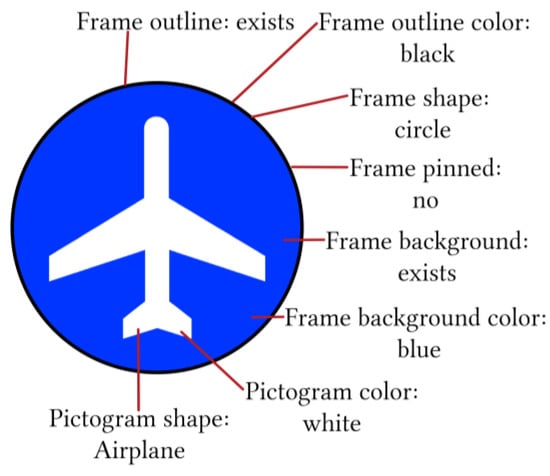
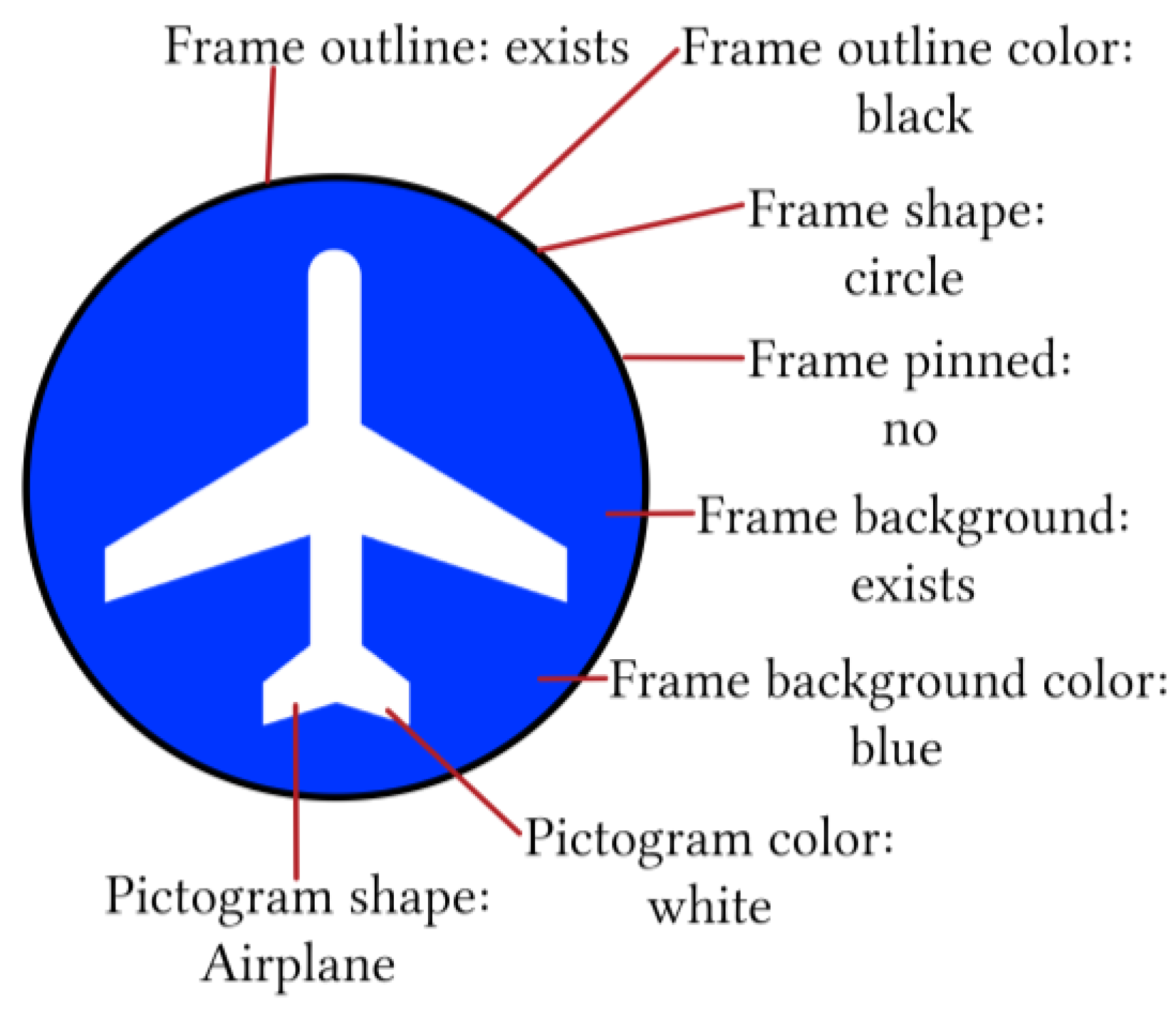
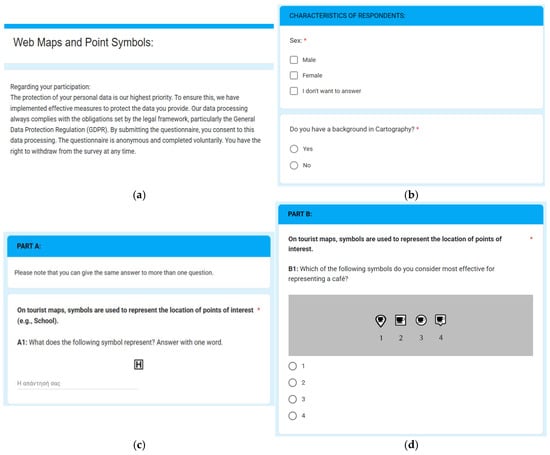
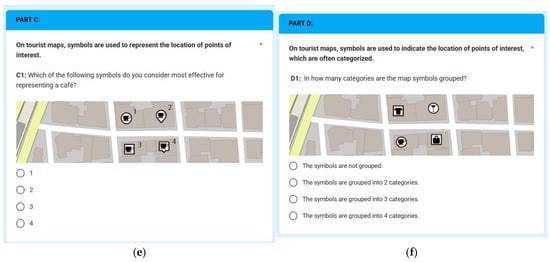
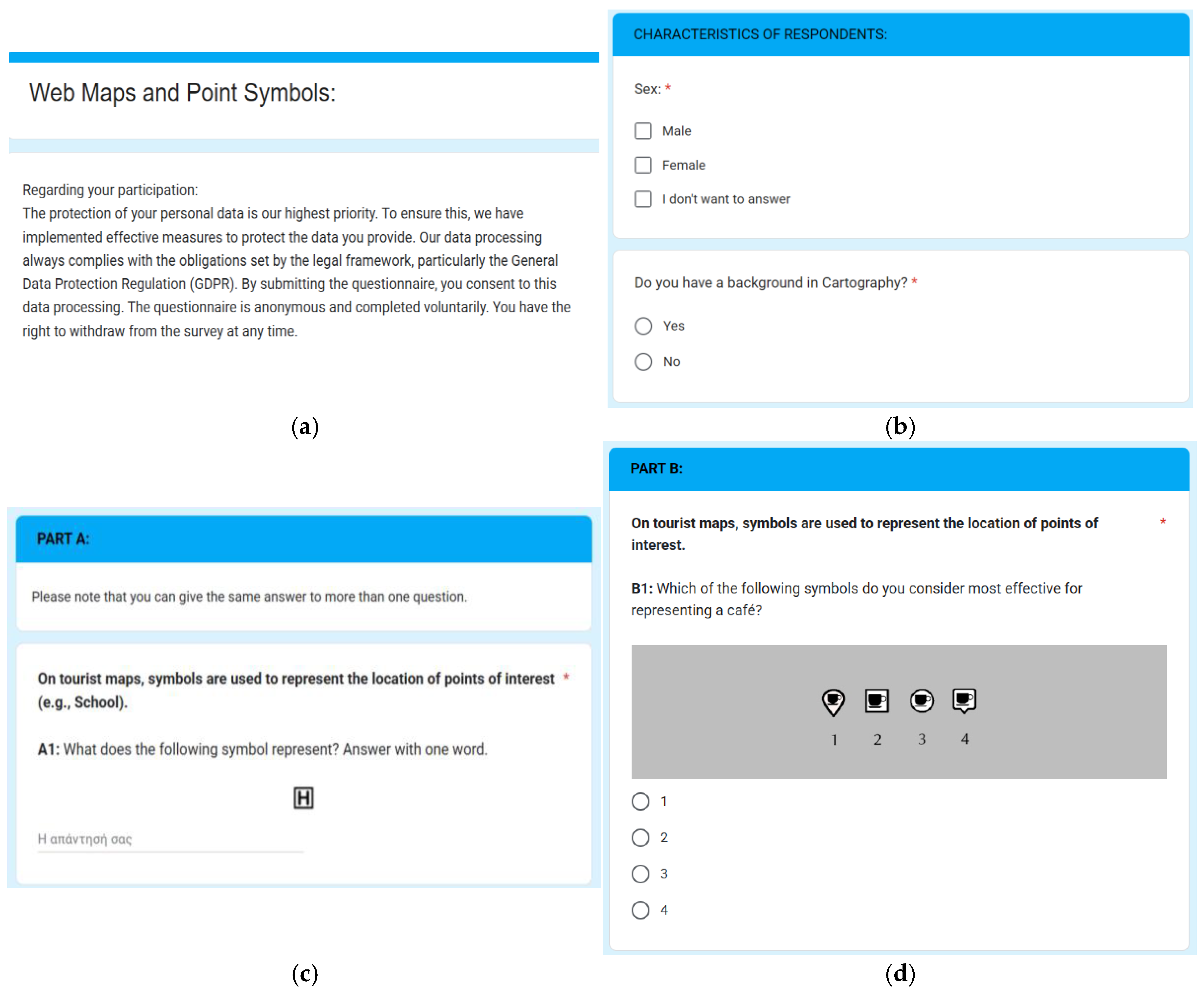
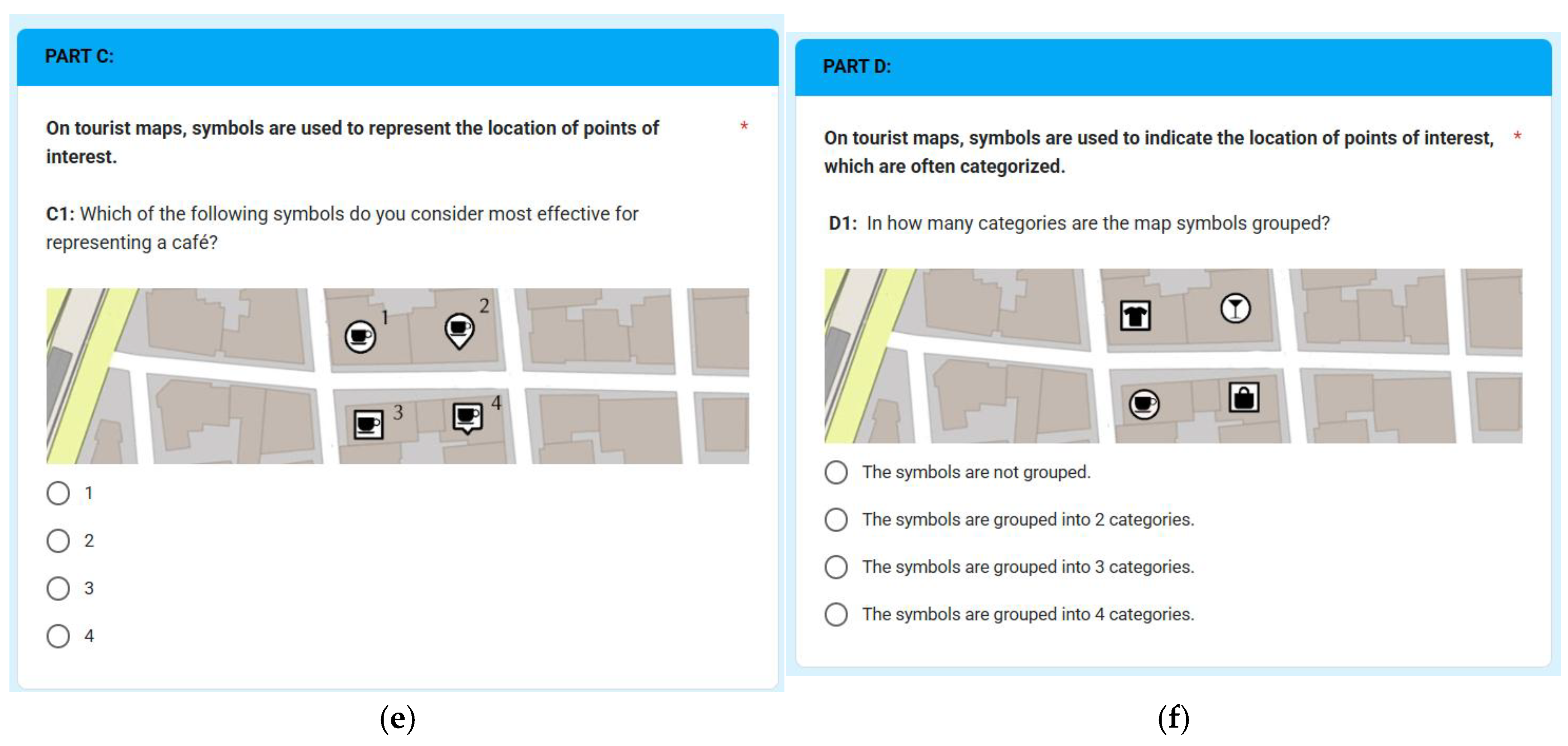
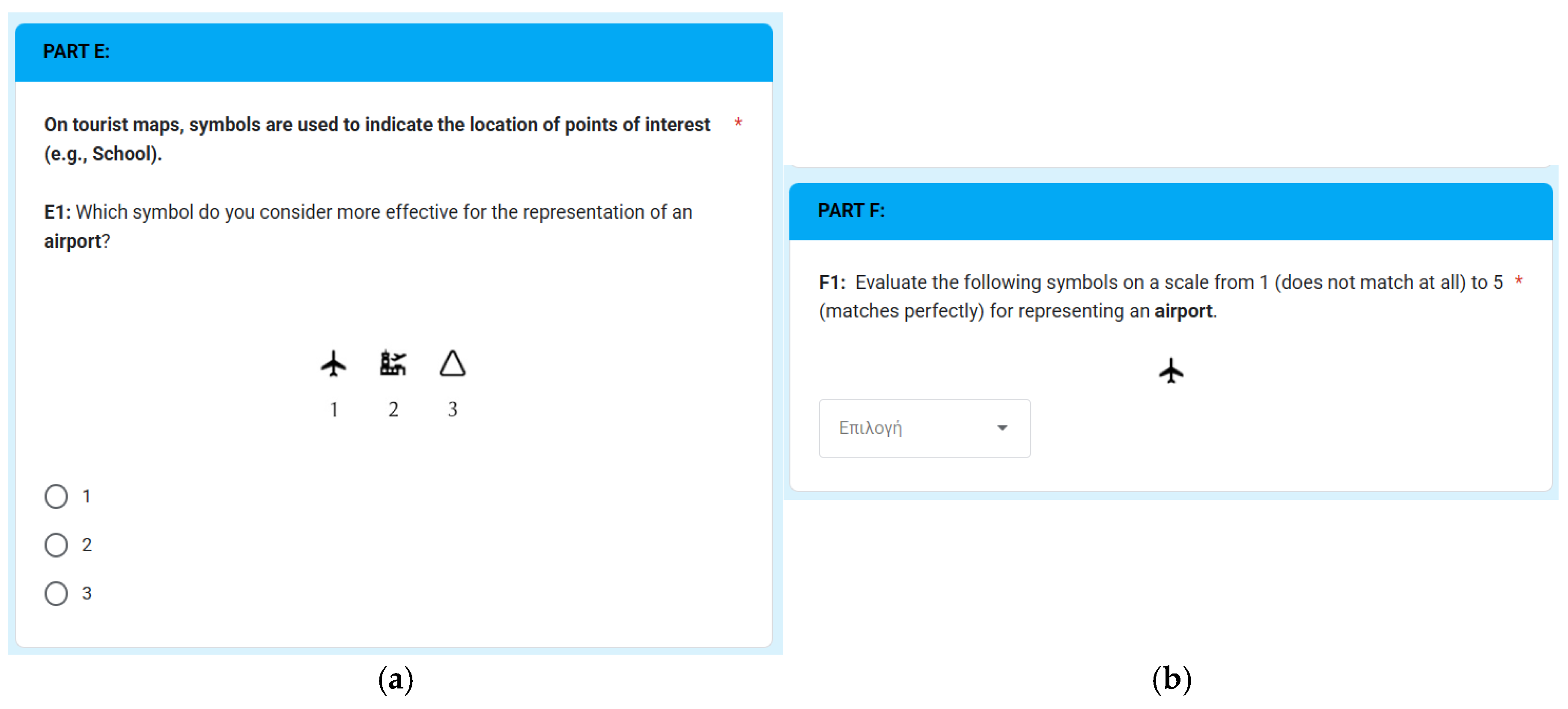
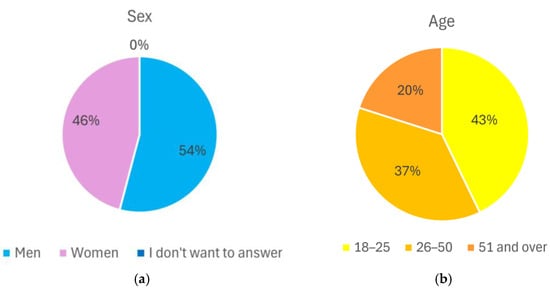
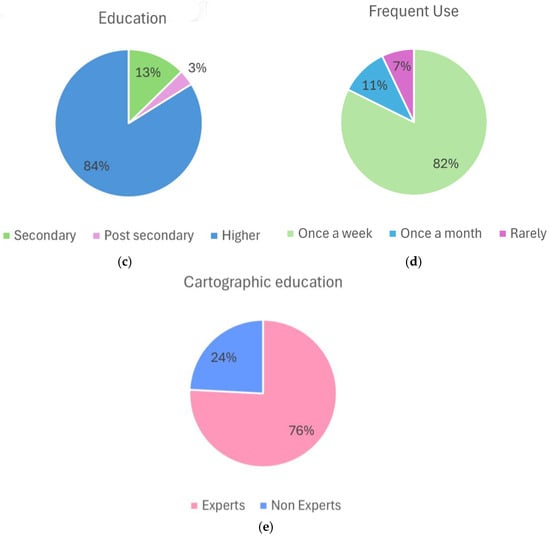
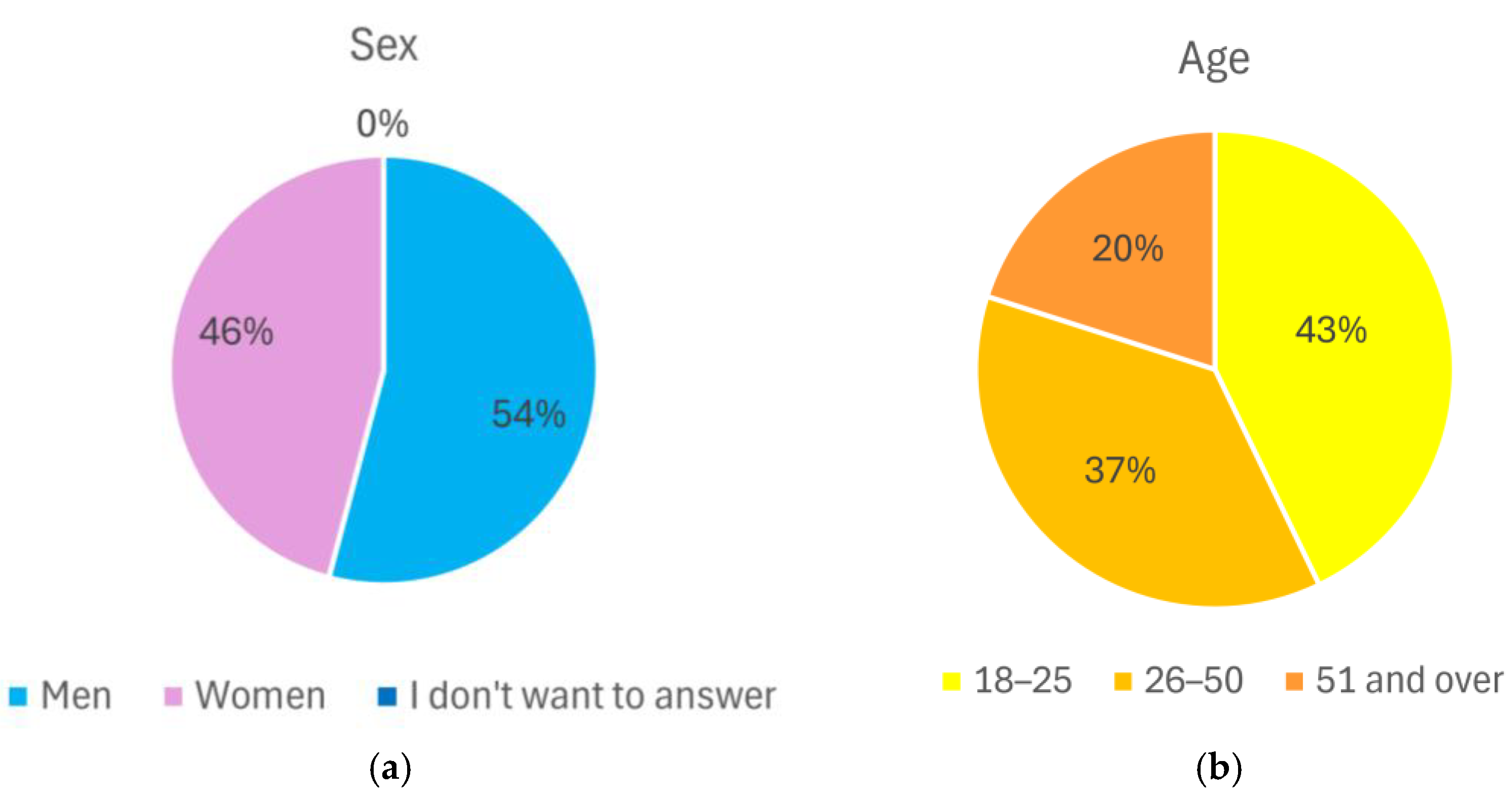
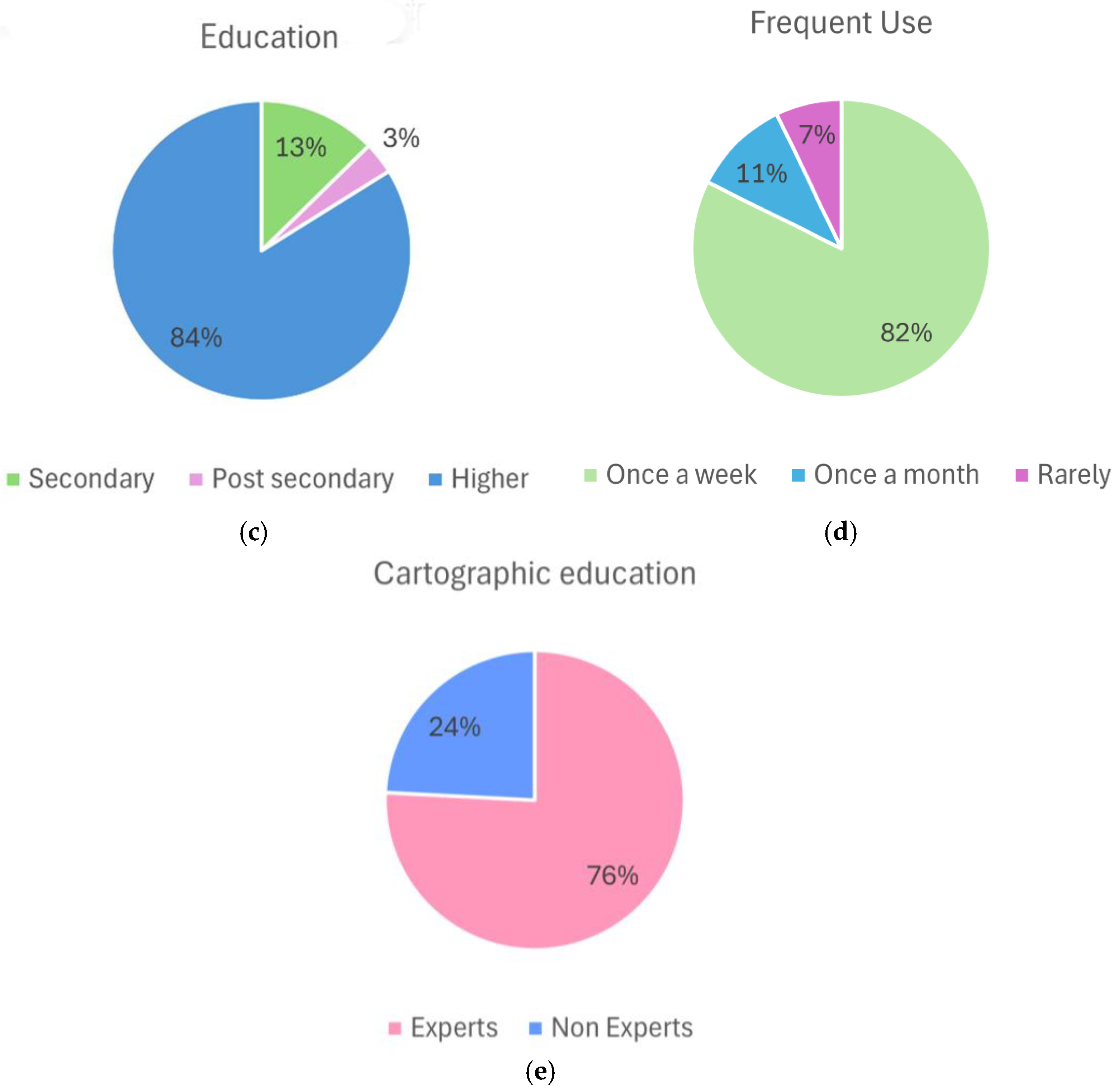
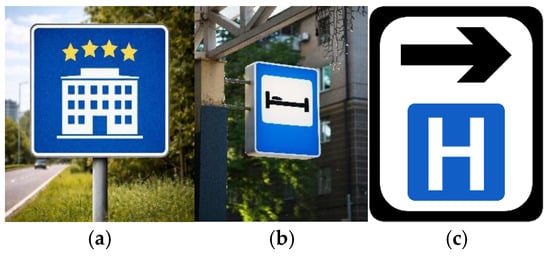
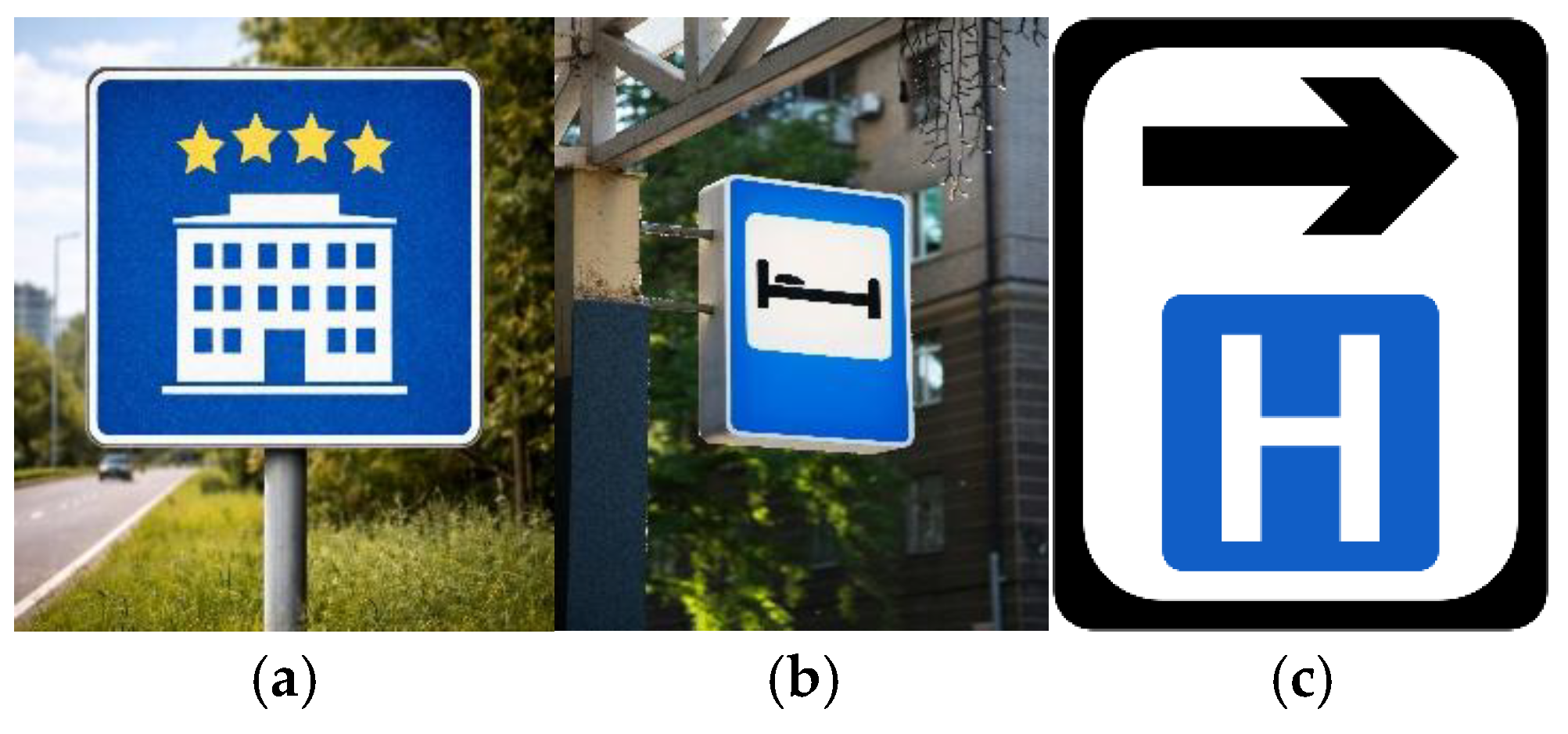
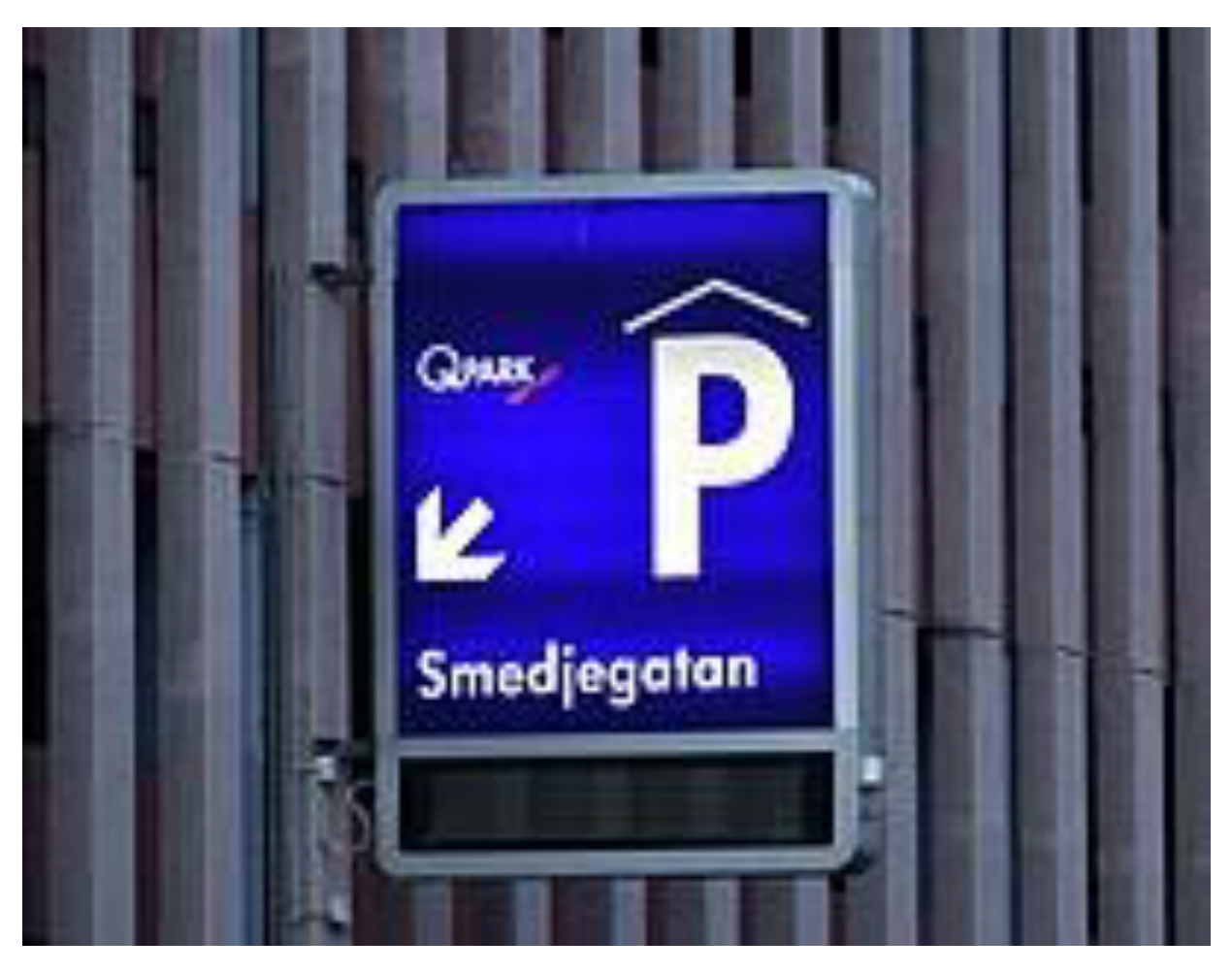
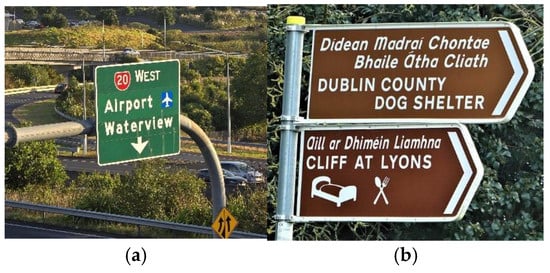
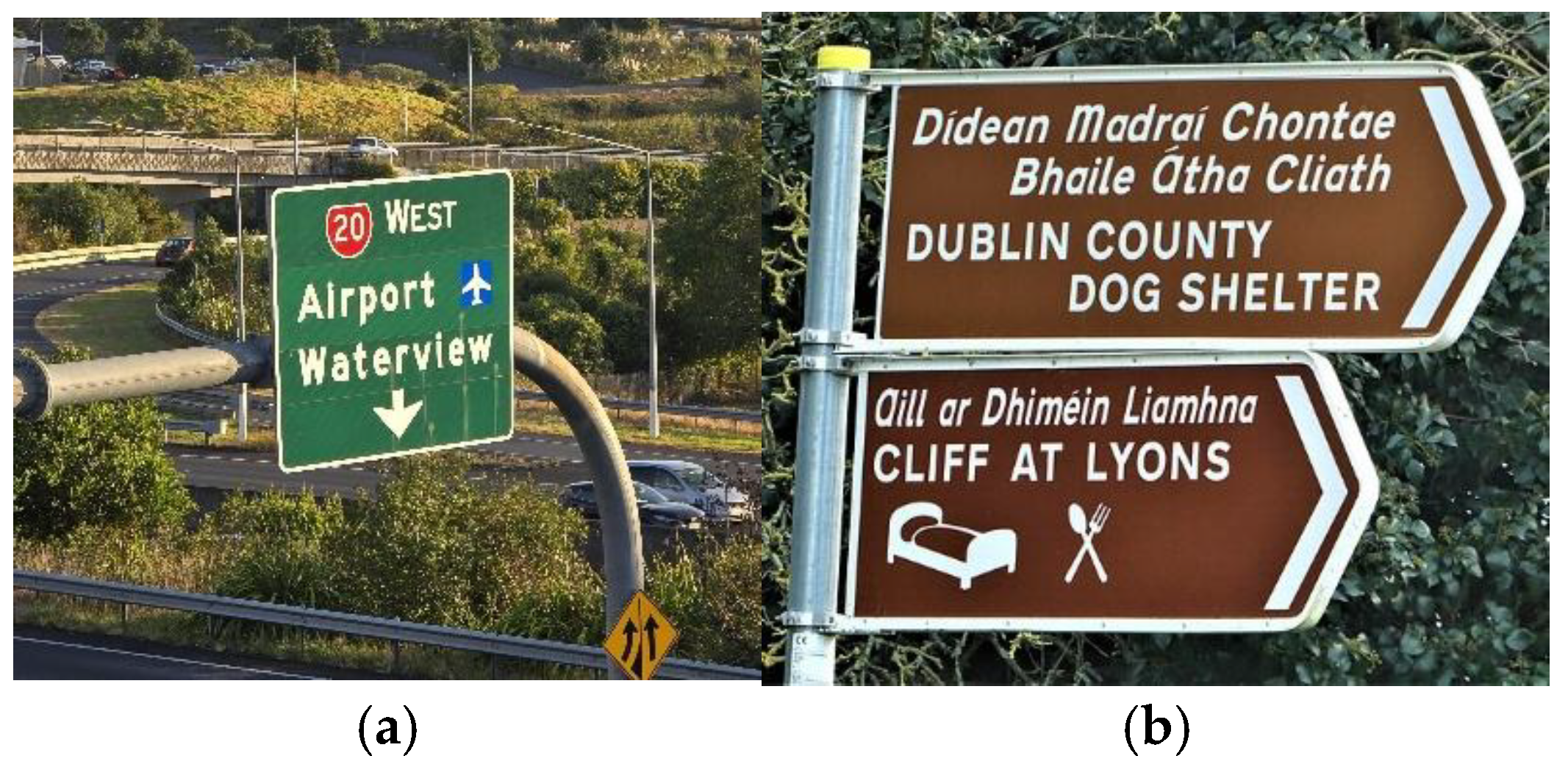
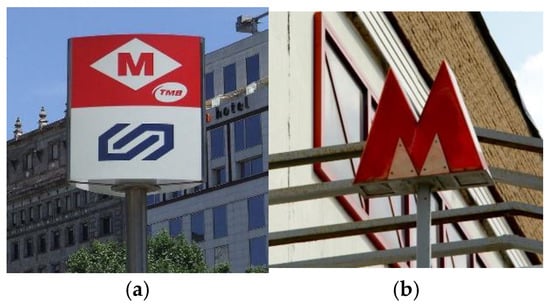
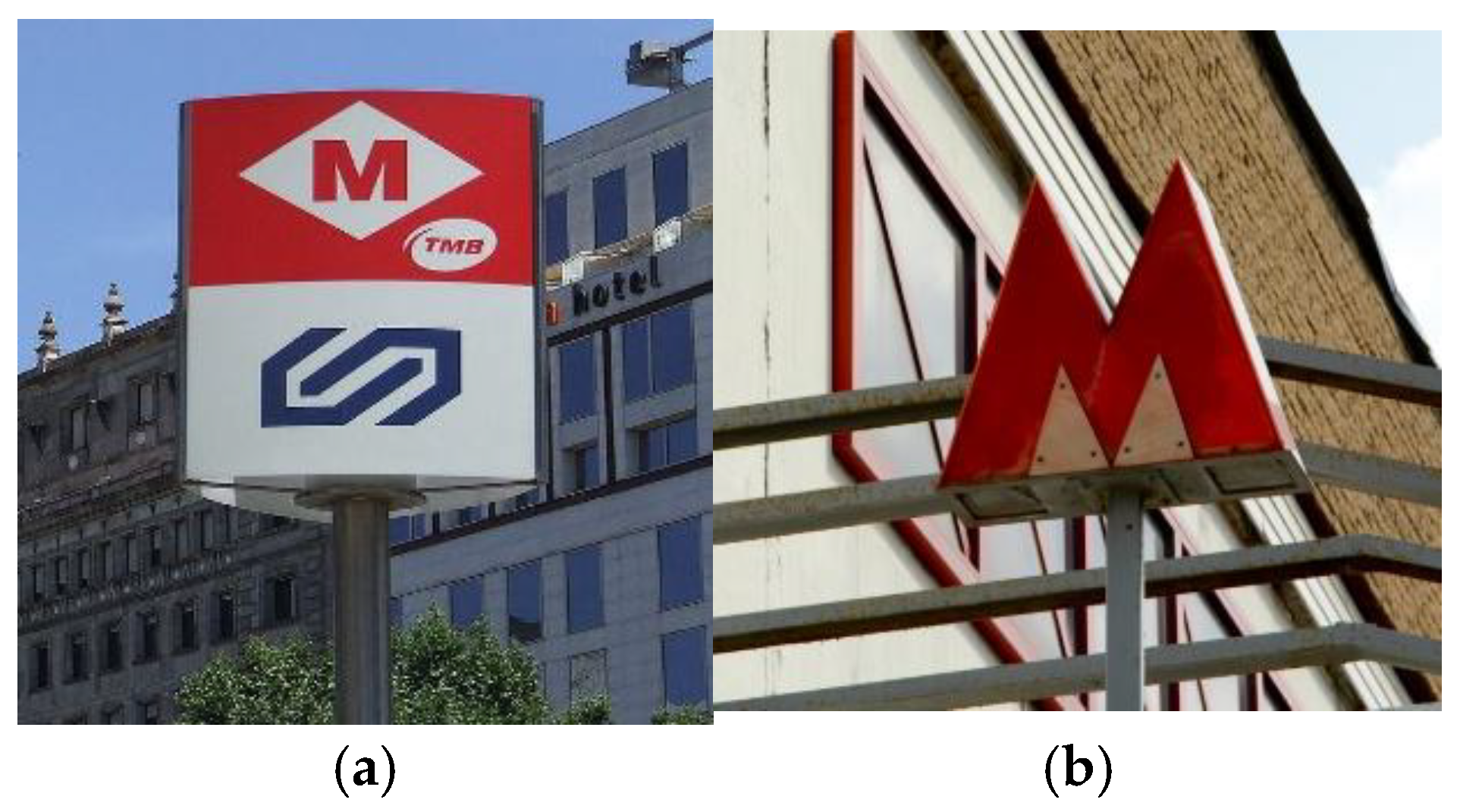
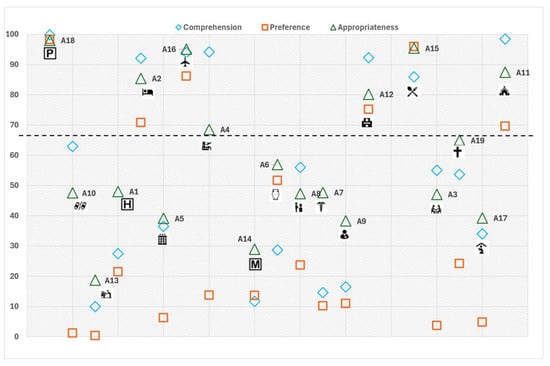
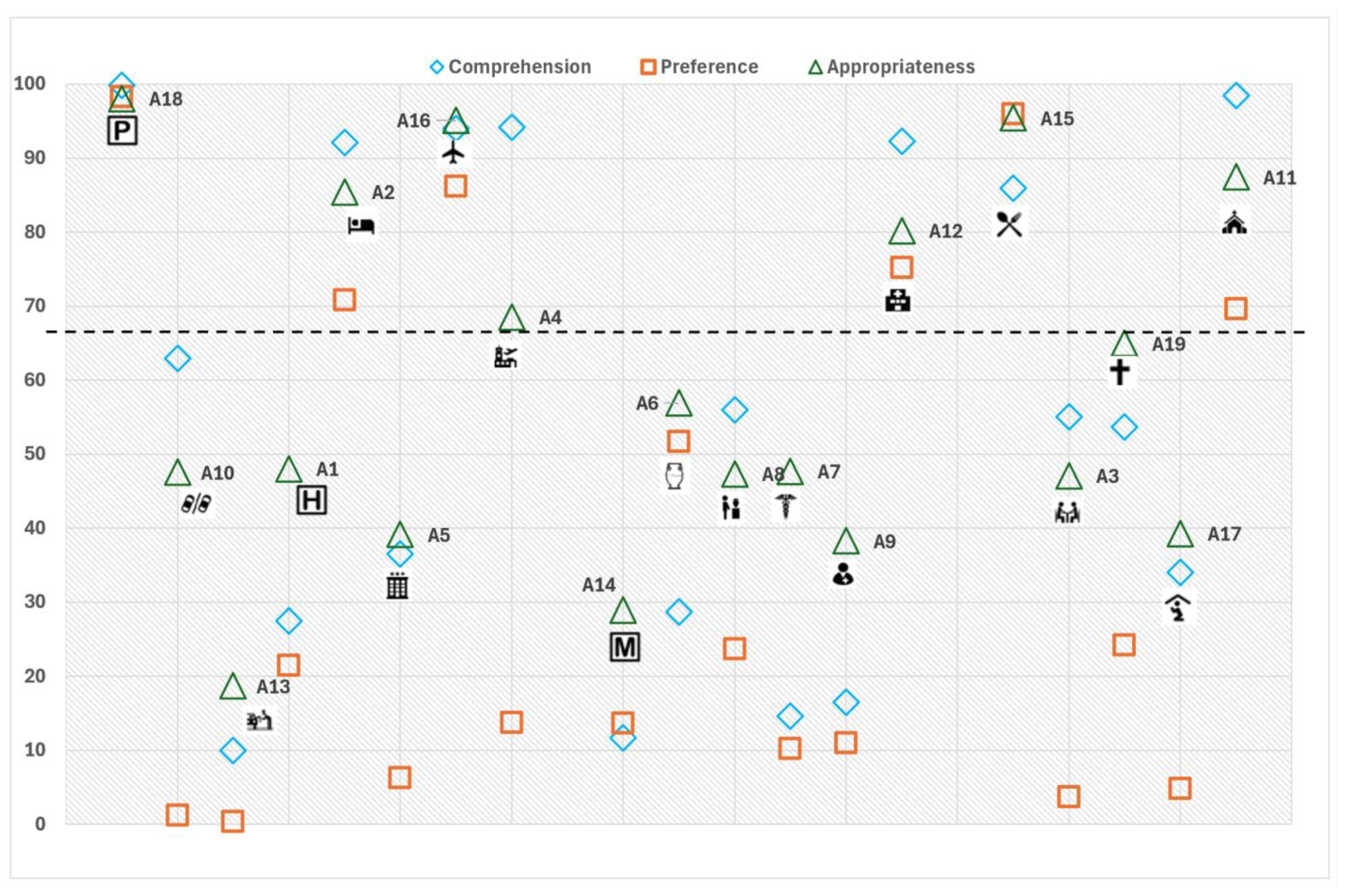

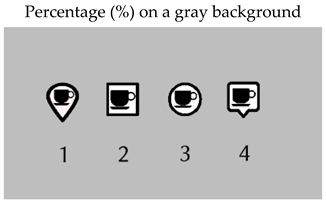
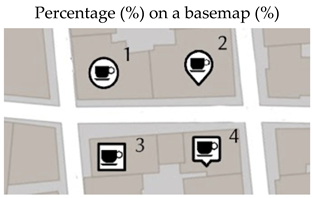


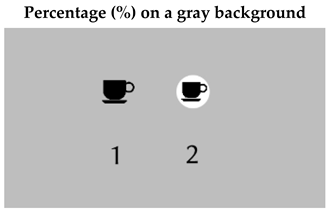
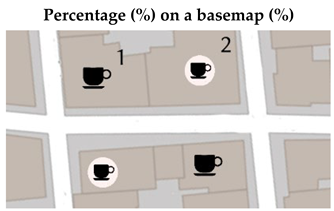
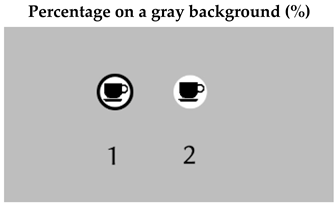
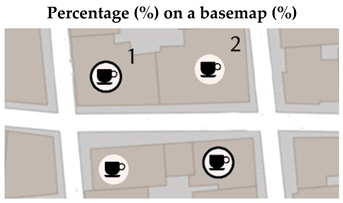
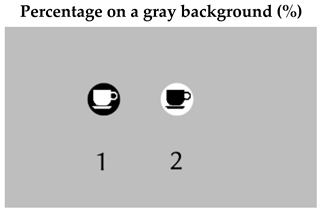
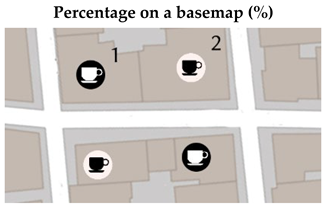
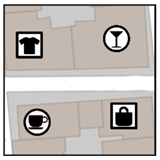
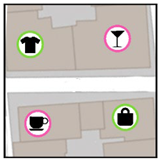
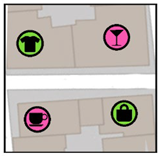
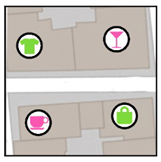
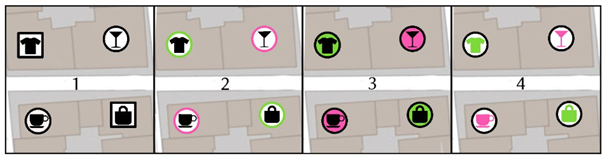


Disclaimer/Publisher’s Note: The statements, opinions and data contained in all publications are solely those of the individual author(s) and contributor(s) and not of MDPI and/or the editor(s). MDPI and/or the editor(s) disclaim responsibility for any injury to people or property resulting from any ideas, methods, instructions or products referred to in the content. |
© 2026 by the authors. Published by MDPI on behalf of the International Society for Photogrammetry and Remote Sensing. Licensee MDPI, Basel, Switzerland. This article is an open access article distributed under the terms and conditions of the Creative Commons Attribution (CC BY) license.